

Understanding the Importance of Car Frame Materials
The car frame, also known as the chassis, is a critical component in any vehicle. It serves as the backbone that supports not only the car’s body but also its engine, transmission, and other vital parts. This frame is responsible for correctly distributing weight and maintaining vehicle balance, positively impacting driving performance. The material used to construct this vital part needs to be durable, robust, and well-designed, playing a significant role in determining its durability, crash safety, performance, fuel economy, and even environmental footprint.
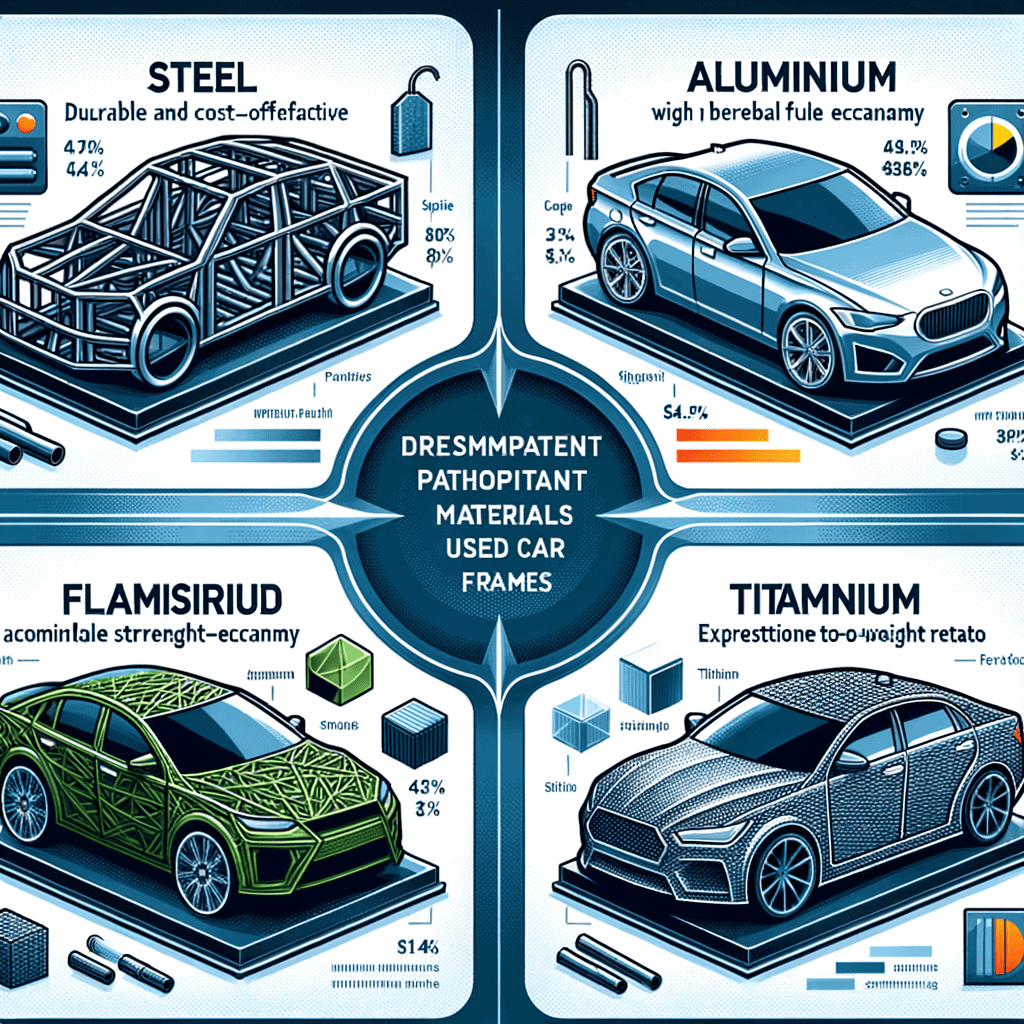
Steel: A Time-Tested Material for Durability
Steel, particularly high-strength steel, has been a popular choice for car frames since the industrial revolution brought the inception of automobiles. Renowned for its toughness and affordability, steel provides excellent rigidity while ensuring your vehicle can endure harsh road conditions or weather changes. This longevity is critical considering the average lifespan of cars has been increasing over time.
Despite its advantages, it’s worth considering that steel is heavier than alternative materials such as aluminum or fiberglass. This increased weight may impact fuel efficiency—an important factor in our increasingly environmentally-conscious world where reducing emissions is crucial. Furthermore, although steel has a high resistance to impact due to its strength properties, it’s not immune to damage which could lead to potential repair costs over time.
Aluminum: Lightweight Yet Strong
As contemporary engineering advances continue to push boundaries in automotive design and manufacturing processes evolve further towards lightweighting vehicles without compromising structural integrity or safety standards; auto manufacturers have turned their attention toward aluminum. Being approximately one-third the weight of steel yet possessing comparable strength characteristics makes aluminum an ideal choice for enhancing fuel efficiency—paramount to lowering emissions and operating costs.
Interestingly, despite its reduced weight, aluminum is well-regarded for its reliability. Besides offering a substantial weight reduction, aluminum possesses excellent strength, firmness, and safety ratings while also demonstrating exceptional resistance to corrosion—a significant factor in ensuring vehicle longevity even in harsh environments.
Fiberglass: An Innovative Choice
The adoption of fiberglass, although less common than steel or aluminum, presents several unique advantages for car frames. Outstanding flexibility, lightness, and an impressive strength-to-weight ratio characterize this composite material known to absorb high energy during collisions—making a big difference in driver safety.
Additionally, fiberglass frames are appreciated not only for their functional properties but also their aesthetic appeal. The easy moldability of fiberglass allows manufacturers to create sleek and stylish designs that can be customized according to specific requirements. However, it’s important to note that fiberglass frames may have higher repair costs compared to traditional materials due to the specialized expertise required for repairs.
Titanium: Premium Strength-to-Weight Ratio
At the premium end of car frame materials stands titanium. Its compelling strength-to-weight ratio ensures superior performance and safety ratings without significantly increasing the vehicle’s overall weight. This characteristic makes titanium particularly desirable in high-end sports and luxury cars where both performance and comfort are paramount considerations.
Still, even if cost may not be an issue for some owners, they should consider that titanium production processes are generally less environmentally friendly compared to other materials like steel or aluminum. For those who value sustainable and responsible production practices as part of their purchasing decision-making process, this might be an important aspect to take into account.
In summary, understanding the importance of car frame materials is crucial when considering factors such as durability, crash safety, performance, fuel economy, and environmental impact. Steel has long been a time-tested choice for its toughness and affordability, while aluminum offers lightweight yet strong characteristics that enhance fuel efficiency. Fiberglass presents an innovative option with flexibility and high energy absorption capabilities, although it may come with higher repair costs. Titanium stands out as a premium material with superior strength-to-weight ratio but is less environmentally friendly in production processes. By considering these factors, car owners can make informed decisions when choosing the right frame material for their vehicles.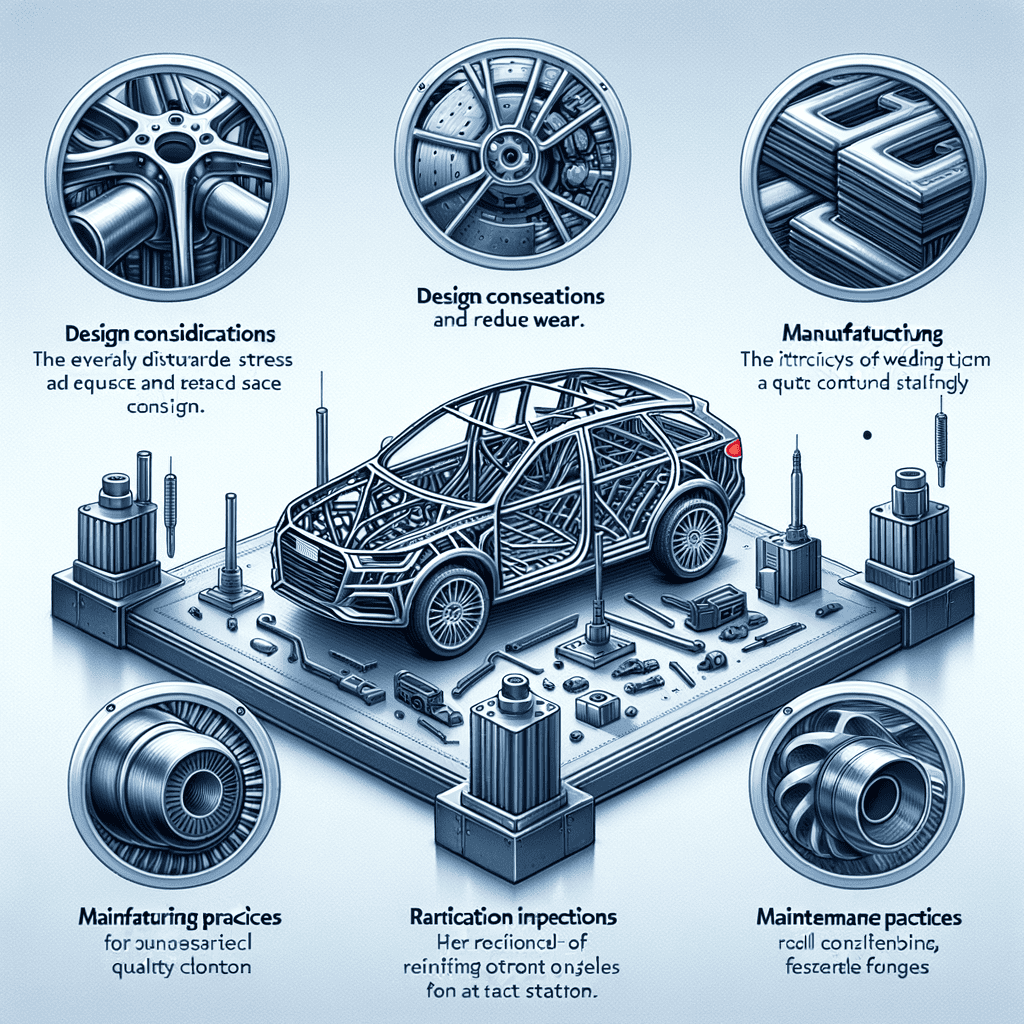
Evaluating Factors Beyond Material Selection: Ensuring Durability and Longevity of Car Frames
When constructing the ideal car frame, more than just the material comes into play. Other critical considerations like the design of the vehicle, manufacturing practices, maintenance routines, and additional factors can significantly influence the endurance and longevity of a car’s frame.
Design Considerations for Enhanced Durability
The car frame’s design plays a crucial part in dictating its durability. A well-thought-out design that ensures the even distribution of stress throughout the structure can mitigate damage to individual sections of the car, improving overall longevity. Additionally, incorporating strategic crumple zones and safety features into the design enhances both passenger protection and resilience without compromising structural integrity.
Focusing on aerodynamics is another essential aspect of car frame design. Streamlined shapes reduce drag forces acting on the vehicle during motion, enhancing fuel efficiency while minimizing wear and tear on components.
Innovative Manufacturing Processes for Stronger Joints
The role of advanced manufacturing processes in constructing a durable car frame cannot be overstated. The type of welding methods used directly influences joint strength, which contributes greatly to overall frame durability. Utilizing techniques like laser or ultrasonic welding offers higher precision and creates stronger joints compared to traditional methods.
Besides welding, adhesive bonding has emerged as an alternative method for joining different parts of a car frame together. This technique provides excellent load transfer capabilities while reducing weight by eliminating bulky welds.
Maintenance Practices: Preserving Performance and Safety
Proper maintenance practices greatly extend the car frame’s lifecycle. Regular checks and timely maintenance help identify potential issues in their early stages, preventing minor problems from escalating into severe or irreparable damage, thereby safeguarding both the performance and safety of the vehicle.
Implementing comprehensive inspection protocols that encompass not only the frame but also suspension components, steering systems, and other critical parts ensures optimal functionality and longevity. Additionally, routine lubrication of moving parts minimizes friction-induced wear and tear, preserving the overall integrity of the car frame.
The Role of Advanced Technologies
Advancements in technology have also contributed significantly to improving car frame durability. The integration of advanced materials like carbon fiber composites offers exceptional strength-to-weight ratios, enhancing overall structural integrity while reducing weight. Additionally, computer-aided design (CAD) software allows for precise modeling and simulation, optimizing frame designs for maximum efficiency and resilience.
Incorporating smart technologies within car frames can provide real-time monitoring capabilities to detect potential issues such as stress concentrations or material fatigue. These sensors enable early intervention before significant damage occurs, ensuring prolonged lifespan and enhanced safety.
Sustainability Considerations: Building a Greener Future
Addressing sustainability concerns is becoming increasingly important in car frame construction. Choosing eco-friendly manufacturing processes that minimize waste generation and reduce energy consumption contributes to a more sustainable automotive industry. Furthermore, utilizing recyclable materials in car frame production helps reduce environmental impact by promoting circular economy practices.
In conclusion, when evaluating factors beyond material selection for constructing durable car frames, it is essential to consider design considerations focused on aerodynamics, innovative manufacturing processes including adhesive bonding techniques, meticulous maintenance practices encompassing comprehensive inspections and routine lubrication, leveraging advanced technologies for real-time monitoring, as well as addressing sustainability concerns.
By taking a holistic approach that encompasses these aspects alongside careful material selection, manufacturers can ensure long-lasting performance and passenger safety while meeting evolving industry standards.

Incorporating Technological Advances in Car Frame Materials
The automotive industry is continually advancing, never missing a beat in its relentless pursuit of engineering excellence. Revolutionary materials and technologies surface regularly, improving vehicle performance while striving towards greater sustainability and efficiency.
Significant strides are being made in the development of innovative car frame materials, aimed at creating lighter, stronger, and more sustainable alternatives to conventional materials. These advances have the potential to reshape the way cars are constructed, causing a seismic shift towards more durable, high-performance, and environmentally friendly vehicles.
Ceramic Matrix Composites (CMCs)
An exciting front-runner in this race towards improved car frame materials is the Ceramic Matrix Composites (CMCs). This burgeoning technology presents a viable replacement for traditional materials like steel, thanks to its exceptional properties of high-temperature resistance and lightness.
While CMCs are still in their developmental stages for mainstream vehicle use, the potential benefits these composites offer could create a seismic shift in the way automobiles are designed and manufactured. Their heat-resistant properties hold significant implications for improving vehicle performance and longevity by reducing thermal stress on critical components.
Nanotechnology-Based Materials
Another notable development is the application of nanotechnology into material science. It’s an exciting advancement that is poised to bring about the next big movement in the automotive industry. Nanomaterials promise to offer lighter yet stronger car frames, harnessing the full potential of both material strength and weight reduction.
The enticing properties of nanomaterials offer enhanced mechanical performance with increased tensile strength and stiffness compared to traditional materials. Additionally, they exhibit excellent thermal stability and increased resistance to wear and tear. These facets may indeed revolutionize the way future automobile frames are built, potentially offering car owners the ability to own vehicles that truly do last a lifetime.
Graphene Reinforced Polymers
A novel material gaining attention in the automotive industry is graphene reinforced polymers. Graphene, a single layer of carbon atoms arranged in a hexagonal lattice, possesses remarkable mechanical properties such as high strength and stiffness. When incorporated into polymer matrices, it enhances their structural integrity while maintaining low weight.
The use of graphene-reinforced polymers in car frame construction can result in lighter yet stronger vehicles with improved fuel efficiency. The exceptional electrical conductivity of graphene also opens up possibilities for integrating smart technologies within the vehicle structure.
Bio-Based Composites
In line with the growing emphasis on sustainability, bio-based composites have emerged as an environmentally friendly alternative for car frame materials. These composites utilize natural fibers derived from renewable sources like hemp or flax, combined with biodegradable resins.
Besides reducing reliance on fossil fuels and lowering carbon emissions during production, bio-based composites offer good mechanical properties and excellent vibration damping characteristics. They contribute to lightweighting efforts without compromising safety or performance standards.
Metallic Foams
An innovative approach to car frame materials involves the use of metallic foams. These foams consist of metal alloys with controlled porosity, resulting in reduced weight while retaining sufficient strength and energy absorption capabilities.
Metallic foams provide enhanced crashworthiness by effectively absorbing impact energy during collisions. Additionally, they exhibit excellent acoustic insulation properties and thermal stability, contributing to overall passenger comfort and safety.
Incorporating these technological advances into car frame materials holds immense potential for transforming the automotive industry. By utilizing Ceramic Matrix Composites, nanotechnology-based materials, graphene-reinforced polymers, bio-based composites, and metallic foams, manufacturers can create vehicles that are lighter, stronger, more sustainable, and safer than ever before. As these innovations continue to evolve and mature, the future of car frame construction looks promising indeed.
Remember to always consult with industry experts and conduct thorough testing before implementing any new materials or technologies in automotive applications.
A Final Word: Choosing Wisely For Longevity
Selecting the right car frame material is a crucial decision that can significantly impact your vehicle’s performance, safety, and lifespan. It’s critical to assess every aspect, including cost, weight, strength, corrosion resistance, maintenance requirements, and environmental sustainability before making a choice.
For instance, lightweight materials like aluminum can provide enhanced fuel efficiency due to decreased payload and improved handling. On the other hand, steel offers high tensile strength for better crash protection and durability. However, it’s necessary to keep in mind that these benefits may come with higher costs or increased susceptibility to rust and corrosion.
Consulting Experts
Professional advice from automotive experts or engineers who specialize in car frames can provide invaluable insights into choosing the best material for your specific needs and budget. Their years of experience and in-depth knowledge allow them to evaluate factors such as structural integrity, repairability, recyclability, overall sustainability practices within the industry, and emerging technologies.
These experts can also offer guidance on potential maintenance issues associated with different materials. By considering their recommendations regarding regular inspections and appropriate care techniques using eco-friendly products when possible, you’ll ensure optimal longevity for your chosen car frame material while minimizing its environmental impact.
Evaluating Personal Needs
Your personal needs, such as driving habits (city commuting or long-distance travel), geographical location (which affects weather conditions), intended use of the vehicle (e.g., family transportation or sports car applications), aesthetic preferences (classic design or modern aesthetics), and even future plans for modifications should guide your selection process.
If you frequently drive in harsh conditions characterized by extreme temperatures or corrosive environments like coastal areas where saltwater exposure is common, materials with high durability and corrosion resistance like stainless steel or advanced composites might be more suitable choices. Conversely, if you prioritize agility and fuel efficiency for urban driving scenarios or sports cars applications, lightweight materials such as carbon fiber composites or aluminum alloys may be more appealing.
Making an Informed Decision
In conclusion, while there are several materials available for car frames, each with their unique advantages and trade-offs, it ultimately boils down to making an informed decision based on comprehensive research and personal preferences.
Whether you value the lightweight and corrosion-resistant properties of aluminum, the affordability and strength of steel, the high-performance characteristics of carbon fiber composites, or even emerging technologies like magnesium alloys or bio-based polymers that offer sustainable alternatives, your choice should align with your needs and lifestyle. It’s essential to strike a balance between cost-effectiveness, safety features, environmental impact considerations (such as reducing greenhouse gas emissions), long-term durability, recyclability potential at end-of-life stage to ensure your vehicle provides optimal performance and longevity throughout its lifespan.
Remember that selecting the right car frame material is a long-term investment in both your driving experience and the overall sustainability of transportation. By considering expert advice from professionals who stay up-to-date with industry advancements, evaluating your personal needs comprehensively within the context of evolving societal expectations towards eco-friendly practices in automotive manufacturing processes, conducting thorough research into various material options’ pros and cons using reliable sources such as scientific studies or reputable automotive publications, you can make a well-informed decision that ensures your vehicle lasts a lifetime while meeting all your requirements.


