
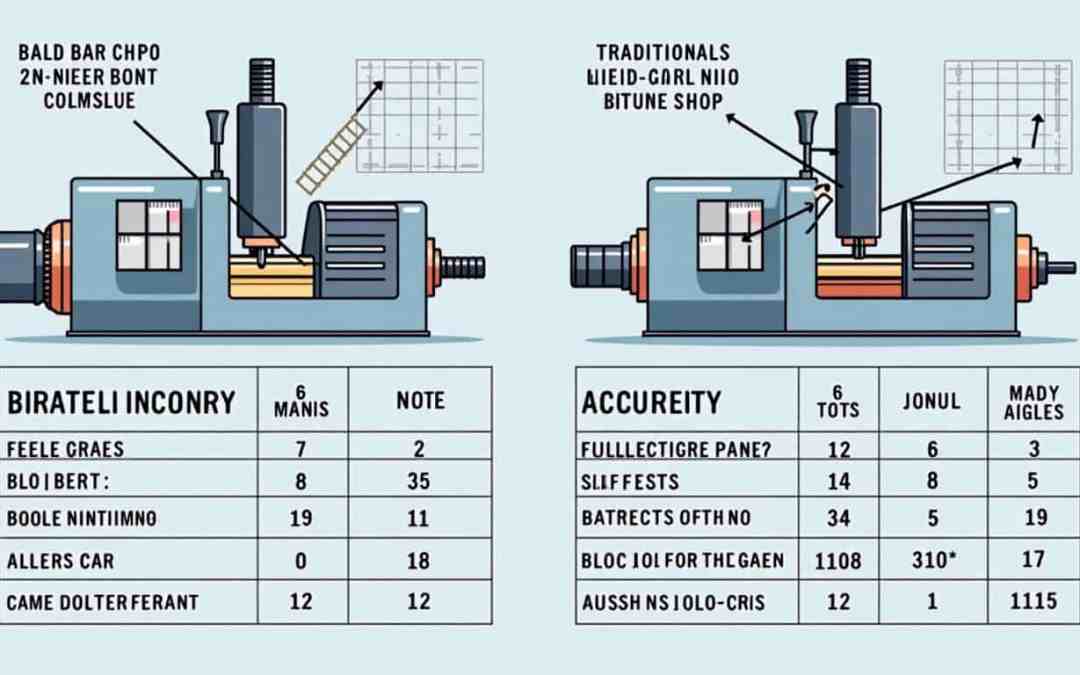
CNC Calibration Techniques: Ball Bars vs. Traditional Methods
Calibrating CNC machines is vital for ensuring precision and accuracy in manufacturing. Two popular calibration approaches exist: the utilization of ball bars and traditional methods. In this blog post, we delve into these techniques, exploring their strengths and weaknesses to aid engineers, CNC operators, and manufacturers in choosing the best calibration method for their needs.
Introduction
In the world of CNC machine calibration, precision reigns supreme. From achieving high-quality finishes to ensuring repeatable production, calibration is foundational. Today, we’ll dive deep into two prominent calibration methods: ball bars and traditional approaches, comparing their efficacy, usability, and practical applications.
Meeting the CNC Calibration Challenge
Accurate CNC calibration ensures that machines perform consistently, yielding high-quality products. Errors from misalignment or geometrical inaccuracies can lead to costly downtime and production defects. Understanding these calibration methods helps in maintaining the optimal functioning of CNC machinery.
Table of Key Differences
| Feature | Ball Bars | Traditional Methods |
|---|---|---|
| Effectiveness | Highly Accurate | Basic Adjustments |
| Usability | Easy setup and quick tests | Labor-Intensive and Time-Consuming |
| Precision | ±0.5 micron sensitivity | Prone to Human Error |
| Cost | Moderate | Low |
| Applications | Dynamic Path Accuracy | Axes and Spindle Alignment |
Performance Showdown: Which Technique Delivers More?
Ball Bars
Ball bars excel in dynamic testing. They accurately measure the CNC machine’s performance while in motion, detecting errors such as backlash and geometry imperfections. They operate across multiple axes, diagnosing errors in various planes efficiently.
Traditional Methods
Traditional methods focus on manually verifying axes and spindle alignment with tools like dial gauges. They’re effective for basic error correction but fall short in detecting dynamic or geometric errors, often requiring more time and effort.
Key Takeaways
Ball bars offer superior performance in dynamic path testing but are limited in multidimensional error detection. Traditional methods, although foundational, lack the precision needed for deeper accuracy checks.
User Experience: Navigating Ease of Use
Ball Bars
Ball bars are favored for their ease of use, setup, and rapid testing, which typically concludes in under 15 minutes. The accompanying software guides even novice users through the setup process, making it a practical tool for frequent checks.
Traditional Methods
Traditional methods are inherently more labor-intensive. They require experience to execute accurately and can be prone to human error. Their simplicity, however, makes them accessible to those without specialized equipment.
Key Takeaways
Ball bars are more user-friendly, particularly for those who value frequent and efficient machine checks. Traditional methods are simpler but demand more manual effort and skill.
Cost Analysis: Getting the Best Value
Ball Bars
Ball bars sit in a moderate cost-range but offer value by reducing production downtime through predictive maintenance and accuracy enhancements, which mitigates expensive errors.
Traditional Methods
These methods are cost-effective initially, using readily available tools. However, the time and labor investment required for accurate results may lead to indirect costs.
Key Takeaways
Ball bars provide better cost efficiency over time by enhancing machine accuracy and minimizing downtime. Traditional methods offer low immediate costs but can incur hidden expenses due to inefficiencies.
Long-Term Support: Reliability Over Time
Ball Bars
Known for their comprehensive diagnostics, ball bars detect and document numerous errors, offering preventative maintenance insights that significantly reduce unscheduled downtime.
Traditional Methods
The longevity of traditional methods is tied to regular maintenance checks. While they provide foundational adjustments, they lack the proactive diagnostic capabilities found with ball bars.
Key Takeaways
Ball bars deliver reliable long-term support through detailed diagnostics and preventive maintenance, unlike traditional methods, which require more frequent manual intervention.
Real-World Applications: Putting Ideas Into Practice
Ball Bars
Case studies reveal ball bars’ effectiveness in achieving compliance with international standards, like ISO 10791-6, which enhances a company’s production quality and reliability.
Traditional Methods
Traditional methods remain indispensable for basic machine setup checks but are supplemented with advanced techniques for complex accuracy enhancements.
Key Takeaways
Ball bars prove more effective in modern, high-precision manufacturing environments, whereas traditional methods mainly serve as supplementary checks.
Pros and Cons: Weighing the Advantages and Disadvantages
Ball Bars
Pros:
- High precision and accuracy
- Quick diagnostic process
- Reduces production downtime
Cons:
- Requires specialized equipment
- Limited to certain testing scenarios
Traditional Methods
Pros:
- Low initial cost
- Familiar to many operators
Cons:
- Labor-intensive
- Prone to human error
Key Takeaways
Ball bars offer significant precision and efficiency, while traditional methods provide a cost-effective but less comprehensive alternative.
Conclusion: Final Verdict
Choosing the Right Idea for You
After exploring these methods, it’s clear that the choice between ball bars and traditional calibration methods depends on your specific needs. For those prioritizing precision and efficiency, ball bars are invaluable, offering comprehensive diagnostics and reduced production interruptions. Conversely, traditional methods are suited for simple machine setup and basic checks without major expense.
Recommendations
For high-precision environments, integrating ball bar testing ensures consistent results. Meanwhile, traditional methods serve well in scenarios demanding basic setup adjustments.
Call to Action
What are your experiences with CNC machine calibration? Share your thoughts or additional insights in the comments below. For more in-depth exploration of advanced calibration technologies, stay tuned to our blog.


