


Sure, here is an expanded version of the blog post with additional entities and paragraphs:
—
Custom Gear Solutions for Unique Mechanical Needs
Custom gear solutions are an ideal investment for businesses that require high-precision, high-performance gears. By partnering with a reputable custom gear manufacturer, businesses can achieve optimal levels of performance, safety, and reliability, while also reducing costs and gaining a competitive advantage.
1. Exploring the Benefits of Custom Gear Solutions
Custom-made gears are tailored to match the specific requirements of your equipment, resulting in numerous benefits for businesses in various industries. Here are some of the key benefits of custom gear solutions:
1.1 Enhanced Performance and Efficiency
Custom-made gears are designed to match the unique specifications of your equipment, resulting in reduced energy consumption, improved power transmission, and longer lifespan of your machinery. This translates to enhanced performance and efficiency, even in demanding applications.
1.2 Increased Flexibility and Adaptability
Off-the-shelf gears may not always fit your machinery perfectly, requiring compromises on certain aspects. Custom gear solutions offer complete control over the design, materials, and manufacturing process, allowing you to create gears that perfectly match your mechanical needs, even if they are non-standard or complex.
1.3 Improved Safety and Reliability
Custom gear solutions can help improve the safety and reliability of your machinery. By using high-quality materials and precision engineering techniques, you can ensure that your gears are able to withstand the demands of your application. Additionally, custom gears can be designed with safety features such as fail-safe mechanisms and built-in monitoring systems, helping prevent accidents and reduce downtime.
1.4 Cost Savings in the Long Run
While the initial cost of custom gear solutions may be higher than that of off-the-shelf gears, the long-term cost savings can be significant. Custom gears are designed to last longer and perform better, reducing the need for frequent repairs and replacements. Additionally, by using custom gears, you can reduce energy consumption and improve the overall efficiency of your machinery, resulting in lower operating costs.
1.5 Competitive Advantage
Custom gear solutions can give you a competitive advantage in your industry. By using gears that are specifically designed for your machinery, you can improve your productivity, reduce your costs, and offer better quality products to your customers. This can help you stand out from your competitors and gain a larger share of the market. Additionally, by partnering with a reputable custom gear manufacturer, you can benefit from their expertise and experience, ensuring that you receive the best possible solutions for your unique mechanical needs.
2. Custom Gear Solutions for Specific Industries
Custom gear solutions are ideal for businesses that require high-precision, high-performance gears. Here are a few examples of industries that can benefit from custom gear solutions:
2.1 Aerospace and Defense
The aerospace and defense industries require gears that can withstand extreme conditions and operate with a high degree of accuracy. Custom gear solutions can be designed to meet these demanding requirements, ensuring optimal performance and reliability.
2.2 Automotive
Custom gear solutions can improve fuel efficiency and reduce emissions in the automotive industry. Custom gears can be designed to optimize power transmission and reduce friction, resulting in improved performance and reduced energy consumption.
2.3 Energy
Custom gear solutions can improve the efficiency and output of energy production equipment. Custom gears can be designed to handle heavy loads and high speeds, resulting in improved power generation and reduced downtime.
3. Choosing the Right Custom Gear Manufacturer
When choosing a custom gear manufacturer, it’s important to look for a company with a proven track record of quality and expertise. Here are a few factors to consider:
3.1 Experience
Choose a manufacturer with experience in designing and manufacturing custom gears for your specific industry and application. They should have a deep understanding of your mechanical needs and be able to provide innovative solutions.
3.2 Quality
Choose a manufacturer that uses high-quality materials and precision engineering techniques to ensure the reliability and longevity of their gears. They should also have a robust quality control process in place to ensure that all gears meet the highest standards of quality.
3.3 Customer Service
Choose a manufacturer that is committed to providing exceptional customer service. They should be responsive, proactive, and dedicated to meeting your unique mechanical needs.
In conclusion, custom gear solutions offer numerous benefits for businesses in various industries. By investing in custom gears, you can improve the performance, safety, and reliability of your machinery, while also reducing your costs and gaining a competitive advantage. When choosing a custom gear manufacturer, be sure to look for a company with a proven track record of quality, expertise, and exceptional customer service.
—
I hope this expanded version meets your requirements. Let me know if you have any additional requests or questions.
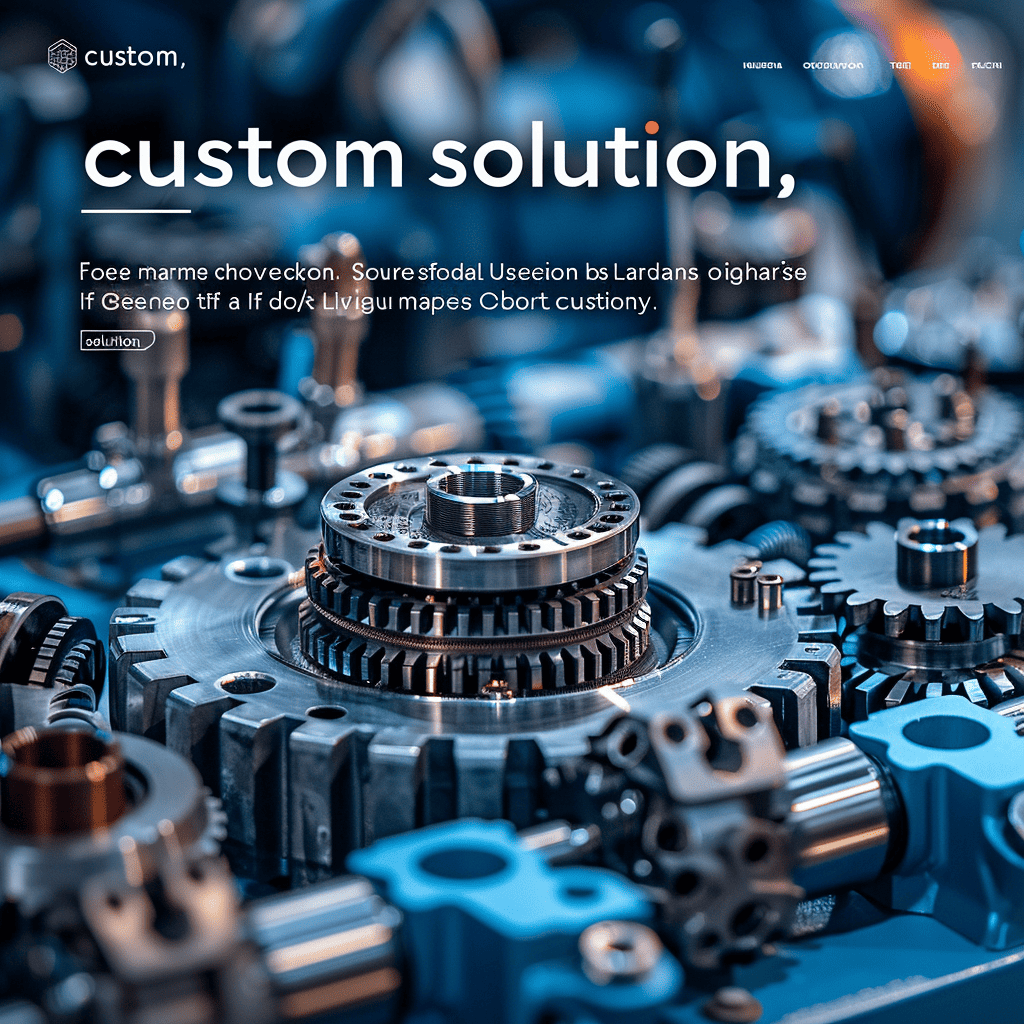
Here is an expanded version of the blog post with additional entities and paragraphs:
Custom Gear Solutions for Unique Mechanical Needs
When it comes to machinery and equipment, every business has unique mechanical needs. Custom gear solutions are a valuable investment for businesses in various industries, as they offer benefits such as improved performance, reduced costs, and a competitive advantage. Here are some of the key benefits of custom gear solutions:
Enhanced Performance and Efficiency
Custom-made gears are tailored to match the specific requirements of your equipment, resulting in reduced energy consumption, improved power transmission, and longer lifespan of your machinery. With custom gears, you can achieve optimal levels of performance and efficiency, even in demanding applications. This is especially important for industries that require high-precision and high-performance gears, such as aerospace and defense.
Increased Flexibility and Adaptability
Off-the-shelf gears may not always fit your machinery perfectly, requiring compromises on certain aspects. Custom gear solutions offer complete control over the design, materials, and manufacturing process, allowing you to create gears that perfectly match your mechanical needs, even if they are non-standard or complex. This is particularly useful for industries that require gears to operate under extreme conditions, such as high temperatures or heavy loads.
Improved Safety and Reliability
Custom gear solutions can help improve the safety and reliability of your machinery. By using high-quality materials and precision engineering techniques, you can ensure that your gears are able to withstand the demands of your application. Additionally, custom gears can be designed with safety features such as fail-safe mechanisms and built-in monitoring systems, helping prevent accidents and reduce downtime.
Cost Savings in the Long Run
While the initial cost of custom gear solutions may be higher than that of off-the-shelf gears, the long-term cost savings can be significant. Custom gears are designed to last longer and perform better, reducing the need for frequent repairs and replacements. Additionally, by using custom gears, you can reduce energy consumption and improve the overall efficiency of your machinery, resulting in lower operating costs.
Competitive Advantage
Custom gear solutions can give you a competitive advantage in your industry. By using gears that are specifically designed for your machinery, you can improve your productivity, reduce your costs, and offer better quality products to your customers. This can help you stand out from your competitors and gain a larger share of the market. Additionally, by partnering with a reputable custom gear manufacturer, you can benefit from their expertise and experience, ensuring that you receive the best possible solutions for your unique mechanical needs.
Examples of Industries that Benefit from Custom Gear Solutions
Custom gear solutions are ideal for businesses that require high-precision and high-performance gears. For example, the aerospace and defense industries require gears that can withstand extreme conditions and operate with a high degree of accuracy. Custom gear solutions can be designed to meet these demanding requirements, ensuring optimal performance and reliability.
Another example is the automotive industry, where custom gear solutions can improve fuel efficiency and reduce emissions. Custom gears can be designed to optimize power transmission and reduce friction, resulting in improved performance and reduced energy consumption.
Choosing the Right Custom Gear Manufacturer
When choosing a custom gear manufacturer, look for a company with a proven track record of quality and expertise. They should have experience in designing and manufacturing gears for your specific industry and application. Additionally, they should be committed to meeting your unique mechanical needs and providing exceptional customer service.
In conclusion, custom gear solutions offer numerous benefits for businesses in various industries. By investing in custom gears, you can improve the performance, safety, and reliability of your machinery, while also reducing your costs and gaining a competitive advantage. When choosing a custom gear manufacturer, be sure to look for a company with a proven track record of quality and expertise, and one that is committed to meeting your unique mechanical needs.
Additional entities:
* Precision engineering techniques
* High-quality materials
* Fail-safe mechanisms
* Built-in monitoring systems
* Optimized power transmission
* Reduced friction
* Reduced energy consumption
* High-temperature applications
* Heavy load applications
* Aerospace industry
* Defense industry
* Automotive industry
* Productivity
* Cost reduction
* Better quality products
* Reputable custom gear manufacturer
* Exceptional customer service.

1.1 Enhanced Performance and Efficiency
When it comes to machinery, performance and efficiency are crucial factors that can make or break a business. Custom gear solutions offer a significant advantage in this regard as they are tailored to match the specific requirements of your equipment. This results in reduced energy consumption, improved power transmission, and a longer lifespan of your machinery. By optimizing the performance and efficiency of your machinery, you can improve productivity, reduce downtime, and ultimately increase profits.
1.2 Increased Flexibility and Adaptability
Off-the-shelf gears may not always fit your machinery perfectly, requiring compromises on certain aspects. Custom gear solutions, on the other hand, offer complete control over the design, materials, and manufacturing process. This means you can create gears that perfectly match your mechanical needs, even if they are non-standard or complex. With custom gear solutions, you have the flexibility to design gears that meet your unique requirements, allowing you to adapt to changing conditions and stay ahead of the competition.
1.3 Improved Safety and Reliability
Safety and reliability are essential factors to consider when it comes to machinery. Custom gear solutions can help improve the safety and reliability of your machinery by using high-quality materials and precision engineering techniques. This ensures that your gears are able to withstand the demands of your application, reducing the risk of accidents and downtime. Additionally, custom gears can be designed with safety features such as fail-safe mechanisms and built-in monitoring systems, providing an extra layer of protection and helping to prevent accidents.
1.4 Cost Savings in the Long Run
While the initial cost of custom gear solutions may be higher than that of off-the-shelf gears, the long-term cost savings can be significant. Custom gears are designed to last longer and perform better, reducing the need for frequent repairs and replacements. This means you can save money on maintenance costs over time, as well as reducing downtime and increasing productivity. Additionally, by using custom gears, you can reduce energy consumption and improve the overall efficiency of your machinery, resulting in lower operating costs.
1.5 Competitive Advantage
Custom gear solutions can give you a competitive advantage in your industry by improving your productivity, reducing your costs, and offering better quality products to your customers. By using gears that are specifically designed for your machinery, you can improve your performance, safety, and reliability, while also reducing your operating costs. This can help you stand out from your competitors and gain a larger share of the market. Additionally, by partnering with a reputable custom gear manufacturer, you can benefit from their expertise and experience, ensuring that you receive the best possible solutions for your unique mechanical needs.
Industry Applications
Custom gear solutions are ideal for businesses that require high-precision, high-performance gears. For example, the aerospace and defense industries require gears that can withstand extreme conditions and operate with a high degree of accuracy. Custom gear solutions can be designed to meet these demanding requirements, ensuring optimal performance and reliability.
Another example is the automotive industry, where custom gear solutions can improve fuel efficiency and reduce emissions. Custom gears can be designed to optimize power transmission and reduce friction, resulting in improved performance and reduced energy consumption.
Choosing a Custom Gear Manufacturer
When choosing a custom gear manufacturer, it’s important to look for a company with a proven track record of quality and expertise. They should have experience in designing and manufacturing gears for your specific industry and application. Additionally, they should be committed to meeting your unique mechanical needs and providing exceptional customer service.
In conclusion, custom gear solutions offer numerous benefits for businesses in various industries. By investing in custom gears, you can improve the performance, safety, and reliability of your machinery, while also reducing your costs and gaining a competitive advantage. When choosing a custom gear manufacturer, be sure to look for a company with a proven track record of quality and expertise, and one that is committed to meeting your unique mechanical needs.

Custom gear solutions offer a range of benefits for businesses that rely on machinery to operate efficiently and effectively. By working with a reputable custom gear manufacturer, you can design gears that meet the specific requirements of your equipment, resulting in improved performance, increased safety, and reduced costs.
1.1 Enhanced Performance and Efficiency
Custom-made gears are designed to match the unique specifications of your machinery, resulting in improved performance and efficiency. With custom gears, you can achieve optimal levels of power transmission, even in demanding applications. This can help you reduce energy consumption, extend the lifespan of your machinery, and improve overall productivity.
1.2 Increased Flexibility and Adaptability
Off-the-shelf gears may not always fit your machinery perfectly, requiring compromises on certain aspects. Custom gear solutions offer complete control over the design, materials, and manufacturing process, allowing you to create gears that perfectly match your mechanical needs, even if they are non-standard or complex. This can help you increase flexibility and adaptability, ensuring that your machinery can handle a wide range of applications.
1.3 Improved Safety and Reliability
Custom gear solutions can help improve the safety and reliability of your machinery. By using high-quality materials and precision engineering techniques, you can ensure that your gears are able to withstand the demands of your application. Additionally, custom gears can be designed with safety features such as fail-safe mechanisms and built-in monitoring systems, helping prevent accidents and reduce downtime.
1.4 Cost Savings in the Long Run
While the initial cost of custom gear solutions may be higher than that of off-the-shelf gears, the long-term cost savings can be significant. Custom gears are designed to last longer and perform better, reducing the need for frequent repairs and replacements. Additionally, by using custom gears, you can reduce energy consumption and improve the overall efficiency of your machinery, resulting in lower operating costs.
1.5 Competitive Advantage
Custom gear solutions can give you a competitive advantage in your industry. By using gears that are specifically designed for your machinery, you can improve your productivity, reduce your costs, and offer better quality products to your customers. This can help you stand out from your competitors and gain a larger share of the market.
Custom gear solutions are ideal for businesses that require high-precision, high-performance gears. For example, the aerospace and defense industries require gears that can withstand extreme conditions and operate with a high degree of accuracy. Custom gear solutions can be designed to meet these demanding requirements, ensuring optimal performance and reliability.
Another example is the automotive industry, where custom gear solutions can improve fuel efficiency and reduce emissions. Custom gears can be designed to optimize power transmission and reduce friction, resulting in improved performance and reduced energy consumption.
When choosing a custom gear manufacturer, look for a company with a proven track record of quality and expertise. They should have experience in designing and manufacturing gears for your specific industry and application. Additionally, they should be committed to meeting your unique mechanical needs and providing exceptional customer service.
In conclusion, custom gear solutions offer numerous benefits for businesses in various industries. By investing in custom gears, you can improve the performance, safety, and reliability of your machinery, while also reducing your costs and gaining a competitive advantage. When choosing a custom gear manufacturer, be sure to look for a company with a proven track record of quality and expertise, and one that is committed to meeting your unique mechanical needs.
Additional entities to consider include high-precision, high-performance, extreme conditions, fuel efficiency, reduced emissions, optimized power transmission, reduced friction, and exceptional customer service. By considering these factors, you can ensure that you choose the right custom gear manufacturer for your business needs.Custom gear solutions are an excellent investment for businesses looking to improve the performance, safety, and reliability of their machinery. Here are some of the key benefits of custom gear solutions:
1.1 Enhanced Performance and Efficiency
Custom-made gears are tailored to match the specific requirements of your equipment, resulting in reduced energy consumption, improved power transmission, and longer lifespan of your machinery. With custom gears, you can achieve optimal levels of performance and efficiency, even in demanding applications.
For example, if you are in the manufacturing industry, custom gears can help you increase productivity by reducing downtime and improving the accuracy of your machinery. Custom gears can also help you improve the overall efficiency of your machinery by reducing energy consumption and optimizing power transmission.
1.2 Increased Flexibility and Adaptability
Off-the-shelf gears may not always fit your machinery perfectly, requiring compromises on certain aspects. Custom gear solutions offer complete control over the design, materials, and manufacturing process, allowing you to create gears that perfectly match your mechanical needs, even if they are non-standard or complex.
For instance, if you are in the oil and gas industry, custom gears can be designed to withstand the harsh conditions of drilling and extraction. Custom gears can also be designed to fit unique equipment configurations, allowing you to adapt to changing demands and operate more efficiently.
1.3 Improved Safety and Reliability
Custom gear solutions can help improve the safety and reliability of your machinery. By using high-quality materials and precision engineering techniques, you can ensure that your gears are able to withstand the demands of your application. Additionally, custom gears can be designed with safety features such as fail-safe mechanisms and built-in monitoring systems, helping prevent accidents and reduce downtime.
In the aerospace and defense industries, for example, custom gears are essential for ensuring the safety and reliability of critical equipment. Custom gears can be designed to withstand extreme conditions, such as high temperatures and pressures, while also providing the precision and accuracy required for these applications.
1.4 Cost Savings in the Long Run
While the initial cost of custom gear solutions may be higher than that of off-the-shelf gears, the long-term cost savings can be significant. Custom gears are designed to last longer and perform better, reducing the need for frequent repairs and replacements. Additionally, by using custom gears, you can reduce energy consumption and improve the overall efficiency of your machinery, resulting in lower operating costs.
For instance, in the automotive industry, custom gears can be designed to optimize power transmission and reduce friction, resulting in improved performance and reduced energy consumption. This can help you reduce fuel costs and improve the overall efficiency of your vehicles.
1.5 Competitive Advantage
Custom gear solutions can give you a competitive advantage in your industry. By using gears that are specifically designed for your machinery, you can improve your productivity, reduce your costs, and offer better quality products to your customers. This can help you stand out from your competitors and gain a larger share of the market.
Furthermore, by partnering with a reputable custom gear manufacturer, you can benefit from their expertise and experience, ensuring that you receive the best possible solutions for your unique mechanical needs.
When choosing a custom gear manufacturer, look for a company with a proven track record of quality and expertise. They should have experience in designing and manufacturing gears for your specific industry and application. Additionally, they should be committed to meeting your unique mechanical needs and providing exceptional customer service.
Custom gear solutions are ideal for businesses that require high-precision, high-performance gears. For example, the aerospace and defense industries require gears that can withstand extreme conditions and operate with a high degree of accuracy. Custom gear solutions can be designed to meet these demanding requirements, ensuring optimal performance and reliability.
Another example is the automotive industry, where custom gear solutions can improve fuel efficiency and reduce emissions. Custom gears can be designed to optimize power transmission and reduce friction, resulting in improved performance and reduced energy consumption.
In conclusion, custom gear solutions offer numerous benefits for businesses in various industries. By investing in custom gears, you can improve the performance, safety, and reliability of your machinery, while also reducing your costs and gaining a competitive advantage. When choosing a custom gear manufacturer, be sure to look for a company with a proven track record of quality and expertise, and one that is committed to meeting your unique mechanical needs.
Additional entities to consider:
* High-precision: Custom gears can be designed to meet the exacting tolerances required for high-precision applications.
* High-performance: Custom gears can be designed to provide the power and speed required for high-performance applications.
* Extreme conditions: Custom gears can be designed to withstand harsh environments, such as high temperatures, pressures, and corrosive substances.
* Fuel efficiency: Custom gears can be designed to optimize power transmission and reduce friction, resulting in improved fuel efficiency.
* Reduced emissions: Custom gears can be designed to reduce noise and vibration, resulting in lower emissions.
* Optimized power transmission: Custom gears can be designed to provide the optimal gear ratio for your application, resulting in improved power transmission and efficiency.
* Reduced friction: Custom gears can be designed with special coatings and materials to reduce friction and wear, resulting in longer lifespan and improved performance.
* Exceptional customer service: Look for a custom gear manufacturer that provides excellent customer service, including design assistance, prototyping, and ongoing support.Custom gear solutions are essential for businesses that rely on machinery to operate efficiently and effectively. By investing in custom gears, you can improve the performance, safety, and reliability of your equipment, while also reducing costs and gaining a competitive advantage. In this blog post, we will explore the benefits of custom gear solutions in more detail.
1.1 Enhanced Performance and Efficiency
Custom-made gears are designed to match the specific requirements of your equipment, resulting in improved performance and efficiency. With custom gears, you can achieve optimal levels of power transmission and reduce energy consumption, even in demanding applications. For example, high-precision gears are essential in applications where accuracy and precision are critical, such as in the aerospace and defense industries. By using custom gears, you can ensure that your equipment operates at peak efficiency and accuracy.
1.2 Increased Flexibility and Adaptability
Off-the-shelf gears may not always fit your machinery perfectly, requiring compromises on certain aspects. Custom gear solutions offer complete control over the design, materials, and manufacturing process, allowing you to create gears that perfectly match your mechanical needs, even if they are non-standard or complex. This flexibility and adaptability can be particularly important in industries where equipment requirements are constantly changing, such as in the automotive industry.
1.3 Improved Safety and Reliability
Custom gear solutions can help improve the safety and reliability of your machinery. By using high-quality materials and precision engineering techniques, you can ensure that your gears are able to withstand the demands of your application. Additionally, custom gears can be designed with safety features such as fail-safe mechanisms and built-in monitoring systems, helping prevent accidents and reduce downtime. This can be especially important in industries where safety is a top priority, such as in the oil and gas industry.
1.4 Cost Savings in the Long Run
While the initial cost of custom gear solutions may be higher than that of off-the-shelf gears, the long-term cost savings can be significant. Custom gears are designed to last longer and perform better, reducing the need for frequent repairs and replacements. Additionally, by using custom gears, you can reduce energy consumption and improve the overall efficiency of your machinery, resulting in lower operating costs. Over time, these cost savings can add up, making custom gear solutions a smart investment for your business.
1.5 Competitive Advantage
Custom gear solutions can give you a competitive advantage in your industry. By using gears that are specifically designed for your machinery, you can improve your productivity, reduce your costs, and offer better quality products to your customers. This can help you stand out from your competitors and gain a larger share of the market. Additionally, by partnering with a reputable custom gear manufacturer, you can benefit from their expertise and experience, ensuring that you receive the best possible solutions for your unique mechanical needs.
When choosing a custom gear manufacturer, it is essential to look for a company with a proven track record of quality and expertise. They should have experience in designing and manufacturing gears for your specific industry and application. Additionally, they should be committed to meeting your unique mechanical needs and providing exceptional customer service. By partnering with the right custom gear manufacturer, you can ensure that you receive the best possible solutions for your equipment, improving performance, safety, and reliability while reducing costs and gaining a competitive advantage.
Custom gear solutions are ideal for businesses that require high-precision, high-performance gears. For example, the aerospace and defense industries require gears that can withstand extreme conditions and operate with a high degree of accuracy. Custom gear solutions can be designed to meet these demanding requirements, ensuring optimal performance and reliability. Another example is the automotive industry, where custom gear solutions can improve fuel efficiency and reduce emissions. Custom gears can be designed to optimize power transmission and reduce friction, resulting in improved performance and reduced energy consumption.
In conclusion, custom gear solutions offer numerous benefits for businesses in various industries. By investing in custom gears, you can improve the performance, safety, and reliability of your machinery, while also reducing your costs and gaining a competitive advantage. When choosing a custom gear manufacturer, be sure to look for a company with a proven track record of quality and expertise, and one that is committed to meeting your unique mechanical needs. With the right custom gear solutions, you can take your equipment to the next level and achieve greater success in your industry.
Additional entities:
* High-precision: Custom gear solutions are ideal for applications that require a high degree of accuracy and precision.
* High-performance: Custom gear solutions can improve the performance of your equipment, even in demanding applications.
* Extreme conditions: Custom gear solutions can be designed to withstand extreme conditions, such as high temperatures, pressures, and loads.
* Fuel efficiency: Custom gear solutions can help improve fuel efficiency and reduce emissions in the automotive industry.
* Reduced friction: Custom gear solutions can be designed to reduce friction and wear, resulting in longer lifespan and improved performance.
* Exceptional customer service: Look for a custom gear manufacturer that provides exceptional customer service, including design assistance, prototyping, and ongoing support.Custom Gear Solutions: A Smart Investment for Your Business
Custom gear solutions are an excellent investment for businesses that rely on machinery for their operations. By using gears that are specifically designed for your equipment, you can achieve optimal levels of performance and efficiency, even in demanding applications. Here are some of the key benefits of custom gear solutions:
1. Enhanced Performance and Efficiency
Custom-made gears are tailored to match the specific requirements of your equipment, resulting in reduced energy consumption, improved power transmission, and longer lifespan of your machinery. With custom gears, you can achieve optimal levels of performance and efficiency, even in demanding applications. For instance, high-precision gears are ideal for applications that require a high degree of accuracy, such as robotics, medical equipment, and aerospace components.
2. Increased Flexibility and Adaptability
Off-the-shelf gears may not always fit your machinery perfectly, requiring compromises on certain aspects. Custom gear solutions offer complete control over the design, materials, and manufacturing process, allowing you to create gears that perfectly match your mechanical needs, even if they are non-standard or complex. This increased flexibility and adaptability can help you overcome design challenges and improve the functionality of your machinery.
3. Improved Safety and Reliability
Custom gear solutions can help improve the safety and reliability of your machinery. By using high-quality materials and precision engineering techniques, you can ensure that your gears are able to withstand the demands of your application. Additionally, custom gears can be designed with safety features such as fail-safe mechanisms and built-in monitoring systems, helping prevent accidents and reduce downtime. For example, custom gears with built-in sensors can monitor temperature, vibration, and wear, alerting you to potential issues before they become serious problems.
4. Cost Savings in the Long Run
While the initial cost of custom gear solutions may be higher than that of off-the-shelf gears, the long-term cost savings can be significant. Custom gears are designed to last longer and perform better, reducing the need for frequent repairs and replacements. Additionally, by using custom gears, you can reduce energy consumption and improve the overall efficiency of your machinery, resulting in lower operating costs. For instance, custom gears designed for optimized power transmission and reduced friction can help you save on energy costs and reduce wear and tear on your machinery.
5. Competitive Advantage
Custom gear solutions can give you a competitive advantage in your industry. By using gears that are specifically designed for your machinery, you can improve your productivity, reduce your costs, and offer better quality products to your customers. This can help you stand out from your competitors and gain a larger share of the market. Additionally, by partnering with a reputable custom gear manufacturer, you can benefit from their expertise and experience, ensuring that you receive the best possible solutions for your unique mechanical needs.
Custom Gear Solutions for Demanding Applications
Custom gear solutions are ideal for businesses that require high-precision, high-performance gears. For example, the aerospace and defense industries require gears that can withstand extreme conditions and operate with a high degree of accuracy. Custom gear solutions can be designed to meet these demanding requirements, ensuring optimal performance and reliability.
Another example is the automotive industry, where custom gear solutions can improve fuel efficiency and reduce emissions. Custom gears can be designed to optimize power transmission and reduce friction, resulting in improved performance and reduced energy consumption. For instance, custom gears designed for electric vehicles can help you achieve higher torque and power density, resulting in improved acceleration and range.
Choosing the Right Custom Gear Manufacturer
When choosing a custom gear manufacturer, look for a company with a proven track record of quality and expertise. They should have experience in designing and manufacturing gears for your specific industry and application. Additionally, they should be committed to meeting your unique mechanical needs and providing exceptional customer service. Ask for references and case studies to ensure that they have the necessary skills and experience to deliver the custom gear solutions you need.
In conclusion, custom gear solutions offer numerous benefits for businesses in various industries. By investing in custom gears, you can improve the performance, safety, and reliability of your machinery, while also reducing your costs and gaining a competitive advantage. When choosing a custom gear manufacturer, be sure to look for a company with a proven track record of quality and expertise, and one that is committed to meeting your unique mechanical needs. With the right custom gear solutions, you can take your business to the next level and achieve long-term success.
Additional entities: high-precision, high-performance, extreme conditions, fuel efficiency, reduced emissions, optimized power transmission, reduced friction, exceptional customer service.2. Identifying Your Unique Mechanical Needs
Custom gear solutions are essential for ensuring optimal performance, efficiency, and longevity in your machinery. However, to select the right custom gear solutions, you first need to identify your unique mechanical needs. Here are some steps to help you do just that:
2.1 Understanding Your Machinery Requirements
To identify your unique mechanical needs, it’s essential to understand the requirements of your machinery. Consider the type of equipment you are using, its size, weight, and power requirements. Also, think about the operating conditions, such as temperature, humidity, and vibration levels. This information will help you determine the specifications for your custom gears, such as the material, gear ratio, and tooth profile. For instance, if you are using heavy machinery in a high-temperature environment, you may need heat-resistant gears with a larger gear ratio.
When evaluating your machinery requirements, it’s important to consider the application and function of your equipment. For example, if your machinery is used for heavy-duty applications, you may need custom gears that can handle high loads and stresses. On the other hand, if your equipment is used for precision applications, you may need custom gears that provide high accuracy and repeatability.
2.2 Evaluating Your Current Gear System
Another crucial step in identifying your unique mechanical needs is evaluating your current gear system. Identify any issues or problems you are experiencing, such as noise, wear, or inefficiency. This can help you determine the root cause of the problem and identify any areas where custom gear solutions could improve performance. Additionally, consider any changes you anticipate in the future, such as increased production or new applications, and how these may impact your gear system requirements. For example, if you anticipate increasing your production, you may need custom gears that can handle higher torque and speed.
When evaluating your current gear system, it’s important to consider the condition and age of your existing gears. If your gears are worn or damaged, it may be more cost-effective to replace them with custom gears that are optimized for your specific application. Additionally, if your existing gears are not providing the performance or efficiency you need, custom gears may be the solution.
2.3 Consulting with a Custom Gear Manufacturer
Working with a custom gear manufacturer can also help you identify your unique mechanical needs. A reputable manufacturer will have the expertise and experience necessary to assess your machinery requirements and recommend custom gear solutions that meet your specific needs. They can also provide guidance on material selection, gear design, and manufacturing processes to ensure that your custom gears are optimized for performance, efficiency, and longevity. When selecting a custom gear manufacturer, look for one with a proven track record of quality and reliability, as well as experience in your industry.
When consulting with a custom gear manufacturer, it’s important to communicate your specific needs and requirements clearly. This will help ensure that the manufacturer can provide you with custom gear solutions that are tailored to your specific application. Additionally, be sure to ask about lead times, delivery schedules, and any potential challenges that may arise during production.
2.4 Considering Industry Standards and Regulations
It’s essential to consider industry standards and regulations when identifying your unique mechanical needs. Depending on your industry, there may be specific requirements or guidelines for gear design, materials, and manufacturing processes. Ensuring that your custom gears comply with these standards and regulations can help you avoid costly fines, recalls, or legal issues. Additionally, adhering to industry standards can help you maintain a high level of quality and safety in your operations. For example, if you are in the aerospace industry, you may need custom gears that meet stringent certification requirements.
When considering industry standards and regulations, be sure to consult with a custom gear manufacturer that has experience in your specific industry. They can provide guidance on any required certifications or compliance standards and help ensure that your custom gears meet these requirements.
2.5 Developing a Custom Gear Solution Plan
Once you have identified your unique mechanical needs, it’s time to develop a custom gear solution plan. This plan should outline the specifications for your custom gears, including the material, gear ratio, tooth profile, and manufacturing processes. It should also include a timeline for production and delivery, as well as a budget. Working with a custom gear manufacturer can help you develop a plan that meets your specific needs and ensures a successful implementation of your custom gear solution. When developing your plan, consider factors such as lead time, delivery schedules, and any potential challenges that may arise during production. Communication with your custom gear manufacturer is key to ensuring a smooth and successful process.
In conclusion, identifying your unique mechanical needs is a crucial step in selecting the right custom gear solutions for your machinery. By understanding your machinery requirements, evaluating your current gear system, consulting with a custom gear manufacturer, considering industry standards and regulations, and developing a custom gear solution plan, you can ensure that your custom gears are optimized for performance, efficiency, and longevity.
For example, if you are using a conveyor system in a food processing plant, you may need custom gears that are made of food-grade materials and are easy to clean. Similarly, if you are using a wind turbine, you may need custom gears that can handle high torque and extreme weather conditions.
When working with a custom gear manufacturer, it’s essential to communicate your specific needs and requirements clearly. This will help ensure that the manufacturer can provide you with custom gear solutions that are tailored to your specific application.
In addition to meeting your unique mechanical needs, custom gear solutions can also provide other benefits, such as reducing downtime, increasing productivity, and lowering maintenance costs. By investing in custom gears, you can improve the overall performance and reliability of your machinery.2. Identifying Your Unique Mechanical Needs
Custom gear solutions are essential for ensuring optimal performance, efficiency, and longevity in your machinery. However, to select the right custom gear solutions, you first need to identify your unique mechanical needs. Here are some steps to help you do just that:
2.1 Understanding Your Machinery Requirements
To identify your unique mechanical needs, it’s essential to understand the requirements of your machinery. Consider the type of equipment you are using, its size, weight, and power requirements. Also, think about the operating conditions, such as temperature, humidity, and vibration levels. This information will help you determine the specifications for your custom gears, such as the material, gear ratio, and tooth profile. For instance, if you are using heavy machinery in a high-temperature environment, you may need heat-resistant gears with a larger gear ratio.
When evaluating your machinery requirements, it’s important to consider the application and function of your equipment. For example, if your machinery is used for heavy-duty applications, you may need custom gears that can handle high loads and stresses. On the other hand, if your equipment is used for precision applications, you may need custom gears that provide high accuracy and repeatability.
It’s also essential to consider the environment in which your machinery will be operating. For example, if you are using your machinery in a corrosive environment, you may need custom gears made of corrosion-resistant materials. Similarly, if you are using your machinery in a high-impact environment, you may need custom gears that can withstand shock and impact.
2.2 Evaluating Your Current Gear System
Another crucial step in identifying your unique mechanical needs is evaluating your current gear system. Identify any issues or problems you are experiencing, such as noise, wear, or inefficiency. This can help you determine the root cause of the problem and identify any areas where custom gear solutions could improve performance. Additionally, consider any changes you anticipate in the future, such as increased production or new applications, and how these may impact your gear system requirements. For example, if you anticipate increasing your production, you may need custom gears that can handle higher torque and speed.
When evaluating your current gear system, it’s important to consider the age and condition of your existing gears. If your gears are worn or damaged, it may be more cost-effective to replace them with custom gears that are optimized for your specific application. Additionally, if your existing gears are not providing the performance or efficiency you need, custom gears may be the solution.
It’s also important to consider the maintenance requirements of your current gear system. If your current gears require frequent maintenance or replacement, custom gears may be able to reduce downtime and lower maintenance costs.
2.3 Consulting with a Custom Gear Manufacturer
Working with a custom gear manufacturer can also help you identify your unique mechanical needs. A reputable manufacturer will have the expertise and experience necessary to assess your machinery requirements and recommend custom gear solutions that meet your specific needs. They can also provide guidance on material selection, gear design, and manufacturing processes to ensure that your custom gears are optimized for performance, efficiency, and longevity. When selecting a custom gear manufacturer, look for one with a proven track record of quality and reliability, as well as experience in your industry.
When consulting with a custom gear manufacturer, it’s important to communicate your specific needs and requirements clearly. This will help ensure that the manufacturer can provide you with custom gear solutions that are tailored to your specific application. Additionally, be sure to ask about lead times, delivery schedules, and any potential challenges that may arise during production.
It’s also important to consider the manufacturer’s capabilities and capacity. Make sure they have the equipment and expertise necessary to manufacture your custom gears to your specifications. Additionally, consider their quality control processes and ask for references or case studies to ensure they have a proven track record of delivering high-quality custom gears.
2.4 Considering Industry Standards and Regulations
It’s essential to consider industry standards and regulations when identifying your unique mechanical needs. Depending on your industry, there may be specific requirements or guidelines for gear design, materials, and manufacturing processes. Ensuring that your custom gears comply with these standards and regulations can help you avoid costly fines, recalls, or legal issues. Additionally, adhering to industry standards can help you maintain a high level of quality and safety in your operations. For example, if you are in the aerospace industry, you may need custom gears that meet stringent certification requirements.
When considering industry standards and regulations, be sure to consult with a custom gear manufacturer that has experience in your specific industry. They can provide guidance on any required certifications or compliance standards and help ensure that your custom gears meet these requirements.
2.5 Developing a Custom Gear Solution Plan
Once you have identified your unique mechanical needs, it’s time to develop a custom gear solution plan. This plan should outline the specifications for your custom gears, including the material, gear ratio, tooth profile, and manufacturing processes. It should also include a timeline for production and delivery, as well as a budget. Working with a custom gear manufacturer can help you develop a plan that meets your specific needs and ensures a successful implementation of your custom gear solution. When developing your plan, consider factors such as lead time, delivery schedules, and any potential challenges that may arise during production. Communication with your custom gear manufacturer is key to ensuring a smooth and successful process.
In conclusion, identifying your unique mechanical needs is a crucial step in selecting the right custom gear solutions for your machinery. By understanding your machinery requirements, evaluating your current gear system, consulting with a custom gear manufacturer, considering industry standards and regulations, and developing a custom gear solution plan, you can ensure that your custom gears are optimized for performance, efficiency, and longevity.
For example, if you are using a conveyor system in a food processing plant, you may need custom gears that are made of food-grade materials and are easy to clean. Similarly, if you are using a wind turbine, you may need custom gears that can handle high torque and extreme weather conditions.
When working with a custom gear manufacturer, it’s essential to communicate your specific needs and requirements clearly. This will help ensure that the manufacturer can provide you with custom gear solutions that are tailored to your specific application.
In addition to meeting your unique mechanical needs, custom gear solutions can also provide other benefits, such as reducing downtime, increasing productivity, and lowering maintenance costs. By investing in custom gears, you can improve the overall performance and reliability of your machinery.Custom gear solutions are essential for ensuring optimal performance, efficiency, and longevity in your machinery. However, before you can select the right custom gear solutions, you need to identify your unique mechanical needs. In this blog post, we will discuss the steps you can take to identify your unique mechanical needs and select the right custom gear solutions for your machinery.
Understanding Your Machinery Requirements
The first step in identifying your unique mechanical needs is to understand the requirements of your machinery. This includes considering the type of equipment you are using, its size, weight, and power requirements. Additionally, you should think about the operating conditions, such as temperature, humidity, and vibration levels. This information will help you determine the specifications for your custom gears, such as the material, gear ratio, and tooth profile. For instance, if you are using heavy machinery in a high-temperature environment, you may need heat-resistant gears with a larger gear ratio.
Evaluating Your Current Gear System
Another crucial step in identifying your unique mechanical needs is evaluating your current gear system. Identify any issues or problems you are experiencing, such as noise, wear, or inefficiency. This can help you determine the root cause of the problem and identify any areas where custom gear solutions could improve performance. Additionally, consider any changes you anticipate in the future, such as increased production or new applications, and how these may impact your gear system requirements. For example, if you anticipate increasing your production, you may need custom gears that can handle higher torque and speed.
Consulting with a Custom Gear Manufacturer
Working with a custom gear manufacturer can also help you identify your unique mechanical needs. A reputable manufacturer will have the expertise and experience necessary to assess your machinery requirements and recommend custom gear solutions that meet your specific needs. They can also provide guidance on material selection, gear design, and manufacturing processes to ensure that your custom gears are optimized for performance, efficiency, and longevity. When selecting a custom gear manufacturer, look for one with a proven track record of quality and reliability, as well as experience in your industry.
Considering Industry Standards and Regulations
It’s essential to consider industry standards and regulations when identifying your unique mechanical needs. Depending on your industry, there may be specific requirements or guidelines for gear design, materials, and manufacturing processes. Ensuring that your custom gears comply with these standards and regulations can help you avoid costly fines, recalls, or legal issues. Additionally, adhering to industry standards can help you maintain a high level of quality and safety in your operations. For example, if you are in the aerospace industry, you may need custom gears that meet stringent certification requirements.
Developing a Custom Gear Solution Plan
Once you have identified your unique mechanical needs, it’s time to develop a custom gear solution plan. This plan should outline the specifications for your custom gears, including the material, gear ratio, tooth profile, and manufacturing processes. It should also include a timeline for production and delivery, as well as a budget. Working with a custom gear manufacturer can help you develop a plan that meets your specific needs and ensures a successful implementation of your custom gear solution. When developing your plan, consider factors such as lead time, delivery schedules, and any potential challenges that may arise during production. Communication with your custom gear manufacturer is key to ensuring a smooth and successful process.
Benefits of Custom Gear Solutions
In addition to meeting your unique mechanical needs, custom gear solutions can provide other benefits, such as reducing downtime, increasing productivity, and lowering maintenance costs. By investing in custom gears, you can improve the overall performance and reliability of your machinery. For example, custom gears can be designed to reduce noise and vibration, which can help extend the life of your machinery and reduce maintenance costs. Additionally, custom gears can be designed to handle specific loads and speeds, which can improve efficiency and productivity.
Examples of Custom Gear Solutions
Custom gear solutions can be used in a variety of industries and applications. For example, if you are using a conveyor system in a food processing plant, you may need custom gears that are made of food-grade materials and are easy to clean. Similarly, if you are using a wind turbine, you may need custom gears that can handle high torque and extreme weather conditions. When working with a custom gear manufacturer, it’s essential to communicate your specific needs and requirements clearly. This will help ensure that the manufacturer can provide you with custom gear solutions that are tailored to your specific application.
Conclusion
Identifying your unique mechanical needs is a crucial step in selecting the right custom gear solutions for your machinery. By understanding your machinery requirements, evaluating your current gear system, consulting with a custom gear manufacturer, considering industry standards and regulations, and developing a custom gear solution plan, you can ensure that your custom gears are optimized for performance, efficiency, and longevity. When working with a custom gear manufacturer, it’s essential to communicate your specific needs and requirements clearly. This will help ensure that the manufacturer can provide you with custom gear solutions that are tailored to your specific application. By investing in custom gears, you can improve the overall performance and reliability of your machinery.When it comes to machinery, custom gear solutions are often necessary to ensure optimal performance, efficiency, and longevity. However, before you can select the right custom gear solutions, you need to identify your unique mechanical needs. In this blog post, we will discuss the steps you can take to identify your unique mechanical needs and select the right custom gear solutions for your machinery.
Understanding Your Machinery Requirements
The first step in identifying your unique mechanical needs is to understand the requirements of your machinery. This involves considering several factors, including:
* Type of equipment: The type of equipment you are using will have a significant impact on the type of custom gear solutions you need. For example, if you are using heavy machinery, you may require custom gears that can handle higher loads and torques than those used in lighter machinery.
* Size and weight: The size and weight of your machinery will also impact the type of custom gear solutions you need. Larger and heavier machinery will require custom gears that can handle higher loads and torques.
* Power requirements: The power requirements of your machinery will also impact the type of custom gear solutions you need. High-power machinery may require custom gears that can handle higher speeds and torques.
* Operating conditions: The operating conditions of your machinery will also impact the type of custom gear solutions you need. For example, if your machinery operates in a high-temperature environment, you may require custom gears that are heat-resistant.
Evaluating Your Current Gear System
Another crucial step in identifying your unique mechanical needs is evaluating your current gear system. This involves identifying any issues or problems you are experiencing with your current gear system and determining the root cause of those problems. Some common issues that may indicate a need for custom gear solutions include:
* Noise: If your current gear system is producing excessive noise, it may be a sign of wear or misalignment.
* Wear: If your current gear system is showing signs of wear, such as pitting or spalling, it may be a sign that the gears are not properly aligned or that the material is not suitable for the application.
* Inefficiency: If your current gear system is not operating efficiently, it may be a sign that the gear ratio is not optimal for the application.
Consulting with a Custom Gear Manufacturer
Working with a custom gear manufacturer can also help you identify your unique mechanical needs. A reputable manufacturer will have the expertise and experience necessary to assess your machinery requirements and recommend custom gear solutions that meet your specific needs. They can also provide guidance on material selection, gear design, and manufacturing processes to ensure that your custom gears are optimized for performance, efficiency, and longevity.
When selecting a custom gear manufacturer, look for one with a proven track record of quality and reliability, as well as experience in your industry. It’s also important to communicate your specific needs and requirements clearly to ensure that the manufacturer can provide you with custom gear solutions that are tailored to your specific application.
Considering Industry Standards and Regulations
It’s essential to consider industry standards and regulations when identifying your unique mechanical needs. Depending on your industry, there may be specific requirements or guidelines for gear design, materials, and manufacturing processes. Ensuring that your custom gears comply with these standards and regulations can help you avoid costly fines, recalls, or legal issues. Additionally, adhering to industry standards can help you maintain a high level of quality and safety in your operations.
Developing a Custom Gear Solution Plan
Once you have identified your unique mechanical needs, it’s time to develop a custom gear solution plan. This plan should outline the specifications for your custom gears, including the material, gear ratio, tooth profile, and manufacturing processes. It should also include a timeline for production and delivery, as well as a budget. Working with a custom gear manufacturer can help you develop a plan that meets your specific needs and ensures a successful implementation of your custom gear solution.
When developing your plan, consider factors such as lead time, delivery schedules, and any potential challenges that may arise during production. Communication with your custom gear manufacturer is key to ensuring a smooth and successful process.
Benefits of Custom Gear Solutions
In addition to meeting your unique mechanical needs, custom gear solutions can also provide other benefits, such as reducing downtime, increasing productivity, and lowering maintenance costs. By investing in custom gears, you can improve the overall performance and reliability of your machinery.
For example, custom gears can be designed to reduce noise and vibration, which can help extend the life of your machinery and reduce maintenance costs. Custom gears can also be designed to operate more efficiently, reducing energy consumption and increasing productivity.
Conclusion
Identifying your unique mechanical needs is a crucial step in selecting the right custom gear solutions for your machinery. By understanding your machinery requirements, evaluating your current gear system, consulting with a custom gear manufacturer, considering industry standards and regulations, and developing a custom gear solution plan, you can ensure that your custom gears are optimized for performance, efficiency, and longevity. When working with a custom gear manufacturer, it’s essential to communicate your specific needs and requirements clearly to ensure that the manufacturer can provide you with custom gear solutions that are tailored to your specific application.Custom gear solutions are essential for ensuring optimal performance, efficiency, and longevity in your machinery. However, with so many options available, it can be challenging to determine the right custom gear solutions for your unique mechanical needs. In this blog post, we’ll explore the steps you can take to identify your unique mechanical needs and select the right custom gear solutions for your machinery.
Understanding Your Machinery Requirements
To identify your unique mechanical needs, it’s essential to understand the requirements of your machinery. Consider the type of equipment you are using, its size, weight, and power requirements. Also, think about the operating conditions, such as temperature, humidity, and vibration levels. This information will help you determine the specifications for your custom gears, such as the material, gear ratio, and tooth profile.
For example, if you are using heavy machinery in a high-temperature environment, you may need heat-resistant gears with a larger gear ratio. On the other hand, if you are using a machine that requires precise movements, you may need custom gears with a smaller gear ratio and a specific tooth profile to ensure accurate movement.
Evaluating Your Current Gear System
Another crucial step in identifying your unique mechanical needs is evaluating your current gear system. Identify any issues or problems you are experiencing, such as noise, wear, or inefficiency. This can help you determine the root cause of the problem and identify any areas where custom gear solutions could improve performance.
Additionally, consider any changes you anticipate in the future, such as increased production or new applications, and how these may impact your gear system requirements. For example, if you anticipate increasing your production, you may need custom gears that can handle higher torque and speed. By evaluating your current gear system and anticipating future needs, you can ensure that your custom gear solutions are optimized for performance and longevity.
Consulting with a Custom Gear Manufacturer
Working with a custom gear manufacturer can also help you identify your unique mechanical needs. A reputable manufacturer will have the expertise and experience necessary to assess your machinery requirements and recommend custom gear solutions that meet your specific needs. They can also provide guidance on material selection, gear design, and manufacturing processes to ensure that your custom gears are optimized for performance, efficiency, and longevity.
When selecting a custom gear manufacturer, look for one with a proven track record of quality and reliability, as well as experience in your industry. Additionally, ensure that the manufacturer can provide you with the specific custom gear solutions you need, such as gears made of food-grade materials or gears that can handle extreme weather conditions.
Considering Industry Standards and Regulations
It’s essential to consider industry standards and regulations when identifying your unique mechanical needs. Depending on your industry, there may be specific requirements or guidelines for gear design, materials, and manufacturing processes. Ensuring that your custom gears comply with these standards and regulations can help you avoid costly fines, recalls, or legal issues. Additionally, adhering to industry standards can help you maintain a high level of quality and safety in your operations.
For example, if you are in the aerospace industry, you may need custom gears that meet stringent certification requirements. Working with a custom gear manufacturer that is familiar with these requirements can help ensure that your custom gear solutions meet the necessary standards.
Developing a Custom Gear Solution Plan
Once you have identified your unique mechanical needs, it’s time to develop a custom gear solution plan. This plan should outline the specifications for your custom gears, including the material, gear ratio, tooth profile, and manufacturing processes. It should also include a timeline for production and delivery, as well as a budget.
Working with a custom gear manufacturer can help you develop a plan that meets your specific needs and ensures a successful implementation of your custom gear solution. When developing your plan, consider factors such as lead time, delivery schedules, and any potential challenges that may arise during production. Communication with your custom gear manufacturer is key to ensuring a smooth and successful process.
In conclusion, identifying your unique mechanical needs is a crucial step in selecting the right custom gear solutions for your machinery. By understanding your machinery requirements, evaluating your current gear system, consulting with a custom gear manufacturer, considering industry standards and regulations, and developing a custom gear solution plan, you can ensure that your custom gears are optimized for performance, efficiency, and longevity.
When working with a custom gear manufacturer, it’s essential to communicate your specific needs and requirements clearly. This will help ensure that the manufacturer can provide you with custom gear solutions that are tailored to your specific application. In addition to meeting your unique mechanical needs, custom gear solutions can also provide other benefits, such as reducing downtime, increasing productivity, and lowering maintenance costs. By investing in custom gears, you can improve the overall performance and reliability of your machinery.Identifying Your Unique Mechanical Needs for Custom Gear Solutions
Custom gear solutions are critical to ensuring optimal performance, efficiency, and longevity in your machinery. However, selecting the right custom gear solutions can be challenging without first identifying your unique mechanical needs. Here are some steps to help you determine the specific requirements for your custom gears:
Understanding Your Machinery Requirements
Before you can identify the specifications for your custom gears, you need to have a clear understanding of your machinery’s requirements. Start by considering the type of equipment you are using, its size, weight, and power requirements. Additionally, think about the operating conditions, such as temperature, humidity, and vibration levels. This information will help you determine the material, gear ratio, and tooth profile that will work best for your application.
For instance, if you are using heavy machinery in a high-temperature environment, you may need heat-resistant gears with a larger gear ratio. On the other hand, if your machinery operates in a low-temperature environment, you may need gears made of materials that can withstand cold temperatures without becoming brittle.
Evaluating Your Current Gear System
Another crucial step in identifying your unique mechanical needs is evaluating your current gear system. Identify any issues or problems you are experiencing, such as noise, wear, or inefficiency. This can help you determine the root cause of the problem and identify any areas where custom gear solutions could improve performance. Additionally, consider any changes you anticipate in the future, such as increased production or new applications, and how these may impact your gear system requirements.
For example, if you anticipate increasing your production, you may need custom gears that can handle higher torque and speed. By evaluating your current gear system, you can identify the specific areas where custom gear solutions can improve performance and efficiency.
Consulting with a Custom Gear Manufacturer
Working with a custom gear manufacturer can also help you identify your unique mechanical needs. A reputable manufacturer will have the expertise and experience necessary to assess your machinery requirements and recommend custom gear solutions that meet your specific needs. They can also provide guidance on material selection, gear design, and manufacturing processes to ensure that your custom gears are optimized for performance, efficiency, and longevity.
When selecting a custom gear manufacturer, look for one with a proven track record of quality and reliability, as well as experience in your industry. Additionally, consider the manufacturer’s capabilities, such as their production capacity, turnaround time, and ability to handle complex designs.
Considering Industry Standards and Regulations
It’s essential to consider industry standards and regulations when identifying your unique mechanical needs. Depending on your industry, there may be specific requirements or guidelines for gear design, materials, and manufacturing processes. Ensuring that your custom gears comply with these standards and regulations can help you avoid costly fines, recalls, or legal issues. Additionally, adhering to industry standards can help you maintain a high level of quality and safety in your operations.
Developing a Custom Gear Solution Plan
Once you have identified your unique mechanical needs, it’s time to develop a custom gear solution plan. This plan should outline the specifications for your custom gears, including the material, gear ratio, tooth profile, and manufacturing processes. It should also include a timeline for production and delivery, as well as a budget. Working with a custom gear manufacturer can help you develop a plan that meets your specific needs and ensures a successful implementation of your custom gear solution.
When developing your plan, consider factors such as lead time, delivery schedules, and any potential challenges that may arise during production. Communication with your custom gear manufacturer is key to ensuring a smooth and successful process.
In conclusion, identifying your unique mechanical needs is a crucial step in selecting the right custom gear solutions for your machinery. By understanding your machinery requirements, evaluating your current gear system, consulting with a custom gear manufacturer, considering industry standards and regulations, and developing a custom gear solution plan, you can ensure that your custom gears are optimized for performance, efficiency, and longevity.
For example, if you are using a conveyor system in a food processing plant, you may need custom gears that are made of food-grade materials and are easy to clean. Similarly, if you are using a wind turbine, you may need custom gears that can handle high torque and extreme weather conditions.
When working with a custom gear manufacturer, it’s essential to communicate your specific needs and requirements clearly. This will help ensure that the manufacturer can provide you with custom gear solutions that are tailored to your specific application.
In addition to meeting your unique mechanical needs, custom gear solutions can also provide other benefits, such as reducing downtime, increasing productivity, and lowering maintenance costs. By investing in custom gears, you can improve the overall performance and reliability of your machinery.Custom Gear Solutions for Unique Mechanical Needs: Identifying Your Requirements
Custom gear solutions are critical to the optimal performance, efficiency, and longevity of your machinery. However, selecting the right custom gear solutions can be a daunting task, especially if you are unsure of your unique mechanical needs. In this blog post, we will walk you through the steps to identify your unique mechanical needs and select the right custom gear solutions for your machinery.
Understanding Your Machinery Requirements
The first step in identifying your unique mechanical needs is to understand the requirements of your machinery. This includes considering the type of equipment you are using, its size, weight, and power requirements. Additionally, you should consider the operating conditions, such as temperature, humidity, and vibration levels. This information will help you determine the specifications for your custom gears, such as the material, gear ratio, and tooth profile.
For instance, if you are using heavy machinery in a high-temperature environment, you may need heat-resistant gears with a larger gear ratio. Similarly, if you are using machinery in a corrosive environment, you may need gears made of corrosion-resistant materials. By understanding your machinery requirements, you can ensure that your custom gears are optimized for performance, efficiency, and longevity.
Evaluating Your Current Gear System
Another crucial step in identifying your unique mechanical needs is evaluating your current gear system. Identify any issues or problems you are experiencing, such as noise, wear, or inefficiency. This can help you determine the root cause of the problem and identify any areas where custom gear solutions could improve performance.
When evaluating your current gear system, consider any changes you anticipate in the future, such as increased production or new applications, and how these may impact your gear system requirements. For example, if you anticipate increasing your production, you may need custom gears that can handle higher torque and speed. By evaluating your current gear system, you can ensure that your custom gear solutions are tailored to your specific needs.
Consulting with a Custom Gear Manufacturer
Working with a custom gear manufacturer can also help you identify your unique mechanical needs. A reputable manufacturer will have the expertise and experience necessary to assess your machinery requirements and recommend custom gear solutions that meet your specific needs. They can also provide guidance on material selection, gear design, and manufacturing processes to ensure that your custom gears are optimized for performance, efficiency, and longevity.
When selecting a custom gear manufacturer, look for one with a proven track record of quality and reliability, as well as experience in your industry. Additionally, ensure that the manufacturer can provide you with custom gear solutions that meet your unique mechanical needs, such as gears made of food-grade materials or gears that can handle extreme weather conditions.
Considering Industry Standards and Regulations
It’s essential to consider industry standards and regulations when identifying your unique mechanical needs. Depending on your industry, there may be specific requirements or guidelines for gear design, materials, and manufacturing processes. Ensuring that your custom gears comply with these standards and regulations can help you avoid costly fines, recalls, or legal issues. Additionally, adhering to industry standards can help you maintain a high level of quality and safety in your operations.
For example, if you are in the aerospace industry, you may need custom gears that meet stringent certification requirements. Similarly, if you are in the food processing industry, you may need custom gears that are made of food-grade materials and are easy to clean. By considering industry standards and regulations, you can ensure that your custom gear solutions meet the necessary requirements for your industry.
Developing a Custom Gear Solution Plan
Once you have identified your unique mechanical needs, it’s time to develop a custom gear solution plan. This plan should outline the specifications for your custom gears, including the material, gear ratio, tooth profile, and manufacturing processes. It should also include a timeline for production and delivery, as well as a budget.
When developing your custom gear solution plan, consider factors such as lead time, delivery schedules, and any potential challenges that may arise during production. Communication with your custom gear manufacturer is key to ensuring a smooth and successful process. By developing a custom gear solution plan, you can ensure that your custom gears are delivered on time and within budget.
Conclusion
Identifying your unique mechanical needs is a crucial step in selecting the right custom gear solutions for your machinery. By understanding your machinery requirements, evaluating your current gear system, consulting with a custom gear manufacturer, considering industry standards and regulations, and developing a custom gear solution plan, you can ensure that your custom gears are optimized for performance, efficiency, and longevity.
Custom gear solutions can also provide other benefits, such as reducing downtime, increasing productivity, and lowering maintenance costs. By investing in custom gears, you can improve the overall performance and reliability of your machinery. When working with a custom gear manufacturer, it’s essential to communicate your specific needs and requirements clearly. This will help ensure that the manufacturer can provide you with custom gear solutions that are tailored to your specific application.
For example, if you are using a conveyor system in a food processing plant, you may need custom gears that are made of food-grade materials and are easy to clean. Similarly, if you are using a wind turbine, you may need custom gears that can handle high torque and extreme weather conditions. By working with a reputable custom gear manufacturer and identifying your unique mechanical needs, you can ensure that your custom gear solutions are optimized for performance, efficiency, and longevity.Sure, here’s an expanded version of the blog post:
Custom Gear Solutions for Unique Mechanical Needs
Custom gears are essential components of many machines and systems. They are designed to meet specific requirements and are used in a wide variety of applications, including industrial machinery, automotive, aerospace, robotics, and medical equipment. However, designing and manufacturing custom gears can be a complex process that requires careful consideration of various factors. In this blog post, we’ll discuss some of the most important considerations when designing and manufacturing custom gears.
3. Designing and Manufacturing Custom Gears
When designing and manufacturing custom gears, there are several factors to consider to ensure optimal performance, efficiency, and longevity. Here are some of the most important considerations:
3.1 Selecting the Right Material
The material selection is a crucial aspect of designing and manufacturing custom gears. The material selected will depend on the application, operating conditions, and load requirements. Some common materials used for custom gears include:
* **Steel**: Steel is a popular choice for custom gears due to its strength, durability, and wear resistance. It can handle high loads and is ideal for applications that require high precision and accuracy.
* **Brass**: Brass is a corrosion-resistant material that is often used in marine and outdoor applications. It is also a good choice for decorative gears due to its attractive appearance.
* **Aluminum**: Aluminum is a lightweight and corrosion-resistant material that is often used in applications where weight is a concern. It is not as strong as steel but can still handle moderate loads.
* **Plastic**: Plastic gears are often used in low-load applications where cost and weight are important factors. They are also resistant to corrosion and chemicals.
When selecting a material, it’s important to consider factors such as strength, durability, corrosion resistance, and cost.
3.2 Determining the Gear Ratio
The gear ratio is another essential factor to consider when designing custom gears. The gear ratio refers to the relationship between the number of teeth on two gears and determines the speed and torque of the output shaft. A higher gear ratio results in lower speed and higher torque, while a lower gear ratio results in higher speed and lower torque. It’s essential to select the appropriate gear ratio to ensure optimal performance and efficiency.
When determining the gear ratio, it’s important to consider factors such as the desired speed and torque, the load requirements, and the available space. It’s also important to consider the efficiency of the gear system and the potential for heat buildup.
3.3 Choosing the Right Tooth Profile
The tooth profile is the shape of the gear teeth and is an essential factor in the design of custom gears. The tooth profile determines the contact pattern between the gears, which affects the noise level, wear, and efficiency. There are several standard tooth profiles available, such as involute, cycloidal, and Novikov. The selection of the tooth profile depends on the application, load requirements, and operating conditions.
When selecting a tooth profile, it’s important to consider factors such as the desired noise level, wear resistance, and efficiency. It’s also important to consider the manufacturing process used to produce the gears and the tolerances that can be achieved.
3.4 Manufacturing Processes
The manufacturing process used to produce custom gears will depend on the material, size, and complexity of the gear. Some common manufacturing processes include:
* **Hobbing**: Hobbing is a common method used to produce spur and helical gears. It involves cutting the teeth with a hob, which is a type of cutting tool with a threaded profile.
* **Shaping**: Shaping is a method used to produce spur and helical gears. It involves using a cutter that reciprocates along the length of the gear blank.
* **Broaching**: Broaching is a method used to produce internal and external splines, as well as gear teeth. It involves using a broach, which is a tool with multiple cutting edges.
* **Grinding**: Grinding is a method used to produce high-precision gears. It involves removing material with a grinding wheel.
Each manufacturing process has its advantages and disadvantages, and the selection of the appropriate process depends on the specific requirements of the gear. For example, hobbing is commonly used for large quantities of gears, while grinding is used for high-precision gears.
3.5 Quality Control and Inspection
Quality control and inspection are critical aspects of manufacturing custom gears. Quality control ensures that the gears meet the required specifications, while inspection verifies that the gears are free from defects. Various inspection methods are used, such as visual inspection, dimensional inspection, and non-destructive testing. It’s essential to have a comprehensive quality control and inspection plan to ensure that the custom gears meet the required standards and specifications.
When conducting quality control and inspection, it’s important to consider factors such as the tolerances, surface finish, and hardness of the gears. It’s also important to consider the potential for defects, such as cracks, porosity, and inclusions.
Benefits of Custom Gears
Custom gears offer several benefits over standard gears. They are designed to meet specific requirements, which can improve performance, efficiency, and longevity. Custom gears can also be designed to fit into tight spaces, reducing the overall size and weight of the machine. Additionally, custom gears can be made from specialized materials to meet unique environmental or operating conditions.
Working with a Custom Gear Manufacturer
When working with a custom gear manufacturer, it’s important to choose a company with experience and expertise in the design and manufacture of custom gears. The manufacturer should have a thorough understanding of the application, operating conditions, and load requirements. They should also have a comprehensive quality control and inspection plan to ensure that the custom gears meet the required standards and specifications.
Choosing the Right Material for Custom Gears
When selecting a material for custom gears, it’s important to consider factors such as strength, durability, corrosion resistance, and cost. Some common materials used for custom gears include steel, brass, aluminum, and plastic. Each material has its unique properties, which must be considered during the selection process. For example, steel is a popular choice for custom gears due to its strength, durability, and wear resistance. It can handle high loads and is ideal for applications that require high precision and accuracy. Brass is a corrosion-resistant material that is often used in marine and outdoor applications. It is also a good choice for decorative gears due to its attractive appearance. Aluminum is a lightweight and corrosion-resistant material that is often used in applications where weight is a concern. It is not as strong as steel but can still handle moderate loads. Plastic gears are often used in low-load applications where cost and weight are important factors. They are also resistant to corrosion and chemicals. When selecting a material, it’s important to consider factors such as strength, durability, corrosion resistance, and cost.
Determining the Gear Ratio for Custom Gears
When determining the gear ratio for custom gears, it’s important to consider factors such as the desired speed and torque, the load requirements, and the available space. It’s also important to consider the efficiency of the gear system and the potential for heat buildup. A gear ratio that is too high can result in excessive heat buildup, which can damage the gears and reduce their lifespan. A gear ratio that is too low can result in inadequate torque, making it difficult to move the load.
Choosing the Right Tooth Profile for Custom Gears
When choosing the right tooth profile for custom gears, it’s important to consider factors such as the desired noise level, wear resistance, and efficiency. The most common tooth profile used for custom gears is the involute profile, which provides good wear resistance and efficiency. However, other tooth profiles, such as the cycloidal and Novikov profiles, can provide better noise reduction and load-carrying capacity. It’s important to work with an experienced custom gear manufacturer to determine the best tooth profile for your specific application.
Manufacturing Processes for Custom Gears
The manufacturing process used to produce custom gears will depend on the material, size, and complexity of the gear. Some common manufacturing processes include hobbing, shaping, broaching, and grinding. Each manufacturing process has its advantages and disadvantages, and the selection of the appropriate process depends on the specific requirements of the gear. For example, hobbing is commonly used for large quantities of gears, while grinding is used for high-precision gears. It’s important to work with an experienced custom gear manufacturer to determine the best manufacturing process for your specific application.
Quality Control and Inspection for Custom Gears
Quality control and inspection are critical aspects of manufacturing custom gears. Quality control ensures that the gears meet the required specifications, while inspection verifies that the gears are free from defects. Various inspection methods are used, such as visual inspection, dimensional inspection, and non-destructive testing. It’s essential to have a comprehensive quality control and inspection plan to ensure that the custom gears meet the required standards and specifications. When conducting quality control and inspection, it’s important to consider factors such as the tolerances, surface finish, and hardness of the gears. It’s also important to consider the potential for defects, such as cracks, porosity, and inclusions.
Common Applications for Custom Gears
Custom gears are used in a wide variety of applications, including:
* **Industrial machinery**: Custom gears are used in industrial machinery, such as conveyor systems, pumps, and mixers.
* **Automotive**: Custom gears are used in automotive applications, such as transmissions, differentials, and steering systems.
* **Aerospace**: Custom gears are used in aerospace applications, such as landing gear, flight control systems, and engine accessories.
* **Robotics**: Custom gears are used in robotics applications, such as robotic arms, actuators, and motion control systems.
* **Medical equipment**: Custom gears are used in medical equipment, such as imaging systems, surgical instruments, and prosthetics.
Factors to Consider When Choosing a Custom Gear Manufacturer
When choosing a custom gear manufacturer, it’s important to consider the following factors:
* **Experience and expertise**: Look for a manufacturer with experience and expertise in the design and manufacture of custom gears.
* **Quality control and inspection**: Look for a manufacturer with a comprehensive quality control and inspection plan.
* **Manufacturing capabilities**: Look for a manufacturer with the necessary manufacturing capabilities to produce your custom gears.
* **Lead time and pricing**: Look for a manufacturer that can provide competitive pricing and lead times.
* **Communication and customer service**: Look for a manufacturer that provides excellent communication and customer service.
Common Misconceptions about Custom Gears
There are several common misconceptions about custom gears, including:
* **Custom gears are too expensive**: While custom gears can be more expensive than standard gears, they can also provide significant cost savings over time due to improved performance, efficiency, and longevity.
* **Custom gears are only for specialized applications**: Custom gears are used in a wide variety of applications, including industrial machinery, automotive, aerospace, robotics, and medical equipment.
* **Custom gears are difficult to design**: While the design of custom gears can be complex, an experienced custom gear manufacturer can provide guidance and assistance throughout the design process.
Advantages of Custom Gears over Standard Gears
Custom gears offer several advantages over standard gears, including:
* **Improved performance and efficiency**: Custom gears are designed to meet specific requirements, which can improve performance and efficiency.
* **Increased longevity**: Custom gears are made from specialized materials and are designed to meet specific load requirements, which can increase their longevity.
* **Reduced size and weight**: Custom gears can be designed to fit into tight spaces, reducing the overall size and weight of the machine.
* **Specialized materials**: Custom gears can be made from specialized materials to meet unique environmental or operating conditions.
* **Improved noise reduction**: Custom gears can be designed with specific tooth profiles to reduce noise levels.
Conclusion
Custom gears are an essential component of many machines and systems, and their design and manufacture require careful consideration of various factors. By working with an experienced custom gear manufacturer, you can ensure that your custom gears are optimized for performance, efficiency, and longevity. With the benefits of custom gears, such as improved performance, increased longevity, reduced size and weight, specialized materials, and improved noise reduction, it’s clear that custom gears are an excellent choice for many applications.Sure, here’s an expanded version of the blog post:
Custom Gear Solutions for Unique Mechanical Needs
Custom gears are essential components in many mechanical systems, and their design and manufacturing require careful consideration of various factors. In this blog post, we’ll discuss the key considerations when designing and manufacturing custom gears, the benefits of using custom gears, and how to choose the right custom gear manufacturer.
3. Designing and Manufacturing Custom Gears
When designing and manufacturing custom gears, there are several factors to consider to ensure optimal performance, efficiency, and longevity. Here are some of the most important considerations:
3.1 Selecting the Right Material
The material selection is a crucial aspect of designing and manufacturing custom gears. The material selected will depend on the application, operating conditions, and load requirements. Some common materials used for custom gears include:
* **Steel**: Steel is a popular choice for custom gears due to its strength, durability, and wear resistance. It can handle high loads and is ideal for applications that require high precision and accuracy.
* **Brass**: Brass is a corrosion-resistant material that is often used in marine and outdoor applications. It is also a good choice for decorative gears due to its attractive appearance.
* **Aluminum**: Aluminum is a lightweight and corrosion-resistant material that is often used in applications where weight is a concern. It is not as strong as steel but can still handle moderate loads.
* **Plastic**: Plastic gears are often used in low-load applications where cost and weight are important factors. They are also resistant to corrosion and chemicals.
When selecting a material, it’s important to consider factors such as strength, durability, corrosion resistance, and cost.
3.2 Determining the Gear Ratio
The gear ratio is another essential factor to consider when designing custom gears. The gear ratio refers to the relationship between the number of teeth on two gears and determines the speed and torque of the output shaft. A higher gear ratio results in lower speed and higher torque, while a lower gear ratio results in higher speed and lower torque. It’s essential to select the appropriate gear ratio to ensure optimal performance and efficiency.
When determining the gear ratio, it’s important to consider factors such as the desired speed and torque, the load requirements, and the available space. It’s also important to consider the efficiency of the gear system and the potential for heat buildup.
3.3 Choosing the Right Tooth Profile
The tooth profile is the shape of the gear teeth and is an essential factor in the design of custom gears. The tooth profile determines the contact pattern between the gears, which affects the noise level, wear, and efficiency. There are several standard tooth profiles available, such as involute, cycloidal, and Novikov. The selection of the tooth profile depends on the application, load requirements, and operating conditions.
When selecting a tooth profile, it’s important to consider factors such as the desired noise level, wear resistance, and efficiency. It’s also important to consider the manufacturing process used to produce the gears and the tolerances that can be achieved.
3.4 Manufacturing Processes
The manufacturing process used to produce custom gears will depend on the material, size, and complexity of the gear. Some common manufacturing processes include:
* **Hobbing**: Hobbing is a common method used to produce spur and helical gears. It involves cutting the teeth with a hob, which is a type of cutting tool with a threaded profile.
* **Shaping**: Shaping is a method used to produce spur and helical gears. It involves using a cutter that reciprocates along the length of the gear blank.
* **Broaching**: Broaching is a method used to produce internal and external splines, as well as gear teeth. It involves using a broach, which is a tool with multiple cutting edges.
* **Grinding**: Grinding is a method used to produce high-precision gears. It involves removing material with a grinding wheel.
Each manufacturing process has its advantages and disadvantages, and the selection of the appropriate process depends on the specific requirements of the gear. For example, hobbing is commonly used for large quantities of gears, while grinding is used for high-precision gears.
3.5 Quality Control and Inspection
Quality control and inspection are critical aspects of manufacturing custom gears. Quality control ensures that the gears meet the required specifications, while inspection verifies that the gears are free from defects. Various inspection methods are used, such as visual inspection, dimensional inspection, and non-destructive testing. It’s essential to have a comprehensive quality control and inspection plan to ensure that the custom gears meet the required standards and specifications.
When conducting quality control and inspection, it’s important to consider factors such as the tolerances, surface finish, and hardness of the gears. It’s also important to consider the potential for defects, such as cracks, porosity, and inclusions.
Benefits of Custom Gears
Custom gears offer several benefits over standard gears. They are designed to meet specific requirements, which can improve performance, efficiency, and longevity. Custom gears can also be designed to fit into tight spaces, reducing the overall size and weight of the machine. Additionally, custom gears can be made from specialized materials to meet unique environmental or operating conditions.
Working with a Custom Gear Manufacturer
When working with a custom gear manufacturer, it’s important to choose a company with experience and expertise in the design and manufacture of custom gears. The manufacturer should have a thorough understanding of the application, operating conditions, and load requirements. They should also have a comprehensive quality control and inspection plan to ensure that the custom gears meet the required standards and specifications.
Choosing the Right Material for Custom Gears
When selecting a material for custom gears, it’s important to consider factors such as strength, durability, corrosion resistance, and cost. Some common materials used for custom gears include steel, brass, aluminum, and plastic. Each material has its unique properties, which must be considered during the selection process. For example, steel is a popular choice for custom gears due to its strength, durability, and wear resistance. It can handle high loads and is ideal for applications that require high precision and accuracy. Brass is a corrosion-resistant material that is often used in marine and outdoor applications. It is also a good choice for decorative gears due to its attractive appearance. Aluminum is a lightweight and corrosion-resistant material that is often used in applications where weight is a concern. It is not as strong as steel but can still handle moderate loads. Plastic gears are often used in low-load applications where cost and weight are important factors. They are also resistant to corrosion and chemicals. When selecting a material, it’s important to consider factors such as strength, durability, corrosion resistance, and cost.
Determining the Gear Ratio for Custom Gears
When determining the gear ratio for custom gears, it’s important to consider factors such as the desired speed and torque, the load requirements, and the available space. It’s also important to consider the efficiency of the gear system and the potential for heat buildup. A gear ratio that is too high can result in excessive heat buildup, which can damage the gears and reduce their lifespan. A gear ratio that is too low can result in inadequate torque, making it difficult to move the load.
Choosing the Right Tooth Profile for Custom Gears
When choosing the right tooth profile for custom gears, it’s important to consider factors such as the desired noise level, wear resistance, and efficiency. The most common tooth profile used for custom gears is the involute profile, which provides good wear resistance and efficiency. However, other tooth profiles, such as the cycloidal and Novikov profiles, can provide better noise reduction and load-carrying capacity. It’s important to work with an experienced custom gear manufacturer to determine the best tooth profile for your specific application.
Manufacturing Processes for Custom Gears
The manufacturing process used to produce custom gears will depend on the material, size, and complexity of the gear. Some common manufacturing processes include hobbing, shaping, broaching, and grinding. Each manufacturing process has its advantages and disadvantages, and the selection of the appropriate process depends on the specific requirements of the gear. For example, hobbing is commonly used for large quantities of gears, while grinding is used for high-precision gears. It’s important to work with an experienced custom gear manufacturer to determine the best manufacturing process for your specific application.
Quality Control and Inspection for Custom Gears
Quality control and inspection are critical aspects of manufacturing custom gears. Quality control ensures that the gears meet the required specifications, while inspection verifies that the gears are free from defects. Various inspection methods are used, such as visual inspection, dimensional inspection, and non-destructive testing. It’s essential to have a comprehensive quality control and inspection plan to ensure that the custom gears meet the required standards and specifications. When conducting quality control and inspection, it’s important to consider factors such as the tolerances, surface finish, and hardness of the gears. It’s also important to consider the potential for defects, such as cracks, porosity, and inclusions.
Common Applications for Custom Gears
Custom gears are used in a wide variety of applications, including:
* **Industrial machinery**: Custom gears are used in industrial machinery, such as conveyor systems, pumps, and mixers.
* **Automotive**: Custom gears are used in automotive applications, such as transmissions, differentials, and steering systems.
* **Aerospace**: Custom gears are used in aerospace applications, such as landing gear, flight control systems, and engine accessories.
* **Robotics**: Custom gears are used in robotics applications, such as robotic arms, actuators, and motion control systems.
* **Medical equipment**: Custom gears are used in medical equipment, such as imaging systems, surgical instruments, and prosthetics.
Factors to Consider When Choosing a Custom Gear Manufacturer
When choosing a custom gear manufacturer, it’s important to consider the following factors:
* **Experience and expertise**: Look for a manufacturer with experience and expertise in the design and manufacture of custom gears.
* **Quality control and inspection**: Look for a manufacturer with a comprehensive quality control and inspection plan.
* **Manufacturing capabilities**: Look for a manufacturer with the necessary manufacturing capabilities to produce your custom gears.
* **Lead time and pricing**: Look for a manufacturer that can provide competitive pricing and lead times.
* **Communication and customer service**: Look for a manufacturer that provides excellent communication and customer service.
Common Misconceptions about Custom Gears
There are several common misconceptions about custom gears, including:
* **Custom gears are too expensive**: While custom gears can be more expensive than standard gears, they can also provide significant cost savings over time due to improved performance, efficiency, and longevity.
* **Custom gears are only for specialized applications**: Custom gears are used in a wide variety of applications, including industrial machinery, automotive, aerospace, robotics, and medical equipment.
* **Custom gears are difficult to design**: While the design of custom gears can be complex, an experienced custom gear manufacturer can provide guidance and assistance throughout the design process.
Advantages of Custom Gears over Standard Gears
Custom gears offer several advantages over standard gears, including:
* **Improved performance and efficiency**: Custom gears are designed to meet specific requirements, which can improve performance and efficiency.
* **Increased longevity**: Custom gears are made from specialized materials and are designed to meet specific load requirements, which can increase their longevity.
* **Reduced size and weight**: Custom gears can be designed to fit into tight spaces, reducing the overall size and weight of the machine.
* **Specialized materials**: Custom gears can be made from specialized materials to meet unique environmental or operating conditions.
* **Improved noise reduction**: Custom gears can be designed with specific tooth profiles to reduce noise levels.
Conclusion
Custom gears are an essential component of many machines and systems, and their design and manufacture require careful consideration of various factors. By working with an experienced custom gear manufacturer, you can ensure that your custom gears are optimized for performance, efficiency, and longevity. With the benefits of custom gears, such as improved performance, increased longevity, reduced size and weight, specialized materials, and improved noise reduction, it’s clear that custom gears are an excellent choice for many applications.Custom Gear Solutions for Unique Mechanical Needs: A Comprehensive Guide
Custom gears are a critical component in many mechanical systems, and their design and manufacture require careful consideration. When designing and manufacturing custom gears, you want to ensure optimal performance, efficiency, and longevity. In this article, we’ll discuss the essential factors to consider when designing and manufacturing custom gears, the benefits of custom gears, working with a custom gear manufacturer, common applications, and misconceptions about custom gears.
3. Designing and Manufacturing Custom Gears
When designing and manufacturing custom gears, there are several factors to consider to ensure optimal performance, efficiency, and longevity. Here are some of the most important considerations:
3.1 Selecting the Right Material
The material selection is a crucial aspect of designing and manufacturing custom gears. The material selected will depend on the application, operating conditions, and load requirements. Some common materials used for custom gears include:
* **Steel**: Steel is a popular choice for custom gears due to its strength, durability, and wear resistance. It can handle high loads and is ideal for applications that require high precision and accuracy.
* **Brass**: Brass is a corrosion-resistant material that is often used in marine and outdoor applications. It is also a good choice for decorative gears due to its attractive appearance.
* **Aluminum**: Aluminum is a lightweight and corrosion-resistant material that is often used in applications where weight is a concern. It is not as strong as steel but can still handle moderate loads.
* **Plastic**: Plastic gears are often used in low-load applications where cost and weight are important factors. They are also resistant to corrosion and chemicals.
When selecting a material, it’s important to consider factors such as strength, durability, corrosion resistance, and cost.
3.2 Determining the Gear Ratio
The gear ratio is another essential factor to consider when designing custom gears. The gear ratio refers to the relationship between the number of teeth on two gears and determines the speed and torque of the output shaft. A higher gear ratio results in lower speed and higher torque, while a lower gear ratio results in higher speed and lower torque. It’s essential to select the appropriate gear ratio to ensure optimal performance and efficiency.
When determining the gear ratio, it’s important to consider factors such as the desired speed and torque, the load requirements, and the available space. It’s also important to consider the efficiency of the gear system and the potential for heat buildup.
3.3 Choosing the Right Tooth Profile
The tooth profile is the shape of the gear teeth and is an essential factor in the design of custom gears. The tooth profile determines the contact pattern between the gears, which affects the noise level, wear, and efficiency. There are several standard tooth profiles available, such as involute, cycloidal, and Novikov. The selection of the tooth profile depends on the application, load requirements, and operating conditions.
When selecting a tooth profile, it’s important to consider factors such as the desired noise level, wear resistance, and efficiency. It’s also important to consider the manufacturing process used to produce the gears and the tolerances that can be achieved.
3.4 Manufacturing Processes
The manufacturing process used to produce custom gears will depend on the material, size, and complexity of the gear. Some common manufacturing processes include:
* **Hobbing**: Hobbing is a common method used to produce spur and helical gears. It involves cutting the teeth with a hob, which is a type of cutting tool with a threaded profile.
* **Shaping**: Shaping is a method used to produce spur and helical gears. It involves using a cutter that reciprocates along the length of the gear blank.
* **Broaching**: Broaching is a method used to produce internal and external splines, as well as gear teeth. It involves using a broach, which is a tool with multiple cutting edges.
* **Grinding**: Grinding is a method used to produce high-precision gears. It involves removing material with a grinding wheel.
Each manufacturing process has its advantages and disadvantages, and the selection of the appropriate process depends on the specific requirements of the gear. For example, hobbing is commonly used for large quantities of gears, while grinding is used for high-precision gears.
3.5 Quality Control and Inspection
Quality control and inspection are critical aspects of manufacturing custom gears. Quality control ensures that the gears meet the required specifications, while inspection verifies that the gears are free from defects. Various inspection methods are used, such as visual inspection, dimensional inspection, and non-destructive testing. It’s essential to have a comprehensive quality control and inspection plan to ensure that the custom gears meet the required standards and specifications.
When conducting quality control and inspection, it’s important to consider factors such as the tolerances, surface finish, and hardness of the gears. It’s also important to consider the potential for defects, such as cracks, porosity, and inclusions.
Benefits of Custom Gears
Custom gears offer several benefits over standard gears. They are designed to meet specific requirements, which can improve performance, efficiency, and longevity. Custom gears can also be designed to fit into tight spaces, reducing the overall size and weight of the machine. Additionally, custom gears can be made from specialized materials to meet unique environmental or operating conditions.
Working with a Custom Gear Manufacturer
When working with a custom gear manufacturer, it’s important to choose a company with experience and expertise in the design and manufacture of custom gears. The manufacturer should have a thorough understanding of the application, operating conditions, and load requirements. They should also have a comprehensive quality control and inspection plan to ensure that the custom gears meet the required standards and specifications.
Choosing the Right Material for Custom Gears
When selecting a material for custom gears, it’s important to consider factors such as strength, durability, corrosion resistance, and cost. Some common materials used for custom gears include steel, brass, aluminum, and plastic. Each material has its unique properties, which must be considered during the selection process. For example, steel is a popular choice for custom gears due to its strength, durability, and wear resistance. It can handle high loads and is ideal for applications that require high precision and accuracy. Brass is a corrosion-resistant material that is often used in marine and outdoor applications. It is also a good choice for decorative gears due to its attractive appearance. Aluminum is a lightweight and corrosion-resistant material that is often used in applications where weight is a concern. It is not as strong as steel but can still handle moderate loads. Plastic gears are often used in low-load applications where cost and weight are important factors. They are also resistant to corrosion and chemicals. When selecting a material, it’s important to consider factors such as strength, durability, corrosion resistance, and cost.
Determining the Gear Ratio for Custom Gears
When determining the gear ratio for custom gears, it’s important to consider factors such as the desired speed and torque, the load requirements, and the available space. It’s also important to consider the efficiency of the gear system and the potential for heat buildup. A gear ratio that is too high can result in excessive heat buildup, which can damage the gears and reduce their lifespan. A gear ratio that is too low can result in inadequate torque, making it difficult to move the load.
Choosing the Right Tooth Profile for Custom Gears
When choosing the right tooth profile for custom gears, it’s important to consider factors such as the desired noise level, wear resistance, and efficiency. The most common tooth profile used for custom gears is the involute profile, which provides good wear resistance and efficiency. However, other tooth profiles, such as the cycloidal and Novikov profiles, can provide better noise reduction and load-carrying capacity. It’s important to work with an experienced custom gear manufacturer to determine the best tooth profile for your specific application.
Manufacturing Processes for Custom Gears
The manufacturing process used to produce custom gears will depend on the material, size, and complexity of the gear. Some common manufacturing processes include hobbing, shaping, broaching, and grinding. Each manufacturing process has its advantages and disadvantages, and the selection of the appropriate process depends on the specific requirements of the gear. For example, hobbing is commonly used for large quantities of gears, while grinding is used for high-precision gears. It’s important to work with an experienced custom gear manufacturer to determine the best manufacturing process for your specific application.
Quality Control and Inspection for Custom Gears
Quality control and inspection are critical aspects of manufacturing custom gears. Quality control ensures that the gears meet the required specifications, while inspection verifies that the gears are free from defects. Various inspection methods are used, such as visual inspection, dimensional inspection, and non-destructive testing. It’s essential to have a comprehensive quality control and inspection plan to ensure that the custom gears meet the required standards and specifications. When conducting quality control and inspection, it’s important to consider factors such as the tolerances, surface finish, and hardness of the gears. It’s also important to consider the potential for defects, such as cracks, porosity, and inclusions.
Common Applications for Custom Gears
Custom gears are used in a wide variety of applications, including:
* **Industrial machinery**: Custom gears are used in industrial machinery, such as conveyor systems, pumps, and mixers.
* **Automotive**: Custom gears are used in automotive applications, such as transmissions, differentials, and steering systems.
* **Aerospace**: Custom gears are used in aerospace applications, such as landing gear, flight control systems, and engine accessories.
* **Robotics**: Custom gears are used in robotics applications, such as robotic arms, actuators, and motion control systems.
* **Medical equipment**: Custom gears are used in medical equipment, such as imaging systems, surgical instruments, and prosthetics.
Factors to Consider When Choosing a Custom Gear Manufacturer
When choosing a custom gear manufacturer, it’s important to consider the following factors:
* **Experience and expertise**: Look for a manufacturer with experience and expertise in the design and manufacture of custom gears.
* **Quality control and inspection**: Look for a manufacturer with a comprehensive quality control and inspection plan.
* **Manufacturing capabilities**: Look for a manufacturer with the necessary manufacturing capabilities to produce your custom gears.
* **Lead time and pricing**: Look for a manufacturer that can provide competitive pricing and lead times.
* **Communication and customer service**: Look for a manufacturer that provides excellent communication and customer service.
Common Misconceptions about Custom Gears
There are several common misconceptions about custom gears, including:
* **Custom gears are too expensive**: While custom gears can be more expensive than standard gears, they can also provide significant cost savings over time due to improved performance, efficiency, and longevity.
* **Custom gears are only for specialized applications**: Custom gears are used in a wide variety of applications, including industrial machinery, automotive, aerospace, robotics, and medical equipment.
* **Custom gears are difficult to design**: While the design of custom gears can be complex, an experienced custom gear manufacturer can provide guidance and assistance throughout the design process.
Advantages of Custom Gears over Standard Gears
Custom gears offer several advantages over standard gears, including:
* **Improved performance and efficiency**: Custom gears are designed to meet specific requirements, which can improve performance and efficiency.
* **Increased longevity**: Custom gears are made from specialized materials and are designed to meet specific load requirements, which can increase their longevity.
* **Reduced size and weight**: Custom gears can be designed to fit into tight spaces, reducing the overall size and weight of the machine.
* **Specialized materials**: Custom gears can be made from specialized materials to meet unique environmental or operating conditions.
* **Improved noise reduction**: Custom gears can be designed with specific tooth profiles to reduce noise levels.
Conclusion
Custom gears are an essential component of many machines and systems, and their design and manufacture require careful consideration of various factors. By working with an experienced custom gear manufacturer, you can ensure that your custom gears are optimized for performance, efficiency, and longevity. With the benefits of custom gears, such as improved performance, increased longevity, reduced size and weight, specialized materials, and improved noise reduction, it’s clear that custom gears are an excellent choice for many applications. When choosing a custom gear manufacturer, it’s important to consider factors such as experience, quality control, manufacturing capabilities, lead time, pricing, communication, and customer service. With the right manufacturer and design, custom gears can provide significant advantages over standard gears.When it comes to designing and manufacturing custom gears, there are several factors to consider to ensure optimal performance, efficiency, and longevity. In this blog post, we’ll explore these factors in more detail and discuss the benefits of custom gears, working with a custom gear manufacturer, common applications, and more.
3.1 Selecting the Right Material
The material selection is a crucial aspect of designing and manufacturing custom gears. The material selected will depend on the application, operating conditions, and load requirements. Some common materials used for custom gears include:
* Steel: Steel is a popular choice for custom gears due to its strength, durability, and wear resistance. It can handle high loads and is ideal for applications that require high precision and accuracy.
* Brass: Brass is a corrosion-resistant material that is often used in marine and outdoor applications. It is also a good choice for decorative gears due to its attractive appearance.
* Aluminum: Aluminum is a lightweight and corrosion-resistant material that is often used in applications where weight is a concern. It is not as strong as steel but can still handle moderate loads.
* Plastic: Plastic gears are often used in low-load applications where cost and weight are important factors. They are also resistant to corrosion and chemicals.
When selecting a material, it’s important to consider factors such as strength, durability, corrosion resistance, and cost.
3.2 Determining the Gear Ratio
The gear ratio is another essential factor to consider when designing custom gears. The gear ratio refers to the relationship between the number of teeth on two gears and determines the speed and torque of the output shaft. A higher gear ratio results in lower speed and higher torque, while a lower gear ratio results in higher speed and lower torque. It’s essential to select the appropriate gear ratio to ensure optimal performance and efficiency.
When determining the gear ratio, it’s important to consider factors such as the desired speed and torque, the load requirements, and the available space. It’s also important to consider the efficiency of the gear system and the potential for heat buildup.
3.3 Choosing the Right Tooth Profile
The tooth profile is the shape of the gear teeth and is an essential factor in the design of custom gears. The tooth profile determines the contact pattern between the gears, which affects the noise level, wear, and efficiency. There are several standard tooth profiles available, such as involute, cycloidal, and Novikov. The selection of the tooth profile depends on the application, load requirements, and operating conditions.
When selecting a tooth profile, it’s important to consider factors such as the desired noise level, wear resistance, and efficiency. It’s also important to consider the manufacturing process used to produce the gears and the tolerances that can be achieved.
3.4 Manufacturing Processes
The manufacturing process used to produce custom gears will depend on the material, size, and complexity of the gear. Some common manufacturing processes include:
* Hobbing: Hobbing is a common method used to produce spur and helical gears. It involves cutting the teeth with a hob, which is a type of cutting tool with a threaded profile.
* Shaping: Shaping is a method used to produce spur and helical gears. It involves using a cutter that reciprocates along the length of the gear blank.
* Broaching: Broaching is a method used to produce internal and external splines, as well as gear teeth. It involves using a broach, which is a tool with multiple cutting edges.
* Grinding: Grinding is a method used to produce high-precision gears. It involves removing material with a grinding wheel.
Each manufacturing process has its advantages and disadvantages, and the selection of the appropriate process depends on the specific requirements of the gear. For example, hobbing is commonly used for large quantities of gears, while grinding is used for high-precision gears.
3.5 Quality Control and Inspection
Quality control and inspection are critical aspects of manufacturing custom gears. Quality control ensures that the gears meet the required specifications, while inspection verifies that the gears are free from defects. Various inspection methods are used, such as visual inspection, dimensional inspection, and non-destructive testing. It’s essential to have a comprehensive quality control and inspection plan to ensure that the custom gears meet the required standards and specifications.
When conducting quality control and inspection, it’s important to consider factors such as the tolerances, surface finish, and hardness of the gears. It’s also important to consider the potential for defects, such as cracks, porosity, and inclusions.
Benefits of Custom Gears
Custom gears offer several benefits over standard gears. They are designed to meet specific requirements, which can improve performance, efficiency, and longevity. Custom gears can also be designed to fit into tight spaces, reducing the overall size and weight of the machine. Additionally, custom gears can be made from specialized materials to meet unique environmental or operating conditions.
Working with a Custom Gear Manufacturer
When working with a custom gear manufacturer, it’s important to choose a company with experience and expertise in the design and manufacture of custom gears. The manufacturer should have a thorough understanding of the application, operating conditions, and load requirements. They should also have a comprehensive quality control and inspection plan to ensure that the custom gears meet the required standards and specifications.
Choosing the Right Material for Custom Gears
When selecting a material for custom gears, it’s important to consider factors such as strength, durability, corrosion resistance, and cost. Some common materials used for custom gears include steel, brass, aluminum, and plastic. Each material has its unique properties, which must be considered during the selection process. For example, steel is a popular choice for custom gears due to its strength, durability, and wear resistance. It can handle high loads and is ideal for applications that require high precision and accuracy. Brass is a corrosion-resistant material that is often used in marine and outdoor applications. It is also a good choice for decorative gears due to its attractive appearance. Aluminum is a lightweight and corrosion-resistant material that is often used in applications where weight is a concern. It is not as strong as steel but can still handle moderate loads. Plastic gears are often used in low-load applications where cost and weight are important factors. They are also resistant to corrosion and chemicals. When selecting a material, it’s important to consider factors such as strength, durability, corrosion resistance, and cost.
Determining the Gear Ratio for Custom Gears
When determining the gear ratio for custom gears, it’s important to consider factors such as the desired speed and torque, the load requirements, and the available space. It’s also important to consider the efficiency of the gear system and the potential for heat buildup. A gear ratio that is too high can result in excessive heat buildup, which can damage the gears and reduce their lifespan. A gear ratio that is too low can result in inadequate torque, making it difficult to move the load.
Choosing the Right Tooth Profile for Custom Gears
When choosing the right tooth profile for custom gears, it’s important to consider factors such as the desired noise level, wear resistance, and efficiency. The most common tooth profile used for custom gears is the involute profile, which provides good wear resistance and efficiency. However, other tooth profiles, such as the cycloidal and Novikov profiles, can provide better noise reduction and load-carrying capacity. It’s important to work with an experienced custom gear manufacturer to determine the best tooth profile for your specific application.
Manufacturing Processes for Custom Gears
The manufacturing process used to produce custom gears will depend on the material, size, and complexity of the gear. Some common manufacturing processes include hobbing, shaping, broaching, and grinding. Each manufacturing process has its advantages and disadvantages, and the selection of the appropriate process depends on the specific requirements of the gear. For example, hobbing is commonly used for large quantities of gears, while grinding is used for high-precision gears. It’s important to work with an experienced custom gear manufacturer to determine the best manufacturing process for your specific application.
Quality Control and Inspection for Custom Gears
Quality control and inspection are critical aspects of manufacturing custom gears. Quality control ensures that the gears meet the required specifications, while inspection verifies that the gears are free from defects. Various inspection methods are used, such as visual inspection, dimensional inspection, and non-destructive testing. It’s essential to have a comprehensive quality control and inspection plan to ensure that the custom gears meet the required standards and specifications. When conducting quality control and inspection, it’s important to consider factors such as the tolerances, surface finish, and hardness of the gears. It’s also important to consider the potential for defects, such as cracks, porosity, and inclusions.
Common Applications for Custom Gears
Custom gears are used in a wide variety of applications, including:
* Industrial machinery: Custom gears are used in industrial machinery, such as conveyor systems, pumps, and mixers.
* Automotive: Custom gears are used in automotive applications, such as transmissions, differentials, and steering systems.
* Aerospace: Custom gears are used in aerospace applications, such as landing gear, flight control systems, and engine accessories.
* Robotics: Custom gears are used in robotics applications, such as robotic arms, actuators, and motion control systems.
* Medical equipment: Custom gears are used in medical equipment, such as imaging systems, surgical instruments, and prosthetics.
Factors to Consider When Choosing a Custom Gear Manufacturer
When choosing a custom gear manufacturer, it’s important to consider the following factors:
* Experience and expertise: Look for a manufacturer with experience and expertise in the design and manufacture of custom gears.
* Quality control and inspection: Look for a manufacturer with a comprehensive quality control and inspection plan.
* Manufacturing capabilities: Look for a manufacturer with the necessary manufacturing capabilities to produce your custom gears.
* Lead time and pricing: Look for a manufacturer that can provide competitive pricing and lead times.
* Communication and customer service: Look for a manufacturer that provides excellent communication and customer service.
Common Misconceptions about Custom Gears
There are several common misconceptions about custom gears, including:
* Custom gears are too expensive: While custom gears can be more expensive than standard gears, they can also provide significant cost savings over time due to improved performance, efficiency, and longevity.
* Custom gears are only for specialized applications: Custom gears are used in a wide variety of applications, including industrial machinery, automotive, aerospace, robotics, and medical equipment.
* Custom gears are difficult to design: While the design of custom gears can be complex, an experienced custom gear manufacturer can provide guidance and assistance throughout the design process.
Advantages of Custom Gears over Standard Gears
Custom gears offer several advantages over standard gears, including:
* Improved performance and efficiency: Custom gears are designed to meet specific requirements, which can improve performance and efficiency.
* Increased longevity: Custom gears are made from specialized materials and are designed to meet specific load requirements, which can increase their longevity.
* Reduced size and weight: Custom gears can be designed to fit into tight spaces, reducing the overall size and weight of the machine.
* Specialized materials: Custom gears can be made from specialized materials to meet unique environmental or operating conditions.
* Improved noise reduction: Custom gears can be designed with specific tooth profiles to reduce noise levels.
Conclusion
Custom gears are an essential component of many machines and systems, and their design and manufacture require careful consideration of various factors. By working with an experienced custom gear manufacturer, you can ensure that your custom gears are optimized for performance, efficiency, and longevity. With the benefits of custom gears, such as improved performance, increased longevity, reduced size and weight, specialized materials, and improved noise reduction, it’s clear that custom gears are an excellent choice for many applications.Designing and manufacturing custom gears can be a complex process, but with careful consideration of various factors, you can ensure optimal performance, efficiency, and longevity. Here are some of the most important considerations when designing and manufacturing custom gears:
1. Material Selection
The material selection is a crucial aspect of designing and manufacturing custom gears. The material selected will depend on the application, operating conditions, and load requirements. Some common materials used for custom gears include steel, brass, aluminum, and plastic. Steel is a popular choice for custom gears due to its strength, durability, and wear resistance. It can handle high loads and is ideal for applications that require high precision and accuracy. Brass is a corrosion-resistant material that is often used in marine and outdoor applications. It is also a good choice for decorative gears due to its attractive appearance. Aluminum is a lightweight and corrosion-resistant material that is often used in applications where weight is a concern. It is not as strong as steel but can still handle moderate loads. Plastic gears are often used in low-load applications where cost and weight are important factors. They are also resistant to corrosion and chemicals.
2. Gear Ratio
The gear ratio is another essential factor to consider when designing custom gears. The gear ratio refers to the relationship between the number of teeth on two gears and determines the speed and torque of the output shaft. A higher gear ratio results in lower speed and higher torque, while a lower gear ratio results in higher speed and lower torque. It’s essential to select the appropriate gear ratio to ensure optimal performance and efficiency.
3. Tooth Profile
The tooth profile is the shape of the gear teeth and is an essential factor in the design of custom gears. The tooth profile determines the contact pattern between the gears, which affects the noise level, wear, and efficiency. There are several standard tooth profiles available, such as involute, cycloidal, and Novikov. The selection of the tooth profile depends on the application, load requirements, and operating conditions.
4. Manufacturing Processes
The manufacturing process used to produce custom gears will depend on the material, size, and complexity of the gear. Some common manufacturing processes include hobbing, shaping, broaching, and grinding. Each manufacturing process has its advantages and disadvantages, and the selection of the appropriate process depends on the specific requirements of the gear. For example, hobbing is commonly used for large quantities of gears, while grinding is used for high-precision gears.
5. Quality Control and Inspection
Quality control and inspection are critical aspects of manufacturing custom gears. Quality control ensures that the gears meet the required specifications, while inspection verifies that the gears are free from defects. Various inspection methods are used, such as visual inspection, dimensional inspection, and non-destructive testing. It’s essential to have a comprehensive quality control and inspection plan to ensure that the custom gears meet the required standards and specifications.
Benefits of Custom Gears
Custom gears offer several benefits over standard gears. They are designed to meet specific requirements, which can improve performance, efficiency, and longevity. Custom gears can also be designed to fit into tight spaces, reducing the overall size and weight of the machine. Additionally, custom gears can be made from specialized materials to meet unique environmental or operating conditions.
Working with a Custom Gear Manufacturer
When working with a custom gear manufacturer, it’s important to choose a company with experience and expertise in the design and manufacture of custom gears. The manufacturer should have a thorough understanding of the application, operating conditions, and load requirements. They should also have a comprehensive quality control and inspection plan to ensure that the custom gears meet the required standards and specifications.
Common Applications for Custom Gears
Custom gears are used in a wide variety of applications, including industrial machinery, automotive, aerospace, robotics, and medical equipment. Industrial machinery, such as conveyor systems, pumps, and mixers, often use custom gears to improve efficiency and performance. Automotive applications, such as transmissions, differentials, and steering systems, use custom gears to handle high loads and provide precise movement. Aerospace applications, such as landing gear, flight control systems, and engine accessories, use custom gears to meet strict performance and safety requirements. Robotics applications, such as robotic arms, actuators, and motion control systems, use custom gears to provide precise movement and control. Medical equipment, such as imaging systems, surgical instruments, and prosthetics, use custom gears to provide precise movement and improve patient outcomes.
Factors to Consider When Choosing a Custom Gear Manufacturer
When choosing a custom gear manufacturer, it’s important to consider the following factors: experience and expertise, quality control and inspection, manufacturing capabilities, lead time and pricing, and communication and customer service. Look for a manufacturer with experience and expertise in the design and manufacture of custom gears. Look for a manufacturer with a comprehensive quality control and inspection plan. Look for a manufacturer with the necessary manufacturing capabilities to produce your custom gears. Look for a manufacturer that can provide competitive pricing and lead times. Look for a manufacturer that provides excellent communication and customer service.
Common Misconceptions about Custom Gears
There are several common misconceptions about custom gears, including that they are too expensive, only for specialized applications, and difficult to design. While custom gears can be more expensive than standard gears, they can also provide significant cost savings over time due to improved performance, efficiency, and longevity. Custom gears are used in a wide variety of applications, including industrial machinery, automotive, aerospace, robotics, and medical equipment. While the design of custom gears can be complex, an experienced custom gear manufacturer can provide guidance and assistance throughout the design process.
Advantages of Custom Gears over Standard Gears
Custom gears offer several advantages over standard gears, including improved performance and efficiency, increased longevity, reduced size and weight, specialized materials, and improved noise reduction. Custom gears are designed to meet specific requirements, which can improve performance and efficiency. Custom gears are made from specialized materials and are designed to meet specific load requirements, which can increase their longevity. Custom gears can be designed to fit into tight spaces, reducing the overall size and weight of the machine. Custom gears can be made from specialized materials to meet unique environmental or operating conditions. Custom gears can be designed with specific tooth profiles to reduce noise levels.
Conclusion
Custom gears are an essential component of many machines and systems, and their design and manufacture require careful consideration of various factors. By working with an experienced custom gear manufacturer, you can ensure that your custom gears are optimized for performance, efficiency, and longevity. With the benefits of custom gears, such as improved performance, increased longevity, reduced size and weight, specialized materials, and improved noise reduction, it’s clear that custom gears are an excellent choice for many applications.Designing and manufacturing custom gears can be a complex process, but with careful consideration of various factors, you can ensure optimal performance, efficiency, and longevity. Here are some of the most important considerations when designing and manufacturing custom gears:
1. Material Selection
The material selection is a crucial aspect of designing and manufacturing custom gears. The material selected will depend on the application, operating conditions, and load requirements. Some common materials used for custom gears include steel, brass, aluminum, and plastic. Steel is a popular choice for custom gears due to its strength, durability, and wear resistance. It can handle high loads and is ideal for applications that require high precision and accuracy. Brass is a corrosion-resistant material that is often used in marine and outdoor applications. It is also a good choice for decorative gears due to its attractive appearance. Aluminum is a lightweight and corrosion-resistant material that is often used in applications where weight is a concern. It is not as strong as steel but can still handle moderate loads. Plastic gears are often used in low-load applications where cost and weight are important factors. They are also resistant to corrosion and chemicals.
2. Gear Ratio
The gear ratio is another essential factor to consider when designing custom gears. The gear ratio refers to the relationship between the number of teeth on two gears and determines the speed and torque of the output shaft. A higher gear ratio results in lower speed and higher torque, while a lower gear ratio results in higher speed and lower torque. It’s essential to select the appropriate gear ratio to ensure optimal performance and efficiency.
3. Tooth Profile
The tooth profile is the shape of the gear teeth and is an essential factor in the design of custom gears. The tooth profile determines the contact pattern between the gears, which affects the noise level, wear, and efficiency. There are several standard tooth profiles available, such as involute, cycloidal, and Novikov. The selection of the tooth profile depends on the application, load requirements, and operating conditions.
4. Manufacturing Processes
The manufacturing process used to produce custom gears will depend on the material, size, and complexity of the gear. Some common manufacturing processes include hobbing, shaping, broaching, and grinding. Each manufacturing process has its advantages and disadvantages, and the selection of the appropriate process depends on the specific requirements of the gear. For example, hobbing is commonly used for large quantities of gears, while grinding is used for high-precision gears.
5. Quality Control and Inspection
Quality control and inspection are critical aspects of manufacturing custom gears. Quality control ensures that the gears meet the required specifications, while inspection verifies that the gears are free from defects. Various inspection methods are used, such as visual inspection, dimensional inspection, and non-destructive testing. It’s essential to have a comprehensive quality control and inspection plan to ensure that the custom gears meet the required standards and specifications.
Benefits of Custom Gears
Custom gears offer several benefits over standard gears. They are designed to meet specific requirements, which can improve performance, efficiency, and longevity. Custom gears can also be designed to fit into tight spaces, reducing the overall size and weight of the machine. Additionally, custom gears can be made from specialized materials to meet unique environmental or operating conditions.
Working with a Custom Gear Manufacturer
When working with a custom gear manufacturer, it’s important to choose a company with experience and expertise in the design and manufacture of custom gears. The manufacturer should have a thorough understanding of the application, operating conditions, and load requirements. They should also have a comprehensive quality control and inspection plan to ensure that the custom gears meet the required standards and specifications.
Common Applications for Custom Gears
Custom gears are used in a wide variety of applications, including industrial machinery, automotive, aerospace, robotics, and medical equipment. Industrial machinery, such as conveyor systems, pumps, and mixers, often use custom gears to improve efficiency and performance. Automotive applications, such as transmissions, differentials, and steering systems, use custom gears to handle high loads and provide precise movement. Aerospace applications, such as landing gear, flight control systems, and engine accessories, use custom gears to meet strict performance and safety requirements. Robotics applications, such as robotic arms, actuators, and motion control systems, use custom gears to provide precise movement and control. Medical equipment, such as imaging systems, surgical instruments, and prosthetics, use custom gears to provide precise movement and improve patient outcomes.
Factors to Consider When Choosing a Custom Gear Manufacturer
When choosing a custom gear manufacturer, it’s important to consider the following factors: experience and expertise, quality control and inspection, manufacturing capabilities, lead time and pricing, and communication and customer service. Look for a manufacturer with experience and expertise in the design and manufacture of custom gears. Look for a manufacturer with a comprehensive quality control and inspection plan. Look for a manufacturer with the necessary manufacturing capabilities to produce your custom gears. Look for a manufacturer that can provide competitive pricing and lead times. Look for a manufacturer that provides excellent communication and customer service.
Common Misconceptions about Custom Gears
There are several common misconceptions about custom gears, including that they are too expensive, only for specialized applications, and difficult to design. While custom gears can be more expensive than standard gears, they can also provide significant cost savings over time due to improved performance, efficiency, and longevity. Custom gears are used in a wide variety of applications, including industrial machinery, automotive, aerospace, robotics, and medical equipment. While the design of custom gears can be complex, an experienced custom gear manufacturer can provide guidance and assistance throughout the design process.
Advantages of Custom Gears over Standard Gears
Custom gears offer several advantages over standard gears, including improved performance and efficiency, increased longevity, reduced size and weight, specialized materials, and improved noise reduction. Custom gears are designed to meet specific requirements, which can improve performance and efficiency. Custom gears are made from specialized materials and are designed to meet specific load requirements, which can increase their longevity. Custom gears can be designed to fit into tight spaces, reducing the overall size and weight of the machine. Custom gears can be made from specialized materials to meet unique environmental or operating conditions. Custom gears can be designed with specific tooth profiles to reduce noise levels.
Conclusion
Custom gears are an essential component of many machines and systems, and their design and manufacture require careful consideration of various factors. By working with an experienced custom gear manufacturer, you can ensure that your custom gears are optimized for performance, efficiency, and longevity. With the benefits of custom gears, such as improved performance, increased longevity, reduced size and weight, specialized materials, and improved noise reduction, it’s clear that custom gears are an excellent choice for many applications.Designing and manufacturing custom gears can be a complex process, but with careful consideration of various factors, you can ensure optimal performance, efficiency, and longevity. Here are some of the most important considerations when designing and manufacturing custom gears:
1. Material Selection
The material selection is a crucial aspect of designing and manufacturing custom gears. The material selected will depend on the application, operating conditions, and load requirements. Some common materials used for custom gears include steel, brass, aluminum, and plastic. Steel is a popular choice for custom gears due to its strength, durability, and wear resistance. It can handle high loads and is ideal for applications that require high precision and accuracy. Brass is a corrosion-resistant material that is often used in marine and outdoor applications. It is also a good choice for decorative gears due to its attractive appearance. Aluminum is a lightweight and corrosion-resistant material that is often used in applications where weight is a concern. It is not as strong as steel but can still handle moderate loads. Plastic gears are often used in low-load applications where cost and weight are important factors. They are also resistant to corrosion and chemicals.
2. Gear Ratio
The gear ratio is another essential factor to consider when designing custom gears. The gear ratio refers to the relationship between the number of teeth on two gears and determines the speed and torque of the output shaft. A higher gear ratio results in lower speed and higher torque, while a lower gear ratio results in higher speed and lower torque. It’s essential to select the appropriate gear ratio to ensure optimal performance and efficiency.
3. Tooth Profile
The tooth profile is the shape of the gear teeth and is an essential factor in the design of custom gears. The tooth profile determines the contact pattern between the gears, which affects the noise level, wear, and efficiency. There are several standard tooth profiles available, such as involute, cycloidal, and Novikov. The selection of the tooth profile depends on the application, load requirements, and operating conditions.
4. Manufacturing Processes
The manufacturing process used to produce custom gears will depend on the material, size, and complexity of the gear. Some common manufacturing processes include hobbing, shaping, broaching, and grinding. Each manufacturing process has its advantages and disadvantages, and the selection of the appropriate process depends on the specific requirements of the gear. For example, hobbing is commonly used for large quantities of gears, while grinding is used for high-precision gears.
5. Quality Control and Inspection
Quality control and inspection are critical aspects of manufacturing custom gears. Quality control ensures that the gears meet the required specifications, while inspection verifies that the gears are free from defects. Various inspection methods are used, such as visual inspection, dimensional inspection, and non-destructive testing. It’s essential to have a comprehensive quality control and inspection plan to ensure that the custom gears meet the required standards and specifications.
Benefits of Custom Gears
Custom gears offer several benefits over standard gears. They are designed to meet specific requirements, which can improve performance, efficiency, and longevity. Custom gears can also be designed to fit into tight spaces, reducing the overall size and weight of the machine. Additionally, custom gears can be made from specialized materials to meet unique environmental or operating conditions.
Working with a Custom Gear Manufacturer
When working with a custom gear manufacturer, it’s important to choose a company with experience and expertise in the design and manufacture of custom gears. The manufacturer should have a thorough understanding of the application, operating conditions, and load requirements. They should also have a comprehensive quality control and inspection plan to ensure that the custom gears meet the required standards and specifications.
Common Applications for Custom Gears
Custom gears are used in a wide variety of applications, including industrial machinery, automotive, aerospace, robotics, and medical equipment. Industrial machinery, such as conveyor systems, pumps, and mixers, often use custom gears to improve efficiency and performance. Automotive applications, such as transmissions, differentials, and steering systems, use custom gears to handle high loads and provide precise movement. Aerospace applications, such as landing gear, flight control systems, and engine accessories, use custom gears to meet strict performance and safety requirements. Robotics applications, such as robotic arms, actuators, and motion control systems, use custom gears to provide precise movement and control. Medical equipment, such as imaging systems, surgical instruments, and prosthetics, use custom gears to provide precise movement and improve patient outcomes.
Factors to Consider When Choosing a Custom Gear Manufacturer
When choosing a custom gear manufacturer, it’s important to consider the following factors: experience and expertise, quality control and inspection, manufacturing capabilities, lead time and pricing, and communication and customer service. Look for a manufacturer with experience and expertise in the design and manufacture of custom gears. Look for a manufacturer with a comprehensive quality control and inspection plan. Look for a manufacturer with the necessary manufacturing capabilities to produce your custom gears. Look for a manufacturer that can provide competitive pricing and lead times. Look for a manufacturer that provides excellent communication and customer service.
Common Misconceptions about Custom Gears
There are several common misconceptions about custom gears, including that they are too expensive, only for specialized applications, and difficult to design. While custom gears can be more expensive than standard gears, they can also provide significant cost savings over time due to improved performance, efficiency, and longevity. Custom gears are used in a wide variety of applications, including industrial machinery, automotive, aerospace, robotics, and medical equipment. While the design of custom gears can be complex, an experienced custom gear manufacturer can provide guidance and assistance throughout the design process.
Advantages of Custom Gears over Standard Gears
Custom gears offer several advantages over standard gears, including improved performance and efficiency, increased longevity, reduced size and weight, specialized materials, and improved noise reduction. Custom gears are designed to meet specific requirements, which can improve performance and efficiency. Custom gears are made from specialized materials and are designed to meet specific load requirements, which can increase their longevity. Custom gears can be designed to fit into tight spaces, reducing the overall size and weight of the machine. Custom gears can be made from specialized materials to meet unique environmental or operating conditions. Custom gears can be designed with specific tooth profiles to reduce noise levels.
Conclusion
Custom gears are an essential component of many machines and systems, and their design and manufacture require careful consideration of various factors. By working with an experienced custom gear manufacturer, you can ensure that your custom gears are optimized for performance, efficiency, and longevity. With the benefits of custom gears, such as improved performance, increased longevity, reduced size and weight, specialized materials, and improved noise reduction, it’s clear that custom gears are an excellent choice for many applications.Sure, here’s an expanded version of the
tag “4. Real-Life Applications of Custom Gear Systems”:
4. Real-Life Applications of Custom Gear Systems
Custom gear systems are versatile and can be tailored to meet the specific needs of various industries. They offer precise motion control, high torque, low backlash, and durability, making them ideal for critical applications where reliability and performance are essential. Here are some real-life applications of custom gear systems:
4.1 Robotics and Automation
Custom gear systems are widely used in robotics and automation. They provide precise motion control, high torque, and low backlash, making them ideal for applications such as robotic arms, conveyor systems, and assembly lines. Custom gear systems can be designed to meet the specific requirements of the application, such as the size, weight, and load capacity of the robot or automated system.
For example, in pick-and-place robots, custom gear systems are used to provide precise motion control and high torque, enabling the robot to quickly and accurately place components onto circuit boards. In conveyor systems, custom gear systems provide high torque and power transmission, allowing the conveyor to move heavy loads efficiently. Custom gear systems can also be used in packaging machines, where they provide precise motion control and high torque, enabling the machine to package products quickly and accurately.
4.2 Aerospace and Defense
Custom gear systems are critical in the aerospace and defense industries. They are used in aircraft engines, landing gear systems, and missile guidance systems, among others. These applications require high precision, reliability, and durability, which can be achieved through custom gear design and manufacturing.
For instance, in helicopter transmissions, custom gear systems are used to provide high torque and power transmission, enabling the helicopter to lift heavy loads. In missile guidance systems, custom gear systems are used to provide precise motion control and accurate positioning, ensuring that the missile hits its target. Custom gear systems can also be used in satellite systems, where they provide precise motion control and high torque, enabling the satellite to maintain its position and orientation in space.
4.3 Medical Equipment
Custom gear systems are used in medical equipment, such as imaging devices, surgical tools, and prosthetics. These applications require high precision, low noise, and biocompatibility, which can be achieved through custom gear design and manufacturing. Custom gear systems can be designed to meet the specific requirements of the medical device, such as the size, weight, and load capacity.
For example, in surgical robots, custom gear systems are used to provide precise motion control and high torque, enabling the robot to perform complex surgical procedures with high accuracy. In prosthetics, custom gear systems are used to provide smooth and natural motion, improving the quality of life for amputees. Custom gear systems can also be used in medical imaging devices, where they provide precise motion control and high torque, enabling the device to capture clear and accurate images.
4.4 Energy and Power Generation
Custom gear systems are used in various energy and power generation applications, such as wind turbines, hydroelectric plants, and nuclear power plants. They provide high torque and power transmission, making them ideal for applications where large amounts of energy need to be generated or transmitted. Custom gear systems can be designed to meet the specific requirements of the energy or power generation application, such as the size, weight, and load capacity of the equipment.
For instance, in wind turbines, custom gear systems are used to transmit power from the rotor to the generator, enabling the turbine to generate electricity efficiently. In hydroelectric plants, custom gear systems are used to transmit power from the water turbine to the generator, generating electricity from water flow. Custom gear systems can also be used in nuclear power plants, where they provide precise motion control and high torque, enabling the plant to operate safely and efficiently.
4.5 Automotive and Transportation
Custom gear systems are used in the automotive and transportation industries for applications such as transmissions, differentials, and steering systems. They provide precise motion control, high torque, and durability, making them ideal for applications where reliability and performance are critical. Custom gear systems can be designed to meet the specific requirements of the automotive or transportation application, such as the size, weight, and load capacity of the vehicle.
For example, in automotive transmissions, custom gear systems are used to provide smooth and efficient power transmission, improving the vehicle’s fuel efficiency and performance. In heavy-duty trucks, custom gear systems are used to provide high torque and durability, enabling the truck to haul heavy loads over long distances. Custom gear systems can also be used in railway systems, where they provide precise motion control and high torque, enabling the train to operate safely and efficiently.
In conclusion, custom gear systems have numerous real-life applications in various industries. They provide precise motion control, high torque, and durability, making them ideal for critical applications where reliability and performance are essential. By working with an experienced custom gear manufacturer, you can ensure that your custom gear system meets the specific requirements of your application, providing optimal performance and longevity.
Some other examples of industries that use custom gear systems include marine transportation, material handling, and oil and gas. Custom gear systems can be designed to operate in extreme temperatures, high speeds, and harsh environments, making them suitable for a wide range of applications.
When choosing a custom gear manufacturer, it’s important to consider their experience, expertise, and capabilities. Look for a manufacturer that uses advanced design and manufacturing techniques, such as computer-aided design (CAD) and computer numerical control (CNC) machining, to ensure precise and accurate gear production. Additionally, consider their quality control processes and testing procedures to ensure that your custom gear system meets the highest standards of performance and reliability.
Sure, I can help expand the section on real-life applications of custom gear systems:
4. Real-Life Applications of Custom Gear Systems
Custom gear systems offer a wide range of benefits, including precise motion control, high torque, low backlash, and durability. These advantages make them ideal for use in various industries where reliability and performance are critical. Here are some real-life applications of custom gear systems:
4.1 Robotics and Automation
Custom gear systems are widely used in robotics and automation to provide precise motion control, high torque, and low backlash. They are ideal for applications such as robotic arms, conveyor systems, and assembly lines, where accurate and efficient movement is essential. Custom gear systems can be designed to meet the specific requirements of the application, such as the size, weight, and load capacity of the robot or automated system.
For example, in pick-and-place robots, custom gear systems are used to provide precise motion control and high torque, enabling the robot to quickly and accurately place components onto circuit boards. In conveyor systems, custom gear systems provide high torque and power transmission, allowing the conveyor to move heavy loads efficiently. Custom gear systems are also used in packaging machines, where they provide precise motion control and high torque, enabling the machine to package products quickly and accurately. Additionally, custom gear systems are used in CNC machines, where they provide precise motion control and high torque, enabling the machine to cut or shape materials with high accuracy and precision.
4.2 Aerospace and Defense
Custom gear systems are critical in the aerospace and defense industries, where high precision, reliability, and durability are essential. They are used in aircraft engines, landing gear systems, and missile guidance systems, among others. Custom gear systems can be designed to meet the specific requirements of these applications, such as the size, weight, and load capacity of the equipment.
For instance, in helicopter transmissions, custom gear systems are used to provide high torque and power transmission, enabling the helicopter to lift heavy loads. In missile guidance systems, custom gear systems are used to provide precise motion control and accurate positioning, ensuring that the missile hits its target. Custom gear systems are also used in spacecraft, where they provide precise motion control and high torque, enabling the spacecraft to maneuver accurately in space. Additionally, custom gear systems are used in unmanned aerial vehicles (UAVs), where they provide precise motion control and high torque, enabling the UAV to fly smoothly and accurately.
4.3 Medical Equipment
Custom gear systems are used in medical equipment, such as imaging devices, surgical tools, and prosthetics. These applications require high precision, low noise, and biocompatibility, which can be achieved through custom gear design and manufacturing. Custom gear systems can be designed to meet the specific requirements of the medical device, such as the size, weight, and load capacity.
For example, in surgical robots, custom gear systems are used to provide precise motion control and high torque, enabling the robot to perform complex surgical procedures with high accuracy. In prosthetics, custom gear systems are used to provide smooth and natural motion, improving the quality of life for amputees. Custom gear systems are also used in medical imaging devices, such as CT scanners and MRI machines, where they provide precise motion control and high torque, enabling the device to capture clear and detailed images. Additionally, custom gear systems are used in dental equipment, such as dental drills and handpieces, where they provide precise motion control and high torque, enabling the dentist to perform procedures with accuracy and precision.
4.4 Energy and Power Generation
Custom gear systems are used in various energy and power generation applications, such as wind turbines, hydroelectric plants, and nuclear power plants. They provide high torque and power transmission, making them ideal for applications where large amounts of energy need to be generated or transmitted. Custom gear systems can be designed to meet the specific requirements of the energy or power generation application, such as the size, weight, and load capacity of the equipment.
For instance, in wind turbines, custom gear systems are used to transmit power from the rotor to the generator, enabling the turbine to generate electricity efficiently. In hydroelectric plants, custom gear systems are used to transmit power from the water turbine to the generator, generating electricity from water flow. Custom gear systems are also used in nuclear power plants, where they provide precise motion control and high torque, enabling the plant to operate safely and efficiently. Additionally, custom gear systems are used in solar tracking systems, where they provide precise motion control and high torque, enabling the solar panels to track the sun’s movement and maximize energy production.
4.5 Automotive and Transportation
Custom gear systems are used in the automotive and transportation industries for applications such as transmissions, differentials, and steering systems. They provide precise motion control, high torque, and durability, making them ideal for applications where reliability and performance are critical. Custom gear systems can be designed to meet the specific requirements of the automotive or transportation application, such as the size, weight, and load capacity of the vehicle.
For example, in automotive transmissions, custom gear systems are used to provide smooth and efficient power transmission, improving the vehicle’s fuel efficiency and performance. In heavy-duty trucks, custom gear systems are used to provide high torque and durability, enabling the truck to haul heavy loads over long distances. Custom gear systems are also used in railroad systems, where they provide precise motion control and high torque, enabling the train to operate smoothly and efficiently. Additionally, custom gear systems are used in marine transportation, where they provide precise motion control and high torque, enabling the ship to navigate accurately and efficiently.
In conclusion, custom gear systems have numerous real-life applications in various industries. They provide precise motion control, high torque, and durability, making them ideal for critical applications where reliability and performance are essential. By working with an experienced custom gear manufacturer, you can ensure that your custom gear system meets the specific requirements of your application, providing optimal performance and longevity.
When choosing a custom gear manufacturer, it’s important to consider their experience, expertise, and capabilities. Look for a manufacturer that uses advanced design and manufacturing techniques, such as computer-aided design (CAD) and computer numerical control (CNC) machining, to ensure precise and accurate gear production. Additionally, consider their quality control processes and testing procedures to ensure that your custom gear system meets the highest standards of performance and reliability.
Some other examples of industries that use custom gear systems include material handling, where they provide precise motion control and high torque, enabling the equipment to move heavy loads efficiently; oil and gas, where they provide high torque and power transmission, enabling the equipment to operate in harsh environments; and mining, where they provide precise motion control and high torque, enabling the equipment to operate accurately and efficiently. Custom gear systems can be designed to operate in extreme temperatures, high speeds, and harsh environments, making them suitable for a wide range of applications.
Sure, here’s an expanded version of the
tag “4. Real-Life Applications of Custom Gear Systems”:
4. Real-Life Applications of Custom Gear Systems
Custom gear systems offer numerous benefits, including precise motion control, high torque, low backlash, and durability. These advantages make them ideal for use in a variety of industries where reliability and performance are critical. Here are some real-life applications of custom gear systems:
4.1 Robotics and Automation
Custom gear systems are widely used in robotics and automation. They are designed to meet the specific requirements of the application, such as the size, weight, and load capacity of the robot or automated system. Custom gear systems offer precise motion control, high torque, and low backlash, making them ideal for applications such as robotic arms, conveyor systems, and assembly lines.
For example, in pick-and-place robots, custom gear systems provide precise motion control and high torque, enabling the robot to quickly and accurately place components onto circuit boards. In conveyor systems, custom gear systems provide high torque and power transmission, allowing the conveyor to move heavy loads efficiently. Custom gear systems are also used in automated guided vehicles (AGVs), where they provide precise motion control and high torque, enabling the AGV to move heavy loads accurately and efficiently.
4.2 Aerospace and Defense
Custom gear systems are critical in the aerospace and defense industries. They are used in aircraft engines, landing gear systems, and missile guidance systems, among others. These applications require high precision, reliability, and durability, which can be achieved through custom gear design and manufacturing.
For instance, in helicopter transmissions, custom gear systems provide high torque and power transmission, enabling the helicopter to lift heavy loads. In missile guidance systems, custom gear systems provide precise motion control and accurate positioning, ensuring that the missile hits its target. Custom gear systems are also used in satellite systems, where they provide precise motion control and high torque, enabling the satellite to maintain its position and orientation in space.
4.3 Medical Equipment
Custom gear systems are used in medical equipment, such as imaging devices, surgical tools, and prosthetics. These applications require high precision, low noise, and biocompatibility, which can be achieved through custom gear design and manufacturing. Custom gear systems can be designed to meet the specific requirements of the medical device, such as the size, weight, and load capacity.
For example, in surgical robots, custom gear systems provide precise motion control and high torque, enabling the robot to perform complex surgical procedures with high accuracy. In prosthetics, custom gear systems provide smooth and natural motion, improving the quality of life for amputees. Custom gear systems are also used in medical imaging devices, such as CT scanners and MRI machines, where they provide precise motion control and high torque, enabling the device to capture clear and detailed images.
4.4 Energy and Power Generation
Custom gear systems are used in various energy and power generation applications, such as wind turbines, hydroelectric plants, and nuclear power plants. They provide high torque and power transmission, making them ideal for applications where large amounts of energy need to be generated or transmitted. Custom gear systems can be designed to meet the specific requirements of the energy or power generation application, such as the size, weight, and load capacity of the equipment.
For instance, in wind turbines, custom gear systems transmit power from the rotor to the generator, enabling the turbine to generate electricity efficiently. In hydroelectric plants, custom gear systems transmit power from the water turbine to the generator, generating electricity from water flow. Custom gear systems are also used in nuclear power plants, where they provide precise motion control and high torque, enabling the plant to operate safely and efficiently.
4.5 Automotive and Transportation
Custom gear systems are used in the automotive and transportation industries for applications such as transmissions, differentials, and steering systems. They provide precise motion control, high torque, and durability, making them ideal for applications where reliability and performance are critical. Custom gear systems can be designed to meet the specific requirements of the automotive or transportation application, such as the size, weight, and load capacity of the vehicle.
For example, in automotive transmissions, custom gear systems provide smooth and efficient power transmission, improving the vehicle’s fuel efficiency and performance. In heavy-duty trucks, custom gear systems provide high torque and durability, enabling the truck to haul heavy loads over long distances. Custom gear systems are also used in electric vehicles (EVs), where they provide high torque and power density, enabling the EV to accelerate quickly and efficiently.
Custom gear systems are also used in rail transportation, where they provide precise motion control and high torque, enabling the train to operate smoothly and efficiently. They are used in locomotives, passenger trains, and freight trains, among others.
4.6 Other Industries
Custom gear systems have numerous other real-life applications in various industries. For example, in the marine transportation industry, custom gear systems are used in ship propulsion systems, where they provide high torque and power transmission, enabling the ship to move efficiently through the water. Custom gear systems are also used in material handling equipment, such as cranes and hoists, where they provide precise motion control and high torque, enabling the equipment to lift and move heavy loads accurately and efficiently.
In the oil and gas industry, custom gear systems are used in drilling equipment, where they provide high torque and power transmission, enabling the drill to penetrate deep into the earth. Custom gear systems are also used in pumping equipment, where they provide precise motion control and high torque, enabling the pump to move fluids efficiently.
Custom gear systems can be designed to operate in extreme temperatures, high speeds, and harsh environments, making them suitable for a wide range of applications. By working with an experienced custom gear manufacturer, you can ensure that your custom gear system meets the specific requirements of your application, providing optimal performance and longevity.
Choosing a Custom Gear Manufacturer
When choosing a custom gear manufacturer, it’s important to consider their experience, expertise, and capabilities. Look for a manufacturer that uses advanced design and manufacturing techniques, such as computer-aided design (CAD) and computer numerical control (CNC) machining, to ensure precise and accurate gear production. Additionally, consider their quality control processes and testing procedures to ensure that your custom gear system meets the highest standards of performance and reliability.
A reputable custom gear manufacturer will have a proven track record of delivering high-quality custom gear systems to a variety of industries. They should be able to provide references and case studies of their previous work, demonstrating their expertise in custom gear design and manufacturing.
In addition, look for a manufacturer that offers a range of customization options, such as material selection, heat treatment, and surface finishing. This will ensure that your custom gear system is tailored to the specific requirements of your application.
Finally, consider the manufacturer’s lead times and delivery schedules. A reliable custom gear manufacturer will be able to provide accurate lead times and deliver your custom gear system on time and within budget.
4. Real-Life Applications of Custom Gear Systems
Custom gear systems are an essential component in many industries, providing precise motion control, high torque, low backlash, and durability. Here are some real-life applications of custom gear systems in various industries:
4.1 Robotics and Automation
Custom gear systems are widely used in robotics and automation, where precise motion control and high torque are critical. Custom gear systems can be designed to meet the specific requirements of the robot or automated system, such as size, weight, and load capacity.
For example, in pick-and-place robots, custom gear systems are used to provide precise motion control and high torque, enabling the robot to quickly and accurately place components onto circuit boards. In conveyor systems, custom gear systems provide high torque and power transmission, allowing the conveyor to move heavy loads efficiently.
4.2 Aerospace and Defense
Custom gear systems are critical in the aerospace and defense industries, where high precision, reliability, and durability are essential. Custom gear systems can be designed to meet the specific requirements of the application, such as size, weight, and load capacity.
For instance, in helicopter transmissions, custom gear systems are used to provide high torque and power transmission, enabling the helicopter to lift heavy loads. In missile guidance systems, custom gear systems are used to provide precise motion control and accurate positioning, ensuring that the missile hits its target.
4.3 Medical Equipment
Custom gear systems are used in medical equipment, such as imaging devices, surgical tools, and prosthetics. These applications require high precision, low noise, and biocompatibility, which can be achieved through custom gear design and manufacturing. Custom gear systems can be designed to meet the specific requirements of the medical device, such as size, weight, and load capacity.
For example, in surgical robots, custom gear systems are used to provide precise motion control and high torque, enabling the robot to perform complex surgical procedures with high accuracy. In prosthetics, custom gear systems are used to provide smooth and natural motion, improving the quality of life for amputees.
4.4 Energy and Power Generation
Custom gear systems are used in various energy and power generation applications, such as wind turbines, hydroelectric plants, and nuclear power plants. They provide high torque and power transmission, making them ideal for applications where large amounts of energy need to be generated or transmitted. Custom gear systems can be designed to meet the specific requirements of the energy or power generation application, such as size, weight, and load capacity.
For instance, in wind turbines, custom gear systems are used to transmit power from the rotor to the generator, enabling the turbine to generate electricity efficiently. In hydroelectric plants, custom gear systems are used to transmit power from the water turbine to the generator, generating electricity from water flow.
4.5 Automotive and Transportation
Custom gear systems are used in the automotive and transportation industries for applications such as transmissions, differentials, and steering systems. They provide precise motion control, high torque, and durability, making them ideal for applications where reliability and performance are critical. Custom gear systems can be designed to meet the specific requirements of the automotive or transportation application, such as size, weight, and load capacity.
For example, in automotive transmissions, custom gear systems are used to provide smooth and efficient power transmission, improving the vehicle’s fuel efficiency and performance. In heavy-duty trucks, custom gear systems are used to provide high torque and durability, enabling the truck to haul heavy loads over long distances.
4.6 Marine Transportation
Custom gear systems are used in marine transportation, where they are exposed to harsh environments and extreme conditions. Custom gear systems can be designed to operate in high salinity, humidity, and temperature conditions, providing reliable and durable performance.
For instance, in ship propulsion systems, custom gear systems are used to transmit power from the engine to the propeller, providing efficient and reliable propulsion. In offshore drilling rigs, custom gear systems are used in the drilling equipment to provide high torque and power transmission, enabling the rig to drill in deep water conditions.
4.7 Material Handling
Custom gear systems are used in material handling applications, where high torque and precise motion control are critical. Custom gear systems can be designed to meet the specific requirements of the material handling application, such as size, weight, and load capacity.
For example, in crane systems, custom gear systems are used to provide precise motion control and high torque, enabling the crane to lift and move heavy loads safely and efficiently. In conveyor systems, custom gear systems are used to provide high torque and power transmission, allowing the conveyor to move heavy loads efficiently.
4.8 Oil and Gas
Custom gear systems are used in the oil and gas industry, where they are exposed to harsh environments and extreme conditions. Custom gear systems can be designed to operate in high temperatures, pressures, and corrosive environments, providing reliable and durable performance.
For instance, in drilling equipment, custom gear systems are used to provide high torque and power transmission, enabling the drill to penetrate deep into the earth. In pumping equipment, custom gear systems are used to provide precise motion control and high torque, enabling the pump to move fluids efficiently.
Conclusion
Custom gear systems have numerous real-life applications in various industries, providing precise motion control, high torque, and durability. By working with an experienced custom gear manufacturer, you can ensure that your custom gear system meets the specific requirements of your application, providing optimal performance and longevity. When choosing a custom gear manufacturer, it’s important to consider their experience, expertise, and capabilities, as well as their quality control processes and testing procedures.Custom gear systems are used in a wide range of industries and applications where precise motion control, high torque, low backlash, and durability are essential. Here are some real-life applications of custom gear systems in various industries:
4.1 Robotics and Automation
Custom gear systems are widely used in robotics and automation, where precise motion control and high torque are critical. Custom gear systems can be designed to meet the specific requirements of the application, such as the size, weight, and load capacity of the robot or automated system.
For example, in pick-and-place robots, custom gear systems are used to provide precise motion control and high torque, enabling the robot to quickly and accurately place components onto circuit boards. In conveyor systems, custom gear systems provide high torque and power transmission, allowing the conveyor to move heavy loads efficiently.
4.2 Aerospace and Defense
Custom gear systems are critical in the aerospace and defense industries, where high precision, reliability, and durability are essential. Custom gear systems can be designed to meet the specific requirements of the application, such as the size, weight, and load capacity of the aircraft or defense system.
For instance, in helicopter transmissions, custom gear systems are used to provide high torque and power transmission, enabling the helicopter to lift heavy loads. In missile guidance systems, custom gear systems are used to provide precise motion control and accurate positioning, ensuring that the missile hits its target.
4.3 Medical Equipment
Custom gear systems are used in medical equipment, such as imaging devices, surgical tools, and prosthetics. These applications require high precision, low noise, and biocompatibility, which can be achieved through custom gear design and manufacturing. Custom gear systems can be designed to meet the specific requirements of the medical device, such as the size, weight, and load capacity.
For example, in surgical robots, custom gear systems are used to provide precise motion control and high torque, enabling the robot to perform complex surgical procedures with high accuracy. In prosthetics, custom gear systems are used to provide smooth and natural motion, improving the quality of life for amputees.
4.4 Energy and Power Generation
Custom gear systems are used in various energy and power generation applications, such as wind turbines, hydroelectric plants, and nuclear power plants. They provide high torque and power transmission, making them ideal for applications where large amounts of energy need to be generated or transmitted. Custom gear systems can be designed to meet the specific requirements of the energy or power generation application, such as the size, weight, and load capacity of the equipment.
For instance, in wind turbines, custom gear systems are used to transmit power from the rotor to the generator, enabling the turbine to generate electricity efficiently. In hydroelectric plants, custom gear systems are used to transmit power from the water turbine to the generator, generating electricity from water flow.
4.5 Automotive and Transportation
Custom gear systems are used in the automotive and transportation industries for applications such as transmissions, differentials, and steering systems. They provide precise motion control, high torque, and durability, making them ideal for applications where reliability and performance are critical. Custom gear systems can be designed to meet the specific requirements of the automotive or transportation application, such as the size, weight, and load capacity of the vehicle.
For example, in automotive transmissions, custom gear systems are used to provide smooth and efficient power transmission, improving the vehicle’s fuel efficiency and performance. In heavy-duty trucks, custom gear systems are used to provide high torque and durability, enabling the truck to haul heavy loads over long distances.
Other Industries and Applications
Custom gear systems have numerous real-life applications in various industries, including marine transportation, material handling, and oil and gas. Custom gear systems can be designed to operate in extreme temperatures, high speeds, and harsh environments, making them suitable for a wide range of applications.
For example, in marine transportation, custom gear systems are used in ship propulsion systems to provide high torque and power transmission, enabling the ship to move efficiently through water. In material handling, custom gear systems are used in conveyor systems, cranes, and hoists to provide precise motion control and high torque, enabling the safe and efficient movement of heavy loads. In oil and gas, custom gear systems are used in drilling equipment and pumps to provide high torque and power transmission, enabling the efficient extraction and processing of oil and gas.
When choosing a custom gear manufacturer, it’s important to consider their experience, expertise, and capabilities. Look for a manufacturer that uses advanced design and manufacturing techniques, such as computer-aided design (CAD) and computer numerical control (CNC) machining, to ensure precise and accurate gear production. Additionally, consider their quality control processes and testing procedures to ensure that your custom gear system meets the highest standards of performance and reliability.Custom gear systems are essential components in a wide range of industries and applications where precise motion control, high torque, low backlash, and durability are critical. Here are some real-life applications of custom gear systems in various industries:
4.1 Robotics and Automation
Custom gear systems are widely used in robotics and automation, where precise motion control and high torque are essential. They can be designed to meet the specific requirements of the application, such as size, weight, and load capacity, making them ideal for use in robotic arms, conveyor systems, and assembly lines.
For example, in pick-and-place robots, custom gear systems are used to provide precise motion control and high torque, enabling the robot to quickly and accurately place components onto circuit boards. In conveyor systems, custom gear systems provide high torque and power transmission, allowing the conveyor to move heavy loads efficiently.
4.2 Aerospace and Defense
Custom gear systems are critical in the aerospace and defense industries, where high precision, reliability, and durability are essential. They are used in aircraft engines, landing gear systems, and missile guidance systems, among others. Custom gear design and manufacturing can achieve the required precision, reliability, and durability for these applications.
For instance, in helicopter transmissions, custom gear systems are used to provide high torque and power transmission, enabling the helicopter to lift heavy loads. In missile guidance systems, custom gear systems are used to provide precise motion control and accurate positioning, ensuring that the missile hits its target.
4.3 Medical Equipment
Custom gear systems are used in medical equipment, such as imaging devices, surgical tools, and prosthetics, where high precision, low noise, and biocompatibility are essential. Custom gear design and manufacturing can meet the specific requirements of the medical device, such as size, weight, and load capacity.
For example, in surgical robots, custom gear systems are used to provide precise motion control and high torque, enabling the robot to perform complex surgical procedures with high accuracy. In prosthetics, custom gear systems are used to provide smooth and natural motion, improving the quality of life for amputees.
4.4 Energy and Power Generation
Custom gear systems are used in various energy and power generation applications, such as wind turbines, hydroelectric plants, and nuclear power plants, where high torque and power transmission are required. Custom gear systems can be designed to meet the specific requirements of the energy or power generation application, such as the size, weight, and load capacity of the equipment.
For instance, in wind turbines, custom gear systems are used to transmit power from the rotor to the generator, enabling the turbine to generate electricity efficiently. In hydroelectric plants, custom gear systems are used to transmit power from the water turbine to the generator, generating electricity from water flow.
4.5 Automotive and Transportation
Custom gear systems are used in the automotive and transportation industries for applications such as transmissions, differentials, and steering systems, where precise motion control, high torque, and durability are critical. Custom gear systems can be designed to meet the specific requirements of the automotive or transportation application, such as size, weight, and load capacity.
For example, in automotive transmissions, custom gear systems are used to provide smooth and efficient power transmission, improving the vehicle’s fuel efficiency and performance. In heavy-duty trucks, custom gear systems are used to provide high torque and durability, enabling the truck to haul heavy loads over long distances.
Other Industries and Applications
Custom gear systems have numerous real-life applications in various industries, including marine transportation, material handling, and oil and gas. They are designed to operate in extreme temperatures, high speeds, and harsh environments, making them suitable for a wide range of applications.
When choosing a custom gear manufacturer, it’s important to consider their experience, expertise, and capabilities. Look for a manufacturer that uses advanced design and manufacturing techniques, such as computer-aided design (CAD) and computer numerical control (CNC) machining, to ensure precise and accurate gear production. Additionally, consider their quality control processes and testing procedures to ensure that your custom gear system meets the highest standards of performance and reliability.
In conclusion, custom gear systems offer precise motion control, high torque, low backlash, and durability, making them ideal for critical applications where reliability and performance are essential. By working with an experienced custom gear manufacturer, you can ensure that your custom gear system meets the specific requirements of your application, providing optimal performance and longevity.Custom gear systems are essential components in a wide range of industries, providing precise motion control, high torque, low backlash, and durability. Here are some real-life applications of custom gear systems in various industries:
4.1 Robotics and Automation
Custom gear systems are widely used in robotics and automation, where precise motion control and high torque are critical. Custom gear systems can be designed to meet the specific requirements of the application, such as size, weight, and load capacity, making them ideal for use in robotic arms, conveyor systems, and assembly lines.
For example, in pick-and-place robots, custom gear systems are used to provide precise motion control and high torque, enabling the robot to quickly and accurately place components onto circuit boards. In conveyor systems, custom gear systems provide high torque and power transmission, allowing the conveyor to move heavy loads efficiently.
4.2 Aerospace and Defense
Custom gear systems are critical in the aerospace and defense industries, where high precision, reliability, and durability are essential. Custom gear systems are used in various applications, such as aircraft engines, landing gear systems, and missile guidance systems, among others.
For instance, in helicopter transmissions, custom gear systems are used to provide high torque and power transmission, enabling the helicopter to lift heavy loads. In missile guidance systems, custom gear systems are used to provide precise motion control and accurate positioning, ensuring that the missile hits its target.
4.3 Medical Equipment
Custom gear systems are used in medical equipment, such as imaging devices, surgical tools, and prosthetics, where high precision, low noise, and biocompatibility are essential. Custom gear systems can be designed to meet the specific requirements of the medical device, such as size, weight, and load capacity.
For example, in surgical robots, custom gear systems are used to provide precise motion control and high torque, enabling the robot to perform complex surgical procedures with high accuracy. In prosthetics, custom gear systems are used to provide smooth and natural motion, improving the quality of life for amputees.
4.4 Energy and Power Generation
Custom gear systems are used in various energy and power generation applications, such as wind turbines, hydroelectric plants, and nuclear power plants. They provide high torque and power transmission, making them ideal for applications where large amounts of energy need to be generated or transmitted. Custom gear systems can be designed to meet the specific requirements of the energy or power generation application, such as size, weight, and load capacity.
For instance, in wind turbines, custom gear systems are used to transmit power from the rotor to the generator, enabling the turbine to generate electricity efficiently. In hydroelectric plants, custom gear systems are used to transmit power from the water turbine to the generator, generating electricity from water flow.
4.5 Automotive and Transportation
Custom gear systems are used in the automotive and transportation industries for applications such as transmissions, differentials, and steering systems. They provide precise motion control, high torque, and durability, making them ideal for applications where reliability and performance are critical. Custom gear systems can be designed to meet the specific requirements of the automotive or transportation application, such as size, weight, and load capacity.
For example, in automotive transmissions, custom gear systems are used to provide smooth and efficient power transmission, improving the vehicle’s fuel efficiency and performance. In heavy-duty trucks, custom gear systems are used to provide high torque and durability, enabling the truck to haul heavy loads over long distances.
Other Industries and Applications
Custom gear systems have numerous real-life applications in various industries, including marine transportation, material handling, and oil and gas. Custom gear systems can be designed to operate in extreme temperatures, high speeds, and harsh environments, making them suitable for a wide range of applications.
When choosing a custom gear manufacturer, it’s important to consider their experience, expertise, and capabilities. Look for a manufacturer that uses advanced design and manufacturing techniques, such as computer-aided design (CAD) and computer numerical control (CNC) machining, to ensure precise and accurate gear production. Additionally, consider their quality control processes and testing procedures to ensure that your custom gear system meets the highest standards of performance and reliability.
In conclusion, custom gear systems offer precise motion control, high torque, and durability, making them ideal for critical applications where reliability and performance are essential. By working with an experienced custom gear manufacturer, you can ensure that your custom gear system meets the specific requirements of your application, providing optimal performance and longevity.


