
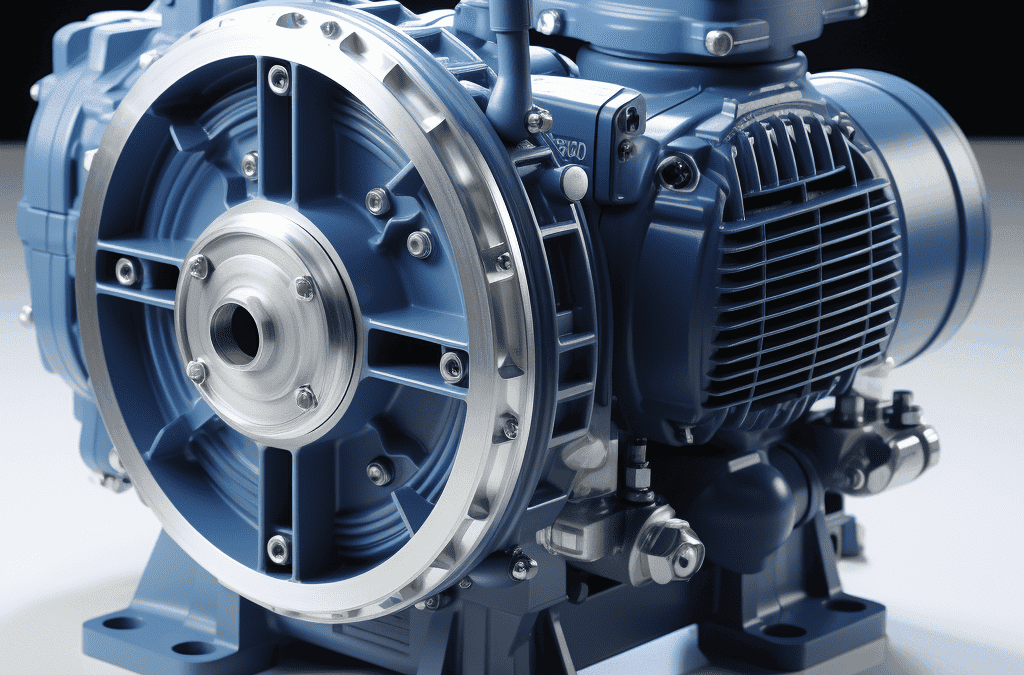
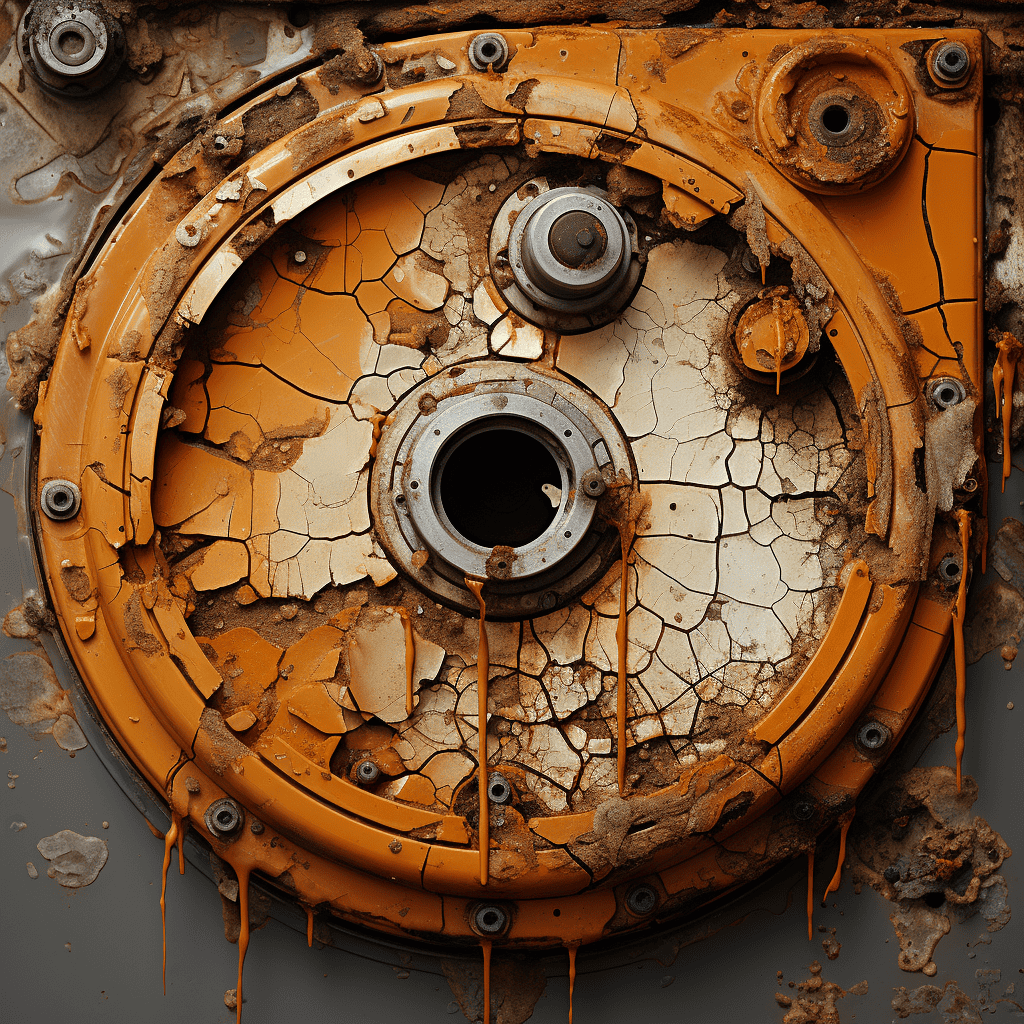
Common Issues with Diaphragm Pumps
Diaphragm pumps are commonly used in various industrial and commercial applications due to their versatility and ability to handle a wide range of fluids. However, like any mechanical equipment, they are not immune to common issues and problems. In this expanded section, we will discuss some of the most common issues with diaphragm pumps and how to prevent or address them.
Air Leaks
One of the most common issues with diaphragm pumps is air leaks. Air leaks can occur in various parts of the pump, including the diaphragm, valves, and seals. Air leaks can reduce the pump’s efficiency, cause cavitation, and lead to premature wear and tear of the pump’s components.
To prevent air leaks, it is essential to regularly inspect and maintain the pump’s components. Check for any signs of wear and tear, such as cracks or tears in the diaphragm or damage to the valves. It is also recommended to replace the diaphragm and seals periodically to ensure optimal performance.
Clogging
Clogging is another common issue with diaphragm pumps. Clogging can occur when solids or debris in the fluid being pumped become lodged in the pump’s valves, inlets, or outlets. Clogging can reduce the pump’s efficiency, increase wear and tear on the pump’s components, and lead to premature failure.
To prevent clogging, it is essential to regularly inspect and clean the pump’s components. It is also recommended to use filters or strainers to remove solids and debris from the fluid before it enters the pump. In addition, choosing the correct pump size and type for the specific application can also help prevent clogging.
Wear and Tear
Like any mechanical equipment, diaphragm pumps are subject to wear and tear over time. Wear and tear can occur due to various factors, including regular use, exposure to harsh conditions, and improper maintenance. Wear and tear can lead to reduced pump efficiency, increased energy consumption, and premature failure.
To prevent wear and tear, it is essential to regularly inspect and maintain the pump’s components. This includes checking for any signs of wear, such as excessive wear on the diaphragm or seals. It is also recommended to follow the manufacturer’s recommended maintenance schedule and replace worn or damaged components as needed.
Overheating
Overheating is a common issue with diaphragm pumps, especially when used in high-temperature applications. Overheating can cause the pump’s components to expand, leading to leaks, reduced efficiency, and premature failure.
To prevent overheating, it is essential to choose the correct pump size and type for the specific application. It is also recommended to use a cooling system or to operate the pump at a lower temperature if possible. Regular maintenance and inspection can also help identify any issues that may cause overheating.
While diaphragm pumps are versatile and reliable, they are not immune to common issues and problems. By understanding the most common issues with diaphragm pumps and how to prevent or address them, operators can ensure optimal performance, reduce downtime, and extend the life of the pump. Regular inspection, maintenance, and proper operation can help prevent air leaks, clogging, wear and tear, and overheating, ensuring that the pump operates at peak efficiency and reliability.
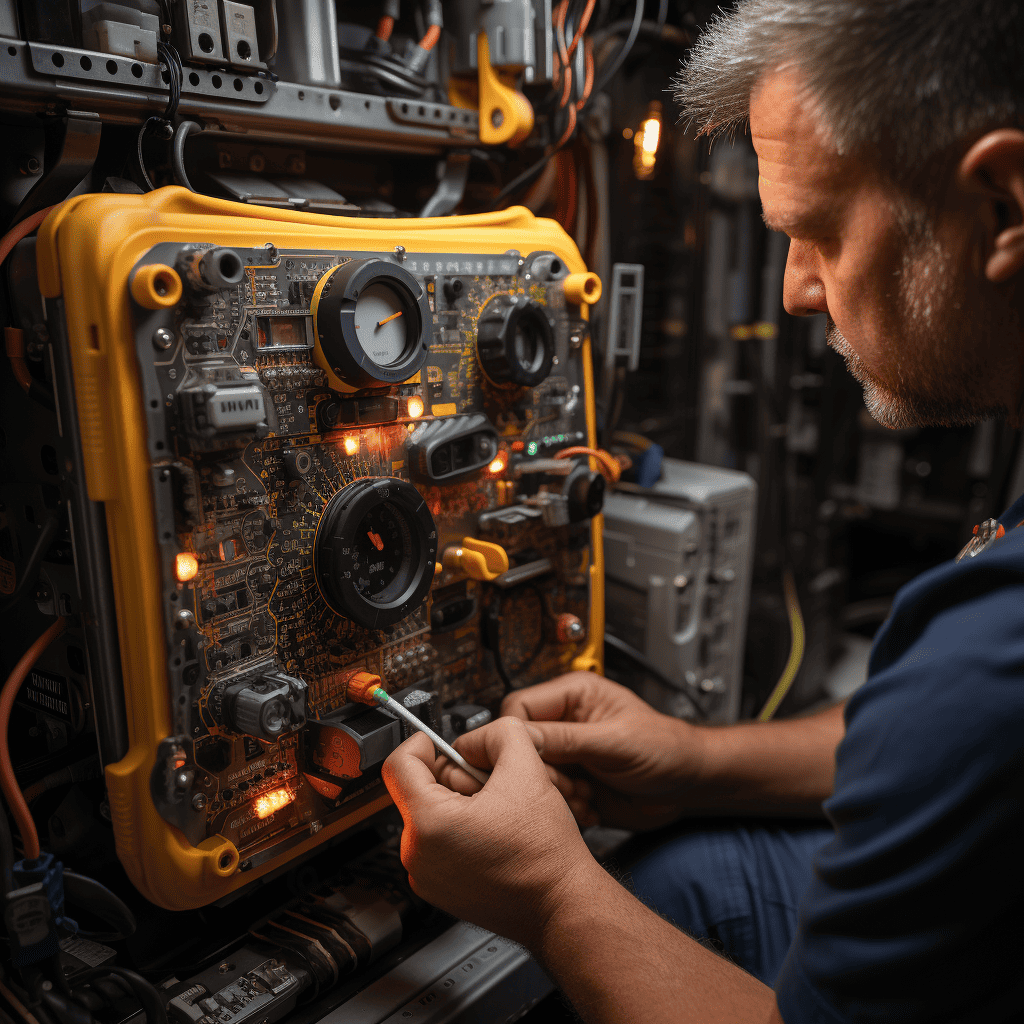
Troubleshooting Diaphragm Pump Problems: Common Issues, Solutions, and Prevention
Diaphragm pumps are widely used in various industries for their ability to handle fluids with high viscosity, solids content, and shear sensitivity. However, these pumps can experience performance issues that can negatively impact your operations. In this blog post, we’ll discuss common diaphragm pump problems, troubleshooting techniques, and preventative measures to keep your pump running smoothly.
Checking the Suction Line
One of the first steps in troubleshooting a diaphragm pump that is not functioning properly is to check the suction line. This involves inspecting the suction line for blockages or restrictions that may be preventing the pump from drawing in fluid. Clearing any blockages and ensuring that the suction line is properly sized and configured can help resolve suction issues.
Common causes of suction line problems include clogged filters, kinked or collapsed hoses, and improperly sized or poorly designed suction lines. To prevent these issues, regularly inspect and clean filters, ensure hoses are properly supported and not subject to crushing or kinking, and design suction lines with adequate diameter and proper slope.
Inspecting the Diaphragm
The diaphragm is a critical component of the diaphragm pump, and any damage or wear to the diaphragm can cause performance issues. Inspecting the diaphragm for signs of wear or damage, such as tears or cracks, can help identify the root cause of the problem. Replacing the diaphragm if necessary can help restore the pump’s performance.
Common causes of diaphragm wear include abrasive fluids, chemical attack, and excessive cycling. To prevent diaphragm wear, select the appropriate diaphragm material for the fluid being pumped, avoid exposing the diaphragm to chemicals that can cause degradation, and minimize unnecessary cycling.
Checking the Valves
The valves in a diaphragm pump play a critical role in regulating the flow of fluid through the pump. If the valves become clogged or damaged, it can cause performance issues or prevent the pump from functioning altogether. Inspecting the valves for signs of wear or damage, and cleaning or replacing them as necessary, can help resolve valve-related issues.
Common causes of valve problems include worn or damaged seat surfaces, clogged or damaged ball or disk valves, and improper valve adjustment. To prevent valve issues, regularly inspect and maintain valves, use valve materials that are compatible with the fluid being pumped, and properly adjust valves according to the manufacturer’s recommendations.
Checking the Air Supply
The air supply is another critical component of a diaphragm pump, and any issues with the air supply can cause performance problems. Checking the air pressure and flow rate, and ensuring that the air supply is clean and free of contaminants, can help identify any issues with the air supply. Resolving any air supply issues can help restore the pump’s performance.
Common causes of air supply problems include clogged or dirty air filters, leaks in the air distribution system, and improperly sized air compressors or regulators. To prevent air supply issues, regularly inspect and clean air filters, repair any leaks in the air distribution system, and ensure that the air compressor and regulator are properly sized for the application.
Checking the Motor
The motor is responsible for driving the diaphragm pump and providing the necessary power to move fluid through the system. If the motor is not functioning properly, it can cause performance issues or prevent the pump from functioning altogether. Checking the motor for signs of wear or damage, and ensuring that it is properly sized and configured for the application, can help identify and resolve motor-related issues.
Common causes of motor problems include overloading, overheating, and electrical issues. To prevent motor problems, ensure that the motor is properly sized for the application, operate the pump within its recommended temperature range, and regularly inspect and maintain electrical components such as wiring and circuit breakers.
Preventative Maintenance
In addition to troubleshooting techniques, preventative maintenance can help ensure that your diaphragm pump operates efficiently and reliably. This includes regularly inspecting and maintaining components such as filters, diaphragms, valves, and motors, and replacing them as necessary. Establishing a regular maintenance schedule and following the manufacturer’s recommendations can help prevent issues from arising and extend the life of your pump.
Diaphragm pumps are an essential component of many industrial processes, but they can experience performance issues that can impact your operations. By understanding common diaphragm pump problems and their causes, as well as implementing preventative maintenance measures, you can keep your pump running smoothly and minimize costly downtime. If you do experience issues with your diaphragm pump, following these troubleshooting techniques can help you quickly identify and resolve the problem.
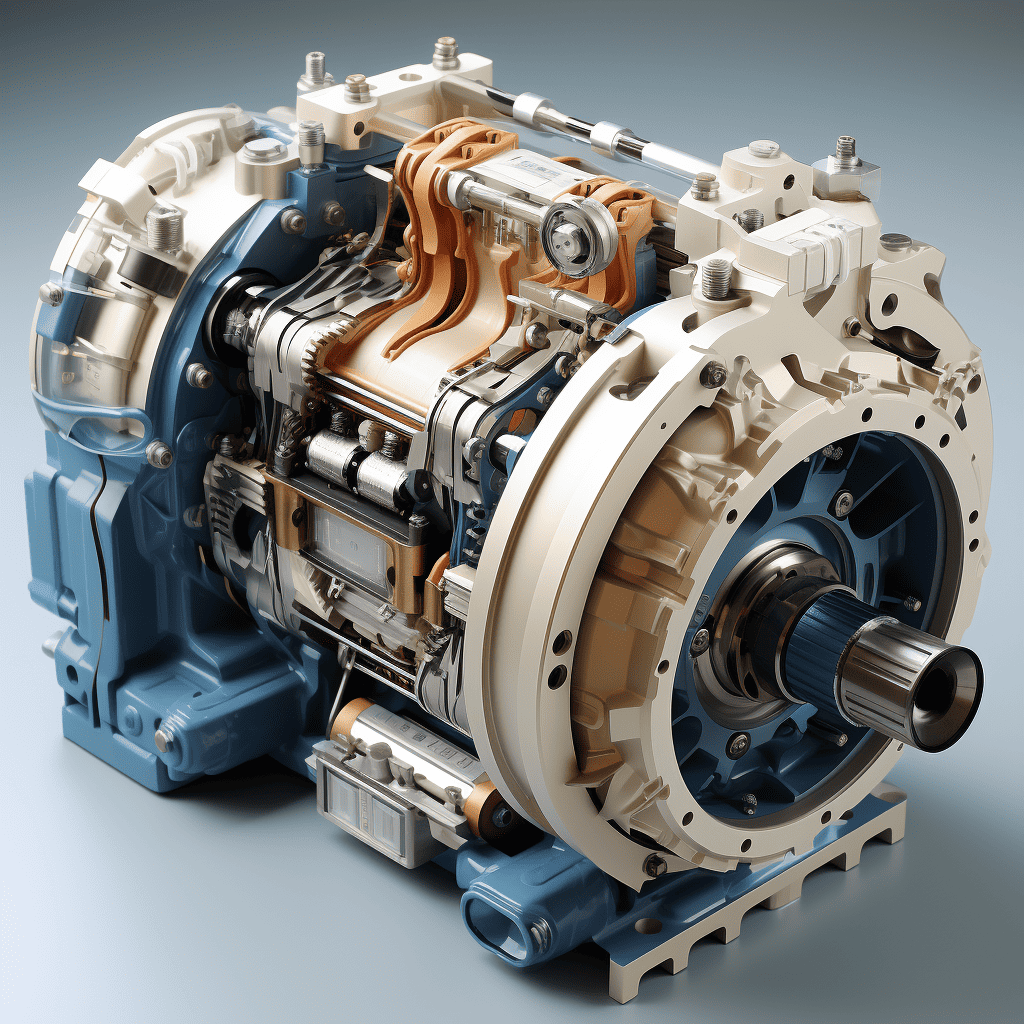 It is also important to check the pump’s performance regularly to identify any issues before they become serious.
Selecting the Right Pump for the Job
One common cause of frequent diaphragm pump failures is using the wrong pump for the job. Different pumps are designed for different applications, and using a pump that is not suited for the specific fluid or conditions can lead to premature wear and failure. It is essential to carefully consider the application requirements and consult with a pump expert to select the right pump for the job.
Correct Installation and Operation
Improper installation and operation can also contribute to frequent diaphragm pump failures. It is crucial to follow the manufacturer’s instructions for installation and operation to ensure that the pump is set up correctly and running at optimal efficiency. This includes proper piping and valve configuration, as well as following guidelines for startup and shutdown procedures.
Addressing Wear and Tear
Even with proper maintenance, inspection, and operation, diaphragm pumps will still experience wear and tear over time. To minimize the impact of wear and tear on the pump’s performance and longevity, it is important to regularly inspect and replace worn parts as needed. This includes the diaphragm, valves, and seals.
Upgrading to More Durable Materials
In some cases, frequent diaphragm pump failures may be due to the pump’s construction materials. Upgrading to more durable materials, such as stainless steel or specialty alloys, can help increase the pump’s resistance to wear and corrosion, reducing the frequency of failures.
Frequent diaphragm pump failures can be costly and disruptive, but there are steps that can be taken to minimize their occurrence. By properly maintaining and inspecting the pump, selecting the right pump for the job, correctly installing and operating the pump, addressing wear and tear, and upgrading to more durable materials, diaphragm pumps can provide reliable and efficient performance for years to come.
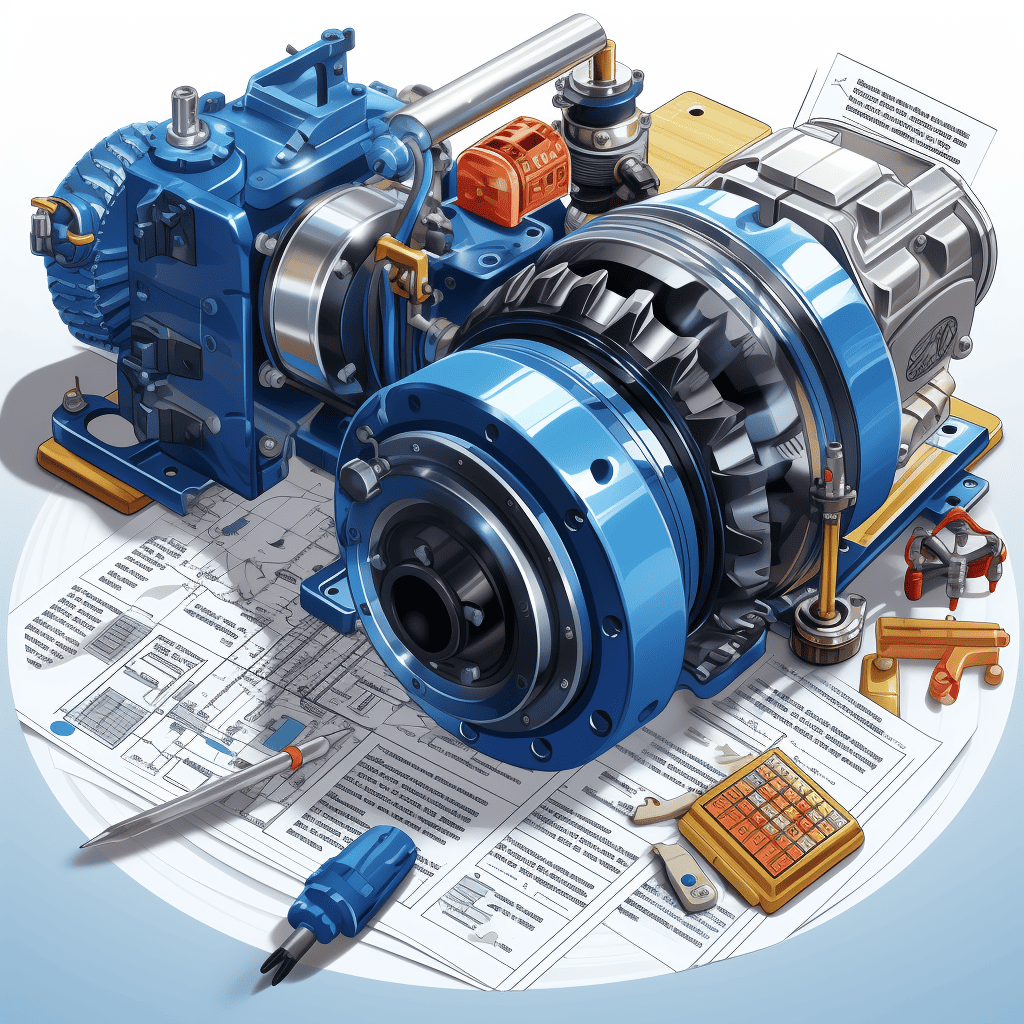
By checking the pump regularly, you can identify any potential problems before they become serious and lead to costly repairs or replacements. During inspection, check for any signs of wear and tear, leaks, or unusual noises. Also, ensure that all the components are properly lubricated and that the diaphragm is not damaged.
Proper Installation
Proper installation is essential to ensure that the diaphragm pump operates correctly and efficiently. Make sure that the pump is installed according to the manufacturer’s instructions, and that it is correctly aligned and secured. The suction and discharge lines should also be properly sized and configured to prevent any restrictions or backpressure that could damage the pump.
Use the Correct Fluid
Using the wrong fluid can cause damage to the diaphragm pump, so it’s important to use the fluid recommended by the manufacturer. The fluid should be compatible with the pump materials and should not contain any abrasive or corrosive substances that could damage the pump’s internal components.
Monitor Operating Conditions
Monitoring the operating conditions of the diaphragm pump can help identify any issues before they become serious. Check the pump’s performance regularly and monitor the pressure, flow rate, and temperature. If you notice any changes in these parameters, it could indicate a problem with the pump.
Regularly Replace Worn Parts
Regularly replacing worn parts can help extend the lifespan of the diaphragm pump and prevent issues from occurring. Check the pump’s manual for recommended replacement intervals for components such as diaphragms, valves, and seals.
Train Operators
Proper training of operators can help prevent diaphragm pump issues. Ensure that operators are trained on the correct operation and maintenance procedures for the pump. This will help them identify any potential problems early on and take appropriate action.
Use a Strainer or Filter
Using a strainer or filter can help prevent debris and particles from entering the diaphragm pump and causing damage. This is especially important when pumping fluids containing solids or abrasive materials.
Store the Pump Properly
Proper storage of the diaphragm pump can help prevent damage and extend its lifespan. When not in use, store the pump in a dry, clean, and protected environment. This will help prevent corrosion and damage from external factors.
In conclusion, preventive measures are essential in avoiding diaphragm pump issues and extending their lifespan. Regular inspection and maintenance, proper installation, using the correct fluid, monitoring operating conditions, regularly replacing worn parts, training operators, using a strainer or filter, and proper storage are all important preventive measures that can help prevent diaphragm pump problems and ensure optimal performance. By following these guidelines, you can minimize downtime and maintenance costs and maximize the efficiency and lifespan of your diaphragm pump.


