
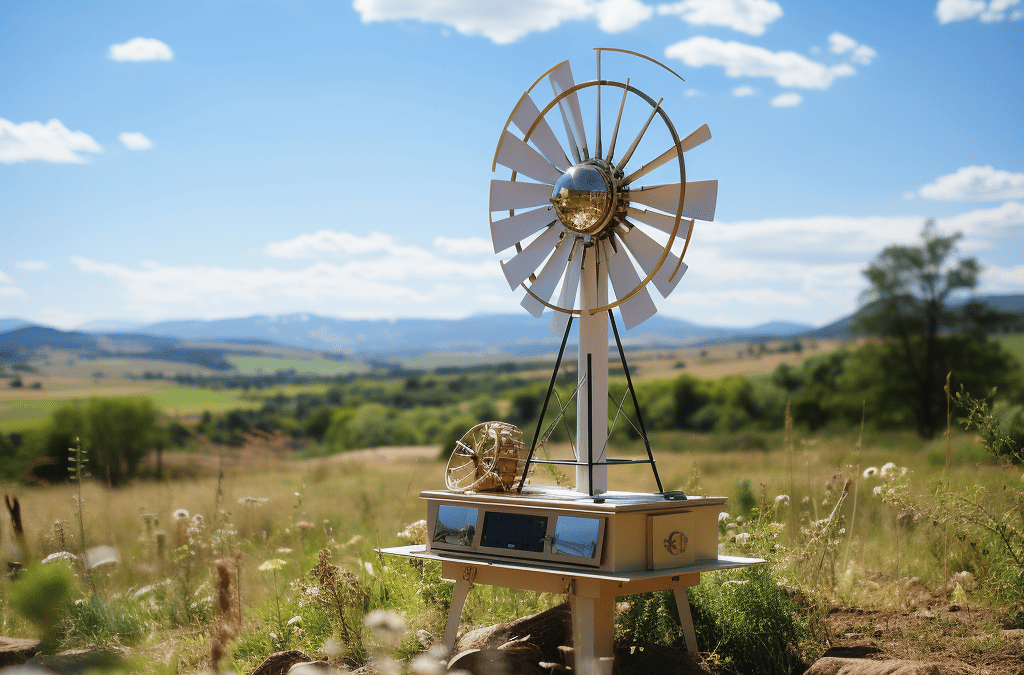

Choosing the Right Materials for Your DIY Wind Turbine
When building your own wind turbine, selecting suitable materials is crucial to achieve optimal performance, durability, and safety. Here are some essential components to consider and the materials that work best for each:
Blades
The blades are one of the most critical parts of a wind turbine, as they convert wind energy into rotational motion. Materials like fiberglass, carbon fiber, or wood (such as balsa or cedar) can be used to create lightweight and durable blades. Fiberglass and carbon fiber offer excellent strength-to-weight ratios, while wood may be more accessible and cost-effective for small-scale projects.
Hub
The hub connects the blades to the rotor shaft and must withstand significant stress. Aluminum alloys are commonly used for hub construction due to their strength, lightweight nature, and corrosion resistance. Ensure proper design and reinforcement to prevent failure under high loads.
Rotor Shaft
The rotor shaft transfers the rotational force from the blades to the generator. A sturdy and well-balanced shaft is essential for smooth operation. Steel is an ideal material for this component, providing the necessary strength and rigidity. Additionally, consider using sealed bearings at both ends of the shaft to reduce friction and wear.
Generator
The generator converts the mechanical energy from the rotor shaft into electrical energy. Permanent magnet alternators (PMAs) or direct current (DC) motors can be used as generators in DIY wind turbines. When selecting a generator, consider its efficiency, power output, and compatibility with your turbine’s design and voltage requirements.
Tower
A stable and tall tower is necessary to expose the turbine to higher wind speeds and reduce turbulence. Lattice towers or tilt-up towers made from galvanized steel tubing are popular choices for DIY projects. Ensure that the tower is properly anchored and designed to withstand local wind loads.
Tail
The tail helps maintain the turbine’s orientation into the wind, improving efficiency. Lightweight materials such as aluminum, plastic, or wood can be used to construct the tail. Make sure it is appropriately sized and balanced to provide adequate control without adding excessive drag.
Wiring and Electrical Components
Use high-quality wiring and electrical components to ensure safety and efficient energy transmission. Select wire gauges based on the expected current and distance between components. Additionally, incorporate a charge controller, inverter, and battery bank if you plan to store and use the generated electricity.
Safety Features
Incorporate safety features such as brakes, over-speed protection, and lightning protection into your design. Brakes can be mechanical or electrical and help prevent damage during high wind events. Over-speed protection devices disconnect the turbine from the load when rotational speeds become too high, while lightning protection systems safeguard against power surges and strikes.
By carefully considering each component’s material and design, you can create a safe, efficient, and durable DIY wind turbine that meets your energy needs.

Understanding the Basics of Wind Turbine Design
Wind turbine design is a complex process that involves many factors, including aerodynamics, materials, and mechanical engineering. Here are some of the key design considerations to keep in mind when building your own wind turbine.
The Importance of Aerodynamics
Aerodynamics plays a crucial role in wind turbine design. The shape of the airfoil, or cross-section of the blade, is designed to maximize lift and minimize drag, allowing the turbine to efficiently convert wind energy into electrical energy. The angle of attack, or the angle at which the wind hits the blade, also affects the turbine’s performance. By adjusting the angle of attack, the turbine can be optimized for different wind speeds.
Selecting the Right Materials
The materials used in wind turbine construction must be strong enough to withstand the forces generated by the wind, but also lightweight to reduce the load on the turbine’s components. Commonly used materials include steel, aluminum, and fiberglass. Each material has its own advantages and disadvantages, so it’s important to consider factors such as cost, availability, and durability when making a selection.
Mechanical Engineering Considerations
Mechanical engineering considerations include the design of the turbine’s rotor, generator, and control systems. The rotor must be properly balanced to ensure smooth operation and reduce wear on the turbine’s components. The generator must be sized appropriately to match the turbine’s power output, and the control system must be designed to regulate the turbine’s speed and output in response to changing wind conditions.
Safety and Maintenance
Safety and maintenance are also important considerations in wind turbine design. The turbine must be designed to withstand extreme weather conditions, such as high winds and lightning strikes. Regular maintenance is necessary to ensure the turbine’s continued safe and efficient operation. This includes inspecting and repairing the turbine’s components, as well as monitoring its performance and making adjustments as needed.
Wind turbine design is a complex process that involves many factors, including aerodynamics, materials, mechanical engineering, safety, and maintenance. By carefully considering these factors, it is possible to design a turbine that is efficient, reliable, and safe. Whether you are building a small turbine for personal use or a large-scale turbine for commercial use, understanding the basics of wind turbine design is essential for success.

Step-by-Step Guide to Building Your Own Wind Turbine: From Design to Fine-Tuning
So you’ve decided to take the plunge and build your own wind turbine. Congratulations! This is an exciting and rewarding project that can help you harness the power of the wind and reduce your reliance on fossil fuels. But where do you start? This step-by-step guide will walk you through the process of designing and building your own wind turbine, from start to finish.
Designing Your Wind Turbine
Before you start building, it’s essential to have a design plan in place. This will help you ensure that your wind turbine is safe, efficient, and effective. Here are some things to consider when designing your wind turbine:
- Materials: Choose materials that are durable, lightweight, and easy to work with. Aluminum and fiberglass are popular choices for turbine blades, while steel or aluminum can be used for the tower and mounting system.
- Blade size and shape: The size and shape of your turbine blades will affect the amount of power your turbine can generate. Longer blades can capture more wind, but they also require more material and may be more difficult to transport and install. The shape of your blades can also affect their efficiency. Look for designs that have been tested and proven to work well.
- Generator: The generator is what converts the kinetic energy of the wind into electrical energy. Choose a generator that is the right size for your turbine and can handle the amount of power you expect to generate. You can find generators specifically designed for wind turbines at most hardware stores or online.
- Tower and mounting system: The tower and mounting system will hold your turbine in place and allow it to spin freely in the wind. Make sure your tower is tall enough to capture the wind above any obstacles, such as trees or buildings. You’ll also need to design a mounting system that can safely and securely hold your turbine in place.
There are many resources available online to help you with your wind turbine design. Look for wind turbine design guides, forums, and videos to get ideas and advice from other DIY wind turbine builders.
Building Your Wind Turbine
Once you have a design plan in place, it’s time to start building. Here are the basic steps you’ll need to follow:
- Cut the blades to size and shape them according to your design plan.
- Drill holes in the blades and attach them to the hub.
- Attach the hub to the generator.
- Assemble the tower and mounting system.
- Attach the turbine to the tower and mounting system.
- Connect the generator to your electrical system.
As you build, make sure to take your time and double-check your work. Safety should always be your top priority, so wear appropriate protective gear and make sure your tools are in good working order.
Fine-Tuning Your Wind Turbine
Once your wind turbine is built and installed, you’ll need to fine-tune it to optimize its performance. Here are some things to consider:
- Pitch angle: The pitch angle of your turbine blades can affect their efficiency. Adjust the pitch angle so that the blades are angled correctly relative to the wind direction.
- Yaw angle: The yaw angle refers to the direction your turbine is facing relative to the wind. Make sure your turbine is pointed directly into the wind to maximize power generation.
- Generator settings: Adjust the generator settings to optimize its performance. This may involve adjusting the voltage or frequency to match your electrical system.
You can fine-tune your wind turbine by monitoring its performance and making adjustments as needed. You may also want to consider installing a monitoring system that can track your turbine’s performance and alert you to any issues.
Building your own wind turbine can be a challenging but rewarding project. With careful planning, attention to detail, and a willingness to learn, you can harness the power of the wind and reduce your reliance on fossil fuels. Use this step-by-step guide as a starting point, and don’t be afraid to seek out help and advice from other DIY wind turbine builders. Good luck!

Maintenance Tips for Ensuring Optimal Performance of Your DIY Wind Turbine
Regular inspections are key to keeping your wind turbine in top shape. By checking your turbine at least once a year (or more frequently in high wind or extreme weather areas), you can catch any problems early and prevent more serious damage. During your inspection, look for signs of wear and tear such as cracks, corrosion, or loose bolts on the rotor, tower, and blades. This will help you identify any issues before they become major problems, saving you time and money in the long run.
Cleaning and lubrication are essential for reducing friction and prolonging the life of your turbine. Use a mild detergent and water to clean the blades, hub, and generator, and apply a light lubricant to the bearings and other moving parts. This will help keep your turbine running smoothly and efficiently, reducing the risk of breakdowns and extending the lifespan of your turbine. Don’t forget to check the brake system to ensure it is functioning properly, as it is an important safety feature that helps prevent the turbine from spinning too fast in high winds.
Tightening bolts and making adjustments can improve the performance and lifespan of your turbine. Loose bolts can cause excessive vibration and noise, reducing efficiency and shortening the turbine’s lifespan. Make sure to regularly tighten all bolts and check for any parts that may need adjustment. You may also want to adjust the pitch angle of the blades to optimize performance in different wind conditions. Be sure to use the correct torque specifications for each component, as using the wrong torque can result in damage to the turbine or reduce its efficiency.
Blade maintenance is critical for ensuring the safe and efficient operation of your turbine. The blades are subject to significant stress and can become damaged or worn over time. Regularly check the blades for any signs of damage, such as cracks, chips, or erosion. If you find any damage, repair or replace the blades as necessary. You may also want to consider applying a protective coating to the blades to prevent wear and tear and extend their lifespan. If you notice any vibrations or unusual noises coming from the turbine, it could be a sign of a balance issue with the blades. This can reduce efficiency and cause unnecessary wear on the turbine. You may need to balance the blades to resolve the issue.
Proper maintenance of the electrical system is crucial for ensuring the safe and efficient operation of your wind turbine. Check the wiring and connections for any signs of wear, corrosion, or damage, and ensure that the battery bank and charge controller are functioning correctly. The generator should be producing the correct voltage and current. If you are not familiar with electrical systems, it may be best to consult a professional electrician. In addition to inspecting the electrical system, you should also monitor the performance data of your turbine. This can help you identify any trends or patterns that may indicate a problem with the turbine’s performance, and allow you to address the issue before it becomes more serious.
By following these maintenance tips and taking a proactive approach, you can ensure that your DIY wind turbine continues to generate clean, renewable energy for years to come.


