

Important Pump Design Parameters
Several key design parameters influence the performance, reliability, and efficiency of a pump. Some of these parameters include:
System Curve: A system curve is a graphical representation of the system resistance at different flow rates. By plotting the pump curve and the system curve on the same graph, engineers can identify the operating point where the two curves intersect, which represents the flow rate and pressure that the pump will deliver in that specific system.
- Impeller Design: The shape, size, and material of the impeller can significantly impact the pump’s performance and efficiency. Engineers must carefully consider these factors when designing or selecting a pump.
- Pump Housing: The pump housing, or casing, should be designed to minimize turbulence and maintain proper fluid dynamics. This helps ensure optimal performance and reduces wear on the pump components.
- Sealing Mechanisms: Pumps require effective sealing mechanisms to prevent leaks and maintain pressure. Common sealing methods include mechanical seals, packing, and magnetic drive systems.
- Bearings and Lubrication: Proper bearing selection and lubrication are essential for reducing friction, minimizing wear, and extending the life of the pump.

Optimizing Pump Performance and Efficiency
Once the fundamental concepts of pump design are understood, engineers can focus on optimizing pump performance and efficiency. Some strategies for improving pump performance include:
Matching Pump and System Requirements
Selecting a pump that closely matches the system’s requirements is crucial for achieving optimal performance and efficiency. This involves carefully evaluating the desired flow rate, pressure, and power consumption in relation to the available pump options.
Minimizing Energy Losses
Reducing energy losses in a pumping system can significantly improve overall efficiency. Some common approaches to minimizing energy losses include:
- Optimizing pipe diameter and length
- Reducing the number of valves and fittings
- Utilizing energy recovery devices
- Implementing proper maintenance practices
Monitoring and Adjusting Pump Performance
Regularly monitoring pump performance and making necessary adjustments can help maintain efficiency and extend the life of the pump. This may involve:
- Tracking flow rate, pressure, and power consumption
- Inspecting and maintaining pump components
- Adjusting impeller trim or speed to match changing system requirements
Understanding the basic principles of pump design and performance is essential for engineers working in industries that rely on pumps. By grasping the fundamentals of pump types, pump curves, system resistance, and key design parameters, engineers can make informed decisions when selecting and designing pumps for specific applications. Additionally, focusing on optimizing pump performance and efficiency can lead to significant cost savings and improved reliability.

The Role of Fluid Dynamics in Pump Efficiency: Optimizing Performance through Viscosity, Turbulence, and Cavitation Management
Fluid dynamics plays a crucial role in determining the efficiency of a pump. Understanding and managing the properties of fluids, such as viscosity, turbulence, and cavitation, can significantly improve pump performance and energy savings. This section explores these factors and provides insights into optimizing pump efficiency through careful design and operation considerations.
Mastering Viscosity: Balancing Flow and Energy Consumption
Viscosity, the resistance of a fluid to flow, poses a challenge in pump design, particularly for positive displacement pumps. Highly viscous fluids demand more energy, reducing pump efficiency. Engineers can optimize pump geometry, materials, and operating parameters to maintain acceptable efficiency levels by considering fluid viscosity during the design process.
- Selecting specialized pumps: For highly viscous fluids, engineers can enhance efficiency by choosing specialized pumps, such as progressive cavity or gear pumps, which excel in handling viscous fluids. These pumps are designed to minimize the energy required to overcome the fluid’s resistance to flow, thereby reducing energy consumption and improving overall efficiency.
- Optimizing pump geometry and materials: Engineers can also improve pump efficiency by optimizing the pump’s internal geometry, such as the shape and size of the impeller, and selecting materials with lower friction coefficients. This can reduce energy losses due to viscous forces and improve the pump’s ability to handle viscous fluids.
- Adjusting operating parameters: Operating parameters, such as flow rate, pressure, and temperature, can also impact pump efficiency when dealing with viscous fluids. By carefully selecting the optimal operating conditions for a given fluid, engineers can minimize energy losses and maintain high efficiency levels.
Taming Turbulence: Minimizing Energy Losses for Efficient Pump Operation
Turbulence, the chaotic and irregular flow of fluids, leads to increased energy losses and reduced pump efficiency. In pump design, minimizing turbulence is crucial to maintain high efficiency levels. Engineers can achieve this by optimizing the pump’s hydraulic design, including the impeller shape, inlet and outlet geometry, and volute design. Moreover, selecting the appropriate pump size and operating speed ensures the pump operates within its optimal efficiency range, thereby reducing turbulence and energy losses.
- Optimizing impeller shape: The impeller is the primary component responsible for imparting energy to the fluid. By optimizing the impeller’s shape and design, engineers can minimize turbulence and improve pump efficiency. This includes selecting the appropriate number of blades, blade angle, and blade curvature to promote smooth, laminar flow.
- Improving inlet and outlet geometry: The design of the pump’s inlet and outlet can significantly impact turbulence levels. By optimizing these geometries, engineers can ensure a smooth, steady flow of fluid into and out of the pump, reducing energy losses and improving efficiency.
- Enhancing volute design: The volute, which surrounds the impeller, helps to direct the flow of fluid and convert the pump’s rotational energy into pressure. By optimizing the volute’s design, engineers can minimize turbulence and improve pump efficiency. This includes selecting the appropriate cross-sectional area, curvature, and tapering to promote smooth, laminar flow.
- Selecting appropriate pump size and operating speed: Choosing the correct pump size and operating speed for a given application is essential for minimizing turbulence and maintaining high efficiency levels. By selecting a pump that operates within its optimal efficiency range, engineers can ensure that the pump delivers the required flow rate and pressure while minimizing energy losses due to turbulence.
Managing Cavitation: Preventing Performance Degradation and Damage
Cavitation, the formation and collapse of vapor bubbles in a fluid, can lead to significant performance degradation and damage in pumps. This phenomenon occurs when the local pressure in the fluid drops below its vapor pressure, causing the fluid to vaporize. As the vapor bubbles collapse, they generate high-pressure shockwaves that can erode the pump’s internal components and reduce efficiency.
To manage cavitation and maintain high pump efficiency, engineers can employ several strategies:
- Selecting appropriate materials: Choosing materials with high resistance to cavitation damage can help prolong the pump’s lifespan and maintain efficiency levels. These materials, such as stainless steel or specialized coatings, can withstand the impact of collapsing vapor bubbles and prevent erosion.
- Optimizing pump design: Engineers can minimize cavitation by optimizing the pump’s hydraulic design, including the impeller shape, inlet and outlet geometry, and volute design. By promoting smooth, laminar flow and reducing turbulence, engineers can minimize the formation of vapor bubbles and prevent cavitation.
- Adjusting operating parameters: Operating parameters, such as flow rate, pressure, and temperature, can also impact cavitation in pumps. By carefully selecting the optimal operating conditions for a given application, engineers can minimize the risk of cavitation and maintain high efficiency levels.
- Implementing cavitation prevention techniques: Engineers can employ various cavitation prevention techniques, such as installing inducers or diffusers, to reduce the likelihood of cavitation and maintain pump efficiency. These devices alter the fluid’s pressure and velocity distribution, promoting smooth flow and minimizing the formation of vapor bubbles.
Understanding and managing the fluid dynamics of viscosity, turbulence, and cavitation is crucial for optimizing pump efficiency and performance. By carefully considering these factors during the design and operation of pumps, engineers can minimize energy losses, prolong the pump’s lifespan, and ensure reliable, efficient operation in various applications
alue, engineers can ensure that energy is being used in the most efficient way possible, leading to cost savings and reduced environmental impact. The formula for calculating pump efficiency is:
Pump Efficiency (η) = (Pump Power Output / Pump Power Input) x 100%
Pump power output is the hydraulic power delivered by the pump, while pump power input is the mechanical power required to drive the pump. By dividing the power output by the power input and multiplying by 100, engineers can determine the overall efficiency of the pumping system.
Determining Net Positive Suction Head (NPSH)
Net positive suction head (NPSH) is a critical factor in ensuring that a pump operates correctly. It refers to the minimum suction head required to prevent cavitation, which can cause damage to the pump impeller and reduce its efficiency. The formula for calculating NPSH is:
NPSH = (P2 – Pv) / ρg + h
Where P2 is the absolute pressure at the pump inlet, Pv is the vapor pressure of the liquid being pumped, ρ is the density of the liquid, g is the acceleration due to gravity, and h is the velocity head of the liquid at the pump inlet.
Assessing Pump Head and Flow Rate
The pump head and flow rate are two essential parameters that determine the performance of a pumping system. The pump head refers to the height that the pump can lift a column of water, while the flow rate refers to the volume of liquid being pumped per unit time. The formula for calculating pump head is:
Pump Head (H) = (P2 – P1) / ρg
Where P2 is the absolute pressure at the pump outlet, P1 is the absolute pressure at the pump inlet, ρ is the density of the liquid, and g is the acceleration due to gravity.
The formula for calculating flow rate is:
Flow Rate (Q) = A x v
Where A is the cross-sectional area of the pipe, and v is the velocity of the liquid in the pipe.
Calculating Power Consumption
Power consumption is an essential factor to consider when designing a pumping system, as it directly impacts operating costs and energy usage. The formula for calculating power consumption is:
Power Consumption (P) = (Flow Rate x Pump Head x ρg) / Pump Efficiency
Where Flow Rate is the volume of liquid being pumped per unit time, Pump Head is the height that the pump can lift a column of water, ρ is the density of the liquid, g is the acceleration due to gravity, and Pump Efficiency is the overall efficiency of the pumping system.
Evaluating System Resistance
System resistance refers to the resistance that the fluid encounters as it flows through the piping system. This resistance can significantly impact the performance of the pumping system and must be taken into account during the design process. The formula for calculating system resistance is:
System Resistance (R) = (P2 – P1) / Q
Where P2 is the absolute pressure at the pump outlet, P1 is the absolute pressure at the pump inlet, and Q is the flow rate of the liquid in the pipe.
By mastering these key formulas, engineers can design and optimize pumping systems for optimal performance, energy efficiency, and cost-effectiveness.
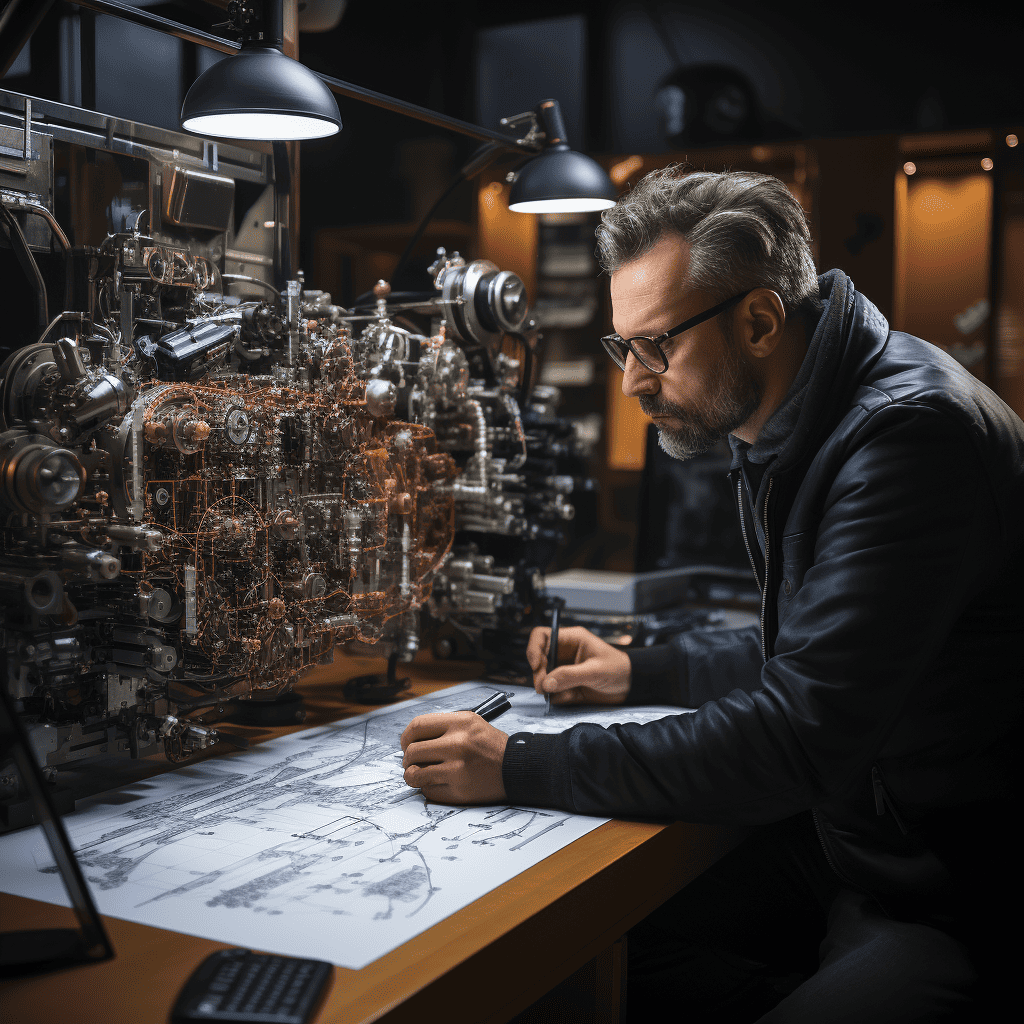
Practical Applications: Mastering Fundamentals and Formulas for Optimal Pump Design
Selecting the ideal pump type is a crucial factor in designing an efficient and reliable pumping system. By comprehending the underlying principles and formulas of each pump type, engineers can make informed decisions based on factors such as flow rate, head, fluid properties, and system characteristics.
Selecting the Optimal Pump Type for the Application
When choosing a pump type, considering the specific needs of the application is essential. Centrifugal pumps excel in handling large flow rates and moderate heads, while positive displacement pumps are suitable for low flow rates and high heads. Understanding the advantages, limitations, and operating principles of each pump type enables engineers to select the most suitable option for their unique requirements.
Optimizing Impeller Design for Enhanced Efficiency
Impeller design significantly impacts the efficiency and performance of a centrifugal pump. By meticulously evaluating factors such as impeller diameter, blade shape, and number of blades, engineers can optimize the hydraulic performance of the pump. Computational fluid dynamics (CFD) simulations can offer valuable insights into flow patterns within the impeller, enabling engineers to pinpoint areas for improvement and refine the design for increased efficiency.
Ensuring Adequate Net Positive Suction Head (NPSH) to Prevent Cavitation
Cavitation is a major concern in pump design, as it can cause substantial damage and decreased performance. To prevent cavitation, ensuring that the pump’s net positive suction head (NPSH) is sufficient is vital. This involves calculating the NPSH required (NPSHr) using the manufacturer’s data and comparing it to the available NPSH (NPSHa) in the system. If necessary, modifications such as increasing the inlet pressure, reducing the suction pipe length, or installing an inducer on the pump can be made to prevent cavitation and maintain optimal pump performance.
Incorporating Variable Speed Drives for Energy Savings and Enhanced Control
Variable speed drives (VSDs) provide significant energy savings and improved control in pumping systems. By adjusting the pump speed to match the required flow rate and pressure, VSDs enable more efficient operation and reduced energy consumption. Incorporating VSDs into pump designs requires careful consideration of motor selection, control algorithms, and system integration. By applying the principles of fluid dynamics and energy conversion, engineers can develop advanced control strategies that maximize pump performance and energy savings.
Utilizing Computational Fluid Dynamics (CFD) Tools for Design Optimization
CFD tools have become indispensable in the pump design process, as they allow engineers to simulate fluid flow and analyze complex hydraulic phenomena. By employing CFD simulations, designers can evaluate various design options, optimize pump geometries, and identify potential issues before building a physical prototype. This leads to faster design cycles, reduced development costs, and improved product performance. Incorporating CFD tools into the pump design process enables engineers to apply fluid dynamics principles more effectively, ultimately leading to the creation of more efficient and reliable pumping solutions.
Addressing Fluid Properties in Pump Design
The properties of the fluid being pumped can significantly impact the performance and efficiency of the pumping system. Engineers must consider factors such as viscosity, density, and specific gravity when selecting a pump type and designing the pumping system. For example, positive displacement pumps are often used for viscous fluids, while centrifugal pumps may require special considerations when handling fluids with high specific gravity.
Integrating System Components for Optimal Pump Performance
In addition to the pump and fluid properties, engineers must also consider the characteristics of the overall pumping system when designing an efficient and reliable system. This includes evaluating the piping layout, valve arrangements, and system controls to minimize energy losses and ensure stable pump operation. Proper system design can lead to reduced maintenance costs, increased energy savings, and extended equipment life.
Implementing Regular Maintenance for Long-term Reliability
Regular monitoring and maintenance of pumping systems are essential for ensuring long-term reliability and efficiency. By continuously monitoring key performance indicators, such as flow rate, pressure, and energy consumption, engineers can identify trends and address potential issues before they lead to equipment failure. Additionally, implementing a regular maintenance schedule, including inspections, repairs, and upgrades, can help extend the life of the pumping system and minimize downtime.
Exploring Innovative Pump Technologies for Enhanced Performance and Sustainability
As technology advances and new materials become available, engineers must continuously seek opportunities to improve pump designs and enhance system performance. This can involve exploring innovative pump concepts, such as advanced impeller geometries or novel drive systems, as well as researching and incorporating new materials that offer improved strength, corrosion resistance, or energy efficiency. By staying informed about the latest developments in pump technology and materials, engineers can create more efficient, reliable, and sustainable pumping systems for a wide range of applications.
Prioritizing Safety and Risk Management in Pump Design
Safety is a paramount concern in pump design and operation. Engineers must consider potential hazards, such as leaks, overpressure situations, and equipment failure, and implement appropriate safety measures to mitigate risks. This includes selecting appropriate materials, designing for safe operation, and incorporating redundancies and fail-safes into the pumping system. By prioritizing safety and risk management, engineers can ensure the well-being of personnel and the environment while maintaining optimal pump performance.
In conclusion, understanding the fundamental principles and formulas of pump design is essential for creating efficient and reliable pumping systems. By carefully considering factors such as pump type, impeller design, NPSH requirements, VSD integration, CFD analysis, fluid properties, system components, regular maintenance, innovative technologies, and safety measures, engineers can optimize pump performance and energy savings. By applying this knowledge in a practical and systematic manner, engineers can develop innovative and effective pumping solutions for a wide range of applications.


