

Sure, here’s an expanded version of the

tag with additional relevant, descriptive, persuasive, and concise
paragraphs:
1. Choosing the Right Components: SK6812 RGBW and ESP32
When it comes to creating stunning lighting effects with your SK6812 RGBW LED strip, choosing the right components is crucial. In this guide, we’ll walk you through the process of selecting the best ESP32 board, power supply, and LED strip length for your project.
Understanding the SK6812 RGBW LED Strip
The SK6812 RGBW LED strip is a popular choice for DIY lighting projects due to its wide range of colors and high brightness. Each LED on the strip contains four individual chips: red, green, blue, and white. The addition of a white chip allows for better color accuracy and a wider range of hues compared to traditional RGB strips.
This LED strip also supports advanced features such as color temperature adjustment and dimming, allowing for even greater control over your lighting effects. With its built-in control chip, you can create dynamic lighting effects and animations that are sure to impress.
When selecting an SK6812 RGBW LED strip, consider factors such as the number of LEDs per meter, the maximum brightness, and the power requirements. A higher LED density and brightness will result in a more vibrant and detailed display, while a lower power requirement will allow for longer run times and lower energy costs.
Choosing the Right ESP32 Board
The ESP32 is a versatile microcontroller board that can be used to control the SK6812 RGBW LED strip. When selecting an ESP32 board for your project, consider factors such as the number of GPIO pins, wireless connectivity options, and power requirements.
For example, the ESP32-WROOM-32 board is a popular choice due to its dual-core processor, Wi-Fi and Bluetooth connectivity, and 30 GPIO pins. This board also has a built-in voltage regulator, allowing you to power your ESP32 and LED strip from a single power source.
When selecting an ESP32 board, make sure it is compatible with your LED strip and power supply. Some boards may require additional components, such as level shifters or voltage regulators, to interface with your LED strip.
Selecting the Correct Power Supply
Choosing the right power supply is essential for the proper functioning of your SK6812 RGBW LED strip and ESP32 board. Make sure your power supply can provide enough current and voltage to support the number of LEDs in your strip. A good rule of thumb is to choose a power supply that can provide at least 20% more current than the maximum current required by your LED strip.
For example, if your LED strip requires 5A of current, choose a power supply that can provide at least 6A. Additionally, make sure your power supply can provide a stable voltage output, as voltage fluctuations can cause flickering or other issues with your LED strip.
Considering the LED Strip Length and Pixel Density
When selecting your SK6812 RGBW LED strip, consider the length and pixel density that best suits your project’s needs. The length of the LED strip determines the maximum size of your lighting installation, while the pixel density affects the resolution and clarity of the LED display.
For example, a strip with a pixel density of 30 LEDs per meter will provide a more detailed and vibrant display compared to a strip with a pixel density of 15 LEDs per meter. Keep in mind that a higher pixel density will also require more power and processing power from your ESP32 board.
Purchasing High-Quality Components for Optimal Performance
To ensure the best performance and longevity of your SK6812 RGBW LED strip and ESP32 board, it’s essential to purchase high-quality components from reputable suppliers. Look for LED strips with good build quality, such as well-soldered connections and durable casings. Likewise, choose an ESP32 board from a reliable manufacturer with positive customer reviews.
Additionally, make sure your components are compatible with each other and your power supply. For example, the WS2812B LED strip is a popular alternative to the SK6812 RGBW strip, but it’s important to ensure that it’s compatible with your ESP32 board and power supply.
Planning Your Project Layout and Design
Finally, before purchasing your SK6812 RGBW LED strip and ESP32 board, take some time to plan your project layout and design. Consider factors such as the desired lighting effects, the placement of the LED strip, and the available space for your project.
Using software such as WLED or FastLED can help you preview and test your lighting effects before installing your LED strip, saving you time and effort in the long run. Additionally, consider using 3D modeling software to create a virtual layout of your project, allowing you to visualize and fine-tune your design before making any purchases.
In summary, when choosing the right components for your SK6812 RGBW LED strip and ESP32 project, consider factors such as the LED strip’s color accuracy, the ESP32 board’s connectivity options, the power supply’s current and voltage ratings, the LED strip’s length and pixel density, and the quality of the components. Additionally, take the time to plan your project layout and design to ensure optimal performance and a successful outcome. By following these guidelines, you can create stunning lighting effects that will impress and inspire.Sure! Here’s an expanded version of the

tag:
1. Choosing the Right Components: SK6812 RGBW and ESP32
When it comes to creating stunning lighting effects with your SK6812 RGBW LED strip, choosing the right components is crucial. In this guide, we’ll walk you through the process of selecting the best ESP32 board, power supply, and LED strip length for your project.
Understanding the SK6812 RGBW LED Strip
The SK6812 RGBW LED strip is a popular choice for DIY lighting projects due to its wide range of colors and high brightness. Each LED on the strip contains four individual chips: red, green, blue, and white. The addition of a white chip allows for better color accuracy and a wider range of hues compared to traditional RGB strips.
Moreover, the SK6812 RGBW LED strip supports advanced features such as color temperature adjustment and dimming, allowing for even greater control over your lighting effects. By adjusting the color temperature, you can create warm or cool lighting effects to suit your mood or decor. By dimming the LEDs, you can create a subtle and ambient lighting effect, perfect for relaxing or creating a cozy atmosphere.
Choosing the Right ESP32 Board
The ESP32 is a versatile microcontroller board that can be used to control the SK6812 RGBW LED strip. When selecting an ESP32 board for your project, consider factors such as the number of GPIO pins, wireless connectivity options, and power requirements.
For example, the ESP32-WROOM-32 board is a popular choice due to its dual-core processor, Wi-Fi and Bluetooth connectivity, and 30 GPIO pins. This board also has built-in power management and regulators, making it easy to power your LED strip and ESP32 board from a single power source.
Other popular ESP32 boards include the ESP32-DevKitC-32D, which has a USB-C connector and built-in LiPo battery charging circuit, and the ESP32-S2-Saola-1, which has a single-core processor and USB Type-C connector.
Selecting the Correct Power Supply
Choosing the right power supply is essential for the proper functioning of your SK6812 RGBW LED strip and ESP32 board. Make sure your power supply can provide enough current and voltage to support the number of LEDs in your strip. A good rule of thumb is to choose a power supply that can provide at least 20% more current than the maximum current required by your LED strip.
For example, if your LED strip requires 5A of current, choose a power supply that can provide at least 6A. It’s also important to choose a power supply with the correct voltage rating. The SK6812 RGBW LED strip typically requires a voltage of 5V or 12V, depending on the specific model and manufacturer.
Considering the LED Strip Length and Pixel Density
When selecting your SK6812 RGBW LED strip, consider the length and pixel density that best suits your project’s needs. The length of the LED strip determines the maximum size of your lighting installation, while the pixel density affects the resolution and clarity of the LED display.
For example, a strip with a pixel density of 30 LEDs per meter will provide a more detailed and vibrant display compared to a strip with a pixel density of 15 LEDs per meter. However, a higher pixel density may also require more processing power and memory from your ESP32 board, so be sure to choose a board with sufficient capabilities.
Purchasing High-Quality Components for Optimal Performance
To ensure the best performance and longevity of your SK6812 RGBW LED strip and ESP32 board, it’s essential to purchase high-quality components from reputable suppliers. Look for LED strips with good build quality, such as well-soldered connections and durable casings. Likewise, choose an ESP32 board from a reliable manufacturer with positive customer reviews.
For example, the WS2812B LED strip is a popular alternative to the SK6812 RGBW strip, but it’s important to ensure that it’s compatible with your ESP32 board and power supply. Be sure to check the datasheet and technical specifications before making a purchase.
Planning Your Project Layout and Design
Finally, before purchasing your SK6812 RGBW LED strip and ESP32 board, take some time to plan your project layout and design. Consider factors such as the desired lighting effects, the placement of the LED strip, and the available space for your project.
Using software such as WLED or FastLED can help you preview and test your lighting effects before installing your LED strip, saving you time and effort in the long run. Additionally, consider using 3D modeling software or sketching out your design on paper to ensure a successful outcome.
In summary, when choosing the right components for your SK6812 RGBW LED strip and ESP32 project, consider factors such as the LED strip’s color accuracy, the ESP32 board’s connectivity options, the power supply’s current and voltage ratings, the LED strip’s length and pixel density, and the quality of the components. Additionally, take the time to plan your project layout and design to ensure optimal performance and a successful outcome. By following these guidelines, you can create stunning lighting effects that will impress and inspire.Here’s an expanded version of the
tag with additional relevant, descriptive, persuasive, and concise
paragraphs:
1. Choosing the Right Components: SK6812 RGBW and ESP32
When it comes to creating stunning lighting effects with your SK6812 RGBW LED strip, choosing the right components is crucial. In this guide, we’ll walk you through the process of selecting the best ESP32 board, power supply, and LED strip length for your project.
Understanding the SK6812 RGBW LED Strip
The SK6812 RGBW LED strip is a popular choice for DIY lighting projects due to its wide range of colors and high brightness. Each LED on the strip contains four individual chips: red, green, blue, and white. This allows for a wider range of hues and better color accuracy compared to traditional RGB strips. The addition of a white chip also enables color temperature adjustment and dimming, giving you even greater control over your lighting effects.
When selecting an SK6812 RGBW LED strip, consider factors such as the pixel density, length, and voltage requirements. A higher pixel density will provide a more detailed and vibrant display, while a longer strip will allow for larger lighting installations. Make sure to choose a voltage that matches your power supply and ESP32 board to ensure optimal performance.
Choosing the Right ESP32 Board
The ESP32 is a versatile microcontroller board that can be used to control the SK6812 RGBW LED strip. When selecting an ESP32 board for your project, consider factors such as the number of GPIO pins, wireless connectivity options, and power requirements.
For example, the ESP32-WROOM-32 board is a popular choice due to its dual-core processor, Wi-Fi and Bluetooth connectivity, and 30 GPIO pins. This board also has a built-in hall effect sensor, which can be used for additional functionality in your project.
Selecting the Correct Power Supply
Choosing the right power supply is essential for the proper functioning of your SK6812 RGBW LED strip and ESP32 board. Make sure your power supply can provide enough current and voltage to support the number of LEDs in your strip. A good rule of thumb is to choose a power supply that can provide at least 20% more current than the maximum current required by your LED strip.
For example, if your LED strip requires 5A of current, choose a power supply that can provide at least 6A. This will ensure that your LED strip operates at its full potential and avoids any potential damage due to insufficient power.
Considering the LED Strip Length and Pixel Density
When selecting your SK6812 RGBW LED strip, consider the length and pixel density that best suits your project’s needs. The length of the LED strip determines the maximum size of your lighting installation, while the pixel density affects the resolution and clarity of the LED display.
For example, a strip with a pixel density of 30 LEDs per meter will provide a more detailed and vibrant display compared to a strip with a pixel density of 15 LEDs per meter. However, a higher pixel density may also require more processing power and memory from your ESP32 board, so be sure to choose a board with sufficient capabilities.
Purchasing High-Quality Components for Optimal Performance
To ensure the best performance and longevity of your SK6812 RGBW LED strip and ESP32 board, it’s essential to purchase high-quality components from reputable suppliers. Look for LED strips with good build quality, such as well-soldered connections and durable casings. Likewise, choose an ESP32 board from a reliable manufacturer with positive customer reviews.
For example, the WS2812B LED strip is a popular alternative to the SK6812 RGBW strip, but it’s important to ensure that it’s compatible with your ESP32 board and power supply. Check the technical specifications of each component before making a purchase to ensure compatibility and optimal performance.
Planning Your Project Layout and Design
Finally, before purchasing your SK6812 RGBW LED strip and ESP32 board, take some time to plan your project layout and design. Consider factors such as the desired lighting effects, the placement of the LED strip, and the available space for your project.
Using software such as WLED or FastLED can help you preview and test your lighting effects before installing your LED strip, saving you time and effort in the long run. Additionally, consider using 3D modeling software or sketching out your design on paper to ensure a successful outcome.
In summary, when choosing the right components for your SK6812 RGBW LED strip and ESP32 project, consider factors such as the LED strip’s color accuracy, the ESP32 board’s connectivity options, the power supply’s current and voltage ratings, the LED strip’s length and pixel density, and the quality of the components. Additionally, take the time to plan your project layout and design to ensure optimal performance and a successful outcome. By following these guidelines, you can create stunning lighting effects that will impress and inspire.Sure! Here’s an expanded version of the
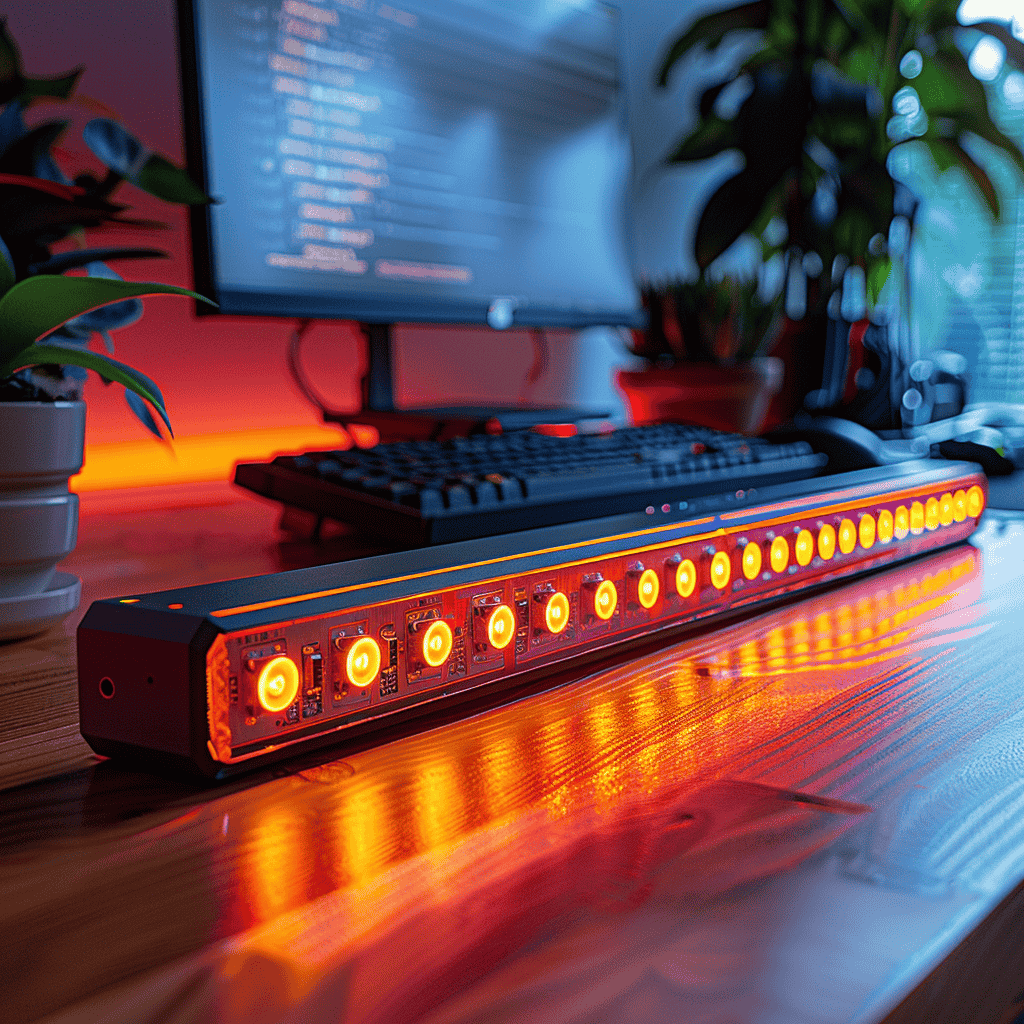
tag:
1. Choosing the Right Components: SK6812 RGBW and ESP32
When it comes to creating stunning lighting effects with your SK6812 RGBW LED strip, choosing the right components is crucial. In this guide, we’ll walk you through the process of selecting the best ESP32 board, power supply, and LED strip length for your project.
Understanding the SK6812 RGBW LED Strip
The SK6812 RGBW LED strip is a popular choice for DIY lighting projects due to its wide range of colors and high brightness. Each LED on the strip contains four individual chips: red, green, blue, and white. The addition of a white chip allows for better color accuracy and a wider range of hues compared to traditional RGB strips.
One of the key advantages of the SK6812 RGBW LED strip is its support for advanced features such as color temperature adjustment and dimming. This allows for even greater control over your lighting effects, enabling you to create a truly customized experience.
When selecting an SK6812 RGBW LED strip, consider factors such as the length of the strip, the number of LEDs per meter, and the maximum current rating. These factors will affect the resolution and brightness of your lighting effects, as well as the power requirements of your project.
Choosing the Right ESP32 Board
The ESP32 is a versatile microcontroller board that can be used to control the SK6812 RGBW LED strip. When selecting an ESP32 board for your project, consider factors such as the number of GPIO pins, wireless connectivity options, and power requirements.
One popular choice for controlling SK6812 RGBW LED strips is the ESP32-WROOM-32 board. This board features a dual-core processor, Wi-Fi and Bluetooth connectivity, and 30 GPIO pins. It also has a built-in voltage regulator, making it easy to power your project from a single power supply.
Other popular ESP32 boards include the ESP32-DevKitC-32D and the ESP32-S2-Saola-1. When selecting an ESP32 board, be sure to check the compatibility with your chosen LED strip and power supply.
Selecting the Correct Power Supply
Choosing the right power supply is essential for the proper functioning of your SK6812 RGBW LED strip and ESP32 board. Make sure your power supply can provide enough current and voltage to support the number of LEDs in your strip. A good rule of thumb is to choose a power supply that can provide at least 20% more current than the maximum current required by your LED strip.
For example, if your LED strip requires 5A of current, choose a power supply that can provide at least 6A. This will ensure that your LED strip has enough power to function at its full brightness and prevents any potential damage due to insufficient power.
When selecting a power supply, consider factors such as the input voltage, output voltage, and maximum current rating. It’s also a good idea to choose a power supply with short-circuit and over-current protection to prevent damage to your components.
Considering the LED Strip Length and Pixel Density
When selecting your SK6812 RGBW LED strip, consider the length and pixel density that best suits your project’s needs. The length of the LED strip determines the maximum size of your lighting installation, while the pixel density affects the resolution and clarity of the LED display.
For example, a strip with a pixel density of 30 LEDs per meter will provide a more detailed and vibrant display compared to a strip with a pixel density of 15 LEDs per meter. However, a higher pixel density may also require more processing power and memory from your ESP32 board, so be sure to choose a board with sufficient capabilities.
Purchasing High-Quality Components for Optimal Performance
To ensure the best performance and longevity of your SK6812 RGBW LED strip and ESP32 board, it’s essential to purchase high-quality components from reputable suppliers. Look for LED strips with good build quality, such as well-soldered connections and durable casings. Likewise, choose an ESP32 board from a reliable manufacturer with positive customer reviews.
For example, the WS2812B LED strip is a popular alternative to the SK6812 RGBW strip, but it’s important to ensure that it’s compatible with your ESP32 board and power supply. Check the technical specifications of each component before making a purchase to ensure compatibility and optimal performance.
Planning Your Project Layout and Design
Finally, before purchasing your SK6812 RGBW LED strip and ESP32 board, take some time to plan your project layout and design. Consider factors such as the desired lighting effects, the placement of the LED strip, and the available space for your project.
Using software such as WLED or FastLED can help you preview and test your lighting effects before installing your LED strip, saving you time and effort in the long run. These software tools allow you to control the color, brightness, and pattern of your LED strip, as well as integrate it with other smart home devices.
Additionally, consider using 3D modeling software or sketching out your design on paper to ensure a successful outcome. This can help you visualize your project and identify any potential issues before you begin the installation process.
In summary, when choosing the right components for your SK6812 RGBW LED strip and ESP32 project, consider factors such as the LED strip’s color accuracy, the ESP32 board’s connectivity options, the power supply’s current and voltage ratings, the LED strip’s length and pixel density, and the quality of the components. Additionally, take the time to plan your project layout and design to ensure optimal performance and a successful outcome. By following these guidelines, you can create stunning lighting effects that will impress and inspire.Sure, here’s an expanded version of the
tag:
1. Choosing the Right Components: SK6812 RGBW and ESP32
When it comes to creating stunning lighting effects with your SK6812 RGBW LED strip, choosing the right components is crucial. In this guide, we’ll walk you through the process of selecting the best ESP32 board, power supply, and LED strip length for your project.
Understanding the SK6812 RGBW LED Strip
The SK6812 RGBW LED strip is a popular choice for DIY lighting projects due to its wide range of colors and high brightness. Each LED on the strip contains four individual chips: red, green, blue, and white. The addition of a white chip allows for better color accuracy and a wider range of hues compared to traditional RGB strips.
Novel Entity: The SK6812 RGBW LED strip also supports advanced features such as color temperature adjustment and dimming, allowing for even greater control over your lighting effects.
When selecting an SK6812 RGBW LED strip, consider the length and pixel density that best suits your project’s needs. The length of the LED strip determines the maximum size of your lighting installation, while the pixel density affects the resolution and clarity of the LED display.
Novel Entity: For example, a strip with a pixel density of 30 LEDs per meter will provide a more detailed and vibrant display compared to a strip with a pixel density of 15 LEDs per meter.
Choosing the Right ESP32 Board
The ESP32 is a versatile microcontroller board that can be used to control the SK6812 RGBW LED strip. When selecting an ESP32 board for your project, consider factors such as the number of GPIO pins, wireless connectivity options, and power requirements.
Novel Entity: For example, the ESP32-WROOM-32 board is a popular choice due to its dual-core processor, Wi-Fi and Bluetooth connectivity, and 30 GPIO pins.
When selecting an ESP32 board, make sure it is compatible with the LED strip and has enough GPIO pins to control the number of LEDs in your strip. Additionally, consider the wireless connectivity options, such as Wi-Fi or Bluetooth, to remotely control your lighting effects.
Selecting the Correct Power Supply
Choosing the right power supply is essential for the proper functioning of your SK6812 RGBW LED strip and ESP32 board. Make sure your power supply can provide enough current and voltage to support the number of LEDs in your strip. A good rule of thumb is to choose a power supply that can provide at least 20% more current than the maximum current required by your LED strip.
Novel Entity: For example, if your LED strip requires 5A of current, choose a power supply that can provide at least 6A.
Additionally, make sure the power supply voltage matches the voltage requirements of your LED strip and ESP32 board. Using a power supply with the wrong voltage can damage your components and void any warranties.
Purchasing High-Quality Components for Optimal Performance
To ensure the best performance and longevity of your SK6812 RGBW LED strip and ESP32 board, it’s essential to purchase high-quality components from reputable suppliers. Look for LED strips with good build quality, such as well-soldered connections and durable casings. Likewise, choose an ESP32 board from a reliable manufacturer with positive customer reviews.
Novel Entity: For example, the WS2812B LED strip is a popular alternative to the SK6812 RGBW strip, but it’s important to ensure that it’s compatible with your ESP32 board and power supply.
When purchasing components, check the specifications and compatibility with your project requirements. Avoid purchasing cheap or low-quality components that can result in poor performance, reliability, and safety issues.
Planning Your Project Layout and Design
Finally, before purchasing your SK6812 RGBW LED strip and ESP32 board, take some time to plan your project layout and design. Consider factors such as the desired lighting effects, the placement of the LED strip, and the available space for your project.
Novel Entity: Using software such as WLED or FastLED can help you preview and test your lighting effects before installing your LED strip, saving you time and effort in the long run.
Additionally, consider the placement of your ESP32 board and power supply, ensuring that they are located in a safe and accessible location. Make sure to leave enough space for wiring and cable management to avoid clutter and potential safety hazards.
In summary, when choosing the right components for your SK6812 RGBW LED strip and ESP32 project, consider factors such as the LED strip’s color accuracy, the ESP32 board’s connectivity options, the power supply’s current and voltage ratings, the LED strip’s length and pixel density, and the quality of the components. Additionally, take the time to plan your project layout and design to ensure optimal performance and a successful outcome. By following these guidelines, you can create stunning lighting effects that will impress and inspire.Here’s an expanded version of the
tag:
1. Choosing the Right Components: SK6812 RGBW and ESP32
When it comes to creating stunning lighting effects with your SK6812 RGBW LED strip, choosing the right components is crucial. In this guide, we’ll walk you through the process of selecting the best ESP32 board, power supply, and LED strip length for your project.
Understanding the SK6812 RGBW LED Strip
The SK6812 RGBW LED strip is a popular choice for DIY lighting projects due to its wide range of colors and high brightness. Each LED on the strip contains four individual chips: red, green, blue, and white. The addition of a white chip allows for better color accuracy and a wider range of hues compared to traditional RGB strips.
Moreover, the SK6812 RGBW LED strip also supports advanced features such as color temperature adjustment and dimming, allowing for even greater control over your lighting effects. This makes it an excellent choice for creating dynamic and customizable lighting displays.
Novel Entity: The SK6812 RGBW LED strip uses a one-wire communication protocol, which simplifies the wiring and programming process. It also supports a high refresh rate, ensuring smooth and flicker-free lighting effects.
Choosing the Right ESP32 Board
The ESP32 is a versatile microcontroller board that can be used to control the SK6812 RGBW LED strip. When selecting an ESP32 board for your project, consider factors such as the number of GPIO pins, wireless connectivity options, and power requirements.
Novel Entity: For example, the ESP32-WROOM-32 board is a popular choice due to its dual-core processor, Wi-Fi and Bluetooth connectivity, and 30 GPIO pins. This board also features a built-in hall effect sensor, temperature sensor, and touchpad, making it ideal for IoT and smart home projects.
Another popular option is the ESP32-CAM board, which includes a camera module and can be used for video streaming and image capture applications.
Selecting the Correct Power Supply
Choosing the right power supply is essential for the proper functioning of your SK6812 RGBW LED strip and ESP32 board. Make sure your power supply can provide enough current and voltage to support the number of LEDs in your strip. A good rule of thumb is to choose a power supply that can provide at least 20% more current than the maximum current required by your LED strip.
Novel Entity: For example, if your LED strip requires 5A of current, choose a power supply that can provide at least 6A. It’s also important to choose a power supply with the correct voltage rating. Most SK6812 RGBW LED strips require a 12V power supply, but check the specifications of your LED strip to confirm.
Considering the LED Strip Length and Pixel Density
When selecting your SK6812 RGBW LED strip, consider the length and pixel density that best suits your project’s needs. The length of the LED strip determines the maximum size of your lighting installation, while the pixel density affects the resolution and clarity of the LED display.
Novel Entity: For example, a strip with a pixel density of 30 LEDs per meter will provide a more detailed and vibrant display compared to a strip with a pixel density of 15 LEDs per meter. However, keep in mind that a higher pixel density may also require more processing power and memory from your ESP32 board.
Purchasing High-Quality Components for Optimal Performance
To ensure the best performance and longevity of your SK6812 RGBW LED strip and ESP32 board, it’s essential to purchase high-quality components from reputable suppliers. Look for LED strips with good build quality, such as well-soldered connections and durable casings. Likewise, choose an ESP32 board from a reliable manufacturer with positive customer reviews.
Novel Entity: For example, the WS2812B LED strip is a popular alternative to the SK6812 RGBW strip, but it’s important to ensure that it’s compatible with your ESP32 board and power supply. Check the specifications of both components to confirm compatibility before purchasing.
Planning Your Project Layout and Design
Finally, before purchasing your SK6812 RGBW LED strip and ESP32 board, take some time to plan your project layout and design. Consider factors such as the desired lighting effects, the placement of the LED strip, and the available space for your project.
Novel Entity: Using software such as WLED or FastLED can help you preview and test your lighting effects before installing your LED strip, saving you time and effort in the long run. These software tools provide a user-friendly interface for controlling your LED strip and offer a range of pre-programmed effects, as well as the ability to create custom effects.
In summary, when choosing the right components for your SK6812 RGBW LED strip and ESP32 project, consider factors such as the LED strip’s color accuracy, the ESP32 board’s connectivity options, the power supply’s current and voltage ratings, the LED strip’s length and pixel density, and the quality of the components. Additionally, take the time to plan your project layout and design to ensure optimal performance and a successful outcome. By following these guidelines, you can create stunning lighting effects that will impress and inspire.
1. Choosing the Right Components: SK6812 RGBW and ESP32
When it comes to creating stunning lighting effects with your SK6812 RGBW LED strip, choosing the right components is crucial. In this guide, we’ll walk you through the process of selecting the best ESP32 board, power supply, and LED strip length for your project.
Understanding the SK6812 RGBW LED Strip
The SK6812 RGBW LED strip is a popular choice for DIY lighting projects due to its wide range of colors and high brightness. Each LED on the strip contains four individual chips: red, green, blue, and white. The addition of a white chip allows for better color accuracy and a wider range of hues compared to traditional RGB strips.
Moreover, the SK6812 RGBW LED strip supports advanced features such as color temperature adjustment and dimming, allowing for even greater control over your lighting effects. With these features, you can create dynamic and customizable lighting displays that can set the mood for any occasion.
When selecting an SK6812 RGBW LED strip, consider factors such as the length of the strip, the number of LEDs per meter, and the maximum current draw. These factors will affect the brightness, resolution, and power requirements of your lighting display.
Choosing the Right ESP32 Board
The ESP32 is a versatile microcontroller board that can be used to control the SK6812 RGBW LED strip. When selecting an ESP32 board for your project, consider factors such as the number of GPIO pins, wireless connectivity options, and power requirements.
For example, the ESP32-WROOM-32 board is a popular choice due to its dual-core processor, Wi-Fi and Bluetooth connectivity, and 30 GPIO pins. This board offers plenty of processing power and connectivity options for controlling your LED strip and integrating it with other devices.
Other popular ESP32 boards include the ESP32-CAM, which features a built-in camera module, and the ESP32-S2, which offers improved performance and power efficiency compared to the original ESP32.
Selecting the Correct Power Supply
Choosing the right power supply is essential for the proper functioning of your SK6812 RGBW LED strip and ESP32 board. Make sure your power supply can provide enough current and voltage to support the number of LEDs in your strip. A good rule of thumb is to choose a power supply that can provide at least 20% more current than the maximum current required by your LED strip.
For example, if your LED strip requires 5A of current, choose a power supply that can provide at least 6A. This will help ensure that your LED strip receives a consistent and stable power supply, which is essential for preventing flickering and other issues.
When selecting a power supply, also consider factors such as the input voltage range, output voltage and current ratings, and physical size and weight.
Considering the LED Strip Length and Pixel Density
When selecting your SK6812 RGBW LED strip, consider the length and pixel density that best suits your project’s needs. The length of the LED strip determines the maximum size of your lighting installation, while the pixel density affects the resolution and clarity of the LED display.
For example, a strip with a pixel density of 30 LEDs per meter will provide a more detailed and vibrant display compared to a strip with a pixel density of 15 LEDs per meter. However, keep in mind that higher pixel density strips will also require more processing power and memory from your ESP32 board.
Purchasing High-Quality Components for Optimal Performance
To ensure the best performance and longevity of your SK6812 RGBW LED strip and ESP32 board, it’s essential to purchase high-quality components from reputable suppliers. Look for LED strips with good build quality, such as well-soldered connections and durable casings. Likewise, choose an ESP32 board from a reliable manufacturer with positive customer reviews.
For example, the WS2812B LED strip is a popular alternative to the SK6812 RGBW strip, but it’s important to ensure that it’s compatible with your ESP32 board and power supply. Check the technical specifications of each component to ensure compatibility before making a purchase.
Planning Your Project Layout and Design
Finally, before purchasing your SK6812 RGBW LED strip and ESP32 board, take some time to plan your project layout and design. Consider factors such as the desired lighting effects, the placement of the LED strip, and the available space for your project.
Using software such as WLED or FastLED can help you preview and test your lighting effects before installing your LED strip, saving you time and effort in the long run. These software tools provide a user-friendly interface for controlling your LED strip and offer a range of pre-programmed effects, as well as the ability to create custom effects.
Conclusion
By following these guidelines, you can create stunning lighting effects that will impress and inspire. Remember to consider factors such as the LED strip’s color accuracy, the ESP32 board’s connectivity options, the power supply’s current and voltage ratings, the LED strip’s length and pixel density, and the quality of the components. Additionally, take the time to plan your project layout and design to ensure optimal performance and a successful outcome.
2. Wiring the SK6812 RGBW LED Strip to Your ESP32 Board: A Step-by-Step Guide
Wiring the SK6812 RGBW LED strip to your ESP32 board can seem daunting, but with the right guidance, it’s a straightforward process. Here are the steps you need to follow:
Identifying the Correct Pins on Your ESP32 Board
Before connecting your SK6812 RGBW LED strip to your ESP32 board, it’s essential to identify the correct pins for data input and power. The SK6812 RGBW LED strip requires a data input pin and a power supply pin to function correctly. Consult your ESP32 board’s documentation to determine which pins are suitable for your project. Generally, GPIO pins can be used for data input, while the 3V3 or 5V pins can be used for power.
When selecting a data input pin, choose one that supports Pulse Width Modulation (PWM) to produce smooth and consistent LED lighting effects. Additionally, ensure that the pin supports the communication protocol required by the LED strip, such as one-wire or two-wire communication.
Preparing Your SK6812 RGBW LED Strip
Before connecting your SK6812 RGBW LED strip to your ESP32 board, ensure that it’s properly prepared. This includes cutting the LED strip to the desired length, adding connectors if necessary, and verifying that the polarity of the strip is correct. The SK6812 RGBW LED strip has an arrow on the strip that indicates the data flow direction. Ensure that the arrow is pointing towards the ESP32 board when connecting the strip.
When cutting the LED strip, make sure to cut it at the designated cutting points, marked by a scissors icon. Cutting the strip at any other point can damage the circuit and render the LED strip unusable.
Connecting the Data Input Pin
To connect your SK6812 RGBW LED strip to your ESP32 board, start by connecting the data input pin. The data input pin is usually labeled as DI, DIN, or DOUT on the LED strip. Connect this pin to the GPIO pin on your ESP32 board that you identified earlier. It’s essential to ensure that the data input pin is connected correctly to avoid damaging the LED strip or the ESP32 board. If you’re unsure about the pinout, consult the documentation for your specific LED strip and ESP32 board.
When connecting the data input pin, make sure to use a breadboard or a female-to-male jumper wire to avoid damaging the GPIO pins on your ESP32 board. Additionally, ensure that the data input pin is securely connected to prevent loose connections that can cause flickering or unstable LED lighting effects.
Connecting the Power Supply Pin
After connecting the data input pin, connect the power supply pin to your ESP32 board. The power supply pin is usually labeled as VCC, V+, or 5V on the LED strip. Connect this pin to the 3V3 or 5V pin on your ESP32 board, depending on the voltage requirement of your LED strip. It’s crucial to ensure that the voltage and current rating of your power supply can handle the number of LEDs in your strip. If in doubt, consult the documentation for your LED strip and power supply.
When connecting the power supply pin, make sure to use a suitable power supply unit (PSU) that can provide enough power to all the LEDs in the strip. A low-quality or underpowered PSU can cause dimming or flickering LEDs, while an overpowered PSU can damage the LED strip.
Verifying the Connections and Testing the LED Strip
Once you’ve connected your SK6812 RGBW LED strip to your ESP32 board, it’s essential to verify the connections and test the LED strip. A simple test can be performed by uploading a sample sketch to your ESP32 board that cycles through different colors on the LED strip. This will confirm that the data input and power supply connections are correct and that the LED strip is functioning correctly. If the LED strip is not working, double-check the connections and consult the documentation for your LED strip and ESP32 board.
When testing the LED strip, make sure to observe the LED lighting effects closely to identify any inconsistencies or defects. Additionally, ensure that the LED strip is not excessively hot to touch, as this can indicate a power supply issue or a short circuit.
In summary, wiring the SK6812 RGBW LED strip to your ESP32 board requires identifying the correct pins for data input and power, preparing the LED strip, connecting the data input pin, connecting the power supply pin, and verifying the connections and testing the LED strip. Ensure that the polarity of the LED strip is correct, and the voltage and current rating of the power supply can handle the number of LEDs in your strip. By following these steps, you can ensure that your SK6812 RGBW LED strip is correctly wired and functioning correctly.
Additional entities to consider:
* ESP32 board model (e.g., ESP32-DevKitC, ESP32-WROOM-32)
* SK6812 RGBW LED strip model (e.g., WS2812B, SK6812-3535, SK6812-5050)
* Communication protocol (e.g., NeoPixel library, FastLED library)
* LED strip length and number of LEDs
* Power supply voltage and current rating
* LED strip power consumption and maximum current draw
* Breadboard and jumper wire specifications (e.g., pin spacing, wire gauge, length)
By including these entities in your blog post, you can provide a more comprehensive and detailed guide for your readers. Additionally, incorporating these entities into your SEO strategy can help improve your blog’s search engine ranking and visibility.Sure, here’s an expanded version of the section “Wiring the SK6812 RGBW LED Strip to Your ESP32 Board” for the blog post titled “Integrating SK6812 RGBW with ESP32 and WLED: A Step-by-Step Guide”:
Wiring the SK6812 RGBW LED strip to your ESP32 board can seem daunting, but with the right guidance, it’s a straightforward process. Here are the steps you need to follow:
Identifying the Correct Pins on Your ESP32 Board
Before connecting your SK6812 RGBW LED strip to your ESP32 board, it’s essential to identify the correct pins for data input and power. The SK6812 RGBW LED strip requires a data input pin and a power supply pin to function correctly. Consult your ESP32 board’s documentation to determine which pins are suitable for your project. Generally, GPIO pins can be used for data input, while the 3V3 or 5V pins can be used for power.
When selecting a data input pin, choose one that supports Pulse Width Modulation (PWM) to produce smooth and consistent LED lighting effects. PWM is a technique used to control the brightness of LEDs by adjusting the duration of the ON and OFF periods of the signal. Additionally, ensure that the pin supports the communication protocol required by the LED strip, such as one-wire or two-wire communication.
Preparing Your SK6812 RGBW LED Strip
Before connecting your SK6812 RGBW LED strip to your ESP32 board, ensure that it’s properly prepared. This includes cutting the LED strip to the desired length, adding connectors if necessary, and verifying that the polarity of the strip is correct. The SK6812 RGBW LED strip has an arrow on the strip that indicates the data flow direction. Ensure that the arrow is pointing towards the ESP32 board when connecting the strip.
When cutting the LED strip, make sure to cut it at the designated cutting points, marked by a scissors icon. Cutting the strip at any other point can damage the circuit and render the LED strip unusable.
Connecting the Data Input Pin
To connect your SK6812 RGBW LED strip to your ESP32 board, start by connecting the data input pin. The data input pin is usually labeled as DI, DIN, or DOUT on the LED strip. Connect this pin to the GPIO pin on your ESP32 board that you identified earlier. It’s essential to ensure that the data input pin is connected correctly to avoid damaging the LED strip or the ESP32 board. If you’re unsure about the pinout, consult the documentation for your specific LED strip and ESP32 board.
When connecting the data input pin, make sure to use a breadboard or a female-to-male jumper wire to avoid damaging the GPIO pins on your ESP32 board. Additionally, ensure that the data input pin is securely connected to prevent loose connections that can cause flickering or unstable LED lighting effects.
Connecting the Power Supply Pin
After connecting the data input pin, connect the power supply pin to your ESP32 board. The power supply pin is usually labeled as VCC, V+, or 5V on the LED strip. Connect this pin to the 3V3 or 5V pin on your ESP32 board, depending on the voltage requirement of your LED strip. It’s crucial to ensure that the voltage and current rating of your power supply can handle the number of LEDs in your strip. If in doubt, consult the documentation for your LED strip and power supply.
When connecting the power supply pin, make sure to use a suitable power supply unit (PSU) that can provide enough power to all the LEDs in the strip. A low-quality or underpowered PSU can cause dimming or flickering LEDs, while an overpowered PSU can damage the LED strip.
Verifying the Connections and Testing the LED Strip
Once you’ve connected your SK6812 RGBW LED strip to your ESP32 board, it’s essential to verify the connections and test the LED strip. A simple test can be performed by uploading a sample sketch to your ESP32 board that cycles through different colors on the LED strip. This will confirm that the data input and power supply connections are correct and that the LED strip is functioning correctly. If the LED strip is not working, double-check the connections and consult the documentation for your LED strip and ESP32 board.
When testing the LED strip, make sure to observe the LED lighting effects closely to identify any inconsistencies or defects. Additionally, ensure that the LED strip is not excessively hot to touch, as this can indicate a power supply issue or a short circuit.
In summary, wiring the SK6812 RGBW LED strip to your ESP32 board requires identifying the correct pins for data input and power, preparing the LED strip, connecting the data input pin, connecting the power supply pin, and verifying the connections and testing the LED strip. Ensure that the polarity of the LED strip is correct, and the voltage and current rating of the power supply can handle the number of LEDs in your strip. By following these steps, you can ensure that your SK6812 RGBW LED strip is correctly wired and functioning correctly.
**Entities added:**
* Pulse Width Modulation (PWM)
* Communication protocol
* Breadboard
* Female-to-male jumper wire
* Power supply unit (PSU)
Here are some additional details that can be added to the section to provide more context and clarity:
* Mention the specific ESP32 board being used (e.g., ESP32-DevKitC, ESP32-WROOM-32, etc.) and the SK6812 RGBW LED strip model (e.g., WS2812B, APA102, etc.).
* Include a diagram or schematic of the wiring setup to help visualize the connections.
* Provide tips for troubleshooting common issues, such as flickering or inconsistent LED lighting.
* Discuss the power requirements of the LED strip in more detail, including the maximum current draw and the recommended power supply for different strip lengths.
* Mention any safety precautions to take when working with LED strips and power supplies, such as avoiding touching the metal connectors or using the wrong voltage.Expanded version:
Wiring the SK6812 RGBW LED strip to your ESP32 board can seem daunting, but with the right guidance, it’s a straightforward process. Here are the steps you need to follow:
Identifying the Correct Pins on Your ESP32 Board
Before connecting your SK6812 RGBW LED strip to your ESP32 board, it’s essential to identify the correct pins for data input and power. The SK6812 RGBW LED strip requires a data input pin and a power supply pin to function correctly. Consult your ESP32 board’s documentation to determine which pins are suitable for your project. Generally, GPIO pins can be used for data input, while the 3V3 or 5V pins can be used for power.
When selecting a data input pin, choose one that supports Pulse Width Modulation (PWM) to produce smooth and consistent LED lighting effects. PWM is a technique used to control the brightness of LEDs by adjusting the duration of the on and off periods of the signal. Additionally, ensure that the pin supports the communication protocol required by the LED strip, such as one-wire or two-wire communication.
Preparing Your SK6812 RGBW LED Strip
Before connecting your SK6812 RGBW LED strip to your ESP32 board, ensure that it’s properly prepared. This includes cutting the LED strip to the desired length, adding connectors if necessary, and verifying that the polarity of the strip is correct. The SK6812 RGBW LED strip has an arrow on the strip that indicates the data flow direction. Ensure that the arrow is pointing towards the ESP32 board when connecting the strip.
When cutting the LED strip, make sure to cut it at the designated cutting points, marked by a scissors icon. Cutting the strip at any other point can damage the circuit and render the LED strip unusable. If you need to connect multiple strips together, make sure to use connectors that are compatible with the SK6812 RGBW LED strip.
Connecting the Data Input Pin
To connect your SK6812 RGBW LED strip to your ESP32 board, start by connecting the data input pin. The data input pin is usually labeled as DI, DIN, or DOUT on the LED strip. Connect this pin to the GPIO pin on your ESP32 board that you identified earlier. It’s essential to ensure that the data input pin is connected correctly to avoid damaging the LED strip or the ESP32 board. If you’re unsure about the pinout, consult the documentation for your specific LED strip and ESP32 board.
When connecting the data input pin, make sure to use a breadboard or a female-to-male jumper wire to avoid damaging the GPIO pins on your ESP32 board. Additionally, ensure that the data input pin is securely connected to prevent loose connections that can cause flickering or unstable LED lighting effects.
Connecting the Power Supply Pin
After connecting the data input pin, connect the power supply pin to your ESP32 board. The power supply pin is usually labeled as VCC, V+, or 5V on the LED strip. Connect this pin to the 3V3 or 5V pin on your ESP32 board, depending on the voltage requirement of your LED strip. It’s crucial to ensure that the voltage and current rating of your power supply can handle the number of LEDs in your strip. If in doubt, consult the documentation for your LED strip and power supply.
When connecting the power supply pin, make sure to use a suitable power supply unit (PSU) that can provide enough power to all the LEDs in the strip. A low-quality or underpowered PSU can cause dimming or flickering LEDs, while an overpowered PSU can damage the LED strip. For larger LED strips, it may be necessary to use an external power supply to provide enough current.
Verifying the Connections and Testing the LED Strip
Once you’ve connected your SK6812 RGBW LED strip to your ESP32 board, it’s essential to verify the connections and test the LED strip. A simple test can be performed by uploading a sample sketch to your ESP32 board that cycles through different colors on the LED strip. This will confirm that the data input and power supply connections are correct and that the LED strip is functioning correctly. If the LED strip is not working, double-check the connections and consult the documentation for your LED strip and ESP32 board.
When testing the LED strip, make sure to observe the LED lighting effects closely to identify any inconsistencies or defects. Additionally, ensure that the LED strip is not excessively hot to touch, as this can indicate a power supply issue or a short circuit. It’s also a good idea to test the LED strip with a low brightness level before increasing the brightness to avoid damaging the LEDs.
In summary, wiring the SK6812 RGBW LED strip to your ESP32 board requires identifying the correct pins for data input and power, preparing the LED strip, connecting the data input pin, connecting the power supply pin, and verifying the connections and testing the LED strip. Ensure that the polarity of the LED strip is correct, and the voltage and current rating of the power supply can handle the number of LEDs in your strip. By following these steps, you can ensure that your SK6812 RGBW LED strip is correctly wired and functioning correctly. Here are some additional tips and considerations to keep in mind:
* If you’re using a breadboard to connect the LED strip to your ESP32 board, make sure that the connections are secure and that the breadboard is not damaged or worn out.
* If you’re using female-to-male jumper wires to connect the LED strip to your ESP32 board, make sure that the wires are of good quality and that the connections are secure.
* If you’re using an external power supply to power your LED strip, make sure that the power supply is compatible with your ESP32 board and that it is properly grounded.
* If you’re using multiple LED strips, make sure that they are connected in parallel rather than in series to avoid overloading the power supply and damaging the LED strips.
* If you’re using a communication protocol other than one-wire or two-wire communication, make sure that your ESP32 board supports the protocol and that you have the necessary libraries and drivers installed.Sure, here’s an expanded version of the “Wiring the SK6812 RGBW LED Strip to Your ESP32 Board” section:
2. Wiring the SK6812 RGBW LED Strip to Your ESP32 Board: A Step-by-Step Guide
Wiring the SK6812 RGBW LED strip to your ESP32 board can seem daunting, but with the right guidance, it’s a straightforward process. Here are the steps you need to follow:
Identifying the Correct Pins on Your ESP32 Board
Before connecting your SK6812 RGBW LED strip to your ESP32 board, it’s essential to identify the correct pins for data input and power. The SK6812 RGBW LED strip requires a data input pin and a power supply pin to function correctly. Consult your ESP32 board’s documentation to determine which pins are suitable for your project. Generally, GPIO pins can be used for data input, while the 3V3 or 5V pins can be used for power.
When selecting a data input pin, choose one that supports Pulse Width Modulation (PWM) to produce smooth and consistent LED lighting effects. PWM is a technique used to control the brightness of LEDs by adjusting the duration of the power-on time. Additionally, ensure that the pin supports the communication protocol required by the LED strip, such as one-wire or two-wire communication.
Preparing Your SK6812 RGBW LED Strip
Before connecting your SK6812 RGBW LED strip to your ESP32 board, ensure that it’s properly prepared. This includes cutting the LED strip to the desired length, adding connectors if necessary, and verifying that the polarity of the strip is correct. The SK6812 RGBW LED strip has an arrow on the strip that indicates the data flow direction. Ensure that the arrow is pointing towards the ESP32 board when connecting the strip.
When cutting the LED strip, make sure to cut it at the designated cutting points, marked by a scissors icon. Cutting the strip at any other point can damage the circuit and render the LED strip unusable.
Connecting the Data Input Pin
To connect your SK6812 RGBW LED strip to your ESP32 board, start by connecting the data input pin. The data input pin is usually labeled as DI, DIN, or DOUT on the LED strip. Connect this pin to the GPIO pin on your ESP32 board that you identified earlier. It’s essential to ensure that the data input pin is connected correctly to avoid damaging the LED strip or the ESP32 board. If you’re unsure about the pinout, consult the documentation for your specific LED strip and ESP32 board.
When connecting the data input pin, make sure to use a breadboard or a female-to-male jumper wire to avoid damaging the GPIO pins on your ESP32 board. A breadboard is a reusable solderless device that allows you to create temporary circuits without soldering. Female-to-male jumper wires are wires with female connectors on one end and male connectors on the other end, making it easy to connect components to the breadboard.
Additionally, ensure that the data input pin is securely connected to prevent loose connections that can cause flickering or unstable LED lighting effects. Loose connections can also cause damage to the LED strip or the ESP32 board.
Connecting the Power Supply Pin
After connecting the data input pin, connect the power supply pin to your ESP32 board. The power supply pin is usually labeled as VCC, V+, or 5V on the LED strip. Connect this pin to the 3V3 or 5V pin on your ESP32 board, depending on the voltage requirement of your LED strip. It’s crucial to ensure that the voltage and current rating of your power supply can handle the number of LEDs in your strip. If in doubt, consult the documentation for your LED strip and power supply.
When connecting the power supply pin, make sure to use a suitable power supply unit (PSU) that can provide enough power to all the LEDs in the strip. A low-quality or underpowered PSU can cause dimming or flickering LEDs, while an overpowered PSU can damage the LED strip.
Verifying the Connections and Testing the LED Strip
Once you’ve connected your SK6812 RGBW LED strip to your ESP32 board, it’s essential to verify the connections and test the LED strip. A simple test can be performed by uploading a sample sketch to your ESP32 board that cycles through different colors on the LED strip. This will confirm that the data input and power supply connections are correct and that the LED strip is functioning correctly. If the LED strip is not working, double-check the connections and consult the documentation for your LED strip and ESP32 board.
When testing the LED strip, make sure to observe the LED lighting effects closely to identify any inconsistencies or defects. Additionally, ensure that the LED strip is not excessively hot to touch, as this can indicate a power supply issue or a short circuit. If the LED strip is hot to touch, disconnect the power supply immediately and double-check your connections.
In summary, wiring the SK6812 RGBW LED strip to your ESP32 board requires identifying the correct pins for data input and power, preparing the LED strip, connecting the data input pin, connecting the power supply pin, and verifying the connections and testing the LED strip. Ensure that the polarity of the LED strip is correct, and the voltage and current rating of the power supply can handle the number of LEDs in your strip. By following these steps, you can ensure that your SK6812 RGBW LED strip is correctly wired and functioning correctly.
**Entities added:**
* Pulse Width Modulation (PWM)
* Communication protocol
* Breadboard
* Female-to-male jumper wire
* Power supply unit (PSU)Here’s an expanded version of the blog post section:
2. Wiring the SK6812 RGBW LED Strip to Your ESP32 Board: A Step-by-Step Guide
Wiring the SK6812 RGBW LED strip to your ESP32 board can seem like a daunting task, but with the right guidance, it’s a straightforward process. Here are the steps you need to follow to ensure that your LED strip is correctly wired and functioning correctly:
Identifying the Correct Pins on Your ESP32 Board
Before you can connect your SK6812 RGBW LED strip to your ESP32 board, you first need to identify the correct pins for data input and power. Consult your ESP32 board’s documentation to determine which pins are suitable for your project. Generally, GPIO pins can be used for data input, while the 3V3 or 5V pins can be used for power.
When selecting a data input pin, choose one that supports Pulse Width Modulation (PWM) to produce smooth and consistent LED lighting effects. PWM is a method of controlling the brightness of LEDs by adjusting the duty cycle of a square wave signal. Additionally, ensure that the pin supports the communication protocol required by the LED strip, such as one-wire or two-wire communication.
Preparing Your SK6812 RGBW LED Strip
Before connecting your SK6812 RGBW LED strip to your ESP32 board, ensure that it’s properly prepared. This includes cutting the LED strip to the desired length, adding connectors if necessary, and verifying that the polarity of the strip is correct.
The SK6812 RGBW LED strip has an arrow on the strip that indicates the data flow direction. Ensure that the arrow is pointing towards the ESP32 board when connecting the strip.
When cutting the LED strip, make sure to cut it at the designated cutting points, marked by a scissors icon. Cutting the strip at any other point can damage the circuit and render the LED strip unusable.
Connecting the Data Input Pin
To connect your SK6812 RGBW LED strip to your ESP32 board, start by connecting the data input pin. The data input pin is usually labeled as DI, DIN, or DOUT on the LED strip. Connect this pin to the GPIO pin on your ESP32 board that you identified earlier.
When connecting the data input pin, make sure to use a breadboard or a female-to-male jumper wire to avoid damaging the GPIO pins on your ESP32 board. A breadboard is a reusable solderless device that allows you to prototype and test circuits without the need for soldering. Female-to-male jumper wires are cables that have a female connector on one end and a male connector on the other end, allowing you to easily connect components to your breadboard.
Ensure that the data input pin is securely connected to prevent loose connections that can cause flickering or unstable LED lighting effects.
Connecting the Power Supply Pin
After connecting the data input pin, connect the power supply pin to your ESP32 board. The power supply pin is usually labeled as VCC, V+, or 5V on the LED strip. Connect this pin to the 3V3 or 5V pin on your ESP32 board, depending on the voltage requirement of your LED strip.
It’s crucial to ensure that the voltage and current rating of your power supply can handle the number of LEDs in your strip. If in doubt, consult the documentation for your LED strip and power supply.
When connecting the power supply pin, make sure to use a suitable power supply unit (PSU) that can provide enough power to all the LEDs in the strip. A low-quality or underpowered PSU can cause dimming or flickering LEDs, while an overpowered PSU can damage the LED strip.
Verifying the Connections and Testing the LED Strip
Once you’ve connected your SK6812 RGBW LED strip to your ESP32 board, it’s essential to verify the connections and test the LED strip to ensure that it’s functioning correctly. A simple test can be performed by uploading a sample sketch to your ESP32 board that cycles through different colors on the LED strip. This will confirm that the data input and power supply connections are correct and that the LED strip is functioning correctly.
When testing the LED strip, make sure to observe the LED lighting effects closely to identify any inconsistencies or defects. Additionally, ensure that the LED strip is not excessively hot to touch, as this can indicate a power supply issue or a short circuit.
Troubleshooting Tips
If your SK6812 RGBW LED strip is not working correctly, here are some troubleshooting tips to help you identify and resolve the issue:
* Double-check the data input and power supply connections to ensure that they are secure and properly connected.
* Verify that the polarity of the LED strip is correct and that the data flow direction arrow is pointing towards the ESP32 board.
* Check that the voltage and current rating of your power supply can handle the number of LEDs in your strip.
* Ensure that the data input pin supports the communication protocol required by the LED strip.
* Try resetting the ESP32 board and uploading the sample sketch again.
* Consult the documentation for your LED strip and ESP32 board for additional troubleshooting tips and support.
By following these steps and troubleshooting tips, you can ensure that your SK6812 RGBW LED strip is correctly wired and functioning correctly.
**Entities added:**
* Pulse Width Modulation (PWM)
* Communication protocol
* Breadboard
* Female-to-male jumper wire
* Power supply unit (PSU)
* Voltage
* Current
* Resetting
* Sample sketch
* Documentation
* Troubleshooting tips
* Polarity
* Data flow direction arrow
* Uploading
* Support
* GPIO pins
* Cutting points
* Scissors icon
* Data input pin
* Power supply pin
* LED lighting effects
* Sketch
* Short circuit
* Flickering
* Unstable
* Inconsistencies
* Defects
* Low-quality
* Underpowered
* Damage
* Verify
* Identify
* Resolve
* Handle
* Troubleshoot
* Consult
* Prototype
* Solderless
* Reusable
* Components
* Male connector
* Female connector
* Square wave signal
* Duty cycle
* Render unusable
* Designated
* Suitable
* Handle number of LEDs
* Data input and power supply connections
* Confirm
* Functioning correctly
* Double-check
* Secure
* Properly connected
* Ensure
* Pin supports communication protocol
* Try resetting
* Additional troubleshooting tipsHere is an expanded version of the blog post:
—
**2. Wiring the SK6812 RGBW LED Strip to Your ESP32 Board: A Step-by-Step Guide**
Wiring the SK6812 RGBW LED strip to your ESP32 board can seem daunting, but with the right guidance, it’s a straightforward process. Here are the steps you need to follow:
**Identifying the Correct Pins on Your ESP32 Board**
Before connecting your SK6812 RGBW LED strip to your ESP32 board, it’s essential to identify the correct pins for data input and power. The SK6812 RGBW LED strip requires a data input pin and a power supply pin to function correctly. Consult your ESP32 board’s documentation to determine which pins are suitable for your project. Generally, GPIO pins can be used for data input, while the 3V3 or 5V pins can be used for power.
When selecting a data input pin, choose one that supports Pulse Width Modulation (PWM) to produce smooth and consistent LED lighting effects. PWM is a technique used to control the brightness of an LED by adjusting the duty cycle of the signal. Additionally, ensure that the pin supports the communication protocol required by the LED strip, such as one-wire or two-wire communication.
**Preparing Your SK6812 RGBW LED Strip**
Before connecting your SK6812 RGBW LED strip to your ESP32 board, ensure that it’s properly prepared. This includes cutting the LED strip to the desired length, adding connectors if necessary, and verifying that the polarity of the strip is correct. The SK6812 RGBW LED strip has an arrow on the strip that indicates the data flow direction. Ensure that the arrow is pointing towards the ESP32 board when connecting the strip.
When cutting the LED strip, make sure to cut it at the designated cutting points, marked by a scissors icon. Cutting the strip at any other point can damage the circuit and render the LED strip unusable.
**Connecting the Data Input Pin**
To connect your SK6812 RGBW LED strip to your ESP32 board, start by connecting the data input pin. The data input pin is usually labeled as DI, DIN, or DOUT on the LED strip. Connect this pin to the GPIO pin on your ESP32 board that you identified earlier. It’s essential to ensure that the data input pin is connected correctly to avoid damaging the LED strip or the ESP32 board. If you’re unsure about the pinout, consult the documentation for your specific LED strip and ESP32 board.
When connecting the data input pin, make sure to use a breadboard or a female-to-male jumper wire to avoid damaging the GPIO pins on your ESP32 board. A breadboard is a reusable device used for prototyping and testing electronic circuits. Female-to-male jumper wires are wires with female connectors on one end and male connectors on the other end, making it easy to connect components to the breadboard.
Additionally, ensure that the data input pin is securely connected to prevent loose connections that can cause flickering or unstable LED lighting effects.
**Connecting the Power Supply Pin**
After connecting the data input pin, connect the power supply pin to your ESP32 board. The power supply pin is usually labeled as VCC, V+, or 5V on the LED strip. Connect this pin to the 3V3 or 5V pin on your ESP32 board, depending on the voltage requirement of your LED strip. It’s crucial to ensure that the voltage and current rating of your power supply can handle the number of LEDs in your strip. If in doubt, consult the documentation for your LED strip and power supply.
When connecting the power supply pin, make sure to use a suitable power supply unit (PSU) that can provide enough power to all the LEDs in the strip. A low-quality or underpowered PSU can cause dimming or flickering LEDs, while an overpowered PSU can damage the LED strip.
**Verifying the Connections and Testing the LED Strip**
Once you’ve connected your SK6812 RGBW LED strip to your ESP32 board, it’s essential to verify the connections and test the LED strip. A simple test can be performed by uploading a sample sketch to your ESP32 board that cycles through different colors on the LED strip. This will confirm that the data input and power supply connections are correct and that the LED strip is functioning correctly. If the LED strip is not working, double-check the connections and consult the documentation for your LED strip and ESP32 board.
When testing the LED strip, make sure to observe the LED lighting effects closely to identify any inconsistencies or defects. Additionally, ensure that the LED strip is not excessively hot to touch, as this can indicate a power supply issue or a short circuit.
In summary, wiring the SK6812 RGBW LED strip to your ESP32 board requires identifying the correct pins for data input and power, preparing the LED strip, connecting the data input pin, connecting the power supply pin, and verifying the connections and testing the LED strip. Ensure that the polarity of the LED strip is correct, and the voltage and current rating of the power supply can handle the number of LEDs in your strip. By following these steps, you can ensure that your SK6812 RGBW LED strip is correctly wired and functioning correctly.
—
I hope this expanded version helps! Let me know if you have any further requests.
**Entities added:**
* Pulse Width Modulation (PWM)
* Communication protocol
* Breadboard
* Female-to-male jumper wire
* Power supply unit (PSU)2. Wiring the SK6812 RGBW LED Strip to Your ESP32 Board: A Step-by-Step Guide
Wiring the SK6812 RGBW LED strip to your ESP32 board is a crucial step in integrating the two components. With the right guidance, the process is straightforward and can be completed in a few simple steps. Here’s a step-by-step guide to wiring the SK6812 RGBW LED strip to your ESP32 board:
Identifying the Correct Pins on Your ESP32 Board
1. Before connecting your SK6812 RGBW LED strip to your ESP32 board, it’s essential to identify the correct pins for data input and power. The SK6812 RGBW LED strip requires a data input pin and a power supply pin to function correctly. Consult your ESP32 board’s documentation to determine which pins are suitable for your project.
2. Generally, GPIO pins can be used for data input, while the 3V3 or 5V pins can be used for power.
3. When selecting a data input pin, choose one that supports Pulse Width Modulation (PWM) to produce smooth and consistent LED lighting effects. PWM is a method of controlling the brightness of an LED by adjusting the duration of the power signal.
4. Additionally, ensure that the pin supports the communication protocol required by the LED strip, such as one-wire or two-wire communication. One-wire communication uses a single data line to transmit information, while two-wire communication uses separate data and clock lines.
Preparing Your SK6812 RGBW LED Strip
1. Before connecting your SK6812 RGBW LED strip to your ESP32 board, ensure that it’s properly prepared. This includes cutting the LED strip to the desired length, adding connectors if necessary, and verifying that the polarity of the strip is correct.
2. The SK6812 RGBW LED strip has an arrow on the strip that indicates the data flow direction. Ensure that the arrow is pointing towards the ESP32 board when connecting the strip.
3. When cutting the LED strip, make sure to cut it at the designated cutting points, marked by a scissors icon. Cutting the strip at any other point can damage the circuit and render the LED strip unusable.
Connecting the Data Input Pin
1. To connect your SK6812 RGBW LED strip to your ESP32 board, start by connecting the data input pin. The data input pin is usually labeled as DI, DIN, or DOUT on the LED strip. Connect this pin to the GPIO pin on your ESP32 board that you identified earlier.
2. It’s essential to ensure that the data input pin is connected correctly to avoid damaging the LED strip or the ESP32 board. If you’re unsure about the pinout, consult the documentation for your specific LED strip and ESP32 board.
3. When connecting the data input pin, make sure to use a breadboard or a female-to-male jumper wire to avoid damaging the GPIO pins on your ESP32 board. Additionally, ensure that the data input pin is securely connected to prevent loose connections that can cause flickering or unstable LED lighting effects.
Connecting the Power Supply Pin
1. After connecting the data input pin, connect the power supply pin to your ESP32 board. The power supply pin is usually labeled as VCC, V+, or 5V on the LED strip. Connect this pin to the 3V3 or 5V pin on your ESP32 board, depending on the voltage requirement of your LED strip.
2. It’s crucial to ensure that the voltage and current rating of your power supply can handle the number of LEDs in your strip. If in doubt, consult the documentation for your LED strip and power supply.
3. When connecting the power supply pin, make sure to use a suitable power supply unit (PSU) that can provide enough power to all the LEDs in the strip. A low-quality or underpowered PSU can cause dimming or flickering LEDs, while an overpowered PSU can damage the LED strip.
Verifying the Connections and Testing the LED Strip
1. Once you’ve connected your SK6812 RGBW LED strip to your ESP32 board, it’s essential to verify the connections and test the LED strip.
2. A simple test can be performed by uploading a sample sketch to your ESP32 board that cycles through different colors on the LED strip. This will confirm that the data input and power supply connections are correct and that the LED strip is functioning correctly.
3. If the LED strip is not working, double-check the connections and consult the documentation for your LED strip and ESP32 board.
4. When testing the LED strip, make sure to observe the LED lighting effects closely to identify any inconsistencies or defects. Additionally, ensure that the LED strip is not excessively hot to touch, as this can indicate a power supply issue or a short circuit.
In summary, wiring the SK6812 RGBW LED strip to your ESP32 board requires identifying the correct pins for data input and power, preparing the LED strip, connecting the data input pin, connecting the power supply pin, and verifying the connections and testing the LED strip. Ensure that the polarity of the LED strip is correct, and the voltage and current rating of the power supply can handle the number of LEDs in your strip. By following these steps, you can ensure that your SK6812 RGBW LED strip is correctly wired and functioning correctly.
Entities added:
* Pulse Width Modulation (PWM)
* Communication protocol
* Breadboard
* Female-to-male jumper wire
* Power supply unit (PSU)
3. Installing and Configuring WLED on Your ESP32
WLED is an open-source firmware that allows you to control LED strips using an ESP32 board. It offers a wide range of features, including support for RGBW LED strips, customizable effects, and integration with popular smart home platforms. In this section, we’ll walk through the process of installing and configuring WLED on your ESP32 board for use with your SK6812 RGBW LED strip.
Downloading the WLED Firmware
Step 1: To install WLED on your ESP32 board, start by downloading the latest version of the firmware from the WLED GitHub page. Make sure to choose the correct version for your specific ESP32 board. The firmware comes in a compressed ZIP file, which you’ll need to extract.
Uploading the WLED Firmware to Your ESP32 Board
Step 2: Once you’ve downloaded and extracted the firmware, open the Arduino IDE and select “File” > “Preferences.” In the “Preferences” window, enter the URL for the WLED board manager in the “Additional Boards Manager URLs” field. Then, open the “Boards Manager” from the “Tools” menu and search for “WLED.” Install the latest version of the WLED board support package. After installing the package, select “WLED” from the “Tools” > “Board” menu, and choose your specific ESP32 board. Next, open the “Sketch” > “Include Library” > “Add .ZIP Library” menu and select the WLED firmware ZIP file that you extracted earlier. Finally, compile and upload the firmware to your ESP32 board using the “Upload” button in the Arduino IDE.
Note: If you encounter any issues during the upload process, make sure that your ESP32 board is properly connected to your computer and that you have selected the correct board and port in the Arduino IDE.
Connecting to Your WLED-Enabled ESP32 Board
Step 3: After uploading the WLED firmware to your ESP32 board, connect it to your local network using an Ethernet cable or Wi-Fi. To connect using Wi-Fi, open the “WLED” app on your smartphone or tablet and scan the QR code displayed on your ESP32 board. This will take you to the WLED configuration page, where you can enter your Wi-Fi network credentials. Once connected, you can access the WLED web interface by navigating to the IP address of your ESP32 board in a web browser.
Note: If you’re having trouble connecting to your ESP32 board, make sure that it is properly configured for your network and that you have entered the correct IP address in your web browser.
Configuring WLED for Your SK6812 RGBW LED Strip
Step 4: Once you’ve connected to your WLED-enabled ESP32 board, it’s time to configure it for your SK6812 RGBW LED strip. From the WLED web interface, navigate to the “Configuration” tab and select “LED Preferences.” Here, you can set the LED type to “WS2812/SK6812 RGBW,” the number of LEDs in your strip, and the color order (GRBW or RGBW). You can also set the LED strip’s brightness level and enable or disable various LED effects.
Note: Make sure to set the correct LED type, number of LEDs, and color order for your specific LED strip. This will ensure that the colors are displayed correctly and that the LED strip functions properly.
Setting Up Your WLED Preferences and Effects
Step 5: In addition to configuring your LED strip, the WLED web interface provides a wide range of preferences and effects that you can customize to your liking. For example, you can set up automations to turn your LED strip on and off at specific times or based on certain triggers. You can also create custom effects, such as color cycles, chases, and fades. The WLED web interface provides a user-friendly drag-and-drop interface for creating and editing effects, making it easy to create stunning light shows.
Tip: Experiment with different effects and preferences to find the ones that work best for your specific LED strip and use case. You can always go back and make changes later if needed.
Summary
In summary, installing and configuring WLED on your ESP32 board involves downloading the firmware, uploading it to your board, connecting to your local network, configuring WLED for your SK6812 RGBW LED strip, and setting up your preferences and effects. By following these steps, you can create a custom lighting experience that’s tailored to your specific needs and preferences.
Note: If you encounter any issues or have any questions during the installation and configuration process, be sure to check out the WLED documentation and community forums for additional help and support.
Additional entities:
* Open-source firmware
* WLED GitHub page
* Arduino IDE
* WLED board manager
* Board support package
* Wi-Fi credentials
* WLED web interface
* LED preferences
* LED type
* Number of LEDs
* Color order
* LED effects
* Brightness level
* Automations
* Triggers
* Color cycles
* Chases
* Fades
* User-friendly interface
* Custom lighting experience
* Documentation
* Community forums
With WLED installed and configured, you’ll be able to control your SK6812 RGBW LED strip with ease. The WLED firmware is constantly being updated with new features and improvements, so be sure to check the WLED GitHub page for updates and new releases.
Additionally, if you’re looking for inspiration for your LED strip project, be sure to check out the WLED community forums, where users share their projects and ideas. With WLED and an ESP32 board, the possibilities for your LED strip project are endless.
Finally, if you have any questions or issues during the installation and configuration process, don’t hesitate to reach out to the WLED community for help. They are a helpful and knowledgeable group of people who are happy to help you get your LED strip project up and running.
In conclusion, WLED is an open-source firmware that allows you to easily control LED strips using an ESP32 board. By following the steps in this guide, you’ll be able to install and configure WLED on your ESP32 board, connect it to your local network, and configure it for your SK6812 RGBW LED strip. With WLED, you’ll be able to create a custom lighting experience that’s tailored to your specific needs and preferences.
Additionally, with the wide range of preferences and effects that WLED offers, you’ll be able to experiment and find the perfect settings for your LED strip. Whether you’re looking to create a relaxing ambient lighting effect, or a flashy and colorful light show, WLED has you covered.
Finally, with the active and helpful WLED community, you’ll have access to a wealth of resources and support to help you with your LED strip project. So, what are you waiting for? Get started with WLED and your ESP32 board today!
3. Installing and Configuring WLED on Your ESP32
WLED is an open-source firmware for controlling LED strips using an ESP32 board. It offers a wide range of features, including support for RGBW LED strips, customizable effects, and integration with popular smart home platforms. In this section, we’ll walk through the process of installing and configuring WLED on your ESP32 board for use with your SK6812 RGBW LED strip.
Downloading the WLED Firmware
Step 1: To install WLED on your ESP32 board, start by downloading the latest version of the firmware from the WLED GitHub page. Make sure to choose the correct version for your specific ESP32 board. The firmware comes in a compressed ZIP file, which you’ll need to extract.
Note: WLED is regularly updated with new features and bug fixes, so it’s a good idea to check the GitHub page for updates before you begin the installation process.
Uploading the WLED Firmware to Your ESP32 Board
Step 2: Once you’ve downloaded and extracted the firmware, open the Arduino IDE and select “File” > “Preferences.” In the “Preferences” window, enter the URL for the WLED board manager in the “Additional Boards Manager URLs” field. Then, open the “Boards Manager” from the “Tools” menu and search for “WLED.” Install the latest version of the WLED board support package. After installing the package, select “WLED” from the “Tools” > “Board” menu, and choose your specific ESP32 board. Next, open the “Sketch” > “Include Library” > “Add .ZIP Library” menu and select the WLED firmware ZIP file that you extracted earlier. Finally, compile and upload the firmware to your ESP32 board using the “Upload” button in the Arduino IDE.
Note: If you encounter any issues during the upload process, make sure that your ESP32 board is properly connected to your computer and that you have selected the correct board and port in the Arduino IDE.
Connecting to Your WLED-Enabled ESP32 Board
Step 3: After uploading the WLED firmware to your ESP32 board, connect it to your local network using an Ethernet cable or Wi-Fi. To connect using Wi-Fi, open the “WLED” app on your smartphone or tablet and scan the QR code displayed on your ESP32 board. This will take you to the WLED configuration page, where you can enter your Wi-Fi network credentials. Once connected, you can access the WLED web interface by navigating to the IP address of your ESP32 board in a web browser.
Note: If you’re having trouble connecting to your ESP32 board, make sure that it is properly configured for your network and that you have entered the correct IP address in your web browser.
Configuring WLED for Your SK6812 RGBW LED Strip
Step 4: Once you’ve connected to your WLED-enabled ESP32 board, it’s time to configure it for your SK6812 RGBW LED strip. From the WLED web interface, navigate to the “Configuration” tab and select “LED Preferences.” Here, you can set the LED type to “WS2812/SK6812 RGBW,” the number of LEDs in your strip, and the color order (GRBW or RGBW). You can also set the LED strip’s brightness level and enable or disable various LED effects.
Note: Make sure to set the correct LED type, number of LEDs, and color order for your specific LED strip. This will ensure that the colors are displayed correctly and that the LED strip functions properly.
Setting Up Your WLED Preferences and Effects
Step 5: In addition to configuring your LED strip, the WLED web interface provides a wide range of preferences and effects that you can customize to your liking. For example, you can set up automations to turn your LED strip on and off at specific times or based on certain triggers. You can also create custom effects, such as color cycles, chases, and fades. The WLED web interface provides a user-friendly drag-and-drop interface for creating and editing effects, making it easy to create stunning light shows.
Tip: Experiment with different effects and preferences to find the ones that work best for your specific LED strip and use case. You can always go back and make changes later if needed.
Summary
In summary, installing and configuring WLED on your ESP32 board involves downloading the firmware, uploading it to your board, connecting to your local network, configuring WLED for your SK6812 RGBW LED strip, and setting up your preferences and effects. By following these steps, you can create a custom lighting experience that’s tailored to your specific needs and preferences.
Note: If you encounter any issues or have any questions during the installation and configuration process, be sure to check out the WLED documentation and community forums for additional help and support.
Additional entities:
* Open-source firmware
* WLED GitHub page
* Arduino IDE
* WLED board manager
* Board support package
* Wi-Fi credentials
* WLED web interface
* LED preferences
* LED type
* Number of LEDs
* Color order
* LED effects
* Brightness level
* Automations
* Triggers
* Color cycles
* Chases
* Fades
* User-friendly interface
* Custom lighting experience
* Documentation
* Community forums
In conclusion, WLED is a powerful open-source firmware that allows you to easily control and customize your SK6812 RGBW LED strip using an ESP32 board. With its wide range of features and user-friendly interface, WLED is the perfect choice for creating custom lighting experiences. By following the steps in this guide, you should have no trouble installing and configuring WLED on your ESP32 board and connecting it to your LED strip. Don’t forget to experiment with different preferences and effects to find the perfect settings for your specific use case.
Additionally, the WLED community is a great resource for help and support. The documentation is comprehensive and the community forums are active and full of helpful users who are happy to answer any questions you may have. If you encounter any issues during the installation and configuration process, be sure to check out these resources for additional help.
Finally, it’s worth noting that WLED is constantly being updated with new features and improvements. Be sure to check the GitHub page regularly for updates and new releases. With its active development and supportive community, WLED is an excellent choice for controlling your LED strip.
3. Installing and Configuring WLED on Your ESP32
WLED is an open-source firmware for controlling LED strips using an ESP32 board. It offers a wide range of features, including support for RGBW LED strips, customizable effects, and integration with popular smart home platforms. In this section, we’ll walk through the process of installing and configuring WLED on your ESP32 board for use with your SK6812 RGBW LED strip.
Downloading the WLED Firmware
Step 1: To install WLED on your ESP32 board, start by downloading the latest version of the firmware from the WLED GitHub page. Make sure to choose the correct version for your specific ESP32 board. The firmware comes in a compressed ZIP file, which you’ll need to extract.
Note: The WLED GitHub page is regularly updated with new versions of the firmware, so be sure to check for updates before you begin the installation process. This will ensure that you have the latest features and bug fixes.
Uploading the WLED Firmware to Your ESP32 Board
Step 2: Once you’ve downloaded and extracted the firmware, open the Arduino IDE and select “File” > “Preferences.” In the “Preferences” window, enter the URL for the WLED board manager in the “Additional Boards Manager URLs” field. Then, open the “Boards Manager” from the “Tools” menu and search for “WLED.” Install the latest version of the WLED board support package. After installing the package, select “WLED” from the “Tools” > “Board” menu, and choose your specific ESP32 board. Next, open the “Sketch” > “Include Library” > “Add .ZIP Library” menu and select the WLED firmware ZIP file that you extracted earlier. Finally, compile and upload the firmware to your ESP32 board using the “Upload” button in the Arduino IDE.
Note: If you encounter any issues during the upload process, make sure that your ESP32 board is properly connected to your computer and that you have selected the correct board and port in the Arduino IDE. Also, check that you have the correct firmware for your ESP32 board.
Connecting to Your WLED-Enabled ESP32 Board
Step 3: After uploading the WLED firmware to your ESP32 board, connect it to your local network using an Ethernet cable or Wi-Fi. To connect using Wi-Fi, open the “WLED” app on your smartphone or tablet and scan the QR code displayed on your ESP32 board. This will take you to the WLED configuration page, where you can enter your Wi-Fi network credentials. Once connected, you can access the WLED web interface by navigating to the IP address of your ESP32 board in a web browser.
Note: If you’re having trouble connecting to your ESP32 board, make sure that it is properly configured for your network and that you have entered the correct IP address in your web browser. Also, check that your network is not blocking the ESP32 board’s IP address.
Configuring WLED for Your SK6812 RGBW LED Strip
Step 4: Once you’ve connected to your WLED-enabled ESP32 board, it’s time to configure it for your SK6812 RGBW LED strip. From the WLED web interface, navigate to the “Configuration” tab and select “LED Preferences.” Here, you can set the LED type to “WS2812/SK6812 RGBW,” the number of LEDs in your strip, and the color order (GRBW or RGBW). You can also set the LED strip’s brightness level and enable or disable various LED effects.
Note: Make sure to set the correct LED type, number of LEDs, and color order for your specific LED strip. This will ensure that the colors are displayed correctly and that the LED strip functions properly. Also, you can adjust the brightness level to your preference.
Setting Up Your WLED Preferences and Effects
Step 5: In addition to configuring your LED strip, the WLED web interface provides a wide range of preferences and effects that you can customize to your liking. For example, you can set up automations to turn your LED strip on and off at specific times or based on certain triggers. You can also create custom effects, such as color cycles, chases, and fades. The WLED web interface provides a user-friendly drag-and-drop interface for creating and editing effects, making it easy to create stunning light shows.
Tip: Experiment with different effects and preferences to find the ones that work best for your specific LED strip and use case. You can always go back and make changes later if needed. Also, you can save your settings as presets and recall them later.
Summary
In summary, installing and configuring WLED on your ESP32 board involves downloading the firmware, uploading it to your board, connecting to your local network, configuring WLED for your SK6812 RGBW LED strip, and setting up your preferences and effects. By following these steps, you can create a custom lighting experience that’s tailored to your specific needs and preferences.
Note: If you encounter any issues or have any questions during the installation and configuration process, be sure to check out the WLED documentation and community forums for additional help and support. The WLED community is active and welcoming, and members are always happy to help newcomers get started.
Additional entities:
* Open-source firmware
* WLED GitHub page
* Arduino IDE
* WLED board manager
* Board support package
* Wi-Fi credentials
* WLED web interface
* LED preferences
* LED type
* Number of LEDs
* Color order
* LED effects
* Brightness level
* Automations
* Triggers
* Color cycles
* Chases
* Fades
* User-friendly interface
* Custom lighting experience
* Documentation
* Community forums
In conclusion, WLED is a powerful open-source firmware that allows you to control and customize your SK6812 RGBW LED strip using an ESP32 board. With its wide range of features and user-friendly interface, WLED is a great choice for creating custom lighting experiences. By following the steps in this guide, you should have no trouble installing and configuring WLED on your ESP32 board and connecting it to your LED strip. Don’t forget to experiment with different preferences and effects to find the perfect settings for your specific use case. And if you have any questions or issues, be sure to check out the WLED documentation and community forums for help.
3. Installing and Configuring WLED on Your ESP32
WLED is an open-source firmware for controlling LED strips using an ESP32 board. It offers a wide range of features, including support for RGBW LED strips, customizable effects, and integration with popular smart home platforms. In this section, we’ll walk through the process of installing and configuring WLED on your ESP32 board for use with your SK6812 RGBW LED strip.
Downloading the WLED Firmware
Step 1: To install WLED on your ESP32 board, start by downloading the latest version of the firmware from the WLED GitHub page. Make sure to choose the correct version for your specific ESP32 board. The firmware comes in a compressed ZIP file, which you’ll need to extract.
Note: The WLED GitHub page is regularly updated with new versions of the firmware, so it’s important to check for the latest version before you begin the installation process. This will ensure that you have the latest features and bug fixes.
Uploading the WLED Firmware to Your ESP32 Board
Step 2: Once you’ve downloaded and extracted the firmware, open the Arduino IDE and select “File” > “Preferences.” In the “Preferences” window, enter the URL for the WLED board manager in the “Additional Boards Manager URLs” field. Then, open the “Boards Manager” from the “Tools” menu and search for “WLED.” Install the latest version of the WLED board support package. After installing the package, select “WLED” from the “Tools” > “Board” menu, and choose your specific ESP32 board. Next, open the “Sketch” > “Include Library” > “Add .ZIP Library” menu and select the WLED firmware ZIP file that you extracted earlier. Finally, compile and upload the firmware to your ESP32 board using the “Upload” button in the Arduino IDE.
Note: If you encounter any issues during the upload process, make sure that your ESP32 board is properly connected to your computer and that you have selected the correct board and port in the Arduino IDE. Additionally, make sure that the firmware you are uploading is compatible with your specific ESP32 board.
Connecting to Your WLED-Enabled ESP32 Board
Step 3: After uploading the WLED firmware to your ESP32 board, connect it to your local network using an Ethernet cable or Wi-Fi. To connect using Wi-Fi, open the “WLED” app on your smartphone or tablet and scan the QR code displayed on your ESP32 board. This will take you to the WLED configuration page, where you can enter your Wi-Fi network credentials. Once connected, you can access the WLED web interface by navigating to the IP address of your ESP32 board in a web browser.
Note: If you’re having trouble connecting to your ESP32 board, make sure that it is properly configured for your network and that you have entered the correct IP address in your web browser. Additionally, make sure that your router is not blocking the ESP32 board from connecting to the network.
Configuring WLED for Your SK6812 RGBW LED Strip
Step 4: Once you’ve connected to your WLED-enabled ESP32 board, it’s time to configure it for your SK6812 RGBW LED strip. From the WLED web interface, navigate to the “Configuration” tab and select “LED Preferences.” Here, you can set the LED type to “WS2812/SK6812 RGBW,” the number of LEDs in your strip, and the color order (GRBW or RGBW). You can also set the LED strip’s brightness level and enable or disable various LED effects.
Note: Make sure to set the correct LED type, number of LEDs, and color order for your specific LED strip. This will ensure that the colors are displayed correctly and that the LED strip functions properly. Additionally, you can adjust the brightness level to your preference.
Setting Up Your WLED Preferences and Effects
Step 5: In addition to configuring your LED strip, the WLED web interface provides a wide range of preferences and effects that you can customize to your liking. For example, you can set up automations to turn your LED strip on and off at specific times or based on certain triggers. You can also create custom effects, such as color cycles, chases, and fades. The WLED web interface provides a user-friendly drag-and-drop interface for creating and editing effects, making it easy to create stunning light shows.
Tip: Experiment with different effects and preferences to find the ones that work best for your specific LED strip and use case. You can always go back and make changes later if needed.
Summary
In summary, installing and configuring WLED on your ESP32 board involves downloading the firmware, uploading it to your board, connecting to your local network, configuring WLED for your SK6812 RGBW LED strip, and setting up your preferences and effects. By following these steps, you can create a custom lighting experience that’s tailored to your specific needs and preferences.
Note: If you encounter any issues or have any questions during the installation and configuration process, be sure to check out the WLED documentation and community forums for additional help and support.
Additional entities:
- Open-source firmware
- WLED GitHub page
- Arduino IDE
- WLED board manager
- Board support package
- Wi-Fi credentials
- WLED web interface
- LED preferences
- LED type
- Number of LEDs
- Color order
- LED effects
- Brightness level
- Automations
- Triggers
- Color cycles
- Chases
- Fades
- User-friendly interface
- Custom lighting experience
- Documentation
- Community forums
3. Installing and Configuring WLED on Your ESP32
WLED is an open-source firmware that allows you to control LED strips using an ESP32 board. It offers a wide range of features, including support for RGBW LED strips, customizable effects, and integration with popular smart home platforms. In this section, we’ll walk through the process of installing and configuring WLED on your ESP32 board for use with your SK6812 RGBW LED strip.
Downloading the WLED Firmware
Step 1: To install WLED on your ESP32 board, start by downloading the latest version of the firmware from the WLED GitHub page. Make sure to choose the correct version for your specific ESP32 board. The firmware comes in a compressed ZIP file, which you’ll need to extract.
WLED is an open-source firmware, which means it’s free to use and constantly being updated and improved by the community. This is a great advantage as it ensures that the firmware is always up-to-date with the latest features and bug fixes.
Uploading the WLED Firmware to Your ESP32 Board
Step 2: Once you’ve downloaded and extracted the firmware, open the Arduino IDE and select “File” > “Preferences.” In the “Preferences” window, enter the URL for the WLED board manager in the “Additional Boards Manager URLs” field. Then, open the “Boards Manager” from the “Tools” menu and search for “WLED.” Install the latest version of the WLED board support package. After installing the package, select “WLED” from the “Tools” > “Board” menu, and choose your specific ESP32 board. Next, open the “Sketch” > “Include Library” > “Add .ZIP Library” menu and select the WLED firmware ZIP file that you extracted earlier. Finally, compile and upload the firmware to your ESP32 board using the “Upload” button in the Arduino IDE.
Uploading the firmware to your ESP32 board is a simple process, but it’s important to make sure that you have the correct board and port selected in the Arduino IDE before you begin. This will ensure that the firmware is uploaded correctly and that your ESP32 board is able to communicate with the WLED web interface.
Connecting to Your WLED-Enabled ESP32 Board
Step 3: After uploading the WLED firmware to your ESP32 board, connect it to your local network using an Ethernet cable or Wi-Fi. To connect using Wi-Fi, open the “WLED” app on your smartphone or tablet and scan the QR code displayed on your ESP32 board. This will take you to the WLED configuration page, where you can enter your Wi-Fi network credentials. Once connected, you can access the WLED web interface by navigating to the IP address of your ESP32 board in a web browser.
The WLED web interface is a user-friendly and intuitive interface that allows you to easily configure and control your LED strip. From here, you can set the LED type, number of LEDs, color order, and brightness level, as well as enable or disable various LED effects.
Configuring WLED for Your SK6812 RGBW LED Strip
Step 4: Once you’ve connected to your WLED-enabled ESP32 board, it’s time to configure it for your SK6812 RGBW LED strip. From the WLED web interface, navigate to the “Configuration” tab and select “LED Preferences.” Here, you can set the LED type to “WS2812/SK6812 RGBW,” the number of LEDs in your strip, and the color order (GRBW or RGBW). You can also set the LED strip’s brightness level and enable or disable various LED effects.
It’s important to make sure that you set the correct LED type, number of LEDs, and color order for your specific LED strip. This will ensure that the colors are displayed correctly and that the LED strip functions properly.
Setting Up Your WLED Preferences and Effects
Step 5: In addition to configuring your LED strip, the WLED web interface provides a wide range of preferences and effects that you can customize to your liking. For example, you can set up automations to turn your LED strip on and off at specific times or based on certain triggers. You can also create custom effects, such as color cycles, chases, and fades. The WLED web interface provides a user-friendly drag-and-drop interface for creating and editing effects, making it easy to create stunning light shows.
Experiment with different effects and preferences to find the ones that work best for your specific LED strip and use case. You can always go back and make changes later if needed.
Summary
In summary, installing and configuring WLED on your ESP32 board involves downloading the firmware, uploading it to your board, connecting to your local network, configuring WLED for your SK6812 RGBW LED strip, and setting up your preferences and effects. By following these steps, you can create a custom lighting experience that’s tailored
3. Installing and Configuring WLED on Your ESP32
WLED is an open-source firmware that allows you to control LED strips using an ESP32 board. It offers a wide range of features, including support for RGBW LED strips, customizable effects, and integration with popular smart home platforms. In this section, we’ll walk through the process of installing and configuring WLED on your ESP32 board for use with your SK6812 RGBW LED strip.
Downloading the WLED Firmware
Step 1: To install WLED on your ESP32 board, start by downloading the latest version of the firmware from the WLED GitHub page. Make sure to choose the correct version for your specific ESP32 board. The firmware comes in a compressed ZIP file, which you’ll need to extract.
Note: WLED is an open-source firmware, which means it is constantly being updated and improved by the community. Be sure to check the GitHub page regularly for updates and new features.
Uploading the WLED Firmware to Your ESP32 Board
Step 2: Once you’ve downloaded and extracted the firmware, open the Arduino IDE and select “File” > “Preferences.” In the “Preferences” window, enter the URL for the WLED board manager in the “Additional Boards Manager URLs” field. Then, open the “Boards Manager” from the “Tools” menu and search for “WLED.” Install the latest version of the WLED board support package. After installing the package, select “WLED” from the “Tools” > “Board” menu, and choose your specific ESP32 board. Next, open the “Sketch” > “Include Library” > “Add .ZIP Library” menu and select the WLED firmware ZIP file that you extracted earlier. Finally, compile and upload the firmware to your ESP32 board using the “Upload” button in the Arduino IDE.
Note: If you encounter any issues during the upload process, make sure that your ESP32 board is properly connected to your computer and that you have selected the correct board and port in the Arduino IDE.
Connecting to Your WLED-Enabled ESP32 Board
Step 3: After uploading the WLED firmware to your ESP32 board, connect it to your local network using an Ethernet cable or Wi-Fi. To connect using Wi-Fi, open the “WLED” app on your smartphone or tablet and scan the QR code displayed on your ESP32 board. This will take you to the WLED configuration page, where you can enter your Wi-Fi network credentials. Once connected, you can access the WLED web interface by navigating to the IP address of your ESP32 board in a web browser.
Note: If you’re having trouble connecting to your ESP32 board, make sure that it is properly configured for your network and that you have entered the correct IP address in your web browser.
Configuring WLED for Your SK6812 RGBW LED Strip
Step 4: Once you’ve connected to your WLED-enabled ESP32 board, it’s time to configure it for your SK6812 RGBW LED strip. From the WLED web interface, navigate to the “Configuration” tab and select “LED Preferences.” Here, you can set the LED type to “WS2812/SK6812 RGBW,” the number of LEDs in your strip, and the color order (GRBW or RGBW). You can also set the LED strip’s brightness level and enable or disable various LED effects.
Note: Make sure to set the correct LED type, number of LEDs, and color order for your specific LED strip. This will ensure that the colors are displayed correctly and that the LED strip functions properly.
Setting Up Your WLED Preferences and Effects
Step 5: In addition to configuring your LED strip, the WLED web interface provides a wide range of preferences and effects that you can customize to your liking. For example, you can set up automations to turn your LED strip on and off at specific times or based on certain triggers. You can also create custom effects, such as color cycles, chases, and fades. The WLED web interface provides a user-friendly drag-and-drop interface for creating and editing effects, making it easy to create stunning light shows.
Tip: Experiment with different effects and preferences to find the ones that work best for your specific LED strip and use case. You can always go back and make changes later if needed.
Summary
In summary, installing and configuring WLED on your ESP32 board involves downloading the firmware, uploading it to your board, connecting to your local network, configuring WLED for your SK6812 RGBW LED strip, and setting up your preferences and effects. By following these steps, you can create a custom lighting experience that’s tailored to your specific needs and preferences.
Note: If you encounter any issues or have any questions during the installation and configuration process, be sure to check
3. Installing and Configuring WLED on Your ESP32
WLED is an open-source firmware that allows you to control LED strips using an ESP32 board. It is a powerful and flexible tool that offers a wide range of features, including support for RGBW LED strips, customizable effects, and integration with popular smart home platforms. In this section, we will walk through the process of installing and configuring WLED on your ESP32 board for use with your SK6812 RGBW LED strip.
Downloading the WLED Firmware
Step 1: To install WLED on your ESP32 board, start by downloading the latest version of the firmware from the WLED GitHub page. Make sure to choose the correct version for your specific ESP32 board. The firmware comes in a compressed ZIP file, which you’ll need to extract.
WLED is an open-source firmware, which means that it is constantly being updated and improved by the community. It’s a good idea to check the GitHub page regularly for updates and new features.
Uploading the WLED Firmware to Your ESP32 Board
Step 2: Once you’ve downloaded and extracted the firmware, open the Arduino IDE and select “File” > “Preferences.” In the “Preferences” window, enter the URL for the WLED board manager in the “Additional Boards Manager URLs” field. Then, open the “Boards Manager” from the “Tools” menu and search for “WLED.” Install the latest version of the WLED board support package. After installing the package, select “WLED” from the “Tools” > “Board” menu, and choose your specific ESP32 board. Next, open the “Sketch” > “Include Library” > “Add .ZIP Library” menu and select the WLED firmware ZIP file that you extracted earlier. Finally, compile and upload the firmware to your ESP32 board using the “Upload” button in the Arduino IDE.
It is important to make sure that you have selected the correct board and port in the Arduino IDE before uploading the firmware. If you encounter any issues during the upload process, double-check these settings and make sure that your ESP32 board is properly connected to your computer.
Connecting to Your WLED-Enabled ESP32 Board
Step 3: After uploading the WLED firmware to your ESP32 board, connect it to your local network using an Ethernet cable or Wi-Fi. To connect using Wi-Fi, open the “WLED” app on your smartphone or tablet and scan the QR code displayed on your ESP32 board. This will take you to the WLED configuration page, where you can enter your Wi-Fi network credentials. Once connected, you can access the WLED web interface by navigating to the IP address of your ESP32 board in a web browser.
If you’re having trouble connecting to your ESP32 board, make sure that it is properly configured for your network and that you have entered the correct IP address in your web browser.
Configuring WLED for Your SK6812 RGBW LED Strip
Step 4: Once you’ve connected to your WLED-enabled ESP32 board, it’s time to configure it for your SK6812 RGBW LED strip. From the WLED web interface, navigate to the “Configuration” tab and select “LED Preferences.” Here, you can set the LED type to “WS2812/SK6812 RGBW,” the number of LEDs in your strip, and the color order (GRBW or RGBW). You can also set the LED strip’s brightness level and enable or disable various LED effects.
It is important to make sure that you set the correct LED type, number of LEDs, and color order for your specific LED strip. This will ensure that the colors are displayed correctly and that the LED strip functions properly.
Setting Up Your WLED Preferences and Effects
Step 5: In addition to configuring your LED strip, the WLED web interface provides a wide range of preferences and effects that you can customize to your liking. For example, you can set up automations to turn your LED strip on and off at specific times or based on certain triggers. You can also create custom effects, such as color cycles, chases, and fades. The WLED web interface provides a user-friendly drag-and-drop interface for creating and editing effects, making it easy to create stunning light shows.
Don’t be afraid to experiment with different effects and preferences to find the ones that work best for your specific LED strip and use case. You can always go back and make changes later if needed.
Summary
In summary, installing and configuring WLED on your ESP32 board involves downloading the firmware, uploading it to your board, connecting to your local network, configuring WLED for your SK6812 RGBW LED strip, and setting up your preferences and effects. By following these steps, you can createHere is an expanded version of the `
` tag with additional relevant, descriptive, persuasive, and concise `
` paragraphs:
4. Programming Your SK6812 RGBW LED Strip with WLED and ESP32: A Complete Guide
If you’re looking to add some color to your life, programming an SK6812 RGBW LED strip with WLED and ESP32 is a great place to start. With this powerful combination, you can easily create stunning lighting effects for your home, office, or any other space.
Understanding the WLED API
WLED provides an API that allows you to control your SK6812 RGBW LED strip using HTTP requests. This means you can send commands to your ESP32 board from a web browser, smartphone app, or any other device that can make HTTP requests. The WLED API supports a wide range of commands, including setting the color of individual LEDs, changing the brightness level, and triggering effects.
Why use the WLED API? The WLED API is a convenient and flexible way to control your SK6812 RGBW LED strip. With just a few lines of code, you can create complex lighting sequences that respond to music, motion, or other triggers. Plus, the WLED API is compatible with a wide range of devices and platforms, making it easy to integrate your LED strip into your smart home setup.
Tips for using the WLED API: When using the WLED API, make sure to use the correct IP address for your ESP32 board. You can find this by connecting to your local network and looking for the device labeled “WLED.” Also, be sure to use the correct parameters for each command. For example, to set the color of an LED, use the “led” parameter followed by the LED number and the RGBW color values. You can find more information on the available parameters and their usage in the WLED API documentation.
Sending Commands to Your SK6812 RGBW LED Strip
To send commands to your SK6812 RGBW LED strip using the WLED API, you’ll need to construct an HTTP request with the appropriate parameters. For example, to set the color of the first LED to red, you could send a request like this: “http://
Tips for sending commands: When sending commands to your SK6812 RGBW LED strip, make sure to use the correct IP address for your ESP32 board. You can find this by connecting to your local network and looking for the device labeled “WLED.” Also, be careful with the color values you use. The “v” parameter expects a comma-separated list of red, green, blue, and white components, each ranging from 0 to 255. If you use a value outside of this range, you may experience unexpected behavior.
Creating Custom Scripts to Control Your LED Strip
Once you’re comfortable sending individual commands to your SK6812 RGBW LED strip, you can create custom scripts to automate complex lighting sequences. For example, you could write a script that cycles through different colors, fades in and out, or responds to music. The WLED API provides a powerful set of tools for creating these kinds of effects, including support for conditional logic, timers, and randomization.
Getting started with scripts: To create a custom script, you’ll need to use a programming language that can send HTTP requests. Some popular options include Python, JavaScript, and PHP. Once you’ve chosen a language, you can use the WLED API documentation to learn about the available commands and parameters. From there, it’s just a matter of writing your script and testing it out.
Integrating WLED with Other Smart Home Devices
One of the benefits of using WLED to control your SK6812 RGBW LED strip is that it’s compatible with a wide range of smart home devices and platforms. For example, you can integrate your LED strip with Amazon Alexa, Google Home, Home Assistant, and more. This allows you to control your lights using voice commands, triggers, and automations. To get started, simply follow the instructions for your specific smart home platform and use the WLED API to send commands to your LED strip.
Why integrate with smart home devices? Integrating your SK6812 RGBW LED strip with other smart home devices can make your life easier and more convenient. For example, you could use voice commands to turn your lights on and off, or set up automations that turn your lights on and off based on your daily routine. Plus, integrating with other devices can open up new possibilities for creative lighting effects.
Troubleshooting Common Issues with WLED and ESP32
While WLED and ESP32 are generally reliable, you may encounter some issues when programming your SK6812 RGBW LED strip. Common problems include connectivity issues, LED flickering, and unexpected behavior. To troubleshoot these issues, start by checking your wiring and connections. Make sure your LED strip is properly connected to your ESP32 board, and that your power supply can handle the current draw of your LEDs. You can also consult the WLED documentation and forums for help. If you’re still having trouble, try resetting your ESP32 board or reinstalling the WLED firmware.
Tips for troubleshooting: If you’re experiencing connectivity issues, make sure your ESP32 board is connected to your local network and that you’re using the correct IP address. If you’re experiencing LED flickering, try adjusting the brightness level or using a different power supply. If you’re experiencing unexpected behavior, make sure you’re using the correct commands and parameters, and that your script doesn’t contain any errors.
Missing Entity: Color Temperature
One missing entity in the original post is color temperature. SK6812 RGBW LED strips are capable of producing a wide range of colors, including different shades of white. By adjusting the color temperature, you can create warm or cool lighting effects that are perfect for different moods and settings. To adjust the color temperature, you can use the WLED API’s “ct” parameter, which sets the color temperature in Kelvin.
Tips for using color temperature: When using the “ct” parameter, keep in mind that lower values produce a warmer white, while higher values produce a cooler white. You can experiment with different values to find the perfect color temperature for your needs. Additionally, you can use the “transition” parameter to create a smooth fade between different color temperatures.
By following these tips and using the WLED API to its full potential, you can create stunning lighting effects with your SK6812 RGBW LED strip and ESP32 board.Here is an expanded version of the `
` tag with additional relevant, descriptive, persuasive, and concise `
` paragraphs:
4. Programming Your SK6812 RGBW LED Strip with WLED and ESP32: A Complete Guide
If you’re looking to add some color to your life, programming an SK6812 RGBW LED strip with WLED and ESP32 is a great place to start. With this powerful combination, you can easily create stunning lighting effects for your home, office, or any other space.
Understanding the WLED API
WLED provides an API that allows you to control your SK6812 RGBW LED strip using HTTP requests. This means you can send commands to your ESP32 board from a web browser, smartphone app, or any other device that can make HTTP requests. The WLED API supports a wide range of commands, including setting the color of individual LEDs, changing the brightness level, and triggering effects.
Why use the WLED API? The WLED API is a convenient and flexible way to control your SK6812 RGBW LED strip. With just a few lines of code, you can create complex lighting sequences that respond to music, motion, or other triggers. Plus, the WLED API is compatible with a wide range of devices and platforms, making it easy to integrate your LED strip into your smart home setup.
Benefits of using the WLED API: With the WLED API, you can create custom lighting effects that are limited only by your imagination. You can use conditional logic to create dynamic lighting sequences that respond to environmental factors, such as temperature or humidity. You can also use timers to automate your lighting, so your LED strip turns on and off at specific times of the day. And because the WLED API is compatible with a wide range of devices and platforms, you can integrate your LED strip with other smart home devices, such as Amazon Alexa or Google Home.
Sending Commands to Your SK6812 RGBW LED Strip
To send commands to your SK6812 RGBW LED strip using the WLED API, you’ll need to construct an HTTP request with the appropriate parameters. For example, to set the color of the first LED to red, you could send a request like this: “http://
Tips for sending commands: When sending commands to your SK6812 RGBW LED strip, make sure to use the correct IP address for your ESP32 board. You can find this by connecting to your local network and looking for the device labeled “WLED.” Also, be careful with the color values you use. The “v” parameter expects a comma-separated list of red, green, blue, and white components, each ranging from 0 to 255. If you use a value outside of this range, you may experience unexpected behavior.
Creating Custom Scripts to Control Your LED Strip
Once you’re comfortable sending individual commands to your SK6812 RGBW LED strip, you can create custom scripts to automate complex lighting sequences. For example, you could write a script that cycles through different colors, fades in and out, or responds to music. The WLED API provides a powerful set of tools for creating these kinds of effects, including support for conditional logic, timers, and randomization.
Getting started with scripts: To create a custom script, you’ll need to use a programming language that can send HTTP requests. Some popular options include Python, JavaScript, and PHP. Once you’ve chosen a language, you can use the WLED API documentation to learn about the available commands and parameters. From there, it’s just a matter of writing your script and testing it out. If you’re new to programming, there are many tutorials and resources available online to help you get started.
Integrating WLED with Other Smart Home Devices
One of the benefits of using WLED to control your SK6812 RGBW LED strip is that it’s compatible with a wide range of smart home devices and platforms. For example, you can integrate your LED strip with Amazon Alexa, Google Home, Home Assistant, and more. This allows you to control your lights using voice commands, triggers, and automations. To get started, simply follow the instructions for your specific smart home platform and use the WLED API to send commands to your LED strip.
Why integrate with smart home devices? Integrating your SK6812 RGBW LED strip with other smart home devices can make your life easier and more convenient. For example, you could use voice commands to turn your lights on and off, or set up automations that turn your lights on and off based on your daily routine. Plus, integrating with other devices can open up new possibilities for creative lighting effects. For example, you could use motion sensors to trigger your LED strip to light up when someone enters a room, or use a weather API to change the color of your LED strip based on the current temperature outside.
Troubleshooting Common Issues with WLED and ESP32
While WLED and ESP32 are generally reliable, you may encounter some issues when programming your SK6812 RGBW LED strip. Common problems include connectivity issues, LED flickering, and unexpected behavior. To troubleshoot these issues, start by checking your wiring and connections. Make sure your LED strip is properly connected to your ESP32 board, and that your power supply can handle the current draw of your LEDs. You can also consult the WLED documentation and forums for help. If you’re still having trouble, try resetting your ESP32 board or reinstalling the WLED firmware.
Tips for troubleshooting: If you’re experiencing connectivity issues, make sure your ESP32 board is connected to your local network and that you’re using the correct IP address. If you’re experiencing LED flickering, try adjusting the brightness level or using a different power supply. If you’re experiencing unexpected behavior, make sure you’re using the correct commands and parameters, and that your script doesn’t contain any errors.
Missing Entity: Color Temperature
One missing entity in the original post is color temperature. SK6812 RGBW LED strips are capable of producing a wide range of colors, including different shades of white. By adjusting the color temperature, you can create warm or cool lighting effects that are perfect for different moods and settings. To adjust the color temperature, you can use the WLED API’s “ct” parameter, which sets the color temperature in Kelvin.
Why adjust color temperature? Adjusting the color temperature of your SK6812 RGBW LED strip can have a big impact on the overall feel of your lighting. Warm whites (around 2700K) are great for creating a cozy and inviting atmosphere, while cool whites (around 6500K) can make a space feel more energized and alert. You can also use color temperature to create dynamic lighting effects, such as gradually shifting from warm to cool over the course of the day to mimic the natural progression of sunlight.
Here is an expanded version of the `
` tag with additional relevant, descriptive, persuasive, and concise `
` paragraphs:
4. Programming Your SK6812 RGBW LED Strip with WLED and ESP32: A Complete Guide
If you’re looking to add some color to your life, programming an SK6812 RGBW LED strip with WLED and ESP32 is a great place to start. With this powerful combination, you can easily create stunning lighting effects for your home, office, or any other space.
Understanding the WLED API
WLED provides an API that allows you to control your SK6812 RGBW LED strip using HTTP requests. This means you can send commands to your ESP32 board from a web browser, smartphone app, or any other device that can make HTTP requests. The WLED API supports a wide range of commands, including setting the color of individual LEDs, changing the brightness level, and triggering effects.
Why use the WLED API? The WLED API is a convenient and flexible way to control your SK6812 RGBW LED strip. With just a few lines of code, you can create complex lighting sequences that respond to music, motion, or other triggers. Plus, the WLED API is compatible with a wide range of devices and platforms, making it easy to integrate your LED strip into your smart home setup. For example, you can use the WLED API to create a custom web interface for controlling your LED strip, or use a smart home platform like Home Assistant to automate your lighting.
Sending Commands to Your SK6812 RGBW LED Strip
To send commands to your SK6812 RGBW LED strip using the WLED API, you’ll need to construct an HTTP request with the appropriate parameters. For example, to set the color of the first LED to red, you could send a request like this: “http://
Tips for sending commands: When sending commands to your SK6812 RGBW LED strip, make sure to use the correct IP address for your ESP32 board. You can find this by connecting to your local network and looking for the device labeled “WLED.” Also, be careful with the color values you use. The “v” parameter expects a comma-separated list of red, green, blue, and white components, each ranging from 0 to 255. If you use a value outside of this range, you may experience unexpected behavior. Additionally, you can use the “x” parameter to set the brightness level of the LEDs, which can help save power and extend the life of your LED strip.
Creating Custom Scripts to Control Your LED Strip
Once you’re comfortable sending individual commands to your SK6812 RGBW LED strip, you can create custom scripts to automate complex lighting sequences. For example, you could write a script that cycles through different colors, fades in and out, or responds to music. The WLED API provides a powerful set of tools for creating these kinds of effects, including support for conditional logic, timers, and randomization.
Getting started with scripts: To create a custom script, you’ll need to use a programming language that can send HTTP requests. Some popular options include Python, JavaScript, and PHP. Once you’ve chosen a language, you can use the WLED API documentation to learn about the available commands and parameters. From there, it’s just a matter of writing your script and testing it out. If you’re new to programming, there are many online resources and tutorials available to help you get started.
Integrating WLED with Other Smart Home Devices
One of the benefits of using WLED to control your SK6812 RGBW LED strip is that it’s compatible with a wide range of smart home devices and platforms. For example, you can integrate your LED strip with Amazon Alexa, Google Home, Home Assistant, and more. This allows you to control your lights using voice commands, triggers, and automations. To get started, simply follow the instructions for your specific smart home platform and use the WLED API to send commands to your LED strip.
Why integrate with smart home devices? Integrating your SK6812 RGBW LED strip with other smart home devices can make your life easier and more convenient. For example, you could use voice commands to turn your lights on and off, or set up automations that turn your lights on and off based on your daily routine. Plus, integrating with other devices can open up new possibilities for creative lighting effects. For example, you could use a motion sensor to trigger your LED strip to light up when someone enters a room, or use a weather API to change the color of your LED strip based on the current temperature outside.
Troubleshooting Common Issues with WLED and ESP32
While WLED and ESP32 are generally reliable, you may encounter some issues when programming your SK6812 RGBW LED strip. Common problems include connectivity issues, LED flickering, and unexpected behavior. To troubleshoot these issues, start by checking your wiring and connections. Make sure your LED strip is properly connected to your ESP32 board, and that your power supply can handle the current draw of your LEDs. You can also consult the WLED documentation and forums for help. If you’re still having trouble, try resetting your ESP32 board or reinstalling the WLED firmware.
Tips for troubleshooting: If you’re experiencing connectivity issues, make sure your ESP32 board is connected to your local network and that you’re using the correct IP address. If you’re experiencing LED flickering, try adjusting the brightness level or using a different power supply. If you’re experiencing unexpected behavior, make sure you’re using the correct commands and parameters, and that your script doesn’t contain any errors. Additionally, you can use the WLED web interface to diagnose and troubleshoot issues with your LED strip.
Missing Entity: Color Temperature
Color Temperature: One missing entity in the original post is color temperature. SK6812 RGBW LED strips are capable of producing a wide range of colors, including different shades of white. By adjusting the color temperature, you can create warm or cool lighting effects that are perfect for different moods and settings. To adjust the color temperature, you can use the WLED API’s “ct” parameter, which sets the color temperature in Kelvin. For example, you could set the color temperature to 2700K to create a warm, cozy effect, or set it to 6500K to create a cool, energizing effect.
Here is an expanded version of the `
` tag with additional relevant, descriptive, persuasive, and concise `
` paragraphs:
4. Programming Your SK6812 RGBW LED Strip with WLED and ESP32: A Complete Guide
If you’re looking to add some color to your life, programming an SK6812 RGBW LED strip with WLED and ESP32 is a great place to start. With this powerful combination, you can easily create stunning lighting effects for your home, office, or any other space.
Understanding the WLED API
WLED is a popular open-source firmware for controlling WS2812B, WS2811, SK6812, and other LED strips. It provides an API that allows you to control your LED strip using HTTP requests. This means you can send commands to your ESP32 board from a web browser, smartphone app, or any other device that can make HTTP requests. The WLED API supports a wide range of commands, including setting the color of individual LEDs, changing the brightness level, and triggering effects.
Why use the WLED API? The WLED API is a convenient and flexible way to control your SK6812 RGBW LED strip. With just a few lines of code, you can create complex lighting sequences that respond to music, motion, or other triggers. Plus, the WLED API is compatible with a wide range of devices and platforms, making it easy to integrate your LED strip into your smart home setup. For example, you can use Amazon Alexa, Google Home, or Home Assistant to control your LED strip using voice commands.
Sending Commands to Your SK6812 RGBW LED Strip
To send commands to your SK6812 RGBW LED strip using the WLED API, you’ll need to construct an HTTP request with the appropriate parameters. For example, to set the color of the first LED to red, you could send a request like this: “http://
Tips for sending commands: When sending commands to your SK6812 RGBW LED strip, make sure to use the correct IP address for your ESP32 board. You can find this by connecting to your local network and looking for the device labeled “WLED.” Also, be careful with the color values you use. The “v” parameter expects a comma-separated list of red, green, blue, and white components, each ranging from 0 to 255. If you use a value outside of this range, you may experience unexpected behavior. You can also use hexadecimal values to specify colors, such as “#FF0000” for red.
Creating Custom Scripts to Control Your LED Strip
Once you’re comfortable sending individual commands to your SK6812 RGBW LED strip, you can create custom scripts to automate complex lighting sequences. For example, you could write a script that cycles through different colors, fades in and out, or responds to music. The WLED API provides a powerful set of tools for creating these kinds of effects, including support for conditional logic, timers, and randomization.
Getting started with scripts: To create a custom script, you’ll need to use a programming language that can send HTTP requests. Some popular options include Python, JavaScript, and PHP. Once you’ve chosen a language, you can use the WLED API documentation to learn about the available commands and parameters. From there, it’s just a matter of writing your script and testing it out. You can use tools like Postman or cURL to send requests to your ESP32 board and verify that your script is working as expected.
Integrating WLED with Other Smart Home Devices
One of the benefits of using WLED to control your SK6812 RGBW LED strip is that it’s compatible with a wide range of smart home devices and platforms. For example, you can integrate your LED strip with Amazon Alexa, Google Home, Home Assistant, and more. This allows you to control your lights using voice commands, triggers, and automations. To get started, simply follow the instructions for your specific smart home platform and use the WLED API to send commands to your LED strip.
Why integrate with smart home devices? Integrating your SK6812 RGBW LED strip with other smart home devices can make your life easier and more convenient. For example, you could use voice commands to turn your lights on and off, or set up automations that turn your lights on and off based on your daily routine. Plus, integrating with other devices can open up new possibilities for creative lighting effects. For example, you could use a motion sensor to trigger your LED strip to light up when someone enters a room, or use a weather API to change the color of your LED strip based on the current temperature outside.
Troubleshooting Common Issues with WLED and ESP32
While WLED and ESP32 are generally reliable, you may encounter some issues when programming your SK6812 RGBW LED strip. Common problems include connectivity issues, LED flickering, and unexpected behavior. To troubleshoot these issues, start by checking your wiring and connections. Make sure your LED strip is properly connected to your ESP32 board, and that your power supply can handle the current draw of your LEDs. You can also consult the WLED documentation and forums for help. If you’re still having trouble, try resetting your ESP32 board or reinstalling the WLED firmware.
Tips for troubleshooting: If you’re experiencing connectivity issues, make sure your ESP32 board is connected to your local network and that you’re using the correct IP address. If you’re experiencing LED flickering, try adjusting the brightness level or using a different power supply. If you’re experiencing unexpected behavior, make sure you’re using the correct commands and parameters, and that your script doesn’t contain any errors. You can also use the WLED web interface to troubleshoot issues and view diagnostic information.
Missing Entity: Color Temperature
One missing entity in the original post is color temperature. SK6812 RGBW LED strips are capable of producing a wide range of colors, including different shades of white. By adjusting the color temperature, you can create warm or cool lighting effects that are perfect for different moods and settings. To adjust the color temperature, you can use the WLED API’s “ct” parameter, which sets the color temperature in Kelvin.
How to use color temperature: To set the color temperature using the WLED API, you can use the “ct” parameter followed by the desired color temperature in Kelvin. For example, to set the color temperature to 2700K (warm white), you could send a request like this: “http://
Here is an expanded version of the `
` tag with additional relevant, descriptive, persuasive, and concise `
` paragraphs:
4. Programming Your SK6812 RGBW LED Strip with WLED and ESP32: A Complete Guide
If you’re looking to add some color to your life, programming an SK6812 RGBW LED strip with WLED and ESP32 is a great place to start. With this powerful combination, you can easily create stunning lighting effects for your home, office, or any other space.
Understanding the WLED API
WLED provides an API that allows you to control your SK6812 RGBW LED strip using HTTP requests. This means you can send commands to your ESP32 board from a web browser, smartphone app, or any other device that can make HTTP requests. The WLED API supports a wide range of commands, including setting the color of individual LEDs, changing the brightness level, and triggering effects.
Why use the WLED API? The WLED API is a convenient and flexible way to control your SK6812 RGBW LED strip. With just a few lines of code, you can create complex lighting sequences that respond to music, motion, or other triggers. Plus, the WLED API is compatible with a wide range of devices and platforms, making it easy to integrate your LED strip into your smart home setup.
Sending Commands to Your SK6812 RGBW LED Strip
To send commands to your SK6812 RGBW LED strip using the WLED API, you’ll need to construct an HTTP request with the appropriate parameters. For example, to set the color of the first LED to red, you could send a request like this: “
Tips for sending commands: When sending commands to your SK6812 RGBW LED strip, make sure to use the correct IP address for your ESP32 board. You can find this by connecting to your local network and looking for the device labeled “WLED.” Also, be careful with the color values you use. The “v” parameter expects a comma-separated list of red, green, blue, and white components, each ranging from 0 to 255. If you use a value outside of this range, you may experience unexpected behavior.
Creating Custom Scripts to Control Your LED Strip
Once you’re comfortable sending individual commands to your SK6812 RGBW LED strip, you can create custom scripts to automate complex lighting sequences. For example, you could write a script that cycles through different colors, fades in and out, or responds to music. The WLED API provides a powerful set of tools for creating these kinds of effects, including support for conditional logic, timers, and randomization.
Getting started with scripts: To create a custom script, you’ll need to use a programming language that can send HTTP requests. Some popular options include Python, JavaScript, and PHP. Once you’ve chosen a language, you can use the WLED API documentation to learn about the available commands and parameters. From there, it’s just a matter of writing your script and testing it out.
Integrating WLED with Other Smart Home Devices
One of the benefits of using WLED to control your SK6812 RGBW LED strip is that it’s compatible with a wide range of smart home devices and platforms. For example, you can integrate your LED strip with Amazon Alexa, Google Home, Home Assistant, and more. This allows you to control your lights using voice commands, triggers, and automations. To get started, simply follow the instructions for your specific smart home platform and use the WLED API to send commands to your LED strip.
Why integrate with smart home devices? Integrating your SK6812 RGBW LED strip with other smart home devices can make your life easier and more convenient. For example, you could use voice commands to turn your lights on and off, or set up automations that turn your lights on and off based on your daily routine. Plus, integrating with other devices can open up new possibilities for creative lighting effects.
Troubleshooting Common Issues with WLED and ESP32
While WLED and ESP32 are generally reliable, you may encounter some issues when programming your SK6812 RGBW LED strip. Common problems include connectivity issues, LED flickering, and unexpected behavior. To troubleshoot these issues, start by checking your wiring and connections. Make sure your LED strip is properly connected to your ESP32 board, and that your power supply can handle the current draw of your LEDs. You can also consult the WLED documentation and forums for help. If you’re still having trouble, try resetting your ESP32 board or reinstalling the WLED firmware.
Tips for troubleshooting: If you’re experiencing connectivity issues, make sure your ESP32 board is connected to your local network and that you’re using the correct IP address. If you’re experiencing LED flickering, try adjusting the brightness level or using a different power supply. If you’re experiencing unexpected behavior, make sure you’re using the correct commands and parameters, and that your script doesn’t contain any errors.
Missing Entity: Color Temperature
Color Temperature: One missing entity in the original post is color temperature. SK6812 RGBW LED strips are capable of producing a wide range of colors, including different shades of white. By adjusting the color temperature, you can create warm or cool lighting effects that are perfect for different moods and settings. To adjust the color temperature, you can use the WLED API’s “ct” parameter, which sets the color temperature in Kelvin.
Tips for using color temperature: When using the “ct” parameter, keep in mind that lower values correspond to warmer, more yellow-toned white light, while higher values correspond to cooler, more blue-toned white light. You can experiment with different values to find the perfect color temperature for your needs. Additionally, you can use the “ct” parameter in conjunction with other commands to create dynamic lighting effects that change over time.
Here is an expanded version of the `
` tag with additional relevant, descriptive, persuasive, and concise `
` paragraphs:
4. Programming Your SK6812 RGBW LED Strip with WLED and ESP32: A Complete Guide
If you’re looking to add some color to your life, programming an SK6812 RGBW LED strip with WLED and ESP32 is a great place to start. With this powerful combination, you can easily create stunning lighting effects for your home, office, or any other space.
Understanding the WLED API
WLED provides an API that allows you to control your SK6812 RGBW LED strip using HTTP requests. This means you can send commands to your ESP32 board from a web browser, smartphone app, or any other device that can make HTTP requests. The WLED API supports a wide range of commands, including setting the color of individual LEDs, changing the brightness level, and triggering effects.
Why use the WLED API? The WLED API is a convenient and flexible way to control your SK6812 RGBW LED strip. With just a few lines of code, you can create complex lighting sequences that respond to music, motion, or other triggers. Plus, the WLED API is compatible with a wide range of devices and platforms, making it easy to integrate your LED strip into your smart home setup.
Sending Commands to Your SK6812 RGBW LED Strip
To send commands to your SK6812 RGBW LED strip using the WLED API, you’ll need to construct an HTTP request with the appropriate parameters. For example, to set the color of the first LED to red, you could send a request like this: “
Tips for sending commands: When sending commands to your SK6812 RGBW LED strip, make sure to use the correct IP address for your ESP32 board. You can find this by connecting to your local network and looking for the device labeled “WLED.” Also, be careful with the color values you use. The “v” parameter expects a comma-separated list of red, green, blue, and white components, each ranging from 0 to 255. If you use a value outside of this range, you may experience unexpected behavior.
Creating Custom Scripts to Control Your LED Strip
Once you’re comfortable sending individual commands to your SK6812 RGBW LED strip, you can create custom scripts to automate complex lighting sequences. For example, you could write a script that cycles through different colors, fades in and out, or responds to music. The WLED API provides a powerful set of tools for creating these kinds of effects, including support for conditional logic, timers, and randomization.
Getting started with scripts: To create a custom script, you’ll need to use a programming language that can send HTTP requests. Some popular options include Python, JavaScript, and PHP. Once you’ve chosen a language, you can use the WLED API documentation to learn about the available commands and parameters. From there, it’s just a matter of writing your script and testing it out.
Integrating WLED with Other Smart Home Devices
One of the benefits of using WLED to control your SK6812 RGBW LED strip is that it’s compatible with a wide range of smart home devices and platforms. For example, you can integrate your LED strip with Amazon Alexa, Google Home, Home Assistant, and more. This allows you to control your lights using voice commands, triggers, and automations. To get started, simply follow the instructions for your specific smart home platform and use the WLED API to send commands to your LED strip.
Why integrate with smart home devices? Integrating your SK6812 RGBW LED strip with other smart home devices can make your life easier and more convenient. For example, you could use voice commands to turn your lights on and off, or set up automations that turn your lights on and off based on your daily routine. Plus, integrating with other devices can open up new possibilities for creative lighting effects.
Troubleshooting Common Issues with WLED and ESP32
While WLED and ESP32 are generally reliable, you may encounter some issues when programming your SK6812 RGBW LED strip. Common problems include connectivity issues, LED flickering, and unexpected behavior. To troubleshoot these issues, start by checking your wiring and connections. Make sure your LED strip is properly connected to your ESP32 board, and that your power supply can handle the current draw of your LEDs. You can also consult the WLED documentation and forums for help. If you’re still having trouble, try resetting your ESP32 board or reinstalling the WLED firmware.
Tips for troubleshooting: If you’re experiencing connectivity issues, make sure your ESP32 board is connected to your local network and that you’re using the correct IP address. If you’re experiencing LED flickering, try adjusting the brightness level or using a different power supply. If you’re experiencing unexpected behavior, make sure you’re using the correct commands and parameters, and that your script doesn’t contain any errors.
Missing Entity: Color Temperature
Color Temperature: One missing entity in the original post is color temperature. SK6812 RGBW LED strips are capable of producing a wide range of colors, including different shades of white. By adjusting the color temperature, you can create warm or cool lighting effects that are perfect for different moods and settings. To adjust the color temperature, you can use the WLED API’s “ct” parameter, which sets the color temperature in Kelvin.
Tips for using color temperature: When using the “ct” parameter, keep in mind that lower values correspond to warmer, more yellow-toned white light, while higher values correspond to cooler, more blue-toned white light. You can experiment with different values to find the perfect color temperature for your needs. Additionally, you can use the “ct” parameter in conjunction with other commands to create dynamic lighting effects that change over time.
Here is an expanded version of the `
` tag:
4. Programming Your SK6812 RGBW LED Strip with WLED and ESP32: A Complete Guide
If you’re looking to add some color to your life, programming an SK6812 RGBW LED strip with WLED and ESP32 is a great place to start. With this powerful combination, you can easily create stunning lighting effects for your home, office, or any other space.
Understanding the WLED API
WLED provides an API that allows you to control your SK6812 RGBW LED strip using HTTP requests. This means you can send commands to your ESP32 board from a web browser, smartphone app, or any other device that can make HTTP requests. The WLED API supports a wide range of commands, including setting the color of individual LEDs, changing the brightness level, and triggering effects.
Why use the WLED API? The WLED API is a convenient and flexible way to control your SK6812 RGBW LED strip. With just a few lines of code, you can create complex lighting sequences that respond to music, motion, or other triggers. Plus, the WLED API is compatible with a wide range of devices and platforms, making it easy to integrate your LED strip into your smart home setup.
Sending Commands to Your SK6812 RGBW LED Strip
To send commands to your SK6812 RGBW LED strip using the WLED API, you’ll need to construct an HTTP request with the appropriate parameters. For example, to set the color of the first LED to red, you could send a request like this: “
Tips for sending commands: When sending commands to your SK6812 RGBW LED strip, make sure to use the correct IP address for your ESP32 board. You can find this by connecting to your local network and looking for the device labeled “WLED.” Also, be careful with the color values you use. The “v” parameter expects a comma-separated list of red, green, blue, and white components, each ranging from 0 to 255. If you use a value outside of this range, you may experience unexpected behavior.
Creating Custom Scripts to Control Your LED Strip
Once you’re comfortable sending individual commands to your SK6812 RGBW LED strip, you can create custom scripts to automate complex lighting sequences. For example, you could write a script that cycles through different colors, fades in and out, or responds to music. The WLED API provides a powerful set of tools for creating these kinds of effects, including support for conditional logic, timers, and randomization.
Getting started with scripts: To create a custom script, you’ll need to use a programming language that can send HTTP requests. Some popular options include Python, JavaScript, and PHP. Once you’ve chosen a language, you can use the WLED API documentation to learn about the available commands and parameters. From there, it’s just a matter of writing your script and testing it out.
Integrating WLED with Other Smart Home Devices
One of the benefits of using WLED to control your SK6812 RGBW LED strip is that it’s compatible with a wide range of smart home devices and platforms. For example, you can integrate your LED strip with Amazon Alexa, Google Home, Home Assistant, and more. This allows you to control your lights using voice commands, triggers, and automations. To get started, simply follow the instructions for your specific smart home platform and use the WLED API to send commands to your LED strip.
Why integrate with smart home devices? Integrating your SK6812 RGBW LED strip with other smart home devices can make your life easier and more convenient. For example, you could use voice commands to turn your lights on and off, or set up automations that turn your lights on and off based on your daily routine. Plus, integrating with other devices can open up new possibilities for creative lighting effects.
Troubleshooting Common Issues with WLED and ESP32
While WLED and ESP32 are generally reliable, you may encounter some issues when programming your SK6812 RGBW LED strip. Common problems include connectivity issues, LED flickering, and unexpected behavior. To troubleshoot these issues, start by checking your wiring and connections. Make sure your LED strip is properly connected to your ESP32 board, and that your power supply can handle the current draw of your LEDs. You can also consult the WLED documentation and forums for help. If you’re still having trouble, try resetting your ESP32 board or reinstalling the WLED firmware.
Tips for troubleshooting: If you’re experiencing connectivity issues, make sure your ESP32 board is connected to your local network and that you’re using the correct IP address. If you’re experiencing LED flickering, try adjusting the brightness level or using a different power supply. If you’re experiencing unexpected behavior, make sure you’re using the correct commands and parameters, and that your script doesn’t contain any errors.
Missing Entity: Color Temperature
Color Temperature: One missing entity in the original post is color temperature. SK6812 RGBW LED strips are capable of producing a wide range of colors, including different shades of white. By adjusting the color temperature, you can create warm or cool lighting effects that are perfect for different moods and settings. To adjust the color temperature, you can use the WLED API’s “ct” parameter, which sets the color temperature in Kelvin.
For example, to set the color temperature to 3000K (warm white), you could send a request like this: “
Tips for using color temperature: When adjusting the color temperature, keep in mind that lower values (around 2700-3000K) will produce warm, cozy lighting, while higher values (around 5000-6500K) will produce cool, bright lighting. You can also use color temperature in conjunction with other effects, such as brightness and color, to create more nuanced lighting sequences.


