

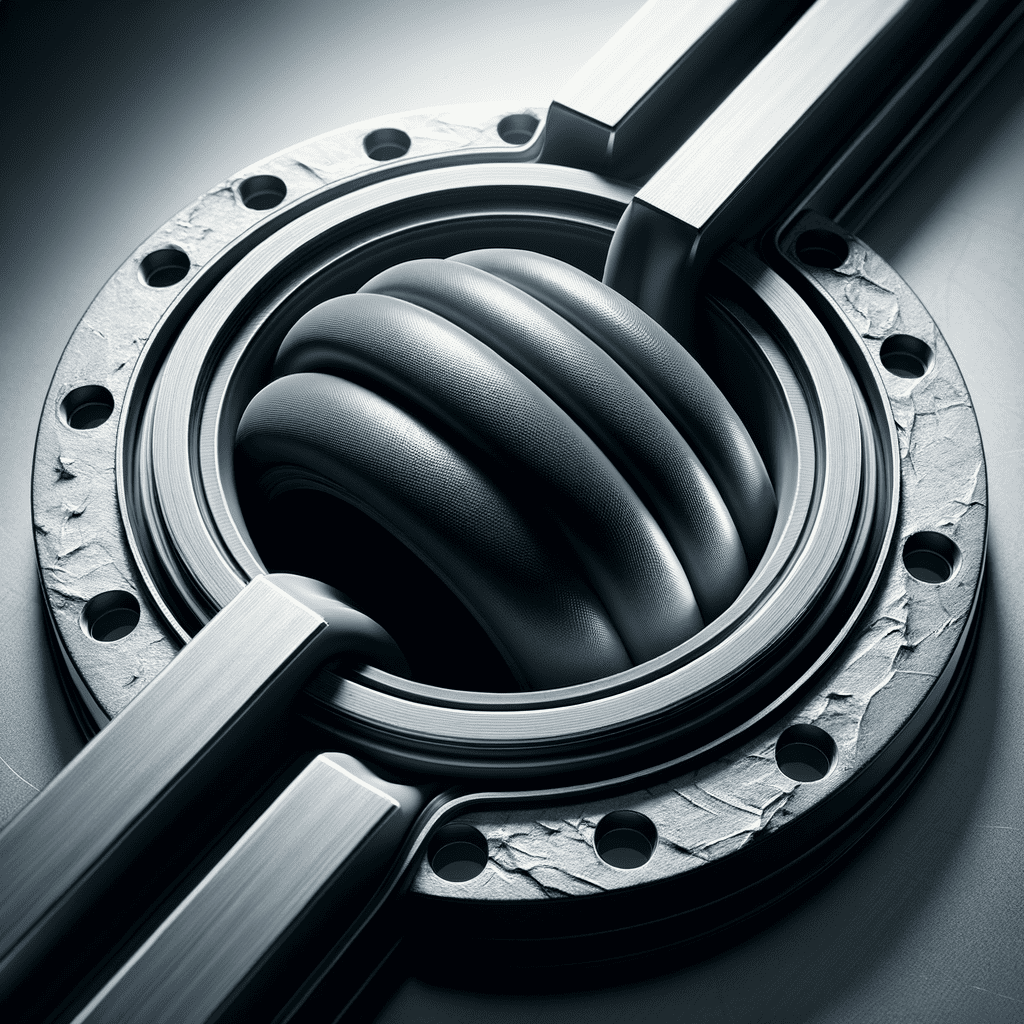
An In-Depth Examination of Gaskets and Their Functionality
A gasket is a fundamental, yet underappreciated, component that serves as a mechanical seal. Tasked with filling the space between two or more mating surfaces, its critical function lies in preventing any possible leakage from or into the joined components during compression. This integral role places gaskets at the heart of many diverse applications, ranging from domestic installations to industrial machines.
Unpacking the Essential Functionality of Gaskets
Gaskets perform an essential sealing service in various industries by providing an unyielding barrier between separate components. By creating a tight seal, gaskets ensure that no gas or fluid can escape, thereby averting contamination and promoting system efficiency. This feature plays a pivotal role in maintaining the functionality of machinery or systems where gaskets are integrated.
The Diversity of Gaskets: Reviewing Different Types
Fulfilling specific needs across different applications, there’s a myriad of gasket types available. Sheet gaskets offer versatility due to their flexibility and ease of installation. Solid material gaskets provide durability and resistance against high temperatures and pressures. Spiral wound gaskets combine metal winding with filler materials for enhanced resilience. Ring joints excel in sealing flanged connections effectively. These examples represent just a fraction of the wide range of gasket types available, each offering unique capabilities suited for varying operational contexts.
Delving into the Materials Employed in Gasket Manufacture
Gasket manufacturers carefully select materials based on requirements dictated by the intended application. A broad spectrum of materials is deployed, including rubber, silicone, metal, cork, fiberglass, Teflon (PTFE), and graphite. Rubber gaskets exhibit excellent elasticity and chemical resistance properties while silicone gaskets withstand extreme temperature variations effectively. Metal gaskets provide robust sealing for high-pressure environments, and cork gaskets offer excellent compressibility. These materials are chosen for their durability, resilience, and ability to resist different environmental conditions, making them suitable for varying operational contexts.
Moving Towards Sustainable Gasket Usage: Maintenance and Replacement
Despite their resilience and the substantial value they deliver, gaskets are not immune to wear and tear. Constant exposure to high-pressure environments and extreme temperatures can lead to degradation over time. To prevent significant operational issues, regular inspections and proactive maintenance are vital in identifying worn-out gaskets that require replacement. The frequency at which these inspections should take place depends on various factors such as the gasket material, operating conditions, pressure levels, and specific industry standards. By conducting proactive checks, potential leaks or malfunctions can be minimized, ensuring uninterrupted operations.
The Importance of Proper Installation Techniques
In addition to selecting the right type of gasket and material, proper installation techniques play a crucial role in ensuring effective functionality. Improper installation can result in uneven compression or misalignment of mating surfaces, leading to compromised seals and increased risk of leakage. Following manufacturer guidelines and utilizing appropriate tools during installation is essential for achieving optimal performance from gaskets.
Advancements in Gasket Technology
Gasket technology continues to evolve with advancements aimed at improving efficiency and longevity. Innovations include the development of composite gaskets that combine multiple materials for enhanced performance characteristics. Additionally, advanced manufacturing processes enable tighter tolerances and improved consistency in producing high-quality gaskets.
Understanding the functionality of gaskets is crucial in various industries where effective sealing is paramount. With a wide range of types available and diverse materials used in their manufacture, selecting the right gasket ensures optimal performance within specific applications. Regular maintenance practices contribute to sustainable usage by promptly replacing worn-out gaskets before they compromise system integrity. By appreciating the importance of this often overlooked component, utilizing proper installation techniques, and staying informed about advancements in gasket technology, we can ensure efficient operation while preventing costly downtime due to leakage or malfunctioning systems.

The Intricate Science Behind the Functionality of Gaskets
To fully comprehend the workings of a gasket, it’s essential to delve into its intricate design principles and the core science that underpins its operation. The fundamental concepts draw from both physics and engineering, concerning material selection, pressure distribution, resilience of the gasket material, and the interplay between bolt load and gasket stress.
Core Principles of Gasket Design
An integral principle in gasket design is the capability of the gasket to deform under pressure, consequently filling microscopic irregularities on adjoining surfaces. This deformation, also known as plastic deformation, calls to action the creation of an effective seal that bars leakage. The design and configuration of a gasket are subject to its intended function as well as environmental conditions such as temperature fluctuations or chemical exposure.
The Importance of Uniform Pressure Distribution
The efficiency and integrity of a gasket hinge largely on achieving uniform pressure distribution across its surface area. Any deviation from this uniformity may provoke leaks or irreversible damage to the gasket. Therefore, professional installation and regular maintenance are vital to maximize performance and durability by ensuring proper alignment and torque during assembly.
Resilience: A Key Aspect of Gasket Material
The resilience of gasket materials – their inherent ability to return to their initial shape post-compression – is a crucial property for maintaining an effective seal over time. This characteristic ensures reliable functionality despite alternating pressures, vibrations, thermal expansion/contraction cycles, or other mechanical stresses encountered within the lifespan of the gasket.
Understanding Bolt Load and Gasket Stress Interplay
In bolted joints, understanding how bolt load affects gasket stress is paramount. Achieving a precise balance between the two is imperative for optimal performance and longevity of the gasket. The force applied must be sufficient to instantiate a leak-proof seal, ensuring proper compression without exceeding the material’s limits. Over-compression due to excessive load can result in permanent deformation or even rupture of the gasket.
Enhancing Gasket Performance with Advanced Materials
In recent years, advancements in materials science have led to the development of innovative gasket materials that offer enhanced performance characteristics. These new materials exhibit improved resilience, chemical resistance, and temperature tolerance compared to traditional options. By incorporating these advanced materials into gasket design, engineers can achieve higher levels of reliability and durability in various applications.
The Role of Computational Modeling in Gasket Design
Computational modeling techniques play an increasingly significant role in optimizing gasket design. Through finite element analysis (FEA) simulations, engineers can predict how different factors such as bolt load, surface roughness, and material properties affect gasket behavior under varying conditions. This allows for more accurate predictions of sealing performance and aids in selecting the most suitable gaskets for specific applications.
Gaskets: A Critical Component Across Industries
Gaskets are essential components used across industries such as automotive, aerospace, manufacturing, oil & gas, and many others. They provide vital sealing solutions that ensure operational efficiency by preventing leaks and maintaining pressure integrity in fluid systems or machinery. Understanding the intricate science behind their functionality enables engineers to make informed decisions when it comes to designing reliable sealing solutions tailored to specific industry requirements.
By comprehending these intricate scientific principles behind gaskets and staying abreast of technological advancements, we gain insight into their crucial role in various industries such as automotive, aerospace, manufacturing, and oil & gas. Understanding the science behind gaskets empowers engineers to make informed decisions when it comes to designing reliable sealing solutions that meet stringent requirements and ensure operational efficiency.
Selecting the Right Gasket for Your Needs
Selection of the optimal gasket is a critical decision influenced by an array of essential factors such as operating temperature, pressure levels, compatibility with chemicals, expense considerations, and product lifespan. Not merely a sealing solution, the right gasket enhances operational efficiency and reliability while preventing leaks.
Operating Temperature and Pressure Levels
The performance of gaskets is significantly affected by operating temperature and pressure levels. Different variants of gaskets excel in various temperature and pressure ranges. For example, spiral wound gaskets, designed with alternating layers of metal windings and filler material, are suitable for high-temperature applications due to their ability to withstand extreme heat without losing their sealing properties. On the other hand, graphite gaskets, made from flexible graphite sheets or foils, offer excellent resilience under high-pressure conditions. Choosing the appropriate one tailored to your operation’s distinctive requirements is crucial to prevent leaks, maintain the seal effectively, ensure machinery safety, optimize overall system performance.
Chemical Compatibility
Gaskets come in direct contact with fluids within machinery. It’s therefore vital to opt for a gasket made from a material compatible with the chemicals present in your application environment. This ensures resistance against degradation caused by chemical reactions or corrosion. Materials like Viton® fluoroelastomer, which exhibit exceptional chemical resistance properties across a wide range of aggressive substances such as acids or solvents commonly found in industrial processes, are commonly used when dealing with challenging fluid environments. By selecting a chemically compatible gasket material that can resist degradation and withstand exposure to specific chemicals or corrosive agents present in your system effectively protect equipment integrity.
Economic Considerations
While initial cost is important when selecting a gasket, it shouldn’t be the sole determinant. High-quality gaskets may have a greater upfront cost but compensate by offering greater durability and requiring lesser maintenance over time. These high-performance gaskets, often made from materials like compressed fiber sheets or PTFE (Polytetrafluoroethylene), prove more cost-effective in the long run. They provide a blend of leak-free operation, prolonged service life, reduced downtime associated with frequent replacements, lower overall maintenance costs, improved operational efficiency.
Longevity
In addition to other factors, longevity plays a significant role in choosing a gasket. Opting for quality materials like flexible graphite or Metal Jacketed Gaskets can substantially extend the operational life of your gasket. These materials offer excellent resistance against temperature variations, pressure fluctuations, mechanical stress, even corrosive environments. By selecting a longer-lasting gasket material that can withstand the specific conditions of your application effectively reduce downtime needed for replacements augment overall operational efficiency while maintaining system integrity.
By considering these factors – operating temperature pressure levels chemical compatibility economic considerations longevity proper installation/maintenance – you can make an informed decision when selecting the right gasket for your specific needs. Remember that choosing the appropriate gasket not only ensures effective sealing enhances operational efficiency reduces costs associated with leaks frequent replacements.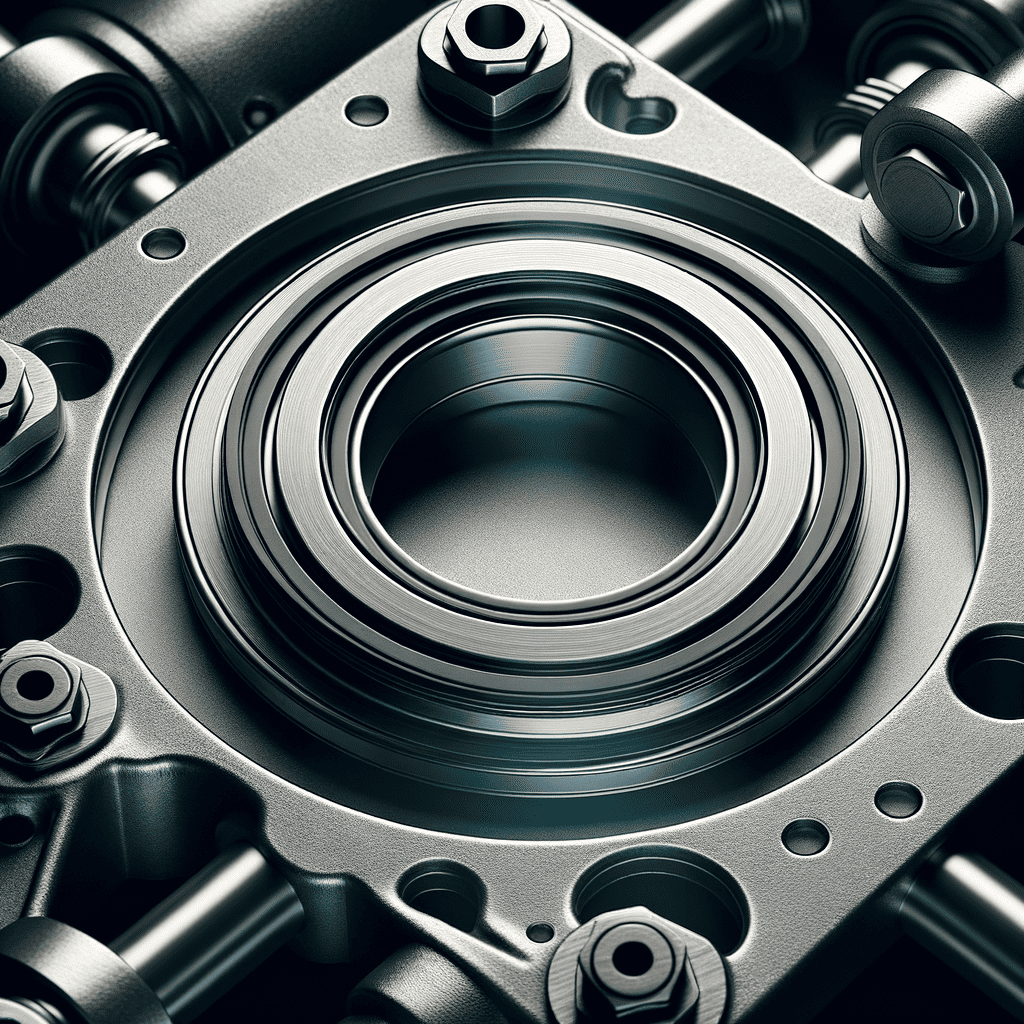
Gaskets: The Unacknowledged Cornerstones of Reliable Sealing Solutions
In the realm of industrial operations, there exist certain indispensable but often overlooked components. Among these, gaskets hold a place of prominence as they act as the lifeblood of numerous applications, ensuring reliability and functionality by providing robust sealing solutions.
Gaskets, in essence, are mechanical seals that fill the space between two or more mating surfaces. They prevent leakage, temperature fluctuations, and resist hostile environments under compression. These humble powerhouses of industry act as primary safeguards in machinery, offering seal integrity even in the face of high pressure and drastic temperature variations.
To fully appreciate the significance of gaskets, it is imperative to understand their anatomy and how they function. This knowledge enables informed decisions when selecting and maintaining these unsung heroes of industry. Comprehending materials used in gasket manufacturing—such as rubber, cork, metal, silicone, or composite substances—is vital for predicting and enhancing operational longevity.
At their core, gaskets play an instrumental role in minimizing equipment downtime while maximizing productivity and increasing the overall lifespan of protected machinery. Beyond providing reliable sealing solutions, they also contribute to maintaining mechanical stability and offering cushioning support where needed. Despite their seemingly simplistic design, gaskets carry a weight far greater than meets the eye.
When it comes to sealing solutions within various industries, one size certainly does not fit all scenarios. Therefore, determining the appropriate gasket type and material for each specific application becomes paramount. Be it flange gaskets known for their versatility and ease of installation; ring gaskets designed specifically for pipe connections; cork gaskets ideal for low-pressure applications requiring excellent compressibility; spiral wound gaskets preferred for their ability to withstand extreme temperatures and pressures; or metal gaskets known for their durability and resistance to high temperatures—each gasket type bears unique characteristics and functionality.
Gaskets—despite often being overshadowed by more conspicuous components—play a transformative role in a wide array of applications. By delivering steadfast sealing solutions, they contribute significantly to the success of industrial operations. Gaining a deeper understanding of their working mechanism can enhance machine performance, reduce maintenance costs, ensure operational efficiency, and pave the way for superior achievements across industries.


