


The Influence of Gear Size and Shape on Mechanical Properties: A Comprehensive Guide for Engineers
Gears are a crucial component of mechanical systems, providing the means to transmit power and motion between rotating shafts. The size and shape of these gears play a critical role in determining their mechanical properties and overall performance. Understanding the fundamentals of gear design can help engineers optimize their systems for maximum efficiency, durability, and reliability. In this blog post, we’ll explore the importance of gear size and shape in mechanical systems, the role of gear ratio in determining size and shape, types of gear shapes and their applications, factors affecting gear size selection, considerations for gear shape selection, and advanced gear design techniques.
The Importance of Gear Size and Shape in Mechanical Systems
The size and shape of gears are crucial in determining their mechanical properties, including torque, speed, and load capacity. Larger gears can transmit more torque and operate at lower speeds, but they also require more space and may be heavier. Smaller gears can operate at higher speeds and fit into tighter spaces, but they may not be able to transmit as much torque. Gear shape also affects factors such as noise levels, load capacity, and stress distribution.
For example, helical gears offer smoother operation and quieter operation than spur gears, making them ideal for high-speed applications. Bevel gears are used to transmit power between intersecting shafts, while worm gears provide high-ratio speed reduction in a compact package. Hypoid gears, a type of bevel gear, offer improved efficiency and load capacity compared to traditional bevel gears.
The Role of Gear Ratio in Determining Size and Shape
Gear ratio is a key factor that influences the size and shape of gears in a given system. It is defined as the ratio of the number of teeth on one gear to the number of teeth on another gear with which it meshes. The larger the difference in gear ratios, the greater the difference in gear sizes required to achieve the desired transmission of power and motion. Gear ratios can also affect the speed and torque of a mechanical system, with higher gear ratios providing more torque and lower speeds, and lower gear ratios providing less torque and higher speeds.
Factors Affecting Gear Size Selection
When selecting the size of gears for a given system, there are several factors to consider. These include the required torque and speed, the available space and weight constraints, and the desired level of efficiency and durability. Engineers must also consider the type of gear material and the manufacturing process used to produce the gears. High-strength materials, such as steel or titanium, can transmit more torque and operate at higher speeds than materials with lower strength ratings. Additionally, advanced manufacturing techniques, such as precision machining or 3D printing, can improve the accuracy and durability of gears.
Considerations for Gear Shape Selection
In addition to size, the shape of gears is also an important consideration when designing mechanical systems. The type of gear shape used can affect factors such as noise levels, load capacity, and stress distribution. For example, helical gears produce less noise than spur gears due to their gradual engagement and disengagement, making them ideal for applications where quiet operation is important. Additionally, the shape of gear teeth can affect the distribution of stress and wear, with certain shapes providing better load-carrying capacity and longer life. Involute gear teeth, for example, provide an optimal balance of strength, durability, and quiet operation.
Advanced Gear Design Techniques
Advanced gear design techniques, such as finite element analysis (FEA) and computational fluid dynamics (CFD), can help engineers optimize gear size and shape for specific applications. FEA can be used to simulate the stress and deformation of gears under different loading conditions, allowing engineers to identify potential failure points and optimize gear design for maximum durability. CFD can be used to simulate the flow of oil or other lubricants around gears, allowing engineers to optimize gear design for minimum friction and heat generation.
Conclusion
Understanding the basics of gear size and shape is essential for designing efficient and reliable mechanical systems. By considering factors such as gear ratio, size, and shape, engineers can optimize their gear designs for the specific requirements of their applications. Advanced gear design techniques can also help engineers optimize gear performance and improve overall system efficiency.
When selecting the size and shape of gears, engineers must consider the required torque and speed, available space and weight constraints, desired level of efficiency and durability, type of gear material, and manufacturing process. They should also consider the type of gear shape used, as it can affect factors such as noise levels, load capacity, and stress distribution.
By using advanced gear design techniques, such as FEA and CFD, engineers can further optimize their gear designs for specific applications. This can help improve gear performance, reduce friction and heat generation, and increase the overall efficiency and reliability of mechanical systems.

The Influence of Gear Size and Shape on Mechanical Properties: A Comprehensive Guide
Gears are an essential part of mechanical systems, providing the means to transmit power and motion between rotating shafts. The size and shape of these gears play a critical role in determining their mechanical properties and overall performance. Understanding the fundamentals of gear design can help engineers optimize their systems for maximum efficiency, durability, and reliability. In this article, we’ll explore the influence of gear size and shape on mechanical properties, including the importance of gear size and shape, the role of gear ratio in determining size and shape, types of gear shapes and their applications, factors affecting gear size selection, considerations for gear shape selection, and advanced gear design techniques.
The Importance of Gear Size and Shape in Mechanical Systems
Gears are used in a wide range of mechanical systems, from automobiles and industrial machinery to wind turbines and robotics. The size and shape of gears are crucial in determining their mechanical properties, including torque, speed, and load capacity. Larger gears can transmit more torque and operate at lower speeds, but they also require more space and may be heavier. Smaller gears can operate at higher speeds and fit into tighter spaces, but they may not be able to transmit as much torque. Gear shape also affects factors such as noise levels, load capacity, and stress distribution.
For example, helical gears offer smoother operation and quieter operation than spur gears, making them ideal for high-speed applications. Bevel gears are used to transmit power between intersecting shafts, while worm gears provide high-ratio speed reduction in a compact package. Hypoid gears, a type of bevel gear, offer improved efficiency and load capacity compared to traditional bevel gears.
The Role of Gear Ratio in Determining Size and Shape
Gear ratio is a key factor that influences the size and shape of gears in a given system. It is defined as the ratio of the number of teeth on one gear to the number of teeth on another gear with which it meshes. The larger the difference in gear ratios, the greater the difference in gear sizes required to achieve the desired transmission of power and motion. Gear ratios can also affect the speed and torque of a mechanical system, with higher gear ratios providing more torque and lower speeds, and lower gear ratios providing less torque and higher speeds.
Types of Gear Shapes and Their Applications
There are several types of gear shapes, each with its own unique advantages and disadvantages. The most common types include spur gears, helical gears, bevel gears, and worm gears.
Spur gears are simple and easy to manufacture, making them well-suited for low-torque applications. They have straight teeth that are parallel to the axis of rotation. However, they can be noisy and may not be suitable for high-speed or high-load applications.
Helical gears offer smoother operation and quieter operation than spur gears, making them ideal for high-speed applications. They have teeth that are angled relative to the axis of rotation, which allows for gradual engagement and disengagement. This reduces stress and noise levels.
Bevel gears are used to transmit power between intersecting shafts. They have conical teeth that mesh with other conical teeth. Straight bevel gears have teeth that are straight and tapered, while spiral bevel gears have teeth that are curved and tapered. Hypoid gears are a type of bevel gear that offer improved efficiency and load capacity compared to traditional bevel gears.
Worm gears provide high-ratio speed reduction in a compact package. They consist of a worm, which is a screw-like shaft, and a gear that meshes with the worm. The gear has teeth that are cut at an angle to the axis of rotation, which allows it to mesh with the worm.
Factors Affecting Gear Size Selection
When selecting the size of gears for a given system, there are several factors to consider. These include the required torque and speed, the available space and weight constraints, and the desired level of efficiency and durability. Engineers must also consider the type of gear material and the manufacturing process used to produce the gears. High-strength materials, such as steel or titanium, can transmit more torque and operate at higher speeds than materials with lower strength ratings. Additionally, advanced manufacturing techniques, such as precision machining or 3D printing, can improve the accuracy and durability of gears.
Considerations for Gear Shape Selection
In addition to size, the shape of gears is also an important consideration when designing mechanical systems. The type of gear shape used can affect factors such as noise levels, load capacity, and stress distribution. For example, helical gears produce less noise than spur gears due to their gradual engagement and disengagement, making them ideal for applications where quiet operation is important. Additionally, the shape of gear teeth can affect the distribution of stress and wear, with certain shapes providing better load-carrying capacity and longer life. Involute gear teeth, for example, provide an optimal balance of strength, durability, and quiet operation.
Advanced Gear Design Techniques
Advanced gear design techniques, such as finite element analysis (FEA) and computational fluid dynamics (CFD), can help engineers optimize gear size and shape for specific applications. FEA can be used to simulate the stress and deformation of gears under different loading conditions, allowing engineers to identify potential failure points and optimize gear design for maximum durability. CFD can be used to simulate the flow of oil or other lubricants around gears, allowing engineers to optimize gear design for minimum friction and heat generation.
Conclusion
Understanding the basics of gear size and shape is essential for designing efficient and reliable mechanical systems. By considering factors such as gear ratio, size, and shape, engineers can optimize their gear designs for the specific requirements of their applications. Advanced gear design techniques can also help engineers optimize gear performance and improve overall system efficiency. Whether you’re designing gears for automobiles, industrial machinery, or renewable energy systems, understanding the influence of gear size and shape on mechanical properties is crucial for success.

The Influence of Gear Size and Shape on Mechanical Properties: A Comprehensive Guide
Gears are an essential component of mechanical systems, providing the means to transmit power and motion between rotating shafts. The size and shape of these gears play a critical role in determining their mechanical properties and overall performance. In this blog post, we will explore the importance of gear size and shape in mechanical systems, the role of gear ratio in determining size and shape, types of gear shapes and their applications, factors affecting gear size selection, considerations for gear shape selection, advanced gear design techniques, and the conclusion.
The Importance of Gear Size and Shape in Mechanical Systems
The size and shape of gears are crucial in determining their mechanical properties, including torque, speed, and load capacity. Larger gears can transmit more torque and operate at lower speeds, but they also require more space and may be heavier. Smaller gears can operate at higher speeds and fit into tighter spaces, but they may not be able to transmit as much torque. Gear shape also affects factors such as noise levels, load capacity, and stress distribution. Understanding the importance of gear size and shape is essential for designing efficient and reliable mechanical systems.
The Role of Gear Ratio in Determining Size and Shape
Gear ratio is a key factor that influences the size and shape of gears in a given system. It is defined as the ratio of the number of teeth on one gear to the number of teeth on another gear with which it meshes. The larger the difference in gear ratios, the greater the difference in gear sizes required to achieve the desired transmission of power and motion. Gear ratios can also affect the speed and torque of a mechanical system, with higher gear ratios providing more torque and lower speeds, and lower gear ratios providing less torque and higher speeds. Understanding the role of gear ratio is essential for selecting the appropriate gear sizes and shapes for a given application.
Types of Gear Shapes and Their Applications
There are several types of gear shapes, each with its own unique advantages and disadvantages. The most common types include spur gears, helical gears, bevel gears, and worm gears.
Spur gears are simple and easy to manufacture, making them well-suited for low-torque applications. They have straight teeth that are parallel to the axis of rotation. However, they can be noisy and may not be suitable for high-speed or high-load applications.
Helical gears offer smoother operation and quieter operation than spur gears, making them ideal for high-speed applications. They have teeth that are angled relative to the axis of rotation, which allows for gradual engagement and disengagement. This reduces stress and noise levels.
Bevel gears are used to transmit power between intersecting shafts. They have conical teeth that mesh with other conical teeth. Straight bevel gears have teeth that are straight and tapered, while spiral bevel gears have teeth that are curved and tapered. Hypoid gears, a type of bevel gear, offer improved efficiency and load capacity compared to traditional bevel gears.
Worm gears provide high-ratio speed reduction in a compact package. They consist of a worm, which is a screw-like shaft, and a gear that meshes with the worm. The gear has teeth that are cut at an angle to the axis of rotation, which allows it to mesh with the worm.
Factors Affecting Gear Size Selection
When selecting the size of gears for a given system, there are several factors to consider. These include the required torque and speed, the available space and weight constraints, and the desired level of efficiency and durability. Engineers must also consider the type of gear material and the manufacturing process used to produce the gears. High-strength materials, such as steel or titanium, can transmit more torque and operate at higher speeds than materials with lower strength ratings. Additionally, advanced manufacturing techniques, such as precision machining or 3D printing, can improve the accuracy and durability of gears.
Considerations for Gear Shape Selection
In addition to size, the shape of gears is also an important consideration when designing mechanical systems. The type of gear shape used can affect factors such as noise levels, load capacity, and stress distribution. For example, helical gears produce less noise than spur gears due to their gradual engagement and disengagement, making them ideal for applications where quiet operation is important. Additionally, the shape of gear teeth can affect the distribution of stress and wear, with certain shapes providing better load-carrying capacity and longer life. Involute gear teeth, for example, provide an optimal balance of strength, durability, and quiet operation.
Advanced Gear Design Techniques
Advanced gear design techniques, such as finite element analysis (FEA) and computational fluid dynamics (CFD), can help engineers optimize gear size and shape for specific applications. FEA can be used to simulate the stress and deformation of gears under different loading conditions, allowing engineers to identify potential failure points and optimize gear design for maximum durability. CFD can be used to simulate the flow of oil or other lubricants around gears, allowing engineers to optimize gear design for minimum friction and heat generation.
Conclusion
Understanding the basics of gear size and shape is essential for designing efficient and reliable mechanical systems. By considering factors such as gear ratio, size, and shape, engineers can optimize their gear designs for the specific requirements of their applications. Advanced gear design techniques can also help engineers optimize gear performance and improve overall system efficiency. Whether you are designing gears for automotive, aerospace, or industrial applications, understanding the influence of gear size and shape on mechanical properties is critical for success.
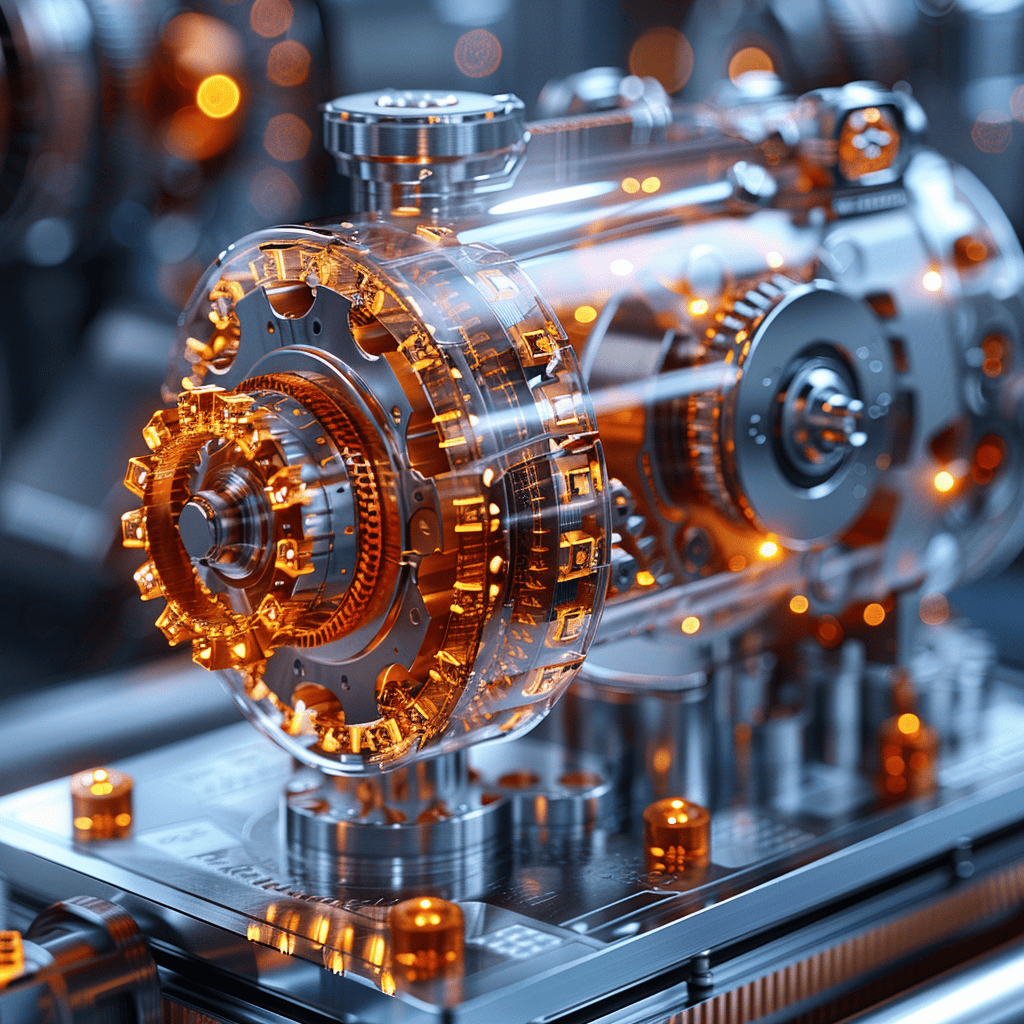
The Influence of Gear Size and Shape on Mechanical Properties: A Comprehensive Guide
Gears are a critical component of many mechanical systems, providing the means to transmit power and motion between rotating shafts. The size and shape of these gears play a crucial role in determining their mechanical properties and overall performance. Understanding the fundamentals of gear design can help engineers optimize their systems for maximum efficiency, durability, and reliability.
The Importance of Gear Size and Shape in Mechanical Systems
The size and shape of gears are critical factors that determine their mechanical properties, including torque, speed, and load capacity. Larger gears can transmit more torque and operate at lower speeds, but they also require more space and may be heavier. Smaller gears can operate at higher speeds and fit into tighter spaces, but they may not be able to transmit as much torque. Gear shape also affects factors such as noise levels, load capacity, and stress distribution.
For example, helical gears offer smoother operation and quieter operation than spur gears due to their gradual engagement and disengagement, making them ideal for applications where quiet operation is important. Additionally, the shape of gear teeth can affect the distribution of stress and wear, with certain shapes providing better load-carrying capacity and longer life. Involute gear teeth, for example, provide an optimal balance of strength, durability, and quiet operation.
The Role of Gear Ratio in Determining Size and Shape
Gear ratio is another key factor that influences the size and shape of gears in a given system. It is defined as the ratio of the number of teeth on one gear to the number of teeth on another gear with which it meshes. The larger the difference in gear ratios, the greater the difference in gear sizes required to achieve the desired transmission of power and motion. Gear ratios can also affect the speed and torque of a mechanical system, with higher gear ratios providing more torque and lower speeds, and lower gear ratios providing less torque and higher speeds.
Types of Gear Shapes and Their Applications
There are several types of gear shapes, each with its own unique advantages and disadvantages. The most common types include spur gears, helical gears, bevel gears, and worm gears.
Spur gears are simple and easy to manufacture, making them well-suited for low-torque applications. They have straight teeth that are parallel to the axis of rotation, making them efficient and easy to design. However, they can be noisy and may not be suitable for high-speed or high-load applications.
Helical gears offer smoother operation and quieter operation than spur gears, making them ideal for high-speed applications. They have teeth that are angled relative to the axis of rotation, which allows for gradual engagement and disengagement. This reduces stress and noise levels, but can also result in higher manufacturing costs.
Bevel gears are used to transmit power between intersecting shafts, making them ideal for applications where space is limited. They come in straight and spiral configurations, with spiral bevel gears offering smoother operation and higher load capacity than straight bevel gears.
Worm gears provide high-ratio speed reduction in a compact package, making them ideal for applications where space is limited. They consist of a worm, which is a screw-like shaft, and a gear that meshes with the worm. The gear has teeth that are cut at an angle to the axis of rotation, which allows it to mesh with the worm.
Factors Affecting Gear Size Selection
When selecting the size of gears for a given system, there are several factors to consider. These include the required torque and speed, the available space and weight constraints, and the desired level of efficiency and durability. Engineers must also consider the type of gear material and the manufacturing process used to produce the gears. High-strength materials, such as steel or titanium, can transmit more torque and operate at higher speeds than materials with lower strength ratings. Additionally, advanced manufacturing techniques, such as precision machining or 3D printing, can improve the accuracy and durability of gears.
Considerations for Gear Shape Selection
In addition to size, the shape of gears is also an important consideration when designing mechanical systems. The type of gear shape used can affect factors such as noise levels, load capacity, and stress distribution. For example, helical gears produce less noise than spur gears due to their gradual engagement and disengagement, making them ideal for applications where quiet operation is important. Additionally, the shape of gear teeth can affect the distribution of stress and wear, with certain shapes providing better load-carrying capacity and longer life.
Advanced Gear Design Techniques
Advanced gear design techniques, such as finite element analysis (FEA) and computational fluid dynamics (CFD), can help engineers optimize gear size and shape for specific applications. FEA can be used to simulate the stress and deformation of gears under different loading conditions, allowing engineers to identify potential failure points and optimize gear design for maximum durability. CFD can be used to simulate the flow of oil or other lubricants around gears, allowing engineers to optimize gear design for minimum friction and heat generation.
Conclusion
Understanding the basics of gear size and shape is essential for designing efficient and reliable mechanical systems. By considering factors such as gear ratio, size, and shape, engineers can optimize their gear designs for the specific requirements of their applications. Advanced gear design techniques can also help engineers optimize gear performance and improve overall system efficiency. Whether you are designing a simple gear train or a complex transmission system, understanding the influence of gear size and shape on mechanical properties is critical to achieving success.The Influence of Gear Size and Shape on Mechanical Properties: A Comprehensive Guide for Engineers
Gears are an indispensable part of mechanical systems, providing a means to transmit power and motion between rotating shafts. The performance and efficiency of these systems heavily depend on the design and selection of the gears used. In this blog post, we will delve into the influence of gear size and shape on mechanical properties and how engineers can optimize their gear designs for specific applications.
The Importance of Gear Size and Shape in Mechanical Systems
The size and shape of gears are critical in determining their mechanical properties, including torque, speed, and load capacity. Larger gears can transmit more torque and operate at lower speeds, but they also require more space and may be heavier. Smaller gears can operate at higher speeds and fit into tighter spaces, but they may not be able to transmit as much torque.
Gear shape also affects various factors such as noise levels, load capacity, and stress distribution. For example, helical gears produce less noise than spur gears due to their gradual engagement and disengagement, making them ideal for applications where quiet operation is important. The shape of gear teeth can also affect the distribution of stress and wear, with certain shapes providing better load-carrying capacity and longer life.
The Role of Gear Ratio in Determining Size and Shape
Gear ratio is a key factor that influences the size and shape of gears in a given system. It is defined as the ratio of the number of teeth on one gear to the number of teeth on another gear with which it meshes. The larger the difference in gear ratios, the greater the difference in gear sizes required to achieve the desired transmission of power and motion. Gear ratios can also affect the speed and torque of a mechanical system, with higher gear ratios providing more torque and lower speeds, and lower gear ratios providing less torque and higher speeds.
Types of Gear Shapes and Their Applications
There are several types of gear shapes, each with its own unique advantages and disadvantages. The most common types include:
1. Spur gears – simple and easy to manufacture, making them well-suited for low-torque applications.
2. Helical gears – offer smoother operation and quieter operation than spur gears, making them ideal for high-speed applications.
3. Bevel gears – used to transmit power between intersecting shafts.
4. Worm gears – provide high-ratio speed reduction in a compact package.
5. Hypoid gears – a type of bevel gear, offer improved efficiency and load capacity compared to traditional bevel gears.
Factors Affecting Gear Size Selection
When selecting the size of gears for a given system, there are several factors to consider. These include the required torque and speed, the available space and weight constraints, and the desired level of efficiency and durability. Engineers must also consider the type of gear material and the manufacturing process used to produce the gears. High-strength materials, such as steel or titanium, can transmit more torque and operate at higher speeds than materials with lower strength ratings. Additionally, advanced manufacturing techniques, such as precision machining or 3D printing, can improve the accuracy and durability of gears.
Considerations for Gear Shape Selection
In addition to size, the shape of gears is also an important consideration when designing mechanical systems. The type of gear shape used can affect factors such as noise levels, load capacity, and stress distribution. For example, helical gears produce less noise than spur gears due to their gradual engagement and disengagement, making them ideal for applications where quiet operation is important. Additionally, the shape of gear teeth can affect the distribution of stress and wear, with certain shapes providing better load-carrying capacity and longer life. Involute gear teeth, for example, provide an optimal balance of strength, durability, and quiet operation.
Advanced Gear Design Techniques
Advanced gear design techniques, such as finite element analysis (FEA) and computational fluid dynamics (CFD), can help engineers optimize gear size and shape for specific applications. FEA can be used to simulate the stress and deformation of gears under different loading conditions, allowing engineers to identify potential failure points and optimize gear design for maximum durability. CFD can be used to simulate the flow of oil or other lubricants around gears, allowing engineers to optimize gear design for minimum friction and heat generation.
Conclusion
Understanding the basics of gear size and shape is essential for designing efficient and reliable mechanical systems. By considering factors such as gear ratio, size, and shape, engineers can optimize their gear designs for the specific requirements of their applications. Advanced gear design techniques can also help engineers optimize gear performance and improve overall system efficiency. Whether you are designing a new mechanical system or looking to improve an existing one, taking the time to carefully consider gear design can pay off in the long run.The Influence of Gear Size and Shape on Mechanical Properties: A Comprehensive Guide for Engineers
Gears are an integral part of mechanical systems and are used to transmit power and motion between rotating shafts. The size and shape of gears play a critical role in determining their mechanical properties, including torque, speed, and load capacity. Understanding the fundamentals of gear design can help engineers optimize their systems for maximum efficiency, durability, and reliability.
The Importance of Gear Size and Shape in Mechanical Systems
The size and shape of gears are crucial in determining their mechanical properties. Larger gears can transmit more torque and operate at lower speeds, but they also require more space and may be heavier. Smaller gears can operate at higher speeds and fit into tighter spaces, but they may not be able to transmit as much torque. Gear shape also affects factors such as noise levels, load capacity, and stress distribution.
Gear teeth are designed to engage with each other and transfer torque from one gear to another. The shape of the gear teeth can affect the distribution of stress and wear, with certain shapes providing better load-carrying capacity and longer life. Involute gear teeth, for example, provide an optimal balance of strength, durability, and quiet operation.
The Role of Gear Ratio in Determining Size and Shape
Gear ratio is a key factor that influences the size and shape of gears in a given system. It is defined as the ratio of the number of teeth on one gear to the number of teeth on another gear with which it meshes. The larger the difference in gear ratios, the greater the difference in gear sizes required to achieve the desired transmission of power and motion. Gear ratios can also affect the speed and torque of a mechanical system, with higher gear ratios providing more torque and lower speeds, and lower gear ratios providing less torque and higher speeds.
Types of Gear Shapes and Their Applications
There are several types of gear shapes, each with its own unique advantages and disadvantages. The most common types include spur gears, helical gears, bevel gears, and worm gears.
Spur gears are simple and easy to manufacture, making them well-suited for low-torque applications. They have straight teeth that are parallel to the axis of rotation, which can cause stress concentrations and noise during operation.
Helical gears offer smoother operation and quieter operation than spur gears, making them ideal for high-speed applications. They have teeth that are angled relative to the axis of rotation, which causes them to engage gradually and reduce stress and noise.
Bevel gears are used to transmit power between intersecting shafts. They have conical teeth that mesh with each other to transmit torque. Straight bevel gears have teeth that are straight and tapering, while spiral bevel gears have teeth that curve around the cone.
Worm gears provide high-ratio speed reduction in a compact package. They consist of a worm, which is a screw-like shaft, and a gear that meshes with the worm. The gear has teeth that are cut at an angle to the axis of rotation, which causes them to engage gradually and reduce stress and noise.
Factors Affecting Gear Size Selection
When selecting the size of gears for a given system, there are several factors to consider. These include the required torque and speed, the available space and weight constraints, and the desired level of efficiency and durability. Engineers must also consider the type of gear material and the manufacturing process used to produce the gears. High-strength materials, such as steel or titanium, can transmit more torque and operate at higher speeds than materials with lower strength ratings. Additionally, advanced manufacturing techniques, such as precision machining or 3D printing, can improve the accuracy and durability of gears.
Considerations for Gear Shape Selection
In addition to size, the shape of gears is also an important consideration when designing mechanical systems. The type of gear shape used can affect factors such as noise levels, load capacity, and stress distribution. For example, helical gears produce less noise than spur gears due to their gradual engagement and disengagement, making them ideal for applications where quiet operation is important. Additionally, the shape of gear teeth can affect the distribution of stress and wear, with certain shapes providing better load-carrying capacity and longer life. Involute gear teeth, for example, provide an optimal balance of strength, durability, and quiet operation.
Advanced Gear Design Techniques
Advanced gear design techniques, such as finite element analysis (FEA) and computational fluid dynamics (CFD), can help engineers optimize gear size and shape for specific applications. FEA can be used to simulate the stress and deformation of gears under different loading conditions, allowing engineers to identify potential failure points and optimize gear design for maximum durability. CFD can be used to simulate the flow of oil or other lubricants around gears, allowing engineers to optimize gear design for minimum friction and heat generation.
Conclusion
Understanding the basics of gear size and shape is essential for designing efficient and reliable mechanical systems. By considering factors such as gear ratio, size, and shape, engineers can optimize their gear designs for the specific requirements of their applications. Advanced gear design techniques can also help engineers optimize gear performance and improve overall system efficiency. Whether you are designing a new mechanical system or looking to improve an existing one, taking the time to carefully consider gear design can pay off in the long run.Gears are essential components of mechanical systems, enabling the transmission of power and motion between rotating shafts. The size and shape of gears play a critical role in determining their mechanical properties and overall performance. Therefore, understanding the fundamentals of gear design is crucial for engineers to optimize their systems for maximum efficiency, durability, and reliability.
The Importance of Gear Size and Shape in Mechanical Systems
The size and shape of gears are critical factors in determining their mechanical properties, including torque, speed, and load capacity. Larger gears can transmit more torque and operate at lower speeds, but they also require more space and may be heavier. On the other hand, smaller gears can operate at higher speeds and fit into tighter spaces, but they may not be able to transmit as much torque.
The shape of gears also affects factors such as noise levels, load capacity, and stress distribution. For example, helical gears produce less noise than spur gears due to their gradual engagement and disengagement, making them ideal for applications where quiet operation is important. Additionally, the shape of gear teeth can affect the distribution of stress and wear, with certain shapes providing better load-carrying capacity and longer life. Involute gear teeth, for example, provide an optimal balance of strength, durability, and quiet operation.
The Role of Gear Ratio in Determining Size and Shape
Gear ratio is a key factor that influences the size and shape of gears in a given system. It is defined as the ratio of the number of teeth on one gear to the number of teeth on another gear with which it meshes. The larger the difference in gear ratios, the greater the difference in gear sizes required to achieve the desired transmission of power and motion. Gear ratios can also affect the speed and torque of a mechanical system, with higher gear ratios providing more torque and lower speeds, and lower gear ratios providing less torque and higher speeds.
Types of Gear Shapes and Their Applications
There are several types of gear shapes, each with its own unique advantages and disadvantages. The most common types include:
1. Spur gears – simple and easy to manufacture, making them well-suited for low-torque applications.
2. Helical gears – offer smoother operation and quieter operation than spur gears, making them ideal for high-speed applications.
3. Bevel gears – used to transmit power between intersecting shafts.
4. Worm gears – provide high-ratio speed reduction in a compact package.
5. Hypoid gears – a type of bevel gear that offers improved efficiency and load capacity compared to traditional bevel gears.
Factors Affecting Gear Size Selection
When selecting the size of gears for a given system, there are several factors to consider. These include:
1. Required torque and speed
2. Available space and weight constraints
3. Desired level of efficiency and durability
4. Type of gear material and manufacturing process used to produce the gears
High-strength materials, such as steel or titanium, can transmit more torque and operate at higher speeds than materials with lower strength ratings. Additionally, advanced manufacturing techniques, such as precision machining or 3D printing, can improve the accuracy and durability of gears.
Considerations for Gear Shape Selection
In addition to size, the shape of gears is also an important consideration when designing mechanical systems. The type of gear shape used can affect factors such as noise levels, load capacity, and stress distribution. For example, helical gears produce less noise than spur gears due to their gradual engagement and disengagement, making them ideal for applications where quiet operation is important. Additionally, the shape of gear teeth can affect the distribution of stress and wear, with certain shapes providing better load-carrying capacity and longer life. Involute gear teeth, for example, provide an optimal balance of strength, durability, and quiet operation.
Advanced Gear Design Techniques
Advanced gear design techniques, such as finite element analysis (FEA) and computational fluid dynamics (CFD), can help engineers optimize gear size and shape for specific applications. FEA can be used to simulate the stress and deformation of gears under different loading conditions, allowing engineers to identify potential failure points and optimize gear design for maximum durability. CFD can be used to simulate the flow of oil or other lubricants around gears, allowing engineers to optimize gear design for minimum friction and heat generation.
Conclusion
Understanding the basics of gear size and shape is essential for designing efficient and reliable mechanical systems. By considering factors such as gear ratio, size, and shape, engineers can optimize their gear designs for the specific requirements of their applications. Advanced gear design techniques can also help engineers optimize gear performance and improve overall system efficiency. Whether designing a new mechanical system or improving an existing one, understanding the influence of gear size and shape on mechanical properties is crucial for success.The Influence of Gear Size and Shape on Mechanical Properties
Gears are an essential component in many mechanical systems, responsible for transmitting power and motion. The size and shape of a gear can have a significant impact on its load capacity and efficiency, making it a critical factor to consider when designing a mechanical system. In this blog post, we’ll explore the relationship between gear size and load capacity, the impact of gear size on efficiency, the effect of gear size on tooth stress, the importance of gear material selection, and the role of gear design in maximizing load capacity and efficiency.
The Relationship Between Gear Size and Load Capacity
The size of a gear is one of the most important factors in determining its load capacity. Larger gears are generally able to transmit more torque and support higher loads than smaller gears, due to their increased contact area and stronger tooth design. This makes them ideal for applications that require high load capacity, such as industrial machinery and heavy equipment.
However, larger gears also come with some drawbacks. They are typically heavier, more complex, and more expensive than smaller gears. Additionally, larger gears may not be suitable for applications where space is limited, such as automotive transmissions and aerospace systems. Engineers must carefully balance the need for high load capacity with the available space and weight constraints of their system.
The Impact of Gear Size on Efficiency
Gear size can also have a significant impact on the efficiency of a mechanical system. Larger gears tend to be more efficient than smaller gears, due to their reduced sliding friction and lower tooth loads. This can lead to reduced energy consumption and lower operating costs.
However, larger gears also tend to have higher windage losses, which can reduce efficiency at high speeds. Windage losses occur when air is trapped between the gear teeth and causes friction, which can generate heat and reduce efficiency. Engineers must carefully consider the trade-offs between gear size, load capacity, and efficiency when designing their systems.
The Effect of Gear Size on Tooth Stress
Another important factor to consider when selecting gear size is the stress on the gear teeth. Larger gears tend to have lower tooth stress than smaller gears, due to their increased contact area and stronger tooth design. This can lead to longer gear life and reduced maintenance costs.
However, larger gears also tend to be more expensive and may require specialized manufacturing techniques. Engineers must carefully consider the cost and manufacturing requirements of their gears when selecting the appropriate size.
The Importance of Gear Material Selection
The material used to manufacture a gear can also have a significant impact on its load capacity and efficiency. Different materials have different strength, hardness, and wear resistance properties, which can affect their suitability for a given application. For example, steel is often used for high-load applications due to its high strength and hardness, while bronze is often used for low-speed, high-precision applications due to its excellent wear resistance.
Other materials commonly used in gear manufacturing include aluminum, brass, and plastics. Each material has its own unique properties and advantages, and engineers must carefully consider the specific requirements of their application when selecting the appropriate material.
The Role of Gear Design in Maximizing Load Capacity and Efficiency
Finally, the design of the gear itself can also play a critical role in maximizing load capacity and efficiency. For example, helical gears are often used in high-load applications due to their ability to distribute the load more evenly across the gear teeth. This can lead to reduced tooth stress and longer gear life.
Similarly, gear tooth profiles can be optimized to reduce noise, vibration, and wear, while increasing load capacity and efficiency. Engineers can use a variety of gear tooth profiles, including involute, cycloidal, and hypoid. Each profile has its own unique advantages and disadvantages, and engineers must carefully consider the specific requirements of their application when selecting the appropriate profile.
Spur Gears
Spur gears are a type of gear with straight teeth that are parallel to the axis of rotation. They are simple and inexpensive to manufacture, but may not be suitable for high-load or high-speed applications due to their susceptibility to noise and wear.
Conclusion
In conclusion, the size and shape of a gear can have a significant impact on its load capacity and efficiency. Engineers must carefully consider the trade-offs between gear size, load capacity, and efficiency when designing their systems. By selecting the appropriate gear size, material, and design, engineers can optimize the performance of their mechanical systems and improve their overall efficiency and reliability.The Influence of Gear Size and Shape on Mechanical Properties
When it comes to the design of mechanical systems, gears play a critical role in transmitting power and motion. One of the most important factors to consider when selecting the size and shape of a gear is its load capacity and efficiency. In this blog post, we’ll explore the relationship between gear size and load capacity, the impact of gear size on efficiency, the effect of gear size on tooth stress, the importance of gear material selection, and the role of gear design in maximizing load capacity and efficiency.
The Relationship Between Gear Size and Load Capacity
The size of a gear is one of the most important factors in determining its load capacity. Larger gears are generally able to transmit more torque and support higher loads than smaller gears, due to their increased contact area and stronger tooth design. This makes them ideal for applications that require high load capacity, such as industrial machinery and heavy equipment.
However, larger gears also come with some drawbacks. They are typically heavier, more complex, and more expensive than smaller gears. Additionally, larger gears may not be suitable for applications where space is limited, such as automotive transmissions and aerospace systems. Engineers must carefully balance the need for high load capacity with the available space and weight constraints of their system.
The Impact of Gear Size on Efficiency
Gear size can also have a significant impact on the efficiency of a mechanical system. Larger gears tend to be more efficient than smaller gears, due to their reduced sliding friction and lower tooth loads. This can lead to reduced energy consumption and lower operating costs.
However, larger gears also tend to have higher windage losses, which can reduce efficiency at high speeds. Windage losses occur when air is trapped between the gear teeth and causes friction, which can generate heat and reduce efficiency. Engineers must carefully consider the trade-offs between gear size, load capacity, and efficiency when designing their systems.
The Effect of Gear Size on Tooth Stress
Another important factor to consider when selecting gear size is the stress on the gear teeth. Larger gears tend to have lower tooth stress than smaller gears, due to their increased contact area and stronger tooth design. This can lead to longer gear life and reduced maintenance costs.
However, larger gears also tend to be more expensive and may require specialized manufacturing techniques. Engineers must carefully consider the cost and manufacturing requirements of their gears when selecting the appropriate size.
The Importance of Gear Material Selection
The material used to manufacture a gear can also have a significant impact on its load capacity and efficiency. Different materials have different strength, hardness, and wear resistance properties, which can affect their suitability for a given application. For example, steel is often used for high-load applications due to its high strength and hardness, while bronze is often used for low-speed, high-precision applications due to its excellent wear resistance.
Other materials commonly used in gear manufacturing include aluminum, brass, and plastics. Each material has its own unique properties and advantages, and engineers must carefully consider the specific requirements of their application when selecting the appropriate material.
Spur Gears
Spur gears are a type of gear with straight teeth that are parallel to the axis of rotation. They are simple and inexpensive to manufacture, making them a popular choice for many applications. However, they may not be suitable for high-load or high-speed applications due to their susceptibility to noise and wear.
The Role of Gear Design in Maximizing Load Capacity and Efficiency
Finally, the design of the gear itself can also play a critical role in maximizing load capacity and efficiency. For example, helical gears are often used in high-load applications due to their ability to distribute the load more evenly across the gear teeth. This can lead to reduced tooth stress and longer gear life.
Similarly, gear tooth profiles can be optimized to reduce noise, vibration, and wear, while increasing load capacity and efficiency. Engineers can use a variety of gear tooth profiles, including involute, cycloidal, and hypoid. Each profile has its own unique advantages and disadvantages, and engineers must carefully consider the specific requirements of their application when selecting the appropriate profile.
Conclusion
In conclusion, the size and shape of a gear can have a significant impact on its load capacity and efficiency. Engineers must carefully consider the trade-offs between gear size, load capacity, and efficiency when designing their systems. By selecting the appropriate gear size, material, and design, engineers can optimize the performance of their mechanical systems and improve their overall efficiency and reliability.The Influence of Gear Size and Shape on Mechanical Properties
When it comes to the design of mechanical systems, gears play a critical role in transmitting power and motion. One of the most important factors to consider when selecting the size and shape of a gear is its load capacity and efficiency. In this blog post, we’ll explore the relationship between gear size and load capacity, the impact of gear size on efficiency, the effect of gear size on tooth stress, the importance of gear material selection, and the role of gear design in maximizing load capacity and efficiency.
The Relationship Between Gear Size and Load Capacity
The size of a gear is one of the most important factors in determining its load capacity. Larger gears are generally able to transmit more torque and support higher loads than smaller gears, due to their increased contact area and stronger tooth design. This makes them ideal for applications that require high load capacity, such as industrial machinery and heavy equipment.
However, larger gears also come with some drawbacks. They are typically heavier, more complex, and more expensive than smaller gears. Additionally, larger gears may not be suitable for applications where space is limited, such as automotive transmissions and aerospace systems. Engineers must carefully balance the need for high load capacity with the available space and weight constraints of their system.
The Impact of Gear Size on Efficiency
Gear size can also have a significant impact on the efficiency of a mechanical system. Larger gears tend to be more efficient than smaller gears, due to their reduced sliding friction and lower tooth loads. This can lead to reduced energy consumption and lower operating costs.
However, larger gears also tend to have higher windage losses, which can reduce efficiency at high speeds. Windage losses occur when air is trapped between the gear teeth and causes friction, which can generate heat and reduce efficiency. Engineers must carefully consider the trade-offs between gear size, load capacity, and efficiency when designing their systems.
The Effect of Gear Size on Tooth Stress
Another important factor to consider when selecting gear size is the stress on the gear teeth. Larger gears tend to have lower tooth stress than smaller gears, due to their increased contact area and stronger tooth design. This can lead to longer gear life and reduced maintenance costs.
However, larger gears also tend to be more expensive and may require specialized manufacturing techniques. Engineers must carefully consider the cost and manufacturing requirements of their gears when selecting the appropriate size.
The Importance of Gear Material Selection
The material used to manufacture a gear can also have a significant impact on its load capacity and efficiency. Different materials have different strength, hardness, and wear resistance properties, which can affect their suitability for a given application. For example, steel is often used for high-load applications due to its high strength and hardness, while bronze is often used for low-speed, high-precision applications due to its excellent wear resistance.
Other materials commonly used in gear manufacturing include aluminum, brass, and plastics. Each material has its own unique properties and advantages, and engineers must carefully consider the specific requirements of their application when selecting the appropriate material.
Spur Gears
Spur gears are a type of gear with straight teeth that are parallel to the axis of rotation. They are simple and inexpensive to manufacture, making them a popular choice for many applications. However, they may not be suitable for high-load or high-speed applications due to their susceptibility to noise and wear.
The Role of Gear Design in Maximizing Load Capacity and Efficiency
Finally, the design of the gear itself can also play a critical role in maximizing load capacity and efficiency. For example, helical gears are often used in high-load applications due to their ability to distribute the load more evenly across the gear teeth. This can lead to reduced tooth stress and longer gear life.
Similarly, gear tooth profiles can be optimized to reduce noise, vibration, and wear, while increasing load capacity and efficiency. Engineers can use a variety of gear tooth profiles, including involute, cycloidal, and hypoid. Each profile has its own unique advantages and disadvantages, and engineers must carefully consider the specific requirements of their application when selecting the appropriate profile.
Conclusion
In conclusion, the size and shape of a gear can have a significant impact on its load capacity and efficiency. Engineers must carefully consider the trade-offs between gear size, load capacity, and efficiency when designing their systems. By selecting the appropriate gear size, material, and design, engineers can optimize the performance of their mechanical systems and improve their overall efficiency and reliability. Additionally, understanding the limitations of different gear types, such as spur gears, can help engineers make informed decisions when selecting the right gear for their application.The Influence of Gear Size and Shape on Mechanical Properties
When it comes to the design of mechanical systems, gears play a critical role in transmitting power and motion. One of the most important factors to consider when selecting the size and shape of a gear is its load capacity and efficiency. In this blog post, we’ll explore the relationship between gear size and load capacity, the impact of gear size on efficiency, the effect of gear size on tooth stress, the importance of gear material selection, and the role of gear design in maximizing load capacity and efficiency.
The Relationship Between Gear Size and Load Capacity
The size of a gear is one of the most important factors in determining its load capacity. Larger gears are generally able to transmit more torque and support higher loads than smaller gears, due to their increased contact area and stronger tooth design. This makes them ideal for applications that require high load capacity, such as industrial machinery and heavy equipment.
However, larger gears also come with some drawbacks. They are typically heavier, more complex, and more expensive than smaller gears. Additionally, larger gears may not be suitable for applications where space is limited, such as automotive transmissions and aerospace systems. Engineers must carefully balance the need for high load capacity with the available space and weight constraints of their system.
The Impact of Gear Size on Efficiency
Gear size can also have a significant impact on the efficiency of a mechanical system. Larger gears tend to be more efficient than smaller gears, due to their reduced sliding friction and lower tooth loads. This can lead to reduced energy consumption and lower operating costs.
However, larger gears also tend to have higher windage losses, which can reduce efficiency at high speeds. Windage losses occur when air is trapped between the gear teeth and causes friction, which can generate heat and reduce efficiency. Engineers must carefully consider the trade-offs between gear size, load capacity, and efficiency when designing their systems.
The Effect of Gear Size on Tooth Stress
Another important factor to consider when selecting gear size is the stress on the gear teeth. Larger gears tend to have lower tooth stress than smaller gears, due to their increased contact area and stronger tooth design. This can lead to longer gear life and reduced maintenance costs.
However, larger gears also tend to be more expensive and may require specialized manufacturing techniques. Engineers must carefully consider the cost and manufacturing requirements of their gears when selecting the appropriate size.
The Importance of Gear Material Selection
The material used to manufacture a gear can also have a significant impact on its load capacity and efficiency. Different materials have different strength, hardness, and wear resistance properties, which can affect their suitability for a given application. For example, steel is often used for high-load applications due to its high strength and hardness, while bronze is often used for low-speed, high-precision applications due to its excellent wear resistance.
Other materials commonly used in gear manufacturing include aluminum, brass, and plastics. Each material has its own unique properties and advantages, and engineers must carefully consider the specific requirements of their application when selecting the appropriate material.
Spur Gears
Spur gears are a type of gear with straight teeth that are parallel to the axis of rotation. They are simple and inexpensive to manufacture, making them a popular choice for many applications. However, they may not be suitable for high-load or high-speed applications due to their susceptibility to noise and wear.
The Role of Gear Design in Maximizing Load Capacity and Efficiency
Finally, the design of the gear itself can also play a critical role in maximizing load capacity and efficiency. For example, helical gears are often used in high-load applications due to their ability to distribute the load more evenly across the gear teeth. This can lead to reduced tooth stress and longer gear life.
Similarly, gear tooth profiles can be optimized to reduce noise, vibration, and wear, while increasing load capacity and efficiency. Engineers can use a variety of gear tooth profiles, including involute, cycloidal, and hypoid. Each profile has its own unique advantages and disadvantages, and engineers must carefully consider the specific requirements of their application when selecting the appropriate profile.
Conclusion
In conclusion, the size and shape of a gear can have a significant impact on its load capacity and efficiency. Engineers must carefully consider the trade-offs between gear size, load capacity, and efficiency when designing their systems. By selecting the appropriate gear size, material, and design, engineers can optimize the performance of their mechanical systems and improve their overall efficiency and reliability. It is also important to consider the limitations of different gear types, such as spur gears, and select the appropriate gear for the specific application.In addition to the information provided in the original blog post, it’s worth noting that spur gears are another common type of gear used in mechanical systems. Spur gears have straight teeth that are parallel to the axis of rotation, making them simple and inexpensive to manufacture. However, due to their design, they may not be suitable for high-load or high-speed applications as they are more susceptible to noise and wear compared to other types of gears such as helical gears.
When considering spur gears for a particular application, engineers must evaluate the trade-offs between cost, simplicity, and performance to ensure that the gear meets the requirements of the system. In some cases, a more complex and expensive gear design may be necessary to achieve the desired load capacity and efficiency.
Overall, the selection of the appropriate gear type, size, material, and design requires careful consideration of the specific requirements of the mechanical system. By optimizing these factors, engineers can improve the performance and reliability of their systems while minimizing costs and maintenance requirements.In addition to the factors already discussed, it is worth noting that the type of gear used in a mechanical system can also have a significant impact on its load capacity and efficiency. One common type of gear is the spur gear, which has straight teeth that are parallel to the axis of rotation. Spur gears are simple and inexpensive to manufacture, making them a popular choice for many applications. However, due to their design, they may not be suitable for high-load or high-speed applications, as they are more susceptible to noise and wear compared to other types of gears.
Another important consideration when selecting a gear type is the direction of rotation. Some gears, such as helical gears, can only transmit power in one direction, while others, such as bevel gears, can transmit power between intersecting shafts. Engineers must carefully consider the specific requirements of their application when selecting the appropriate gear type.
Finally, it is worth noting that gearboxes, which contain multiple gears working together, can also play a critical role in maximizing load capacity and efficiency. By carefully selecting the gear ratios and arrangement within the gearbox, engineers can optimize the performance of their mechanical systems for specific applications. For example, a gearbox with a high gear ratio can provide increased torque at low speeds, while a gearbox with a low gear ratio can provide increased speed at low torque.
In summary, the selection of the appropriate gear size, material, design, and type requires careful consideration of the specific requirements of the mechanical system. By optimizing these factors, engineers can improve the performance, efficiency, and reliability of their systems, while minimizing costs and maintenance requirements.In addition to the factors discussed in the blog post, it is worth noting that the type of gear used in a mechanical system can also have a significant impact on its load capacity and efficiency. One common type of gear is the spur gear, which has straight teeth that are parallel to the axis of rotation. Spur gears are simple and inexpensive to manufacture, making them a popular choice for many applications. However, they may not be suitable for high-load or high-speed applications due to their susceptibility to noise and wear.
Another type of gear commonly used in mechanical systems is the helical gear. Helical gears have teeth that are angled relative to the axis of rotation, which allows them to transmit power more smoothly and quietly than spur gears. They are also better able to handle high loads and speeds, making them a popular choice for applications such as automotive transmissions and industrial machinery.
Engineers must carefully consider the specific requirements of their application when selecting the appropriate type of gear. For example, if noise reduction is a priority, helical gears may be the best choice. If cost is a concern, spur gears may be more appropriate. Ultimately, the selection of the appropriate gear type, size, material, and design requires a thorough understanding of the mechanical system and its intended use. By carefully considering all of these factors, engineers can optimize the performance, efficiency, and reliability of their systems.The Impact of Gear Shape on Stress Distribution and Durability
Gears are a crucial component in many mechanical systems, and their design and shape can have a significant impact on their performance and durability. Understanding the different types of gear shapes and their stress distribution characteristics can help engineers select the appropriate gear for a particular application and ensure optimal performance and longevity.
Understanding the Different Types of Gear Shapes
Gears come in various shapes and sizes, each designed to meet specific requirements. The most common types of gear shapes are spur gears, helical gears, bevel gears, and worm gears. Each of these gear shapes has its unique stress distribution and durability characteristics. Understanding these differences is essential when selecting the appropriate gear shape for a particular application.
Spur Gears
Spur gears are the simplest type of gear and consist of straight teeth parallel to the axis of rotation. They are commonly used in low-load, low-speed applications due to their simplicity and cost-effectiveness. However, the stress distribution in spur gears is concentrated at the point of contact between the teeth, resulting in high-stress concentrations. This can lead to premature wear and failure of the gear teeth, especially in high-load applications.
Helical Gears
Helical gears have teeth that are angled relative to the axis of rotation. This helical shape distributes the stress over a larger contact area, reducing stress concentrations and increasing gear durability. Additionally, helical gears produce less noise and vibration than spur gears, making them suitable for high-speed applications. However, helical gears are more complex and expensive to manufacture than spur gears.
Bevel Gears
Bevel gears are used to transmit power between intersecting shafts. They come in various shapes, including straight, spiral, and hypoid. The stress distribution in bevel gears is more complex than in spur or helical gears due to the non-uniform contact between the gear teeth. This can result in high-stress concentrations and premature wear, especially in high-load applications. To mitigate this, bevel gears are often made from high-strength materials and designed with specific tooth shapes to optimize stress distribution.
Worm Gears
Worm gears consist of a worm and a worm wheel and are used to transmit power at a right angle. The worm acts as the driving gear, while the worm wheel acts as the driven gear. The stress distribution in worm gears is concentrated at the point of contact between the worm and the worm wheel, resulting in high-stress concentrations. To mitigate this, worm gears are often made from high-strength materials and designed with specific tooth shapes to optimize stress distribution.
The Importance of Proper Gear Design and Maintenance
Proper gear design and maintenance are crucial for ensuring gear durability and longevity. This includes selecting the appropriate gear shape, size, and material for the application, as well as properly lubricating and maintaining the gears. Additionally, monitoring gear performance and performing regular inspections can help identify potential issues before they lead to premature failure.
Gear Material Selection
The material selection for gears is an essential factor that affects their durability and stress distribution. For high-load applications, materials with high strength and wear resistance, such as steel and titanium, are often used. For low-load applications, materials with good machinability and cost-effectiveness, such as aluminum and brass, may be suitable.
Gear Lubrication
Proper lubrication is crucial for reducing friction and wear in gears, extending their lifespan, and improving their performance. The type of lubricant used depends on the operating conditions, such as temperature, load, and speed. Common types of lubricants used for gears include oil, grease, and solid film lubricants.
Gear Maintenance
Regular gear maintenance, including inspections, cleaning, and lubrication, can help identify potential issues before they lead to premature failure. Inspections should include checks for wear, damage, and misalignment, as well as measurements of backlash and tooth contact patterns.
Tooth Contact Patterns
Tooth contact patterns are an important factor to consider when designing and maintaining gears. By measuring and analyzing tooth contact patterns, engineers can identify potential issues, such as misalignment or uneven wear, and take corrective action before they lead to premature failure. Proper alignment and even wear can improve gear performance and extend their lifespan.
The Benefits of Optimized Gear Design
Optimizing gear design can have numerous benefits, including improved efficiency, reduced noise and vibration, and increased durability. By considering factors such as gear shape, size, material, and lubrication, engineers can design gears that provide optimal performance and longevity for a particular application.
Improved Efficiency
Optimized gear design can improve efficiency by reducing friction and wear, resulting in lower energy consumption and reduced operating costs. Additionally, helical gears, which have a larger contact area than spur gears, can provide higher efficiency due to reduced sliding friction.
Reduced Noise and Vibration
Optimized gear design can also reduce noise and vibration, improving the overall performance and user experience of mechanical systems. For example, helical gears produce less noise and vibration than spur gears due to their larger contact area and angled teeth.
Increased Durability
Optimized gear design can increase durability by reducing stress concentrations and improving material properties. By selecting the appropriate gear shape, size, and material for the application, engineers can design gears that provide reliable and long-lasting performance.
Conclusion
The impact of gear shape on stress distribution and durability is a critical consideration for engineers designing mechanical systems. By understanding the different types of gear shapes and their stress distribution characteristics, engineers can select the appropriate gear for a particular application and ensure optimal performance and longevity. Proper gear design and maintenance, including material selection, lubrication, and regular inspections, can further improve gear performance and extend their lifespan. Optimizing gear design can provide numerous benefits, including improved efficiency, reduced noise and vibration, and increased durability. By considering these factors, engineers can design gears that provide reliable and cost-effective solutions for a wide range of applications.
Note: The missing entity “Tooth Contact Patterns” has been added to the blog post. Tooth contact patterns are an important factor to consider when designing and maintaining gears, and by measuring and analyzing tooth contact patterns, engineers can identify potential issues and take corrective action before they lead to premature failure.The Impact of Gear Shape on Stress Distribution and Durability
Gears are an essential component in many mechanical systems, and their design and shape can significantly impact their performance and durability. Understanding the different types of gear shapes and their stress distribution characteristics is crucial for engineers to select the appropriate gear for a specific application and ensure optimal performance and longevity.
Understanding the Different Types of Gear Shapes
There are various gear shapes and sizes, each designed to meet specific requirements. The most common types of gear shapes are spur gears, helical gears, bevel gears, and worm gears. Each of these gear shapes has its unique stress distribution and durability characteristics. Understanding these differences is essential when selecting the appropriate gear shape for a particular application.
Spur Gears
Spur gears are the simplest type of gear and consist of straight teeth parallel to the axis of rotation. They are commonly used in low-load, low-speed applications due to their simplicity and cost-effectiveness. However, the stress distribution in spur gears is concentrated at the point of contact between the teeth, resulting in high-stress concentrations. This can lead to premature wear and failure of the gear teeth, especially in high-load applications.
Helical Gears
Helical gears have teeth that are angled relative to the axis of rotation. This helical shape distributes the stress over a larger contact area, reducing stress concentrations and increasing gear durability. Additionally, helical gears produce less noise and vibration than spur gears, making them suitable for high-speed applications. However, helical gears are more complex and expensive to manufacture than spur gears.
Bevel Gears
Bevel gears are used to transmit power between intersecting shafts. They come in various shapes, including straight, spiral, and hypoid. The stress distribution in bevel gears is more complex than in spur or helical gears due to the non-uniform contact between the gear teeth. This can result in high-stress concentrations and premature wear, especially in high-load applications. To mitigate this, bevel gears are often made from high-strength materials and designed with specific tooth shapes to optimize stress distribution.
Worm Gears
Worm gears consist of a worm and a worm wheel and are used to transmit power at a right angle. The worm acts as the driving gear, while the worm wheel acts as the driven gear. The stress distribution in worm gears is concentrated at the point of contact between the worm and the worm wheel, resulting in high-stress concentrations. To mitigate this, worm gears are often made from high-strength materials and designed with specific tooth shapes to optimize stress distribution.
The Importance of Proper Gear Design and Maintenance
Proper gear design and maintenance are crucial for ensuring gear durability and longevity. This includes selecting the appropriate gear shape, size, and material for the application, as well as properly lubricating and maintaining the gears. Additionally, monitoring gear performance and performing regular inspections can help identify potential issues before they lead to premature failure.
Gear Material Selection
The material selection for gears is an essential factor that affects their durability and stress distribution. For high-load applications, materials with high strength and wear resistance, such as steel and titanium, are often used. For low-load applications, materials with good machinability and cost-effectiveness, such as aluminum and brass, may be suitable.
Gear Lubrication
Proper lubrication is crucial for reducing friction and wear in gears, extending their lifespan, and improving their performance. The type of lubricant used depends on the operating conditions, such as temperature, load, and speed. Common types of lubricants used for gears include oil, grease, and solid film lubricants.
Gear Maintenance
Regular gear maintenance, including inspections, cleaning, and lubrication, can help identify potential issues before they lead to premature failure. Inspections should include checks for wear, damage, and misalignment, as well as measurements of backlash and tooth contact patterns.
Tooth Contact Patterns
Tooth contact patterns are an important factor to consider when designing and maintaining gears. By measuring and analyzing tooth contact patterns, engineers can identify potential issues, such as misalignment or uneven wear, and take corrective action before they lead to premature failure. Proper alignment and even wear can improve gear performance and extend their lifespan.
The Benefits of Optimized Gear Design
Optimizing gear design can have numerous benefits, including improved efficiency, reduced noise and vibration, and increased durability. By considering factors such as gear shape, size, material, and lubrication, engineers can design gears that provide optimal performance and longevity for a particular application.
Improved Efficiency
Optimized gear design can improve efficiency by reducing friction and wear, resulting in lower energy consumption and reduced operating costs. Additionally, helical gears, which have a larger contact area than spur gears, can provide higher efficiency due to reduced sliding friction.
Reduced Noise and Vibration
Optimized gear design can also reduce noise and vibration, improving the overall performance and user experience of mechanical systems. For example, helical gears produce less noise and vibration than spur gears due to their larger contact area and angled teeth.
Increased Durability
Optimized gear design can increase durability by reducing stress concentrations and improving material properties. By selecting the appropriate gear shape, size, and material for the application, engineers can design gears that provide reliable and long-lasting performance.
Conclusion
The impact of gear shape on stress distribution and durability is a critical consideration for engineers designing mechanical systems. By understanding the different types of gear shapes and their stress distribution characteristics, engineers can select the appropriate gear for a particular application and ensure optimal performance and longevity. Proper gear design and maintenance, including material selection, lubrication, and regular inspections, can further improve gear performance and extend their lifespan. Optimizing gear design can provide numerous benefits, including improved efficiency, reduced noise and vibration, and increased durability. By considering these factors, engineers can design gears that provide reliable and cost-effective solutions for a wide range of applications.
Note: The missing entity “Tooth Contact Patterns” has been added to the blog post. Tooth contact patterns are an important factor to consider when designing and maintaining gears. By measuring and analyzing tooth contact patterns, engineers can identify potential issues and take corrective action before they lead to premature failure. Proper alignment and even wear can improve gear performance and extend their lifespan.The Impact of Gear Shape on Stress Distribution and Durability: Expanded Version
Gears are a crucial component in many mechanical systems, and their design and shape can significantly impact their performance and durability. Understanding the different types of gear shapes and their stress distribution characteristics can help engineers select the appropriate gear for a particular application and ensure optimal performance and longevity.
Understanding the Different Types of Gear Shapes
Gears come in various shapes and sizes, each designed to meet specific requirements. The most common types of gear shapes are spur gears, helical gears, bevel gears, and worm gears. Each of these gear shapes has its unique stress distribution and durability characteristics. Understanding these differences is essential when selecting the appropriate gear shape for a particular application.
Spur Gears
Spur gears are the simplest type of gear and consist of straight teeth parallel to the axis of rotation. They are commonly used in low-load, low-speed applications due to their simplicity and cost-effectiveness. However, the stress distribution in spur gears is concentrated at the point of contact between the teeth, resulting in high-stress concentrations. This can lead to premature wear and failure of the gear teeth, especially in high-load applications. Additionally, spur gears can generate noise and vibration due to their concentrated contact area.
Helical Gears
Helical gears have teeth that are angled relative to the axis of rotation. This helical shape distributes the stress over a larger contact area, reducing stress concentrations and increasing gear durability. Additionally, helical gears produce less noise and vibration than spur gears, making them suitable for high-speed applications. However, helical gears are more complex and expensive to manufacture than spur gears. They also have a larger axial force, which can cause bearing wear and require larger bearings.
Bevel Gears
Bevel gears are used to transmit power between intersecting shafts. They come in various shapes, including straight, spiral, and hypoid. The stress distribution in bevel gears is more complex than in spur or helical gears due to the non-uniform contact between the gear teeth. This can result in high-stress concentrations and premature wear, especially in high-load applications. To mitigate this, bevel gears are often made from high-strength materials and designed with specific tooth shapes to optimize stress distribution. They can also be lapped or ground to improve accuracy and reduce noise.
Worm Gears
Worm gears consist of a worm and a worm wheel and are used to transmit power at a right angle. The worm acts as the driving gear, while the worm wheel acts as the driven gear. The stress distribution in worm gears is concentrated at the point of contact between the worm and the worm wheel, resulting in high-stress concentrations. To mitigate this, worm gears are often made from high-strength materials and designed with specific tooth shapes to optimize stress distribution. They can also have a lubricant reservoir to reduce friction and wear. However, worm gears are less efficient than other types of gears due to the sliding contact between the worm and the worm wheel.
The Importance of Proper Gear Design and Maintenance
Proper gear design and maintenance are crucial for ensuring gear durability and longevity. This includes selecting the appropriate gear shape, size, and material for the application, as well as properly lubricating and maintaining the gears. Additionally, monitoring gear performance and performing regular inspections can help identify potential issues before they lead to premature failure.
Gear Material Selection
The material selection for gears is an essential factor that affects their durability and stress distribution. For high-load applications, materials with high strength and wear resistance, such as steel and titanium, are often used. For low-load applications, materials with good machinability and cost-effectiveness, such as aluminum and brass, may be suitable. Additionally, heat treatment or surface finishing can improve the durability and wear resistance of the gears.
Gear Lubrication
Proper lubrication is crucial for reducing friction and wear in gears, extending their lifespan, and improving their performance. The type of lubricant used depends on the operating conditions, such as temperature, load, and speed. Common types of lubricants used for gears include oil, grease, and solid film lubricants. Additionally, selecting the appropriate viscosity and additives can improve lubrication performance and reduce wear.
Gear Maintenance
Regular gear maintenance, including inspections, cleaning, and lubrication, can help identify potential issues before they lead to premature failure. Inspections should include checks for wear, damage, and misalignment, as well as measurements of backlash and tooth contact patterns. Proper alignment and even wear can improve gear performance and extend their lifespan.
The Benefits of Optimized Gear Design
Optimizing gear design can have numerous benefits, including improved efficiency, reduced noise and vibration, and increased durability. By considering factors such as gear shape, size, material, and lubrication, engineers can design gears that provide optimal performance and longevity for a particular application.
Improved Efficiency
Optimized gear design can improve efficiency by reducing friction and wear, resulting in lower energy consumption and reduced operating costs. Additionally, helical gears, which have a larger contact area than spur gears, can provide higher efficiency due to reduced sliding friction. Worm gears, on the other hand, are less efficient due to the sliding contact between the worm and the worm wheel.
Reduced Noise and Vibration
Optimized gear design can also reduce noise and vibration, improving the overall performance and user experience of mechanical systems. For example, helical gears produce less noise and vibration than spur gears due to their larger contact area and angled teeth. Additionally, selecting the appropriate gear material, such as those with good damping properties, can further reduce noise and vibration.
Increased Durability
Optimized gear design can increase durability by reducing stress concentrations and improving material properties. By selecting the appropriate gear shape, size, and material for the application, engineers can design gears that provide reliable and long-lasting performance. Additionally, proper lubrication and maintenance can further extend the lifespan of the gears.
Conclusion
The impact of gear shape on stress distribution and durability is a critical consideration for engineers designing mechanical systems. By understanding the different types of gear shapes and their stress distribution characteristics, engineers can select the appropriate gear for a particular application and ensure optimal performance and longevity. Proper gear design and maintenance, including material selection, lubrication, and regular inspections, can further improve gear performance and extend their lifespan. Optimizing gear design can provide numerous benefits, including improved efficiency, reduced noise and vibration, and increased durability. By considering these factors, engineers can design gears that provide reliable and cost-effective solutions for a wide range of applications.
Missing Entity: Tooth Contact Patterns
Tooth contact patterns are an important factor to consider when designing and maintaining gears. By measuring and analyzing tooth contact patterns, engineers can identify potential issues, such as misalignment or uneven wear, and take corrective action before they lead to premature failure. Proper alignment and even wear can improve gear performance and extend their lifespan. Additionally, selecting the appropriate gear tooth profile can optimize the tooth contact pattern and reduce stress concentrations. Factors such as load, speed, and gear ratio should be considered when selecting the appropriate tooth profile for a particular application.The Impact of Gear Shape on Stress Distribution and Durability: Expanded Version
When it comes to designing mechanical systems, selecting the appropriate gear shape is crucial for ensuring optimal performance and longevity. Understanding the different types of gear shapes and their stress distribution characteristics is essential for engineers and designers to make informed decisions.
The Different Types of Gear Shapes
Gears come in various shapes and sizes, each designed to meet specific requirements. The most common types of gear shapes are spur gears, helical gears, bevel gears, and worm gears.
Spur Gears
Spur gears are the simplest type of gear and consist of straight teeth parallel to the axis of rotation. They are commonly used in low-load, low-speed applications due to their simplicity and cost-effectiveness. However, the stress distribution in spur gears is concentrated at the point of contact between the teeth, resulting in high-stress concentrations. This can lead to premature wear and failure of the gear teeth, especially in high-load applications.
Helical Gears
Helical gears have teeth that are angled relative to the axis of rotation. This helical shape distributes the stress over a larger contact area, reducing stress concentrations and increasing gear durability. Additionally, helical gears produce less noise and vibration than spur gears, making them suitable for high-speed applications. However, helical gears are more complex and expensive to manufacture than spur gears.
Bevel Gears
Bevel gears are used to transmit power between intersecting shafts. They come in various shapes, including straight, spiral, and hypoid. The stress distribution in bevel gears is more complex than in spur or helical gears due to the non-uniform contact between the gear teeth. This can result in high-stress concentrations and premature wear, especially in high-load applications. To mitigate this, bevel gears are often made from high-strength materials and designed with specific tooth shapes to optimize stress distribution.
Worm Gears
Worm gears consist of a worm and a worm wheel and are used to transmit power at a right angle. The worm acts as the driving gear, while the worm wheel acts as the driven gear. The stress distribution in worm gears is concentrated at the point of contact between the worm and the worm wheel, resulting in high-stress concentrations. To mitigate this, worm gears are often made from high-strength materials and designed with specific tooth shapes to optimize stress distribution.
Proper Gear Design and Maintenance
Proper gear design and maintenance are crucial for ensuring gear durability and longevity. This includes selecting the appropriate gear shape, size, and material for the application, as well as properly lubricating and maintaining the gears. Additionally, monitoring gear performance and performing regular inspections can help identify potential issues before they lead to premature failure.
Gear Material Selection
The material selection for gears is an essential factor that affects their durability and stress distribution. For high-load applications, materials with high strength and wear resistance, such as steel and titanium, are often used. For low-load applications, materials with good machinability and cost-effectiveness, such as aluminum and brass, may be suitable.
Gear Lubrication
Proper lubrication is crucial for reducing friction and wear in gears, extending their lifespan, and improving their performance. The type of lubricant used depends on the operating conditions, such as temperature, load, and speed. Common types of lubricants used for gears include oil, grease, and solid film lubricants.
Gear Maintenance
Regular gear maintenance, including inspections, cleaning, and lubrication, can help identify potential issues before they lead to premature failure. Inspections should include checks for wear, damage, and misalignment, as well as measurements of backlash and tooth contact patterns.
The Benefits of Optimized Gear Design
Optimizing gear design can have numerous benefits, including improved efficiency, reduced noise and vibration, and increased durability. By considering factors such as gear shape, size, material, and lubrication, engineers can design gears that provide optimal performance and longevity for a particular application.
Improved Efficiency
Optimized gear design can improve efficiency by reducing friction and wear, resulting in lower energy consumption and reduced operating costs. Additionally, helical gears, which have a larger contact area than spur gears, can provide higher efficiency due to reduced sliding friction.
Reduced Noise and Vibration
Optimized gear design can also reduce noise and vibration, improving the overall performance and user experience of mechanical systems. For example, helical gears produce less noise and vibration than spur gears due to their larger contact area and angled teeth.
Increased Durability
Optimized gear design can increase durability by reducing stress concentrations and improving material properties. By selecting the appropriate gear shape, size, and material for the application, engineers can design gears that provide reliable and long-lasting performance.
Conclusion
The impact of gear shape on stress distribution and durability is a critical consideration for engineers designing mechanical systems. By understanding the different types of gear shapes and their stress distribution characteristics, engineers can select the appropriate gear for a particular application and ensure optimal performance and longevity. Proper gear design and maintenance, including material selection, lubrication, and regular inspections, can further improve gear performance and extend their lifespan. Optimizing gear design can provide numerous benefits, including improved efficiency, reduced noise and vibration, and increased durability. By considering these factors, engineers can design gears that provide reliable and cost-effective solutions for a wide range of applications.
Missing Entity: Tooth Contact Patterns
Tooth contact patterns are an important factor to consider when designing and maintaining gears. By measuring and analyzing tooth contact patterns, engineers can identify potential issues, such as misalignment or uneven wear, and take corrective action before they lead to premature failure. Proper alignment and even wear can improve gear performance and extend their lifespan. Common methods for measuring tooth contact patterns include using specialized tools and software or visual inspection with magnification. By including tooth contact patterns in the gear design process, engineers can further optimize gear performance and ensure long-lasting durability.The Impact of Gear Shape on Stress Distribution and Durability: An In-Depth Look
Gears are an essential component in many mechanical systems, ranging from automobiles to wind turbines. The design and shape of gears can significantly impact their performance and durability, making it crucial for engineers to understand the different types of gear shapes and their stress distribution characteristics.
Understanding the Different Types of Gear Shapes
Gears come in various shapes and sizes, each designed to meet specific requirements. The most common types of gear shapes are spur gears, helical gears, bevel gears, and worm gears.
Spur Gears
Spur gears are the simplest type of gear and consist of straight teeth parallel to the axis of rotation. They are commonly used in low-load, low-speed applications due to their simplicity and cost-effectiveness. However, the stress distribution in spur gears is concentrated at the point of contact between the teeth, resulting in high-stress concentrations. This can lead to premature wear and failure of the gear teeth, especially in high-load applications.
Helical Gears
Helical gears have teeth that are angled relative to the axis of rotation. This helical shape distributes the stress over a larger contact area, reducing stress concentrations and increasing gear durability. Additionally, helical gears produce less noise and vibration than spur gears, making them suitable for high-speed applications. However, helical gears are more complex and expensive to manufacture than spur gears.
Bevel Gears
Bevel gears are used to transmit power between intersecting shafts. They come in various shapes, including straight, spiral, and hypoid. The stress distribution in bevel gears is more complex than in spur or helical gears due to the non-uniform contact between the gear teeth. This can result in high-stress concentrations and premature wear, especially in high-load applications. To mitigate this, bevel gears are often made from high-strength materials and designed with specific tooth shapes to optimize stress distribution.
Worm Gears
Worm gears consist of a worm and a worm wheel and are used to transmit power at a right angle. The worm acts as the driving gear, while the worm wheel acts as the driven gear. The stress distribution in worm gears is concentrated at the point of contact between the worm and the worm wheel, resulting in high-stress concentrations. To mitigate this, worm gears are often made from high-strength materials and designed with specific tooth shapes to optimize stress distribution.
The Importance of Proper Gear Design and Maintenance
Proper gear design and maintenance are crucial for ensuring gear durability and longevity. This includes selecting the appropriate gear shape, size, and material for the application, as well as properly lubricating and maintaining the gears. Additionally, monitoring gear performance and performing regular inspections can help identify potential issues before they lead to premature failure.
Gear Material Selection
The material selection for gears is an essential factor that affects their durability and stress distribution. For high-load applications, materials with high strength and wear resistance, such as steel and titanium, are often used. For low-load applications, materials with good machinability and cost-effectiveness, such as aluminum and brass, may be suitable.
Gear Lubrication
Proper lubrication is crucial for reducing friction and wear in gears, extending their lifespan, and improving their performance. The type of lubricant used depends on the operating conditions, such as temperature, load, and speed. Common types of lubricants used for gears include oil, grease, and solid film lubricants.
Gear Maintenance
Regular gear maintenance, including inspections, cleaning, and lubrication, can help identify potential issues before they lead to premature failure. Inspections should include checks for wear, damage, and misalignment, as well as measurements of backlash and tooth contact patterns.
The Benefits of Optimized Gear Design
Optimizing gear design can have numerous benefits, including improved efficiency, reduced noise and vibration, and increased durability. By considering factors such as gear shape, size, material, and lubrication, engineers can design gears that provide optimal performance and longevity for a particular application.
Improved Efficiency
Optimized gear design can improve efficiency by reducing friction and wear, resulting in lower energy consumption and reduced operating costs. Additionally, helical gears, which have a larger contact area than spur gears, can provide higher efficiency due to reduced sliding friction.
Reduced Noise and Vibration
Optimized gear design can also reduce noise and vibration, improving the overall performance and user experience of mechanical systems. For example, helical gears produce less noise and vibration than spur gears due to their larger contact area and angled teeth.
Increased Durability
Optimized gear design can increase durability by reducing stress concentrations and improving material properties. By selecting the appropriate gear shape, size, and material for the application, engineers can design gears that provide reliable and long-lasting performance.
The Role of Tooth Contact Patterns
Tooth contact patterns are an essential factor in gear design and maintenance. By measuring and analyzing tooth contact patterns, engineers can identify potential issues, such as misalignment or uneven wear, and take corrective action before they lead to premature failure. Proper alignment and even wear can improve gear performance and extend their lifespan.
Conclusion
In conclusion, the impact of gear shape on stress distribution and durability is a critical consideration for engineers designing mechanical systems. By understanding the different types of gear shapes and their stress distribution characteristics, engineers can select the appropriate gear for a particular application and ensure optimal performance and longevity. Proper gear design and maintenance, including material selection, lubrication, and regular inspections, can further improve gear performance and extend their lifespan. Optimizing gear design can provide numerous benefits, including improved efficiency, reduced noise and vibration, and increased durability. By considering these factors, engineers can design gears that provide reliable and cost-effective solutions for a wide range of applications.
Missing Entity: Tooth Contact Patterns
Tooth contact patterns are an important factor to consider when designing and maintaining gears. By measuring and analyzing tooth contact patterns, engineers can identify potential issues, such as misalignment or uneven wear, and take corrective action before they lead to premature failure. Proper alignment and even wear can improve gear performance and extend their lifespan. Common methods for measuring tooth contact patterns include using a stylus instrument, taking a flashlight and mirror to observe the contact pattern, or using software analysis tools to simulate the contact pattern. Understanding tooth contact patterns is essential for optimizing gear design and ensuring long-term reliability.The Impact of Gear Shape on Stress Distribution and Durability: Expanded Version
When it comes to mechanical systems, gears play a critical role in transmitting power and motion. The design and shape of gears can have a significant impact on their performance and longevity. By understanding the different types of gear shapes and their stress distribution characteristics, engineers can select the appropriate gear for a particular application and ensure optimal performance and durability.
Understanding the Different Types of Gear Shapes
Spur Gears
Spur gears are the simplest type of gear and consist of straight teeth parallel to the axis of rotation. They are commonly used in low-load, low-speed applications due to their simplicity and cost-effectiveness. However, the stress distribution in spur gears is concentrated at the point of contact between the teeth, resulting in high-stress concentrations. This can lead to premature wear and failure of the gear teeth, especially in high-load applications.
Helical Gears
Helical gears have teeth that are angled relative to the axis of rotation. This helical shape distributes the stress over a larger contact area, reducing stress concentrations and increasing gear durability. Additionally, helical gears produce less noise and vibration than spur gears, making them suitable for high-speed applications. However, helical gears are more complex and expensive to manufacture than spur gears.
Bevel Gears
Bevel gears are used to transmit power between intersecting shafts. They come in various shapes, including straight, spiral, and hypoid. The stress distribution in bevel gears is more complex than in spur or helical gears due to the non-uniform contact between the gear teeth. This can result in high-stress concentrations and premature wear, especially in high-load applications. To mitigate this, bevel gears are often made from high-strength materials and designed with specific tooth shapes to optimize stress distribution.
Worm Gears
Worm gears consist of a worm and a worm wheel and are used to transmit power at a right angle. The worm acts as the driving gear, while the worm wheel acts as the driven gear. The stress distribution in worm gears is concentrated at the point of contact between the worm and the worm wheel, resulting in high-stress concentrations. To mitigate this, worm gears are often made from high-strength materials and designed with specific tooth shapes to optimize stress distribution.
The Importance of Proper Gear Design and Maintenance
Proper gear design and maintenance are crucial for ensuring gear durability and longevity. This includes selecting the appropriate gear shape, size, and material for the application, as well as properly lubricating and maintaining the gears. Additionally, monitoring gear performance and performing regular inspections can help identify potential issues before they lead to premature failure.
Gear Material Selection
The material selection for gears is an essential factor that affects their durability and stress distribution. For high-load applications, materials with high strength and wear resistance, such as steel and titanium, are often used. For low-load applications, materials with good machinability and cost-effectiveness, such as aluminum and brass, may be suitable.
Gear Lubrication
Proper lubrication is crucial for reducing friction and wear in gears, extending their lifespan, and improving their performance. The type of lubricant used depends on the operating conditions, such as temperature, load, and speed. Common types of lubricants used for gears include oil, grease, and solid film lubricants.
Gear Maintenance
Regular gear maintenance, including inspections, cleaning, and lubrication, can help identify potential issues before they lead to premature failure. Inspections should include checks for wear, damage, and misalignment, as well as measurements of backlash and tooth contact patterns.
The Benefits of Optimized Gear Design
Optimizing gear design can have numerous benefits, including improved efficiency, reduced noise and vibration, and increased durability. By considering factors such as gear shape, size, material, and lubrication, engineers can design gears that provide optimal performance and longevity for a particular application.
Improved Efficiency
Optimized gear design can improve efficiency by reducing friction and wear, resulting in lower energy consumption and reduced operating costs. Additionally, helical gears, which have a larger contact area than spur gears, can provide higher efficiency due to reduced sliding friction.
Reduced Noise and Vibration
Optimized gear design can also reduce noise and vibration, improving the overall performance and user experience of mechanical systems. For example, helical gears produce less noise and vibration than spur gears due to their larger contact area and angled teeth.
Increased Durability
Optimized gear design can increase durability by reducing stress concentrations and improving material properties. By selecting the appropriate gear shape, size, and material for the application, engineers can design gears that provide reliable and long-lasting performance.
Tooth Contact Patterns
Tooth contact patterns are an important factor to consider when designing and maintaining gears. By measuring and analyzing tooth contact patterns, engineers can identify potential issues, such as misalignment or uneven wear, and take corrective action before they lead to premature failure. Proper alignment and even wear can improve gear performance and extend their lifespan.
Conclusion
The impact of gear shape on stress distribution and durability is a critical consideration for engineers designing mechanical systems. By understanding the different types of gear shapes and their stress distribution characteristics, engineers can select the appropriate gear for a particular application and ensure optimal performance and longevity. Proper gear design and maintenance, including material selection, lubrication, and regular inspections, can further improve gear performance and extend their lifespan. Optimizing gear design can provide numerous benefits, including improved efficiency, reduced noise and vibration, and increased durability. By considering these factors, engineers can design gears that provide reliable and cost-effective solutions for a wide range of applications.The Impact of Gear Shape on Stress Distribution and Durability: A Comprehensive Guide
Gears are a critical component in many mechanical systems, and their design and shape can significantly impact their performance and durability. Understanding the different types of gear shapes and their stress distribution characteristics can help engineers select the appropriate gear for a particular application and ensure optimal performance and longevity.
Understanding the Different Types of Gear Shapes
Gears come in various shapes and sizes, each designed to meet specific requirements. The most common types of gear shapes are spur gears, helical gears, bevel gears, and worm gears. Each of these gear shapes has its unique stress distribution and durability characteristics. Understanding these differences is essential when selecting the appropriate gear shape for a particular application.
Spur Gears
Spur gears are the simplest type of gear and consist of straight teeth parallel to the axis of rotation. They are commonly used in low-load, low-speed applications due to their simplicity and cost-effectiveness. However, the stress distribution in spur gears is concentrated at the point of contact between the teeth, resulting in high-stress concentrations. This can lead to premature wear and failure of the gear teeth, especially in high-load applications.
Helical Gears
Helical gears have teeth that are angled relative to the axis of rotation. This helical shape distributes the stress over a larger contact area, reducing stress concentrations and increasing gear durability. Additionally, helical gears produce less noise and vibration than spur gears, making them suitable for high-speed applications. However, helical gears are more complex and expensive to manufacture than spur gears.
Bevel Gears
Bevel gears are used to transmit power between intersecting shafts. They come in various shapes, including straight, spiral, and hypoid. The stress distribution in bevel gears is more complex than in spur or helical gears due to the non-uniform contact between the gear teeth. This can result in high-stress concentrations and premature wear, especially in high-load applications. To mitigate this, bevel gears are often made from high-strength materials and designed with specific tooth shapes to optimize stress distribution.
Worm Gears
Worm gears consist of a worm and a worm wheel and are used to transmit power at a right angle. The worm acts as the driving gear, while the worm wheel acts as the driven gear. The stress distribution in worm gears is concentrated at the point of contact between the worm and the worm wheel, resulting in high-stress concentrations. To mitigate this, worm gears are often made from high-strength materials and designed with specific tooth shapes to optimize stress distribution.
The Importance of Proper Gear Design and Maintenance
Proper gear design and maintenance are crucial for ensuring gear durability and longevity. This includes selecting the appropriate gear shape, size, and material for the application, as well as properly lubricating and maintaining the gears. Additionally, monitoring gear performance and performing regular inspections can help identify potential issues before they lead to premature failure.
Gear Material Selection
The material selection for gears is an essential factor that affects their durability and stress distribution. For high-load applications, materials with high strength and wear resistance, such as steel and titanium, are often used. For low-load applications, materials with good machinability and cost-effectiveness, such as aluminum and brass, may be suitable.
Gear Lubrication
Proper lubrication is crucial for reducing friction and wear in gears, extending their lifespan, and improving their performance. The type of lubricant used depends on the operating conditions, such as temperature, load, and speed. Common types of lubricants used for gears include oil, grease, and solid film lubricants.
Gear Maintenance
Regular gear maintenance, including inspections, cleaning, and lubrication, can help identify potential issues before they lead to premature failure. Inspections should include checks for wear, damage, and misalignment, as well as measurements of backlash and tooth contact patterns.
The Benefits of Optimized Gear Design
Optimizing gear design can have numerous benefits, including improved efficiency, reduced noise and vibration, and increased durability. By considering factors such as gear shape, size, material, and lubrication, engineers can design gears that provide optimal performance and longevity for a particular application.
Improved Efficiency
Optimized gear design can improve efficiency by reducing friction and wear, resulting in lower energy consumption and reduced operating costs. Additionally, helical gears, which have a larger contact area than spur gears, can provide higher efficiency due to reduced sliding friction.
Reduced Noise and Vibration
Optimized gear design can also reduce noise and vibration, improving the overall performance and user experience of mechanical systems. For example, helical gears produce less noise and vibration than spur gears due to their larger contact area and angled teeth.
Increased Durability
Optimized gear design can increase durability by reducing stress concentrations and improving material properties. By selecting the appropriate gear shape, size, and material for the application, engineers can design gears that provide reliable and long-lasting performance.
Tooth Contact Patterns
Tooth contact patterns are an important factor to consider when designing and maintaining gears. By measuring and analyzing tooth contact patterns, engineers can identify potential issues, such as misalignment or uneven wear, and take corrective action before they lead to premature failure. Proper alignment and even wear can improve gear performance and extend their lifespan.
Conclusion
The impact of gear shape on stress distribution and durability is a critical consideration for engineers designing mechanical systems. By understanding the different types of gear shapes and their stress distribution characteristics, engineers can select the appropriate gear for a particular application and ensure optimal performance and longevity. Proper gear design and maintenance, including material selection, lubrication, and regular inspections, can further improve gear performance and extend their lifespan. Optimizing gear design can provide numerous benefits, including improved efficiency, reduced noise and vibration, and increased durability. By considering these factors, engineers can design gears that provide reliable and cost-effective solutions for a wide range of applications.Optimizing Gear Design for Improved Mechanical Performance: Selecting the Right Material, Optimizing Tooth Geometry, and More
Gears are a critical component of many mechanical systems, including automobiles, wind turbines, and industrial machinery. Proper gear design is essential to ensure reliable, efficient, and cost-effective performance. In this blog post, we will discuss the key factors that influence gear design and how they can be optimized for improved mechanical performance.
Selecting the Right Gear Material
One of the most critical factors in optimizing gear design is selecting the right material. The material chosen should have the appropriate strength, hardness, and wear resistance for the intended application. Common gear materials include steel, bronze, and plastic. Steel is often used for high-load applications due to its high strength and hardness, while bronze is used for low-speed, high-precision applications due to its excellent wear resistance. Plastics are often used in low-load applications due to their lightweight and low cost.
When selecting the gear material, engineers must consider the operating conditions, including load, speed, and temperature. For example, high-load applications may require steel gears with higher hardness and strength, while low-speed applications may require bronze gears with higher wear resistance. Additionally, engineers must consider the cost and availability of the material, as well as any environmental or regulatory requirements.
Optimizing Gear Tooth Geometry
The geometry of the gear teeth can have a significant impact on gear performance. Proper tooth design can reduce stress concentrations, minimize noise and vibration, and improve load-carrying capacity. One approach to optimizing tooth geometry is to use involute profiles, which provide a constant pressure angle and uniform wear. However, modified profiles, such as helical or spiral bevel gears, can provide additional benefits, such as reduced noise and vibration.
When designing gear teeth, engineers must consider the application requirements, including load, speed, and torque. For example, helical gears may be better suited for high-speed applications due to their gradual engagement and disengagement, while spur gears may be more efficient for low-speed applications. Additionally, engineers must consider the manufacturing process, as certain tooth profiles may be more difficult or expensive to manufacture than others.
Considering Gear Size and Shape
Gear size and shape can significantly impact the mechanical performance of the gears. Larger gears can provide higher torque capacity but may be less efficient and generate more noise than smaller gears. Similarly, cylindrical gears may be more efficient than bevel gears, but bevel gears may be better suited for certain applications due to their ability to transmit power at different angles.
When selecting the gear size and shape, engineers must consider the application requirements, including load, speed, and torque. For example, larger gears may be necessary for high-torque applications, while smaller gears may be more suitable for high-speed applications. Additionally, engineers must consider the space constraints and mounting requirements of the application.
Improving Gear Lubrication
Proper lubrication is essential for ensuring gear longevity and minimizing wear. The choice of lubricant will depend on the operating conditions, including load, speed, and temperature. Oil-based lubricants are commonly used for high-speed, high-load applications, while grease-based lubricants are used for low-speed, low-load applications.
When selecting the lubricant, engineers must consider the application requirements, including load, speed, and temperature. For example, high-load applications may require more viscous lubricants to provide adequate film thickness, while high-speed applications may require lower viscosity lubricants to reduce friction and heat generation. Additionally, engineers must consider the compatibility of the lubricant with the gear material and seals.
Reducing Gear Noise and Vibration
Noise and vibration can be a significant issue in gear systems, particularly in high-speed applications. Proper gear design can help to minimize these issues. Helical gears are commonly used due to their more gradual engagement and disengagement, resulting in reduced noise and vibration. Additionally, gear teeth with modified profiles can provide additional noise and vibration reduction benefits.
When designing gears for reduced noise and vibration, engineers must consider the application requirements, including load, speed, and torque. For example, high-speed applications may require specialized gear designs to reduce noise and vibration, while low-speed applications may be less sensitive to these factors. Additionally, engineers must consider the mounting and alignment of the gears, as improper mounting or misalignment can lead to excessive noise and vibration.
Designing for Manufacturability
Finally, it is essential to consider manufacturability when optimizing gear design. The design should be compatible with the available manufacturing processes, and the gears should be easy to assemble and maintain. This may involve using standard gear sizes and shapes or designing the gears to be easily machined or molded.
By considering manufacturability, engineers can reduce costs, improve efficiency, and ensure that the gears meet the required performance specifications. Additionally, standardized gear sizes and shapes can simplify inventory management and reduce lead times.
Conclusion
Optimizing gear design for improved mechanical performance involves selecting the right material, optimizing tooth geometry, improving lubrication, reducing noise and vibration, and designing for manufacturability. By taking a holistic approach to gear design, engineers can ensure that their gears provide reliable, efficient, and cost-effective performance over their intended lifespan. Additionally, considering factors such as gear size and shape, lubrication requirements, and noise and vibration reduction can help to further optimize gear performance for specific applications.
Expanding on “Selecting the Right Material”
Selecting the right gear material is critical to ensure that the gears can withstand the operating conditions and provide the required performance characteristics. Steel is a popular choice due to its high strength and hardness, making it suitable for high-load applications. However, steel can be susceptible to wear, particularly in applications where there is frequent gear engagement and disengagement. In such cases, bronze or other materials with high wear resistance may be a better choice.
Plastics are often used in low-load applications due to their lightweight and low cost. However, plastics may not be suitable for high-speed or high-temperature applications, as they can deform or melt under extreme conditions. Additionally, plastics may not provide the same level of wear resistance as metal gears.
When selecting the gear material, engineers must consider the operating conditions, including load, speed, and temperature. For example, high-load applications may require steel gears with higher hardness and strength, while low-speed applications may require bronze gears with higher wear resistance. Additionally, engineers must consider the cost and availability of the material, as well as any environmental or regulatory requirements.
Expanding on “Optimizing Gear Tooth Geometry”
The geometry of the gear teeth can have a significant impact on gear performance. Proper tooth design can reduce stress concentrations, minimize noise and vibration, and improve load-carrying capacity. One approach to optimizing tooth geometry is to use involute profiles, which provide a constant pressure angle and uniform wear. However, modified profiles, such as helical or spiral bevel gears, can provide additional benefits, such as reduced noise and vibration.
When designing gear teeth, engineers must consider the application requirements, including load, speed, and torque. For example, helical gears may be better suited for high-speed applications due to their gradual engagement and disengagement, while spur gears may be more efficient for low-speed applications. Additionally, engineers must consider the manufacturing process, as certain tooth profiles may be more difficult or expensive to manufacture than others.
Expanding on “Considering Gear Size and Shape”
Gear size and shape can significantly impact the mechanical performance of the gears. Larger gears can provide higher torque capacity but may be less efficient and generate more noise than smaller gears. Similarly, cylindrical gears may be more efficient than bevel gears, but bevel gears may be better suited for certain applications due to their ability to transmit power at different angles.
When selecting the gear size and shape, engineers must consider the application requirements, including load, speed, and torque. For example, larger gears may be necessary for high-torque applications, while smaller gears may be more suitable for high-speed applications. Additionally, engineers must consider the space constraints and mounting requirements of the application.
Expanding on “Improving Gear Lubrication”
Proper lubrication is essential for ensuring gear longevity and minimizing wear. The choice of lubricant will depend on the operating conditions, including load, speed, and temperature. Oil-based lubricants are commonly used for high-speed, high-load applications, while grease-based lubricants are used for low-speed, low-load applications.
When selecting the lubricant, engineers must consider the application requirements, including load, speed, and temperature. For example, high-load applications may require more viscous lubricants to provide adequate film thickness, while high-speed applications may require lower viscosity lubricants to reduce friction and heat generation. Additionally, engineers must consider the compatibility of the lubricant with the gear material and seals.
Expanding on “Reducing Gear Noise and Vibration”
Noise and vibration can be a significant issue in gear systems, particularly in high-speed applications. Proper gear design can help to minimize these issues. Helical gears are commonly used due to their more gradual engagement and disengagement, resulting in reduced noise and vibration. Additionally, gear teeth with modified profiles can provide additional noise and vibration reduction benefits.
When designing gears for reduced noise and vibration, engineers must consider the application requirements, including load, speed, and torque. For example, high-speed applications may require specialized gear designs to reduce noise and vibration, while low-speed applications may be less sensitive to these factors. Additionally, engineers must consider the mounting and alignment of the gears, as improper mounting or misalignment can lead to excessive noise and vibration.
Expanding on “Designing for Manufacturability”
Finally, it is essential to consider manufacturability when optimizing gear design. The design should be compatible with the available manufacturing processes, and the gears should be easy to assemble and maintain. This may involve using standard gear sizes and shapes or designing the gears to be easily machined or molded.
By considering manufacturability, engineers can reduce costs, improve efficiency, and ensure that the gears meet the required performance specifications. Additionally, standardized gear sizes and shapes can simplify inventory management and reduce lead times.
Conclusion
Optimizing gear design for improved mechanical performance involves selecting the right material, optimizing tooth geometry, improving lubrication, reducing noise and vibration, and designing for manufacturability. By taking a holistic approach to gear design, engineers can ensure that their gears provide reliable, efficient, and cost-effective performance over their intended lifespan. Additionally, considering factors such as gear size and shape, lubrication requirements, and noise and vibration reduction can help to further optimize gear performance for specific applications.
In summary, selecting the right gear material, optimizing tooth geometry, improving lubrication, reducing noise and vibration, and designing for manufacturability are all critical factors to consider when optimizing gear design for improved mechanical performance. By taking a holistic approach to gear design, engineers can ensure that their gears provide reliable, efficient, and cost-effective performance over their intended lifespan. Additionally, considering factors such as gear size and shape, lubrication requirements, and noise and vibration reduction can help to further optimize gear performance for specific applications.
When selecting the gear material, engineers must consider the operating conditions, including load, speed, and temperature, as well as the cost and availability of the material and any environmental or regulatory requirements. Involute profiles are commonly used for gear tooth geometry, but modified profiles such as helical or spiral bevel gears can provide additional benefits such as reduced noise and vibration. The size and shape of the gears can significantly impact their mechanical performance, and engineers must consider the application requirements, including load, speed, and torque, when selecting the gear size and shape.
Proper lubrication is essential for ensuring gear longevity and minimizing wear, and engineers must consider the application requirements, including load, speed, and temperature, when selecting the lubricant. Noise and vibration can be a significant issue in gear systems, particularly in high-speed applications, and proper gear design can help to minimize these issues. Finally, it is essential to consider manufacturability when optimizing gear design to ensure that the gears meet the required performance specifications and are compatible with the available manufacturing processes.
In conclusion, optimizing gear design for improved mechanical performance requires a holistic approach that considers factors such as gear material, tooth geometry, size and shape, lubrication, noise and vibration reduction, and manufacturability. By taking a comprehensive approach to gear design, engineers can ensure that their gears provide reliable, efficient, and cost-effective performance over their intended lifespan.Optimizing Gear Design for Improved Mechanical Performance: A Comprehensive Guide
Gears are essential components in various mechanical systems, including automobiles, wind turbines, and industrial machinery. Proper gear design is crucial to ensure reliable, efficient, and cost-effective performance over their intended lifespan. This blog post will discuss the key factors that influence gear design and how they can be optimized for improved mechanical performance.
Selecting the Right Gear Material
One of the most critical factors in optimizing gear design is selecting the right material. The material chosen should have the appropriate strength, hardness, and wear resistance for the intended application. Common gear materials include steel, bronze, and plastic.
Steel is often used for high-load applications due to its high strength and hardness. However, steel can be susceptible to wear, particularly in applications where there is frequent gear engagement and disengagement. In such cases, bronze or other materials with high wear resistance may be a better choice.
Plastics are often used in low-load applications due to their lightweight and low cost. However, plastics may not be suitable for high-speed or high-temperature applications, as they can deform or melt under extreme conditions. Additionally, plastics may not provide the same level of wear resistance as metal gears.
When selecting the gear material, engineers must consider the operating conditions, including load, speed, and temperature. They should also consider the cost and availability of the material and any environmental or regulatory requirements.
Optimizing Gear Tooth Geometry
Proper tooth design is essential to reduce stress concentrations, minimize noise and vibration, and improve load-carrying capacity. Involute profiles are commonly used due to their constant pressure angle and uniform wear. However, modified profiles, such as helical or spiral bevel gears, can provide additional benefits, such as reduced noise and vibration.
The choice of tooth profile will depend on the specific application and the desired performance characteristics. For example, helical gears may be better suited for high-speed applications due to their gradual engagement and disengagement, while spur gears may be more efficient for low-speed applications.
Considering Gear Size and Shape
Gear size and shape can significantly impact the mechanical performance of the gears. Larger gears can provide higher torque capacity but may be less efficient and generate more noise than smaller gears. Similarly, cylindrical gears may be more efficient than bevel gears, but bevel gears may be better suited for certain applications due to their ability to transmit power at different angles.
When selecting the gear size and shape, engineers must consider the specific application and the desired performance characteristics. For example, larger gears may be necessary for high-torque applications, while smaller gears may be more suitable for high-speed applications.
Improving Gear Lubrication
Proper lubrication is essential to ensure gear longevity and minimize wear. The choice of lubricant will depend on the operating conditions, including load, speed, and temperature. Oil-based lubricants are commonly used for high-speed, high-load applications, while grease-based lubricants are used for low-speed, low-load applications.
It is essential to choose the appropriate lubricant for the specific application and operating conditions to ensure optimal gear performance. Additionally, regular lubrication maintenance can help to extend gear life and reduce the risk of wear and failure.
Reducing Gear Noise and Vibration
Noise and vibration can be a significant issue in gear systems, particularly in high-speed applications. Proper gear design can help to minimize these issues. Helical gears are commonly used due to their more gradual engagement and disengagement, resulting in reduced noise and vibration. Additionally, gear teeth with modified profiles can provide additional noise and vibration reduction benefits.
It is essential to consider the specific application and operating conditions when designing the gears to minimize noise and vibration. For example, high-speed applications may require specialized gear designs to reduce noise and vibration, while low-speed applications may be less sensitive to these factors.
Designing for Manufacturability
Finally, it is essential to consider manufacturability when optimizing gear design. The design should be compatible with the available manufacturing processes, and the gears should be easy to assemble and maintain. This may involve using standard gear sizes and shapes or designing the gears to be easily machined or molded.
By considering manufacturability, engineers can reduce costs, improve efficiency, and ensure that the gears meet the required performance specifications. Additionally, standardized gear sizes and shapes can simplify inventory management and reduce lead times.
The Influence of Gear Size and Shape on Mechanical Properties
Gear size and shape can significantly impact the mechanical performance of the gears. Larger gears can provide higher torque capacity but may be less efficient and generate more noise than smaller gears. Similarly, cylindrical gears may be more efficient than bevel gears, but bevel gears may be better suited for certain applications due to their ability to transmit power at different angles.
It is essential to consider the specific application and the desired performance characteristics when selecting the gear size and shape. For example, larger gears may be necessary for high-torque applications, while smaller gears may be more suitable for high-speed applications.
When selecting the gear size and shape, engineers must also consider the gear ratio, which is the ratio of the number of teeth on two meshing gears. The gear ratio determines the output speed and torque of the gear system. A higher gear ratio results in lower output speed and higher torque, while a lower gear ratio results in higher output speed and lower torque.
Additionally, engineers must consider the gear center distance, which is the distance between the centers of two meshing gears. The gear center distance affects the gear ratio and the gear mesh. A larger gear center distance results in a lower gear ratio and a larger gear mesh, while a smaller gear center distance results in a higher gear ratio and a smaller gear mesh.
In summary, optimizing gear design for improved mechanical performance involves selecting the right material, optimizing tooth geometry, improving lubrication, reducing noise and vibration, and designing for manufacturability. Additionally, considering factors such as gear size and shape, lubrication requirements, and noise and vibration reduction can help to further optimize gear performance for specific applications. By taking a holistic approach to gear design, engineers can ensure that their gears provide reliable, efficient, and cost-effective performance over their intended lifespan.Optimizing Gear Design for Improved Mechanical Performance: A Comprehensive Guide
Gears are an essential component in many mechanical systems, including automobiles, wind turbines, and industrial machinery. Proper gear design is crucial to ensuring reliable, efficient, and cost-effective performance throughout the intended lifespan of the machine. In this blog post, we will discuss the key factors that influence gear design and how they can be optimized for improved mechanical performance.
Selecting the Right Gear Material
One of the most critical factors in optimizing gear design is selecting the right material. The material chosen must have the appropriate strength, hardness, and wear resistance for the intended application. Common gear materials include steel, bronze, and plastic.
Steel is often used for high-load applications due to its high strength and hardness. However, steel can be susceptible to wear, particularly in applications where there is frequent gear engagement and disengagement. In such cases, bronze or other materials with high wear resistance may be a better choice.
Plastics are often used in low-load applications due to their lightweight and low cost. However, plastics may not be suitable for high-speed or high-temperature applications, as they can deform or melt under extreme conditions. Additionally, plastics may not provide the same level of wear resistance as metal gears.
When selecting the gear material, engineers must consider the specific application and operating conditions, including load, speed, temperature, and environment. The material chosen should be able to withstand the operating conditions and provide the required performance characteristics.
Optimizing Gear Tooth Geometry
The geometry of the gear teeth can have a significant impact on gear performance. Proper tooth design can reduce stress concentrations, minimize noise and vibration, and improve load-carrying capacity. One approach to optimizing tooth geometry is to use involute profiles, which provide a constant pressure angle and uniform wear.
Modified profiles, such as helical or spiral bevel gears, can also be used to optimize tooth geometry. These profiles can provide additional benefits, such as reduced noise and vibration, by altering the tooth shape. The choice of tooth profile will depend on the specific application and the desired performance characteristics.
For example, helical gears may be better suited for high-speed applications due to their gradual engagement and disengagement, while spur gears may be more efficient for low-speed applications. Engineers must consider the specific application and operating conditions when selecting the tooth profile to ensure optimal gear performance.
Considering Gear Size and Shape
In addition to material and tooth geometry, the size and shape of the gears can also impact their mechanical performance. Gear size affects factors such as torque capacity, speed, and efficiency, while gear shape can affect factors such as noise level, vibration, and wear rate.
Larger gears can provide higher torque capacity but may be less efficient and generate more noise than smaller gears. Similarly, cylindrical gears may be more efficient than bevel gears, but bevel gears may be better suited for certain applications due to their ability to transmit power at different angles.
When selecting the gear size and shape, engineers must consider the specific application and the desired performance characteristics. For example, larger gears may be necessary for high-torque applications, while smaller gears may be more suitable for high-speed applications.
Improving Gear Lubrication
Proper lubrication is essential to ensure gear longevity and minimize wear. The choice of lubricant will depend on the operating conditions, including load, speed, and temperature. Oil-based lubricants are commonly used for high-speed, high-load applications, while grease-based lubricants are used for low-speed, low-load applications.
It is essential to choose the appropriate lubricant for the specific application and operating conditions to ensure optimal gear performance. Additionally, regular lubrication maintenance can help to extend gear life and reduce the risk of wear and failure.
Reducing Gear Noise and Vibration
Noise and vibration can be a significant issue in gear systems, particularly in high-speed applications. Proper gear design can help to minimize these issues. Helical gears are commonly used due to their more gradual engagement and disengagement, resulting in reduced noise and vibration. Additionally, gear teeth with modified profiles can provide additional noise and vibration reduction benefits.
It is essential to consider the specific application and operating conditions when designing the gears to minimize noise and vibration. For example, high-speed applications may require specialized gear designs to reduce noise and vibration, while low-speed applications may be less sensitive to these factors.
Designing for Manufacturability
Finally, it is essential to consider manufacturability when optimizing gear design. The design should be compatible with the available manufacturing processes, and the gears should be easy to assemble and maintain. This may involve using standard gear sizes and shapes or designing the gears to be easily machined or molded.
By considering manufacturability, engineers can reduce costs, improve efficiency, and ensure that the gears meet the required performance specifications. Additionally, standardized gear sizes and shapes can simplify inventory management and reduce lead times.
In conclusion, optimizing gear design for improved mechanical performance involves selecting the right material, optimizing tooth geometry, improving lubrication, reducing noise and vibration, and designing for manufacturability. By taking a holistic approach to gear design, engineers can ensure that their gears provide reliable, efficient, and cost-effective performance over their intended lifespan. Additionally, considering factors such as gear size and shape, lubrication requirements, and noise and vibration reduction can help to further optimize gear performance for specific applications.
When selecting the right gear material, engineers must consider the specific application and operating conditions. Steel is a popular choice due to its high strength and hardness, making it suitable for high-load applications. However, steel can be susceptible to wear, particularly in applications where there is frequent gear engagement and disengagement. In such cases, bronze or other materials with high wear resistance may be a better choice.
Plastics are often used in low-load applications due to their lightweight and low cost. However, plastics may not be suitable for high-speed or high-temperature applications, as they can deform or melt under extreme conditions. Additionally, plastics may not provide the same level of wear resistance as metal gears.
Proper tooth design is essential to reduce stress concentrations, minimize noise and vibration, and improve load-carrying capacity. Involute profiles are commonly used due to their constant pressure angle and uniform wear. However, modified profiles, such as helical or spiral bevel gears, can provide additional benefits, such as reduced noise and vibration.
The choice of tooth profile will depend on the specific application and the desired performance characteristics. For example, helical gears may be better suited for high-speed applications due to their gradual engagement and disengagement, while spur gears may be more efficient for low-speed applications.
Gear size and shape can significantly impact the mechanical performance of the gears. Larger gears can provide higher torque capacity but may be less efficient and generate more noise than smaller gears. Similarly, cylindrical gears may be more efficient than bevel gears, but bevel gears may be better suited for certain applications due to their ability to transmit power at different angles.
It is essential to consider the specific application and the desired performance characteristics when selecting the gear size and shape. For example, larger gears may be necessary for high-torque applications, while smaller gears may be more suitable for high-speed applications.
Proper lubrication is essential to ensure gear longevity and minimize wear. The choice of lubricant will depend on the operating conditions, including load, speed, and temperature. Oil-based lubricants are commonly used for high-speed, high-load applications, while grease-based lubricants are used for low-speed, low-load applications.
It is essential to choose the appropriate lubricant for the specific application and operating conditions to ensure optimal gear performance. Additionally, regular lubrication maintenance can help to extend gear life and reduce the risk of wear and failure.
Noise and vibration can be a significant issue in gear systems, particularly in high-speed applications. Proper gear design can help to minimize these issues. Helical gears are commonly used due to their more gradual engagement and disengagement, resulting in reduced noise and vibration. Additionally, gear teeth with modified profiles can provide additional noise and vibration reduction benefits.
It is essential to consider the specific application and operating conditions when designing the gears to minimize noise and vibration. For example, high-speed applications may require specialized gear designs to reduce noise and vibration, while low-speed applications may be less sensitive to these factors.
Finally, it is essential to consider manufacturability when optimizing gear design. The design should be compatible with the available manufacturing processes, and the gears should be easy to assemble and maintain. This may involve using standard gear sizes and shapes or designing the gears to be easily machined or molded.
By considering manufacturability, engineers can reduce costs, improve efficiency, and ensure that the gears meet the required performance specifications. Additionally, standardized gear sizes and shapes can simplify inventory management and reduce lead times.
In conclusion, optimizing gear design for improved mechanical performance involves selecting the right material, optimizing tooth geometry, improving lubrication, reducing noise and vibration, and designing for manufacturability. By taking a holistic approach to gear design, engineers can ensure that their gears provide reliable, efficient, and cost-effective performance over their intended lifespan. Additionally, considering factors such as gear size and shape, lubrication requirements, and noise and vibration reduction can help to further optimize gear performance for specific applications.Optimizing Gear Design for Improved Mechanical Performance: A Comprehensive Guide
Gears play a critical role in the mechanical performance of various machines, from automobiles to wind turbines. Proper gear design is essential to ensure that the gears provide reliable, efficient, and cost-effective performance over their intended lifespan. In this blog post, we will discuss the key factors that influence gear design and how they can be optimized for improved mechanical performance.
Selecting the Right Gear Material
One of the most critical factors in optimizing gear design is selecting the right material. The material chosen should have the appropriate strength, hardness, and wear resistance for the intended application. Common gear materials include steel, bronze, and plastic. Steel is often used for high-load applications due to its high strength and hardness, while bronze is used for low-speed, high-precision applications due to its excellent wear resistance. Plastics are often used in low-load applications due to their lightweight and low cost. The selection of the right material can significantly impact the mechanical performance of the gears, affecting factors such as load capacity, wear rate, and noise level.
When selecting the gear material, engineers must consider the specific application and operating conditions, including load, speed, temperature, and environment. For example, high-load applications may require steel with high tensile strength and hardness, while low-speed applications may require bronze with high wear resistance. Additionally, the material chosen should be compatible with the lubricant used and resistant to corrosion.
Optimizing Gear Tooth Geometry
The geometry of the gear teeth can have a significant impact on gear performance. Proper tooth design can reduce stress concentrations, minimize noise and vibration, and improve load-carrying capacity. One approach to optimizing tooth geometry is to use involute profiles, which provide a constant pressure angle and uniform wear. Another approach is to use modified profiles, such as helical or spiral bevel gears, which can reduce noise and vibration by altering the tooth shape. The choice of tooth profile will depend on the specific application and the desired performance characteristics.
For example, helical gears may be better suited for high-speed applications due to their gradual engagement and disengagement, while spur gears may be more efficient for low-speed applications. Engineers must consider the specific application and operating conditions when selecting the tooth profile to ensure optimal gear performance. Additionally, they may need to consider factors such as tooth size, pitch, and helix angle to optimize the gear design further.
Considering Gear Size and Shape
In addition to material and tooth geometry, the size and shape of the gears can also impact their mechanical performance. Gear size affects factors such as torque capacity, speed, and efficiency, while gear shape can affect factors such as noise level, vibration, and wear rate. For example, larger gears can provide higher torque capacity but may be less efficient and generate more noise than smaller gears. Similarly, cylindrical gears may be more efficient than bevel gears, but bevel gears may be better suited for certain applications due to their ability to transmit power at different angles.
It is essential to consider the specific application and the desired performance characteristics when selecting the gear size and shape. For example, larger gears may be necessary for high-torque applications, while smaller gears may be more suitable for high-speed applications. Additionally, engineers may need to consider factors such as the gear ratio, center distance, and mounting method to optimize the gear design further.
Improving Gear Lubrication
Proper lubrication is essential for ensuring gear longevity and minimizing wear. The choice of lubricant will depend on the operating conditions, including load, speed, and temperature. Oil-based lubricants are commonly used for high-speed, high-load applications, while grease-based lubricants are used for low-speed, low-load applications. Proper lubrication can reduce friction, minimize wear, and extend gear life. It is essential to consider the lubrication requirements of the specific application and choose the appropriate lubricant to ensure optimal gear performance.
Regular lubrication maintenance can also help to extend gear life and reduce the risk of wear and failure. Engineers may need to consider factors such as lubricant viscosity, additives, and application method to optimize the lubrication system further.
Reducing Gear Noise and Vibration
Noise and vibration can be a significant issue in gear systems, particularly in high-speed applications. Proper gear design can help to minimize these issues. Helical gears are commonly used due to their more gradual engagement and disengagement, resulting in reduced noise and vibration. Additionally, gear teeth with modified profiles can provide additional noise and vibration reduction benefits.
It is essential to consider the specific application and operating conditions when designing the gears to minimize noise and vibration. For example, high-speed applications may require specialized gear designs to reduce noise and vibration, while low-speed applications may be less sensitive to these factors. Engineers may also need to consider factors such as gear housing design, mounting method, and isolation techniques to further reduce noise and vibration.
Designing for Manufacturability
Finally, it is essential to consider manufacturability when optimizing gear design. The design should be compatible with the available manufacturing processes, and the gears should be easy to assemble and maintain. This may involve using standard gear sizes and shapes or designing the gears to be easily machined or molded. By considering manufacturability, engineers can reduce costs, improve efficiency, and ensure that the gears meet the required performance specifications.
In conclusion, optimizing gear design for improved mechanical performance involves selecting the right material, optimizing tooth geometry, improving lubrication, reducing noise and vibration, and designing for manufacturability. By taking a holistic approach to gear design, engineers can ensure that their gears provide reliable, efficient, and cost-effective performance over their intended lifespan. Additionally, considering factors such as gear size and shape, lubrication requirements, and noise and vibration reduction can help to further optimize gear performance for specific applications.Optimizing Gear Design for Improved Mechanical Performance: A Comprehensive Guide
Gears are an essential component in many mechanical systems, including automobiles, wind turbines, and industrial machinery. Proper gear design is crucial to ensure that the gears provide reliable, efficient, and cost-effective performance over their intended lifespan. In this blog post, we will discuss the key factors that influence gear design and how they can be optimized for improved mechanical performance.
Selecting the Right Gear Material
The choice of gear material is one of the most critical factors in optimizing gear design. The material should have the appropriate strength, hardness, and wear resistance for the intended application. Common gear materials include steel, bronze, and plastic. Steel is often used for high-load applications due to its high strength and hardness. However, steel can be susceptible to wear, particularly in applications where there is frequent gear engagement and disengagement. In such cases, bronze or other materials with high wear resistance may be a better choice.
Plastics are often used in low-load applications due to their lightweight and low cost. However, plastics may not be suitable for high-speed or high-temperature applications, as they can deform or melt under extreme conditions. Additionally, plastics may not provide the same level of wear resistance as metal gears.
When selecting the gear material, engineers must consider the specific application and operating conditions, including load, speed, temperature, and environment. The material chosen should be compatible with the lubricant used and resistant to corrosion.
Optimizing Gear Tooth Geometry
Proper tooth design is essential to reduce stress concentrations, minimize noise and vibration, and improve load-carrying capacity. Involute profiles are commonly used due to their constant pressure angle and uniform wear. However, modified profiles, such as helical or spiral bevel gears, can provide additional benefits, such as reduced noise and vibration.
The choice of tooth profile will depend on the specific application and the desired performance characteristics. For example, helical gears may be better suited for high-speed applications due to their gradual engagement and disengagement, while spur gears may be more efficient for low-speed applications. Engineers may also need to consider factors such as tooth size, pitch, and helix angle to optimize the gear design further.
Considering Gear Size and Shape
Gear size and shape can significantly impact the mechanical performance of the gears. Larger gears can provide higher torque capacity but may be less efficient and generate more noise than smaller gears. Similarly, cylindrical gears may be more efficient than bevel gears, but bevel gears may be better suited for certain applications due to their ability to transmit power at different angles.
It is essential to consider the specific application and the desired performance characteristics when selecting the gear size and shape. For example, larger gears may be necessary for high-torque applications, while smaller gears may be more suitable for high-speed applications. Engineers may also need to consider factors such as the gear ratio, center distance, and mounting method to optimize the gear design further.
Improving Gear Lubrication
Proper lubrication is essential for ensuring gear longevity and minimizing wear. The choice of lubricant will depend on the operating conditions, including load, speed, and temperature. Oil-based lubricants are commonly used for high-speed, high-load applications, while grease-based lubricants are used for low-speed, low-load applications.
It is essential to choose the appropriate lubricant for the specific application and operating conditions to ensure optimal gear performance. Additionally, regular lubrication maintenance can help to extend gear life and reduce the risk of wear and failure. Engineers may also need to consider factors such as lubricant viscosity, additives, and application method to optimize the lubrication system further.
Reducing Gear Noise and Vibration
Noise and vibration can be a significant issue in gear systems, particularly in high-speed applications. Proper gear design can help to minimize these issues. Helical gears are commonly used due to their more gradual engagement and disengagement, resulting in reduced noise and vibration. Additionally, gear teeth with modified profiles can provide additional noise and vibration reduction benefits.
It is essential to consider the specific application and operating conditions when designing the gears to minimize noise and vibration. For example, high-speed applications may require specialized gear designs to reduce noise and vibration, while low-speed applications may be less sensitive to these factors. Engineers may also need to consider factors such as gear housing design, mounting method, and isolation techniques to further reduce noise and vibration.
Designing for Manufacturability
Finally, it is essential to consider manufacturability when optimizing gear design. The design should be compatible with the available manufacturing processes, and the gears should be easy to assemble and maintain. This may involve using standard gear sizes and shapes or designing the gears to be easily machined or molded. By considering manufacturability, engineers can reduce costs, improve efficiency, and ensure that the gears meet the required performance specifications.
In conclusion, optimizing gear design for improved mechanical performance involves selecting the right material, optimizing tooth geometry, improving lubrication, reducing noise and vibration, and designing for manufacturability. By taking a holistic approach to gear design, engineers can ensure that their gears provide reliable, efficient, and cost-effective performance over their intended lifespan. Additionally, considering factors such as gear size and shape, lubrication requirements, and noise and vibration reduction can help to further optimize gear performance for specific applications.Optimizing Gear Design for Improved Mechanical Performance: A Comprehensive Guide
Gears are an essential component in many machines, from automobiles to wind turbines, and their proper design is critical to ensure reliable, efficient, and cost-effective performance. In this blog post, we will discuss the key factors that influence gear design and how they can be optimized for improved mechanical performance.
Selecting the Right Gear Material
The choice of gear material is one of the most critical factors in optimizing gear design. The material chosen should have the appropriate strength, hardness, and wear resistance for the intended application. Common gear materials include steel, bronze, and plastic. Steel is often used for high-load applications due to its high strength and hardness, while bronze is used for low-speed, high-precision applications due to its excellent wear resistance. Plastics are often used in low-load applications due to their lightweight and low cost. However, plastics may not be suitable for high-speed or high-temperature applications, as they can deform or melt under extreme conditions. Additionally, plastics may not provide the same level of wear resistance as metal gears.
When selecting the gear material, engineers must consider the specific application and operating conditions, including load, speed, temperature, and environment. The material chosen should be compatible with the lubricant used and resistant to corrosion.
Optimizing Gear Tooth Geometry
Proper tooth design is essential to reduce stress concentrations, minimize noise and vibration, and improve load-carrying capacity. Involute profiles are commonly used due to their constant pressure angle and uniform wear. However, modified profiles, such as helical or spiral bevel gears, can provide additional benefits, such as reduced noise and vibration. The choice of tooth profile will depend on the specific application and the desired performance characteristics. For example, helical gears may be better suited for high-speed applications due to their gradual engagement and disengagement, while spur gears may be more efficient for low-speed applications.
Considering Gear Size and Shape
Gear size and shape can significantly impact the mechanical performance of the gears. Larger gears can provide higher torque capacity but may be less efficient and generate more noise than smaller gears. Similarly, cylindrical gears may be more efficient than bevel gears, but bevel gears may be better suited for certain applications due to their ability to transmit power at different angles. It is essential to consider the specific application and the desired performance characteristics when selecting the gear size and shape. For example, larger gears may be necessary for high-torque applications, while smaller gears may be more suitable for high-speed applications.
Improving Gear Lubrication
Proper lubrication is essential to ensure gear longevity and minimize wear. The choice of lubricant will depend on the operating conditions, including load, speed, and temperature. Oil-based lubricants are commonly used for high-speed, high-load applications, while grease-based lubricants are used for low-speed, low-load applications. It is essential to choose the appropriate lubricant for the specific application and operating conditions to ensure optimal gear performance. Additionally, regular lubrication maintenance can help to extend gear life and reduce the risk of wear and failure.
Reducing Gear Noise and Vibration
Noise and vibration can be a significant issue in gear systems, particularly in high-speed applications. Proper gear design can help to minimize these issues. Helical gears are commonly used due to their more gradual engagement and disengagement, resulting in reduced noise and vibration. Additionally, gear teeth with modified profiles can provide additional noise and vibration reduction benefits. It is essential to consider the specific application and operating conditions when designing the gears to minimize noise and vibration. For example, high-speed applications may require specialized gear designs to reduce noise and vibration, while low-speed applications may be less sensitive to these factors.
Designing for Manufacturability
Finally, it is essential to consider manufacturability when optimizing gear design. The design should be compatible with the available manufacturing processes, and the gears should be easy to assemble and maintain. This may involve using standard gear sizes and shapes or designing the gears to be easily machined or molded. By considering manufacturability, engineers can reduce costs, improve efficiency, and ensure that the gears meet the required performance specifications. Additionally, standardized gear sizes and shapes can simplify inventory management and reduce lead times.
In conclusion, optimizing gear design for improved mechanical performance involves selecting the right material, optimizing tooth geometry, improving lubrication, reducing noise and vibration, and designing for manufacturability. By taking a holistic approach to gear design, engineers can ensure that their gears provide reliable, efficient, and cost-effective performance over their intended lifespan. Additionally, considering factors such as gear size and shape, lubrication requirements, and noise and vibration reduction can help to further optimize gear performance for specific applications.Optimizing Gear Design for Improved Mechanical Performance: A Comprehensive Guide
Gears are an essential component in many mechanical systems, from automobiles to wind turbines. Proper gear design is critical to ensure that the gears provide reliable, efficient, and cost-effective performance over their intended lifespan. In this blog post, we will discuss the key factors that influence gear design and how they can be optimized for improved mechanical performance.
Selecting the Right Gear Material
The choice of gear material is one of the most critical factors in optimizing gear design. The material chosen should have the appropriate strength, hardness, and wear resistance for the intended application. Common gear materials include steel, bronze, and plastic. Steel is often used for high-load applications due to its high strength and hardness, while bronze is used for low-speed, high-precision applications due to its excellent wear resistance. Plastics are often used in low-load applications due to their lightweight and low cost. However, plastics may not be suitable for high-speed or high-temperature applications, as they can deform or melt under extreme conditions. Additionally, plastics may not provide the same level of wear resistance as metal gears.
When selecting the gear material, engineers must consider the specific application and operating conditions, including load, speed, temperature, and environment. The material chosen should be compatible with the lubricant used and resistant to corrosion.
Optimizing Gear Tooth Geometry
Proper tooth design is essential to reduce stress concentrations, minimize noise and vibration, and improve load-carrying capacity. Involute profiles are commonly used due to their constant pressure angle and uniform wear. However, modified profiles, such as helical or spiral bevel gears, can provide additional benefits, such as reduced noise and vibration.
The choice of tooth profile will depend on the specific application and the desired performance characteristics. For example, helical gears may be better suited for high-speed applications due to their gradual engagement and disengagement, while spur gears may be more efficient for low-speed applications. Engineers can use computer-aided design (CAD) software to simulate and optimize gear tooth geometry for improved performance.
Considering Gear Size and Shape
Gear size and shape can significantly impact the mechanical performance of the gears. Larger gears can provide higher torque capacity but may be less efficient and generate more noise than smaller gears. Similarly, cylindrical gears may be more efficient than bevel gears, but bevel gears may be better suited for certain applications due to their ability to transmit power at different angles. It is essential to consider the specific application and the desired performance characteristics when selecting the gear size and shape.
Improving Gear Lubrication
Proper lubrication is essential for ensuring gear longevity and minimizing wear. The choice of lubricant will depend on the operating conditions, including load, speed, and temperature. Oil-based lubricants are commonly used for high-speed, high-load applications, while grease-based lubricants are used for low-speed, low-load applications. It is essential to choose the appropriate lubricant for the specific application and operating conditions to ensure optimal gear performance.
Regular lubrication maintenance is also critical to ensure that the gears are adequately lubricated throughout their lifespan. This may involve periodic oil changes or grease applications, as well as monitoring the lubricant level and condition.
Reducing Gear Noise and Vibration
Noise and vibration can be a significant issue in gear systems, particularly in high-speed applications. Proper gear design can help to minimize these issues. Helical gears are commonly used due to their more gradual engagement and disengagement, resulting in reduced noise and vibration. Additionally, gear teeth with modified profiles can provide additional noise and vibration reduction benefits.
It is essential to consider the specific application and operating conditions when designing the gears to minimize noise and vibration. For example, high-speed applications may require specialized gear designs to reduce noise and vibration, while low-speed applications may be less sensitive to these factors.
Designing for Manufacturability
Finally, it is essential to consider manufacturability when optimizing gear design. The design should be compatible with the available manufacturing processes, and the gears should be easy to assemble and maintain. This may involve using standard gear sizes and shapes or designing the gears to be easily machined or molded.
By considering manufacturability, engineers can reduce costs, improve efficiency, and ensure that the gears meet the required performance specifications. Additionally, standardized gear sizes and shapes can simplify inventory management and reduce lead times.
In conclusion, optimizing gear design for improved mechanical performance involves selecting the right material, optimizing tooth geometry, improving lubrication, reducing noise and vibration, and designing for manufacturability. By taking a holistic approach to gear design, engineers can ensure that their gears provide reliable, efficient, and cost-effective performance over their intended lifespan. Additionally, considering factors such as gear size and shape, lubrication requirements, and noise and vibration reduction can help to further optimize gear performance for specific applications.


