

The Bearings: Supporting the Gear Set and Shaft
The bearings are responsible for supporting the gear set and shaft and allowing them to rotate smoothly. They must be able to withstand the high loads and speeds generated by the pump’s operation while also providing long-term reliability. The bearings are typically made of steel or ceramic and are precision-engineered to provide optimal performance.
One of the most critical design considerations for the bearings is the lubrication system. The lubrication system must provide adequate lubrication to the bearings to reduce friction and wear and prevent overheating. Common lubrication systems include oil bath, grease, and oil mist. The choice of lubrication system will depend on the specific application, the operating conditions, and the desired level of maintenance.
Another essential factor in the bearings’ design is the bearing type. Different bearing types are better suited for different applications and operating conditions. For example, ball bearings are commonly used in high-speed applications, while roller bearings are better suited for high-load applications. The choice of bearing type will depend on the specific application and the desired level of performance and reliability.

Optimal Performance Requires Precision Engineering and Maintenance
In conclusion, the key components of a hydraulic gear pump – the gear set, pump housing, shaft seals, and bearings – must be precisely engineered and manufactured to ensure optimal performance and reliability. Proper selection of materials, gear ratios, sealing systems, and bearing types is critical to achieving the desired flow rate and pressure while minimizing wear and tear and preventing leaks and contamination. Additionally, regular maintenance and inspection of these components are essential to ensuring the long-term performance and reliability of the hydraulic gear pump.
Whether you are designing a new hydraulic system or maintaining an existing one, understanding the key components of a hydraulic gear pump and their design considerations is essential to achieving optimal performance and reliability. By working with experienced engineers and manufacturers and following best practices for maintenance and inspection, you can ensure that your hydraulic gear pump is operating at peak efficiency and providing the performance you need to meet your application’s requirements.
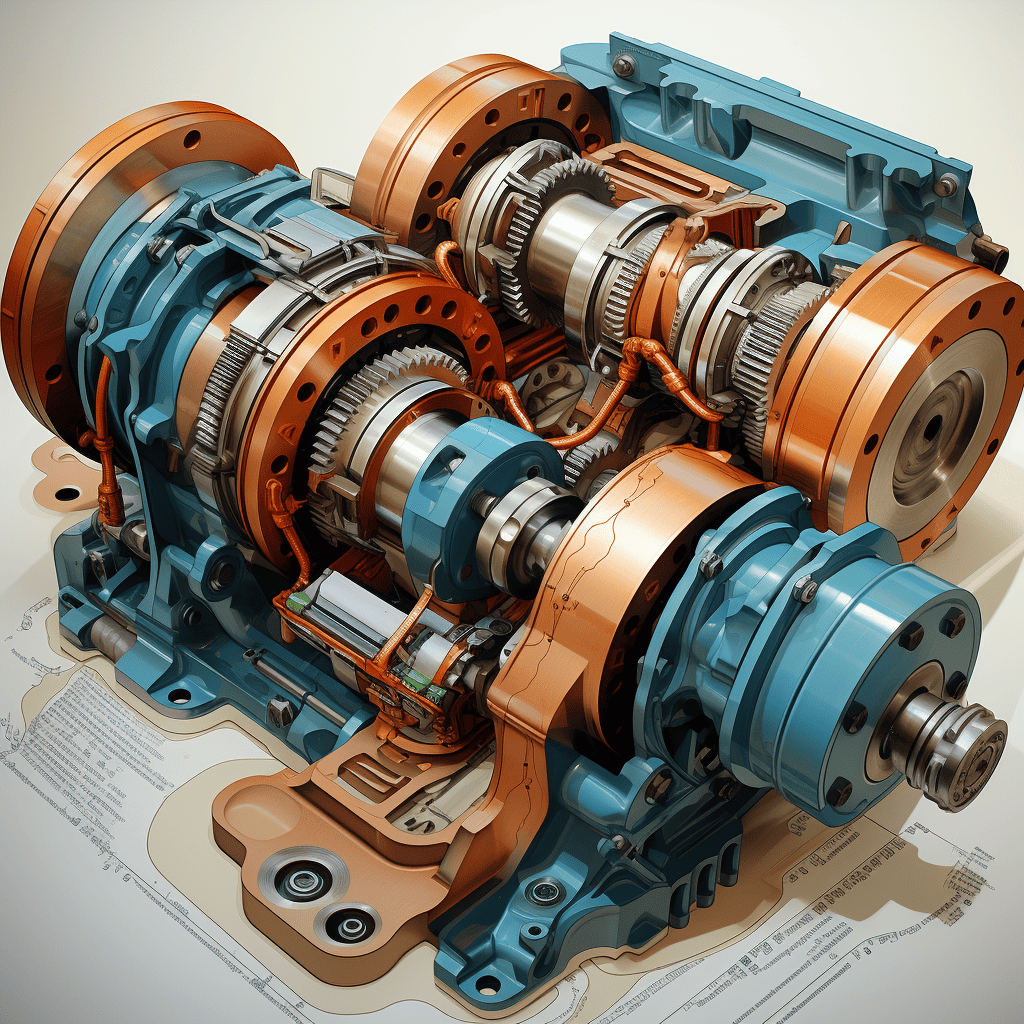
in Hydraulic Gear Pumps
There are two main types of gear sets used in hydraulic gear pumps: external and internal gear sets. External gear sets consist of two gears that mesh externally, while internal gear sets have one gear that rotates inside another stationary gear. Each type of gear set has its own advantages and disadvantages, and the choice between them depends on the specific requirements of the application.
External Gear Sets: External gear sets are the most common type of gear set used in hydraulic gear pumps. They offer high efficiency, high flow rates, and low noise levels. They are also relatively simple to manufacture and maintain. However, they can be larger and heavier than internal gear sets, and may not be suitable for applications that require compact designs.
Internal Gear Sets: Internal gear sets offer several advantages over external gear sets, including lower weight, smaller size, and higher pressure capabilities. They are also more suitable for applications that require reverse flow or bidirectional operation. However, internal gear sets may have lower efficiency and higher noise levels than external gear sets, and may be more complex and expensive to manufacture and maintain.
Maintaining Gear Set Performance
Proper maintenance is essential for ensuring the performance and longevity of hydraulic gear pumps. Regular inspections and maintenance can help identify and address any issues before they become serious problems. Some of the key maintenance tasks for hydraulic gear pumps include checking for leaks, inspecting the gear teeth for wear or damage, and replacing the fluid and filters regularly.
Upgrading Gear Sets for Improved Performance: In some cases, it may be possible to improve the performance of a hydraulic gear pump by upgrading the gear set. This may involve replacing the gear teeth with a different design or material, or switching to a different type of gear set altogether. Upgrading the gear set can improve efficiency, increase flow rates, and reduce noise levels, among other benefits.
Choosing the Right Gear Set for Your Application: When selecting a gear set for a hydraulic gear pump, it’s important to consider the specific requirements of the application. Factors to consider include the pressure and flow rates required, the operating conditions (such as temperature and viscosity), and the desired efficiency and noise levels. By carefully evaluating these factors, it’s possible to choose the right gear set to meet the needs of your hydraulic system.
The gear set plays a critical role in the performance and efficiency of hydraulic gear pumps. By understanding how the gear set creates pressure and flow, and by carefully evaluating the different types of gear sets available, it’s possible to choose the right gear set for your application. Proper maintenance and upgrades can also help ensure the long-term performance and reliability of your hydraulic system.

st be designed to withstand high pressure and temperature conditions, as well as any external forces that may be applied to it. In addition, the pump housing must be able to effectively seal and contain the hydraulic fluid, preventing leaks and ensuring efficient operation.
Role of Shaft Seals in Hydraulic Gear Pumps
Shaft seals play a critical role in hydraulic gear pumps by preventing hydraulic fluid from leaking out of the pump and contaminants from entering. These seals are typically located at the point where the pump shaft enters the pump housing. The seals must be able to withstand high pressure and temperature conditions, as well as any rotational or axial movement of the shaft. In addition, the seals must be able to maintain a tight seal, preventing any fluid leakage and ensuring efficient operation.
Common Types of Shaft Seals
There are several types of shaft seals commonly used in hydraulic gear pumps, including lip seals, mechanical seals, and labyrinth seals. Lip seals are the simplest and most economical option, consisting of a rubber or elastomeric seal that fits over the pump shaft. Mechanical seals, on the other hand, are more complex and expensive, consisting of a series of components that work together to provide a tight seal. Labyrinth seals are a type of non-contact seal that rely on a series of interlocking rings to prevent fluid leakage.
Maintenance of Pump Housing and Shaft Seals
Proper maintenance of pump housing and shaft seals is essential for ensuring the long-term performance and reliability of hydraulic gear pumps. This includes regular inspections and cleaning to remove any debris or contaminants that may have accumulated, as well as prompt replacement of any worn or damaged components. In addition, it is important to use high-quality hydraulic fluid and to follow the manufacturer’s recommendations for fluid changes and other maintenance tasks.
Pump housing and shaft seals are critical components of hydraulic gear pumps, providing structural support, safeguarding internal components, and preventing fluid leakage. Proper design, selection, and maintenance of these components can help ensure the long-term performance and reliability of hydraulic gear pumps. By understanding the role of pump housing and shaft seals and following best practices for maintenance, operators can minimize downtime, reduce maintenance costs, and improve the overall efficiency of their hydraulic systems.

Maintenance Tips for Optimizing Hydraulic Gear Pump Component Performance
Proper maintenance is crucial for the longevity and optimal performance of hydraulic gear pump components. In this section, we will provide some practical tips for maintaining your hydraulic gear pump components to keep them running smoothly and efficiently.
Regular Inspections and Maintenance Schedules
Regular inspections and maintenance schedules are essential to ensure the optimal performance of hydraulic gear pump components. Checking the pump for leaks, wear, and damage on a regular basis can help identify potential issues before they become major problems. Establishing a regular maintenance schedule, including oil changes and filter replacements, can also help extend the life of the pump and prevent costly repairs.
Consider using a preventive maintenance checklist to ensure that all necessary inspections and maintenance tasks are performed regularly. This checklist should include items such as inspecting seals and gaskets for wear, checking oil levels and quality, and replacing filters according to the manufacturer’s recommendations. By following a preventive maintenance schedule, you can minimize downtime and maximize the life of your hydraulic gear pump components.
Lubrication and Temperature Management
Proper lubrication and temperature management are critical for the smooth operation of hydraulic gear pump components. The pump’s moving parts require adequate lubrication to reduce friction and wear, while temperature management helps to prevent overheating and damage to the pump’s seals and other components.
It is essential to use the correct type and amount of oil for your hydraulic gear pump, as specified by the manufacturer. Regular oil changes and filter replacements can help ensure that the oil remains clean and effective. Additionally, monitoring the pump’s temperature and taking steps to prevent overheating, such as using cooling fans or heat exchangers, can help prolong the life of the pump’s components.
Proper Installation and Operation
Proper installation and operation of hydraulic gear pump components are also essential for their optimal performance. Ensure that the pump is installed correctly, following the manufacturer’s instructions, and that all connections are secure.
It is also important to operate the pump within its specified operating parameters, including pressure, flow rate, and temperature ranges. Exceeding these limits can cause damage to the pump’s components and reduce its lifespan. Additionally, avoid sudden starts and stops, as they can cause unnecessary wear and tear on the pump’s components.
Addressing Issues Promptly
Addressing any issues with hydraulic gear pump components promptly can help prevent further damage and reduce downtime. If you notice any leaks, unusual noises, or other signs of wear or damage, it is essential to investigate and address the issue as soon as possible.
Regularly inspecting the pump and its components can help identify potential issues before they become major problems. If you are unsure how to address an issue, consult with a qualified technician or the pump’s manufacturer for guidance.
Upgrading Components
Finally, upgrading hydraulic gear pump components can help improve the pump’s performance and extend its lifespan. Consider upgrading to more durable or efficient components, such as ceramic bearings or high-performance seals, to improve the pump’s reliability and reduce maintenance requirements.
Upgrading components can also help improve the pump’s energy efficiency, reducing operating costs and environmental impact. Consult with a qualified technician or the pump’s manufacturer to determine which upgrades would be most beneficial for your specific application.
Conclusion
Maintaining hydraulic gear pump components is essential for their optimal performance and longevity. By following the maintenance tips outlined in this post, including regular inspections and maintenance schedules, proper lubrication and temperature management, correct installation and operation, addressing issues promptly, and upgrading components, you can maximize the life of your hydraulic gear pump and minimize downtime and repair costs.
Remember to always consult with a qualified technician or the pump’s manufacturer for guidance on maintenance and upgrades, and to use genuine replacement parts to ensure the best performance and reliability.


