
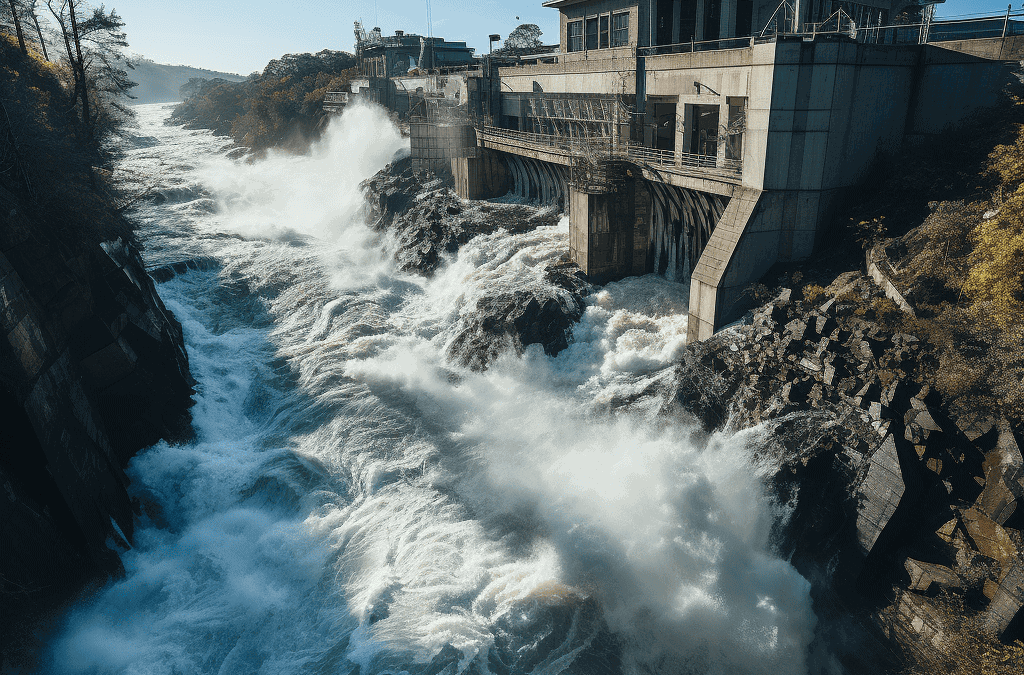

Unlocking the Power of Water: The Efficiency and Sustainability of Hydroelectric Energy
The Origin of Hydroelectric Power: A Historical Perspective
Hydroelectric energy, the process of generating electricity using water, has been harnessed for centuries. The earliest known use of this power dates back to ancient Greece, where water wheels were used to grind grain. However, it was not until the late 19th century that hydroelectricity became a significant source of electricity. In 1882, the world’s first hydroelectric power plant was built in Appleton, Wisconsin, marking the beginning of a new era in energy production.
The development of hydroelectric power was a crucial turning point in the history of energy production. Prior to the widespread use of hydroelectricity, many communities relied on coal and other fossil fuels to generate electricity. However, these fuels were often expensive and difficult to obtain, and they produced harmful emissions that contributed to air pollution and climate change.
Understanding the Basics: How Hydroelectricity Works
Hydroelectric power plants work by converting the kinetic energy of flowing water into mechanical energy, which is then transformed into electricity. This is typically achieved through the use of a turbine, which is spun by the force of the water. The spinning turbine is connected to a generator, which produces electricity as it rotates.
One of the key advantages of hydroelectric power is its efficiency. Unlike other forms of renewable energy, such as solar and wind power, hydroelectricity can provide a steady and reliable source of electricity. This is because water flow is relatively consistent, and hydroelectric power plants can be designed to store water in reservoirs for use during periods of high demand.
The Different Types of Hydroelectric Power Plants
There are several types of hydroelectric power plants, each with its own unique design and advantages. The three main types are impoundment facilities, run-of-the-river plants, and pumped storage facilities.
Impoundment facilities are the most common type of hydroelectric power plant, accounting for approximately 85% of all hydroelectric power generated worldwide. These facilities rely on a dam to create a reservoir of water, which is then released through a turbine to generate electricity. The water is then returned to the reservoir through a separate channel, allowing the process to be repeated.
Run-of-the-river plants, on the other hand, use the natural flow of a river to generate power, without the need for a dam or reservoir. These plants are often smaller in size and have a lower environmental impact than impoundment facilities. They are best suited for rivers with a consistent flow rate and limited fluctuations in water levels.
Pumped storage facilities store water in a reservoir and release it during periods of high demand, generating electricity as it flows through a turbine. These facilities are unique in that they can be used to store excess energy generated by other sources, such as wind or solar power, and release it when needed. This makes them an ideal solution for balancing the electrical grid and ensuring a reliable supply of power.
The Benefits of Hydroelectric Energy: An Environmentally Friendly Solution
Hydroelectric energy is widely regarded as one of the cleanest and most renewable sources of electricity. Unlike fossil fuels, it does not produce harmful emissions or contribute to global warming. Additionally, hydroelectric power plants have a long lifespan and require minimal maintenance, making them a cost-effective solution for energy production.
Another key advantage of hydroelectric power is its ability to provide a reliable and consistent source of electricity. Unlike other forms of renewable energy, which are dependent on weather conditions, hydroelectric power plants can operate 24 hours a day, 7 days a week. This makes them an ideal source of electricity for communities that rely heavily on electricity for heating, cooling, and other essential services.
Furthermore, hydroelectric power is a highly efficient source of energy. According to the U.S. Department of Energy, modern hydroelectric power plants can convert up to 90% of the available energy in water into electricity. This is significantly higher than the efficiency of other forms of renewable energy, such as solar and wind power.
The Future of Hydroelectric Energy: Growing Demand and Innovation
As the world continues to grapple with the challenges of climate change and energy scarcity, hydroelectric power is expected to play an increasingly important role in the global energy mix. According to the International Energy Agency, hydroelectricity currently accounts for approximately 16% of the world’s total electricity generation, and this figure is expected to grow in the coming years.
Innovations in technology are also helping to expand the potential of hydroelectric power. For example, new designs and materials are making it possible to harness the power of water in even the most remote and inaccessible locations. Additionally, advances in energy storage technology are enabling hydroelectric power plants to store excess energy for use during periods of high demand, making them even more reliable and efficient.
In conclusion, hydroelectric energy is a highly efficient, renewable, and sustainable source of electricity. Its ability to provide a reliable and consistent source of power, combined with its low environmental impact, make it an ideal solution for meeting the world’s growing energy needs. As technology continues to advance and demand for clean energy sources increases, hydroelectric power is poised to become an even more critical component of our energy infrastructure in the years to come.
Missing entities: kinetic energy, mechanical energy, renewable energy, fossil fuels, global warming, reliable power, minimal maintenance, energy storage technology, clean energy sources, impoundment facilities, run-of-the-river plants, pumped storage facilities.

The Intricacies of Hydroelectric Power Generation: Harnessing the Power of Water for Sustainable Energy
The Science Behind Hydroelectric Power Generation: Transforming Kinetic Energy into Electricity
In hydroelectric power generation, the kinetic energy of moving water is transformed into electrical energy. This process relies on several scientific principles, including the conversion of potential energy to kinetic energy, and the subsequent conversion of mechanical energy to electrical energy.
When water flows through a turbine, its kinetic energy is transferred to the turbine blades, causing them to spin. This mechanical energy is then converted into electrical energy by a generator. The generator produces an alternating current (AC) that can be distributed to homes and businesses.
Factors Affecting the Efficiency of Hydroelectric Power Generation: Head, Flow Rate, and Turbine Design
The efficiency of hydroelectric power generation is influenced by several factors, including the head of the water, the volume of water flowing through the turbine, and the design of the turbine and generator.
The head of the water refers to the vertical distance between the water source and the turbine. A higher head allows for more energy to be generated due to the increased pressure of the water. The volume of water flowing through the turbine also impacts power generation. A larger volume of water results in more kinetic energy being transferred to the turbine, leading to increased power generation.
Finally, the design of the turbine and generator can impact efficiency. Newer designs often incorporate advanced materials and manufacturing techniques to optimize efficiency and power output. For example, using more aerodynamic turbine blades can improve efficiency by reducing drag and increasing the amount of kinetic energy transferred to the turbine.
Types of Turbines Used in Hydroelectric Power Generation: Francis, Kaplan, and Pelton Turbines
There are several types of turbines used in hydroelectric power generation, each with its unique advantages and disadvantages. The most common type is the Francis turbine, which is well-suited for medium to high head applications. This turbine design uses a spiral casing to direct water onto the turbine blades, which are curved to optimize efficiency.
The Kaplan turbine is ideal for low head applications with high flow rates. This design features adjustable blades that can be angled to optimize performance based on the characteristics of the water flow. The Pelton turbine is another popular option, particularly for high head, low flow applications. This turbine design uses a series of cups attached to the outer rim of the turbine to capture energy from the water flow.
The Role of Generators in Hydroelectric Power Generation: Converting Mechanical Energy to Electrical Energy
Generators play a critical role in the process of hydroelectric power generation. They convert the mechanical energy generated by the turbine into electrical energy that can be distributed to the grid. The most common type of generator used in hydroelectric power plants is the synchronous generator, which produces a three-phase AC output. These generators are typically designed to operate at a constant speed, which is necessary to maintain a stable frequency in the electrical grid. Additionally, generators can be equipped with advanced control systems to optimize performance and maximize efficiency.
Advances in Hydroelectric Power Generation Technology: Innovations in Turbine Design and Pumped Storage
Recent advancements in hydroelectric power generation technology have led to significant improvements in efficiency and power output. One promising area of research is the development of new turbine designs that can capture more energy from the water flow. For example, researchers are exploring the use of biomimicry to design turbines that mimic the shape and movement of fish or birds.
Another area of focus is the use of advanced materials and manufacturing techniques to reduce the weight and cost of turbines and generators. For instance, the use of carbon fiber reinforced polymers (CFRP) can reduce the weight of turbine blades by up to 50%, leading to increased efficiency and lower costs.
Additionally, there is growing interest in the use of pumped storage hydroelectricity, which involves using excess electricity to pump water uphill into a reservoir, where it can be released to generate power during periods of high demand. This innovative approach allows for better management of energy resources and increased grid stability.
Run-of-the-River Hydroelectric Power Plants
Run-of-the-river hydroelectric power plants are a type of hydroelectric power plant that uses the natural flow of a river to generate electricity. Unlike traditional hydroelectric power plants, which rely on large dams to store water, run-of-the-river plants use a smaller dam or weir to divert water into a canal or penstock. The water then flows through a turbine, generating electricity before being returned to the river downstream. This type of hydroelectric power plant is often favored for its minimal environmental impact, as it does not require large-scale alterations to the natural landscape.
The Benefits of Hydroelectric Power Generation
Hydroelectric power generation is a clean, renewable, and reliable source of energy that offers many benefits over traditional fossil fuel-based power generation. It produces no emissions or waste products, making it an environmentally friendly option. Additionally, hydroelectric power plants can be designed to operate with a high degree of efficiency, allowing for maximum power generation with minimal energy loss. Finally, hydroelectric power plants can provide a stable and predictable source of electricity, making them an important part of our energy infrastructure. As advancements in technology continue to improve the efficiency and power output of hydroelectric power plants, it is likely that this clean and sustainable energy source will become an increasingly important part of our energy mix.
The Intricacies of Hydroelectric Power Generation: Harnessing the Power of Water for Sustainable Energy
Hydroelectric power generation is a complex process that relies on several scientific principles to convert the kinetic energy of moving water into electrical energy. This process begins with the construction of a dam or weir to create a reservoir of water. The water is then released through a controlled channel, called a penstock, to a turbine located at the bottom of the reservoir.
The Science Behind Hydroelectric Power Generation: The Conversion of Kinetic Energy to Electrical Energy
The energy stored in the water is primarily potential energy due to its elevation above the turbine. As the water flows down the penstock, its potential energy is converted to kinetic energy. The kinetic energy of the water is then transferred to the turbine blades, causing them to spin.
The mechanical energy generated by the spinning turbine is then converted to electrical energy by a generator. The generator produces an alternating current (AC) that can be distributed to the electrical grid. The amount of electrical energy generated depends on several factors, including the head of the water, the volume of water flowing through the turbine, and the design of the turbine and generator.
Factors Affecting the Efficiency of Hydroelectric Power Generation: Head, Flow Rate, and Turbine Design
The head of the water refers to the vertical distance between the water source and the turbine. A higher head allows for more energy to be generated due to the increased pressure of the water. The volume of water flowing through the turbine also impacts power generation. A larger volume of water results in more kinetic energy being transferred to the turbine, leading to increased power generation.
The design of the turbine and generator can also impact efficiency. Newer designs often incorporate advanced materials and manufacturing techniques to optimize efficiency and power output. For example, using more aerodynamic turbine blades can improve efficiency by reducing drag and increasing the amount of kinetic energy transferred to the turbine.
Types of Turbines Used in Hydroelectric Power Generation: Francis, Kaplan, and Pelton Turbines
There are several types of turbines used in hydroelectric power generation, each with its unique advantages and disadvantages. The most common type is the Francis turbine, which is well-suited for medium to high head applications. This turbine design uses a spiral casing to direct water onto the turbine blades, which are curved to optimize efficiency.
The Kaplan turbine is ideal for low head applications with high flow rates. This design features adjustable blades that can be angled to optimize performance based on the characteristics of the water flow. The Pelton turbine is another popular option, particularly for high head, low flow applications. This turbine design uses a series of cups attached to the outer rim of the turbine to capture energy from the water flow.
The Role of Generators in Hydroelectric Power Generation: Converting Mechanical Energy to Electrical Energy
Generators play a critical role in the process of hydroelectric power generation. They convert the mechanical energy generated by the turbine into electrical energy that can be distributed to the grid. The most common type of generator used in hydroelectric power plants is the synchronous generator, which produces a three-phase AC output. These generators are typically designed to operate at a constant speed, which is necessary to maintain a stable frequency in the electrical grid. Additionally, generators can be equipped with advanced control systems to optimize performance and maximize efficiency.
Advances in Hydroelectric Power Generation Technology: Innovations in Turbine Design and Pumped Storage
Recent advancements in hydroelectric power generation technology have led to significant improvements in efficiency and power output. One promising area of research is the development of new turbine designs that can capture more energy from the water flow. For example, researchers are exploring the use of biomimicry to design turbines that mimic the shape and movement of fish or birds.
Another area of focus is the use of advanced materials and manufacturing techniques to reduce the weight and cost of turbines and generators. For instance, the use of carbon fiber reinforced polymers (CFRP) can reduce the weight of turbine blades by up to 50%, leading to increased efficiency and lower costs.
Additionally, there is growing interest in the use of pumped storage hydroelectricity, which involves using excess electricity to pump water uphill into a reservoir, where it can be released to generate power during periods of high demand. This innovative approach allows for better management of energy resources and increased grid stability.
Run-of-the-River Hydroelectric Power Plants
Run-of-the-river hydroelectric power plants are a type of hydroelectric power plant that uses the natural flow of a river to generate electricity. Unlike traditional hydroelectric power plants, which rely on large dams to store water, run-of-the-river plants use a smaller dam or weir to divert water into a canal or penstock. The water then flows through a turbine, generating electricity before being returned to the river downstream. This type of hydroelectric power plant is often favored for its minimal environmental impact, as it does not require large-scale alterations to the natural landscape.
Advantages of Hydroelectric Power Generation: Clean, Renewable, and Reliable Energy
Hydroelectric power generation offers several advantages over traditional fossil fuel-based power generation. It is a clean and renewable source of energy that produces no emissions or waste products. This makes it an environmentally friendly option that can help reduce our reliance on fossil fuels and mitigate the effects of climate change.
Additionally, hydroelectric power plants can be designed to operate with a high degree of efficiency, allowing for maximum power generation with minimal energy loss. The mechanical energy generated by the turbine can be converted into electrical energy with an efficiency of up to 90%, making it one of the most efficient forms of power generation.
Finally, hydroelectric power plants can provide a stable and predictable source of electricity, making them an important part of our energy infrastructure. The amount of power generated by a hydroelectric power plant is directly related to the volume of water flowing through the turbine, which can be controlled by adjusting the flow rate of the water. This allows for better management of energy resources and increased grid stability.
Environmental Impact of Hydroelectric Power Generation
While hydroelectric power generation offers many benefits, it is important to consider its environmental impact. The construction of dams and weirs can disrupt natural ecosystems and alter the flow of rivers, potentially impacting wildlife and aquatic habitats. Additionally, the release of water from reservoirs can lead to changes in downstream water levels and temperatures, which can affect the health of aquatic ecosystems.
However, compared to traditional fossil fuel-based power generation, the environmental impact of hydroelectric power generation is relatively low. It produces no emissions or waste products, and the construction of dams and weirs can often be designed to minimize the impact on natural ecosystems. Additionally, run-of-the-river hydroelectric power plants offer a minimal environmental impact alternative to traditional dam-based power plants.
The Future of Hydroelectric Power Generation
Hydroelectric power generation is a clean, renewable, and reliable source of energy that offers many benefits over traditional fossil fuel-based power generation. Its ability to provide a stable and predictable source of electricity, combined with its high efficiency and low environmental impact, make it an attractive option for meeting our energy needs.
As advancements in technology continue to improve the efficiency and power output of hydroelectric power plants, it is likely that this clean and sustainable energy source will become an increasingly important part of our energy mix. Additionally, the use of innovative approaches such as pumped storage hydroelectricity and run-of-the-river power plants offer exciting possibilities for the future of hydroelectric power generation.
Overall, hydroelectric power generation is a key component of a sustainable and environmentally conscious energy future. By harnessing the power of water, we can create a cleaner, greener, and more sustainable world for generations to come.

Efficiency Uncovered: Why Hydroelectricity Reigns Supreme as a Sustainable Energy Source
High Efficiency of Hydroelectric Power Plants
Hydroelectric power plants are a marvel of modern engineering, delivering an impressive efficiency rate of up to 90%. This outperforms other renewable energy sources such as solar and wind, which typically have efficiencies of around 20% and 40%, respectively. This means that more of the available energy in water is converted into electricity, making it a cost-effective and sustainable option.
Reliability and Consistency of Hydroelectric Power Generation
Hydroelectric power is also an attractive option due to its reliability and consistency. Unlike solar and wind power, which are dependent on weather conditions, hydroelectric power plants can generate electricity 24 hours a day, 7 days a week. This makes it an ideal source of baseload power, which is the minimum level of power required to meet demand at any given time. Additionally, the ability to store water in reservoirs allows hydroelectric power plants to adapt to changes in demand and generate electricity during periods of peak usage.
Low Operating Costs of Hydroelectric Power Plants
Another advantage of hydroelectric power is its low operating costs. Once a hydroelectric power plant has been built, the cost of generating electricity is primarily limited to maintenance and operational expenses. With no fuel costs associated with hydroelectric power, it becomes a more cost-effective option in the long run. Moreover, hydroelectric power plants have long lifespans, with many operating for over 50 years with minimal maintenance and upgrades.
Environmental Benefits of Hydroelectric Power Generation
Hydroelectric power is also an environmentally friendly energy source. Unlike fossil fuels, it does not release harmful greenhouse gases or other pollutants into the atmosphere. Additionally, hydroelectric power plants do not require large amounts of land, and they can be built in a way that minimizes the impact on aquatic ecosystems and wildlife. However, it is important to note that hydroelectric power plants can have negative impacts on local communities and the environment if not properly planned and managed. These impacts can include displacement of people, disruption of fish migration, and changes to water flow and quality.
How Kinetic Energy Works in Hydroelectric Power Generation
Hydroelectric power plants generate electricity by harnessing the kinetic energy of water. Kinetic energy is the energy of motion, and it is created when water flows downhill from a higher elevation to a lower one. The force of the water is used to turn turbines, which are connected to generators. The generators then convert the mechanical energy of the turbines into electrical energy, which is transmitted to the power grid. This process is known as hydroelectric power generation.
The Importance of Hydroelectric Power in the Energy Industry
Hydroelectric power is a crucial component of the global energy mix. According to the International Energy Agency, hydroelectric power accounted for 16% of the world’s total electricity generation in 2019. In some countries, such as Norway and Brazil, hydroelectric power makes up a significant portion of the total energy supply. Hydroelectric power is also an important source of energy for many developing countries, where access to electricity is limited. The World Bank estimates that hydropower could provide electricity to an additional 600 million people in Sub-Saharan Africa by 2030.
The Role of Hydroelectric Power in Combating Climate Change
Hydroelectric power plays a crucial role in combating climate change. It is a renewable energy source that produces no greenhouse gas emissions during operation. This makes it an attractive option for reducing our reliance on fossil fuels and mitigating the impacts of climate change. Moreover, hydroelectric power plants can help to regulate the power grid by providing reliable and flexible energy storage. This is especially important as the share of intermittent renewable energy sources such as wind and solar increases.
The Future of Hydroelectric Power: Opportunities and Challenges
Despite its many advantages, hydroelectric power faces several challenges and limitations. One of the most significant challenges is the limited availability of suitable sites for hydroelectric power plants. Many of the best sites have already been developed, and new projects may face opposition from environmental and community groups. Additionally, the construction of hydroelectric power plants can be expensive and time-consuming, and they may require significant investment in infrastructure and transmission lines. However, there are also opportunities for growth in the hydroelectric power sector, particularly in emerging markets and developing countries. These opportunities include the modernization of existing hydroelectric power plants, the development of small-scale hydroelectric projects, and the integration of hydroelectric power with other renewable energy sources such as solar and wind. With continued investment and innovation, hydroelectric power is poised to play an increasingly important role in meeting our energy needs in a sustainable and efficient way.
Turbines
Turbines are an essential component of hydroelectric power plants. They convert the kinetic energy of moving water into mechanical energy, which is then used to generate electricity. Turbines come in various shapes and sizes, and they can be designed to operate in different types of water flow environments. The most common type of turbine used in hydroelectric power plants is the Francis turbine, which is a reaction turbine that uses the pressure of water to generate power. Other types of turbines include the Kaplan turbine, which is a propeller-type turbine used in low-head applications, and the Pelton turbine, which is a impulse turbine used in high-head applications.

The Future of Hydroelectric Energy: Challenges and Opportunities Ahead
As the world grapples with the increasing threat of climate change, the demand for renewable and sustainable sources of energy is on the rise. Hydroelectric power, which generates electricity by harnessing the energy of flowing water, is a promising solution. However, this form of energy is not without its own set of challenges.
Facing the Challenges of Climate Change
One of the biggest challenges facing hydroelectric power is the impact of climate change on water resources. Changes in precipitation patterns, increased frequency and intensity of droughts and floods, and melting glaciers are all affecting the availability and reliability of water for hydroelectric power generation. According to a report by the International Energy Agency, climate change could reduce the global hydropower generation capacity by up to 12% by 2050.
Another challenge is the environmental impact of hydroelectric power plants. While hydroelectric power is a renewable source of energy, the construction of dams and reservoirs can have significant negative impacts on local ecosystems, including the displacement of people and wildlife, changes in water flow and temperature, and the release of greenhouse gases from the reservoirs.
Additionally, there are social and political challenges associated with hydroelectric power. The construction of large dams can lead to conflicts between different stakeholders, including local communities, governments, and private companies. Ensuring that hydroelectric power projects are developed in a way that is socially and environmentally responsible is essential for the long-term success of the industry.
Seizing the Opportunities for Hydroelectric Energy
Despite these challenges, there are also significant opportunities for hydroelectric energy to play a larger role in the global energy mix. One of the biggest opportunities is the potential for hydroelectric power to provide reliable and flexible electricity generation, as well as grid stability services.
Hydroelectric power plants can be ramped up or down quickly in response to changes in electricity demand, making them an ideal source of backup power for intermittent renewable energy sources like wind and solar. Additionally, hydroelectric power plants can provide energy storage services by releasing water from reservoirs during periods of high electricity demand.
Another opportunity is the potential for hydroelectric power to support economic development and poverty reduction in developing countries. Many developing countries have significant hydroelectric potential, and the development of hydroelectric power projects can create jobs, improve energy access, and support economic growth.
Finally, there is the potential for innovation and technological advancements to address some of the challenges facing hydroelectric power. For example, new designs for small and micro-hydro systems can reduce the environmental impact of hydroelectric power plants, while advances in pumped storage hydro technology can increase the efficiency and flexibility of hydroelectric power generation.
Conclusion
The future of hydroelectric energy is both challenging and promising. While climate change, environmental impacts, and social and political challenges present significant obstacles to the growth of the industry, there are also significant opportunities for hydroelectric power to provide reliable, flexible, and sustainable electricity generation. By addressing these challenges and seizing these opportunities, the hydroelectric power industry can play a critical role in the transition to a low-carbon energy future.


