

The Economics of Hydroelectric Power: A Cost-Benefit Analysis
Understanding Hydroelectric Power: Generation and Distribution
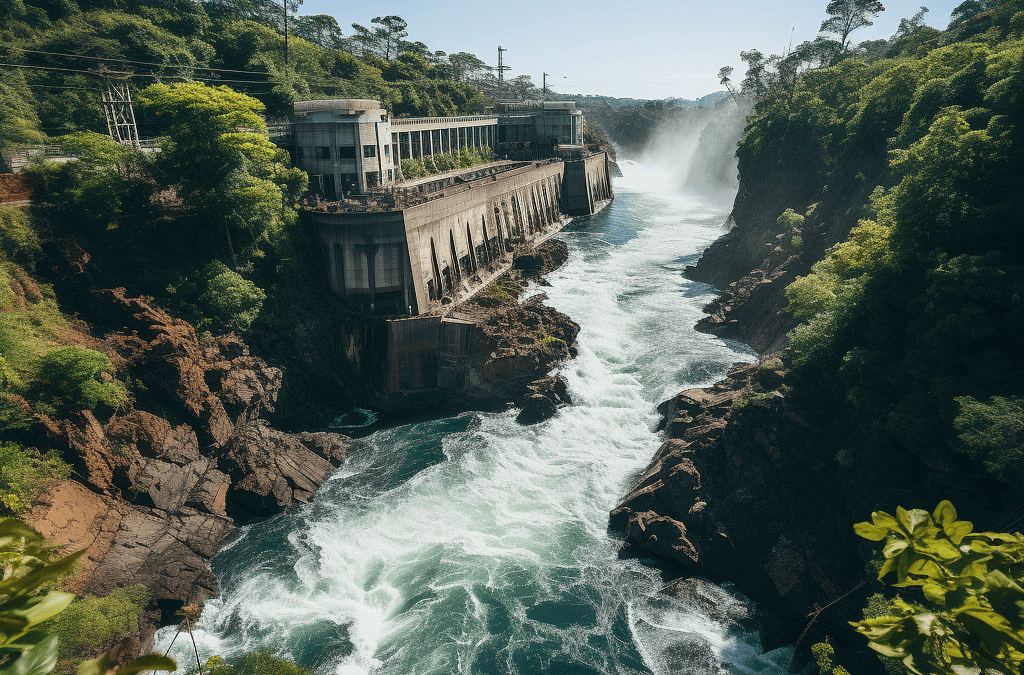
Hydroelectric power is a renewable energy source that harnesses the kinetic energy of flowing or falling water to generate electricity. This process takes place in hydroelectric power plants, which consist of a dam built across a river to create a reservoir, a turbine connected to a generator, and a transmission line to deliver the electricity to the grid. When the water in the reservoir is released, it flows through the turbine, causing it to spin and generate electricity. Hydroelectric power plants can provide reliable and consistent energy, making them an attractive option for many countries.
The Basics of Hydroelectric Power Generation
Hydroelectric power is a clean and renewable energy source that is generated by converting the kinetic energy of flowing or falling water into electrical energy. The process of generating hydroelectric power involves building a dam across a river to create a reservoir of water. When water is released from the reservoir, it flows through a turbine, causing it to spin and generate electricity. The electricity generated by the turbine is then transmitted to the grid through a transmission line.
Did you know?
Hydroelectric power is the most widely used form of renewable energy, accounting for approximately 16% of global electricity generation.
Types of Hydroelectric Power Plants
There are three main types of hydroelectric power plants: impoundment, diversion, and pumped storage. Impoundment plants, also known as storage plants, are the most common and involve the construction of a dam to create a reservoir of water. Diversion plants, also called run-of-the-river plants, do not require a dam and instead divert a portion of a river’s flow through a canal or pipeline to a turbine. Pumped storage plants are a type of hydroelectric power plant that uses two reservoirs at different elevations to store and generate electricity. During periods of low demand, excess electricity is used to pump water from the lower reservoir to the upper reservoir. When demand is high, the water is released back to the lower reservoir, generating electricity as it flows through the turbine.
Pumped storage plants can also provide grid stabilization by quickly ramping up or down to match changes in demand.
The Role of Dams in Hydroelectric Power Generation
Dams play a crucial role in hydroelectric power generation by creating a reservoir of water that can be released to generate electricity on demand. The size of the dam and the amount of water it can hold will determine the plant’s generating capacity. Large dams can store vast amounts of water and generate significant amounts of electricity, while smaller dams have a more limited generating capacity. However, the construction of dams can also have negative environmental and social impacts, including the displacement of communities, loss of habitat, and disruption of ecosystems.
Dams can also provide flood control, reducing the risk of downstream flooding and protecting communities and infrastructure.
Advantages and Disadvantages of Hydroelectric Power
Hydroelectric power has several advantages over other forms of energy generation. It is a renewable and clean source of energy that produces no emissions during operation. It also has a high capacity factor, meaning that it can generate electricity consistently and reliably. However, hydroelectric power also has its drawbacks. The construction of dams can be expensive and time-consuming, and can have significant environmental and social impacts. Additionally, the availability of water resources can be affected by climate change, drought, and other factors, making hydroelectric power a less reliable source of energy in some regions.
Hydroelectric power can also be economically competitive with traditional fossil fuel energy sources, particularly in regions with abundant water resources.
The Future of Hydroelectric Power Generation
Despite its challenges, hydroelectric power is expected to continue to play an important role in the global energy mix. According to the International Energy Agency (IEA), hydroelectric power will remain the largest source of renewable electricity generation through 2040. Advances in technology, such as run-of-river and small hydro systems, are also making hydroelectric power more accessible and affordable in remote and rural areas. However, as the world transitions to a more sustainable and low-carbon energy system, it will be important to carefully consider the costs and benefits of hydroelectric power and to develop policies and strategies that maximize its potential while minimizing its impacts.
Innovations in energy storage technology, such as batteries and flywheels, can also help to address the intermittency of hydroelectric power and improve grid stability.

The Financial Costs of Hydroelectric Power: Investment and Maintenance
Initial Investment Costs of Hydroelectric Power Plants
Building a hydroelectric power plant requires substantial upfront costs, with an average cost of $1,000 to $5,000 per kilowatt (kW) of installed capacity. Civil works such as dam construction, land acquisition, and equipment installation account for a significant portion of these costs. The size and complexity of the project, as well as the location and availability of resources, can significantly impact the initial investment costs. For example, projects located in remote areas or with challenging terrain can have higher costs due to the need for infrastructure development and transportation of materials.
Operation and Maintenance Costs of Hydroelectric Power Plants
Once a hydroelectric power plant is built, it requires ongoing operation and maintenance (O&M) costs to ensure its continued performance and safety. These costs can include labor, materials, replacement parts, and equipment upgrades. The average O&M cost of a hydroelectric power plant is around $20 per megawatt-hour (MWh) of electricity produced. However, these costs can vary depending on the age and condition of the plant, as well as the availability of skilled labor and materials. For example, older plants may require more frequent maintenance and have higher replacement costs.
Financial Risks and Challenges of Hydroelectric Power Projects
Hydroelectric power projects can also face financial risks and challenges, including regulatory and permitting delays, environmental and social impacts, and changes in energy markets and policies. For instance, the construction of a dam can displace communities, disrupt ecosystems, and impact water quality, which can lead to public opposition and legal challenges. Additionally, changes in energy policies and market conditions can affect the economic viability of hydroelectric power projects, making it difficult to secure financing and investment. For example, the declining cost of solar and wind power has increased competition in the renewable energy market, potentially reducing the profitability of hydroelectric projects.
Financing Options for Hydroelectric Power Projects
Given the high upfront costs and financial risks associated with hydroelectric power projects, finding appropriate financing options is essential. There are several financing options available, including public-private partnerships (PPPs), project finance, and green bonds. PPPs involve partnerships between public and private sector entities to finance, build, and operate hydroelectric power plants. Project finance involves the use of non-recourse debt and equity financing to fund the construction and operation of a project. Green bonds are a type of fixed-income security that raises funds for environmentally sustainable projects, including hydroelectric power plants. These financing options can help mitigate the financial risks associated with hydroelectric power projects and attract investment.
Comparing the Costs of Hydroelectric Power with Other Energy Sources
When evaluating the financial costs of hydroelectric power, it is important to compare them with other energy sources. According to a report by the Lazard investment bank, the levelized cost of energy (LCOE) for hydroelectric power is around $32 to $191 per MWh, depending on the size and type of project. This compares favorably with the LCOE for coal ($60 to $143 per MWh) and natural gas ($41 to $74 per MWh). However, hydroelectric power faces stiff competition from other renewable energy sources, such as wind and solar, which have seen significant cost reductions in recent years. According to the same Lazard report, the LCOE for utility-scale solar power is now around $26 to $50 per MWh, while the LCOE for onshore wind power is around $26 to $54 per MWh. Nevertheless, hydroelectric power has several advantages over other renewable energy sources, such as reliability and dispatchability, making it an important component of a diversified energy portfolio.
The Importance of Site Selection for Hydroelectric Power Plants
Site selection is a crucial factor in determining the financial feasibility of a hydroelectric power project. The availability of water resources, topography, and proximity to transmission lines are all critical factors that can impact the initial investment costs and O&M costs of a hydroelectric power plant. For example, sites with a high flow rate and significant elevation change can generate more electricity with less investment, while sites with limited water resources may require more extensive civil works to ensure a consistent water supply. Additionally, proximity to transmission lines can significantly reduce the cost of transmitting the generated electricity to the grid.
The Role of Government Policies and Incentives in Hydroelectric Power Development
Government policies and incentives can play a significant role in promoting the development of hydroelectric power projects. For example, feed-in tariffs, which guarantee a fixed price for electricity generated from renewable sources, can help ensure the financial viability of hydroelectric power projects and attract investment. Additionally, tax credits and grants can help offset the initial investment costs associated with building a hydroelectric power plant. However, it is essential to balance these incentives with the potential environmental and social impacts of hydroelectric power development.
The Impact of Climate Change on Hydroelectric Power Generation
Climate change is expected to have a significant impact on hydroelectric power generation, with changing precipitation patterns and increased frequency of extreme weather events. For example, prolonged droughts can reduce water levels and decrease the amount of electricity generated by hydroelectric power plants. Similarly, increased frequency of extreme weather events such as floods and landslides can damage hydroelectric power infrastructure and disrupt electricity supply. These risks highlight the importance of incorporating climate change projections into the planning and operation of hydroelectric power projects.
The Role of Advanced Technologies in Reducing the Costs of Hydroelectric Power
Advanced technologies, such as pumped storage hydropower and tidal energy, have the potential to significantly reduce the costs of hydroelectric power generation. Pumped storage hydropower involves pumping water uphill to a reservoir during periods of low electricity demand, then releasing it to generate electricity during periods of high demand. This allows hydroelectric power plants to store excess electricity and generate power when it is most needed, improving the efficiency and reliability of the grid. Tidal energy, on the other hand, harnesses the power of ocean tides to generate electricity, providing a predictable and renewable source of energy. While these technologies are still in the early stages of development, they have the potential to significantly reduce the costs of hydroelectric power generation in the future.

Quantifying the Benefits: Environmental, Social, and Economic Advantages
Environmental Benefits of Hydroelectric Power
Renewable and Clean: Hydroelectric power is a renewable source of energy that produces no greenhouse gas emissions during its operation. According to the International Energy Agency (IEA), hydroelectric power generated around 16% of the world’s electricity in 2019, making it the largest source of renewable electricity.
Water Flow Regulation: Hydroelectric power plants can also help to regulate water flow and prevent flooding, which can have significant environmental benefits. They can control water flow and release water in a controlled manner, preventing damage to downstream areas during heavy rainfall or snowmelt.
Biodiversity Conservation: Properly designed and operated hydroelectric power plants can help to conserve biodiversity by providing fish passage, creating habitat for aquatic species, and maintaining minimum flow levels. For example, the Itaipu Dam on the border of Brazil and Paraguay has created a reservoir that is home to over 70 species of fish and has become an important habitat for migratory birds.
Social Benefits of Hydroelectric Power
Job Creation: Hydroelectric power projects can have significant social benefits, including job creation and economic development. According to the International Renewable Energy Agency (IRENA), the hydroelectric power sector employs around 2.1 million people worldwide.
Economic Development: The construction of a hydroelectric power plant can create thousands of jobs, both directly and indirectly, and can help to stimulate economic growth in local communities. For example, the Grand Ethiopian Renaissance Dam (GERD) is expected to provide electricity to millions of people in Ethiopia and neighboring countries, as well as create new opportunities for agriculture and industry.
Community Engagement: Successful hydroelectric power projects often involve close collaboration with local communities, including indigenous peoples. By engaging with local communities and incorporating their perspectives into project planning and implementation, hydroelectric power projects can help to build social capital and improve community well-being. For example, the Reventazón Hydroelectric Project in Costa Rica involved extensive consultation with local communities and resulted in the creation of a community development fund to support social and environmental initiatives.
Economic Benefits of Hydroelectric Power
Cost Savings: Hydroelectric power projects can provide significant economic benefits, including cost savings and revenue generation. According to a report by the National Hydropower Association, hydroelectric power plants in the United States saved consumers around $20 billion in avoided energy costs in 2019.
Revenue Generation: Hydroelectric power plants can generate revenue through the sale of electricity to the grid, which can help to offset the costs of construction and maintenance. Hydroelectric power plants can also provide a reliable source of electricity that can help to attract businesses and industry to a region, which can further stimulate economic growth. For example, the Three Gorges Dam in China generates an estimated $1 billion in revenue per year and has helped to spur economic development in the region.
Energy Resilience: Hydroelectric power plants can provide a reliable source of electricity that can help to improve energy resilience in the face of natural disasters, grid outages, and other disruptions. By storing water in reservoirs and releasing it as needed, hydroelectric power plants can provide a steady and predictable source of electricity, even during periods of high demand or low generation from other sources.
Challenges in Quantifying the Benefits of Hydroelectric Power
While hydroelectric power projects can provide significant benefits, quantifying these benefits can be challenging. The benefits of hydroelectric power can vary depending on the size and type of project, as well as the location and availability of resources.
Additionally, the environmental, social, and economic benefits of hydroelectric power can be difficult to quantify and compare directly with the costs of construction and maintenance. As a result, it is important to conduct a thorough cost-benefit analysis that takes into account all of the relevant factors and uncertainties.
The Importance of Considering Both Costs and Benefits
While the benefits of hydroelectric power are significant, it is important to consider both the costs and benefits of these projects in order to make informed decisions about their development and implementation.
A comprehensive cost-benefit analysis can help to identify the trade-offs between different options and can inform decisions about the most appropriate and sustainable course of action. Additionally, incorporating the environmental, social, and economic benefits of hydroelectric power into decision-making processes can help to ensure that these projects are developed in a way that maximizes their positive impacts and minimizes their negative impacts on communities and the environment.
Climate Resilience
Climate Resilience: Hydroelectric power plants can also help to build resilience to the impacts of climate change. By storing water in reservoirs and releasing it as needed, hydroelectric power plants can help to manage water resources in a changing climate, providing a reliable source of water for irrigation, drinking, and other uses. Additionally, hydroelectric power plants can help to reduce dependence on fossil fuels and contribute to efforts to mitigate climate change.
Weighing the Pros and Cons: A Comprehensive Cost-Benefit Analysis of Hydroelectric Power
Hydroelectric power is a renewable energy source that can provide significant benefits in terms of cost savings, revenue generation, and environmental and social impacts. However, it is important to consider both the costs and benefits of these projects in order to make informed decisions about their development and implementation. This section will provide a comprehensive cost-benefit analysis of hydroelectric power, including initial investment costs, operational costs, revenue generation, environmental impacts, social impacts, risks and uncertainties, and decision-making considerations.
Assessing the Financial Costs and Benefits of Hydroelectric Power
The initial investment costs for hydroelectric power projects can be substantial, ranging from millions to billions of dollars depending on the size and type of project. These costs include the construction of dams, turbines, generators, and other necessary infrastructure. However, once a hydroelectric power plant is operational, it can provide significant cost savings and revenue generation in the long run.
Initial Investment: Major hydroelectric projects require substantial capital investment, including land acquisition, site preparation, and construction of dams, turbines, generators, and transmission lines. The size of the project and the location can significantly impact the cost. Operational Costs: Ongoing maintenance costs, including regular inspections, repairs, and replacement of equipment, are also an important factor to consider. However, these costs are generally lower than those associated with fossil fuel power plants due to the long lifespan and high reliability of hydroelectric turbines. Revenue Generation: Hydroelectric power plants can generate revenue through the sale of electricity to utilities and other customers. In some cases, governments may also offer incentives or subsidies for the development of renewable energy projects. Additionally, hydroelectric power plants can provide ancillary services, such as grid stabilization and frequency regulation, which can generate additional revenue streams.
Considering the Environmental Impacts of Hydroelectric Power
Hydroelectric power is a renewable source of energy that produces no greenhouse gas emissions during its operation. This is a significant advantage over fossil fuel power plants, which are major contributors to climate change. However, the construction of hydroelectric power plants can have negative impacts on aquatic ecosystems, including changes to water flow, temperature, and sedimentation patterns.
Renewable Energy: Hydroelectric power is a renewable source of energy that relies on the natural flow of water to generate electricity, making it a sustainable and environmentally friendly energy source. Aquatic Ecosystems: However, the alteration of natural water flow patterns can have significant impacts on aquatic ecosystems, including changes to fish migration patterns, water quality, and sedimentation patterns. It is important to conduct thorough environmental impact assessments and mitigation measures to minimize these impacts. Land Use: Hydroelectric power projects can also require large areas of land for reservoirs and other infrastructure, which can lead to habitat destruction, deforestation, and soil erosion. Again, proper planning and mitigation measures can help to minimize these impacts.
Evaluating the Social Impacts of Hydroelectric Power
Hydroelectric power can provide reliable and affordable electricity to rural areas, which can help to improve living standards and quality of life. This is particularly important in developing countries, where access to electricity is often limited. However, the construction of hydroelectric power plants can also displace local communities, disrupt traditional livelihoods, and lead to social conflict.
Energy Access: Hydroelectric power can provide reliable and affordable electricity to remote areas, improving access to energy and enhancing economic development. Displacement: However, the construction of hydroelectric power plants can also displace local communities, disrupt traditional livelihoods, and lead to social conflict. It is important to ensure that proper compensation and resettlement plans are in place to minimize these impacts. Cultural Heritage: In some cases, hydroelectric power projects may also have impacts on cultural heritage sites, such as sacred lands or historic structures. Proper consultation with local communities and stakeholders can help to minimize these impacts and ensure that cultural heritage is preserved.
Assessing the Risks and Uncertainties of Hydroelectric Power
The risks and uncertainties associated with hydroelectric power projects can be significant, including geopolitical risks, regulatory risks, and technological risks.
Geopolitical Risks: Changes in government policies or regulations can have significant impacts on the financial viability of hydroelectric power projects. This is particularly true in countries with unstable political environments. Regulatory Risks: Additionally, permitting and licensing requirements can be complex and time-consuming, which can add to the costs and uncertainties associated with hydroelectric power projects. Technological Risks: Technological advancements in other renewable energy sources, such as wind and solar power, could potentially reduce the competitiveness of hydroelectric power in the future. It is important to consider these risks and uncertainties when conducting a cost-benefit analysis.
Making Informed Decisions about Hydroelectric Power
A comprehensive cost-benefit analysis can help to inform decisions about the development and implementation of hydroelectric power projects. By taking into account all of the relevant factors and uncertainties, decision-makers can make informed choices about the most appropriate and sustainable course of action.
Incorporating the environmental, social, and economic benefits of hydroelectric power into decision-making processes can help to ensure that these projects are developed in a way that maximizes their positive impacts and minimizes their negative impacts on communities and the environment. It is important to engage with local communities and stakeholders throughout the project development process to ensure that their concerns are addressed and that the benefits of the project are shared equitably.
Conclusion: Balancing the Costs and Benefits of Hydroelectric Power
Hydroelectric power is a valuable source of renewable energy that can provide significant benefits in terms of cost savings, revenue generation, and environmental and social impacts. However, it is important to consider both the costs and benefits of these projects in order to make informed decisions about their development and implementation. A comprehensive cost-benefit analysis can help to ensure that hydroelectric power projects are developed in a way that maximizes their positive impacts and minimizes their negative impacts, while also taking into account the risks and uncertainties associated with these projects
Renewable Energy Source: Hydroelectric power is a valuable source of renewable energy that can provide significant benefits in terms of cost savings, revenue generation, and environmental and social impacts. Financial Considerations: However, it is important to consider both the costs and benefits of these projects in order to make informed decisions about their development and implementation. Comprehensive Analysis: A comprehensive cost-benefit analysis can help to ensure that hydroelectric power projects are developed in a way that maximizes their positive impacts and minimizes their negative impacts, while also taking into account the risks and uncertainties associated with these projects.


