


Understanding Independent Suspension: The Basics
What is Independent Suspension?
Independent suspension is a type of vehicle suspension system that allows each wheel to move vertically and independently from the others. This design is commonly found in modern cars, SUVs, and trucks, as it offers several advantages over other suspension types, particularly solid axle suspensions.
In an independent suspension system, each wheel is connected to the vehicle frame or chassis through various components, such as control arms, springs, shock absorbers, and bushings. These components work together to absorb bumps and maintain tire contact with the road, providing a smoother and more stable ride.
Independent suspension systems can be further categorized into two main types: double wishbone and multi-link suspensions. Both designs aim to isolate the movement of each wheel, allowing for better handling and control.
How Independent Suspension Differs from Solid Axle Suspensions
Solid axle suspensions, also known as beam axles, consist of a single, rigid beam connecting both wheels on an axle. When one wheel encounters a bump or uneven surface, the entire axle moves up and down, causing both wheels to lose contact with the road.
In contrast, independent suspensions allow each wheel to react independently to road conditions, ensuring that at least one wheel remains in contact with the road at all times. This design results in improved traction, handling, and stability, particularly when driving on rough or uneven terrain.
Independent suspensions are also better at absorbing and dampening shock from bumps, as each wheel’s movement is isolated from the others. This isolation leads to a more comfortable ride for passengers and less wear and tear on the vehicle’s components.
The History of Independent Suspension
The concept of independent suspension has been around since the early 20th century, with the first patents dating back to the 1920s. However, it wasn’t until the 1930s that independent suspension began to gain widespread popularity in automotive design.
One of the earliest examples of independent suspension in a production car was the 1931 Cord L-29. This luxury vehicle featured a front-wheel drive system with independent suspension, which was quite innovative for its time.
Throughout the 20th century, independent suspension designs continued to evolve, with manufacturers constantly refining and improving upon existing systems. Today, independent suspension is the preferred choice for most modern vehicles, as it offers superior performance, comfort, and safety.
The Benefits of Independent Suspension
1. Improved handling and stability: Since each wheel can move independently, independent suspension systems provide better handling and stability, especially during cornering and lane changes. This is because the suspension can better maintain proper tire contact with the road, allowing for more precise steering and control.
2. Enhanced ride comfort: Independent suspensions are better at absorbing and isolating shocks from bumps, potholes, and other road irregularities. This results in a smoother, more comfortable ride for passengers, as well as reduced wear and tear on the vehicle’s components.
3. Increased traction: By keeping at least one wheel in contact with the road at all times, independent suspension systems improve traction, even on rough or uneven surfaces. This leads to better acceleration, braking, and overall performance.
4. Better weight distribution: Independent suspensions allow for more optimal weight distribution, as the components are spread out across the vehicle. This can lead to improved balance, handling, and stability.
5. Greater design flexibility: Independent suspensions offer more design flexibility, allowing manufacturers to create vehicles with better aerodynamics, improved ground clearance, and more spacious interiors.
Types of Independent Suspension Systems
As mentioned earlier, there are two main types of independent suspension systems: double wishbone and multi-link suspensions.
Double Wishbone Suspension
The double wishbone suspension, also known as the double A-arm suspension, uses two wishbone-shaped arms to connect each wheel to the vehicle frame. These arms are typically made of aluminum or steel and work in conjunction with springs, shock absorbers, and bushings to absorb bumps and maintain tire contact with the road.
Double wishbone suspensions are known for their superior handling and stability, as well as their ability to provide a smooth ride. However, they can be more complex and expensive to manufacture than other suspension designs.
Multi-Link Suspension
Multi-link suspensions use three or more control arms, along with springs, shock absorbers, and bushings, to connect each wheel to the vehicle frame. This design allows for more precise control over wheel movement and better overall handling.
Multi-link suspensions can be tailored to specific vehicle requirements, making them a popular choice for sports cars and luxury vehicles. They can also be more compact than double wishbone suspensions, allowing for better packaging and improved interior space.
Independent suspension systems offer numerous advantages over solid axle suspensions, including improved handling, stability, comfort, and traction. As a result, they have become the preferred choice for most modern vehicles. By understanding how independent suspension works and the benefits it provides, drivers can make more informed decisions when purchasing or maintaining their vehicles.
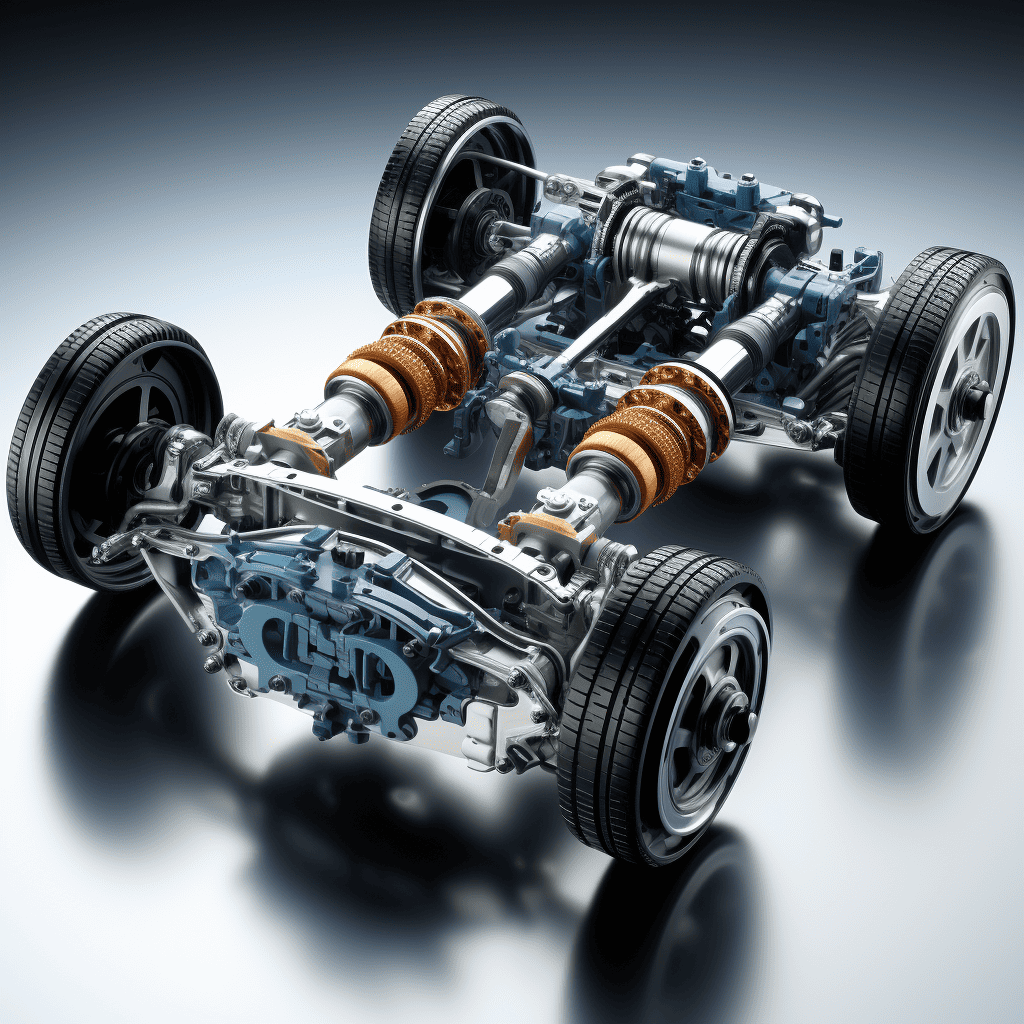
How Independent Suspension Transforms Vehicle Performance: Exploring Double Wishbone, Multi-Link, and MacPherson Strut Designs
Independent suspension systems have drastically reshaped the automotive landscape, delivering superior handling, stability, and ride comfort compared to conventional solid axle setups. By providing wheel movement autonomy, these systems enable unparalleled control and responsiveness. In this blog post, we delve into the intricacies of the three most prevalent independent suspension designs: double wishbone, multi-link, and MacPherson strut, as well as the significance of routine maintenance.
Double Wishbone Suspension Design
The double wishbone suspension is a favored choice in contemporary vehicles, revered for its exceptional command over wheel movement and alignment. This design employs two wishbone-shaped control arms, an upper and a lower, which bridge each wheel to the vehicle’s chassis. The upper and lower control arms collaborate harmoniously, ensuring meticulous wheel control and preserving optimal alignment.
In a double wishbone suspension arrangement, shock absorbers and coil springs are typically nestled between the control arms and the chassis. This configuration guarantees efficient dampening of road irregularities, culminating in a smoother and more luxurious ride for passengers.
Multi-Link Suspension Design
Another extensively adopted independent suspension design is the multi-link suspension. This system enlists three or more control arms, coupled with an array of auxiliary components, to govern wheel movement and uphold alignment. The multi-link suspension design bestows augmented stability, handling, and ride comfort in contrast to solid axle suspensions.
The precise configuration of a multi-link suspension can fluctuate between vehicle models, as manufacturers often tailor the design to cater to specific performance objectives. Common constituents in a multi-link suspension comprise control arms, tie rods, bushings, and shock absorbers.
MacPherson Strut Suspension Design
The MacPherson strut suspension is an independent suspension type prevalent in front-wheel-drive vehicles. This design amalgamates the coil spring and shock absorber into a single, consolidated unit called a strut. The MacPherson strut is affixed directly to the vehicle’s chassis and links to the lower control arm, facilitating wheel movement and dampening road imperfections.
One advantage of the MacPherson strut suspension is its compact design, which frees up space in the engine compartment. Additionally, this configuration diminishes the number of components compared to other independent suspension designs, rendering it more cost-effective and user-friendly to maintain.
Tuning Independent Suspension Settings
Numerous modern vehicles are equipped with adjustable independent suspension settings, empowering drivers to customize ride and handling attributes according to their preferences. Prevalent adjustments encompass ride height, damping, and camber angles.
Ride height modifications can be executed using air suspension systems or coilover kits, which offer precise control over the vehicle’s ground clearance. Damping adjustments permit drivers to manipulate the rigidity of the shock absorbers, influencing the suspension’s reaction to road irregularities.
Camber angle adjustments impact the tire’s vertical alignment, swaying handling and tire wear. Proper camber settings can significantly enhance cornering performance and ensure uniform tire wear, extending the life of the tires.
Preserving Independent Suspension Systems
Periodic maintenance is vital to guarantee the peak performance and longevity of independent suspension systems. Crucial components, such as shock absorbers, springs, and bushings, should be scrutinized regularly for deterioration and wear.
Shock absorbers generally have a lifespan of approximately 50,000 to 100,000 miles, contingent on the vehicle and driving conditions. Worn shock absorbers can detrimentally affect ride comfort, handling, and tire wear, necessitating timely replacement.
Springs and bushings should also be examined for indications of wear or damage, such as cracking, corrosion, or excessive play. Addressing these concerns promptly can prevent further harm to the suspension system and optimize the overall driving experience. Consistent maintenance and well-timed repairs will preserve your independent suspension system in prime condition, ensuring a comfortable, secure, and pleasurable driving adventure.

The Advantages of Independent Suspension: Superior Ride Quality, Precise Handling, and Extended Tire Life
Improved Ride Comfort
Independent suspension significantly enhances ride comfort by enabling each wheel to move independently, absorbing bumps and road imperfections more efficiently. In contrast, solid axle suspensions cause both wheels on an axle to move together, resulting in a more pronounced bounce or jolt when encountering uneven terrain. Independent suspension minimizes this effect, providing passengers with a smoother and more comfortable ride.
Superior Handling and Stability
Independent suspension systems offer better handling and stability compared to solid axle suspensions. By allowing each wheel to move independently, the suspension maintains better control and traction during cornering, braking, and acceleration. This improved handling is due to the independent suspension’s ability to keep all four wheels in contact with the road, even when encountering uneven surfaces or making sharp turns. The increased stability leads to a safer and more predictable driving experience.
Reduced Tire Wear
Independent suspension contributes to reduced tire wear by maintaining consistent contact between the tires and the road, distributing weight and forces more evenly across all four tires. In a solid axle suspension, one tire may experience more wear than the other due to the rigid connection between the wheels. Independent suspension helps minimize this uneven wear, extending the life of the tires and improving overall performance.
Enhanced Off-Road Capabilities
While independent suspension is most commonly found in passenger vehicles, it can also offer advantages in off-road applications. By allowing each wheel to move independently, the suspension can better adapt to rough and uneven terrain, improving traction and stability. This enhanced off-road performance is particularly beneficial in modern SUVs and crossover vehicles, which are designed to handle a variety of driving conditions. Independent suspension helps these vehicles maintain their versatility and capability, both on and off the pavement.
Greater Design Flexibility
Independent suspension systems offer greater design flexibility compared to solid axle suspensions, enabling manufacturers to create vehicles with improved aerodynamics, weight distribution, and interior space. By using independent suspension, engineers can optimize the positioning of components, such as the engine, transmission, and fuel tank, for better overall vehicle balance and performance. Additionally, the reduced size and complexity of independent suspension systems can result in increased cabin space and improved ergonomics for passengers.
Lower Unsprung Weight
Independent suspension systems have a lower unsprung weight compared to solid axle suspensions, as they require fewer components and less heavy-duty materials. This reduction in unsprung weight leads to improved handling, ride quality, and fuel efficiency, as the vehicle’s suspension doesn’t have to work as hard to absorb bumps and maintain control.
Advanced Suspension Technologies
Modern independent suspension systems often incorporate advanced technologies such as adaptive damping, active roll control, and air suspension. These features allow for even greater control and customization of the suspension’s behavior, improving ride quality, handling, and stability. Adaptive damping adjusts the suspension’s stiffness based on driving conditions, while active roll control reduces body roll during cornering. Air suspension provides adjustable ride height and improved comfort, making it ideal for luxury vehicles and heavy-duty applications.
Customization and Tuning
Independent suspension systems offer greater customization and tuning options compared to solid axle suspensions. This makes it easier for vehicle owners and enthusiasts to fine-tune their suspension for specific driving conditions or preferences. For example, adjustable coilovers allow for precise control over ride height, damping, and spring rates. This level of customization can result in improved handling, better ride quality, and enhanced overall performance.
Increased Safety
Independent suspension systems contribute to increased safety by providing better control and stability during emergency maneuvers. By maintaining consistent contact between all four tires and the road, independent suspension helps prevent loss of traction, skidding, and other hazardous situations. Additionally, the reduced body roll and improved handling offered by independent suspension can help drivers avoid accidents and maintain better control in adverse conditions.
Improved Braking Performance
Independent suspension systems can improve braking performance by minimizing the transfer of weight during braking. In a solid axle suspension, braking can cause the weight to shift, resulting in reduced traction and longer stopping distances. Independent suspension helps maintain consistent traction by allowing each wheel to move independently, resulting in shorter stopping distances and improved overall braking performance.
Better Fuel Efficiency
Independent suspension systems can contribute to better fuel efficiency by reducing the energy required to maintain control and absorb bumps. The lower unsprung weight of independent suspension systems means that less energy is needed to move the suspension components, resulting in improved fuel efficiency. Additionally, the increased stability and reduced rolling resistance provided by independent suspension can further improve fuel economy.
Reduced Noise, Vibration, and Harshness (NVH)
Independent suspension systems can help reduce noise, vibration, and harshness (NVH) by isolating the cabin from road imperfections and vibrations. By allowing each wheel to move independently, independent suspension minimizes the transfer of vibrations and shocks to the vehicle’s frame and cabin. This results in a quieter, smoother, and more comfortable ride for passengers.
Improved Resale Value
Vehicles equipped with independent suspension systems may have better resale value compared to those with solid axle suspensions. This is due to the numerous benefits offered by independent suspension, including improved ride quality, handling, and stability. Additionally, modern independent suspension systems often incorporate advanced technologies and features, making them more desirable to potential buyers.
Versatility Across Vehicle Types
Independent suspension systems are versatile and can be found in a wide range of vehicle types, including passenger cars, SUVs, and trucks. This versatility allows manufacturers to design vehicles that cater to a variety of needs and preferences, from comfortable daily drivers to high-performance sports cars and off-road vehicles. By offering improved ride quality, handling, and stability, independent suspension systems help make these vehicles more appealing and capable.
Independent Suspension vs. Solid Axle: Comparing Performance, Benefits, and Key Differences
When it comes to vehicle suspension systems, there are two main types that dominate the market: independent suspension and solid axle suspension. Both have their own unique benefits and drawbacks, and the choice between the two often comes down to the specific needs and preferences of the driver. In this article, we’ll take a closer look at the performance, benefits, and key differences of independent suspension and solid axle suspension.
Ride Comfort and Smoothness
One of the most noticeable differences between independent suspension and solid axle suspension is the ride comfort and smoothness they provide.
Independent suspension, as the name suggests, allows each wheel to move independently of the others. This means that when one wheel hits a bump or pothole, the other wheels are not affected, resulting in a much smoother and more comfortable ride. Independent suspension is particularly beneficial for front-wheel drive vehicles, as it allows for better weight distribution and handling.
Solid axle suspension, on the other hand, connects both wheels on the same axle. When one wheel hits a bump or pothole, the other wheel is also affected, resulting in a less smooth and more jarring ride. However, solid axle suspension is often preferred for off-road vehicles and heavy-duty trucks, as it provides greater stability and durability in rugged terrain.
Handling and Cornering
Another important factor to consider when comparing independent suspension and solid axle suspension is handling and cornering.
Independent suspension provides better handling and cornering capabilities, as each wheel is able to react independently to changes in the road surface. This results in improved traction and stability, particularly during high-speed cornering. Independent suspension also allows for more precise steering, as the wheels are not affected by the movement of the other wheels.
Solid axle suspension, on the other hand, can provide better traction in off-road situations, as both wheels are connected and able to work together to power through rough terrain. However, solid axle suspension can result in a less stable and less precise handling experience, particularly during high-speed cornering.
Cost and Maintenance
When it comes to cost and maintenance, independent suspension is generally more expensive and requires more frequent maintenance than solid axle suspension.
Independent suspension systems are more complex and have more moving parts, which can lead to higher repair costs and more frequent maintenance. However, the improved ride comfort and handling capabilities of independent suspension systems often make the additional cost and maintenance worthwhile for many drivers.
Solid axle suspension systems, on the other hand, are simpler and have fewer moving parts, which can result in lower repair costs and less frequent maintenance. However, solid axle suspension systems may not provide the same level of ride comfort and handling capabilities as independent suspension systems.
Conclusion
In conclusion, the choice between independent suspension and solid axle suspension ultimately comes down to the specific needs and preferences of the driver. Independent suspension provides better ride comfort, handling, and cornering capabilities, but is generally more expensive and requires more frequent maintenance. Solid axle suspension, on the other hand, is simpler and more durable, making it a better choice for off-road vehicles and heavy-duty trucks. Ultimately, it’s important to consider the specific needs of your vehicle and driving style when choosing between independent suspension and solid axle suspension.


