
Understanding Linear Actuators: The Basics and Their Applications
What are Linear Actuators?
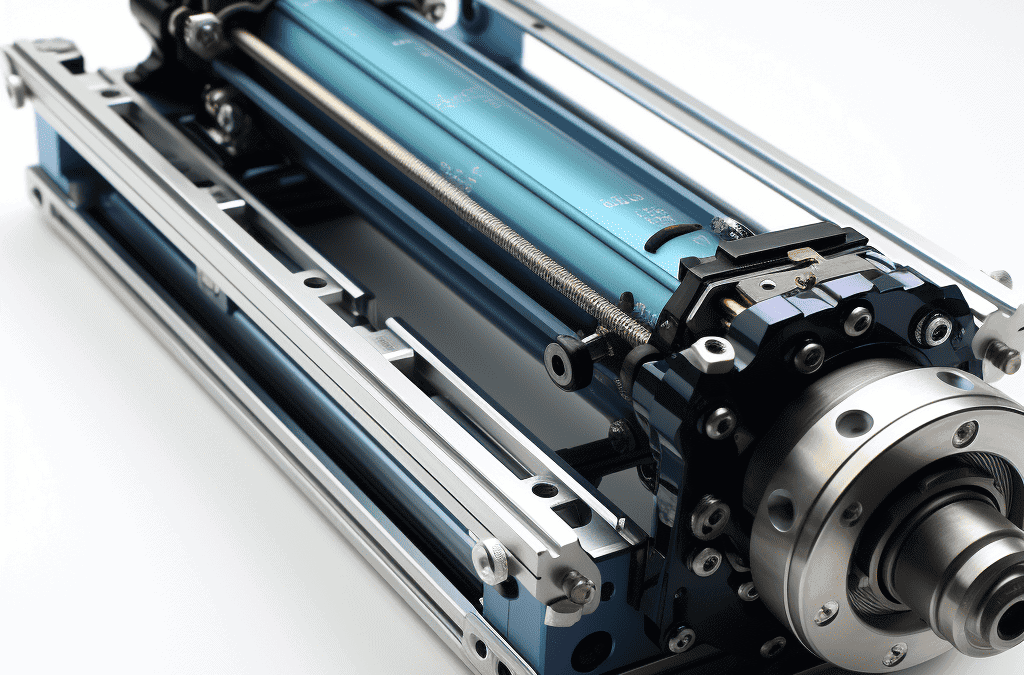
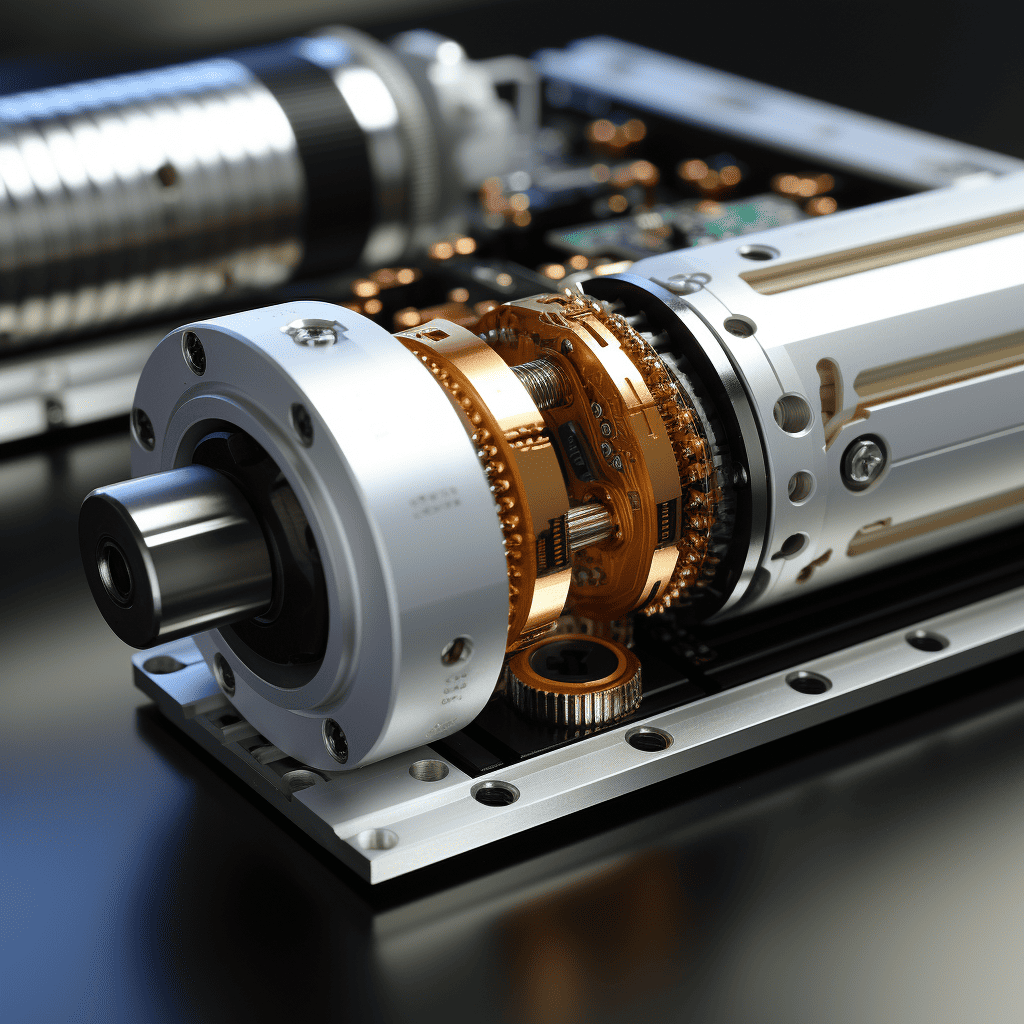
A linear actuator is a mechanical device that converts energy into motion in a straight line. They are used to create linear motion by pushing or pulling an object. Linear actuators are commonly used in industrial machinery, automation systems, robotics, and medical equipment. Key components of a linear actuator include a motor, a lead screw or a ball screw, a nut, and a shaft. The motor rotates the screw, causing the nut to move along the shaft, thereby creating linear motion. Linear actuators can be powered by electricity, hydraulics, or pneumatics.
Electric linear actuators are the most popular type due to their simplicity, reliability, and ease of use. They are also more energy-efficient and quieter than hydraulic or pneumatic actuators. Additionally, electric linear actuators can be easily controlled and integrated into automation systems, making them ideal for use in industrial and robotics applications.
Linear actuators come in different types, including telescopic actuators, rod-style actuators, and track actuators. Each type has its unique design and application, and the selection depends on the specific requirements of the application. For instance, telescopic actuators are ideal for applications where space is limited, while rod-style actuators are suitable for heavy-duty applications that require high force output.
How Do Linear Actuators Work?
The basic principle behind the operation of a linear actuator is the conversion of rotational motion into linear motion. The motor in the actuator rotates the screw, which causes the nut to move along the shaft. The nut is attached to a rod or a slider, which moves in a straight line as the nut moves. Types of motion that can be achieved by linear actuators include extension, retraction, and oscillation. Extension and retraction are the most common types of motion, while oscillation is used in applications where reciprocating motion is required.
The amount of force that a linear actuator can generate depends on the size of the motor, the pitch of the screw, and the efficiency of the actuator. The speed of the actuator is determined by the motor’s RPM and the lead of the screw. Additionally, the duty cycle of a linear actuator is an essential factor to consider. It refers to the amount of time the actuator can operate continuously before it needs to cool down. The duty cycle affects the longevity and reliability of the actuator.
Advantages of Linear Actuators
Linear actuators have many advantages over other types of actuators. They are compact and lightweight, making them ideal for use in tight spaces. They are also highly precise and can be controlled with a high degree of accuracy. Furthermore, linear actuators are easy to install and require minimal maintenance. They are also energy-efficient and can be powered by a variety of sources, including electricity, hydraulics, and pneumatics.
Linear actuators are versatile and can be used in a wide range of applications, from automation and robotics to medical equipment and aerospace. They provide a cost-effective solution for linear motion applications. They are less expensive than hydraulic or pneumatic systems and require less maintenance. Moreover, linear actuators can be customized to meet specific application requirements, making them an ideal choice for OEMs and system integrators.
Applications of Linear Actuators
Linear actuators are used in a variety of applications, including industrial machinery, automation systems, robotics, and medical equipment. They are used to open and close valves, move conveyor belts, lift and lower objects, and operate robotic arms. Industrial applications of linear actuators include automated assembly lines, packaging machines, and material handling equipment. They are also used in CNC machines, 3D printers, and other manufacturing equipment.
Medical applications of linear actuators include surgical tables, hospital beds, and patient lifts. They are also used in medical imaging equipment, such as MRI machines and CT scanners. Linear actuators are also used in aerospace applications, such as landing gear systems, cargo doors, and flight control surfaces.
Linear actuators are also used in home automation applications, such as adjustable beds, window blinds, and automated doors. Additionally, linear actuators are used in marine applications, such as boat hatches, fishing rod holders, and steering systems. Linear actuators are used in automotive applications, such as power seats, power windows, and power tailgates.
In summary, linear actuators are essential components in a wide range of industries and applications due to their compactness, precision, energy efficiency, versatility, and cost-effectiveness. They provide a reliable and efficient solution for linear motion applications, making them an ideal choice for OEMs, system integrators, and end-users. When selecting a linear actuator, it is essential to consider the specific requirements of the application, including force, speed, and duty cycle, to ensure optimal performance and longevity.

Different Types of Linear Actuators Explained
Electric Linear Actuators
Electric linear actuators are the most popular and widely-used type of linear actuator. They use an electric motor to convert electrical energy into mechanical energy, which is then used to create linear motion. Electric linear actuators offer several advantages over other types of actuators, including high precision, energy efficiency, and easy control. They are available in a wide range of sizes and capacities, making them suitable for a variety of applications such as industrial machinery, automation systems, and robotics.
One of the main advantages of electric linear actuators is their precision. They can be controlled with a high degree of accuracy, making them ideal for applications that require precise movement. Additionally, electric linear actuators are energy efficient, as they only use power when moving, and they can be easily integrated into existing systems using digital controls. They are also low maintenance, as they have few moving parts that can wear out or fail.
Pneumatic Linear Actuators
Pneumatic linear actuators are powered by compressed air and use a piston to create linear motion. They are ideal for applications that require high force and speed, such as material handling and automation systems. Pneumatic linear actuators are available in several types, including single-acting, double-acting, and rodless cylinders.
One of the main advantages of pneumatic linear actuators is their speed. They can move quickly and with a high degree of force, making them ideal for applications that require fast cycle times. Additionally, pneumatic linear actuators are durable and reliable, as they have few moving parts that can wear out or fail. They are also easy to maintain, as they do not require lubrication like hydraulic actuators. However, they do require a compressed air supply, which can be a disadvantage in some applications.
Hydraulic Linear Actuators
Hydraulic linear actuators are powered by hydraulic fluid and use a piston to create linear motion. They are ideal for heavy-duty applications that require high force and precision, such as construction equipment and manufacturing machinery. Hydraulic linear actuators are available in several types, including single-acting, double-acting, and telescopic cylinders.
One of the main advantages of hydraulic linear actuators is their force. They can generate a high amount of force, making them ideal for heavy-duty applications. Additionally, hydraulic linear actuators are precise and stable, as they are less affected by external factors such as temperature and humidity. They are also durable and reliable, as they have few moving parts that can wear out or fail. However, they do require a hydraulic power unit, which can be expensive and complex to maintain.
Piezoelectric Linear Actuators
Piezoelectric linear actuators use the piezoelectric effect to convert electrical energy into mechanical energy. They are ideal for applications that require high precision and fast response times, such as micropositioning and nanopositioning. Piezoelectric linear actuators are available in several types, including stack actuators, inchworm actuators, and linear motors.
One of the main advantages of piezoelectric linear actuators is their precision. They can move with a high degree of accuracy and repeatability, making them ideal for applications that require precise positioning. Additionally, piezoelectric linear actuators are fast and responsive, as they can generate motion quickly in response to an electrical signal. They are also compact and lightweight, making them ideal for use in small spaces. However, they do have limited travel distance, which can be a disadvantage in some applications.
Shape Memory Alloy Linear Actuators
Shape memory alloy (SMA) linear actuators use a material that changes shape when heated or cooled. They are ideal for applications that require precise control and high force, such as aerospace and medical devices. SMA linear actuators are available in several types, including wire actuators, spring actuators, and muscle wire actuators.
One of the main advantages of SMA linear actuators is their flexibility. They can be designed to take on a variety of shapes, making them ideal for use in applications where space is limited. Additionally, SMA linear actuators are highly reliable and durable, as they can operate in extreme temperatures and harsh environments. They are also energy efficient, as they only require a small amount of energy to change shape. However, they do have limited travel distance and response time, which can be a disadvantage in some applications.
`

Applications and Uses of Linear Actuators Across Industries
Automotive Industry
Linear actuators are extensively used in the automotive industry for various applications. They are utilized in electric cars to open and close doors, hoods, and trunks, providing smooth and quiet operation. In addition, they are used in seat adjustment mechanisms, power windows, and sunroofs, enhancing the comfort and convenience of the passengers.
Electric linear actuators are preferred in the automotive industry due to their compact size, quiet operation, and high efficiency. They are ideal for use in active suspension systems to adjust the height of the vehicle based on road conditions, providing a comfortable ride for the passengers even on uneven terrains. Moreover, they are used in aerodynamic systems to optimize airflow and reduce drag, enhancing fuel efficiency.
Aerospace Industry
Linear actuators are used in the aerospace industry for various applications, such as landing gear, flaps, and slats. They are also used in aircraft doors, cargo loading systems, and passenger seats, ensuring the safety and comfort of the passengers.
Hydraulic linear actuators are commonly used in the aerospace industry due to their high force and precision. They are suitable for use in satellite deployment mechanisms and robotic arms used in space exploration, where reliability and accuracy are of utmost importance. In addition, they are used in flight control systems to adjust the attitude and trajectory of the aircraft, ensuring safe and efficient flight operations.
Medical Industry
Linear actuators are used in the medical industry for various applications, such as hospital beds, wheelchairs, and patient lifts. They are also used in medical equipment, such as MRI machines and CT scanners, enhancing their functionality and efficiency.
Piezoelectric linear actuators are commonly used in medical applications due to their high precision and fast response times. They are ideal for use in drug delivery systems, DNA sequencing machines, and microscopy equipment, where accuracy and speed are critical. Moreover, they are used in robotic surgery systems, providing precise and controlled motion, enhancing the accuracy and efficiency of surgical procedures.
Manufacturing Industry
Linear actuators are used extensively in the manufacturing industry for various applications. They are used in assembly lines, robotics, and material handling systems, providing efficient and reliable linear motion.
Pneumatic linear actuators are commonly used in the manufacturing industry due to their high force and speed. They are ideal for use in pick-and-place robots, palletizers, and conveyor systems, where high throughput and accuracy are essential. In addition, they are used in machine tools and CNC machines, providing precise and controlled motion, enhancing the quality and efficiency of manufacturing processes.
Marine Industry
Linear actuators are used in the marine industry for various applications, such as hatches, doors, and windows. They are also used in steering mechanisms, stabilizers, and ballast systems, ensuring the safety and efficiency of marine vessels.
Electric linear actuators are commonly used in the marine industry due to their resistance to corrosion and ability to operate in harsh environments. They are ideal for use in underwater vehicles and offshore drilling platforms, where reliability and durability are critical. Moreover, they are used in marine propulsion systems, providing precise and controlled motion, enhancing the efficiency and performance of marine vessels.
Linear actuators are essential components in various industries, providing precise and reliable linear motion. They are available in different types, sizes, and capacities, making them suitable for diverse applications. When selecting a linear actuator for a specific application, it is essential to consider factors such as force, speed, accuracy, and environmental conditions.
For instance, in the manufacturing industry, where high force and speed are required, pneumatic linear actuators are preferred. In contrast, in the medical industry, where precision and fast response times are critical, piezoelectric linear actuators are commonly used. Moreover, in the automotive industry, where quiet operation and compact size are essential, electric linear actuators are preferred. Similarly, in the marine industry, where resistance to corrosion and durability are crucial, electric linear actuators are commonly used.
Furthermore, it is essential to consider the overall cost of ownership, including the initial purchase price, maintenance costs, and energy consumption. Electric linear actuators, for example, are generally more expensive than pneumatic or hydraulic linear actuators but have lower maintenance costs and higher energy efficiency, making them a cost-effective solution in the long run.
In conclusion, linear actuators play a crucial role in various industries, providing efficient and reliable linear motion. By selecting the appropriate type, size, and capacity of linear actuator, you can ensure optimal performance and efficiency in your specific application. Moreover, by considering the overall cost of ownership and environmental impact, you can make a sustainable and cost-effective choice.

Choosing the Right Linear Actuator for Your Needs: A Buyer’s Guide
Selecting the right linear actuator for your project can be a daunting task, especially with the many options available in the market. This buyer’s guide aims to help you make an informed decision by providing you with essential factors to consider before making your purchase.
Determine Your Requirements
Before selecting a linear actuator, it is essential to determine your requirements. This will ensure that you choose the right actuator for your specific application. Here are some factors to consider:
-
- Force: This is the amount of force required to move the load. Linear actuators are rated by the amount of force they can generate. This can range from a few newtons to several kilonewtons, depending on the application. It’s crucial to select an actuator that can handle the required force to ensure reliable operation.
-
- Speed: This is the rate at which the load needs to be moved. The speed of a linear actuator is measured in millimeters per second (mm/s) or inches per second (in/s). Depending on your application, you may require a high-speed actuator or a more precise, slower actuator.
-
- Stroke Length: This is the distance the actuator can travel. The stroke length of a linear actuator can vary from a few millimeters to several meters. It’s important to choose an actuator with the right stroke length to ensure that it can move the load to the required position.
-
- Duty Cycle: This is the amount of time the actuator can operate before needing to rest. The duty cycle of a linear actuator is expressed as a percentage. If your application requires continuous operation, it’s important to choose an actuator with a high duty cycle.
-
- Environmental Factors: Linear actuators are used in a wide range of environments, from clean rooms to harsh outdoor conditions. It’s important to consider the operating temperature range, humidity, and exposure to dust and debris when selecting an actuator.
Types of Linear Actuators
Linear actuators come in various types and designs, each with its unique advantages and disadvantages. Here are some common types of linear actuators to consider:
-
- Electric Linear Actuators: These actuators use an electric motor to generate linear motion. They are typically quiet, efficient, and suitable for applications that require precise control.
-
- Pneumatic Linear Actuators: These actuators use compressed air to generate linear motion. They are typically fast, powerful, and suitable for applications that require high force and speed.
-
- Hydraulic Linear Actuators: These actuators use hydraulic fluid to generate linear motion. They are typically very powerful and suitable for applications that require high force and torque.
-
- Mechanical Linear Actuators: These actuators use mechanical components, such as screws or levers, to generate linear motion. They are typically simple, reliable, and cost-effective.
Choosing the Right Supplier
Once you have determined your requirements and selected the type of linear actuator that best suits your application, it’s time to choose a supplier. Here are some factors to consider:
-
- Quality: Look for a supplier that offers high-quality linear actuators that are designed to meet your specific requirements.
-
- Pricing: Consider the cost of the linear actuator, as well as any additional costs, such as shipping and handling.
-
- Support: Look for a supplier that offers excellent customer support, including technical assistance, installation guidance, and warranty coverage.
-
- Delivery Time: Consider the delivery time for the linear actuator, as well as the lead time for any custom orders.
Conclusion
Choosing the right linear actuator for your needs can be a complex process, but by considering your requirements and selecting the right type of actuator from a reputable supplier, you can ensure reliable operation and optimal performance. Use this buyer’s guide as a starting point to help you make an informed decision and select the right linear actuator for your project.


