
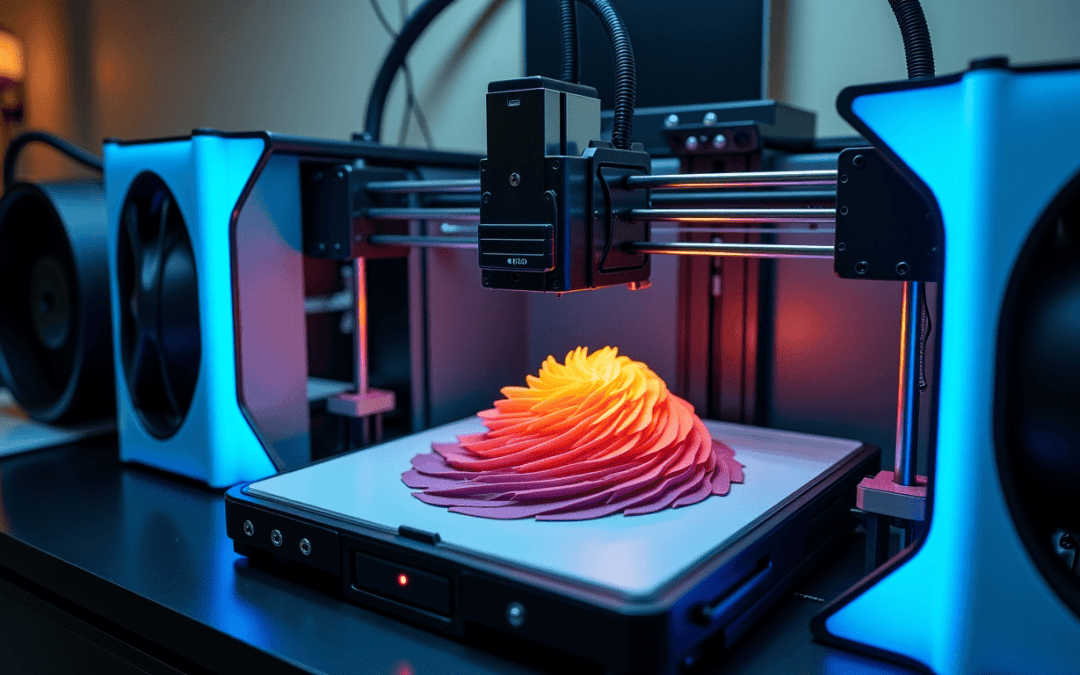
Optimizing 3D Print Cooling: A Deep Dive into Fan Duct Designs and Air Cooling Solutions
In the dynamic world of 3D printing, achieving optimal cooling is paramount to securing high-quality, precise prints. Two prevalent approaches—designing efficient fan ducts and utilizing effective air cooling methods—provide unique solutions to enhance cooling performance. This post will explore both strategies, examining their intricacies, applications, and which might suit your needs as a 3D printing enthusiast or professional.
Table of Key Differences
| Feature | Efficient Fan Duct Designs (Idea A) | Effective Air Cooling Methods (Idea B) |
|---|---|---|
| Design Software | Fusion 360, OpenSCAD | N/A |
| Cooling Technique | Customizable air ducts | Axial and Radial Fans |
| Performance | High cooling efficiency, adaptable | Superior with radial fans |
| Usability | Requires design skills | Easier implementation with pre-made fans |
| Cost | Varies based on design complexity | Moderate, depends on fan choice |
| Support and Updates | Community-driven innovations | Standard fan technology |
Section 1: Performance Showdown – Which Idea Delivers More?
Efficient Fan Duct Designs
Designing fan ducts specifically for your 3D printer can significantly enhance cooling efficiency. These custom designs, often crafted using tools like Fusion 360, allow for optimal airflow directly to critical areas, reducing print defects such as sagging and warping. Users report that well-designed ducts outperform stock options, providing precise cooling where needed most.
Effective Air Cooling Methods
Air cooling methods largely revolve around the choice between axial and radial fans. Radial fans are superior in narrow duct settings due to their capability to move air at high pressure, making them ideal for 3D printer applications. While axial fans provide quieter operation, their performance is often limited by duct constraints.
Key Takeaways: Custom fan duct designs offer tailored solutions for maximizing cooling efficiency, particularly in challenging print scenarios. Radial fans, however, offer robust performance for straightforward implementations.
Section 2: User Experience – Navigating Ease of Use
Efficient Fan Duct Designs
Crafting an effective custom duct requires familiarity with design software and principles like lofting shapes and angling ducts for optimal airflow. This process demands a learning curve but allows for high customization tailored to specific printer and filament needs.
Effective Air Cooling Methods
Utilizing pre-made fans like radial or blower fans offers an easier setup. Such fans excel in performance without the need for extensive design skills, making them more accessible for users seeking straightforward improvements in cooling.
Key Takeaways: For those willing to invest time in designing, custom ducts provide a high degree of adaptability. Meanwhile, radial fans offer plug-and-play convenience with reliable performance.
Section 3: Cost Analysis – Getting the Best Value
Efficient Fan Duct Designs
The cost for designing custom ducts fluctuates based on complexity and the materials used for printing these components. However, the potential improvements in print quality can offset initial expenses.
Effective Air Cooling Methods
Purchasing radial or blower fans represents a moderate investment, generally proportional to the fan’s size and capabilities. Their efficacy in enhancing cooling performance provides good value, especially when combined with well-matched ducts.
Key Takeaways: Custom duct designs might incur initial costs but yield significant quality improvements. Radial fans offer predictable value for enhancing standard 3D printer cooling setups.
Section 4: Support and Updates – Reliability Over Time
Efficient Fan Duct Designs
The evolution of fan duct design is largely community-driven, with enthusiasts sharing new innovations and upgrades. This collaborative approach ensures ongoing support and adaptability to new printing techniques and materials.
Effective Air Cooling Methods
Fans represent a more standardized technology with established reliability. They require minimal updates, making them a stable and consistent option for cooling needs.
Key Takeaways: Those involved in active 3D printing communities can benefit from continual support and innovations in duct design. Fans offer a steady option with minimal maintenance requirements.
Section 5: Real-World Applications – Putting Ideas Into Practice
Efficient Fan Duct Designs
Custom ducts are particularly beneficial in scenarios requiring detailed and precise printing, such as bridging and handling fine details at high speeds. Users often find these designs crucial for minimizing defects in intricate jobs.
Effective Air Cooling Methods
Radial fans excel in general cooling requirements, offering broad applicability across various printing projects. They maintain temperature consistency effectively during prolonged or complex prints.
Key Takeaways: Custom ducts shine in scenarios demanding precision and control. Radial fans provide a reliable solution for maintaining consistent cooling across diverse print projects.
Section 6: Pros and Cons – Weighing the Advantages and Disadvantages
Efficient Fan Duct Designs
- Pros: Highly customizable, improved cooling efficiency, reduced print defects.
- Cons: Requires design expertise, potentially higher upfront cost.
Effective Air Cooling Methods
- Pros: Easy setup, reliable for wide applications, effective with radial fans.
- Cons: Less customizable, axial fans can underperform in narrow ducts.
Key Takeaways: Evaluate based on your specific needs—custom designs for precision and adaptability, radial fans for reliability and ease of use.
Conclusion: Final Verdict – Choosing the Right Idea for You
Summary
Both efficient fan duct designs and effective air cooling methods offer compelling advantages in different areas of 3D printing. Your choice should align with your skill level, printer setup, and specific needs.
Recommendations
- For intricate, detail-oriented printing: Consider investing in custom duct designs.
- For general enhancement without complex setups: Opt for radial fans for straightforward implementation and maintenance.
Call to Action
We invite you to share your experiences with these cooling methods or ask questions in the comments below. For more resources on optimizing your 3D printing setup, explore our extended guides and community forums.


