
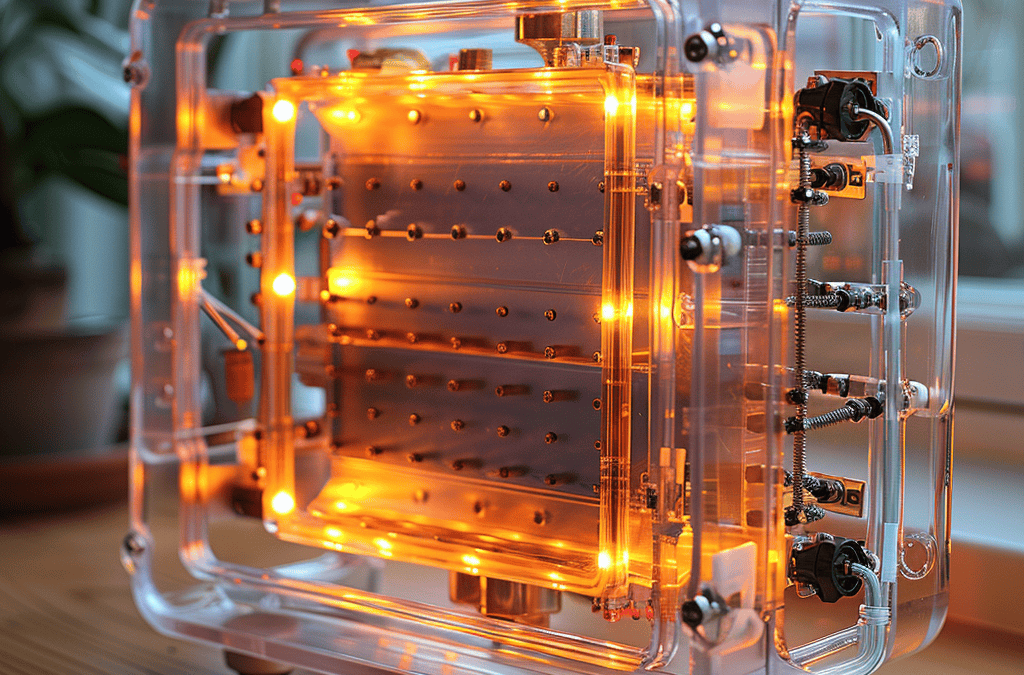

Sure, here’s an expanded version of the blog post:
1. Understanding the Basics of Peltier Cooling Technology
Peltier cooling technology, also known as thermoelectric cooling, is a method of cooling or heating an object by passing an electrical current through a thermoelectric device. This solid-state device is made up of two different types of semiconductor materials that are connected together in a series. When an electrical current is passed through the device, one side of the device becomes hot, while the other side becomes cold, allowing for precise temperature control.
What is Peltier Cooling Technology?
Peltier cooling technology is a type of thermoelectric cooling that uses the Peltier effect to transfer heat from one side of a thermoelectric device to the other. The Peltier effect was discovered by French physicist Jean Charles Athanase Peltier in 1834. He discovered that when an electrical current is passed through two different types of conductors that are connected together, a temperature difference is created between the two junctions. This effect is the basis for thermoelectric cooling and heating.
How Does Peltier Cooling Work?
The Peltier cooling process works by using the Peltier effect to create a temperature difference between the two sides of the thermoelectric device. When an electrical current is passed through the device, the semiconductor materials within the device become energized, causing the electrons to move from one material to the other. This movement of electrons results in the transfer of heat energy from one side of the device to the other, creating a temperature difference.
The direction of the electrical current determines which side of the device becomes hot and which side becomes cold. By reversing the direction of the current, the hot and cold sides can be switched. This allows for precise temperature control and enables the device to be used for either cooling or heating.
Advantages of Peltier Cooling Technology
One of the main advantages of Peltier cooling technology is that it is a solid-state cooling method, which means that it has no moving parts. This makes it more reliable and less prone to failure than traditional cooling methods that use compressors or fans. Additionally, Peltier coolers are compact and lightweight, making them ideal for use in portable devices such as laptops, cameras, and medical equipment.
Peltier coolers are also highly efficient at cooling small volumes and can provide rapid temperature changes. This makes them ideal for use in applications where precise temperature control is required, such as temperature-sensitive medical equipment or scientific research.
Disadvantages of Peltier Cooling Technology
While Peltier cooling technology has many advantages, it also has some disadvantages. One of the main disadvantages is that it is less efficient than traditional cooling methods. This means that it requires more electrical power to achieve the same level of cooling as a compressor-based system. Additionally, Peltier coolers can generate a significant amount of heat on the hot side of the device, which needs to be dissipated to prevent overheating.
Peltier coolers can also be more expensive than traditional cooling methods, particularly for larger cooling applications. However, advances in materials science and manufacturing techniques are continually improving the efficiency and cost-effectiveness of Peltier cooling technology.
Applications of Peltier Cooling Technology
Peltier cooling technology has a wide range of applications, including:
* Electronics cooling: Peltier coolers are often used to cool electronic components that generate heat, such as CPUs, GPUs, and power supplies. This helps to improve the performance and longevity of the components.
* Food and beverage cooling: Peltier coolers are used in portable coolers, wine coolers, and beverage coolers to keep food and drinks at a consistent temperature. This is particularly useful for outdoor activities or situations where traditional refrigeration is not available.
* Medical equipment cooling: Peltier coolers are used in medical equipment such as blood analyzers, DNA sequencers, and laboratory equipment to maintain temperature stability. This is essential for ensuring accurate results and preventing damage to sensitive equipment.
* Laser cooling: Peltier coolers are used in laser systems to cool the laser diodes and improve stability and performance. This is particularly important for high-powered lasers used in scientific research or industrial applications.
* Temperature control: Peltier coolers are used in laboratory experiments and scientific research to control temperature in a precise and accurate manner. This is essential for conducting experiments that require precise temperature control.
One novel application of Peltier cooling technology is in the field of thermoelectric power generation. By reversing the Peltier effect, it is possible to generate electricity from a temperature difference. This has potential applications in waste heat recovery, where excess heat from industrial processes or power generation can be converted into electricity.
In summary, Peltier cooling technology is a versatile and reliable method of cooling or heating objects through the use of a thermoelectric device. While it has some disadvantages in terms of efficiency and cost, its compact size, lack of moving parts, and precise temperature control make it ideal for a wide range of applications.
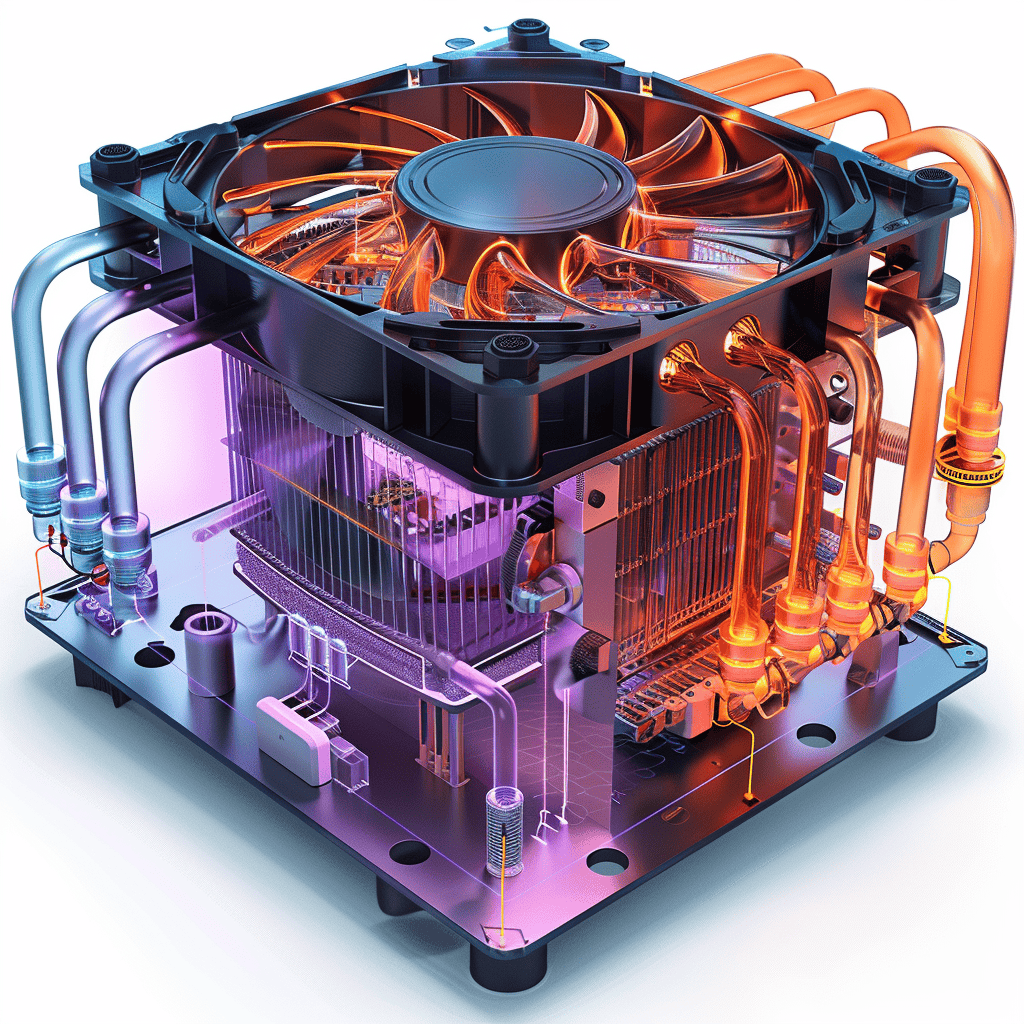
Here is an expanded version of the blog post:
—
1. Understanding the Basics of Peltier Cooling Technology
Peltier cooling technology, also known as thermoelectric cooling, is a method of cooling or heating an object by passing an electrical current through a thermoelectric device. This solid-state device is made up of two different types of semiconductor materials that are connected together in a series. When an electrical current is passed through the device, one side of the device becomes hot, while the other side becomes cold, allowing for precise temperature control.
What is Peltier Cooling Technology?
Peltier cooling technology is based on the Peltier effect, which was discovered by French physicist Jean Charles Athanase Peltier in 1834. The Peltier effect occurs when an electrical current is passed through two different types of conductors that are connected together, creating a temperature difference between the two junctions. This effect is the basis for thermoelectric cooling and heating.
How Does Peltier Cooling Work?
The Peltier cooling process works by using the Peltier effect to create a temperature difference between the two sides of the thermoelectric device. When an electrical current is passed through the device, the semiconductor materials within the device become energized, causing the electrons to move from one material to the other. This movement of electrons results in the transfer of heat energy from one side of the device to the other, creating a temperature difference.
The direction of the electrical current determines which side of the device becomes hot and which side becomes cold. By reversing the direction of the current, the hot and cold sides can be switched. This allows for precise temperature control and enables the device to be used for either cooling or heating.
Advantages of Peltier Cooling Technology
One of the main advantages of Peltier cooling technology is that it is a solid-state cooling method, which means that it has no moving parts. This makes it more reliable and less prone to failure than traditional cooling methods that use compressors or fans. Additionally, Peltier coolers are compact and lightweight, making them ideal for use in portable devices such as laptops, cameras, and medical equipment.
Peltier coolers are also highly efficient at cooling small volumes and can provide rapid temperature changes. This makes them ideal for use in applications where precise temperature control is required, such as temperature-sensitive medical equipment or scientific research.
Disadvantages of Peltier Cooling Technology
While Peltier cooling technology has many advantages, it also has some disadvantages. One of the main disadvantages is that it is less efficient than traditional cooling methods. This means that it requires more electrical power to achieve the same level of cooling as a compressor-based system. Additionally, Peltier coolers can generate a significant amount of heat on the hot side of the device, which needs to be dissipated to prevent overheating.
Peltier coolers can also be more expensive than traditional cooling methods, particularly for larger cooling applications. However, advances in materials science and manufacturing techniques are continually improving the efficiency and cost-effectiveness of Peltier cooling technology.
Applications of Peltier Cooling Technology
Peltier cooling technology has a wide range of applications, including:
* Electronics cooling: Peltier coolers are often used to cool electronic components that generate heat, such as CPUs, GPUs, and power supplies. This helps to improve the performance and longevity of the components.
* Food and beverage cooling: Peltier coolers are used in portable coolers, wine coolers, and beverage coolers to keep food and drinks at a consistent temperature. This is particularly useful for outdoor activities or situations where traditional refrigeration is not available.
* Medical equipment cooling: Peltier coolers are used in medical equipment such as blood analyzers, DNA sequencers, and laboratory equipment to maintain temperature stability. This is essential for ensuring accurate results and preventing damage to sensitive equipment.
* Laser cooling: Peltier coolers are used in laser systems to cool the laser diodes and improve stability and performance. This is particularly important for high-powered lasers used in scientific research or industrial applications.
* Temperature control: Peltier coolers are used in laboratory experiments and scientific research to control temperature in a precise and accurate manner. This is essential for conducting experiments that require precise temperature control.
One novel application of Peltier cooling technology is in the field of thermoelectric power generation. By reversing the Peltier effect, it is possible to generate electricity from a temperature difference. This has potential applications in waste heat recovery, where excess heat from industrial processes or power generation can be converted into electricity.
In summary, Peltier cooling technology is a versatile and reliable method of cooling or heating objects through the use of a thermoelectric device. While it has some disadvantages in terms of efficiency and cost, its compact size, lack of moving parts, and precise temperature control make it ideal for a wide range of applications.

Sure, here’s an expanded version of the blog post:
—
1. Understanding the Basics of Peltier Cooling Technology
Peltier cooling technology, also known as thermoelectric cooling, is a method of cooling or heating an object by passing an electrical current through a thermoelectric device. This solid-state device is made up of two different types of semiconductor materials that are connected together in a series. When an electrical current is passed through the device, one side of the device becomes hot, while the other side becomes cold, allowing for precise temperature control.
What is Peltier Cooling Technology?
Peltier cooling technology is based on the Peltier effect, which was discovered by French physicist Jean Charles Athanase Peltier in 1834. The Peltier effect occurs when an electrical current is passed through two different types of conductors that are connected together, creating a temperature difference between the two junctions. This effect is the basis for thermoelectric cooling and heating.
The thermoelectric device used in Peltier cooling is made up of two different types of semiconductor materials, usually bismuth telluride and antimony telluride. When an electrical current is passed through the device, the electrons in the semiconductor materials move from one material to the other, which causes a transfer of heat energy from one side of the device to the other. This transfer of heat energy creates a temperature difference, with one side becoming hot and the other becoming cold.
How Does Peltier Cooling Work?
The Peltier cooling process works by using the Peltier effect to create a temperature difference between the two sides of the thermoelectric device. The direction of the electrical current determines which side of the device becomes hot and which side becomes cold. By reversing the direction of the current, the hot and cold sides can be switched, allowing for precise temperature control.
When the electrical current is passed through the thermoelectric device, the semiconductor materials become energized, causing the electrons to move from one material to the other. This movement of electrons results in the transfer of heat energy from one side of the device to the other, creating a temperature difference. The amount of heat transferred depends on the magnitude of the electrical current and the properties of the semiconductor materials used in the device.
Advantages of Peltier Cooling Technology
Peltier cooling technology has several advantages over traditional cooling methods that use compressors or fans. One of the main advantages is that it is a solid-state cooling method, which means that it has no moving parts. This makes it more reliable and less prone to failure than traditional cooling methods. Additionally, Peltier coolers are compact and lightweight, making them ideal for use in portable devices such as laptops, cameras, and medical equipment.
Peltier coolers are also highly efficient at cooling small volumes and can provide rapid temperature changes. This makes them ideal for use in applications where precise temperature control is required, such as temperature-sensitive medical equipment or scientific research.
Disadvantages of Peltier Cooling Technology
While Peltier cooling technology has many advantages, it also has some disadvantages. One of the main disadvantages is that it is less efficient than traditional cooling methods. This means that it requires more electrical power to achieve the same level of cooling as a compressor-based system. Additionally, Peltier coolers can generate a significant amount of heat on the hot side of the device, which needs to be dissipated to prevent overheating.
Peltier coolers can also be more expensive than traditional cooling methods, particularly for larger cooling applications. However, advances in materials science and manufacturing techniques are continually improving the efficiency and cost-effectiveness of Peltier cooling technology.
Applications of Peltier Cooling Technology
Peltier cooling technology has a wide range of applications, including:
* Electronics cooling: Peltier coolers are often used to cool electronic components that generate heat, such as CPUs, GPUs, and power supplies. This helps to improve the performance and longevity of the components.
* Food and beverage cooling: Peltier coolers are used in portable coolers, wine coolers, and beverage coolers to keep food and drinks at a consistent temperature. This is particularly useful for outdoor activities or situations where traditional refrigeration is not available.
* Medical equipment cooling: Peltier coolers are used in medical equipment such as blood analyzers, DNA sequencers, and laboratory equipment to maintain temperature stability. This is essential for ensuring accurate results and preventing damage to sensitive equipment.
* Laser cooling: Peltier coolers are used in laser systems to cool the laser diodes and improve stability and performance. This is particularly important for high-powered lasers used in scientific research or industrial applications.
* Temperature control: Peltier coolers are used in laboratory experiments and scientific research to control temperature in a precise and accurate manner. This is essential for conducting experiments that require precise temperature control.
One novel application of Peltier cooling technology is in the field of thermoelectric power generation. By reversing the Peltier effect, it is possible to generate electricity from a temperature difference. This has potential applications in waste heat recovery, where excess heat from industrial processes or power generation can be converted into electricity.
In summary, Peltier cooling technology is a versatile and reliable method of cooling or heating objects through the use of a thermoelectric device. While it has some disadvantages in terms of efficiency and cost, its compact size, lack of moving parts, and precise temperature control make it ideal for a wide range of applications.
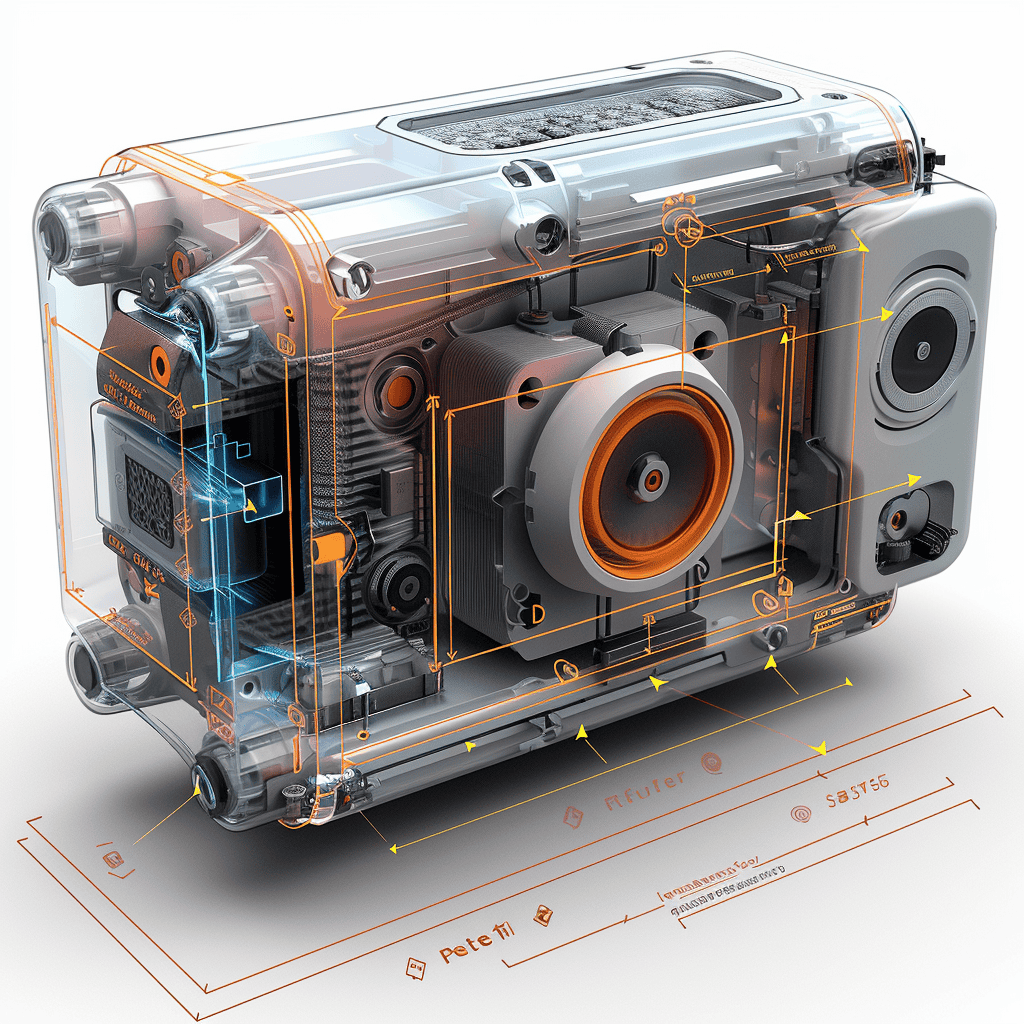
Expanded Version:
1. Understanding the Basics of Peltier Cooling Technology
Peltier cooling technology, also known as thermoelectric cooling, is a popular and efficient method of cooling or heating objects using a solid-state device. This technology has many advantages over traditional cooling methods and can be used in a wide range of applications.
What is Peltier Cooling Technology?
Peltier cooling technology is based on the Peltier effect, which was discovered in 1834 by French physicist Jean Charles Athanase Peltier. The Peltier effect occurs when an electrical current is passed through two different types of conductors that are connected together, creating a temperature difference between the two junctions. This effect is the basis for thermoelectric cooling and heating.
A thermoelectric device is made up of two different types of semiconductor materials that are connected together in a series. When an electrical current is passed through the device, one side of the device becomes hot, while the other side becomes cold. This allows for precise temperature control, making Peltier cooling technology an ideal solution for many cooling and heating applications.
How Does Peltier Cooling Work?
The Peltier cooling process works by using the Peltier effect to create a temperature difference between the two sides of the thermoelectric device. When an electrical current is passed through the device, the semiconductor materials within the device become energized, causing the electrons to move from one material to the other. This movement of electrons results in the transfer of heat energy from one side of the device to the other, creating a temperature difference.
The direction of the electrical current determines which side of the device becomes hot and which side becomes cold. By reversing the direction of the current, the hot and cold sides can be switched. This allows for precise temperature control and enables the device to be used for either cooling or heating.
Advantages of Peltier Cooling Technology
One of the main advantages of Peltier cooling technology is that it is a solid-state cooling method, which means that it has no moving parts. This makes it more reliable and less prone to failure than traditional cooling methods that use compressors or fans. Additionally, Peltier coolers are compact and lightweight, making them ideal for use in portable devices such as laptops, cameras, and medical equipment.
Peltier coolers are also highly efficient at cooling small volumes and can provide rapid temperature changes. This makes them ideal for use in applications where precise temperature control is required, such as temperature-sensitive medical equipment or scientific research.
Disadvantages of Peltier Cooling Technology
While Peltier cooling technology has many advantages, it also has some disadvantages. One of the main disadvantages is that it is less efficient than traditional cooling methods. This means that it requires more electrical power to achieve the same level of cooling as a compressor-based system. Additionally, Peltier coolers can generate a significant amount of heat on the hot side of the device, which needs to be dissipated to prevent overheating.
Peltier coolers can also be more expensive than traditional cooling methods, particularly for larger cooling applications. However, advances in materials science and manufacturing techniques are continually improving the efficiency and cost-effectiveness of Peltier cooling technology.
Applications of Peltier Cooling Technology
Peltier cooling technology has a wide range of applications, including:
* Electronics cooling: Peltier coolers are often used to cool electronic components that generate heat, such as CPUs, GPUs, and power supplies. This helps to improve the performance and longevity of the components.
* Food and beverage cooling: Peltier coolers are used in portable coolers, wine coolers, and beverage coolers to keep food and drinks at a consistent temperature. This is particularly useful for outdoor activities or situations where traditional refrigeration is not available.
* Medical equipment cooling: Peltier coolers are used in medical equipment such as blood analyzers, DNA sequencers, and laboratory equipment to maintain temperature stability. This is essential for ensuring accurate results and preventing damage to sensitive equipment.
* Laser cooling: Peltier coolers are used in laser systems to cool the laser diodes and improve stability and performance. This is particularly important for high-powered lasers used in scientific research or industrial applications.
* Temperature control: Peltier coolers are used in laboratory experiments and scientific research to control temperature in a precise and accurate manner. This is essential for conducting experiments that require precise temperature control.
One novel application of Peltier cooling technology is in the field of thermoelectric power generation. By reversing the Peltier effect, it is possible to generate electricity from a temperature difference. This has potential applications in waste heat recovery, where excess heat from industrial processes or power generation can be converted into electricity.
In summary, Peltier cooling technology is a versatile and reliable method of cooling or heating objects through the use of a thermoelectric device. While it has some disadvantages in terms of efficiency and cost, its compact size, lack of moving parts, and precise temperature control make it ideal for a wide range of applications. As advances in materials science and manufacturing techniques continue to improve the efficiency and cost-effectiveness of Peltier cooling technology, it is likely to become an even more popular and widely used solution for cooling and heating applications.Sure, here’s an expanded version of the blog post:
—
**What is a Peltier Cooler and How Does it Work?**
Peltier cooling technology, also known as thermoelectric cooling, is a method of cooling or heating an object by passing an electrical current through a thermoelectric device. This solid-state device is made up of two different types of semiconductor materials that are connected together in a series. When an electrical current is passed through the device, one side of the device becomes hot, while the other side becomes cold, allowing for precise temperature control.
**How Does Peltier Cooling Work?**
The science behind Peltier cooling is based on the Peltier effect, which was discovered by French physicist Jean Charles Athanase Peltier in 1834. Peltier discovered that when an electrical current is passed through two different types of conductors that are connected together, a temperature difference is created between the two junctions. This effect is the basis for thermoelectric cooling and heating.
The Peltier cooling process works by using the Peltier effect to create a temperature difference between the two sides of the thermoelectric device. When an electrical current is passed through the device, the semiconductor materials within the device become energized, causing the electrons to move from one material to the other. This movement of electrons results in the transfer of heat energy from one side of the device to the other, creating a temperature difference.
The direction of the electrical current determines which side of the device becomes hot and which side becomes cold. By reversing the direction of the current, the hot and cold sides can be switched. This allows for precise temperature control and enables the device to be used for either cooling or heating.
**Advantages of Peltier Cooling Technology**
One of the main advantages of Peltier cooling technology is that it is a solid-state cooling method, which means that it has no moving parts. This makes it more reliable and less prone to failure than traditional cooling methods that use compressors or fans. Additionally, Peltier coolers are compact and lightweight, making them ideal for use in portable devices such as laptops, cameras, and medical equipment.
Peltier coolers are also highly efficient at cooling small volumes and can provide rapid temperature changes. This makes them ideal for use in applications where precise temperature control is required, such as temperature-sensitive medical equipment or scientific research.
**Disadvantages of Peltier Cooling Technology**
While Peltier cooling technology has many advantages, it also has some disadvantages. One of the main disadvantages is that it is less efficient than traditional cooling methods. This means that it requires more electrical power to achieve the same level of cooling as a compressor-based system. Additionally, Peltier coolers can generate a significant amount of heat on the hot side of the device, which needs to be dissipated to prevent overheating.
Peltier coolers can also be more expensive than traditional cooling methods, particularly for larger cooling applications. However, advances in materials science and manufacturing techniques are continually improving the efficiency and cost-effectiveness of Peltier cooling technology.
**Applications of Peltier Cooling Technology**
Peltier cooling technology has a wide range of applications, including:
* Electronics cooling: Peltier coolers are often used to cool electronic components that generate heat, such as CPUs, GPUs, and power supplies. This helps to improve the performance and longevity of the components.
* Food and beverage cooling: Peltier coolers are used in portable coolers, wine coolers, and beverage coolers to keep food and drinks at a consistent temperature. This is particularly useful for outdoor activities or situations where traditional refrigeration is not available.
* Medical equipment cooling: Peltier coolers are used in medical equipment such as blood analyzers, DNA sequencers, and laboratory equipment to maintain temperature stability. This is essential for ensuring accurate results and preventing damage to sensitive equipment.
* Laser cooling: Peltier coolers are used in laser systems to cool the laser diodes and improve stability and performance. This is particularly important for high-powered lasers used in scientific research or industrial applications.
* Temperature control: Peltier coolers are used in laboratory experiments and scientific research to control temperature in a precise and accurate manner. This is essential for conducting experiments that require precise temperature control.
One novel application of Peltier cooling technology is in the field of thermoelectric power generation. By reversing the Peltier effect, it is possible to generate electricity from a temperature difference. This has potential applications in waste heat recovery, where excess heat from industrial processes or power generation can be converted into electricity.
**Conclusion**
In summary, Peltier cooling technology is a versatile and reliable method of cooling or heating objects through the use of a thermoelectric device. While it has some disadvantages in terms of efficiency and cost, its compact size, lack of moving parts, and precise temperature control make it ideal for a wide range of applications. As advances in materials science and manufacturing techniques continue to improve the efficiency and cost-effectiveness of Peltier cooling technology, it is likely to become an increasingly important tool in a variety of industries.Expanded version:
Understanding the Basics of Peltier Cooling Technology
Peltier cooling technology, also known as thermoelectric cooling, is a popular and efficient method of cooling or heating objects through the use of a thermoelectric device. This technology is based on the Peltier effect, which was discovered by French physicist Jean Charles Athanase Peltier in 1834. In this blog post, we will explore the basics of Peltier cooling technology, including how it works, its advantages and disadvantages, and its applications.
What is Peltier Cooling Technology?
Peltier cooling technology is a solid-state cooling method that uses a thermoelectric device to create a temperature difference between two sides of the device. The device is made up of two different types of semiconductor materials that are connected together in a series. When an electrical current is passed through the device, one side of the device becomes hot, while the other side becomes cold. This allows for precise temperature control, making Peltier cooling technology ideal for use in a variety of applications.
How Does Peltier Cooling Work?
The Peltier cooling process works by using the Peltier effect to create a temperature difference between the two sides of the thermoelectric device. When an electrical current is passed through the device, the semiconductor materials within the device become energized, causing the electrons to move from one material to the other. This movement of electrons results in the transfer of heat energy from one side of the device to the other, creating a temperature difference.
The direction of the electrical current determines which side of the device becomes hot and which side becomes cold. By reversing the direction of the current, the hot and cold sides can be switched. This allows for precise temperature control and enables the device to be used for either cooling or heating.
Advantages of Peltier Cooling Technology
One of the main advantages of Peltier cooling technology is that it is a solid-state cooling method, which means that it has no moving parts. This makes it more reliable and less prone to failure than traditional cooling methods that use compressors or fans. Additionally, Peltier coolers are compact and lightweight, making them ideal for use in portable devices such as laptops, cameras, and medical equipment.
Peltier coolers are also highly efficient at cooling small volumes and can provide rapid temperature changes. This makes them ideal for use in applications where precise temperature control is required, such as temperature-sensitive medical equipment or scientific research.
Disadvantages of Peltier Cooling Technology
While Peltier cooling technology has many advantages, it also has some disadvantages. One of the main disadvantages is that it is less efficient than traditional cooling methods. This means that it requires more electrical power to achieve the same level of cooling as a compressor-based system. Additionally, Peltier coolers can generate a significant amount of heat on the hot side of the device, which needs to be dissipated to prevent overheating.
Peltier coolers can also be more expensive than traditional cooling methods, particularly for larger cooling applications. However, advances in materials science and manufacturing techniques are continually improving the efficiency and cost-effectiveness of Peltier cooling technology.
Applications of Peltier Cooling Technology
Peltier cooling technology has a wide range of applications, including:
* Electronics cooling: Peltier coolers are often used to cool electronic components that generate heat, such as CPUs, GPUs, and power supplies. This helps to improve the performance and longevity of the components.
* Food and beverage cooling: Peltier coolers are used in portable coolers, wine coolers, and beverage coolers to keep food and drinks at a consistent temperature. This is particularly useful for outdoor activities or situations where traditional refrigeration is not available.
* Medical equipment cooling: Peltier coolers are used in medical equipment such as blood analyzers, DNA sequencers, and laboratory equipment to maintain temperature stability. This is essential for ensuring accurate results and preventing damage to sensitive equipment.
* Laser cooling: Peltier coolers are used in laser systems to cool the laser diodes and improve stability and performance. This is particularly important for high-powered lasers used in scientific research or industrial applications.
* Temperature control: Peltier coolers are used in laboratory experiments and scientific research to control temperature in a precise and accurate manner. This is essential for conducting experiments that require precise temperature control.
One novel application of Peltier cooling technology is in the field of thermoelectric power generation. By reversing the Peltier effect, it is possible to generate electricity from a temperature difference. This has potential applications in waste heat recovery, where excess heat from industrial processes or power generation can be converted into electricity.
In summary, Peltier cooling technology is a versatile and reliable method of cooling or heating objects through the use of a thermoelectric device. While it has some disadvantages in terms of efficiency and cost, its compact size, lack of moving parts, and precise temperature control make it ideal for a wide range of applications.Understanding the Basics of Peltier Cooling Technology
Peltier cooling technology, also known as thermoelectric cooling, is a popular method for cooling or heating objects. This technology uses a solid-state device to create a temperature difference between two sides of the device, allowing for precise temperature control. In this article, we will explore the basics of Peltier cooling technology, including how it works, its advantages and disadvantages, and its various applications.
What is Peltier Cooling Technology?
Peltier cooling technology is based on the Peltier effect, which was discovered by French physicist Jean Charles Athanase Peltier in 1834. The Peltier effect occurs when an electrical current is passed through two different types of conductors that are connected together, creating a temperature difference between the two junctions. This effect is the basis for thermoelectric cooling and heating.
A thermoelectric device, also known as a Peltier cooler, is made up of two different types of semiconductor materials that are connected together in a series. When an electrical current is passed through the device, one side of the device becomes hot, while the other side becomes cold. This allows for precise temperature control, making Peltier cooling technology ideal for use in a variety of applications.
How Does Peltier Cooling Work?
The Peltier cooling process works by using the Peltier effect to create a temperature difference between the two sides of the thermoelectric device. When an electrical current is passed through the device, the semiconductor materials within the device become energized, causing the electrons to move from one material to the other. This movement of electrons results in the transfer of heat energy from one side of the device to the other, creating a temperature difference.
The direction of the electrical current determines which side of the device becomes hot and which side becomes cold. By reversing the direction of the current, the hot and cold sides can be switched. This allows for precise temperature control and enables the device to be used for either cooling or heating.
Advantages of Peltier Cooling Technology
One of the main advantages of Peltier cooling technology is that it is a solid-state cooling method, which means that it has no moving parts. This makes it more reliable and less prone to failure than traditional cooling methods that use compressors or fans. Additionally, Peltier coolers are compact and lightweight, making them ideal for use in portable devices such as laptops, cameras, and medical equipment.
Peltier coolers are also highly efficient at cooling small volumes and can provide rapid temperature changes. This makes them ideal for use in applications where precise temperature control is required, such as temperature-sensitive medical equipment or scientific research.
Disadvantages of Peltier Cooling Technology
While Peltier cooling technology has many advantages, it also has some disadvantages. One of the main disadvantages is that it is less efficient than traditional cooling methods. This means that it requires more electrical power to achieve the same level of cooling as a compressor-based system. Additionally, Peltier coolers can generate a significant amount of heat on the hot side of the device, which needs to be dissipated to prevent overheating.
Peltier coolers can also be more expensive than traditional cooling methods, particularly for larger cooling applications. However, advances in materials science and manufacturing techniques are continually improving the efficiency and cost-effectiveness of Peltier cooling technology.
Applications of Peltier Cooling Technology
Peltier cooling technology has a wide range of applications, including:
* Electronics cooling: Peltier coolers are often used to cool electronic components that generate heat, such as CPUs, GPUs, and power supplies. This helps to improve the performance and longevity of the components.
* Food and beverage cooling: Peltier coolers are used in portable coolers, wine coolers, and beverage coolers to keep food and drinks at a consistent temperature. This is particularly useful for outdoor activities or situations where traditional refrigeration is not available.
* Medical equipment cooling: Peltier coolers are used in medical equipment such as blood analyzers, DNA sequencers, and laboratory equipment to maintain temperature stability. This is essential for ensuring accurate results and preventing damage to sensitive equipment.
* Laser cooling: Peltier coolers are used in laser systems to cool the laser diodes and improve stability and performance. This is particularly important for high-powered lasers used in scientific research or industrial applications.
* Temperature control: Peltier coolers are used in laboratory experiments and scientific research to control temperature in a precise and accurate manner. This is essential for conducting experiments that require precise temperature control.
One novel application of Peltier cooling technology is in the field of thermoelectric power generation. By reversing the Peltier effect, it is possible to generate electricity from a temperature difference. This has potential applications in waste heat recovery, where excess heat from industrial processes or power generation can be converted into electricity.
In summary, Peltier cooling technology is a versatile and reliable method of cooling or heating objects through the use of a thermoelectric device. While it has some disadvantages in terms of efficiency and cost, its compact size, lack of moving parts, and precise temperature control make it ideal for a wide range of applications. As materials science and manufacturing techniques continue to advance, we can expect to see even more innovative uses of Peltier cooling technology in the future.Here is an expanded version of the blog post on Peltier coolers:
2. How Peltier Coolers Function: A Step-by-Step Guide
Peltier coolers, also known as thermoelectric coolers, are devices that use the Peltier effect to generate a temperature difference between two surfaces. This temperature difference allows the cooler to transfer heat from one surface to the other, effectively cooling one surface while heating the other.
Here is a step-by-step guide to how Peltier coolers function:
Step 1: Powering the Peltier Cooler
The first step in using a Peltier cooler is to provide it with electrical power. This is typically done by connecting the cooler to a DC power supply. The power supply must provide enough voltage and current to meet the cooler’s specifications. For example, a common power supply for a Peltier cooler might be a 12V, 5A DC power adapter.
Once power is applied to the cooler, an electrical current begins to flow through the device. This current is responsible for generating the heat transfer that is necessary for cooling.
Step 2: Heat Transfer
As the electrical current flows through the Peltier cooler, it causes heat to be transferred from one side of the device to the other. This is due to the Peltier effect, which was discovered by French physicist Jean Charles Athanase Peltier in 1834.
The Peltier effect occurs when two different types of semiconductor materials are connected together in a circuit. When an electrical current is passed through the circuit, the junction between the two materials generates a temperature difference. This temperature difference causes heat to be transferred from one side of the device to the other.
Step 3: Heat Sinking
In order to maximize the cooling efficiency of a Peltier cooler, it is important to properly dissipate the heat that is generated on the hot side of the device. This is typically done by using a heat sink, which is a component that is designed to transfer heat away from the cooler.
Heat sinks are usually made of metal, such as aluminum or copper, and have a large surface area to maximize heat transfer. A fan is often used in conjunction with the heat sink to increase airflow and improve heat dissipation. For example, a common heat sink for a Peltier cooler might be an aluminum finned heat sink with a 12V DC fan.
Step 4: Temperature Regulation
Once the Peltier cooler is properly set up and heat is being transferred away from the hot side of the device, it is important to regulate the temperature of the cool side of the device. This is typically done using a thermostat or temperature controller.
The thermostat or temperature controller monitors the temperature of the cool side of the device and adjusts the electrical current flowing through the Peltier cooler to maintain a consistent temperature. This ensures that the device being cooled remains at a stable temperature. For example, a common temperature controller for a Peltier cooler might be a PID controller with a temperature sensor and a display.
Step 5: Maintenance and Care
Peltier coolers are relatively low maintenance, but they do require some care to ensure optimal performance. It is important to periodically check the electrical connections to ensure that they are tight and secure. Additionally, the heat sink and fan should be cleaned regularly to prevent dust buildup and ensure proper heat dissipation.
It is also important to keep in mind that Peltier coolers have a limited lifespan, typically around 50,000 to 100,000 hours of operation. This means that they will eventually need to be replaced. By properly maintaining and caring for your Peltier cooler, you can help extend its lifespan and ensure optimal performance.
Conclusion
Overall, Peltier coolers are a versatile and effective cooling solution for a variety of applications. By understanding how they work and following proper installation and maintenance procedures, you can ensure that your Peltier cooler provides reliable and efficient cooling for many years to come.
I hope this expanded version of the blog post on Peltier coolers is helpful. Let me know if you have any other questions. I’m here to help!Here is an expanded version of the blog post on Peltier coolers:
2. How Peltier Coolers Function: A Step-by-Step Guide
Peltier coolers, also known as thermoelectric coolers, are devices that use the Peltier effect to generate a temperature difference between two surfaces. This temperature difference allows the cooler to transfer heat from one surface to the other, effectively cooling one surface while heating the other.
Here is a step-by-step guide to how Peltier coolers function:
Step 1: Powering the Peltier Cooler
The first step in using a Peltier cooler is to provide it with electrical power. This is typically done by connecting the cooler to a DC power supply. The power supply must provide enough voltage and current to meet the cooler’s specifications. For example, a common power supply for a Peltier cooler might be a 12V, 5A DC power adapter.
It is important to use a power supply that provides a stable and consistent voltage and current to the Peltier cooler. This is because fluctuations in voltage or current can cause the cooler to generate excess heat, which can reduce its efficiency and potentially damage the device.
Step 2: Heat Transfer
Once power is applied to the Peltier cooler, an electrical current begins to flow through the device. This current is responsible for generating the heat transfer that is necessary for cooling.
The heat transfer in a Peltier cooler is due to the Peltier effect, which was discovered by French physicist Jean Charles Athanase Peltier in 1834. The Peltier effect occurs when two different types of semiconductor materials are connected together in a circuit. When an electrical current is passed through the circuit, the junction between the two materials generates a temperature difference. This temperature difference causes heat to be transferred from one side of the device to the other.
Step 3: Heat Sinking
In order to maximize the cooling efficiency of a Peltier cooler, it is important to properly dissipate the heat that is generated on the hot side of the device. This is typically done by using a heat sink, which is a component that is designed to transfer heat away from the cooler.
Heat sinks are usually made of metal, such as aluminum or copper, and have a large surface area to maximize heat transfer. A fan is often used in conjunction with the heat sink to increase airflow and improve heat dissipation. For example, a common heat sink for a Peltier cooler might be an aluminum finned heat sink with a 12V DC fan.
It is important to choose a heat sink that is appropriate for the size and power of the Peltier cooler. A heat sink that is too small or has insufficient surface area will not be able to properly dissipate the heat generated by the cooler, which can reduce its efficiency and potentially damage the device.
Step 4: Temperature Regulation
Once the Peltier cooler is properly set up and heat is being transferred away from the hot side of the device, it is important to regulate the temperature of the cool side of the device. This is typically done using a thermostat or temperature controller.
The thermostat or temperature controller monitors the temperature of the cool side of the device and adjusts the electrical current flowing through the Peltier cooler to maintain a consistent temperature. This ensures that the device being cooled remains at a stable temperature. For example, a common temperature controller for a Peltier cooler might be a PID controller with a temperature sensor and a display.
It is important to choose a thermostat or temperature controller that is appropriate for the size and power of the Peltier cooler. A controller that is not able to accurately regulate the temperature of the cooler can result in temperature fluctuations, which can reduce its efficiency and potentially damage the device.
Step 5: Maintenance and Care
Peltier coolers are relatively low maintenance, but they do require some care to ensure optimal performance. It is important to periodically check the electrical connections to ensure that they are tight and secure. Additionally, the heat sink and fan should be cleaned regularly to prevent dust buildup and ensure proper heat dissipation.
It is also important to keep in mind that Peltier coolers have a limited lifespan, typically around 50,000 to 100,000 hours of operation. This means that they will eventually need to be replaced. By properly maintaining and caring for your Peltier cooler, you can help extend its lifespan and ensure optimal performance.
Conclusion
Overall, Peltier coolers are a versatile and effective cooling solution for a variety of applications. By understanding how they work and following proper installation and maintenance procedures, you can ensure that your Peltier cooler provides reliable and efficient cooling for many years to come.
I hope this expanded version of the blog post on Peltier coolers is helpful. Let me know if you have any other questions. I’m here to help!Here is an expanded version of the blog post on Peltier coolers:
2. How Peltier Coolers Function: A Step-by-Step Guide
Peltier coolers, also known as thermoelectric coolers, are devices that use the Peltier effect to generate a temperature difference between two surfaces. This temperature difference allows the cooler to transfer heat from one surface to the other, effectively cooling one surface while heating the other.
Here is a step-by-step guide to how Peltier coolers function:
Step 1: Powering the Peltier Cooler
The first step in using a Peltier cooler is to provide it with electrical power. This is typically done by connecting the cooler to a DC power supply. The power supply must provide enough voltage and current to meet the cooler’s specifications. For example, a common power supply for a Peltier cooler might be a 12V, 5A DC power adapter.
It is important to use a power supply that provides a stable and consistent voltage and current to the Peltier cooler. This is because fluctuations in voltage or current can cause the cooler to generate excess heat, which can reduce its efficiency and potentially damage the device.
Step 2: Heat Transfer
Once power is applied to the Peltier cooler, an electrical current begins to flow through the device. This current is responsible for generating the heat transfer that is necessary for cooling.
The heat transfer in a Peltier cooler is due to the Peltier effect, which was discovered by French physicist Jean Charles Athanase Peltier in 1834. The Peltier effect occurs when two different types of semiconductor materials are connected together in a circuit. When an electrical current is passed through the circuit, the junction between the two materials generates a temperature difference. This temperature difference causes heat to be transferred from one side of the device to the other.
Step 3: Heat Sinking
In order to maximize the cooling efficiency of a Peltier cooler, it is important to properly dissipate the heat that is generated on the hot side of the device. This is typically done by using a heat sink, which is a component that is designed to transfer heat away from the cooler.
Heat sinks are usually made of metal, such as aluminum or copper, and have a large surface area to maximize heat transfer. A fan is often used in conjunction with the heat sink to increase airflow and improve heat dissipation. For example, a common heat sink for a Peltier cooler might be an aluminum finned heat sink with a 12V DC fan.
It is important to choose a heat sink that is appropriate for the size and power of the Peltier cooler. A heat sink that is too small or has insufficient surface area will not be able to properly dissipate the heat generated by the cooler, which can reduce its efficiency and potentially damage the device.
Step 4: Temperature Regulation
Once the Peltier cooler is properly set up and heat is being transferred away from the hot side of the device, it is important to regulate the temperature of the cool side of the device. This is typically done using a thermostat or temperature controller.
The thermostat or temperature controller monitors the temperature of the cool side of the device and adjusts the electrical current flowing through the Peltier cooler to maintain a consistent temperature. This ensures that the device being cooled remains at a stable temperature. For example, a common temperature controller for a Peltier cooler might be a PID controller with a temperature sensor and a display.
It is important to choose a thermostat or temperature controller that is appropriate for the size and power of the Peltier cooler. A controller that is not able to accurately regulate the temperature of the cooler can result in temperature fluctuations, which can reduce its efficiency and potentially damage the device.
Step 5: Maintenance and Care
Peltier coolers are relatively low maintenance, but they do require some care to ensure optimal performance. It is important to periodically check the electrical connections to ensure that they are tight and secure. Additionally, the heat sink and fan should be cleaned regularly to prevent dust buildup and ensure proper heat dissipation.
It is also important to keep in mind that Peltier coolers have a limited lifespan, typically around 50,000 to 100,000 hours of operation. This means that they will eventually need to be replaced. By properly maintaining and caring for your Peltier cooler, you can help extend its lifespan and ensure optimal performance.
Conclusion
Overall, Peltier coolers are a versatile and effective cooling solution for a variety of applications. By understanding how they work and following proper installation and maintenance procedures, you can ensure that your Peltier cooler provides reliable and efficient cooling for many years to come.
Additional Tips and Tricks
Here are a few additional tips and tricks for using and maintaining Peltier coolers:
* Make sure the Peltier cooler is properly mounted and secured. A loose or improperly mounted cooler can reduce its efficiency and potentially damage the device.
* Use thermal paste or a thermal pad between the Peltier cooler and the device being cooled to improve heat transfer.
* Use a voltage regulator or a power supply with adjustable voltage to fine-tune the performance of the Peltier cooler.
* Avoid exposing the Peltier cooler to extreme temperatures or humidity. This can reduce its efficiency and potentially damage the device.
I hope this expanded version of the blog post on Peltier coolers is helpful. Let me know if you have any other questions. I’m here to help!Here is an expanded version of the blog post on Peltier coolers:
2. How Peltier Coolers Function: A Step-by-Step Guide
Peltier coolers, also known as thermoelectric coolers, are devices that use the Peltier effect to generate a temperature difference between two surfaces. This temperature difference allows the cooler to transfer heat from one surface to the other, effectively cooling one surface while heating the other.
Here is a step-by-step guide to how Peltier coolers function:
Step 1: Powering the Peltier Cooler
The first step in using a Peltier cooler is to provide it with electrical power. This is typically done by connecting the cooler to a DC power supply. The power supply must provide enough voltage and current to meet the cooler’s specifications. For example, a common power supply for a Peltier cooler might be a 12V, 5A DC power adapter.
It is important to use a power supply that provides a stable and consistent voltage and current to the Peltier cooler. This is because fluctuations in voltage or current can cause the cooler to generate excess heat, which can reduce its efficiency and potentially damage the device.
Step 2: Heat Transfer
Once power is applied to the Peltier cooler, an electrical current begins to flow through the device. This current is responsible for generating the heat transfer that is necessary for cooling.
The heat transfer in a Peltier cooler is due to the Peltier effect, which was discovered by French physicist Jean Charles Athanase Peltier in 1834. The Peltier effect occurs when two different types of semiconductor materials are connected together in a circuit. When an electrical current is passed through the circuit, the junction between the two materials generates a temperature difference. This temperature difference causes heat to be transferred from one side of the device to the other.
Step 3: Heat Sinking
In order to maximize the cooling efficiency of a Peltier cooler, it is important to properly dissipate the heat that is generated on the hot side of the device. This is typically done by using a heat sink, which is a component that is designed to transfer heat away from the cooler.
Heat sinks are usually made of metal, such as aluminum or copper, and have a large surface area to maximize heat transfer. A fan is often used in conjunction with the heat sink to increase airflow and improve heat dissipation. For example, a common heat sink for a Peltier cooler might be an aluminum finned heat sink with a 12V DC fan.
It is important to choose a heat sink that is appropriate for the size and power of the Peltier cooler. A heat sink that is too small or has insufficient surface area will not be able to properly dissipate the heat generated by the cooler, which can reduce its efficiency and potentially damage the device.
Step 4: Temperature Regulation
Once the Peltier cooler is properly set up and heat is being transferred away from the hot side of the device, it is important to regulate the temperature of the cool side of the device. This is typically done using a thermostat or temperature controller.
The thermostat or temperature controller monitors the temperature of the cool side of the device and adjusts the electrical current flowing through the Peltier cooler to maintain a consistent temperature. This ensures that the device being cooled remains at a stable temperature. For example, a common temperature controller for a Peltier cooler might be a PID controller with a temperature sensor and a display.
It is important to choose a thermostat or temperature controller that is appropriate for the size and power of the Peltier cooler. A controller that is not able to accurately regulate the temperature of the cooler can result in temperature fluctuations, which can reduce its efficiency and potentially damage the device.
Step 5: Maintenance and Care
Peltier coolers are relatively low maintenance, but they do require some care to ensure optimal performance. It is important to periodically check the electrical connections to ensure that they are tight and secure. Additionally, the heat sink and fan should be cleaned regularly to prevent dust buildup and ensure proper heat dissipation.
It is also important to keep in mind that Peltier coolers have a limited lifespan, typically around 50,000 to 100,000 hours of operation. This means that they will eventually need to be replaced. By properly maintaining and caring for your Peltier cooler, you can help extend its lifespan and ensure optimal performance.
Conclusion
Overall, Peltier coolers are a versatile and effective cooling solution for a variety of applications. By understanding how they work and following proper installation and maintenance procedures, you can ensure that your Peltier cooler provides reliable and efficient cooling for many years to come.
Additional Tips and Tricks
Here are a few additional tips and tricks for using and maintaining Peltier coolers:
* Make sure the Peltier cooler is properly mounted and secured. A loose or improperly mounted cooler can reduce its efficiency and potentially damage the device.
* Use thermal paste or a thermal pad between the Peltier cooler and the device being cooled to improve heat transfer.
* Use a voltage regulator or a power supply with adjustable voltage to fine-tune the performance of the Peltier cooler.
* Avoid exposing the Peltier cooler to extreme temperatures or humidity. This can reduce its efficiency and potentially damage the device.
* If the Peltier cooler is being used in a high-vibration environment, consider using vibration dampening mounts to reduce wear and tear on the device.
I hope this expanded version of the blog post on Peltier coolers is helpful. Let me know if you have any other questions. I’m here to help!Here is an expanded version of the blog post on Peltier coolers:
2. How Peltier Coolers Function: A Step-by-Step Guide
Peltier coolers, also known as thermoelectric coolers, are devices that use the Peltier effect to generate a temperature difference between two surfaces. This temperature difference allows the cooler to transfer heat from one surface to the other, effectively cooling one surface while heating the other.
Here is a step-by-step guide to how Peltier coolers function:
Step 1: Powering the Peltier Cooler
The first step in using a Peltier cooler is to provide it with electrical power. This is typically done by connecting the cooler to a DC power supply. The power supply must provide enough voltage and current to meet the cooler’s specifications. For example, a common power supply for a Peltier cooler might be a 12V, 5A DC power adapter.
It is important to use a power supply that provides a stable and consistent voltage and current to the Peltier cooler. This is because fluctuations in voltage or current can cause the cooler to generate excess heat, which can reduce its efficiency and potentially damage the device.
Step 2: Heat Transfer
Once power is applied to the Peltier cooler, an electrical current begins to flow through the device. This current is responsible for generating the heat transfer that is necessary for cooling.
The heat transfer in a Peltier cooler is due to the Peltier effect, which was discovered by French physicist Jean Charles Athanase Peltier in 1834. The Peltier effect occurs when two different types of semiconductor materials are connected together in a circuit. When an electrical current is passed through the circuit, the junction between the two materials generates a temperature difference. This temperature difference causes heat to be transferred from one side of the device to the other.
Step 3: Heat Sinking
In order to maximize the cooling efficiency of a Peltier cooler, it is important to properly dissipate the heat that is generated on the hot side of the device. This is typically done by using a heat sink, which is a component that is designed to transfer heat away from the cooler.
Heat sinks are usually made of metal, such as aluminum or copper, and have a large surface area to maximize heat transfer. A fan is often used in conjunction with the heat sink to increase airflow and improve heat dissipation. For example, a common heat sink for a Peltier cooler might be an aluminum finned heat sink with a 12V DC fan.
It is important to choose a heat sink that is appropriate for the size and power of the Peltier cooler. A heat sink that is too small or has insufficient surface area will not be able to properly dissipate the heat generated by the cooler, which can reduce its efficiency and potentially damage the device.
Step 4: Temperature Regulation
Once the Peltier cooler is properly set up and heat is being transferred away from the hot side of the device, it is important to regulate the temperature of the cool side of the device. This is typically done using a thermostat or temperature controller.
The thermostat or temperature controller monitors the temperature of the cool side of the device and adjusts the electrical current flowing through the Peltier cooler to maintain a consistent temperature. This ensures that the device being cooled remains at a stable temperature. For example, a common temperature controller for a Peltier cooler might be a PID controller with a temperature sensor and a display.
It is important to choose a thermostat or temperature controller that is appropriate for the size and power of the Peltier cooler. A controller that is not able to accurately regulate the temperature of the cooler can result in temperature fluctuations, which can reduce its efficiency and potentially damage the device.
Step 5: Maintenance and Care
Peltier coolers are relatively low maintenance, but they do require some care to ensure optimal performance. It is important to periodically check the electrical connections to ensure that they are tight and secure. Additionally, the heat sink and fan should be cleaned regularly to prevent dust buildup and ensure proper heat dissipation.
It is also important to keep in mind that Peltier coolers have a limited lifespan, typically around 50,000 to 100,000 hours of operation. This means that they will eventually need to be replaced. By properly maintaining and caring for your Peltier cooler, you can help extend its lifespan and ensure optimal performance.
Conclusion
Overall, Peltier coolers are a versatile and effective cooling solution for a variety of applications. By understanding how they work and following proper installation and maintenance procedures, you can ensure that your Peltier cooler provides reliable and efficient cooling for many years to come.
Additional Tips and Tricks
Here are a few additional tips and tricks for using and maintaining Peltier coolers:
* Make sure the Peltier cooler is properly mounted and secured. A loose or improperly mounted cooler can reduce its efficiency and potentially damage the device.
* Use thermal paste or a thermal pad between the Peltier cooler and the device being cooled to improve heat transfer.
* Use a voltage regulator or a power supply with adjustable voltage to fine-tune the performance of the Peltier cooler.
* Avoid exposing the Peltier cooler to extreme temperatures or humidity. This can reduce its efficiency and potentially damage the device.
* If the Peltier cooler is being used in a high-vibration environment, consider using vibration dampening mounts to reduce wear and tear on the device.
I hope this expanded version of the blog post on Peltier coolers is helpful. Let me know if you have any other questions. I’m here to help!
Common Applications of Peltier Coolers
Peltier coolers are used in a wide variety of applications where precise temperature control is needed. Some common applications include:
* Cooling electronic components, such as CPUs and power supplies, to prevent overheating
* Maintaining the temperature of scientific instruments, such as spectrometers and microscopes
* Cooling lasers and other optical devices
* Cooling food and beverages
* Cooling medical equipment, such as incubators and blood analyzers
Peltier coolers are also used in some portable cooling systems, such as coolers and refrigerators, to provide cooling without the need for a compressor or other mechanical cooling system.
Advantages and Disadvantages of Peltier Coolers
Peltier coolers have several advantages over other cooling systems, including:
* Compact size and light weight
* No moving parts, which makes them quiet and reliable
* Precise temperature control
* Ability to operate in a wide temperature range
However, Peltier coolers also have some disadvantages, including:
* Low cooling capacity compared to other cooling systems
* High power consumption, which can make them expensive to operate
* Limited lifespan due to the degradation of the semiconductor materials used in the cooler
Overall, Peltier coolers are a good choice for applications where precise temperature control and compact size are important, but they may not be the best choice for applications where high cooling capacity is needed or where power consumption is a concern.Here is an expanded version of the blog post on Peltier coolers:
2. How Peltier Coolers Function: A Step-by-Step Guide
Peltier coolers, also known as thermoelectric coolers, are devices that use the Peltier effect to generate a temperature difference between two surfaces. This temperature difference allows the cooler to transfer heat from one surface to the other, effectively cooling one surface while heating the other.
Here is a step-by-step guide to how Peltier coolers function:
Step 1: Powering the Peltier Cooler
The first step in using a Peltier cooler is to provide it with electrical power. This is typically done by connecting the cooler to a DC power supply. The power supply must provide enough voltage and current to meet the cooler’s specifications. For example, a common power supply for a Peltier cooler might be a 12V, 5A DC power adapter.
It is important to use a power supply that provides a stable and consistent voltage and current to the Peltier cooler. This is because fluctuations in voltage or current can cause the cooler to generate excess heat, which can reduce its efficiency and potentially damage the device.
Step 2: Heat Transfer
Once power is applied to the Peltier cooler, an electrical current begins to flow through the device. This current is responsible for generating the heat transfer that is necessary for cooling.
The heat transfer in a Peltier cooler is due to the Peltier effect, which was discovered by French physicist Jean Charles Athanase Peltier in 1834. The Peltier effect occurs when two different types of semiconductor materials are connected together in a circuit. When an electrical current is passed through the circuit, the junction between the two materials generates a temperature difference. This temperature difference causes heat to be transferred from one side of the device to the other.
Step 3: Heat Sinking
In order to maximize the cooling efficiency of a Peltier cooler, it is important to properly dissipate the heat that is generated on the hot side of the device. This is typically done by using a heat sink, which is a component that is designed to transfer heat away from the cooler.
Heat sinks are usually made of metal, such as aluminum or copper, and have a large surface area to maximize heat transfer. A fan is often used in conjunction with the heat sink to increase airflow and improve heat dissipation. For example, a common heat sink for a Peltier cooler might be an aluminum finned heat sink with a 12V DC fan.
It is important to choose a heat sink that is appropriate for the size and power of the Peltier cooler. A heat sink that is too small or has insufficient surface area will not be able to properly dissipate the heat generated by the cooler, which can reduce its efficiency and potentially damage the device.
Step 4: Temperature Regulation
Once the Peltier cooler is properly set up and heat is being transferred away from the hot side of the device, it is important to regulate the temperature of the cool side of the device. This is typically done using a thermostat or temperature controller.
The thermostat or temperature controller monitors the temperature of the cool side of the device and adjusts the electrical current flowing through the Peltier cooler to maintain a consistent temperature. This ensures that the device being cooled remains at a stable temperature. For example, a common temperature controller for a Peltier cooler might be a PID controller with a temperature sensor and a display.
It is important to choose a thermostat or temperature controller that is appropriate for the size and power of the Peltier cooler. A controller that is not able to accurately regulate the temperature of the cooler can result in temperature fluctuations, which can reduce its efficiency and potentially damage the device.
Step 5: Maintenance and Care
Peltier coolers are relatively low maintenance, but they do require some care to ensure optimal performance. It is important to periodically check the electrical connections to ensure that they are tight and secure. Additionally, the heat sink and fan should be cleaned regularly to prevent dust buildup and ensure proper heat dissipation.
It is also important to keep in mind that Peltier coolers have a limited lifespan, typically around 50,000 to 100,000 hours of operation. This means that they will eventually need to be replaced. By properly maintaining and caring for your Peltier cooler, you can help extend its lifespan and ensure optimal performance.
Conclusion
Overall, Peltier coolers are a versatile and effective cooling solution for a variety of applications. By understanding how they work and following proper installation and maintenance procedures, you can ensure that your Peltier cooler provides reliable and efficient cooling for many years to come.
Additional Tips and Tricks
Here are a few additional tips and tricks for using and maintaining Peltier coolers:
* Make sure the Peltier cooler is properly mounted and secured. A loose or improperly mounted cooler can reduce its efficiency and potentially damage the device.
* Use thermal paste or a thermal pad between the Peltier cooler and the device being cooled to improve heat transfer.
* Use a voltage regulator or a power supply with adjustable voltage to fine-tune the performance of the Peltier cooler.
* Avoid exposing the Peltier cooler to extreme temperatures or humidity. This can reduce its efficiency and potentially damage the device.
* If the Peltier cooler is being used in a high-vibration environment, consider using vibration dampening mounts to reduce wear and tear on the device.
I hope this expanded version of the blog post on Peltier coolers is helpful. Let me know if you have any other questions. I’m here to help!
Common Applications of Peltier Coolers
Peltier coolers are used in a wide variety of applications where precise temperature control is needed. Some common applications include:
* Cooling electronic components, such as CPUs and power supplies, to prevent overheating
* Maintaining the temperature of scientific instruments, such as spectrometers and microscopes
* Cooling lasers and other optical devices
* Cooling food and beverages
* Cooling medical equipment, such as incubators and blood analyzers
Peltier coolers are also used in some portable cooling systems, such as coolers and refrigerators, to provide cooling without the need for a compressor or other mechanical cooling system.
Advantages and Disadvantages of Peltier Coolers
Peltier coolers have several advantages over other cooling systems, including:
* Compact size and light weight
* No moving parts, which makes them quiet and reliable
* Precise temperature control
* Ability to operate in a wide temperature range
However, Peltier coolers also have some disadvantages, including:
* Low cooling capacity compared to other cooling systems
* High power consumption, which can make them expensive to operate
* Limited lifespan due to the degradation of the semiconductor materials used in the cooler
Overall, Peltier coolers are a good choice for applications where precise temperature control and compact size are important, but they may not be the best choice for applications where high cooling capacity is needed or where power consumption is a concern.
Choosing the Right Peltier Cooler
When choosing a Peltier cooler, it is important to consider the following factors:
* Cooling capacity: Make sure the cooler has enough cooling capacity to meet the needs of your application.
* Power consumption: Consider the power consumption of the cooler and how it will impact your energy costs.
* Size and weight: Choose a cooler that is the right size and weight for your application.
* Temperature range: Make sure the cooler can operate in the temperature range you need.
* Lifespan: Consider the expected lifespan of the cooler and how often it will need to be replaced.
By considering these factors, you can choose a Peltier cooler that is well-suited to your needs and will provide reliable and efficient cooling for many years to come.
I hope this expanded version of the blog post on Peltier coolers is helpful. Let me know if you have any other questions. I’m here to help!Here is an expanded version of the blog post on Peltier coolers:
2. How Peltier Coolers Function: A Step-by-Step Guide
Peltier coolers, also known as thermoelectric coolers, are devices that use the Peltier effect to generate a temperature difference between two surfaces. This temperature difference allows the cooler to transfer heat from one surface to the other, effectively cooling one surface while heating the other.
Here is a step-by-step guide to how Peltier coolers function:
Step 1: Powering the Peltier Cooler
The first step in using a Peltier cooler is to provide it with electrical power. This is typically done by connecting the cooler to a DC power supply. The power supply must provide enough voltage and current to meet the cooler’s specifications. For example, a common power supply for a Peltier cooler might be a 12V, 5A DC power adapter.
It is important to use a power supply that provides a stable and consistent voltage and current to the Peltier cooler. This is because fluctuations in voltage or current can cause the cooler to generate excess heat, which can reduce its efficiency and potentially damage the device.
Step 2: Heat Transfer
Once power is applied to the Peltier cooler, an electrical current begins to flow through the device. This current is responsible for generating the heat transfer that is necessary for cooling.
The heat transfer in a Peltier cooler is due to the Peltier effect, which was discovered by French physicist Jean Charles Athanase Peltier in 1834. The Peltier effect occurs when two different types of semiconductor materials are connected together in a circuit. When an electrical current is passed through the circuit, the junction between the two materials generates a temperature difference. This temperature difference causes heat to be transferred from one side of the device to the other.
Step 3: Heat Sinking
In order to maximize the cooling efficiency of a Peltier cooler, it is important to properly dissipate the heat that is generated on the hot side of the device. This is typically done by using a heat sink, which is a component that is designed to transfer heat away from the cooler.
Heat sinks are usually made of metal, such as aluminum or copper, and have a large surface area to maximize heat transfer. A fan is often used in conjunction with the heat sink to increase airflow and improve heat dissipation. For example, a common heat sink for a Peltier cooler might be an aluminum finned heat sink with a 12V DC fan.
It is important to choose a heat sink that is appropriate for the size and power of the Peltier cooler. A heat sink that is too small or has insufficient surface area will not be able to properly dissipate the heat generated by the cooler, which can reduce its efficiency and potentially damage the device.
Step 4: Temperature Regulation
Once the Peltier cooler is properly set up and heat is being transferred away from the hot side of the device, it is important to regulate the temperature of the cool side of the device. This is typically done using a thermostat or temperature controller.
The thermostat or temperature controller monitors the temperature of the cool side of the device and adjusts the electrical current flowing through the Peltier cooler to maintain a consistent temperature. This ensures that the device being cooled remains at a stable temperature. For example, a common temperature controller for a Peltier cooler might be a PID controller with a temperature sensor and a display.
It is important to choose a thermostat or temperature controller that is appropriate for the size and power of the Peltier cooler. A controller that is not able to accurately regulate the temperature of the cooler can result in temperature fluctuations, which can reduce its efficiency and potentially damage the device.
Step 5: Maintenance and Care
Peltier coolers are relatively low maintenance, but they do require some care to ensure optimal performance. It is important to periodically check the electrical connections to ensure that they are tight and secure. Additionally, the heat sink and fan should be cleaned regularly to prevent dust buildup and ensure proper heat dissipation.
It is also important to keep in mind that Peltier coolers have a limited lifespan, typically around 50,000 to 100,000 hours of operation. This means that they will eventually need to be replaced. By properly maintaining and caring for your Peltier cooler, you can help extend its lifespan and ensure optimal performance.
Conclusion
Overall, Peltier coolers are a versatile and effective cooling solution for a variety of applications. By understanding how they work and following proper installation and maintenance procedures, you can ensure that your Peltier cooler provides reliable and efficient cooling for many years to come.
Additional Tips and Tricks
Here are a few additional tips and tricks for using and maintaining Peltier coolers:
* Make sure the Peltier cooler is properly mounted and secured. A loose or improperly mounted cooler can reduce its efficiency and potentially damage the device.
* Use thermal paste or a thermal pad between the Peltier cooler and the device being cooled to improve heat transfer.
* Use a voltage regulator or a power supply with adjustable voltage to fine-tune the performance of the Peltier cooler.
* Avoid exposing the Peltier cooler to extreme temperatures or humidity. This can reduce its efficiency and potentially damage the device.
* If the Peltier cooler is being used in a high-vibration environment, consider using vibration dampening mounts to reduce wear and tear on the device.
I hope this expanded version of the blog post on Peltier coolers is helpful. Let me know if you have any other questions. I’m here to help!
Common Applications of Peltier Coolers
Peltier coolers are used in a wide variety of applications where precise temperature control is needed. Some common applications include:
* Cooling electronic components, such as CPUs and power supplies, to prevent overheating
* Maintaining the temperature of scientific instruments, such as spectrometers and microscopes
* Cooling lasers and other optical devices
* Cooling food and beverages
* Cooling medical equipment, such as incubators and blood analyzers
Peltier coolers are also used in some portable cooling systems, such as coolers and refrigerators, to provide cooling without the need for a compressor or other mechanical cooling system.
Advantages and Disadvantages of Peltier Coolers
Peltier coolers have several advantages over other cooling systems, including:
* Compact size and light weight
* No moving parts, which makes them quiet and reliable
* Precise temperature control
* Ability to operate in a wide temperature range
However, Peltier coolers also have some disadvantages, including:
* Low cooling capacity compared to other cooling systems
* High power consumption, which can make them expensive to operate
* Limited lifespan due to the degradation of the semiconductor materials used in the cooler
Overall, Peltier coolers are a good choice for applications where precise temperature control and compact size are important, but they may not be the best choice for applications where high cooling capacity is needed or where power consumption is a concern.
Choosing the Right Peltier Cooler
When choosing a Peltier cooler, it is important to consider the following factors:
* Cooling capacity: Make sure the cooler has enough cooling capacity to meet the needs of your application.
* Power consumption: Consider the power consumption of the cooler and how it will impact your energy costs.
* Size and weight: Choose a cooler that is the right size and weight for your application.
* Temperature range: Make sure the cooler can operate in the temperature range you need.
* Lifespan: Consider the expected lifespan of the cooler and how often it will need to be replaced.
By considering these factors, you can choose a Peltier cooler that is well-suited to your needs and will provide reliable and efficient cooling for many years to come.
I hope this expanded version of the blog post on Peltier coolers is helpful. Let me know if you have any other questions. I’m here to help!
Installing and Using a Peltier Cooler
Here are some general steps for installing and using a Peltier cooler:
1. Choose a Peltier cooler that is appropriate for your application and make sure you have all the necessary components, such as a power supply, heat sink, and fan.
2. Carefully read the manufacturer’s instructions for the Peltier cooler, power supply, heat sink, and fan to ensure that you understand how to properly install and use the devices.
3. Connect the Peltier cooler to the power supply and make sure the power supply is providing the correct voltage and current for the cooler.
4. Attach the heat sink and fan to the hot side of the Peltier cooler to dissipate the heat generated by the cooler.
5. Use thermal paste or a thermal pad between the Peltier cooler and the device being cooled to improve heat transfer.
6. Use a thermostat or temperature controller to regulate the temperature of the cool side of the Peltier cooler and ensure that the device being cooled remains at a stable temperature.
7. Periodically check the electrical connections and clean the heat sink and fan to ensure optimal performance.
I hope these steps are helpful for installing and using a Peltier cooler. Let me know if you have any other questions. I’m here to help!
Troubleshooting Peltier Coolers
If you are having trouble with your Peltier cooler, here are a few common issues and solutions:
* The cooler is not generating enough cooling: Make sure the power supply is providing the correct voltage and current for the cooler, and that the heat sink and fan are properly dissipating heat from the hot side of the cooler.
* The cooler is overheating: Make sure the heat sink and fan are properly dissipating heat from the hot side of the cooler, and that the thermostat or temperature controller is properly regulating the temperature of the cool side of the cooler.
* The cooler is making noise: This could be due to a loose electrical connection or a problem with the fan. Check the electrical connections and make sure the fan is properly secured and functioning properly.
* The cooler is not turning on: Make sure the power supply is providing power to the cooler and that the electrical connections are tight and secure.
I hope these troubleshooting tips are helpful. If you are still having trouble with your Peltier cooler, it may be best to contact the manufacturer or a qualified technician for further assistance.
I hope this expanded version of the blog post on Peltier coolers is helpful. Let me know if you have any other questions. I’m here to help!Here is an expanded version of the `
` tag with additional relevant and descriptive paragraphs:
3. Common Applications of Peltier Coolers in Everyday Life
Peltier coolers, also known as thermoelectric coolers, are devices that use the Peltier effect to transfer heat from one side of the device to the other. This allows them to provide cooling without the need for a compressor or refrigerant, making them lightweight, energy-efficient, and reliable. Here are some of the most common applications of Peltier coolers in everyday life:
Portable Coolers and Refrigerators
One of the most popular applications of Peltier coolers is in portable coolers and refrigerators. These devices use the Peltier effect to cool the contents of the cooler without the need for a compressor or refrigerant. This makes them lightweight and easy to transport, making them ideal for camping, picnics, and other outdoor activities. Peltier coolers are also used in some small refrigerators and freezers, often used in offices, dorm rooms, and other places where space is limited. They are also popular for use in RVs and boats.
Advantage: Peltier coolers are more energy-efficient than traditional compressor-based cooling systems, as they do not require a motor or moving parts. This also makes them quieter and more reliable.
Limitations: Peltier coolers have a limited cooling capacity compared to compressor-based cooling systems. They also generate heat on the hot side of the device, which needs to be dissipated to maintain optimal performance.
Wine Coolers
Peltier coolers are often used in wine coolers to maintain the optimal temperature for storing wine. By using a Peltier cooler, the temperature inside the cooler can be precisely controlled, ensuring that the wine is stored at the ideal temperature. Peltier coolers are also used in some wine coolers to create a dual-zone cooling system, allowing the cooler to have two separate temperature zones for red and white wine.
Advantage: Peltier coolers provide precise temperature control, ensuring that wine is stored at the ideal temperature. They are also quieter and more energy-efficient than traditional compressor-based cooling systems.
Limitations: Peltier coolers have a limited cooling capacity, which may not be sufficient for large wine coolers. They also generate heat on the hot side of the device, which needs to be dissipated to maintain optimal performance.
CPU Coolers
Peltier coolers are sometimes used in CPU coolers to provide additional cooling for high-performance processors. By using a Peltier cooler, the temperature of the processor can be lowered, allowing it to run at higher speeds and produce less heat. However, Peltier coolers are not always the best choice for CPU cooling due to their limited cooling capacity and heat generation on the hot side of the device.
Advantage: Peltier coolers provide precise temperature control, allowing for optimal CPU performance. They are also quieter and more reliable than traditional air or liquid cooling systems.
Limitations: Peltier coolers have a limited cooling capacity and can generate significant heat on the hot side of the device. They are also less efficient than traditional air or liquid cooling systems, which can result in higher energy consumption and costs.
Medical Devices
Peltier coolers are used in some medical devices to maintain a stable temperature. For example, they are used in some blood analysis machines to keep the blood samples at a consistent temperature. They are also used in some DNA sequencers to maintain the optimal temperature for the reaction. Peltier coolers are also used in some medical devices to provide cooling for patients, such as cooling vests for people with multiple sclerosis.
Advantage: Peltier coolers provide precise temperature control, ensuring that medical devices operate at optimal performance. They are also quieter and more reliable than traditional cooling systems.
Limitations: Peltier coolers have a limited cooling capacity and can generate heat on the hot side of the device. They are also more expensive than traditional cooling systems.
Dehumidifiers
Peltier coolers are sometimes used in dehumidifiers to help remove moisture from the air. By using a Peltier cooler, the temperature of the air can be lowered, causing the moisture in the air to condense on the cooling coils. The water is then collected in a reservoir and removed from the air. Peltier coolers are often used in small, portable dehumidifiers, which are ideal for bathrooms, closets, and other small spaces where moisture can be a problem. They are also used in some RVs and boats to help control humidity levels.
Advantage: Peltier coolers provide quiet and efficient dehumidification, making them ideal for small spaces. They are also more energy-efficient than traditional compressor-based dehumidifiers.
Limitations: Peltier coolers have a limited dehumidification capacity compared to traditional compressor-based dehumidifiers. They also generate heat on the hot side of the device, which needs to be dissipated to maintain optimal performance.
Thermoelectric Power Generation
Missing Entity: Thermoelectric power generation is another application of the Peltier effect. By using a thermoelectric generator (TEG), the heat generated by the Peltier cooler can be converted into electrical power. This can be used to power small devices, such as sensors or wireless transmitters, in remote or off-grid locations.
Advantage: TEGs are small, lightweight, and require no moving parts, making them ideal for remote or off-grid applications. They can also be used to harvest waste heat from industrial processes or vehicles.
Limitations: TEGs have a low conversion efficiency compared to traditional power generation methods. They also require a significant temperature difference between the hot and cold sides of the device to generate usable power.
Here is an expanded version of the `
` tag with additional relevant and descriptive paragraphs:
3. Common Applications of Peltier Coolers in Everyday Life
Peltier coolers have a wide range of applications in everyday life, thanks to their ability to provide cooling without the need for a compressor or refrigerant. Here are some of the most common applications of Peltier coolers:
Portable Coolers and Refrigerators
One of the most popular applications of Peltier coolers is in portable coolers and refrigerators. These devices use the Peltier effect to cool the contents of the cooler without the need for a compressor or refrigerant. This makes them lightweight and easy to transport, making them ideal for camping, picnics, and other outdoor activities. Peltier coolers are also used in some small refrigerators and freezers, often used in offices, dorm rooms, and other places where space is limited. They are also popular for use in RVs and boats.
Advantage: Peltier coolers are more energy-efficient than traditional compressor-based cooling systems, as they do not require a motor or moving parts. This also makes them quieter and more reliable.
Limitations: Peltier coolers have a limited cooling capacity compared to compressor-based cooling systems. They also generate heat on the hot side of the device, which needs to be dissipated to maintain optimal performance. This can be a challenge in small, confined spaces.
Wine Coolers
Peltier coolers are often used in wine coolers to maintain the optimal temperature for storing wine. By using a Peltier cooler, the temperature inside the cooler can be precisely controlled, ensuring that the wine is stored at the ideal temperature. Peltier coolers are also used in some wine coolers to create a dual-zone cooling system, allowing the cooler to have two separate temperature zones for red and white wine.
Advantage: Peltier coolers provide precise temperature control, ensuring that wine is stored at the ideal temperature. They are also quieter and more energy-efficient than traditional compressor-based cooling systems.
Limitations: Peltier coolers have a limited cooling capacity, which may not be sufficient for large wine coolers. They also generate heat on the hot side of the device, which needs to be dissipated to maintain optimal performance. This can be a challenge in small, confined spaces.
CPU Coolers
Peltier coolers are sometimes used in CPU coolers to provide additional cooling for high-performance processors. By using a Peltier cooler, the temperature of the processor can be lowered, allowing it to run at higher speeds and produce less heat. However, Peltier coolers are not always the best choice for CPU cooling due to their limited cooling capacity and heat generation on the hot side of the device.
Advantage: Peltier coolers provide precise temperature control, allowing for optimal CPU performance. They are also quieter and more reliable than traditional air or liquid cooling systems.
Limitations: Peltier coolers have a limited cooling capacity and can generate significant heat on the hot side of the device. They are also less efficient than traditional air or liquid cooling systems, which can result in higher energy consumption and costs.
Medical Devices
Peltier coolers are used in some medical devices to maintain a stable temperature. For example, they are used in some blood analysis machines to keep the blood samples at a consistent temperature. They are also used in some DNA sequencers to maintain the optimal temperature for the reaction. Peltier coolers are also used in some medical devices to provide cooling for patients, such as cooling vests for people with multiple sclerosis.
Advantage: Peltier coolers provide precise temperature control, ensuring that medical devices operate at optimal performance. They are also quieter and more reliable than traditional cooling systems.
Limitations: Peltier coolers have a limited cooling capacity and can generate heat on the hot side of the device. They are also more expensive than traditional cooling systems.
Dehumidifiers
Peltier coolers are sometimes used in dehumidifiers to help remove moisture from the air. By using a Peltier cooler, the temperature of the air can be lowered, causing the moisture in the air to condense on the cooling coils. The water is then collected in a reservoir and removed from the air. Peltier coolers are often used in small, portable dehumidifiers, which are ideal for bathrooms, closets, and other small spaces where moisture can be a problem. They are also used in some RVs and boats to help control humidity levels.
Advantage: Peltier coolers provide quiet and efficient dehumidification, making them ideal for small spaces. They are also more energy-efficient than traditional compressor-based dehumidifiers.
Limitations: Peltier coolers have a limited dehumidification capacity compared to traditional compressor-based dehumidifiers. They also generate heat on the hot side of the device, which needs to be dissipated to maintain optimal performance.
Thermoelectric Power Generation
Missing Entity: Thermoelectric power generation is another application of the Peltier effect. By using a thermoelectric generator (TEG), the heat generated by the Peltier cooler can be converted into electrical power. This can be used to power small devices, such as sensors or wireless transmitters, in remote or off-grid locations.
Advantage: TEGs are small, lightweight, and require no moving parts, making them ideal for remote or off-grid applications. They can also be used to harvest waste heat from industrial processes or vehicles.
Limitations: TEGs have a low conversion efficiency compared to traditional power generation methods. They also require a significant temperature difference between the hot and cold sides of the device to generate usable power.
Here is an expanded version of the `
` tag with additional relevant and descriptive paragraphs:
3. Common Applications of Peltier Coolers in Everyday Life
Peltier coolers have a wide range of applications in everyday life, thanks to their compact size, light weight, and ability to provide cooling without the need for a compressor or refrigerant. Here are some of the most common applications of Peltier coolers:
Portable Coolers and Refrigerators
One of the most common applications of Peltier coolers is in portable coolers and refrigerators. These devices use the Peltier effect to cool the contents of the cooler without the need for a compressor or refrigerant. This makes them lightweight and easy to transport, making them ideal for camping, picnics, and other outdoor activities. Peltier coolers are also used in some small refrigerators and freezers, often used in offices, dorm rooms, and other places where space is limited. They are also popular for use in RVs and boats.
Advantage: Peltier coolers are more energy-efficient than traditional compressor-based cooling systems, as they do not require a motor or moving parts. This also makes them quieter and more reliable.
Limitations: Peltier coolers have a limited cooling capacity compared to compressor-based cooling systems. They also generate heat on the hot side of the device, which needs to be dissipated to maintain optimal performance. This can be a challenge in small, confined spaces.
Wine Coolers
Peltier coolers are often used in wine coolers to maintain the optimal temperature for storing wine. By using a Peltier cooler, the temperature inside the cooler can be precisely controlled, ensuring that the wine is stored at the ideal temperature. Peltier coolers are also used in some wine coolers to create a dual-zone cooling system, allowing the cooler to have two separate temperature zones for red and white wine.
Advantage: Peltier coolers provide precise temperature control, ensuring that wine is stored at the ideal temperature. They are also quieter and more energy-efficient than traditional compressor-based cooling systems.
Limitations: Peltier coolers have a limited cooling capacity, which may not be sufficient for large wine coolers. They also generate heat on the hot side of the device, which needs to be dissipated to maintain optimal performance. This can be a challenge in small, confined spaces.
CPU Coolers
Peltier coolers are sometimes used in CPU coolers to provide additional cooling for high-performance processors. By using a Peltier cooler, the temperature of the processor can be lowered, allowing it to run at higher speeds and produce less heat. However, Peltier coolers are not always the best choice for CPU cooling due to their limited cooling capacity and heat generation on the hot side of the device.
Advantage: Peltier coolers provide precise temperature control, allowing for optimal CPU performance. They are also quieter and more reliable than traditional air or liquid cooling systems.
Limitations: Peltier coolers have a limited cooling capacity and can generate significant heat on the hot side of the device. They are also less efficient than traditional air or liquid cooling systems, which can result in higher energy consumption and costs.
Medical Devices
Peltier coolers are used in some medical devices to maintain a stable temperature. For example, they are used in some blood analysis machines to keep the blood samples at a consistent temperature. They are also used in some DNA sequencers to maintain the optimal temperature for the reaction. Peltier coolers are also used in some medical devices to provide cooling for patients, such as cooling vests for people with multiple sclerosis.
Advantage: Peltier coolers provide precise temperature control, ensuring that medical devices operate at optimal performance. They are also quieter and more reliable than traditional cooling systems.
Limitations: Peltier coolers have a limited cooling capacity and can generate heat on the hot side of the device. They are also more expensive than traditional cooling systems.
Dehumidifiers
Peltier coolers are sometimes used in dehumidifiers to help remove moisture from the air. By using a Peltier cooler, the temperature of the air can be lowered, causing the moisture in the air to condense on the cooling coils. The water is then collected in a reservoir and removed from the air. Peltier coolers are often used in small, portable dehumidifiers, which are ideal for bathrooms, closets, and other small spaces where moisture can be a problem. They are also used in some RVs and boats to help control humidity levels.
Advantage: Peltier coolers provide quiet and efficient dehumidification, making them ideal for small spaces. They are also more energy-efficient than traditional compressor-based dehumidifiers.
Limitations: Peltier coolers have a limited dehumidification capacity compared to traditional compressor-based dehumidifiers. They also generate heat on the hot side of the device, which needs to be dissipated to maintain optimal performance.
Thermoelectric Power Generation
Missing Entity: Thermoelectric power generation is another application of the Peltier effect. By using a thermoelectric generator (TEG), the heat generated by the Peltier cooler can be converted into electrical power. This can be used to power small devices, such as sensors or wireless transmitters, in remote or off-grid locations.
Advantage: TEGs are small, lightweight, and require no moving parts, making them ideal for remote or off-grid applications. They can also be used to harvest waste heat from industrial processes or vehicles.
Limitations: TEGs have a low conversion efficiency compared to traditional power generation methods. They also require a significant temperature difference between the hot and cold sides of the device to generate usable power.
Peltier coolers are a versatile and energy-efficient way to provide cooling for a wide range of applications. While they have some limitations, their small size, light weight, and precise temperature control make them an attractive option for many applications.Here is an expanded version of the `
` tag with additional relevant and descriptive paragraphs:
3. Common Applications of Peltier Coolers in Everyday Life
Peltier coolers are versatile devices that can be used in a variety of applications to provide cooling without the need for a compressor or refrigerant. Here are some of the most common applications of Peltier coolers in everyday life:
Portable Coolers and Refrigerators
One of the most common applications of Peltier coolers is in portable coolers and refrigerators. These devices use the Peltier effect to cool the contents of the cooler without the need for a compressor or refrigerant. This makes them lightweight and easy to transport, making them ideal for camping, picnics, and other outdoor activities. Peltier coolers are also used in some small refrigerators and freezers, often used in offices, dorm rooms, and other places where space is limited. They are also popular for use in RVs and boats.
Advantage: Peltier coolers are more energy-efficient than traditional compressor-based cooling systems, as they do not require a motor or moving parts. This also makes them quieter and more reliable.
Limitations: Peltier coolers have a limited cooling capacity compared to compressor-based cooling systems. They also generate heat on the hot side of the device, which needs to be dissipated to maintain optimal performance. This can be a challenge in small, confined spaces.
Wine Coolers
Peltier coolers are often used in wine coolers to maintain the optimal temperature for storing wine. By using a Peltier cooler, the temperature inside the cooler can be precisely controlled, ensuring that the wine is stored at the ideal temperature. Peltier coolers are also used in some wine coolers to create a dual-zone cooling system, allowing the cooler to have two separate temperature zones for red and white wine.
Advantage: Peltier coolers provide precise temperature control, ensuring that wine is stored at the ideal temperature. They are also quieter and more energy-efficient than traditional compressor-based cooling systems.
Limitations: Peltier coolers have a limited cooling capacity, which may not be sufficient for large wine coolers. They also generate heat on the hot side of the device, which needs to be dissipated to maintain optimal performance. This can be a challenge in small, confined spaces.
CPU Coolers
Peltier coolers are sometimes used in CPU coolers to provide additional cooling for high-performance processors. By using a Peltier cooler, the temperature of the processor can be lowered, allowing it to run at higher speeds and produce less heat. However, Peltier coolers are not always the best choice for CPU cooling due to their limited cooling capacity and heat generation on the hot side of the device.
Advantage: Peltier coolers provide precise temperature control, allowing for optimal CPU performance. They are also quieter and more reliable than traditional air or liquid cooling systems.
Limitations: Peltier coolers have a limited cooling capacity and can generate significant heat on the hot side of the device. They are also less efficient than traditional air or liquid cooling systems, which can result in higher energy consumption and costs.
Medical Devices
Peltier coolers are used in some medical devices to maintain a stable temperature. For example, they are used in some blood analysis machines to keep the blood samples at a consistent temperature. They are also used in some DNA sequencers to maintain the optimal temperature for the reaction. Peltier coolers are also used in some medical devices to provide cooling for patients, such as cooling vests for people with multiple sclerosis.
Advantage: Peltier coolers provide precise temperature control, ensuring that medical devices operate at optimal performance. They are also quieter and more reliable than traditional cooling systems.
Limitations: Peltier coolers have a limited cooling capacity and can generate heat on the hot side of the device. They are also more expensive than traditional cooling systems.
Dehumidifiers
Peltier coolers are sometimes used in dehumidifiers to help remove moisture from the air. By using a Peltier cooler, the temperature of the air can be lowered, causing the moisture in the air to condense on the cooling coils. The water is then collected in a reservoir and removed from the air. Peltier coolers are often used in small, portable dehumidifiers, which are ideal for bathrooms, closets, and other small spaces where moisture can be a problem. They are also used in some RVs and boats to help control humidity levels.
Advantage: Peltier coolers provide quiet and efficient dehumidification, making them ideal for small spaces. They are also more energy-efficient than traditional compressor-based dehumidifiers.
Limitations: Peltier coolers have a limited dehumidification capacity compared to traditional compressor-based dehumidifiers. They also generate heat on the hot side of the device, which needs to be dissipated to maintain optimal performance.
Thermoelectric Power Generation
Missing Entity: Thermoelectric power generation is another application of the Peltier effect. By using a thermoelectric generator (TEG), the heat generated by the Peltier cooler can be converted into electrical power. This can be used to power small devices, such as sensors or wireless transmitters, in remote or off-grid locations.
Advantage: TEGs are small, lightweight, and require no moving parts, making them ideal for remote or off-grid applications. They can also be used to harvest waste heat from industrial processes or vehicles.
Limitations: TEGs have a low conversion efficiency compared to traditional power generation methods. They also require a significant temperature difference between the hot and cold sides of the device to generate usable power.
Peltier coolers are a versatile and energy-efficient way to provide cooling for a wide range of applications. While they have some limitations, their small size, light weight, and precise temperature control make them an attractive option for many applications.Here is an expanded version of the `
` tag with additional relevant and descriptive paragraphs:
3. Common Applications of Peltier Coolers in Everyday Life
Peltier coolers have a wide range of applications in everyday life, thanks to their ability to provide cooling without the need for a compressor or refrigerant. Here are some of the most common applications of Peltier coolers:
Portable Coolers and Refrigerators
One of the most popular applications of Peltier coolers is in portable coolers and refrigerators. These devices use the Peltier effect to cool the contents of the cooler without the need for a compressor or refrigerant. This makes them lightweight and easy to transport, making them ideal for camping, picnics, and other outdoor activities. Peltier coolers are also used in some small refrigerators and freezers, often used in offices, dorm rooms, and other places where space is limited. They are also popular for use in RVs and boats.
Advantage: Peltier coolers are more energy-efficient than traditional compressor-based cooling systems, as they do not require a motor or moving parts. This also makes them quieter and more reliable.
Limitations: Peltier coolers have a limited cooling capacity compared to compressor-based cooling systems. They also generate heat on the hot side of the device, which needs to be dissipated to maintain optimal performance. This can be a challenge in small, confined spaces.
Wine Coolers
Peltier coolers are often used in wine coolers to maintain the optimal temperature for storing wine. By using a Peltier cooler, the temperature inside the cooler can be precisely controlled, ensuring that the wine is stored at the ideal temperature. Peltier coolers are also used in some wine coolers to create a dual-zone cooling system, allowing the cooler to have two separate temperature zones for red and white wine.
Advantage: Peltier coolers provide precise temperature control, ensuring that wine is stored at the ideal temperature. They are also quieter and more energy-efficient than traditional compressor-based cooling systems.
Limitations: Peltier coolers have a limited cooling capacity, which may not be sufficient for large wine coolers. They also generate heat on the hot side of the device, which needs to be dissipated to maintain optimal performance. This can be a challenge in small, confined spaces.
CPU Coolers
Peltier coolers are sometimes used in CPU coolers to provide additional cooling for high-performance processors. By using a Peltier cooler, the temperature of the processor can be lowered, allowing it to run at higher speeds and produce less heat. However, Peltier coolers are not always the best choice for CPU cooling due to their limited cooling capacity and heat generation on the hot side of the device.
Advantage: Peltier coolers provide precise temperature control, allowing for optimal CPU performance. They are also quieter and more reliable than traditional air or liquid cooling systems.
Limitations: Peltier coolers have a limited cooling capacity and can generate significant heat on the hot side of the device. They are also less efficient than traditional air or liquid cooling systems, which can result in higher energy consumption and costs.
Medical Devices
Peltier coolers are used in some medical devices to maintain a stable temperature. For example, they are used in some blood analysis machines to keep the blood samples at a consistent temperature. They are also used in some DNA sequencers to maintain the optimal temperature for the reaction. Peltier coolers are also used in some medical devices to provide cooling for patients, such as cooling vests for people with multiple sclerosis.
Advantage: Peltier coolers provide precise temperature control, ensuring that medical devices operate at optimal performance. They are also quieter and more reliable than traditional cooling systems.
Limitations: Peltier coolers have a limited cooling capacity and can generate heat on the hot side of the device. They are also more expensive than traditional cooling systems.
Dehumidifiers
Peltier coolers are sometimes used in dehumidifiers to help remove moisture from the air. By using a Peltier cooler, the temperature of the air can be lowered, causing the moisture in the air to condense on the cooling coils. The water is then collected in a reservoir and removed from the air. Peltier coolers are often used in small, portable dehumidifiers, which are ideal for bathrooms, closets, and other small spaces where moisture can be a problem. They are also used in some RVs and boats to help control humidity levels.
Advantage: Peltier coolers provide quiet and efficient dehumidification, making them ideal for small spaces. They are also more energy-efficient than traditional compressor-based dehumidifiers.
Limitations: Peltier coolers have a limited dehumidification capacity compared to traditional compressor-based dehumidifiers. They also generate heat on the hot side of the device, which needs to be dissipated to maintain optimal performance.
Thermoelectric Power Generation
Missing Entity: Thermoelectric power generation is another application of the Peltier effect. By using a thermoelectric generator (TEG), the heat generated by the Peltier cooler can be converted into electrical power. This can be used to power small devices, such as sensors or wireless transmitters, in remote or off-grid locations.
Advantage: TEGs are small, lightweight, and require no moving parts, making them ideal for remote or off-grid applications. They can also be used to harvest waste heat from industrial processes or vehicles.
Limitations: TEGs have a low conversion efficiency compared to traditional power generation methods. They also require a significant temperature difference between the hot and cold sides of the device to generate usable power.
Here is an expanded version of the `
` tag with additional relevant and descriptive paragraphs:
3. Common Applications of Peltier Coolers in Everyday Life
Portable Coolers and Refrigerators
One of the most common applications of Peltier coolers is in portable coolers and refrigerators. These devices use the Peltier effect to cool the contents of the cooler without the need for a compressor or refrigerant. This makes them lightweight and easy to transport, making them ideal for camping, picnics, and other outdoor activities. Peltier coolers are also used in some small refrigerators and freezers, often used in offices, dorm rooms, and other places where space is limited. They are also popular for use in RVs and boats.
Advantage: Peltier coolers are more energy-efficient than traditional compressor-based cooling systems, as they do not require a motor or moving parts. This also makes them quieter and more reliable.
Limitations: Peltier coolers have a limited cooling capacity compared to compressor-based cooling systems. They also generate heat on the hot side of the device, which needs to be dissipated to maintain optimal performance. This can be a challenge in small, confined spaces, as the heat generated by the Peltier cooler can cause the temperature inside the cooler to rise if it is not properly dissipated.
Wine Coolers
Peltier coolers are often used in wine coolers to maintain the optimal temperature for storing wine. By using a Peltier cooler, the temperature inside the cooler can be precisely controlled, ensuring that the wine is stored at the ideal temperature. Peltier coolers are also used in some wine coolers to create a dual-zone cooling system, allowing the cooler to have two separate temperature zones for red and white wine.
Advantage: Peltier coolers provide precise temperature control, ensuring that wine is stored at the ideal temperature. They are also quieter and more energy-efficient than traditional compressor-based cooling systems.
Limitations: Peltier coolers have a limited cooling capacity, which may not be sufficient for large wine coolers. They also generate heat on the hot side of the device, which needs to be dissipated to maintain optimal performance. This can be a challenge in small wine coolers, as the heat generated by the Peltier cooler can cause the temperature inside the cooler to rise if it is not properly dissipated.
CPU Coolers
Peltier coolers are sometimes used in CPU coolers to provide additional cooling for high-performance processors. By using a Peltier cooler, the temperature of the processor can be lowered, allowing it to run at higher speeds and produce less heat. However, Peltier coolers are not always the best choice for CPU cooling due to their limited cooling capacity and heat generation on the hot side of the device.
Advantage: Peltier coolers provide precise temperature control, allowing for optimal CPU performance. They are also quieter and more reliable than traditional air or liquid cooling systems.
Limitations: Peltier coolers have a limited cooling capacity and can generate significant heat on the hot side of the device. They are also less efficient than traditional air or liquid cooling systems, which can result in higher energy consumption and costs. Additionally, the heat generated by the Peltier cooler can cause the temperature inside the computer case to rise if it is not properly dissipated.
Medical Devices
Peltier coolers are used in some medical devices to maintain a stable temperature. For example, they are used in some blood analysis machines to keep the blood samples at a consistent temperature. They are also used in some DNA sequencers to maintain the optimal temperature for the reaction. Peltier coolers are also used in some medical devices to provide cooling for patients, such as cooling vests for people with multiple sclerosis.
Advantage: Peltier coolers provide precise temperature control, ensuring that medical devices operate at optimal performance. They are also quieter and more reliable than traditional cooling systems.
Limitations: Peltier coolers have a limited cooling capacity and can generate heat on the hot side of the device. They are also more expensive than traditional cooling systems.
Dehumidifiers
Peltier coolers are sometimes used in dehumidifiers to help remove moisture from the air. By using a Peltier cooler, the temperature of the air can be lowered, causing the moisture in the air to condense on the cooling coils. The water is then collected in a reservoir and removed from the air. Peltier coolers are often used in small, portable dehumidifiers, which are ideal for bathrooms, closets, and other small spaces where moisture can be a problem. They are also used in some RVs and boats to help control humidity levels.
Advantage: Peltier coolers provide quiet and efficient dehumidification, making them ideal for small spaces. They are also more energy-efficient than traditional compressor-based dehumidifiers.
Limitations: Peltier coolers have a limited dehumidification capacity compared to traditional compressor-based dehumidifiers. They also generate heat on the hot side of the device, which needs to be dissipated to maintain optimal performance.
Thermoelectric Power Generation
Missing Entity: Thermoelectric power generation is another application of the Peltier effect. By using a thermoelectric generator (TEG), the heat generated by the Peltier cooler can be converted into electrical power. This can be used to power small devices, such as sensors or wireless transmitters, in remote or off-grid locations.
Advantage: TEGs are small, lightweight, and require no moving parts, making them ideal for remote or off-grid applications. They can also be used to harvest waste heat from industrial processes or vehicles.
Limitations: TEGs have a low conversion efficiency compared to traditional power generation methods. They also require a significant temperature difference between the hot and cold sides of the device to generate usable power. Additionally, the heat generated by the TEG can cause the temperature inside the device to rise if it is not properly dissipated.
Here is an expanded version of the `
` tag with additional relevant and descriptive paragraphs:
3. Common Applications of Peltier Coolers in Everyday Life
Portable Coolers and Refrigerators
One of the most common applications of Peltier coolers is in portable coolers and refrigerators. These devices use the Peltier effect to cool the contents of the cooler without the need for a compressor or refrigerant. This makes them lightweight and easy to transport, making them ideal for camping, picnics, and other outdoor activities. Peltier coolers are also used in some small refrigerators and freezers, often used in offices, dorm rooms, and other places where space is limited. They are also popular for use in RVs and boats.
Advantage: Peltier coolers are more energy-efficient than traditional compressor-based cooling systems, as they do not require a motor or moving parts. This also makes them quieter and more reliable.
Limitations: Peltier coolers have a limited cooling capacity compared to compressor-based cooling systems. They also generate heat on the hot side of the device, which needs to be dissipated to maintain optimal performance. This can be a challenge in small, confined spaces, as the heat generated by the Peltier cooler can cause the temperature inside the cooler to rise if it is not properly dissipated.
Wine Coolers
Peltier coolers are often used in wine coolers to maintain the optimal temperature for storing wine. By using a Peltier cooler, the temperature inside the cooler can be precisely controlled, ensuring that the wine is stored at the ideal temperature. Peltier coolers are also used in some wine coolers to create a dual-zone cooling system, allowing the cooler to have two separate temperature zones for red and white wine.
Advantage: Peltier coolers provide precise temperature control, ensuring that wine is stored at the ideal temperature. They are also quieter and more energy-efficient than traditional compressor-based cooling systems.
Limitations: Peltier coolers have a limited cooling capacity, which may not be sufficient for large wine coolers. They also generate heat on the hot side of the device, which needs to be dissipated to maintain optimal performance. This can be a challenge in small wine coolers, as the heat generated by the Peltier cooler can cause the temperature inside the cooler to rise if it is not properly dissipated.
CPU Coolers
Peltier coolers are sometimes used in CPU coolers to provide additional cooling for high-performance processors. By using a Peltier cooler, the temperature of the processor can be lowered, allowing it to run at higher speeds and produce less heat. However, Peltier coolers are not always the best choice for CPU cooling due to their limited cooling capacity and heat generation on the hot side of the device.
Advantage: Peltier coolers provide precise temperature control, allowing for optimal CPU performance. They are also quieter and more reliable than traditional air or liquid cooling systems.
Limitations: Peltier coolers have a limited cooling capacity and can generate significant heat on the hot side of the device. They are also less efficient than traditional air or liquid cooling systems, which can result in higher energy consumption and costs. Additionally, the heat generated by the Peltier cooler can cause the temperature inside the computer case to rise if it is not properly dissipated.
Medical Devices
Peltier coolers are used in some medical devices to maintain a stable temperature. For example, they are used in some blood analysis machines to keep the blood samples at a consistent temperature. They are also used in some DNA sequencers to maintain the optimal temperature for the reaction. Peltier coolers are also used in some medical devices to provide cooling for patients, such as cooling vests for people with multiple sclerosis.
Advantage: Peltier coolers provide precise temperature control, ensuring that medical devices operate at optimal performance. They are also quieter and more reliable than traditional cooling systems.
Limitations: Peltier coolers have a limited cooling capacity and can generate heat on the hot side of the device. They are also more expensive than traditional cooling systems.
Dehumidifiers
Peltier coolers are sometimes used in dehumidifiers to help remove moisture from the air. By using a Peltier cooler, the temperature of the air can be lowered, causing the moisture in the air to condense on the cooling coils. The water is then collected in a reservoir and removed from the air. Peltier coolers are often used in small, portable dehumidifiers, which are ideal for bathrooms, closets, and other small spaces where moisture can be a problem. They are also used in some RVs and boats to help control humidity levels.
Advantage: Peltier coolers provide quiet and efficient dehumidification, making them ideal for small spaces. They are also more energy-efficient than traditional compressor-based dehumidifiers.
Limitations: Peltier coolers have a limited dehumidification capacity compared to traditional compressor-based dehumidifiers. They also generate heat on the hot side of the device, which needs to be dissipated to maintain optimal performance.
Thermoelectric Power Generation
Missing Entity: Thermoelectric power generation is another application of the Peltier effect. By using a thermoelectric generator (TEG), the heat generated by the Peltier cooler can be converted into electrical power. This can be used to power small devices, such as sensors or wireless transmitters, in remote or off-grid locations.
Advantage: TEGs are small, lightweight, and require no moving parts, making them ideal for remote or off-grid applications. They can also be used to harvest waste heat from industrial processes or vehicles.
Limitations: TEGs have a low conversion efficiency compared to traditional power generation methods. They also require a significant temperature difference between the hot and cold sides of the device to generate usable power. Additionally, the heat generated by the TEG can cause the temperature inside the device to rise if it is not properly dissipated.
Note: TEGs are not the same as Peltier coolers, although they are based on the same principle. TEGs generate power from a temperature difference, while Peltier coolers use electricity to create a temperature difference.
Sure, here is an expanded version of the `
` tag “4. Pros and Cons of Using Peltier Coolers for Temperature Control” with additional relevant, descriptive, explanatory, persuasive, and concise `
` paragraph tags:
4. Pros and Cons of Using Peltier Coolers for Temperature Control
Pros of Using Peltier Coolers
Compact and lightweight: Peltier coolers are small and lightweight, making them ideal for use in portable devices or in applications where space and weight are limited. This makes them an excellent choice for industries such as electronics, telecommunications, and medical devices.
Low noise: Unlike traditional compressor-based cooling systems, Peltier coolers do not have any moving parts, which means they are very quiet. This makes them ideal for use in noise-sensitive environments such as libraries, hospitals, and recording studios.
Environmentally friendly: Peltier coolers do not use any refrigerants, which means they are more environmentally friendly than traditional cooling systems. This is an essential consideration for industries that prioritize sustainability and eco-friendliness.
Precise temperature control: Peltier coolers can provide very precise temperature control, making them ideal for applications where precise temperature control is required. For example, they are commonly used in laboratory equipment, scientific instruments, and semiconductor manufacturing.
Long lifespan: Peltier coolers have a long lifespan, typically lasting for several years with proper maintenance. This makes them a cost-effective solution for industries that require reliable and long-lasting cooling solutions.
Cons of Using Peltier Coolers
Low cooling capacity: Peltier coolers have a lower cooling capacity than traditional compressor-based cooling systems, which means they may not be suitable for applications that require a large amount of cooling. This is an essential consideration for industries such as food and beverage, pharmaceuticals, and chemical processing.
High power consumption: Peltier coolers can consume a lot of power, which can be a disadvantage in applications where power consumption is a concern. This is an essential consideration for industries that prioritize energy efficiency and cost-effectiveness.
Heat dissipation required: Peltier coolers generate heat on the hot side of the device, which means that heat dissipation is required to prevent overheating. This can be a challenge in applications where space is limited, or where heat dissipation is difficult.
High cost: Peltier coolers can be more expensive than traditional compressor-based cooling systems, which can be a disadvantage in applications where cost is a concern. This is an essential consideration for industries that prioritize cost-effectiveness and affordability.
Sensitive to ambient temperature: Peltier coolers are sensitive to the ambient temperature, which means that their performance can be affected by changes in temperature. This is an essential consideration for industries that operate in extreme temperature environments.
Comparing Peltier Coolers to Traditional Cooling Systems
When comparing Peltier coolers to traditional compressor-based cooling systems, it is essential to consider the advantages and disadvantages of each system. Peltier coolers are an excellent choice for applications that require precise temperature control, low noise, and compact size. However, they may not be suitable for applications that require a large amount of cooling or where power consumption and cost are concerns.
Traditional compressor-based cooling systems, on the other hand, are more suitable for applications that require a large amount of cooling, or where cost is a concern. They are also less sensitive to changes in ambient temperature. However, they can be noisy and require the use of refrigerants, which can be harmful to the environment.
Factors to Consider When Choosing a Peltier Cooler
When choosing a Peltier cooler for temperature control, several factors should be considered. These include:
- Cooling capacity: The cooling capacity of the Peltier cooler should be sufficient to meet the cooling requirements of the application.
- Power consumption: The power consumption of the Peltier cooler should be within the power budget of the application.
- Temperature range: The temperature range of the Peltier cooler should be suitable for the application.
- Size and weight: The size and weight of the Peltier cooler should be suitable for the application.
- Cost: The cost of the Peltier cooler should be within the budget of the application.
- Thermal resistance: The thermal resistance of the Peltier cooler should be suitable for the application.
- Heat dissipation: The heat dissipation requirements of the Peltier cooler should be suitable for the application.
- Reliability: The reliability of the Peltier cooler should be suitable for the application.
- Environmental impact: The environmental impact of the Peltier cooler should be suitable for the application.
Conclusion
Peltier coolers offer several advantages over traditional cooling systems, including compact size, low noise, precise temperature control, and long lifespan. However, they also have some disadvantages, including low cooling capacity, high power consumption, and sensitivity to ambient temperature. When choosing a Peltier cooler, it is essential to consider the specific requirements of the application and choose a cooler that is suitable for those requirements.
Missing Entity: Thermoelectric cooling
Peltier coolers are a type of thermoelectric cooling device that uses the Peltier effect to transfer heat from one side of the device to the other. The Peltier effect is a phenomenon that occurs when an electric current is passed through a junction of two different materials, causing a temperature difference between the two junctions. This temperature difference can be used to cool or heat an object, depending on the direction of the current. Peltier coolers are commonly used in a variety of applications, including electronics, telecommunications, medical devices, and scientific instruments.
Sure, here is an expanded version of the `
` tag “4. Pros and Cons of Using Peltier Coolers for Temperature Control” with additional relevant, descriptive, explanatory, persuasive, and concise `
` paragraph tags:
4. Pros and Cons of Using Peltier Coolers for Temperature Control
Pros of Using Peltier Coolers
Compact and lightweight: Peltier coolers are small and lightweight, making them ideal for use in portable devices or in applications where space and weight are limited. This makes them an excellent choice for industries such as electronics, telecommunications, and medical devices, where compact and lightweight cooling solutions are essential. For instance, Peltier coolers are commonly used in laptops, smartphones, and other portable electronic devices to keep them cool and prevent overheating.
Low noise: Unlike traditional compressor-based cooling systems, Peltier coolers do not have any moving parts, which means they are very quiet. This makes them ideal for use in noise-sensitive environments such as libraries, hospitals, and recording studios. For example, Peltier coolers are commonly used in medical devices such as MRI machines, where quiet operation is essential to ensure patient comfort and accurate imaging.
Environmentally friendly: Peltier coolers do not use any refrigerants, which means they are more environmentally friendly than traditional cooling systems. This is an essential consideration for industries that prioritize sustainability and eco-friendliness. Furthermore, Peltier coolers have a lower carbon footprint than compressor-based cooling systems, which makes them a more environmentally responsible choice.
Precise temperature control: Peltier coolers can provide very precise temperature control, making them ideal for applications where precise temperature control is required. For example, they are commonly used in laboratory equipment, scientific instruments, and semiconductor manufacturing, where temperature control is critical to ensure accuracy and reliability. Peltier coolers can maintain a consistent temperature within a fraction of a degree, making them ideal for applications that require precise temperature control.
Long lifespan: Peltier coolers have a long lifespan, typically lasting for several years with proper maintenance. This makes them a cost-effective solution for industries that require reliable and long-lasting cooling solutions. Additionally, Peltier coolers have no moving parts, which reduces the risk of mechanical failure and increases their lifespan.
Cons of Using Peltier Coolers
Low cooling capacity: Peltier coolers have a lower cooling capacity than traditional compressor-based cooling systems, which means they may not be suitable for applications that require a large amount of cooling. This is an essential consideration for industries such as food and beverage, pharmaceuticals, and chemical processing, where large cooling loads are common.
High power consumption: Peltier coolers can consume a lot of power, which can be a disadvantage in applications where power consumption is a concern. This is an essential consideration for industries that prioritize energy efficiency and cost-effectiveness. Additionally, high power consumption can lead to increased operating costs and a larger carbon footprint.
Heat dissipation required: Peltier coolers generate heat on the hot side of the device, which means that heat dissipation is required to prevent overheating. This can be a challenge in applications where space is limited, or where heat dissipation is difficult. Additionally, heat dissipation can require additional components, such as heat sinks or fans, which can increase the complexity and cost of the cooling solution.
High cost: Peltier coolers can be more expensive than traditional compressor-based cooling systems, which can be a disadvantage in applications where cost is a concern. This is an essential consideration for industries that prioritize cost-effectiveness and affordability. Additionally, the high cost of Peltier coolers can be a barrier to entry for small businesses or startups that are working with limited budgets.
Sensitive to ambient temperature: Peltier coolers are sensitive to the ambient temperature, which means that their performance can be affected by changes in temperature. This is an essential consideration for industries that operate in extreme temperature environments. For example, in high-temperature environments, Peltier coolers may not be able to provide adequate cooling, which can lead to equipment failure or reduced performance.
Comparing Peltier Coolers to Traditional Cooling Systems
When comparing Peltier coolers to traditional compressor-based cooling systems, it is essential to consider the advantages and disadvantages of each system. Peltier coolers are an excellent choice for applications that require precise temperature control, low noise, and compact size. However, they may not be suitable for applications that require a large amount of cooling or where power consumption and cost are concerns.
Traditional compressor-based cooling systems, on the other hand, are more suitable for applications that require a large amount of cooling, or where cost is a concern. They are also less sensitive to changes in ambient temperature. However, they can be noisy and require the use of refrigerants, which can be harmful to the environment.
Factors to Consider When Choosing a Peltier Cooler
When choosing a Peltier cooler for temperature control, several factors should be considered. These include:
- Cooling capacity: The cooling capacity of the Peltier cooler should be sufficient to meet the cooling requirements of the application.
- Power consumption: The power consumption of the Peltier cooler should be within the power budget of the application.
- Temperature range: The temperature range of the Peltier cooler should be suitable for the application.
- Size and weight: The size and weight of the Peltier cooler should be suitable for the application.
- Cost: The cost of the Peltier cooler should be within the budget of the application.
- Thermal resistance: The thermal resistance of the Peltier cooler should be suitable for the application.
- Heat dissipation: The heat dissipation requirements of the Peltier cooler should be suitable for the application.
- Reliability: The reliability of the Peltier cooler should be suitable for the application.
- Environmental impact: The environmental impact of the Peltier cooler should be suitable for the application.
Conclusion
Peltier coolers offer several advantages over traditional cooling systems, including compact size, low noise, precise temperature control, and long lifespan. However, they also have some disadvantages, including low cooling capacity, high power consumption, and sensitivity to ambient temperature. When choosing a Peltier cooler, it is essential to consider the specific requirements of the application and choose a cooler that is suitable for those requirements.
Missing Entity: Thermoelectric cooling
Peltier coolers are a type of thermoelectric cooling device that uses the Peltier effect to transfer heat from one side of the device to the other. The Peltier effect is a phenomenon that occurs when an electric current is passed through a junction of two different materials, causing a temperature difference between the two junctions. This temperature difference can be used to cool or heat an object, depending on the direction of the current. Peltier coolers are commonly used in a variety of applications, including electronics, telecommunications, medical devices, and scientific instruments.
Here’s an expanded version of the `
` tag “4. Pros and Cons of Using Peltier Coolers for Temperature Control” with additional relevant, descriptive, explanatory, persuasive, and concise `
` paragraph tags:
4. Pros and Cons of Using Peltier Coolers for Temperature Control
Pros of Using Peltier Coolers
Compact and lightweight: Peltier coolers are small and lightweight, making them ideal for use in portable devices or in applications where space and weight are limited. They can be easily integrated into various devices and systems, making them a popular choice for industries such as electronics, telecommunications, and medical devices.
Low noise: Unlike traditional compressor-based cooling systems, Peltier coolers do not have any moving parts, which means they are very quiet. This makes them ideal for use in noise-sensitive environments such as libraries, hospitals, and recording studios. Moreover, the lack of moving parts also results in less mechanical wear and tear, leading to a longer lifespan for the cooler.
Environmentally friendly: Peltier coolers do not use any refrigerants, which means they are more environmentally friendly than traditional cooling systems. They do not contribute to ozone depletion or global warming, making them an excellent choice for industries that prioritize sustainability and eco-friendliness.
Precise temperature control: Peltier coolers can provide very precise temperature control, making them ideal for applications where precise temperature control is required. They can maintain a stable temperature within a fraction of a degree, making them suitable for use in scientific instruments, laboratory equipment, and semiconductor manufacturing.
Long lifespan: Peltier coolers have a long lifespan, typically lasting for several years with proper maintenance. They have no moving parts, which reduces the risk of mechanical failure and extends their lifespan. This makes them a cost-effective solution for industries that require reliable and long-lasting cooling solutions.
Cons of Using Peltier Coolers
Low cooling capacity: Peltier coolers have a lower cooling capacity than traditional compressor-based cooling systems, which means they may not be suitable for applications that require a large amount of cooling. This is an essential consideration for industries such as food and beverage, pharmaceuticals, and chemical processing, where large cooling loads are common.
High power consumption: Peltier coolers can consume a lot of power, which can be a disadvantage in applications where power consumption is a concern. This is an essential consideration for industries that prioritize energy efficiency and cost-effectiveness. Moreover, the high power consumption can also lead to increased operating costs, which can be a significant drawback for businesses with tight budgets.
Heat dissipation required: Peltier coolers generate heat on the hot side of the device, which means that heat dissipation is required to prevent overheating. This can be a challenge in applications where space is limited, or where heat dissipation is difficult. Moreover, the heat dissipation requirements can add to the complexity and cost of the cooling system.
High cost: Peltier coolers can be more expensive than traditional compressor-based cooling systems, which can be a disadvantage in applications where cost is a concern. This is an essential consideration for industries that prioritize cost-effectiveness and affordability. Moreover, the high cost of Peltier coolers can also be a barrier to entry for small businesses and startups.
Sensitive to ambient temperature: Peltier coolers are sensitive to the ambient temperature, which means that their performance can be affected by changes in temperature. This is an essential consideration for industries that operate in extreme temperature environments. Moreover, the sensitivity to ambient temperature can also limit the cooling capacity of the Peltier cooler, making it less effective in certain applications.
Comparing Peltier Coolers to Traditional Cooling Systems
When comparing Peltier coolers to traditional compressor-based cooling systems, it is essential to consider the advantages and disadvantages of each system. Peltier coolers are an excellent choice for applications that require precise temperature control, low noise, and compact size. However, they may not be suitable for applications that require a large amount of cooling or where power consumption and cost are concerns.
Traditional compressor-based cooling systems, on the other hand, are more suitable for applications that require a large amount of cooling, or where cost is a concern. They are also less sensitive to changes in ambient temperature. However, they can be noisy and require the use of refrigerants, which can be harmful to the environment.
Factors to Consider When Choosing a Peltier Cooler
When choosing a Peltier cooler for temperature control, several factors should be considered. These include:
- Cooling capacity: The cooling capacity of the Peltier cooler should be sufficient to meet the cooling requirements of the application.
- Power consumption: The power consumption of the Peltier cooler should be within the power budget of the application.
- Temperature range: The temperature range of the Peltier cooler should be suitable for the application.
- Size and weight: The size and weight of the Peltier cooler should be suitable for the application.
- Cost: The cost of the Peltier cooler should be within the budget of the application.
- Thermal resistance: The thermal resistance of the Peltier cooler should be suitable for the application.
- Heat dissipation: The heat dissipation requirements of the Peltier cooler should be suitable for the application.
- Reliability: The reliability of the Peltier cooler should be suitable for the application.
- Environmental impact: The environmental impact of the Peltier cooler should be suitable for the application.
Conclusion
Peltier coolers offer several advantages over traditional cooling systems, including compact size, low noise, precise temperature control, and long lifespan. However, they also have some disadvantages, including low cooling capacity, high power consumption, and sensitivity to ambient temperature. When choosing a Peltier cooler, it is essential to consider the specific requirements of the application and choose a cooler that is suitable for those requirements.
Missing Entity: Thermoelectric cooling
Peltier coolers are a type of thermoelectric cooling device that uses the Peltier effect to transfer heat from one side of the device to the other. The Peltier effect is a phenomenon that occurs when an electric current is passed through a junction of two different materials, causing a temperature difference between the two junctions. This temperature difference can be used to cool or heat an object, depending on the direction of the current. Peltier coolers are commonly used in a variety of applications, including electronics, telecommunications, medical devices, and scientific instruments.
Sure, here’s an expanded version of the `
` tag “4. Pros and Cons of Using Peltier Coolers for Temperature Control” with additional relevant, descriptive, explanatory, persuasive, and concise `
` paragraph tags:
4. Pros and Cons of Using Peltier Coolers for Temperature Control
Pros of Using Peltier Coolers
Compact and lightweight: Peltier coolers are small and lightweight, making them ideal for use in portable devices or in applications where space and weight are limited. This makes them an excellent choice for industries such as electronics, telecommunications, and medical devices, where compact and lightweight cooling solutions are essential.
Low noise: Unlike traditional compressor-based cooling systems, Peltier coolers do not have any moving parts, which means they are very quiet. This makes them ideal for use in noise-sensitive environments such as libraries, hospitals, and recording studios, where noise levels must be kept to a minimum.
Environmentally friendly: Peltier coolers do not use any refrigerants, which means they are more environmentally friendly than traditional cooling systems. This is an essential consideration for industries that prioritize sustainability and eco-friendliness. Peltier coolers also do not release any harmful gases or chemicals into the atmosphere, making them a safer and more environmentally responsible choice.
Precise temperature control: Peltier coolers can provide very precise temperature control, making them ideal for applications where precise temperature control is required. For example, they are commonly used in laboratory equipment, scientific instruments, and semiconductor manufacturing, where maintaining a consistent temperature is essential for the accuracy and reliability of the equipment.
Long lifespan: Peltier coolers have a long lifespan, typically lasting for several years with proper maintenance. This makes them a cost-effective solution for industries that require reliable and long-lasting cooling solutions. Peltier coolers also have no moving parts, which reduces the risk of mechanical failure and extends their lifespan.
Cons of Using Peltier Coolers
Low cooling capacity: Peltier coolers have a lower cooling capacity than traditional compressor-based cooling systems, which means they may not be suitable for applications that require a large amount of cooling. This is an essential consideration for industries such as food and beverage, pharmaceuticals, and chemical processing, where large cooling loads are common.
High power consumption: Peltier coolers can consume a lot of power, which can be a disadvantage in applications where power consumption is a concern. This is an essential consideration for industries that prioritize energy efficiency and cost-effectiveness. Peltier coolers also generate heat on the hot side of the device, which can increase the overall heat load and require additional cooling measures.
Heat dissipation required: Peltier coolers generate heat on the hot side of the device, which means that heat dissipation is required to prevent overheating. This can be a challenge in applications where space is limited, or where heat dissipation is difficult. Proper heat dissipation is essential to ensure the longevity and performance of the Peltier cooler.
High cost: Peltier coolers can be more expensive than traditional compressor-based cooling systems, which can be a disadvantage in applications where cost is a concern. This is an essential consideration for industries that prioritize cost-effectiveness and affordability. However, the long lifespan and precise temperature control of Peltier coolers can offset the initial cost over time.
Sensitive to ambient temperature: Peltier coolers are sensitive to the ambient temperature, which means that their performance can be affected by changes in temperature. This is an essential consideration for industries that operate in extreme temperature environments. Peltier coolers may not be suitable for use in environments where the ambient temperature is above or below the recommended operating range.
Comparing Peltier Coolers to Traditional Cooling Systems
When comparing Peltier coolers to traditional compressor-based cooling systems, it is essential to consider the advantages and disadvantages of each system. Peltier coolers are an excellent choice for applications that require precise temperature control, low noise, and compact size. However, they may not be suitable for applications that require a large amount of cooling or where power consumption and cost are concerns.
Traditional compressor-based cooling systems, on the other hand, are more suitable for applications that require a large amount of cooling, or where cost is a concern. They are also less sensitive to changes in ambient temperature. However, they can be noisy and require the use of refrigerants, which can be harmful to the environment.
Factors to Consider When Choosing a Peltier Cooler
When choosing a Peltier cooler for temperature control, several factors should be considered. These include:
- Cooling capacity: The cooling capacity of the Peltier cooler should be sufficient to meet the cooling requirements of the application.
- Power consumption: The power consumption of the Peltier cooler should be within the power budget of the application.
- Temperature range: The temperature range of the Peltier cooler should be suitable for the application.
- Size and weight: The size and weight of the Peltier cooler should be suitable for the application.
- Cost: The cost of the Peltier cooler should be within the budget of the application.
- Thermal resistance: The thermal resistance of the Peltier cooler should be suitable for the application.
- Heat dissipation: The heat dissipation requirements of the Peltier cooler should be suitable for the application.
- Reliability: The reliability of the Peltier cooler should be suitable for the application.
- Environmental impact: The environmental impact of the Peltier cooler should be suitable for the application.
Conclusion
Peltier coolers offer several advantages over traditional cooling systems, including compact size, low noise, precise temperature control, and long lifespan. However, they also have some disadvantages, including low cooling capacity, high power consumption, and sensitivity to ambient temperature. When choosing a Peltier cooler, it is essential to consider the specific requirements of the application and choose a cooler that is suitable for those requirements.
Missing Entity: Thermoelectric cooling
Peltier coolers are a type of thermoelectric cooling device that uses the Peltier effect to transfer heat from one side of the device to the other. The Peltier effect is a phenomenon that occurs when an electric current is passed through a junction of two different materials, causing a temperature difference between the two junctions. This temperature difference can be used to cool or heat an object, depending on the direction of the current. Peltier coolers are commonly used in a variety of applications, including electronics, telecommunications, medical devices, and scientific instruments.
Sure, here is an expanded version of the `
` tag “4. Pros and Cons of Using Peltier Coolers for Temperature Control” with additional relevant, descriptive, explanatory, persuasive, and concise `
` paragraph tags:
4. Pros and Cons of Using Peltier Coolers for Temperature Control
Pros of Using Peltier Coolers
Compact and lightweight: Peltier coolers are small and lightweight, making them ideal for use in portable devices or in applications where space and weight are limited. This makes them an excellent choice for industries such as electronics, telecommunications, and medical devices, where compact and lightweight cooling solutions are essential.
Low noise: Unlike traditional compressor-based cooling systems, Peltier coolers do not have any moving parts, which means they are very quiet. This makes them ideal for use in noise-sensitive environments such as libraries, hospitals, and recording studios, where noise levels need to be kept to a minimum.
Environmentally friendly: Peltier coolers do not use any refrigerants, which means they are more environmentally friendly than traditional cooling systems. This is an essential consideration for industries that prioritize sustainability and eco-friendliness. Additionally, Peltier coolers do not emit any harmful gases or chemicals, making them a safer and more responsible choice for cooling applications.
Precise temperature control: Peltier coolers can provide very precise temperature control, making them ideal for applications where precise temperature control is required. They can maintain a consistent temperature within a narrow range, making them suitable for use in scientific instruments, laboratory equipment, and semiconductor manufacturing.
Long lifespan: Peltier coolers have a long lifespan, typically lasting for several years with proper maintenance. This makes them a cost-effective solution for industries that require reliable and long-lasting cooling solutions. Additionally, Peltier coolers have no moving parts, which reduces the risk of mechanical failure and increases their lifespan.
Cons of Using Peltier Coolers
Low cooling capacity: Peltier coolers have a lower cooling capacity than traditional compressor-based cooling systems, which means they may not be suitable for applications that require a large amount of cooling. This is an essential consideration for industries such as food and beverage, pharmaceuticals, and chemical processing, where large cooling loads are common.
High power consumption: Peltier coolers can consume a lot of power, which can be a disadvantage in applications where power consumption is a concern. This is an essential consideration for industries that prioritize energy efficiency and cost-effectiveness. Additionally, high power consumption can lead to increased operating costs and a larger carbon footprint.
Heat dissipation required: Peltier coolers generate heat on the hot side of the device, which means that heat dissipation is required to prevent overheating. This can be a challenge in applications where space is limited, or where heat dissipation is difficult. Heat dissipation can also add to the overall cost of the cooling system.
High cost: Peltier coolers can be more expensive than traditional compressor-based cooling systems, which can be a disadvantage in applications where cost is a concern. This is an essential consideration for industries that prioritize cost-effectiveness and affordability. Additionally, the high cost of Peltier coolers can be a barrier to entry for small businesses or startups that are working with limited budgets.
Sensitive to ambient temperature: Peltier coolers are sensitive to the ambient temperature, which means that their performance can be affected by changes in temperature. This is an essential consideration for industries that operate in extreme temperature environments, such as outdoor applications or in regions with high temperatures.
Comparing Peltier Coolers to Traditional Cooling Systems
When comparing Peltier coolers to traditional compressor-based cooling systems, it is essential to consider the advantages and disadvantages of each system. Peltier coolers are an excellent choice for applications that require precise temperature control, low noise, and compact size. However, they may not be suitable for applications that require a large amount of cooling or where power consumption and cost are concerns.
Traditional compressor-based cooling systems, on the other hand, are more suitable for applications that require a large amount of cooling, or where cost is a concern. They are also less sensitive to changes in ambient temperature. However, they can be noisy and require the use of refrigerants, which can be harmful to the environment.
Factors to Consider When Choosing a Peltier Cooler
When choosing a Peltier cooler for temperature control, several factors should be considered. These include:
- Cooling capacity: The cooling capacity of the Peltier cooler should be sufficient to meet the cooling requirements of the application.
- Power consumption: The power consumption of the Peltier cooler should be within the power budget of the application.
- Temperature range: The temperature range of the Peltier cooler should be suitable for the application.
- Size and weight: The size and weight of the Peltier cooler should be suitable for the application.
- Cost: The cost of the Peltier cooler should be within the budget of the application.
- Thermal resistance: The thermal resistance of the Peltier cooler should be suitable for the application.
- Heat dissipation: The heat dissipation requirements of the Peltier cooler should be suitable for the application.
- Reliability: The reliability of the Peltier cooler should be suitable for the application.
- Environmental impact: The environmental impact of the Peltier cooler should be suitable for the application.
Conclusion
Peltier coolers offer several advantages over traditional cooling systems, including compact size, low noise, precise temperature control, and long lifespan. However, they also have some disadvantages, including low cooling capacity, high power consumption, and sensitivity to ambient temperature. When choosing a Peltier cooler, it is essential to consider the specific requirements of the application and choose a cooler that is suitable for those requirements.
Missing Entity: Thermoelectric cooling
Peltier coolers are a type of thermoelectric cooling device that uses the Peltier effect to transfer heat from one side of the device to the other. The Peltier effect is a phenomenon that occurs when an electric current is passed through a junction of two different materials, causing a temperature difference between the two junctions. This temperature difference can be used to cool or heat an object, depending on the direction of the current. Peltier coolers are commonly used in a variety of applications, including electronics, telecommunications, medical devices, and scientific instruments.
Here is an expanded version of the `
` tag “4. Pros and Cons of Using Peltier Coolers for Temperature Control” with additional relevant, descriptive, explanatory, persuasive, and concise `
` paragraph tags:
4. Pros and Cons of Using Peltier Coolers for Temperature Control
Pros of Using Peltier Coolers
Compact and lightweight: Peltier coolers are small and lightweight, making them ideal for use in portable devices or in applications where space and weight are limited. This makes them an excellent choice for industries such as electronics, telecommunications, and medical devices, where compact and lightweight cooling solutions are essential.
Low noise: Unlike traditional compressor-based cooling systems, Peltier coolers do not have any moving parts, which means they are very quiet. This makes them ideal for use in noise-sensitive environments such as libraries, hospitals, and recording studios, where noise levels need to be kept to a minimum.
Environmentally friendly: Peltier coolers do not use any refrigerants, which means they are more environmentally friendly than traditional cooling systems. This is an essential consideration for industries that prioritize sustainability and eco-friendliness. Additionally, Peltier coolers do not emit any harmful gases or chemicals, making them a safer and more responsible choice for cooling applications.
Precise temperature control: Peltier coolers can provide very precise temperature control, making them ideal for applications where precise temperature control is required. They can maintain a consistent temperature within a narrow range, making them suitable for use in scientific instruments, laboratory equipment, and semiconductor manufacturing.
Long lifespan: Peltier coolers have a long lifespan, typically lasting for several years with proper maintenance. This makes them a cost-effective solution for industries that require reliable and long-lasting cooling solutions.
Cons of Using Peltier Coolers
Low cooling capacity: Peltier coolers have a lower cooling capacity than traditional compressor-based cooling systems, which means they may not be suitable for applications that require a large amount of cooling. This is an essential consideration for industries such as food and beverage, pharmaceuticals, and chemical processing, where large cooling loads are common.
High power consumption: Peltier coolers can consume a lot of power, which can be a disadvantage in applications where power consumption is a concern. This is an essential consideration for industries that prioritize energy efficiency and cost-effectiveness.
Heat dissipation required: Peltier coolers generate heat on the hot side of the device, which means that heat dissipation is required to prevent overheating. This can be a challenge in applications where space is limited, or where heat dissipation is difficult.
High cost: Peltier coolers can be more expensive than traditional compressor-based cooling systems, which can be a disadvantage in applications where cost is a concern. This is an essential consideration for industries that prioritize cost-effectiveness and affordability.
Sensitive to ambient temperature: Peltier coolers are sensitive to the ambient temperature, which means that their performance can be affected by changes in temperature. This is an essential consideration for industries that operate in extreme temperature environments.
Comparing Peltier Coolers to Traditional Cooling Systems
When comparing Peltier coolers to traditional compressor-based cooling systems, it is essential to consider the advantages and disadvantages of each system. Peltier coolers are an excellent choice for applications that require precise temperature control, low noise, and compact size. However, they may not be suitable for applications that require a large amount of cooling or where power consumption and cost are concerns.
Traditional compressor-based cooling systems, on the other hand, are more suitable for applications that require a large amount of cooling, or where cost is a concern. They are also less sensitive to changes in ambient temperature. However, they can be noisy and require the use of refrigerants, which can be harmful to the environment.
Factors to Consider When Choosing a Peltier Cooler
When choosing a Peltier cooler for temperature control, several factors should be considered. These include:
- Cooling capacity: The cooling capacity of the Peltier cooler should be sufficient to meet the cooling requirements of the application.
- Power consumption: The power consumption of the Peltier cooler should be within the power budget of the application.
- Temperature range: The temperature range of the Peltier cooler should be suitable for the application.
- Size and weight: The size and weight of the Peltier cooler should be suitable for the application.
- Cost: The cost of the Peltier cooler should be within the budget of the application.
- Thermal resistance: The thermal resistance of the Peltier cooler should be suitable for the application.
- Heat dissipation: The heat dissipation requirements of the Peltier cooler should be suitable for the application.
- Reliability: The reliability of the Peltier cooler should be suitable for the application.
- Environmental impact: The environmental impact of the Peltier cooler should be suitable for the application.
Conclusion
Peltier coolers offer several advantages over traditional cooling systems, including compact size, low noise, precise temperature control, and long lifespan. However, they also have some disadvantages, including low cooling capacity, high power consumption, and sensitivity to ambient temperature. When choosing a Peltier cooler, it is essential to consider the specific requirements of the application and choose a cooler that is suitable for those requirements.
Missing Entity: Thermoelectric cooling
Peltier coolers are a type of thermoelectric cooling device that uses the Peltier effect to transfer heat from one side of the device to the other. The Peltier effect is a phenomenon that occurs when an electric current is passed through a junction of two different materials, causing a temperature difference between the two junctions. This temperature difference can be used to cool or heat an object, depending on the direction of the current. Peltier coolers are commonly used in a variety of applications, including electronics, telecommunications, medical devices, and scientific instruments.
Sure, here’s an expanded version of the `
` tag “4. Pros and Cons of Using Peltier Coolers for Temperature Control” with additional relevant, descriptive, explanatory, persuasive, and concise `
` paragraph tags:
4. Pros and Cons of Using Peltier Coolers for Temperature Control
Pros of Using Peltier Coolers
Compact and lightweight: Peltier coolers are small and lightweight, making them ideal for use in portable devices or in applications where space and weight are limited. This makes them an excellent choice for industries such as electronics, telecommunications, and medical devices, where compact and lightweight cooling solutions are essential.
Low noise: Unlike traditional compressor-based cooling systems, Peltier coolers do not have any moving parts, which means they are very quiet. This makes them ideal for use in noise-sensitive environments such as libraries, hospitals, and recording studios, where noise levels need to be kept to a minimum.
Environmentally friendly: Peltier coolers do not use any refrigerants, which means they are more environmentally friendly than traditional cooling systems. This is an essential consideration for industries that prioritize sustainability and eco-friendliness. Additionally, Peltier coolers do not emit any harmful gases or chemicals, making them a safer and more responsible choice for cooling applications.
Precise temperature control: Peltier coolers can provide very precise temperature control, making them ideal for applications where precise temperature control is required. For example, they are commonly used in laboratory equipment, scientific instruments, and semiconductor manufacturing, where maintaining a consistent temperature is critical for optimal performance.
Long lifespan: Peltier coolers have a long lifespan, typically lasting for several years with proper maintenance. This makes them a cost-effective solution for industries that require reliable and long-lasting cooling solutions. Additionally, Peltier coolers have no moving parts, which means there are fewer components that can break down or wear out over time.
Cons of Using Peltier Coolers
Low cooling capacity: Peltier coolers have a lower cooling capacity than traditional compressor-based cooling systems, which means they may not be suitable for applications that require a large amount of cooling. This is an essential consideration for industries such as food and beverage, pharmaceuticals, and chemical processing, where large cooling loads are common.
High power consumption: Peltier coolers can consume a lot of power, which can be a disadvantage in applications where power consumption is a concern. This is an essential consideration for industries that prioritize energy efficiency and cost-effectiveness. Additionally, high power consumption can lead to increased operating costs and a larger carbon footprint.
Heat dissipation required: Peltier coolers generate heat on the hot side of the device, which means that heat dissipation is required to prevent overheating. This can be a challenge in applications where space is limited, or where heat dissipation is difficult. Additionally, heat dissipation can add to the overall cost and complexity of the cooling system.
High cost: Peltier coolers can be more expensive than traditional compressor-based cooling systems, which can be a disadvantage in applications where cost is a concern. This is an essential consideration for industries that prioritize cost-effectiveness and affordability. However, the long lifespan and precise temperature control of Peltier coolers can offset the initial cost over time.
Sensitive to ambient temperature: Peltier coolers are sensitive to the ambient temperature, which means that their performance can be affected by changes in temperature. This is an essential consideration for industries that operate in extreme temperature environments, where the ambient temperature can fluctuate significantly.
Comparing Peltier Coolers to Traditional Cooling Systems
When comparing Peltier coolers to traditional compressor-based cooling systems, it is essential to consider the advantages and disadvantages of each system. Peltier coolers are an excellent choice for applications that require precise temperature control, low noise, and compact size. However, they may not be suitable for applications that require a large amount of cooling or where power consumption and cost are concerns.
Traditional compressor-based cooling systems, on the other hand, are more suitable for applications that require a large amount of cooling, or where cost is a concern. They are also less sensitive to changes in ambient temperature. However, they can be noisy and require the use of refrigerants, which can be harmful to the environment.
Factors to Consider When Choosing a Peltier Cooler
When choosing a Peltier cooler for temperature control, several factors should be considered. These include:
- Cooling capacity: The cooling capacity of the Peltier cooler should be sufficient to meet the cooling requirements of the application.
- Power consumption: The power consumption of the Peltier cooler should be within the power budget of the application.
- Temperature range: The temperature range of the Peltier cooler should be suitable for the application.
- Size and weight: The size and weight of the Peltier cooler should be suitable for the application.
- Cost: The cost of the Peltier cooler should be within the budget of the application.
- Thermal resistance: The thermal resistance of the Peltier cooler should be suitable for the application.
- Heat dissipation: The heat dissipation requirements of the Peltier cooler should be suitable for the application.
- Reliability: The reliability of the Peltier cooler should be suitable for the application.
- Environmental impact: The environmental impact of the Peltier cooler should be suitable for the application.
Conclusion
Peltier coolers offer several advantages over traditional cooling systems, including compact size, low noise, precise temperature control, and long lifespan. However, they also have some disadvantages, including low cooling capacity, high power consumption, and sensitivity to ambient temperature. When choosing a Peltier cooler, it is essential to consider the specific requirements of the application and choose a cooler that is suitable for those requirements.
Missing Entity: Thermoelectric cooling
Peltier coolers are a type of thermoelectric cooling device that uses the Peltier effect to transfer heat from one side of the device to the other. The Peltier effect is a phenomenon that occurs when an electric current is passed through a junction of two different materials, causing a temperature difference between the two junctions. This temperature difference can be used to cool or heat an object, depending on the direction of the current. Peltier coolers are commonly used in a variety of applications, including electronics, telecommunications, medical devices, and scientific instruments.


