
1. Understanding Peltier Modules: The Basics
Peltier modules are small, lightweight, and reliable devices that are commonly used for cooling small volumes of air or liquid. They work based on the Peltier effect, a thermoelectric phenomenon discovered by Jean Charles Peltier in 1834. In this article, we will discuss the basics of Peltier modules, including their components, advantages over traditional cooling systems, and how to select and set up the right module for your cooling system.
Components of a Peltier Module
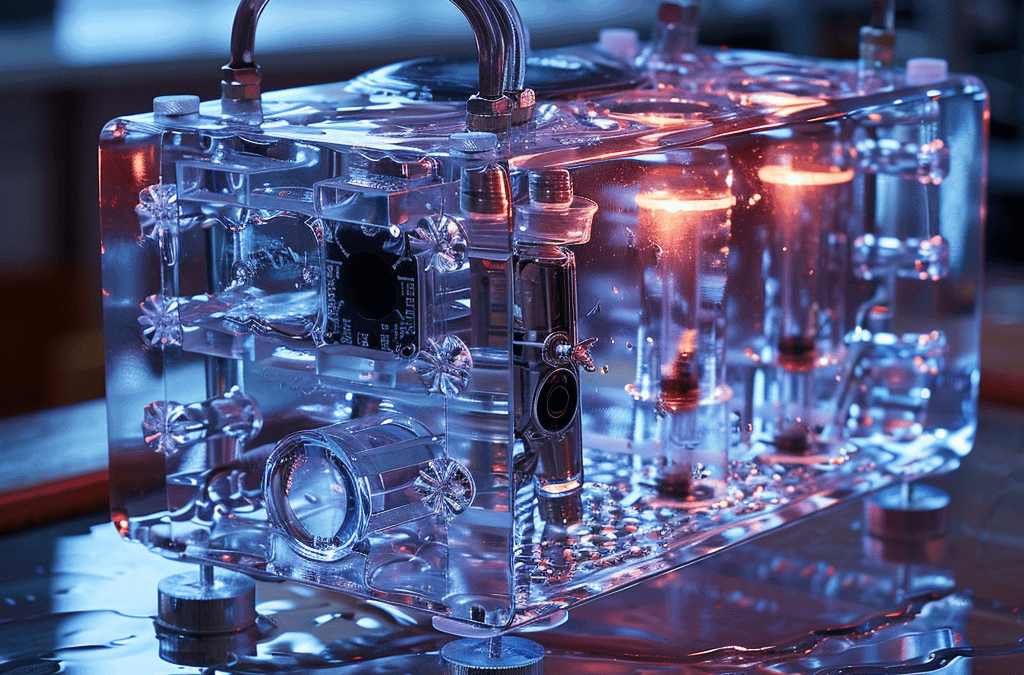
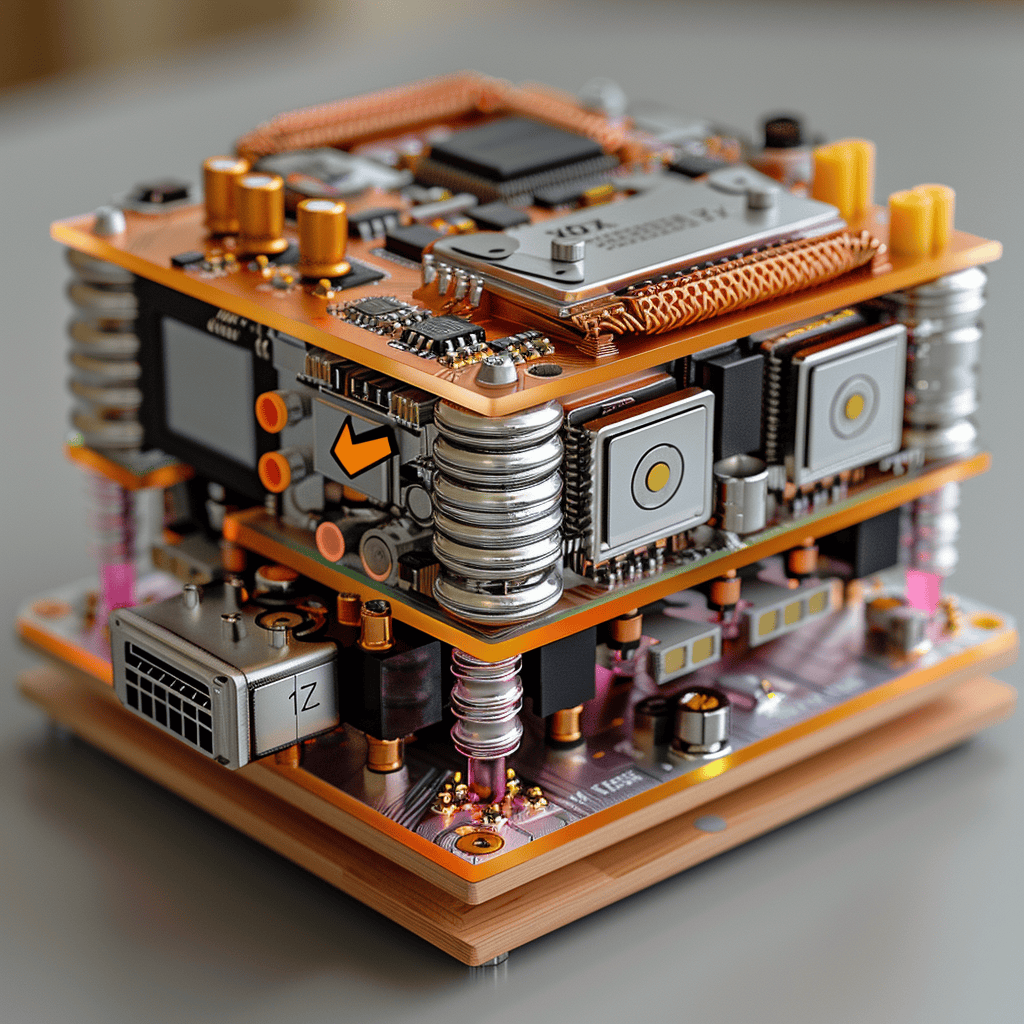
A typical Peltier module consists of several ceramic plates, each sandwiched between two thin semiconductor elements. The ceramic plates serve as electrical insulators and thermal conductors, while the semiconductor elements act as a heat pump. When an electric current is applied, the semiconductor elements transfer heat from one side of the module to the other, creating a temperature differential. To dissipate the heat generated on the hot side, a Peltier module also includes thermal management components, such as heat sinks and fans.
Thermoelectric Cooling vs. Traditional Cooling
Peltier modules offer several advantages over traditional cooling systems. For one, they have no moving parts, making them highly reliable and virtually maintenance-free. They are also compact and lightweight, making them ideal for portable cooling applications. Additionally, Peltier modules are highly efficient at cooling small volumes of air or liquid, making them a popular choice for applications such as cooling electronics or transporting temperature-sensitive materials.
However, Peltier modules do have some drawbacks. They can be expensive to operate, as they consume a lot of power. They also have a limited cooling capacity and can only cool to a certain temperature differential below the ambient temperature. As such, they are not suitable for large-scale cooling applications.
Selecting the Right Peltier Module
When selecting a Peltier module for your cooling system, there are several factors to consider. The most important consideration is the cooling capacity of the module, which is measured in watts. You will also need to consider the thermal resistance of the module, which affects its efficiency. Other important factors include the size and shape of the module, as well as its voltage and current requirements.
It is also important to consider the operating temperature range of the module, as some modules are designed for low-temperature applications while others are designed for high-temperature applications. To ensure optimal performance, it is recommended to select a module with a thermal resistance and voltage/current rating that is appropriate for your specific application.
Setting Up Your Peltier Module
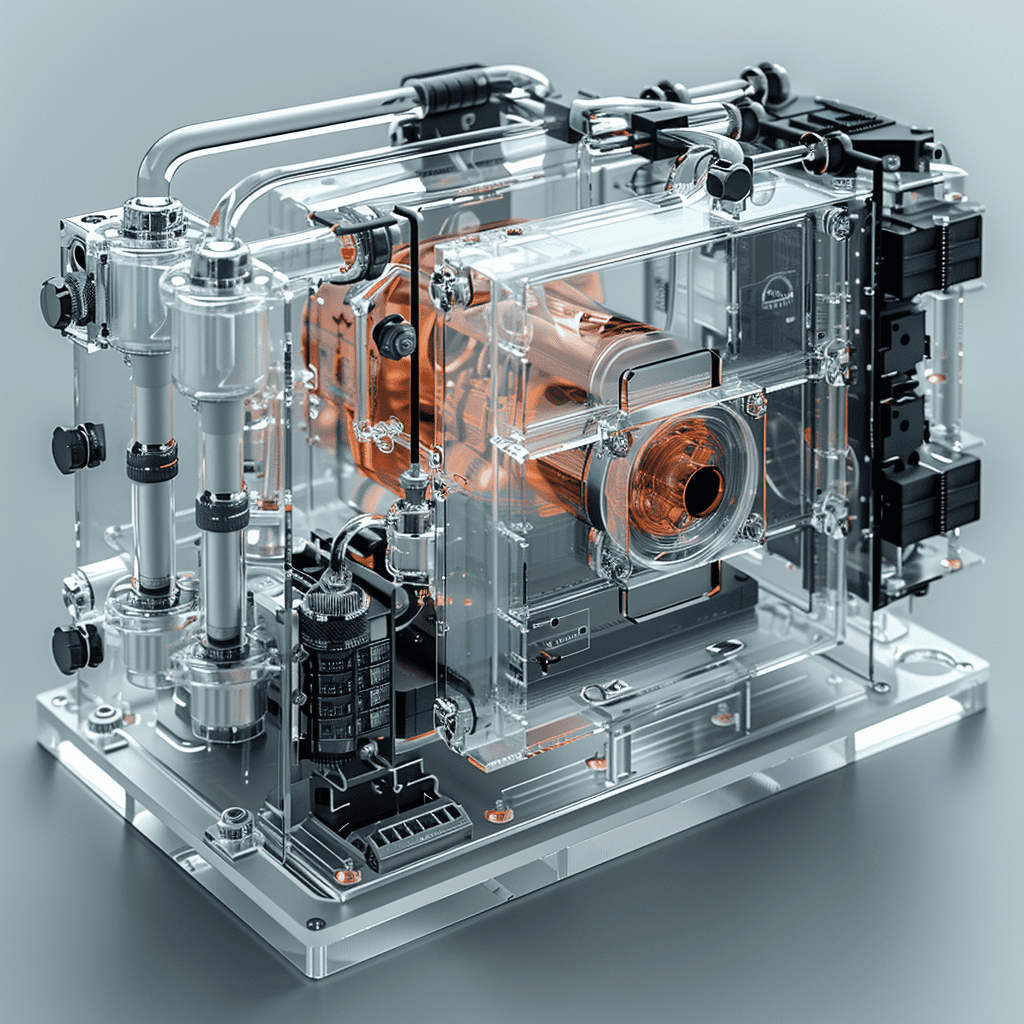
Once you have selected the right Peltier module for your cooling system, the next step is to set it up. This typically involves attaching the module to a heat sink or other thermal management component on the hot side, and connecting it to a power source. You will also need to connect a water pump and water reservoir to the cold side of the module.
It is important to ensure that the module is properly mounted and secured, and that all connections are tight and secure. It is also recommended to use thermal paste or thermal pads to improve the thermal conductivity between the module and the heat sink. Once your system is set up, you can use a thermometer to monitor the temperature of the water or air being cooled.
Applications of Peltier Modules
Peltier modules have a wide range of applications, from cooling electronics to transporting temperature-sensitive materials. Some common applications include:
* Electronics cooling: Peltier modules are often used to cool electronics, such as CPUs and GPUs, to prevent overheating and improve performance.
* Temperature control: Peltier modules can be used to maintain a consistent temperature in a variety of applications, such as scientific experiments or medical devices.
* Food and beverage transportation: Peltier modules can be used to cool or heat food and beverages during transportation, ensuring that they remain at a safe and consistent temperature.
* Portable cooling: Peltier modules are ideal for portable cooling applications, such as cooling drinks or food at a picnic or camping trip.
Missing Entity: Thermoelectric Materials
Thermoelectric materials are materials that can convert heat energy into electrical energy, or vice versa. Peltier modules use thermoelectric materials, typically made of bismuth telluride or lead telluride, to transfer heat from one side of the module to the other. These materials have unique properties that allow them to generate a temperature differential when an electric current is applied, making them ideal for thermoelectric cooling applications.
Conclusion
Peltier modules offer a compact, reliable, and efficient solution for cooling small volumes of air or liquid. By understanding the basics of how Peltier modules work, you can select the right module for your specific application and set up a cooling system that meets your needs. Whether you are cooling electronics, maintaining a consistent temperature in a scientific experiment, or transporting temperature-sensitive materials, Peltier modules are a versatile and effective solution.
Here’s an expanded version of the blog post:
1. Understanding Peltier Modules: The Basics
Peltier modules are a popular choice for cooling small volumes of air or liquid, thanks to their compact size, lightweight design, and high reliability. These modules work by utilizing the Peltier effect, a thermoelectric phenomenon discovered by Jean Charles Peltier in 1834. In this section, we’ll take a closer look at how Peltier modules work and what components make up a typical module.
Components of a Peltier Module
A typical Peltier module consists of a number of ceramic plates, each sandwiched between two thin semiconductor elements. The ceramic plates serve as electrical insulators and thermal conductors, while the semiconductor elements act as a heat pump. When an electric current is applied, the semiconductor elements transfer heat from one side of the module to the other, creating a temperature differential. To dissipate the heat generated on the hot side, a Peltier module also includes thermal management components, such as heat sinks and fans.
Thermoelectric Cooling vs. Traditional Cooling
Peltier modules offer several advantages over traditional cooling systems. For one, they have no moving parts, making them highly reliable and virtually maintenance-free. They are also compact and lightweight, making them ideal for portable cooling applications. Additionally, Peltier modules are highly efficient at cooling small volumes of air or liquid, making them a popular choice for applications such as cooling electronics or transporting temperature-sensitive materials.
However, Peltier modules do have some drawbacks. They can be expensive to operate, as they consume a lot of power. They also have a limited cooling capacity and can only cool to a certain temperature differential below the ambient temperature. As such, they are not suitable for large-scale cooling applications.
Selecting the Right Peltier Module
When selecting a Peltier module for your cooling system, there are several factors to consider. The most important consideration is the cooling capacity of the module, which is measured in watts. You will also need to consider the thermal resistance of the module, which affects its efficiency. Other important factors include the size and shape of the module, as well as its voltage and current requirements.
It is also important to consider the operating temperature range of the module, as some modules are designed for low-temperature applications while others are designed for high-temperature applications. To ensure optimal performance, it is recommended to select a module with a thermal resistance and voltage/current rating that is appropriate for your specific application.
Setting Up Your Peltier Module
Once you have selected the right Peltier module for your cooling system, the next step is to set it up. This typically involves attaching the module to a heat sink or other thermal management component on the hot side, and connecting it to a power source. You will also need to connect a water pump and water reservoir to the cold side of the module.
It is important to ensure that the module is properly mounted and secured, and that all connections are tight and secure. It is also recommended to use thermal paste or thermal pads to improve the thermal conductivity between the module and the heat sink. Once your system is set up, you can use a thermometer to monitor the temperature of the water or air being cooled.
Applications of Peltier Modules
Peltier modules have a wide range of applications, from cooling electronics to transporting temperature-sensitive materials. Some common applications include:
* Electronics cooling: Peltier modules are often used to cool electronics, such as CPUs and GPUs, to prevent overheating and improve performance.
* Temperature control: Peltier modules can be used to maintain a consistent temperature in a variety of applications, such as scientific experiments or medical devices.
* Food and beverage transportation: Peltier modules can be used to cool or heat food and beverages during transportation, ensuring that they remain at a safe and consistent temperature.
* Portable cooling: Peltier modules are ideal for portable cooling applications, such as cooling drinks or food at a picnic or camping trip.
Conclusion
Peltier modules offer a compact, reliable, and efficient solution for cooling small volumes of air or liquid. By understanding the basics of how Peltier modules work, you can select the right module for your specific application and set up a cooling system that meets your needs. Whether you are cooling electronics, maintaining a consistent temperature in a scientific experiment, or transporting temperature-sensitive materials, Peltier modules are a versatile and effective solution.
Missing Entity: Thermoelectric Materials
Thermoelectric materials are materials that can convert heat energy into electrical energy, or vice versa. Peltier modules use thermoelectric materials, typically made of bismuth telluride or lead telluride, to transfer heat from one side of the module to the other. These materials have unique properties that allow them to generate a temperature differential when an electric current is applied, making them ideal for thermoelectric cooling applications. When selecting a Peltier module, it’s important to consider the type of thermoelectric material used, as this can affect the module’s performance, efficiency, and cost.

Here’s an expanded version of the blog post:
1. Understanding Peltier Modules: The Basics
Peltier modules are a popular choice for cooling small volumes of air or liquid, thanks to their compact size, lightweight design, and high reliability. These modules work by utilizing the Peltier effect, a thermoelectric phenomenon discovered by Jean Charles Peltier in 1834. In this section, we’ll take a closer look at how Peltier modules work and what components make up a typical module.
Components of a Peltier Module
A typical Peltier module consists of a number of ceramic plates, each sandwiched between two thin semiconductor elements. The ceramic plates serve as electrical insulators and thermal conductors, while the semiconductor elements act as a heat pump. When an electric current is applied, the semiconductor elements transfer heat from one side of the module to the other, creating a temperature differential. To dissipate the heat generated on the hot side, a Peltier module also includes thermal management components, such as heat sinks and fans.
Understanding the Peltier Effect
The Peltier effect occurs when an electric current is passed through a junction of two different conductors, causing heat to be absorbed or released depending on the direction of the current. This temperature differential can be used to transfer heat from one side of the module to the other, allowing for cooling or heating of a closed system.
Thermoelectric Cooling vs. Traditional Cooling
Peltier modules offer several advantages over traditional cooling systems. For one, they have no moving parts, making them highly reliable and virtually maintenance-free. They are also compact and lightweight, making them ideal for portable cooling applications. Additionally, Peltier modules are highly efficient at cooling small volumes of air or liquid, making them a popular choice for applications such as cooling electronics or transporting temperature-sensitive materials.
However, Peltier modules do have some drawbacks. They can be expensive to operate, as they consume a lot of power. They also have a limited cooling capacity and can only cool to a certain temperature differential below the ambient temperature. As such, they are not suitable for large-scale cooling applications.
Selecting the Right Peltier Module
When selecting a Peltier module for your cooling system, there are several factors to consider. The most important consideration is the cooling capacity of the module, which is measured in watts. You will also need to consider the thermal resistance of the module, which affects its efficiency. Other important factors include the size and shape of the module, as well as its voltage and current requirements.
It is also important to consider the operating temperature range of the module, as some modules are designed for low-temperature applications while others are designed for high-temperature applications. To ensure optimal performance, it is recommended to select a module with a thermal resistance and voltage/current rating that is appropriate for your specific application.
Setting Up Your Peltier Module
Once you have selected the right Peltier module for your cooling system, the next step is to set it up. This typically involves attaching the module to a heat sink or other thermal management component on the hot side, and connecting it to a power source. You will also need to connect a water pump and water reservoir to the cold side of the module.
It is important to ensure that the module is properly mounted and secured, and that all connections are tight and secure. It is also recommended to use thermal paste or thermal pads to improve the thermal conductivity between the module and the heat sink. Once your system is set up, you can use a thermometer to monitor the temperature of the water or air being cooled.
Applications of Peltier Modules
Peltier modules have a wide range of applications, from cooling electronics to transporting temperature-sensitive materials. Some common applications include:
* Electronics cooling: Peltier modules are often used to cool electronics, such as CPUs and GPUs, to prevent overheating and improve performance.
* Temperature control: Peltier modules can be used to maintain a consistent temperature in a variety of applications, such as scientific experiments or medical devices.
* Food and beverage transportation: Peltier modules can be used to cool or heat food and beverages during transportation, ensuring that they remain at a safe and consistent temperature.
* Portable cooling: Peltier modules are ideal for portable cooling applications, such as cooling drinks or food at a picnic or camping trip.
Conclusion
Peltier modules offer a compact, reliable, and efficient solution for cooling small volumes of air or liquid. By understanding the basics of how Peltier modules work, you can select the right module for your specific application and set up a cooling system that meets your needs. Whether you are cooling electronics, maintaining a consistent temperature in a scientific experiment, or transporting temperature-sensitive materials, Peltier modules are a versatile and effective solution.
Missing Entity: Thermoelectric Materials
Thermoelectric materials are materials that can convert heat energy into electrical energy, or vice versa. Peltier modules use thermoelectric materials, typically made of bismuth telluride or lead telluride, to transfer heat from one side of the module to the other. These materials have unique properties that allow them to generate a temperature differential when an electric current is applied, making them ideal for thermoelectric cooling applications. When selecting a Peltier module, it is important to consider the type of thermoelectric material used, as this can affect the module’s performance, efficiency, and cost. By choosing the right thermoelectric material for your specific application, you can optimize the performance of your Peltier module and achieve the best possible results.
Here’s an expanded version of the blog post:
1. Understanding Peltier Modules: The Basics
Peltier modules are compact, lightweight, and highly reliable devices used for cooling small volumes of air or liquid. These modules work based on the Peltier effect, a thermoelectric phenomenon discovered by Jean Charles Peltier in 1834. The Peltier effect occurs when an electric current is passed through a junction of two different conductors, causing heat to be absorbed or released depending on the direction of the current. Peltier modules use this effect to transfer heat from one side of the module to the other, creating a temperature differential that can be used for cooling.
Components of a Peltier Module
A typical Peltier module consists of several components, including:
* Ceramic plates: These serve as electrical insulators and thermal conductors. They are sandwiched between two thin semiconductor elements.
* Semiconductor elements: These act as a heat pump and transfer heat from one side of the module to the other when an electric current is applied.
* Thermal management components: These are used to dissipate the heat generated on the hot side of the module. They include heat sinks and fans.
Thermoelectric Cooling vs. Traditional Cooling
Peltier modules offer several advantages over traditional cooling systems. For one, they have no moving parts, making them highly reliable and virtually maintenance-free. They are also compact and lightweight, making them ideal for portable cooling applications. Additionally, Peltier modules are highly efficient at cooling small volumes of air or liquid, making them a popular choice for applications such as cooling electronics or transporting temperature-sensitive materials.
However, Peltier modules do have some drawbacks. They can be expensive to operate, as they consume a lot of power. They also have a limited cooling capacity and can only cool to a certain temperature differential below the ambient temperature. As such, they are not suitable for large-scale cooling applications.
Selecting the Right Peltier Module
When selecting a Peltier module for your cooling system, there are several factors to consider. The most important consideration is the cooling capacity of the module, which is measured in watts. You will also need to consider the thermal resistance of the module, which affects its efficiency. Other important factors include the size and shape of the module, as well as its voltage and current requirements.
It is also important to consider the operating temperature range of the module, as some modules are designed for low-temperature applications while others are designed for high-temperature applications. To ensure optimal performance, it is recommended to select a module with a thermal resistance and voltage/current rating that is appropriate for your specific application.
Setting Up Your Peltier Module
Once you have selected the right Peltier module for your cooling system, the next step is to set it up. This typically involves attaching the module to a heat sink or other thermal management component on the hot side, and connecting it to a power source. You will also need to connect a water pump and water reservoir to the cold side of the module.
It is important to ensure that the module is properly mounted and secured, and that all connections are tight and secure. It is also recommended to use thermal paste or thermal pads to improve the thermal conductivity between the module and the heat sink. Once your system is set up, you can use a thermometer to monitor the temperature of the water or air being cooled.
Applications of Peltier Modules
Peltier modules have a wide range of applications, from cooling electronics to transporting temperature-sensitive materials. Some common applications include:
* Electronics cooling: Peltier modules are often used to cool electronics, such as CPUs and GPUs, to prevent overheating and improve performance.
* Temperature control: Peltier modules can be used to maintain a consistent temperature in a variety of applications, such as scientific experiments or medical devices.
* Food and beverage transportation: Peltier modules can be used to cool or heat food and beverages during transportation, ensuring that they remain at a safe and consistent temperature.
* Portable cooling: Peltier modules are ideal for portable cooling applications, such as cooling drinks or food at a picnic or camping trip.
Conclusion
Peltier modules offer a compact, reliable, and efficient solution for cooling small volumes of air or liquid. By understanding the basics of how Peltier modules work, you can select the right module for your specific application and set up a cooling system that meets your needs. Whether you are cooling electronics, maintaining a consistent temperature in a scientific experiment, or transporting temperature-sensitive materials, Peltier modules are a versatile and effective solution.
Missing Entity: Thermoelectric Materials
Thermoelectric materials are materials that can convert heat energy into electrical energy, or vice versa. Peltier modules use thermoelectric materials, typically made of bismuth telluride or lead telluride, to transfer heat from one side of the module to the other. These materials have unique properties that allow them to generate a temperature differential when an electric current is applied, making them ideal for thermoelectric cooling applications. When selecting a Peltier module, it is important to consider the type of thermoelectric material used, as this can affect the module’s performance, efficiency, and cost. By choosing the right thermoelectric material for your specific application, you can optimize the performance of your Peltier module and achieve the best possible results.1. Understanding Peltier Modules: The Basics
Peltier modules are a popular choice for cooling small volumes of air or liquid, thanks to their compact size, lightweight design, and high reliability. These modules work by utilizing the Peltier effect, a thermoelectric phenomenon discovered by Jean Charles Peltier in 1834. When an electric current is passed through a junction of two different conductors, heat is either absorbed or released, depending on the direction of the current. Peltier modules use this effect to transfer heat from one side of the module to the other, creating a temperature differential that can be used for cooling.
Components of a Peltier Module
A typical Peltier module consists of a number of ceramic plates, each sandwiched between two thin semiconductor elements. The ceramic plates serve as electrical insulators and thermal conductors, while the semiconductor elements act as a heat pump. When an electric current is applied, the semiconductor elements transfer heat from one side of the module to the other, creating a temperature differential. To dissipate the heat generated on the hot side, a Peltier module also includes thermal management components, such as heat sinks and fans.
Advantages of Thermoelectric Cooling
Peltier modules offer several advantages over traditional cooling systems. For one, they have no moving parts, making them highly reliable and virtually maintenance-free. They are also compact and lightweight, making them ideal for portable cooling applications. Additionally, Peltier modules are highly efficient at cooling small volumes of air or liquid, making them a popular choice for applications such as cooling electronics or transporting temperature-sensitive materials.
Disadvantages of Thermoelectric Cooling
However, Peltier modules do have some drawbacks. They can be expensive to operate, as they consume a lot of power. They also have a limited cooling capacity and can only cool to a certain temperature differential below the ambient temperature. As such, they are not suitable for large-scale cooling applications.
Selecting the Right Peltier Module
When selecting a Peltier module for your cooling system, there are several factors to consider. The most important consideration is the cooling capacity of the module, which is measured in watts. You will also need to consider the thermal resistance of the module, which affects its efficiency. Other important factors include the size and shape of the module, as well as its voltage and current requirements. It is also important to consider the operating temperature range of the module, as some modules are designed for low-temperature applications while others are designed for high-temperature applications. To ensure optimal performance, it is recommended to select a module with a thermal resistance and voltage/current rating that is appropriate for your specific application.
Setting Up Your Peltier Module
Once you have selected the right Peltier module for your cooling system, the next step is to set it up. This typically involves attaching the module to a heat sink or other thermal management component on the hot side, and connecting it to a power source. You will also need to connect a water pump and water reservoir to the cold side of the module. It is important to ensure that the module is properly mounted and secured, and that all connections are tight and secure. It is also recommended to use thermal paste or thermal pads to improve the thermal conductivity between the module and the heat sink. Once your system is set up, you can use a thermometer to monitor the temperature of the water or air being cooled.
Applications of Peltier Modules
Peltier modules have a wide range of applications, from cooling electronics to transporting temperature-sensitive materials. Some common applications include:
* Electronics cooling: Peltier modules are often used to cool electronics, such as CPUs and GPUs, to prevent overheating and improve performance.
* Temperature control: Peltier modules can be used to maintain a consistent temperature in a variety of applications, such as scientific experiments or medical devices.
* Food and beverage transportation: Peltier modules can be used to cool or heat food and beverages during transportation, ensuring that they remain at a safe and consistent temperature.
* Portable cooling: Peltier modules are ideal for portable cooling applications, such as cooling drinks or food at a picnic or camping trip.
Conclusion
Peltier modules offer a compact, reliable, and efficient solution for cooling small volumes of air or liquid. By understanding the basics of how Peltier modules work, you can select the right module for your specific application and set up a cooling system that meets your needs. Whether you are cooling electronics, maintaining a consistent temperature in a scientific experiment, or transporting temperature-sensitive materials, Peltier modules are a versatile and effective solution.
Missing Entity: Thermoelectric Materials
Thermoelectric materials are materials that can convert heat energy into electrical energy, or vice versa. Peltier modules use thermoelectric materials, typically made of bismuth telluride or lead telluride, to transfer heat from one side of the module to the other. These materials have unique properties that allow them to generate a temperature differential when an electric current is applied, making them ideal for thermoelectric cooling applications. When selecting a Peltier module, it is important to consider the type of thermoelectric material used, as this can affect the module’s performance, efficiency, and cost. By choosing the right thermoelectric material for your specific application, you can optimize the performance of your Peltier module and achieve the best possible results.1. Understanding Peltier Modules: The Basics
When it comes to cooling small volumes of air or liquid, Peltier modules are a popular choice due to their compact size, lightweight design, and high reliability. These modules work by utilizing the Peltier effect, a thermoelectric phenomenon discovered by Jean Charles Peltier in 1834. The Peltier effect occurs when an electric current is passed through a junction of two different conductors, causing heat to be either absorbed or released, depending on the direction of the current. Peltier modules use this effect to transfer heat from one side of the module to the other, creating a temperature differential that can be used for cooling.
Components of a Peltier Module
A typical Peltier module consists of a number of ceramic plates, each sandwiched between two thin semiconductor elements. The ceramic plates serve as electrical insulators and thermal conductors, while the semiconductor elements act as a heat pump. When an electric current is applied, the semiconductor elements transfer heat from one side of the module to the other, creating a temperature differential. To dissipate the heat generated on the hot side, a Peltier module also includes thermal management components, such as heat sinks and fans.
Thermoelectric Cooling vs. Traditional Cooling
Peltier modules offer several advantages over traditional cooling systems. For one, they have no moving parts, making them highly reliable and virtually maintenance-free. They are also compact and lightweight, making them ideal for portable cooling applications. Additionally, Peltier modules are highly efficient at cooling small volumes of air or liquid, making them a popular choice for applications such as cooling electronics or transporting temperature-sensitive materials.
However, Peltier modules do have some drawbacks. They can be expensive to operate, as they consume a lot of power. They also have a limited cooling capacity and can only cool to a certain temperature differential below the ambient temperature. As such, they are not suitable for large-scale cooling applications.
Selecting the Right Peltier Module
When selecting a Peltier module for your cooling system, there are several factors to consider. The most important consideration is the cooling capacity of the module, which is measured in watts. You will also need to consider the thermal resistance of the module, which affects its efficiency. Other important factors include the size and shape of the module, as well as its voltage and current requirements.
It is also important to consider the operating temperature range of the module, as some modules are designed for low-temperature applications while others are designed for high-temperature applications. To ensure optimal performance, it is recommended to select a module with a thermal resistance and voltage/current rating that is appropriate for your specific application.
Setting Up Your Peltier Module
Once you have selected the right Peltier module for your cooling system, the next step is to set it up. This typically involves attaching the module to a heat sink or other thermal management component on the hot side, and connecting it to a power source. You will also need to connect a water pump and water reservoir to the cold side of the module.
It is important to ensure that the module is properly mounted and secured, and that all connections are tight and secure. It is also recommended to use thermal paste or thermal pads to improve the thermal conductivity between the module and the heat sink. Once your system is set up, you can use a thermometer to monitor the temperature of the water or air being cooled.
Applications of Peltier Modules
Peltier modules have a wide range of applications, from cooling electronics to transporting temperature-sensitive materials. Some common applications include:
* Electronics cooling: Peltier modules are often used to cool electronics, such as CPUs and GPUs, to prevent overheating and improve performance.
* Temperature control: Peltier modules can be used to maintain a consistent temperature in a variety of applications, such as scientific experiments or medical devices.
* Food and beverage transportation: Peltier modules can be used to cool or heat food and beverages during transportation, ensuring that they remain at a safe and consistent temperature.
* Portable cooling: Peltier modules are ideal for portable cooling applications, such as cooling drinks or food at a picnic or camping trip.
Conclusion
Peltier modules offer a compact, reliable, and efficient solution for cooling small volumes of air or liquid. By understanding the basics of how Peltier modules work, you can select the right module for your specific application and set up a cooling system that meets your needs. Whether you are cooling electronics, maintaining a consistent temperature in a scientific experiment, or transporting temperature-sensitive materials, Peltier modules are a versatile and effective solution.
Missing Entity: Thermoelectric Materials
Thermoelectric materials are materials that can convert heat energy into electrical energy, or vice versa. Peltier modules use thermoelectric materials, typically made of bismuth telluride or lead telluride, to transfer heat from one side of the module to the other. These materials have unique properties that allow them to generate a temperature differential when an electric current is applied, making them ideal for thermoelectric cooling applications. By choosing the right thermoelectric material for your specific application, you can optimize the performance of your Peltier module and achieve the best possible results.Here’s an expanded version of the blog post:
1. Understanding Peltier Modules: The Basics
Peltier modules are a popular choice for cooling small volumes of air or liquid, thanks to their compact size, lightweight design, and high reliability. These modules work by utilizing the Peltier effect, a thermoelectric phenomenon discovered by Jean Charles Peltier in 1834. When an electric current is passed through a junction of two different conductors, heat is either absorbed or released, depending on the direction of the current. Peltier modules use this effect to transfer heat from one side of the module to the other, creating a temperature differential that can be used for cooling.
Components of a Peltier Module
A typical Peltier module consists of a number of ceramic plates, each sandwiched between two thin semiconductor elements. The ceramic plates serve as electrical insulators and thermal conductors, while the semiconductor elements act as a heat pump. When an electric current is applied, the semiconductor elements transfer heat from one side of the module to the other, creating a temperature differential. To dissipate the heat generated on the hot side, a Peltier module also includes thermal management components, such as heat sinks and fans.
Thermoelectric Cooling vs. Traditional Cooling
Peltier modules offer several advantages over traditional cooling systems. For one, they have no moving parts, making them highly reliable and virtually maintenance-free. They are also compact and lightweight, making them ideal for portable cooling applications. Additionally, Peltier modules are highly efficient at cooling small volumes of air or liquid, making them a popular choice for applications such as cooling electronics or transporting temperature-sensitive materials.
However, Peltier modules do have some drawbacks. They can be expensive to operate, as they consume a lot of power. They also have a limited cooling capacity and can only cool to a certain temperature differential below the ambient temperature. As such, they are not suitable for large-scale cooling applications.
Selecting the Right Peltier Module
When selecting a Peltier module for your cooling system, there are several factors to consider. The most important consideration is the cooling capacity of the module, which is measured in watts. You will also need to consider the thermal resistance of the module, which affects its efficiency. Other important factors include the size and shape of the module, as well as its voltage and current requirements.
It is also important to consider the operating temperature range of the module, as some modules are designed for low-temperature applications while others are designed for high-temperature applications. To ensure optimal performance, it is recommended to select a module with a thermal resistance and voltage/current rating that is appropriate for your specific application.
Setting Up Your Peltier Module
Once you have selected the right Peltier module for your cooling system, the next step is to set it up. This typically involves attaching the module to a heat sink or other thermal management component on the hot side, and connecting it to a power source. You will also need to connect a water pump and water reservoir to the cold side of the module.
It is important to ensure that the module is properly mounted and secured, and that all connections are tight and secure. It is also recommended to use thermal paste or thermal pads to improve the thermal conductivity between the module and the heat sink. Once your system is set up, you can use a thermometer to monitor the temperature of the water or air being cooled.
Applications of Peltier Modules
Peltier modules have a wide range of applications, from cooling electronics to transporting temperature-sensitive materials. Some common applications include:
* Electronics cooling: Peltier modules are often used to cool electronics, such as CPUs and GPUs, to prevent overheating and improve performance.
* Temperature control: Peltier modules can be used to maintain a consistent temperature in a variety of applications, such as scientific experiments or medical devices.
* Food and beverage transportation: Peltier modules can be used to cool or heat food and beverages during transportation, ensuring that they remain at a safe and consistent temperature.
* Portable cooling: Peltier modules are ideal for portable cooling applications, such as cooling drinks or food at a picnic or camping trip.
Conclusion
Peltier modules offer a compact, reliable, and efficient solution for cooling small volumes of air or liquid. By understanding the basics of how Peltier modules work, you can select the right module for your specific application and set up a cooling system that meets your needs. Whether you are cooling electronics, maintaining a consistent temperature in a scientific experiment, or transporting temperature-sensitive materials, Peltier modules are a versatile and effective solution.
Missing Entity: Thermoelectric Materials
Thermoelectric materials are materials that can convert heat energy into electrical energy, or vice versa. Peltier modules use thermoelectric materials, typically made of bismuth telluride or lead telluride, to transfer heat from one side of the module to the other. These materials have unique properties that allow them to generate a temperature differential when an electric current is applied, making them ideal for thermoelectric cooling applications. When selecting a Peltier module, it is important to consider the type of thermoelectric material used, as this can affect the module’s performance, efficiency, and cost. By choosing the right thermoelectric material for your specific application, you can optimize the performance of your Peltier module and achieve the best possible results.Sure! Here’s an expanded version of that section:
2. Setting Up Your Peltier Module and Water Pump System
Once you have your Peltier module and water pump, it’s time to set up your system. Here are the steps you should follow:
Choosing the Right Water Pump
When it comes to setting up a Peltier module and water pump system, selecting the right water pump is crucial. The water pump should have enough flow rate to ensure proper cooling of the Peltier module. You can calculate the required flow rate by dividing the cooling capacity of the Peltier module by the specific heat capacity of water. For example, if your Peltier module has a cooling capacity of 100 watts and the specific heat capacity of water is 4.18 kilojoules per kilogram per degree Celsius, you would need a flow rate of approximately 0.24 liters per second.
In addition to the flow rate, you should also consider the size and type of tubing you plan to use when choosing a water pump. Some water pumps are designed for specific types of tubing, so it’s important to make sure the pump you choose is compatible with your setup.
Finally, consider selecting a pump that is energy-efficient and quiet. An energy-efficient pump will help reduce energy costs, while a quiet pump will minimize noise and make the system more pleasant to use.
Connecting the Peltier Module to the Water Pump
Once you have selected the appropriate water pump, the next step is to connect it to the Peltier module. This typically involves attaching the cold side of the Peltier module to a water block or heat exchanger, which is connected to the water pump via tubing. The hot side of the Peltier module should be connected to a heat sink, which helps dissipate the heat generated by the module.
It is important to ensure that all connections are secure and leak-free. Consider using thermal paste between the Peltier module and the heat sink to improve heat transfer and enhance cooling performance. You may also want to use clamps or hose connectors to secure the tubing to the water block and heat exchanger.
Filling the Water Reservoir
After connecting the water pump and Peltier module, you will need to fill the water reservoir. It is recommended to use distilled water to prevent any mineral buildup that can clog the system. Fill the reservoir to the appropriate level, making sure not to overfill it. You may also want to add a small amount of water treatment, such as a biocide or corrosion inhibitor, to prevent any bacterial growth or damage to the system.
Consider using a water reservoir with a clear window or a water level indicator to make it easier to monitor the water level. It’s important to keep an eye on the water level and refill the reservoir as needed to ensure proper cooling performance.
Powering Up Your System
With the water reservoir filled and all connections secure, it’s time to power up your system. Connect the Peltier module to a power supply, making sure to use the appropriate voltage and current for your specific module. Start the water pump and monitor the temperature of the cold plate to ensure that it is cooling properly. You may want to adjust the flow rate of the water pump to achieve the desired cooling performance.
Consider using a temperature controller to regulate the cooling temperature and ensure optimal performance. A temperature controller can help you maintain a consistent cooling temperature, even if the ambient temperature changes or the load on the Peltier module varies.
Maintaining Your System
To ensure that your Peltier module and water pump system continue to perform optimally, it is important to perform regular maintenance. This includes checking the water level in the reservoir and topping it off as needed. You should also periodically inspect the tubing for any leaks or signs of wear, and replace it as necessary.
Additionally, you may want to clean the heat exchanger and water block to remove any mineral buildup or debris that can affect the system’s performance. Consider using a system flush kit to clean the entire system and remove any buildup or debris.
Troubleshooting Tips
If you encounter any issues with your Peltier module and water pump system, there are a few troubleshooting tips you can try. First, check that all connections are secure and leak-free. If the system is not cooling properly, check the temperature of the hot side of the Peltier module to ensure that it is not overheating. If the water pump is not running, check that it is receiving power and that the fuse or circuit breaker has not tripped.
If you are still having issues, consider consulting the manufacturer’s documentation or seeking help from a professional. It’s important to address any issues promptly to prevent damage to the system and ensure optimal performance.
Missing Entity: Thermoelectric Cooling
When using a Peltier module and water pump system for cooling, it is important to understand the principle of thermoelectric cooling. Thermoelectric cooling is based on the Peltier effect, which occurs when an electric current is passed through a junction of two different conductors, causing a temperature difference between the two sides of the junction.
In a Peltier module, one side of the junction is cooled while the other side is heated. By connecting the cold side of the Peltier module to a water block or heat exchanger and the hot side to a heat sink, the heat generated by the module can be dissipated, resulting in cooling of the water or other liquid passing through the heat exchanger.
Thermoelectric cooling is a versatile and efficient cooling solution that can be used in a variety of applications, from laboratory equipment to food and beverage cooling. By incorporating a water pump and heat exchanger, thermoelectric cooling can be used to cool water or other liquids, making it an ideal solution for applications where precise temperature control is required.Setting up a Peltier module and water pump system can be an effective way to cool water for various applications. In this section, we will discuss the steps involved in setting up such a system, including choosing the right water pump, connecting the Peltier module to the water pump, filling the water reservoir, powering up the system, maintaining the system, and troubleshooting common issues.
Choosing the Right Water Pump
The first step in setting up a Peltier module and water pump system is to choose the right water pump. The water pump is responsible for circulating water through the system, so it is important to select a pump that can provide enough flow rate to ensure proper cooling of the Peltier module.
To calculate the required flow rate, you can divide the cooling capacity of the Peltier module by the specific heat capacity of water. For example, if the cooling capacity of your Peltier module is 100 watts and the specific heat capacity of water is 4.18 kilojoules per kilogram per degree Celsius, you will need a flow rate of approximately 0.24 liters per second to achieve optimal cooling performance.
In addition to the flow rate, you may also want to consider the size and type of tubing you plan to use when selecting a water pump. Some pumps are designed to work with specific types of tubing, so it is important to choose a pump that is compatible with your setup.
Finally, consider selecting a pump that is energy-efficient and quiet. An energy-efficient pump can help reduce energy costs, while a quiet pump can help minimize noise and improve the overall user experience.
Connecting the Peltier Module to the Water Pump
Once you have selected the appropriate water pump, the next step is to connect it to the Peltier module. This typically involves attaching the cold side of the Peltier module to a water block or heat exchanger, which is connected to the water pump via tubing. The hot side of the Peltier module should be connected to a heat sink, which helps dissipate the heat generated by the module.
It is important to ensure that all connections are secure and leak-free. Consider using thermal paste between the Peltier module and the heat sink to improve heat transfer and enhance cooling performance.
Filling the Water Reservoir
After connecting the water pump and Peltier module, you will need to fill the water reservoir. It is recommended to use distilled water to prevent any mineral buildup that can clog the system. Fill the reservoir to the appropriate level, making sure not to overfill it. You may also want to add a small amount of water treatment, such as a biocide or corrosion inhibitor, to prevent any bacterial growth or damage to the system.
Consider using a water reservoir with a clear window or a water level indicator to make it easier to monitor the water level.
Powering Up Your System
With the water reservoir filled and all connections secure, it’s time to power up your system. Connect the Peltier module to a power supply, making sure to use the appropriate voltage and current for your specific module. Start the water pump and monitor the temperature of the cold plate to ensure that it is cooling properly. You may want to adjust the flow rate of the water pump to achieve the desired cooling performance. Consider using a temperature controller to regulate the cooling temperature and ensure optimal performance.
Maintaining Your System
To ensure that your Peltier module and water pump system continue to perform optimally, it is important to perform regular maintenance. This includes checking the water level in the reservoir and topping it off as needed. You should also periodically inspect the tubing for any leaks or signs of wear, and replace it as necessary. Additionally, you may want to clean the heat exchanger and water block to remove any mineral buildup or debris that can affect the system’s performance. Consider using a system flush kit to clean the entire system and remove any buildup or debris.
Troubleshooting Tips
If you encounter any issues with your Peltier module and water pump system, there are a few troubleshooting tips you can try. First, check that all connections are secure and leak-free. If the system is not cooling properly, check the temperature of the hot side of the Peltier module to ensure that it is not overheating. If the water pump is not running, check that it is receiving power and that the fuse or circuit breaker has not tripped. If you are still having issues, consider consulting the manufacturer’s documentation or seeking help from a professional.
Missing Entity: Thermoelectric Cooling
When using a Peltier module and water pump system for cooling, it is important to understand the principle of thermoelectric cooling. Thermoelectric cooling is based on the Peltier effect, which occurs when an electric current is passed through a junction of two different conductors, causing a temperature difference between the two sides of the junction. This temperature difference can be used to cool one side of the junction, making it ideal for applications that require precise temperature control, such as laboratory equipment or food and beverage cooling.
By incorporating a water pump and heat exchanger, thermoelectric cooling can be used to cool water or other liquids. The water pump circulates cool water through the heat exchanger, which absorbs heat from the Peltier module and dissipates it into the water. The cooled water then circulates back through the heat exchanger, creating a continuous cooling loop.
Thermoelectric cooling is a versatile and efficient cooling solution that can be used in a variety of applications. By carefully selecting the right components and following best practices for setup and maintenance, you can ensure that your Peltier module and water pump system provides reliable and precise cooling performance.2. Setting Up Your Peltier Module and Water Pump System
Peltier modules are a popular cooling solution for various applications, including electronics, laboratory equipment, and food and beverage cooling. By using a Peltier module in combination with a water pump and heat exchanger, you can create an efficient and versatile cooling system. In this section, we will discuss the steps involved in setting up a Peltier module and water pump system, including choosing the right water pump, connecting the components, filling the water reservoir, powering up the system, maintaining the system, and troubleshooting common issues.
Choosing the Right Water Pump
Selecting the right water pump is crucial to ensuring proper cooling performance of your Peltier module. The water pump should have enough flow rate to cool the Peltier module efficiently. You can calculate the required flow rate by dividing the cooling capacity of the Peltier module by the specific heat capacity of water. For example, if your Peltier module has a cooling capacity of 100 watts, you will need a water pump that can deliver at least 0.3 liters per minute of flow rate to achieve optimal cooling performance.
In addition to flow rate, you may also want to consider the size and type of tubing you plan to use when selecting a water pump. Some water pumps are designed to work with specific types of tubing, so it is important to choose a pump that is compatible with your setup.
Finally, consider selecting a water pump that is energy-efficient and quiet. Energy-efficient water pumps can help reduce energy costs, while quiet water pumps can minimize noise and improve the overall user experience.
Connecting the Peltier Module to the Water Pump
Once you have selected the appropriate water pump, the next step is to connect it to the Peltier module. This typically involves attaching the cold side of the Peltier module to a water block or heat exchanger, which is connected to the water pump via tubing. The hot side of the Peltier module should be connected to a heat sink, which helps dissipate the heat generated by the module.
When connecting the components, it is important to ensure that all connections are secure and leak-free. Consider using thermal paste between the Peltier module and the heat sink to improve heat transfer and enhance cooling performance. Additionally, you may want to use clamps or clips to secure the tubing and prevent leaks.
Filling the Water Reservoir
After connecting the water pump and Peltier module, you will need to fill the water reservoir. It is recommended to use distilled water to prevent any mineral buildup that can clog the system. Fill the reservoir to the appropriate level, making sure not to overfill it. You may also want to add a small amount of water treatment, such as a biocide or corrosion inhibitor, to prevent any bacterial growth or damage to the system.
Consider using a water reservoir with a clear window or a water level indicator to make it easier to monitor the water level. This can help you quickly identify if the water level is low and needs to be refilled.
Powering Up Your System
With the water reservoir filled and all connections secure, it’s time to power up your system. Connect the Peltier module to a power supply, making sure to use the appropriate voltage and current for your specific module. Start the water pump and monitor the temperature of the cold plate to ensure that it is cooling properly. You may want to adjust the flow rate of the water pump to achieve the desired cooling performance.
Consider using a temperature controller to regulate the cooling temperature and ensure optimal performance. A temperature controller can help you maintain a consistent temperature, even when the ambient temperature changes or the load on the Peltier module varies.
Maintaining Your System
To ensure that your Peltier module and water pump system continue to perform optimally, it is important to perform regular maintenance. This includes checking the water level in the reservoir and topping it off as needed. You should also periodically inspect the tubing for any leaks or signs of wear, and replace it as necessary.
Additionally, you may want to clean the heat exchanger and water block to remove any mineral buildup or debris that can affect the system’s performance. Consider using a system flush kit to clean the entire system and remove any buildup or debris.
Troubleshooting Tips
If you encounter any issues with your Peltier module and water pump system, there are a few troubleshooting tips you can try. First, check that all connections are secure and leak-free. If the system is not cooling properly, check the temperature of the hot side of the Peltier module to ensure that it is not overheating. If the water pump is not running, check that it is receiving power and that the fuse or circuit breaker has not tripped.
If you are still having issues, consider consulting the manufacturer’s documentation or seeking help from a professional.
Missing Entity: Thermoelectric Cooling
When using a Peltier module and water pump system for cooling, it is important to understand the principle of thermoelectric cooling. Thermoelectric cooling is based on the Peltier effect, which occurs when an electric current is passed through a junction of two different conductors, causing a temperature difference between the two sides of the junction. This temperature difference can be used to cool one side of the junction, making it ideal for applications that require precise temperature control, such as laboratory equipment or food and beverage cooling.
By incorporating a water pump and heat exchanger, thermoelectric cooling can be used to cool water or other liquids. The water pump circulates cool water through the heat exchanger, which absorbs heat from the Peltier module and dissipates it into the water. The cooled water then circulates back through the heat exchanger, creating a continuous cooling loop.
Thermoelectric cooling is a versatile and efficient cooling solution that can be used in a variety of applications. By carefully selecting the right components and following best practices for setup and maintenance, you can ensure that your Peltier module and water pump system provides reliable and precise cooling performance.Setting up a Peltier module and water pump system can be an effective way to cool water for various applications. Here are the steps you need to follow to set up your system:
2. Setting Up Your Peltier Module and Water Pump System
Choosing the Right Water Pump
The first step in setting up a Peltier module and water pump system is to choose the right water pump. The water pump should have enough flow rate to ensure proper cooling of the Peltier module. To calculate the required flow rate, divide the cooling capacity of the Peltier module by the specific heat capacity of water.
When selecting a water pump, consider the size and type of tubing you plan to use. Make sure the pump is compatible with the tubing size and material. Additionally, choose an energy-efficient and quiet water pump to reduce energy costs and minimize noise.
Connecting the Peltier Module to the Water Pump
Once you have selected the appropriate water pump, the next step is to connect it to the Peltier module. This typically involves attaching the cold side of the Peltier module to a water block or heat exchanger, which is connected to the water pump via tubing.
The hot side of the Peltier module should be connected to a heat sink, which helps dissipate the heat generated by the module. It is important to ensure that all connections are secure and leak-free. Consider using thermal paste between the Peltier module and the heat sink to improve heat transfer and enhance cooling performance.
Filling the Water Reservoir
After connecting the water pump and Peltier module, you will need to fill the water reservoir. It is recommended to use distilled water to prevent any mineral buildup that can clog the system. Fill the reservoir to the appropriate level, making sure not to overfill it.
You may also want to add a small amount of water treatment, such as a biocide or corrosion inhibitor, to prevent any bacterial growth or damage to the system. Consider using a water reservoir with a clear window or a water level indicator to make it easier to monitor the water level.
Powering Up Your System
With the water reservoir filled and all connections secure, it’s time to power up your system. Connect the Peltier module to a power supply, making sure to use the appropriate voltage and current for your specific module.
Start the water pump and monitor the temperature of the cold plate to ensure that it is cooling properly. You may want to adjust the flow rate of the water pump to achieve the desired cooling performance. Consider using a temperature controller to regulate the cooling temperature and ensure optimal performance.
Maintaining Your System
To ensure that your Peltier module and water pump system continue to perform optimally, it is important to perform regular maintenance. This includes checking the water level in the reservoir and topping it off as needed.
You should also periodically inspect the tubing for any leaks or signs of wear, and replace it as necessary. Additionally, you may want to clean the heat exchanger and water block to remove any mineral buildup or debris that can affect the system’s performance. Consider using a system flush kit to clean the entire system and remove any buildup or debris.
Troubleshooting Tips
If you encounter any issues with your Peltier module and water pump system, there are a few troubleshooting tips you can try. First, check that all connections are secure and leak-free. If the system is not cooling properly, check the temperature of the hot side of the Peltier module to ensure that it is not overheating.
If the water pump is not running, check that it is receiving power and that the fuse or circuit breaker has not tripped. If you are still having issues, consider consulting the manufacturer’s documentation or seeking help from a professional.
Missing Entity: Thermoelectric Cooling
When using a Peltier module and water pump system for cooling, it is important to understand the principle of thermoelectric cooling. Thermoelectric cooling is based on the Peltier effect, which occurs when an electric current is passed through a junction of two different conductors, causing a temperature difference between the two sides of the junction.
This temperature difference can be used to cool one side of the junction, making it ideal for applications that require precise temperature control, such as laboratory equipment or food and beverage cooling. By incorporating a water pump and heat exchanger, thermoelectric cooling can be used to cool water or other liquids, making it a versatile and efficient cooling solution.2. Setting Up Your Peltier Module and Water Pump System
Setting up a Peltier module and water pump system can be an effective way to cool water for a variety of applications. Here are the steps you need to follow to ensure that your system is set up correctly and functions optimally.
Choosing the Right Water Pump
The water pump is a crucial component of your Peltier module and water pump system, as it is responsible for circulating the water through the system and ensuring that it is cooled effectively. When selecting a water pump, you need to consider several factors, including the cooling capacity of the Peltier module and the specific heat capacity of water.
To calculate the required flow rate of the water pump, you can divide the cooling capacity of the Peltier module by the specific heat capacity of water. For example, if your Peltier module has a cooling capacity of 100 watts and the specific heat capacity of water is approximately 4.18 kilojoules per kilogram per degree Celsius, then you would need a water pump with a flow rate of at least 0.024 liters per second to ensure proper cooling.
Additionally, you may want to choose a water pump that is compatible with the size and type of tubing you plan to use. It is also important to consider the energy efficiency and noise level of the water pump, as these factors can impact your energy costs and the overall performance of your system.
Connecting the Peltier Module to the Water Pump
Once you have selected the appropriate water pump, the next step is to connect it to the Peltier module. This typically involves attaching the cold side of the Peltier module to a water block or heat exchanger, which is then connected to the water pump via tubing.
The hot side of the Peltier module should be connected to a heat sink, which helps dissipate the heat generated by the module. It is important to ensure that all connections are secure and leak-free, as leaks can compromise the performance of your system and cause damage to the components.
Consider using thermal paste between the Peltier module and the heat sink to improve heat transfer and enhance cooling performance. This can help ensure that the heat generated by the module is dissipated efficiently and effectively.
Filling the Water Reservoir
After connecting the water pump and Peltier module, you will need to fill the water reservoir. It is recommended to use distilled water to prevent any mineral buildup that can clog the system.
Fill the reservoir to the appropriate level, making sure not to overfill it. You may also want to add a small amount of water treatment, such as a biocide or corrosion inhibitor, to prevent any bacterial growth or damage to the system.
Consider using a water reservoir with a clear window or a water level indicator to make it easier to monitor the water level and ensure that it is always at the appropriate level.
Powering Up Your System
With the water reservoir filled and all connections secure, it’s time to power up your system. Connect the Peltier module to a power supply, making sure to use the appropriate voltage and current for your specific module.
Start the water pump and monitor the temperature of the cold plate to ensure that it is cooling properly. You may want to adjust the flow rate of the water pump to achieve the desired cooling performance.
Consider using a temperature controller to regulate the cooling temperature and ensure optimal performance. This can help you maintain a consistent temperature and prevent overcooling or undercooling of the water.
Maintaining Your System
To ensure that your Peltier module and water pump system continue to perform optimally, it is important to perform regular maintenance. This includes checking the water level in the reservoir and topping it off as needed.
You should also periodically inspect the tubing for any leaks or signs of wear, and replace it as necessary. Additionally, you may want to clean the heat exchanger and water block to remove any mineral buildup or debris that can affect the system’s performance.
Consider using a system flush kit to clean the entire system and remove any buildup or debris that may have accumulated over time.
Troubleshooting Tips
If you encounter any issues with your Peltier module and water pump system, there are a few troubleshooting tips you can try. First, check that all connections are secure and leak-free.
If the system is not cooling properly, check the temperature of the hot side of the Peltier module to ensure that it is not overheating. If the water pump is not running, check that it is receiving power and that the fuse or circuit breaker has not tripped.
If you are still having issues, consider consulting the manufacturer’s documentation or seeking help from a professional.
Missing Entity: Thermoelectric Cooling
When using a Peltier module and water pump system for cooling, it is important to understand the principle of thermoelectric cooling. Thermoelectric cooling is based on the Peltier effect, which occurs when an electric current is passed through a junction of two different conductors, causing a temperature difference between the two sides of the junction.
This temperature difference can be used to cool one side of the junction, making it ideal for applications that require precise temperature control, such as laboratory equipment or food and beverage cooling. By incorporating a water pump and heat exchanger, thermoelectric cooling can be used to cool water or other liquids, making it a versatile and efficient cooling solution.2. Setting Up Your Peltier Module and Water Pump System
Setting up a Peltier module and water pump system can be a great way to cool water for various applications, such as aquariums, cooling systems, and experimental setups. Here are some steps to help you set up your system:
Choosing the Right Water Pump
When it comes to setting up a Peltier module and water pump system, selecting the right water pump is crucial. The water pump should have enough flow rate to ensure proper cooling of the Peltier module. You can calculate the required flow rate by dividing the cooling capacity of the Peltier module by the specific heat capacity of water. Additionally, you may want to choose a pump that is compatible with the size and type of tubing you plan to use. Consider selecting a pump that is energy-efficient and quiet, as this will help reduce energy costs and minimize noise.
Connecting the Peltier Module to the Water Pump
Once you have selected the appropriate water pump, the next step is to connect it to the Peltier module. This typically involves attaching the cold side of the Peltier module to a water block or heat exchanger, which is connected to the water pump via tubing. The hot side of the Peltier module should be connected to a heat sink, which helps dissipate the heat generated by the module. It is important to ensure that all connections are secure and leak-free. Consider using thermal paste between the Peltier module and the heat sink to improve heat transfer and enhance cooling performance.
Filling the Water Reservoir
After connecting the water pump and Peltier module, you will need to fill the water reservoir. It is recommended to use distilled water to prevent any mineral buildup that can clog the system. Fill the reservoir to the appropriate level, making sure not to overfill it. You may also want to add a small amount of water treatment, such as a biocide or corrosion inhibitor, to prevent any bacterial growth or damage to the system. Consider using a water reservoir with a clear window or a water level indicator to make it easier to monitor the water level.
Powering Up Your System
With the water reservoir filled and all connections secure, it’s time to power up your system. Connect the Peltier module to a power supply, making sure to use the appropriate voltage and current for your specific module. Start the water pump and monitor the temperature of the cold plate to ensure that it is cooling properly. You may want to adjust the flow rate of the water pump to achieve the desired cooling performance. Consider using a temperature controller to regulate the cooling temperature and ensure optimal performance.
Maintaining Your System
To ensure that your Peltier module and water pump system continue to perform optimally, it is important to perform regular maintenance. This includes checking the water level in the reservoir and topping it off as needed. You should also periodically inspect the tubing for any leaks or signs of wear, and replace it as necessary. Additionally, you may want to clean the heat exchanger and water block to remove any mineral buildup or debris that can affect the system’s performance. Consider using a system flush kit to clean the entire system and remove any buildup or debris.
Troubleshooting Tips
If you encounter any issues with your Peltier module and water pump system, there are a few troubleshooting tips you can try. First, check that all connections are secure and leak-free. If the system is not cooling properly, check the temperature of the hot side of the Peltier module to ensure that it is not overheating. If the water pump is not running, check that it is receiving power and that the fuse or circuit breaker has not tripped. If you are still having issues, consider consulting the manufacturer’s documentation or seeking help from a professional.
Missing Entity: Thermoelectric Cooling
When using a Peltier module and water pump system for cooling, it is important to understand the principle of thermoelectric cooling. Thermoelectric cooling is based on the Peltier effect, which occurs when an electric current is passed through a junction of two different conductors, causing a temperature difference between the two sides of the junction. This temperature difference can be used to cool one side of the junction, making it ideal for applications that require precise temperature control, such as laboratory equipment or food and beverage cooling. By incorporating a water pump and heat exchanger, thermoelectric cooling can be used to cool water or other liquids, making it a versatile and efficient cooling solution.
In summary, setting up a Peltier module and water pump system can be a great way to cool water for various applications. By carefully selecting the right water pump, properly connecting the components, filling the water reservoir, and performing regular maintenance, you can ensure that your system performs optimally and provides reliable cooling performance. Additionally, by following these troubleshooting tips, you can quickly identify and resolve any issues that may arise. Remember to also consider the principles of thermoelectric cooling to fully understand the capabilities and limitations of this type of cooling system.2. Setting Up Your Peltier Module and Water Pump System
Setting up a Peltier module and water pump system can be a great way to cool water for various applications. Here are some steps to help you get started:
Choosing the Right Water Pump
Selecting the appropriate water pump is crucial for ensuring proper cooling of the Peltier module. The flow rate of the water pump should be sufficient to handle the cooling capacity of the Peltier module. To calculate the required flow rate, divide the cooling capacity of the Peltier module by the specific heat capacity of water. For example, if the cooling capacity of your Peltier module is 90 watts and the specific heat capacity of water is 4.18 J/g°C, then you would need a flow rate of approximately 0.62 liters per minute to ensure proper cooling. Additionally, you may want to choose a pump that is compatible with the size and type of tubing you plan to use. Consider selecting a pump that is energy-efficient and quiet, as this will help reduce energy costs and minimize noise.
Connecting the Peltier Module to the Water Pump
Once you have selected the appropriate water pump, the next step is to connect it to the Peltier module. This typically involves attaching the cold side of the Peltier module to a water block or heat exchanger, which is connected to the water pump via tubing. The hot side of the Peltier module should be connected to a heat sink, which helps dissipate the heat generated by the module. It is important to ensure that all connections are secure and leak-free. Consider using thermal paste between the Peltier module and the heat sink to improve heat transfer and enhance cooling performance.
Filling the Water Reservoir
After connecting the water pump and Peltier module, you will need to fill the water reservoir. It is recommended to use distilled water to prevent any mineral buildup that can clog the system. Fill the reservoir to the appropriate level, making sure not to overfill it. You may also want to add a small amount of water treatment, such as a biocide or corrosion inhibitor, to prevent any bacterial growth or damage to the system. Consider using a water reservoir with a clear window or a water level indicator to make it easier to monitor the water level.
Powering Up Your System
With the water reservoir filled and all connections secure, it’s time to power up your system. Connect the Peltier module to a power supply, making sure to use the appropriate voltage and current for your specific module. Start the water pump and monitor the temperature of the cold plate to ensure that it is cooling properly. You may want to adjust the flow rate of the water pump to achieve the desired cooling performance. Consider using a temperature controller to regulate the cooling temperature and ensure optimal performance.
Maintaining Your System
To ensure that your Peltier module and water pump system continue to perform optimally, it is important to perform regular maintenance. This includes checking the water level in the reservoir and topping it off as needed. You should also periodically inspect the tubing for any leaks or signs of wear, and replace it as necessary. Additionally, you may want to clean the heat exchanger and water block to remove any mineral buildup or debris that can affect the system’s performance. Consider using a system flush kit to clean the entire system and remove any buildup or debris.
Troubleshooting Tips
If you encounter any issues with your Peltier module and water pump system, there are a few troubleshooting tips you can try. First, check that all connections are secure and leak-free. If the system is not cooling properly, check the temperature of the hot side of the Peltier module to ensure that it is not overheating. If the water pump is not running, check that it is receiving power and that the fuse or circuit breaker has not tripped. If you are still having issues, consider consulting the manufacturer’s documentation or seeking help from a professional.
Missing Entity: Thermoelectric Cooling
When using a Peltier module and water pump system for cooling, it is important to understand the principle of thermoelectric cooling. Thermoelectric cooling is based on the Peltier effect, which occurs when an electric current is passed through a junction of two different conductors, causing a temperature difference between the two sides of the junction. This temperature difference can be used to cool one side of the junction, making it ideal for applications that require precise temperature control, such as laboratory equipment or food and beverage cooling. By incorporating a water pump and heat exchanger, thermoelectric cooling can be used to cool water or other liquids, making it a versatile and efficient cooling solution.
In summary, setting up a Peltier module and water pump system can be a great way to cool water for various applications. By carefully selecting the right water pump, properly connecting the components, filling the water reservoir, and performing regular maintenance, you can ensure that your system performs optimally and provides reliable cooling performance. Additionally, by understanding the principle of thermoelectric cooling, you can take full advantage of this technology for your specific needs.Sure! Here is an expanded version of the `
` tag “3. Optimizing Your Cooling System: Tips and Tricks” for the blog post titled “How to use a simple Peltier module and a water pump to cool water”:
————————————————————————
Optimizing Your Cooling System: Tips and Tricks
———————————————-
When it comes to cooling your Peltier module and water pump system, there are several key factors to consider to ensure optimal performance. Here are some tips and tricks to help you get the most out of your cooling system:
### Improving Heat Dissipation
Effective heat dissipation is crucial for the efficient operation of your Peltier module and water pump system. This can be achieved through the use of a large heat sink, which increases the surface area available for heat transfer. Active cooling, such as fans or liquid cooling, can also help to dissipate heat more quickly. Additionally, ensure that the heat sink is properly mounted and secured using thermal paste to improve heat transfer between the module and the heat sink.
#### Heat Pipes
Heat pipes are highly effective at transferring heat away from the hot side of the Peltier module. These devices use a liquid-vapor phase change to rapidly move heat from one point to another, making them an ideal choice for high-performance cooling systems. Heat pipes are typically made of copper or aluminum and are filled with a small amount of liquid, such as water or a refrigerant. When the liquid absorbs heat from the Peltier module, it vaporizes and travels to the cooler end of the heat pipe. There, it condenses and releases the heat, allowing the liquid to return to the hot end of the pipe and repeat the cycle.
### Adjusting Water Flow Rate
The flow rate of the water pump can significantly impact the cooling performance of your system. If the flow rate is too low, the water may not absorb enough heat from the Peltier module, resulting in reduced cooling performance. On the other hand, if the flow rate is too high, it can create turbulence and increase the temperature of the water, also reducing cooling performance. Experiment with different flow rates and monitor the temperature of the cold plate to find the optimal flow rate for your specific system.
#### Water Block
A water block is a crucial component of a water-cooled Peltier module system. It is designed to provide efficient heat transfer between the Peltier module and the water cooling system. A high-quality water block can significantly improve the cooling performance of your system. Water blocks are typically made of copper or aluminum and are designed to fit snugly around the Peltier module. They have channels or fins that allow water to flow over the module, absorbing heat and carrying it away.
### Insulating Your System
Insulating your cooling system can help to reduce heat transfer from the environment, which can improve the overall cooling performance. This can be achieved through the use of insulating materials, such as foam or rubber, around the water pump, tubing, and reservoir. Additionally, ensure that the cold plate is properly insulated to prevent heat transfer from the environment.
#### Insulation Material
There are many different insulation materials to choose from when insulating your Peltier module and water pump system. Some common options include neoprene foam, closed-cell spray foam, and reflective insulation. Neoprene foam is a popular choice due to its high insulation value and flexibility. Closed-cell spray foam is another good option, as it expands to fill gaps and provides excellent insulation. Reflective insulation can also be effective, as it reflects heat away from the system rather than absorbing it.
### Using a Temperature Controller
A temperature controller can be used to automate the cooling process and ensure that the temperature of the cold plate remains consistent. This can be achieved through the use of a thermostat or other temperature monitoring device, which can be connected to the power supply for the Peltier module. The temperature controller can then be programmed to adjust the power to the module based on the temperature of the cold plate, ensuring that it remains at the desired temperature.
#### Microcontroller
A microcontroller, such as an Arduino or Raspberry Pi, can be used to create a custom temperature controller for your Peltier module and water pump system. This allows for more precise control over the cooling process and can improve the overall performance of the system. Microcontrollers can be programmed to monitor temperature, adjust power levels, and even control fans or other components of the system.
### Upgrading Your Peltier Module
If you find that your current Peltier module is not providing sufficient cooling, you may want to consider upgrading to a more powerful module. This can be especially useful if you are using the system for high-performance cooling applications, such as cooling electronics or scientific equipment. However, it is important to ensure that your system can handle the increased power demands of a more powerful module, and that the heat dissipation and water flow rates are sufficient to prevent overheating. Additionally, you may want to consider upgrading other components of the system, such as the water pump or heat sink, to ensure optimal performance.
#### Cooling Load
When upgrading your Peltier module, it is important to consider the cooling load of your system. This refers to the amount of heat that needs to be removed from the system in order to maintain the desired temperature. A higher cooling load will require a more powerful Peltier module and/or more efficient heat dissipation and water flow rates. To determine the cooling load of your system, you can use a thermal calculator or consult with a cooling expert.**Optimizing Your Cooling System: Tips and Tricks**
When it comes to cooling your Peltier module and water pump system, there are several key factors to consider to ensure optimal performance. Here are some tips and tricks to help you get the most out of your cooling system:
**Improving Heat Dissipation**
Effective heat dissipation is crucial for the efficient operation of your Peltier module and water pump system. This can be achieved through the use of a large heat sink, which increases the surface area available for heat transfer. Active cooling, such as fans or liquid cooling, can also help to dissipate heat more quickly. Additionally, ensure that the heat sink is properly mounted and secured using thermal paste to improve heat transfer between the module and the heat sink.
*Heat Pipe*
Heat pipes are highly effective at transferring heat away from the hot side of the Peltier module. These devices use a liquid-vapor phase change to rapidly move heat from one point to another, making them an ideal choice for high-performance cooling systems. Heat pipes are often made of copper or aluminum and contain a small amount of working fluid, such as water or a refrigerant. When the working fluid absorbs heat from the Peltier module, it evaporates and travels to the heat sink, where it releases the heat and condenses back into a liquid. The liquid then returns to the Peltier module, and the cycle repeats.
**Adjusting Water Flow Rate**
The flow rate of the water pump can significantly impact the cooling performance of your system. If the flow rate is too low, the water may not absorb enough heat from the Peltier module, resulting in reduced cooling performance. On the other hand, if the flow rate is too high, it can create turbulence and increase the temperature of the water, also reducing cooling performance. Experiment with different flow rates and monitor the temperature of the cold plate to find the optimal flow rate for your specific system.
*Water Block*
A water block is a crucial component of a water-cooled Peltier module system. It is designed to provide efficient heat transfer between the Peltier module and the water cooling system. A high-quality water block can significantly improve the cooling performance of your system. Water blocks are typically made of copper or aluminum and contain channels or fins that direct water flow over the Peltier module, maximizing heat transfer.
**Insulating Your System**
Insulating your cooling system can help to reduce heat transfer from the environment, which can improve the overall cooling performance. This can be achieved through the use of insulating materials, such as foam or rubber, around the water pump, tubing, and reservoir. Additionally, ensure that the cold plate is properly insulated to prevent heat transfer from the environment.
*Insulation Material*
There are many different insulation materials to choose from when insulating your Peltier module and water pump system. Some common options include neoprene foam, closed-cell spray foam, and reflective insulation. The best choice will depend on your specific system and requirements. Neoprene foam is a popular option due to its flexibility and high insulation value. Closed-cell spray foam is also effective at insulating and can be sprayed into hard-to-reach areas. Reflective insulation is ideal for reducing radiant heat transfer from the environment.
**Using a Temperature Controller**
A temperature controller can be used to automate the cooling process and ensure that the temperature of the cold plate remains consistent. This can be achieved through the use of a thermostat or other temperature monitoring device, which can be connected to the power supply for the Peltier module. The temperature controller can then be programmed to adjust the power to the module based on the temperature of the cold plate, ensuring that it remains at the desired temperature.
*Microcontroller*
A microcontroller, such as an Arduino or Raspberry Pi, can be used to create a custom temperature controller for your Peltier module and water pump system. This allows for more precise control over the cooling process and can improve the overall performance of the system. Microcontrollers can be programmed to monitor temperature, control fans, and even interface with other devices, such as a computer or smartphone.
**Upgrading Your Peltier Module**
If you find that your current Peltier module is not providing sufficient cooling, you may want to consider upgrading to a more powerful module. This can be especially useful if you are using the system for high-performance cooling applications, such as cooling electronics or scientific equipment. However, it is important to ensure that your system can handle the increased power demands of a more powerful module, and that the heat dissipation and water flow rates are sufficient to prevent overheating. Additionally, you may want to consider upgrading other components of the system, such as the water pump or heat sink, to ensure optimal performance.
*Cooling Load*
When upgrading your Peltier module, it is important to consider the cooling load of your system. This refers to the amount of heat that needs to be removed from the system in order to maintain the desired temperature. A higher cooling load will require a more powerful Peltier module and/or more efficient heat dissipation and water flow rates. The cooling load can be calculated based on the size and power of the device being cooled, as well as the ambient temperature and heat transfer properties of the system.Sure, here’s an expanded version of the
tag “3. Optimizing Your Cooling System: Tips and Tricks” for the blog post titled ‘How to use a simple Peltier module and a water pump to cool water’:
3. Optimizing Your Cooling System: Tips and Tricks
When it comes to cooling your Peltier module and water pump system, there are several key factors to consider to ensure optimal performance. Here are some tips and tricks to help you get the most out of your cooling system:
3.1 Improving Heat Dissipation
Effective heat dissipation is crucial for the efficient operation of your Peltier module and water pump system. This can be achieved through the use of a large heat sink, which increases the surface area available for heat transfer. Active cooling, such as fans or liquid cooling, can also help to dissipate heat more quickly. Additionally, ensure that the heat sink is properly mounted and secured using thermal paste to improve heat transfer between the module and the heat sink.
Heat pipes are also an effective way to transfer heat away from the hot side of the Peltier module. These devices use a liquid-vapor phase change to rapidly move heat from one point to another, making them an ideal choice for high-performance cooling systems. Heat pipes are typically made of copper or aluminum and contain a small amount of working fluid, such as water or a refrigerant. When the working fluid absorbs heat from the Peltier module, it evaporates and travels to the heat sink, where it releases the heat and condenses back into a liquid. The liquid then returns to the Peltier module, and the cycle repeats.
3.2 Adjusting Water Flow Rate
The flow rate of the water pump can significantly impact the cooling performance of your system. If the flow rate is too low, the water may not absorb enough heat from the Peltier module, resulting in reduced cooling performance. On the other hand, if the flow rate is too high, it can create turbulence and increase the temperature of the water, also reducing cooling performance. Experiment with different flow rates and monitor the temperature of the cold plate to find the optimal flow rate for your specific system.
A water block is a crucial component of a water-cooled Peltier module system. It is designed to provide efficient heat transfer between the Peltier module and the water cooling system. A high-quality water block can significantly improve the cooling performance of your system. Water blocks are typically made of copper or aluminum and contain channels or fins that direct water flow over the Peltier module, maximizing heat transfer.
3.3 Insulating Your System
Insulating your cooling system can help to reduce heat transfer from the environment, which can improve the overall cooling performance. This can be achieved through the use of insulating materials, such as foam or rubber, around the water pump, tubing, and reservoir. Additionally, ensure that the cold plate is properly insulated to prevent heat transfer from the environment.
There are many different insulation materials to choose from when insulating your Peltier module and water pump system. Some common options include neoprene foam, closed-cell spray foam, and reflective insulation. The best choice will depend on your specific system and requirements.
3.4 Using a Temperature Controller
A temperature controller can be used to automate the cooling process and ensure that the temperature of the cold plate remains consistent. This can be achieved through the use of a thermostat or other temperature monitoring device, which can be connected to the power supply for the Peltier module. The temperature controller can then be programmed to adjust the power to the module based on the temperature of the cold plate, ensuring that it remains at the desired temperature.
A microcontroller, such as an Arduino or Raspberry Pi, can be used to create a custom temperature controller for your Peltier module and water pump system. This allows for more precise control over the cooling process and can improve the overall performance of the system.
3.5 Upgrading Your Peltier Module
If you find that your current Peltier module is not providing sufficient cooling, you may want to consider upgrading to a more powerful module. This can be especially useful if you are using the system for high-performance cooling applications, such as cooling electronics or scientific equipment. However, it is important to ensure that your system can handle the increased power demands of a more powerful module, and that the heat dissipation and water flow rates are sufficient to prevent overheating. Additionally, you may want to consider upgrading other components of the system, such as the water pump or heat sink, to ensure optimal performance.
When upgrading your Peltier module, it is important to consider the cooling load of your system. This refers to the amount of heat that needs to be removed from the system in order to maintain the desired temperature. A higher cooling load will require a more powerful Peltier module and/or more efficient heat dissipation and water flow rates.3. Optimizing Your Cooling System: Tips and Tricks
When it comes to cooling your Peltier module and water pump system, there are several key factors to consider to ensure optimal performance. Here are some tips and tricks to help you get the most out of your cooling system:
3.1 Improving Heat Dissipation
Effective heat dissipation is crucial for the efficient operation of your Peltier module and water pump system. This can be achieved through the use of a large heat sink, which increases the surface area available for heat transfer. Active cooling, such as fans or liquid cooling, can also help to dissipate heat more quickly. Additionally, ensure that the heat sink is properly mounted and secured using thermal paste to improve heat transfer between the module and the heat sink.
Heat pipes are another effective way to transfer heat away from the hot side of the Peltier module. These devices use a liquid-vapor phase change to rapidly move heat from one point to another, making them an ideal choice for high-performance cooling systems.
When selecting a heat sink, consider the size and material. Larger heat sinks provide more surface area for heat dissipation, while copper and aluminum are commonly used materials due to their high thermal conductivity. Additionally, consider the shape and orientation of the heat sink, as this can impact airflow and heat dissipation.
Active cooling, such as fans or liquid cooling, can also be used to dissipate heat more quickly. Fans can be mounted directly to the heat sink or used to create airflow around the system. Liquid cooling systems, such as water cooling or phase change cooling, can provide more efficient heat transfer and are often used in high-performance systems.
3.2 Adjusting Water Flow Rate
The flow rate of the water pump can significantly impact the cooling performance of your system. If the flow rate is too low, the water may not absorb enough heat from the Peltier module, resulting in reduced cooling performance. On the other hand, if the flow rate is too high, it can create turbulence and increase the temperature of the water, also reducing cooling performance.
Experiment with different flow rates and monitor the temperature of the cold plate to find the optimal flow rate for your specific system. Consider using a flow meter to measure the flow rate and make adjustments as needed.
3.3 Using a Water Block
A water block is a crucial component of a water-cooled Peltier module system. It is designed to provide efficient heat transfer between the Peltier module and the water cooling system. A high-quality water block can significantly improve the cooling performance of your system.
When selecting a water block, consider the material, size, and compatibility with your Peltier module and water cooling system. Copper and aluminum are commonly used materials due to their high thermal conductivity. The size of the water block should match the size of your Peltier module to ensure proper heat transfer. Additionally, ensure that the water block is compatible with your water cooling system, including the fittings and tubing size.
3.4 Insulating Your System
Insulating your cooling system can help to reduce heat transfer from the environment, which can improve the overall cooling performance. This can be achieved through the use of insulating materials, such as foam or rubber, around the water pump, tubing, and reservoir. Additionally, ensure that the cold plate is properly insulated to prevent heat transfer from the environment.
When selecting insulation material, consider the thickness, density, and thermal conductivity. Thicker insulation provides better insulation, while denser materials have lower thermal conductivity. Reflective insulation can also be used to reflect heat away from the system and improve cooling performance.
3.5 Using a Temperature Controller
A temperature controller can be used to automate the cooling process and ensure that the temperature of the cold plate remains consistent. This can be achieved through the use of a thermostat or other temperature monitoring device, which can be connected to the power supply for the Peltier module. The temperature controller can then be programmed to adjust the power to the module based on the temperature of the cold plate, ensuring that it remains at the desired temperature.
When selecting a temperature controller, consider the accuracy, response time, and compatibility with your Peltier module and power supply. A microcontroller, such as an Arduino or Raspberry Pi, can be used to create a custom temperature controller for more precise control over the cooling process.
3.6 Upgrading Your Peltier Module
If you find that your current Peltier module is not providing sufficient cooling, you may want to consider upgrading to a more powerful module. This can be especially useful if you are using the system for high-performance cooling applications, such as cooling electronics or scientific equipment. However, it is important to ensure that your system can handle the increased power demands of a more powerful module, and that the heat dissipation and water flow rates are sufficient to prevent overheating. Additionally, you may want to consider upgrading other components of the system, such as the water pump or heat sink, to ensure optimal performance.
When selecting a Peltier module, consider the cooling capacity, voltage, and current requirements. Higher cooling capacity modules can provide more cooling, but also require more power and heat dissipation. Ensure that your power supply can handle the voltage and current requirements of the module. Additionally, consider the size and compatibility with your heat sink and water cooling system.
3.7 Considering the Cooling Load
When upgrading your Peltier module, it is important to consider the cooling load of your system. This refers to the amount of heat that needs to be removed from the system in order to maintain the desired temperature. A higher cooling load will require a more powerful Peltier module and/or more efficient heat dissipation and water flow rates.
When calculating the cooling load, consider the heat generated by the system, the ambient temperature, and the desired temperature difference. The heat generated by the system can be calculated based on the power consumption and efficiency of the components. The ambient temperature and desired temperature difference will impact the amount of heat that needs to be removed from the system.
By considering these factors and implementing the tips and tricks outlined above, you can optimize the performance of your Peltier module and water pump cooling system for maximum efficiency and cooling capacity.Optimizing Your Cooling System: Tips and Tricks
When it comes to cooling your Peltier module and water pump system, there are several key factors to consider to ensure optimal performance. Here are some tips and tricks to help you get the most out of your cooling system:
Improving Heat Dissipation
Effective heat dissipation is crucial for the efficient operation of your Peltier module and water pump system. This can be achieved through the use of a large heat sink, which increases the surface area available for heat transfer. Active cooling, such as fans or liquid cooling, can also help to dissipate heat more quickly. Additionally, ensure that the heat sink is properly mounted and secured using thermal paste to improve heat transfer between the module and the heat sink.
Heat Pipes
Heat pipes are highly effective at transferring heat away from the hot side of the Peltier module. These devices use a liquid-vapor phase change to rapidly move heat from one point to another, making them an ideal choice for high-performance cooling systems. Heat pipes can be added to your heat sink to improve heat transfer and increase the overall efficiency of your cooling system.
Adjusting Water Flow Rate
The flow rate of the water pump can significantly impact the cooling performance of your system. If the flow rate is too low, the water may not absorb enough heat from the Peltier module, resulting in reduced cooling performance. On the other hand, if the flow rate is too high, it can create turbulence and increase the temperature of the water, also reducing cooling performance. Experiment with different flow rates and monitor the temperature of the cold plate to find the optimal flow rate for your specific system.
Water Block
A water block is a crucial component of a water-cooled Peltier module system. It is designed to provide efficient heat transfer between the Peltier module and the water cooling system. A high-quality water block can significantly improve the cooling performance of your system. Ensure that the water block is properly mounted and secured to the Peltier module using thermal paste or thermal pads to improve heat transfer.
Insulating Your System
Insulating your cooling system can help to reduce heat transfer from the environment, which can improve the overall cooling performance. This can be achieved through the use of insulating materials, such as foam or rubber, around the water pump, tubing, and reservoir. Additionally, ensure that the cold plate is properly insulated to prevent heat transfer from the environment.
Insulation Material
There are many different insulation materials to choose from when insulating your Peltier module and water pump system. Some common options include neoprene foam, closed-cell spray foam, and reflective insulation. The best choice will depend on your specific system and requirements. Reflective insulation can be particularly effective at reducing heat transfer from the environment.
Using a Temperature Controller
A temperature controller can be used to automate the cooling process and ensure that the temperature of the cold plate remains consistent. This can be achieved through the use of a thermostat or other temperature monitoring device, which can be connected to the power supply for the Peltier module. The temperature controller can then be programmed to adjust the power to the module based on the temperature of the cold plate, ensuring that it remains at the desired temperature.
Microcontroller
A microcontroller, such as an Arduino or Raspberry Pi, can be used to create a custom temperature controller for your Peltier module and water pump system. This allows for more precise control over the cooling process and can improve the overall performance of the system. Additionally, a microcontroller can be used to monitor and log temperature data, providing valuable insights into the performance of your cooling system.
Upgrading Your Peltier Module
If you find that your current Peltier module is not providing sufficient cooling, you may want to consider upgrading to a more powerful module. This can be especially useful if you are using the system for high-performance cooling applications, such as cooling electronics or scientific equipment. However, it is important to ensure that your system can handle the increased power demands of a more powerful module, and that the heat dissipation and water flow rates are sufficient to prevent overheating. Additionally, you may want to consider upgrading other components of the system, such as the water pump or heat sink, to ensure optimal performance.
Cooling Load
When upgrading your Peltier module, it is important to consider the cooling load of your system. This refers to the amount of heat that needs to be removed from the system in order to maintain the desired temperature. A higher cooling load will require a more powerful Peltier module and/or more efficient heat dissipation and water flow rates. To calculate the cooling load of your system, you will need to consider the heat generated by the components being cooled, as well as any ambient heat that may be present.Optimizing Your Cooling System: Tips and Tricks
3.1. Improving Heat Dissipation
Effective heat dissipation is crucial for the efficient operation of your Peltier module and water pump system. One of the most effective ways to achieve this is by using a large heat sink. A heat sink increases the surface area available for heat transfer, allowing the heat generated by the Peltier module to dissipate more quickly. Active cooling, such as fans or liquid cooling, can also help to dissipate heat more quickly.
When using a heat sink, it is important to ensure that it is properly mounted and secured using thermal paste to improve heat transfer between the module and the heat sink. Thermal paste helps to fill any microscopic gaps between the module and the heat sink, creating a more effective thermal bridge.
Heat pipes are another effective way to transfer heat away from the hot side of the Peltier module. These devices use a liquid-vapor phase change to rapidly move heat from one point to another, making them an ideal choice for high-performance cooling systems. They work by absorbing heat from the hot side of the module and transferring it to the heat sink, where it can be dissipated more easily.
3.2. Adjusting Water Flow Rate
The flow rate of the water pump can significantly impact the cooling performance of your system. If the flow rate is too low, the water may not absorb enough heat from the Peltier module, resulting in reduced cooling performance. On the other hand, if the flow rate is too high, it can create turbulence and increase the temperature of the water, also reducing cooling performance.
To find the optimal flow rate for your specific system, experiment with different flow rates and monitor the temperature of the cold plate. You may need to adjust the flow rate based on factors such as the size of the Peltier module, the cooling load, and the ambient temperature.
3.3. Using a Water Block
A water block is a crucial component of a water-cooled Peltier module system. It is designed to provide efficient heat transfer between the Peltier module and the water cooling system. A high-quality water block can significantly improve the cooling performance of your system.
When choosing a water block, look for one that is compatible with your specific Peltier module and water cooling system. It should also be made of a high-thermal conductivity material, such as copper or aluminum, to ensure efficient heat transfer.
3.4. Insulating Your System
Insulating your cooling system can help to reduce heat transfer from the environment, which can improve the overall cooling performance. This can be achieved through the use of insulating materials, such as foam or rubber, around the water pump, tubing, and reservoir. Additionally, ensure that the cold plate is properly insulated to prevent heat transfer from the environment.
When choosing insulation material, consider the specific needs of your system. For example, if you are using your system in a high-ambient temperature environment, you may want to choose a material that is highly reflective to reduce heat absorption.
3.5. Using a Temperature Controller
A temperature controller can be used to automate the cooling process and ensure that the temperature of the cold plate remains consistent. This can be achieved through the use of a thermostat or other temperature monitoring device, which can be connected to the power supply for the Peltier module. The temperature controller can then be programmed to adjust the power to the module based on the temperature of the cold plate, ensuring that it remains at the desired temperature.
Microcontrollers, such as an Arduino or Raspberry Pi, can be used to create a custom temperature controller for your Peltier module and water pump system. This allows for more precise control over the cooling process and can improve the overall performance of the system.
3.6. Upgrading Your Peltier Module
If you find that your current Peltier module is not providing sufficient cooling, you may want to consider upgrading to a more powerful module. This can be especially useful if you are using the system for high-performance cooling applications, such as cooling electronics or scientific equipment. However, it is important to ensure that your system can handle the increased power demands of a more powerful module, and that the heat dissipation and water flow rates are sufficient to prevent overheating. Additionally, you may want to consider upgrading other components of the system, such as the water pump or heat sink, to ensure optimal performance.
When upgrading your Peltier module, it is important to consider the cooling load of your system. This refers to the amount of heat that needs to be removed from the system in order to maintain the desired temperature. A higher cooling load will require a more powerful Peltier module and/or more efficient heat dissipation and water flow rates.Optimizing Your Cooling System: Tips and Tricks
When it comes to cooling your Peltier module and water pump system, there are several key factors to consider to ensure optimal performance. Here are some tips and tricks to help you get the most out of your cooling system:
1. Improving Heat Dissipation
Effective heat dissipation is crucial for the efficient operation of your Peltier module and water pump system. This can be achieved through the use of a large heat sink, which increases the surface area available for heat transfer. Active cooling, such as fans or liquid cooling, can also help to dissipate heat more quickly. Additionally, ensure that the heat sink is properly mounted and secured using thermal paste to improve heat transfer between the module and the heat sink.
Heat pipes are also highly effective at transferring heat away from the hot side of the Peltier module. These devices use a liquid-vapor phase change to rapidly move heat from one point to another, making them an ideal choice for high-performance cooling systems.
2. Adjusting Water Flow Rate
The flow rate of the water pump can significantly impact the cooling performance of your system. If the flow rate is too low, the water may not absorb enough heat from the Peltier module, resulting in reduced cooling performance. On the other hand, if the flow rate is too high, it can create turbulence and increase the temperature of the water, also reducing cooling performance. Experiment with different flow rates and monitor the temperature of the cold plate to find the optimal flow rate for your specific system.
3. Water Block
A water block is a crucial component of a water-cooled Peltier module system. It is designed to provide efficient heat transfer between the Peltier module and the water cooling system. A high-quality water block can significantly improve the cooling performance of your system.
4. Insulating Your System
Insulating your cooling system can help to reduce heat transfer from the environment, which can improve the overall cooling performance. This can be achieved through the use of insulating materials, such as foam or rubber, around the water pump, tubing, and reservoir. Additionally, ensure that the cold plate is properly insulated to prevent heat transfer from the environment.
When choosing insulation material, consider the specific needs of your system. Closed-cell spray foam is an excellent choice for insulating the water pump and reservoir, while neoprene foam is a good option for insulating the tubing. Reflective insulation can also be used to reflect heat away from the system.
5. Using a Temperature Controller
A temperature controller can be used to automate the cooling process and ensure that the temperature of the cold plate remains consistent. This can be achieved through the use of a thermostat or other temperature monitoring device, which can be connected to the power supply for the Peltier module. The temperature controller can then be programmed to adjust the power to the module based on the temperature of the cold plate, ensuring that it remains at the desired temperature.
For more precise control over the cooling process, consider using a microcontroller, such as an Arduino or Raspberry Pi, to create a custom temperature controller. This allows for more advanced features, such as data logging and remote monitoring.
6. Upgrading Your Peltier Module
If you find that your current Peltier module is not providing sufficient cooling, you may want to consider upgrading to a more powerful module. This can be especially useful if you are using the system for high-performance cooling applications, such as cooling electronics or scientific equipment. However, it is important to ensure that your system can handle the increased power demands of a more powerful module, and that the heat dissipation and water flow rates are sufficient to prevent overheating. Additionally, you may want to consider upgrading other components of the system, such as the water pump or heat sink, to ensure optimal performance.
When upgrading your Peltier module, it is important to consider the cooling load of your system. This refers to the amount of heat that needs to be removed from the system in order to maintain the desired temperature. A higher cooling load will require a more powerful Peltier module and/or more efficient heat dissipation and water flow rates.
By following these tips and tricks, you can optimize the performance of your Peltier module and water pump cooling system, ensuring that it operates efficiently and effectively for your specific needs.4. Safety Precautions and Maintenance for Your Peltier Cooling System
When using a Peltier module and water pump to cool water, it is important to take proper safety precautions and perform regular maintenance to ensure optimal performance and prevent damage to the system. Here are some important safety precautions and maintenance tips to keep in mind:
Proper Handling and Storage
Peltier modules are sensitive components that can be easily damaged if not handled properly. To prevent damage, it is important to handle the module with care and avoid dropping or bumping it. When storing the module, keep it in a dry, cool place away from direct sunlight and moisture. It is also recommended to avoid touching the module with bare hands, as the oils and salts on your skin can damage the module’s surface. Instead, use gloves or handle the module by the edges.
Electrical Safety
When working with electrical components, it is important to take proper safety precautions to prevent electrical shocks or fires. This includes ensuring that all electrical connections are secure and properly insulated, and avoiding touching live electrical components. It is also recommended to use a multimeter to check the voltage and current of the power supply before connecting it to the Peltier module. Make sure that the power supply is rated for the correct voltage and current, and that it is compatible with the module’s specifications.
Monitoring Temperature
Monitoring the temperature of your Peltier module is important to prevent overheating and ensure optimal performance. This can be achieved through the use of a thermometer or temperature monitoring device, which can be connected to the module or the cold plate. If the temperature of the module exceeds the recommended maximum, it is important to turn off the power supply and allow the module to cool before resuming operation. It is also recommended to monitor the temperature of the water being cooled, as this can help you optimize the cooling performance of the system.
Cleaning and Maintenance
Regular cleaning and maintenance of your Peltier cooling system can help to ensure optimal performance and prevent damage. This includes cleaning the heat sink and water pump periodically to remove any dust or debris that may have accumulated. It is also recommended to check the water level in the reservoir regularly and top it off as needed. If you notice any leaks or damage to the tubing, it is important to replace it immediately to prevent further damage to the system. Additionally, it is recommended to check the performance of the Peltier module and water pump regularly and replace them if necessary.
Disposal of Peltier Module
When it is time to dispose of your Peltier module, it is important to do so in a safe and environmentally responsible manner. This includes following local regulations for the disposal of electronic waste, and avoiding throwing the module in the trash. It is also recommended to recycle the module if possible, as many of the materials used in its construction can be reused in other products.
Choosing the Right Peltier Module
When choosing a Peltier module for your cooling system, it is important to consider the following selection criteria:
* Cooling capacity: The cooling capacity of the module should match the cooling requirements of your application.
* Voltage and current: The voltage and current requirements of the module should match the power supply you are using.
* Thermal resistance: The thermal resistance of the module should be as low as possible to ensure optimal cooling performance.
* Size and shape: The size and shape of the module should fit the available space in your system.
By selecting the right Peltier module for your application, you can ensure optimal cooling performance and prevent damage to the module and other components in your system.
Choosing the Right Water Pump
When choosing a water pump for your cooling system, it is important to consider the following selection criteria:
* Flow rate: The flow rate of the pump should match the cooling requirements of your application.
* Pressure: The pressure of the pump should be sufficient to overcome the resistance of the tubing and other components in your system.
* Power consumption: The power consumption of the pump should be within the limits of your power supply.
* Size and shape: The size and shape of the pump should fit the available space in your system.
By selecting the right water pump for your application, you can ensure optimal cooling performance and prevent damage to the pump and other components in your system.
Optimizing Cooling Performance
To optimize the cooling performance of your Peltier cooling system, it is important to use a heat sink to dissipate the heat generated by the module. A heat sink is a component that absorbs and dissipates heat from the module, allowing it to operate at a lower temperature and increase its cooling capacity. When choosing a heat sink, consider the following factors:
* Size and shape: The heat sink should be large enough to dissipate the heat generated by the module, and its shape should match the size and shape of the module.
* Material: The heat sink should be made of a material with high thermal conductivity, such as aluminum or copper.
* Fin design: The fins of the heat sink should be designed to maximize surface area and promote heat dissipation.
* Fan: A fan can be used to increase airflow over the heat sink and improve heat dissipation.
By using a properly sized and designed heat sink, you can ensure optimal cooling performance and prevent overheating of the Peltier module.
Troubleshooting Common Issues
If you are experiencing issues with your Peltier cooling system, here are some common troubleshooting tips:
* Check for air bubbles: Air bubbles in the water can reduce the cooling performance of the system. Make sure that the water is properly degassed before use.
* Check for leaks: Leaks in the tubing or connections can cause a loss of coolant and reduce the cooling performance of the system.
* Check for blockages: Blockages in the tubing or water pump can restrict flow and reduce the cooling performance of the system.
* Check for power issues: Make sure that the power supply is providing the correct voltage and current to the Peltier module and water pump.
* Check for thermal issues: Overheating of the Peltier module or heat sink can reduce the cooling performance of the system. Make sure that the heat sink is properly sized and designed, and that there is adequate airflow over the heat sink.
By troubleshooting common issues, you can quickly identify and resolve problems with your Peltier cooling system and ensure optimal performance.
Conclusion
A Peltier cooling system can be a simple and effective way to cool water for a variety of applications. By following proper safety precautions and maintenance tips, and optimizing the system for performance, you can ensure that your Peltier cooling system operates efficiently and effectively. Remember to choose the right Peltier module and water pump for your application, and use a properly sized and designed heat sink to dissipate heat and prevent overheating. With proper care and maintenance, your Peltier cooling system can provide reliable and efficient cooling for years to come.When using a Peltier module and water pump to cool water, it is important to take proper safety precautions and perform regular maintenance to ensure optimal performance and prevent damage to the system. Here are some important safety precautions and maintenance tips to keep in mind:
Proper Handling and Storage
Peltier modules are sensitive components that can be easily damaged if not handled properly. To prevent damage, it is important to handle the module with care and avoid dropping or bumping it. When storing the module, keep it in a dry, cool place away from direct sunlight and moisture. It is also recommended to avoid touching the module with bare hands, as the oils and salts on your skin can damage the module’s surface. Instead, use gloves or handle the module by the edges.
Electrical Safety
When working with electrical components, it is important to take proper safety precautions to prevent electrical shocks or fires. This includes ensuring that all electrical connections are secure and properly insulated, and avoiding touching live electrical components. It is also recommended to use a multimeter to check the voltage and current of the power supply before connecting it to the Peltier module. Make sure that the power supply is rated for the correct voltage and current, and that it is compatible with the module’s specifications.
Monitoring Temperature
Monitoring the temperature of your Peltier module is important to prevent overheating and ensure optimal performance. This can be achieved through the use of a thermometer or temperature monitoring device, which can be connected to the module or the cold plate. If the temperature of the module exceeds the recommended maximum, it is important to turn off the power supply and allow the module to cool before resuming operation. It is also recommended to monitor the temperature of the water being cooled, as this can help you optimize the cooling performance of the system.
Cleaning and Maintenance
Regular cleaning and maintenance of your Peltier cooling system can help to ensure optimal performance and prevent damage. This includes cleaning the heat sink and water pump periodically to remove any dust or debris that may have accumulated. It is also recommended to check the water level in the reservoir regularly and top it off as needed. If you notice any leaks or damage to the tubing, it is important to replace it immediately to prevent further damage to the system. Additionally, it is recommended to check the performance of the Peltier module and water pump regularly and replace them if necessary.
Disposal of Peltier Module
When it is time to dispose of your Peltier module, it is important to do so in a safe and environmentally responsible manner. This includes following local regulations for the disposal of electronic waste, and avoiding throwing the module in the trash. It is also recommended to recycle the module if possible, as many of the materials used in its construction can be reused in other products.
Choosing the Right Peltier Module
When choosing a Peltier module for your cooling system, it is important to consider the following selection criteria:
* Cooling capacity: The cooling capacity of the module should match the cooling requirements of your application.
* Voltage and current: The voltage and current requirements of the module should match the power supply you are using.
* Thermal resistance: The thermal resistance of the module should be as low as possible to ensure optimal cooling performance.
* Size and shape: The size and shape of the module should fit the available space in your system.
By selecting the right Peltier module for your application, you can ensure optimal cooling performance and prevent damage to the module and other components in your system.
Choosing the Right Water Pump
When choosing a water pump for your cooling system, it is important to consider the following selection criteria:
* Flow rate: The flow rate of the pump should match the cooling requirements of your application.
* Pressure: The pressure of the pump should be sufficient to overcome the resistance of the tubing and other components in your system.
* Power consumption: The power consumption of the pump should be within the limits of your power supply.
* Size and shape: The size and shape of the pump should fit the available space in your system.
By selecting the right water pump for your application, you can ensure optimal cooling performance and prevent damage to the pump and other components in your system.
Optimizing Cooling Performance
To optimize the cooling performance of your Peltier cooling system, it is important to use a heat sink to dissipate the heat generated by the module. A heat sink is a component that absorbs and dissipates heat from the module, allowing it to operate at a lower temperature and increase its cooling capacity. When choosing a heat sink, consider the following factors:
* Size and shape: The heat sink should be large enough to dissipate the heat generated by the module, and its shape should match the size and shape of the module.
* Material: The heat sink should be made of a material with high thermal conductivity, such as aluminum or copper.
* Fin design: The fins of the heat sink should be designed to maximize surface area and promote heat dissipation.
* Fan: A fan can be used to increase airflow over the heat sink and improve heat dissipation.
By using a properly sized and designed heat sink, you can ensure optimal cooling performance and prevent overheating of the Peltier module.
Troubleshooting Common Issues
If you are experiencing issues with your Peltier cooling system, here are some common troubleshooting tips:
* Check for air bubbles: Air bubbles in the water can reduce the cooling performance of the system. Make sure that the water is properly degassed before use.
* Check for leaks: Leaks in the tubing or connections can cause a loss of coolant and reduce the cooling performance of the system.
* Check for blockages: Blockages in the tubing or water pump can restrict flow and reduce the cooling performance of the system.
* Check for power issues: Make sure that the power supply is providing the correct voltage and current to the Peltier module and water pump.
* Check for thermal issues: Overheating of the Peltier module or heat sink can reduce the cooling performance of the system. Make sure that the heat sink is properly sized and designed, and that there is adequate airflow over the heat sink.
By troubleshooting common issues, you can quickly identify and resolve problems with your Peltier cooling system and ensure optimal performance.
Conclusion
A Peltier cooling system can be a simple and effective way to cool water for a variety of applications. By following proper safety precautions and maintenance tips, and optimizing the system for performance, you can ensure that your Peltier cooling system operates efficiently and effectively. Remember to choose the right Peltier module and water pump for your application, and use a properly sized and designed heat sink to dissipate heat and prevent overheating. With proper care and maintenance, your Peltier cooling system can provide reliable and efficient cooling for years to come.When using a Peltier module and water pump to cool water, it is important to take proper safety precautions and perform regular maintenance to ensure optimal performance and prevent damage to the system. Here are some important safety precautions and maintenance tips to keep in mind:
Proper Handling and Storage
Peltier modules are sensitive components that can be easily damaged if not handled properly. To prevent damage, it is important to handle the module with care and avoid dropping or bumping it. When storing the module, keep it in a dry, cool place away from direct sunlight and moisture. It is also recommended to avoid touching the module with bare hands, as the oils and salts on your skin can damage the module’s surface. Instead, use gloves or handle the module by the edges.
Electrical Safety
When working with electrical components, it is important to take proper safety precautions to prevent electrical shocks or fires. This includes ensuring that all electrical connections are secure and properly insulated, and avoiding touching live electrical components. It is also recommended to use a multimeter to check the voltage and current of the power supply before connecting it to the Peltier module. Make sure that the power supply is rated for the correct voltage and current, and that it is compatible with the module’s specifications.
Monitoring Temperature
Monitoring the temperature of your Peltier module is important to prevent overheating and ensure optimal performance. This can be achieved through the use of a thermometer or temperature monitoring device, which can be connected to the module or the cold plate. If the temperature of the module exceeds the recommended maximum, it is important to turn off the power supply and allow the module to cool before resuming operation. It is also recommended to monitor the temperature of the water being cooled, as this can help you optimize the cooling performance of the system.
Cleaning and Maintenance
Regular cleaning and maintenance of your Peltier cooling system can help to ensure optimal performance and prevent damage. This includes cleaning the heat sink and water pump periodically to remove any dust or debris that may have accumulated. It is also recommended to check the water level in the reservoir regularly and top it off as needed. If you notice any leaks or damage to the tubing, it is important to replace it immediately to prevent further damage to the system. Additionally, it is recommended to check the performance of the Peltier module and water pump regularly and replace them if necessary.
Disposal of Peltier Module
When it is time to dispose of your Peltier module, it is important to do so in a safe and environmentally responsible manner. This includes following local regulations for the disposal of electronic waste, and avoiding throwing the module in the trash. It is also recommended to recycle the module if possible, as many of the materials used in its construction can be reused in other products.
Choosing the Right Peltier Module
When choosing a Peltier module for your cooling system, it is important to consider the following selection criteria:
* Cooling capacity: The cooling capacity of the module should match the cooling requirements of your application.
* Voltage and current: The voltage and current requirements of the module should match the power supply you are using.
* Thermal resistance: The thermal resistance of the module should be as low as possible to ensure optimal cooling performance.
* Size and shape: The size and shape of the module should fit the available space in your system.
By selecting the right Peltier module for your application, you can ensure optimal cooling performance and prevent damage to the module and other components in your system.
Choosing the Right Water Pump
When choosing a water pump for your cooling system, it is important to consider the following selection criteria:
* Flow rate: The flow rate of the pump should match the cooling requirements of your application.
* Pressure: The pressure of the pump should be sufficient to overcome the resistance of the tubing and other components in your system.
* Power consumption: The power consumption of the pump should be within the limits of your power supply.
* Size and shape: The size and shape of the pump should fit the available space in your system.
By selecting the right water pump for your application, you can ensure optimal cooling performance and prevent damage to the pump and other components in your system.
Optimizing Cooling Performance
To optimize the cooling performance of your Peltier cooling system, it is important to use a heat sink to dissipate the heat generated by the module. A heat sink is a component that absorbs and dissipates heat from the module, allowing it to operate at a lower temperature and increase its cooling capacity. When choosing a heat sink, consider the following factors:
* Size and shape: The heat sink should be large enough to dissipate the heat generated by the module, and its shape should match the size and shape of the module.
* Material: The heat sink should be made of a material with high thermal conductivity, such as aluminum or copper.
* Fin design: The fins of the heat sink should be designed to maximize surface area and promote heat dissipation.
* Fan: A fan can be used to increase airflow over the heat sink and improve heat dissipation.
By using a properly sized and designed heat sink, you can ensure optimal cooling performance and prevent overheating of the Peltier module.
Troubleshooting Common Issues
If you are experiencing issues with your Peltier cooling system, here are some common troubleshooting tips:
* Check for air bubbles: Air bubbles in the water can reduce the cooling performance of the system. Make sure that the water is properly degassed before use.
* Check for leaks: Leaks in the tubing or connections can cause a loss of coolant and reduce the cooling performance of the system.
* Check for blockages: Blockages in the tubing or water pump can restrict flow and reduce the cooling performance of the system.
* Check for power issues: Make sure that the power supply is providing the correct voltage and current to the Peltier module and water pump.
* Check for thermal issues: Overheating of the Peltier module or heat sink can reduce the cooling performance of the system. Make sure that the heat sink is properly sized and designed, and that there is adequate airflow over the heat sink.
By troubleshooting common issues, you can quickly identify and resolve problems with your Peltier cooling system and ensure optimal performance.
Conclusion
A Peltier cooling system can be a simple and effective way to cool water for a variety of applications. By following proper safety precautions and maintenance tips, and optimizing the system for performance, you can ensure that your Peltier cooling system operates efficiently and effectively. Remember to choose the right Peltier module and water pump for your application, and use a properly sized and designed heat sink to dissipate heat and prevent overheating. With proper care and maintenance, your Peltier cooling system can provide reliable and efficient cooling for years to come.When using a Peltier module and water pump to cool water, it is important to take proper safety precautions and perform regular maintenance to ensure optimal performance and prevent damage to the system. Here are some important safety precautions and maintenance tips to keep in mind:
Proper Handling and Storage
Peltier modules are sensitive components that can be easily damaged if not handled properly. To prevent damage, it is important to handle the module with care and avoid dropping or bumping it. When storing the module, keep it in a dry, cool place away from direct sunlight and moisture. It is also recommended to avoid touching the module with bare hands, as the oils and salts on your skin can damage the module’s surface. Instead, use gloves or handle the module by the edges.
Electrical Safety
When working with electrical components, it is important to take proper safety precautions to prevent electrical shocks or fires. This includes ensuring that all electrical connections are secure and properly insulated, and avoiding touching live electrical components. It is also recommended to use a multimeter to check the voltage and current of the power supply before connecting it to the Peltier module. Make sure that the power supply is rated for the correct voltage and current, and that it is compatible with the module’s specifications.
Monitoring Temperature
Monitoring the temperature of your Peltier module is important to prevent overheating and ensure optimal performance. This can be achieved through the use of a thermometer or temperature monitoring device, which can be connected to the module or the cold plate. If the temperature of the module exceeds the recommended maximum, it is important to turn off the power supply and allow the module to cool before resuming operation. It is also recommended to monitor the temperature of the water being cooled, as this can help you optimize the cooling performance of the system.
Cleaning and Maintenance
Regular cleaning and maintenance of your Peltier cooling system can help to ensure optimal performance and prevent damage. This includes cleaning the heat sink and water pump periodically to remove any dust or debris that may have accumulated. It is also recommended to check the water level in the reservoir regularly and top it off as needed. If you notice any leaks or damage to the tubing, it is important to replace it immediately to prevent further damage to the system. Additionally, it is recommended to check the performance of the Peltier module and water pump regularly and replace them if necessary.
Disposal of Peltier Module
When it is time to dispose of your Peltier module, it is important to do so in a safe and environmentally responsible manner. This includes following local regulations for the disposal of electronic waste, and avoiding throwing the module in the trash. It is also recommended to recycle the module if possible, as many of the materials used in its construction can be reused in other products.
Choosing the Right Peltier Module
When choosing a Peltier module for your cooling system, it is important to consider the following selection criteria:
* Cooling capacity: The cooling capacity of the module should match the cooling requirements of your application.
* Voltage and current: The voltage and current requirements of the module should match the power supply you are using.
* Thermal resistance: The thermal resistance of the module should be as low as possible to ensure optimal cooling performance.
* Size and shape: The size and shape of the module should fit the available space in your system.
By selecting the right Peltier module for your application, you can ensure optimal cooling performance and prevent damage to the module and other components in your system.
Choosing the Right Water Pump
When choosing a water pump for your cooling system, it is important to consider the following selection criteria:
* Flow rate: The flow rate of the pump should match the cooling requirements of your application.
* Pressure: The pressure of the pump should be sufficient to overcome the resistance of the tubing and other components in your system.
* Power consumption: The power consumption of the pump should be within the limits of your power supply.
* Size and shape: The size and shape of the pump should fit the available space in your system.
By selecting the right water pump for your application, you can ensure optimal cooling performance and prevent damage to the pump and other components in your system.
Optimizing Cooling Performance
To optimize the cooling performance of your Peltier cooling system, it is important to use a heat sink to dissipate the heat generated by the module. A heat sink is a component that absorbs and dissipates heat from the module, allowing it to operate at a lower temperature and increase its cooling capacity. When choosing a heat sink, consider the following factors:
* Size and shape: The heat sink should be large enough to dissipate the heat generated by the module, and its shape should match the size and shape of the module.
* Material: The heat sink should be made of a material with high thermal conductivity, such as aluminum or copper.
* Fin design: The fins of the heat sink should be designed to maximize surface area and promote heat dissipation.
* Fan: A fan can be used to increase airflow over the heat sink and improve heat dissipation.
By using a properly sized and designed heat sink, you can ensure optimal cooling performance and prevent overheating of the Peltier module.
Troubleshooting Common Issues
If you are experiencing issues with your Peltier cooling system, here are some common troubleshooting tips:
* Check for air bubbles: Air bubbles in the water can reduce the cooling performance of the system. Make sure that the water is properly degassed before use.
* Check for leaks: Leaks in the tubing or connections can cause a loss of coolant and reduce the cooling performance of the system.
* Check for blockages: Blockages in the tubing or water pump can restrict flow and reduce the cooling performance of the system.
* Check for power issues: Make sure that the power supply is providing the correct voltage and current to the Peltier module and water pump.
* Check for thermal issues: Overheating of the Peltier module or heat sink can reduce the cooling performance of the system. Make sure that the heat sink is properly sized and designed, and that there is adequate airflow over the heat sink.
By troubleshooting common issues, you can quickly identify and resolve problems with your Peltier cooling system and ensure optimal performance.
Conclusion
A Peltier cooling system can be a simple and effective way to cool water for a variety of applications. By following proper safety precautions and maintenance tips, and optimizing the system for performance, you can ensure that your Peltier cooling system operates efficiently and effectively. Remember to choose the right Peltier module and water pump for your application, and use a properly sized and designed heat sink to dissipate heat and prevent overheating. With proper care and maintenance, your Peltier cooling system can provide reliable and efficient cooling for years to come.When using a Peltier module and water pump to cool water, it is important to take proper safety precautions and perform regular maintenance to ensure optimal performance and prevent damage to the system. Here are some important safety precautions and maintenance tips to keep in mind:
Proper Handling and Storage
Peltier modules are sensitive components that can be easily damaged if not handled properly. To prevent damage, it is important to handle the module with care and avoid dropping or bumping it. When storing the module, keep it in a dry, cool place away from direct sunlight and moisture. It is also recommended to avoid touching the module with bare hands, as the oils and salts on your skin can damage the module’s surface. Instead, use gloves or handle the module by the edges.
Electrical Safety
When working with electrical components, it is important to take proper safety precautions to prevent electrical shocks or fires. This includes ensuring that all electrical connections are secure and properly insulated, and avoiding touching live electrical components. It is also recommended to use a multimeter to check the voltage and current of the power supply before connecting it to the Peltier module. Make sure that the power supply is rated for the correct voltage and current, and that it is compatible with the module’s specifications.
Monitoring Temperature
Monitoring the temperature of your Peltier module is important to prevent overheating and ensure optimal performance. This can be achieved through the use of a thermometer or temperature monitoring device, which can be connected to the module or the cold plate. If the temperature of the module exceeds the recommended maximum, it is important to turn off the power supply and allow the module to cool before resuming operation. It is also recommended to monitor the temperature of the water being cooled, as this can help you optimize the cooling performance of the system.
Cleaning and Maintenance
Regular cleaning and maintenance of your Peltier cooling system can help to ensure optimal performance and prevent damage. This includes cleaning the heat sink and water pump periodically to remove any dust or debris that may have accumulated. It is also recommended to check the water level in the reservoir regularly and top it off as needed. If you notice any leaks or damage to the tubing, it is important to replace it immediately to prevent further damage to the system. Additionally, it is recommended to check the performance of the Peltier module and water pump regularly and replace them if necessary.
Disposal of Peltier Module
When it is time to dispose of your Peltier module, it is important to do so in a safe and environmentally responsible manner. This includes following local regulations for the disposal of electronic waste, and avoiding throwing the module in the trash. It is also recommended to recycle the module if possible, as many of the materials used in its construction can be reused in other products.
Choosing the Right Peltier Module
When choosing a Peltier module for your cooling system, it is important to consider the following selection criteria:
* Cooling capacity: The cooling capacity of the module should match the cooling requirements of your application.
* Voltage and current: The voltage and current requirements of the module should match the power supply you are using.
* Thermal resistance: The thermal resistance of the module should be as low as possible to ensure optimal cooling performance.
* Size and shape: The size and shape of the module should fit the available space in your system.
By selecting the right Peltier module for your application, you can ensure optimal cooling performance and prevent damage to the module and other components in your system.
Choosing the Right Water Pump
When choosing a water pump for your cooling system, it is important to consider the following selection criteria:
* Flow rate: The flow rate of the pump should match the cooling requirements of your application.
* Pressure: The pressure of the pump should be sufficient to overcome the resistance of the tubing and other components in your system.
* Power consumption: The power consumption of the pump should be within the limits of your power supply.
* Size and shape: The size and shape of the pump should fit the available space in your system.
By selecting the right water pump for your application, you can ensure optimal cooling performance and prevent damage to the pump and other components in your system.
Optimizing Cooling Performance
To optimize the cooling performance of your Peltier cooling system, it is important to use a heat sink to dissipate the heat generated by the module. A heat sink is a component that absorbs and dissipates heat from the module, allowing it to operate at a lower temperature and increase its cooling capacity. When choosing a heat sink, consider the following factors:
* Size and shape: The heat sink should be large enough to dissipate the heat generated by the module, and its shape should match the size and shape of the module.
* Material: The heat sink should be made of a material with high thermal conductivity, such as aluminum or copper.
* Fin design: The fins of the heat sink should be designed to maximize surface area and promote heat dissipation.
* Fan: A fan can be used to increase airflow over the heat sink and improve heat dissipation.
By using a properly sized and designed heat sink, you can ensure optimal cooling performance and prevent overheating of the Peltier module.
Troubleshooting Common Issues
If you are experiencing issues with your Peltier cooling system, here are some common troubleshooting tips:
* Check for air bubbles: Air bubbles in the water can reduce the cooling performance of the system. Make sure that the water is properly degassed before use.
* Check for leaks: Leaks in the tubing or connections can cause a loss of coolant and reduce the cooling performance of the system.
* Check for blockages: Blockages in the tubing or water pump can restrict flow and reduce the cooling performance of the system.
* Check for power issues: Make sure that the power supply is providing the correct voltage and current to the Peltier module and water pump.
* Check for thermal issues: Overheating of the Peltier module or heat sink can reduce the cooling performance of the system. Make sure that the heat sink is properly sized and designed, and that there is adequate airflow over the heat sink.
By troubleshooting common issues, you can quickly identify and resolve problems with your Peltier cooling system and ensure optimal performance.
Conclusion
A Peltier cooling system can be a simple and effective way to cool water for a variety of applications. By following proper safety precautions and maintenance tips, and optimizing the system for performance, you can ensure that your Peltier cooling system operates efficiently and effectively. Remember to choose the right Peltier module and water pump for your application, and use a properly sized and designed heat sink to dissipate heat and prevent overheating. With proper care and maintenance, your Peltier cooling system can provide reliable and efficient cooling for years to come.When using a Peltier module and water pump to cool water, it is important to take proper safety precautions and perform regular maintenance to ensure optimal performance and prevent damage to the system. Here are some important safety precautions and maintenance tips to keep in mind:
Proper Handling and Storage
Peltier modules are sensitive components that can be easily damaged if not handled properly. To prevent damage, it is important to handle the module with care and avoid dropping or bumping it. When storing the module, keep it in a dry, cool place away from direct sunlight and moisture. It is also recommended to avoid touching the module with bare hands, as the oils and salts on your skin can damage the module’s surface. Instead, use gloves or handle the module by the edges.
Electrical Safety
When working with electrical components, it is important to take proper safety precautions to prevent electrical shocks or fires. This includes ensuring that all electrical connections are secure and properly insulated, and avoiding touching live electrical components. It is also recommended to use a multimeter to check the voltage and current of the power supply before connecting it to the Peltier module. Make sure that the power supply is rated for the correct voltage and current, and that it is compatible with the module’s specifications.
Monitoring Temperature
Monitoring the temperature of your Peltier module is important to prevent overheating and ensure optimal performance. This can be achieved through the use of a thermometer or temperature monitoring device, which can be connected to the module or the cold plate. If the temperature of the module exceeds the recommended maximum, it is important to turn off the power supply and allow the module to cool before resuming operation. It is also recommended to monitor the temperature of the water being cooled, as this can help you optimize the cooling performance of the system.
Cleaning and Mainten Question: What are some important safety precautions and maintenance tips for using a Peltier module and water pump to cool water?
Answer: When using a Peltier module and water pump to cool water, it is important to take proper safety precautions and perform regular maintenance to ensure optimal performance and prevent damage to the system. Here are some important safety precautions and maintenance tips to keep in mind:
* Proper Handling and Storage: Peltier modules are sensitive components that can be easily damaged if not handled properly. To prevent damage, it is important to handle the module with care and avoid dropping or bumping it. When storing the module, keep it in a dry, cool place away from direct sunlight and moisture. It is also recommended to avoid touching the module with bare hands, as the oils and salts on your skin can damage the module’s surface. Instead, use gloves or handle the module by the edges.
* Electrical Safety: When working with electrical components, it is important to take proper safety precautions to prevent electrical shocks or fires. This includes ensuring that all electrical connections are secure and properly insulated, and avoiding touching live electrical components. It is also recommended to use a multimeter to check the voltage and current of the power supply before connecting it to the Peltier module. Make sure that the power supply is rated for the correct voltage and current, and that it is compatible with the module’s specifications.
* Monitoring Temperature: Monitoring the temperature of your Peltier module is important to prevent overheating and ensure optimal performance. This can be achieved through the use of a thermometer or temperature monitoring device, which can be connected to the module or the cold plate. If the temperature of the module exceeds the recommended maximum, it is important to turn off the power supply and allow the module to cool before resuming operation. It is also recommended to monitor the temperature of the water being cooled, as this can help you optimize the cooling performance of the system.
* Cleaning and Maintenance: Regular cleaning and maintenance of your Peltier cooling system can help to ensure optimal performance and prevent damage. This includes cleaning the heat sink and water pump periodically to remove any dust or debris that may have accumulated. It is also recommended to check the water level in the reservoir regularly and top it off as needed. If you notice any leaks or damage to the tubing, it is important to replace it immediately to prevent further damage to the system. Additionally, it is recommended to check the performance of the Peltier module and water pump regularly and replace them if necessary.
* Disposal of Peltier Module: When it is time to dispose of your Peltier module, it is important to do so in a safe and environmentally responsible manner. This includes following local regulations for the disposal of electronic waste, and avoiding throwing the module in the trash. It is also recommended to recycle the module if possible, as many of the materials used in its construction can be reused in other products.
By following these safety precautions and maintenance tips, you can ensure that your Peltier cooling system performs optimally and lasts for a long time. Regular maintenance can also help you identify any issues early on and prevent costly repairs or replacements.
Choosing the Right Peltier Module
When choosing a Peltier module for your cooling system, it is important to consider the following selection criteria:
* Cooling capacity: The cooling capacity of the module should match the cooling requirements of your application.
* Voltage and current: The voltage and current requirements of the module should match the power supply you are using.
* Thermal resistance: The thermal resistance of the module should be as low as possible to ensure optimal cooling performance.
* Size and shape: The size and shape of the module should fit the available space in your system.
By selecting the right Peltier module for your application, you can ensure optimal cooling performance and prevent damage to the module and other components in your system.
Choosing the Right Water Pump
When choosing a water pump for your cooling system, it is important to consider the following selection criteria:
* Flow rate: The flow rate of the pump should match the cooling requirements of your application.
* Pressure: The pressure of the pump should be sufficient to overcome the resistance of the tubing and other components in your system.
* Power consumption: The power consumption of the pump should be within the limits of your power supply.
* Size and shape: The size and shape of the pump should fit the available space in your system.
By selecting the right water pump for your application, you can ensure optimal cooling performance and prevent damage to the pump and other components in your system.
Optimizing Cooling Performance
To optimize the cooling performance of your Peltier cooling system, it is important to use a heat sink to dissipate the heat generated by the module. A heat sink is a component that absorbs and dissipates heat from the module, allowing it to operate at a lower temperature and increase its cooling capacity. When choosing a heat sink, consider the following factors:
* Size and shape: The heat sink should be large enough to dissipate the heat generated by the module, and its shape should match the size and shape of the module.
* Material: The heat sink should be made of a material with high thermal conductivity, such as aluminum or copper.
* Fin design: The fins of the heat sink should be designed to maximize surface area and promote heat dissipation.
* Fan: A fan can be used to increase airflow over the heat sink and improve heat dissipation.
By using a properly sized and designed heat sink, you can ensure optimal cooling performance and prevent overheating of the Peltier module.
Troubleshooting Common Issues
If you are experiencing issues with your Peltier cooling system, here are some common troubleshooting tips:
* Check for air bubbles: Air bubbles in the water can reduce the cooling performance of the system. Make sure that the water is properly degassed before use.
* Check for leaks: Leaks in the tubing or connections can cause a loss of coolant and reduce the cooling performance of the system.
* Check for blockages: Blockages in the tubing or water pump can restrict flow and reduce the cooling performance of the system.
* Check for power issues: Make sure that the power supply is providing the correct voltage and current to the Peltier module and water pump.
* Check for thermal issues: Overheating of the Peltier module or heat sink can reduce the cooling performance of the system. Make sure that the heat sink is properly sized and designed, and that there is adequate airflow over the heat sink.
By troubleshooting common issues, you can quickly identify and resolve problems with your Peltier cooling system and ensure optimal performance.
Conclusion
A Peltier cooling system can be a simple and effective way to cool water for a variety of applications. By following proper safety precautions and maintenance tips, and optimizing the system for performance, you can ensure that your Peltier cooling system operates efficiently and effectively. Remember to choose the right Peltier module and water pump for your application, and use a properly sized and designed heat sink to dissipate heat and prevent overheating. With proper care and maintenance, your Peltier cooling system can provide reliable and efficient cooling for years to come.When using a Peltier module and water pump to cool water, it is important to take proper safety precautions and perform regular maintenance to ensure optimal performance and prevent damage to the system. Here are some important safety precautions and maintenance tips to keep in mind:
Proper Handling and Storage
Peltier modules are sensitive components that can be easily damaged if not handled properly. To prevent damage, it is important to handle the module with care and avoid dropping or bumping it. When storing the module, keep it in a dry, cool place away from direct sunlight and moisture. It is also recommended to avoid touching the module with bare hands, as the oils and salts on your skin can damage the module’s surface. Instead, use gloves or handle the module by the edges.
Electrical Safety
When working with electrical components, it is important to take proper safety precautions to prevent electrical shocks or fires. This includes ensuring that all electrical connections are secure and properly insulated, and avoiding touching live electrical components. It is also recommended to use a multimeter to check the voltage and current of the power supply before connecting it to the Peltier module. Make sure that the power supply is rated for the correct voltage and current, and that it is compatible with the module’s specifications.
Monitoring Temperature
Monitoring the temperature of your Peltier module is important to prevent overheating and ensure optimal performance. This can be achieved through the use of a thermometer or temperature monitoring device, which can be connected to the module or the cold plate. If the temperature of the module exceeds the recommended maximum, it is important to turn off the power supply and allow the module to cool before resuming operation. It is also recommended to monitor the temperature of the water being cooled, as this can help you optimize the cooling performance of the system.
Cleaning and Maintenance
Regular cleaning and maintenance of your Peltier cooling system can help to ensure optimal performance and prevent damage. This includes cleaning the heat sink and water pump periodically to remove any dust or debris that may have accumulated. It is also recommended to check the water level in the reservoir regularly and top it off as needed. If you notice any leaks or damage to the tubing, it is important to replace it immediately to prevent further damage to the system. Additionally, it is recommended to check the performance of the Peltier module and water pump regularly and replace them if necessary.
Disposal of Peltier Module
When it is time to dispose of your Peltier module, it is important to do so in a safe and environmentally responsible manner. This includes following local regulations for the disposal of electronic waste, and avoiding throwing the module in the trash. It is also recommended to recycle the module if possible, as many of the materials used in its construction can be reused in other products.
Choosing the Right Peltier Module
When choosing a Peltier module for your cooling system, it is important to consider the following selection criteria:
* Cooling capacity: The cooling capacity of the module should match the cooling requirements of your application.
* Voltage and current: The voltage and current requirements of the module should match the power supply you are using.
* Thermal resistance: The thermal resistance of the module should be as low as possible to ensure optimal cooling performance.
* Size and shape: The size and shape of the module should fit the available space in your system.
By selecting the right Peltier module for your application, you can ensure optimal cooling performance and prevent damage to the module and other components in your system.
Choosing the Right Water Pump
When choosing a water pump for your cooling system, it is important to consider the following selection criteria:
* Flow rate: The flow rate of the pump should match the cooling requirements of your application.
* Pressure: The pressure of the pump should be sufficient to overcome the resistance of the tubing and other components in your system.
* Power consumption: The power consumption of the pump should be within the limits of your power supply.
* Size and shape: The size and shape of the pump should fit the available space in your system.
By selecting the right water pump for your application, you can ensure optimal cooling performance and prevent damage to the pump and other components in your system.
Optimizing Cooling Performance
To optimize the cooling performance of your Peltier cooling system, it is important to use a heat sink to dissipate the heat generated by the module. A heat sink is a component that absorbs and dissipates heat from the module, allowing it to operate at a lower temperature and increase its cooling capacity. When choosing a heat sink, consider the following factors:
* Size and shape: The heat sink should be large enough to dissipate the heat generated by the module, and its shape should match the size and shape of the module.
* Material: The heat sink should be made of a material with high thermal conductivity, such as aluminum or copper.
* Fin design: The fins of the heat sink should be designed to maximize surface area and promote heat dissipation.
* Fan: A fan can be used to increase airflow over the heat sink and improve heat dissipation.
By using a properly sized and designed heat sink, you can ensure optimal cooling performance and prevent overheating of the Peltier module.
Troubleshooting Common Issues
If you are experiencing issues with your Peltier cooling system, here are some common troubleshooting tips:
* Check for air bubbles: Air bubbles in the water can reduce the cooling performance of the system. Make sure that the water is properly degassed before use.
* Check for leaks: Leaks in the tubing or connections can cause a loss of coolant and reduce the cooling performance of the system.
* Check for blockages: Blockages in the tubing or water pump can restrict flow and reduce the cooling performance of the system.
* Check for power issues: Make sure that the power supply is providing the correct voltage and current to the Peltier module and water pump.
* Check for thermal issues: Overheating of the Peltier module or heat sink can reduce the cooling performance of the system. Make sure that the heat sink is properly sized and designed, and that there is adequate airflow over the heat sink.
By troubleshooting common issues, you can quickly identify and resolve problems with your Peltier cooling system and ensure optimal performance.
Conclusion
A Peltier cooling system can be a simple and effective way to cool water for a variety of applications. By following proper safety precautions and maintenance tips, and optimizing the system for performance, you can ensure that your Peltier cooling system operates efficiently and effectively. Remember to choose the right Peltier module and water pump for your application, and use a properly sized and designed heat sink to dissipate heat and prevent overheating. With proper care and maintenance, your Peltier cooling system can provide reliable and efficient cooling for years to come.


