


In a pneumatic piston actuator, compressed air is used to create pressure instead of fluid. The compressed air enters the cylinder through a valve and pushes against the piston, causing it to move. The motion of the piston can be controlled by adjusting the pressure of the air and the size of the valve opening.
Benefits of Piston Actuators
Piston actuators offer several benefits over other types of linear motion devices. They are highly efficient, with a high power-to-weight ratio, making them ideal for applications that require a lot of force in a small package. They are also very reliable, with a long service life and low maintenance requirements.
Piston actuators are highly versatile and can be customized to meet the specific needs of a particular application. They can be designed to operate in extreme temperatures, harsh environments, and high-vibration conditions. Additionally, they can be equipped with various accessories, such as position sensors, limit switches, and feedback devices, to enhance their functionality.
Applications of Piston Actuators
Piston actuators are used in a wide range of industries and applications. In the automotive industry, they are used in power steering systems, brake systems, and engine control systems. In the aerospace industry, they are used in landing gear systems, flight control systems, and fuel systems.
In industrial applications, piston actuators are used in hydraulic presses, robotics, and material handling equipment. They are also used in the oil and gas industry for drilling and production operations.
Choosing the Right Piston Actuator
When selecting a piston actuator for a particular application, there are several factors to consider, including the type of motion required, the force and speed required, the operating environment, and the cost. It is important to choose a piston actuator that is properly sized and configured for the specific application to ensure optimal performance and reliability.
Piston actuators are an essential component in many mechanical systems, providing precise and efficient linear motion. Understanding the basics of piston actuators, including their types, working principles, benefits, and applications, is crucial for selecting the right actuator for a particular application.

Easy Installation and Maintenance
Piston actuators are easy to install and maintain. They have a simple design and few moving parts, which makes them easy to install and service. Additionally, they do not require lubrication, reducing maintenance requirements. This makes them a convenient solution for industrial applications, where downtime can be costly.
Safety
Piston actuators are designed with safety in mind. They have built-in safety features, such as pressure relief valves, which prevent overloading and reduce the risk of failure. Additionally, they are designed to operate smoothly and quietly, reducing the risk of accidents and improving working conditions. This makes them an ideal choice for industrial applications, where safety is a top priority.

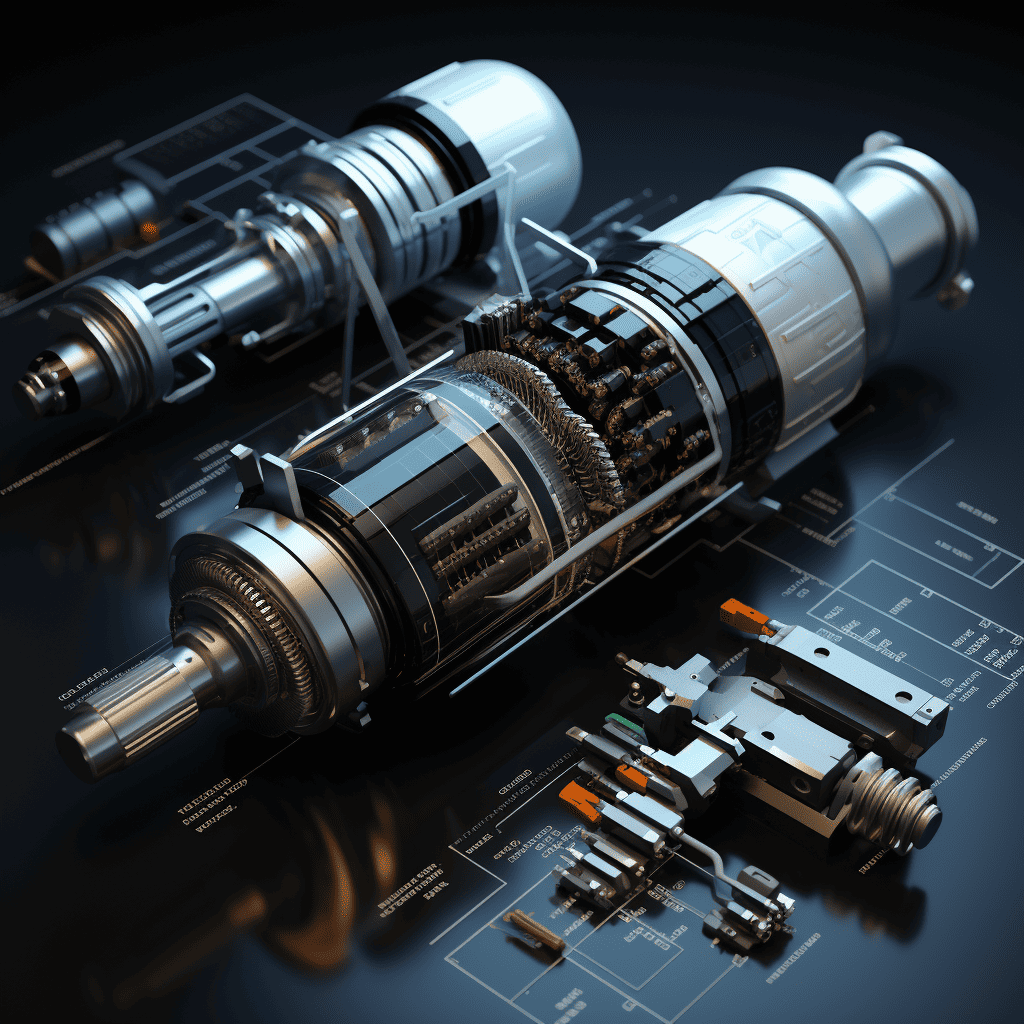
Choosing the Right Piston Actuator for Your Specific Needs: A Comprehensive Guide
Identify Your Application Requirements
The first step in choosing the right piston actuator for your specific needs is to identify your application requirements. This includes considering the force, speed, and stroke length required for your application. Additionally, take into account the operating environment, such as temperature, pressure, and exposure to corrosive substances. This information will help you determine the type of piston actuator that is best suited for your application. For example, if your application requires high force and precision, a hydraulic piston actuator may be the best choice, while if it requires fast response times and high speeds, a pneumatic piston actuator may be more suitable.
Choose the Right Type of Piston Actuator
Once you have identified your application requirements, you can choose the right type of piston actuator. There are two main types of piston actuators: hydraulic and pneumatic. Hydraulic piston actuators are devices that use hydraulic fluid to generate force and are ideal for applications that require high force and precision. They are known for their high power and accuracy, making them ideal for heavy-duty industrial applications. On the other hand, pneumatic piston actuators use compressed air and are ideal for applications that require fast response times and high speeds. They are also often used in food and pharmaceutical industries where cleanliness and hygiene are of utmost importance.
Consider the Actuator’s Design and Construction
When choosing a piston actuator, consider its design and construction. Look for actuators that are made from high-quality materials, such as stainless steel or aluminum, to ensure durability and resistance to corrosion. Additionally, consider the actuator’s mounting options, such as rod-end or clevis, to ensure that it can be easily integrated into your system. Also pay attention to the sealing method used in the actuator, as it can greatly affect the longevity and performance of the device. For example, actuators with double-acting seals can provide better performance in harsh environments.
Consider the Actuator’s Performance Characteristics
When choosing a piston actuator, consider its performance characteristics, such as its force, speed, and stroke length. Ensure that the actuator can meet the force requirements of your application and can operate at the required speed. Additionally, consider the actuator’s stroke length to ensure that it can provide the necessary range of motion for your application. Pay attention to the actuator’s efficiency and power consumption as well, as they can greatly affect the overall cost of ownership of the device. For example, electric piston actuators are known for their energy efficiency and low cost of ownership.
Consider the Actuator’s Maintenance Requirements
Finally, consider the actuator’s maintenance requirements when choosing a piston actuator. Look for actuators that require minimal maintenance, as this will reduce downtime and maintenance costs. Additionally, consider the availability of replacement parts and the ease of repair or replacement. Choosing an actuator with low maintenance requirements will ensure that it can provide reliable and efficient operation over time. Also, consider the actuator’s expected lifespan and the cost of replacement parts to make an informed decision. For example, linear actuators are known for their long lifespan and low maintenance requirements.
Consult with a Professional
If you are still unsure about which piston actuator is right for your specific needs, consult with a professional engineer. They can provide guidance and expertise to help you make the best decision for your application. They can also help you with installation, commissioning and maintenance of the actuator, ensuring that it performs optimally and efficiently. Remember, working with a professional can also help you avoid costly mistakes and ensure that your system meets all safety and regulatory requirements.
Conclusion
Piston actuators offer numerous advantages for industrial applications. Their compact and lightweight design makes them ideal for space-constrained applications, while their high reliability and durability make them suitable for use in harsh conditions. Additionally, their precision and accuracy make them ideal for use in applications where precise movements are required, while their versatility and cost-effectiveness make them a flexible and economical choice. Finally, their ease of installation and maintenance, as well as their built-in safety features, make them a convenient and safe solution for industrial applications.
FAQs
What is the difference between a piston actuator and a cylinder actuator?
Piston actuators and cylinder actuators are often used interchangeably, but there are some differences between them. A piston actuator typically refers to a device that uses a piston to generate linear motion, while a cylinder actuator typically refers to a device that uses a cylinder to generate linear motion. However, the terms are often used interchangeably, and the main difference is the shape of the actuator.
What are the different types of piston actuators?
There are several types of piston actuators, including hydraulic, pneumatic, and electric. Hydraulic actuators use hydraulic fluid to generate force, while pneumatic actuators use compressed air. Electric actuators use an electric motor to generate force. Each type of actuator has its own advantages and disadvantages, and the choice of actuator depends on the specific requirements of the industrial application.
How do you size a piston actuator for an industrial application?
Sizing a piston actuator for an industrial application requires considering several factors, including the required force, stroke length, and speed. The actuator must be able to generate enough force to perform the desired task, while also having a stroke length and speed that are appropriate for the application. Additionally, other factors, such as the operating environment and the type of fluid used, must be taken into consideration. It is recommended to consult with a manufacturer or supplier to determine the appropriate size of piston actuator for a specific industrial application.
What are the maintenance requirements for piston actuators?
Piston actuators have minimal maintenance requirements due to their simple design and few moving parts. However, regular inspections and preventive maintenance are still recommended to ensure optimal performance and longevity. This includes checking for leaks, inspecting seals and O-rings, and replacing worn or damaged parts as needed. Additionally, the fluid used in hydraulic and pneumatic actuators should be regularly checked and replaced as needed to prevent contamination and ensure optimal performance.
What are the advantages of using hydraulic piston actuators over pneumatic piston actuators?
Hydraulic piston actuators have several advantages over pneumatic piston actuators. They can generate more force and operate at higher pressures than pneumatic actuators, making them suitable for heavy-duty industrial applications. Additionally, hydraulic actuators are more precise and have a faster response time than pneumatic actuators, making them ideal for applications that require precise movements and quick operation. However, hydraulic actuators are also more expensive and require more maintenance than pneumatic actuators, so the choice between the two depends on the specific requirements of the industrial application.


