


Diving into Pneumatic Actuator Pistons: A Comprehensive Guide
Pneumatic actuator pistons are essential components in various industrial applications, offering high precision, speed, and reliability. This comprehensive guide will explore the ins and outs of pneumatic actuator pistons, including their definition, working principles, types, and applications.
What are Pneumatic Actuator Pistons?
Pneumatic actuator pistons are mechanical devices that convert compressed air energy into linear motion. They consist of a cylinder, piston, and piston rod. The cylinder contains an air chamber, where compressed air is introduced to move the piston and piston rod. These actuators are extensively used in manufacturing, automotive, and aerospace industries due to their high precision, speed, and reliability.
Linear motion
Linear motion refers to movement in a straight line and is the primary type of motion generated by pneumatic actuator pistons. This motion can be used to perform tasks such as lifting, pushing, or pulling objects.
How Do Pneumatic Actuator Pistons Work?
The working principle of a pneumatic actuator piston is based on the concept of pressure difference. When compressed air is injected into the cylinder of a pneumatic actuator piston, it creates pressure on one side of the piston. This pressure forces the piston to move in a linear direction, pushing the piston rod. The piston’s motion can be utilized to perform various tasks such as lifting, pushing, or pulling objects. The piston can move in both directions, allowing for bidirectional motion.
Types of Pneumatic Actuator Pistons
There are several types of pneumatic actuator pistons, each with unique features and applications. Some of the most common types include:
1. Single-acting cylinders: These cylinders have a single air chamber and use compressed air to move the piston in one direction. A spring or external force is required to return the piston to its original position.
2. Double-acting cylinders: These cylinders have two air chambers, allowing the piston to move in both directions using compressed air. They are more versatile than single-acting cylinders and can be used in a wider range of applications.
3. Rodless cylinders: Instead of a piston rod, these cylinders use a magnetic or mechanical coupling to transmit linear motion. They are ideal for applications where space is limited or where the load must be guided.
4. Tandem cylinders: These cylinders consist of two or more single-acting cylinders connected in series, allowing for greater force and stroke length.
Applications of Pneumatic Actuator Pistons
Pneumatic actuator pistons are used in a wide range of industries and applications, including:
1. Manufacturing: Pneumatic actuator pistons are used in assembly lines, robotics, and material handling equipment to perform tasks such as lifting, positioning, and clamping.
2. Automotive: In the automotive industry, pneumatic actuator pistons are used in various applications, including braking systems, suspension systems, and engine control systems.
3. Aerospace: Pneumatic actuator pistons are used in aircraft to control various systems, including landing gear, flaps, and brakes.
4. Food and beverage: In the food and beverage industry, pneumatic actuator pistons are used in packaging machines, bottling lines, and processing equipment to perform tasks such as cutting, forming, and sealing.
Pneumatic actuator pistons are essential components in various industrial applications, offering high precision, speed, and reliability. Understanding their definition, working principles, types, and applications is crucial for selecting the right pneumatic actuator piston for a specific application.
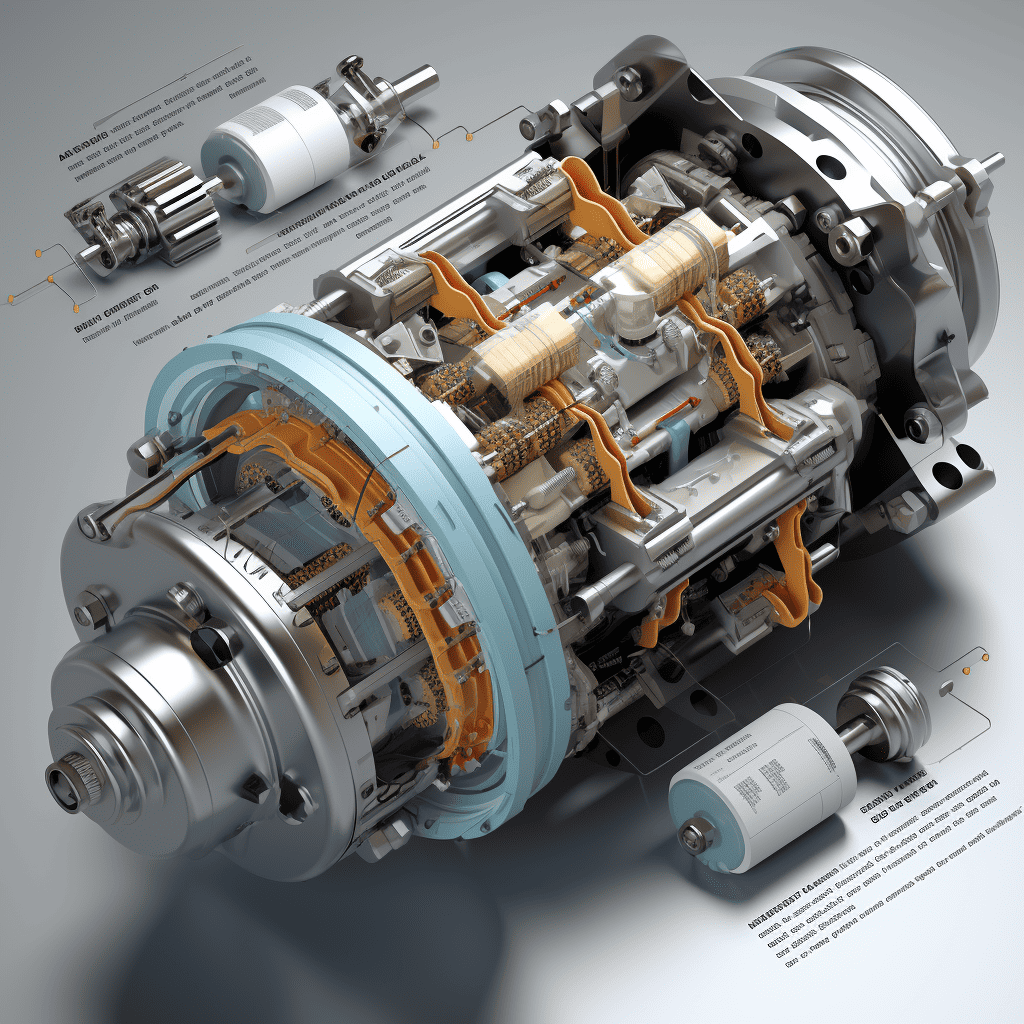
Key Components and Functionality of Pneumatic Actuator Pistons
Cylinder
The cylinder is the fundamental component of a pneumatic actuator piston, responsible for containing the compressed air that generates linear motion. Cylinders come in various sizes and shapes, including single-acting, double-acting, and telescopic, depending on the application’s requirements. The cylinder’s material, typically metal such as aluminum or steel, determines its strength and ability to withstand high pressures. Choosing the right cylinder size and material ensures efficient and reliable performance.
Piston
The piston is the central component of a pneumatic actuator piston, moving back and forth inside the cylinder in response to compressed air pressure. Pistons are typically made of wear-resistant materials such as plastic or metal to provide a tight seal and prevent air leakage. The piston’s design, including its size and shape, plays a significant role in the actuator’s overall performance and efficiency. Custom piston designs are available for specific applications, such as high-speed or high-temperature environments.
Piston Rod
The piston rod connects the piston to the load and transmits the linear motion generated by the piston. Piston rods are usually made of strong and rigid materials, such as steel, to withstand the forces exerted by the load. The rod’s design, including its length and diameter, affects the actuator’s stroke and load capacity. Piston rods can be designed to be retractable or non-retractable, depending on the application’s requirements.
Seals and O-Rings
Seals and O-rings are critical components that prevent air leakage between the piston and cylinder wall. They are typically made of rubber or other elastomeric materials that can withstand high pressure and temperature. Seals and O-rings are designed to provide a tight seal while allowing the piston to move smoothly and freely inside the cylinder. Proper selection and maintenance of seals and O-rings ensure reliable and efficient actuator performance.
Valves
Valves control the flow of compressed air in a pneumatic actuator piston and are responsible for switching the piston between extend and retract modes. Valves come in various types, including directional control valves, pressure control valves, and flow control valves. Proper valve selection and sizing are crucial to ensure efficient and reliable actuator performance. Valves must be carefully chosen based on the application’s requirements, including pressure, flow rate, and response time.
Additional Components
Other critical components of a pneumatic actuator piston include the end caps, mounting brackets, and fittings. End caps attach to the cylinder’s ends and provide a seal to prevent air leakage. Mounting brackets and fittings allow for the actuator’s secure attachment to the application. Proper selection and installation of these components ensure reliable and efficient actuator performance.
In summary, the key components of a pneumatic actuator piston include the cylinder, piston, piston rod, seals and O-rings, valves, end caps, mounting brackets, and fittings. Each component plays a critical role in the functionality and performance of the actuator. By understanding the functionality of these components and selecting the right materials and designs, engineers and technicians can design and maintain pneumatic actuator pistons that are reliable, efficient, and cost-effective. Custom piston designs, load capacity, proper valve selection, secure attachment, and efficient and reliable performance are essential factors to consider when designing and selecting pneumatic actuator pistons for specific applications.
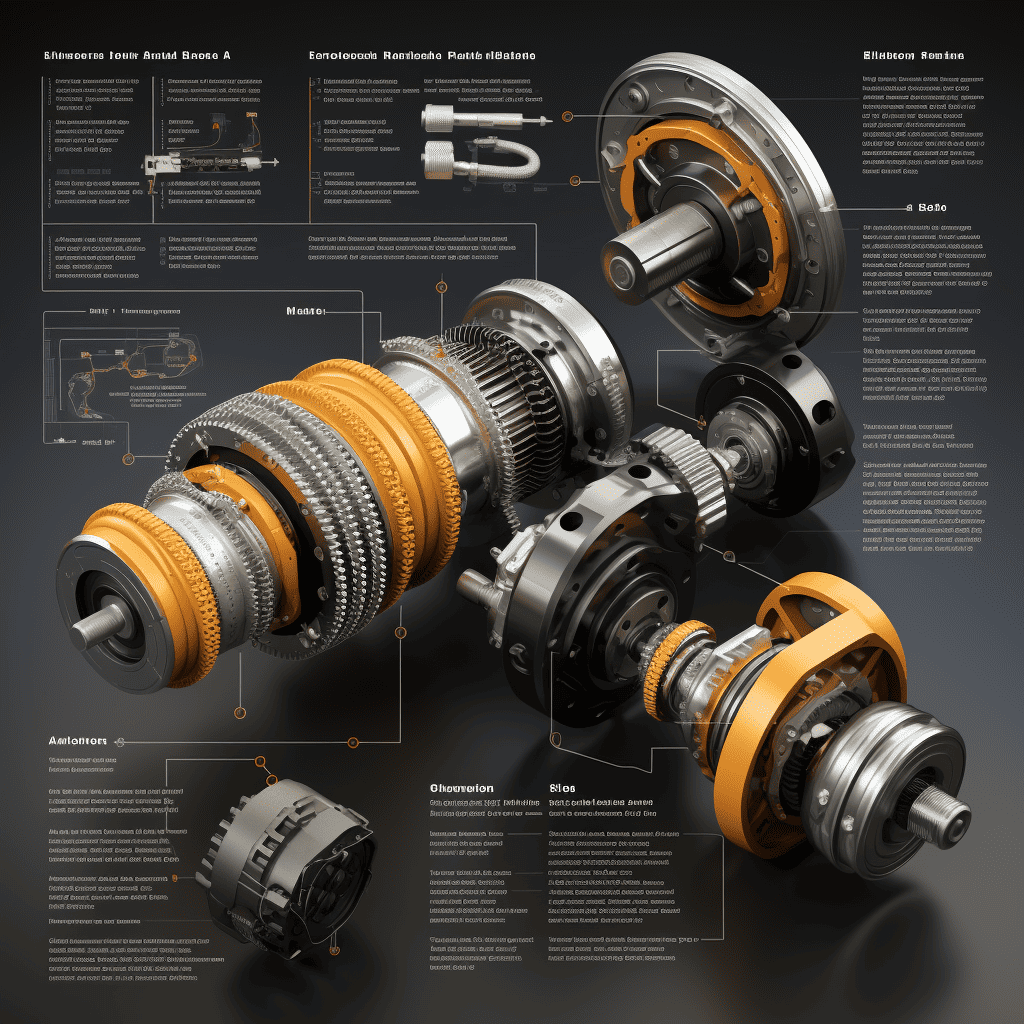
This design allows for bidirectional motion, making double acting pneumatic actuator pistons ideal for applications where precise control of linear motion is required in both directions, such as in manufacturing or automation processes. They are also used in applications where the load on the piston may change direction, such as in a lifting or positioning system. Additionally, double acting pneumatic actuator pistons can be used in applications where a spring or gravity is not suitable for returning the piston to its original position.
Rodless Pneumatic Actuator Pistons
Rodless pneumatic actuator pistons are a type of pneumatic actuator that do not use a traditional piston rod. Instead, they use a flexible seal to transmit force from the piston to the load. This design allows for a more compact actuator and eliminates the need for a rod, which can reduce the overall size of the system. Rodless pneumatic actuator pistons are ideal for applications where space is limited, such as in robotics or material handling systems. They are also used in applications where the load may need to move in multiple directions, such as in a pick-and-place system.
Through Rod Pneumatic Actuator Pistons
Through rod pneumatic actuator pistons are a type of pneumatic actuator that have a rod extending from both sides of the piston. This design allows for the actuator to be mounted on either side of the load, providing more flexibility in the design of the system. Through rod pneumatic actuator pistons are ideal for applications where the load may need to be pushed or pulled in both directions, such as in a press or clamping system. They are also used in applications where the load may need to be positioned accurately, as the through rod design provides a longer stroke and greater accuracy compared to traditional pneumatic actuators.
Pneumatic actuator pistons are an essential component in many industrial and automation processes. Depending on the application, different types of pneumatic actuator pistons may be more suitable. Single acting pneumatic actuator pistons are ideal for simple linear motion applications, while double acting pneumatic actuator pistons are better suited for applications that require precise control of motion in both directions. Rodless pneumatic actuator pistons are ideal for applications where space is limited, while through rod pneumatic actuator pistons provide more flexibility in the design of the system. By understanding the different types of pneumatic actuator pistons and their applications, engineers and designers can select the most appropriate solution for their specific needs.
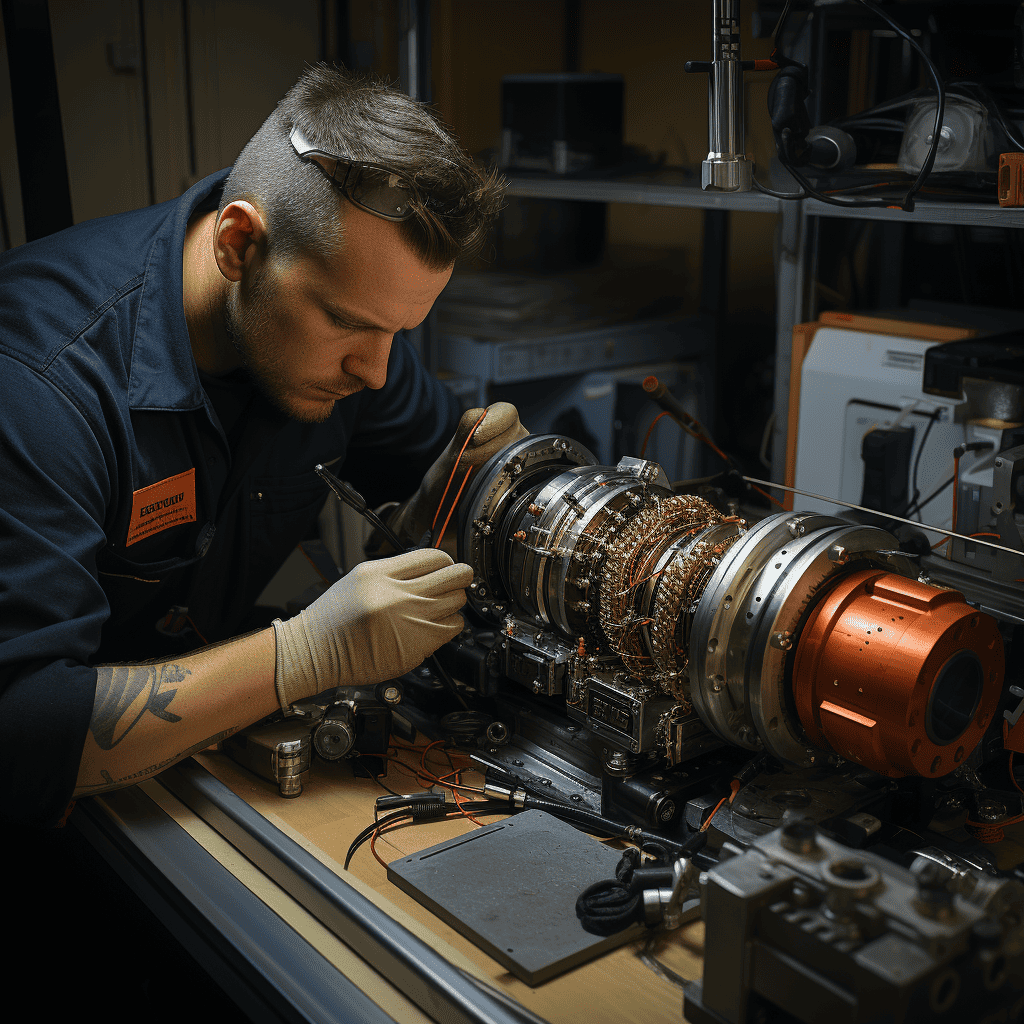
Maintenance Tips for Optimizing Pneumatic Actuator Piston Performance
Regular maintenance is crucial for ensuring the optimal performance and longevity of pneumatic actuator pistons. Proper maintenance can also help prevent costly repairs and unplanned downtime. In this article, we will discuss some essential maintenance tips for optimizing pneumatic actuator piston performance.
Regular Inspections
Regular inspections can help identify any potential issues before they become major problems. Inspect the pneumatic actuator piston for signs of wear, damage, or leaks. Check the cylinder rod for any scratches or dents, which can cause damage to the seals. Also, check the piston seals for any signs of wear or damage, such as cracking or hardening.
Proper Lubrication
Proper lubrication is essential for optimal pneumatic actuator piston performance. Lubrication reduces friction and wear between moving parts, which can help extend the life of the piston. Use the recommended lubricant for the specific pneumatic actuator piston and apply it regularly. Check the lubricant levels regularly and replace the lubricant as needed.
Cleaning and Purging
Cleaning and purging the pneumatic actuator piston regularly can help prevent contamination and ensure optimal performance. Use compressed air to blow out any debris or dirt that has accumulated in the cylinder. Also, purge the air lines regularly to remove any moisture or contaminants that can cause damage to the pneumatic actuator piston.
Proper Installation
Proper installation is critical for optimal pneumatic actuator piston performance. Ensure that the pneumatic actuator piston is properly aligned and secured. Check the mounting brackets and fasteners to ensure that they are tight and secure. Also, check the air pressure to ensure that it is within the recommended range.
Regular Replacement of Seals and Wipers
Seals and wipers are essential components of the pneumatic actuator piston, and they can wear out over time. Regular replacement of seals and wipers can help prevent leaks and ensure optimal performance. Check the manufacturer’s recommendations for the replacement interval and replace the seals and wipers as needed.
Use of Quality Components
Using quality components can help ensure optimal pneumatic actuator piston performance. Use only genuine parts and components that are recommended by the manufacturer. Avoid using low-quality or aftermarket parts, which can cause damage to the pneumatic actuator piston and lead to costly repairs.
Proper Storage and Handling
Proper storage and handling of the pneumatic actuator piston can help prevent damage and ensure optimal performance. Store the pneumatic actuator piston in a clean, dry, and secure location. Avoid exposing it to extreme temperatures, moisture, or other harsh conditions. Handle the pneumatic actuator piston with care to avoid damaging the cylinder rod, seals, or other components.
Conclusion
Regular maintenance is essential for optimizing pneumatic actuator piston performance and preventing costly repairs and downtime. By following these maintenance tips, you can ensure that your pneumatic actuator piston operates at peak performance and lasts for many years to come.


