
Understanding Pneumatic Actuator Pistons: An Overview
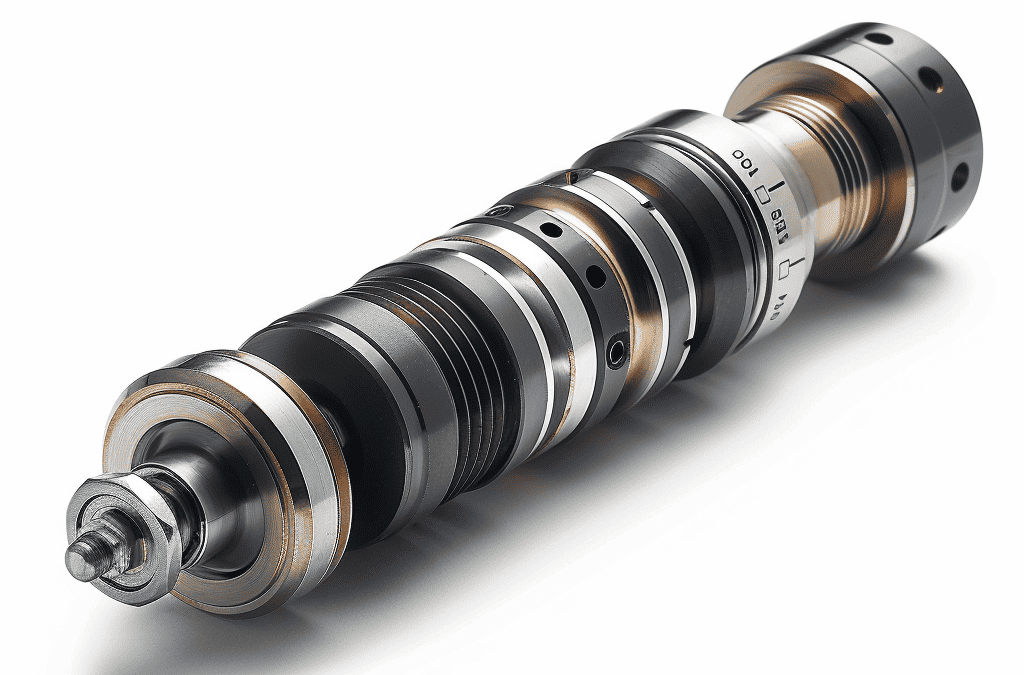
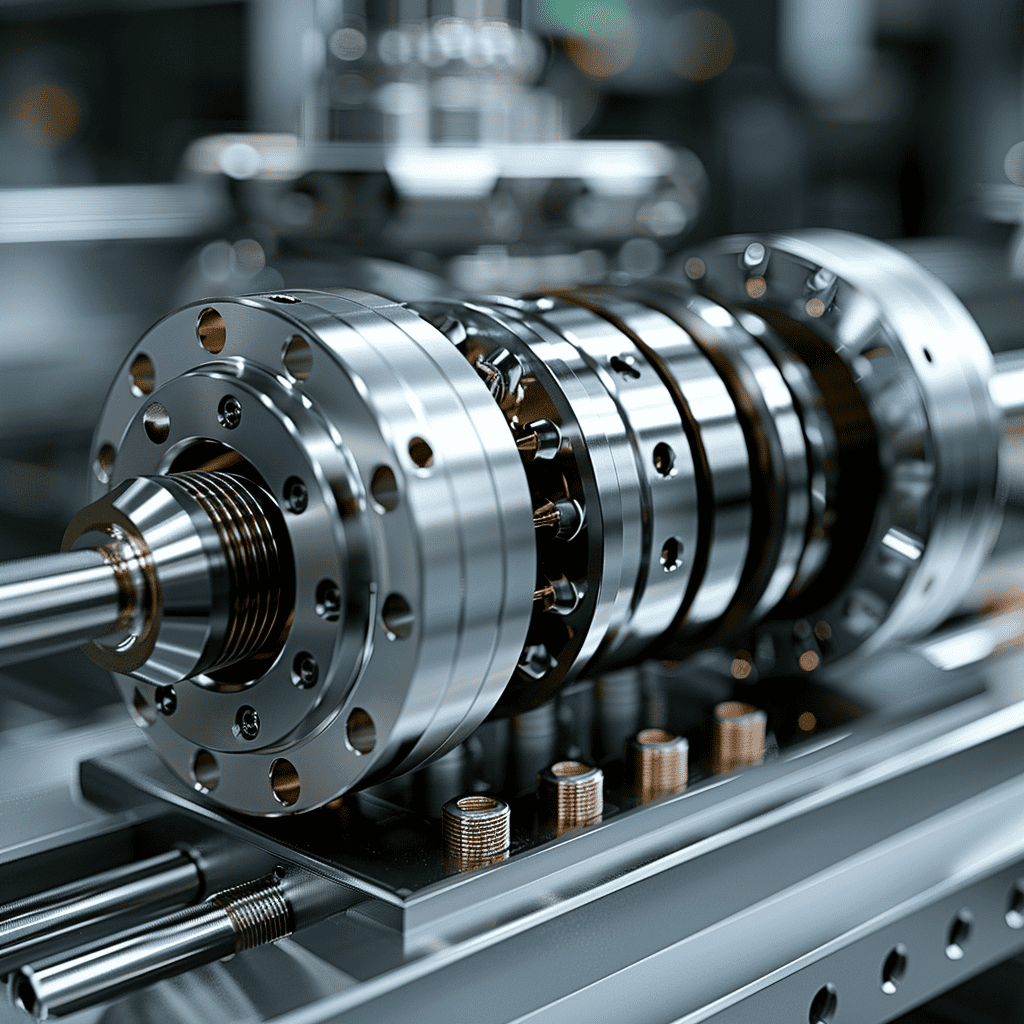
Pneumatic actuator pistons are mechanical devices that convert the energy stored in compressed air into linear motion. They are an essential component in many industrial, automation, and process control systems. By understanding the basics of pneumatic actuator pistons, engineers and designers can make informed decisions about the type and size of piston that will best meet their needs.
What are Pneumatic Actuator Pistons?
Pneumatic actuator pistons are devices that use the force of compressed air to move a piston rod in a linear direction. They typically consist of a cylinder, a piston rod, and one or more seals. The cylinder contains a chamber that is filled with compressed air, which pushes against the piston, causing it to move. The movement of the piston rod can be used to perform work, such as lifting or moving objects.
How do Pneumatic Actuator Pistons Work?
Pneumatic actuator pistons work by using the force of compressed air to move the piston rod. When the air enters the cylinder chamber, it pushes against the piston, causing it to move. The movement of the piston rod can be controlled by regulating the flow of air into the cylinder chamber. This allows for precise control over the speed and direction of the piston rod’s movement.
Types of Pneumatic Actuator Pistons
There are two main types of pneumatic actuator pistons: single-acting and double-acting. Single-acting pistons are powered by compressed air in only one direction, while double-acting pistons are powered by compressed air in both directions. Double-acting pistons are more versatile and can provide greater control over the movement of the piston rod.
Applications of Pneumatic Actuator Pistons
Pneumatic actuator pistons are used in a wide variety of industries and applications. They are commonly used in manufacturing, automation, and process control systems. Some common applications include:
- Opening and closing valves
- Lifting and moving heavy loads
- Positioning and aligning parts
- Regulating flow rates
- Actuating clamps and grippers
Advantages of Pneumatic Actuator Pistons
Pneumatic actuator pistons offer several advantages over other types of actuators. They are:
- Fast and responsive: Pneumatic actuator pistons have quick acceleration and deceleration times, making them ideal for applications that require rapid movement. They are also very precise, with repeatability of up to 0.01mm.
- Highly reliable: Pneumatic actuator pistons have minimal maintenance requirements and are known for their long lifespan. They are also less prone to leaks compared to hydraulic systems.
- Safe and clean: Pneumatic actuator pistons have no risk of sparks or electrical hazards, making them safe for use in hazardous environments. They are also non-contaminating and can be used in clean rooms.
- Cost-effective: Pneumatic actuator pistons have lower energy costs compared to hydraulic actuators. They also have lower installation and maintenance costs.
- Easy to install and operate: Pneumatic actuator pistons have simple controls and a wide range of available configurations, making them easy to install and operate. They are also lightweight and compact, making them easy to integrate into existing systems.
Sizing and Selection Tips
When selecting a pneumatic actuator piston, there are several factors to consider. These include the piston’s stroke length, force output, and speed. Additionally, it is important to consider the piston’s operating environment, such as temperature and humidity. By carefully considering these factors, engineers and designers can choose the right pneumatic actuator piston for their application.
Common Pneumatic Actuator Piston Configurations
Pneumatic actuator pistons come in a variety of configurations to suit different applications. Some common configurations include:
- Rodless cylinders: These cylinders do not have a piston rod and instead use a magnetic or mechanical coupling to transmit linear motion. They are ideal for applications where space is limited.
- Through-rod cylinders: These cylinders have a piston rod extending from both ends of the cylinder. They are ideal for applications where a longer stroke length is required.
- Tie-rod cylinders: These cylinders use tie-rods to reinforce the cylinder and prevent it from expanding under pressure. They are ideal for applications where high forces are required.
- Rotary actuators: These cylinders convert linear motion into rotary motion. They are ideal for applications where a rotary motion is required, such as turning a valve.
Stroke Length
Stroke length is the distance that the piston rod moves when the piston is actuated. It is an important consideration when selecting a pneumatic actuator piston. The stroke length should be chosen based on the distance that the load needs to be moved.
Force Output
Force output is the amount of force that the piston is able to generate. It is an important consideration when selecting a pneumatic actuator piston. The force output should be chosen based on the weight and friction of the load being moved.
Speed
Speed is the rate at which the piston moves. It is an important consideration when selecting a pneumatic actuator piston. The speed should be chosen based on the speed at which the load needs to be moved.
Operating Environment
Operating environment is the conditions under which the piston will be operating, such as temperature and humidity. It is an important consideration when selecting a pneumatic actuator piston. The piston should be chosen based on the environmental conditions to ensure optimal performance and lifespan.
Pneumatic actuator pistons are an essential component in many industrial, automation, and process control systems. By understanding the basics of pneumatic actuator pistons, engineers and designers can make informed decisions about the type and size of piston that will best meet their needs. By considering factors such as stroke length, force output, speed, and operating environment, engineers and designers can choose the right pneumatic actuator piston for their application.
Key Factors in Sizing Pneumatic Actuator Pistons
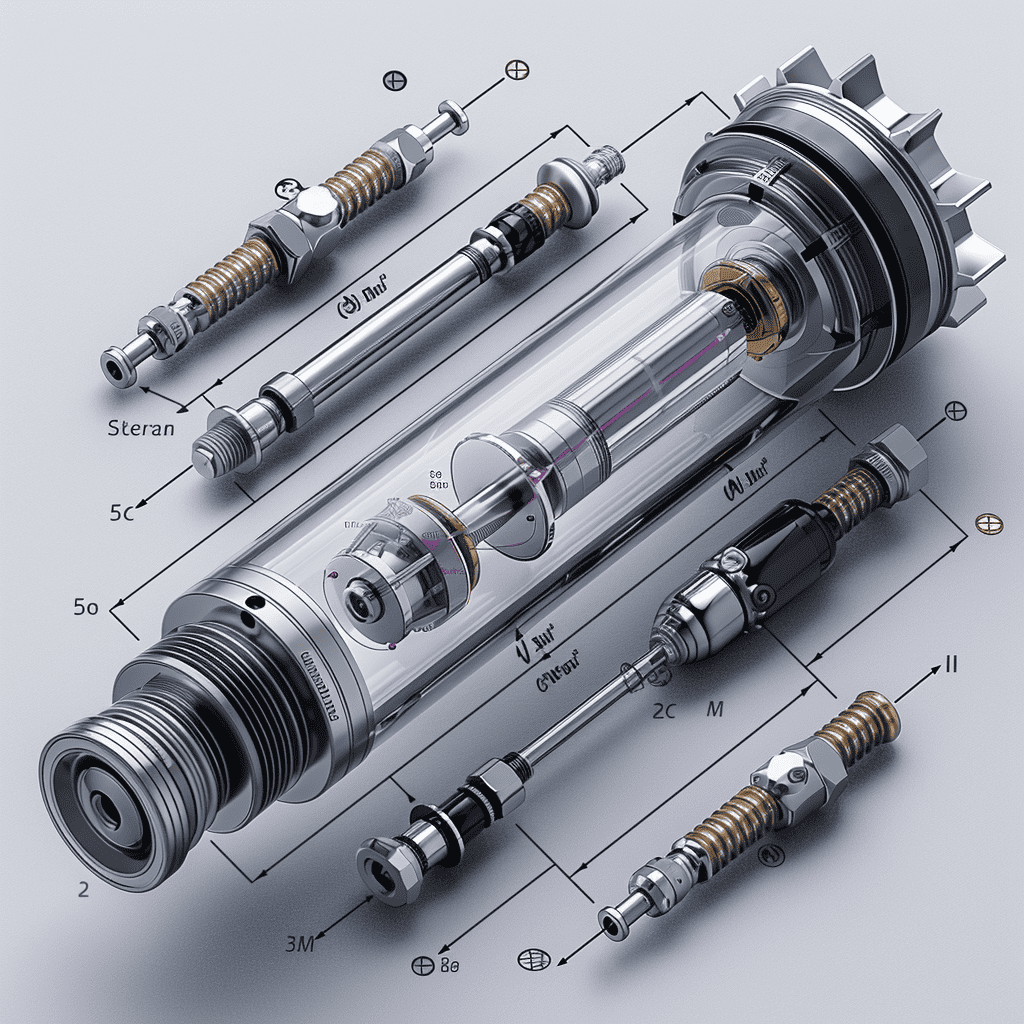
When selecting a pneumatic actuator piston, it is crucial to consider several key factors to ensure optimal performance and longevity. These factors include force capacity, stroke length, operating pressure, operating speed, and duty cycle. By carefully evaluating these factors, engineers and designers can make informed decisions about piston selection and create efficient and reliable pneumatic systems.
Force Capacity
The force capacity of a pneumatic actuator piston is the maximum force that it can generate. This force is required to overcome the load being moved and any frictional forces present. To determine the required force capacity, the load and the distance over which it must be moved should be multiplied. Pneumatic actuator pistons are available in a range of force capacities, so it is important to select a piston that can generate the necessary force.
Stroke Length
The stroke length of a pneumatic actuator piston is the distance that the piston rod travels when it is extended or retracted. The required stroke length will depend on the application and the distance over which the load must be moved. Selecting a piston with the appropriate stroke length is crucial to ensure that the load can be moved the required distance. A piston with too short a stroke length may not be able to move the load, while a piston with too long a stroke length may be unnecessarily large and expensive.
Operating Pressure
The operating pressure of a pneumatic actuator piston is the pressure of the compressed air used to power the piston. The required operating pressure will depend on the force required to move the load and the size of the piston. It is important to select a piston that is designed to operate at the required pressure, as using a piston that is not designed for the pressure may result in premature wear or failure. Pneumatic actuator pistons are available in a range of operating pressures, including low-pressure (up to 100 psi), medium-pressure (100-300 psi), and high-pressure (300-500 psi) options.
Operating Speed
The operating speed of a pneumatic actuator piston is the speed at which the piston moves. The required operating speed will depend on the application and the desired cycle time. Selecting a piston with the appropriate speed rating is crucial to ensure optimal performance and productivity. A piston that is too slow may result in decreased productivity, while a piston that is too fast may cause premature wear or failure. Pneumatic actuator pistons are available in a range of operating speeds, from slow (less than 1 inch/second) to fast (greater than 12 inches/second).
Duty Cycle
The duty cycle of a pneumatic actuator piston is the percentage of time that the piston is in operation. The required duty cycle will depend on the application and the desired cycle time. Selecting a piston with the appropriate duty cycle rating is crucial to ensure optimal performance and longevity. A piston that is not designed for the duty cycle may result in premature wear or failure. Pneumatic actuator pistons are available in a range of duty cycles, including intermittent, continuous, and heavy-duty options.
Other Considerations
In addition to the key factors listed above, there are several other considerations that may be important when selecting a pneumatic actuator piston. These include the material of the piston and piston rod, the environment in which the piston will be used, and any specific requirements or regulations that may apply to the application. For example, pistons made from stainless steel or other corrosion-resistant materials may be necessary in harsh environments. Additionally, pistons with special coatings or seals may be required for certain applications.
Load
The load is the weight or force that the pneumatic actuator piston must move. The load is an important consideration when selecting a piston, as it will determine the required force capacity and operating pressure. It is important to accurately determine the load and any other relevant factors, such as the distance over which the load must be moved, to ensure that the piston is properly sized and suitable for the intended application.

Selecting the Right Material for Pneumatic Actuator Pistons: A Comprehensive Guide
When it comes to designing and selecting the right pneumatic actuator piston, choosing the right material is crucial to ensure reliable and efficient performance. The material of the piston can greatly impact its durability, corrosion resistance, and wear resistance, making it a critical factor to consider. In this blog post, we will discuss the factors that affect material selection, common materials used in pneumatic actuator pistons, and their advantages and disadvantages.
Factors Affecting Material Selection
When selecting a material for a pneumatic actuator piston, several factors should be taken into account, including:
* Operating temperature: The material must be able to withstand the operating temperature of the system, which may range from -40°C to +150°C.
* Operating pressure: The material must be able to withstand the operating pressure of the system, which may range from 0.1 MPa to 1.6 MPa.
* Corrosion resistance: The material must be resistant to corrosion from the fluid used in the system, as well as any external environmental factors.
* Wear resistance: The material must be able to withstand wear from the piston rod and cylinder wall.
Common Materials Used in Pneumatic Actuator Pistons
Several materials are commonly used in pneumatic actuator pistons. These include:
* Aluminum: Aluminum is lightweight and has good corrosion resistance, making it a good choice for low-pressure, low-temperature applications. However, it is not as strong as other materials and may not be suitable for high-pressure applications.
* Steel: Steel is strong and durable, making it suitable for high-pressure and high-temperature applications. It is also resistant to corrosion and wear, but it is heavier than aluminum and may be more expensive.
* Stainless steel: Stainless steel is highly resistant to corrosion and is suitable for applications where cleanliness is important. It is also strong and durable, but it is heavier and more expensive than steel.
* Bronze: Bronze has good wear resistance and is often used in applications where the piston is in contact with corrosive fluids. However, it is heavier and more expensive than other materials.
* Plastic: Plastic is lightweight and has good corrosion resistance. It is often used in low-pressure applications where weight is a concern. However, it is not as durable as metal materials and may not be suitable for high-pressure applications.
Advantages and Disadvantages of Each Material
Each material used in pneumatic actuator pistons has its own advantages and disadvantages.
* Aluminum: Aluminum is lightweight and has good corrosion resistance, but it is not as strong as steel or stainless steel and may not be suitable for high-pressure applications.
* Steel: Steel is strong and durable, making it suitable for high-pressure applications. It is also resistant to corrosion and wear, but it is heavier than aluminum and may be more expensive.
* Stainless steel: Stainless steel is highly resistant to corrosion and is suitable for applications where cleanliness is important. It is also strong and durable, but it is heavier and more expensive than steel.
* Bronze: Bronze has good wear resistance and is often used in applications where the piston is in contact with corrosive fluids. However, it is heavier and more expensive than other materials.
* Plastic: Plastic is lightweight and has good corrosion resistance. It is often used in low-pressure applications where weight is a concern. However, it is not as durable as metal materials and may not be suitable for high-pressure applications.
Choosing the Right Material for Your Application
When selecting a material for a pneumatic actuator piston, it is important to consider the operating conditions of the system and the specific requirements of the application. Consulting with a supplier or manufacturer can help ensure that the right material is chosen for the job. Some key considerations include:
* Operating temperature and pressure: Choose a material that can withstand the operating temperature and pressure of the system.
* Corrosion resistance: If the system uses corrosive fluids or is exposed to harsh environmental conditions, choose a material with good corrosion resistance.
* Wear resistance: If the piston is in contact with the piston rod or cylinder wall, choose a material with good wear resistance.
* Cost and weight: Consider the cost and weight of the material when selecting a pneumatic actuator piston.
In summary, selecting the right material for a pneumatic actuator piston is a critical factor in ensuring reliable and efficient performance. By considering the operating conditions of the system and the specific requirements of the application, engineers and designers can choose the right material for the job. Common materials used in pneumatic actuator pistons include aluminum, steel, stainless steel, bronze, and plastic, each with its own advantages and disadvantages. Consulting with a supplier or manufacturer can help ensure that the right material is chosen for the job.
Optimizing Pneumatic Actuator Piston Performance and Longevity: A Comprehensive Guide
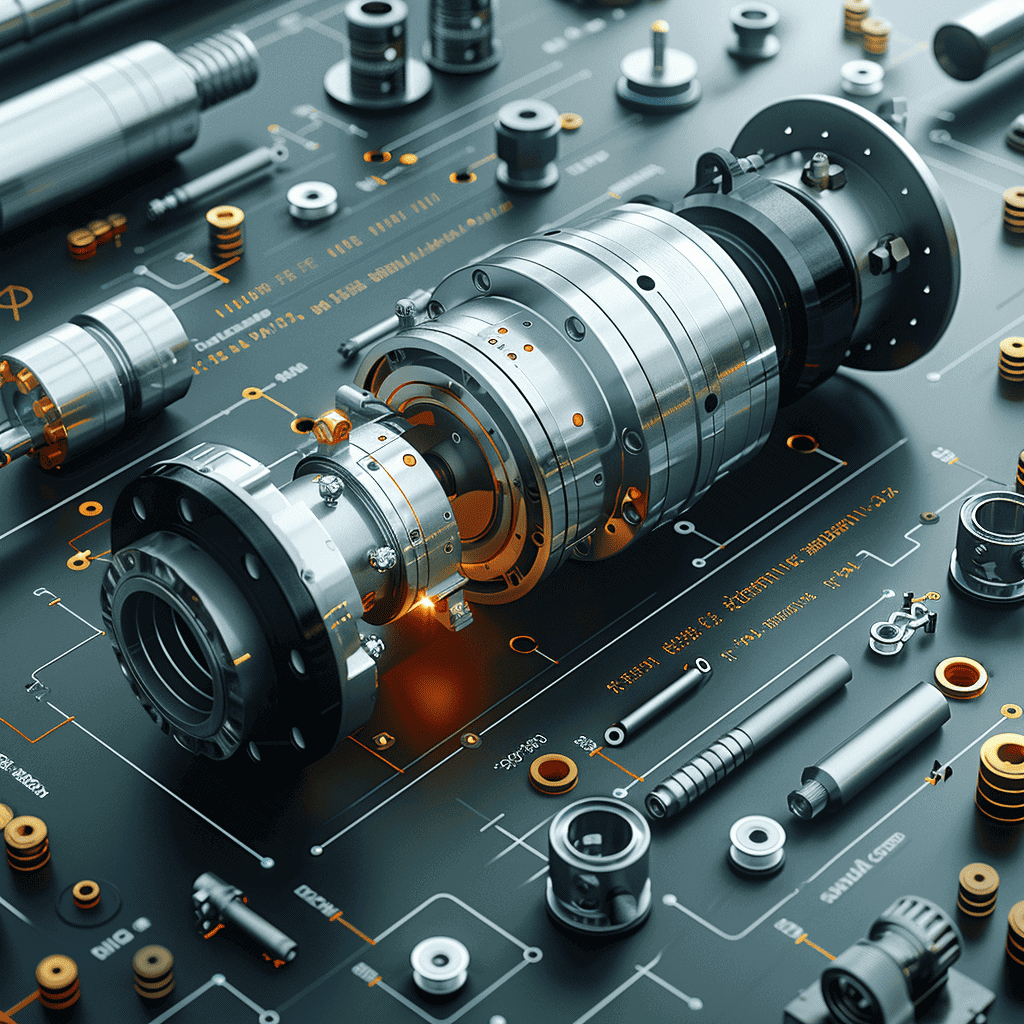
Pneumatic actuator pistons are an essential component in many industrial machines and systems. They provide the force and motion needed to perform a wide range of tasks, from opening and closing valves to moving heavy loads. However, to ensure optimal performance and longevity, proper maintenance and care are essential. In this blog post, we’ll explore some tips for optimizing pneumatic actuator piston performance and longevity.
Regular Cleaning and Lubrication: Essential for Optimal Performance and Longevity
One of the most important things you can do to optimize the performance and longevity of your pneumatic actuator pistons is to regularly clean and lubricate them. This can help prevent wear and tear, reduce friction, and improve overall performance. Pneumatic actuator piston components, such as rods, seals, bearings, and piston heads, can become contaminated with dirt, dust, and other debris, which can cause damage and reduce performance. By regularly cleaning and lubricating these components, you can help prevent contamination and ensure that your pneumatic actuator pistons operate at peak efficiency.
Proper Installation: Critical for Optimal Performance and Longevity
Proper installation of the pneumatic actuator piston is also critical to ensuring optimal performance and longevity. This includes making sure that the pneumatic actuator piston components are properly aligned, that the cylinder is securely mounted, and that the air supply is properly connected. Improper installation can lead to premature wear and tear, leaks, and other issues that can affect performance and longevity. Common causes of pneumatic actuator piston failure include misalignment, contamination, and improper lubrication. By ensuring that your pneumatic actuator piston is properly installed, you can help prevent these issues and ensure that your pneumatic actuator piston operates reliably and efficiently.
Correct Sizing: Essential for Optimal Performance and Longevity
Choosing the correct size pneumatic actuator piston for the application is also essential for optimal performance and longevity. An undersized pneumatic actuator piston may not provide enough force or speed, while an oversized pneumatic actuator piston may be less efficient and more prone to wear. By consulting with the manufacturer or a professional, you can determine the correct size pneumatic actuator piston for your specific application. This can help ensure that your pneumatic actuator piston operates at peak efficiency and provides the performance and longevity you need.
Regular Inspections and Maintenance: Critical for Identifying Potential Issues
Regular inspections and maintenance of the pneumatic actuator piston can help identify potential issues before they become major problems. This includes checking for leaks, inspecting the seals and O-rings, and replacing worn or damaged parts. Regular maintenance can help prevent downtime, improve performance, and extend the longevity of the piston. Benefits of proper pneumatic actuator piston maintenance include increased efficiency, reduced downtime, and cost savings.
Proper Operation: Essential for Optimal Performance and Longevity
Proper operation of the pneumatic actuator piston can also help extend its longevity and improve performance. This includes avoiding rapid or sudden movements, not exceeding the recommended operating pressure or temperature, and following the manufacturer’s recommendations for use. Improper operation can lead to premature wear and tear, leaks, and other issues that can affect performance and longevity.
Choosing the Right Material: Critical for Optimal Performance and Longevity
Choosing the right material for the pneumatic actuator piston is also important for optimal performance and longevity. Different materials have different properties and are better suited for certain applications. For example, aluminum pneumatic actuator pistons are lightweight and corrosion-resistant, making them ideal for use in food and beverage processing applications. Stainless steel pneumatic actuator pistons are durable and resistant to corrosion, making them ideal for use in harsh environments. Engineered plastics, such as PTFE and PEEK, are resistant to chemicals and high temperatures, making them ideal for use in chemical processing and other demanding applications. By selecting the right material for the application, you can help ensure that your pneumatic actuator piston provides the performance and longevity you need.
Pneumatic Actuator Pistons: Optimizing Performance and Longevity
In summary, proper maintenance and care are essential for optimizing pneumatic actuator piston performance and longevity. Regular cleaning and lubrication, proper installation, correct sizing, regular inspections and maintenance, proper operation, and choosing the right material are all important factors to consider. By following these tips, engineers and designers can ensure that their pneumatic actuator pistons provide reliable and efficient performance over the long term. By incorporating these best practices into their designs, they can create machines and systems that are more efficient, reliable, and cost-effective.


