
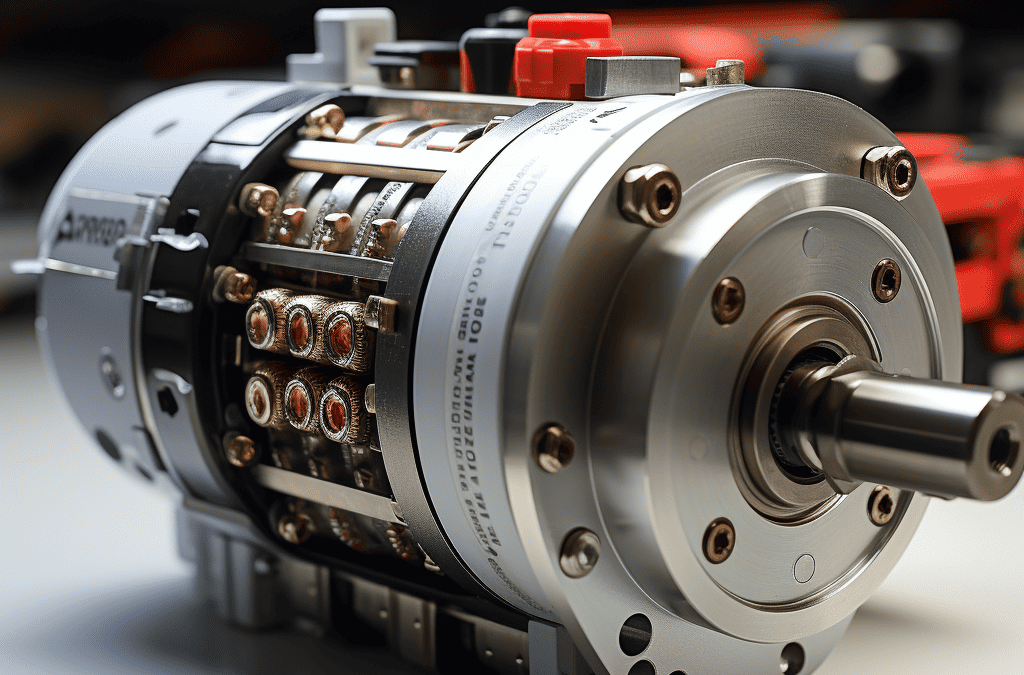

Enhancing Efficiency with Pneumatic Rotating Actuators: Understanding the Basics and More
What are Pneumatic Rotating Actuators?
Pneumatic rotating actuators are mechanical devices that convert compressed air energy into rotary motion. They are commonly used in various industrial applications, such as automation, robotics, and manufacturing, due to their simplicity, reliability, and cost-effectiveness.
How do Pneumatic Rotating Actuators Work?
Pneumatic rotating actuators work by using compressed air to rotate a shaft or axle. The compressed air enters the actuator and is directed into a chamber, which causes a piston or vane to move. This movement is then transferred to the output shaft, creating rotary motion.
Benefits of Pneumatic Rotating Actuators
Pneumatic rotating actuators offer several benefits, including:
* High speed and accuracy: Pneumatic rotating actuators can rotate quickly and accurately, making them ideal for applications that require precise movement.
* Low maintenance: Pneumatic rotating actuators have few moving parts, which reduces the need for maintenance and repair.
* Cost-effective: Pneumatic rotating actuators are less expensive than other types of actuators, such as electric or hydraulic.
* Safe: Pneumatic rotating actuators use compressed air, which is a clean and safe energy source. They do not produce sparks or emit harmful fumes.
Examples of Industries that Use Pneumatic Rotating Actuators
Examples of industries that use pneumatic rotating actuators include:
* Automotive: Pneumatic rotating actuators are used in the manufacturing of cars and trucks for tasks such as opening and closing doors, adjusting seats, and operating windshield wipers.
* Aerospace: Pneumatic rotating actuators are used in aircraft for tasks such as controlling flaps and landing gear.
* Food and beverage: Pneumatic rotating actuators are used in the production of food and beverages for tasks such as mixing, cutting, and packaging.
* Pharmaceutical: Pneumatic rotating actuators are used in the production of pharmaceuticals for tasks such as filling and capping bottles.
Types of Pneumatic Rotating Actuators
Types of pneumatic rotating actuators include:
* Rack and pinion: Rack and pinion actuators are ideal for applications that require high accuracy and precision. They use a rack and pinion gear system to convert linear motion into rotary motion.
* Scotch yoke: Scotch yoke actuators use a sliding yoke and pin to convert linear motion into rotary motion. They are ideal for applications that require high torque and power.
* Vane actuators: Vane actuators use a sliding vane to convert air pressure into rotary motion. They are ideal for applications that require high speed and accuracy.
Choosing the Right Pneumatic Rotating Actuator
When choosing a pneumatic rotating actuator, it is important to consider factors such as:
* Load requirements: The actuator must be able to handle the load requirements of the application.
* Speed and accuracy: The actuator must be able to move quickly and accurately enough to meet the needs of the application.
* Environmental conditions: The actuator must be able to operate in the environment in which it will be used.
* Cost: The actuator must be cost-effective for the application.
By considering these factors, you can choose the right pneumatic rotating actuator for your application and enhance efficiency and productivity.

The accuracy and precision offered by pneumatic rotating actuators are unmatched by other types of actuators. This is due to the fact that pneumatic rotating actuators use compressed air to generate motion, which provides a consistent and reliable source of power.
Moreover, pneumatic rotating actuators are designed with precision in mind. They feature high-quality bearings and seals that ensure smooth and precise motion, even in demanding industrial environments. Additionally, many pneumatic rotating actuators are equipped with feedback systems that provide real-time positioning data, allowing for precise control and adjustment of the actuator’s motion.
Another benefit of using pneumatic rotating actuators for improved accuracy and precision is their ability to handle high speeds without sacrificing performance. Pneumatic actuators can achieve high rotational speeds with minimal friction and wear, making them ideal for applications that require fast and precise motion. This capability, combined with their robust design and feedback systems, makes pneumatic rotating actuators a preferred choice for a wide range of industrial applications, from automated assembly lines to precision machining processes, where the consistency of movement and positional accuracy are critical.
Increased Durability and Reliability
Pneumatic rotating actuators are known for their durability and reliability. They are designed to withstand harsh industrial environments and can operate in extreme temperatures, humidity, and other adverse conditions. Additionally, pneumatic actuators have fewer moving parts than other types of actuators, reducing the risk of mechanical failure and increasing their overall lifespan.
Another advantage of using pneumatic rotating actuators is their ability to provide consistent performance over time. Unlike electric actuators, which can experience performance degradation due to wear and tear on components, pneumatic actuators maintain consistent performance throughout their lifespan. This makes them an ideal choice for applications that require long-term reliability and performance.
Cost-Effective Solution
Pneumatic rotating actuators are a cost-effective solution for industrial processes. They are generally less expensive than electric actuators, both in terms of upfront cost and long-term maintenance and repair costs. Additionally, pneumatic actuators use compressed air, which is often less expensive than electricity, providing additional cost savings.
Furthermore, pneumatic rotating actuators are easy to install and maintain, reducing downtime and increasing productivity. They can be easily integrated into existing systems and require minimal maintenance, making them an ideal choice for businesses looking to improve their bottom line.
Pneumatic rotating actuators offer numerous benefits for industrial processes, including reduced energy consumption, improved accuracy and precision, increased durability and reliability, and cost-effectiveness. By utilizing pneumatic actuators, businesses can improve their efficiency, reduce their carbon footprint, and increase their bottom line.

When selecting the right pneumatic rotating actuator for your application, it’s crucial to assess your specific requirements to ensure optimal performance and reliability. Here are the key factors to consider:
Operating Pressure and Speed
- Operating Pressure: The range of pressure the actuator can handle is fundamental. Ensure the actuator matches your system’s available air pressure to avoid underperformance or damage.
- Speed: Consider the speed at which the actuator must operate. Pneumatic actuators can achieve high speeds, but the desired speed will influence the choice of actuator and valve size to ensure responsiveness.
Torque and Rotational Range
- Torque: Calculate the required torque for your application to choose an actuator with sufficient power. This ensures the actuator can perform the necessary work without strain.
- Rotational Range: Identify the necessary rotational movement (e.g., 90 degrees, 180 degrees, or 360 degrees). Different actuators offer various ranges of motion, so select one that meets your rotational needs.
Environmental Conditions
- Temperature: The operating environment’s temperature can affect actuator performance. Ensure the selected actuator is rated for the temperature range it will encounter.
- Corrosives and Contaminants: If the actuator will be exposed to corrosive substances or a high level of contaminants, look for models designed with materials and seals that can withstand these conditions.
Types of Pneumatic Rotating Actuators
There are several types of pneumatic rotating actuators available on the market, each with its own unique advantages and disadvantages. Some common types include:
* Rack and pinion actuators
* Vane actuators
* Scotch yoke actuators
* Swashplate actuators
Choosing the Right Actuator for Your Application
Once you have determined your requirements and reviewed the available options, it’s important to choose the right actuator for your application. Here are some tips to help you make an informed decision:
- Consider the load and speed requirements of your application. Some actuators are better suited for high-speed, low-load applications, while others are designed for high-load, low-speed applications.
- Think about the environmental conditions in which the actuator will be operating. For example, if your application is in a harsh or corrosive environment, you may need an actuator that is constructed from more durable materials.
- Consider the mounting options and configuration of the actuator. Make sure the actuator can be easily integrated into your existing system and that it provides the necessary range of motion.
- Look for an actuator that is reliable and easy to maintain. Consider the actuator’s expected lifespan and the availability of replacement parts.
By carefully considering all of these factors, you can choose the right pneumatic rotating actuator for your application and ensure optimal performance and reliability.
Selecting the right pneumatic rotating actuator is an important decision that can have a significant impact on the performance and reliability of your application. By taking the time to determine your requirements, review the available options, and carefully evaluate the features and benefits of each actuator, you can make an informed decision and choose the best actuator for your needs.
At XYZ Company, we offer a wide range of pneumatic rotating actuators to suit a variety of applications. Contact us today to learn more about our products and how we can help you find the perfect actuator for your needs.
the recommended range specified by the manufacturer. Regular maintenance and inspections can also help identify any issues with air pressure and flow rate, allowing for timely adjustments and repairs.
Proper Installation and Maintenance
Proper installation and maintenance are essential for maximizing the efficiency of pneumatic rotating actuators. Incorrect installation can lead to premature wear and tear, while inadequate maintenance can result in decreased performance and increased downtime.
When installing the actuator, ensure that it is securely mounted and properly aligned with the load. It’s also important to check for any leaks in the air supply lines and ensure that the air filters are clean and functioning correctly. Regular maintenance, such as lubricating moving parts and inspecting for wear and tear, can help extend the life of the actuator and improve its performance.
Use Accessories to Improve Efficiency
Using accessories, such as positioners and feedback sensors, can help improve the efficiency of pneumatic rotating actuators. Positioners can provide precise control over the actuator’s position, while feedback sensors can monitor the actuator’s performance and provide real-time data.
Using accessories can help reduce energy waste, improve accuracy, and increase productivity. It’s essential to consult the manufacturer’s recommendations and guidelines when selecting accessories to ensure compatibility and optimal performance.
Training and Education
Finally, proper training and education are crucial for maximizing the efficiency of pneumatic rotating actuators. Operators should be trained on the correct operation and maintenance procedures to ensure safe and efficient use of the equipment.
Additionally, ongoing education and training can help operators stay up-to-date on new technologies and best practices. By investing in training and education, companies can improve productivity, reduce downtime, and minimize safety risks.

Conclusion
By following these tips and tricks for using pneumatic rotating actuators effectively, companies can maximize efficiency and reduce energy waste. Proper selection, optimization, installation, maintenance, accessories, and training are all critical factors in achieving optimal performance and minimizing costs.
Ultimately, by prioritizing the efficiency of their equipment, companies can improve their bottom line and stay competitive in today’s fast-paced business environment.


