

Advantages of Pneumatic Actuators
Pneumatic actuators offer several advantages over other types of actuators, including:
- Simplicity: Pneumatic actuators are simple in design and easy to install and maintain.
- Cost-effective: Pneumatic actuators are generally less expensive than electric or hydraulic actuators.
- Fast response times: Pneumatic actuators can provide fast response times, making them suitable for applications where quick valve operation is required.
- High reliability: Pneumatic actuators have few moving parts, which reduces the risk of failure and increases their reliability.
- Explosion-proof: Pneumatic actuators are often used in hazardous environments because they are explosion-proof.
Disadvantages of Pneumatic Actuators
While pneumatic actuators have many advantages, they also have some disadvantages, including:
- Limited force: Pneumatic actuators cannot generate as much force as hydraulic actuators, which limits their use in high-pressure applications.
- Limited precision: Pneumatic actuators may not provide the same level of precision as electric actuators.
- Air supply requirements: Pneumatic actuators require a reliable source of compressed air, which can be a disadvantage in remote or inaccessible locations.
- Noise: Pneumatic actuators can be noisy, which may be a disadvantage in certain applications.

How to Select the Right Pneumatic Actuator for Your Valve
Selecting the right pneumatic actuator for your valve requires careful consideration of several factors. Here are some steps to help you select the right actuator:
- Determine the valve type and size: The type and size of the valve will determine the size and type of actuator required. For example, diaphragm actuators are suitable for small to medium-sized valves, while piston actuators are better suited for larger valves.
- Consider the operating pressure and temperature: The operating pressure and temperature of the valve will affect the performance of the actuator. Higher pressures and temperatures require actuators that can withstand these conditions.
- Calculate the required actuator stroke: The stroke of the actuator refers to the distance it needs to move to open or close the valve. The required stroke will depend on the size and type of the valve.
- Determine the response time: The response time of the actuator refers to the time it takes to open or close the valve. Fast response times are essential in applications where quick valve operation is required.
- Consider the environmental conditions: The environmental conditions in which the actuator will operate, such as the presence of corrosive or hazardous substances, should be considered when selecting an actuator.
- Check industry standards and regulations: Industry standards and regulations may also affect the selection of pneumatic actuators. For example, certain industries may require actuators that meet specific safety or performance standards.
- Consult with an expert: If you are unsure about which pneumatic actuator to choose, consult with an expert or contact the manufacturer for guidance.
Pneumatic actuators are an essential component of many industrial applications, and selecting the right one requires careful consideration of several factors. Understanding the basic operating principle of pneumatic actuators, as well as the key factors that affect their performance, will help you make an informed decision when selecting an actuator for your valve. By following the steps outlined in this article, you can ensure that you choose the right pneumatic actuator for your needs.
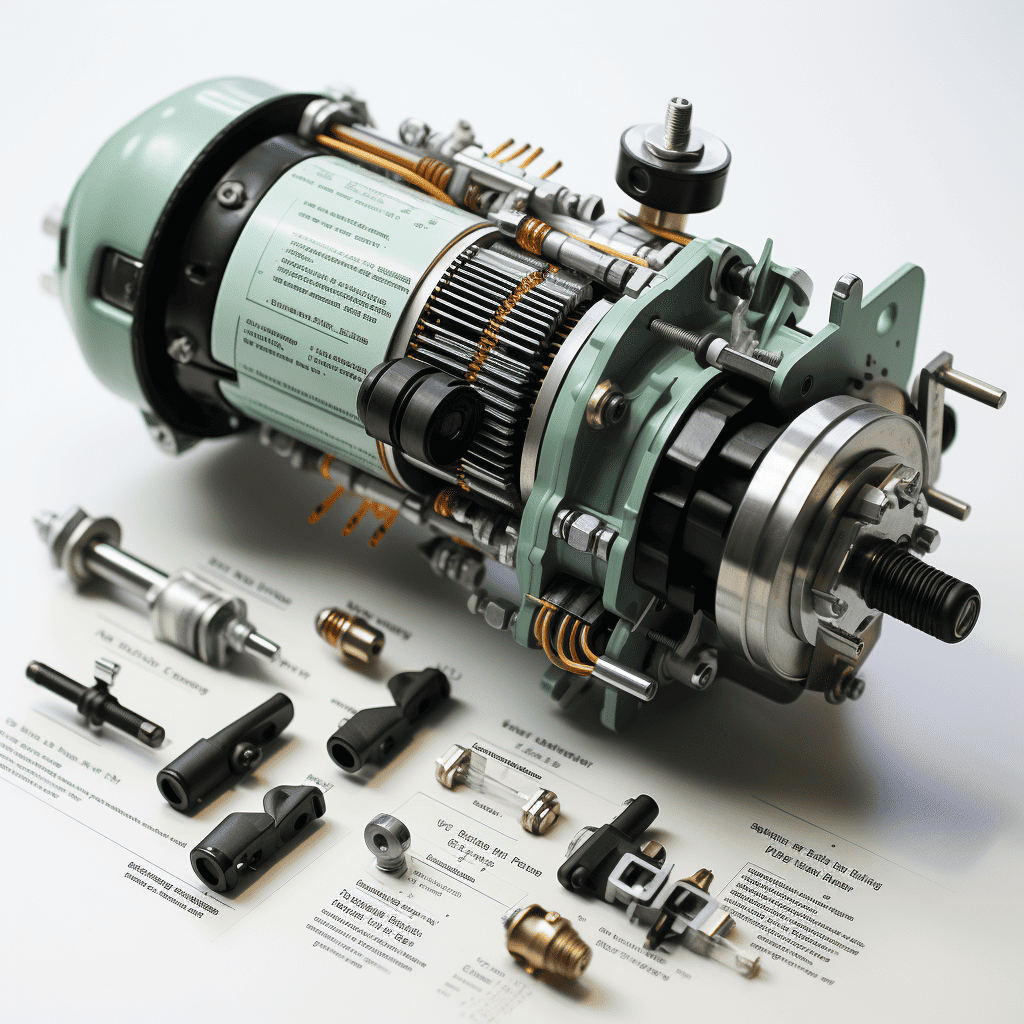
Types of Pneumatic Actuators: Pros and Cons
When selecting the best pneumatic actuator for valves, it’s essential to consider the pros and cons of each type. In this section, we’ll explore the most common types of pneumatic actuators and their advantages and disadvantages.
Diaphragm Actuators
Pros: Diaphragm actuators are known for their simplicity and low cost. They are compact and lightweight, making them ideal for small valves. Diaphragm actuators are suitable for both on/off and modulating service and can handle high pressures up to 200 psi. They are also less likely to leak than other types of actuators due to their design, which eliminates the need for dynamic seals.
Cons: Diaphragm actuators have a limited force output of up to 10,000 pounds, which means they may not be suitable for larger valves or high-torque applications. They are also more susceptible to damage from contaminants in the air supply, such as moisture, dirt, and dust, which can cause premature failure.
Piston Actuators
Pros: Piston actuators offer a higher force output than diaphragm actuators, ranging from 10,000 to 100,000 pounds, making them suitable for larger valves and high-torque applications. They are also more resistant to contaminants in the air supply due to their design, which uses dynamic seals to prevent leakage. Piston actuators are available in both single-acting and double-acting configurations, allowing for a wider range of applications.
Cons: Piston actuators are larger and heavier than diaphragm actuators, which can make them less suitable for some applications. They are also more complex and may require more maintenance, such as replacement of seals and bearings. Additionally, piston actuators can be affected by friction and wear, which can reduce their lifespan and performance.
Rack and Pinion Actuators
Pros: Rack and pinion actuators offer high accuracy and repeatability, making them ideal for applications that require precise control. They are also compact and lightweight, making them suitable for use in tight spaces. Rack and pinion actuators are available in both pneumatic and electric configurations, and they can handle large forces up to 100,000 pounds. They are also easy to install and cost-effective.
Cons: Rack and pinion actuators have a lower force output than piston actuators, which means they may not be suitable for larger valves or high-torque applications. They are also more complex and may require more maintenance. Additionally, rack and pinion actuators can be affected by backlash, which can reduce their accuracy and repeatability.
Scotch Yoke Actuators
Pros: Scotch yoke actuators offer high force output and are suitable for large valves and high-torque applications. They are also simple and reliable, with few moving parts. Scotch yoke actuators are available in both pneumatic and hydraulic configurations and can handle forces up to 250,000 pounds. They are also easy to install and cost-effective.
Cons: Scotch yoke actuators have a limited stroke length, which can limit their range of motion. They are also more complex and may require more maintenance than other types of actuators. Additionally, scotch yoke actuators can be affected by friction and wear, which can reduce their lifespan and performance.
Vaneless Actuators
Pros: Vaneless actuators offer high speed and accuracy, making them ideal for applications that require quick response times. They are also compact and lightweight, making them suitable for use in tight spaces. Vaneless actuators use a unique design to eliminate the need for vanes, which can reduce wear and tear and improve efficiency. They are also less susceptible to leakage than other types of actuators.
Cons: Vaneless actuators have a lower force output than other types of actuators, which means they may not be suitable for larger valves or high-torque applications. They are also more complex and may require more maintenance. Additionally, vaneless actuators can be affected by changes in air pressure, which can affect their performance.
Rodless Cylinder Actuators
Pros: Rodless cylinder actuators offer a compact design and are suitable for applications where space is limited. They are also lightweight and easy to install. Rodless cylinder actuators can handle high speeds and are available in both pneumatic and electric configurations. They are also less susceptible to leakage than other types of actuators.
Cons: Rodless cylinder actuators have a limited force output and stroke length, which means they may not be suitable for larger valves or high-torque applications. They are also more complex and may require more maintenance than other types of actuators. Additionally, rodless cylinder actuators can be affected by contaminants in the air supply.
Rotary Actuators
Pros: Rotary actuators offer a compact design and are suitable for applications where space is limited. They are also easy to install and can handle high speeds. Rotary actuators are available in both pneumatic and electric configurations. They are also less susceptible to leakage than other types of actuators.
Cons: Rotary actuators have a limited torque output, which means they may not be suitable for larger valves or high-torque applications. They are also more complex and may require more maintenance than other types of actuators. Additionally, rotary actuators can be affected by friction and wear, which can reduce their lifespan and performance.
Linear Actuators
Pros: Linear actuators offer a simple design and are suitable for applications where space is limited. They are also easy to install and can handle high forces. Linear actuators are available in both pneumatic and electric configurations. They are also less susceptible to leakage than other types of actuators.
Cons: Linear actuators have a limited stroke length, which means they may not be suitable for larger valves or high-torque applications. They are also more complex and may require more maintenance than other types of actuators. Additionally, linear actuators can be affected by friction and wear, which can reduce their lifespan and performance.
Electric Actuators
Pros: Electric actuators offer high accuracy and repeatability, making them ideal for applications that require precise control. They are also energy-efficient and easy to install. Electric actuators are available in both linear and rotary configurations. They are also less susceptible to leakage than pneumatic actuators.
Cons: Electric actuators have a limited force output and may not be suitable for larger valves or high-torque applications. They are also more expensive than pneumatic actuators and may require more maintenance. Additionally, electric actuators can be affected by power outages, which can affect their performance.
Hydraulic Actuators
Pros: Hydraulic actuators offer a high force output and are suitable for large valves and high-torque applications. They are also reliable and durable. Hydraulic actuators are available in both linear and rotary configurations. They are also less susceptible to contaminants in the fluid supply than pneumatic actuators.
Cons: Hydraulic actuators are larger and heavier than pneumatic actuators, which can make them less suitable for some applications. They are also more complex and may require more maintenance. Additionally, hydraulic actuators can be affected by leaks and contamination, which can reduce their lifespan and performance.
Factors to Consider When Selecting a Pneumatic Actuator
When selecting a pneumatic actuator, there are several factors to consider, including:
1. Force output – The amount of force required to operate the valve
2. Stroke length – The distance the valve needs to travel to open or close
3. Speed – The time it takes for the valve to open or close
4. Accuracy and repeatability – The ability of the actuator to consistently and accurately position the valve
5. Environmental factors – The operating temperature, pressure, and humidity of the environment in which the actuator will be used
6. Maintenance requirements – The ease of maintenance and the frequency of required maintenance
7. Cost – The initial cost of the actuator and the long-term cost of ownership, including maintenance and repair costs.
By considering these factors, you can select the best pneumatic actuator for your valve application and ensure reliable, efficient, and long-lasting performance.
Choosing the Right Actuator for Your Valve: Expert Guidelines
When it comes to selecting the right actuator for your valve, there are several factors to consider to ensure optimal performance and longevity. Here are some expert guidelines to help you make an informed decision:
Determine the Valve Size and Type
The first step in choosing the right pneumatic actuator for your valve is to determine the valve size and type. This information is critical in selecting an actuator with the appropriate force output and torque. You should also consider the valve stem diameter and the number of turns required to open or close the valve.
Parameters to consider:
* Force output: The amount of force required to move the valve.
* Torque: The rotational force required to open or close the valve.
* Valve stem diameter: The diameter of the valve stem, which affects the size of the actuator.
* Number of turns: The number of turns required to open or close the valve, which impacts the actuator’s stroke length.
Consider the Operating Conditions
The operating conditions of your valve and actuator system will impact the performance and lifespan of your equipment. You should consider factors such as temperature, pressure, and humidity when selecting an actuator. For example, if your application requires high-pressure operation, you will need an actuator designed to handle those conditions.
Parameters to consider:
* Temperature: The ambient temperature and the temperature of the fluid or gas being controlled.
* Pressure: The maximum and minimum pressure requirements of your application.
* Humidity: The humidity level in the environment where the valve and actuator will be operating.
Choose the Right Actuator Type
There are several types of actuators available, including pneumatic, hydraulic, and electric. Each type has its advantages and disadvantages, so it’s essential to choose the one that best meets your needs.
Parameters to consider:
* Pneumatic actuators: These are powered by compressed air and are commonly used in industrial applications. They offer fast response times and are easy to maintain.
* Hydraulic actuators: These are powered by hydraulic fluid and are ideal for high-pressure applications. They offer high force output and precision control.
* Electric actuators: These are powered by electricity and are suitable for applications where cleanliness and quiet operation are essential. They offer precise control and are easy to install and maintain.
Consider Actuator Accessories
Actuator accessories can enhance the performance and functionality of your valve and actuator system. Some common accessories include limit switches, solenoid valves, and positioners.
Parameters to consider:
* Limit switches: These are used to indicate when the valve has reached the fully open or closed position.
* Solenoid valves: These are used to control the flow of air or fluid to the actuator.
* Positioners: These are used to control the position of the valve with high precision.
Consult with an Expert
If you’re still unsure which actuator is right for your valve, it’s a good idea to consult with an expert. An experienced engineer or technician can help you evaluate your needs and recommend the best actuator for your application.
 Proper Installation and Alignment
Proper installation and alignment of pneumatic actuators are critical to ensure their accurate and efficient operation. Make sure that the actuator is mounted securely and correctly, and that the load is balanced and centered. Misalignment can cause excessive wear and tear, reduce the actuator’s lifespan, and affect its performance. Follow the manufacturer’s guidelines for installation and alignment to ensure optimal operation.
Correct Sizing and Selection
Selecting the correct size and type of pneumatic actuator for your application is crucial to ensure its optimal performance, energy efficiency, and cost-effectiveness. Consider factors such as the required force, speed, and stroke length, as well as the operating conditions, such as temperature, pressure, and environment. Consult with the manufacturer or a qualified engineer to ensure that you select the right actuator for your needs.
Troubleshooting Common Issues
Common issues that may arise with pneumatic actuators include leaks, sticking, and erratic movement. These issues can often be traced back to improper installation, maintenance, or operation. Check the air pressure and flow rate, and make sure that the actuator is correctly sized for the load. Look for any signs of wear or damage, and replace any damaged or worn parts. Consult with the manufacturer or a qualified technician if the issue persists.
Benefits of Preventive Maintenance
Preventive maintenance of pneumatic actuators can provide numerous benefits, including improved performance, increased lifespan, and reduced downtime and repair costs. A regular maintenance schedule can help identify potential issues before they become major problems, allowing for timely and cost-effective repairs. Additionally, preventive maintenance can help ensure that the actuator is operating at its optimal efficiency, reducing energy costs and improving productivity.
In conclusion, proper maintenance and troubleshooting of pneumatic actuators are essential to ensure their optimal performance, longevity, and cost-effectiveness. Regular inspection and lubrication, proper installation and alignment, correct sizing and selection, timely troubleshooting, and preventive maintenance can all contribute to the long-term success of your pneumatic actuator system. Consider consulting with a qualified engineer or technician to ensure that your system is operating at its best.


