
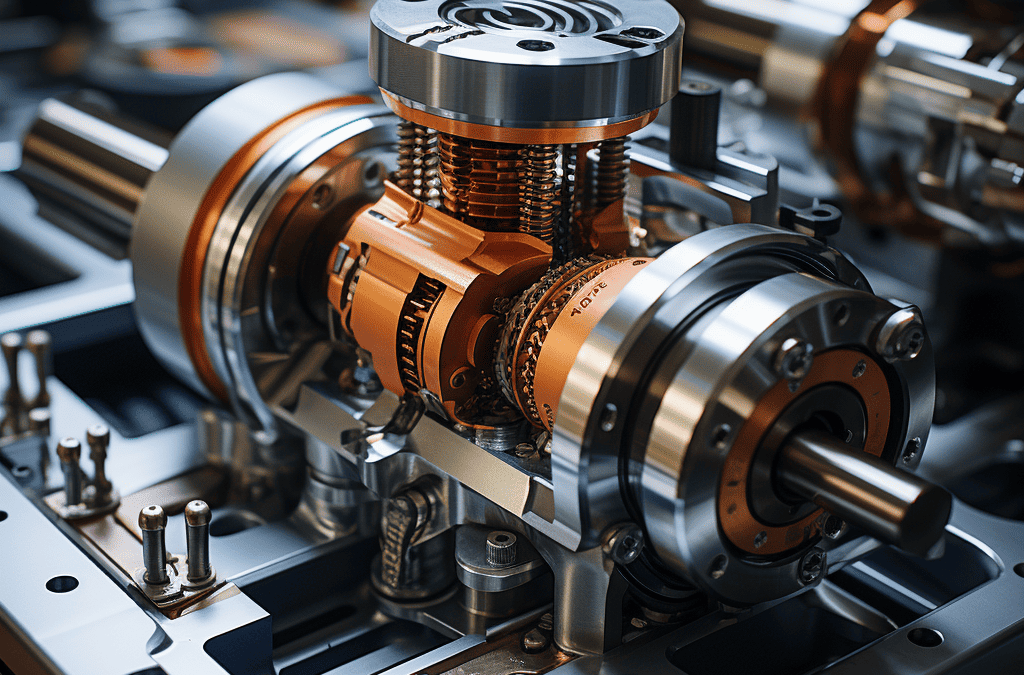

Exploring the Function and Design of Pneumatic Actuator Pistons
What are Pneumatic Actuator Pistons?
Pneumatic actuator pistons are mechanical devices that convert compressed air into linear motion. They are commonly used in industrial applications to move, lift, and position heavy loads. A pneumatic actuator piston consists of a cylinder, a piston, and a piston rod. The cylinder contains a chamber that is filled with compressed air. When the air is released, it pushes against the piston, causing it to move along the piston rod. Pneumatic actuator pistons are available in a variety of sizes and configurations to suit different applications.
How Do Pneumatic Actuator Pistons Work?
Pneumatic actuator pistons work by using the pressure differential between the compressed air and the atmosphere to generate force. The cylinder is connected to an air supply, which provides the compressed air. When the air is released into the cylinder, it creates a pressure differential between the air inside the cylinder and the atmosphere outside. This pressure differential causes the piston to move along the piston rod, generating linear motion. The direction of motion can be controlled by using valves to direct the flow of air into and out of the cylinder.
Advantages of Pneumatic Actuator Pistons
Reliable and Cost-effective: Pneumatic actuator pistons are known for their reliability and cost-effectiveness. They have fewer moving parts compared to hydraulic or electric actuators, which makes them less prone to failure. Pneumatic actuators are also relatively inexpensive to operate and maintain, making them a popular choice for many industrial applications.
Applications of Pneumatic Actuator Pistons
Pneumatic actuator pistons are used in a wide range of industrial applications, including manufacturing, automation, and robotics. They are commonly used in material handling applications, such as lifting, positioning, and moving heavy loads. Pneumatic actuator pistons are also used in process control applications, such as opening and closing valves, controlling flow rates, and regulating pressure. They are used in packaging applications, such as forming, sealing, and cutting. Additionally, pneumatic actuator pistons are used in automotive applications, such as braking, suspension, and steering.
Types of Pneumatic Actuator Pistons
There are several types of pneumatic actuator pistons, including single-acting and double-acting pistons. Single-acting pistons are powered by air in only one direction, while double-acting pistons are powered by air in both directions. There are also rodless and tie-rod cylinders. Rodless cylinders have no piston rod, while tie-rod cylinders use tie-rods to maintain the cylinder’s shape. Additionally, there are round-line and profile cylinders. Round-line cylinders have a circular cross-section, while profile cylinders have a rectangular cross-section. The choice of pneumatic actuator piston depends on the specific application and the required force, speed, and accuracy.
Design Considerations for Pneumatic Actuator Pistons
When designing a pneumatic actuator piston system, there are several factors to consider. These include the required force and speed, the operating environment, and the available space. The force and speed requirements will determine the size and type of pneumatic actuator piston needed. The operating environment will determine the materials and coatings required to ensure reliable operation. The available space will determine the size and shape of the pneumatic actuator piston. Other design considerations include the stroke length, mounting options, and control methods.
Maintenance of Pneumatic Actuator Pistons
Regular Inspections and Cleaning: Proper maintenance is essential to ensure the reliable operation of pneumatic actuator pistons. This includes regular inspections and cleaning of the cylinder, piston, and piston rod. It is also important to check the air pressure and flow rate to ensure that the system is operating within the recommended parameters. Lubrication is another important consideration. The type and amount of lubrication required will depend on the specific application and the operating environment. Regular maintenance can help extend the life of the pneumatic actuator piston and reduce downtime.
Choosing the Right Pneumatic Actuator Piston
Consider Force and Speed Requirements: Choosing the right pneumatic actuator piston is essential for reliable and efficient operation. The first step is to determine the force and speed requirements of the application. This will help narrow down the options and determine the size and type of pneumatic actuator piston needed. Other factors to consider include the operating environment, available space, and control methods. It is also important to choose a reputable manufacturer with a proven track record of quality and reliability.
Advances in Pneumatic Actuator Piston Technology
Smart Sensors and Controls: Pneumatic actuator piston technology has come a long way in recent years. Advances in materials and manufacturing techniques have led to the development of more efficient and reliable pneumatic actuator pistons. New designs and configurations have also been developed to meet the needs of specific applications. For example, some pneumatic actuator pistons are now designed to operate in harsh environments, such as extreme temperatures or corrosive environments. Other pneumatic actuator pistons are designed with smart sensors and controls to improve efficiency and reduce downtime.
Force and Speed Requirements: The amount of force and speed required for a specific application will determine the size and type of pneumatic actuator piston needed.
Operating Environment: The operating environment, including temperature, humidity, and corrosiveness, will determine the materials and coatings required for reliable operation.
Available Space: The available space will determine the size and shape of the pneumatic actuator piston, as well as the mounting options.
Control Methods: The control methods, including manual, automatic, or semi-automatic, will determine the type of valves and sensors needed.
Lubrication: The type and amount of lubrication required will depend on the specific application and the operating environment.
Smart Sensors and Controls: New designs and configurations of pneumatic actuator pistons are being developed with smart sensors and controls to improve efficiency and reduce downtime.

Pneumatic actuator pistons play a critical role in automating and optimizing industrial operations, making them indispensable in both material handling and process control applications. Their ability to provide both force and precision makes them ideal for a wide array of tasks, from moving heavy loads to regulating intricate process variables.
Material Handling Applications
**Conveyor Systems**: Pneumatic actuator pistons are utilized to control conveyor belts, facilitating the smooth and precise movement of products along the production line. This precision is crucial for ensuring products are correctly aligned for packaging, inspection, or further processing.
**Gates and Valves Operation**: In material handling systems, these actuators are also employed to operate gates and valves. This functionality is essential for directing the flow of materials, such as in bulk handling systems where different materials need to be routed to specific locations or containers.
**Lifting and Positioning**: Pneumatic actuator pistons provide the force required to lift and position heavy loads safely. Their use in equipment like palletizers and de-palletizers showcases their capacity to handle goods efficiently, minimizing the risk of damage and enhancing workplace safety.
Process Control Applications
**Fluid and Gas Regulation**: In industries where the flow of fluids and gases needs to be precisely controlled, pneumatic actuator pistons regulate valves to maintain desired pressure and flow rates. This precision ensures that processes are consistent, safe, and efficient.
**Temperature and Pressure Control**: Especially crucial in the food processing and chemical industries, these actuators play a vital role in controlling the temperature and pressure of various processes. Whether it’s cooking, sterilization, or chemical reactions, maintaining specific conditions is essential for product quality and safety.
**Automated Process Adjustment**: Pneumatic actuator pistons allow for automated adjustments in response to real-time data. This capability is fundamental in modern process control, where adjustments need to be made quickly and accurately to ensure optimal operation conditions.
The broad applicability of pneumatic actuator pistons in both material handling and process control underscores their importance in modern industrial environments. Their reliability, precision, and versatility make them a key component in ensuring operations are both efficient and effective, contributing significantly to the automation and optimization of industrial processes.
Automation and Robotics
In automation and robotics applications, pneumatic actuator pistons are used to provide precise and reliable motion control. They are often used in robotic arms, grippers, and other end-effectors to manipulate objects with high accuracy and repeatability. Pneumatic actuator pistons are also used in automated assembly lines, where they provide the necessary force and precision to perform tasks such as welding, riveting, and assembly.
Machine Tools
In machine tools, pneumatic actuator pistons are used to control the movement of cutting tools, providing precise control over the cutting process. They are often used in CNC machines, where they provide the necessary force and accuracy to perform complex machining operations. In addition, pneumatic actuator pistons are used in power tools, such as drills and saws, to provide the necessary power and precision for cutting and shaping materials.
Testing and Simulation
In testing and simulation applications, pneumatic actuator pistons are used to simulate real-world conditions and test the performance of equipment and systems. They are often used in crash testing, where they provide the necessary force to simulate collisions and other impacts. In addition, pneumatic actuator pistons are used in wind tunnels, where they provide the necessary airflow to simulate different flight conditions.
Pneumatic actuator pistons play a critical role in many industrial applications, providing precise and reliable motion control. Whether it’s material handling, process control, automation and robotics, machine tools, or testing and simulation, pneumatic actuator pistons are an essential component for ensuring the efficiency, safety, and accuracy of industrial processes.conditions and provides the required performance.
Actuator Selection
Choosing the right pneumatic actuator is essential for achieving optimal piston performance. The actuator should be selected based on the application’s specific requirements, such as force, speed, and stroke length. The actuator’s size, weight, and mounting options should also be considered. Using a smaller actuator can reduce weight and improve energy efficiency, while a larger actuator can provide more force. Choosing an actuator with the right mounting options can also improve installation and maintenance. The actuator’s control system, including the air supply, valves, and sensors, should also be considered to ensure that it provides the required accuracy and response time.
Maintenance and Troubleshooting
Proper maintenance and troubleshooting are critical for ensuring optimal pneumatic actuator piston performance. Regular inspections and lubrication can help prevent wear and extend the piston’s lifespan. Inspections should include checking for leaks, damage, and excessive wear on the piston, cylinder, and seals. If a problem is detected, it should be addressed promptly to prevent further damage and downtime. Troubleshooting can help identify the root cause of performance issues and determine the appropriate corrective action. This may involve adjusting the actuator’s settings, replacing worn or damaged components, or modifying the cylinder or piston design.
Designing a pneumatic actuator piston for optimal performance requires careful consideration of the cylinder and piston design, actuator selection, maintenance, and troubleshooting. By choosing the right components and ensuring proper installation, operation, and maintenance, it is possible to achieve the required force and speed while minimizing friction, wear, and energy consumption. Proper design and maintenance can also help extend the piston’s lifespan and reduce downtime, resulting in improved productivity and cost savings. When selecting a pneumatic actuator piston, it is essential to work with a reputable supplier who can provide expert guidance and support throughout the design, installation, and maintenance process.


Maintaining and troubleshooting pneumatic actuator pistons is crucial for ensuring the longevity and efficiency of your pneumatic systems. By following a comprehensive maintenance routine and addressing issues promptly, you can prevent costly breakdowns and minimize downtime. Here’s a summary of best practices for maintaining and troubleshooting your pneumatic actuator pistons:
Maintenance Tips
– **Regular Inspections**: Periodically check for wear, damage, or leaks. Inspect piston rods, seals, and cylinder walls for any signs of deterioration.
– **Lubrication**: Use manufacturer-recommended lubricants to reduce friction and wear. Adhere to the suggested lubrication schedule to ensure optimal performance.
– **Cleaning**: Remove dirt and debris from piston rods and cylinder walls to prevent wear. Use appropriate cleaning methods as recommended.
– **Air Pressure Check**: Regularly verify that the air pressure is within the recommended limits to avoid slow movement or potential damage.
Troubleshooting Tips
– **Slow Movement**: Inspect for blockages in the air supply line or issues with the valves. Clean or replace filters, seals, or valves as necessary.
– **Erratic Movement**: Look for air leaks or loose fittings and ensure air pressure is correctly adjusted.
– **Leaks**: Identify and fix leaks around seals, cylinder heads, or valves by replacing damaged components.
– **No Movement**: Check for electrical problems with valves or insufficient air supply. Ensure no blockages in the air supply line.
Ongoing Maintenance
– **Replace Parts**: Regularly substitute worn-out or damaged components such as seals, O-rings, and piston rods to avoid further issues.
– **Maintenance Records**: Maintain detailed records of maintenance and troubleshooting efforts to monitor actuator performance and identify patterns or recurring issues.
By adhering to these maintenance and troubleshooting guidelines, you can ensure that pneumatic actuator pistons operate reliably and efficiently, contributing to the overall productivity and safety of your pneumatic systems.
By following these maintenance and troubleshooting tips, you can ensure that your pneumatic actuator pistons are operating at their optimal performance, efficiency, and longevity.


