
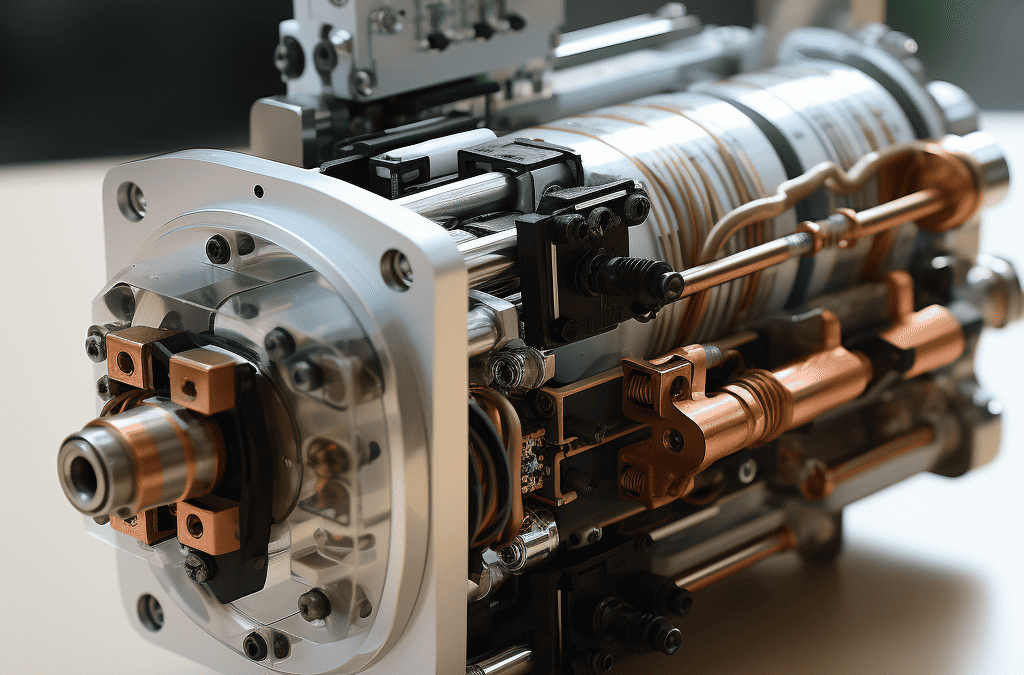

Design Features of Pneumatic Actuator Rotary Systems
Pneumatic actuator rotary systems can be designed with various features to meet specific application requirements. Some common design features include:
- Rotary actuator types: Pneumatic rotary actuators can be classified into two main types: rack and pinion, and vane. Rack and pinion actuators use a gear mechanism to convert linear motion into rotary motion, while vane actuators use a sliding vane to create rotary motion.
- Number of positions: Rotary actuators can be designed to rotate in a single direction or bi-directionally. They can also be designed for multi-position applications, such as indexing or positioning.
- Stroke length: The stroke length of a rotary actuator refers to the maximum angular displacement of the output shaft. Stroke lengths can vary depending on the application requirements.
- Mounting options: Rotary actuators can be mounted in various ways, including direct mounting, flange mounting, and clevis mounting.
- Accessories: Accessories such as limit switches, positioners, and feedback devices can be added to rotary actuators to enhance their functionality and improve performance.
Applications of Pneumatic Actuator Rotary Systems
Pneumatic actuator rotary systems are used in a wide range of industrial automation and process control applications, including:
- Valve actuation: Rotary actuators are commonly used to open and close valves in fluid handling systems.
- Automated assembly: Rotary actuators are used to automate assembly processes, such as indexing, positioning, and rotating components.
- Conveying and material handling: Rotary actuators are used to rotate conveyor belts, turn tables, and other material handling equipment.
- Packaging and palletizing: Rotary actuators are used to rotate products and move them between different stages of the packaging and palletizing process.
- Robotics: Rotary actuators are used to provide rotational motion in robotic arms and other automated systems.
Advantages of Pneumatic Actuator Rotary Systems
Pneumatic actuator rotary systems offer several advantages over other types of rotary actuators, including:
- Fast response times: Pneumatic actuators can respond quickly to changes in air pressure, allowing for fast and precise positioning.
- High power density: Pneumatic actuators can generate a high amount of force in a small package, making them ideal for applications where space is limited.
- Reliable and durable: Pneumatic actuators have few moving parts, making them reliable and durable in harsh environments.
- Low cost: Pneumatic actuators are generally less expensive than other types of rotary actuators.
- Easy maintenance: Pneumatic actuators are simple to maintain and repair, with easy access to internal components.
Pneumatic actuator rotary systems are versatile and reliable devices that provide rotary motion in a wide range of industrial automation and process control applications. By understanding their design, functionality, and applications, engineers and technicians can select the right rotary actuator system for their specific needs and optimize performance and efficiency. Whether it’s for valve actuation, automated assembly, conveyor systems, packaging, or robotics, pneumatic rotary actuators offer a cost-effective and efficient solution.

Key Components of a Pneumatic Actuator Rotary System
A pneumatic actuator rotary system is a mechanical device that converts compressed air into rotary motion. It is widely used in various industries for controlling valves, pumps, and other industrial equipment. The actuator consists of several key components that work together to provide precise and reliable motion. In this section, we will discuss the key components of a pneumatic actuator rotary system.
Actuator Housing
The actuator housing is the main body of the pneumatic actuator rotary system. It contains all the internal components and provides a protective shell to prevent damage. The housing is typically made of cast aluminum or steel, and it is designed to withstand the high pressure and forces generated by the compressed air. The housing is the backbone of the actuator and it is essential to ensure its strength and durability. The housing may also include mounting brackets, which allow the actuator to be attached to the load and to the support structure.
Rotary Actuator Shaft
The rotary actuator shaft is the component that actually rotates when the actuator is engaged. It is typically made of steel or stainless steel, and it is supported by bearings to ensure smooth and reliable operation. The shaft is connected to the output of the actuator and transfers the rotary motion to the load. The shaft is a critical component that determines the actuator’s range of motion and its ability to withstand the load. The shaft may also include a keyway, which allows it to be connected to the load.
Piston or Vane
The piston or vane is the component that converts the air pressure into mechanical energy. In a rack and pinion actuator, the piston is connected to a rack gear that meshes with a pinion gear to produce rotary motion. In a vane actuator, a series of sliding vanes are mounted to a rotating shaft. As air pressure builds up, the vanes are pushed outward, causing the shaft to rotate. The piston or vane is the heart of the actuator and it determines its efficiency and power. The piston or vane may also include seals, which prevent air leakage and ensure proper functioning of the actuator.
Control Valve
The control valve regulates the flow of compressed air to the actuator. It is typically a solenoid valve that is controlled by an electrical signal. When the valve is opened, air flows to the actuator, causing it to rotate. When the valve is closed, the air flow is stopped, and the actuator stops rotating. The control valve is the brain of the actuator and it ensures precise and accurate control of the actuator’s motion. The control valve may also include a filter, which removes contaminants from the air supply and prevents damage to the actuator.
Air Supply
The air supply is the source of compressed air for the pneumatic actuator rotary system. It typically consists of an air compressor, a storage tank, and a distribution system. The air supply must be able to provide the required air pressure and flow rate to ensure proper operation of the actuator. The air supply is the lifeblood of the actuator and it determines its performance and reliability. The air supply may also include a regulator, which maintains a constant air pressure and prevents overpressure situations.
Mounting Hardware
Mounting hardware is used to attach the actuator to the load and to the support structure. It typically consists of brackets, bolts, and nuts. The mounting hardware must be able to withstand the forces generated by the actuator and ensure proper alignment of the load and the actuator. The mounting hardware is essential to ensure the stability and accuracy of the actuator.
Accessories
There are several accessories that can be added to a pneumatic actuator rotary system to improve its performance and functionality. These include position feedback sensors, limit switches, and air preparation equipment such as filters and regulators. Position feedback sensors provide information on the position of the actuator and allow for precise control of the motion. Limit switches prevent the actuator from rotating beyond its designated limits. Air preparation equipment removes contaminants from the air supply and maintains a constant air pressure.
Seals and O-rings
Seals and O-rings are important components of a pneumatic actuator rotary system. They are used to prevent leaks and to ensure the proper functioning of the actuator. Seals and O-rings are made of materials such as Nitrile, Viton, and Neoprene. They must be able to withstand the high pressure and temperature of the compressed air and they must be resistant to wear and tear. Seals and O-rings may also include backup rings, which provide additional support and prevent leakage.
Lubrication
Lubrication is essential for the smooth and reliable operation of a pneumatic actuator rotary system. It reduces friction and wear and tear and it extends the life of the actuator. The lubrication system typically consists of grease or oil that is applied to the moving parts of the actuator. The lubrication must be able to withstand the high pressure and temperature of the compressed air and it must be compatible with the materials used in the actuator. Lubrication may also include a lubricator, which automatically applies lubrication to the moving parts of the actuator.
Positioning Feedback
Positioning feedback is an important feature of a pneumatic actuator rotary system. It provides information on the position of the actuator and it allows for precise control of the motion. Position feedback can be provided by sensors such as potentiometers, encoders, or resolvers. These sensors can be analog or digital and they must be able to withstand the harsh conditions of the industrial environment. Positioning feedback may also include a positioner, which adjusts the air pressure to the actuator to maintain the desired position.
Maintenance
Maintenance is essential to ensure the proper functioning and longevity of a pneumatic actuator rotary system. Regular maintenance includes checking for leaks, inspecting the moving parts for wear and tear, and replacing the seals and O-rings. Regular maintenance can prevent costly downtime and it can extend the life of the actuator. The maintenance schedule will depend on the specific application and the operating conditions of the actuator.
Safety Features
Safety features are essential to prevent accidents and injuries in a pneumatic actuator rotary system. These features include emergency stop buttons, pressure relief valves, and overload protection. Safety features must be designed and installed in accordance with industry standards and regulations. They must be tested and inspected regularly to ensure that they are functioning properly.
Customization
Customization is an important consideration when selecting a pneumatic actuator rotary system. The actuator can be customized to meet the specific requirements of the application. Customization options include the size, shape, and materials of the actuator, as well as the control system and the accessories. Customization can improve the performance and efficiency of the actuator and it can reduce the cost of the overall system.
Applications
Pneumatic actuator rotary systems are used in a wide range of industries and applications. These include manufacturing, automation, food and beverage, and oil and gas. The actuator can be used to control valves, pumps, and other industrial equipment. The actuator’s ability to provide precise and reliable motion makes it an ideal choice for applications where accuracy and repeatability are critical.
Environmental Considerations
Environmental considerations are becoming increasingly important in the selection of pneumatic actuator rotary systems. The actuator should be designed to minimize its environmental impact. This includes reducing energy consumption, minimizing noise and vibration, and using environmentally friendly materials. The actuator should also be designed to operate in harsh conditions such as extreme temperatures, humidity, and dust.
Key Features
When selecting a pneumatic actuator rotary system, it is important to consider the key features that will ensure its performance and longevity. These include:
- Precision: The ability to provide precise and accurate motion is critical in many industrial applications. The actuator should be designed to minimize backlash and hysteresis.
- Reliability: The actuator should be designed to withstand the harsh conditions of the industrial environment. It should be able to operate for extended periods of time without failure.
- Efficiency: The actuator should be designed to minimize energy consumption and to provide maximum output for the input energy.
- Durability: The actuator should be designed to withstand wear and tear and to have a long service life.
- Maintenance: The actuator should be designed to be easy to maintain and to have a low maintenance cost.
- Safety: The actuator should be designed with safety features to prevent accidents and injuries.
A pneumatic actuator rotary system is a critical component in many industrial applications. It provides precise and reliable motion and it is designed to withstand the harsh conditions of the industrial environment. The actuator consists of several key components that work together to provide optimal performance. When selecting an actuator, it is important to consider the specific requirements of the application, including the size, type, and features of the actuator. Regular maintenance and safety features are essential to ensure the proper functioning and longevity of the actuator. Customization options and environmental considerations should also be taken into account when selecting an actuator. With the right pneumatic actuator rotary system, you can improve the efficiency and productivity of your industrial processes.
bearings and couplings. Additionally, regular maintenance and inspections can help ensure that the actuator remains properly aligned and in good working condition.
Control System
The control system is a crucial component of a pneumatic actuator rotary system. It is responsible for regulating the air pressure and flow rate to the actuator, as well as providing feedback on the position and speed of the actuator. The control system should be designed to provide precise and reliable control, even under varying load conditions. This may require the use of specialized sensors and control algorithms. To ensure optimal performance, it’s important to carefully consider the control system requirements and select appropriate components and design strategies.
Safety Considerations
Safety is always a top priority when designing a pneumatic actuator rotary system. The system should be designed to prevent accidents and injuries, both during operation and maintenance. This may include the use of safety interlocks, emergency stop buttons, and pressure relief valves. It’s also important to consider the potential for component failure and to design the system with appropriate redundancy and fail-safe mechanisms. To ensure optimal safety, it’s important to follow established safety standards and guidelines, and to conduct regular safety audits and inspections.
Cost and Maintenance
Finally, cost and maintenance are important considerations in the design of a pneumatic actuator rotary system. The system should be designed to provide reliable and efficient operation while minimizing maintenance requirements and costs. This may involve selecting components with long service lives and low maintenance requirements, as well as designing the system for easy access and maintenance. To ensure optimal cost and maintenance performance, it’s important to carefully consider the expected operating conditions, maintenance requirements, and lifecycle costs of the system.
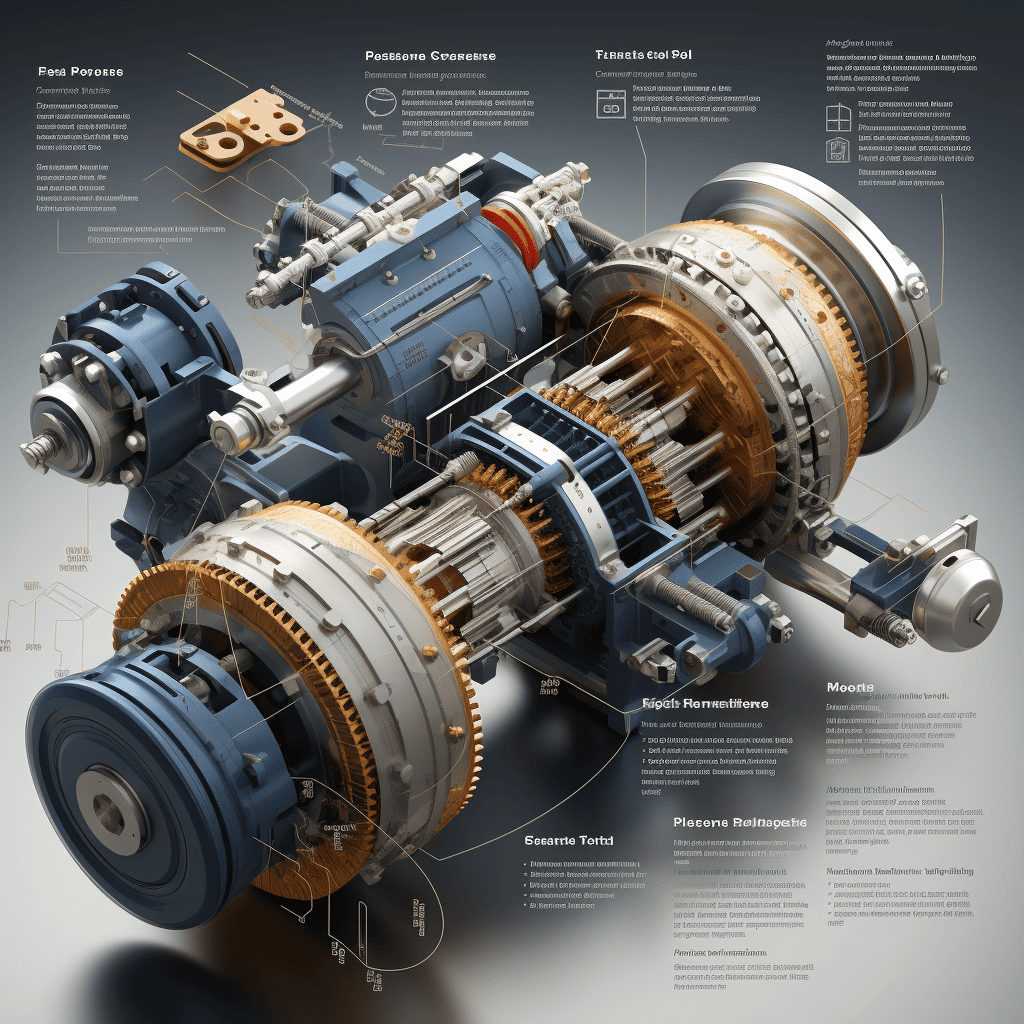
Designing a pneumatic actuator rotary system for optimal performance requires careful consideration of a variety of factors, including load requirements, air supply, environmental conditions, mounting and alignment, control system, safety considerations, and cost and maintenance. By carefully evaluating these factors and selecting appropriate components and design strategies, it’s possible to create a reliable and efficient pneumatic actuator rotary system that meets the specific needs of the application.

By accurately controlling the position of a valve or control mechanism, pneumatic actuator rotary systems can maintain consistent pressure, temperature, and flow rates, which is essential for ensuring the safe and efficient operation of the process.
Sensors
In process control applications, sensors are often used in conjunction with pneumatic actuator rotary systems to provide feedback on the position of the valve or control mechanism. This information is used to adjust the position of the actuator, ensuring that the process remains within the desired parameters. Common sensors used in process control applications include pressure sensors, temperature sensors, and flow sensors.
Robotics
Pneumatic actuator rotary systems are also commonly used in robotics applications, where they provide precise and reliable motion control. They are used in a variety of robotics applications, including pick and place operations, assembly, and material handling. By connecting the actuator to a robotic arm or end effector, it can accurately move the arm or manipulate the object being handled, improving efficiency and reducing the risk of errors.
Servo Motors
While pneumatic actuator rotary systems are ideal for many robotics applications, servo motors are often used for more precise and high-speed motion control. Servo motors use feedback from encoders or other sensors to accurately control the position and velocity of the motor, making them ideal for applications such as robotic surgery and precision manufacturing.
Mining and Construction
Pneumatic actuator rotary systems are also used in mining and construction applications, where they provide reliable and durable motion control in harsh environments. They are used in a variety of applications, including drilling, excavation, and material handling. By accurately controlling the position of drills, buckets, and other equipment, pneumatic actuator rotary systems can improve efficiency and reduce the risk of accidents.
Hydraulic Actuators
While pneumatic actuator rotary systems are ideal for many mining and construction applications, hydraulic actuators are often used for heavier-duty applications where higher forces are required. Hydraulic actuators use fluid pressure to generate force, making them capable of generating much higher forces than pneumatic actuators. They are commonly used in excavators, cranes, and other heavy equipment.
In conclusion, pneumatic actuator rotary systems are versatile and widely used in a variety of applications, from industrial automation to robotics to mining and construction. By accurately controlling the position of valves or control mechanisms, pneumatic actuator rotary systems can improve efficiency, reduce waste, and improve safety. While they are ideal for many applications, it is important to consider the specific requirements of the application and choose the appropriate type of actuator, whether it be pneumatic, hydraulic, or linear. Additionally, the use of sensors and other feedback mechanisms can further improve the performance of pneumatic actuator rotary systems, ensuring that they operate within the desired parameters.


