
Optimizing Pump Chamber Design
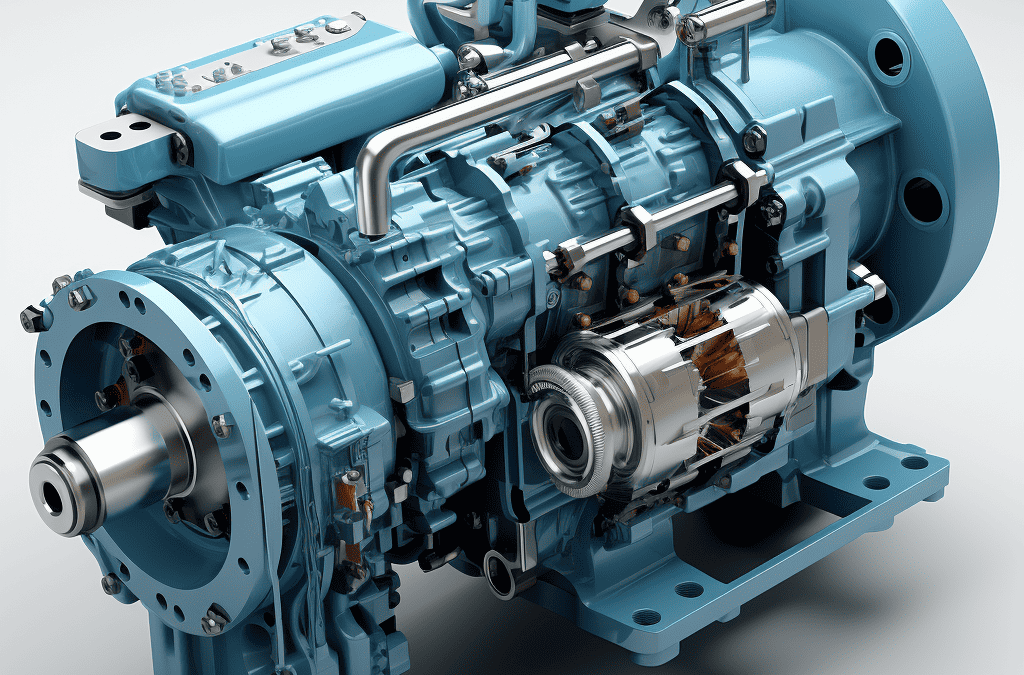
The pump chamber is the space where the fluid is contained and moved by the pump’s internal components. Its design significantly impacts the pump’s efficiency. By optimizing the pump chamber’s shape and size, it is possible to reduce turbulence, minimize leakage, and improve flow rates. For example, a pump chamber with a streamlined shape can reduce turbulence and improve flow rates. Additionally, increasing the pump chamber’s size can reduce the fluid’s velocity, which can further reduce turbulence and improve efficiency.
Optimizing Valve Design
Valves play a critical role in the operation of positive displacement pumps. They control the flow of fluid into and out of the pump chamber. By optimizing the valve design, it is possible to reduce turbulence, minimize leakage, and improve flow rates. For example, using larger valves can reduce the fluid’s velocity and reduce turbulence. Additionally, using tapered valve seats can minimize leakage and improve the pump’s efficiency.
Optimizing Rotor or Piston Design
The rotor or piston is the component that moves the fluid through the pump. Its design significantly impacts the pump’s efficiency. By optimizing the rotor or piston’s shape and size, it is possible to reduce turbulence, minimize leakage, and improve flow rates. For example, using a rotor or piston with a streamlined shape can reduce turbulence and improve flow rates. Additionally, minimizing the clearance between the rotor or piston and the pump chamber can reduce leakage and improve efficiency.
Using Advanced Materials and Coatings
Advanced materials and coatings can also be used to improve the efficiency of positive displacement pumps. For example, using materials with low friction coefficients can reduce energy losses and improve efficiency. Additionally, using coatings that resist wear and corrosion can reduce maintenance costs and improve the pump’s longevity.
Benefits of Optimizing Pump Geometry
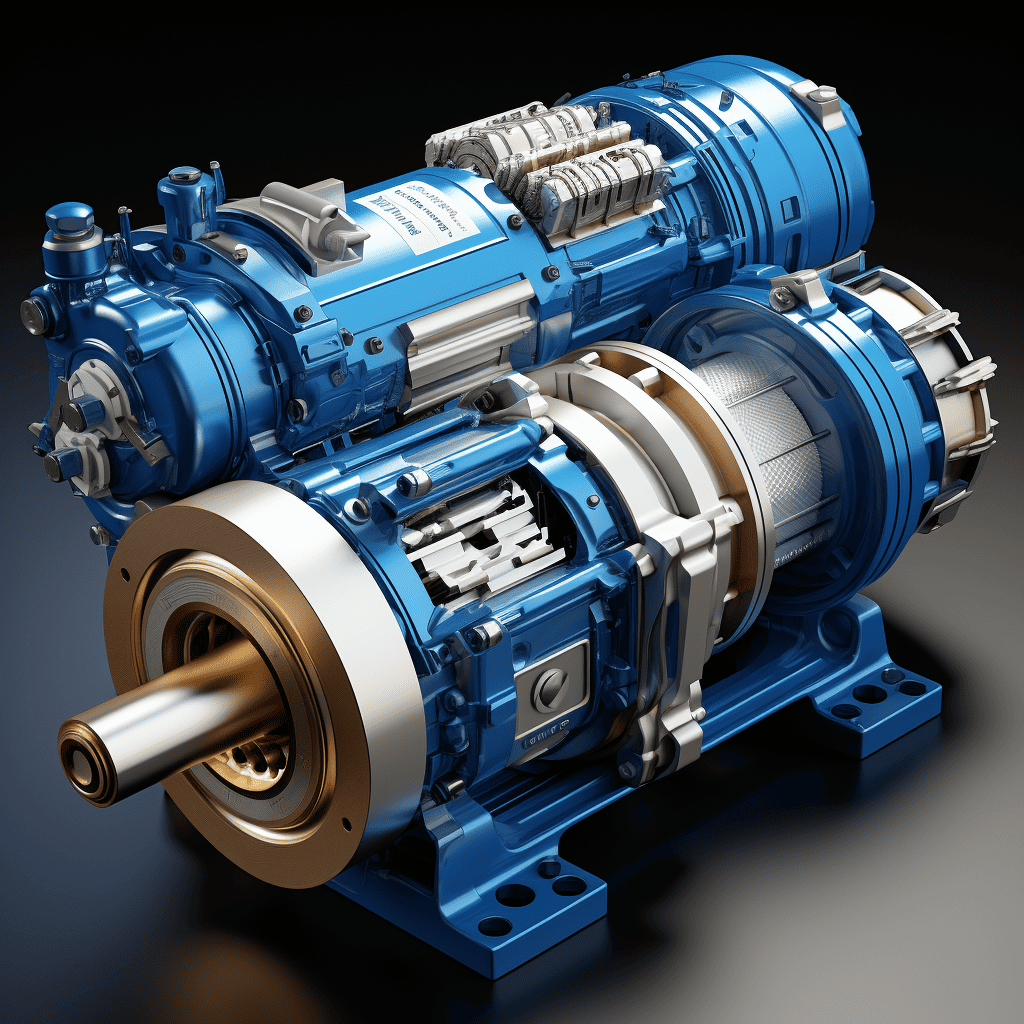
Optimizing the geometry of positive displacement pumps can provide several benefits, including:
Improved Efficiency and Energy Savings
By reducing energy losses and improving flow rates, optimizing pump geometry can significantly improve the pump’s efficiency and reduce energy consumption. This can lead to cost savings and a lower carbon footprint.
Increased Pump Longevity and Reduced Maintenance Costs
By minimizing wear and corrosion, optimizing pump geometry can increase the pump’s longevity and reduce maintenance costs. This can result in lower operating costs and a higher return on investment.
Improved Performance and Reliability
By reducing turbulence and leakage, optimizing pump geometry can improve the pump’s performance and reliability. This can result in more consistent flow rates and pressure, which can improve the overall efficiency of industrial processes.
Enhanced Safety and Environmental Compliance
By reducing energy consumption and improving efficiency, optimizing pump geometry can contribute to enhanced safety and environmental compliance. This can result in lower greenhouse gas emissions and a reduced risk of accidents and spills.
Positive displacement pumps are widely used in industrial applications to deliver a constant flow rate regardless of discharge pressure. The efficiency of these pumps is highly dependent on their geometry. By optimizing the geometry of the pump’s internal components, it is possible to improve the pump’s efficiency, reduce energy consumption, and provide several other benefits. When selecting a pump configuration, it is essential to consider the fluid properties, desired flow rate and pressure, and the application’s requirements. Additionally, minimizing flow turbulence and leakage, optimizing pump chamber, valve, and rotor or piston design, and using advanced materials and coatings can all contribute to improved pump efficiency and performance.
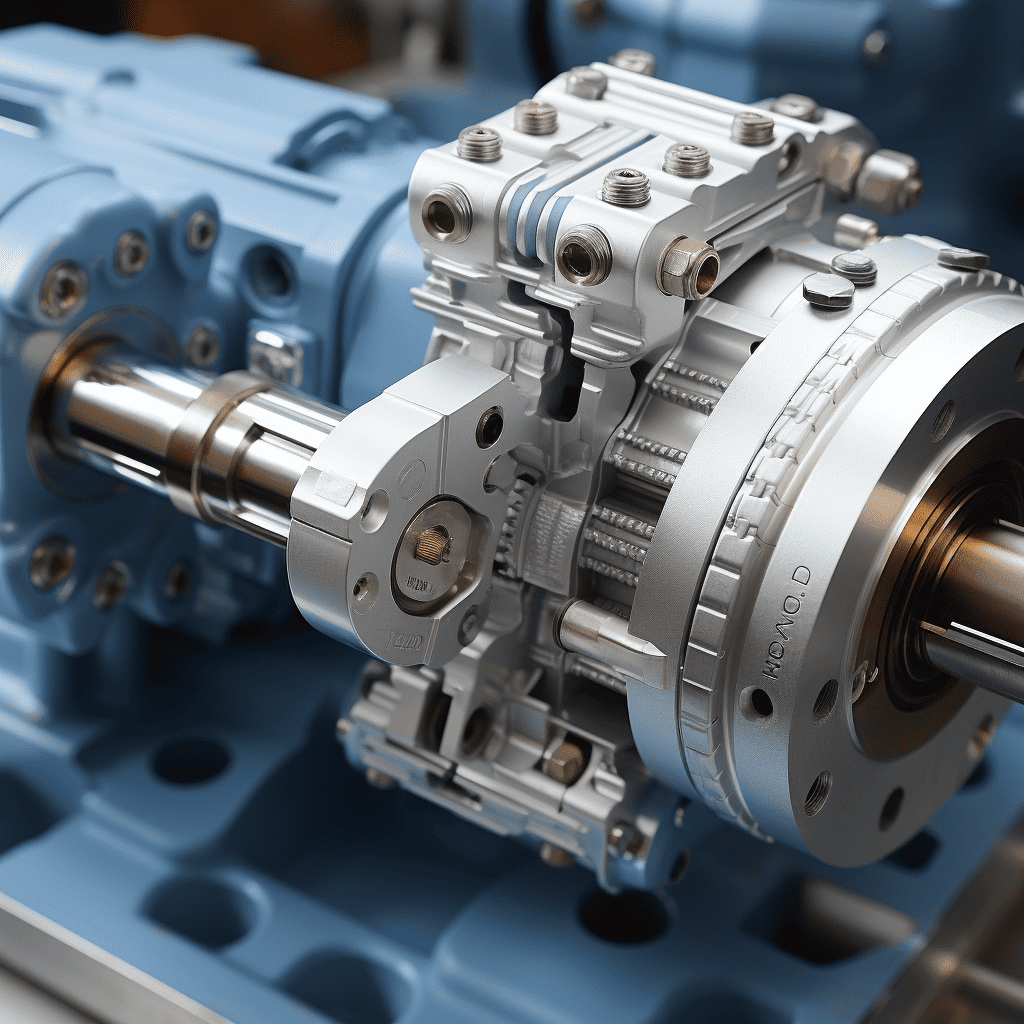 Different types of corrosion, such as galvanic, pitting, or crevice corrosion, require different material solutions. It is also important to consider the operating conditions, such as temperature and pressure, as these can impact the effectiveness of the chosen material.
Selecting Materials for Abrasion Resistance
Abrasion is another common wear mechanism in positive displacement pumps, particularly in applications involving solids or slurries. Materials with high hardness and abrasion resistance, such as ceramics or hardened metals, are often used in these applications. Additionally, surface treatments, such as case hardening or nitriding, can be used to improve abrasion resistance.
When selecting materials for abrasion resistance, it is important to consider the size and shape of the solids or particles that the pump will be handling. Different materials and surface treatments may be more effective against certain types of abrasive wear. It is also important to consider the operating conditions, such as flow rate and pressure, as these can impact the effectiveness of the chosen material.
Selecting Materials for High-Temperature Applications
Positive displacement pumps used in high-temperature applications, such as those found in the chemical or power generation industries, require materials that can withstand the extreme conditions. Materials such as high-temperature alloys or ceramics may be used in these applications. Additionally, insulation and cooling systems may be necessary to prevent overheating.
When selecting materials for high-temperature applications, it is important to consider the maximum operating temperature, as well as the thermal expansion and conductivity properties of the chosen material. It is also important to consider the potential for thermal shock, which can occur when the pump is subjected to rapid temperature changes.
Selecting Materials for Cryogenic Applications
Positive displacement pumps used in cryogenic applications, such as those found in the liquefied natural gas (LNG) industry, require materials that can withstand the extreme cold temperatures. Materials such as stainless steel or other low-temperature alloys may be used in these applications. Additionally, special design considerations may be necessary to prevent the formation of ice or other cryogenic fluids.
When selecting materials for cryogenic applications, it is important to consider the minimum operating temperature, as well as the thermal expansion and conductivity properties of the chosen material. It is also important to consider the potential for brittle fracture, which can occur in some materials at extremely low temperatures.
Selecting Materials for Food and Beverage Applications
Positive displacement pumps used in the food and beverage industry must meet strict hygienic requirements to prevent contamination. Materials that are easy to clean and sanitize, such as stainless steel or certain plastics, are often used in these applications. Additionally, the pump design must be optimized to prevent the buildup of product residues or bacteria.
When selecting materials for food and beverage applications, it is important to consider the specific requirements of the application, such as the type of food or beverage being processed and the required level of sanitation. It is also important to consider the potential for corrosion, as some foods or beverages may be acidic or corrosive.
Selecting the right materials for positive displacement pump construction is critical to ensuring optimal performance and reducing maintenance costs. By understanding the specific wear mechanisms encountered in the application, it is possible to choose materials that are resistant to these factors and improve the pump’s lifespan. Additionally, special considerations may be necessary for certain applications, such as those involving high or low temperatures, abrasive solids, or hygienic requirements. By carefully considering material selection, it is possible to design positive displacement pumps that meet the unique needs of each application.
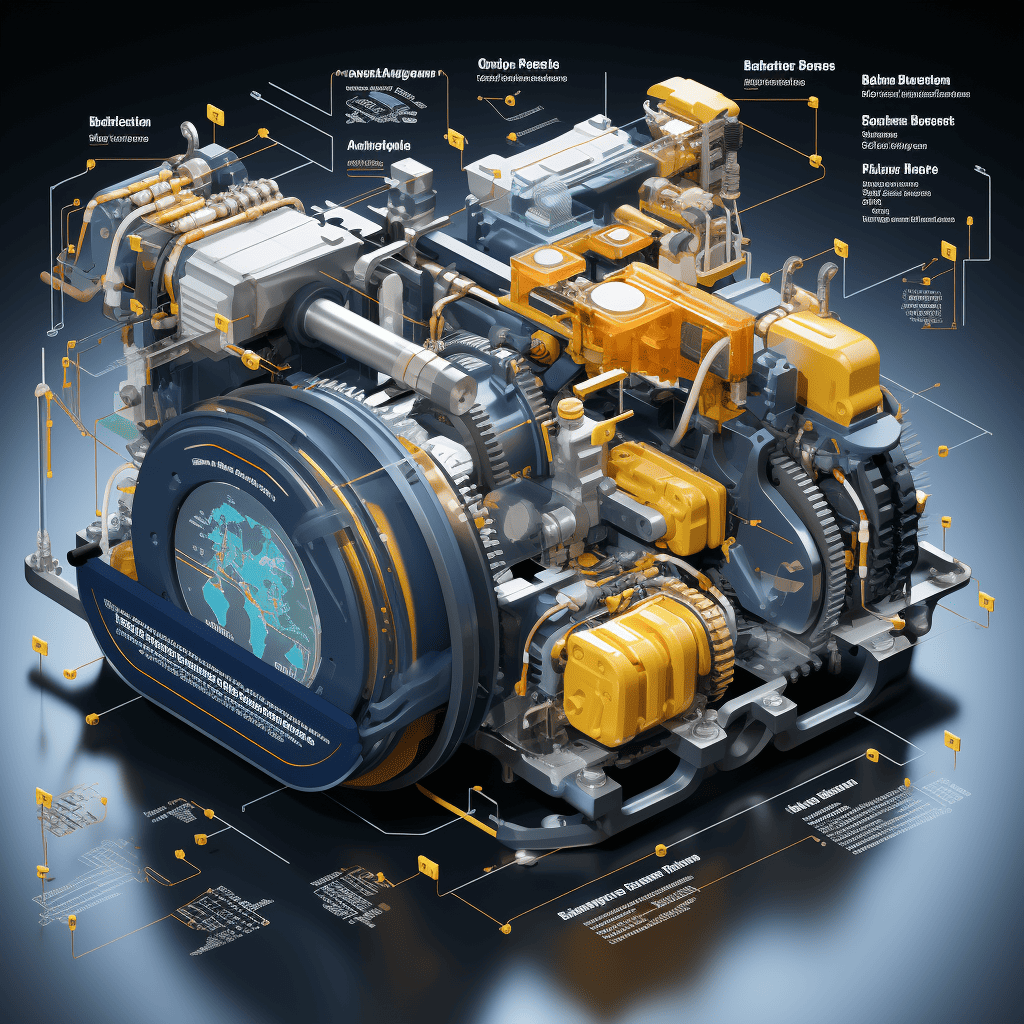 This information can then be used to schedule maintenance only when it is needed, rather than on a fixed schedule.
Machine learning algorithms
Machine learning algorithms are a key component of predictive maintenance systems. These algorithms use historical data and real-time sensor data to identify patterns and trends that can be used to predict future equipment failures. For example, an algorithm may be trained to recognize the signs of wear on a positive displacement pump, and then use that knowledge to predict when the pump is likely to fail.
Remote monitoring
Remote monitoring is another important aspect of predictive maintenance. By using remote monitoring systems, it is possible to continuously monitor the condition of equipment from a central location, without the need for on-site personnel. This can be particularly useful for equipment that is located in remote or hard-to-reach areas.
Predictive maintenance benefits
Predictive maintenance offers a number of benefits over traditional reactive maintenance approaches. By identifying potential problems before they occur, it is possible to reduce downtime, improve equipment reliability, and reduce maintenance costs. Additionally, predictive maintenance can help to extend the lifespan of equipment, and reduce the need for costly replacements.
Smart technology
Smart technology is essential for predictive maintenance. By using sensors, data analysis software, and machine learning algorithms, it is possible to continuously monitor the condition of equipment, and identify potential problems before they occur. Smart technology can also be used to optimize maintenance schedules, and ensure that maintenance is performed only when it is needed.
Predictive maintenance challenges
While predictive maintenance offers many benefits, it also presents some challenges. One of the main challenges is the need for large amounts of data, which can be difficult to collect and analyze. Additionally, predictive maintenance systems can be complex and expensive to implement, and may require specialized expertise to operate and maintain.
Positive displacement pumps
Positive displacement pumps are commonly used in a variety of industries, including oil and gas, chemical processing, and food and beverage. These pumps work by trapping a fixed amount of fluid and then moving it through the system. Predictive maintenance can be particularly useful for positive displacement pumps, as it can help to identify potential problems such as wear, corrosion, or leaks, and schedule maintenance before they become major issues.
Predictive maintenance providers
There are many companies that offer predictive maintenance solutions, ranging from large multinational corporations to smaller startups. When selecting a predictive maintenance provider, it is important to consider factors such as the provider’s experience, the types of equipment they support, and their pricing and service offerings.
Predictive maintenance implementation
Implementing a predictive maintenance system can be a complex process, and may require significant investment in hardware, software, and personnel. To ensure a successful implementation, it is important to develop a clear plan, identify key stakeholders, and establish metrics for success. Additionally, it may be helpful to work with a predictive maintenance provider that can provide guidance and support throughout the implementation process.
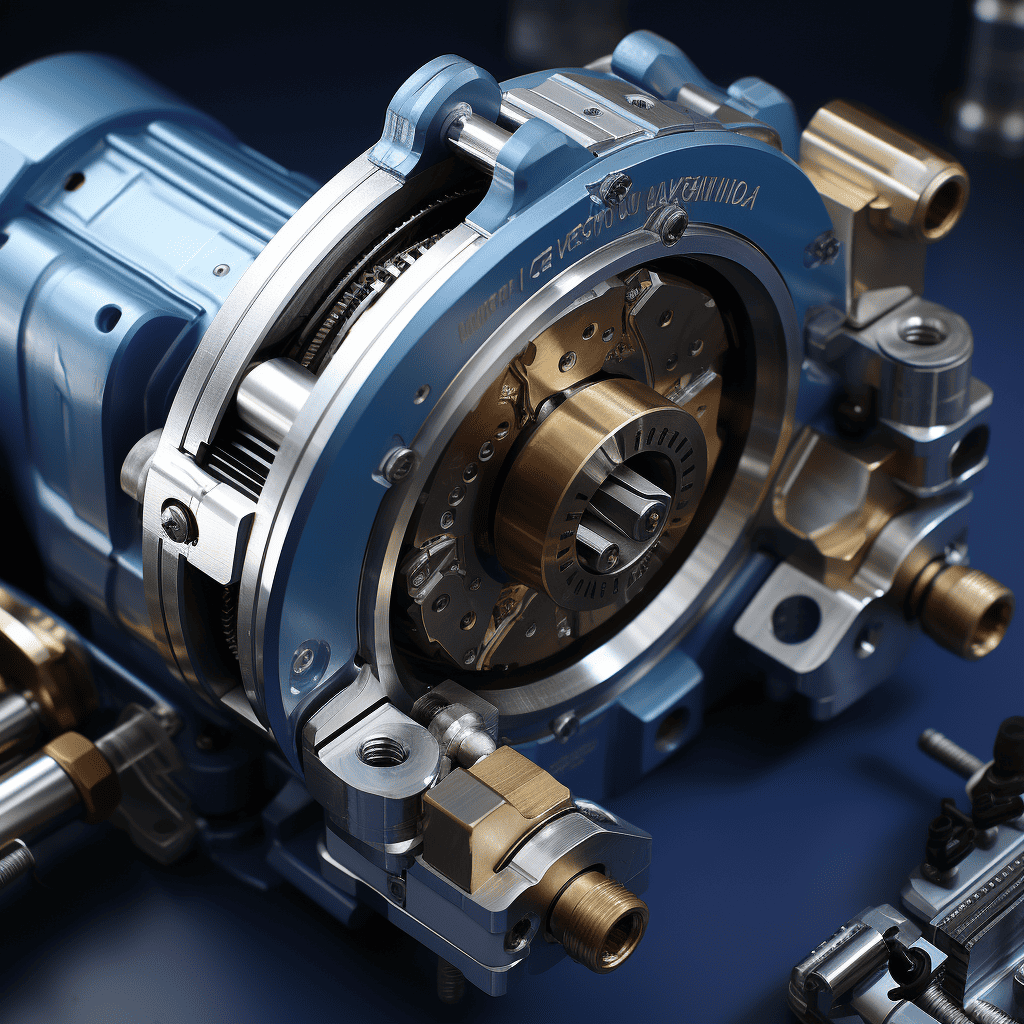
Common Causes of Leakage in Positive Displacement Pumps
Leakage in positive displacement pumps can occur due to several reasons, including:
- Wear and tear: Over time, the sealing components of the pump can become worn out, leading to leakage.
- Improper installation: If the pump is not installed correctly, it can cause the seals to become misaligned or damaged, resulting in leakage.
- High pressure: Positive displacement pumps operate at high pressures, which can cause the seals to fail if they are not designed to handle the pressure.
- Temperature fluctuations: Changes in temperature can cause the seals to expand or contract, leading to leakage.
Improving Sealing Techniques to Reduce Leakage
To reduce leakage and improve sealing techniques in positive displacement pumps, the following measures can be taken:
- Select the appropriate seal material: Choosing the right seal material is critical to preventing leakage. The seal material should be compatible with the fluid being pumped, as well as the operating conditions of the pump.
- Proper installation: Ensuring proper installation of the pump and its seals is essential to preventing leakage. This includes proper alignment, tightening, and torqueing of the seals.
- Regular maintenance: Regular inspection and maintenance of the pump and its seals can help identify and address any issues before they lead to leakage. This includes checking the condition of the seals, replacing worn-out components, and ensuring proper lubrication.
- Use of advanced sealing technology: Advanced sealing technologies, such as mechanical seals and magnetic drive seals, can provide improved sealing performance and reduce the risk of leakage.
Benefits of Reducing Leakage and Improving Sealing Techniques
Reducing leakage and improving sealing techniques in positive displacement pumps can offer several benefits, including:
- Enhanced equipment reliability: By reducing leakage, it is possible to enhance the reliability of the equipment, reducing downtime and maintenance costs.
- Improved safety: Leakage can pose a safety hazard, particularly in industries where hazardous fluids are being pumped. Improved sealing techniques can help minimize the risk of leaks and improve workplace safety.
- Reduced environmental impact: Leakage can lead to environmental damage, particularly in industries where hazardous fluids are being pumped. By reducing leakage, it is possible to minimize the environmental impact of the pumping process.
- Reduced maintenance costs: By reducing leakage and improving sealing techniques, it is possible to extend the life of the pump and its components, reducing maintenance costs over time.
Positive displacement pumps are essential in a variety of industries, but leakage can pose a significant challenge. By understanding the common causes of leakage and taking steps to improve sealing techniques, it is possible to enhance equipment reliability, improve safety, reduce environmental impact, and minimize maintenance costs. Whether through proper installation, regular maintenance, or the use of advanced sealing technologies, reducing leakage and improving sealing techniques is critical to the successful operation of positive displacement pumps.


