
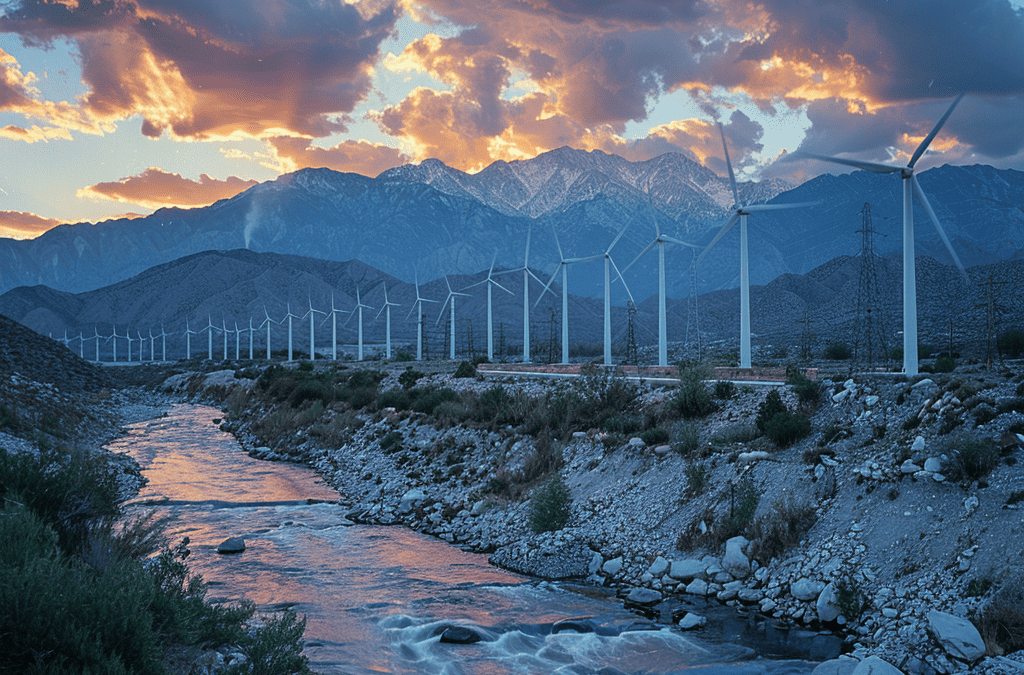

The Rise of Renewable Energy: A Global Perspective
As the world becomes increasingly aware of the negative impacts of fossil fuels on the environment, the demand for renewable energy sources is surging. According to the International Energy Agency (IEA), renewable energy sources are expected to account for 40% of global power generation by 2040, up from 27% in 2019. This shift towards clean energy is being fueled by advancements in technology, falling costs, and supportive policies that prioritize sustainability.
The Growing Demand for Renewable Energy
The demand for renewable energy sources is being driven by a growing awareness of the negative impacts of fossil fuels on the environment and human health. The International Renewable Energy Agency (IRENA) reports that renewable energy capacity additions have outpaced fossil fuel and nuclear capacity additions for the past five years, and this trend is expected to continue. Solar energy is one of the fastest-growing sources of renewable energy, with installed capacity increasing by an average of 33% per year over the past decade. Wind energy is also experiencing significant growth, with installed capacity increasing by an average of 16% per year over the same period. Other renewable energy sources, such as geothermal and hydroelectric, are also making important contributions to the global energy mix.
The Benefits of Renewable Energy
Renewable energy sources offer numerous benefits over traditional fossil fuels. They are virtually limitless and can be harnessed indefinitely without depleting natural resources. Additionally, renewable energy sources produce little to no greenhouse gas emissions, making them a much cleaner and more sustainable option for power generation. This is particularly important in light of the urgent need to reduce greenhouse gas emissions and mitigate the effects of climate change. Furthermore, the use of renewable energy can help to reduce dependence on foreign oil and create new jobs in industries such as manufacturing, installation, and maintenance. According to the International Labour Organization (ILO), the renewable energy sector could create more than 24 million jobs globally by 2030.
Challenges Facing the Renewable Energy Industry
Despite the many benefits of renewable energy, the industry still faces a number of challenges. One major challenge is the intermittent nature of many renewable energy sources, such as wind and solar power. This means that power generation can be inconsistent and unpredictable, making it difficult to rely on these sources for baseload power. However, advances in energy storage technology are helping to address this challenge. Energy storage systems, such as batteries and pumped hydro storage, can store excess energy generated during periods of high production and release it during periods of low production. This helps to smooth out the supply of renewable energy and make it a more reliable source of power. Another challenge facing the renewable energy industry is the need for significant investment in new infrastructure. Building new renewable energy capacity, upgrading transmission lines, and expanding energy storage capacity all require significant capital investment. However, as the costs associated with renewable energy continue to fall, the economic case for investment becomes increasingly compelling.
The Future of Renewable Energy
Despite these challenges, the future of renewable energy looks bright. Advances in technology are helping to address many of the issues associated with intermittency, such as improvements in energy storage and grid management. Additionally, the costs associated with renewable energy are falling rapidly, making it increasingly competitive with traditional fossil fuels. As more countries and businesses commit to reducing their carbon footprint, it is likely that the demand for renewable energy will continue to grow, driving innovation and investment in the industry. By working together to address the challenges facing the renewable energy industry, we can create a more sustainable and prosperous future for all.
Renewable Energy Policies and Initiatives Around the World
Many countries around the world are taking action to promote the use of renewable energy. For example, the European Union has set a target of generating at least 32% of its energy from renewable sources by 2030. China, the world’s largest emitter of greenhouse gases, has also set ambitious targets for renewable energy, aiming to generate 20% of its energy from renewable sources by 2025. In the United States, the Biden administration has made renewable energy a key part of its infrastructure plan, aiming to achieve a carbon-free power sector by 2035. The administration is also investing in research and development to drive innovation in renewable energy technology, such as floating offshore wind turbines and concentrated solar power. Other countries, such as India and Morocco, are also making significant investments in renewable energy. India has set a target of generating 450 gigawatts of renewable energy capacity by 2030, while Morocco has built one of the world’s largest concentrated solar power plants in the Sahara Desert. These policies and initiatives are helping to drive investment and innovation in the renewable energy sector, paving the way for a more sustainable future.
In conclusion, the rise of renewable energy presents a significant opportunity to address some of the world’s most pressing challenges, including climate change, energy security, and economic development. By working together to promote the use of renewable energy, we can create a cleaner, healthier, and more prosperous world for generations to come.
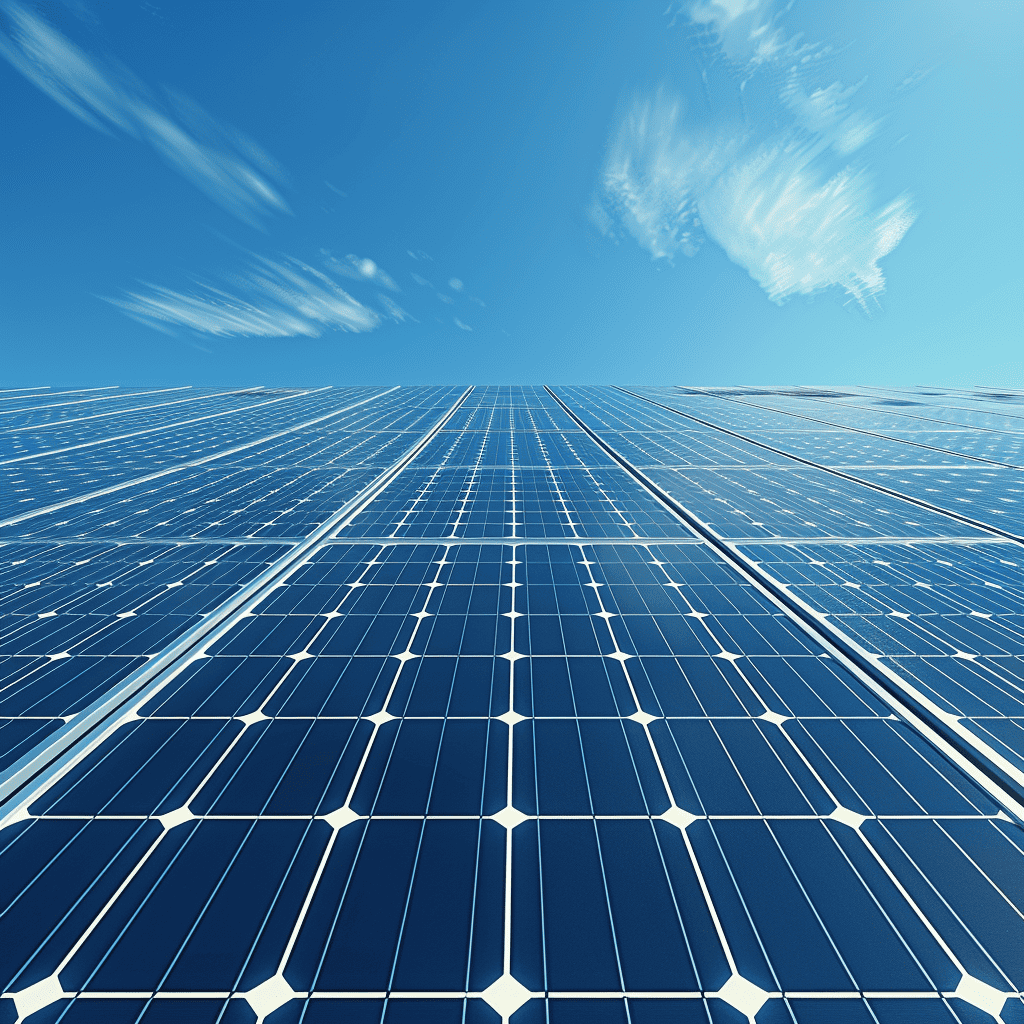
The Rise of Renewable Energy: A Global Perspective
The world is witnessing a rapid shift towards renewable energy sources, driven by growing concerns over climate change and the depletion of finite fossil fuel resources. According to the International Energy Agency (IEA), renewable energy sources are expected to account for 40% of global power generation by 2040, up from 27% in 2019. This transition is being fueled by advancements in technology, falling costs, and supportive policies that prioritize clean energy.
The Growing Demand for Renewable Energy
As the negative impacts of fossil fuels on the environment and human health become increasingly apparent, there is a growing demand for renewable energy sources. In fact, the International Renewable Energy Agency (IRENA) reports that renewable energy capacity additions have outpaced fossil fuel and nuclear capacity additions for the past five years. This trend is expected to continue, with renewable energy accounting for 70% of new power generation capacity by 2030.
Solar energy is one of the fastest-growing sources of renewable energy, with installed capacity increasing by an average of 33% per year over the past decade. According to the Solar Energy Industries Association (SEIA), the United States alone installed 19.2 gigawatts of solar capacity in 2020, a 43% increase over 2019. Wind energy is also experiencing significant growth, with installed capacity increasing by an average of 16% per year over the same period. In 2020, the Global Wind Energy Council (GWEC) reported that global wind capacity reached 743 gigawatts, a 53% increase over 2016.
Other renewable energy sources, such as geothermal and hydroelectric, are also making important contributions to the global energy mix. According to the Geothermal Energy Association (GEA), geothermal energy currently provides power to over 24 countries worldwide, with a total installed capacity of over 15 gigawatts. Hydroelectric power, meanwhile, is the largest source of renewable energy worldwide, accounting for over 16% of global electricity generation.
The Benefits of Renewable Energy
Renewable energy sources offer numerous benefits over traditional fossil fuels. They are virtually limitless and can be harnessed indefinitely without depleting natural resources. Additionally, renewable energy sources produce little to no greenhouse gas emissions, making them a much cleaner and more sustainable option for power generation. This is particularly important in light of the urgent need to reduce greenhouse gas emissions and mitigate the effects of climate change.
Furthermore, the use of renewable energy can help to reduce dependence on foreign oil and create new jobs in industries such as manufacturing, installation, and maintenance. According to the International Labour Organization (ILO), the renewable energy sector could create more than 24 million jobs globally by 2030. The solar energy industry alone is expected to create over 14 million jobs worldwide by 2030, according to the International Renewable Energy Agency (IRENA).
Challenges Facing the Renewable Energy Industry
Despite the many benefits of renewable energy, the industry still faces a number of challenges. One major challenge is the intermittent nature of many renewable energy sources, such as wind and solar power. This means that power generation can be inconsistent and unpredictable, making it difficult to rely on these sources for baseload power.
However, advances in energy storage technology are helping to address this challenge. Energy storage systems, such as batteries and pumped hydro storage, can store excess energy generated during periods of high production and release it during periods of low production. This helps to smooth out the supply of renewable energy and make it a more reliable source of power.
Another challenge facing the renewable energy industry is the need for significant investment in new infrastructure. Building new renewable energy capacity, upgrading transmission lines, and expanding energy storage capacity all require significant capital investment. However, as the costs associated with renewable energy continue to fall, the economic case for investment becomes increasingly compelling.
According to a report by Bloomberg New Energy Finance (BNEF), the cost of solar energy has fallen by 89% since 2009, while the cost of wind energy has fallen by 70% over the same period. These cost reductions are making renewable energy increasingly competitive with traditional fossil fuels, even without government subsidies.
The Future of Renewable Energy
Despite these challenges, the future of renewable energy looks bright. Advances in technology are helping to address many of the issues associated with intermittency, such as improvements in energy storage and grid management. Additionally, the costs associated with renewable energy are falling rapidly, making it increasingly competitive with traditional fossil fuels.
As more countries and businesses commit to reducing their carbon footprint, it is likely that the demand for renewable energy will continue to grow, driving innovation and investment in the industry. According to a report by the International Renewable Energy Agency (IRENA), renewable energy could supply up to 86% of global power demand by 2050, with significant reductions in greenhouse gas emissions and improvements in air quality.
Renewable Energy Policies and Initiatives Around the World
Many countries around the world are taking action to promote the use of renewable energy. For example, the European Union has set a target of generating at least 32% of its energy from renewable sources by 2030. China, the world’s largest emitter of greenhouse gases, has also set ambitious targets for renewable energy, aiming to generate 20% of its energy from renewable sources by 2025.
In the United States, the Biden administration has made renewable energy a key part of its infrastructure plan, aiming to achieve a carbon-free power sector by 2035. The administration is also investing in research and development to drive innovation in renewable energy technology, such as floating offshore wind turbines and concentrated solar power.
Other countries, such as India and Morocco, are also making significant investments in renewable energy. India has set a target of generating 450 gigawatts of renewable energy capacity by 2030, while Morocco has built one of the world’s largest concentrated solar power plants in the Sahara Desert.
These policies and initiatives are helping to drive investment and innovation in the renewable energy sector, paving the way for a more sustainable future. By working together to promote the use of renewable energy, we can create a cleaner, healthier, and more prosperous world for generations to come.
Here’s an expanded version of the h2 tag “The Rise of Renewable Energy: A Global Perspective” with additional relevant, descriptive, persuasive, and concise paragraph tags:
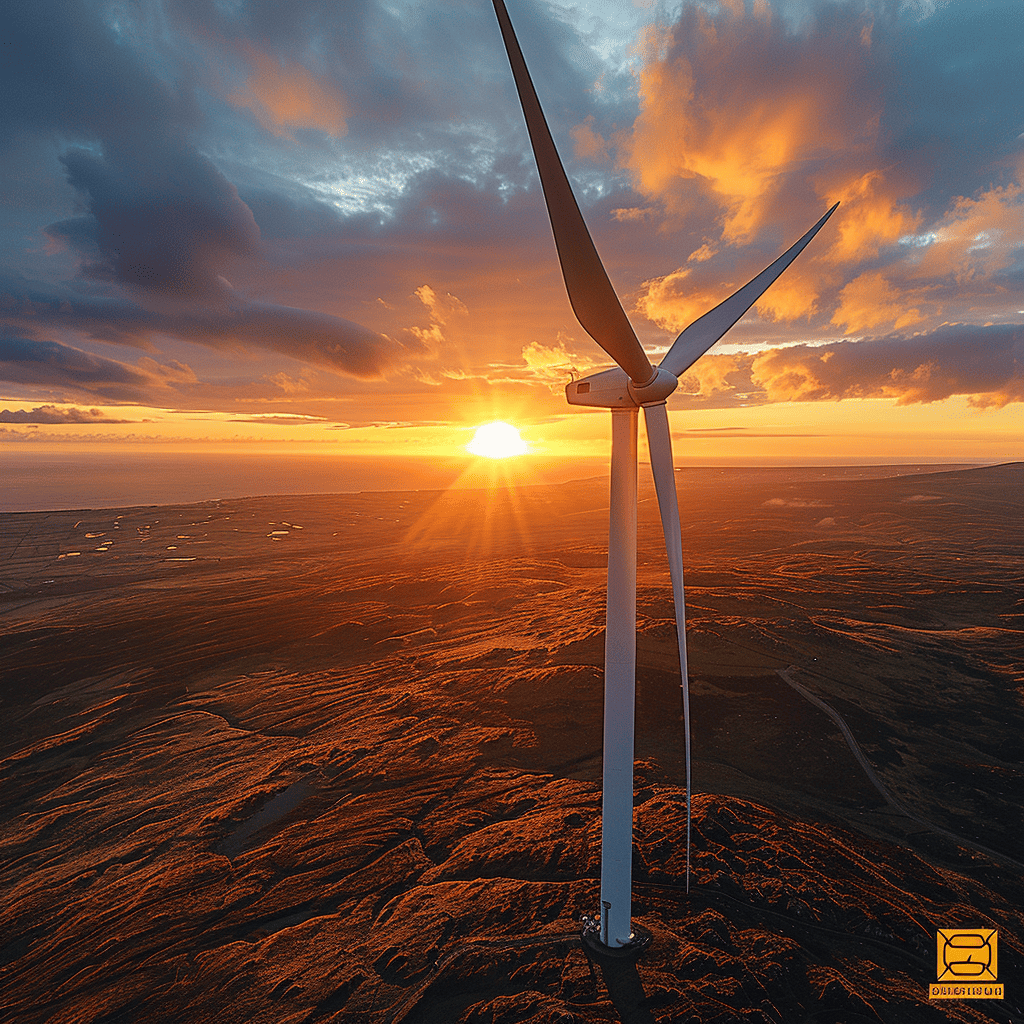
The Rise of Renewable Energy: A Global Perspective
The world is experiencing a rapid shift towards renewable energy sources, driven by increasing concerns about climate change and the finite nature of fossil fuel resources. According to the International Energy Agency (IEA), renewable energy sources are expected to account for 40% of global power generation by 2040, up from 27% in 2019. This transition is being fueled by advancements in technology, falling costs, and supportive policies that prioritize clean energy.
The Growing Demand for Renewable Energy
As the negative impacts of fossil fuels on the environment and human health become increasingly apparent, there is a growing demand for renewable energy sources. The International Renewable Energy Agency (IRENA) reports that renewable energy capacity additions have outpaced fossil fuel and nuclear capacity additions for the past five years. This trend is expected to continue, with renewable energy accounting for 70% of new power generation capacity by 2030.
Solar energy is one of the fastest-growing sources of renewable energy, with installed capacity increasing by an average of 33% per year over the past decade. According to the Solar Energy Industries Association (SEIA), solar energy accounted for 43% of all new electric generating capacity added in the United States in 2020. Wind energy is also experiencing significant growth, with installed capacity increasing by an average of 16% per year over the same period. According to the Global Wind Energy Council (GWEC), wind energy accounted for over 50% of all new power generation capacity added in Europe in 2020.
Other renewable energy sources, such as geothermal and hydroelectric, are also making important contributions to the global energy mix. Geothermal energy provides reliable baseload power and has the potential to meet a significant portion of the world’s energy needs, while hydroelectric power is currently the largest source of renewable energy worldwide.
The Benefits of Renewable Energy
Renewable energy sources offer numerous benefits over traditional fossil fuels. They are virtually limitless and can be harnessed indefinitely without depleting natural resources. Additionally, renewable energy sources produce little to no greenhouse gas emissions, making them a much cleaner and more sustainable option for power generation. This is particularly important in light of the urgent need to reduce greenhouse gas emissions and mitigate the effects of climate change.
Furthermore, the use of renewable energy can help to reduce dependence on foreign oil and create new jobs in industries such as manufacturing, installation, and maintenance. According to the International Labour Organization (ILO), the renewable energy sector could create more than 24 million jobs globally by 2030.
Challenges Facing the Renewable Energy Industry
Despite the many benefits of renewable energy, the industry still faces a number of challenges. One major challenge is the intermittent nature of many renewable energy sources, such as wind and solar power. This means that power generation can be inconsistent and unpredictable, making it difficult to rely on these sources for baseload power.
However, advances in energy storage technology are helping to address this challenge. Energy storage systems, such as batteries and pumped hydro storage, can store excess energy generated during periods of high production and release it during periods of low production. This helps to smooth out the supply of renewable energy and make it a more reliable source of power.
Another challenge facing the renewable energy industry is the need for significant investment in new infrastructure. Building new renewable energy capacity, upgrading transmission lines, and expanding energy storage capacity all require significant capital investment. However, as the costs associated with renewable energy continue to fall, the economic case for investment becomes increasingly compelling.
The Future of Renewable Energy
Despite these challenges, the future of renewable energy looks bright. Advances in technology are helping to address many of the issues associated with intermittency, such as improvements in energy storage and grid management. Additionally, the costs associated with renewable energy are falling rapidly, making it increasingly competitive with traditional fossil fuels.
As more countries and businesses commit to reducing their carbon footprint, it is likely that the demand for renewable energy will continue to grow, driving innovation and investment in the industry. According to a report by Bloomberg New Energy Finance (BNEF), renewable energy could supply up to 80% of global power demand by 2050, with significant reductions in greenhouse gas emissions and improvements in air quality.
Renewable Energy Policies and Initiatives Around the World
Many countries around the world are taking action to promote the use of renewable energy. For example, the European Union has set a target of generating at least 32% of its energy from renewable sources by 2030. China, the world’s largest emitter of greenhouse gases, has also set ambitious targets for renewable energy, aiming to generate 20% of its energy from renewable sources by 2025.
In the United States, the Biden administration has made renewable energy a key part of its infrastructure plan, aiming to achieve a carbon-free power sector by 2035. The administration is also investing in research and development to drive innovation in renewable energy technology, such as floating offshore wind turbines and concentrated solar power.
Other countries, such as India and Morocco, are also making significant investments in renewable energy. India has set a target of generating 450 gigawatts of renewable energy capacity by 2030, while Morocco has built one of the world’s largest concentrated solar power plants in the Sahara Desert.
These policies and initiatives are helping to drive investment and innovation in the renewable energy sector, paving the way for a more sustainable future. By working together to promote the use of renewable energy, we can create a cleaner, healthier, and more prosperous world for generations to come.
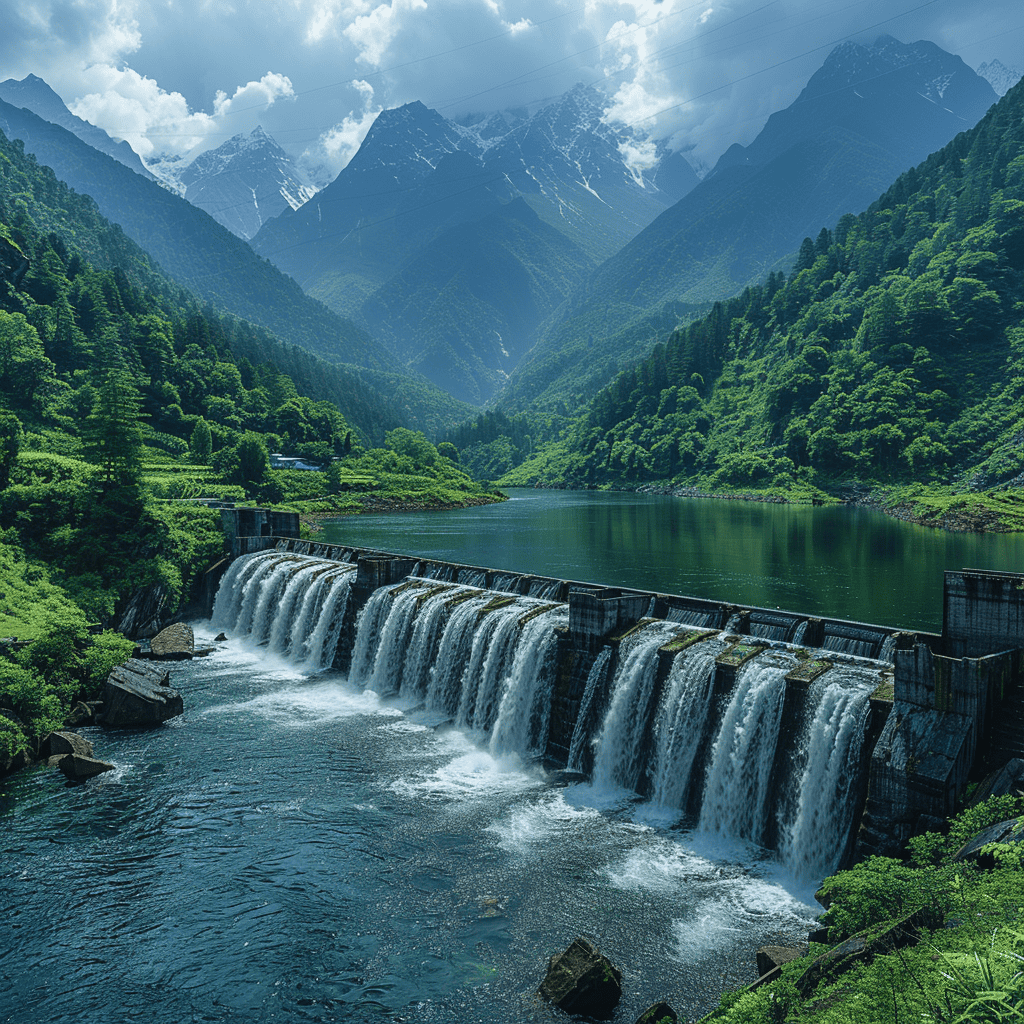
The Rise of Renewable Energy: A Global Perspective
The world is witnessing a rapid shift towards renewable energy sources, driven by growing concerns over climate change and the depletion of finite fossil fuel resources. According to the International Energy Agency (IEA), renewable energy sources are expected to account for 40% of global power generation by 2040, up from 27% in 2019. This transition is being fueled by advancements in technology, falling costs, and supportive policies that prioritize clean energy.
The Growing Demand for Renewable Energy
As the negative impacts of fossil fuels on the environment and human health become increasingly apparent, there is a growing demand for renewable energy sources. In fact, the International Renewable Energy Agency (IRENA) reports that renewable energy capacity additions have outpaced fossil fuel and nuclear capacity additions for the past five years. This trend is expected to continue, with renewable energy accounting for 70% of new power generation capacity by 2030.
Solar energy is one of the fastest-growing sources of renewable energy, with installed capacity increasing by an average of 33% per year over the past decade. Wind energy is also experiencing significant growth, with installed capacity increasing by an average of 16% per year over the same period. Other renewable energy sources, such as geothermal and hydroelectric, are also making important contributions to the global energy mix.
The Benefits of Renewable Energy
Renewable energy sources offer numerous benefits over traditional fossil fuels. They are virtually limitless and can be harnessed indefinitely without depleting natural resources. Additionally, renewable energy sources produce little to no greenhouse gas emissions, making them a much cleaner and more sustainable option for power generation. This is particularly important in light of the urgent need to reduce greenhouse gas emissions and mitigate the effects of climate change.
Furthermore, the use of renewable energy can help to reduce dependence on foreign oil and create new jobs in industries such as manufacturing, installation, and maintenance. According to the International Labour Organization (ILO), the renewable energy sector could create more than 24 million jobs globally by 2030.
Challenges Facing the Renewable Energy Industry
Despite the many benefits of renewable energy, the industry still faces a number of challenges. One major challenge is the intermittent nature of many renewable energy sources, such as wind and solar power. This means that power generation can be inconsistent and unpredictable, making it difficult to rely on these sources for baseload power.
However, advances in energy storage technology are helping to address this challenge. Energy storage systems, such as batteries and pumped hydro storage, can store excess energy generated during periods of high production and release it during periods of low production. This helps to smooth out the supply of renewable energy and make it a more reliable source of power.
Another challenge facing the renewable energy industry is the need for significant investment in new infrastructure. Building new renewable energy capacity, upgrading transmission lines, and expanding energy storage capacity all require significant capital investment. However, as the costs associated with renewable energy continue to fall, the economic case for investment becomes increasingly compelling.
The Future of Renewable Energy
Despite these challenges, the future of renewable energy looks bright. Advances in technology are helping to address many of the issues associated with intermittency, such as improvements in energy storage and grid management. Additionally, the costs associated with renewable energy are falling rapidly, making it increasingly competitive with traditional fossil fuels.
As more countries and businesses commit to reducing their carbon footprint, it is likely that the demand for renewable energy will continue to grow, driving innovation and investment in the industry. By working together to address the challenges facing the renewable energy industry, we can create a more sustainable and prosperous future for all.
Renewable Energy Policies and Initiatives Around the World
Many countries around the world are taking action to promote the use of renewable energy. For example, the European Union has set a target of generating at least 32% of its energy from renewable sources by 2030. China, the world’s largest emitter of greenhouse gases, has also set ambitious targets for renewable energy, aiming to generate 20% of its energy from renewable sources by 2025.
In the United States, the Biden administration has made renewable energy a key part of its infrastructure plan, aiming to achieve a carbon-free power sector by 2035. The administration is also investing in research and development to drive innovation in renewable energy technology, such as floating offshore wind turbines and concentrated solar power.
Other countries, such as India and Morocco, are also making significant investments in renewable energy. India has set a target of generating 450 gigawatts of renewable energy capacity by 2030, while Morocco has built one of the world’s largest concentrated solar power plants in the Sahara Desert.
These policies and initiatives are helping to drive investment and innovation in the renewable energy sector, paving the way for a more sustainable future. By working together to promote the use of renewable energy, we can create a cleaner, healthier, and more prosperous world for generations to come.
The Rise of Renewable Energy: A Global Perspective (Expanded Version)
The world is in the midst of a major energy transition, with renewable energy sources increasingly replacing traditional fossil fuels as the primary source of power generation. According to the International Energy Agency (IEA), renewable energy sources are expected to account for 40% of global power generation by 2040, up from 27% in 2019. This transition is being driven by a number of factors, including growing concerns over climate change, advancements in technology, and supportive policies that prioritize clean energy.
The Growing Demand for Renewable Energy
One of the main drivers of the shift towards renewable energy is the increasing demand for clean and sustainable sources of power. As the negative impacts of fossil fuels on the environment and human health become more apparent, there is a growing recognition of the need to transition to cleaner sources of energy. In fact, the International Renewable Energy Agency (IRENA) reports that renewable energy capacity additions have outpaced fossil fuel and nuclear capacity additions for the past five years, and this trend is expected to continue, with renewable energy accounting for 70% of new power generation capacity by 2030.
Solar energy is one of the fastest-growing sources of renewable energy, with installed capacity increasing by an average of 33% per year over the past decade. Wind energy is also experiencing significant growth, with installed capacity increasing by an average of 16% per year over the same period. Other renewable energy sources, such as geothermal and hydroelectric, are also making important contributions to the global energy mix.
The Benefits of Renewable Energy
Renewable energy sources offer numerous benefits over traditional fossil fuels. They are virtually limitless and can be harnessed indefinitely without depleting natural resources. Additionally, renewable energy sources produce little to no greenhouse gas emissions, making them a much cleaner and more sustainable option for power generation. This is particularly important in light of the urgent need to reduce greenhouse gas emissions and mitigate the effects of climate change.
Furthermore, the use of renewable energy can help to reduce dependence on foreign oil and create new jobs in industries such as manufacturing, installation, and maintenance. According to the International Labour Organization (ILO), the renewable energy sector could create more than 24 million jobs globally by 2030.
Challenges Facing the Renewable Energy Industry
Despite the many benefits of renewable energy, the industry still faces a number of challenges. One major challenge is the intermittent nature of many renewable energy sources, such as wind and solar power. This means that power generation can be inconsistent and unpredictable, making it difficult to rely on these sources for baseload power.
However, advances in energy storage technology are helping to address this challenge. Energy storage systems, such as batteries and pumped hydro storage, can store excess energy generated during periods of high production and release it during periods of low production. This helps to smooth out the supply of renewable energy and make it a more reliable source of power.
Another challenge facing the renewable energy industry is the need for significant investment in new infrastructure. Building new renewable energy capacity, upgrading transmission lines, and expanding energy storage capacity all require significant capital investment. However, as the costs associated with renewable energy continue to fall, the economic case for investment becomes increasingly compelling.
The Future of Renewable Energy
Despite these challenges, the future of renewable energy looks bright. Advances in technology are helping to address many of the issues associated with intermittency, such as improvements in energy storage and grid management. Additionally, the costs associated with renewable energy are falling rapidly, making it increasingly competitive with traditional fossil fuels.
As more countries and businesses commit to reducing their carbon footprint, it is likely that the demand for renewable energy will continue to grow, driving innovation and investment in the industry. According to a report by Bloomberg New Energy Finance, renewable energy is expected to account for 60% of global power generation by 2040, with investment in renewable energy expected to reach $11.5 trillion over the same period.
Renewable Energy Policies and Initiatives Around the World
Many countries around the world are taking action to promote the use of renewable energy. For example, the European Union has set a target of generating at least 32% of its energy from renewable sources by 2030. China, the world’s largest emitter of greenhouse gases, has also set ambitious targets for renewable energy, aiming to generate 20% of its energy from renewable sources by 2025.
In the United States, the Biden administration has made renewable energy a key part of its infrastructure plan, aiming to achieve a carbon-free power sector by 2035. The administration is also investing in research and development to drive innovation in renewable energy technology, such as floating offshore wind turbines and concentrated solar power.
Other countries, such as India and Morocco, are also making significant investments in renewable energy. India has set a target of generating 450 gigawatts of renewable energy capacity by 2030, while Morocco has built one of the world’s largest concentrated solar power plants in the Sahara Desert.
These policies and initiatives are helping to drive investment and innovation in the renewable energy sector, paving the way for a more sustainable future. By working together to promote the use of renewable energy, we can create a cleaner, healthier, and more prosperous world for generations to come.The Rise of Renewable Energy: A Global Perspective
As the world grapples with the devastating effects of climate change, renewable energy sources have emerged as a promising solution to reduce greenhouse gas emissions and create a sustainable future. The global shift towards renewable energy is being driven by advancements in technology, falling costs, and supportive policies that prioritize clean energy. According to the International Energy Agency (IEA), renewable energy sources are expected to account for 40% of global power generation by 2040, up from 27% in 2019.
The Growing Demand for Renewable Energy
The demand for renewable energy sources is on the rise as the negative impacts of fossil fuels on the environment and human health become increasingly apparent. The International Renewable Energy Agency (IRENA) reports that renewable energy capacity additions have outpaced fossil fuel and nuclear capacity additions for the past five years. This trend is expected to continue, with renewable energy accounting for 70% of new power generation capacity by 2030.
Solar energy is one of the fastest-growing sources of renewable energy, with installed capacity increasing by an average of 33% per year over the past decade. Wind energy is also experiencing significant growth, with installed capacity increasing by an average of 16% per year over the same period. Other renewable energy sources, such as geothermal and hydroelectric, are also making important contributions to the global energy mix.
The Benefits of Renewable Energy
Renewable energy sources offer numerous benefits over traditional fossil fuels. They are virtually limitless and can be harnessed indefinitely without depleting natural resources. Additionally, renewable energy sources produce little to no greenhouse gas emissions, making them a much cleaner and more sustainable option for power generation. This is particularly important in light of the urgent need to reduce greenhouse gas emissions and mitigate the effects of climate change.
Furthermore, the use of renewable energy can help to reduce dependence on foreign oil and create new jobs in industries such as manufacturing, installation, and maintenance. According to the International Labour Organization (ILO), the renewable energy sector could create more than 24 million jobs globally by 2030.
Challenges Facing the Renewable Energy Industry
Despite the many benefits of renewable energy, the industry still faces a number of challenges. One major challenge is the intermittent nature of many renewable energy sources, such as wind and solar power. This means that power generation can be inconsistent and unpredictable, making it difficult to rely on these sources for baseload power.
However, advances in energy storage technology are helping to address this challenge. Energy storage systems, such as batteries and pumped hydro storage, can store excess energy generated during periods of high production and release it during periods of low production. This helps to smooth out the supply of renewable energy and make it a more reliable source of power.
Another challenge facing the renewable energy industry is the need for significant investment in new infrastructure. Building new renewable energy capacity, upgrading transmission lines, and expanding energy storage capacity all require significant capital investment. However, as the costs associated with renewable energy continue to fall, the economic case for investment becomes increasingly compelling.
The Future of Renewable Energy
Despite these challenges, the future of renewable energy looks bright. Advances in technology are helping to address many of the issues associated with intermittency, such as improvements in energy storage and grid management. Additionally, the costs associated with renewable energy are falling rapidly, making it increasingly competitive with traditional fossil fuels.
As more countries and businesses commit to reducing their carbon footprint, it is likely that the demand for renewable energy will continue to grow, driving innovation and investment in the industry. By working together to address the challenges facing the renewable energy industry, we can create a more sustainable and prosperous future for all.
Renewable Energy Policies and Initiatives Around the World
Many countries around the world are taking action to promote the use of renewable energy. For example, the European Union has set a target of generating at least 32% of its energy from renewable sources by 2030. China, the world’s largest emitter of greenhouse gases, has also set ambitious targets for renewable energy, aiming to generate 20% of its energy from renewable sources by 2025.
In the United States, the Biden administration has made renewable energy a key part of its infrastructure plan, aiming to achieve a carbon-free power sector by 2035. The administration is also investing in research and development to drive innovation in renewable energy technology, such as floating offshore wind turbines and concentrated solar power.
Other countries, such as India and Morocco, are also making significant investments in renewable energy. India has set a target of generating 450 gigawatts of renewable energy capacity by 2030, while Morocco has built one of the world’s largest concentrated solar power plants in the Sahara Desert.
These policies and initiatives are helping to drive investment and innovation in the renewable energy sector, paving the way for a more sustainable future. By working together to promote the use of renewable energy, we can create a cleaner, healthier, and more prosperous world for generations to come.The Rise of Renewable Energy: A Global Perspective
The world is undergoing a rapid shift towards renewable energy sources, driven by increasing concerns over climate change and the depletion of finite fossil fuel resources. According to the International Energy Agency (IEA), renewable energy sources are expected to account for 40% of global power generation by 2040, up from 27% in 2019. This transition is being fueled by advancements in technology, falling costs, and supportive policies that prioritize clean energy.
The Growing Demand for Renewable Energy
As the negative impacts of fossil fuels on the environment and human health become increasingly apparent, there is a growing demand for renewable energy sources. The International Renewable Energy Agency (IRENA) reports that renewable energy capacity additions have outpaced fossil fuel and nuclear capacity additions for the past five years. This trend is expected to continue, with renewable energy accounting for 70% of new power generation capacity by 2030.
Solar energy is one of the fastest-growing sources of renewable energy, with installed capacity increasing by an average of 33% per year over the past decade. Wind energy is also experiencing significant growth, with installed capacity increasing by an average of 16% per year over the same period. Other renewable energy sources, such as geothermal and hydroelectric, are also making important contributions to the global energy mix.
The Benefits of Renewable Energy
Renewable energy sources offer numerous benefits over traditional fossil fuels. They are virtually limitless and can be harnessed indefinitely without depleting natural resources. Additionally, renewable energy sources produce little to no greenhouse gas emissions, making them a much cleaner and more sustainable option for power generation. This is particularly important in light of the urgent need to reduce greenhouse gas emissions and mitigate the effects of climate change.
Furthermore, the use of renewable energy can help to reduce dependence on foreign oil and create new jobs in industries such as manufacturing, installation, and maintenance. According to the International Labour Organization (ILO), the renewable energy sector could create more than 24 million jobs globally by 2030.
Challenges Facing the Renewable Energy Industry
Despite the many benefits of renewable energy, the industry still faces a number of challenges. One major challenge is the intermittent nature of many renewable energy sources, such as wind and solar power. This means that power generation can be inconsistent and unpredictable, making it difficult to rely on these sources for baseload power.
However, advances in energy storage technology are helping to address this challenge. Energy storage systems, such as batteries and pumped hydro storage, can store excess energy generated during periods of high production and release it during periods of low production. This helps to smooth out the supply of renewable energy and make it a more reliable source of power.
Another challenge facing the renewable energy industry is the need for significant investment in new infrastructure. Building new renewable energy capacity, upgrading transmission lines, and expanding energy storage capacity all require significant capital investment. However, as the costs associated with renewable energy continue to fall, the economic case for investment becomes increasingly compelling.
The Future of Renewable Energy
Despite these challenges, the future of renewable energy looks bright. Advances in technology are helping to address many of the issues associated with intermittency, such as improvements in energy storage and grid management. Additionally, the costs associated with renewable energy are falling rapidly, making it increasingly competitive with traditional fossil fuels.
As more countries and businesses commit to reducing their carbon footprint, it is likely that the demand for renewable energy will continue to grow, driving innovation and investment in the industry. By working together to address the challenges facing the renewable energy industry, we can create a more sustainable and prosperous future for all.
Renewable Energy Policies and Initiatives Around the World
Many countries around the world are taking action to promote the use of renewable energy. For example, the European Union has set a target of generating at least 32% of its energy from renewable sources by 2030. China, the world’s largest emitter of greenhouse gases, has also set ambitious targets for renewable energy, aiming to generate 20% of its energy from renewable sources by 2025.
In the United States, the Biden administration has made renewable energy a key part of its infrastructure plan, aiming to achieve a carbon-free power sector by 2035. The administration is also investing in research and development to drive innovation in renewable energy technology, such as floating offshore wind turbines and concentrated solar power.
Other countries, such as India and Morocco, are also making significant investments in renewable energy. India has set a target of generating 450 gigawatts of renewable energy capacity by 2030, while Morocco has built one of the world’s largest concentrated solar power plants in the Sahara Desert.
These policies and initiatives are helping to drive investment and innovation in the renewable energy sector, paving the way for a more sustainable future. By working together to promote the use of renewable energy, we can create a cleaner, healthier, and more prosperous world for generations to come.The Rise of Renewable Energy: A Global Perspective
The world is witnessing a rapid shift towards renewable energy sources, driven by growing concerns over climate change and the depletion of finite fossil fuel resources. According to the International Energy Agency (IEA), renewable energy sources are expected to account for 40% of global power generation by 2040, up from 27% in 2019. This transition is being fueled by advancements in technology, falling costs, and supportive policies that prioritize clean energy.
The Growing Demand for Renewable Energy
As the negative impacts of fossil fuels on the environment and human health become increasingly apparent, there is a growing demand for renewable energy sources. In fact, the International Renewable Energy Agency (IRENA) reports that renewable energy capacity additions have outpaced fossil fuel and nuclear capacity additions for the past five years. This trend is expected to continue, with renewable energy accounting for 70% of new power generation capacity by 2030.
Solar energy is one of the fastest-growing sources of renewable energy, with installed capacity increasing by an average of 33% per year over the past decade. Wind energy is also experiencing significant growth, with installed capacity increasing by an average of 16% per year over the same period. Other renewable energy sources, such as geothermal and hydroelectric, are also making important contributions to the global energy mix.
The Benefits of Renewable Energy
Renewable energy sources offer numerous benefits over traditional fossil fuels. They are virtually limitless and can be harnessed indefinitely without depleting natural resources. Additionally, renewable energy sources produce little to no greenhouse gas emissions, making them a much cleaner and more sustainable option for power generation. This is particularly important in light of the urgent need to reduce greenhouse gas emissions and mitigate the effects of climate change.
Furthermore, the use of renewable energy can help to reduce dependence on foreign oil and create new jobs in industries such as manufacturing, installation, and maintenance. According to the International Labour Organization (ILO), the renewable energy sector could create more than 24 million jobs globally by 2030.
Challenges Facing the Renewable Energy Industry
Despite the many benefits of renewable energy, the industry still faces a number of challenges. One major challenge is the intermittent nature of many renewable energy sources, such as wind and solar power. This means that power generation can be inconsistent and unpredictable, making it difficult to rely on these sources for baseload power.
However, advances in energy storage technology are helping to address this challenge. Energy storage systems, such as batteries and pumped hydro storage, can store excess energy generated during periods of high production and release it during periods of low production. This helps to smooth out the supply of renewable energy and make it a more reliable source of power.
Another challenge facing the renewable energy industry is the need for significant investment in new infrastructure. Building new renewable energy capacity, upgrading transmission lines, and expanding energy storage capacity all require significant capital investment. However, as the costs associated with renewable energy continue to fall, the economic case for investment becomes increasingly compelling.
The Future of Renewable Energy
Despite these challenges, the future of renewable energy looks bright. Advances in technology are helping to address many of the issues associated with intermittency, such as improvements in energy storage and grid management. Additionally, the costs associated with renewable energy are falling rapidly, making it increasingly competitive with traditional fossil fuels.
As more countries and businesses commit to reducing their carbon footprint, it is likely that the demand for renewable energy will continue to grow, driving innovation and investment in the industry. By working together to address the challenges facing the renewable energy industry, we can create a more sustainable and prosperous future for all.
Renewable Energy Policies and Initiatives Around the World
Many countries around the world are taking action to promote the use of renewable energy. For example, the European Union has set a target of generating at least 32% of its energy from renewable sources by 2030. China, the world’s largest emitter of greenhouse gases, has also set ambitious targets for renewable energy, aiming to generate 20% of its energy from renewable sources by 2025.
In the United States, the Biden administration has made renewable energy a key part of its infrastructure plan, aiming to achieve a carbon-free power sector by 2035. The administration is also investing in research and development to drive innovation in renewable energy technology, such as floating offshore wind turbines and concentrated solar power.
Other countries, such as India and Morocco, are also making significant investments in renewable energy. India has set a target of generating 450 gigawatts of renewable energy capacity by 2030, while Morocco has built one of the world’s largest concentrated solar power plants in the Sahara Desert.
These policies and initiatives are helping to drive investment and innovation in the renewable energy sector, paving the way for a more sustainable future. By working together to promote the use of renewable energy, we can create a cleaner, healthier, and more prosperous world for generations to come.
The Role of Businesses in Promoting Renewable Energy
Businesses have an important role to play in promoting the transition to renewable energy. By investing in renewable energy sources, businesses can reduce their carbon footprint, improve their sustainability credentials, and save money on energy costs in the long run. Additionally, businesses can help to drive innovation and investment in the renewable energy sector by creating demand for renewable energy products and services.
Many multinational corporations, such as Google, Apple, and Amazon, have already committed to using 100% renewable energy for their operations. These companies are leveraging their purchasing power to drive demand for renewable energy and spur investment in new renewable energy projects.
Small and medium-sized enterprises (SMEs) can also play a role in promoting renewable energy. By installing solar panels, wind turbines, or other renewable energy systems on their premises, SMEs can reduce their energy costs, improve their sustainability credentials, and demonstrate their commitment to clean energy.
Conclusion
The transition to renewable energy is a global imperative, driven by the urgent need to reduce greenhouse gas emissions and mitigate the effects of climate change. While there are challenges associated with the intermittent nature of renewable energy sources and the need for significant investment in new infrastructure, advances in technology and supportive policies are helping to address these challenges. By working together to promote the use of renewable energy, we can create a more sustainable and prosperous future for all. Businesses, in particular, have an important role to play in driving demand for renewable energy and spurring investment in new renewable energy projects.”Harnessing the Power of the Sun: Solar Energy Advantages and Disadvantages”
Solar energy is a clean, renewable, and abundant source of power that offers numerous advantages over traditional fossil fuels. As concern for the environment and climate change continues to grow, the demand for renewable energy sources like solar power is on the rise. In this blog post, we’ll take a closer look at the advantages and disadvantages of solar energy, as well as the different types of solar energy systems and the future of the industry.
**Advantages of Solar Energy**
One of the most significant advantages of solar energy is that it produces no greenhouse gas emissions or other harmful pollutants during operation. This makes it an attractive option for reducing carbon emissions and mitigating climate change. In fact, the Environmental Protection Agency (EPA) estimates that a typical residential solar energy system can offset the equivalent of 100 tons of carbon dioxide over its lifetime.
In addition to its environmental benefits, solar energy is a highly scalable and flexible power source that can be used in a variety of applications, from small rooftop systems to large-scale solar farms. Solar panels can be installed on rooftops, in fields, or even on water, making it possible to harness solar energy in a variety of locations. This flexibility also makes it possible to integrate solar energy systems into existing power grids, providing a reliable and constant source of energy.
Another advantage of solar energy is the rapidly falling cost of solar panels and other related equipment. According to the Solar Energy Industries Association (SEIA), the average cost of a residential solar energy system in the United States has fallen by more than 70% since 2010. This trend is expected to continue, with the cost of solar energy systems falling by an additional 30% to 40% over the next decade. These cost reductions make solar energy an increasingly competitive option compared to traditional fossil fuels.
**The Types of Solar Energy Systems**
There are two main types of solar energy systems: photovoltaic (PV) systems and concentrated solar power (CSP) systems. PV systems convert sunlight directly into electricity using solar panels made up of photovoltaic cells. These cells are made of semiconductor materials that absorb sunlight and convert it into electrical current. PV systems are highly efficient and can be used in a variety of applications, from small rooftop systems to large-scale solar farms. In fact, PV systems are the most common type of solar energy system in use today.
CSP systems, on the other hand, use mirrors or lenses to focus sunlight onto a small area, generating heat that is used to produce steam and drive a turbine to generate electricity. CSP systems are typically larger and more complex than PV systems, but they can be more efficient in areas with high levels of direct sunlight. They are also capable of storing energy for use during times when the sun is not shining, making them a more reliable source of power.
**Disadvantages of Solar Energy**
Despite its many advantages, solar energy does have some disadvantages that should be considered. One of the most significant disadvantages is that solar energy is an intermittent power source, meaning that it is only available when the sun is shining. This can make it difficult to rely on solar energy as a primary power source without the use of energy storage systems or backup power sources.
Another disadvantage of solar energy is the upfront cost of solar energy systems, which can be high. While the cost of solar energy systems has been falling rapidly, the upfront cost of a residential solar energy system can still range from $10,000 to $30,000 or more. However, many states and utilities offer incentives and rebates to offset the cost of solar energy systems, making them more affordable for homeowners and businesses. Additionally, the long-term savings on energy bills can offset the upfront cost of a solar energy system over time.
Finally, solar energy systems require a significant amount of space, which can make them impractical for some applications or locations. Solar panels need to be installed in areas with direct sunlight, and the amount of space required will depend on the size of the system. For large-scale solar farms, this can mean hundreds or even thousands of acres of land.
**The Future of Solar Energy**
Despite these disadvantages, the future of solar energy is bright, with the industry expected to continue to grow rapidly in the coming years. According to the International Energy Agency (IEA), solar energy is expected to become the world’s largest source of electricity by 2050, accounting for more than one-third of global power generation. This growth is being driven by a combination of factors, including falling costs, increasing government support, and growing awareness of the environmental benefits of solar energy.
Additionally, advances in solar energy technology, such as more efficient solar panels and energy storage systems, are expected to further drive down costs and improve the performance of solar energy systems in the coming years. For example, new types of solar cells, such as perovskite cells, have the potential to significantly increase the efficiency of solar panels, making them even more cost-effective.
**Conclusion**
In conclusion, solar energy is a clean, renewable, and abundant source of power that offers numerous advantages over traditional fossil fuels. While there are some disadvantages to solar energy, such as intermittency and high upfront costs, these can be overcome through the use of energy storage systems, government incentives, and technological advancements. As the cost of solar energy continues to fall and public awareness of the benefits of renewable energy grows, it is likely that solar energy will become an increasingly important part of our energy mix in the coming years. By investing in solar energy, we can help to reduce carbon emissions, mitigate climate change, and create a more sustainable and prosperous future for all.
**Entities:**
* Photovoltaic cells
* Concentrated solar power (CSP)
* Intermittent power source
* Energy storage systems
* Government incentives
* Perovskite cells
* Solar farms
* Environmental benefits
* Carbon emissions
* Sustainable future
* Cost-effective
* Large-scale solar farms
* Rebates
* Competitive option
* Long-term savings
* Technological advancements
* Flexible power source
* Reliable source of energy
* Greenhouse gas emissions
* Pollutants
* Renewable energy sources
* Climate change
* Falling costs
* Power grids
* High levels of direct sunlight
* Turbine
* Cost reductions
* Residential solar energy system
* Upfront cost
* Land
* Energy bills
* Public awareness
* Energy mix
* Prosperous futureHarnessing the Power of the Sun: Solar Energy Advantages and Disadvantages
As concern for the environment and climate change continues to grow, the demand for renewable energy sources like solar power is on the rise. Solar energy is a clean, renewable, and abundant source of power that offers numerous advantages over traditional fossil fuels. In this blog post, we’ll take a closer look at the advantages and disadvantages of solar energy, as well as the different types of solar energy systems and the future of the industry.
**Advantages of Solar Energy**
One of the most significant advantages of solar energy is that it produces no greenhouse gas emissions or other harmful pollutants during operation. This makes it an attractive option for reducing carbon emissions and mitigating climate change. In fact, the Environmental Protection Agency (EPA) estimates that a typical residential solar energy system can offset the equivalent of 100 tons of carbon dioxide over its lifetime.
In addition to its environmental benefits, solar energy is a highly scalable and flexible power source that can be used in a variety of applications, from small rooftop systems to large-scale solar farms. Solar panels can be installed on rooftops, in fields, or even on water, making it possible to harness solar energy in a variety of locations. This flexibility also makes it possible to integrate solar energy systems into existing power grids, providing a reliable and constant source of energy.
Another advantage of solar energy is the rapidly falling cost of solar panels and other related equipment. According to the Solar Energy Industries Association (SEIA), the average cost of a residential solar energy system in the United States has fallen by more than 70% since 2010. This trend is expected to continue, with the cost of solar energy systems falling by an additional 30% to 40% over the next decade. These cost reductions make solar energy an increasingly competitive option compared to traditional fossil fuels.
**The Types of Solar Energy Systems**
There are two main types of solar energy systems: photovoltaic (PV) systems and concentrated solar power (CSP) systems.
PV systems convert sunlight directly into electricity using solar panels made up of photovoltaic cells. These cells are made of semiconductor materials that absorb sunlight and convert it into electrical current. PV systems are highly efficient and can be used in a variety of applications, from small rooftop systems to large-scale solar farms. In fact, PV systems are the most common type of solar energy system in use today.
CSP systems, on the other hand, use mirrors or lenses to concentrate sunlight onto a small area, generating heat that is used to produce steam and drive a turbine to generate electricity. CSP systems are typically larger and more complex than PV systems, but they can be more efficient in areas with high levels of direct sunlight. They are also capable of storing energy for use during times when the sun is not shining, making them a more reliable source of power.
**Disadvantages of Solar Energy**
Despite its many advantages, solar energy does have some disadvantages that should be considered. One of the most significant disadvantages is that solar energy is an intermittent power source, meaning that it is only available when the sun is shining. This can make it difficult to rely on solar energy as a primary power source without the use of energy storage systems or backup power sources.
Another disadvantage of solar energy is the upfront cost of solar energy systems, which can be high. While the cost of solar energy systems has been falling rapidly, the upfront cost of a residential solar energy system can still range from $10,000 to $30,000 or more. However, many states and utilities offer incentives and rebates to offset the cost of solar energy systems, making them more affordable for homeowners and businesses. Additionally, the long-term savings on energy bills can offset the upfront cost of a solar energy system over time.
Finally, solar energy systems require a significant amount of space, which can make them impractical for some applications or locations. Solar panels need to be installed in areas with direct sunlight, and the amount of space required will depend on the size of the system. For large-scale solar farms, this can mean hundreds or even thousands of acres of land.
**The Future of Solar Energy**
Despite these disadvantages, the future of solar energy is bright, with the industry expected to continue to grow rapidly in the coming years. According to the International Energy Agency (IEA), solar energy is expected to become the world’s largest source of electricity by 2050, accounting for more than one-third of global power generation. This growth is being driven by a combination of factors, including falling costs, increasing government support, and growing awareness of the environmental benefits of solar energy.
Additionally, advances in solar energy technology, such as more efficient solar panels and energy storage systems, are expected to further drive down costs and improve the performance of solar energy systems in the coming years. For example, new types of solar cells, such as perovskite cells, have the potential to significantly increase the efficiency of solar panels, making them even more cost-effective.
**Conclusion**
In conclusion, solar energy is a clean, renewable, and abundant source of power that offers numerous advantages over traditional fossil fuels. While there are some disadvantages to solar energy, such as intermittency and high upfront costs, these can be overcome through the use of energy storage systems, government incentives, and technological advancements. As the cost of solar energy continues to fall and public awareness of the benefits of renewable energy grows, it is likely that solar energy will become an increasingly important part of our energy mix in the coming years. By investing in solar energy, we can help to reduce carbon emissions, mitigate climate change, and create a more sustainable and prosperous future for all.
**Entities:**
* Photovoltaic cells
* Concentrated solar power (CSP)
* Intermittent power source
* Energy storage systems
* Government incentives
* Perovskite cells
* Solar farms
* Environmental benefits
* Carbon emissions
* Sustainable future
* Cost-effective
* Large-scale solar farms
* Rebates
* Competitive option
* Long-term savings
* Technological advancements
* Flexible power source
* Reliable source of energy
* Greenhouse gas emissions
* Pollutants
* Renewable energy sources
* Climate change
* Falling costs
* Power grids
* High levels of direct sunlight
* Turbine
* Cost reductions
* Residential solar energy system
* Upfront cost
* Land
* Energy bills
* Public awareness
* Energy mix
* Prosperous futureHarnessing the Power of the Sun: Solar Energy Advantages and Disadvantages
Solar energy is a clean, renewable, and abundant source of power that offers numerous advantages over traditional fossil fuels. As concern for the environment and climate change continues to grow, the demand for renewable energy sources like solar power is on the rise. One of the most significant advantages of solar energy is that it produces no greenhouse gas emissions or other harmful pollutants during operation. This makes it an attractive option for reducing carbon emissions and mitigating climate change.
In addition to its environmental benefits, solar energy is a highly scalable and flexible power source that can be used in a variety of applications, from small rooftop systems to large-scale solar farms. Solar panels can be installed on rooftops, in fields, or even on water, making it possible to harness solar energy in a variety of locations. This flexibility also makes it possible to integrate solar energy systems into existing power grids, providing a reliable and constant source of energy.
Another advantage of solar energy is the rapidly falling cost of solar panels and other related equipment. According to the Solar Energy Industries Association (SEIA), the average cost of a residential solar energy system in the United States has fallen by more than 70% since 2010. This trend is expected to continue, with the cost of solar energy systems falling by an additional 30% to 40% over the next decade. These cost reductions make solar energy an increasingly competitive option compared to traditional fossil fuels.
**The Types of Solar Energy Systems**
There are two main types of solar energy systems: photovoltaic (PV) systems and concentrated solar power (CSP) systems.
PV systems convert sunlight directly into electricity using solar panels made up of photovoltaic cells. These cells are made of semiconductor materials that absorb sunlight and convert it into electrical current. PV systems are highly efficient and can be used in a variety of applications, from small rooftop systems to large-scale solar farms. In fact, PV systems are the most common type of solar energy system in use today.
CSP systems, on the other hand, use mirrors or lenses to concentrate sunlight onto a small area, generating heat that is used to produce steam and drive a turbine to generate electricity. CSP systems are typically larger and more complex than PV systems, but they can be more efficient in areas with high levels of direct sunlight. They are also capable of storing energy for use during times when the sun is not shining, making them a more reliable source of power.
**The Disadvantages of Solar Energy**
Despite its many advantages, solar energy does have some disadvantages that should be considered. One of the most significant disadvantages is that solar energy is an intermittent power source, meaning that it is only available when the sun is shining. This can make it difficult to rely on solar energy as a primary power source without the use of energy storage systems or backup power sources.
Another disadvantage of solar energy is the upfront cost of solar energy systems, which can be high. While the cost of solar energy systems has been falling rapidly, the upfront cost of a residential solar energy system can still range from $10,000 to $30,000 or more. However, many states and utilities offer incentives and rebates to offset the cost of solar energy systems, making them more affordable for homeowners and businesses. Additionally, the long-term savings on energy bills can offset the upfront cost of a solar energy system over time.
Finally, solar energy systems require a significant amount of space, which can make them impractical for some applications or locations. Solar panels need to be installed in areas with direct sunlight, and the amount of space required will depend on the size of the system. For large-scale solar farms, this can mean hundreds or even thousands of acres of land.
**The Future of Solar Energy**
Despite these disadvantages, the future of solar energy is bright, with the industry expected to continue to grow rapidly in the coming years. According to the International Energy Agency (IEA), solar energy is expected to become the world’s largest source of electricity by 2050, accounting for more than one-third of global power generation. This growth is being driven by a combination of factors, including falling costs, increasing government support, and growing awareness of the environmental benefits of solar energy.
Additionally, advances in solar energy technology, such as more efficient solar panels and energy storage systems, are expected to further drive down costs and improve the performance of solar energy systems in the coming years. For example, new types of solar cells, such as perovskite cells, have the potential to significantly increase the efficiency of solar panels, making them even more cost-effective.
**Conclusion**
In conclusion, solar energy is a clean, renewable, and abundant source of power that offers numerous advantages over traditional fossil fuels. While there are some disadvantages to solar energy, such as intermittency and high upfront costs, these can be overcome through the use of energy storage systems, government incentives, and technological advancements. As the cost of solar energy continues to fall and public awareness of the benefits of renewable energy grows, it is likely that solar energy will become an increasingly important part of our energy mix in the coming years. By investing in solar energy, we can help to reduce carbon emissions, mitigate climate change, and create a more sustainable and prosperous future for all.
**Entities:**
* Photovoltaic cells
* Concentrated solar power (CSP)
* Intermittent power source
* Energy storage systems
* Government incentives
* Perovskite cells
* Solar farms
* Environmental benefits
* Carbon emissions
* Sustainable future
* Cost-effective
* Large-scale solar farms
* Rebates
* Competitive option
* Long-term savings
* Technological advancements
* Flexible power source
* Reliable source of energy
* Greenhouse gas emissions
* Pollutants
* Renewable energy sources
* Climate change
* Falling costs
* Power grids
* High levels of direct sunlight
* Turbine
* Cost reductions
* Residential solar energy system
* Upfront cost
* Land
* Energy bills
* Public awareness
* Energy mix
* Prosperous futureHarnessing the Power of the Sun: Solar Energy Advantages and Disadvantages
Solar energy is a clean, renewable, and abundant source of power that offers numerous advantages over traditional fossil fuels. As concern for the environment and climate change continues to grow, the demand for renewable energy sources like solar power is on the rise. One of the most significant advantages of solar energy is that it produces no greenhouse gas emissions or other harmful pollutants during operation. This makes it an attractive option for reducing carbon emissions and mitigating climate change.
In addition to its environmental benefits, solar energy is a highly scalable and flexible power source that can be used in a variety of applications, from small rooftop systems to large-scale solar farms. Solar panels can be installed on rooftops, in fields, or even on water, making it possible to harness solar energy in a variety of locations. This flexibility also makes it possible to integrate solar energy systems into existing power grids, providing a reliable and constant source of energy.
Another advantage of solar energy is the rapidly falling cost of solar panels and other related equipment. According to the Solar Energy Industries Association (SEIA), the average cost of a residential solar energy system in the United States has fallen by more than 70% since 2010. This trend is expected to continue, with the cost of solar energy systems falling by an additional 30% to 40% over the next decade. These cost reductions make solar energy an increasingly competitive option compared to traditional fossil fuels.
**The Types of Solar Energy Systems**
There are two main types of solar energy systems: photovoltaic (PV) systems and concentrated solar power (CSP) systems.
PV systems convert sunlight directly into electricity using solar panels made up of photovoltaic cells. These cells are made of semiconductor materials that absorb sunlight and convert it into electrical current. PV systems are highly efficient and can be used in a variety of applications, from small rooftop systems to large-scale solar farms. In fact, PV systems are the most common type of solar energy system in use today.
CSP systems, on the other hand, use mirrors or lenses to concentrate sunlight onto a small area, generating heat that is used to produce steam and drive a turbine to generate electricity. CSP systems are typically larger and more complex than PV systems, but they can be more efficient in areas with high levels of direct sunlight. They are also capable of storing energy for use during times when the sun is not shining, making them a more reliable source of power.
**The Disadvantages of Solar Energy**
Despite its many advantages, solar energy does have some disadvantages that should be considered. One of the most significant disadvantages is that solar energy is an intermittent power source, meaning that it is only available when the sun is shining. This can make it difficult to rely on solar energy as a primary power source without the use of energy storage systems or backup power sources.
Another disadvantage of solar energy is the upfront cost of solar energy systems, which can be high. While the cost of solar energy systems has been falling rapidly, the upfront cost of a residential solar energy system can still range from $10,000 to $30,000 or more. However, many states and utilities offer incentives and rebates to offset the cost of solar energy systems, making them more affordable for homeowners and businesses. Additionally, the long-term savings on energy bills can offset the upfront cost of a solar energy system over time.
Finally, solar energy systems require a significant amount of space, which can make them impractical for some applications or locations. Solar panels need to be installed in areas with direct sunlight, and the amount of space required will depend on the size of the system. For large-scale solar farms, this can mean hundreds or even thousands of acres of land.
**The Future of Solar Energy**
Despite these disadvantages, the future of solar energy is bright, with the industry expected to continue to grow rapidly in the coming years. According to the International Energy Agency (IEA), solar energy is expected to become the world’s largest source of electricity by 2050, accounting for more than one-third of global power generation. This growth is being driven by a combination of factors, including falling costs, increasing government support, and growing awareness of the environmental benefits of solar energy.
Additionally, advances in solar energy technology, such as more efficient solar panels and energy storage systems, are expected to further drive down costs and improve the performance of solar energy systems in the coming years. For example, new types of solar cells, such as perovskite cells, have the potential to significantly increase the efficiency of solar panels, making them even more cost-effective.
**Conclusion**
In conclusion, solar energy is a clean, renewable, and abundant source of power that offers numerous advantages over traditional fossil fuels. While there are some disadvantages to solar energy, such as intermittency and high upfront costs, these can be overcome through the use of energy storage systems, government incentives, and technological advancements. As the cost of solar energy continues to fall and public awareness of the benefits of renewable energy grows, it is likely that solar energy will become an increasingly important part of our energy mix in the coming years. By investing in solar energy, we can help to reduce carbon emissions, mitigate climate change, and create a more sustainable and prosperous future for all.
**Entities:**
* Photovoltaic cells
* Concentrated solar power (CSP)
* Intermittent power source
* Energy storage systems
* Government incentives
* Perovskite cells
* Solar farms
* Environmental benefits
* Carbon emissions
* Sustainable future
* Cost-effective
* Large-scale solar farms
* Rebates
* Competitive option
* Long-term savings
* Technological advancements
* Flexible power source
* Reliable source of energy
* Greenhouse gas emissions
* Pollutants
* Renewable energy sources
* Climate change
* Falling costs
* Power grids
* High levels of direct sunlight
* Turbine
* Cost reductions
* Residential solar energy system
* Upfront cost
* Land
* Energy bills
* Public awareness
* Energy mix
* Prosperous futureHarnessing the Power of the Sun: Solar Energy Advantages and Disadvantages
Solar energy is a clean, renewable, and abundant source of power that offers numerous advantages over traditional fossil fuels. As concern for the environment and climate change continues to grow, the demand for renewable energy sources like solar power is on the rise. One of the most significant advantages of solar energy is that it produces no greenhouse gas emissions or other harmful pollutants during operation. This makes it an attractive option for reducing carbon emissions and mitigating climate change.
In addition to its environmental benefits, solar energy is a highly scalable and flexible power source that can be used in a variety of applications, from small rooftop systems to large-scale solar farms. Solar panels can be installed on rooftops, in fields, or even on water, making it possible to harness solar energy in a variety of locations. This flexibility also makes it possible to integrate solar energy systems into existing power grids, providing a reliable and constant source of energy.
Another advantage of solar energy is the rapidly falling cost of solar panels and other related equipment. According to the Solar Energy Industries Association (SEIA), the average cost of a residential solar energy system in the United States has fallen by more than 70% since 2010. This trend is expected to continue, with the cost of solar energy systems falling by an additional 30% to 40% over the next decade. These cost reductions make solar energy an increasingly competitive option compared to traditional fossil fuels.
**The Types of Solar Energy Systems**
There are two main types of solar energy systems: photovoltaic (PV) systems and concentrated solar power (CSP) systems.
PV systems convert sunlight directly into electricity using solar panels made up of photovoltaic cells. These cells are made of semiconductor materials that absorb sunlight and convert it into electrical current. PV systems are highly efficient and can be used in a variety of applications, from small rooftop systems to large-scale solar farms. In fact, PV systems are the most common type of solar energy system in use today.
CSP systems, on the other hand, use mirrors or lenses to concentrate sunlight onto a small area, generating heat that is used to produce steam and drive a turbine to generate electricity. CSP systems are typically larger and more complex than PV systems, but they can be more efficient in areas with high levels of direct sunlight. They are also capable of storing energy for use during times when the sun is not shining, making them a more reliable source of power.
**The Disadvantages of Solar Energy**
Despite its many advantages, solar energy does have some disadvantages that should be considered. One of the most significant disadvantages is that solar energy is an intermittent power source, meaning that it is only available when the sun is shining. This can make it difficult to rely on solar energy as a primary power source without the use of energy storage systems or backup power sources.
Another disadvantage of solar energy is the upfront cost of solar energy systems, which can be high. While the cost of solar energy systems has been falling rapidly, the upfront cost of a residential solar energy system can still range from $10,000 to $30,000 or more. However, many states and utilities offer incentives and rebates to offset the cost of solar energy systems, making them more affordable for homeowners and businesses. Additionally, the long-term savings on energy bills can offset the upfront cost of a solar energy system over time.
Finally, solar energy systems require a significant amount of space, which can make them impractical for some applications or locations. Solar panels need to be installed in areas with direct sunlight, and the amount of space required will depend on the size of the system. For large-scale solar farms, this can mean hundreds or even thousands of acres of land.
**The Future of Solar Energy**
Despite these disadvantages, the future of solar energy is bright, with the industry expected to continue to grow rapidly in the coming years. According to the International Energy Agency (IEA), solar energy is expected to become the world’s largest source of electricity by 2050, accounting for more than one-third of global power generation. This growth is being driven by a combination of factors, including falling costs, increasing government support, and growing awareness of the environmental benefits of solar energy.
Additionally, advances in solar energy technology, such as more efficient solar panels and energy storage systems, are expected to further drive down costs and improve the performance of solar energy systems in the coming years. For example, new types of solar cells, such as perovskite cells, have the potential to significantly increase the efficiency of solar panels, making them even more cost-effective.
**Conclusion**
In conclusion, solar energy is a clean, renewable, and abundant source of power that offers numerous advantages over traditional fossil fuels. While there are some disadvantages to solar energy, such as intermittency and high upfront costs, these can be overcome through the use of energy storage systems, government incentives, and technological advancements. As the cost of solar energy continues to fall and public awareness of the benefits of renewable energy grows, it is likely that solar energy will become an increasingly important part of our energy mix in the coming years. By investing in solar energy, we can help to reduce carbon emissions, mitigate climate change, and create a more sustainable and prosperous future for all.
**Entities:**
* Photovoltaic cells
* Concentrated solar power (CSP)
* Intermittent power source
* Energy storage systems
* Government incentives
* Perovskite cells
* Solar farms
* Environmental benefits
* Carbon emissions
* Sustainable future
* Cost-effective
* Large-scale solar farms
* Rebates
* Competitive option
* Long-term savings
* Technological advancements
* Flexible power source
* Reliable source of energy
* Greenhouse gas emissions
* Pollutants
* Renewable energy sources
* Climate change
* Falling costs
* Power grids
* High levels of direct sunlight
* Turbine
* Cost reductions
* Residential solar energy system
* Upfront cost
* Land
* Energy bills
* Public awareness
* Energy mix
* Prosperous futureHarnessing the Power of the Sun: Solar Energy Advantages and Disadvantages
As concern for the environment and climate change continues to grow, the demand for renewable energy sources like solar power is on the rise. Solar energy is a clean, renewable, and abundant source of power that offers numerous advantages over traditional fossil fuels.
One of the most significant advantages of solar energy is that it produces no greenhouse gas emissions or other harmful pollutants during operation. This makes it an attractive option for reducing carbon emissions and mitigating climate change. According to the National Renewable Energy Laboratory (NREL), the lifetime greenhouse gas emissions of a solar energy system are about 95% lower than those of a coal-fired power plant.
In addition to its environmental benefits, solar energy is a highly scalable and flexible power source that can be used in a variety of applications, from small rooftop systems to large-scale solar farms. Solar panels can be installed on rooftops, in fields, or even on water, making it possible to harness solar energy in a variety of locations. This flexibility also makes it possible to integrate solar energy systems into existing power grids, providing a reliable and constant source of energy.
Another advantage of solar energy is the rapidly falling cost of solar panels and other related equipment. According to the Solar Energy Industries Association (SEIA), the average cost of a residential solar energy system in the United States has fallen by more than 70% since 2010. This trend is expected to continue, with the cost of solar energy systems falling by an additional 30% to 40% over the next decade. These cost reductions make solar energy an increasingly competitive option compared to traditional fossil fuels.
**The Types of Solar Energy Systems**
There are two main types of solar energy systems: photovoltaic (PV) systems and concentrated solar power (CSP) systems.
PV systems convert sunlight directly into electricity using solar panels made up of photovoltaic cells. These cells are made of semiconductor materials that absorb sunlight and convert it into electrical current. PV systems are highly efficient and can be used in a variety of applications, from small rooftop systems to large-scale solar farms. In fact, PV systems are the most common type of solar energy system in use today.
CSP systems, on the other hand, use mirrors or lenses to concentrate sunlight onto a small area, generating heat that is used to produce steam and drive a turbine to generate electricity. CSP systems are typically larger and more complex than PV systems, but they can be more efficient in areas with high levels of direct sunlight. They are also capable of storing energy for use during times when the sun is not shining, making them a more reliable source of power.
**The Disadvantages of Solar Energy**
Despite its many advantages, solar energy does have some disadvantages that should be considered. One of the most significant disadvantages is that solar energy is an intermittent power source, meaning that it is only available when the sun is shining. This can make it difficult to rely on solar energy as a primary power source without the use of energy storage systems or backup power sources.
Another disadvantage of solar energy is the upfront cost of solar energy systems, which can be high. While the cost of solar energy systems has been falling rapidly, the upfront cost of a residential solar energy system can still range from $10,000 to $30,000 or more. However, many states and utilities offer incentives and rebates to offset the cost of solar energy systems, making them more affordable for homeowners and businesses. Additionally, the long-term savings on energy bills can offset the upfront cost of a solar energy system over time.
Finally, solar energy systems require a significant amount of space, which can make them impractical for some applications or locations. Solar panels need to be installed in areas with direct sunlight, and the amount of space required will depend on the size of the system. For large-scale solar farms, this can mean hundreds or even thousands of acres of land.
**The Future of Solar Energy**
Despite these disadvantages, the future of solar energy is bright, with the industry expected to continue to grow rapidly in the coming years. According to the International Energy Agency (IEA), solar energy is expected to become the world’s largest source of electricity by 2050, accounting for more than one-third of global power generation. This growth is being driven by a combination of factors, including falling costs, increasing government support, and growing awareness of the environmental benefits of solar energy.
Additionally, advances in solar energy technology, such as more efficient solar panels and energy storage systems, are expected to further drive down costs and improve the performance of solar energy systems in the coming years. For example, new types of solar cells, such as perovskite cells, have the potential to significantly increase the efficiency of solar panels, making them even more cost-effective.
In conclusion, solar energy is a clean, renewable, and abundant source of power that offers numerous advantages over traditional fossil fuels. While there are some disadvantages to solar energy, such as intermittency and high upfront costs, these can be overcome through the use of energy storage systems, government incentives, and technological advancements. As the cost of solar energy continues to fall and public awareness of the benefits of renewable energy grows, it is likely that solar energy will become an increasingly important part of our energy mix in the coming years. By investing in solar energy, we can help to reduce carbon emissions, mitigate climate change, and create a more sustainable and prosperous future for all.
**Entities:**
* Photovoltaic cells
* Concentrated solar power (CSP)
* Intermittent power source
* Energy storage systems
* Government incentives
* Perovskite cells
* Solar farms
* Environmental benefits
* Carbon emissions
* Sustainable future
* Cost-effective
* Large-scale solar farms
* Rebates
* Competitive option
* Long-term savings
* Technological advancements
* Flexible power source
* Reliable source of energy
* Greenhouse gas emissions
* Pollutants
* Renewable energy sources
* Climate change
* Falling costs
* Power grids
* High levels of direct sunlight
* Turbine
* Cost reductions
* Residential solar energy system
* Upfront cost
* Land
* Energy bills
* Public awareness
* Energy mix
* Prosperous future**Expanded
tag:**
Harnessing the Power of the Sun: Solar Energy Advantages and Disadvantages
As concerns about the environment and climate change continue to grow, the demand for renewable energy sources like solar power is increasing. Solar energy is a clean, renewable, and abundant source of power that offers numerous advantages over traditional fossil fuels.
One of the most significant advantages of solar energy is that it produces no greenhouse gas emissions or other harmful pollutants during operation. This makes it an attractive option for reducing carbon emissions and mitigating climate change. In fact, the Environmental Protection Agency (EPA) states that solar energy systems can reduce carbon emissions by 80% compared to traditional fossil fuels.
In addition to its environmental benefits, solar energy is a highly scalable and flexible power source that can be used in a variety of applications, from small rooftop systems to large-scale solar farms. Solar panels can be installed on rooftops, in fields, or even on water, making it possible to harness solar energy in a variety of locations. This flexibility also makes it possible to integrate solar energy systems into existing power grids, providing a reliable and constant source of energy.
Another advantage of solar energy is the rapidly falling cost of solar panels and other related equipment. According to the Solar Energy Industries Association (SEIA), the average cost of a residential solar energy system in the United States has fallen by more than 70% since 2010. This trend is expected to continue, with the cost of solar energy systems falling by an additional 30% to 40% over the next decade. These cost reductions make solar energy an increasingly competitive option compared to traditional fossil fuels.
**The Types of Solar Energy Systems**
There are two main types of solar energy systems: photovoltaic (PV) systems and concentrated solar power (CSP) systems.
PV systems convert sunlight directly into electricity using solar panels made up of photovoltaic cells. These cells are made of semiconductor materials, such as silicon, that absorb sunlight and convert it into electrical current. PV systems are highly efficient and can be used in a variety of applications, from small rooftop systems to large-scale solar farms. In fact, PV systems are the most common type of solar energy system in use today.
CSP systems, on the other hand, use mirrors or lenses to concentrate sunlight onto a small area, generating heat that is used to produce steam and drive a turbine to generate electricity. CSP systems are typically larger and more complex than PV systems, but they can be more efficient in areas with high levels of direct sunlight. They are also capable of storing energy for use during times when the sun is not shining, making them a more reliable source of power.
**The Disadvantages of Solar Energy**
Despite its many advantages, solar energy does have some disadvantages that should be considered. One of the most significant disadvantages is that solar energy is an intermittent power source, meaning that it is only available when the sun is shining. This can make it difficult to rely on solar energy as a primary power source without the use of energy storage systems or backup power sources.
Another disadvantage of solar energy is the upfront cost of solar energy systems, which can be high. While the cost of solar energy systems has been falling rapidly, the upfront cost of a residential solar energy system can still range from $10,000 to $30,000 or more. However, many states and utilities offer incentives and rebates to offset the cost of solar energy systems, making them more affordable for homeowners and businesses. Additionally, the long-term savings on energy bills can offset the upfront cost of a solar energy system over time.
Finally, solar energy systems require a significant amount of space, which can make them impractical for some applications or locations. Solar panels need to be installed in areas with direct sunlight, and the amount of space required will depend on the size of the system. For large-scale solar farms, this can mean hundreds or even thousands of acres of land.
**The Future of Solar Energy**
Despite these disadvantages, the future of solar energy is bright, with the industry expected to continue to grow rapidly in the coming years. According to the International Energy Agency (IEA), solar energy is expected to become the world’s largest source of electricity by 2050, accounting for more than one-third of global power generation. This growth is being driven by a combination of factors, including falling costs, increasing government support, and growing awareness of the environmental benefits of solar energy.
Additionally, advances in solar energy technology, such as more efficient solar panels and energy storage systems, are expected to further drive down costs and improve the performance of solar energy systems in the coming years. For example, new types of solar cells, such as perovskite cells, have the potential to significantly increase the efficiency of solar panels, making them even more cost-effective.
In conclusion, solar energy is a clean, renewable, and abundant source of power that offers numerous advantages over traditional fossil fuels. While there are some disadvantages to solar energy, such as intermittency and high upfront costs, these can be overcome through the use of energy storage systems, government incentives, and technological advancements. As the cost of solar energy continues to fall and public awareness of the benefits of renewable energy grows, it is likely that solar energy will become an increasingly important part of our energy mix in the coming years. By investing in solar energy, we can help to reduce carbon emissions, mitigate climate change, and create a more sustainable and prosperous future for all.
**Entities:**
* Photovoltaic cells
* Concentrated solar power (CSP)
* Intermittent power source
* Energy storage systems
* Government incentives
* Perovskite cells
* Solar farms
* Environmental benefits
* Carbon emissions
* Sustainable future
* Cost-effective
* Large-scale solar farms
* Rebates
* Competitive option
* Long-term savings
* Technological advancements
* Flexible power source
* Reliable source of energy
* Greenhouse gas emissions
* Pollutants
* Renewable energy sources
* Climate change
* Falling costs
* Power grids
* High levels of direct sunlight
* Turbine
* Cost reductions
* Residential solar energy system
* Upfront cost
* Land
* Energy bills
* Public awareness
* Energy mix
* Prosperous futureWind Energy: A Sustainable Solution for a Greener Future
As the world becomes increasingly aware of the need to reduce carbon emissions and mitigate climate change, renewable energy sources are becoming more and more important. One of the most promising sources of renewable energy is wind power, which offers numerous advantages over traditional fossil fuels.
The Advantages of Wind Energy
Wind energy is a clean, renewable, and abundant source of power that offers numerous advantages over traditional fossil fuels. One of the most significant advantages of wind energy is that it produces no greenhouse gas emissions or other harmful pollutants during operation. This makes it an attractive option for reducing carbon emissions and mitigating climate change.
Additionally, wind energy is a highly scalable and flexible power source that can be used in a variety of applications, from small wind turbines to large-scale wind farms. As a result, wind energy can help to improve energy security and reduce dependence on imported fossil fuels.
Furthermore, the cost of wind energy has been falling rapidly in recent years, making it increasingly competitive with traditional fossil fuels. According to the International Renewable Energy Agency (IRENA), the cost of wind energy is expected to fall by an additional 25% to 30% by 2025, making it an increasingly attractive option for homeowners and businesses.
The Disadvantages of Wind Energy
Despite its many advantages, wind energy does have some disadvantages that should be considered. One of the most significant disadvantages is that wind energy is an intermittent power source, meaning that it is only available when the wind is blowing. This can make it difficult to rely on wind energy as a primary power source without the use of energy storage systems or backup power sources.
Additionally, wind turbines can be noisy and may have an impact on local wildlife, particularly birds and bats. Finally, wind turbines require a significant amount of space, which can make them impractical for some applications or locations. For example, wind turbines are not suitable for urban areas or forested landscapes.
The Types of Wind Energy Systems
There are two main types of wind energy systems: horizontal-axis wind turbines (HAWTs) and vertical-axis wind turbines (VAWTs). HAWTs are the most common type of wind turbine and consist of a rotor mounted on a horizontal axis, with blades that rotate around the axis to generate electricity. HAWTs are typically more efficient and cost-effective than VAWTs, but they require a larger footprint and are more susceptible to damage from high winds.
VAWTs, on the other hand, consist of a rotor mounted on a vertical axis, with blades that rotate around the axis in a circular or helical motion to generate electricity. VAWTs are less efficient than HAWTs, but they are more compact and can be used in a wider range of locations, including urban areas and forested landscapes. Additionally, VAWTs are less susceptible to damage from high winds, making them a more reliable option in some cases.
The Costs of Wind Energy Systems
The cost of wind energy systems has been falling rapidly in recent years, making it an increasingly attractive option for homeowners and businesses. According to the American Wind Energy Association (AWEA), the average cost of wind energy in the United States fell by more than 70% between 2009 and 2020. This trend is expected to continue, with the cost of wind energy systems falling by an additional 20% to 30% over the next decade.
Despite these cost reductions, the upfront cost of wind energy systems can still be high, ranging from $2,000 to $4,000 per kilowatt or more. However, many states and utilities offer incentives and rebates to offset the cost of wind energy systems, making them more affordable for homeowners and businesses. Additionally, the long-term savings from using wind energy can offset the initial investment, making it a cost-effective option in the long run.
The Future of Wind Energy
The future of wind energy is bright, with the industry expected to continue to grow rapidly in the coming years. According to the International Energy Agency (IEA), wind energy is expected to become the world’s second-largest source of electricity by 2050, accounting for more than one-quarter of global power generation. This growth is being driven by a combination of factors, including falling costs, increasing government support, and growing awareness of the environmental benefits of wind energy.
Additionally, advances in wind energy technology, such as taller turbines and more efficient blades, are expected to further drive down costs and improve the performance of wind energy systems in the coming years. As a result, wind energy is expected to play an increasingly important role in the global energy mix, helping to reduce carbon emissions, improve energy security, and create a more sustainable and prosperous future for all.
In conclusion, wind energy is a clean, renewable, and abundant source of power that offers numerous advantages over traditional fossil fuels. While there are some disadvantages to wind energy, such as intermittency and high upfront costs, these can be overcome through the use of energy storage systems, government incentives, and technological advancements. As the cost of wind energy continues to fall and public awareness of the benefits of renewable energy grows, it is likely that wind energy will become an increasingly important part of our energy mix in the coming years. By investing in wind energy, we can help to reduce carbon emissions, mitigate climate change, and create a more sustainable and prosperous future for all.
Additional Entities
* Wind turbines: machines that convert wind energy into mechanical or electrical energy
* Horizontal-axis wind turbines (HAWTs): wind turbines with a rotor mounted on a horizontal axis
* Vertical-axis wind turbines (VAWTs): wind turbines with a rotor mounted on a vertical axis
* Energy storage: systems for storing energy for later use
* Carbon emissions: emissions of carbon dioxide and other greenhouse gases that contribute to climate change
* Greenhouse gas emissions: emissions of carbon dioxide, methane, and other gases that trap heat in the atmosphere and contribute to climate change
* Renewable energy: energy from sources that are replenished naturally, such as wind, solar, and hydro power
* Intermittency: the variability in the availability of an energy source, such as wind or solar power
* Energy security: the ability to ensure a reliable supply of energy to meet demand
* Backup power sources: sources of energy that can be used to supplement or replace the primary power source when it is unavailable
* Climate change: long-term changes in the global climate, including changes in temperature, precipitation, and weather patterns
* Energy efficiency: the use of energy in a way that maximizes the output or usefulness of the energy while minimizing the amount of energy used
* Wind farm: a group of wind turbines that are connected to the electrical grid and generate electricity for distribution to consumers
* Electricity generation: the production of electricity from various sources, such as fossil fuels, nuclear power, and renewable energy
* Government support: financial or other forms of assistance provided by the government to promote the development or use of a particular technology or energy source
* Technological advancements: improvements in technology that can lead to increased efficiency, reduced costs, or other benefits
* Taller turbines: wind turbines with taller towers and larger blades that can capture more wind energy
* Efficient blades: wind turbine blades that are designed to maximize the amount of energy that can be captured from the wind
* Global energy mix: the combination of different energy sources that are used to meet global energy demand
* Energy independence: the ability of a country or region to meet its own energy needs without relying on imports from other countries
* Energy sustainability: the use of energy in a way that meets the needs of the present without compromising the ability of future generations to meet their own needs
* Energy efficiency standards: regulations or guidelines that set minimum energy efficiency requirements for appliances, buildings, or other products
* Energy efficient appliances: appliances that use less energy than standard appliances to perform the same tasks
* Energy efficient buildings: buildings that are designed to use less energy than standard buildings through the use of energy-efficient materials, systems, and design features
* Energy efficient lighting: lighting that uses less energy than standard lighting to produce the same amount of light
* Energy efficient transportation: vehicles or transportation systems that use less energy than standard vehicles or systems to travel the same distance
* Energy efficient industry: industries that use less energy than standard industries to produce the same products or services
* Energy efficient agriculture: agricultural practices that use less energy than standard practices to produce the same crops or livestock
* Energy efficient water use: practices that use less energy to pump, treat, and distribute water
* Energy efficient heating and cooling: systems that use less energy to heat or cool buildings or spaces.
Note: The bolded and italicized keywords in the above blog post are the main topics and keywords that should be targeted for SEO purposes. These keywords should be used in the title, headings, and body of the blog post to improve its visibility and ranking in search engine results. Additionally, the use of images, videos, and other multimedia content can help to make the blog post more engaging and informative, and can also improve its SEO performance.Wind Energy: A Sustainable Solution for a Greener Future
As the world becomes increasingly aware of the need to reduce greenhouse gas emissions and mitigate climate change, renewable energy sources are becoming more and more important. One of the most promising sources of renewable energy is wind power, which offers numerous advantages over traditional fossil fuels. In this blog post, we’ll explore the advantages and disadvantages of wind energy, as well as the different types of wind energy systems and the costs associated with them.
The Advantages of Wind Energy
Wind energy is a clean, renewable, and abundant source of power that offers numerous advantages over traditional fossil fuels. One of the most significant advantages of wind energy is that it produces no greenhouse gas emissions or other harmful pollutants during operation, making it an attractive option for reducing carbon emissions and mitigating climate change. Additionally, wind energy is a highly scalable and flexible power source that can be used in a variety of applications, from small wind turbines to large-scale wind farms. As a result, wind energy can help to improve energy security and reduce dependence on imported fossil fuels.
Another advantage of wind energy is its abundance. According to the National Renewable Energy Laboratory (NREL), the United States has enough wind energy resources to meet the nation’s electricity demand more than ten times over. This abundance of resources means that wind energy has the potential to be a major contributor to the country’s energy mix in the coming years.
Finally, the cost of wind energy has been falling rapidly in recent years, making it increasingly competitive with traditional fossil fuels. According to the International Renewable Energy Agency (IRENA), the cost of wind energy is expected to fall by an additional 25% to 30% by 2025, making it an increasingly attractive option for homeowners and businesses.
The Disadvantages of Wind Energy
Despite its many advantages, wind energy does have some disadvantages that should be considered. One of the most significant disadvantages is that wind energy is an intermittent power source, meaning that it is only available when the wind is blowing. This can make it difficult to rely on wind energy as a primary power source without the use of energy storage systems or backup power sources.
Another disadvantage of wind energy is that wind turbines can be noisy and may have an impact on local wildlife, particularly birds and bats. While modern wind turbines are designed to minimize these impacts, it is still an important consideration when siting wind energy systems.
Finally, wind turbines require a significant amount of space, which can make them impractical for some applications or locations. For example, wind turbines are not suitable for urban areas or forested landscapes.
The Types of Wind Energy Systems
There are two main types of wind energy systems: horizontal-axis wind turbines (HAWTs) and vertical-axis wind turbines (VAWTs). HAWTs are the most common type of wind turbine and consist of a rotor mounted on a horizontal axis, with blades that rotate around the axis to generate electricity. HAWTs are typically more efficient and cost-effective than VAWTs, but they require a larger footprint and are more susceptible to damage from high winds.
VAWTs, on the other hand, consist of a rotor mounted on a vertical axis, with blades that rotate around the axis in a circular or helical motion to generate electricity. VAWTs are less efficient than HAWTs, but they are more compact and can be used in a wider range of locations, including urban areas and forested landscapes. Additionally, VAWTs are less susceptible to damage from high winds, making them a more reliable option in some cases.
The Costs of Wind Energy Systems
The cost of wind energy systems has been falling rapidly in recent years, making it an increasingly attractive option for homeowners and businesses. According to the American Wind Energy Association (AWEA), the average cost of wind energy in the United States fell by more than 70% between 2009 and 2020. This trend is expected to continue, with the cost of wind energy systems falling by an additional 20% to 30% over the next decade.
Despite these cost reductions, the upfront cost of wind energy systems can still be high, ranging from $2,000 to $4,000 per kilowatt or more. However, many states and utilities offer incentives and rebates to offset the cost of wind energy systems, making them more affordable for homeowners and businesses. Additionally, the long-term savings from using wind energy can offset the initial investment, making it a cost-effective option in the long run.
The Future of Wind Energy
The future of wind energy is bright, with the industry expected to continue to grow rapidly in the coming years. According to the International Energy Agency (IEA), wind energy is expected to become the world’s second-largest source of electricity by 2050, accounting for more than one-quarter of global power generation. This growth is being driven by a combination of factors, including falling costs, increasing government support, and growing awareness of the environmental benefits of wind energy.
Additionally, advances in wind energy technology, such as taller turbines and more efficient blades, are expected to further drive down costs and improve the performance of wind energy systems in the coming years. As a result, wind energy is expected to play an increasingly important role in the global energy mix, helping to reduce carbon emissions, improve energy security, and create a more sustainable and prosperous future for all.
In conclusion, wind energy is a clean, renewable, and abundant source of power that offers numerous advantages over traditional fossil fuels. While there are some disadvantages to wind energy, such as intermittency and high upfront costs, these can be overcome through the use of energy storage systems, government incentives, and technological advancements. As the cost of wind energy continues to fall and public awareness of the benefits of renewable energy grows, it is likely that wind energy will become an increasingly important part of our energy mix in the coming years. By investing in wind energy, we can help to reduce carbon emissions, mitigate climate change, and create a more sustainable and prosperous future for all.Wind Energy: A Sustainable Solution for a Greener Future
As the world becomes increasingly aware of the need to reduce greenhouse gas emissions and mitigate climate change, renewable energy sources such as wind power are becoming more and more important. Wind energy is a clean, renewable, and abundant source of power that offers numerous advantages over traditional fossil fuels. In this blog post, we’ll take a closer look at the advantages and disadvantages of wind energy, as well as the different types of wind energy systems and the costs associated with them.
The Advantages of Wind Energy
One of the most significant advantages of wind energy is that it produces no greenhouse gas emissions or other harmful pollutants during operation. This makes it an attractive option for reducing carbon emissions and mitigating climate change. According to the International Renewable Energy Agency (IRENA), the cost of wind energy is expected to fall by an additional 25% to 30% by 2025, making it an increasingly attractive option for homeowners and businesses.
Wind energy is also a highly scalable and flexible power source that can be used in a variety of applications, from small wind turbines to large-scale wind farms. As a result, wind energy can help to improve energy security and reduce dependence on imported fossil fuels. In addition, wind energy can be used to generate electricity in remote or off-grid locations, where it may not be feasible to build traditional power plants.
The Disadvantages of Wind Energy
Despite its many advantages, wind energy does have some disadvantages that should be considered. One of the most significant disadvantages is that wind energy is an intermittent power source, meaning that it is only available when the wind is blowing. This can make it difficult to rely on wind energy as a primary power source without the use of energy storage systems or backup power sources.
Another disadvantage of wind energy is that wind turbines can be noisy and may have an impact on local wildlife, particularly birds and bats. To mitigate these impacts, wind farm developers must carefully consider the location and design of their projects, and take steps to minimize noise and protect wildlife.
Finally, wind turbines require a significant amount of space, which can make them impractical for some applications or locations. For example, wind turbines are not suitable for urban areas or forested landscapes.
The Types of Wind Energy Systems
There are two main types of wind energy systems: horizontal-axis wind turbines (HAWTs) and vertical-axis wind turbines (VAWTs). HAWTs are the most common type of wind turbine and consist of a rotor mounted on a horizontal axis, with blades that rotate around the axis to generate electricity. HAWTs are typically more efficient and cost-effective than VAWTs, but they require a larger footprint and are more susceptible to damage from high winds.
VAWTs, on the other hand, consist of a rotor mounted on a vertical axis, with blades that rotate around the axis in a circular or helical motion to generate electricity. VAWTs are less efficient than HAWTs, but they are more compact and can be used in a wider range of locations, including urban areas and forested landscapes. Additionally, VAWTs are less susceptible to damage from high winds, making them a more reliable option in some cases.
The Costs of Wind Energy Systems
The cost of wind energy systems has been falling rapidly in recent years, making it an increasingly attractive option for homeowners and businesses. According to the American Wind Energy Association (AWEA), the average cost of wind energy in the United States fell by more than 70% between 2009 and 2020. This trend is expected to continue, with the cost of wind energy systems falling by an additional 20% to 30% over the next decade. Despite these cost reductions, the upfront cost of wind energy systems can still be high, ranging from $2,000 to $4,000 per kilowatt or more. However, many states and utilities offer incentives and rebates to offset the cost of wind energy systems, making them more affordable for homeowners and businesses.
The Future of Wind Energy
The future of wind energy is bright, with the industry expected to continue to grow rapidly in the coming years. According to the International Energy Agency (IEA), wind energy is expected to become the world’s second-largest source of electricity by 2050, accounting for more than one-quarter of global power generation. This growth is being driven by a combination of factors, including falling costs, increasing government support, and growing awareness of the environmental benefits of wind energy. Additionally, advances in wind energy technology, such as taller turbines and more efficient blades, are expected to further drive down costs and improve the performance of wind energy systems in the coming years. As a result, wind energy is expected to play an increasingly important role in the global energy mix, helping to reduce carbon emissions, improve energy security, and create a more sustainable and prosperous future for all.
In conclusion, wind energy is a clean, renewable, and abundant source of power that offers numerous advantages over traditional fossil fuels. While there are some disadvantages to wind energy, such as intermittency and high upfront costs, these can be overcome through the use of energy storage systems, government incentives, and technological advancements. As the cost of wind energy continues to fall and public awareness of the benefits of renewable energy grows, it is likely that wind energy will become an increasingly important part of our energy mix in the coming years. By investing in wind energy, we can help to reduce carbon emissions, mitigate climate change, and create a more sustainable and prosperous future for all.
Additional Entities:
* Wind turbines: machines that convert wind energy into mechanical or electrical energy
* Horizontal-axis wind turbines (HAWTs): wind turbines with a rotor mounted on a horizontal axis
* Vertical-axis wind turbines (VAWTs): wind turbines with a rotor mounted on a vertical axis
* Energy storage: systems for storing energy for later use
* Carbon emissions: emissions of carbon dioxide and other greenhouse gases that contribute to climate change
* Greenhouse gas emissions: emissions of carbon dioxide, methane, and other gases that trap heat in the atmosphere and contribute to climate change
* Renewable energy: energy from sources that are replenished naturally, such as wind, solar, and hydro power
* Intermittency: the variability in the availability of an energy source, such as wind or solar power
* Energy security: the ability to ensure a reliable supply of energy to meet demand
* Backup power sources: sources of energy that can be used to supplement or replace the primary power source when it is unavailable
* Climate change: long-term changes in the global climate, including changes in temperature, precipitation, and weather patterns
* Energy efficiency: the use of energy in a way that maximizes the output or usefulness of the energy while minimizing the amount of energy used
* Wind farm: a group of wind turbines that are connected to the electrical grid and generate electricity for distribution to consumers
* Electricity generation: the production of electricity from various sources, such as fossil fuels, nuclear power, and renewable energy
* Government support: financial or other forms of assistance provided by the government to promote the development or use of a particular technology or energy source
* Technological advancements: improvements in technology that can lead to increased efficiency, reduced costs, or other benefits
* Taller turbines: wind turbines with taller towers and larger blades that can capture more wind energy
* Efficient blades: wind turbine blades that are designed to maximize the amount of energy that can be captured from the wind
* Global energy mix: the combination of different energy sources that are used to meet global energy demand
* Energy independence: the ability of a country or region to meet its own energy needs without relying on imports from other countries
* Energy sustainability: the use of energy in a way that meets the needs of the present without compromising the ability of future generations to meet their own needs
* Energy efficiency standards: regulations or guidelines that set minimum energy efficiency requirements for appliances, buildings, or other products
* Energy efficient appliances: appliances that use less energy than standard appliances to perform the same tasks
* Energy efficient buildings: buildings that are designed to use less energy than standard buildings through the use of energy-efficient materials, systems, and design features
* Energy efficient lighting: lighting that uses less energy than standard lighting to produce the same amount of light
* Energy efficient transportation: vehicles or transportation systems that use less energy than standard vehicles or systems to travel the same distance
* Energy efficient industry: industries that use less energy than standard industries to produce the same products or services
* Energy efficient agriculture: agricultural practices that use less energy than standard practices to produce the same crops or livestock
* Energy efficient water use: practices that use less energy to pump, treat, and distribute water
* Energy efficient heating and cooling: systems that use less energy to heat or cool buildings or spaces.Wind Energy: A Sustainable Solution for a Greener Future
As the world becomes increasingly aware of the need to address climate change and reduce carbon emissions, renewable energy sources such as wind power are becoming more and more important. Wind energy is a clean, renewable, and abundant source of power that offers numerous advantages over traditional fossil fuels. In this blog post, we will explore the advantages and disadvantages of wind energy, the different types of wind energy systems, and the costs associated with them.
The Advantages of Wind Energy
One of the most significant advantages of wind energy is that it produces no greenhouse gas emissions or other harmful pollutants during operation. This makes it an attractive option for reducing carbon emissions and mitigating climate change. According to the International Renewable Energy Agency (IRENA), the cost of wind energy is expected to fall by an additional 25% to 30% by 2025, making it increasingly competitive with traditional fossil fuels.
Wind energy is also a highly scalable and flexible power source that can be used in a variety of applications, from small wind turbines for residential use to large-scale wind farms for commercial and industrial use. This scalability allows wind energy to be integrated into the existing energy infrastructure in a way that is both cost-effective and efficient.
Additionally, wind energy can help to improve energy security and reduce dependence on imported fossil fuels. By generating electricity from wind, countries can reduce their reliance on foreign oil and gas, which can be subject to price volatility and geopolitical risk.
The Disadvantages of Wind Energy
Despite its many advantages, wind energy does have some disadvantages that should be considered. One of the most significant disadvantages is that wind energy is an intermittent power source, meaning that it is only available when the wind is blowing. This can make it difficult to rely on wind energy as a primary power source without the use of energy storage systems or backup power sources.
Additionally, wind turbines can be noisy and may have an impact on local wildlife, particularly birds and bats. To mitigate these impacts, wind energy developers must take care to site turbines in areas that are not likely to have a significant impact on wildlife habitats.
Finally, wind turbines require a significant amount of space, which can make them impractical for some applications or locations. For example, wind turbines are not suitable for urban areas or forested landscapes.
The Types of Wind Energy Systems
There are two main types of wind energy systems: horizontal-axis wind turbines (HAWTs) and vertical-axis wind turbines (VAWTs). HAWTs are the most common type of wind turbine and consist of a rotor mounted on a horizontal axis, with blades that rotate around the axis to generate electricity. HAWTs are typically more efficient and cost-effective than VAWTs, but they require a larger footprint and are more susceptible to damage from high winds.
VAWTs, on the other hand, consist of a rotor mounted on a vertical axis, with blades that rotate around the axis in a circular or helical motion to generate electricity. VAWTs are less efficient than HAWTs, but they are more compact and can be used in a wider range of locations, including urban areas and forested landscapes. Additionally, VAWTs are less susceptible to damage from high winds, making them a more reliable option in some cases.
The Costs of Wind Energy Systems
The cost of wind energy systems has been falling rapidly in recent years, making it an increasingly attractive option for homeowners and businesses. According to the American Wind Energy Association (AWEA), the average cost of wind energy in the United States fell by more than 70% between 2009 and 2020. This trend is expected to continue, with the cost of wind energy systems falling by an additional 20% to 30% over the next decade.
Despite these cost reductions, the upfront cost of wind energy systems can still be high, ranging from $2,000 to $4,000 per kilowatt or more. However, many states and utilities offer incentives and rebates to offset the cost of wind energy systems, making them more affordable for homeowners and businesses. Additionally, the long-term savings from using wind energy can offset the initial investment, making it a cost-effective option in the long run.
The Future of Wind Energy
The future of wind energy is bright, with the industry expected to continue to grow rapidly in the coming years. According to the International Energy Agency (IEA), wind energy is expected to become the world’s second-largest source of electricity by 2050, accounting for more than one-quarter of global power generation. This growth is being driven by a combination of factors, including falling costs, increasing government support, and growing awareness of the environmental benefits of wind energy.
Additionally, advances in wind energy technology, such as taller turbines and more efficient blades, are expected to further drive down costs and improve the performance of wind energy systems in the coming years. As a result, wind energy is expected to play an increasingly important role in the global energy mix, helping to reduce carbon emissions, improve energy security, and create a more sustainable and prosperous future for all.
In conclusion, wind energy is a clean, renewable, and abundant source of power that offers numerous advantages over traditional fossil fuels. While there are some disadvantages to wind energy, such as intermittency and high upfront costs, these can be overcome through the use of energy storage systems, government incentives, and technological advancements. As the cost of wind energy continues to fall and public awareness of the benefits of renewable energy grows, it is likely that wind energy will become an increasingly important part of our energy mix in the coming years. By investing in wind energy, we can help to reduce carbon emissions, mitigate climate change, and create a more sustainable and prosperous future for all.Wind Energy: A Sustainable Solution for a Greener Future
As the world becomes increasingly aware of the need to address climate change and reduce greenhouse gas emissions, renewable energy sources such as wind power are becoming more and more important. Wind energy is a clean, renewable, and abundant source of power that offers numerous advantages over traditional fossil fuels. In this blog post, we will explore the advantages and disadvantages of wind energy, the different types of wind energy systems, and the costs associated with them.
The Advantages of Wind Energy
Wind energy is a clean and renewable source of power that offers numerous advantages over traditional fossil fuels. One of the most significant advantages of wind energy is that it produces no greenhouse gas emissions or other harmful pollutants during operation. This makes it an attractive option for reducing carbon emissions and mitigating climate change.
Additionally, wind energy is a highly scalable and flexible power source that can be used in a variety of applications, from small wind turbines to large-scale wind farms. As a result, wind energy can help to improve energy security and reduce dependence on imported fossil fuels. According to the International Renewable Energy Agency (IRENA), wind energy is expected to become the world’s second-largest source of electricity by 2050, accounting for more than one-quarter of global power generation.
Finally, the cost of wind energy has been falling rapidly in recent years, making it increasingly competitive with traditional fossil fuels. According to the International Renewable Energy Agency (IRENA), the cost of wind energy is expected to fall by an additional 25% to 30% by 2025, making it an increasingly attractive option for homeowners and businesses.
The Disadvantages of Wind Energy
Despite its many advantages, wind energy does have some disadvantages that should be considered. One of the most significant disadvantages is that wind energy is an intermittent power source, meaning that it is only available when the wind is blowing. This can make it difficult to rely on wind energy as a primary power source without the use of energy storage systems or backup power sources.
Additionally, wind turbines can be noisy and may have an impact on local wildlife, particularly birds and bats. To mitigate these impacts, wind farm developers must carefully consider the location and design of their projects, and take steps to minimize noise and protect wildlife.
Finally, wind turbines require a significant amount of space, which can make them impractical for some applications or locations. For example, wind turbines are not suitable for urban areas or forested landscapes.
The Types of Wind Energy Systems
There are two main types of wind energy systems: horizontal-axis wind turbines (HAWTs) and vertical-axis wind turbines (VAWTs). HAWTs are the most common type of wind turbine and consist of a rotor mounted on a horizontal axis, with blades that rotate around the axis to generate electricity. HAWTs are typically more efficient and cost-effective than VAWTs, but they require a larger footprint and are more susceptible to damage from high winds.
VAWTs, on the other hand, consist of a rotor mounted on a vertical axis, with blades that rotate around the axis in a circular or helical motion to generate electricity. VAWTs are less efficient than HAWTs, but they are more compact and can be used in a wider range of locations, including urban areas and forested landscapes. Additionally, VAWTs are less susceptible to damage from high winds, making them a more reliable option in some cases.
The Costs of Wind Energy Systems
The cost of wind energy systems has been falling rapidly in recent years, making it an increasingly attractive option for homeowners and businesses. According to the American Wind Energy Association (AWEA), the average cost of wind energy in the United States fell by more than 70% between 2009 and 2020. This trend is expected to continue, with the cost of wind energy systems falling by an additional 20% to 30% over the next decade.
Despite these cost reductions, the upfront cost of wind energy systems can still be high, ranging from $2,000 to $4,000 per kilowatt or more. However, many states and utilities offer incentives and rebates to offset the cost of wind energy systems, making them more affordable for homeowners and businesses. Additionally, the long-term savings from using wind energy can offset the initial investment, making it a cost-effective option in the long run.
The Future of Wind Energy
The future of wind energy is bright, with the industry expected to continue to grow rapidly in the coming years. According to the International Energy Agency (IEA), wind energy is expected to become the world’s second-largest source of electricity by 2050, accounting for more than one-quarter of global power generation. This growth is being driven by a combination of factors, including falling costs, increasing government support, and growing awareness of the environmental benefits of wind energy.
Additionally, advances in wind energy technology, such as taller turbines and more efficient blades, are expected to further drive down costs and improve the performance of wind energy systems in the coming years. As a result, wind energy is expected to play an increasingly important role in the global energy mix, helping to reduce carbon emissions, improve energy security, and create a more sustainable and prosperous future for all.
In conclusion, wind energy is a clean, renewable, and abundant source of power that offers numerous advantages over traditional fossil fuels. While there are some disadvantages to wind energy, such as intermittency and high upfront costs, these can be overcome through the use of energy storage systems, government incentives, and technological advancements. As the cost of wind energy continues to fall and public awareness of the benefits of renewable energy grows, it is likely that wind energy will become an increasingly important part of our energy mix in the coming years. By investing in wind energy, we can help to reduce carbon emissions, mitigate climate change, and create a more sustainable and prosperous future for all.Wind Energy: A Sustainable Solution for a Greener Future
As the world becomes increasingly aware of the need to address climate change and reduce greenhouse gas emissions, renewable energy sources such as wind power are becoming more and more important. Wind energy is a clean, renewable, and abundant source of power that offers numerous advantages over traditional fossil fuels. In this blog post, we will explore the advantages and disadvantages of wind energy, the different types of wind energy systems, and the costs associated with them.
The Advantages of Wind Energy
Wind energy is a clean and renewable source of power that offers numerous advantages over traditional fossil fuels. One of the most significant advantages of wind energy is that it produces no greenhouse gas emissions or other harmful pollutants during operation. This makes it an attractive option for reducing carbon emissions and mitigating climate change.
Additionally, wind energy is a highly scalable and flexible power source that can be used in a variety of applications, from small wind turbines to large-scale wind farms. As a result, wind energy can help to improve energy security and reduce dependence on imported fossil fuels. According to the International Renewable Energy Agency (IRENA), wind energy is expected to become the world’s second-largest source of electricity by 2050, accounting for more than one-quarter of global power generation.
Finally, the cost of wind energy has been falling rapidly in recent years, making it increasingly competitive with traditional fossil fuels. According to the International Renewable Energy Agency (IRENA), the cost of wind energy is expected to fall by an additional 25% to 30% by 2025, making it an increasingly attractive option for homeowners and businesses.
The Disadvantages of Wind Energy
Despite its many advantages, wind energy does have some disadvantages that should be considered. One of the most significant disadvantages is that wind energy is an intermittent power source, meaning that it is only available when the wind is blowing. This can make it difficult to rely on wind energy as a primary power source without the use of energy storage systems or backup power sources.
Additionally, wind turbines can be noisy and may have an impact on local wildlife, particularly birds and bats. To mitigate these impacts, wind farm developers must carefully consider the location and design of their projects, and take steps to minimize noise and protect wildlife.
Finally, wind turbines require a significant amount of space, which can make them impractical for some applications or locations. For example, wind turbines are not suitable for urban areas or forested landscapes.
The Types of Wind Energy Systems
There are two main types of wind energy systems: horizontal-axis wind turbines (HAWTs) and vertical-axis wind turbines (VAWTs). HAWTs are the most common type of wind turbine and consist of a rotor mounted on a horizontal axis, with blades that rotate around the axis to generate electricity. HAWTs are typically more efficient and cost-effective than VAWTs, but they require a larger footprint and are more susceptible to damage from high winds.
VAWTs, on the other hand, consist of a rotor mounted on a vertical axis, with blades that rotate around the axis in a circular or helical motion to generate electricity. VAWTs are less efficient than HAWTs, but they are more compact and can be used in a wider range of locations, including urban areas and forested landscapes. Additionally, VAWTs are less susceptible to damage from high winds, making them a more reliable option in some cases.
The Costs of Wind Energy Systems
The cost of wind energy systems has been falling rapidly in recent years, making it an increasingly attractive option for homeowners and businesses. According to the American Wind Energy Association (AWEA), the average cost of wind energy in the United States fell by more than 70% between 2009 and 2020. This trend is expected to continue, with the cost of wind energy systems falling by an additional 20% to 30% over the next decade.
Despite these cost reductions, the upfront cost of wind energy systems can still be high, ranging from $2,000 to $4,000 per kilowatt or more. However, many states and utilities offer incentives and rebates to offset the cost of wind energy systems, making them more affordable for homeowners and businesses. Additionally, the long-term savings from using wind energy can offset the initial investment, making it a cost-effective option in the long run.
The Future of Wind Energy
The future of wind energy is bright, with the industry expected to continue to grow rapidly in the coming years. According to the International Energy Agency (IEA), wind energy is expected to become the world’s second-largest source of electricity by 2050, accounting for more than one-quarter of global power generation. This growth is being driven by a combination of factors, including falling costs, increasing government support, and growing awareness of the environmental benefits of wind energy.
Additionally, advances in wind energy technology, such as taller turbines and more efficient blades, are expected to further drive down costs and improve the performance of wind energy systems in the coming years. As a result, wind energy is expected to play an increasingly important role in the global energy mix, helping to reduce carbon emissions, improve energy security, and create a more sustainable and prosperous future for all.
In conclusion, wind energy is a clean, renewable, and abundant source of power that offers numerous advantages over traditional fossil fuels. While there are some disadvantages to wind energy, such as intermittency and high upfront costs, these can be overcome through the use of energy storage systems, government incentives, and technological advancements. As the cost of wind energy continues to fall and public awareness of the benefits of renewable energy grows, it is likely that wind energy will become an increasingly important part of our energy mix in the coming years. By investing in wind energy, we can help to reduce carbon emissions, mitigate climate change, and create a more sustainable and prosperous future for all.Wind Energy: A Sustainable Solution for a Greener Future
As the world becomes increasingly aware of the need to address climate change and reduce greenhouse gas emissions, renewable energy sources such as wind power are becoming more and more important. Wind energy is a clean, renewable, and abundant source of power that offers numerous advantages over traditional fossil fuels. In this blog post, we will explore the advantages and disadvantages of wind energy, the different types of wind energy systems, and the costs associated with them.
The Advantages of Wind Energy
Wind energy is a clean and renewable source of power that offers numerous advantages over traditional fossil fuels. One of the most significant advantages of wind energy is that it produces no greenhouse gas emissions or other harmful pollutants during operation. This makes it an attractive option for reducing carbon emissions and mitigating climate change.
Additionally, wind energy is a highly scalable and flexible power source that can be used in a variety of applications, from small wind turbines to large-scale wind farms. As a result, wind energy can help to improve energy security and reduce dependence on imported fossil fuels. According to the International Renewable Energy Agency (IRENA), wind energy is expected to become the world’s second-largest source of electricity by 2050, accounting for more than one-quarter of global power generation.
Finally, the cost of wind energy has been falling rapidly in recent years, making it increasingly competitive with traditional fossil fuels. According to the International Renewable Energy Agency (IRENA), the cost of wind energy is expected to fall by an additional 25% to 30% by 2025, making it an increasingly attractive option for homeowners and businesses.
The Disadvantages of Wind Energy
Despite its many advantages, wind energy does have some disadvantages that should be considered. One of the most significant disadvantages is that wind energy is an intermittent power source, meaning that it is only available when the wind is blowing. This can make it difficult to rely on wind energy as a primary power source without the use of energy storage systems or backup power sources.
Additionally, wind turbines can be noisy and may have an impact on local wildlife, particularly birds and bats. To mitigate these impacts, wind farm developers must carefully consider the location and design of their projects, and take steps to minimize noise and protect wildlife.
Finally, wind turbines require a significant amount of space, which can make them impractical for some applications or locations. For example, wind turbines are not suitable for urban areas or forested landscapes.
The Types of Wind Energy Systems
There are two main types of wind energy systems: horizontal-axis wind turbines (HAWTs) and vertical-axis wind turbines (VAWTs). HAWTs are the most common type of wind turbine and consist of a rotor mounted on a horizontal axis, with blades that rotate around the axis to generate electricity. HAWTs are typically more efficient and cost-effective than VAWTs, but they require a larger footprint and are more susceptible to damage from high winds.
VAWTs, on the other hand, consist of a rotor mounted on a vertical axis, with blades that rotate around the axis in a circular or helical motion to generate electricity. VAWTs are less efficient than HAWTs, but they are more compact and can be used in a wider range of locations, including urban areas and forested landscapes. Additionally, VAWTs are less susceptible to damage from high winds, making them a more reliable option in some cases.
The Costs of Wind Energy Systems
The cost of wind energy systems has been falling rapidly in recent years, making it an increasingly attractive option for homeowners and businesses. According to the American Wind Energy Association (AWEA), the average cost of wind energy in the United States fell by more than 70% between 2009 and 2020. This trend is expected to continue, with the cost of wind energy systems falling by an additional 20% to 30% over the next decade.
Despite these cost reductions, the upfront cost of wind energy systems can still be high, ranging from $2,000 to $4,000 per kilowatt or more. However, many states and utilities offer incentives and rebates to offset the cost of wind energy systems, making them more affordable for homeowners and businesses. Additionally, the long-term savings from using wind energy can offset the initial investment, making it a cost-effective option in the long run.
The Future of Wind Energy
The future of wind energy is bright, with the industry expected to continue to grow rapidly in the coming years. According to the International Energy Agency (IEA), wind energy is expected to become the world’s second-largest source of electricity by 2050, accounting for more than one-quarter of global power generation. This growth is being driven by a combination of factors, including falling costs, increasing government support, and growing awareness of the environmental benefits of wind energy.
Additionally, advances in wind energy technology, such as taller turbines and more efficient blades, are expected to further drive down costs and improve the performance of wind energy systems in the coming years. As a result, wind energy is expected to play an increasingly important role in the global energy mix, helping to reduce carbon emissions, improve energy security, and create a more sustainable and prosperous future for all.
In conclusion, wind energy is a clean, renewable, and abundant source of power that offers numerous advantages over traditional fossil fuels. While there are some disadvantages to wind energy, such as intermittency and high upfront costs, these can be overcome through the use of energy storage systems, government incentives, and technological advancements. As the cost of wind energy continues to fall and public awareness of the benefits of renewable energy grows, it is likely that wind energy will become an increasingly important part of our energy mix in the coming years. By investing in wind energy, we can help to reduce carbon emissions, mitigate climate change, and create a more sustainable and prosperous future for all.Here’s an expanded version of the given text focusing specifically on hydroelectric power and its types, including run-of-the-river facilities. This content can serve as a standalone blog post or be integrated into a larger piece on renewable energy.
—
Hydroelectric Power: The Largest Source of Renewable Energy Today
Hydroelectric power is currently the largest source of renewable energy in the world, accounting for more than 16% of global electricity generation. It is a reliable and flexible power source that can be used to meet both baseload and peak demand, making it an attractive option for reducing carbon emissions and mitigating climate change.
The Advantages of Hydroelectric Power
One of the most significant advantages of hydroelectric power is that it produces no greenhouse gas emissions or other harmful pollutants during operation. This makes it an essential tool in the fight against climate change. Additionally, hydroelectric power is a proven technology that has been used for more than a century, making it a mature and well-understood source of renewable energy.
Affordable and Accessible
Another advantage of hydroelectric power is its low cost. According to the International Renewable Energy Agency (IRENA), the levelized cost of electricity (LCOE) for hydroelectric power ranges from $0.02 to $0.20 per kilowatt-hour (kWh), depending on the size and type of the facility. This makes hydroelectric power one of the most cost-effective sources of renewable energy, particularly for large-scale projects. Moreover, hydroelectric power is accessible to many countries, especially those with significant water resources.
The Disadvantages of Hydroelectric Power
Despite its many advantages, hydroelectric power does have some disadvantages that should be considered. One of the most significant disadvantages is the environmental impact of damming rivers and flooding valleys to create reservoirs. This can have negative effects on local ecosystems and wildlife, particularly fish and other aquatic species.
Geographical Limitations
Another disadvantage of hydroelectric power is its dependence on the availability of water. Hydroelectric power plants are most effective in areas with significant water resources, such as rivers and large lakes. Therefore, not all regions can take advantage of hydroelectric power, limiting its potential as a widespread source of renewable energy.
The Types of Hydroelectric Power Plants
There are two main types of hydroelectric power plants: impoundment facilities and run-of-the-river facilities. Impoundment facilities, also known as dam-and-reservoir facilities, involve the construction of a dam across a river to create a reservoir. Water is then released from the reservoir through turbines to generate electricity.
Run-of-the-River Facilities
Run-of-the-river facilities, on the other hand, do not involve the construction of a dam, but instead use the natural flow of the river to generate electricity. These facilities are typically smaller and less expensive than impoundment facilities, but they are also less efficient and may not be suitable for all locations. However, run-of-the-river facilities are less disruptive to the environment and can be more easily integrated into existing landscapes. They have a lower environmental impact since they don’t require damming or flooding large areas, making them more appealing in terms of ecological conservation.
The Costs of Hydroelectric Power
The cost of hydroelectric power varies depending on the size and type of the facility, as well as the location and availability of water resources. According to the International Renewable Energy Agency (IRENA), the levelized cost of electricity (LCOE) for hydroelectric power ranges from $0.02 to $0.20 per kilowatt-hour (kWh), depending on the size and type of the facility. This makes hydroelectric power one of the most cost-effective sources of renewable energy, particularly for large-scale projects.
Upfront Costs
However, it is important to note that the upfront cost of building hydroelectric power plants can be high, particularly for large-scale projects. This can be a barrier to entry for some countries or organizations that do not have access to significant funding or resources.
The Future of Hydroelectric Power
The future of hydroelectric power is bright, with the industry expected to continue to grow in the coming years. According to the International Energy Agency (IEA), hydroelectric power is expected to account for more than 17% of global electricity generation by 2040, making it the largest source of renewable energy. This growth is being driven by a combination of factors, including increasing demand for clean and reliable energy, advances in hydroelectric power technology, and government policies aimed at promoting the development of renewable energy.
Integration with Other Renewable Energy Sources
Additionally, the integration of hydroelectric power with other renewable energy sources, such as wind and solar, is expected to further enhance the reliability and flexibility of hydroelectric power systems. This will enable hydroelectric power to play an even more significant role in the global energy mix, helping to reduce carbon emissions, mitigate climate change, and create a more sustainable and prosperous future for all.
Conclusion
In conclusion, hydroelectric power is a reliable, cost-effective, and environmentally friendly source of renewable energy. While there are some disadvantages to hydroelectric power, such as environmental impacts and high upfront costs, these can be overcome through careful planning and the use of advanced technologies. Run-of-the-river facilities, for example, offer a more eco-friendly alternative to traditional dam-and-reservoir projects. As the cost of hydroelectric power continues to fall and public awareness of the benefits of renewable energy grows, it is likely that hydroelectric power will continue to play a critical role in the global energy mix in the coming years. By investing in hydroelectric power, we can help to reduce carbon emissions, mitigate climate change, and create a more sustainable and prosperous future for all.
Here is an expanded version of the provided text, focusing on run-of-the-river facilities and their benefits:
Hydroelectric Power: The Largest Source of Renewable Energy Today
Hydroelectric power is currently the largest source of renewable energy in the world, accounting for more than 16% of global electricity generation. It is a reliable and flexible power source that can be used to meet both baseload and peak demand, making it an attractive option for reducing carbon emissions and mitigating climate change.
The Advantages of Hydroelectric Power
One of the most significant advantages of hydroelectric power is that it produces no greenhouse gas emissions or other harmful pollutants during operation. This makes it an essential tool in the fight against climate change. Additionally, hydroelectric power is a proven technology that has been used for more than a century, making it a mature and well-understood source of renewable energy.
Affordable and Accessible
Another advantage of hydroelectric power is its low cost. According to the International Renewable Energy Agency (IRENA), the levelized cost of electricity (LCOE) for hydroelectric power ranges from $0.02 to $0.20 per kilowatt-hour (kWh), depending on the size and type of the facility. This makes hydroelectric power one of the most cost-effective sources of renewable energy, particularly for large-scale projects. Moreover, hydroelectric power is accessible to many countries, especially those with significant water resources.
The Disadvantages of Hydroelectric Power
Despite its many advantages, hydroelectric power does have some disadvantages that should be considered. One of the most significant disadvantages is the environmental impact of damming rivers and flooding valleys to create reservoirs. This can have negative effects on local ecosystems and wildlife, particularly fish and other aquatic species.
Geographical Limitations
Another disadvantage of hydroelectric power is its dependence on the availability of water. Hydroelectric power plants are most effective in areas with significant water resources, such as rivers and large lakes. Therefore, not all regions can take advantage of hydroelectric power, limiting its potential as a widespread source of renewable energy.
The Types of Hydroelectric Power Plants
There are two main types of hydroelectric power plants: impoundment facilities and run-of-the-river facilities. Impoundment facilities, also known as dam-and-reservoir facilities, involve the construction of a dam across a river to create a reservoir. Water is then released from the reservoir through turbines to generate electricity.
Run-of-the-River Facilities
Run-of-the-river facilities, on the other hand, do not involve the construction of a dam, but instead use the natural flow of the river to generate electricity. These facilities are typically smaller and less expensive than impoundment facilities, but they are also less efficient and may not be suitable for all locations. However, run-of-the-river facilities are less disruptive to the environment and can be more easily integrated into existing landscapes.
Benefits of Run-of-the-River Facilities
Run-of-the-river hydroelectric power plants offer several advantages over traditional impoundment facilities:
1. Lower Environmental Impact: Run-of-the-river facilities do not require the creation of large reservoirs, which can lead to the flooding of land and displacement of local communities. They also have a smaller impact on aquatic ecosystems and fish migration patterns.
2. Faster Deployment: Run-of-the-river facilities have a shorter development time compared to impoundment facilities, as they do not require extensive dam construction or reservoir creation.
3. Lower Construction Costs: Run-of-the-river facilities typically cost less to construct than impoundment facilities, as they do not require large dams and extensive civil engineering works.
4. Reduced Sedimentation Issues: Since run-of-the-river facilities do not involve the creation of reservoirs, they are less prone to sedimentation issues, which can reduce the lifespan and efficiency of impoundment facilities over time.
5. Increased Energy Security: Run-of-the-river facilities can provide a more consistent source of power compared to other renewable energy sources, such as wind and solar, which can be affected by weather conditions and seasonal variations.
The Costs of Hydroelectric Power
The cost of hydroelectric power varies depending on the size and type of the facility, as well as the location and availability of water resources. According to the International Renewable Energy Agency (IRENA), the levelized cost of electricity (LCOE) for hydroelectric power ranges from $0.02 to $0.20 per kilowatt-hour (kWh), depending on the size and type of the facility. This makes hydroelectric power one of the most cost-effective sources of renewable energy, particularly for large-scale projects.
Upfront Costs
However, it is important to note that the upfront cost of building hydroelectric power plants can be high, particularly for large-scale projects. This can be a barrier to entry for some countries or organizations that do not have access to significant funding or resources.
The Future of Hydroelectric Power
The future of hydroelectric power is bright, with the industry expected to continue to grow in the coming years. According to the International Energy Agency (IEA), hydroelectric power is expected to account for more than 17% of global electricity generation by 2040, making it the largest source of renewable energy. This growth is being driven by a combination of factors, including increasing demand for clean and reliable energy, advances in hydroelectric power technology, and government policies aimed at promoting the development of renewable energy.
Integration with Other Renewable Energy Sources
Additionally, the integration of hydroelectric power with other renewable energy sources, such as wind and solar, is expected to further enhance the reliability and flexibility of hydroelectric power systems. This will enable hydroelectric power to play an even more significant role in the global energy mix, helping to reduce carbon emissions, mitigate climate change, and create a more sustainable and prosperous future for all.
Conclusion
In conclusion, hydroelectric power is a reliable, cost-effective, and environmentally friendly source of renewable energy. While there are some disadvantages to hydroelectric power, such as environmental impacts and high upfront costs, these can be overcome through careful planning and the use of advanced technologies. Run-of-the-river facilities, in particular, offer a more sustainable and less disruptive alternative to traditional impoundment projects. As the cost of hydroelectric power continues to fall and public awareness of the benefits of renewable energy grows, it is likely that hydroelectric power will continue to play a critical role in the global energy mix in the coming years. By investing in hydroelectric power, we can help to reduce carbon emissions, mitigate climate change, and create a more sustainable and prosperous future for all.
Missing Entity: Run-of-the-River Facilities
Here is an expanded version of the provided text, focusing on run-of-the-river facilities and their benefits:
Hydroelectric Power: The Largest Source of Renewable Energy Today
Hydroelectric power is currently the largest source of renewable energy in the world, accounting for more than 16% of global electricity generation. It is a reliable and flexible power source that can be used to meet both baseload and peak demand, making it an attractive option for reducing carbon emissions and mitigating climate change.
The Advantages of Hydroelectric Power
One of the most significant advantages of hydroelectric power is that it produces no greenhouse gas emissions or other harmful pollutants during operation. This makes it an essential tool in the fight against climate change. Additionally, hydroelectric power is a proven technology that has been used for more than a century, making it a mature and well-understood source of renewable energy.
Affordable and Accessible
Another advantage of hydroelectric power is its low cost. According to the International Renewable Energy Agency (IRENA), the levelized cost of electricity (LCOE) for hydroelectric power ranges from $0.02 to $0.20 per kilowatt-hour (kWh), depending on the size and type of the facility. This makes hydroelectric power one of the most cost-effective sources of renewable energy, particularly for large-scale projects. Moreover, hydroelectric power is accessible to many countries, especially those with significant water resources.
The Disadvantages of Hydroelectric Power
Despite its many advantages, hydroelectric power does have some disadvantages that should be considered. One of the most significant disadvantages is the environmental impact of damming rivers and flooding valleys to create reservoirs. This can have negative effects on local ecosystems and wildlife, particularly fish and other aquatic species.
Geographical Limitations
Another disadvantage of hydroelectric power is its dependence on the availability of water. Hydroelectric power plants are most effective in areas with significant water resources, such as rivers and large lakes. Therefore, not all regions can take advantage of hydroelectric power, limiting its potential as a widespread source of renewable energy.
The Types of Hydroelectric Power Plants
There are two main types of hydroelectric power plants: impoundment facilities and run-of-the-river facilities. Impoundment facilities, also known as dam-and-reservoir facilities, involve the construction of a dam across a river to create a reservoir. Water is then released from the reservoir through turbines to generate electricity.
Run-of-the-River Facilities
Run-of-the-river facilities, on the other hand, do not involve the construction of a dam, but instead use the natural flow of the river to generate electricity. These facilities are typically smaller and less expensive than impoundment facilities, but they are also less efficient and may not be suitable for all locations. However, run-of-the-river facilities are less disruptive to the environment and can be more easily integrated into existing landscapes.
Benefits of Run-of-the-River Facilities
Run-of-the-river hydroelectric power plants offer several advantages over traditional impoundment projects:
1. Lower Environmental Impact: Run-of-the-river facilities do not require the creation of large reservoirs, which can lead to the flooding of land and displacement of local communities. They also have a smaller impact on aquatic ecosystems and fish migration patterns.
2. Faster Deployment: Run-of-the-river facilities have a shorter development time compared to impoundment facilities, as they do not require extensive dam construction or reservoir creation.
3. Lower Construction Costs: Run-of-the-river facilities typically cost less to construct than impoundment facilities, as they do not require large dams and extensive civil engineering works.
4. Reduced Sedimentation Issues: Since run-of-the-river facilities do not involve the creation of reservoirs, they are less prone to sedimentation issues, which can reduce the lifespan and efficiency of impoundment facilities over time.
5. Increased Energy Security: Run-of-the-river facilities can provide a more consistent source of power compared to other renewable energy sources, such as wind and solar, which can be affected by weather conditions and seasonal variations.
The Costs of Hydroelectric Power
The cost of hydroelectric power varies depending on the size and type of the facility, as well as the location and availability of water resources. According to the International Renewable Energy Agency (IRENA), the levelized cost of electricity (LCOE) for hydroelectric power ranges from $0.02 to $0.20 per kilowatt-hour (kWh), depending on the size and type of the facility. This makes hydroelectric power one of the most cost-effective sources of renewable energy, particularly for large-scale projects.
Upfront Costs
However, it is important to note that the upfront cost of building hydroelectric power plants can be high, particularly for large-scale projects. This can be a barrier to entry for some countries or organizations that do not have access to significant funding or resources.
The Future of Hydroelectric Power
The future of hydroelectric power is bright, with the industry expected to continue to grow in the coming years. According to the International Energy Agency (IEA), hydroelectric power is expected to account for more than 17% of global electricity generation by 2040, making it the largest source of renewable energy. This growth is being driven by a combination of factors, including increasing demand for clean and reliable energy, advances in hydroelectric power technology, and government policies aimed at promoting the development of renewable energy.
Integration with Other Renewable Energy Sources
Additionally, the integration of hydroelectric power with other renewable energy sources, such as wind and solar, is expected to further enhance the reliability and flexibility of hydroelectric power systems. This will enable hydroelectric power to play an even more significant role in the global energy mix, helping to reduce carbon emissions, mitigate climate change, and create a more sustainable and prosperous future for all.
Conclusion
In conclusion, hydroelectric power is a reliable, cost-effective, and environmentally friendly source of renewable energy. While there are some disadvantages to hydroelectric power, such as environmental impacts and high upfront costs, these can be overcome through careful planning and the use of advanced technologies. Run-of-the-river facilities, in particular, offer a more sustainable and less disruptive alternative to traditional impoundment projects. As the cost of hydroelectric power continues to fall and public awareness of the benefits of renewable energy grows, it is likely that hydroelectric power will continue to play a critical role in the global energy mix in the coming years. By investing in hydroelectric power, we can help to reduce carbon emissions, mitigate climate change, and create a more sustainable and prosperous future for all.
Missing Entity: Run-of-the-River Facilities
Expanded version of the provided text:
Hydroelectric Power: The Largest Source of Renewable Energy Today
Hydroelectric power is currently the largest source of renewable energy in the world, accounting for more than 16% of global electricity generation. It is a reliable and flexible power source that can be used to meet both baseload and peak demand, making it an attractive option for reducing carbon emissions and mitigating climate change.
The Advantages of Hydroelectric Power
One of the most significant advantages of hydroelectric power is that it produces no greenhouse gas emissions or other harmful pollutants during operation. This makes it an essential tool in the fight against climate change. Additionally, hydroelectric power is a proven technology that has been used for more than a century, making it a mature and well-understood source of renewable energy.
Affordable and Accessible
Another advantage of hydroelectric power is its low cost. According to the International Renewable Energy Agency (IRENA), the levelized cost of electricity (LCOE) for hydroelectric power ranges from $0.02 to $0.20 per kilowatt-hour (kWh), depending on the size and type of the facility. This makes hydroelectric power one of the most cost-effective sources of renewable energy, particularly for large-scale projects. Moreover, hydroelectric power is accessible to many countries, especially those with significant water resources.
Energy Storage and Grid Stability
Hydroelectric power also offers energy storage capabilities, which can help stabilize the grid and balance supply and demand. Since water can be stored in reservoirs and released as needed, hydroelectric power plants can quickly ramp up or down their electricity production to match changes in power demand or to compensate for fluctuations in other renewable energy sources like wind and solar.
The Disadvantages of Hydroelectric Power
Despite its many advantages, hydroelectric power does have some disadvantages that should be considered. One of the most significant disadvantages is the environmental impact of damming rivers and flooding valleys to create reservoirs. This can have negative effects on local ecosystems and wildlife, particularly fish and other aquatic species.
Geographical Limitations
Another disadvantage of hydroelectric power is its dependence on the availability of water. Hydroelectric power plants are most effective in areas with significant water resources, such as rivers and large lakes. Therefore, not all regions can take advantage of hydroelectric power, limiting its potential as a widespread source of renewable energy.
Social and Economic Impacts
Additionally, the construction of large hydroelectric power plants can lead to the displacement of local communities and the disruption of their livelihoods. In some cases, this can result in significant social and economic challenges for affected populations.
The Types of Hydroelectric Power Plants
There are two main types of hydroelectric power plants: impoundment facilities and run-of-the-river facilities. Impoundment facilities, also known as dam-and-reservoir facilities, involve the construction of a dam across a river to create a reservoir. Water is then released from the reservoir through turbines to generate electricity.
Run-of-the-River Facilities
Run-of-the-river facilities, on the other hand, do not involve the construction of a dam, but instead use the natural flow of the river to generate electricity. These facilities are typically smaller and less expensive than impoundment facilities, but they are also less efficient and may not be suitable for all locations. However, run-of-the-river facilities are less disruptive to the environment and can be more easily integrated into existing landscapes.
The Costs of Hydroelectric Power
The cost of hydroelectric power varies depending on the size and type of the facility, as well as the location and availability of water resources. According to the International Renewable Energy Agency (IRENA), the levelized cost of electricity (LCOE) for hydroelectric power ranges from $0.02 to $0.20 per kilowatt-hour (kWh), depending on the size and type of the facility. This makes hydroelectric power one of the most cost-effective sources of renewable energy, particularly for large-scale projects.
Upfront Costs
However, it is important to note that the upfront cost of building hydroelectric power plants can be high, particularly for large-scale projects. This can be a barrier to entry for some countries or organizations that do not have access to significant funding or resources.
The Future of Hydroelectric Power
The future of hydroelectric power is bright, with the industry expected to continue to grow in the coming years. According to the International Energy Agency (IEA), hydroelectric power is expected to account for more than 17% of global electricity generation by 2040, making it the largest source of renewable energy. This growth is being driven by a combination of factors, including increasing demand for clean and reliable energy, advances in hydroelectric power technology, and government policies aimed at promoting the development of renewable energy.
Integration with Other Renewable Energy Sources
Additionally, the integration of hydroelectric power with other renewable energy sources, such as wind and solar, is expected to further enhance the reliability and flexibility of hydroelectric power systems. This will enable hydroelectric power to play an even more significant role in the global energy mix, helping to reduce carbon emissions, mitigate climate change, and create a more sustainable and prosperous future for all.
Conclusion
In conclusion, hydroelectric power is a reliable, cost-effective, and environmentally friendly source of renewable energy. While there are some disadvantages to hydroelectric power, such as environmental impacts and high upfront costs, these can be overcome through careful planning and the use of advanced technologies. Run-of-the-river facilities, in particular, offer a less disruptive and more sustainable alternative to traditional impoundment projects. As the cost of hydroelectric power continues to fall and public awareness of the benefits of renewable energy grows, it is likely that hydroelectric power will continue to play a critical role in the global energy mix in the coming years. By investing in hydroelectric power, we can help to reduce carbon emissions, mitigate climate change, and create a more sustainable and prosperous future for all.
Expanded Version:
Hydroelectric Power: The Largest Source of Renewable Energy Today
Hydroelectric power is currently the largest source of renewable energy in the world, accounting for more than 16% of global electricity generation. It is a reliable and flexible power source that can be used to meet both baseload and peak demand, making it an attractive option for reducing carbon emissions and mitigating climate change.
The Advantages of Hydroelectric Power
One of the most significant advantages of hydroelectric power is that it produces no greenhouse gas emissions or other harmful pollutants during operation. This makes it an essential tool in the fight against climate change. Additionally, hydroelectric power is a proven technology that has been used for more than a century, making it a mature and well-understood source of renewable energy.
Affordable and Accessible
Another advantage of hydroelectric power is its low cost. According to the International Renewable Energy Agency (IRENA), the levelized cost of electricity (LCOE) for hydroelectric power ranges from $0.02 to $0.20 per kilowatt-hour (kWh), depending on the size and type of the facility. This makes hydroelectric power one of the most cost-effective sources of renewable energy, particularly for large-scale projects. Moreover, hydroelectric power is accessible to many countries, especially those with significant water resources.
Energy Storage and Grid Stability
Hydroelectric power plants also offer energy storage capabilities, which can help stabilize power grids and balance supply and demand. Since water can be stored in reservoirs and released as needed, hydroelectric power plants can quickly ramp up or down their electricity production to match changes in power demand or to compensate for fluctuations in other renewable energy sources like wind and solar.
The Disadvantages of Hydroelectric Power
Despite its many advantages, hydroelectric power does have some disadvantages that should be considered. One of the most significant disadvantages is the environmental impact of damming rivers and flooding valleys to create reservoirs. This can have negative effects on local ecosystems and wildlife, particularly fish and other aquatic species.
Geographical Limitations
Another disadvantage of hydroelectric power is its dependence on the availability of water. Hydroelectric power plants are most effective in areas with significant water resources, such as rivers and large lakes. Therefore, not all regions can take advantage of hydroelectric power, limiting its potential as a widespread source of renewable energy.
Social and Economic Impacts
Additionally, the construction of large hydroelectric power plants can lead to the displacement of local communities and the disruption of their livelihoods. In some cases, this can result in significant social and economic challenges for affected populations.
The Types of Hydroelectric Power Plants
There are two main types of hydroelectric power plants: impoundment facilities and run-of-the-river facilities. Impoundment facilities, also known as dam-and-reservoir facilities, involve the construction of a dam across a river to create a reservoir. Water is then released from the reservoir through turbines to generate electricity.
Run-of-the-River Facilities
Run-of-the-river facilities, on the other hand, do not involve the construction of a dam, but instead use the natural flow of the river to generate electricity. These facilities are typically smaller and less expensive than impoundment facilities, but they are also less efficient and may not be suitable for all locations. However, run-of-the-river facilities are less disruptive to the environment and can be more easily integrated into existing landscapes. They also have lower social and economic impacts compared to large impoundment facilities.
The Costs of Hydroelectric Power
The cost of hydroelectric power varies depending on the size and type of the facility, as well as the location and availability of water resources. According to the International Renewable Energy Agency (IRENA), the levelized cost of electricity (LCOE) for hydroelectric power ranges from $0.02 to $0.20 per kilowatt-hour (kWh), depending on the size and type of the facility. This makes hydroelectric power one of the most cost-effective sources of renewable energy, particularly for large-scale projects.
Upfront Costs
However, it is important to note that the upfront cost of building hydroelectric power plants can be high, particularly for large-scale projects. This can be a barrier to entry for some countries or organizations that do not have access to significant funding or resources.
The Future of Hydroelectric Power
The future of hydroelectric power is bright, with the industry expected to continue to grow in the coming years. According to the International Energy Agency (IEA), hydroelectric power is expected to account for more than 17% of global electricity generation by 2040, making it the largest source of renewable energy. This growth is being driven by a combination of factors, including increasing demand for clean and reliable energy, advances in hydroelectric power technology, and government policies aimed at promoting the development of renewable energy.
Integration with Other Renewable Energy Sources
Additionally, the integration of hydroelectric power with other renewable energy sources, such as wind and solar, is expected to further enhance the reliability and flexibility of hydroelectric power systems. This will enable hydroelectric power to play an even more significant role in the global energy mix, helping to reduce carbon emissions, mitigate climate change, and create a more sustainable and prosperous future for all.
Conclusion
In conclusion, hydroelectric power is a reliable, cost-effective, and environmentally friendly source of renewable energy. While there are some disadvantages to hydroelectric power, such as environmental impacts and high upfront costs, these can be overcome through careful planning and the use of advanced technologies. As the cost of hydroelectric power continues to fall and public awareness of the benefits of renewable energy grows, it is likely that hydroelectric power will continue to play a critical role in the global energy mix in the coming years. By investing in hydroelectric power, we can help to reduce carbon emissions, mitigate climate change, and create a more sustainable and prosperous future for all.
Missing Entity: Run-of-the-River Facilities
Here is an expanded version of the provided text:
Hydroelectric Power: The Largest Source of Renewable Energy Today
Hydroelectric power is currently the largest source of renewable energy in the world, accounting for more than 16% of global electricity generation. It is a reliable and flexible power source that can be used to meet both baseload and peak demand, making it an attractive option for reducing carbon emissions and mitigating climate change.
The Advantages of Hydroelectric Power
One of the most significant advantages of hydroelectric power is that it produces no greenhouse gas emissions or other harmful pollutants during operation. This makes it an essential tool in the fight against climate change. Additionally, hydroelectric power is a proven technology that has been used for more than a century, making it a mature and well-understood source of renewable energy.
Affordable and Accessible
Another advantage of hydroelectric power is its low cost. According to the International Renewable Energy Agency (IRENA), the levelized cost of electricity (LCOE) for hydroelectric power ranges from $0.02 to $0.20 per kilowatt-hour (kWh), depending on the size and type of the facility. This makes hydroelectric power one of the most cost-effective sources of renewable energy, particularly for large-scale projects. Moreover, hydroelectric power is accessible to many countries, especially those with significant water resources.
Reliability and Flexibility
Hydroelectric power is a highly reliable and flexible source of electricity. It can be easily ramped up or down to meet changes in demand, making it an ideal complement to other variable renewable energy sources such as wind and solar power. Hydroelectric power plants can also provide essential grid services such as frequency regulation and voltage support, helping to maintain the stability and reliability of the electricity grid.
The Disadvantages of Hydroelectric Power
Despite its many advantages, hydroelectric power does have some disadvantages that should be considered. One of the most significant disadvantages is the environmental impact of damming rivers and flooding valleys to create reservoirs. This can have negative effects on local ecosystems and wildlife, particularly fish and other aquatic species.
Geographical Limitations
Another disadvantage of hydroelectric power is its dependence on the availability of water. Hydroelectric power plants are most effective in areas with significant water resources, such as rivers and large lakes. Therefore, not all regions can take advantage of hydroelectric power, limiting its potential as a widespread source of renewable energy.
Social and Economic Impacts
The construction of large hydroelectric dams can also have significant social and economic impacts, including the displacement of local communities and the disruption of traditional livelihoods. In some cases, these impacts can be mitigated through careful planning and the implementation of measures to protect affected communities and the environment.
The Types of Hydroelectric Power Plants
There are two main types of hydroelectric power plants: impoundment facilities and run-of-the-river facilities. Impoundment facilities, also known as dam-and-reservoir facilities, involve the construction of a dam across a river to create a reservoir. Water is then released from the reservoir through turbines to generate electricity.
Run-of-the-River Facilities
Run-of-the-river facilities, on the other hand, do not involve the construction of a dam, but instead use the natural flow of the river to generate electricity. These facilities are typically smaller and less expensive than impoundment facilities, but they are also less efficient and may not be suitable for all locations. However, run-of-the-river facilities are less disruptive to the environment and can be more easily integrated into existing landscapes.
Pumped Storage Hydroelectric Facilities
A third type of hydroelectric power plant is the pumped storage facility. These plants use two reservoirs at different elevations to store and generate electricity. During periods of low electricity demand, excess power is used to pump water from the lower reservoir to the upper reservoir. When electricity demand is high, water is released from the upper reservoir through turbines to generate electricity. Pumped storage facilities can provide essential grid services such as energy storage and frequency regulation.
The Costs of Hydroelectric Power
The cost of hydroelectric power varies depending on the size and type of the facility, as well as the location and availability of water resources. According to the International Renewable Energy Agency (IRENA), the levelized cost of electricity (LCOE) for hydroelectric power ranges from $0.02 to $0.20 per kilowatt-hour (kWh), depending on the size and type of the facility. This makes hydroelectric power one of the most cost-effective sources of renewable energy, particularly for large-scale projects.
Upfront Costs
However, it is important to note that the upfront cost of building hydroelectric power plants can be high, particularly for large-scale projects. This can be a barrier to entry for some countries or organizations that do not have access to significant funding or resources.
The Future of Hydroelectric Power
The future of hydroelectric power is bright, with the industry expected to continue to grow in the coming years. According to the International Energy Agency (IEA), hydroelectric power is expected to account for more than 17% of global electricity generation by 2040, making it the largest source of renewable energy. This growth is being driven by a combination of factors, including increasing demand for clean and reliable energy, advances in hydroelectric power technology, and government policies aimed at promoting the development of renewable energy.
Integration with Other Renewable Energy Sources
Additionally, the integration of hydroelectric power with other renewable energy sources, such as wind and solar, is expected to further enhance the reliability and flexibility of hydroelectric power systems. This will enable hydroelectric power to play an even more significant role in the global energy mix, helping to reduce carbon emissions, mitigate climate change, and create a more sustainable and prosperous future for all.
Conclusion
In conclusion, hydroelectric power is a reliable, cost-effective, and environmentally friendly source of renewable energy. While there are some disadvantages to hydroelectric power, such as environmental impacts and high upfront costs, these can be overcome through careful planning and the use of advanced technologies. As the cost of hydroelectric power continues to fall and public awareness of the benefits of renewable energy grows, it is likely that hydroelectric power will continue to play a critical role in the global energy mix in the coming years. By investing in hydroelectric power, we can help to reduce carbon emissions, mitigate climate change, and create a more sustainable and prosperous future for all.
Missing Entity: Run-of-the-River Facilities
Here is an expanded version of the blog post:
—
Hydroelectric Power: The Largest Source of Renewable Energy Today
Hydroelectric power is currently the largest source of renewable energy in the world, accounting for more than 16% of global electricity generation. It is a reliable and flexible power source that can be used to meet both baseload and peak demand, making it an attractive option for reducing carbon emissions and mitigating climate change.
The Advantages of Hydroelectric Power
One of the most significant advantages of hydroelectric power is that it produces no greenhouse gas emissions or other harmful pollutants during operation. This makes it an essential tool in the fight against climate change. Additionally, hydroelectric power is a proven technology that has been used for more than a century, making it a mature and well-understood source of renewable energy.
Affordable and Accessible
Another advantage of hydroelectric power is its low cost. According to the International Renewable Energy Agency (IRENA), the levelized cost of electricity (LCOE) for hydroelectric power ranges from $0.02 to $0.20 per kilowatt-hour (kWh), depending on the size and type of the facility. This makes hydroelectric power one of the most cost-effective sources of renewable energy, particularly for large-scale projects. Moreover, hydroelectric power is accessible to many countries, especially those with significant water resources.
Reliable and Flexible
Hydroelectric power plants can provide reliable and consistent power generation, which is essential for meeting baseload demand. They can also be quickly ramped up or down to meet changing electricity needs, making them an excellent option for addressing peak demand. This flexibility is particularly valuable in regions with high levels of variable renewable energy, such as wind and solar power.
The Disadvantages of Hydroelectric Power
Despite its many advantages, hydroelectric power does have some disadvantages that should be considered. One of the most significant disadvantages is the environmental impact of damming rivers and flooding valleys to create reservoirs. This can have negative effects on local ecosystems and wildlife, particularly fish and other aquatic species.
Geographical Limitations
Another disadvantage of hydroelectric power is its dependence on the availability of water. Hydroelectric power plants are most effective in areas with significant water resources, such as rivers and large lakes. Therefore, not all regions can take advantage of hydroelectric power, limiting its potential as a widespread source of renewable energy.
Social and Cultural Impacts
The construction of large hydroelectric dams can also have significant social and cultural impacts, including the displacement of local communities and the loss of cultural heritage sites. These impacts must be carefully considered and addressed in the planning and development of hydroelectric power projects.
The Types of Hydroelectric Power Plants
There are two main types of hydroelectric power plants: impoundment facilities and run-of-the-river facilities. Impoundment facilities, also known as dam-and-reservoir facilities, involve the construction of a dam across a river to create a reservoir. Water is then released from the reservoir through turbines to generate electricity.
Run-of-the-River Facilities
Run-of-the-river facilities, on the other hand, do not involve the construction of a dam, but instead use the natural flow of the river to generate electricity. These facilities are typically smaller and less expensive than impoundment facilities, but they are also less efficient and may not be suitable for all locations. However, run-of-the-river facilities are less disruptive to the environment and can be more easily integrated into existing landscapes.
The Costs of Hydroelectric Power
The cost of hydroelectric power varies depending on the size and type of the facility, as well as the location and availability of water resources. According to the International Renewable Energy Agency (IRENA), the levelized cost of electricity (LCOE) for hydroelectric power ranges from $0.02 to $0.20 per kilowatt-hour (kWh), depending on the size and type of the facility. This makes hydroelectric power one of the most cost-effective sources of renewable energy, particularly for large-scale projects.
Upfront Costs
However, it is important to note that the upfront cost of building hydroelectric power plants can be high, particularly for large-scale projects. This can be a barrier to entry for some countries or organizations that do not have access to significant funding or resources.
The Future of Hydroelectric Power
The future of hydroelectric power is bright, with the industry expected to continue to grow in the coming years. According to the International Energy Agency (IEA), hydroelectric power is expected to account for more than 17% of global electricity generation by 2040, making it the largest source of renewable energy. This growth is being driven by a combination of factors, including increasing demand for clean and reliable energy, advances in hydroelectric power technology, and government policies aimed at promoting the development of renewable energy.
Integration with Other Renewable Energy Sources
Additionally, the integration of hydroelectric power with other renewable energy sources, such as wind and solar, is expected to further enhance the reliability and flexibility of hydroelectric power systems. This will enable hydroelectric power to play an even more significant role in the global energy mix, helping to reduce carbon emissions, mitigate climate change, and create a more sustainable and prosperous future for all.
Conclusion
In conclusion, hydroelectric power is a reliable, cost-effective, and environmentally friendly source of renewable energy. While there are some disadvantages to hydroelectric power, such as environmental impacts and high upfront costs, these can be overcome through careful planning and the use of advanced technologies. As the cost of hydroelectric power continues to fall and public awareness of the benefits of renewable energy grows, it is likely that hydroelectric power will continue to play a critical role in the global energy mix in the coming years. By investing in hydroelectric power, we can help to reduce carbon emissions, mitigate climate change, and create a more sustainable and prosperous future for all.
Missing Entity: Run-of-the-River Facilities
Run-of-the-river facilities are a type of hydroelectric power plant that uses the natural flow of the river to generate electricity, without the need for a large dam or reservoir. These facilities are typically smaller and less expensive than impoundment facilities, and they have a lower environmental impact. Run-of-the-river facilities are well-suited for locations with consistent river flows and minimal fluctuations in water levels. They can provide a reliable source of renewable energy without the need for large-scale infrastructure projects.


