
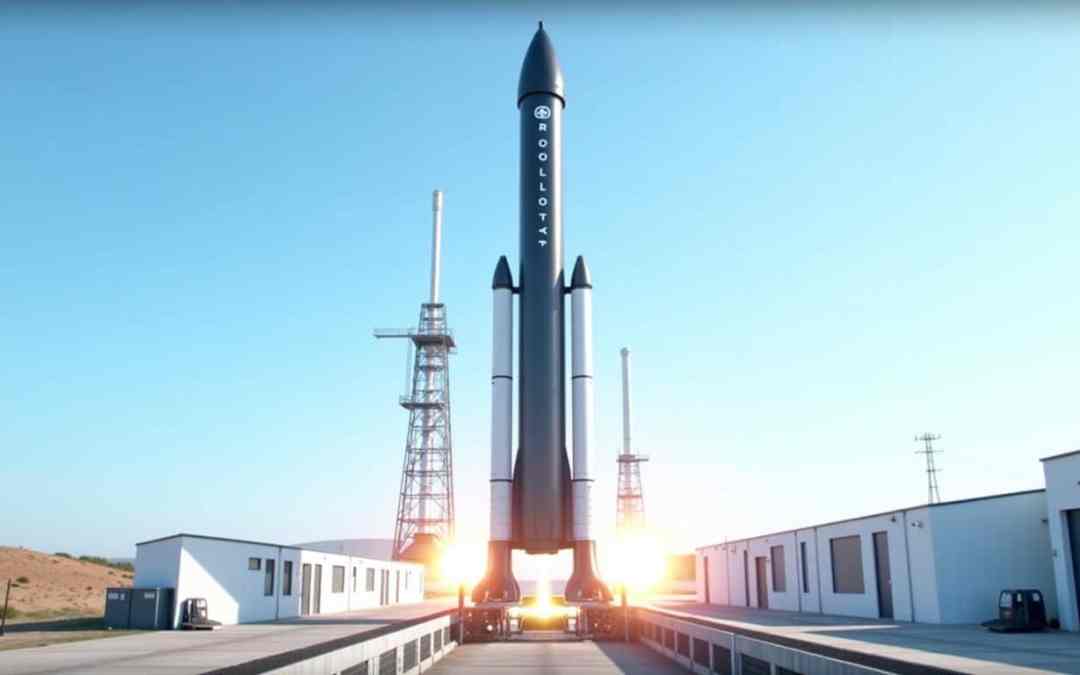
Comparing Neutron and Archimedes: Rocket Lab’s Leap into the Future of Space Exploration
Introduction
Rocket Lab is at the forefront of transforming the space industry with innovative technology and engineering marvels. In this post, we delve into two groundbreaking advancements: the Neutron launch vehicle and the Archimedes engine. Both represent significant strides in space exploration, embracing reusability, efficiency, and cutting-edge manufacturing processes. Whether you’re an engineer, aerospace enthusiast, or a business professional in the space sector, this comparison will highlight the technological prowess and future potential of Rocket Lab’s efforts.
Table of Key Differences
| Feature | Neutron Launch Vehicle | Archimedes Engine |
|---|---|---|
| Purpose | Medium-lift rocket designed for various space missions | Advanced rocket engine designed for reusability and efficiency |
| Payload Capacity | Up to 13,000 kg to Low Earth Orbit | Powers both stages of the Neutron, providing significant thrust |
| Reusability | Reusable first stage with captive fairing design | Engineered for rapid and reliable reusability |
| Manufacturing Technique | Automated Fiber Placement (AFP) and 3D printing | Utilizes 3D printing for critical components |
| Market Impact | Targets medium-lift market, interplanetary missions | Aligns with trends in cryogenic propellants and reusable rockets |
Section 1: Performance Showdown: Which Idea Delivers More?
Neutron Launch Vehicle
The Neutron rocket is designed for medium-lift missions, boasting a payload capacity of 13,000 kg to Low Earth Orbit. It features the innovative Archimedes engine, offering 1,485,000 lbs of thrust. Its engineering is focused on efficiency and reliability, making it a strong contender in the competitive space launch market.
Archimedes Engine
The Archimedes engine complements the Neutron’s design, delivering up to 165,000 pounds of thrust per engine. It demonstrated impressive power during testing, reaching 102% power and showcasing extreme robustness. This engine is pivotal for the Neutron’s performance, ensuring reliable and efficient launches.
Key Takeaways: While the Neutron benefits from the collective output of nine Archimedes engines, the Archimedes engine’s design ensures optimal performance and reusability, making it an integral part of the Neutron’s success.
Section 2: User Experience: Navigating Ease of Use
Neutron Launch Vehicle
With its reusable design, the Neutron offers a user-friendly approach to space missions by simplifying mission turnaround times and reducing operational costs. The captive fairing design also minimizes resource waste and enhances ease of use for subsequent missions.
Archimedes Engine
The engine’s lower stress operation and 3D printed components signal a focus on user-friendly, quick turnover in maintenance and refurbishment, ensuring rapid reuse.
Key Takeaways: Neutron’s focus on a user-centric design and Archimedes’ engineering for quick use provide seamless user experience in spacecraft operations and maintenance.
Section 3: Cost Analysis: Getting the Best Value
Neutron Launch Vehicle
Given its reusable nature, Neutron presents a cost-effective solution for medium-lift launches, poised to service both commercial and governmental sectors.
Archimedes Engine
Engine reusability allows Rocket Lab to offer competitive pricing for launches while maintaining high performance standards, making it a sound investment in the long term.
Key Takeaways: The reusability factor in both the Neutron and Archimedes highlights Rocket Lab’s commitment to cost efficiency, with long-term benefits of reduced launch costs and increased accessibility.
Section 4: Long-Term Support: Reliability Over Time
Neutron Launch Vehicle
Support infrastructure includes dedicated manufacturing, assembly, and integration complexes. These facilities ensure extensive support for the rocket’s lifecycle.
Archimedes Engine
With robust testing and development facilities, Rocket Lab provides comprehensive support for the Archimedes engine, ensuring consistent performance over multiple missions.
Key Takeaways: Reliable support and frequent updates in technology and operations enhance the longevity and performance consistency of both Neutron and the Archimedes engine.
Section 5: Real-World Applications: Putting Ideas Into Practice
Neutron Launch Vehicle
Neutron is designed for constellation deployment, cargo resupply, and interplanetary missions, offering an adaptable solution for various mission profiles.
Archimedes Engine
Its integration into the Neutron highlights its real-world capability, powering missions ranging from commercial satellite launches to government missions.
Key Takeaways: Both are versatile, catering to a wide range of space missions, enhancing their practicability and appeal in the global space market.
Section 6: Weighing the Advantages and Disadvantages
Neutron Launch Vehicle
Pros: High payload capacity, reusable, advanced manufacturing techniques
Cons: Competition from existing market leaders, nascent technology
Archimedes Engine
Pros: High efficiency, reusable design, advanced manufacturing processes
Cons: Performance may still need validation across various mission conditions
Key Takeaways: Both innovations carry significant advantages in efficiency and technology, though they face competition and require validation in diverse scenarios.
Conclusion: Final Verdict – Choosing the Right Idea for You
The Neutron launch vehicle and Archimedes engine collectively embody Rocket Lab’s vision for a sustainable and efficient space industry. Neutron offers a robust platform for a wide range of missions, while Archimedes provides the power and efficiency needed for these missions to succeed. Both are consistent with trends in the space industry towards reusability and cost efficiency. Whether you’re involved in commercial satellite launch services or national security missions, Rocket Lab’s technological innovation provides a sound base for strategic decision-making.
Call to Action: Explore these advancements further by following Rocket Lab’s developments or discussing these breakthroughs with peers in the space industry. Your insights and engagements are valuable in the ever-evolving landscape of space exploration.


