
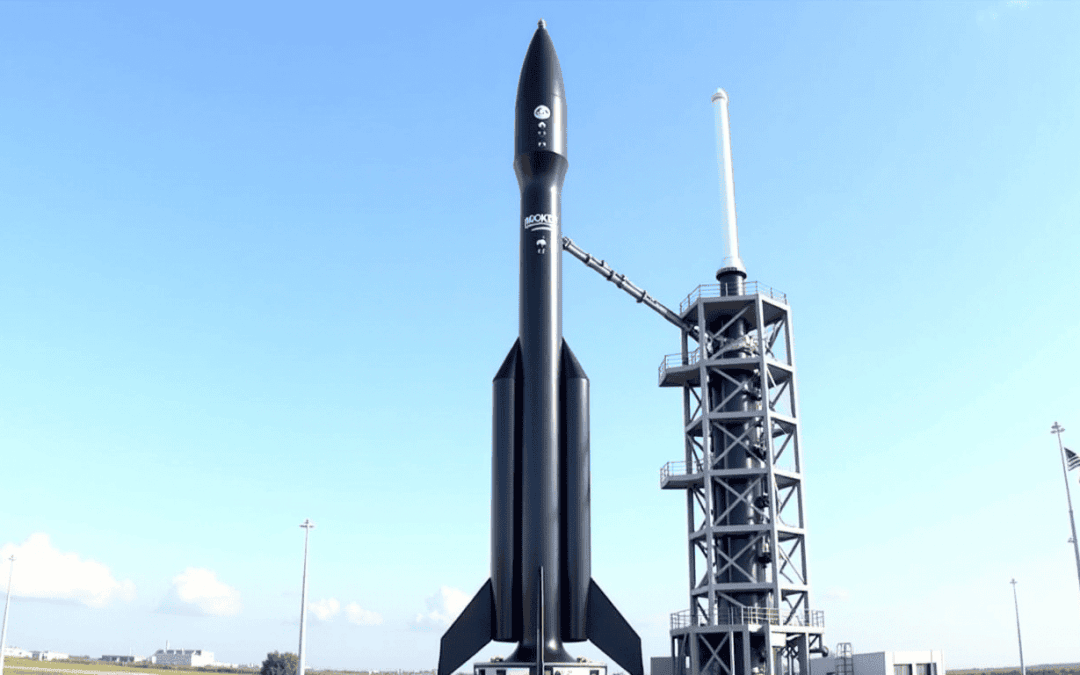
Step-by-Step Guide to Rocket Lab Neutron Development: Understanding the Archimedes Engine and the Future of Space Launch Services
The space industry is rapidly evolving, with commercial launch services at the forefront of innovation. One of the most exciting advancements is Rocket Lab’s development of the Neutron rocket, powered by the Archimedes engine. This post will guide you through the key aspects of this development, highlighting the use of 3D printing and cryogenic propellants, all while providing valuable insights for aerospace enthusiasts and professionals alike.
1. Introduction to Rocket Lab Neutron and Archimedes Engine
Rocket Lab is renowned for its pioneering efforts in the aerospace sector. The Neutron rocket is set to significantly bolster satellite deployment capabilities, boasting a payload capacity of up to 13,000 kg (28,700 lb) to low Earth orbit. The accompanying Archimedes engine employs a staged combustion cycle, leveraging cryogenic propellants to enhance performance and reusability.
2. Overview of Medium-Class Launch Vehicles
Medium-lift launch vehicles fill a critical niche in the launch market, catering to a range of applications from satellite deployment to scientific missions. The Neutron’s design and capabilities position it uniquely within this category, meeting the demands of the expanding megaconstellation market while offering reusability features that differentiate it from its predecessors.
3. The Role of Engine Testing in Development
Engine testing is crucial for validating design specifications and ensuring reliability. Rocket Lab’s test campaign for the Archimedes engine includes:
- Hot Fire Tests: Evaluate performance under various conditions. The first test achieved 102% power, proving the engine’s potential.
- Transient Testing: Focuses on the engine’s startup and shutdown processes to ensure safe operation.
- Qualification Campaign: A series of tests aimed at demonstrating the engine’s reliability and performance standards.
4. Innovations in Rocket Technology: 3D Printing and Cryogenics
Rocket Lab is pioneering the use of advanced manufacturing techniques, particularly 3D printing, to streamline production and reduce costs:
- 3D Printing Applications: Approximately 90% of the Archimedes engine‘s components, including turbo pump housings and structural components, are 3D printed. This approach expedites development and enhances design flexibility.
- Cryogenic Propellant Use: Utilizing liquid oxygen and liquid natural gas (LNG) enhances engine performance and reusability. LNG, in particular, minimizes stress on the engine during operation, promoting longevity and reliability.
5. Industry Impact: Buying Commercial Launch Services
The growth of commercial launch services presents new opportunities for industries requiring satellite deployment. Providers like Rocket Lab offer innovative solutions that can effectively lower costs while increasing access to space. Understanding the development and capabilities of vehicles like the Neutron is crucial for stakeholders considering launch services.
6. Future Prospects in Space Exploration
The Neutron rocket and Archimedes engine represent a significant leap forward in launch vehicle technology. As Rocket Lab continues to refine these innovations, the potential for more frequent and cost-efficient launches expands, making space more accessible for commercial endeavors, scientific research, and exploration.
Conclusion: Your Journey into Aerospace Innovation
This guide aimed to unravel the intricacies of Rocket Lab’s Neutron development and the innovative technologies feeding its success. As we look toward the future, developments in 3D printing, cryogenic propellant use, and engine testing will play pivotal roles in shaping the next generation of space exploration.
For those eager to dive deeper into aerospace technology, consider exploring related resources or engaging with Rocket Lab updates to stay informed about breakthroughs in commercial space ventures.
Additional Resources:


