
Milestones and Innovations in Rocket Lab’s Neutron Launch Vehicle Development
In the ever-evolving landscape of space exploration, Rocket Lab is making significant strides with its Neutron launch vehicle. This tutorial delves into the development of the Neutron, highlights the specifications of its Archimedes engine, and discusses the production challenges faced by the company as it gears up for a mid-2025 launch.
1. Overview of Rocket Lab
Founded in 2006, Rocket Lab has positioned itself as a key player in the aerospace sector, focusing on small satellite launches. With the introduction of the Neutron, Rocket Lab aims to expand its capabilities to medium-lift launches, targeting the burgeoning market for satellite megaconstellations. The company is headquartered in Long Beach, California, and operates launch facilities in Virginia.
2. Introduction to the Neutron Launch Vehicle
Design and Capabilities
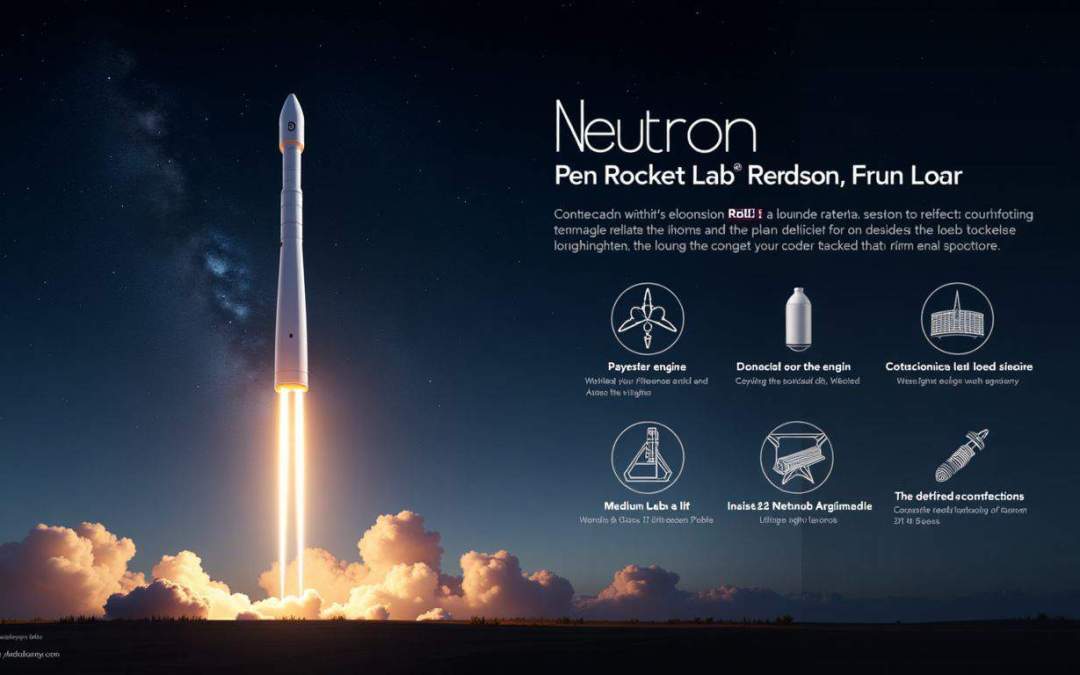
The Neutron is a two-stage, medium-lift launch vehicle designed for partial reusability. Key features include:
- Propellants: Liquid oxygen (LOX) and liquid methane, optimizing performance and reducing costs.
- Payload Capacity: Capable of delivering up to 13,000 kg (28,700 lb) to low Earth orbit.
- Reusable Design: Equipped with a unique interstage design and a return-to-launch-site reusability profile.
Launch Timeline
Current Projection: Neutron’s first flight is now anticipated to take place no earlier than mid-2025, reflecting a shift from the original 2024 launch date.
3. Archimedes Engine Specifications
The Archimedes engine is a pivotal element of the Neutron vehicle:
- Propellant: Uses LOX and liquid methane.
- Testing Phase: The first Archimedes engine has completed initial testing and is undergoing static-fire tests at NASA’s Stennis Space Center in Mississippi. The testing process, while currently underway, began later than initially forecasted, marking it as a critical focus in the vehicle’s development timeline.
4. Timeline and Key Milestones in Neutron’s Development
Development Progress
Despite the revised timeline, Rocket Lab has achieved various development milestones, including:
- Composite Structure Manufacturing: The company is making considerable headway in constructing composite components for the rocket.
- Launch Complex 3: Development of the launch site at Wallops Island, Virginia, has also progressed, signifying concrete steps toward operational readiness.
Challenges Faced
Rocket Lab’s journey is not without obstacles:
- Delayed Launch: The shift to mid-2025 is attributed to minor but cumulative issues in the development process, rather than any singular technical failure.
- Financial Considerations: The overall budget for developing Neutron is projected between $250 million to $300 million, which reflects the complexity of the project.
- Impact of Customer Delays: The delays in its Electron rocket launch manifest have also affected timelines across Rocket Lab’s operations.
5. Challenges and Outlook for Rocket Lab’s Neutron
While Rocket Lab encounters several challenges, the outlook remains positive. The company continues to innovate and adapt, ensuring that the Neutron will meet its goals effectively. The commitment to overcoming production hurdles and maintaining rigorous testing schedules positions Rocket Lab favorably within the competitive landscape of aerospace.
Conclusion
Rocket Lab’s Neutron launch vehicle represents a significant leap in rocket technology and medium-lift capabilities. As the company navigates the complexities of development and production, its achievements and challenges offer valuable insights for space enthusiasts, students, and industry professionals alike. Stay tuned for more updates as Rocket Lab progresses toward the Neutron‘s maiden flight in mid-2025.
Call to Action
For further information on rocket launch milestones, engine specifications, or aerospace trends, consider exploring additional resources or staying up-to-date with Rocket Lab‘s announcements. Your journey into the world of aerospace innovation is just beginning!


