


Electric rotary actuators use an electric motor to provide rotary motion. They are highly precise and can be controlled using various input signals, such as analog or digital signals. Electric rotary actuators are ideal for applications that require high accuracy and repeatability. They are also energy-efficient, making them a popular choice for many modern industrial applications.
Applications of Rotary Actuators
Rotary actuators have a wide range of applications in various industries. Some common applications include:
- Industrial automation: Rotary actuators are commonly used in industrial automation to control the movement of robots, conveyors, and other machinery.
- Aerospace: Rotary actuators are used in aircraft and spacecraft to control various systems, such as landing gear, flaps, and rudders.
- Oil and gas: Rotary actuators are used in drilling rigs, pipelines, and other equipment to control valves, pumps, and other systems.
- Medical equipment: Rotary actuators are used in medical equipment, such as imaging machines and surgical robots, to provide precise control and movement.
- Automotive: Rotary actuators are used in automotive applications to control various systems, such as power seats, power windows, and sunroofs.
Choosing the Right Rotary Actuator
When choosing a rotary actuator, there are several factors to consider, including:
- Load requirements: The actuator must be able to handle the load required by the application.
- Speed and accuracy: The actuator must be able to move at the required speed and with the required accuracy.
- Environmental factors: The actuator must be able to withstand the environmental conditions in which it will be used, such as temperature, humidity, and dust.
- Power source: The actuator must be compatible with the available power source.
- Cost and maintenance: The actuator must be cost-effective and require minimal maintenance.
By considering these factors, you can choose the right rotary actuator for your application and ensure that it provides the precise control and reliability that you need.
Rotary actuators are essential components in many industrial and commercial applications. Understanding the different types of rotary actuators and their features and benefits can help you choose the right one for your needs. Whether you need high torque, fast speeds, precise control, or energy efficiency, there is a rotary actuator that can meet your requirements. By considering the load requirements, speed and accuracy, environmental factors, power source, cost, and maintenance, you can ensure that your rotary actuator provides reliable and precise control for your application.
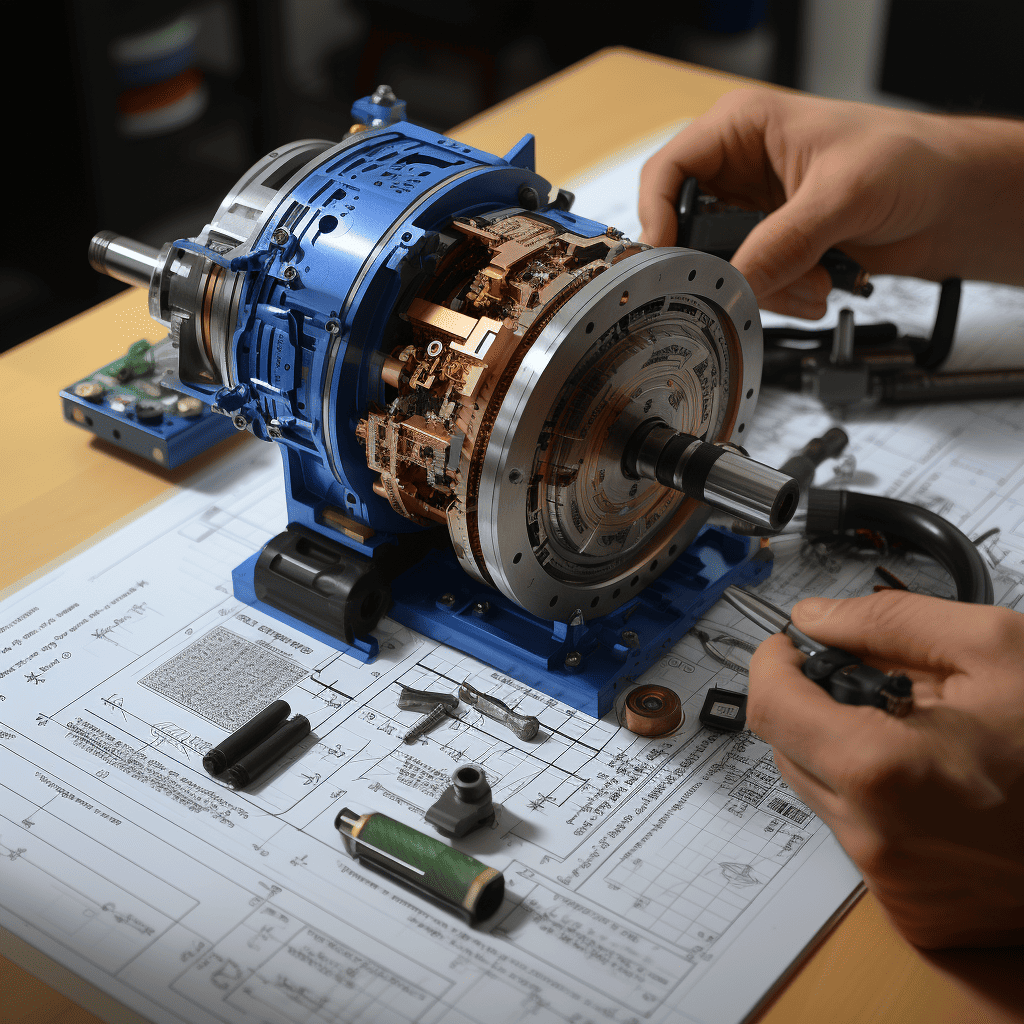
factor to consider. This includes the type of control system that will be used to operate the actuator, as well as any communication protocols that may be required. Actuators can be controlled using a variety of methods, including manual control, analog control, and digital control. Additionally, some actuators may be compatible with specific communication protocols, such as CAN bus or Modbus. It is essential to choose an actuator that is compatible with your control system and communication requirements.
Actuators may also require additional components, such as sensors or feedback devices, in order to function properly. It is important to consider the integration requirements for these components, as well as their compatibility with the actuator and control system.
Cost and Maintenance
Initial Cost: The initial cost of the actuator is an important consideration, as it will affect the overall budget for your project. Actuators can vary widely in price, depending on their size, load capacity, and other features. It is essential to choose an actuator that provides the necessary performance and reliability for your application, while also being cost-effective.
Maintenance Requirements: The maintenance requirements for the actuator are also an important consideration. This includes the frequency of maintenance, as well as the type of maintenance required. Some actuators may require regular lubrication or replacement of seals, while others may be maintenance-free. It is essential to choose an actuator with maintenance requirements that are compatible with your maintenance schedule and budget.
Lifespan and Warranty: The lifespan and warranty of the actuator are also important considerations. Actuators with longer lifespans will require less frequent replacement, while those with longer warranties will provide greater peace of mind. It is essential to choose an actuator with a lifespan and warranty that meets the requirements of your application.
There are several key factors to consider when choosing a rotary actuator. These include load requirements, motion type, environmental conditions, mounting and integration options, cost and maintenance requirements. By carefully considering these factors, you can choose an actuator that provides reliable and safe operation, while also being cost-effective and easy to maintain. Additionally, it is important to work with a reputable supplier who can provide technical support and guidance throughout the selection and installation process.
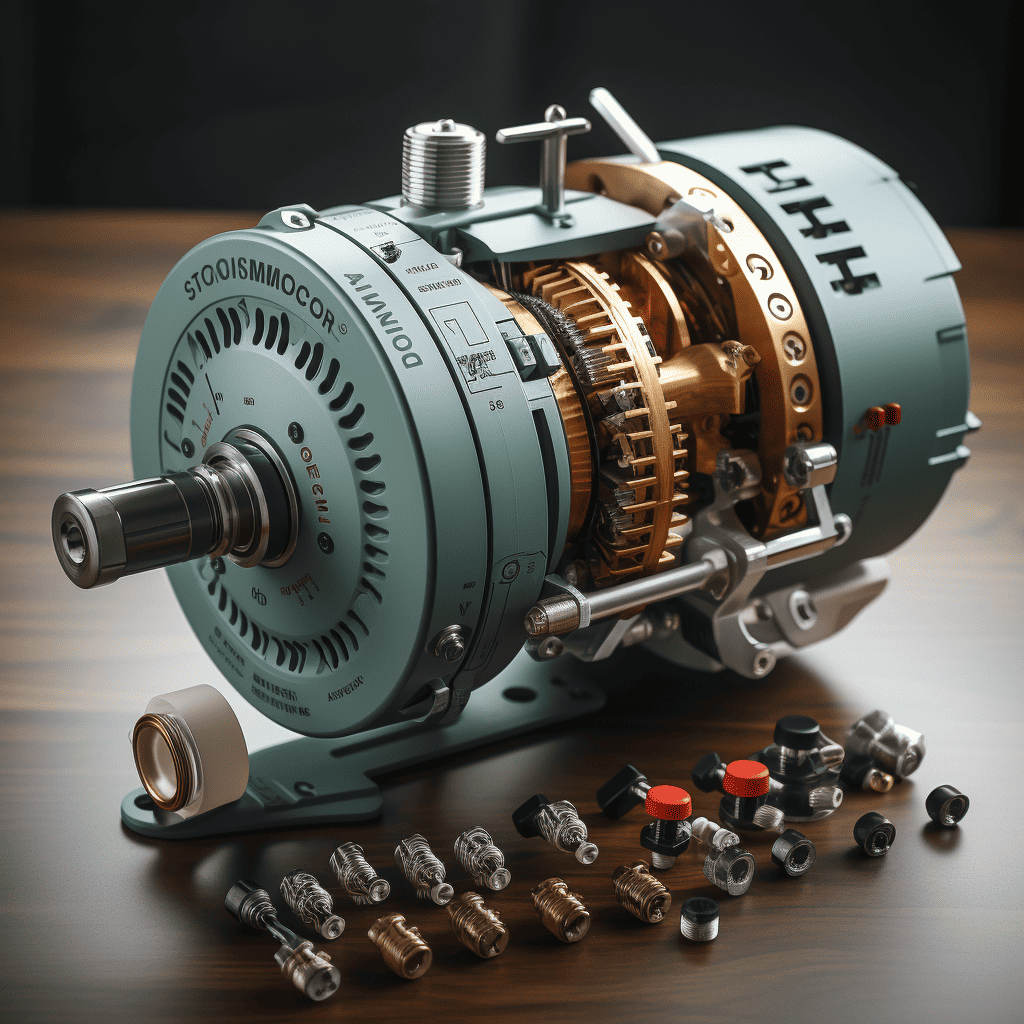
Top Rotary Actuator Brands and Their Unique Features
Thomson Rotary Actuators
Thomson is a leading manufacturer of precision motion control solutions, including a wide range of rotary actuators. Their modular design allows for easy customization and integration, while their extensive line of accessories, such as feedback devices and mounting hardware, enhance their versatility.
One of the standout features of Thomson rotary actuators is their maintenance-free operation. This is achieved through the use of self-lubricating bearings and seals, which reduce downtime and maintenance costs. Additionally, Thomson offers a wide range of sizes and configurations, making them suitable for a variety of applications.
Parker Hannifin Rotary Actuators
Parker Hannifin is a global leader in motion and control technologies, including their line of durable and reliable rotary actuators. Their advanced materials and manufacturing processes result in high-strength, lightweight components that are resistant to wear and corrosion.
Parker Hannifin also offers a range of customization options, including special coatings and finishes, to meet the specific needs of their customers. Additionally, their actuators feature integrated sensors and diagnostics, making them ideal for use in automation and control systems.
Rotork Rotary Actuators
Rotork is a world-renowned manufacturer of actuators, including their high-performance and reliable rotary actuators. Their advanced control technology, including self-diagnostics, condition monitoring, and remote access, sets them apart from the competition.
Rotork also offers a wide range of sizes and configurations, including electric, hydraulic, and pneumatic options, making them suitable for a variety of applications. Additionally, their actuators are designed for easy use and maintenance, with features such as manual override and visual position indicators.
SMC Rotary Actuators
SMC is a global leader in pneumatic automation, including their line of compact and lightweight rotary actuators. Their proprietary cylinder design results in high-strength, lightweight components that are resistant to wear and corrosion.
SMC also offers a range of customization options, including special materials and coatings, to meet the specific needs of their customers. Additionally, their actuators are designed for easy integration, with features such as modular mounting brackets and plug-and-play connectors.
Festo Rotary Actuators
Festo is a world-leading manufacturer of automation technology, including their line of high-performance rotary actuators. Their advanced control technology, including integrated sensors, diagnostics, and communication capabilities, make them ideal for use in automation and control systems.
Festo also offers a wide range of sizes and configurations, including electric, hydraulic, and pneumatic options, as well as a range of customization options to meet the specific needs of their customers. Additionally, their actuators are designed for energy efficiency, with features such as low-power consumption and energy recovery.
Choosing the right rotary actuator is essential for ensuring optimal performance and reliability in your application. By considering the unique features and benefits of each brand, you can make an informed decision and choose the rotary actuator that best meets your needs.
Note: In addition to the above brands, there are many other manufacturers that offer high-quality rotary actuators. It’s always a good idea to do your research and compare different options before making a final decision. Some other notable brands to consider include Tolomatic, Firgelli Automations, and Haydon Kerk Motion Solutions.
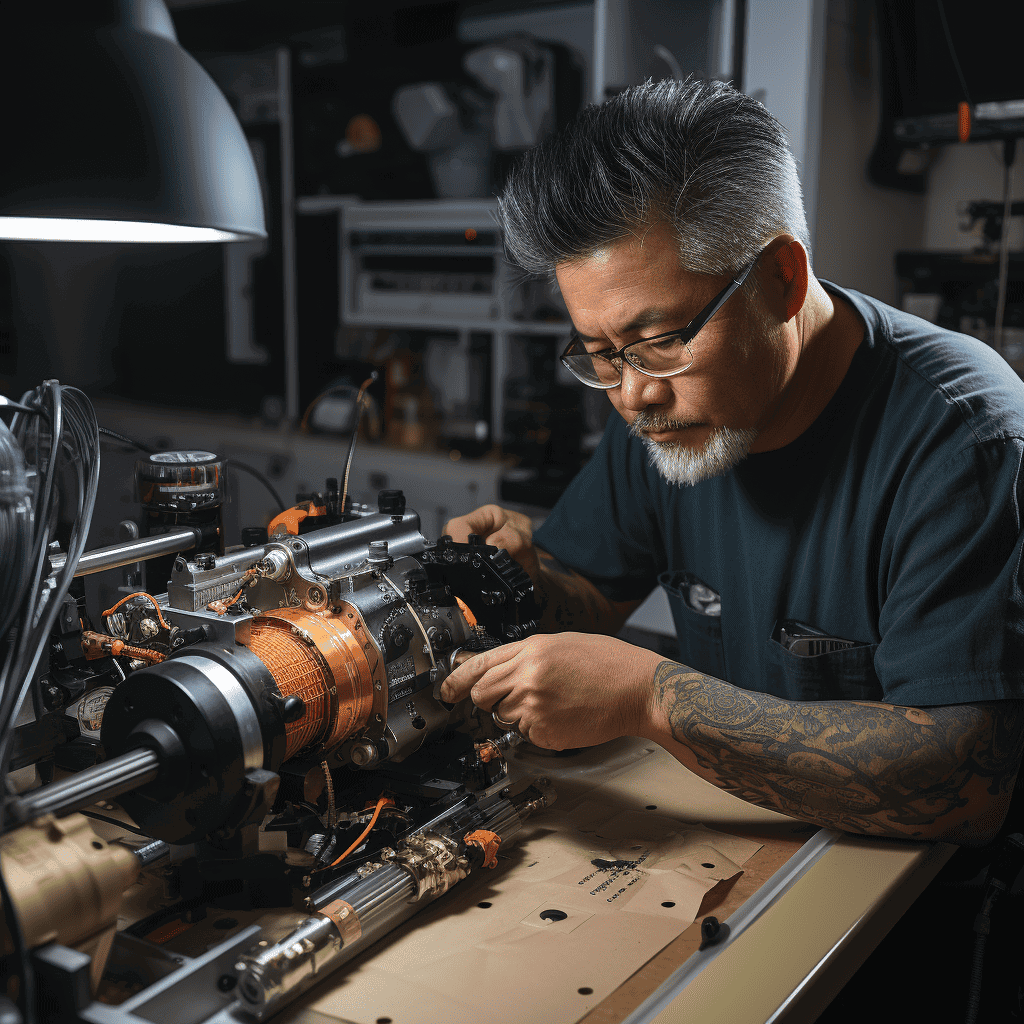 It is also important to make sure that the actuator is the correct size for the load, and that it is properly connected to the power source.
Regular Maintenance
To keep your rotary actuator running smoothly and efficiently, it is important to perform regular maintenance. This includes checking for any signs of wear or damage, and lubricating the actuator as needed. It is also important to check the actuator’s seals and gaskets regularly to ensure that they are in good condition and that the actuator is not leaking. Additionally, it is recommended to check the actuator’s electrical connections and wiring to ensure that they are secure and free of corrosion.
Troubleshooting Tips
If your rotary actuator is not functioning properly, there are a few troubleshooting tips you can try before calling a professional. First, make sure that the actuator is receiving power and that the wiring is not damaged. If the actuator is still not working, check for any signs of wear or damage, and make sure that the actuator is properly aligned with the load. If the actuator is still not functioning, it may be necessary to contact the manufacturer or a professional for further assistance.
Common Issues and Solutions
Some common issues with rotary actuators include:
- The actuator is not moving: This could be due to a lack of power, a damaged wiring, or a misalignment with the load.
- The actuator is leaking: This could be due to damaged seals or gaskets. It is important to replace these parts as soon as possible to prevent further damage.
- The actuator is making strange noises: This could be due to a lack of lubrication or wear on the internal components. It is important to lubricate the actuator regularly and to have it inspected by a professional if the noise persists.
Conclusion
Proper installation, regular maintenance, and troubleshooting are all crucial for ensuring the safe and efficient operation of rotary actuators. By following the manufacturer’s instructions and performing regular maintenance, you can help to prevent issues and prolong the life of your actuator. If you do encounter any issues, be sure to refer to the troubleshooting tips and common issues section for guidance. And if you’re still having trouble, don’t hesitate to contact a professional for assistance.


