


spring return actuators can be broadly classified into two types: linear and rotary. Linear actuators are designed to produce linear motion, while rotary actuators generate rotational motion.
Linear spring return actuators consist of a cylindrical housing, a piston, a spring, and a shaft. The piston is attached to the spring and moves along the length of the housing when the spring is compressed or released. The shaft is connected to the piston and extends outside the housing, transmitting the linear motion to the external load. Linear spring return actuators are commonly used in applications such as valve control, automation systems, and material handling equipment.
Rotary spring return actuators, on the other hand, generate rotational motion by using a spring-loaded cam or gear mechanism. The cam or gear is attached to the shaft, which rotates as the spring is compressed or released. Rotary spring return actuators are used in a wide range of applications, including automotive steering systems, aerospace control surfaces, and industrial machinery.
Advantages of Spring Return Actuators
Spring return actuators offer several advantages over other types of actuators. They are simple, reliable, and cost-effective, making them an ideal choice for many industrial applications. Some of the key advantages of spring return actuators include:
1. Energy efficiency: Spring return actuators use the energy stored in a compressed spring to generate motion, which makes them highly energy-efficient. They do not require an external power source to return to their original position, which further reduces energy consumption.
2. High speed: Spring return actuators can achieve high speeds due to the rapid release of energy from the compressed spring. This makes them ideal for applications where quick motion is required.
3. Reliability: Spring return actuators have fewer moving parts compared to other types of actuators, making them more reliable and less prone to failure. They are also less susceptible to wear and tear, which ensures a long service life.
4. Compact design: Spring return actuators have a compact design, making them ideal for use in space-constrained applications. They can be easily integrated into existing systems without requiring significant modifications.
5. Low maintenance: Spring return actuators require minimal maintenance, as they do not have complex electrical or hydraulic systems. They can operate in harsh environments and extreme temperatures, making them suitable for use in a wide range of industries.
Applications of Spring Return Actuators
Spring return actuators are used in a wide range of industries and applications. Some of the most common applications include:
1. Valve control: Spring return actuators are commonly used in valve control systems to open and close valves. They are used in industries such as oil and gas, water treatment, and chemical processing.
2. Automation systems: Spring return actuators are used in automation systems to move components, open and close doors, and operate machinery. They are used in industries such as automotive, aerospace, and manufacturing.
3. Material handling equipment: Spring return actuators are used in material handling equipment such as conveyors, lifts, and loaders. They are used to move heavy loads and improve efficiency.
4. Medical equipment: Spring return actuators are used in medical equipment such as hospital beds, surgical tables, and imaging equipment. They are used to improve patient comfort and safety.
5. Aerospace control surfaces: Spring return actuators are used in aerospace control surfaces such as flaps and slats. They are used to improve aircraft performance and safety.
Spring return actuators are mechanical devices that use the energy stored in a compressed spring to generate motion. They are simple, reliable, and cost-effective, making them an ideal choice for many industrial applications. They can be classified into two types: linear and rotary, and offer several advantages such as energy efficiency, high speed, reliability, compact design, and low maintenance. Spring return actuators are used in a wide range of industries and applications, including valve control, automation systems, material handling equipment, medical equipment, and aerospace control surfaces.

The Piston: The Motion Component
The piston is the component that moves back and forth within the actuator’s housing, creating linear motion. It is attached to the spring and is responsible for compressing it, which stores energy. The piston is typically made of a material that can withstand the high pressure and stress generated during operation, such as stainless steel or alloy steel. The piston is also designed to minimize friction, which can reduce efficiency and cause wear and tear on the actuator’s components.
The Housing: The Protective Component
The housing is the external component that provides protection and support for the actuator’s internal components. It is typically made of a strong and durable material, such as aluminum or stainless steel. The housing is designed to withstand the forces generated during operation and protect the internal components from external factors such as dirt, moisture, and corrosion.
The Actuator Mount: The Connection Component
The actuator mount is the component that connects the actuator to the machine or system it is controlling. It is typically made of a strong and durable material, such as steel or aluminum. The actuator mount can be designed to provide different types of motion, including linear, rotary, or oscillatory motion, depending on the application.
The Seals: The Prevention Component
The seals are critical components of the spring return actuator that prevent leakage and contamination of the internal components. They are typically made of materials that can withstand high pressure and temperature, such as nitrile, Viton, or silicone. The seals are designed to provide a tight seal between the housing and the piston, preventing fluid or gas from leaking out and contaminants from entering.
The Control Valve: The Regulating Component
The control valve is the component that regulates the flow of fluid or gas into the actuator, controlling the motion of the piston. It is typically located on the outside of the actuator and can be manually or automatically operated. The control valve can be designed to provide different types of motion, including on/off, proportional, or modulating motion, depending on the application.
The Position Feedback Sensor: The Monitoring Component
The position feedback sensor is an optional component that can be added to the spring return actuator to monitor its position and provide feedback to the control system. It can be used to ensure accurate and precise motion control, improve efficiency, and reduce wear and tear on the actuator’s components. The position feedback sensor can be designed to provide analog or digital output, depending on the application.
In summary, spring return actuators are mechanical devices that convert energy into motion. They consist of several critical components, including the spring, piston, housing, actuator mount, seals, control valve, and position feedback sensor. Each component plays a unique role in the actuator’s functionality and contributes to its overall performance. Understanding the key components and their roles can help engineers and technicians design, maintain, and troubleshoot spring return actuators in various applications.
They are used in agriculture for irrigation systems, providing automatic control over the flow of water to crops. They are used in construction for heavy equipment, providing precise control over the movement of the machinery. They are also used in the food and beverage industry for packaging and processing equipment, providing reliable and efficient operation.

Automotive Industry
In the automotive industry, spring return actuators are used for various applications, including:
- Seat adjustment mechanisms: Spring return actuators provide automatic operation for seat positioning, allowing drivers and passengers to adjust their seats with ease.
- Power windows: Spring return actuators are used to open and close power windows, providing convenience and safety to the vehicle occupants.
- Sunroofs: Spring return actuators are used to open and close sunroofs, providing a comfortable driving experience.
- Door locks: Spring return actuators are used to lock and unlock doors automatically, providing convenience and security to the vehicle occupants.
- Engine management systems: Spring return actuators are used to control fuel injection and ignition systems, ensuring optimal engine performance and fuel efficiency.
Aerospace Industry
In the aerospace industry, spring return actuators are used for various applications, including:
- Landing gear systems: Spring return actuators offer a reliable and efficient means of deploying and stowing the landing gear, ensuring safe landings and takeoffs.
- Flight control surfaces: Spring return actuators are used to control the flaps, ailerons, and rudder, providing precise control over the aircraft’s flight characteristics.
- Fuel systems: Spring return actuators are used in fuel systems to regulate the flow of fuel to the engines, ensuring optimal engine performance and fuel efficiency.
Medical Industry
In the medical industry, spring return actuators are used for various applications, including:
- Surgical instruments: Spring return actuators provide precise control over the movement of surgical instruments, enabling surgeons to perform delicate procedures with accuracy and precision.
- Hospital beds: Spring return actuators are used in hospital beds to provide automatic operation, making it easier for caregivers to move patients and reduce the risk of injury.
- Patient lifts: Spring return actuators are used in patient lifts to provide automatic operation, making it easier to move patients and reduce the risk of injury.
Manufacturing Industry
In the manufacturing industry, spring return actuators are used for various applications, including:
- Automated assembly lines: Spring return actuators are used in automated assembly lines to move components and assemblies between different stations, providing a reliable and efficient means of automating the manufacturing process.
- Robotics: Spring return actuators are used in robotics to offer precise control over the movement of the robotic arms, enabling accurate and repeatable motion.
- Material handling systems: Spring return actuators are used in material handling systems to move heavy loads, reducing the need for manual labor and improving safety.
Oil and Gas Industry
In the oil and gas industry, spring return actuators are used for various applications, including:
- Valve control: Spring return actuators are used to control the flow of fluids in pipelines, providing precise control over the opening and closing of valves.
- Wellhead operations: Spring return actuators are used in wellhead operations to offer automatic control over the drilling and extraction process, ensuring optimal performance and safety.
Additional Applications
Spring return actuators have numerous other applications across various industries, including:
- Agriculture: Spring return actuators are used in irrigation systems to provide automatic control over the flow of water to crops.
- Construction: Spring return actuators are used in heavy equipment to provide precise control over the movement of the machinery.
- Food and beverage industry: Spring return actuators are used in packaging and processing equipment to provide reliable and efficient operation.
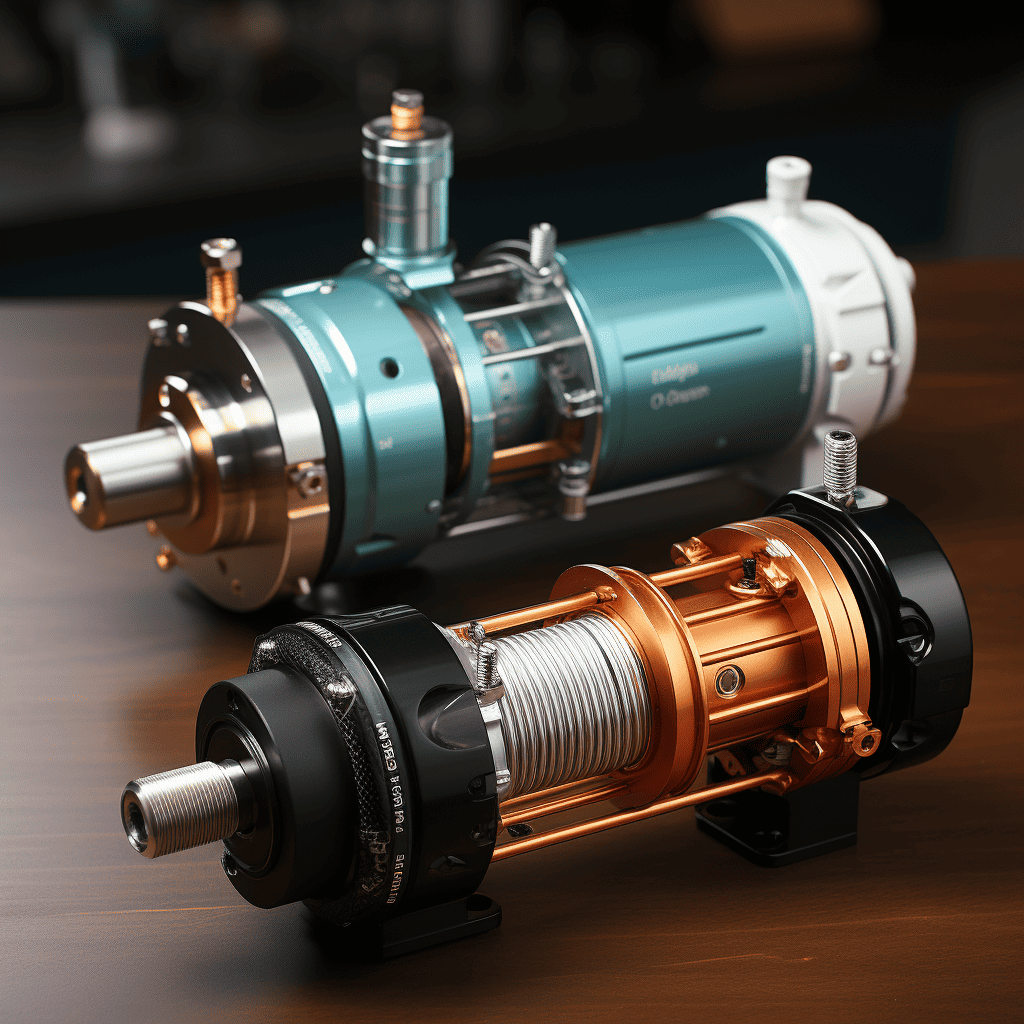
When designing a system that uses spring return actuators, there are several design considerations to keep in mind to ensure optimal performance and reliability. Here are some of the key design considerations:
- Actuator Selection: The selection of the actuator is critical to the success of the design. The actuator should be selected based on the application’s specific requirements, such as force and stroke requirements, operating environment, and cost. It is essential to select an actuator that is compatible with the system and can provide the necessary performance.
- Mounting and Positioning: The mounting and positioning of the actuator are also essential design considerations. The actuator should be mounted securely to prevent any movement or vibration that could affect its performance. The positioning of the actuator should also be carefully considered to ensure that it can provide the necessary force and stroke for the application.
- Control System Integration: The integration of the actuator’s control system is another critical design consideration. The control system should be designed to provide precise control and positioning of the actuator. This may involve the use of sensors, feedback systems, and control algorithms to ensure optimal performance.
- Safety Considerations: The safety of the system is another essential consideration when designing a system that uses spring return actuators. The system should be designed to prevent any accidents or injuries that could occur due to the actuator’s movement or operation. This may involve the use of safety interlocks, emergency stop buttons, and other safety features to ensure the safety of operators and equipment.
Applications of Spring Return Actuators
Spring return actuators are used in a wide range of applications across various industries. Here are some examples of their applications:
- Robotics and Automation: Spring return actuators are commonly used in robotics and automation applications due to their compact size and high force-to-weight ratios. They are used to provide precise control and positioning of robotic arms and other automated equipment.
- Heavy-Duty Machinery: Spring return actuators are also used in heavy-duty machinery applications, such as construction equipment, oil and gas equipment, and mining equipment. They are used to provide high force and precision positioning in harsh and demanding environments.
- Medical Equipment: Spring return actuators are used in medical equipment applications, such as surgical tools and hospital beds. They are used to provide precise control and positioning of equipment, ensuring patient comfort and safety.
- Aerospace and Defense: Spring return actuators are used in aerospace and defense applications, such as aircraft and missile systems. They are used to provide precise control and positioning of equipment, ensuring reliable performance in critical situations.
Conclusion
Spring return actuators offer several advantages over other types of actuators, making them a popular choice for design projects in various industries. Their simplicity, reliability, compact size, and high force-to-weight ratios make them ideal for use in space-constrained and demanding applications. When selecting a spring return actuator, it is essential to consider the application’s specific requirements, such as force and stroke requirements, operating environment, and cost. Proper design considerations, such as actuator selection, mounting and positioning, control system integration, and safety considerations, are also critical to ensuring optimal performance and reliability. Spring return actuators are used in a wide range of applications, from robotics and automation to heavy-duty machinery and medical equipment.


