Here’s an expanded version of the `

Common Diaphragm Pump Problems and Their Causes
Diaphragm pumps are widely used in various industries due to their ability to handle different types of fluids, including corrosive, abrasive, and viscous liquids. However, like any other mechanical equipment, diaphragm pumps are prone to wear and tear, leading to performance issues. Here are some common problems that can occur in diaphragm pumps and their causes.
Air Leaks and Suction Issues
Air leaks are a prevalent problem in diaphragm pumps, leading to insufficient suction or priming issues. These leaks can occur due to several reasons, including:
- Worn-out or damaged o-rings: O-rings are used to seal the pump’s connections and prevent air from entering the system. Over time, they can become worn out or damaged, leading to air leaks.
- Loose connections: Loose connections between the pump and its fittings can also cause air leaks. Regular inspection and tightening of connections can prevent this issue.
- Cracked pump body: A cracked pump body can allow air to enter the system, leading to suction issues. Regular inspection and replacement of damaged parts can prevent this problem.
- Improperly installed or damaged check valve: A check valve is used to prevent backflow in the pump. If it is improperly installed or damaged, it can allow air to enter the pump chamber, causing air leaks.
Regular inspection and maintenance of the pump, including replacing worn-out parts, can prevent air leaks.
Suction issues are another common problem associated with air leaks. When air enters the pump chamber, it can create a vacuum that reduces the pump’s ability to draw fluid. This can result in cavitation, a condition where the pump’s performance is compromised due to the formation of vapor bubbles in the fluid. Cavitation can cause damage to the pump’s internal components, reducing its lifespan.
Ensuring that the pump’s suction lines are free from blockages and that the inlet strainer is clean can help prevent suction issues. Regular inspection and maintenance of the pump’s suction lines can also help identify any potential problems before they become serious.
Diaphragm Failure
The diaphragm is a critical component of a diaphragm pump, and its failure can lead to significant performance issues. Common causes of diaphragm failure include:
- Wear and tear from continuous operation: Diaphragms can become worn out over time due to continuous operation. Regular inspection and replacement of diaphragms can prevent failure.
- Exposure to harsh chemicals or abrasive materials: Diaphragms can be damaged by exposure to harsh chemicals or abrasive materials. Using the correct diaphragm material for the fluid being pumped can prevent this issue.
- Improper installation: Incorrect installation of the diaphragm can cause it to fail prematurely. Ensuring that the diaphragm is installed correctly can prevent this problem.
- Excessive temperatures or pressures: Diaphragms can fail if they are exposed to temperatures or pressures that exceed the pump’s design limits. Regular inspection and maintenance of the pump can help prevent this issue.
Regular inspection and maintenance of the diaphragm can help prevent failure. Checking the diaphragm for signs of wear or damage, such as cracks, tears, or holes, can help identify potential problems before they become serious.
Air leaks and diaphragm failure are common problems that can occur in diaphragm pumps. Regular inspection and maintenance of the pump, including replacing worn-out parts, can prevent these issues. Additionally, ensuring that the pump is operated within its design limits can help prevent premature failure of critical components. By taking these steps, diaphragm pumps can provide reliable performance and a long service life.
Essential Tools for Diaphragm Pump Troubleshooting
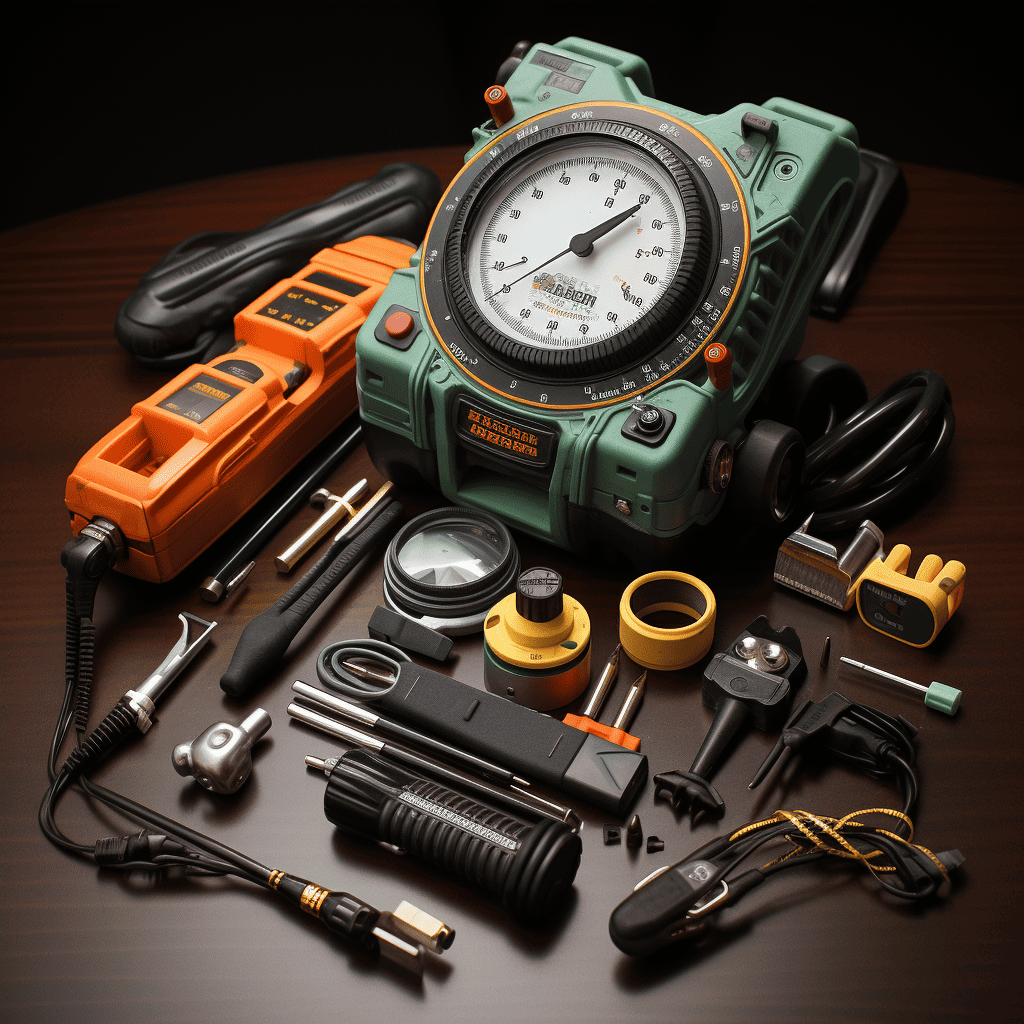
Diaphragm pumps are essential in various industries, including chemical processing, water treatment, and food manufacturing. However, like any other equipment, they can experience issues that affect their performance and efficiency. To troubleshoot these problems, you need the right tools. Here are some essential tools that can help you diagnose and resolve common diaphragm pump issues.
Multimeter
Electrical issues are a common problem with diaphragm pumps, and a multimeter is an indispensable tool for diagnosing and resolving them. A multimeter can measure voltage, current, and resistance, allowing you to quickly identify issues with the pump’s motor, wiring, or electrical components. When using a multimeter, it’s crucial to follow proper safety procedures to avoid electric shock or damage to the pump. Additionally, investing in a high-quality multimeter can ensure accurate and reliable readings, which can save time and money in the long run.
Pressure Gauge
A pressure gauge is a valuable tool for diagnosing issues related to pressure and flow in a diaphragm pump. By measuring the pressure at various points in the system, you can identify restrictions, leaks, or blockages that may be affecting the pump’s performance. Pressure gauges are available in various configurations, including analog and digital models, and should be selected based on the specific requirements of your pump system. When choosing a pressure gauge, consider factors such as accuracy, range, and durability to ensure optimal performance.
Stethoscope
A stethoscope can be a useful tool for identifying noise or vibration issues in a diaphragm pump. By placing the stethoscope on various parts of the pump, you can listen for abnormal sounds that may indicate worn bearings, loose components, or other mechanical problems. This non-invasive method of troubleshooting can help you quickly identify and address issues before they cause further damage to the pump. Additionally, using a stethoscope can help you pinpoint the specific location of the problem, which can save time and money on repairs.
Torque Wrench
Properly torqued connections are essential for ensuring the safe and reliable operation of a diaphragm pump. A torque wrench is a specialized tool that allows you to apply a precise amount of torque to bolts, nuts, and other fasteners, ensuring they are securely tightened without overtightening. This can help prevent leaks, damage to components, and other issues that may arise from improperly tightened connections. When selecting a torque wrench, consider factors such as accuracy, range, and ease of use to ensure optimal performance.
Leak Detection Kit
A leak detection kit can be an invaluable tool for identifying air or fluid leaks in a diaphragm pump. These kits typically include a variety of components, such as dye pens, ultraviolet lights, and leak detection fluids, which can help you quickly locate and repair leaks. By addressing leaks promptly, you can prevent further damage to the pump and improve its overall performance and efficiency. Additionally, using a leak detection kit can help you identify potential issues before they become major problems, saving time and money on repairs.
Infrared Thermometer
An infrared thermometer is a non-contact tool that can be used to measure the surface temperature of a diaphragm pump. This can help you identify issues related to overheating, which can cause damage to the pump and reduce its lifespan. By monitoring the temperature of the pump, you can take corrective action before a problem becomes serious. Additionally, an infrared thermometer can help you identify issues related to insulation or cooling, which can improve the pump’s overall efficiency.
Vibration Analyzer
A vibration analyzer is a specialized tool that can help you diagnose issues related to pump vibration. Vibration can cause premature wear and tear on pump components and reduce the pump’s efficiency. A vibration analyzer can measure and analyze the pump’s vibration levels, allowing you to identify potential problems before they cause significant damage. This tool can also help you optimize the pump’s performance by identifying the ideal operating speed and identifying any sources of vibration that may be causing issues.
Having the right tools is essential for troubleshooting diaphragm pumps. A multimeter, pressure gauge, stethoscope, torque wrench, leak detection kit, infrared thermometer, and vibration analyzer are just a few of the essential tools that can help you quickly and accurately diagnose and resolve common diaphragm pump issues. By investing in these tools, you can ensure that your pump system operates efficiently, safely, and reliably, reducing downtime and maintenance costs.
Step-by-Step Guide: Solving Common Diaphragm Pump Issues
Identify the Problem
The first step in solving diaphragm pump issues is to identify the problem. This may involve observing the pump’s performance, listening for unusual sounds, or using diagnostic tools such as pressure gauges or multimeters. Once you have identified the issue, you can begin to narrow down the possible causes and develop a plan for addressing the problem.
Common diaphragm pump problems include:
- Low flow rate: This can be caused by a clogged inlet, a worn or damaged diaphragm, or a malfunctioning valve. To troubleshoot this issue, check the inlet and outlet for blockages and inspect the diaphragm and valves for wear or damage.
- Leaking: Diaphragm pumps can leak at various points, including the diaphragm itself, the valves, or the connections between the pump and the piping. To identify the source of the leak, inspect the pump for signs of wear or damage and check the connections for leaks.
- Overheating: Overheating can be caused by a number of factors, including a clogged inlet, low fluid levels, or a malfunctioning cooling system. To troubleshoot this issue, check the inlet and outlet for blockages, ensure that the fluid levels are adequate, and inspect the cooling system for problems.
Gather Tools and Supplies
Before you begin working on the pump, make sure you have all the necessary tools and supplies on hand. This may include replacement parts, lubricants, and cleaning solutions. It is also a good idea to have a copy of the pump’s manual or schematics nearby for reference.
Disassemble the Pump
Depending on the issue you are trying to address, you may need to disassemble the pump to gain access to certain components. Before disassembling the pump, make sure you have a clear understanding of how it is put together and take care to keep track of all the components as you remove them.
Inspect and Repair Damaged Components
Once you have access to the affected components, inspect them for signs of wear or damage. If you find any damaged parts, replace them with new ones. If the issue is due to a clog or blockage, clean the affected component and reassemble the pump.
Reassemble and Test the Pump
After repairing or replacing the damaged components, reassemble the pump and test it to ensure that it is functioning properly. If the issue persists, you may need to consult with a professional or refer to the pump’s manual for further guidance.
Prevent Future Problems
To prevent future problems with your diaphragm pump, it is important to follow a regular maintenance schedule. This may include cleaning the pump, inspecting for wear or damage, and replacing worn parts as needed. By following these steps, you can ensure that your diaphragm pump continues to operate smoothly and efficiently.