
`

Factors Influencing Wind Turbine Blade Size: Use and Location
The size of wind turbine blades plays a crucial role in determining the efficiency and power output of wind energy systems. Two primary factors that influence blade size are the intended use of the turbine and its geographical location. Understanding these factors can help optimize energy production and make wind power a more viable and sustainable energy source.
The Impact of Wind Speed and Turbine Height
Wind speed increases with height above ground level, thanks to the reduction of friction and obstacles. As a result, taller wind turbines typically have larger blades to capitalize on the faster winds available at higher altitudes. This design enables them to capture more energy and convert it into electricity.
Moreover, the choice of blade size is also influenced by the average wind speed in the area where the turbine will be installed. In areas with consistent, strong winds, larger blades are more efficient and can generate more power. On the other hand, in locations with lower wind speeds, smaller blades may be more suitable for maximizing energy production, as they can rotate faster and capture more energy from the available wind.
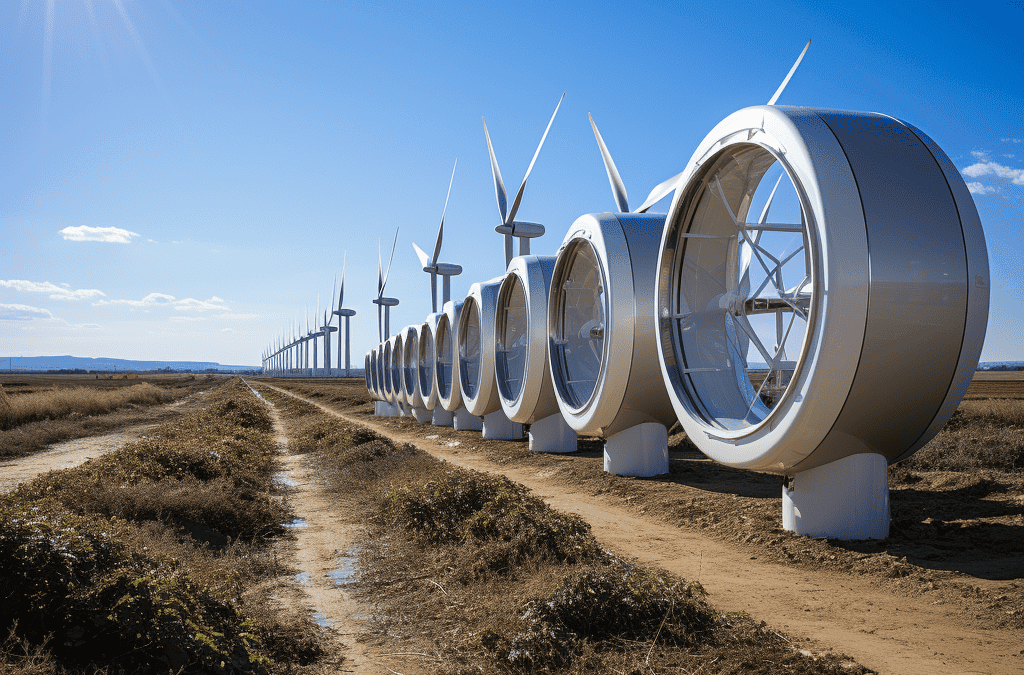
For instance, utility-scale wind turbines used in commercial wind farms can reach heights of over 300 feet, with blades spanning up to 260 feet. These massive structures require specialized transportation and installation processes. In contrast, small-scale wind turbines designed for residential or local use are usually much smaller, with heights ranging from 30 to 100 feet and blades spanning between 10 to 60 feet. These turbines are more suitable for areas with lower wind speeds and can still generate enough electricity.
Wind Speed Requirements: Small Blades Perform Better in Low Wind Speeds
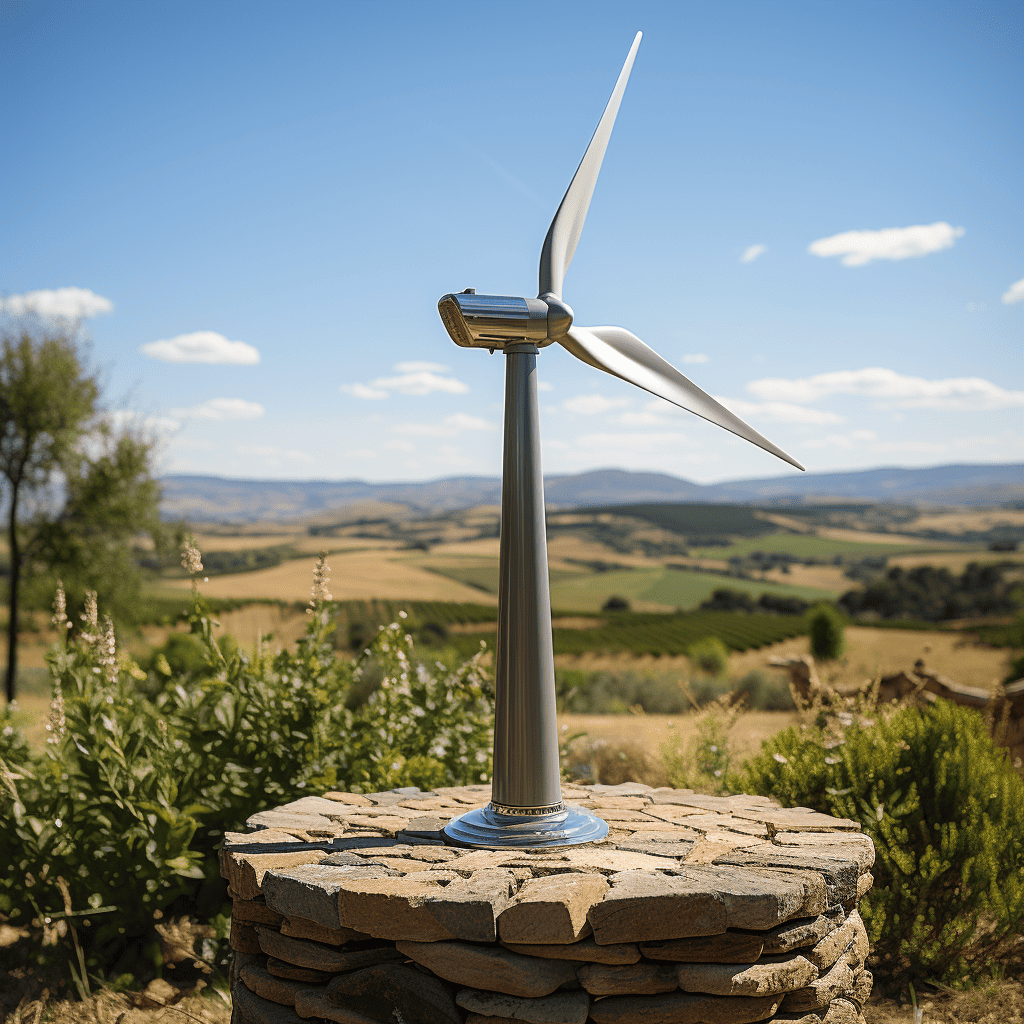
Smaller blades have a lower cut-in wind speed, which is the minimum wind speed required for the turbine to start generating electricity. This makes them ideal for residential and urban areas where wind speeds are typically lower. Larger blades, on the other hand, require higher wind speeds to operate efficiently. This means that they may not generate as much power in areas with lower wind speeds, making them less suitable for residential and urban settings.
Noise and Aesthetics: Small Blades are Quieter and Less Obtrusive
Larger wind turbines with longer blades can generate more noise and be more visually obtrusive than smaller turbines. This can be a concern for residential users and communities that value aesthetics and quiet environments. Smaller wind turbines with shorter blades are generally quieter and less noticeable, making them a more popular choice for residential and urban areas.
Installation and Maintenance: Larger Blades Require More Specialized Equipment and Expertise
Larger wind turbines with longer blades require more specialized equipment and expertise to install and maintain than smaller turbines. This can result in higher installation and maintenance costs, as well as longer lead times for installation and repair. Smaller wind turbines with shorter blades are generally easier to install and maintain, making them a more convenient and cost-effective option for residential users and small businesses.
Choosing the Right Blade Size for Your Needs
When it comes to choosing the right blade size for your wind turbine, it’s important to consider your specific needs and circumstances. Larger blades are ideal for commercial applications and areas with high wind speeds, while smaller blades are better suited for residential and urban areas with lower wind speeds and noise restrictions. It’s also important to consider the upfront costs and long-term cost-effectiveness of different blade sizes, as well as the installation and maintenance requirements. Ultimately, the right blade size for you will depend on your energy needs, budget, and environmental preferences.

Onshore vs Offshore Software Development: A Comparative Analysis
When it comes to software development, businesses have two main options: onshore and offshore. Onshore software development refers to the practice of hiring a software development team within your own country, while offshore software development involves outsourcing the work to a team in another country. Both options have their advantages and disadvantages, and the best choice for your business will depend on a variety of factors.
Advantages of Onshore Software Development
1. Easy Communication: One of the biggest advantages of onshore software development is the ease of communication. When you work with a team in your own country, you can communicate in real-time, and there are no language barriers to overcome. This makes it easier to convey your requirements and get regular updates on the progress of the project.
2. Cultural Understanding: Another advantage of onshore software development is the cultural understanding that comes with working with a team in your own country. This can be particularly important when developing software for a specific market or audience.
3. Proximity: With onshore software development, you have the option of meeting with your development team in person. This can be particularly useful for complex projects that require a lot of collaboration and communication.
Advantages of Offshore Software Development
1. Cost Savings: One of the biggest advantages of offshore software development is the cost savings. In many cases, the cost of hiring a software development team in another country is significantly lower than hiring a team in your own country.
2. Global Talent Pool: When you outsource software development to another country, you have access to a global talent pool. This means you can find highly skilled developers with expertise in specific technologies or industries.
3. Flexibility: Offshore software development can also offer greater flexibility. You can work with a team that is available when you need them, regardless of the time zone difference.
Factors to Consider When Choosing Between Onshore and Offshore Software Development
When deciding between onshore and offshore software development, there are several factors to consider. Here are some of the most important:
1. Budget: Your budget will play a big role in determining which option is right for you. If cost savings are a priority, offshore software development may be the better choice.
2. Time Zone: If you need to collaborate closely with your development team, you will need to consider the time zone difference. Onshore software development may be a better option if you want to work with a team that is available during your regular business hours.
3. Project Complexity: The complexity of your project is another important factor to consider. If your project is highly complex and requires a lot of collaboration and communication, onshore software development may be the better choice.
4. Security and Compliance: If your project involves sensitive data or requires compliance with specific regulations, you may want to consider onshore software development. This can help ensure that your data is protected and that the software is developed in accordance with relevant laws and regulations.
Ultimately, the decision between onshore and offshore software development will depend on your specific needs and priorities. By carefully considering the advantages and disadvantages of each option, and taking into account factors such as budget, time zone, project complexity, and security and compliance, you can make an informed decision that will help ensure the success of your software development project.

Ice can pose a significant risk to both the safety and efficiency of the turbine. Ice can add weight to the blades, causing them to become unbalanced and potentially damaging the turbine. It can also reduce the aerodynamic performance of the blades, leading to a decrease in energy production. To address these issues, manufacturers have developed various ice prevention and de-icing technologies for wind turbine blades.
One approach is to use heating elements embedded within the blade to melt the ice. These heating elements can be powered by the turbine itself or by an external power source. Another method is to use coatings that prevent ice from adhering to the blade surface. These coatings can be made from various materials, such as hydrophobic polymers or nanoparticles, and can help to reduce the buildup of ice on the blades. Additionally, some manufacturers are exploring the use of airfoil shapes that are less prone to ice accumulation, as well as active de-icing systems that use compressed air or other methods to remove ice from the blades.
Blade Recycling: Reducing Waste and Promoting Sustainability
As the wind energy industry continues to grow, there is an increasing need to address the issue of end-of-life wind turbine blades. Traditionally, these blades have been landfilled or incinerated, which can be both costly and environmentally harmful. To promote sustainability and reduce waste, manufacturers are now exploring various blade recycling technologies.
One promising approach is to use thermal or chemical processes to break down the blades into their component materials, which can then be reused in other applications. For example, the glass fiber reinforced polymers used in many wind turbine blades can be broken down and used as a raw material in the production of new composites or cement. Similarly, the resins used in the blades can be recycled and used to make new products, such as adhesives or paints. Other approaches include repurposing the blades for use in other industries, such as construction or transportation, or using them as raw material for energy production through incineration or gasification.
Conclusion
Innovations in wind turbine blade design are critical to the continued growth and success of the wind energy industry. By optimizing aerodynamic performance, using lightweight materials, addressing ice buildup in cold climates, and promoting blade recycling, manufacturers can improve the efficiency, safety, and sustainability of wind turbines. As the demand for renewable energy continues to grow, it is likely that we will see even more advances in wind turbine blade design in the coming years.


