
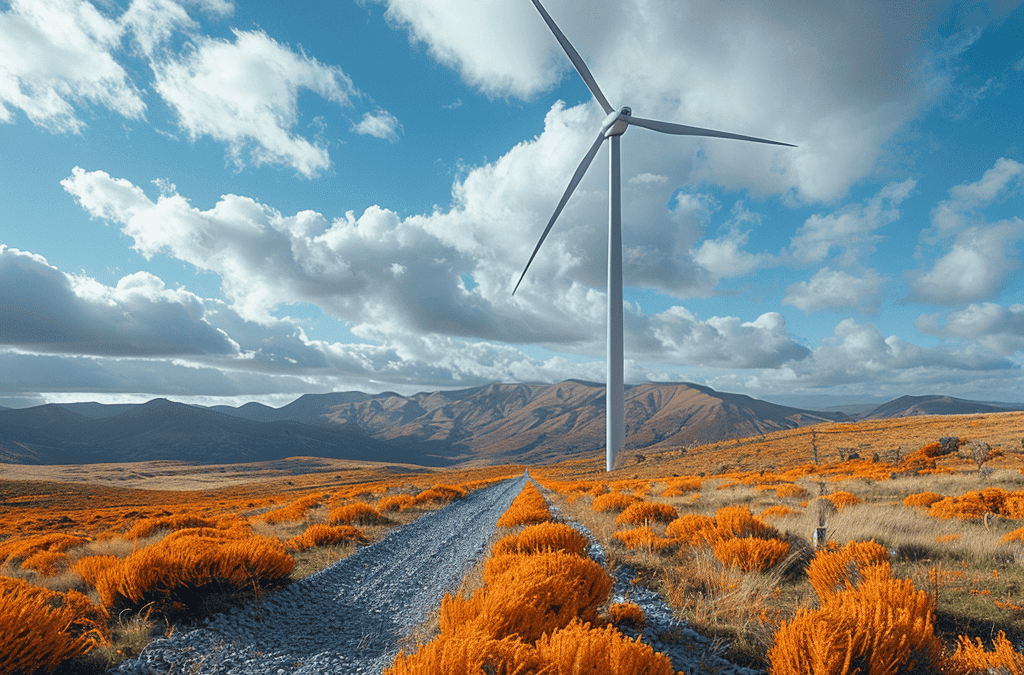
The Role of Gears in Wind Turbine Operations
Gears are a crucial component in wind turbine systems, serving two primary functions: speed conversion and torque multiplication. They enable the conversion of wind energy into electrical power by increasing the rotational speed of the generator shaft and multiplying the torque generated by the turbine blades. Understanding the role of gears in wind turbines is essential for optimizing their performance and ensuring reliable operation.
Gears as Speed Converters in Wind Turbines
Wind turbines rely on the power of the wind to generate electricity. However, the rotation speed of the turbine blades is often too slow to produce electricity efficiently. This is where gears come into play. A gearbox, typically containing a series of planetary gears, increases the rotational speed of the generator shaft, allowing for optimal power output. The use of gears as speed converters in wind turbines is essential to transform the low-speed rotation of the blades into high-speed rotation necessary for efficient electricity generation.
The gearbox design plays a critical role in the overall efficiency of the wind turbine. By optimizing the gear ratio, engineers can ensure that the generator receives the ideal amount of rotational speed to maximize power output. Additionally, the use of helical gears or gearbox housing insulation can help minimize noise levels generated by the gearbox system. Helical gears have teeth that are cut at an angle, which allows them to mesh more smoothly and quietly than spur gears. Gearbox housing insulation can also help reduce noise by absorbing vibrations and preventing them from being transmitted to the outside environment.
The Importance of Torque Multiplication in Wind Turbines
Torque, the force that causes rotation, is another critical factor in wind turbine operations. While the slow rotation of the turbine blades generates a significant amount of torque, it is not always sufficient to drive the generator efficiently. Gearboxes help multiply this torque, enabling the generator to produce more electricity even at low wind speeds. By optimizing the gear ratio, engineers can ensure that the generator receives the ideal amount of torque to maximize power output.
Additionally, the use of robust and durable gear materials, such as steel or titanium, can help reduce wear and tear and increase the longevity of the gearbox system. Steel is a common material used in wind turbine gears due to its strength and durability. However, titanium is becoming an increasingly popular choice due to its lightweight and corrosion-resistant properties. By using titanium gears, engineers can reduce the weight of the gearbox system, which can help improve the overall efficiency of the wind turbine.
Gears and Maintenance Requirements in Wind Turbines
Gears play a crucial role in the overall maintenance requirements of wind turbines. Due to their mechanical nature, gearboxes are subject to wear and tear, which can lead to decreased efficiency and even complete failure if not properly maintained. Regular inspections, lubrication, and replacement of worn components are essential to ensure the longevity and reliability of the gearbox system.
By reducing downtime and maintenance costs, wind farm operators can maximize the return on their investment in renewable energy. Additionally, the use of advanced monitoring systems, such as vibration analysis or oil analysis, can help detect potential issues early, further reducing maintenance costs and increasing system reliability. Vibration analysis involves monitoring the vibrations of the gearbox system to detect any abnormalities that may indicate a potential failure. Oil analysis involves testing the oil used in the gearbox system for contaminants or wear particles, which can help identify potential issues before they lead to failure.
The Role of Gears in Offshore and Onshore Wind Turbines
Both offshore and onshore wind turbines utilize gears to optimize their power output. However, the specific requirements and challenges of each environment can impact the design and operation of the gearbox system. For instance, offshore wind turbines are exposed to more extreme weather conditions and saltwater corrosion, which can increase the wear and tear on gear components. As a result, these turbines may require more robust and durable gearboxes to ensure reliable operation in harsh marine environments.
On the other hand, onshore wind turbines may be subject to different types of environmental stressors, such as dust or sand, which can also impact gearbox performance. By understanding the unique challenges of each environment, engineers can design gearbox systems that are optimized for maximum efficiency and reliability. For example, in desert environments, engineers may use special coatings or seals to protect gear components from sand and dust, ensuring optimal performance and longevity.
The Impact of Gearbox Design on Wind Turbine Noise Levels
Gearbox design can have a significant impact on the noise levels generated by wind turbines. As gears mesh and rotate, they can produce noise that may be disturbing to nearby residents or wildlife. By optimizing the gear ratio, reducing gear tooth wear, and implementing noise reduction measures such as helical gears or gearbox housing insulation, engineers can minimize the noise output of wind turbines without compromising their efficiency or performance.
Additionally, the use of advanced noise reduction technologies, such as active noise control or vibration isolation, can further reduce noise levels and help wind turbines coexist more harmoniously with nearby communities and ecosystems. Active noise control involves using speakers or other sound-emitting devices to produce sound waves that cancel out the noise generated by the gearbox system. Vibration isolation involves using special mounts or bearings to isolate the gearbox system from the rest of the wind turbine, reducing the transmission of vibrations and noise.
The Role of Gear Manufacturers in Wind Turbine Operations
Gear manufacturers play a critical role in the design and production of high-quality gearbox systems for wind turbines. By using advanced manufacturing techniques, such as computer numerical control (CNC) machining or additive manufacturing, gear manufacturers can produce gears with precise tolerances and high levels of accuracy.
Additionally, gear manufacturers can work closely with wind turbine operators to customize gearbox designs based on specific operating conditions and performance requirements. By partnering with experienced gear manufacturers, wind farm operators can ensure that their gearbox systems are optimized for maximum efficiency, reliability, and longevity. Customized gearbox designs can help wind farm operators address specific challenges, such as extreme weather conditions or unique terrain, improving the overall performance and efficiency of their wind turbines.
The Future of Gear Technology in Wind Turbine Operations
As the demand for renewable energy continues to grow, the role of gears in wind turbine operations will become increasingly important. Emerging gear technologies, such as advanced materials or intelligent gear systems, have the potential to significantly improve the efficiency and reliability of wind turbine systems.
By staying up-to-date with the latest advancements in gear technology, wind farm operators can ensure that their systems are optimized for maximum performance and cost-effectiveness, while also reducing their environmental impact and contributing to a more sustainable future. Intelligent gear systems, for example, use sensors and data analytics to monitor the performance of the gearbox system in real-time, allowing operators to identify potential issues before they become more serious and take proactive measures to maintain optimal performance.
Gears play a critical role in wind turbine operations, enabling the conversion of wind energy into electrical power through speed conversion and torque multiplication. By optimizing gearbox design, reducing wear and tear, and implementing advanced monitoring and noise reduction technologies, wind farm operators can ensure that their systems are operating at maximum efficiency and reliability, while also minimizing their environmental impact and contributing to a more sustainable future.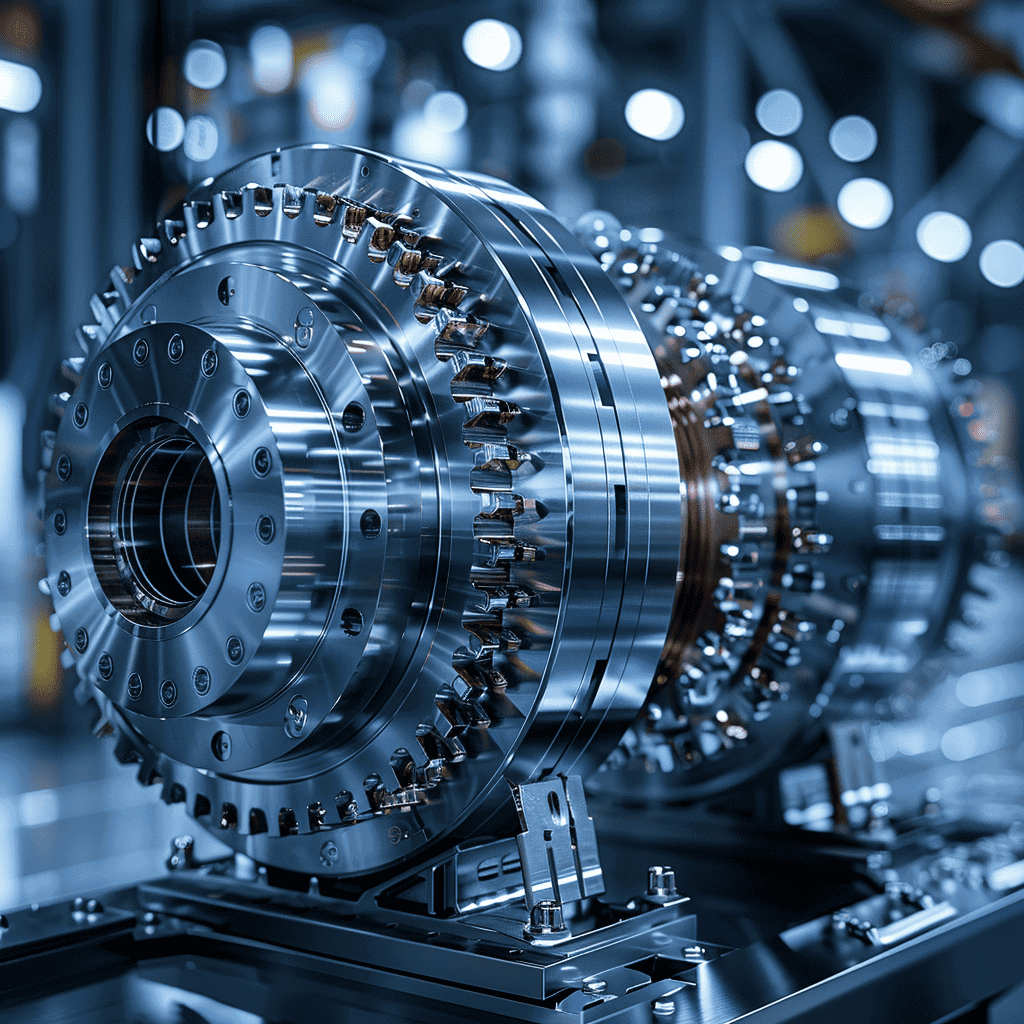
How Planetary Gear Systems Optimize Wind Turbine Efficiency
Planetary gear systems are commonly used in wind turbine gearboxes due to their ability to provide high torque and power density in a compact design. In a planetary gear system, multiple smaller gears, called planet gears, revolve around a central sun gear while meshing with an outer ring gear. This arrangement enables a significant increase in rotational speed and torque multiplication with minimal energy loss.
By optimizing the gear ratios within the planetary gear system, engineers can ensure that the generator receives the ideal amount of torque and speed to maximize power output. This results in a more efficient and cost-effective wind energy conversion.
The Role of Bearings in Wind Turbine Gearboxes
Bearings play a critical role in the smooth operation and longevity of wind turbine gearboxes. They support the rotating shafts and gears, reducing friction and minimizing wear and tear. In a typical wind turbine gearbox, there are several types of bearings, including roller bearings, ball bearings, and tapered roller bearings. Each type of bearing is designed to handle specific loads and operating conditions, ensuring optimal performance and reliability.
Proper maintenance and lubrication of these bearings are essential to prevent premature failure and reduce downtime. By ensuring the bearings are in good condition, wind turbine operators can maximize the lifespan of the gearbox and the overall efficiency of the wind energy conversion system.
Challenges and Innovations in Wind Turbine Gearbox Design
Designing an efficient and reliable wind turbine gearbox presents several challenges, including managing high torque and speed, mitigating noise and vibration, and ensuring durability in harsh operating environments. To address these challenges, engineers are continuously innovating and refining gearbox designs.
Some recent advancements include the use of lightweight materials, such as composite gears, to reduce weight and increase efficiency; the implementation of advanced lubrication systems to minimize friction and wear; and the development of condition monitoring and predictive maintenance technologies to improve reliability and reduce downtime.
One example of a lightweight material used in wind turbine gearboxes is carbon fiber reinforced plastic (CFRP). CFRP is a strong and lightweight material that can reduce the weight of the gearbox, leading to improved energy efficiency and reduced loads on the turbine’s support structure.
Advanced lubrication systems, such as automatic oil lubrication systems, can help to ensure that the gearbox is always properly lubricated, reducing wear and extending the lifespan of the gearbox. These systems can also help to reduce maintenance costs by reducing the need for manual lubrication.
Condition monitoring and predictive maintenance technologies use sensors and data analysis to monitor the condition of the gearbox and predict when maintenance is needed. This allows operators to take proactive measures to prevent failures and maximize efficiency. Some examples of condition monitoring technologies include vibration monitoring, oil analysis, and infrared thermal imaging.
The Future of Wind Turbine Gearboxes: Trends and Developments
As the demand for renewable energy continues to grow, so too does the need for efficient and reliable wind turbine gearboxes. Several trends and developments are shaping the future of wind turbine gearbox technology. These include the increasing adoption of direct-drive systems, which eliminate the need for a gearbox altogether; the development of hybrid drivetrains that combine the benefits of gearboxes and direct-drive systems; and the integration of advanced materials, such as high-strength steel and carbon fiber composites, to improve durability and reduce weight.
Direct-drive systems use a permanent magnet generator (PMG) directly connected to the rotor, eliminating the need for a gearbox. These systems offer several advantages, including improved efficiency, reduced maintenance requirements, and increased reliability. However, direct-drive systems also have some disadvantages, such as higher cost and increased weight.
Hybrid drivetrains combine the benefits of gearboxes and direct-drive systems. These systems use a planetary gearbox to increase the rotational speed of the generator, while also providing some of the advantages of direct-drive systems, such as reduced weight and increased reliability.
Advanced materials, such as high-strength steel and carbon fiber composites, are being used to improve the durability and reduce the weight of wind turbine gearboxes. High-strength steel can be used to create lighter and stronger gears, while carbon fiber composites can be used to create lightweight and durable shafts and housings.
Wind turbine gearboxes play a critical role in converting wind energy into electricity. By understanding the components of a typical wind turbine gearbox and how they work together, we can appreciate the complexity and importance of this mechanism. As engineers continue to innovate and refine gearbox designs, we can look forward to more efficient and cost-effective wind energy conversion in the future.
Condition monitoring and predictive maintenance technologies are essential for improving the reliability and reducing downtime of wind turbine gearboxes. These technologies use sensors and data analysis to monitor the condition of the gearbox and predict when maintenance is needed, allowing operators to take proactive measures to prevent failures and maximize efficiency. By incorporating these technologies into wind turbine gearboxes, operators can ensure that their systems are always running at peak performance, maximizing energy production and minimizing costs.
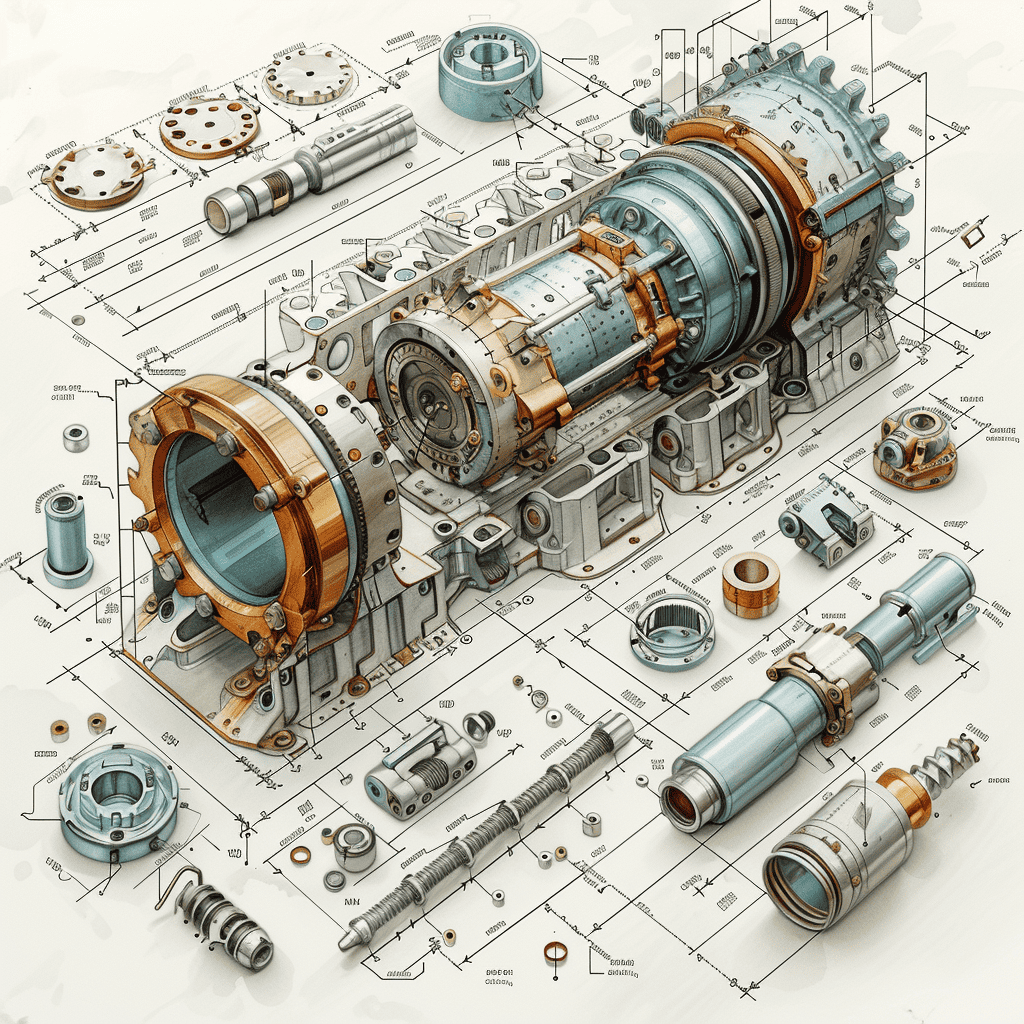
Maximizing Efficiency: How Gear Ratios Impact Wind Turbine Performance
The Importance of Gear Ratios in Wind Turbine Design
Gear ratios are a critical component in the design of wind turbines. By selecting the appropriate gear ratio, engineers can ensure that the generator receives the ideal amount of torque and speed to produce electricity most effectively. Proper gear ratios can also help reduce wear and tear on the turbine, leading to longer lifetimes and lower maintenance costs.
Gear ratios are determined by the size of the turbine blades, the speed of the wind, and the design of the generator. The gearbox connects the rotor to the generator, and the gear ratio determines how much the speed of the rotor is increased before it reaches the generator. By selecting the appropriate gear ratio, engineers can optimize the performance of the wind turbine for specific wind conditions and locations.
Understanding Gear Ratios in Wind Turbine Gearboxes
Gear ratios are the relationship between the rotational speed of the input and output shafts in a gearbox. In wind turbines, a higher gear ratio typically results in a greater increase in rotational speed and torque multiplication, allowing the generator to operate at its optimal efficiency point even at lower wind speeds. The appropriate gear ratio for a wind turbine depends on various factors, including the turbine’s size, the characteristics of the wind resource, and the design of the generator.
The gearbox is a critical component of the wind turbine, responsible for transmitting the power generated by the rotor to the generator. The gearbox contains a series of gears that increase the rotational speed of the rotor, allowing the generator to operate more efficiently.
Gearboxes can be designed with different numbers of stages, depending on the desired gear ratio. A single-stage gearbox typically has a lower gear ratio than a multi-stage gearbox, which allows for a higher rotational speed of the generator. However, multi-stage gearboxes are more complex and can be more expensive to manufacture and maintain.
Optimizing Gear Ratios for Different Wind Conditions
In areas with consistent, high wind speeds, a lower gear ratio may be more appropriate to prevent overloading the generator. Conversely, in regions with lower wind speeds, a higher gear ratio may be necessary to ensure that the generator operates at its optimal efficiency point. By carefully analyzing these factors, engineers can select the best gear ratio for each specific installation, maximizing energy production and minimizing maintenance requirements.
For example, a wind farm located in an area with consistent, high wind speeds may benefit from using wind turbines with lower gear ratios. This can help prevent overloading the generator and reduce wear and tear on the gearbox. On the other hand, a wind farm located in an area with lower wind speeds may benefit from using wind turbines with higher gear ratios to maximize energy production.
The Impact of Gear Ratio on Wind Turbine Noise Levels
Gear ratios can also influence the noise levels generated by wind turbines. Higher gear ratios, which result in increased rotational speeds, can lead to higher noise emissions due to the greater meshing frequency of the gears and the increased aerodynamic noise from the generator. Conversely, lower gear ratios may produce less noise but may not provide the necessary torque and speed for optimal generator performance. Balancing these competing factors is essential to designing a wind turbine that is both efficient and environmentally friendly.
Noise levels are an important consideration for wind turbine installations, particularly in residential areas. Wind turbines can generate noise from the gearbox, generator, and rotor blades. Engineers can use a variety of strategies to reduce noise levels, including optimizing gear tooth profiles, using noise-reducing materials, and designing the turbine blades to minimize aerodynamic noise.
The Role of Gearbox Efficiency in Overall Wind Turbine Performance
The efficiency of the gearbox itself is another critical factor in determining the overall performance of a wind turbine. A more efficient gearbox will lose less energy to friction and heat, resulting in higher power output and lower operating costs. To improve gearbox efficiency, engineers can employ various strategies, such as optimizing gear tooth profiles, reducing bearing friction, and utilizing advanced lubrication systems. Additionally, selecting the appropriate gear ratio can help minimize energy losses by ensuring that the gearbox operates within its optimal efficiency range.
Gearbox efficiency is particularly important for offshore wind turbines, which operate in more challenging environments and are more difficult to maintain. By optimizing gearbox efficiency, engineers can reduce downtime and maintenance costs, leading to higher overall energy production and lower costs.
Advancements in Gear Ratio Technology for Wind Turbines
Researchers and engineers are continually working to develop new technologies and methods for optimizing gear ratios in wind turbines. One promising area of innovation is the use of advanced materials, such as high-strength steel and lightweight composites, to create more efficient and durable gears. Additionally, ongoing research in gearbox modeling, simulation, and testing is helping engineers better understand the complex interactions between gear ratios, wind conditions, and turbine performance, enabling them to design more efficient and reliable systems.
For example, researchers at the National Renewable Energy Laboratory (NREL) have developed a new type of gearbox that uses a planetary design, which can reduce the size and weight of the gearbox while improving efficiency and reliability. This design has the potential to significantly reduce the cost of wind energy, making it more competitive with traditional fossil fuels.
The Benefits of Optimizing Gear Ratios in Wind Turbines
Optimizing gear ratios can have numerous benefits for wind turbine operators, including increased energy production, reduced maintenance costs, and improved environmental performance. By carefully selecting the appropriate gear ratio for each specific installation, operators can maximize the efficiency and reliability of their wind turbines, leading to significant cost savings and a reduced carbon footprint.
In addition, optimizing gear ratios can help wind turbine operators better manage their energy production in response to changing wind conditions. By adjusting the gear ratio in real-time, operators can ensure that the turbine is always operating at its optimal efficiency point, maximizing energy production and reducing wear and tear on the turbine components.
The Role of Gear Ratio in Offshore Wind Turbines
Offshore wind turbines, which are larger and operate in more challenging environments than onshore turbines, require specialized gear ratios to optimize their performance. These turbines often use multi-stage gearboxes with higher gear ratios to accommodate the larger generators and higher wind speeds. Properly selecting the gear ratio for offshore wind turbines can help maximize energy production while minimizing maintenance requirements and downtime.
Offshore wind turbines are subject to more extreme wind and weather conditions than onshore turbines, making reliability and durability even more critical. By optimizing gear ratios for offshore wind turbines, engineers can ensure that the turbines are operating at their optimal efficiency point, reducing wear and tear and minimizing maintenance requirements.
The Impact of Gear Ratio on Wind Turbine Costs
The choice of gear ratio can also have a significant impact on the cost of wind turbines. Higher gear ratios require larger and more complex gearboxes, which can increase the cost of the turbine. However, the increased energy production and reduced maintenance costs associated with higher gear ratios can offset these costs over the lifetime of the turbine. Careful analysis of the tradeoffs between gear ratio, cost, and performance is essential to selecting the optimal gear ratio for each specific installation.
For example, a wind farm located in an area with consistent, high wind speeds may benefit from using wind turbines with lower gear ratios, which can be less expensive to manufacture and maintain. On the other hand, a wind farm located in an area with lower wind speeds may benefit from using wind turbines with higher gear ratios, which can maximize energy production and reduce the levelized cost of energy (LCOE).
Gear ratios are a critical component in the design and optimization of wind turbines. Properly selecting the gear ratio for each specific installation can maximize energy production, reduce maintenance costs, and improve environmental performance. Advancements in gear ratio technology, such as the use of advanced materials and advanced modeling techniques, are helping engineers design more efficient and reliable wind turbines. By carefully considering the tradeoffs between gear ratio, cost, and performance, operators can maximize the benefits of wind energy and contribute to a more sustainable energy future.
As the world continues to transition towards renewable energy sources, wind energy is expected to play an increasingly important role. By optimizing gear ratios and other critical components of wind turbine design, engineers can help make wind energy more affordable, reliable, and sustainable for generations to come.

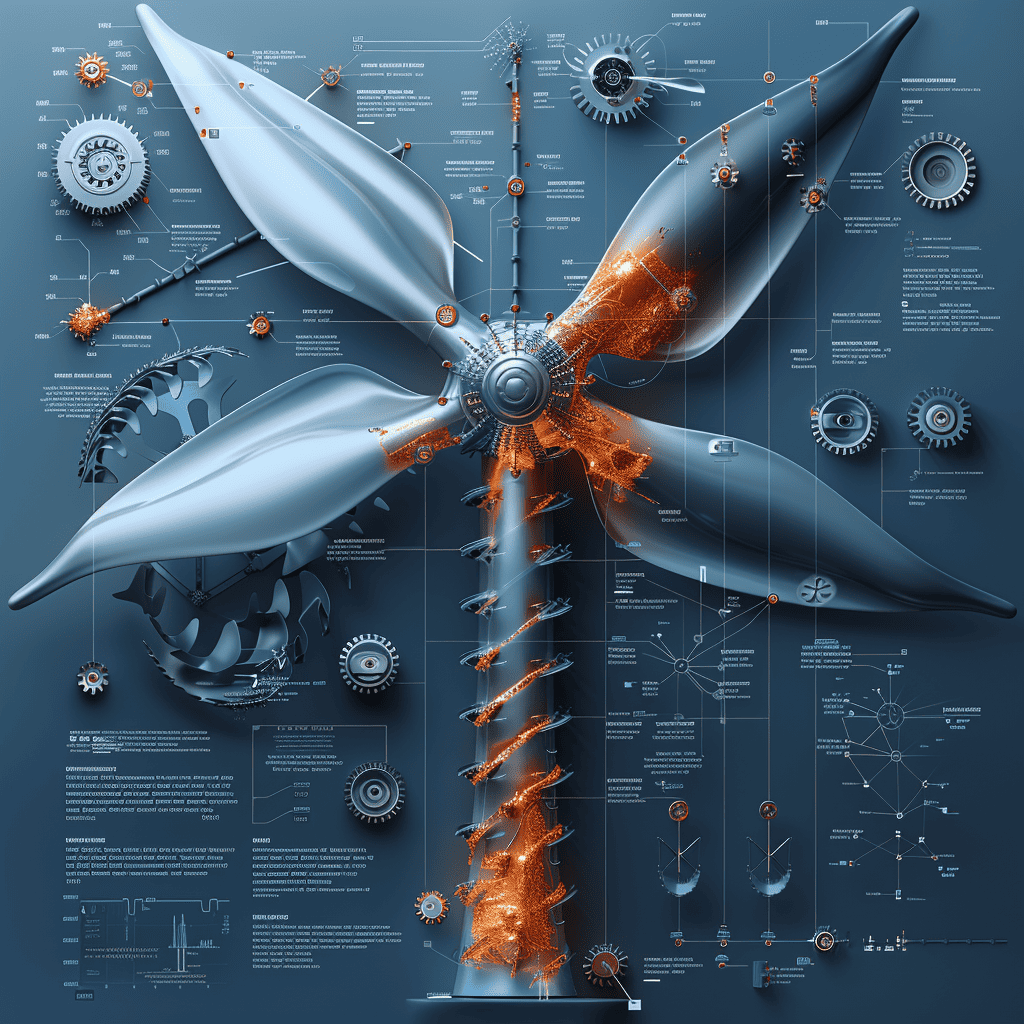
Innovations in Gear Design: Enhancing the Future of Wind Energy Harnessing
Lightweight Materials for Improved Efficiency
One of the biggest challenges in wind turbine design is reducing the weight of the gearbox without sacrificing strength and durability. Traditional gearboxes are made of heavy materials like steel, which adds significant weight to the turbine and increases load on the structure. Engineers are now exploring the use of advanced alloys and composites to create lighter, more efficient gearboxes. For example, researchers at the University of Sheffield have developed a lightweight gearbox made of carbon fiber reinforced plastic (CFRP) that is 40% lighter than conventional steel gearboxes. This reduces the overall weight of the turbine by up to 20%, improving energy output and reducing maintenance costs.
Advanced Lubrication Systems for Enhanced Durability
Lubrication is critical to the performance and longevity of wind turbine gearboxes. By reducing friction and wear between gear teeth, lubrication systems help maintain optimal efficiency and prevent premature failure. Innovations in lubrication technology include the development of advanced synthetic oils with improved viscosity and thermal stability, as well as intelligent lubrication systems that can monitor and adjust oil flow based on operating conditions. For instance, researchers at the Fraunhofer Institute for Wind Energy Systems (IWES) have developed a condition-based lubrication system that uses sensors to monitor the temperature, humidity, and vibration of the gearbox, adjusting the oil flow in real-time to optimize performance and reduce wear.
Gearbox Design Optimization through Simulation and Modeling
Engineers are increasingly turning to advanced simulation and modeling techniques to optimize gearbox design for wind turbines. These tools allow researchers to analyze the complex interactions between gear geometry, material properties, and operating conditions, enabling them to design more efficient and reliable systems. By simulating various scenarios and stress factors, engineers can identify potential weaknesses and optimize gear designs to withstand real-world conditions. For example, researchers at the National Renewable Energy Laboratory (NREL) have developed a gearbox design optimization tool that uses genetic algorithms to optimize gear geometry, reducing stress and improving durability.
Direct-Drive Systems: Eliminating the Need for Gearboxes
One of the most significant innovations in wind turbine design is the development of direct-drive systems, which eliminate the need for gearboxes altogether. Instead of using a gearbox to increase the rotational speed of the generator, direct-drive systems employ permanent magnet generators with large diameters, allowing them to operate efficiently at the lower rotational speeds of the turbine rotor. By eliminating the gearbox, direct-drive systems offer several advantages, including increased efficiency, reduced noise and vibration, and lower maintenance requirements. For instance, the German company Enercon has developed a direct-drive turbine with a rotor diameter of up to 127 meters, making it one of the largest direct-drive turbines in the world.
Hybrid Drivetrains: Combining the Benefits of Gearboxes and Direct-Drive Systems
Recognizing the advantages and disadvantages of both traditional gearbox systems and direct-drive systems, researchers are now exploring hybrid drivetrains that combine the best features of both approaches. These hybrid systems typically employ a reduced-ratio gearbox, which still provides some of the benefits of torque multiplication and speed increase but with fewer gears and lower weight than conventional gearboxes. By combining a simplified gearbox with a high-speed generator, hybrid drivetrains offer a compromise between efficiency, reliability, and cost. For example, researchers at the Technical University of Denmark have developed a hybrid drivetrain that uses a two-stage gearbox and a permanent magnet generator, achieving a reduction in weight of up to 40% compared to conventional gearbox systems.
Additive Manufacturing for Customized Gear Design
Additive manufacturing, also known as 3D printing, is a rapidly evolving technology that has the potential to revolutionize the way gears are designed and manufactured for wind turbines. By allowing for the production of complex, customized gears with optimized geometries, additive manufacturing can significantly improve the performance and efficiency of wind turbine systems. For instance, researchers at the Lawrence Livermore National Laboratory have developed a 3D printed gear that is 20% lighter and 5% more efficient than conventionally manufactured gears.
Digital Twins for Predictive Maintenance
Digital twins are virtual replicas of physical systems that can be used to monitor and optimize performance in real-time. By creating a digital twin of a wind turbine gearbox, engineers can simulate its behavior under various operating conditions and predict when maintenance is required. For example, researchers at GE Renewable Energy have developed a digital twin platform that uses machine learning algorithms to predict gearbox failure and schedule maintenance, reducing downtime and increasing energy output.
Smart Materials for Self-Healing Gears
Smart materials are materials that can respond to changes in their environment, such as stress, temperature, or humidity. By incorporating smart materials into wind turbine gears, engineers can create self-healing systems that can repair damage autonomously. For instance, researchers at the University of Bristol have developed a self-healing polymer that can repair cracks and restore 100% of its original strength. By incorporating this material into wind turbine gears, engineers can significantly improve their durability and reduce maintenance requirements.
These innovations in gear design are helping to drive the future of wind energy harnessing, making wind turbines more efficient, reliable, and cost-effective. By using lightweight materials, advanced lubrication systems, and innovative design solutions, engineers are creating gearboxes that can withstand the rigors of wind turbine operation while improving energy output and reducing maintenance costs. Hybrid drivetrains, additive manufacturing, digital twins, and self-healing materials are just a few of the cutting-edge technologies that are transforming the wind energy industry and paving the way for a cleaner, more sustainable future.


