


Choosing the Right Materials for Your Windmill
Selecting the appropriate materials is crucial to building an efficient and durable windmill. The materials you choose will affect the windmill’s performance, longevity, and maintenance requirements. By choosing the right materials, you can ensure that your windmill generates the maximum amount of electricity possible and operates safely and efficiently.
Selecting the Right Type of Windmill
Before choosing materials, you must decide on the type of windmill you want to build. Horizontal-axis wind turbines (HAWTs) are the most common type, with blades that rotate around a horizontal axis. Vertical-axis wind turbines (VAWTs) have blades that rotate around a vertical axis. HAWTs are more efficient in high wind speeds and are suitable for large-scale wind farms, while VAWTs are more suitable for urban environments and small-scale installations.
Wind shear
When selecting the type of windmill, consider wind shear, which is the change in wind speed with height. HAWTs are more efficient in areas with high wind shear, while VAWTs perform better in areas with low wind shear.
Choosing the Right Blades
The blades are responsible for capturing the wind’s energy and converting it into rotational motion. The most common materials used for windmill blades are wood, fiberglass, and metal. Wood is a popular choice for DIY windmills due to its availability and affordability. However, it may not be as durable as fiberglass or metal. Fiberglass blades are lightweight and durable, making them an excellent choice for larger windmills. Metal blades are the most durable option but can be challenging to work with and expensive.
Aerodynamics
When choosing the blades’ material, consider aerodynamics. The blades’ shape and design will affect their ability to capture the wind’s energy. The blades should be designed to minimize drag and maximize lift, allowing them to rotate at the highest possible speed.
Blade pitch
Another important factor to consider is blade pitch, which is the angle of the blade relative to the wind. Adjusting the blade pitch can optimize the windmill’s performance in different wind speeds.
Selecting the Right Tower
The tower should be tall enough to capture the wind’s energy efficiently and stable enough to support the windmill’s weight. The most common materials used for windmill towers are metal, wood, and PVC pipes. Metal towers are the most durable and stable option but can be expensive. Wood towers are a popular choice for DIY windmills due to their availability and affordability. However, they may not be as stable as metal towers. PVC pipes are an affordable and lightweight option, making them an excellent choice for small windmills.
How to Make A Wind
Vibration
When selecting the tower material, consider vibration. The tower should be designed to minimize vibration, which can cause damage to the windmill’s components. Metal towers are the best option for reducing vibration, while wooden towers may require additional support to reduce vibration.
Corrosion
Another factor to consider is corrosion, which can affect the tower’s longevity. Metal towers can be susceptible to rust, while wooden towers can be affected by moisture and insects. Choose materials that are resistant to corrosion and can withstand the local climate and weather conditions.
Choosing the Right Generator or Battery
Once you have captured the wind’s energy, you need to convert it into electricity. You can do this using a generator or a battery. The most common type of generator used in windmills is a permanent magnet alternator (PMA). It is efficient and durable, making it an excellent choice for windmills. The most common type of battery used in windmills is a deep cycle battery. It is designed to handle the frequent charging and discharging required in a windmill system.
Power output
When choosing a generator or battery, consider the power output. The generator or battery should be able to handle the windmill’s electrical output and provide enough power to meet your energy needs.
Maintenance
Another important factor to consider is maintenance. The generator or battery should require minimal maintenance and be easy to repair or replace if necessary.
Selecting the Right Wiring and Control System
The wiring and control system are responsible for regulating the windmill’s performance and ensuring that it operates safely. The most common type of control system used in windmills is a charge controller. It regulates the charging and discharging of the battery and protects it from overcharging. The wiring should be of the appropriate gauge and designed to handle the windmill’s electrical load. It is essential to choose the right wiring and control system to ensure the safe and efficient operation of your windmill.
Safety
When selecting the wiring and control system, consider safety. The windmill’s electrical components should be designed to operate safely and protect against electrical hazards. The control system should include safety features such as overcurrent protection and ground fault protection.
Communication
Another factor to consider is communication. The control system should provide real-time data on the windmill’s performance and alert you to any issues or maintenance requirements.
Choosing the Right Location
Finally, it’s essential to choose the right location for your windmill. The windmill should be placed in an area with a consistent wind speed of at least 10 mph. The tower should be tall enough to avoid turbulence caused by nearby buildings or trees. It’s also essential to consider the local regulations and zoning laws before building a windmill. Some areas may have restrictions on windmill size, height, or location.
Wind resource assessment
Before selecting a location, conduct a wind resource assessment to determine the area’s wind speed and direction. This will help you choose the best location for your windmill and ensure that it generates the maximum amount of electricity possible.
Site preparation
Once you have selected a location, prepare the site for the windmill’s installation. This may include clearing vegetation, leveling the ground, and installing a concrete foundation for the tower.
By carefully selecting the right materials and considering the factors discussed above, you can build a windmill that is efficient, durable, and safe. Remember that building a windmill requires careful planning and attention to detail. If you’re not experienced in DIY projects, it’s recommended to seek the help of a professional or consult with a wind energy expert to ensure that your windmill is built safely and efficiently.
Understanding the Basic Components of a Windmill: Key Elements for Designing an Efficient and Reliable Wind Turbine
Windmills are fascinating machines that harness the power of the wind to generate electricity. By understanding the basic components of a windmill, you can design a wind turbine that is efficient, safe, and reliable. In this section, we will explore the essential components of a windmill, including the rotor and blades, the tower, the generator, the controller, the braking system, and the nacelle.
The Rotor and Blades: Capturing the Wind’s Energy
The rotor is the most visible part of a windmill, and it is responsible for capturing the wind’s energy. The rotor consists of a hub and two or three blades that are attached to the hub. The blades are designed to catch the wind and convert it into rotational motion, and they are typically made of lightweight and durable materials such as fiberglass or aluminum. The number of blades can vary, but most windmills have two or three blades. The blades are designed to be aerodynamic to maximize their efficiency, and their angle can be adjusted to optimize their performance in different wind speeds.
The Tower: Raising the Rotor to an Optimal Height
The tower is the structure that supports the rotor and blades and raises them to a height where they can capture the wind’s energy efficiently. The tower can be made of various materials, including steel, concrete, and wood. The height of the tower is an essential factor in determining the windmill’s performance. A taller tower will allow the windmill to capture more wind and generate more power. The tower must also be strong enough to support the weight of the rotor and blades and withstand the forces generated by the wind.
The Generator: Converting Rotational Motion into Electrical Energy
The generator is the component that converts the rotational motion of the rotor into electrical energy. There are two main types of generators used in windmills: asynchronous and synchronous generators. Asynchronous generators are the most common type used in small wind turbines and are less expensive than synchronous generators. They work by generating a voltage that is out of phase with the grid voltage, which allows them to feed power into the grid. Synchronous generators, on the other hand, are more efficient and are typically used in larger wind turbines. They work by generating a voltage that is in phase with the grid voltage, which allows them to feed power directly into the grid.
The Controller: Regulating the Windmill’s Performance
The controller is the component that regulates the windmill’s performance and ensures that it operates safely. The controller monitors the wind speed and adjusts the pitch of the blades to optimize their performance. It also prevents the windmill from spinning too fast during high winds, which can damage the turbine. Some controllers also have the capability to divert excess power to a battery bank or the grid. The controller can be programmed to operate the windmill in different modes, such as grid-tied or off-grid.
The Braking System: Stopping the Rotor in High Winds or Maintenance
The braking system is an essential safety feature that is used to stop the rotor from spinning in high winds or during maintenance. The most common type of braking system used in windmills is a mechanical brake, which uses friction to slow down the rotor. Some windmills also use an electrical brake, which uses a motor to apply resistance to the rotor. The braking system must be reliable and able to stop the rotor quickly in an emergency.
The Nacelle: Housing the Generator and Controller
The nacelle is the housing that contains the generator and controller. It is located at the top of the tower and is connected to the rotor. The nacelle is designed to protect the components inside from the elements and to allow for easy maintenance. Some nacelles are designed to rotate, which allows the rotor to face the wind regardless of its direction.
The Foundation: Supporting the Tower and Windmill
The foundation is the structure that supports the tower and windmill. It must be strong enough to withstand the forces generated by the wind and the weight of the tower and rotor. The foundation can be made of concrete, steel, or a combination of both. The foundation must also be designed to prevent the windmill from tilting or sinking into the ground.
The Grid Connection: Connecting the Windmill to the Power Grid
The grid connection is the component that allows the windmill to feed power into the electricity grid. It consists of a transformer, which steps up the voltage of the electrical energy generated by the windmill, and a connection to the grid. The grid connection must be designed to meet the requirements of the local utility company, which may include specific voltage and frequency requirements.
Additional Entities: Pitch Control Systems and Battery Banks
Pitch control systems are used to adjust the angle of the blades to optimize their performance in different wind speeds. By adjusting the pitch of the blades, the windmill can generate more power in low wind speeds and prevent damage in high wind speeds. Battery banks are used to store excess power generated by the windmill, which can be used during periods of low wind or to power electrical loads during grid outages.
Conclusion: Designing a Windmill with Efficiency and Safety in Mind
Understanding the basic components of a windmill is essential to building an efficient and safe wind turbine. The rotor and blades are responsible for capturing the wind’s energy, while the tower raises them to an optimal height. The generator converts the rotational motion of the rotor into electrical energy, while the controller regulates the windmill’s performance and ensures that it operates safely. The braking system is an essential safety feature that is used to stop the rotor from spinning in high winds or during maintenance. By designing a windmill with these components in mind, you can create a machine that is efficient, safe, and reliable.
Note that the components used in a windmill can vary depending on the size and type of windmill. Small wind turbines may use different components than larger ones, and horizontal-axis wind turbines may use different components than vertical-axis wind turbines.
Assembling Your Windmill: Detailed Step-by-Step Instructions and Important Considerations
Assembling your windmill can be an exciting and rewarding project that not only generates renewable energy but also provides a hands-on learning experience. In this section, we will provide detailed step-by-step instructions to guide you through the process of assembling your windmill. We will also highlight important considerations and missing entities that can enhance the efficiency, safety, and performance of your windmill.
Step 1: Building the Rotor
The rotor is the most critical component of your windmill, responsible for converting the wind’s kinetic energy into mechanical energy. Start by attaching the blades to the hub using bolts or screws. The number of blades you use will depend on the size and type of windmill you are building. Most small to medium-sized windmills use three blades, while larger windmills may use two or even one blade.
When attaching the blades, consider the blade pitch angle, which is the angle between the blade and the plane of rotation. Adjusting the blade pitch angle can optimize the windmill’s performance in different wind conditions. A lower pitch angle will allow the windmill to start spinning at lower wind speeds, while a higher pitch angle will generate more power at higher wind speeds.
Once the blades are attached, connect the hub to the rotor shaft. The rotor shaft should be made of a strong and rigid material, such as steel or aluminum. Make sure that the shaft is properly aligned with the blades and that the bearings are installed correctly. Check that the blades are securely fastened and evenly spaced around the hub.
Step 2: Building the Tower
The next step is to build the tower that will support the rotor and blades. The tower can be made of various materials, including steel, concrete, and wood. The height of the tower will depend on the size of the windmill and the wind conditions in your area. A taller tower will capture more wind energy, but it will also be more expensive and harder to build.
When building the tower, make sure that it is strong enough to support the weight of the rotor and blades and that it is securely anchored to the ground. You can use guy wires or a concrete foundation to ensure that the tower is stable. Consider adding a tail fin to the back of the rotor to keep it facing into the wind.
Step 3: Attaching the Generator
Once the tower is built, the next step is to attach the generator. The generator should be placed at the base of the tower, close to the ground. It should be securely fastened to the tower using bolts or other fasteners. Make sure that the generator is properly aligned with the rotor shaft and that the wiring is connected correctly.
Step 4: Connecting the Controller
The controller is the component that regulates the windmill’s performance and ensures that it operates safely. Connect the controller to the generator and the battery bank or grid. Make sure that the controller is properly calibrated and that the settings are optimized for your windmill’s specifications.
When connecting the controller, consider adding an anemometer to the windmill. An anemometer is a device that measures wind speed and direction and can help you optimize the windmill’s performance. You can also consider adding a charge controller to regulate the charging of the battery bank and prevent overcharging or undercharging.
Step 5: Installing the Braking System
The final step in assembling your windmill is to install the braking system. The braking system is an essential safety feature that is used to stop the rotor from spinning in high winds or during maintenance. The most common type of braking system used in windmills is a mechanical brake, which uses friction to slow down the rotor. Some windmills also use an electrical brake, which uses a motor to apply resistance to the rotor.
When installing the braking system, make sure that it is installed correctly and that it is tested before operating the windmill. Also, check that the braking system is properly lubricated and that the brake pads are in good condition.
Step 6: Connect the Windmill to the Electrical System
Connect the windmill to your electrical system using a power inverter. The inverter converts the windmill’s DC power into AC power that can be used in your home or business. Ensure that the inverter is sized correctly to handle the windmill’s electrical output and is installed according to the manufacturer’s instructions.
Step 7: Test and Adjust the Windmill’s Performance
Once the windmill is installed, test its performance and adjust it as necessary. Use a wind speed meter to measure the wind speed and adjust the blade pitch to optimize the windmill’s performance. Monitor the windmill’s electrical output and adjust the control system as necessary to ensure that it operates safely and efficiently.
By following these steps, you can assemble your windmill and begin generating renewable energy for your home or business. Remember that building and maintaining a windmill requires ongoing effort and attention to detail. Monitor the windmill’s performance regularly and perform routine maintenance to ensure that it operates safely and efficiently for years to come.

Assembling Your Windmill: Tips and Considerations for a Successful Project
Assembling your windmill can be a rewarding and fulfilling project. However, it’s essential to take the necessary precautions and considerations to ensure that the project is successful. In this section, we will provide tips and considerations to help you navigate the assembly process.
Choosing the Right Location
The location of your windmill is critical to its performance and efficiency. Choose a location that has consistent and strong winds throughout the year. Avoid locations that are prone to turbulence or obstructions, such as trees or buildings.
When choosing a location, consider the height of the tower and the surrounding landscape. A taller tower will capture more wind energy, but it may also be subject to zoning restrictions or require additional permits. Consult with local authorities and experts to determine the best location for your windmill.
Safety Precautions
Assembling a windmill involves working with heavy and potentially dangerous equipment. Always take the necessary safety precautions to prevent accidents and injuries.
Wear protective gear, such as gloves, safety glasses, and hard hats. Use lifting equipment, such as cranes or hoists, to raise heavy components, and make sure that they are properly secured before lifting. Never work alone, and always have a spotter or helper present.
Assembling the Windmill
When assembling the windmill, follow the manufacturer’s instructions carefully. If you are unsure about any aspect of the assembly process, consult with a qualified professional.
Make sure that all components are securely fastened and properly aligned. Check that the rotor is balanced and that the blades are evenly spaced around the hub. Use a level to ensure that the tower is straight and properly aligned.
Testing and Adjusting the Windmill
After assembling the windmill, perform a series of tests to ensure that it is operating safely and efficiently. Check that the rotor is spinning freely and that the braking system is functioning correctly.
Monitor the windmill’s performance and adjust the settings as necessary. Consider using a data logger to track the windmill’s performance over time and identify areas for improvement.
Maintenance and Repairs
Regular maintenance is essential to ensure the longevity and performance of your windmill. Create a maintenance schedule and perform routine inspections and repairs as needed.
Check the condition of the blades, bearings, and braking system. Lubricate the moving parts and tighten any loose bolts or screws. Replace any damaged or worn components as necessary.
Assembling a windmill can be a challenging but rewarding project. By choosing the right location, taking safety precautions, assembling the windmill carefully, testing and adjusting it properly, and performing regular maintenance, you can build a windmill that is efficient, safe, and reliable. With a little bit of effort and patience, you can harness the power of the wind and reduce your reliance on traditional energy sources.
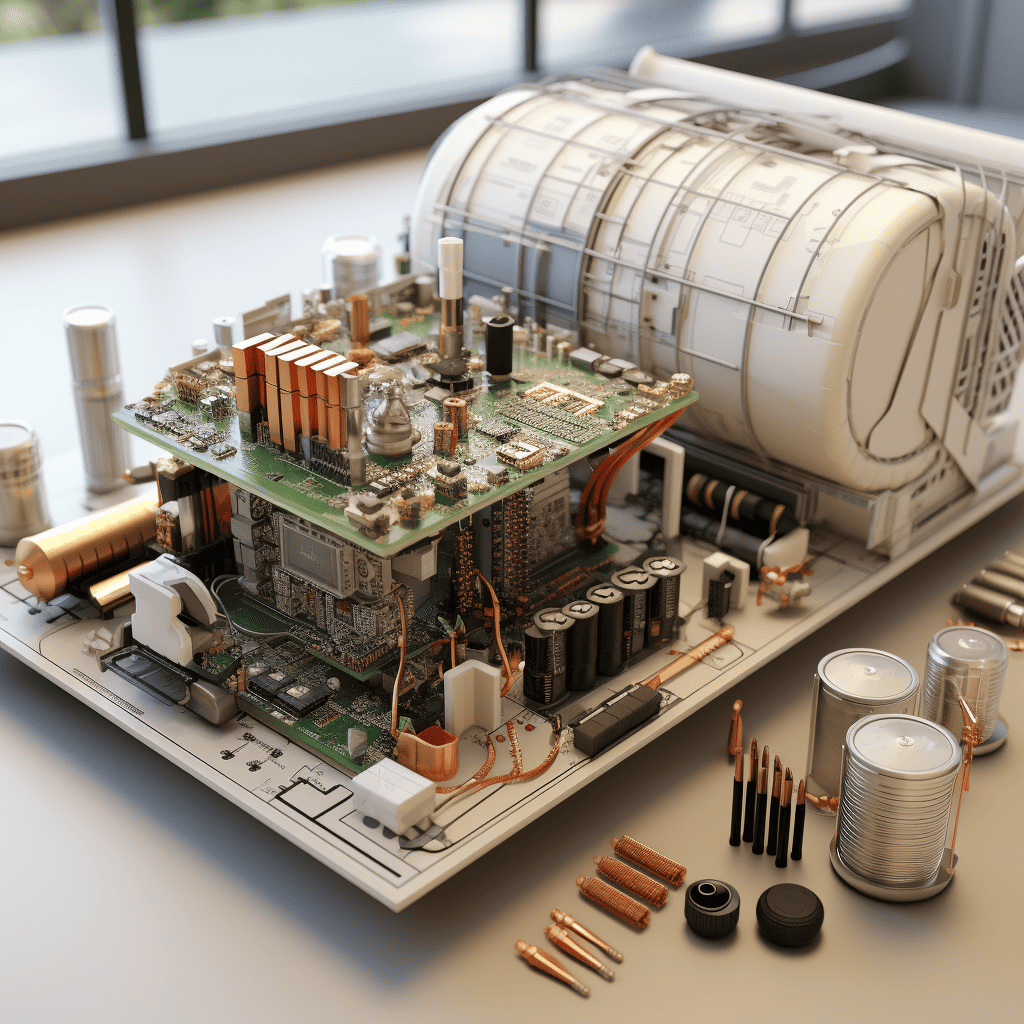
Harnessing the Power of the Wind: Connecting Your Wind Turbine to a Battery or Generator for Renewable Energy
Wind energy is an excellent source of renewable energy, and by connecting your wind turbine to a battery or generator, you can store the excess energy produced by the wind turbine to use when needed. In this section, we will discuss the steps involved in connecting your wind turbine to a battery or generator, including choosing the right components, installing them correctly, and maintaining your wind turbine system for optimal performance.
Choosing the Right Battery or Generator
When it comes to harnessing the power of the wind, selecting the right battery or generator is crucial. A deep cycle battery is often the best option for small-scale wind turbines. These batteries are specifically designed for renewable energy systems and can withstand frequent charging and discharging without losing their capacity. For larger wind turbines, a generator may be a better choice. When selecting a battery or generator, consider factors such as capacity, efficiency, and cost. Additionally, consult with a qualified professional to ensure that you choose the right components for your specific wind turbine and electrical system.
Setting Up the Charge Controller
A charge controller is an essential component of a wind turbine system. It regulates the charging of the battery and prevents overcharging. The charge controller should be connected between the wind turbine and the battery. Make sure that the charge controller is rated for the voltage and current output of your wind turbine. Some charge controllers also have features such as low voltage disconnect, which can prevent the battery from being drained too low. Additionally, some charge controllers can be connected to a monitoring system to track the system’s performance and identify any issues.
Connecting the Wiring
Once the charge controller is connected, it’s time to connect the wiring. The wiring should be rated for the voltage and current output of your wind turbine. Use wire connectors to connect the wiring to the wind turbine, charge controller, and battery or generator. Make sure that all connections are secure and insulated. It’s also essential to ground the system properly to prevent electrical shock and damage to the system.
Testing the System
Before connecting the wind turbine to the battery or generator, it’s essential to test the system to ensure that everything is working correctly. Start by checking the voltage output of the wind turbine and the charging status of the battery. Then, test the generator or inverter to ensure that it’s producing the correct voltage and frequency. Additionally, check the monitoring system, if applicable, to ensure that it’s accurately tracking the system’s performance.
Maintaining Your Wind Turbine System
Regular maintenance is crucial to ensure that your wind turbine system continues to operate efficiently. Check the wind turbine blades for wear and tear, and replace them if necessary. Clean the wind turbine and charge controller regularly to prevent dirt and debris from accumulating. Check the battery or generator regularly to ensure that it’s functioning correctly and that the connections are secure. Additionally, perform regular inspections of the wiring, grounding, and monitoring system to identify any issues and prevent potential problems.
By following these steps, you can create a reliable and sustainable source of renewable energy. Harnessing the power of the wind is not only good for the environment, but it can also save you money on your energy bills. Remember to consult with a qualified professional if you are unsure about any aspect of the installation or maintenance process.


