


Factors Influencing the Cost of a Windmill
Location and Wind Resources
The cost of a windmill is significantly influenced by the location and wind resources of the area. Wind turbines are most cost-effective in locations with high average wind speeds, as this increases the amount of electricity generated. The cost of a windmill can also vary depending on the terrain and accessibility of the site, as more remote locations may require additional expenses for transportation and installation.
Wind Class
Another important factor to consider when it comes to wind resources is the wind class of the area. Wind classes range from 1 to 7, with higher wind classes indicating stronger and more consistent wind speeds. Wind turbines that are designed for higher wind classes are generally more expensive, but they can generate more electricity and are more cost-effective in the long run.
Wind Direction
In addition to wind speed and wind class, wind direction is also an important factor to consider. Wind turbines are most effective when they are oriented towards the prevailing wind direction. This can impact the cost of a windmill, as additional equipment or modifications may be necessary to ensure optimal orientation.
Size and Capacity
Size and capacity are important factors that affect the cost of a windmill. Larger wind turbines with higher capacity can generate more electricity and are generally more cost-effective in the long run. However, they also have a higher upfront cost. The size and capacity of the wind turbine will depend on the specific needs and goals of the project.
Turbine Type
The type of turbine used can also affect the cost of a windmill. There are two main types of wind turbines: horizontal axis wind turbines (HAWTs) and vertical axis wind turbines (VAWTs). HAWTs are more common and generally more cost-effective, but VAWTs may be more suitable for certain locations or applications. Additionally, the number of blades on the turbine can also affect the cost and performance of the windmill.
Tower Height
The height of the tower that the wind turbine is mounted on can also affect the cost of a windmill. Taller towers can capture wind at higher altitudes, where wind speeds are generally higher. However, taller towers are also more expensive to construct and maintain.
Type of Wind Turbine
There are several types of wind turbines available on the market, including horizontal axis and vertical axis wind turbines. The type of wind turbine chosen will affect the cost of the windmill. Horizontal axis wind turbines are the most common type and are generally more cost-effective than vertical axis wind turbines. However, vertical axis wind turbines may be more suitable for certain locations or applications.
Offshore vs Onshore
The cost of a windmill can also be influenced by whether it is installed onshore or offshore. Offshore wind turbines are generally more expensive to install and maintain due to the challenges of working in a marine environment. However, offshore wind resources are often more abundant and consistent, making them a more cost-effective option in the long run.
Community Wind
Community wind projects are a type of wind energy development that is owned and operated by a group of local residents, businesses, or organizations. These projects can be more cost-effective than larger commercial projects, as they benefit from economies of scale and can take advantage of local incentives and financing options.
Installation and Maintenance
The cost of installation and maintenance is an important factor to consider when determining the overall cost of a windmill. The cost of installation will depend on the size and complexity of the wind turbine, as well as the location and accessibility of the site. Maintenance costs will also vary depending on the type and size of the wind turbine, as well as the frequency and type of maintenance required.
Lifecycle Costs
In addition to the upfront costs of installation and maintenance, it’s important to consider the lifecycle costs of a windmill. This includes the cost of replacing parts and components over time, as well as the cost of decommissioning the windmill at the end of its useful life. By considering lifecycle costs, you can get a more accurate picture of the true cost of a windmill.
Environmental Impact
While not directly affecting the cost of a windmill, the environmental impact of wind energy is an important consideration. Wind turbines can have an impact on local wildlife, particularly birds and bats. However, with careful planning and design, these impacts can be minimized or avoided altogether.
Permitting and Regulatory Compliance
Permitting and regulatory compliance can also impact the cost of a windmill. Depending on the location, there may be various permits and approvals required before a wind turbine can be installed. Compliance with local, state, and federal regulations can also add to the cost of the project. It is important to factor in these costs when determining the overall cost of a windmill.
Incentives and Subsidies
In some cases, there may be incentives or subsidies available to offset the cost of a windmill. These can include tax credits, grants, and low-interest loans. It’s important to research the availability of these incentives and factor them into the overall cost of the project.
Net Metering
Net metering is a policy that allows windmill owners to sell excess electricity back to the grid. This can help offset the cost of a windmill by providing a source of revenue. However, net metering policies vary by location, so it’s important to research the specific policies in your area.

Upfront Costs: Wind Turbine and Installation
Wind Turbine Cost
The cost of the wind turbine itself is a significant portion of the upfront costs associated with a windmill. The cost will depend on the size and capacity of the turbine, as well as the type and manufacturer. Small residential wind turbines can cost anywhere from $3,000 to $10,000, while larger commercial turbines can cost upwards of $1 million or more. Horizontal-axis turbines are the most common type of wind turbine and are typically more expensive than vertical-axis turbines. However, they are also more efficient and can generate more electricity. The cost of the wind turbine will also depend on the materials used in its construction, such as carbon fiber or steel.
Site Preparation
Site preparation is another important upfront cost to consider when installing a windmill. This can include clearing land, grading, and preparing the foundation for the turbine. The cost of site preparation will depend on the location and terrain of the site, as well as the size and complexity of the wind turbine. Rough or hilly terrain will typically require more extensive site preparation, which can increase costs. It may also be necessary to conduct a geotechnical survey to assess the suitability of the site for the wind turbine.
Installation Cost
The cost of installation will depend on the size and complexity of the wind turbine, as well as the location and accessibility of the site. Installation costs can range from $10,000 to $50,000 or more for a small residential turbine, and up to $200,000 or more for a larger commercial turbine. Cranes and other specialized equipment may be required for installation, which can add to the cost. It is important to factor in these costs when determining the overall cost of a windmill. The cost of installation may also depend on the distance from the turbine to the electrical grid, as well as the need for additional infrastructure upgrades.
Electrical Infrastructure
In order to connect the wind turbine to the electrical grid, it may be necessary to upgrade or install new electrical infrastructure. This can include transformers, inverters, and wiring. The cost of electrical infrastructure will depend on the distance from the turbine to the grid, as well as the capacity of the system. Grid-connected systems will typically require more extensive electrical infrastructure than off-grid systems. The cost of electrical infrastructure may also depend on the need for additional grid interconnection studies and permitting fees.
Permitting and Regulatory Compliance
Permitting and regulatory compliance can also add to the upfront costs of a windmill. Depending on the location, there may be various permits and approvals required before a wind turbine can be installed. Compliance with local, state, and federal regulations can also add to the cost of the project. Zoning restrictions and environmental regulations can impact the cost and feasibility of a wind turbine project. It is important to factor in these costs when determining the overall cost of a windmill. Permitting and regulatory compliance may also require legal consultation and environmental assessments, which can add to the cost of the project.
Maintenance Costs
While wind turbines are relatively low maintenance, they do require regular inspections and maintenance to ensure optimal performance and longevity. The cost of maintenance will depend on the size and complexity of the wind turbine, as well as the frequency of maintenance required. Maintenance costs may include routine inspections, blade replacement, and lubrication. It is important to factor in these costs when determining the overall cost of a windmill.
Financing Options
Given the significant upfront costs associated with windmills, financing options may be available to help offset the cost of the project. Financing options may include loans, leases, and power purchase agreements (PPAs). Loans may be available from banks or credit unions, while leases and PPAs may be available from wind turbine manufacturers or third-party developers. It is important to carefully consider financing options and the terms and conditions of any financing agreements before proceeding with the project.

Ongoing Expenses: Maintenance, Repairs, and More
Regular Maintenance
Regular maintenance is crucial for the smooth operation and longevity of a wind turbine. This includes routine inspections, cleaning, and lubrication of the moving parts. The frequency of maintenance required will depend on the size and complexity of the turbine, as well as the manufacturer’s recommendations. On average, maintenance costs for a small residential wind turbine can range from $100 to $500 per year, while larger commercial turbines can cost up to $50,000 or more per year. This includes the cost of labor, replacement parts, and any necessary equipment rentals.
Repairs and Replacements
In addition to regular maintenance, it is essential to budget for repairs and replacements as needed. This can include replacing worn-out parts, such as blades or bearings, as well as repairing damage caused by extreme weather or other external factors. The cost of repairs and replacements will depend on the size and complexity of the wind turbine, as well as the specific parts or repairs required. For example, the cost of replacing a single blade on a large commercial turbine can range from $50,000 to $100,000. It is important to consider these potential expenses when calculating the overall cost of owning a wind turbine.
Insurance
Insurance is another ongoing expense to consider when owning a wind turbine. This can include liability insurance to protect against damage or injury caused by the turbine, as well as property insurance to protect against damage to the turbine itself. The cost of insurance will depend on various factors, such as the size and location of the wind turbine, as well as the specific coverage required. It is important to shop around and compare quotes from different insurance providers to ensure you are getting the best coverage at the most competitive price.
Energy Storage and Backup Power
In some cases, it may be necessary to install energy storage or backup power systems to ensure a consistent supply of electricity. This can include batteries, generators, or other backup power sources. The cost of energy storage and backup power will depend on the size and capacity of the system, as well as the specific technology used. For example, a small residential wind turbine may only require a small battery bank for energy storage, while a larger commercial turbine may require a more complex and expensive system.
Monitoring and Performance Analysis
Monitoring and performance analysis are essential for ensuring the optimal operation and efficiency of a wind turbine. This can include monitoring wind speeds, electricity production, and other performance metrics. The cost of monitoring and performance analysis will depend on the specific technology used, as well as the frequency and complexity of the analysis required. For example, a small residential wind turbine may only require a basic monitoring system, while a larger commercial turbine may require a more sophisticated and expensive system.
Permitting and Land Leases
In addition to the ongoing expenses mentioned above, there may be other costs associated with owning a wind turbine. These can include permitting fees, land leases, and installation costs. Permitting fees can vary depending on the location and size of the wind turbine, while land leases may be required if the turbine is installed on rented or leased land. Installation costs can also vary depending on the size and complexity of the turbine, as well as the specific site preparation and installation requirements.
Maintenance Schedule
To ensure the optimal performance and longevity of a wind turbine, it is important to follow a regular maintenance schedule. This may include daily, weekly, monthly, and annual inspections and maintenance tasks. By following a maintenance schedule, it is possible to identify and address potential issues before they become major problems, as well as to maximize the lifespan and efficiency of the turbine.
Maintenance Tasks
Some common maintenance tasks for wind turbines include inspecting and cleaning the blades and rotor, checking and replacing the brake system, lubricating moving parts, inspecting and replacing the gearbox and generator, checking and calibrating the control system, and inspecting and maintaining the electrical system. These tasks may vary depending on the size and complexity of the turbine, as well as the specific manufacturer’s recommendations.
Cost of Repairs
The cost of repairs for a wind turbine can vary widely depending on the size and complexity of the turbine, as well as the specific parts or repairs required. For example, the cost of replacing a single blade on a large commercial turbine can range from $50,000 to $100,000. In some cases, the cost of repairs may be covered by insurance, while in others it may be the responsibility of the owner. It is important to factor in the potential cost of repairs when calculating the overall cost of owning a wind turbine.
Owning a wind turbine can be a significant investment, with ongoing expenses for maintenance, repairs, insurance, energy storage, and monitoring. However, with careful planning and budgeting, it is possible to minimize these costs and maximize the return on investment. By considering all potential expenses and choosing the right wind turbine for your needs, you can enjoy the benefits of clean, renewable energy for years to come.
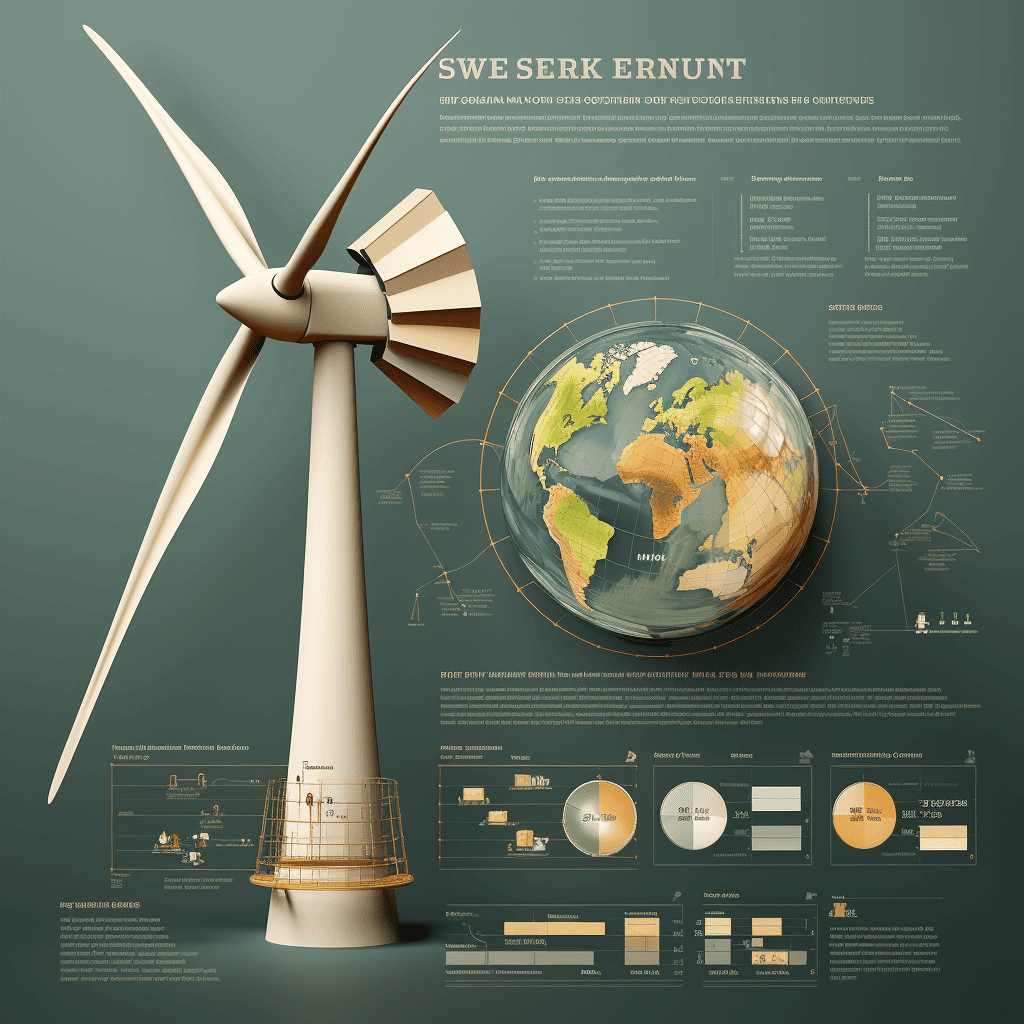
Cost-Benefit Analysis: Is a Windmill a Smart Investment for Your Home or Business?
Energy Savings and Return on Investment
One of the primary benefits of owning a windmill is the potential for significant energy savings. By generating your own electricity, you can reduce or eliminate your reliance on the grid and lower your energy bills. The return on investment (ROI) for a windmill will depend on various factors, such as the cost of the wind turbine, the cost of electricity in your area, and the amount of electricity generated by the windmill. On average, the ROI for a small residential wind turbine can range from 5 to 15 years, while larger commercial turbines can have an ROI of 7 to 12 years. Additionally, the cost of wind turbines has been decreasing in recent years, making it a more affordable option for many homeowners and businesses.
Environmental Impact
Another benefit of owning a windmill is the potential to reduce your carbon footprint and contribute to a more sustainable energy future. Wind energy is a renewable and clean source of electricity, and can help to reduce greenhouse gas emissions and dependence on fossil fuels. This can have both environmental and social benefits, such as improving air quality and reducing the impacts of climate change. Wind energy is also a domestic source of electricity, reducing dependence on foreign oil and promoting energy independence.
Energy Independence
Owning a windmill can also provide a sense of energy independence and self-sufficiency. By generating your own electricity, you are less reliant on the grid and can have more control over your energy costs and consumption. This can be particularly beneficial in areas with unreliable or expensive grid electricity, or for those who value energy independence and self-sufficiency. Wind energy can also provide a reliable source of electricity during power outages, making it an attractive option for those living in areas prone to natural disasters.
Incentives and Financing Options
There are various incentives and financing options available to help offset the upfront costs of owning a windmill. This can include tax credits, grants, and low-interest loans. For example, the federal government offers a 26% tax credit for residential wind turbines, and many states offer additional incentives. These incentives can help to make wind energy more affordable and accessible, and can improve the overall cost-benefit analysis of owning a windmill.
Risks and Challenges
While there are many benefits to owning a windmill, it is also important to consider the potential risks and challenges. This can include regulatory and permitting challenges, as well as technical and maintenance challenges. Additionally, wind energy is dependent on wind speeds and can be subject to variability and uncertainty. It is important to carefully consider these factors when evaluating the cost-benefit analysis of owning a windmill. It is also important to note that wind turbines require a significant amount of space and may not be suitable for all locations. Additionally, wind turbines can generate noise and may have an impact on wildlife, particularly birds and bats.
Factors to Consider When Evaluating the Cost-Benefit Analysis of Owning a Windmill
There are several factors to consider when evaluating the cost-benefit analysis of owning a windmill. These include:
- Wind resources: The availability and consistency of wind resources in your area will impact the amount of electricity generated by the windmill and the overall cost-benefit analysis.
- Cost of the wind turbine: The cost of the wind turbine will vary depending on the size and type of turbine, as well as the location and installation costs.
- Cost of electricity: The cost of electricity in your area will impact the potential savings from generating your own electricity with a windmill.
- Incentives and financing options: The availability of incentives and financing options can help to offset the upfront costs of owning a windmill and improve the overall cost-benefit analysis.
- Maintenance and repair costs: Wind turbines require regular maintenance and repairs, which can impact the overall cost-benefit analysis. It is important to factor in these costs when evaluating the feasibility of owning a windmill.
- Environmental and social impacts: The environmental and social impacts of owning a windmill, such as reducing greenhouse gas emissions and promoting energy independence, should also be considered when evaluating the cost-benefit analysis.
Location and Wind Speed
The location and wind speed of your property are critical factors in determining the feasibility of a wind turbine. Wind turbines require a minimum wind speed of 7-9 mph to generate electricity efficiently. The average wind speed in your area should be at least 10 mph to justify the investment in a wind turbine. Additionally, the wind resources in your area should be consistent and not subject to significant variability.
Size and Type of Wind Turbine
The size and type of wind turbine you choose will also impact the cost-benefit analysis. Smaller wind turbines are more suitable for residential use, while larger turbines are better suited for commercial or industrial applications. Horizontal-axis wind turbines are the most common type, but vertical-axis wind turbines are also available. The type of wind turbine you choose will depend on your specific needs and the characteristics of your property.
Installation and Maintenance Costs
The installation and maintenance costs of a wind turbine can be significant, but they should be considered in the context of the potential energy savings. Installation costs will vary depending on the size and type of wind turbine, as well as the location and complexity of the installation. Maintenance costs will depend on the type and age of the wind turbine, as well as the frequency and type of maintenance required.
Incentives and Financing Options
There are various incentives and financing options available to help offset the upfront costs of owning a windmill. This can include tax credits, grants, and low-interest loans. For example, the federal government offers a 26% tax credit for residential wind turbines, and many states offer additional incentives. These incentives can help to make wind energy more affordable and accessible, and can improve the overall cost-benefit analysis of owning a windmill.
Environmental and Social Benefits
In addition to the potential energy savings and financial benefits, owning a windmill can also have significant environmental and social benefits. Wind energy is a clean and renewable source of electricity that can help reduce greenhouse gas emissions and dependence on fossil fuels. This can have both environmental and social benefits, such as improving air quality and reducing the impacts of climate change. Wind energy is also a domestic source of electricity, reducing dependence on foreign oil and promoting energy independence.
Conclusion
Owning a windmill can offer significant energy savings, reduce your carbon footprint, and provide a sense of energy independence. However, it is important to carefully consider the potential risks and challenges, as well as the various factors that will impact the cost-benefit analysis. By evaluating these factors and considering the availability of incentives and financing options, you can determine if owning a windmill is a smart investment for your home or business.


