


Understanding Windmills and Turbines: Harnessing Wind Energy for a Sustainable Future
The Historical Context of Windmills: From Ancient Persia to Modern Times
Windmills have been in use for centuries, with the earliest known windmills dating back to 7th century Persia. These ancient windmills were primarily used for grinding grains and pumping water, providing a reliable source of mechanical power for rural communities. Over time, windmills spread across the globe, eventually becoming an essential part of rural life in Europe and the United States.
The Evolution of Wind Turbines: From Mechanical Power to Electrical Generation
While windmills were primarily used for mechanical power, wind turbines are designed to generate electricity. The first modern wind turbine was built in Denmark in the late 19th century, and since then, wind turbine technology has evolved rapidly. Today, wind turbines come in a variety of shapes and sizes, from small rooftop turbines to massive offshore wind farms.
How Wind Turbines Work: Capturing the Power of the Wind
Wind turbines work on the same principle as windmills: they use the power of the wind to turn a rotor, which is connected to a generator. However, unlike windmills that are used for various mechanical tasks, wind turbines are specifically designed to generate electricity. When the wind turns the rotor, it spins a shaft connected to a generator, which produces electricity. This electricity can then be transmitted to the power grid and distributed to homes and businesses.
The Benefits of Wind Energy: A Clean, Renewable, and Cost-Effective Source of Power
Wind energy is a clean, renewable source of power that offers numerous benefits. Unlike fossil fuels, wind energy produces no emissions or pollutants, making it an environmentally friendly choice. Additionally, wind energy is a domestic resource, meaning that it can help reduce dependence on foreign oil. Finally, wind energy can be a cost-effective choice, as the cost of wind energy has decreased significantly in recent years. According to the American Wind Energy Association, wind energy is now the cheapest source of new electricity generation in many parts of the United States.
The Different Types of Wind Turbines: Choosing the Right Turbine for Your Needs
There are two main types of wind turbines: horizontal-axis turbines and vertical-axis turbines. Horizontal-axis turbines are the most common type, and they look like traditional windmills with rotors that spin around a horizontal axis. Vertical-axis turbines, on the other hand, have rotors that spin around a vertical axis. Each type of turbine has its own advantages and disadvantages, and the choice between them depends on a variety of factors, including wind speed, location, and cost. For example, horizontal-axis turbines are typically more efficient and cost-effective in areas with high wind speeds, while vertical-axis turbines are better suited for urban areas where space is limited.
The Role of Wind Turbines in the Energy Transition: Powering a Sustainable Future
As the world transitions to a cleaner and more sustainable energy system, wind turbines are playing an increasingly important role. According to the International Energy Agency, wind energy is expected to be the largest source of renewable energy by 2025, surpassing hydroelectric power. By harnessing the power of the wind, we can create a cleaner, more sustainable future for all.
The Importance of Wind Turbine Maintenance and Repair: Ensuring Optimal Performance
To ensure that wind turbines operate efficiently and effectively, regular maintenance and repair are essential. Wind turbine maintenance includes regular inspections, cleaning, lubrication, and replacement of worn parts. In addition, when a wind turbine breaks down, timely repair is critical to minimize downtime and prevent further damage. By investing in wind turbine maintenance and repair, we can ensure that wind energy remains a reliable and cost-effective source of power for generations to come.
The Future of Wind Energy: Innovation and Advances in Wind Turbine Technology
As wind energy continues to grow in popularity, researchers and engineers are working to develop new and innovative wind turbine technologies. For example, advances in materials science are leading to the development of lighter and stronger wind turbine blades that can capture more wind energy. In addition, new control systems and sensors are being developed to optimize wind turbine performance and reduce maintenance costs. By continuing to innovate and advance wind turbine technology, we can unlock the full potential of wind energy and create a cleaner, more sustainable future for all.
The Impact of Wind Energy on the Environment: Balancing Benefits and Concerns
While wind energy offers numerous environmental benefits, it is important to acknowledge and address the concerns associated with wind turbines. For example, wind turbines can pose a risk to birds and bats, and their construction can impact natural habitats. Additionally, wind turbines can generate noise and create visual pollution. However, with careful planning and responsible development, these impacts can be minimized, allowing wind energy to play a critical role in a sustainable energy future.
The Economic Benefits of Wind Energy: Creating Jobs and Boosting Local Economies
Wind energy offers significant economic benefits, including job creation and economic growth. According to the American Wind Energy Association, the wind energy industry supports over 120,000 jobs in the United States alone, with many of these jobs located in rural areas. In addition, wind energy projects can generate significant revenue for local communities, providing a valuable source of income for schools, infrastructure, and other public services.
The Role of Wind Energy in Energy Independence: Reducing Reliance on Foreign Oil
Wind energy is a domestic resource, meaning that it can help reduce dependence on foreign oil and increase energy independence. By investing in wind energy and other renewable sources, countries can reduce their reliance on imported fossil fuels, improving energy security and reducing greenhouse gas emissions.
The Potential of Offshore Wind Energy: Harnessing the Power of the Ocean
Offshore wind energy offers significant potential for generating clean, renewable power. Offshore wind turbines can take advantage of stronger and more consistent wind speeds, making them more efficient and cost-effective than land-based turbines. In addition, offshore wind farms can be located further from population centers, reducing visual pollution and other environmental impacts. As technology advances and costs continue to decline, offshore wind energy is poised to play an increasingly important role in a sustainable energy future.
The Importance of Education and Public Engagement in Wind Energy Development
To ensure the successful development and deployment of wind energy, education and public engagement are essential. By educating the public about the benefits and challenges of wind energy, we can build support for responsible wind energy development and address concerns related to environmental impacts and other issues. Additionally, by engaging with local communities and stakeholders, we can ensure that wind energy projects are developed in a responsible and sustainable manner.
The Key Players in the Wind Energy Industry: From Manufacturers to Developers
The wind energy industry includes a variety of key players, from manufacturers and developers to operators and maintenance providers. These companies play a critical role in the development, deployment, and maintenance of wind energy projects, and they are driving innovation and growth in the industry. By working together, these companies can help unlock the full potential of wind energy and create a cleaner, more sustainable future for all.
The Future of Wind Energy: Challenges and Opportunities
While wind energy offers significant benefits, there are also challenges and opportunities that must be addressed to ensure its continued growth and success. These challenges include regulatory barriers, technical limitations, and market competition. However, with continued innovation and investment, these challenges can be overcome, allowing wind energy to play an increasingly important role in a sustainable energy future. By working together and leveraging the power of wind energy, we can create a cleaner, more sustainable world for generations to come.
Understanding Windmills and Turbines: Harnessing Wind Energy for a Sustainable Future
Wind energy is a clean, renewable source of power that offers numerous benefits. From reducing greenhouse gas emissions to creating jobs and boosting local economies, wind energy is playing an increasingly important role in a sustainable energy future. By understanding the basics of windmills and turbines, we can appreciate the ingenuity of human innovation and harness the power of the wind. In this blog post, we’ll explore the historical context of windmills, the evolution of wind turbines, and the principles behind how wind turbines work. We’ll also discuss the benefits of wind energy, the different types of wind turbines, and the role of wind turbines in the energy transition. By investing in wind energy and wind turbine technology, we can create a cleaner, more sustainable future for all.
The Historical Context of Windmills: From Ancient Persia to Modern Times
Windmills have been in use for centuries, with the earliest known windmills dating back to 7th century Persia. These ancient windmills were primarily used for grinding grains and pumping water, providing a reliable source of mechanical power for rural communities. Over time, windmills spread across the globe, eventually becoming an essential part of rural life in Europe and the United States.
The Evolution of Wind Turbines: From Mechanical Power to Electrical Generation
While windmills were primarily used for mechanical power, wind turbines are designed to generate electricity. The first modern wind turbine was built in Denmark in the late 19th century, and since then, wind turbine technology has evolved rapidly. Today, wind turbines come in a variety of shapes and sizes, from small rooftop turbines to massive offshore wind farms.
How Wind Turbines Work: Capturing the Power of the Wind
Wind turbines work on the same principle as windmills: they use the power of the wind to turn a rotor, which is connected to a generator. However, unlike windmills that are used for various mechanical tasks, wind turbines are specifically designed to generate electricity. When the wind turns the rotor, it spins a shaft connected to a generator, which produces electricity. This electricity can then be transmitted to the power grid and distributed to homes and businesses.
The Benefits of Wind Energy: A Clean, Renewable, and Cost-Effective Source of Power
Wind energy is a clean, renewable source of power that offers numerous benefits. Unlike fossil fuels, wind energy produces no emissions or pollutants, making it an environmentally friendly choice. Additionally, wind energy is a domestic resource, meaning that it can help reduce dependence on foreign oil. Finally, wind energy can be a cost-effective choice, as the cost of wind energy has decreased significantly in recent years. According to the American Wind Energy Association, wind energy is now the cheapest source of new electricity generation in many parts of the United States.
The Different Types of Wind Turbines: Choosing the Right Turbine for Your Needs
There are two main types of wind turbines: horizontal-axis turbines and vertical-axis turbines. Horizontal-axis turbines are the most common type, and they look like traditional windmills with rotors that spin around a horizontal axis. Vertical-axis turbines, on the other hand, have rotors that spin around a vertical axis. Each type of turbine has its own advantages and disadvantages, and the choice between them depends on a variety of factors, including wind speed, location, and cost. For example, horizontal-axis turbines are typically more efficient and cost-effective in areas with high wind speeds, while vertical-axis turbines are better suited for urban areas where space is limited.
The Role of Wind Turbines in the Energy Transition: Powering a Sustainable Future
As the world transitions to a cleaner and more sustainable energy system, wind turbines are playing an increasingly important role. According to the International Energy Agency, wind energy is expected to be the largest source of renewable energy by 2025, surpassing hydroelectric power. By harnessing the power of the wind, we can create a cleaner, more sustainable future for all.
The Importance of Wind Turbine Maintenance and Repair: Ensuring Optimal Performance
To ensure that wind turbines operate efficiently and effectively, regular maintenance and repair are essential. Wind turbine maintenance includes regular inspections, cleaning, lubrication, and replacement of worn parts. In addition, when a wind turbine breaks down, timely repair is critical to minimize downtime and prevent further damage. By investing in wind turbine maintenance and repair, we can ensure that wind energy remains a reliable and cost-effective source of power for generations to come.
The Future of Wind Energy: Innovation and Advances in Wind Turbine Technology
As wind energy continues to grow in popularity, researchers and engineers are working to develop new and innovative wind turbine technologies. For example, advances in materials science are leading to the development of lighter and stronger wind turbine blades that can capture more wind energy. In addition, new control systems and sensors are being developed to optimize wind turbine performance and reduce maintenance costs. By continuing to innovate and advance wind turbine technology, we can unlock the full potential of wind energy and create a cleaner, more sustainable future for all.
The Impact of Wind Energy on the Environment: Balancing Benefits and Concerns
While wind energy offers numerous environmental benefits, it is important to acknowledge and address the concerns associated with wind turbines. For example, wind turbines can pose a risk to birds and bats, and their construction can impact natural habitats. Additionally, wind turbines can generate noise and create visual pollution. However, with careful planning and responsible development, these impacts can be minimized, allowing wind energy to play a critical role in a sustainable energy future.
The Economic Benefits of Wind Energy: Creating Jobs and Boosting Local Economies
Wind energy offers significant economic benefits, including job creation and economic growth. According to the American Wind Energy Association, the wind energy industry supports over 120,000 jobs in the United States alone, with many of these jobs located in rural areas. In addition, wind energy projects can generate significant revenue for local communities, providing a valuable source of income for schools, infrastructure, and other public services.
The Role of Wind Energy in Energy Independence: Reducing Reliance on Foreign Oil
Wind energy is a domestic resource, meaning that it can help reduce dependence on foreign oil and increase energy independence. By investing in wind energy and other renewable sources, countries can reduce their reliance on imported fossil fuels, improving energy security and reducing greenhouse gas emissions.
The Potential of Offshore Wind Energy: Harnessing the Power of the Ocean
Offshore wind energy offers significant potential for generating clean, renewable power. Offshore wind turbines can take advantage of stronger and more consistent wind speeds, making them more efficient and cost-effective than land-based turbines. In addition, offshore wind farms can be located further from population centers, reducing visual pollution and other environmental impacts. As technology advances and costs continue to decline, offshore wind energy is poised to play an increasingly important role in a sustainable energy future.
The Importance of Education and Public Engagement in Wind Energy Development
To ensure the successful development and deployment of wind energy, education and public engagement are essential. By educating the public about the benefits and challenges of wind energy, we can build support for responsible wind energy development and address concerns related to environmental impacts and other issues. Additionally, by engaging with local communities and stakeholders, we can ensure that wind energy projects are developed in a responsible and sustainable manner.
The Key Players in the Wind Energy Industry: From Manufacturers to Developers
The wind energy industry includes a variety of key players, from manufacturers and developers to operators and maintenance providers. These companies play a critical role in the development, deployment, and maintenance of wind energy projects, and they are driving innovation and growth in the industry. By working together, these companies can help unlock the full potential of wind energy and create a cleaner, more sustainable future for all.
The Future of Wind Energy: Challenges and Opportunities
While wind energy offers significant benefits, there are also challenges and opportunities that must be addressed to ensure its continued growth and success. These challenges include regulatory barriers, technical limitations, and market competition. However, with continued innovation and investment, these challenges can be overcome, allowing wind energy to play an increasingly important role in a sustainable energy future. By working together and leveraging the power of wind energy, we can create a cleaner, more sustainable world for generations to come.
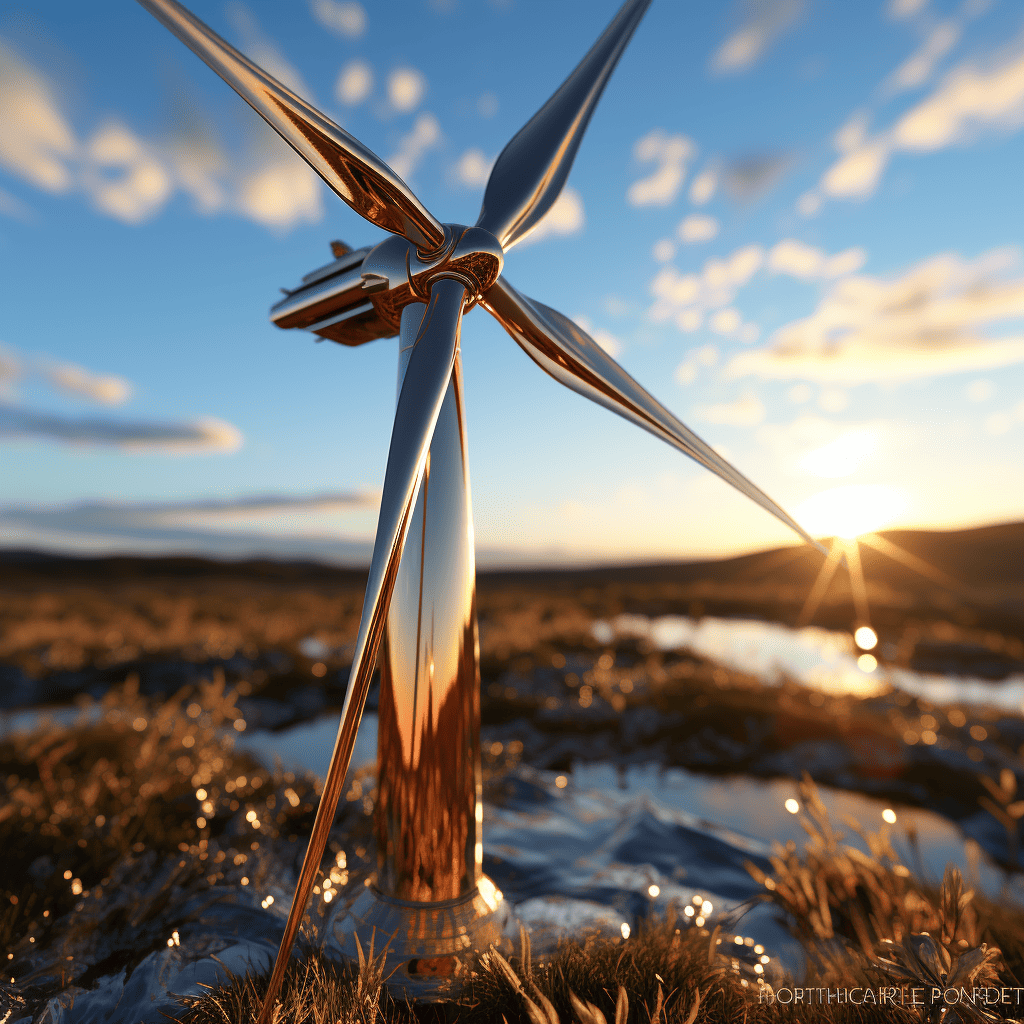
How Wind Turbines Convert Kinetic Energy into Mechanical Energy
Wind energy is a clean, renewable, and sustainable source of power that has gained significant attention in recent years. It harnesses the kinetic energy of the wind and converts it into mechanical energy, which can then be transformed into electrical energy. This article explores the science behind wind energy and the components of a wind turbine that make this conversion possible.
The Science Behind Wind Energy
Wind energy is a form of renewable energy that converts the kinetic energy of moving air into mechanical energy. This energy is generated by the pressure difference created by the wind on the blades of a wind turbine. The force of the wind causes the blades to rotate, which drives a mechanical system that converts the kinetic energy into mechanical energy.
When the wind blows, it creates a pressure difference between the two sides of the turbine blades. This difference in pressure causes a lift force, which generates the torque needed to turn the rotor. As the rotor turns, it transfers the energy to a shaft connected to a gearbox. The gearbox increases the rotational speed of the shaft, which in turn increases the rotational speed of the generator.
The Components of a Wind Turbine
A wind turbine is made up of several components that work together to convert wind energy into mechanical energy. These components include:
Rotor: The rotor is the part of the wind turbine that spins in the wind. The rotor blades are typically made of fiberglass or other lightweight materials. The blades are designed to be aerodynamically efficient, which means they can capture as much energy from the wind as possible.
Shaft: The shaft connects the rotor to the gearbox. It transfers the rotational energy from the rotor to the gearbox. The shaft must be strong enough to withstand the high forces generated by the rotating blades.
Gearbox: The gearbox increases the rotational speed of the shaft, which in turn increases the rotational speed of the generator. The gearbox is necessary because the rotational speed of the rotor is typically much slower than the rotational speed required by the generator.
Generator: The generator is the component that converts the mechanical energy from the rotor into electrical energy. It works by using the rotational energy of the shaft to create a magnetic field that induces an electrical current. The generator produces alternating current (AC) electricity, which is then converted to direct current (DC) electricity for storage or transmission.
Controller: The controller is an electronic device that regulates the speed of the rotor and the output of the generator. It ensures that the turbine operates at its optimal efficiency and prevents damage to the system during periods of high winds.
Tower The tower is the structure that supports the wind turbine and elevates it above the ground. The tower must be tall enough to allow the turbine to reach the strongest winds and avoid turbulence near the ground.
Wind energy is a clean, renewable, and sustainable source of power that can help reduce our dependence on fossil fuels. By harnessing the kinetic energy of the wind, wind turbines can convert it into mechanical energy, which can then be transformed into electrical energy. The components of a wind turbine work together to make this conversion possible, from the rotor that captures the wind energy to the generator that produces the electricity. As technology continues to advance, wind energy is becoming an increasingly viable and cost-effective solution for meeting our energy needs.

The Mechanics of a Wind Turbine: Harnessing Wind Energy with Blades, Shafts, and Generators
Wind turbines are an increasingly popular source of renewable energy, and their mechanics are a marvel of modern engineering. At the heart of a wind turbine are three main components: the blades, the shaft, and the generator.
The Importance of Wind Turbine Blades: Lightweight, Aerodynamic Design for Maximum Efficiency
The blades of a wind turbine are responsible for capturing the kinetic energy of the wind and converting it into mechanical energy. The design of the blades is critical for maximizing the efficiency of the turbine. Blades are typically made from lightweight materials such as fiberglass or carbon fiber, which allow them to rotate quickly and efficiently. The shape of the blades is also designed to optimize the lift and drag forces generated by the wind, allowing the turbine to generate more power. In fact, the aerodynamic design of wind turbine blades is based on the same principles used in airplane wings.
The Role of the Shaft in a Wind Turbine: Transferring Mechanical Energy from Blades to Generator
The shaft of a wind turbine connects the blades to the gearbox and generator. As the blades rotate, they transfer their mechanical energy to the shaft, which then turns the gearbox. The gearbox increases the rotational speed of the shaft, allowing the generator to produce more electricity. The shaft must be strong enough to withstand the tremendous forces generated by the spinning blades, which can reach speeds of over 200 miles per hour.
The Function of the Gearbox in a Wind Turbine: Increasing Rotational Speed for Maximum Power Generation
The gearbox of a wind turbine serves an important function in the conversion of mechanical energy into electrical energy. The gearbox increases the rotational speed of the shaft, which in turn increases the speed of the generator. This is necessary because the rotational speed of the blades is typically much slower than the speed required to generate electricity efficiently. The gearbox also reduces the torque on the generator, which helps to prolong its lifespan.
The Generator: Converting Mechanical Energy into Electrical Energy
The generator is the component of a wind turbine that converts the mechanical energy produced by the blades into electrical energy. The generator is typically an induction or synchronous generator, which uses the rotational energy of the shaft to produce an electromagnetic field. This field induces a current in the coils of the generator, producing electricity. The generator is designed to produce a specific voltage and frequency, which is then stepped up by a transformer for transmission to the grid.
The Control Systems of a Wind Turbine: Optimizing Performance and Preventing Damage
The control systems of a wind turbine are responsible for monitoring and adjusting the turbine’s performance. These systems use sensors to measure wind speed and direction, as well as the turbine’s rotational speed and power output. Based on this data, the control systems can adjust the pitch of the blades, the angle of the turbine, and the speed of the generator to optimize performance and prevent damage to the turbine. For example, if the wind speed is too high, the control system can adjust the pitch of the blades to reduce their angle of attack and prevent overloading the generator.
The Yaw System: Keeping the Turbine Facing into the Wind
Another important component of a wind turbine is the yaw system, which is responsible for keeping the turbine facing into the wind. The yaw system uses a motor and gearbox to rotate the entire turbine on its base, allowing it to track the wind direction. This ensures that the blades are always facing into the wind, maximizing their efficiency and power output.
The Braking System: Ensuring Safety in High Winds
Finally, the braking system is an essential safety feature of a wind turbine. The braking system is designed to stop the turbine in the event of high winds, mechanical failure, or other emergencies. The braking system typically consists of a hydraulic or mechanical disc brake that is applied to the rotor shaft or the high-speed gearbox. In some cases, the turbine may also have a secondary braking system, such as a fail-safe aerodynamic brake that uses the wind to slow down the rotor.
The Tower: Providing Support and Stability
The tower of a wind turbine provides support and stability for the rotor and nacelle. Towers are typically made of steel or concrete and can range in height from 60 to 300 feet, depending on the size of the turbine. The tower is designed to withstand the forces generated by the rotating blades and the wind, as well as any other loads that may be placed on the turbine.
The Nacelle: Housing the Generator and other Components
The nacelle is the housing at the top of the tower that contains the generator, gearbox, and other components of the wind turbine. The nacelle is designed to protect these components from the elements and to allow for easy maintenance and repair. The nacelle can be rotated on the tower to face the wind, maximizing the efficiency of the turbine.
The Pitch System: Adjusting Blade Angle for Maximum Efficiency
The pitch system of a wind turbine is responsible for adjusting the angle of the blades to optimize their efficiency. The pitch system can change the angle of the blades in response to changes in wind speed and direction, allowing the turbine to generate the maximum amount of electricity possible. The pitch system can also be used to reduce the angle of attack of the blades in high winds, preventing damage to the turbine.
The Anemometer: Measuring Wind Speed and Direction
The anemometer is a device used to measure wind speed and direction. It is typically located on top of the nacelle and is used by the control system to adjust the pitch of the blades and the yaw of the turbine. By measuring the wind speed and direction accurately, the turbine can be optimized to generate the maximum amount of electricity possible.
The Wind Vane: Determining Wind Direction
The wind vane is a device used to determine the direction of the wind. It is typically located on top of the nacelle and is used by the yaw system to rotate the turbine to face the wind. By accurately determining the wind direction, the turbine can be optimized to generate the maximum amount of electricity possible.
The Transformer: Stepping up Voltage for Transmission to the Grid
The transformer is a device used to step up the voltage of the electricity generated by the wind turbine. The transformer increases the voltage of the electricity to the level required for transmission to the grid. This allows the electricity to be transmitted efficiently over long distances, reducing losses and improving the overall efficiency of the wind turbine.
The Power Electronics: Converting Electricity for the Grid
The power electronics of a wind turbine are responsible for converting the electricity generated by the generator into a form that can be transmitted to the grid. The power electronics use a variety of techniques, such as rectification, filtering, and inversion, to convert the alternating current generated by the generator into a form that can be used by the grid. The power electronics also help to regulate the voltage and frequency of the electricity, ensuring that it meets the standards required by the grid.
The Grid Connection: Transmitting Electricity to the Grid
The grid connection is the point at which the electricity generated by the wind turbine is transmitted to the grid. The grid connection typically consists of a transformer, switchgear, and a series of transmission lines that carry the electricity to the grid. The grid connection must be designed to handle the voltage and current generated by the wind turbine, as well as any fluctuations in voltage or frequency that may occur due to changes in wind speed or other factors.

The Role of Wind Turbines in Modern Energy Production and Sustainability: Harnessing the Power of the Wind for a Cleaner Future
The Surge of Wind Energy
In recent years, wind energy has experienced a significant surge in popularity as countries worldwide work towards reducing their dependence on fossil fuels and increasing the use of renewable energy sources. According to the International Energy Agency (IEA), global wind energy capacity has more than tripled over the past decade, reaching over 740 GW of installed capacity as of 2021.
The Advantages of Wind Energy
Environmental Benefits: Wind turbines produce no greenhouse gas emissions or other pollutants, making them a clean and sustainable source of energy. They also reduce dependence on foreign oil and promote energy independence. Economic Benefits: Wind energy creates jobs and spurs economic development in local communities. In fact, the wind energy industry supports over 1 million jobs worldwide, with many of these jobs being in manufacturing, installation, and maintenance.
The Challenges of Wind Energy
Despite its benefits, wind energy also faces some challenges. Wind turbines require a significant amount of space and can be seen as a visual blight by some. Additionally, wind energy is intermittent, meaning that it is only available when the wind is blowing. This can make it difficult to rely on wind energy as a consistent source of power. To address this challenge, energy storage technologies, such as batteries, are being developed to store excess wind energy for later use. Finally, wind turbines can be a hazard to wildlife, particularly birds and bats. However, the impact of wind turbines on wildlife is relatively small compared to other human activities, such as habitat destruction and climate change. The wind energy industry is working to develop technologies and strategies to minimize the impact of wind turbines on wildlife.
The Role of Wind Turbines in Energy Production
Despite these challenges, wind turbines play an increasingly important role in modern energy production. In many countries, wind energy is now a significant source of electricity, accounting for a growing percentage of the overall energy mix. Wind turbines can be used to power homes, businesses, and even entire communities, providing a reliable and sustainable source of energy.
The Future of Wind Energy
The future of wind energy looks bright, with continued growth and innovation expected in the coming years. Advances in technology are making wind turbines more efficient and cost-effective. For example, offshore wind turbines, which can take advantage of stronger and more consistent winds than onshore turbines, are becoming increasingly popular. Additionally, new materials and designs are being developed to improve the efficiency and durability of wind turbines. These innovations will help to further reduce the cost of wind energy and increase its competitiveness with traditional energy sources.
Types of Wind Turbines
There are two main types of wind turbines: horizontal-axis and vertical-axis. Horizontal-axis wind turbines (HAWTs) are the most common and consist of a rotor with blades that spin around a horizontal axis. Vertical-axis wind turbines (VAWTs), on the other hand, have blades that spin around a vertical axis. HAWTs are generally more efficient than VAWTs, but VAWTs have some advantages in certain situations, such as in urban environments where space is limited.
How Wind Turbines Work
Wind turbines work by converting the kinetic energy of the wind into mechanical energy, which is then converted into electrical energy. The wind turns the blades of the turbine, which are connected to a rotor. The rotor spins a generator, which produces electricity. The electricity is then transmitted to the grid and distributed to homes and businesses.
Wind Turbine Components
The main components of a wind turbine are the rotor, the generator, the gearbox, the control system, and the tower. The rotor consists of the blades and the hub, which connects the blades to the rest of the turbine. The generator produces electricity, while the gearbox increases the rotational speed of the rotor to match the speed of the generator. The control system regulates the speed of the turbine and adjusts the blades to optimize energy production. The tower supports the turbine and elevates it above the ground to take advantage of stronger winds.
The Impact of Wind Turbines on Wildlife
One of the challenges facing the wind energy industry is the impact of wind turbines on wildlife, particularly birds and bats. Wind turbines can cause fatal collisions with birds and bats, as well as disrupt their habitats. However, the wind energy industry is working to develop technologies and strategies to minimize the impact of wind turbines on wildlife. For example, turbine blades can be painted or fitted with lights to make them more visible to birds, and turbines can be sited away from important bird habitats. Additionally, new technologies, such as radar and acoustic deterrents, are being developed to reduce the risk of bird and bat collisions.
The Economics of Wind Energy
Wind energy is becoming increasingly cost-competitive with traditional energy sources. The cost of wind energy has decreased by more than 70% over the past decade, making it an attractive option for many countries and companies. Additionally, wind energy creates jobs and spurs economic development in local communities. In fact, the wind energy industry supports over 1 million jobs worldwide, with many of these jobs being in manufacturing, installation, and maintenance.
The Role of Government in Wind Energy
Governments play an important role in supporting the growth of wind energy. Many countries have set ambitious renewable energy targets, which include wind energy. Governments also provide incentives for wind energy development, such as tax credits and subsidies. Additionally, governments can help to streamline the permitting process for wind energy projects, reducing barriers to entry and speeding up the development of new projects.
The Role of Wind Energy in Reducing Carbon Emissions
Wind energy has a significant role to play in reducing carbon emissions and addressing climate change. Wind energy produces no greenhouse gas emissions, making it a clean and sustainable source of energy. By displacing traditional energy sources, such as coal and natural gas, wind energy can help to reduce carbon emissions and mitigate the impacts of climate change. According to the International Energy Agency (IEA), wind energy could provide over one-third of the world’s electricity by 2050, helping to avoid 12 gigatonnes of CO2 emissions per year.
The Importance of Wind Energy in Energy Mix
Wind energy is an important part of a diversified energy mix, which includes a variety of renewable and traditional energy sources. By combining wind energy with other sources of energy, such as solar, hydro, and geothermal, it is possible to create a more reliable and sustainable energy system. Wind energy can also help to balance the intermittency of other renewable energy sources, such as solar energy, by providing a consistent source of power.
The Future of Wind Energy Technologies
The future of wind energy technologies is bright, with many new innovations on the horizon. One promising area of research is the development of offshore wind turbines, which can take advantage of stronger and more consistent winds than onshore turbines. Additionally, new materials and designs are being developed to improve the efficiency and durability of wind turbines. For example, new blade designs that can capture more wind energy and materials that can reduce the weight of turbines are being explored. These innovations will help to further reduce the cost of wind energy and increase its competitiveness with traditional energy sources.
The Importance of Wind Energy in Energy Security
Wind energy is also important for energy security, as it reduces dependence on foreign oil and gas. By producing energy domestically, wind energy can help to insulate countries from volatile energy prices and supply disruptions. Additionally, wind energy can help to improve energy resilience by providing a decentralized source of power that is less vulnerable to natural disasters and other disruptions.
The Role of Wind Energy in Smart Grids
Wind energy is an important component of smart grids, which are electricity networks that use advanced technologies to optimize the generation, distribution, and consumption of electricity. Smart grids can help to integrate wind energy into the grid more effectively, by balancing supply and demand and managing intermittency. Additionally, smart grids can help to improve the reliability and efficiency of the grid, reducing energy waste and costs.
The Role of Wind Energy in Microgrids
Wind energy can also play an important role in microgrids, which are small-scale electricity networks that can operate independently of the larger grid. Microgrids can provide a reliable and sustainable source of power for remote communities, disaster-prone areas, and other locations where access to the larger grid is limited. Wind energy can be combined with other sources of energy, such as solar and battery storage, to create a resilient and self-sufficient microgrid.
The Role of Wind Energy in Electric Vehicles
Wind energy is also an important component of the transition to electric vehicles (EVs). By providing a clean and sustainable source of power, wind energy can help to reduce the carbon emissions of EVs and improve their environmental performance. Additionally, wind energy can help to support the growth of EV charging infrastructure, by providing a reliable and cost-effective source of power for charging stations.
The Importance of Wind Energy in Energy Justice
Wind energy is also important for energy justice, as it can help to address energy poverty and provide access to affordable and clean energy for all. Wind energy can provide a source of income for local communities, particularly in rural areas where job opportunities are limited. Additionally, wind energy can help to reduce energy costs for low-income households, by providing a more affordable and sustainable source of power.
The Importance of Wind Energy in Sustainable Development
Wind energy is an important component of sustainable development, as it provides a clean and sustainable source of energy that can support economic growth and social development. Wind energy can help to reduce poverty and inequality, by providing access to affordable and clean energy for all. Additionally, wind energy can help to create jobs and spur economic development in local communities, particularly in rural areas.
Overall, wind turbines play a critical role in modern energy production and sustainability. By harnessing the power of the wind, we can reduce our reliance on fossil fuels, promote energy independence, and create a cleaner and more sustainable energy future for all. As the world continues to grapple with the challenges of climate change and energy security, wind energy offers a promising solution. By investing in wind energy and supporting its development, we can create a more sustainable and just energy system for all.


