

images are fictional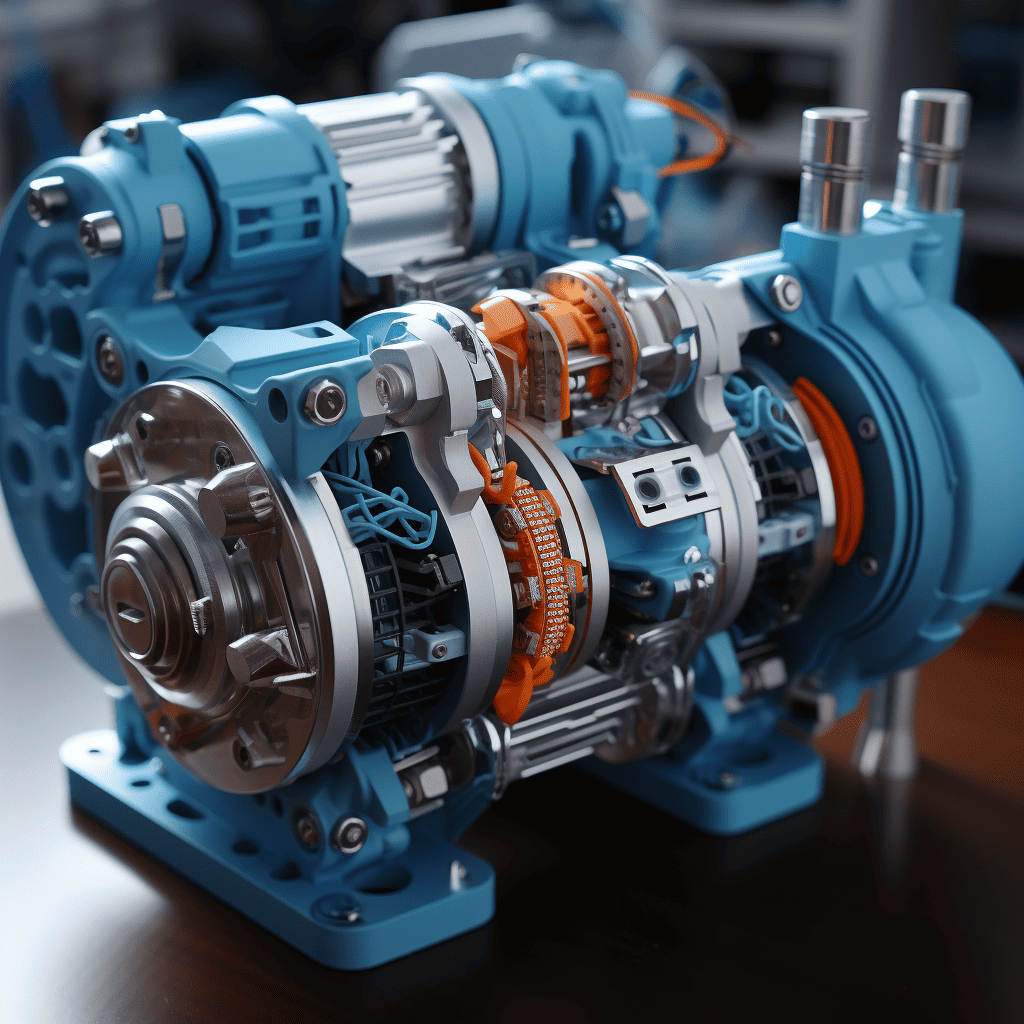
Factors to Consider When Choosing Compatible Liquids for Diaphragm Pumps
When selecting a diaphragm pump for a particular application, it is important to consider the properties of the fluid being pumped and how they will affect the pump’s performance and longevity. Here are some of the key factors to consider:
Fluid Viscosity
Viscosity is a measure of a fluid’s resistance to flow. Highly viscous fluids, such as oil or syrup, can be difficult to pump and may require a pump with a higher flow rate or larger diaphragm. It is important to choose a pump that is capable of handling the viscosity of the fluid being pumped in order to ensure efficient operation and prevent damage to the pump.
Fluid Chemical Compatibility
The chemical compatibility of the fluid being pumped is another important consideration. Diaphragm pumps are available in a variety of materials, including rubber, Teflon, and stainless steel, and it is important to choose a material that is compatible with the fluid being pumped in order to prevent corrosion or other damage to the pump.
Fluid Temperature
The temperature of the fluid being pumped can also affect the performance and longevity of the pump. High temperatures can cause the diaphragm or other components of the pump to degrade, while low temperatures can cause the fluid to thicken and become more difficult to pump. It is important to choose a pump that is rated for the temperature range of the fluid being pumped in order to ensure optimal performance and longevity.
Fluid Contaminants
Contaminants in the fluid, such as solids or particulates, can also affect the performance and longevity of the pump. Diaphragm pumps are capable of handling fluids with some level of contamination, but it is important to choose a pump that is designed for the specific type and size of contaminants present in the fluid being pumped in order to prevent clogging or damage to the pump.
Common Applications for Diaphragm Pumps
Diaphragm pumps are used in a wide range of industries and applications, including:
Chemical Processing
Diaphragm pumps are often used in chemical processing applications where the fluid being pumped is corrosive, abrasive, or otherwise difficult to handle. They are capable of handling a wide range of chemicals, including acids, bases, and solvents, and are often used for transferring, metering, and dosing fluids.
Water Treatment
Diaphragm pumps are also commonly used in water treatment applications, such as filtration, disinfection, and chemical feed. They are capable of handling a wide range of water qualities, including highly viscous or contaminated fluids, and are often used for transferring, metering, and dosing chemicals.
Food and Beverage Production
Diaphragm pumps are used in food and beverage production to transfer, meter, and dose ingredients and additives. They are often made of materials that are approved for food contact and are capable of handling a wide range of viscosities and temperatures.
Pharmaceutical Production
Diaphragm pumps are also used in pharmaceutical production to transfer, meter, and dose ingredients and additives. They are often made of materials that are approved for use in clean rooms and are capable of handling a wide range of viscosities and temperatures.
Mining and Construction
Diaphragm pumps are used in mining and construction applications to transfer, meter, and dose fluids such as slurries, drilling mud, and grout. They are capable of handling a wide range of solids and particulates and are often used in remote or inaccessible locations where electricity may not be readily available.
Tips for Maintaining Diaphragm Pumps
Proper maintenance is essential for ensuring the longevity and performance of diaphragm pumps. Here are some tips for maintaining diaphragm pumps:
Regularly Inspect and Replace Worn Parts
Regularly inspecting and replacing worn parts, such as diaphragms and check valves, can help prevent breakdowns and extend the life of the pump. It is recommended to replace these parts on a regular basis, even if they do not appear to be worn, in order to prevent unexpected failures.
Lubricate Moving Parts
Lubricating the moving parts of the pump can help reduce wear and extend its life. It is important to use the correct type of lubricant for the specific pump and to follow the manufacturer’s recommendations for lubrication frequency and procedures.
Monitor Performance and Adjust as Needed
Monitoring the performance of the pump and making adjustments as needed can help ensure optimal operation and prevent damage to the pump. This may include adjusting the flow rate, pressure, or diaphragm stroke length, as well as monitoring the fluid temperature and viscosity.
Follow Manufacturer’s Recommendations
Following the manufacturer’s recommendations for operation, maintenance, and repair can help ensure the longevity and performance of the pump. This may include following specific procedures for startup, shutdown, and maintenance, as well as using only approved parts and fluids.
Choosing the right fluids for diaphragm pumps is essential for ensuring optimal performance and longevity. By understanding the basics of diaphragm pumps and the factors to consider when selecting compatible liquids, you can make informed decisions about the type of pump and fluid that is best suited for your specific application. Additionally, proper maintenance and care can help extend the life of the pump and prevent unexpected breakdowns. By following these tips, you can ensure that your diaphragm pump operates efficiently and effectively for years to come.
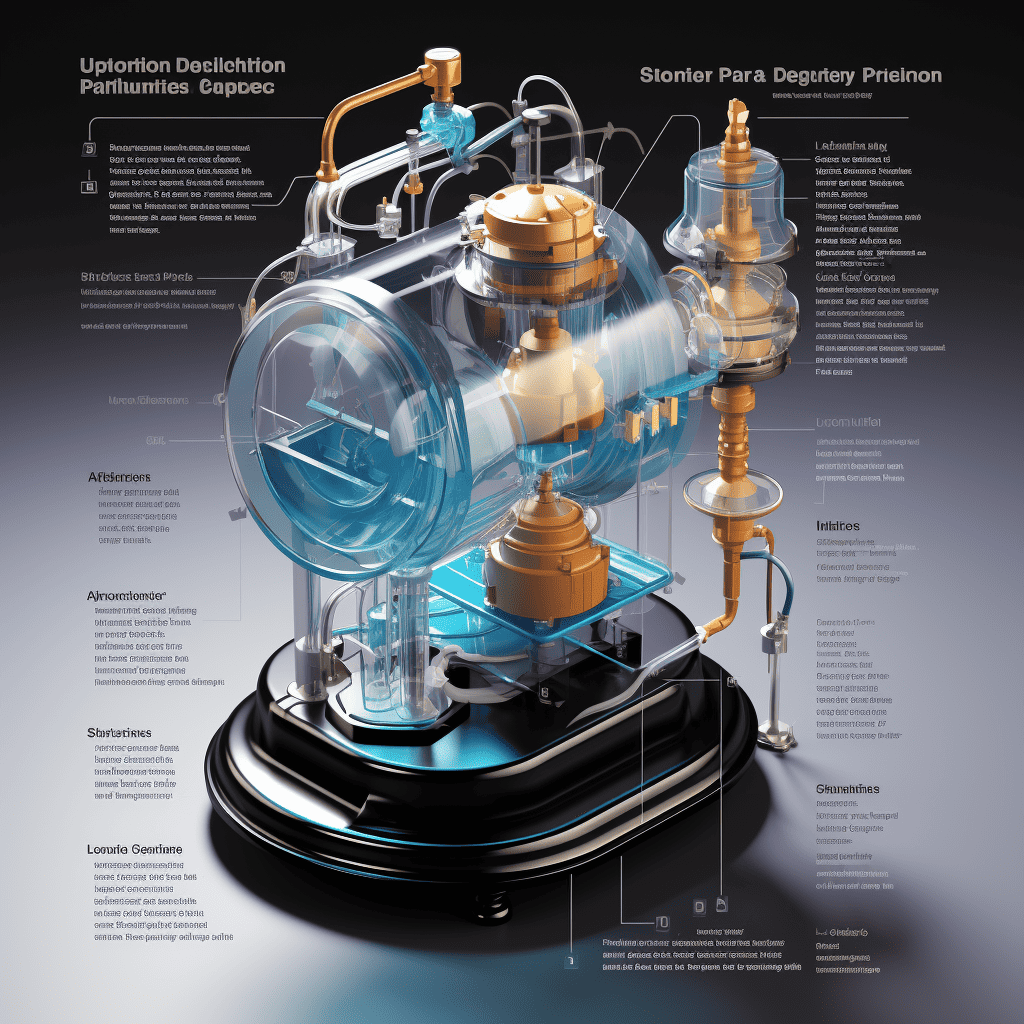
More Factors to Consider When Choosing Diaphragm Pump Fluids
Choosing the right fluids for your diaphragm pump is crucial for optimizing its performance, longevity, and safety. Here are five essential factors to consider when selecting compatible liquids for your pump, along with some missing entities to provide a more comprehensive understanding of each factor.
Chemical Compatibility
Chemical compatibility is the most critical factor when selecting pump fluids. If the fluid is not compatible with the pump materials, it can lead to corrosion, swelling, or degradation of the pump components, resulting in leaks, failures, and costly downtime. It is essential to consult the pump manufacturer’s guidelines and material compatibility charts to ensure that the selected fluid is compatible with the pump materials. For example, stainless steel pumps are suitable for handling corrosive fluids, while plastic pumps are ideal for handling non-corrosive fluids. Missing entities: corrosion resistance, chemical resistance, wetted materials.
Viscosity
Viscosity is the fluid’s resistance to flow, and it affects the pump’s performance and efficiency. Diaphragm pumps are designed to handle a wide range of viscosities, but it is essential to select a pump that is suitable for the specific viscosity of the fluid being transferred. High viscosity fluids require more power to transfer and can cause excessive wear on the pump components if the pump is not designed for high viscosity service. For instance, air-operated double diaphragm (AODD) pumps are suitable for handling highly viscous fluids. Missing entities: flow rate, shear rate, laminar flow.
Temperature
Temperature can also affect the pump’s performance and lifespan. Diaphragm pumps can handle a wide range of temperatures, but it is essential to select a pump that is suitable for the specific temperature of the fluid being transferred. High temperatures can cause the pump materials to degrade or become brittle, leading to leaks and failures. Low temperatures can cause the fluid to thicken or solidify, making it difficult to transfer and potentially damaging the pump components. For example, metal diaphragm pumps are suitable for handling high-temperature fluids, while plastic diaphragm pumps are ideal for handling low-temperature fluids. Missing entities: maximum operating temperature, minimum operating temperature, thermal expansion.
Contamination
Contamination of the fluid can also affect the pump’s performance and lifespan. Contaminants such as particles, solids, or other debris can cause wear and tear on the pump components, leading to leaks and failures. It is essential to select a pump that is suitable for the specific contamination level of the fluid being transferred. Diaphragm pumps with larger clearances and more robust check valves can handle higher levels of contamination than those with tighter tolerances. For example, diaphragm pumps with ball check valves are suitable for handling fluids with small solids, while diaphragm pumps with flapper check valves are ideal for handling fluids with large solids. Missing entities: solids content, particle size distribution, abrasiveness.
Regulatory Compliance
Regulatory compliance is another factor to consider when selecting pump fluids. Depending on the application and industry, there may be specific regulations and standards governing the use and handling of certain fluids. It is essential to ensure that the selected fluid complies with all relevant regulations and standards to avoid legal and financial penalties. Consulting with a pump manufacturer or industry expert can help ensure compliance with all relevant regulations and standards. For example, diaphragm pumps used in the food and beverage industry must comply with FDA regulations, while diaphragm pumps used in the chemical industry must comply with OSHA regulations. Missing entities: industry standards, regulatory agencies, safety guidelines.
Additional Considerations
When selecting pump fluids, it is also important to consider factors such as the fluid’s specific gravity, vapor pressure, and flashpoint. These factors can affect the pump’s performance and safety. For example, fluids with a high specific gravity may require a more powerful pump, while fluids with a low flashpoint may require special safety precautions. Missing entities: pump capacity, maximum discharge pressure, suction lift.
In summary, when selecting pump fluids for your diaphragm pump, it is essential to consider the fluid’s chemical compatibility, viscosity, temperature, contamination level, and regulatory compliance. By carefully selecting the right pump fluids, you can ensure the efficient and reliable operation of your diaphragm pump, reduce downtime, and extend the life of your pump components. Additionally, considering factors such as specific gravity, vapor pressure, and flashpoint can further optimize the pump’s performance and safety. Consulting with a pump manufacturer or industry expert can help ensure that you select the right fluids for your specific application and industry regulations.

Compatibility Chart: Matching the Right Liquids to Your Diaphragm Pump for Optimal Performance
Understanding Material Compatibility
Selecting the right diaphragm pump for your application is crucial, and one of the most important factors to consider is material compatibility. The pump’s materials must be able to withstand the chemical and physical properties of the fluid being pumped to prevent corrosion, leaks, and degradation. Consulting the compatibility chart provided by the pump manufacturer will help you choose the appropriate pump materials for your specific application.
Checking the Fluid’s Properties
Before selecting a diaphragm pump, you need to understand the properties of the fluid you will be pumping. These properties include viscosity, pH level, specific gravity, and temperature. A fluid with high viscosity or a low pH level may require a pump with special features such as a larger pumping chamber or corrosion-resistant materials.
Choosing the Right Diaphragm Material
The diaphragm is a critical component in the diaphragm pump, and its material must be compatible with the fluid being pumped. The most common diaphragm materials are Teflon (PTFE), rubber, and polyurethane. Teflon is ideal for highly corrosive fluids due to its excellent chemical resistance, while rubber is suitable for general-purpose applications. Polyurethane diaphragms are suitable for high-pressure and abrasive applications due to their high strength and durability.
Selecting the Right Elastomer Material
Elastomers are used in diaphragm pumps to create a seal between the fluid and the atmosphere. The elastomer material must be compatible with the fluid being pumped to prevent leaks, swelling, and degradation. The most common elastomer materials used in diaphragm pumps are Buna-N, Viton, and EPDM. Buna-N is suitable for most general-purpose applications, while Viton is ideal for highly corrosive fluids due to its excellent chemical resistance. EPDM is suitable for high-temperature applications and is resistant to steam and water.
Considering the Fluid’s Temperature
The fluid’s temperature can significantly impact the performance and longevity of the diaphragm pump. If the fluid’s temperature is too high or too low, it can cause the pump’s materials to degrade, leading to leaks and failures. The compatibility chart provided by the pump manufacturer will indicate the maximum and minimum temperature ranges for each material. It is essential to select a pump that can handle the fluid’s temperature range to ensure optimal performance and longevity.
Verifying the Fluid’s Compatibility with Other Pump Components
Apart from the diaphragm and elastomer materials, other pump components such as check valves, seals, and O-rings must also be compatible with the fluid being pumped. Check valves are critical components that ensure unidirectional flow and prevent backflow, while seals and O-rings prevent leaks. Verify the compatibility of these components with the fluid using the compatibility chart provided by the pump manufacturer.
Consulting with a Pump Expert
If you are unsure about selecting the right diaphragm pump or have specific application requirements, it is recommended to consult with a pump expert. A pump expert can help you choose the right pump materials, size, and configuration for your application to ensure optimal performance and longevity. They can also provide guidance on maintenance and troubleshooting to keep your pump running smoothly.
FAQs
Q: What is the most important factor to consider when selecting a diaphragm pump?
A: Material compatibility is the most critical factor to consider when selecting a diaphragm pump. The pump’s materials must be able to withstand the chemical and physical properties of the fluid being pumped to prevent corrosion, leaks, and degradation.
Q: What are the most common diaphragm materials used in diaphragm pumps?
A: The most common diaphragm materials used in diaphragm pumps are Teflon (PTFE), rubber, and polyurethane.
Q: What is the purpose of elastomers in diaphragm pumps?
A: Elastomers are used in diaphragm pumps to create a seal between the fluid and the atmosphere. They must be compatible with the fluid being pumped to prevent leaks, swelling, and degradation.
Q: What is the maximum temperature range for a Buna-N elastomer?
A: The maximum temperature range for a Buna-N elastomer is 200°F (93°C).
Q: What is the recommended maintenance schedule for diaphragm pumps?
A: It is recommended to perform regular maintenance on diaphragm pumps to ensure optimal performance and longevity. The recommended maintenance schedule will vary depending on the specific pump and application. Consult with the pump manufacturer or a pump expert for guidance on maintenance and troubleshooting.
Q: Can diaphragm pumps handle slurries?
A: Yes, some diaphragm pumps are designed to handle slurries. However, it is essential to verify the compatibility of the pump’s materials and configuration with the specific slurry being pumped.
Q: What is the difference between a metallic and non-metallic diaphragm pump?
A: Metallic diaphragm pumps are made of metal components, while non-metallic diaphragm pumps are made of non-metal components such as plastic or ceramic. Non-metallic diaphragm pumps are typically used for applications involving corrosive fluids or fluids with high purity requirements.
Q: What is the difference between a mechanical and air-operated diaphragm pump?
A: Mechanical diaphragm pumps are powered by an electric motor or engine, while air-operated diaphragm pumps are powered by compressed air. Air-operated diaphragm pumps are typically used for applications requiring explosion-proof or intrinsically safe equipment.
Q: What is the maximum pressure range for a diaphragm pump?
A: The maximum pressure range for a diaphragm pump will vary depending on the specific pump model and configuration. Consult with the pump manufacturer or a pump expert for guidance on selecting the appropriate pump for your specific application.
Additional Resources
For more information on diaphragm pumps and selecting the right pump for your application, check out the following resources:
- Diaphragm Pump Selection Guide (Pump-Zone)
- How to Choose the Right Air-Operated Diaphragm Pump (Wilden Pump)
- Choosing the Right Diaphragm Material for Your Pump (PSG Dover)
- What is a Diaphragm Pump? (All-Pumps)
Check Valves
Check valves are critical components in diaphragm pumps, ensuring that fluid flows in only one direction and preventing backflow. The check valves must be compatible with the fluid being pumped to prevent corrosion, leaks, and degradation. Verify the compatibility of the check valves with the fluid using the compatibility chart provided by the pump manufacturer. Different types of check valves, such as ball, swing, and diaphragm check valves, may be used depending on the application requirements and fluid properties.
Always ensure that the fluid temperature is within the recommended range for your pump material.
- Pressure: High pressures can cause fluids to react differently with pump materials. Ensure that the fluid pressure is within the recommended range for your pump material.
- Concentration: The concentration of certain chemicals in fluids can affect their compatibility with pump materials. Always check the manufacturer’s recommendations for fluid concentration.
Failing to Consider Fluid Viscosity
Fluid viscosity is an essential factor to consider when selecting fluids for diaphragm pumps. If the fluid is too viscous, it can cause the pump to work harder than necessary, resulting in higher energy consumption and premature wear. Conversely, if the fluid is too thin, it may not generate enough pressure to move the diaphragm correctly, resulting in poor pump performance. To avoid this mistake, consult the pump manufacturer’s recommendations for fluid viscosity and select a fluid that falls within the recommended range.
Neglecting Fluid Chemical Properties
The chemical properties of fluids can affect the performance of diaphragm pumps. For example, some fluids may be abrasive, causing excessive wear on the pump components. Others may contain solids that can clog the pump or damage the diaphragm. To avoid this mistake, consult the pump manufacturer’s recommendations for fluid chemical properties and select a fluid that meets these requirements. Additionally, consider the following:
- pH Level: Fluids with high or low pH levels can cause corrosion or damage to pump components. Always check the pH level of the fluid and ensure it falls within the recommended range for your pump material.
- Abrasiveness: Abrasive fluids can cause excessive wear on the pump components. Consider using a pump with wear-resistant materials or selecting a less abrasive fluid.
- Solids Content: Fluids with high solid content can clog the pump or damage the diaphragm. Consider using a pump with a larger inlet or selecting a fluid with lower solids content.
Ignoring Safety Considerations
Selecting fluids for diaphragm pumps also requires considering safety considerations. Some fluids may be hazardous or flammable, requiring special handling and storage procedures. To avoid this mistake, consult the Material Safety Data Sheet (MSDS) for the fluid and ensure that you have the appropriate safety equipment and procedures in place. Additionally, consider the following:
- Pressure Relief Valves: Pressure relief valves are essential for preventing over-pressurization and reducing the risk of explosion or fire. Ensure that the pressure relief valves are set correctly and functioning properly.
- Emergency Shut-Off Procedures: In case of an emergency, it is essential to have clear procedures for shutting off the pump and isolating the fluid. Ensure that all operators are trained on emergency shut-off procedures.
- Personal Protective Equipment (PPE): Depending on the fluid being transferred, operators may require personal protective equipment (PPE) such as gloves, goggles, or respirators. Ensure that all operators have the appropriate PPE and are trained on its proper use.
By avoiding these common mistakes when selecting fluids for diaphragm pumps, you can improve the performance and longevity of your equipment, reduce downtime and maintenance costs, and ensure the safety of your operators.


