
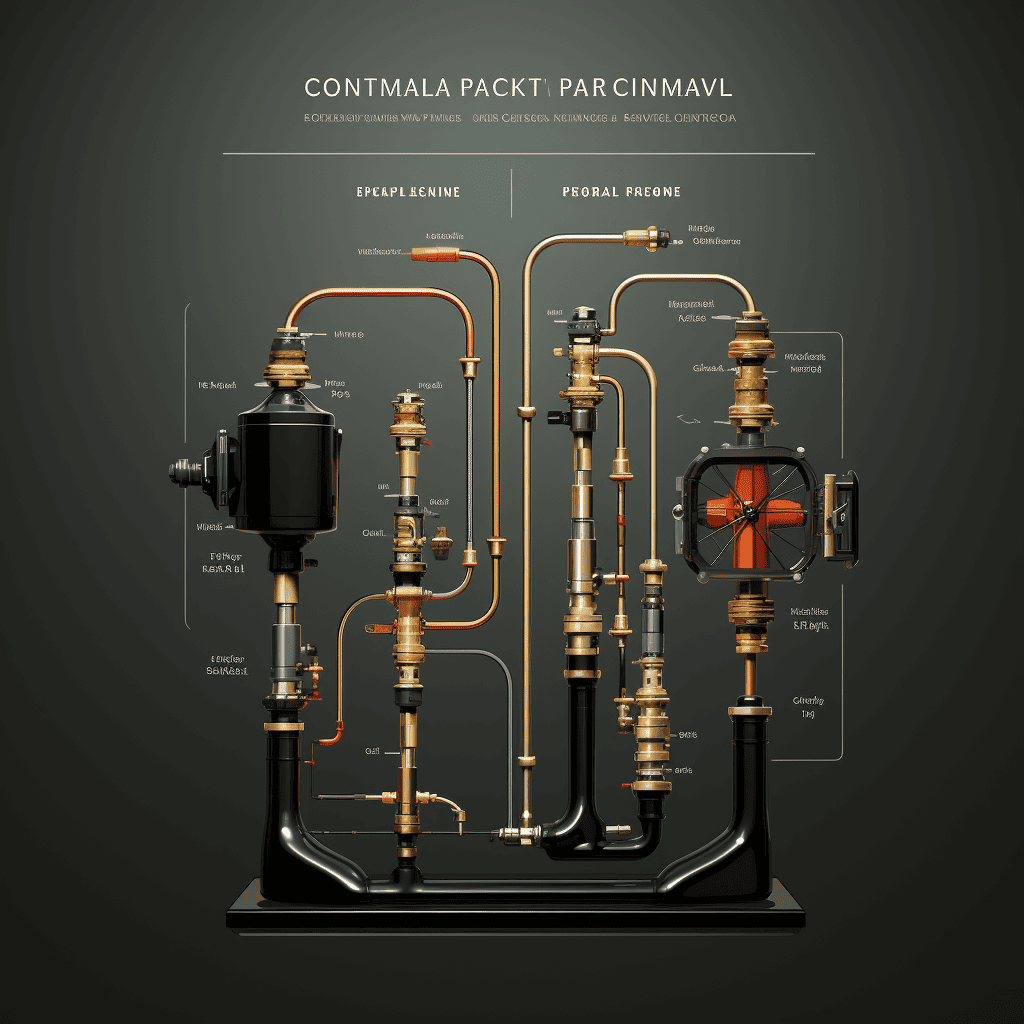
flow rate is required, such as in water supply systems, irrigation systems, and fire protection systems. They are also used in applications where redundancy is necessary to ensure system reliability. By having multiple pumps operating in parallel, if one pump fails, the other pumps can continue to operate, ensuring uninterrupted service.
However, parallel pump configurations have some disadvantages as well. They can be more expensive to install and maintain than series pump configurations since they require additional piping, valves, and control systems. They can also be less energy-efficient than series pump configurations since each pump operates independently and may not be operating at its most efficient point.
How Series Pump Configurations Work
In a series pump configuration, two or more pumps are connected in a sequence, with the discharge of one pump connected to the suction of the next pump. This configuration increases the total head of the system. The total head is the sum of the individual heads of each pump in the series. This means that a series pump configuration can deliver water to a higher elevation or against a higher pressure than a single pump.
Series pump configurations are commonly used in applications where a high head is required, such as in building water supply systems, industrial processes, and wastewater treatment plants. They are also used in applications where a constant flow rate is necessary, since the flow rate through each pump in the series is the same.
One advantage of series pump configurations is that they can be more energy-efficient than parallel pump configurations since each pump operates at its most efficient point. This is because the pumps are operating in series, so they are each working against the same total head. Additionally, series pump configurations can be less expensive to install and maintain than parallel pump configurations since they require less piping and control systems.
However, series pump configurations have some disadvantages as well. They are less reliable than parallel pump configurations since a failure in one pump can cause the entire system to fail. They also may not be suitable for applications where a high flow rate is required since the flow rate is constant throughout the system.
In conclusion, understanding pump configurations is essential in designing an efficient and effective pumping system. Parallel and series pump configurations each have their advantages and disadvantages, depending on the specific application. By carefully considering the requirements of the system, engineers can choose the most appropriate configuration to ensure reliable and efficient operation.
Advantages and Disadvantages of Pumps in Parallel: Boosting Flow Rates and Ensuring Redundancy vs. Complexity and Uneven Flow Distribution
When two or more pumps are connected in parallel, they work together to deliver water from a common inlet to a common outlet. This configuration is often used to increase the flow rate of a system or to provide redundancy in case one of the pumps fails. In this section, we will discuss the advantages and disadvantages of using pumps in parallel, as well as sizing considerations and common applications.
Advantages of Pumps in Parallel
One of the primary advantages of using pumps in parallel is that it can significantly boost the flow rate of a system. This is because the flow rate of each pump is added together to create the total flow rate of the system. For example, if each pump can deliver 100 gallons per minute (GPM), two pumps operating in parallel can deliver 200 GPM. This can be especially useful in applications where a high flow rate is required, such as in water treatment plants, fire protection systems, and irrigation systems.
Another advantage of using pumps in parallel is that it can provide redundancy. If one pump fails, the other pumps can continue to operate, ensuring that the system remains functional. This can be especially important in critical applications where downtime is not an option, such as in hospitals and data centers.
Pumps in parallel can also improve efficiency. By operating multiple pumps at lower speeds, the overall efficiency of the system can be increased. Additionally, pumps operating in parallel can be more energy-efficient than a single large pump operating at full capacity. This can result in lower operating costs and a smaller carbon footprint.
Disadvantages of Pumps in Parallel
One of the primary disadvantages of using pumps in parallel is that it can increase the complexity of the system. Each pump requires its own controller, which can add to the cost and complexity of the system. Additionally, the piping and valves required to connect the pumps in parallel can also add to the cost and complexity of the system.
Another disadvantage of using pumps in parallel is that it can create uneven flow distribution. This is because each pump may not deliver the same flow rate, which can cause some areas of the system to receive more water than others. This can be especially problematic in irrigation systems where uneven water distribution can lead to overwatering or underwatering of crops.
Pumps in parallel can also create pressure imbalances. If one pump is delivering more pressure than the other, it can cause the system to become unbalanced, leading to inefficiency and potential damage to the pumps. This can be especially problematic in fire protection systems where a sudden drop in pressure can compromise the system’s ability to deliver water.
Sizing Pumps in Parallel
When sizing pumps for a parallel configuration, it is important to consider the total flow rate required by the system. Each pump should be sized to deliver a portion of the total flow rate, with some extra capacity to provide redundancy. For example, if the system requires 1000 GPM, two pumps could be sized to deliver 600 GPM each, with a third pump sized to deliver 400 GPM to provide redundancy.
It is also important to consider the total head required by the system. Each pump should be sized to deliver the same head, as differences in head can lead to uneven flow distribution and pressure imbalances. This can be especially important in water treatment plants where consistent pressure is necessary to maintain proper filtration and disinfection.
Maintenance of Pumps in Parallel
Maintaining pumps in parallel can be more complex than maintaining a single pump. Each pump should be regularly inspected and maintained to ensure that it is operating at peak efficiency. Additionally, the controllers for each pump should be synchronized to ensure that they are operating in harmony.
If one pump fails, it is important to identify the cause of the failure and to repair or replace the pump as soon as possible. This can help to prevent downtime and ensure that the system remains functional.
Applications of Pumps in Parallel
Pumps in parallel are commonly used in applications where a high flow rate is required, such as in water treatment plants, fire protection systems, and irrigation systems. They are also used in applications where redundancy is critical, such as in data centers and hospitals.
In water treatment plants, consistent pressure is necessary to maintain proper filtration and disinfection, making pumps in parallel an ideal solution. In fire protection systems, a sudden drop in pressure can compromise the system’s ability to deliver water, making pumps in parallel an important backup solution. In irrigation systems, uneven water distribution can lead to overwatering or underwatering of crops, making pumps in parallel an important solution for maintaining consistent flow rates. In data centers, downtime can be costly, making pumps in parallel an important backup solution for ensuring continuous operation. In hospitals, redundancy is critical in the event of a pump failure, making pumps in parallel an important solution for ensuring continuous operation.
- Water treatment plants: Consistent pressure is necessary to maintain proper filtration and disinfection, making pumps in parallel an ideal solution.
- Fire protection systems: A sudden drop in pressure can compromise the system’s ability to deliver water, making pumps in parallel an important backup solution.
- Irrigation systems: Uneven water distribution can lead to overwatering or underwatering of crops, making pumps in parallel an important solution for maintaining consistent flow rates.
- Data centers: Downtime can be costly, making pumps in parallel an important backup solution for ensuring continuous operation.
- Hospitals: Redundancy is critical in the event of a pump failure, making pumps in parallel an important solution for ensuring continuous operation.
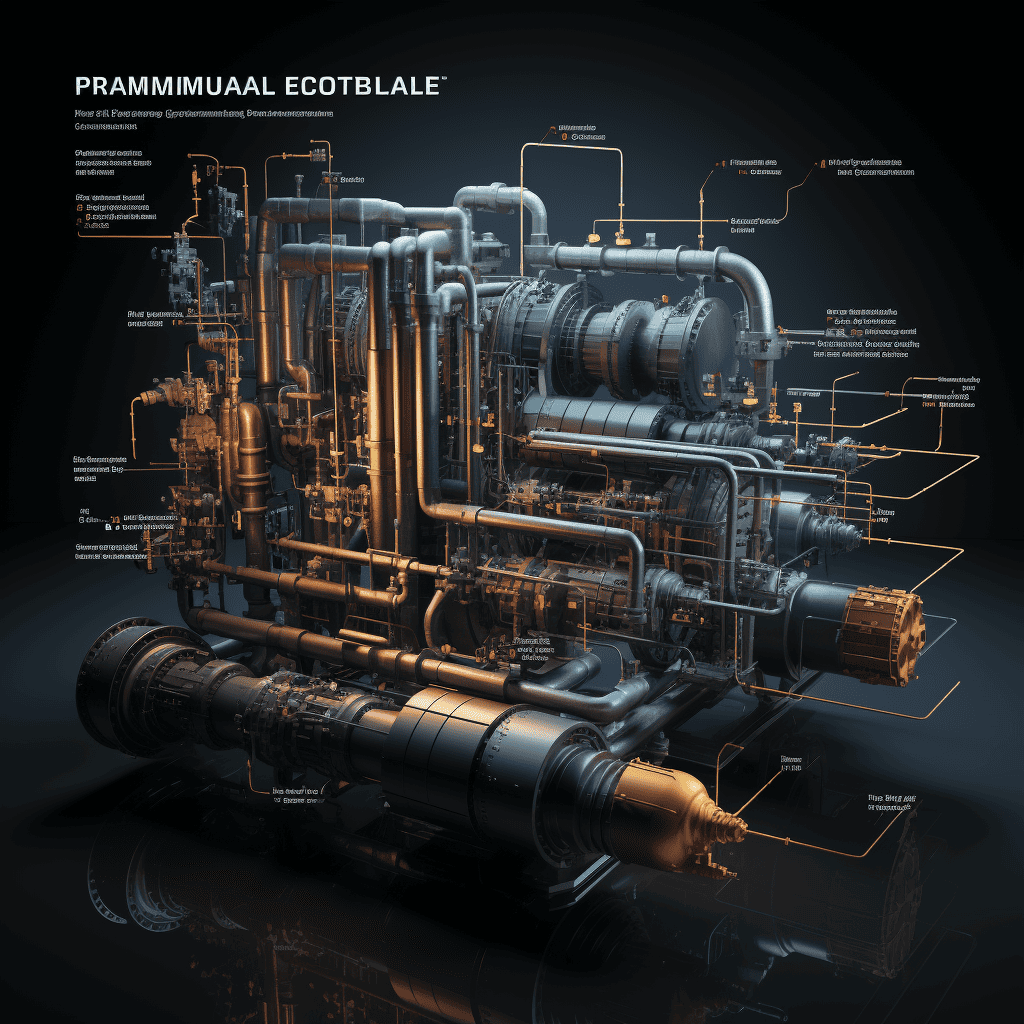
Advantages and Disadvantages of Pumps in Parallel: Boosting Flow Rates and Ensuring Redundancy vs. Complexity and Uneven Flow Distribution
When two or more pumps are connected in parallel, they work together to deliver water from a common inlet to a common outlet. This configuration is often used to increase the flow rate of a system or to provide redundancy in case one of the pumps fails. In this section, we will discuss the advantages and disadvantages of using pumps in parallel, as well as sizing considerations and common applications.
Advantages of Pumps in Parallel
One of the primary advantages of using pumps in parallel is that it can significantly boost the flow rate of a system. This is because the flow rate of each pump is added together to create the total flow rate of the system. For example, if each pump can deliver 100 gallons per minute (GPM), two pumps operating in parallel can deliver 200 GPM. This can be especially useful in applications where a high flow rate is required, such as in water treatment plants, fire protection systems, and irrigation systems.
Another advantage of using pumps in parallel is that it can provide redundancy. If one pump fails, the other pumps can continue to operate, ensuring that the system remains functional. This can be especially important in critical applications where downtime is not an option, such as in hospitals and data centers.
Pumps in parallel can also improve efficiency. By operating multiple pumps at lower speeds, the overall efficiency of the system can be increased. Additionally, pumps operating in parallel can be more energy-efficient than a single large pump operating at full capacity. This can result in lower operating costs and a smaller carbon footprint.
Disadvantages of Pumps in Parallel
One of the primary disadvantages of using pumps in parallel is that it can increase the complexity of the system. Each pump requires its own controller, which can add to the cost and complexity of the system. Additionally, the piping and valves required to connect the pumps in parallel can also add to the cost and complexity of the system.
Another disadvantage of using pumps in parallel is that it can create uneven flow distribution. This is because each pump may not deliver the same flow rate, which can cause some areas of the system to receive more water than others. This can be especially problematic in irrigation systems where uneven water distribution can lead to overwatering or underwatering of crops. To mitigate this issue, it is important to size the pumps correctly and to monitor the system regularly to ensure that the flow rates are balanced.
Pumps in parallel can also create pressure imbalances. If one pump is delivering more pressure than the other, it can cause the system to become unbalanced, leading to inefficiency and potential damage to the pumps. This can be especially problematic in fire protection systems where a sudden drop in pressure can compromise the system’s ability to deliver water. To mitigate this issue, it is important to size the pumps correctly and to monitor the system regularly to ensure that the pressures are balanced.
Sizing Pumps in Parallel
When sizing pumps for a parallel configuration, it is important to consider the total flow rate required by the system. Each pump should be sized to deliver a portion of the total flow rate, with some extra capacity to provide redundancy. For example, if the system requires 1000 GPM, two pumps could be sized to deliver 600 GPM each, with a third pump sized to deliver 400 GPM to provide redundancy.
It is also important to consider the total head required by the system. Each pump should be sized to deliver the same head, as differences in head can lead to uneven flow distribution and pressure imbalances. This can be especially important in water treatment plants where consistent pressure is necessary to maintain proper filtration and disinfection.
When sizing pumps in parallel, it is important to consider the operating costs of the system. While multiple pumps operating in parallel can improve efficiency and reduce energy costs, they can also increase maintenance costs due to the need for more controllers and additional piping and valves.
Maintenance of Pumps in Parallel
Maintaining pumps in parallel can be more complex than maintaining a single pump. Each pump should be regularly inspected and maintained to ensure that it is operating at peak efficiency. Additionally, the controllers for each pump should be synchronized to ensure that they are operating in harmony.
If one pump fails, it is important to identify the cause of the failure and to repair or replace the pump as soon as possible. This can help to prevent downtime and ensure that the system remains functional. It is also important to monitor the system regularly to ensure that the flow rates and pressures are balanced and that the pumps are operating efficiently.
Applications of Pumps in Parallel
Pumps in parallel are commonly used in applications where a high flow rate is required, such as in water treatment plants, fire protection systems, and irrigation systems. They are also used in applications where redundancy is critical, such as in data centers and hospitals.
In water treatment plants, consistent pressure is necessary to maintain proper filtration and disinfection, making pumps in parallel an ideal solution. In fire protection systems, a sudden drop in pressure can compromise the system’s ability to deliver water, making pumps in parallel an important backup solution. In irrigation systems, uneven water distribution can lead to overwatering or underwatering of crops, making pumps in parallel an important solution for maintaining consistent flow rates. In data centers, downtime can be costly, making pumps in parallel an important backup solution for ensuring continuous operation. In hospitals, redundancy is critical in the event of a pump failure, making pumps in parallel an important solution for ensuring continuous operation.
Additional Considerations
When considering a parallel pump configuration, it is important to consider the **cost** of the system. While multiple pumps operating in parallel can improve efficiency and reduce energy costs, they can also increase maintenance costs due to the need for more controllers and additional piping and valves.
It is also important to consider the **reliability** of the system. While redundancy can improve reliability, it is important to ensure that the pumps are properly sized and synchronized to prevent uneven flow distribution and pressure imbalances.
Finally, it is important to consider the **environmental impact** of the system. While pumps in parallel can improve efficiency and reduce energy costs, they can also increase the carbon footprint of the system due to the need for more controllers and additional piping and valves. It is important to consider the environmental impact of the system and to choose a configuration that balances efficiency, reliability, and sustainability.
- Operating costs: The cost of running and maintaining the pumps in a parallel configuration.
- Redundancy: The use of multiple pumps to ensure that the system remains functional in the event of a pump failure.
- Uneven flow distribution: The unequal distribution of water in a system due to differences in flow rates between pumps.
- Pressure imbalances: The unequal distribution of pressure in a system due to differences in head between pumps.
- Operating efficiency: The efficiency of the pumps in a parallel configuration, which can be improved by operating multiple pumps at lower speeds.
- Maintenance costs: The cost of maintaining the pumps in a parallel configuration, which can be higher due to the need for more controllers and additional piping and valves.
- Environmental impact: The impact of the pumps in a parallel configuration on the environment, which can be increased due to the need for more controllers and additional piping and valves.
Advantages and Disadvantages of Pumps in Parallel: Boosting Flow Rates and Ensuring Redundancy vs. Complexity and Uneven Flow Distribution
When two or more pumps are connected in parallel, they work together to deliver water from a common inlet to a common outlet. This configuration is often used to increase the flow rate of a system or to provide redundancy in case one of the pumps fails. In this section, we will discuss the advantages and disadvantages of using pumps in parallel, as well as sizing considerations and common applications.
Advantages of Pumps in Parallel
One of the primary advantages of using pumps in parallel is that it can significantly boost the flow rate of a system. This is because the flow rate of each pump is added together to create the total flow rate of the system. For example, if each pump can deliver 100 gallons per minute (GPM), two pumps operating in parallel can deliver 200 GPM. This can be especially useful in applications where a high flow rate is required, such as in water treatment plants, fire protection systems, and irrigation systems.
Another advantage of using pumps in parallel is that it can provide redundancy. If one pump fails, the other pumps can continue to operate, ensuring that the system remains functional. This can be especially important in critical applications where downtime is not an option, such as in hospitals and data centers.
Pumps in parallel can also improve efficiency. By operating multiple pumps at lower speeds, the overall efficiency of the system can be increased. Additionally, pumps operating in parallel can be more energy-efficient than a single large pump operating at full capacity. This can result in lower operating costs and a smaller carbon footprint.
Disadvantages of Pumps in Parallel
One of the primary disadvantages of using pumps in parallel is that it can increase the complexity of the system. Each pump requires its own controller, which can add to the cost and complexity of the system. Additionally, the piping and valves required to connect the pumps in parallel can also add to the cost and complexity of the system.
Another disadvantage of using pumps in parallel is that it can create uneven flow distribution. This is because each pump may not deliver the same flow rate, which can cause some areas of the system to receive more water than others. This can be especially problematic in irrigation systems where uneven water distribution can lead to overwatering or underwatering of crops. To mitigate this issue, it is important to size the pumps correctly and to monitor the system regularly to ensure that the flow rates are balanced.
Pumps in parallel can also create pressure imbalances. If one pump is delivering more pressure than the other, it can cause the system to become unbalanced, leading to inefficiency and potential damage to the pumps. This can be especially problematic in fire protection systems where a sudden drop in pressure can compromise the system’s ability to deliver water. To mitigate this issue, it is important to size the pumps correctly and to monitor the system regularly to ensure that the pressures are balanced.
Sizing Pumps in Parallel
When sizing pumps for a parallel configuration, it is important to consider the total flow rate required by the system. Each pump should be sized to deliver a portion of the total flow rate, with some extra capacity to provide redundancy. For example, if the system requires 1000 GPM, two pumps could be sized to deliver 600 GPM each, with a third pump sized to deliver 400 GPM to provide redundancy.
It is also important to consider the total head required by the system. Each pump should be sized to deliver the same head, as differences in head can lead to uneven flow distribution and pressure imbalances. This can be especially important in water treatment plants where consistent pressure is necessary to maintain proper filtration and disinfection.
When sizing pumps in parallel, it is important to consider the operating costs of the system. While multiple pumps operating in parallel can improve efficiency and reduce energy costs, they can also increase maintenance costs due to the need for more controllers and additional piping and valves.
Maintenance of Pumps in Parallel
Maintaining pumps in parallel can be more complex than maintaining a single pump. Each pump should be regularly inspected and maintained to ensure that it is operating at peak efficiency. Additionally, the controllers for each pump should be synchronized to ensure that they are operating in harmony.
If one pump fails, it is important to identify the cause of the failure and to repair or replace the pump as soon as possible. This can help to prevent downtime and ensure that the system remains functional. It is also important to monitor the system regularly to ensure that the flow rates and pressures are balanced and that the pumps are operating efficiently.
Applications of Pumps in Parallel
Pumps in parallel are commonly used in applications where a high flow rate is required, such as in water treatment plants, fire protection systems, and irrigation systems. They are also used in applications where redundancy is critical, such as in data centers and hospitals.
In water treatment plants, consistent pressure is necessary to maintain proper filtration and disinfection, making pumps in parallel an ideal solution. In fire protection systems, a sudden drop in pressure can compromise the system’s ability to deliver water, making pumps in parallel an important backup solution. In irrigation systems, uneven water distribution can lead to overwatering or underwatering of crops, making pumps in parallel an important solution for maintaining consistent flow rates. In data centers, downtime can be costly, making pumps in parallel an important backup solution for ensuring continuous operation. In hospitals, redundancy is critical in the event of a pump failure, making pumps in parallel an important solution for ensuring continuous operation.
Additional Considerations
When considering a parallel pump configuration, it is important to consider the cost of the system. While multiple pumps operating in parallel can improve efficiency and reduce energy costs, they can also increase maintenance costs due to the need for more controllers and additional piping and valves.
It is also important to consider the reliability of the system. While redundancy can improve reliability, it is important to ensure that the pumps are properly sized and synchronized to prevent uneven flow distribution and pressure imbalances.
Finally, it is important to consider the environmental impact of the system. While pumps in parallel can improve efficiency and reduce energy costs, they can also increase the carbon footprint of the system due to the need for more controllers and additional piping and valves. It is important to consider the environmental impact of the system and to choose a configuration that balances efficiency, reliability, and sustainability.
- Operating costs: The cost of running and maintaining the pumps in a parallel configuration.
- Redundancy: The use of multiple pumps to ensure that the system remains functional in the event of a pump failure.
- Uneven flow distribution: The unequal distribution of water in a system due to differences in flow rates between pumps.
- Pressure imbalances: The unequal distribution of pressure in a system due to differences in head between pumps.
- Operating efficiency: The efficiency of the pumps in a parallel configuration, which can be improved by operating multiple pumps at lower speeds.
- Maintenance costs: The cost of maintaining the pumps in a parallel configuration, which can be higher due to the need for more controllers and additional piping and valves.
- Environmental impact: The impact of the pumps in a parallel configuration on the environment, which can be increased due to the need for more controllers and additional piping and valves.

This can help to minimize downtime and prevent interruptions in service. This is particularly important in applications where continuous operation is critical, such as in water treatment or chemical processing plants.
Disadvantages of Pumps in Series
Decreased flow rate: One of the main disadvantages of using pumps in series is that it can decrease the flow rate of the system. This is because the flow rate of the entire system is limited by the flow rate of the pump with the lowest capacity. If one pump can only provide 100 gallons per minute (gpm) of flow, for example, adding additional pumps in series will not increase the flow rate beyond 100 gpm.
Increased complexity: Pumps in series can also increase the complexity of the system. This is because each pump must be properly sized and configured to work with the other pumps in the system. Additionally, the piping and valves used to connect the pumps must be carefully designed to ensure that the flow is evenly distributed between the pumps and that the pressure is properly regulated.
Risk of cavitation: Cavitation is a phenomenon that can occur in pumps when the pressure drops below the vapor pressure of the fluid being pumped. This can cause the formation of vapor bubbles, which can collapse and cause damage to the pump impeller. When pumps are operated in series, the risk of cavitation is increased because the pressure drop across each pump is additive. This means that the pressure drop across the entire system can be significant, increasing the risk of cavitation and potential damage to the pumps.
Maintenance and repair: Pumps in series can also require more frequent maintenance and repair than a single pump. This is because there are more components in the system that can fail, and because the pumps are operating under higher pressure, which can increase wear and tear. Additionally, because the pumps are connected in series, a failure in one pump can cause the entire system to fail, making it more difficult and time-consuming to repair.
Pumps in series can offer significant advantages in terms of increased pressure or head, reduced pump size, and redundancy. However, they also have some disadvantages, including decreased flow rate, increased complexity, risk of cavitation, and increased maintenance and repair requirements. Careful consideration of these factors is necessary to determine whether pumps in series are the best option for a particular application.

When it comes to designing a fluid handling system, selecting the appropriate pump configuration is a crucial decision that can significantly impact the overall performance, efficiency, and reliability of your application. In this article, we will discuss the factors to consider when deciding between pumps in parallel and pumps in series.
Flow Rate Requirements
The first factor to consider is the flow rate requirements of your application. If you require a high flow rate, pumps in parallel may be the better option. By connecting two or more pumps in parallel, they can operate simultaneously, and the combined flow rate will be equal to the sum of their individual flow rates. This configuration is ideal for applications that require a large volume of fluid to be transferred quickly.
On the other hand, if your application requires a high pressure, pumps in series may be the better option. By connecting two or more pumps in series, the pressure of the system will increase with each subsequent pump. This is because each pump adds to the total pressure of the system, allowing for the transfer of fluid over longer distances or through systems with high resistance.
Efficiency and Energy Consumption
Another important factor to consider is the efficiency and energy consumption of the pump configuration. Pumps in parallel can provide a higher flow rate, but they also consume more energy than a single pump. This is because each pump in the parallel configuration requires its own motor and control system, which can increase energy costs.
In contrast, pumps in series can provide higher pressure with fewer pumps, which can result in lower energy consumption and operating costs. Additionally, pumps in series require fewer motors and control systems, which can reduce equipment costs and simplify system maintenance.
System Reliability and Redundancy
Reliability and redundancy are also important factors to consider when selecting a pump configuration. Pumps in parallel can provide redundancy in the event of a pump failure, as the remaining pumps can continue to operate and maintain system flow. This can help to minimize downtime and reduce the risk of system failure.
Pumps in series, on the other hand, do not provide the same level of redundancy, as a failure in one pump can result in a complete loss of system pressure. However, they can provide increased reliability through the use of multiple pumps, which can help to distribute the workload and reduce the risk of pump failure.
Cost and Maintenance
Finally, cost and maintenance are important factors to consider when selecting a pump configuration. Pumps in parallel can be more expensive to purchase and install, as they require additional motors and control systems. They can also be more expensive to maintain, as each pump requires its own maintenance schedule and spare parts.
In contrast, pumps in series can be less expensive to purchase and install, as they require fewer motors and control systems. They can also be easier to maintain, as there are fewer components to service and repair.
In conclusion, selecting the right pump configuration for your application requires careful consideration of several factors, including flow rate requirements, efficiency and energy consumption, system reliability and redundancy, and cost and maintenance. By taking the time to evaluate these factors, you can ensure that your fluid handling system is optimized for performance, efficiency, and reliability.


