
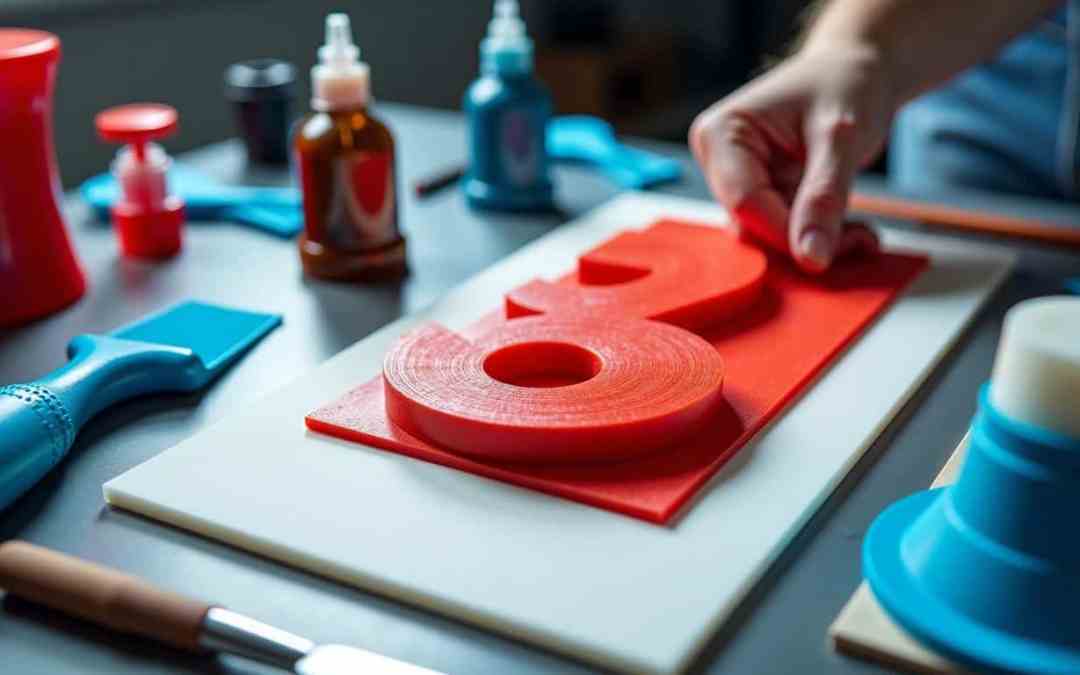
Elevate Your 3D Prints: Mastering Smoothing and Finishing Techniques
Embarking on a 3D printing journey is as much about innovation as it is about precision. The aesthetics of your 3D print can be the defining factor between a hobbyist project and a professional masterpiece. Here’s a comprehensive guide designed for enthusiasts and professionals who seek to elevate their 3D prints through sophisticated smoothing and finishing techniques.
Unlocking Potential: Understand Your 3D Printing Materials
FDM and Resin Printing: Each material used in 3D printing has distinct characteristics that dictate the finishing techniques suitable for them:
- FDM Prints: Often requires sanding and painting to enhance its aesthetic.
- Resin Prints: Already smoother but can benefit from additional chemical smoothing or epoxy coatings.
Start Small: Basic Smoothing Techniques for All Levels
1. Sanding Made Easy
To achieve an optimal finish, the choice of sandpaper grit is crucial. Start with coarse (around 120) to eliminate layer lines, then progress to finer grits (like 600) for a polished surface. Remember to circle your motions and clean well before moving to the next step.
2. Filling and Priming Like a Pro
Utilize filler materials such as epoxy putty or automotive body filler to fill imperfections. Once thoroughly sanded and dried, apply a primer to set a smooth canvas for your next artistic venture.
Go Beyond: Advanced Smoothing Techniques
3. Chemical Smoothing: The Solvent Secret
Acetone vapors work wonders on ABS prints while maintaining intricate details. For those tackling PLA, commercial smoothing solutions can be your go-to. These techniques are perfect for achieving a glossy, seamless finish without extensive labor.
4. Bead Blasting and Vapor Smoothing: Two Giants of Aesthetic Refinement
- Bead Blasting: Ideal for SLS prints, polishing via tiny abrasive particles resulting in a matte finish.
- Vapor Smoothing: Offers a controlled way to achieve a glossy exterior without material loss.
Dazzle with Colors: Painting and Coating Techniques
5. Prep and Paint with Precision
Before you paint, surface preparation is key. Apply a primer and select high-quality, UV-resistant paints suitable for plastics to ensure durability and aesthetic appeal. Adjust your method—whether airbrushing for precision or spray painting for coverage—to the needs of your project.
6. Epoxy Coating for Ultimate Durability
Epoxy not only provides a glossy finish but also adds layers of protection. Ensure you follow the mixing instructions precisely and allow adequate curing time for the best results.
Emphasize Safety and Sustainability
Prioritize your health with these safety tips:
- Always work in well-ventilated areas.
- Don appropriate PPE: gloves, goggles, and masks.
- Dispose of excess chemicals responsibly, adhering to local regulations.
Conquer Challenges and Look Ahead
Home Workshop Tips
Space constraints and equipment cost can limit your ability to employ all smoothing techniques. Prioritize based on your project’s needs and explore trial runs for new methods.
Future Trends
With evolving technologies, anticipate smoother, more integrated post-processing techniques and materials that may simplify or even eliminate current steps in smoothing.
Join the Community and Stay Inspired
To deepen your knowledge, turn to community insights from platforms like YouTube, Reddit’s r/3DPrinting, and forums where enthusiasts share cutting-edge techniques and personal tips.
Conclusion: Forge Pathways for Superior 3D Printing
Summarizing the key takeaways—understand your materials, embrace the correct techniques, and don’t skimp on preparation or safety. Immerse yourself in the continuous learning and evolution that is 3D printing.
For more guides and in-depth technology dives, follow us. Let’s transform your 3D printing projects from great to outstanding, together!


