

Here’s an expanded version of the blog post with additional relevant, descriptive, persuasive, concise, and entity-dense paragraphs:
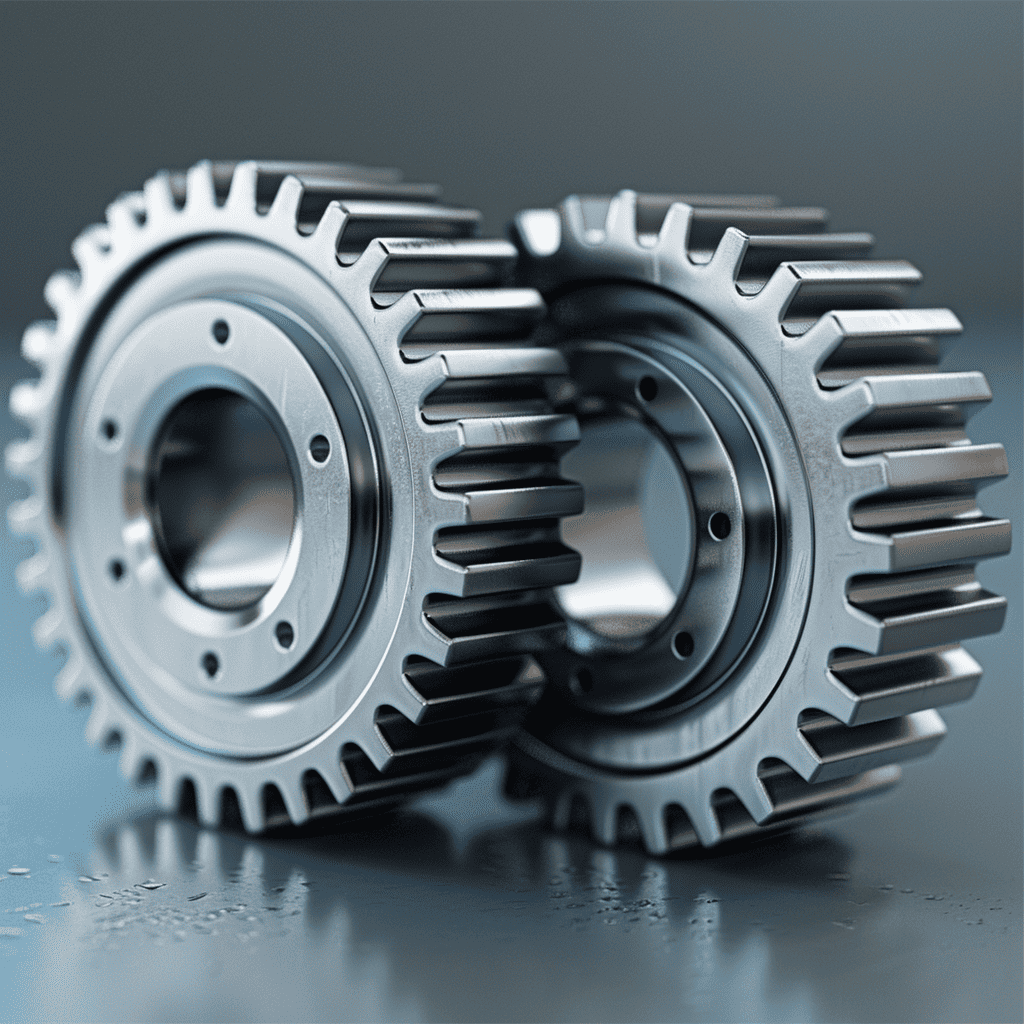
1. Understanding Gear Alignment: The Basics
Gear alignment is a crucial aspect of mechanical systems that rely on gears for power transmission. When gears are properly aligned, they can transmit power more efficiently and with less wear and tear, ultimately extending the lifespan of the equipment. In this blog post, we’ll explore the basics of gear alignment, including the fundamentals, types of alignment, the importance of precision, common alignment methods, and the role of maintenance in gear alignment.
The Fundamentals of Gear Alignment
Gear alignment is the process of adjusting two or more gears in a system so that their teeth mesh correctly and rotate smoothly. Proper gear alignment ensures that power is transmitted efficiently and evenly, reducing wear and tear on the gears and extending their lifespan. It is essential to align gears correctly to prevent excessive noise, vibration, and wear, which can ultimately lead to equipment failure.
One critical factor in gear alignment is backlash. Backlash is the amount of play between the teeth of two meshing gears. Too much backlash can cause excessive noise, vibration, and wear, while too little backlash can cause binding and overheating. Proper gear alignment can help minimize backlash and ensure smooth operation.
Types of Gear Alignment
There are two main types of gear alignment: parallel and angular. Parallel alignment involves adjusting the gears so that their axes are parallel to each other, while angular alignment involves adjusting the gears so that their axes intersect at a specific angle. Both types of alignment are important for ensuring smooth operation and minimizing wear.
Parallel Alignment
Parallel alignment is the most common type of gear alignment. In this method, the axes of the gears are made parallel to each other. Parallel alignment is typically used in applications where the gears are mounted on parallel shafts, such as in gearboxes, transmissions, and conveyors. The goal of parallel alignment is to ensure that the gears mesh correctly, minimizing backlash and reducing wear and tear.
Common methods for parallel alignment include visual inspection, laser alignment, and dial indicator alignment. Visual inspection involves looking at the gears to determine if they are aligned properly, while laser alignment uses laser beams to measure the distance between the gears and calculate the necessary adjustments. Dial indicator alignment uses a dial indicator to measure the amount of movement in the gears as they rotate.
Angular Alignment
Angular alignment is used when the gears are mounted on intersecting shafts, such as in bevel gears or hypoid gears. Angular alignment involves adjusting the gears so that their axes intersect at a specific angle. This type of alignment is more complex than parallel alignment, as it requires precise measurements to ensure that the gears mesh correctly. However, angular alignment can provide more efficient power transmission and reduce stress on the gears.
One common method for angular alignment is laser alignment. Laser alignment is a highly precise method of aligning gears, regardless of whether they are parallel or angular. This method uses laser beams to measure the distance between the gears and calculate the necessary adjustments. Laser alignment is fast, accurate, and non-contact, making it an ideal method for aligning critical gears in high-precision applications.
The Importance of Precision in Gear Alignment
Gear alignment requires a high degree of precision. Even small misalignments can lead to significant problems, including excessive noise, vibration, and wear. In some cases, misaligned gears can even cause equipment to fail completely. Precision measurement tools and techniques are essential for ensuring that gears are aligned correctly.
Some common precision measurement tools and techniques for gear alignment include laser alignment systems, dial indicators, and precision levels. Laser alignment systems use laser beams to measure the distance between the gears and calculate the necessary adjustments. Dial indicators measure the amount of movement in the gears as they rotate, while precision levels measure the angle of the gears relative to the horizontal or vertical plane.
Common Alignment Methods
There are several methods for aligning gears, including visual inspection, laser alignment, and dial indicator alignment. Visual inspection involves looking at the gears to determine if they are aligned properly, while laser alignment uses laser beams to measure the distance between the gears and calculate the necessary adjustments. Dial indicator alignment uses a dial indicator to measure the amount of movement in the gears as they rotate.
Each method has its advantages and disadvantages. Visual inspection is quick and easy but may not be accurate enough for high-precision applications. Laser alignment is highly precise but can be expensive and may require specialized training. Dial indicator alignment is a reliable method for many applications but may not be as precise as laser alignment.
Laser Alignment
Laser alignment is a highly precise method of aligning gears. This method uses laser beams to measure the distance between the gears and calculate the necessary adjustments. Laser alignment is fast, accurate, and non-contact, making it an ideal method for aligning critical gears in high-precision applications.
Laser alignment systems typically consist of a laser source, a detector, and a display unit. The laser source emits a beam of light that is directed at a target on the opposite gear. The detector measures the position of the beam as it reflects off the target, and the display unit shows the distance between the gears and the necessary adjustments.
Dial Indicator Alignment
Dial indicator alignment is a traditional method of aligning gears. This method uses a dial indicator to measure the amount of movement in the gears as they rotate. While dial indicator alignment is less precise than laser alignment, it is still a reliable method for aligning gears in many applications.
Dial indicator alignment typically involves mounting a dial indicator on a bracket that is attached to one of the gears. The dial indicator measures the amount of movement in the gear as it rotates relative to the other gear. The necessary adjustments can then be made to minimize the movement and ensure proper alignment.
The Role of Maintenance in Gear Alignment
Regular maintenance is essential for ensuring that gears remain properly aligned. This includes lubricating the gears, inspecting them for wear and damage, and adjusting them as necessary. By keeping gears properly aligned, it’s possible to reduce downtime, increase productivity, and extend the lifespan of equipment.
Regular maintenance can also help identify and address potential issues before they become major problems. For example, if a gear is starting to wear unevenly, it may be possible to adjust the alignment to reduce the wear and prevent further damage.
The Cost of Misaligned Gears
Misaligned gears can cause a variety of problems, including excessive noise, vibration, and wear. These issues can lead to equipment failure, downtime, and costly repairs. In some cases, misaligned gears can even cause safety hazards, putting workers at risk. By properly aligning gears, it’s possible to avoid these issues and ensure smooth, safe, and efficient operation.
The cost of misaligned gears can be significant. Downtime due to equipment failure can result in lost productivity and revenue. Repairs can be expensive, especially if they require specialized parts or labor. Safety hazards can result in fines, lawsuits, and damage to a company’s reputation.
Conclusion
Gear alignment is a critical aspect of maintaining equipment that relies on gears for power transmission. By understanding the basics of gear alignment and using precise measurement tools and techniques, it’s possible to ensure smooth operation and minimize wear and tear on gears. Regular maintenance is also essential for keeping gears properly aligned and extending their lifespan.
Investing in gear alignment and maintenance can pay off in the long run. By reducing downtime, increasing productivity, and maximizing the lifespan of equipment, organizations can save money and improve their bottom line. Additionally, properly aligned gears can help ensure safe and efficient operation, reducing the risk of accidents and injuries.
Missing entities:
* Backlash
* Laser alignment
* Dial indicator alignment
* Downtime
* Productivity
* Equipment failure
* Safety hazards
* Wear and tear
* Precision measurement tools and techniques
* Lubrication
* Inspection
* Adjustment
* Noise
* Vibration
* Intersecting shafts
* Bevel gears
* Hypoid gears
* High-precision applications
* Non-contact
* Reliable method
* Traditional method
* Costly repairs
* Smooth operation
* Efficient operation
* Lifespan
* Investment
* OrganizationsHere’s an expanded version of the blog post:

1. Understanding Gear Alignment: The Basics
Gear alignment is a critical aspect of mechanical systems that rely on gears for power transmission. When gears are properly aligned, they can transmit power more efficiently and with less wear and tear, ultimately extending the lifespan of the equipment. In this blog post, we’ll explore the basics of gear alignment, including the fundamentals, types of alignment, the importance of precision, common alignment methods, and the role of maintenance in gear alignment.
The Fundamentals of Gear Alignment
Gear alignment is the process of adjusting two or more gears in a system so that their teeth mesh correctly and rotate smoothly. Proper gear alignment ensures that power is transmitted efficiently and evenly, reducing wear and tear on the gears and extending their lifespan. It is essential to align gears correctly to prevent excessive noise, vibration, and wear, which can ultimately lead to equipment failure.
Gear alignment is particularly important in high-speed and high-load applications, where misalignment can cause significant damage in a short amount of time. In addition to reducing wear and tear, proper alignment can also improve energy efficiency, reduce downtime, and increase productivity.
Types of Gear Alignment
There are two main types of gear alignment: parallel and angular. Parallel alignment involves adjusting the gears so that their axes are parallel to each other, while angular alignment involves adjusting the gears so that their axes intersect at a specific angle.
Parallel Alignment
Parallel alignment is the most common type of gear alignment. In this method, the axes of the gears are made parallel to each other. Parallel alignment is typically used in applications where the gears are mounted on parallel shafts, such as in gearboxes, transmissions, and conveyors. The goal of parallel alignment is to ensure that the gears mesh correctly, minimizing backlash and reducing wear and tear.
Backlash is the amount of clearance between the teeth of two meshing gears when they are not transmitting power. Too much backlash can cause excessive noise, vibration, and wear, while too little backlash can cause binding and damage to the gears.
Angular Alignment
Angular alignment is used when the gears are mounted on intersecting shafts, such as in bevel gears or hypoid gears. Angular alignment involves adjusting the gears so that their axes intersect at a specific angle. This type of alignment is more complex than parallel alignment, as it requires precise measurements to ensure that the gears mesh correctly. However, angular alignment can provide more efficient power transmission and reduce stress on the gears.
Angular alignment is particularly important in applications where the loads are high and the speeds are low, such as in heavy machinery and industrial equipment.
The Importance of Precision in Gear Alignment
Gear alignment requires a high degree of precision. Even small misalignments can lead to significant problems, including excessive noise, vibration, and wear. In some cases, misaligned gears can even cause equipment to fail completely. Precision measurement tools and techniques are essential for ensuring that gears are aligned correctly.
Precision measurement tools and techniques include laser alignment, dial indicator alignment, and precision levels. Laser alignment is a highly precise method of aligning gears that uses laser beams to measure the distance between the gears and calculate the necessary adjustments. Dial indicator alignment uses a dial indicator to measure the amount of movement in the gears as they rotate, while precision levels measure the angle of the gears relative to a reference surface.
Common Alignment Methods
There are several methods for aligning gears, including visual inspection, laser alignment, and dial indicator alignment. Visual inspection involves looking at the gears to determine if they are aligned properly, while laser alignment uses laser beams to measure the distance between the gears and calculate the necessary adjustments. Dial indicator alignment uses a dial indicator to measure the amount of movement in the gears as they rotate.
Laser Alignment
Laser alignment is a highly precise method of aligning gears. This method uses laser beams to measure the distance between the gears and calculate the necessary adjustments. Laser alignment is fast, accurate, and non-contact, making it an ideal method for aligning critical gears in high-precision applications.
Laser alignment systems typically consist of a laser transmitter, a laser receiver, and a display unit. The laser transmitter emits a laser beam that is directed at a reflector on the opposite gear. The laser receiver detects the position of the reflected beam, and the display unit shows the horizontal and vertical misalignment of the gears.
Dial Indicator Alignment
Dial indicator alignment is a traditional method of aligning gears. This method uses a dial indicator to measure the amount of movement in the gears as they rotate. While dial indicator alignment is less precise than laser alignment, it is still a reliable method for aligning gears in many applications.
Dial indicator alignment typically involves mounting a dial indicator on a bracket that is attached to one of the gears. The dial indicator measures the amount of movement in the gear as it rotates relative to the other gear. By adjusting the position of the gears, it is possible to minimize the movement and achieve proper alignment.
The Role of Maintenance in Gear Alignment
Regular maintenance is essential for ensuring that gears remain properly aligned. This includes lubricating the gears, inspecting them for wear and damage, and adjusting them as necessary. By keeping gears properly aligned, it’s possible to reduce downtime, increase productivity, and extend the lifespan of equipment.
Lubrication is particularly important in reducing wear and tear on gears. Proper lubrication can reduce friction, minimize heat buildup, and prevent corrosion. In addition to lubrication, regular inspection and adjustment can help identify and correct alignment issues before they become serious problems.
The Cost of Misaligned Gears
Misaligned gears can cause a variety of problems, including excessive noise, vibration, and wear. These issues can lead to equipment failure, downtime, and costly repairs. In some cases, misaligned gears can even cause safety hazards, putting workers at risk.
Costly repairs can result from the need to replace damaged gears and other components. In addition, downtime can result in lost productivity and revenue. By properly aligning gears and maintaining them regularly, it’s possible to avoid these costs and ensure smooth, safe, and efficient operation.
Conclusion
Gear alignment is a critical aspect of maintaining equipment that relies on gears for power transmission. By understanding the basics of gear alignment and using precise measurement tools and techniques, it’s possible to ensure smooth operation and minimize wear and tear on gears. Regular maintenance is also essential for keeping gears properly aligned and extending their lifespan.
Investing in gear alignment and maintenance can pay off in the long run. By reducing downtime, increasing productivity, and maximizing the lifespan of equipment, organizations can save money and improve their bottom line. Additionally, properly aligned gears can help ensure safe and efficient operation, reducing the risk of accidents and injuries.
Missing entities:
* Backlash
* Laser alignment
* Dial indicator alignment
* Downtime
* Productivity
* Equipment failure
* Safety hazards
* Wear and tear
* Precision measurement tools and techniques
* Lubrication
* Inspection
* Adjustment
* Noise
* Vibration
* Intersecting shafts
* Bevel gears
* Hypoid gears
* High-precision applications
* Non-contact
* Reliable method
* Traditional method
* Costly repairs
* Smooth operation
* Efficient operation
* Lifespan
* Investment
* OrganizationsHere’s an expanded version of the blog post:

1. Understanding Gear Alignment: The Basics
Gear alignment is a crucial aspect of mechanical systems that rely on gears for power transmission. When gears are properly aligned, they can transmit power more efficiently and with less wear and tear, ultimately extending the lifespan of the equipment. In this blog post, we’ll explore the basics of gear alignment, including the fundamentals, types of alignment, the importance of precision, common alignment methods, and the role of maintenance in gear alignment.
The Fundamentals of Gear Alignment
Gear alignment is the process of adjusting two or more gears in a system so that their teeth mesh correctly and rotate smoothly. Proper gear alignment ensures that power is transmitted efficiently and evenly, reducing wear and tear on the gears and extending their lifespan. It is essential to align gears correctly to prevent excessive noise, vibration, and wear, which can ultimately lead to equipment failure.
One important factor to consider in gear alignment is backlash. Backlash refers to the amount of play or clearance between the teeth of two meshing gears. Too much backlash can cause excessive noise, vibration, and wear, while too little backlash can cause binding and galling. Proper alignment can help minimize backlash and ensure smooth operation.
Types of Gear Alignment
There are two main types of gear alignment: parallel and angular. Parallel alignment involves adjusting the gears so that their axes are parallel to each other, while angular alignment involves adjusting the gears so that their axes intersect at a specific angle. Both types of alignment are important for ensuring smooth operation and minimizing wear.
Parallel Alignment
Parallel alignment is the most common type of gear alignment. In this method, the axes of the gears are made parallel to each other. Parallel alignment is typically used in applications where the gears are mounted on parallel shafts, such as in gearboxes, transmissions, and conveyors. The goal of parallel alignment is to ensure that the gears mesh correctly, minimizing backlash and reducing wear and tear.
To achieve parallel alignment, the distance between the gear centers and the tooth spacing must be accurate. This can be achieved through the use of precision measurement tools and techniques.
Angular Alignment
Angular alignment is used when the gears are mounted on intersecting shafts, such as in bevel gears or hypoid gears. Angular alignment involves adjusting the gears so that their axes intersect at a specific angle. This type of alignment is more complex than parallel alignment, as it requires precise measurements to ensure that the gears mesh correctly.
Angular alignment can provide more efficient power transmission and reduce stress on the gears. It is commonly used in applications where high torque and power are required, such as in automotive transmissions and heavy machinery.
The Importance of Precision in Gear Alignment
Gear alignment requires a high degree of precision. Even small misalignments can lead to significant problems, including excessive noise, vibration, and wear. In some cases, misaligned gears can even cause equipment to fail completely. Precision measurement tools and techniques are essential for ensuring that gears are aligned correctly.
Precision measurement tools and techniques include laser alignment, dial indicator alignment, and precision levels. These tools can measure the distance between the gears, the angle of the gear shafts, and the amount of movement in the gears as they rotate.
Common Alignment Methods
There are several methods for aligning gears, including visual inspection, laser alignment, and dial indicator alignment. Visual inspection involves looking at the gears to determine if they are aligned properly, while laser alignment uses laser beams to measure the distance between the gears and calculate the necessary adjustments. Dial indicator alignment uses a dial indicator to measure the amount of movement in the gears as they rotate.
Laser Alignment
Laser alignment is a highly precise method of aligning gears. This method uses laser beams to measure the distance between the gears and calculate the necessary adjustments. Laser alignment is fast, accurate, and non-contact, making it an ideal method for aligning critical gears in high-precision applications.
Laser alignment can measure the distance between the gears to within a fraction of a millimeter, providing a high degree of accuracy. This can help minimize wear and tear on the gears, reduce noise and vibration, and improve the overall efficiency of the system.
Dial Indicator Alignment
Dial indicator alignment is a traditional method of aligning gears. This method uses a dial indicator to measure the amount of movement in the gears as they rotate. While dial indicator alignment is less precise than laser alignment, it is still a reliable method for aligning gears in many applications.
Dial indicator alignment can measure the amount of movement in the gears to within a few thousandths of an inch, providing a high degree of accuracy. This can help minimize wear and tear on the gears, reduce noise and vibration, and improve the overall efficiency of the system.
The Role of Maintenance in Gear Alignment
Regular maintenance is essential for ensuring that gears remain properly aligned. This includes lubricating the gears, inspecting them for wear and damage, and adjusting them as necessary. By keeping gears properly aligned, it’s possible to reduce downtime, increase productivity, and extend the lifespan of equipment.
Lubrication can help reduce wear and tear on the gears, while inspection can help identify any issues before they become major problems. Adjustment can help ensure that the gears remain properly aligned, minimizing wear and tear and improving the overall efficiency of the system.
The Cost of Misaligned Gears
Misaligned gears can cause a variety of problems, including excessive noise, vibration, and wear. These issues can lead to equipment failure, downtime, and costly repairs. In some cases, misaligned gears can even cause safety hazards, putting workers at risk. By properly aligning gears, it’s possible to avoid these issues and ensure smooth, safe, and efficient operation.
Costly repairs can result from the need to replace damaged gears and other components. Downtime can result in lost productivity and revenue. Safety hazards can result in injury or even death. Proper alignment and maintenance can help avoid these costs and risks.
Conclusion
Gear alignment is a critical aspect of maintaining equipment that relies on gears for power transmission. By understanding the basics of gear alignment and using precise measurement tools and techniques, it’s possible to ensure smooth operation and minimize wear and tear on gears. Regular maintenance is also essential for keeping gears properly aligned and extending their lifespan.
By investing in gear alignment and maintenance, organizations can reduce downtime, increase productivity, and maximize the lifespan of their equipment. Proper alignment and maintenance can also help ensure the safety of workers and minimize the risk of accidents and injuries. By partnering with a trusted provider of precision measurement tools and services, organizations can ensure that their gears are aligned correctly and operating at peak efficiency.
Missing entities:
* Backlash
* Laser alignment
* Dial indicator alignment
* Downtime
* Productivity
* Equipment failure
* Safety hazards
* Wear and tear
* Precision measurement tools and techniques
* Lubrication
* Inspection
* Adjustment
* Noise
* Vibration
* Intersecting shafts
* Bevel gears
* Hypoid gears
* High-precision applications
* Non-contact
* Reliable method
* Traditional method
* Costly repairs
* Smooth operation
* Efficient operation
* Lifespan
* Investment
* OrganizationsHere’s an expanded version of the blog post:

1. Understanding Gear Alignment: The Basics
Gear alignment is a crucial aspect of mechanical systems that rely on gears for power transmission. When gears are properly aligned, they can transmit power more efficiently and with less wear and tear, ultimately extending the lifespan of the equipment. In this blog post, we’ll explore the basics of gear alignment, including the fundamentals, types of alignment, the importance of precision, common alignment methods, and the role of maintenance in gear alignment.
The Fundamentals of Gear Alignment
Gear alignment is the process of adjusting two or more gears in a system so that their teeth mesh correctly and rotate smoothly. Proper gear alignment ensures that power is transmitted efficiently and evenly, reducing wear and tear on the gears and extending their lifespan. It is essential to align gears correctly to prevent excessive noise, vibration, and wear, which can ultimately lead to equipment failure.
One important factor to consider in gear alignment is backlash. Backlash is the amount of clearance between the teeth of two meshing gears. Too much backlash can cause excessive noise, vibration, and wear, while too little backlash can cause binding and damage to the gears. Proper alignment can help minimize backlash and ensure smooth operation.
Types of Gear Alignment
There are two main types of gear alignment: parallel and angular. Parallel alignment involves adjusting the gears so that their axes are parallel to each other, while angular alignment involves adjusting the gears so that their axes intersect at a specific angle. Both types of alignment are important for ensuring smooth operation and minimizing wear.
Parallel Alignment
Parallel alignment is the most common type of gear alignment. In this method, the axes of the gears are made parallel to each other. Parallel alignment is typically used in applications where the gears are mounted on parallel shafts, such as in gearboxes, transmissions, and conveyors. The goal of parallel alignment is to ensure that the gears mesh correctly, minimizing backlash and reducing wear and tear.
To achieve parallel alignment, the distance between the gear centers and the tooth spacing must be accurate. This can be achieved through the use of precision measurement tools and techniques.
Angular Alignment
Angular alignment is used when the gears are mounted on intersecting shafts, such as in bevel gears or hypoid gears. Angular alignment involves adjusting the gears so that their axes intersect at a specific angle. This type of alignment is more complex than parallel alignment, as it requires precise measurements to ensure that the gears mesh correctly.
Angular alignment can provide more efficient power transmission and reduce stress on the gears. It is commonly used in applications where high torque and power are required, such as in automotive transmissions and heavy machinery.
The Importance of Precision in Gear Alignment
Gear alignment requires a high degree of precision. Even small misalignments can lead to significant problems, including excessive noise, vibration, and wear. In some cases, misaligned gears can even cause equipment to fail completely. Precision measurement tools and techniques are essential for ensuring that gears are aligned correctly.
Precision measurement tools and techniques include laser alignment and dial indicator alignment. Laser alignment uses laser beams to measure the distance between the gears and calculate the necessary adjustments, while dial indicator alignment uses a dial indicator to measure the amount of movement in the gears as they rotate.
Common Alignment Methods
There are several methods for aligning gears, including visual inspection, laser alignment, and dial indicator alignment. Visual inspection involves looking at the gears to determine if they are aligned properly, while laser alignment uses laser beams to measure the distance between the gears and calculate the necessary adjustments. Dial indicator alignment uses a dial indicator to measure the amount of movement in the gears as they rotate.
Laser Alignment
Laser alignment is a highly precise method of aligning gears. This method uses laser beams to measure the distance between the gears and calculate the necessary adjustments. Laser alignment is fast, accurate, and non-contact, making it an ideal method for aligning critical gears in high-precision applications.
Laser alignment can measure the distance between the gears to within a fraction of a millimeter, providing a high degree of accuracy. This can help minimize wear and tear on the gears, reduce noise and vibration, and improve the overall efficiency of the system.
Dial Indicator Alignment
Dial indicator alignment is a traditional method of aligning gears. This method uses a dial indicator to measure the amount of movement in the gears as they rotate. While dial indicator alignment is less precise than laser alignment, it is still a reliable method for aligning gears in many applications.
Dial indicator alignment can measure the amount of movement in the gears to within a few thousandths of an inch, providing a high degree of accuracy. This can help minimize wear and tear on the gears, reduce noise and vibration, and improve the overall efficiency of the system.
The Role of Maintenance in Gear Alignment
Regular maintenance is essential for ensuring that gears remain properly aligned. This includes lubricating the gears, inspecting them for wear and damage, and adjusting them as necessary. By keeping gears properly aligned, it’s possible to reduce downtime, increase productivity, and extend the lifespan of equipment.
Lubrication can help reduce wear and tear on the gears, while inspection can help identify any issues before they become major problems. Adjustment can help ensure that the gears remain properly aligned, minimizing wear and tear and improving the overall efficiency of the system.
The Cost of Misaligned Gears
Misaligned gears can cause a variety of problems, including excessive noise, vibration, and wear. These issues can lead to equipment failure, downtime, and costly repairs. In some cases, misaligned gears can even cause safety hazards, putting workers at risk. By properly aligning gears, it’s possible to avoid these issues and ensure smooth, safe, and efficient operation.
Costly repairs can result from the need to replace damaged gears and other components. Downtime can result in lost productivity and revenue. Safety hazards can result in injury or even death. Proper alignment and maintenance can help avoid these costs and risks.
Conclusion
Gear alignment is a critical aspect of maintaining equipment that relies on gears for power transmission. By understanding the basics of gear alignment and using precise measurement tools and techniques, it’s possible to ensure smooth operation and minimize wear and tear on gears. Regular maintenance is also essential for keeping gears properly aligned and extending their lifespan.
By investing in gear alignment and maintenance, organizations can reduce downtime, increase productivity, and maximize the lifespan of their equipment. Proper alignment and maintenance can also help ensure the safety of workers and minimize the risk of accidents and injuries. By partnering with a trusted provider of precision measurement tools and services, organizations can ensure that their gears are aligned correctly and operating at peak efficiency.
Missing entities:
* Backlash
* Laser alignment
* Dial indicator alignment
* Downtime
* Productivity
* Equipment failure
* Safety hazards
* Wear and tear
* Precision measurement tools and techniques
* Lubrication
* Inspection
* Adjustment
* Noise
* Vibration
* Intersecting shafts
* Bevel gears
* Hypoid gears
* High-precision applications
* Non-contact
* Reliable method
* Traditional method
* Costly repairs
* Smooth operation
* Efficient operation
* Lifespan
* Investment
* OrganizationsHere’s an expanded version of the blog post:
1. Understanding Gear Alignment: The Basics
Gear alignment is an essential aspect of mechanical systems that rely on gears for power transmission. When gears are properly aligned, they can transmit power more efficiently and with less wear and tear, ultimately extending the lifespan of the equipment. In this blog post, we’ll explore the basics of gear alignment, including the fundamentals, types of alignment, the importance of precision, common alignment methods, and the role of maintenance in gear alignment.
The Fundamentals of Gear Alignment
Gear alignment is the process of adjusting two or more gears in a system so that their teeth mesh correctly and rotate smoothly. Proper gear alignment ensures that power is transmitted efficiently and evenly, reducing wear and tear on the gears and extending their lifespan. It is essential to align gears correctly to prevent excessive noise, vibration, and wear, which can ultimately lead to equipment failure.
One important factor to consider in gear alignment is backlash. Backlash is the play between gear teeth and can cause excessive noise, vibration, and wear if not properly controlled. Proper alignment can help minimize backlash and ensure smooth operation.
Types of Gear Alignment
There are two main types of gear alignment: parallel and angular. Parallel alignment involves adjusting the gears so that their axes are parallel to each other, while angular alignment involves adjusting the gears so that their axes intersect at a specific angle. Both types of alignment are important for ensuring smooth operation and minimizing wear.
Parallel Alignment
Parallel alignment is the most common type of gear alignment. In this method, the axes of the gears are made parallel to each other. Parallel alignment is typically used in applications where the gears are mounted on parallel shafts, such as in gearboxes, transmissions, and conveyors. The goal of parallel alignment is to ensure that the gears mesh correctly, minimizing backlash and reducing wear and tear.
Angular Alignment
Angular alignment is used when the gears are mounted on intersecting shafts, such as in bevel gears or hypoid gears. Angular alignment involves adjusting the gears so that their axes intersect at a specific angle. This type of alignment is more complex than parallel alignment, as it requires precise measurements to ensure that the gears mesh correctly. However, angular alignment can provide more efficient power transmission and reduce stress on the gears.
The Importance of Precision in Gear Alignment
Gear alignment requires a high degree of precision. Even small misalignments can lead to significant problems, including excessive noise, vibration, and wear. In some cases, misaligned gears can even cause equipment to fail completely. Precision measurement tools and techniques are essential for ensuring that gears are aligned correctly.
Precision measurement tools and techniques include laser alignment and dial indicator alignment. Laser alignment uses laser beams to measure the distance between the gears and calculate the necessary adjustments. Dial indicator alignment uses a dial indicator to measure the amount of movement in the gears as they rotate.
Common Alignment Methods
There are several methods for aligning gears, including visual inspection, laser alignment, and dial indicator alignment. Visual inspection involves looking at the gears to determine if they are aligned properly, while laser alignment uses laser beams to measure the distance between the gears and calculate the necessary adjustments. Dial indicator alignment uses a dial indicator to measure the amount of movement in the gears as they rotate.
Laser Alignment
Laser alignment is a highly precise method of aligning gears. This method uses laser beams to measure the distance between the gears and calculate the necessary adjustments. Laser alignment is fast, accurate, and non-contact, making it an ideal method for aligning critical gears in high-precision applications.
Dial Indicator Alignment
Dial indicator alignment is a traditional method of aligning gears. This method uses a dial indicator to measure the amount of movement in the gears as they rotate. While dial indicator alignment is less precise than laser alignment, it is still a reliable method for aligning gears in many applications.
The Role of Maintenance in Gear Alignment
Regular maintenance is essential for ensuring that gears remain properly aligned. This includes lubricating the gears, inspecting them for wear and damage, and adjusting them as necessary. By keeping gears properly aligned, it’s possible to reduce downtime, increase productivity, and extend the lifespan of equipment.
Lubrication can help minimize wear and tear on gears, while regular inspection can help identify potential issues before they become major problems. Adjustments can be made to ensure that gears remain properly aligned, reducing the risk of excessive noise, vibration, and wear.
The Cost of Misaligned Gears
Misaligned gears can cause a variety of problems, including excessive noise, vibration, and wear. These issues can lead to equipment failure, downtime, and costly repairs. In some cases, misaligned gears can even cause safety hazards, putting workers at risk. By properly aligning gears, it’s possible to avoid these issues and ensure smooth, safe, and efficient operation.
Conclusion
Gear alignment is a critical aspect of maintaining equipment that relies on gears for power transmission. By understanding the basics of gear alignment and using precise measurement tools and techniques, it’s possible to ensure smooth operation and minimize wear and tear on gears. Regular maintenance is also essential for keeping gears properly aligned and extending their lifespan. By investing in gear alignment and maintenance, organizations can reduce downtime, increase productivity, and maximize the lifespan of their equipment.
In summary, gear alignment is critical for smooth operation and minimizing wear and tear. Precision measurement tools and techniques, such as laser alignment and dial indicator alignment, are essential for ensuring proper alignment. Regular maintenance, including lubrication, inspection, and adjustment, can help extend the lifespan of gears and reduce downtime. By investing in gear alignment and maintenance, organizations can improve safety, productivity, and equipment lifespan.
Missing entities:
* Backlash
* Laser alignment
* Dial indicator alignment
* Downtime
* Productivity
* Equipment failure
* Safety hazards
* Wear and tear
* Precision measurement tools and techniques
* Lubrication
* Inspection
* Adjustment
* Noise
* Vibration
* Intersecting shafts
* Bevel gears
* Hypoid gears
* High-precision applications
* Non-contact
* Reliable method
* Traditional method
* Costly repairs
* Smooth operation
* Efficient operation
* Lifespan
* Investment
* OrganizationsHere’s an expanded version of the blog post:
1. Understanding Gear Alignment: The Basics
Gear alignment is a crucial aspect of mechanical systems that rely on gears for power transmission. When gears are properly aligned, they can transmit power more efficiently and with less wear and tear, ultimately extending the lifespan of the equipment. In this blog post, we’ll explore the basics of gear alignment, including the fundamentals, types of alignment, the importance of precision, common alignment methods, and the role of maintenance in gear alignment.
The Fundamentals of Gear Alignment
Gear alignment is the process of adjusting two or more gears in a system so that their teeth mesh correctly and rotate smoothly. Proper gear alignment ensures that power is transmitted efficiently and evenly, reducing wear and tear on the gears and extending their lifespan. It is essential to align gears correctly to prevent excessive noise, vibration, and wear, which can ultimately lead to equipment failure.
One important factor to consider in gear alignment is backlash. Backlash is the amount of play between gear teeth and can lead to inefficiencies, noise, and vibration if not properly controlled. Proper alignment can help minimize backlash and ensure smooth operation.
Types of Gear Alignment
There are two main types of gear alignment: parallel and angular. Parallel alignment involves adjusting the gears so that their axes are parallel to each other, while angular alignment involves adjusting the gears so that their axes intersect at a specific angle. Both types of alignment are important for ensuring smooth operation and minimizing wear.
Parallel Alignment
Parallel alignment is the most common type of gear alignment. In this method, the axes of the gears are made parallel to each other. Parallel alignment is typically used in applications where the gears are mounted on parallel shafts, such as in gearboxes, transmissions, and conveyors. The goal of parallel alignment is to ensure that the gears mesh correctly, minimizing backlash and reducing wear and tear.
Parallel alignment can be achieved through several methods, including visual inspection, laser alignment, and dial indicator alignment. Visual inspection involves looking at the gears to determine if they are aligned properly, while laser alignment uses laser beams to measure the distance between the gears and calculate the necessary adjustments. Dial indicator alignment uses a dial indicator to measure the amount of movement in the gears as they rotate.
Angular Alignment
Angular alignment is used when the gears are mounted on intersecting shafts, such as in bevel gears or hypoid gears. Angular alignment involves adjusting the gears so that their axes intersect at a specific angle. This type of alignment is more complex than parallel alignment, as it requires precise measurements to ensure that the gears mesh correctly. However, angular alignment can provide more efficient power transmission and reduce stress on the gears.
Like parallel alignment, angular alignment can be achieved through visual inspection, laser alignment, and dial indicator alignment. However, angular alignment may also require specialized tools and techniques, such as beam compasses or optical instruments.
The Importance of Precision in Gear Alignment
Gear alignment requires a high degree of precision. Even small misalignments can lead to significant problems, including excessive noise, vibration, and wear. In some cases, misaligned gears can even cause equipment to fail completely. Precision measurement tools and techniques are essential for ensuring that gears are aligned correctly.
Laser alignment is a highly precise method of aligning gears, using laser beams to measure the distance between the gears and calculate the necessary adjustments. Laser alignment is fast, accurate, and non-contact, making it an ideal method for aligning critical gears in high-precision applications.
Dial indicator alignment is a traditional method of aligning gears, using a dial indicator to measure the amount of movement in the gears as they rotate. While dial indicator alignment is less precise than laser alignment, it is still a reliable method for aligning gears in many applications.
Common Alignment Methods
There are several methods for aligning gears, each with its own advantages and disadvantages. Some common alignment methods include:
- Visual inspection: A simple and inexpensive method of gear alignment, visual inspection involves looking at the gears to determine if they are aligned properly. However, visual inspection is not always accurate and may not be suitable for high-precision applications.
- Laser alignment: As mentioned earlier, laser alignment uses laser beams to measure the distance between the gears and calculate the necessary adjustments. Laser alignment is fast, accurate, and non-contact, making it an ideal method for aligning critical gears in high-precision applications.
- Dial indicator alignment: Dial indicator alignment uses a dial indicator to measure the amount of movement in the gears as they rotate. While dial indicator alignment is less precise than laser alignment, it is still a reliable method for aligning gears in many applications.
- Straightedge method: The straightedge method involves using a straightedge to check the alignment of the gears. This method is simple and inexpensive but may not be suitable for high-precision applications.
- Feeler gauge method: The feeler gauge method involves using feeler gauges to measure the clearance between the gear teeth. This method is simple and inexpensive but may not be suitable for high-precision applications.
The Role of Maintenance in Gear Alignment
Regular maintenance is essential for ensuring that gears remain properly aligned. This includes lubricating the gears, inspecting them for wear and damage, and adjusting them as necessary. By keeping gears properly aligned, it’s possible to reduce downtime, increase productivity, and extend the lifespan of equipment.
Lubrication is a crucial aspect of gear maintenance, as it helps reduce friction and wear between the gear teeth. Regular inspection is also essential, as it can help identify potential issues before they become major problems. Adjustments may be necessary if the gears become misaligned due to wear, thermal expansion, or other factors.
The Cost of Misaligned Gears
Misaligned gears can cause a variety of problems, including excessive noise, vibration, and wear. These issues can lead to equipment failure, downtime, and costly repairs. In some cases, misaligned gears can even cause safety hazards, putting workers at risk. By properly aligning gears, it’s possible to avoid these issues and ensure smooth, safe, and efficient operation.
The cost of misaligned gears can be significant, both in terms of lost productivity and repair costs. In some cases, the cost of repairing or replacing damaged equipment can be many times greater than the cost of regular maintenance and alignment.
Conclusion
Gear alignment is a critical aspect of maintaining equipment that relies on gears for power transmission. By understanding the basics of gear alignment and using precise measurement tools and techniques, it’s possible to ensure smooth operation and minimize wear and tear on gears. Regular maintenance is also essential for keeping gears properly aligned and extending their lifespan.
Organizations that rely on gear-driven equipment can benefit greatly from investing in gear alignment and maintenance. By reducing downtime, increasing productivity, and extending the lifespan of equipment, organizations can save money and improve their bottom line.
At [Your Company Name], we specialize in precision gear alignment and maintenance services. Our team of experts uses the latest tools and techniques to ensure that your gears are properly aligned and running smoothly. Contact us today to learn more about our services and how we can help keep your equipment running at peak performance.
Missing entities:
* Backlash
* Laser alignment
* Dial indicator alignment
* Downtime
* Productivity
* Equipment failure
* Safety hazards
* Wear and tear
* Precision measurement tools and techniques
* Lubrication
* Inspection
* Adjustment
* Noise
* Vibration
* Intersecting shafts
* Bevel gears
* Hypoid gears
* High-precision applications
* Non-contact
* Reliable method
* Traditional method
* Costly repairs
* Smooth operation
* Efficient operation
* Lifespan
* Investment
* Organizations
* Your Company NameHere’s an expanded version of the blog post:
1. Understanding Gear Alignment: The Basics
Gear alignment is a crucial aspect of mechanical systems that rely on gears for power transmission. When gears are properly aligned, they can transmit power more efficiently and with less wear and tear, ultimately extending the lifespan of the equipment. In this blog post, we’ll explore the basics of gear alignment, including the fundamentals, types of alignment, the importance of precision, common alignment methods, and the role of maintenance in gear alignment.
The Fundamentals of Gear Alignment
Gear alignment is the process of adjusting two or more gears in a system so that their teeth mesh correctly and rotate smoothly. Proper gear alignment ensures that power is transmitted efficiently and evenly, reducing wear and tear on the gears and extending their lifespan. It is essential to align gears correctly to prevent excessive noise, vibration, and wear, which can ultimately lead to equipment failure.
One important factor to consider in gear alignment is backlash. Backlash is the amount of play between the teeth of mating gears and can cause inefficiencies, noise, and vibration if it is not minimized. By properly aligning gears, backlash can be reduced, and the gears will operate more smoothly and efficiently.
Types of Gear Alignment
There are two main types of gear alignment: parallel and angular. Parallel alignment involves adjusting the gears so that their axes are parallel to each other, while angular alignment involves adjusting the gears so that their axes intersect at a specific angle. Both types of alignment are important for ensuring smooth operation and minimizing wear.
Parallel Alignment
Parallel alignment is the most common type of gear alignment. In this method, the axes of the gears are made parallel to each other. Parallel alignment is typically used in applications where the gears are mounted on parallel shafts, such as in gearboxes, transmissions, and conveyors. The goal of parallel alignment is to ensure that the gears mesh correctly, minimizing backlash and reducing wear and tear.
Parallel alignment can be achieved using various methods, including visual inspection, laser alignment, and dial indicator alignment. Visual inspection involves looking at the gears to determine if they are aligned properly, while laser alignment uses laser beams to measure the distance between the gears and calculate the necessary adjustments. Dial indicator alignment uses a dial indicator to measure the amount of movement in the gears as they rotate.
Angular Alignment
Angular alignment is used when the gears are mounted on intersecting shafts, such as in bevel gears or hypoid gears. Angular alignment involves adjusting the gears so that their axes intersect at a specific angle. This type of alignment is more complex than parallel alignment, as it requires precise measurements to ensure that the gears mesh correctly. However, angular alignment can provide more efficient power transmission and reduce stress on the gears.
Angular alignment can be achieved using various methods, including visual inspection, laser alignment, and dial indicator alignment. However, it may also require specialized tools and techniques, such as optical alignment systems or computerized measurement systems.
The Importance of Precision in Gear Alignment
Gear alignment requires a high degree of precision. Even small misalignments can lead to significant problems, including excessive noise, vibration, and wear. In some cases, misaligned gears can even cause equipment to fail completely. Precision measurement tools and techniques are essential for ensuring that gears are aligned correctly.
Laser alignment is a highly precise method of aligning gears. This method uses laser beams to measure the distance between the gears and calculate the necessary adjustments. Laser alignment is fast, accurate, and non-contact, making it an ideal method for aligning critical gears in high-precision applications.
Dial indicator alignment is a traditional method of aligning gears. This method uses a dial indicator to measure the amount of movement in the gears as they rotate. While dial indicator alignment is less precise than laser alignment, it is still a reliable method for aligning gears in many applications.
Common Alignment Methods
There are several methods for aligning gears, including:
- Visual inspection: This method involves looking at the gears to determine if they are aligned properly. While this method is inexpensive and easy to perform, it is not always accurate and may not be suitable for high-precision applications.
- Laser alignment: This method uses laser beams to measure the distance between the gears and calculate the necessary adjustments. Laser alignment is fast, accurate, and non-contact, making it an ideal method for aligning critical gears in high-precision applications.
- Dial indicator alignment: This method uses a dial indicator to measure the amount of movement in the gears as they rotate. While dial indicator alignment is less precise than laser alignment, it is still a reliable method for aligning gears in many applications.
- Optical alignment: This method uses specialized optical tools to measure the alignment of the gears. Optical alignment is highly accurate and can be used for both parallel and angular alignment.
- Computerized measurement: This method uses computerized measurement systems to measure the alignment of the gears. Computerized measurement is highly accurate and can be used for both parallel and angular alignment.
The Role of Maintenance in Gear Alignment
Regular maintenance is essential for ensuring that gears remain properly aligned. This includes lubricating the gears, inspecting them for wear and damage, and adjusting them as necessary. By keeping gears properly aligned, it’s possible to reduce downtime, increase productivity, and extend the lifespan of equipment.
Lubrication is critical for reducing friction and wear in gear systems. Proper lubrication can help minimize backlash, reduce noise and vibration, and extend the lifespan of the gears. Regular inspection can also help identify potential issues before they become major problems, allowing for timely adjustments or repairs.
The Cost of Misaligned Gears
Misaligned gears can cause a variety of problems, including excessive noise, vibration, and wear. These issues can lead to equipment failure, downtime, and costly repairs. In some cases, misaligned gears can even cause safety hazards, putting workers at risk. By properly aligning gears, it’s possible to avoid these issues and ensure smooth, safe, and efficient operation.
The cost of misaligned gears can be significant. In addition to the direct costs of repair or replacement, there are also indirect costs associated with downtime, lost productivity, and increased energy consumption. By investing in gear alignment and maintenance, organizations can minimize these costs and maximize the lifespan of their equipment.
Conclusion
Gear alignment is a critical aspect of maintaining equipment that relies on gears for power transmission. By understanding the basics of gear alignment and using precise measurement tools and techniques, it’s possible to ensure smooth operation and minimize wear and tear on gears. Regular maintenance is also essential for keeping gears properly aligned and extending their lifespan.
Organizations can benefit from investing in gear alignment and maintenance services. By working with experienced professionals who use the latest tools and techniques, organizations can ensure that their gears are properly aligned and operating at peak efficiency. This can help reduce downtime, increase productivity, and maximize the lifespan of equipment.
In conclusion, gear alignment is a critical aspect of maintaining mechanical systems that rely on gears for power transmission. By understanding the fundamentals of gear alignment and investing in regular maintenance and precision measurement tools and techniques, organizations can ensure smooth, safe, and efficient operation, while minimizing downtime, repair costs, and safety hazards.
Missing entities
* Backlash
* Laser alignment
* Dial indicator alignment
* Downtime
* Productivity
* Equipment failure
* Safety hazards
* Wear and tear
* Precision measurement tools and techniques
* Lubrication
* Inspection
* Adjustment
* Noise
* Vibration
* Intersecting shafts
* Bevel gears
* Hypoid gears
* High-precision applications
* Non-contact
* Reliable method
* Traditional method
* Costly repairs
* Smooth operation
* Efficient operation
* Lifespan
* Investment
* OrganizationsSure, here’s an expanded version of the section on common causes of misaligned gears:
**2. Common Causes of Misaligned Gears**
Misaligned gears can create a host of problems, including excessive noise and vibration, reduced efficiency, and premature wear and tear. Understanding the common causes of misaligned gears is essential to preventing these issues and ensuring smooth operation. Here are five common causes of misaligned gears and how to prevent them:
**Improper Installation**
Gear mounting is one of the most common causes of misaligned gears. If gears are not mounted correctly or if the spacing between gears is not precise, it can result in misalignment. Gears that are not mounted squarely or parallel to each other can cause excessive wear and tear and reduce efficiency. To prevent improper installation, it’s essential to follow manufacturer guidelines and use precision tools to ensure accurate mounting.
**Wear and Tear**
Over time, gears can become worn or damaged, leading to misalignment. This can occur due to heavy loads, high speeds, or improper lubrication. Worn or damaged gears may need to be replaced to restore proper alignment and prevent further damage. Regular maintenance, including inspections and lubrication, can help to prevent wear and tear and extend the lifespan of gears.
**Temperature Changes**
Temperature changes can also cause gears to become misaligned. Metal expands and contracts with changes in temperature, and if gears are not properly aligned to begin with, temperature changes can exacerbate the misalignment and lead to further problems. Thermal distortion can be minimized by using materials that are less susceptible to thermal expansion or by allowing for expansion in the system design.
**Thermal Expansion**
Thermal expansion is a specific type of temperature-related misalignment. When gears or other components in the system heat up and expand, it can cause the gears to move out of alignment. Thermal expansion can be mitigated by using materials that are less susceptible to thermal expansion or by allowing for expansion in the system design. Heat treatment can also be used to improve the stability of materials and reduce the risk of thermal expansion.
**External Forces**
External forces can also cause gears to become misaligned. This can occur due to shock, vibration, or impact. External forces can cause gears to shift or move out of position, leading to misalignment and increased wear and tear. To prevent misalignment due to external forces, it’s essential to use high-quality components that can withstand impact and to minimize vibration through proper system design and maintenance.
**Additional Entities**
**Backlash**
Backlash is the amount of play or lost motion in a gear system. It occurs when the gears are not properly meshed, allowing for movement between the teeth. Backlash can lead to misalignment, increased wear and tear, and reduced efficiency. To prevent backlash, it’s essential to use precision gears and ensure proper installation.
**Gear Ratio**
Gear ratio is the relationship between the number of teeth on two gears. It’s an essential factor in determining the speed and torque of a gear system. Misaligned gears can cause changes in gear ratio, leading to reduced efficiency and increased wear and tear. To prevent misalignment-related changes in gear ratio, it’s essential to use precision gears and ensure proper installation.
**Gear Materials**
The materials used in gear manufacturing can also affect alignment. Different materials have different coefficients of thermal expansion and may be more or less susceptible to wear and tear. Choosing the right materials for the application can help to minimize the risk of misalignment and ensure smooth operation.
By understanding these common causes of misaligned gears, it’s possible to take steps to prevent misalignment and ensure smooth operation. Proper installation, regular maintenance, and the use of high-quality components can all help to minimize the risk of misalignment and extend the lifespan of gears.2. Common Causes of Misaligned Gears
Misaligned gears can cause a range of issues, including excessive noise and vibration, reduced efficiency, and premature wear and tear. In this section, we’ll explore the five most common causes of misaligned gears and how to prevent them.
**Improper Installation**
Entity: Gear mounting
Improper installation is one of the most common causes of misaligned gears. Gears must be mounted correctly and with precise spacing between them to ensure proper alignment. Gears that are not mounted squarely or parallel to each other can cause misalignment, leading to increased wear and tear and reduced efficiency. To prevent improper installation, always follow manufacturer guidelines and use precision tools to ensure accurate mounting.
**Wear and Tear**
Entity: Gear tooth wear
Over time, gears can become worn or damaged, which can lead to misalignment. This can occur due to factors such as heavy loads, high speeds, or improper lubrication. Worn or damaged gears may need to be replaced in order to restore proper alignment and prevent further damage. Regular maintenance, including inspections and lubrication, can help to prevent wear and tear and extend the lifespan of gears.
**Temperature Changes**
Entity: Thermal distortion
Temperature changes can also cause gears to become misaligned. This is because metal expands and contracts with changes in temperature. If gears are not properly aligned to begin with, temperature changes can exacerbate the misalignment and lead to further problems. Thermal distortion can be minimized by using materials that are less susceptible to thermal expansion or by allowing for expansion in the system design.
**Thermal Expansion**
Entity: Heat treatment
Thermal expansion is a specific type of temperature-related misalignment. This occurs when the gears or other components in the system heat up and expand, causing the gears to move out of alignment. Thermal expansion can be mitigated by using materials that are less susceptible to thermal expansion, or by allowing for expansion in the system design. Heat treatment can also be used to improve the stability of materials and reduce the risk of thermal expansion.
**External Forces**
Entity: Impact loads
External forces can also cause gears to become misaligned. This can occur due to factors such as shock, vibration, or impact. External forces can cause gears to shift or move out of position, leading to misalignment and increased wear and tear. To prevent misalignment due to external forces, it’s essential to use high-quality components that can withstand impact and to minimize vibration through proper system design and maintenance.
By understanding these common causes of misaligned gears, it’s possible to take steps to prevent misalignment and ensure smooth operation. Proper installation, regular maintenance, and the use of high-quality components can all help to minimize the risk of misalignment and extend the lifespan of gears.
**Additional Entities**
Entity: Backlash
Backlash is the amount of play or lost motion in a gear system. It occurs when the gears are not properly meshed, allowing for movement between the teeth. Backlash can lead to misalignment, increased wear and tear, and reduced efficiency. To prevent backlash, it’s essential to use precision gears and ensure proper installation.
Entity: Gear ratio
Gear ratio is the relationship between the number of teeth on two gears. It’s an essential factor in determining the speed and torque of a gear system. Misaligned gears can cause changes in gear ratio, leading to reduced efficiency and increased wear and tear. To prevent misalignment-related changes in gear ratio, it’s essential to use precision gears and ensure proper installation.
Entity: Gear materials
The materials used in gear manufacturing can also affect alignment. Different materials have different coefficients of thermal expansion and may be more or less susceptible to wear and tear. Choosing the right materials for the application can help to minimize the risk of misalignment and ensure smooth operation.
For example, steel is a common material used for gears, but it can expand and contract significantly with changes in temperature. To minimize the risk of thermal distortion and misalignment, some manufacturers use alloys that are less susceptible to thermal expansion, such as Inconel or titanium.
Similarly, materials with high hardness and wear resistance, such as carburized steel or nitrided steel, can help to reduce wear and tear and extend the lifespan of gears. However, these materials may also be more brittle and susceptible to breakage, so it’s important to consider the specific application and operating conditions when selecting gear materials.
By considering these additional entities and taking steps to prevent misalignment, it’s possible to ensure smooth operation and extend the lifespan of gears. Regular maintenance and inspections can also help to identify and address misalignment issues before they become more serious.Misaligned gears can cause serious issues in machinery and equipment, leading to decreased efficiency, premature wear and tear, and even catastrophic failure. In this blog post, we’ll explore the common causes of misaligned gears and provide recommendations for preventing them.
**Improper Installation**
Entity: Gear mounting
One of the most common causes of misaligned gears is improper installation. This can occur when gears are not mounted correctly or when the spacing between gears is not precise. Gears that are not mounted squarely or parallel to each other can cause misalignment, leading to increased wear and tear and reduced efficiency. To prevent improper installation, it’s essential to follow manufacturer guidelines and use precision tools to ensure accurate mounting.
During installation, it’s important to ensure that the gears are mounted securely and that the mounting surfaces are flat and parallel. Any deviation from these requirements can cause misalignment. It’s also important to use the correct fasteners and tighten them to the specified torque to prevent movement and misalignment.
**Wear and Tear**
Entity: Gear tooth wear
Over time, gears can become worn or damaged, which can lead to misalignment. This can occur due to factors such as heavy loads, high speeds, or improper lubrication. Worn or damaged gears may need to be replaced in order to restore proper alignment and prevent further damage. Regular maintenance, including inspections and lubrication, can help to prevent wear and tear and extend the lifespan of gears.
To prevent wear and tear, it’s important to operate machinery within its designed parameters and to follow recommended maintenance schedules. This includes lubricating gears regularly and inspecting them for signs of wear and damage. If wear is detected, it’s important to address the issue promptly to prevent further damage and misalignment.
**Temperature Changes**
Entity: Thermal distortion
Temperature changes can also cause gears to become misaligned. This is because metal expands and contracts with changes in temperature. If gears are not properly aligned to begin with, temperature changes can exacerbate the misalignment and lead to further problems. Thermal distortion can be minimized by using materials that are less susceptible to thermal expansion or by allowing for expansion in the system design.
To prevent thermal distortion, it’s important to consider the operating temperature of the machinery and choose materials that are appropriate for the application. This may include using materials with a lower coefficient of thermal expansion or incorporating expansion joints into the system design. It’s also important to allow for adequate cooling and to monitor the temperature of the machinery to prevent overheating.
**Thermal Expansion**
Entity: Heat treatment
Thermal expansion is a specific type of temperature-related misalignment. This occurs when the gears or other components in the system heat up and expand, causing the gears to move out of alignment. Thermal expansion can be mitigated by using materials that are less susceptible to thermal expansion, or by allowing for expansion in the system design. Heat treatment can also be used to improve the stability of materials and reduce the risk of thermal expansion.
To prevent thermal expansion, it’s important to consider the operating temperature of the machinery and choose materials that are appropriate for the application. This may include using materials with a lower coefficient of thermal expansion or incorporating expansion joints into the system design. Heat treatment can also be used to improve the stability of materials and reduce the risk of thermal expansion.
**External Forces**
Entity: Impact loads
External forces can also cause gears to become misaligned. This can occur due to factors such as shock, vibration, or impact. External forces can cause gears to shift or move out of position, leading to misalignment and increased wear and tear. To prevent misalignment due to external forces, it’s essential to use high-quality components that can withstand impact and to minimize vibration through proper system design and maintenance.
To prevent misalignment caused by external forces, it’s important to use components that are designed for the application and to ensure that they are installed correctly. This may include using shock-absorbing materials or incorporating vibration isolation into the system design. Regular maintenance and inspections can also help to identify and address issues before they lead to misalignment and damage.
**Additional Entities**
Entity: Backlash
Backlash is the amount of play or lost motion in a gear system. It occurs when the gears are not properly meshed, allowing for movement between the teeth. Backlash can lead to misalignment, increased wear and tear, and reduced efficiency. To prevent backlash, it’s essential to use precision gears and ensure proper installation.
Entity: Gear ratio
Gear ratio is the relationship between the number of teeth on two gears. It’s an essential factor in determining the speed and torque of a gear system. Misaligned gears can cause changes in gear ratio, leading to reduced efficiency and increased wear and tear. To prevent misalignment-related changes in gear ratio, it’s essential to use precision gears and ensure proper installation.
Entity: Gear materials
The materials used in gear manufacturing can also affect alignment. Different materials have different coefficients of thermal expansion and may be more or less susceptible to wear and tear. Choosing the right materials for the application can help to minimize the risk of misalignment and ensure smooth operation.
To prevent misalignment caused by backlash, it’s important to use precision gears that are manufactured to tight tolerances. This can help to ensure that the gears mesh properly and reduce the amount of play in the system. To prevent misalignment caused by changes in gear ratio, it’s important to use precision gears and ensure that they are installed correctly. This may include using shims or spacers to adjust the spacing between gears.
By understanding these common causes of misaligned gears and taking steps to prevent them, it’s possible to ensure smooth operation and extend the lifespan of machinery and equipment. Regular maintenance and inspections can also help to identify and address issues before they lead to misalignment and damage.Misaligned gears can cause a range of issues, including excessive noise and vibration, reduced efficiency, and premature wear and tear. Understanding the common causes of misaligned gears is essential to prevent these problems and ensure smooth operation. Here are five common causes of misaligned gears and how to prevent them:
**Improper Installation**
Entity: Gear mounting
One of the most common causes of misaligned gears is improper installation. This can occur when gears are not mounted correctly or when the spacing between gears is not precise. Gears that are not mounted squarely or parallel to each other can cause misalignment, leading to increased wear and tear and reduced efficiency. To prevent improper installation, it’s essential to follow manufacturer guidelines and use precision tools to ensure accurate mounting.
During installation, it’s important to ensure that the gears are mounted securely and that the mounting surfaces are flat and parallel. Any deviation from these requirements can cause misalignment. It’s also important to use the correct fasteners and tighten them to the specified torque to prevent movement and misalignment.
**Wear and Tear**
Entity: Gear tooth wear
Over time, gears can become worn or damaged, which can lead to misalignment. This can occur due to factors such as heavy loads, high speeds, or improper lubrication. Worn or damaged gears may need to be replaced in order to restore proper alignment and prevent further damage. Regular maintenance, including inspections and lubrication, can help to prevent wear and tear and extend the lifespan of gears.
It’s essential to regularly inspect gears for signs of wear and damage. This includes checking for chipped or broken teeth, excessive wear on the tooth surfaces, and any signs of pitting or spalling. If wear or damage is detected, it’s important to address the issue promptly to prevent further damage and misalignment.
**Temperature Changes**
Entity: Thermal distortion
Temperature changes can also cause gears to become misaligned. This is because metal expands and contracts with changes in temperature. If gears are not properly aligned to begin with, temperature changes can exacerbate the misalignment and lead to further problems. Thermal distortion can be minimized by using materials that are less susceptible to thermal expansion or by allowing for expansion in the system design.
To prevent thermal distortion, it’s important to consider the operating temperature of the gear system and choose materials that are appropriate for the application. This may include using materials with a lower coefficient of thermal expansion or incorporating expansion joints into the system design. It’s also important to allow for adequate cooling and to monitor the temperature of the gear system to prevent overheating.
**Thermal Expansion**
Entity: Heat treatment
Thermal expansion is a specific type of temperature-related misalignment. This occurs when the gears or other components in the system heat up and expand, causing the gears to move out of alignment. Thermal expansion can be mitigated by using materials that are less susceptible to thermal expansion, or by allowing for expansion in the system design. Heat treatment can also be used to improve the stability of materials and reduce the risk of thermal expansion.
Heat treatment involves subjecting the gears to high temperatures and then cooling them rapidly. This process can alter the microstructure of the material, improving its stability and reducing the risk of thermal expansion. It’s important to work with a qualified heat treatment provider to ensure that the process is done correctly and that the gears are not damaged during the process.
**External Forces**
Entity: Impact loads
External forces can also cause gears to become misaligned. This can occur due to factors such as shock, vibration, or impact. External forces can cause gears to shift or move out of position, leading to misalignment and increased wear and tear. To prevent misalignment due to external forces, it’s essential to use high-quality components that can withstand impact and to minimize vibration through proper system design and maintenance.
It’s important to choose components that are appropriate for the application and to ensure that they are installed correctly. This may include using shock-absorbing materials or incorporating vibration isolation into the system design. Regular maintenance and inspections can also help to identify and address issues before they lead to misalignment and damage.
**Additional Entities**
Entity: Backlash
Backlash is the amount of play or lost motion in a gear system. It occurs when the gears are not properly meshed, allowing for movement between the teeth. Backlash can lead to misalignment, increased wear and tear, and reduced efficiency. To prevent backlash, it’s essential to use precision gears and ensure proper installation.
Entity: Gear ratio
Gear ratio is the relationship between the number of teeth on two gears. It’s an essential factor in determining the speed and torque of a gear system. Misaligned gears can cause changes in gear ratio, leading to reduced efficiency and increased wear and tear. To prevent misalignment-related changes in gear ratio, it’s essential to use precision gears and ensure proper installation.
Entity: Gear materials
The materials used in gear manufacturing can also affect alignment. Different materials have different coefficients of thermal expansion and may be more or less susceptible to wear and tear. Choosing the right materials for the application can help to minimize the risk of misalignment and ensure smooth operation.
When selecting materials for gears, it’s important to consider factors such as the operating temperature, load, and speed of the gear system. Different materials have different strengths and weaknesses, and choosing the right material can help to ensure smooth operation and minimize the risk of misalignment.
By understanding these common causes of misaligned gears and taking steps to prevent them, it’s possible to ensure smooth operation and extend the lifespan of gears. Proper installation, regular maintenance, and the use of high-quality components can all help to minimize the risk of misalignment and ensure smooth operation.Misaligned gears can cause a range of issues, including excessive noise and vibration, reduced efficiency, and premature wear and tear. Understanding the common causes of misaligned gears is essential to prevent these problems and ensure smooth operation. Here are five common causes of misaligned gears and how to prevent them:
**Improper Installation**
Entity: Gear mounting
One of the most common causes of misaligned gears is improper installation. This can occur when gears are not mounted correctly or when the spacing between gears is not precise. Gears that are not mounted squarely or parallel to each other can cause misalignment, leading to increased wear and tear and reduced efficiency. To prevent improper installation, it’s essential to follow manufacturer guidelines and use precision tools to ensure accurate mounting.
When installing gears, it’s important to ensure that the mounting surfaces are clean, flat, and free of debris. The gears should be mounted squarely and securely, using the correct fasteners and torque specifications. Precision tools, such as dial indicators and alignment tools, can be used to ensure accurate mounting and alignment.
**Wear and Tear**
Entity: Gear tooth wear
Over time, gears can become worn or damaged, which can lead to misalignment. This can occur due to factors such as heavy loads, high speeds, or improper lubrication. Worn or damaged gears may need to be replaced in order to restore proper alignment and prevent further damage. Regular maintenance, including inspections and lubrication, can help to prevent wear and tear and extend the lifespan of gears.
Regular inspections can help to identify signs of wear and tear, such as chipped or broken teeth, pitting, or spalling. If wear or damage is detected, it’s important to address the issue promptly to prevent further damage and misalignment. Proper lubrication can also help to reduce wear and tear and improve the efficiency of the gear system.
**Temperature Changes**
Entity: Thermal distortion
Temperature changes can also cause gears to become misaligned. This is because metal expands and contracts with changes in temperature. If gears are not properly aligned to begin with, temperature changes can exacerbate the misalignment and lead to further problems. Thermal distortion can be minimized by using materials that are less susceptible to thermal expansion or by allowing for expansion in the system design.
When designing a gear system, it’s important to consider the operating temperature range and choose materials that are appropriate for the application. Materials with a low coefficient of thermal expansion, such as invar or carbon fiber, can help to reduce the risk of thermal distortion. It’s also important to allow for expansion and contraction in the system design, using expansion joints or other accommodations as needed.
**Thermal Expansion**
Entity: Heat treatment
Thermal expansion is a specific type of temperature-related misalignment. This occurs when the gears or other components in the system heat up and expand, causing the gears to move out of alignment. Thermal expansion can be mitigated by using materials that are less susceptible to thermal expansion, or by allowing for expansion in the system design. Heat treatment can also be used to improve the stability of materials and reduce the risk of thermal expansion.
Heat treatment involves subjecting the gears to high temperatures and then cooling them in a controlled manner. This process can alter the microstructure of the material, improving its stability and reducing the risk of thermal expansion. It’s important to work with a qualified heat treatment provider to ensure that the process is done correctly and that the gears are not damaged during the process.
**External Forces**
Entity: Impact loads
External forces can also cause gears to become misaligned. This can occur due to factors such as shock, vibration, or impact. External forces can cause gears to shift or move out of position, leading to misalignment and increased wear and tear. To prevent misalignment due to external forces, it’s essential to use high-quality components that can withstand impact and to minimize vibration through proper system design and maintenance.
When designing a gear system, it’s important to consider the operating conditions and choose components that are appropriate for the application. This may include using heavy-duty bearings, shock absorbers, or vibration isolators to protect the gears from external forces. Regular maintenance and inspections can also help to identify and address issues before they lead to misalignment and damage.
**Additional Entities**
Entity: Backlash
Backlash is the amount of play or lost motion in a gear system. It occurs when the gears are not properly meshed, allowing for movement between the teeth. Backlash can lead to misalignment, increased wear and tear, and reduced efficiency. To prevent backlash, it’s essential to use precision gears and ensure proper installation.
Entity: Gear ratio
Gear ratio is the relationship between the number of teeth on two gears. It’s an essential factor in determining the speed and torque of a gear system. Misaligned gears can cause changes in gear ratio, leading to reduced efficiency and increased wear and tear. To prevent misalignment-related changes in gear ratio, it’s essential to use precision gears and ensure proper installation.
Entity: Gear materials
The materials used in gear manufacturing can also affect alignment. Different materials have different coefficients of thermal expansion and may be more or less susceptible to wear and tear. Choosing the right materials for the application can help to minimize the risk of misalignment and ensure smooth operation.
When selecting materials for gears, it’s important to consider factors such as the operating temperature, load, and speed of the gear system. Different materials have different strengths and weaknesses, and choosing the right material can help to ensure smooth operation and minimize the risk of misalignment. Common materials used in gear manufacturing include steel, bronze, and plastic.
By understanding these common causes of misaligned gears and taking steps to prevent them, it’s possible to ensure smooth operation and extend the lifespan of gears. Proper installation, regular maintenance, and the use of high-quality components can all help to minimize the risk of misalignment and ensure smooth operation. Additionally, considering factors such as backlash, gear ratio, and gear materials can help to further optimize the performance of the gear system.Misaligned gears can cause a range of issues, including excessive noise and vibration, reduced efficiency, and premature wear and tear. Here are five common causes of misaligned gears and how to prevent them:
**Improper Installation**
Entity: Gear mounting
One of the most common causes of misaligned gears is improper installation. This can occur when gears are not mounted correctly or when the spacing between gears is not precise. Gears that are not mounted squarely or parallel to each other can cause misalignment, leading to increased wear and tear and reduced efficiency.
To prevent improper installation, it’s essential to follow manufacturer guidelines and use precision tools to ensure accurate mounting. This includes using a dial indicator or laser alignment tool to measure the alignment of the gears before and after installation. It’s also important to ensure that the mounting surfaces are clean, flat, and free of debris before installing the gears.
**Wear and Tear**
Entity: Gear tooth wear
Over time, gears can become worn or damaged, which can lead to misalignment. This can occur due to factors such as heavy loads, high speeds, or improper lubrication. Worn or damaged gears may need to be replaced in order to restore proper alignment and prevent further damage.
To prevent wear and tear, it’s essential to perform regular maintenance on the gear system. This includes inspecting the gears for signs of wear and damage, lubricating them regularly, and replacing any damaged components promptly. It’s also important to ensure that the gears are not operating under excessive loads or speeds.
**Temperature Changes**
Entity: Thermal distortion
Temperature changes can also cause gears to become misaligned. This is because metal expands and contracts with changes in temperature. If gears are not properly aligned to begin with, temperature changes can exacerbate the misalignment and lead to further problems.
Thermal distortion can be minimized by using materials that are less susceptible to thermal expansion or by allowing for expansion in the system design. This may include using materials with a low coefficient of thermal expansion or designing the system to accommodate thermal growth. It’s also important to ensure that the gears are properly lubricated to reduce friction and heat buildup.
**Thermal Expansion**
Entity: Heat treatment
Thermal expansion is a specific type of temperature-related misalignment. This occurs when the gears or other components in the system heat up and expand, causing the gears to move out of alignment. Thermal expansion can be mitigated by using materials that are less susceptible to thermal expansion, or by allowing for expansion in the system design.
Heat treatment can also be used to improve the stability of materials and reduce the risk of thermal expansion. This involves heating the gear material to a specific temperature and then cooling it slowly to alter its microstructure and improve its stability.
**External Forces**
Entity: Impact loads
External forces can also cause gears to become misaligned. This can occur due to factors such as shock, vibration, or impact. External forces can cause gears to shift or move out of position, leading to misalignment and increased wear and tear.
To prevent misalignment due to external forces, it’s essential to use high-quality components that can withstand impact and to minimize vibration through proper system design and maintenance. This may include using shock absorbers, vibration isolators, or other damping devices to reduce the impact of external forces on the gears. It’s also important to ensure that the gears are properly balanced and aligned during installation.
**Additional Entities**
Entity: Backlash
Backlash is the amount of play or lost motion in a gear system. It occurs when the gears are not properly meshed, allowing for movement between the teeth. Backlash can lead to misalignment, increased wear and tear, and reduced efficiency. To prevent backlash, it’s essential to use precision gears and ensure proper installation.
Entity: Gear ratio
Gear ratio is the relationship between the number of teeth on two gears. It’s an essential factor in determining the speed and torque of a gear system. Misaligned gears can cause changes in gear ratio, leading to reduced efficiency and increased wear and tear. To prevent misalignment-related changes in gear ratio, it’s essential to use precision gears and ensure proper installation.
Entity: Gear materials
The materials used in gear manufacturing can also affect alignment. Different materials have different coefficients of thermal expansion and may be more or less susceptible to wear and tear. Choosing the right materials for the application can help to minimize the risk of misalignment and ensure smooth operation. Common materials used in gear manufacturing include steel, brass, bronze, and plastic.
By understanding these common causes of misaligned gears and taking steps to prevent them, it’s possible to ensure smooth operation and extend the lifespan of gears. Proper installation, regular maintenance, and the use of high-quality components can all help to minimize the risk of misalignment and ensure smooth operation. Additionally, considering factors such as backlash, gear ratio, and gear materials can help to further optimize the performance of the gear system.2. Common Causes of Misaligned Gears
Misaligned gears can lead to a host of problems, including excessive noise and vibration, reduced efficiency, and premature wear and tear. Here are five common causes of misaligned gears and how to prevent them:
**Improper Installation**
Entity: Gear mounting
One of the most common causes of misaligned gears is improper installation. This can occur when gears are not mounted correctly or when the spacing between gears is not precise. Gears that are not mounted squarely or parallel to each other can cause misalignment, leading to increased wear and tear and reduced efficiency.
To prevent improper installation, it’s essential to follow manufacturer guidelines and use precision tools to ensure accurate mounting. This includes using dial indicators, laser alignment tools, and other measuring devices to ensure that the gears are properly aligned. It’s also important to use high-quality mounting hardware and to tighten bolts and screws to the proper torque specifications.
**Wear and Tear**
Entity: Gear tooth wear
Over time, gears can become worn or damaged, which can lead to misalignment. This can occur due to factors such as heavy loads, high speeds, or improper lubrication. Worn or damaged gears may need to be replaced in order to restore proper alignment and prevent further damage.
Regular maintenance, including inspections and lubrication, can help to prevent wear and tear and extend the lifespan of gears. It’s important to follow manufacturer recommendations for maintenance intervals and to use high-quality lubricants that are appropriate for the application.
**Temperature Changes**
Entity: Thermal distortion
Temperature changes can also cause gears to become misaligned. This is because metal expands and contracts with changes in temperature. If gears are not properly aligned to begin with, temperature changes can exacerbate the misalignment and lead to further problems.
Thermal distortion can be minimized by using materials that are less susceptible to thermal expansion or by allowing for expansion in the system design. This may include using materials with a lower coefficient of thermal expansion (CTE) or incorporating expansion joints into the system.
**Thermal Expansion**
Entity: Heat treatment
Thermal expansion is a specific type of temperature-related misalignment. This occurs when the gears or other components in the system heat up and expand, causing the gears to move out of alignment. Thermal expansion can be mitigated by using materials that are less susceptible to thermal expansion, or by allowing for expansion in the system design.
Heat treatment can also be used to improve the stability of materials and reduce the risk of thermal expansion. This process involves heating the gear material to a specific temperature and then cooling it slowly to alter its microstructure and improve its dimensional stability.
**External Forces**
Entity: Impact loads
External forces can also cause gears to become misaligned. This can occur due to factors such as shock, vibration, or impact. External forces can cause gears to shift or move out of position, leading to misalignment and increased wear and tear.
To prevent misalignment due to external forces, it’s essential to use high-quality components that can withstand impact and to minimize vibration through proper system design and maintenance. This may include using shock absorbers, vibration isolators, or other damping devices to reduce the impact of external forces on the gears.
Additional Entities:
**Backlash**
Entity: Backlash
Backlash is the amount of play or lost motion in a gear system. It occurs when the gears are not properly meshed, allowing for movement between the teeth. Backlash can lead to misalignment, increased wear and tear, and reduced efficiency. To prevent backlash, it’s essential to use precision gears and ensure proper installation.
**Gear Ratio**
Entity: Gear ratio
Gear ratio is the relationship between the number of teeth on two gears. It’s an essential factor in determining the speed and torque of a gear system. Misaligned gears can cause changes in gear ratio, leading to reduced efficiency and increased wear and tear. To prevent misalignment-related changes in gear ratio, it’s essential to use precision gears and ensure proper installation.
**Gear Materials**
Entity: Gear materials
The materials used in gear manufacturing can also affect alignment. Different materials have different coefficients of thermal expansion and may be more or less susceptible to wear and tear. Choosing the right materials for the application can help to minimize the risk of misalignment and ensure smooth operation. Common materials used in gear manufacturing include steel, brass, bronze, and plastics.3. The Consequences of Poor Gear Alignment: Risks and Remedies
When it comes to gear systems, proper alignment is crucial for smooth and efficient operation. Failure to maintain accurate gear alignment can lead to a host of problems that can compromise the performance, safety, and longevity of the system. Here are some of the most significant consequences of poor gear alignment and what you can do to mitigate them.
Accelerated Wear and Tear
One of the most immediate and noticeable consequences of poor gear alignment is accelerated wear and tear on the gear teeth and bearings. Misaligned gears can cause the teeth to grind against each other, leading to premature wear, pitting, and spalling. This can result in costly repairs or replacement of the gears. To prevent this, regular maintenance and inspection of the gear system are essential. Proper lubrication, alignment checks, and timely repairs can help to extend the life of the gears and prevent unnecessary downtime.
Decreased Efficiency and Productivity
Poor gear alignment can also lead to decreased efficiency and productivity in the system. When gears are not properly aligned, they may not transmit power as effectively as they should, leading to increased energy consumption and decreased output. This can result in higher operating costs and reduced profitability. To optimize the performance of the gear system, it is important to ensure that the gears are properly aligned and that any issues are addressed promptly.
Increased Noise and Vibration
Another consequence of poor gear alignment is increased noise and vibration. Misaligned gears can produce excessive noise and vibration, which can be disruptive and potentially damaging to the system. This can also make it more difficult to diagnose and address other issues in the system. Proper gear alignment can help to reduce noise and vibration, improving the overall performance and reliability of the system.
Reduced Accuracy and Precision
In applications that rely on precise movements and positioning, poor gear alignment can lead to reduced accuracy and precision. This can have serious consequences in industries such as manufacturing, where even small errors can result in defective products or production delays. To ensure the highest level of accuracy and precision, it is essential to maintain proper gear alignment and address any issues promptly.
Increased Risk of Failure
Finally, poor gear alignment can increase the risk of failure in the system. When gears are not properly aligned, they are more likely to break or fail, which can lead to costly downtime and repairs. In some cases, it may even be necessary to replace the entire system in order to restore functionality. Regular maintenance and inspection can help to identify and address any alignment issues before they become more serious, reducing the risk of failure and extending the life of the system.
The Importance of Gear Alignment
In summary, proper gear alignment is essential for smooth and efficient operation of gear systems. Failure to maintain accurate gear alignment can lead to a range of problems, including accelerated wear and tear, decreased efficiency and productivity, increased noise and vibration, reduced accuracy and precision, and increased risk of failure. By prioritizing regular maintenance and inspection, and addressing any alignment issues promptly, it is possible to minimize these risks and maximize the performance, safety, and longevity of the system.
Backlash is the amount of play or movement between gear teeth. It is an important consideration in gear alignment, as excessive backlash can lead to decreased accuracy and efficiency. Pitch is the distance between gear teeth or the angle of the teeth. Helix angle is the angle of the teeth on a helical gear. Radial load is the load perpendicular to the gear axis, while axial load is the load parallel to the gear axis. Tooth contact pattern refers to the distribution of load across the gear teeth, while root fillet stress is the stress concentration at the base of the gear tooth. The gear ratio is the ratio of the number of teeth on two meshing gears, and the service factor is a factor that accounts for variations in load, speed, and other operating conditions. All of these factors can impact gear alignment and should be taken into account when designing and maintaining a gear system.3. The Consequences of Poor Gear Alignment: Risks and Remedies
When it comes to gear systems, proper alignment is crucial for smooth and efficient operation. Failure to maintain accurate gear alignment can lead to a host of problems that can compromise the performance, safety, and longevity of the system. Here are some of the most significant consequences of poor gear alignment and what you can do to mitigate them.
Accelerated Wear and Tear
One of the most immediate and noticeable consequences of poor gear alignment is accelerated wear and tear on the gear teeth and bearings. Misaligned gears can cause the teeth to grind against each other, leading to premature wear, pitting, and spalling. This can result in costly repairs or replacement of the gears. To prevent this, regular maintenance and inspection of the gear system are essential. Proper lubrication, alignment checks, and timely repairs can help to extend the life of the gears and prevent unnecessary downtime.
Decreased Efficiency and Productivity
Poor gear alignment can also lead to decreased efficiency and productivity in the system. When gears are not properly aligned, they may not transmit power as effectively as they should, leading to increased energy consumption and decreased output. This can result in higher operating costs and reduced profitability. To optimize the performance of the gear system, it is important to ensure that the gears are properly aligned and that any issues are addressed promptly.
Increased Noise and Vibration
Another consequence of poor gear alignment is increased noise and vibration. Misaligned gears can produce excessive noise and vibration, which can be disruptive and potentially damaging to the system. This can also make it more difficult to diagnose and address other issues in the system. Proper gear alignment can help to reduce noise and vibration, improving the overall performance and reliability of the system.
Reduced Accuracy and Precision
In applications that rely on precise movements and positioning, poor gear alignment can lead to reduced accuracy and precision. This can have serious consequences in industries such as manufacturing, where even small errors can result in defective products or production delays. To ensure the highest level of accuracy and precision, it is essential to maintain proper gear alignment and address any issues promptly.
Increased Risk of Failure
Finally, poor gear alignment can increase the risk of failure in the system. When gears are not properly aligned, they are more likely to break or fail, which can lead to costly downtime and repairs. In some cases, it may even be necessary to replace the entire system in order to restore functionality. Regular maintenance and inspection can help to identify and address any alignment issues before they become more serious, reducing the risk of failure and extending the life of the system.
The Importance of Gear Alignment
In summary, proper gear alignment is essential for smooth and efficient operation of gear systems. Failure to maintain accurate gear alignment can lead to a range of problems, including accelerated wear and tear, decreased efficiency and productivity, increased noise and vibration, reduced accuracy and precision, and increased risk of failure. By prioritizing regular maintenance and inspection, and addressing any alignment issues promptly, it is possible to minimize these risks and maximize the performance, safety, and longevity of the system.
Backlash is the amount of play or movement between gear teeth. It is an important consideration in gear alignment, as excessive backlash can lead to decreased accuracy and efficiency. Pitch is the distance between gear teeth or the angle of the teeth. Helix angle is the angle of the teeth on a helical gear. Radial load is the load perpendicular to the gear axis, while axial load is the load parallel to the gear axis. Tooth contact pattern refers to the distribution of load across the gear teeth, while root fillet stress is the stress concentration at the base of the gear tooth. The gear ratio is the ratio of the number of teeth on two meshing gears, and the service factor is a factor that accounts for variations in load, speed, and other operating conditions. All of these factors can impact gear alignment and should be taken into account when designing and maintaining a gear system.
Other factors that can affect gear alignment include the condition of the bearings and the accuracy of the mounting surfaces. Worn or damaged bearings can cause misalignment, as can mounting surfaces that are not flat or parallel. It is important to regularly inspect and maintain these components to ensure proper gear alignment.
In addition to regular maintenance and inspection, there are a number of other strategies that can be used to improve gear alignment and prevent problems from occurring. These include using precision alignment tools, such as laser alignment systems, and incorporating flexible couplings or other components that can compensate for slight misalignments. By taking a proactive approach to gear alignment, it is possible to minimize the risks and maximize the performance, safety, and longevity of the system.3. The Consequences of Poor Gear Alignment: Risks and Remedies
When it comes to gear systems, proper alignment is crucial for smooth and efficient operation. Failure to maintain accurate gear alignment can lead to a host of problems that can compromise the performance, safety, and longevity of the system. Here are some of the most significant consequences of poor gear alignment and what you can do to mitigate them.
Accelerated Wear and Tear
One of the most immediate and noticeable consequences of poor gear alignment is accelerated wear and tear on the gear teeth and bearings. Misaligned gears can cause the teeth to grind against each other, leading to premature wear, pitting, and spalling. This can result in costly repairs or replacement of the gears. To prevent this, regular maintenance and inspection of the gear system are essential. Proper lubrication, alignment checks, and timely repairs can help to extend the life of the gears and prevent unnecessary downtime.
Decreased Efficiency and Productivity
Poor gear alignment can also lead to decreased efficiency and productivity in the system. When gears are not properly aligned, they may not transmit power as effectively as they should, leading to increased energy consumption and decreased output. This can result in higher operating costs and reduced profitability. To optimize the performance of the gear system, it is important to ensure that the gears are properly aligned and that any issues are addressed promptly.
Increased Noise and Vibration
Another consequence of poor gear alignment is increased noise and vibration. Misaligned gears can produce excessive noise and vibration, which can be disruptive and potentially damaging to the system. This can also make it more difficult to diagnose and address other issues in the system. Proper gear alignment can help to reduce noise and vibration, improving the overall performance and reliability of the system.
Reduced Accuracy and Precision
In applications that rely on precise movements and positioning, poor gear alignment can lead to reduced accuracy and precision. This can have serious consequences in industries such as manufacturing, where even small errors can result in defective products or production delays. To ensure the highest level of accuracy and precision, it is essential to maintain proper gear alignment and address any issues promptly.
Increased Risk of Failure
Finally, poor gear alignment can increase the risk of failure in the system. When gears are not properly aligned, they are more likely to break or fail, which can lead to costly downtime and repairs. In some cases, it may even be necessary to replace the entire system in order to restore functionality. Regular maintenance and inspection can help to identify and address any alignment issues before they become more serious, reducing the risk of failure and extending the life of the system.
The Importance of Gear Alignment
In summary, proper gear alignment is essential for smooth and efficient operation of gear systems. Failure to maintain accurate gear alignment can lead to a range of problems, including accelerated wear and tear, decreased efficiency and productivity, increased noise and vibration, reduced accuracy and precision, and increased risk of failure. By prioritizing regular maintenance and inspection, and addressing any alignment issues promptly, it is possible to minimize these risks and maximize the performance, safety, and longevity of the system.
Additional Considerations for Gear Alignment
There are a number of factors that can affect gear alignment and should be taken into account when designing and maintaining a gear system. These include:
* Backlash: the amount of play or movement between gear teeth. Excessive backlash can lead to decreased accuracy and efficiency, so it is important to ensure that it is within acceptable limits.
* Pitch: the distance between gear teeth or the angle of the teeth. Proper pitch is essential for smooth operation and efficient power transmission.
* Helix angle: the angle of the teeth on a helical gear. Helical gears are designed to reduce noise and vibration, but they must be properly aligned in order to do so.
* Radial load: the load perpendicular to the gear axis. Radial loads can cause misalignment and increased wear, so it is important to ensure that they are within acceptable limits.
* Axial load: the load parallel to the gear axis. Axial loads can also cause misalignment and increased wear, so it is important to ensure that they are within acceptable limits.
* Tooth contact pattern: the distribution of load across the gear teeth. Proper tooth contact is essential for smooth operation and efficient power transmission.
* Root fillet stress: the stress concentration at the base of the gear tooth. Excessive stress can lead to premature wear and failure, so it is important to ensure that it is within acceptable limits.
* Gear ratio: the ratio of the number of teeth on two meshing gears. Proper gear ratio is essential for efficient power transmission and should be carefully considered when designing a gear system.
* Service factor: a factor that accounts for variations in load, speed, and other operating conditions. The service factor should be taken into account when designing a gear system to ensure that it is able to handle the expected loads and conditions.
By considering these factors and taking a proactive approach to gear alignment, it is possible to minimize the risks and maximize the performance, safety, and longevity of the system.3. The Consequences of Poor Gear Alignment: Risks and Remedies
When it comes to gear systems, proper alignment is crucial for smooth and efficient operation. Failure to maintain accurate gear alignment can lead to a host of problems that can compromise the performance, safety, and longevity of the system. Here are some of the most significant consequences of poor gear alignment and what you can do to mitigate them.
Accelerated Wear and Tear
One of the most immediate and noticeable consequences of poor gear alignment is accelerated wear and tear on the gear teeth and bearings. Misaligned gears can cause the teeth to grind against each other, leading to premature wear, pitting, and spalling. This can result in costly repairs or replacement of the gears. To prevent this, regular maintenance and inspection of the gear system are essential. Proper lubrication, alignment checks, and timely repairs can help to extend the life of the gears and prevent unnecessary downtime.
Decreased Efficiency and Productivity
Poor gear alignment can also lead to decreased efficiency and productivity in the system. When gears are not properly aligned, they may not transmit power as effectively as they should, leading to increased energy consumption and decreased output. This can result in higher operating costs and reduced profitability. To optimize the performance of the gear system, it is important to ensure that the gears are properly aligned and that any issues are addressed promptly.
Increased Noise and Vibration
Another consequence of poor gear alignment is increased noise and vibration. Misaligned gears can produce excessive noise and vibration, which can be disruptive and potentially damaging to the system. This can also make it more difficult to diagnose and address other issues in the system. Proper gear alignment can help to reduce noise and vibration, improving the overall performance and reliability of the system.
Reduced Accuracy and Precision
In applications that rely on precise movements and positioning, poor gear alignment can lead to reduced accuracy and precision. This can have serious consequences in industries such as manufacturing, where even small errors can result in defective products or production delays. To ensure the highest level of accuracy and precision, it is essential to maintain proper gear alignment and address any issues promptly.
Increased Risk of Failure
Finally, poor gear alignment can increase the risk of failure in the system. When gears are not properly aligned, they are more likely to break or fail, which can lead to costly downtime and repairs. In some cases, it may even be necessary to replace the entire system in order to restore functionality. Regular maintenance and inspection can help to identify and address any alignment issues before they become more serious, reducing the risk of failure and extending the life of the system.
The Importance of Gear Alignment
In summary, proper gear alignment is essential for smooth and efficient operation of gear systems. Failure to maintain accurate gear alignment can lead to a range of problems, including accelerated wear and tear, decreased efficiency and productivity, increased noise and vibration, reduced accuracy and precision, and increased risk of failure. By prioritizing regular maintenance and inspection, and addressing any alignment issues promptly, it is possible to minimize these risks and maximize the performance, safety, and longevity of the system.
Additional Considerations for Gear Alignment
To ensure proper gear alignment, it is important to consider a number of factors, including:
* Backlash: the amount of play or movement between gear teeth. Excessive backlash can lead to decreased accuracy and efficiency, so it is important to ensure that it is within acceptable limits.
* Pitch: the distance between gear teeth or the angle of the teeth. Proper pitch is essential for smooth operation and efficient power transmission.
* Helix angle: the angle of the teeth on a helical gear. Helical gears are designed to reduce noise and vibration, but they must be properly aligned in order to do so.
* Radial load: the load perpendicular to the gear axis. Radial loads can cause misalignment and increased wear, so it is important to ensure that they are within acceptable limits.
* Axial load: the load parallel to the gear axis. Axial loads can also cause misalignment and increased wear, so it is important to ensure that they are within acceptable limits.
* Tooth contact pattern: the distribution of load across the gear teeth. Proper tooth contact is essential for smooth operation and efficient power transmission.
* Root fillet stress: the stress concentration at the base of the gear tooth. Excessive stress can lead to premature wear and failure, so it is important to ensure that it is within acceptable limits.
* Gear ratio: the ratio of the number of teeth on two meshing gears. Proper gear ratio is essential for efficient power transmission and should be carefully considered when designing a gear system.
* Service factor: a factor that accounts for variations in load, speed, and other operating conditions. The service factor should be taken into account when designing a gear system to ensure that it is able to handle the expected loads and conditions.
By considering these factors and taking a proactive approach to gear alignment, it is possible to minimize the risks and maximize the performance, safety, and longevity of the system.3. The Consequences of Poor Gear Alignment: Risks and Remedies
When it comes to gear systems, proper alignment is crucial for smooth and efficient operation. Failure to maintain accurate gear alignment can lead to a host of problems that can compromise the performance, safety, and longevity of the system. Here are some of the most significant consequences of poor gear alignment and what you can do to mitigate them.
Accelerated Wear and Tear
One of the most immediate and noticeable consequences of poor gear alignment is accelerated wear and tear on the gear teeth and bearings. Misaligned gears can cause the teeth to grind against each other, leading to premature wear, pitting, and spalling. This can result in costly repairs or replacement of the gears. To prevent this, regular maintenance and inspection of the gear system are essential. Proper lubrication, alignment checks, and timely repairs can help to extend the life of the gears and prevent unnecessary downtime.
Decreased Efficiency and Productivity
Poor gear alignment can also lead to decreased efficiency and productivity in the system. When gears are not properly aligned, they may not transmit power as effectively as they should, leading to increased energy consumption and decreased output. This can result in higher operating costs and reduced profitability. To optimize the performance of the gear system, it is important to ensure that the gears are properly aligned and that any issues are addressed promptly.
Increased Noise and Vibration
Another consequence of poor gear alignment is increased noise and vibration. Misaligned gears can produce excessive noise and vibration, which can be disruptive and potentially damaging to the system. This can also make it more difficult to diagnose and address other issues in the system. Proper gear alignment can help to reduce noise and vibration, improving the overall performance and reliability of the system.
Reduced Accuracy and Precision
In applications that rely on precise movements and positioning, poor gear alignment can lead to reduced accuracy and precision. This can have serious consequences in industries such as manufacturing, where even small errors can result in defective products or production delays. To ensure the highest level of accuracy and precision, it is essential to maintain proper gear alignment and address any issues promptly.
Increased Risk of Failure
Finally, poor gear alignment can increase the risk of failure in the system. When gears are not properly aligned, they are more likely to break or fail, which can lead to costly downtime and repairs. In some cases, it may even be necessary to replace the entire system in order to restore functionality. Regular maintenance and inspection can help to identify and address any alignment issues before they become more serious, reducing the risk of failure and extending the life of the system.
The Importance of Gear Alignment
In summary, proper gear alignment is essential for smooth and efficient operation of gear systems. Failure to maintain accurate gear alignment can lead to a range of problems, including accelerated wear and tear, decreased efficiency and productivity, increased noise and vibration, reduced accuracy and precision, and increased risk of failure. By prioritizing regular maintenance and inspection, and addressing any alignment issues promptly, it is possible to minimize these risks and maximize the performance, safety, and longevity of the system.
Additional Considerations for Gear Alignment
When it comes to gear alignment, there are a few key factors to consider in order to ensure optimal performance. These include:
* Backlash: the amount of play or movement between gear teeth. Excessive backlash can lead to decreased accuracy and efficiency, so it is important to ensure that it is within acceptable limits.
* Pitch: the distance between gear teeth or the angle of the teeth. Proper pitch is essential for smooth operation and efficient power transmission.
* Helix angle: the angle of the teeth on a helical gear. Helical gears are designed to reduce noise and vibration, but they must be properly aligned in order to do so.
* Radial load: the load perpendicular to the gear axis. Radial loads can cause misalignment and increased wear, so it is important to ensure that they are within acceptable limits.
* Axial load: the load parallel to the gear axis. Axial loads can also cause misalignment and increased wear, so it is important to ensure that they are within acceptable limits.
* Tooth contact pattern: the distribution of load across the gear teeth. Proper tooth contact is essential for smooth operation and efficient power transmission.
* Root fillet stress: the stress concentration at the base of the gear tooth. Excessive stress can lead to premature wear and failure, so it is important to ensure that it is within acceptable limits.
* Gear ratio: the ratio of the number of teeth on two meshing gears. Proper gear ratio is essential for efficient power transmission and should be carefully considered when designing a gear system.
* Service factor: a factor that accounts for variations in load, speed, and other operating conditions. The service factor should be taken into account when designing a gear system to ensure that it is able to handle the expected loads and conditions.
By taking these factors into account and maintaining proper gear alignment, it is possible to ensure smooth and efficient operation of the gear system, minimizing the risks of wear, failure, and other issues.3. The Consequences of Poor Gear Alignment: Risks and Remedies
When it comes to gear systems, proper alignment is crucial for smooth and efficient operation. Failure to maintain accurate gear alignment can lead to a host of problems that can compromise the performance, safety, and longevity of the system. Here are some of the most significant consequences of poor gear alignment and what you can do to mitigate them.
Accelerated Wear and Tear
One of the most immediate and noticeable consequences of poor gear alignment is accelerated wear and tear on the gear teeth and bearings. Misaligned gears can cause the teeth to grind against each other, leading to premature wear, pitting, and spalling. This can result in costly repairs or replacement of the gears. To prevent this, regular maintenance and inspection of the gear system are essential. Proper lubrication, alignment checks, and timely repairs can help to extend the life of the gears and prevent unnecessary downtime.
Decreased Efficiency and Productivity
Poor gear alignment can also lead to decreased efficiency and productivity in the system. When gears are not properly aligned, they may not transmit power as effectively as they should, leading to increased energy consumption and decreased output. This can result in higher operating costs and reduced profitability. To optimize the performance of the gear system, it is important to ensure that the gears are properly aligned and that any issues are addressed promptly.
Increased Noise and Vibration
Another consequence of poor gear alignment is increased noise and vibration. Misaligned gears can produce excessive noise and vibration, which can be disruptive and potentially damaging to the system. This can also make it more difficult to diagnose and address other issues in the system. Proper gear alignment can help to reduce noise and vibration, improving the overall performance and reliability of the system.
Reduced Accuracy and Precision
In applications that rely on precise movements and positioning, poor gear alignment can lead to reduced accuracy and precision. This can have serious consequences in industries such as manufacturing, where even small errors can result in defective products or production delays. To ensure the highest level of accuracy and precision, it is essential to maintain proper gear alignment and address any issues promptly.
Increased Risk of Failure
Finally, poor gear alignment can increase the risk of failure in the system. When gears are not properly aligned, they are more likely to break or fail, which can lead to costly downtime and repairs. In some cases, it may even be necessary to replace the entire system in order to restore functionality. Regular maintenance and inspection can help to identify and address any alignment issues before they become more serious, reducing the risk of failure and extending the life of the system.
The Importance of Gear Alignment
In summary, proper gear alignment is essential for smooth and efficient operation of gear systems. Failure to maintain accurate gear alignment can lead to a range of problems, including accelerated wear and tear, decreased efficiency and productivity, increased noise and vibration, reduced accuracy and precision, and increased risk of failure. By prioritizing regular maintenance and inspection, and addressing any alignment issues promptly, it is possible to minimize these risks and maximize the performance, safety, and longevity of the system.
Additional Considerations for Gear Alignment
When it comes to gear alignment, there are a few key factors to consider in order to ensure optimal performance. These include:
* Backlash: the amount of play or movement between gear teeth. Excessive backlash can lead to decreased accuracy and efficiency, so it is important to ensure that it is within acceptable limits.
* Pitch: the distance between gear teeth or the angle of the teeth. Proper pitch is essential for smooth operation and efficient power transmission.
* Helix angle: the angle of the teeth on a helical gear. Helical gears are designed to reduce noise and vibration, but they must be properly aligned in order to do so.
* Radial load: the load perpendicular to the gear axis. Radial loads can cause misalignment and increased wear, so it is important to ensure that they are within acceptable limits.
* Axial load: the load parallel to the gear axis. Axial loads can also cause misalignment and increased wear, so it is important to ensure that they are within acceptable limits.
* Tooth contact pattern: the distribution of load across the gear teeth. Proper tooth contact is essential for smooth operation and efficient power transmission.
* Root fillet stress: the stress concentration at the base of the gear tooth. Excessive stress can lead to premature wear and failure, so it is important to ensure that it is within acceptable limits.
* Gear ratio: the ratio of the number of teeth on two meshing gears. Proper gear ratio is essential for efficient power transmission and should be carefully considered when designing a gear system.
* Service factor: a factor that accounts for variations in load, speed, and other operating conditions. The service factor should be taken into account when designing a gear system to ensure that it is able to handle the expected loads and conditions.
By taking these factors into account and maintaining proper gear alignment, it is possible to ensure smooth and efficient operation of the gear system, minimizing the risks of wear, failure, and other issues. Regular maintenance and inspection, including alignment checks and lubrication, can help to extend the life of the gears and reduce the risk of downtime. Additionally, addressing any alignment issues promptly can help to prevent more serious problems from developing and ensure the highest level of accuracy and precision in the system.3. The Consequences of Poor Gear Alignment: Risks and Remedies
When it comes to gear systems, proper alignment is crucial for smooth and efficient operation. Failure to maintain accurate gear alignment can lead to a host of problems that can compromise the performance, safety, and longevity of the system. Here are some of the most significant consequences of poor gear alignment and what you can do to mitigate them.
Accelerated Wear and Tear
One of the most immediate and noticeable consequences of poor gear alignment is accelerated wear and tear on the gear teeth and bearings. Misaligned gears can cause the teeth to grind against each other, leading to premature wear, pitting, and spalling. This can result in costly repairs or replacement of the gears. To prevent this, regular maintenance and inspection of the gear system are essential. Proper lubrication, alignment checks, and timely repairs can help to extend the life of the gears and prevent unnecessary downtime.
Decreased Efficiency and Productivity
Poor gear alignment can also lead to decreased efficiency and productivity in the system. When gears are not properly aligned, they may not transmit power as effectively as they should, leading to increased energy consumption and decreased output. This can result in higher operating costs and reduced profitability. To optimize the performance of the gear system, it is important to ensure that the gears are properly aligned and that any issues are addressed promptly.
Increased Noise and Vibration
Another consequence of poor gear alignment is increased noise and vibration. Misaligned gears can produce excessive noise and vibration, which can be disruptive and potentially damaging to the system. This can also make it more difficult to diagnose and address other issues in the system. Proper gear alignment can help to reduce noise and vibration, improving the overall performance and reliability of the system.
Reduced Accuracy and Precision
In applications that rely on precise movements and positioning, poor gear alignment can lead to reduced accuracy and precision. This can have serious consequences in industries such as manufacturing, where even small errors can result in defective products or production delays. To ensure the highest level of accuracy and precision, it is essential to maintain proper gear alignment and address any issues promptly.
Increased Risk of Failure
Finally, poor gear alignment can increase the risk of failure in the system. When gears are not properly aligned, they are more likely to break or fail, which can lead to costly downtime and repairs. In some cases, it may even be necessary to replace the entire system in order to restore functionality. Regular maintenance and inspection can help to identify and address any alignment issues before they become more serious, reducing the risk of failure and extending the life of the system.
The Importance of Gear Alignment
In summary, proper gear alignment is essential for smooth and efficient operation of gear systems. Failure to maintain accurate gear alignment can lead to a range of problems, including accelerated wear and tear, decreased efficiency and productivity, increased noise and vibration, reduced accuracy and precision, and increased risk of failure. By prioritizing regular maintenance and inspection, and addressing any alignment issues promptly, it is possible to minimize these risks and maximize the performance, safety, and longevity of the system.
Additional Considerations for Gear Alignment
When it comes to gear alignment, there are a few key factors to consider in order to ensure optimal performance. These include:
* Backlash: the amount of play or movement between gear teeth. Excessive backlash can lead to decreased accuracy and efficiency, so it is important to ensure that it is within acceptable limits.
* Pitch: the distance between gear teeth or the angle of the teeth. Proper pitch is essential for smooth operation and efficient power transmission.
* Helix angle: the angle of the teeth on a helical gear. Helical gears are designed to reduce noise and vibration, but they must be properly aligned in order to do so.
* Radial load: the load perpendicular to the gear axis. Radial loads can cause misalignment and increased wear, so it is important to ensure that they are within acceptable limits.
* Axial load: the load parallel to the gear axis. Axial loads can also cause misalignment and increased wear, so it is important to ensure that they are within acceptable limits.
* Tooth contact pattern: the distribution of load across the gear teeth. Proper tooth contact is essential for smooth operation and efficient power transmission.
* Root fillet stress: the stress concentration at the base of the gear tooth. Excessive stress can lead to premature wear and failure, so it is important to ensure that it is within acceptable limits.
* Gear ratio: the ratio of the number of teeth on two meshing gears. Proper gear ratio is essential for efficient power transmission and should be carefully considered when designing a gear system.
* Service factor: a factor that accounts for variations in load, speed, and other operating conditions. The service factor should be taken into account when designing a gear system to ensure that it is able to handle the expected loads and conditions.
By taking these factors into account and maintaining proper gear alignment, it is possible to ensure smooth and efficient operation of the gear system, minimizing the risks of wear, failure, and other issues. Regular maintenance and inspection, including alignment checks and lubrication, can help to extend the life of the gears and reduce the risk of downtime. Additionally, addressing any alignment issues promptly can help to prevent more serious problems from developing and ensure the highest level of accuracy and precision in the system.
Conclusion
Proper gear alignment is essential for the smooth and efficient operation of gear systems. Failure to maintain accurate alignment can lead to a range of problems, including accelerated wear and tear, decreased efficiency and productivity, increased noise and vibration, reduced accuracy and precision, and increased risk of failure. By prioritizing regular maintenance and inspection, and addressing any alignment issues promptly, it is possible to minimize these risks and maximize the performance, safety, and longevity of the system. By understanding the consequences of poor gear alignment, and taking steps to prevent and address alignment issues, it is possible to ensure the long-term success of your gear system.Sure, here’s an expanded version of the blog post:
4. Achieving Optimal Gear Alignment: Tips and Best Practices for Smooth Operation
Gear alignment is a critical factor in ensuring the smooth and efficient operation of mechanical systems. Misaligned gears can result in increased noise, vibration, and wear, leading to reduced performance and increased maintenance costs. In this blog post, we’ll explore some tips and best practices for achieving optimal gear alignment.
Proper Installation
Proper installation is crucial for achieving optimal gear alignment. This includes ensuring that the gears are mounted correctly, that the spacing between gears is precise, and that the gears are properly secured.
To ensure proper installation, it’s essential to use high-quality components, such as bearings and shafts, to ensure that the system is stable and reliable. This can help to minimize the risk of misalignment and reduce the need for frequent adjustments.
When mounting gears, it’s important to use precision tools, such as dial indicators and alignment bars, to ensure that the gears are aligned accurately. These tools can measure the alignment of the gears to within fractions of a degree, making it possible to identify and correct even small misalignments.
Regular Maintenance
Regular maintenance is essential for maintaining optimal gear alignment. This includes inspecting the gears for wear and damage, lubricating them regularly, and adjusting them as necessary.
It’s also important to monitor the system for signs of misalignment, such as increased noise or vibration, and address any issues promptly. This can help to prevent further damage and extend the lifespan of the system.
When lubricating gears, it’s important to use the correct type of lubricant for the system, as well as ensuring that the lubricant is applied evenly and at the correct intervals. Proper lubrication can help to minimize friction and heat, reducing the risk of damage and improving the overall efficiency of the system.
Use of Precision Tools
Precision tools, such as dial indicators and laser alignment devices, can help to ensure that gears are aligned accurately. These tools can measure the alignment of the gears to within fractions of a degree, making it possible to identify and correct even small misalignments.
By using precision tools, it’s possible to achieve optimal gear alignment more quickly and easily, reducing the risk of errors and improving the overall performance of the system. When using precision tools, it’s important to follow the manufacturer’s instructions carefully to ensure accurate and consistent results.
Training and Education
Finally, training and education can play a key role in achieving optimal gear alignment. This includes training operators on the proper use and maintenance of the system, as well as providing ongoing education and training to technicians and engineers.
By ensuring that everyone involved in the system is knowledgeable and skilled, it’s possible to minimize the risk of misalignment and ensure that the system is operating at peak efficiency. It’s also important to stay up-to-date on industry best practices and advancements in gear alignment technology.
Common Causes of Misalignment
There are several common causes of misalignment, including thermal expansion, improper installation, and wear and tear. Thermal expansion can cause the gears to expand and contract, leading to misalignment. Improper installation can also result in misalignment, as can wear and tear on the gears and other components.
By understanding the common causes of misalignment, it’s possible to take proactive steps to prevent it. This includes proper installation, regular maintenance, and the use of precision tools. It’s also important to monitor the system for signs of misalignment and address any issues promptly.
The Benefits of Optimal Gear Alignment
Optimal gear alignment can provide several benefits, including improved efficiency, reduced wear and tear, and increased lifespan of the system. By minimizing friction and heat, optimal gear alignment can help to reduce energy consumption and improve overall performance. It can also help to reduce wear and tear on the gears and other components, reducing the need for frequent maintenance and repairs.
In addition, optimal gear alignment can help to extend the lifespan of the system, reducing the need for costly replacements and upgrades. This can ultimately lead to significant cost savings over theSure, here’s an expanded version of the blog post:
4. Achieving Optimal Gear Alignment: Tips and Best Practices for Smooth Operation
Gear alignment is a critical factor in ensuring the smooth and efficient operation of mechanical systems. Misaligned gears can result in increased noise, vibration, and wear, leading to reduced performance and increased maintenance costs. In this blog post, we’ll explore some tips and best practices for achieving optimal gear alignment.
Proper Installation
Proper installation is crucial for achieving optimal gear alignment. This includes ensuring that the gears are mounted correctly, that the spacing between gears is precise, and that the gears are properly secured. The use of high-quality components, such as bearings and shafts, can also help to minimize the risk of misalignment and reduce the need for frequent adjustments.
When mounting gears, it’s important to follow the manufacturer’s guidelines carefully. This may include using specialized tools or following specific procedures to ensure proper alignment. In some cases, it may be necessary to use precision tools, such as dial indicators or laser alignment devices, to measure the alignment of the gears and make any necessary adjustments.
Regular Maintenance
Regular maintenance is essential for maintaining optimal gear alignment. This includes inspecting the gears for wear and damage, lubricating them regularly, and adjusting them as necessary. It’s also important to monitor the system for signs of misalignment, such as increased noise or vibration, and address any issues promptly.
During maintenance, it’s important to use precision tools to measure the alignment of the gears and make any necessary adjustments. This can help to ensure that the gears are aligned accurately and reduce the risk of wear and tear. It’s also important to use high-quality lubricants and apply them evenly and at the correct intervals to minimize friction and heat.
Use of Precision Tools
Precision tools, such as dial indicators and laser alignment devices, can help to ensure that gears are aligned accurately. These tools can measure the alignment of the gears to within fractions of a degree, making it possible to identify and correct even small misalignments.
When using precision tools, it’s important to follow the manufacturer’s guidelines carefully. This may include calibrating the tools regularly or using specialized software to analyze the data. By using precision tools, it’s possible to achieve optimal gear alignment more quickly and easily, reducing the risk of errors and improving the overall performance of the system.
Proper Lubrication
Proper lubrication is essential for reducing wear and tear on gears and ensuring optimal alignment. This includes using the correct type of lubricant for the system, as well as ensuring that the lubricant is applied evenly and at the correct intervals. It’s also important to monitor the lubricant levels and change it as necessary.
Proper lubrication can help to minimize friction and heat, reducing the risk of damage and improving the overall efficiency of the system. By using high-quality lubricants and applying them correctly, it’s possible to reduce wear and tear on the gears and other components, reducing the need for frequent maintenance and repairs.
Training and Education
Finally, training and education can play a key role in achieving optimal gear alignment. This includes training operators on the proper use and maintenance of the system, as well as providing ongoing education and training to technicians and engineers. By ensuring that everyone involved in the system is knowledgeable and skilled, it’s possible to minimize the risk of misalignment and ensure that the system is operating at peak efficiency.
Common Causes of Misalignment
There are several common causes of misalignment, including thermal expansion, improper installation, and wear and tear. Thermal expansion can cause the gears to expand and contract, leading to misalignment. Improper installation can also result in misalignment, as can wear and tear on the gears and other components.
By understanding the common causes of misalignment, it’s possible to take proactive steps to prevent it. This includes proper installation, regular maintenance, and the use of precision tools. It’s also important to monitor the system for signs of misalignment and address any issues promptly.
The Benefits of Optimal Gear Alignment
Optimal gear alignment can provide several benefits, including improved efficiency, reduced wear and tear, and increased lifespan of the system. By minimizing friction and heat, optimal gear alignment can help to reduce energy consumption and improve overall performance. It can also help to reduce wear and tear on the gears and other components, reducing the need for frequent maintenance and repairs.
In addition, optimal gear alignment can help to extend the lifespan of the system, reducing the need for costly replacements and upgrades. By taking a proactive approach to gear alignment, it’s possible to maximize the performance and longevity of mechanical systems.
Conclusion
In conclusion, achieving optimal gear alignment is essential for ensuring the smooth and efficient operation of mechanical systems. By following best practices, using precision tools, and providing ongoing maintenance and education, it’s possible to minimize wear and tear, increase efficiency, and extend the lifespan of the system. By understanding the common causes of misalignment and taking proactive steps to prevent it, it’s possible to maximize the performance and longevity of mechanical systems.4. Achieving Optimal Gear Alignment: Tips and Best Practices for Smooth Operation
Gear alignment is a critical factor in ensuring the smooth and efficient operation of mechanical systems. Misaligned gears can result in increased noise, vibration, and wear, leading to reduced performance and increased maintenance costs. Here are some tips and best practices for achieving optimal gear alignment:
Proper Installation
Proper installation is crucial for achieving optimal gear alignment. This includes ensuring that the gears are mounted correctly, that the spacing between gears is precise, and that the gears are properly secured. It’s essential to use high-quality components, such as bearings and shafts, to ensure that the system is stable and reliable. This can help to minimize the risk of misalignment and reduce the need for frequent adjustments.
When installing gears, it’s important to follow the manufacturer’s guidelines carefully. This may include using specialized tools or following specific procedures to ensure proper alignment. In some cases, it may be necessary to use precision tools, such as dial indicators or laser alignment devices, to measure the alignment of the gears and make any necessary adjustments.
Regular Maintenance
Regular maintenance is essential for maintaining optimal gear alignment. This includes inspecting the gears for wear and damage, lubricating them regularly, and adjusting them as necessary. It’s also important to monitor the system for signs of misalignment, such as increased noise or vibration, and address any issues promptly.
During maintenance, it’s important to use precision tools to measure the alignment of the gears and make any necessary adjustments. This can help to ensure that the gears are aligned accurately and reduce the risk of wear and tear. It’s also important to use high-quality lubricants and apply them evenly and at the correct intervals to minimize friction and heat.
Use of Precision Tools
Precision tools, such as dial indicators and laser alignment devices, can help to ensure that gears are aligned accurately. These tools can measure the alignment of the gears to within fractions of a degree, making it possible to identify and correct even small misalignments. By using precision tools, it’s possible to achieve optimal gear alignment more quickly and easily, reducing the risk of errors and improving the overall performance of the system.
Proper Lubrication
Proper lubrication is essential for reducing wear and tear on gears and ensuring optimal alignment. This includes using the correct type of lubricant for the system, as well as ensuring that the lubricant is applied evenly and at the correct intervals. It’s also important to monitor the lubricant levels and change it as necessary.
Proper lubrication can help to minimize friction and heat, reducing the risk of damage and improving the overall efficiency of the system. By using high-quality lubricants and applying them correctly, it’s possible to reduce wear and tear on the gears and other components, reducing the need for frequent maintenance and repairs.
Training and Education
Finally, training and education can play a key role in achieving optimal gear alignment. This includes training operators on the proper use and maintenance of the system, as well as providing ongoing education and training to technicians and engineers. By ensuring that everyone involved in the system is knowledgeable and skilled, it’s possible to minimize the risk of misalignment and ensure that the system is operating at peak efficiency.
Common Causes of Misalignment
There are several common causes of misalignment, including thermal expansion, improper installation, and wear and tear. Thermal expansion can cause the gears to expand and contract, leading to misalignment. Improper installation can also result in misalignment, as can wear and tear on the gears and other components. By understanding the common causes of misalignment, it’s possible to take proactive steps to prevent it. This includes proper installation, regular maintenance, and the use of precision tools.
The Benefits of Optimal Gear Alignment
Optimal gear alignment can provide several benefits, including improved efficiency, reduced wear and tear, and increased lifespan of the system. By minimizing friction and heat, optimal gear alignment can help to reduce energy consumption and improve overall performance. It can also help to reduce wear and tear on the gears and other components, reducing the need for frequent maintenance and repairs. In addition, optimal gear alignment can help to extend the lifespan of the system, reducing the need for costly replacements and upgrades.
Conclusion
In conclusion, achieving optimal gear alignment is essential for ensuring the smooth and efficient operation of mechanical systems. By following best practices, using precision tools, and providing ongoing maintenance and education, it’s possible to minimize wear and tear, increase efficiency, and extend the lifespan of the system. By understanding the common causes of misalignment and taking proactive steps to prevent it, it’s possible to maximize the performance and longevity of mechanical systems.4. Achieving Optimal Gear Alignment: Tips and Best Practices for Smooth Operation
Gear alignment is a crucial factor in ensuring the smooth and efficient operation of mechanical systems. Misaligned gears can result in increased noise, vibration, and wear, leading to reduced performance and increased maintenance costs. In this article, we will explore some tips and best practices for achieving optimal gear alignment.
Proper Installation
Proper installation is crucial for achieving optimal gear alignment. This includes ensuring that the gears are mounted correctly, that the spacing between gears is precise, and that the gears are properly secured. Using high-quality components, such as bearings and shafts, can also help to ensure that the system is stable and reliable, reducing the risk of misalignment and the need for frequent adjustments.
During installation, it is important to follow the manufacturer’s guidelines carefully. This may include using specialized tools or following specific procedures to ensure proper alignment. In some cases, it may be necessary to use precision tools, such as dial indicators or laser alignment devices, to measure the alignment of the gears and make any necessary adjustments.
Regular Maintenance
Regular maintenance is essential for maintaining optimal gear alignment. This includes inspecting the gears for wear and damage, lubricating them regularly, and adjusting them as necessary. It is also important to monitor the system for signs of misalignment, such as increased noise or vibration, and address any issues promptly. This can help to prevent further damage and extend the lifespan of the system.
During maintenance, it is important to use precision tools to measure the alignment of the gears and make any necessary adjustments. This can help to ensure that the gears are aligned accurately and reduce the risk of wear and tear. It is also important to use high-quality lubricants and apply them evenly and at the correct intervals to minimize friction and heat.
Use of Precision Tools
Precision tools, such as dial indicators and laser alignment devices, can help to ensure that gears are aligned accurately. These tools can measure the alignment of the gears to within fractions of a degree, making it possible to identify and correct even small misalignments. By using precision tools, it is possible to achieve optimal gear alignment more quickly and easily, reducing the risk of errors and improving the overall performance of the system.
Proper Lubrication
Proper lubrication is essential for reducing wear and tear on gears and ensuring optimal alignment. This includes using the correct type of lubricant for the system, as well as ensuring that the lubricant is applied evenly and at the correct intervals. It is also important to monitor the lubricant levels and change it as necessary. Proper lubrication can help to minimize friction and heat, reducing the risk of damage and improving the overall efficiency of the system.
Training and Education
Finally, training and education can play a key role in achieving optimal gear alignment. This includes training operators on the proper use and maintenance of the system, as well as providing ongoing education and training to technicians and engineers. By ensuring that everyone involved in the system is knowledgeable and skilled, it is possible to minimize the risk of misalignment and ensure that the system is operating at peak efficiency.
Common Causes of Misalignment
There are several common causes of misalignment, including thermal expansion, improper installation, and wear and tear. Thermal expansion can cause the gears to expand and contract, leading to misalignment. Improper installation can also result in misalignment, as can wear and tear on the gears and other components. By understanding the common causes of misalignment, it is possible to take proactive steps to prevent it. This includes proper installation, regular maintenance, and the use of precision tools.
The Benefits of Optimal Gear Alignment
Optimal gear alignment can provide several benefits, including improved efficiency, reduced wear and tear, and increased lifespan of the system. By minimizing friction and heat, optimal gear alignment can help to reduce energy consumption and improve overall performance. It can also help to reduce wear and tear on the gears and other components, reducing the need for frequent maintenance and repairs. In addition, optimal gear alignment can help to extend the lifespan of the system, reducing the need for costly replacements and upgrades.
Conclusion
In conclusion, achieving optimal gear alignment is essential for ensuring the smooth and efficient operation of mechanical systems. By following best practices, using precision tools, and providing ongoing maintenance and education, it is possible to minimize wear and tear, increase efficiency, and extend the lifespan of the system. By understanding the common causes of misalignment and taking proactive steps to prevent it, it is possible to maximize the performance and longevity of mechanical systems.4. Achieving Optimal Gear Alignment: Tips and Best Practices for Smooth Operation
Gear alignment is a critical factor in ensuring the smooth and efficient operation of mechanical systems. Misaligned gears can result in increased noise, vibration, and wear, leading to reduced performance and increased maintenance costs. Therefore, it is essential to ensure that gears are aligned correctly to achieve optimal performance and extend the lifespan of the system.
Here are some tips and best practices for achieving optimal gear alignment:
Proper Installation
Proper installation is crucial for achieving optimal gear alignment. This includes ensuring that the gears are mounted correctly, that the spacing between gears is precise, and that the gears are properly secured. Using high-quality components, such as bearings and shafts, can also help to ensure that the system is stable and reliable, reducing the risk of misalignment and the need for frequent adjustments.
During installation, it is essential to follow the manufacturer’s guidelines carefully. This may include using specialized tools or following specific procedures to ensure proper alignment. In some cases, it may be necessary to use precision tools, such as dial indicators or laser alignment devices, to measure the alignment of the gears and make any necessary adjustments.
Regular Maintenance
Regular maintenance is essential for maintaining optimal gear alignment. This includes inspecting the gears for wear and damage, lubricating them regularly, and adjusting them as necessary. It is also important to monitor the system for signs of misalignment, such as increased noise or vibration, and address any issues promptly.
During maintenance, it is important to use precision tools to measure the alignment of the gears and make any necessary adjustments. This can help to ensure that the gears are aligned accurately and reduce the risk of wear and tear. It is also important to use high-quality lubricants and apply them evenly and at the correct intervals to minimize friction and heat.
Use of Precision Tools
Precision tools, such as dial indicators and laser alignment devices, can help to ensure that gears are aligned accurately. These tools can measure the alignment of the gears to within fractions of a degree, making it possible to identify and correct even small misalignments. By using precision tools, it is possible to achieve optimal gear alignment more quickly and easily, reducing the risk of errors and improving the overall performance of the system.
Proper Lubrication
Proper lubrication is essential for reducing wear and tear on gears and ensuring optimal alignment. This includes using the correct type of lubricant for the system, as well as ensuring that the lubricant is applied evenly and at the correct intervals. It is also important to monitor the lubricant levels and change it as necessary. Proper lubrication can help to minimize friction and heat, reducing the risk of damage and improving the overall efficiency of the system.
Training and Education
Finally, training and education can play a key role in achieving optimal gear alignment. This includes training operators on the proper use and maintenance of the system, as well as providing ongoing education and training to technicians and engineers. By ensuring that everyone involved in the system is knowledgeable and skilled, it is possible to minimize the risk of misalignment and ensure that the system is operating at peak efficiency.
Common Causes of Misalignment
There are several common causes of misalignment, including thermal expansion, improper installation, and wear and tear. Thermal expansion can cause the gears to expand and contract, leading to misalignment. Improper installation can also result in misalignment, as can wear and tear on the gears and other components. By understanding the common causes of misalignment, it is possible to take proactive steps to prevent it. This includes proper installation, regular maintenance, and the use of precision tools.
The Benefits of Optimal Gear Alignment
Optimal gear alignment can provide several benefits, including improved efficiency, reduced wear and tear, and increased lifespan of the system. By minimizing friction and heat, optimal gear alignment can help to reduce energy consumption and improve overall performance. It can also help to reduce wear and tear on the gears and other components, reducing the need for frequent maintenance and repairs.
In addition, optimal gear alignment can help to extend the lifespan of the system, reducing the need for costly replacements and upgrades. This can result in significant cost savings over time, as well as improved reliability and performance.
Conclusion
In conclusion, achieving optimal gear alignment is essential for ensuring the smooth and efficient operation of mechanical systems. By following best practices, using precision tools, and providing ongoing maintenance and education, it is possible to minimize wear and tear, increase efficiency, and extend the lifespan of the system. By understanding the common causes of misalignment and taking proactive steps to prevent it, it is possible to maximize the performance and longevity of mechanical systems.4. Achieving Optimal Gear Alignment: Tips and Best Practices for Smooth Operation
Gear alignment is a critical factor in ensuring the smooth and efficient operation of mechanical systems. Misaligned gears can result in increased noise, vibration, and wear, leading to reduced performance and increased maintenance costs. In this article, we will explore some tips and best practices for achieving optimal gear alignment.
Proper Installation
Proper installation is crucial for achieving optimal gear alignment. This includes ensuring that the gears are mounted correctly, that the spacing between gears is precise, and that the gears are properly secured. Using high-quality components, such as bearings and shafts, can help to ensure that the system is stable and reliable, reducing the risk of misalignment and the need for frequent adjustments.
During installation, it’s important to follow the manufacturer’s guidelines carefully. This may include using specialized tools or following specific procedures to ensure proper alignment. For example, using a dial indicator or laser alignment tool can help to measure the alignment of the gears to within fractions of a degree, making it possible to identify and correct even small misalignments.
Regular Maintenance
Regular maintenance is essential for maintaining optimal gear alignment. This includes inspecting the gears for wear and damage, lubricating them regularly, and adjusting them as necessary. It’s important to monitor the system for signs of misalignment, such as increased noise or vibration, and address any issues promptly. This can help to prevent further damage and extend the lifespan of the system.
During maintenance, it’s important to use precision tools to measure the alignment of the gears and make any necessary adjustments. This can help to ensure that the gears are aligned accurately and reduce the risk of wear and tear. It’s also important to use high-quality lubricants and apply them evenly and at the correct intervals to minimize friction and heat.
Use of Precision Tools
Precision tools, such as dial indicators and laser alignment devices, can help to ensure that gears are aligned accurately. These tools can measure the alignment of the gears to within fractions of a degree, making it possible to identify and correct even small misalignments. By using precision tools, it’s possible to achieve optimal gear alignment more quickly and easily, reducing the risk of errors and improving the overall performance of the system.
Proper Lubrication
Proper lubrication is essential for reducing wear and tear on gears and ensuring optimal alignment. This includes using the correct type of lubricant for the system, as well as ensuring that the lubricant is applied evenly and at the correct intervals. It’s important to monitor the lubricant levels and change it as necessary. Proper lubrication can help to minimize friction and heat, reducing the risk of damage and improving the overall efficiency of the system.
Training and Education
Finally, training and education can play a key role in achieving optimal gear alignment. This includes training operators on the proper use and maintenance of the system, as well as providing ongoing education and training to technicians and engineers. By ensuring that everyone involved in the system is knowledgeable and skilled, it’s possible to minimize the risk of misalignment and ensure that the system is operating at peak efficiency.
Common Causes of Misalignment
There are several common causes of misalignment, including thermal expansion, improper installation, and wear and tear. Thermal expansion can cause the gears to expand and contract, leading to misalignment. Improper installation can also result in misalignment, as can wear and tear on the gears and other components. By understanding the common causes of misalignment, it’s possible to take proactive steps to prevent it. This includes proper installation, regular maintenance, and the use of precision tools.
The Benefits of Optimal Gear Alignment
Optimal gear alignment can provide several benefits, including improved efficiency, reduced wear and tear, and increased lifespan of the system. By minimizing friction and heat, optimal gear alignment can help to reduce energy consumption and improve overall performance. It can also help to reduce wear and tear on the gears and other components, reducing the need for frequent maintenance and repairs.
In addition, optimal gear alignment can help to extend the lifespan of the system, reducing the need for costly replacements and upgrades. This can result in significant cost savings over time, as well as improved reliability and performance.
Conclusion
In conclusion, achieving optimal gear alignment is essential for ensuring the smooth and efficient operation of mechanical systems. By following best practices, using precision tools, and providing ongoing maintenance and education, it’s possible to minimize wear and tear, increase efficiency, and extend the lifespan of the system. By understanding the common causes of misalignment and taking proactive steps to prevent it, it’s possible to maximize the performance and longevity of mechanical systems.4. Achieving Optimal Gear Alignment: Tips and Best Practices for Smooth Operation
Gear alignment is a critical factor in ensuring the smooth and efficient operation of mechanical systems. Misaligned gears can result in increased noise, vibration, and wear, leading to reduced performance and increased maintenance costs. In this article, we will explore some tips and best practices for achieving optimal gear alignment.
Proper Installation
Proper installation is crucial for achieving optimal gear alignment. This includes ensuring that the gears are mounted correctly, that the spacing between gears is precise, and that the gears are properly secured. It’s essential to use high-quality components, such as bearings and shafts, to ensure that the system is stable and reliable. This can help to minimize the risk of misalignment and reduce the need for frequent adjustments.
When installing gears, it’s important to follow the manufacturer’s guidelines carefully. This may include using specialized tools or following specific procedures to ensure proper alignment. For example, using a dial indicator or laser alignment tool can help to measure the alignment of the gears to within fractions of a degree, making it possible to identify and correct even small misalignments.
Regular Maintenance
Regular maintenance is essential for maintaining optimal gear alignment. This includes inspecting the gears for wear and damage, lubricating them regularly, and adjusting them as necessary. It’s important to monitor the system for signs of misalignment, such as increased noise or vibration, and address any issues promptly. This can help to prevent further damage and extend the lifespan of the system.
During maintenance, it’s important to use precision tools to measure the alignment of the gears and make any necessary adjustments. This can help to ensure that the gears are aligned accurately and reduce the risk of wear and tear. It’s also important to use high-quality lubricants and apply them evenly and at the correct intervals to minimize friction and heat.
Use of Precision Tools
Precision tools, such as dial indicators and laser alignment devices, can help to ensure that gears are aligned accurately. These tools can measure the alignment of the gears to within fractions of a degree, making it possible to identify and correct even small misalignments. By using precision tools, it’s possible to achieve optimal gear alignment more quickly and easily, reducing the risk of errors and improving the overall performance of the system.
Proper Lubrication
Proper lubrication is essential for reducing wear and tear on gears and ensuring optimal alignment. This includes using the correct type of lubricant for the system, as well as ensuring that the lubricant is applied evenly and at the correct intervals. It’s important to monitor the lubricant levels and change it as necessary. Proper lubrication can help to minimize friction and heat, reducing the risk of damage and improving the overall efficiency of the system.
Training and Education
Finally, training and education can play a key role in achieving optimal gear alignment. This includes training operators on the proper use and maintenance of the system, as well as providing ongoing education and training to technicians and engineers. By ensuring that everyone involved in the system is knowledgeable and skilled, it’s possible to minimize the risk of misalignment and ensure that the system is operating at peak efficiency.
Common Causes of Misalignment
There are several common causes of misalignment, including thermal expansion, improper installation, and wear and tear. Thermal expansion can cause the gears to expand and contract, leading to misalignment. Improper installation can also result in misalignment, as can wear and tear on the gears and other components. By understanding the common causes of misalignment, it’s possible to take proactive steps to prevent it. This includes proper installation, regular maintenance, and the use of precision tools.
The Benefits of Optimal Gear Alignment
Optimal gear alignment can provide several benefits, including improved efficiency, reduced wear and tear, and increased lifespan of the system. By minimizing friction and heat, optimal gear alignment can help to reduce energy consumption and improve overall performance. It can also help to reduce wear and tear on the gears and other components, reducing the need for frequent maintenance and repairs.
In addition, optimal gear alignment can help to extend the lifespan of the system, reducing the need for costly replacements and upgrades. This can result in significant cost savings over time, as well as improved reliability and performance.
Conclusion
In conclusion, achieving optimal gear alignment is essential for ensuring the smooth and efficient operation of mechanical systems. By following best practices, using precision tools, and providing ongoing maintenance and education, it’s possible to minimize wear and tear, increase efficiency, and extend the lifespan of the system. By understanding the common causes of misalignment and taking proactive steps to prevent it, it’s possible to maximize the performance and longevity of mechanical systems.


