

Sure! Here’s an expanded version of the `

` tag:
Understanding Gear Failure Modes: An Overview
Gears are an essential component of many mechanical systems, and their failure can lead to costly downtime and repairs. To prevent gear failure, it’s important to understand the different gear failure modes and their root causes. In this blog post, we’ll provide an overview of the most common gear failure modes and discuss strategies for preventing them.
Why Gear Failure Modes Analysis is Crucial for Mechanical Engineers
Gear failure modes analysis is a crucial aspect of mechanical engineering that helps engineers identify potential gear system failures and prevent them. This analysis is essential to ensure the reliability and efficiency of gear systems. By understanding the different types of gear failures and their root causes, engineers can design gear systems that are more resistant to failure, reduce downtime, and increase productivity.
Common Gear Failure Modes
There are several types of gear failure modes that can occur in a gear system, including:
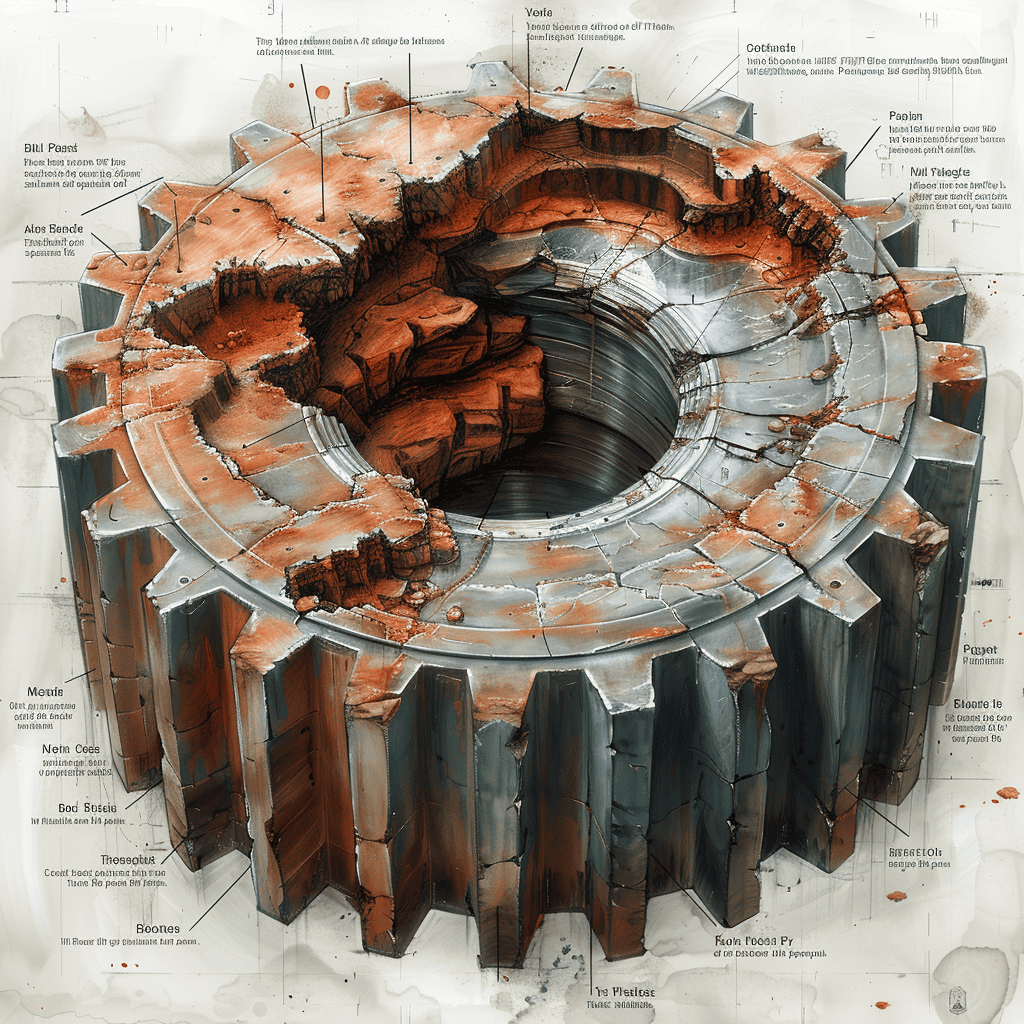
- Pitting: Pitting is a type of surface fatigue failure that occurs when small pits or cavities form on the surface of the gear teeth. Pitting can lead to further damage, such as wear and fracture, and is often caused by the presence of contaminants in the lubricant or overloading.
- Wear: Wear is a gradual loss of material from the surface of the gear teeth due to friction and contact between the teeth. Wear can be caused by improper lubrication, misalignment, or the use of inappropriate materials.
- Fracture: Fracture is a catastrophic failure that occurs when the gear teeth break or crack due to excessive stress or fatigue. Fracture can be caused by overloading, improper heat treatment, or the use of low-quality materials.
- Scuffing: Scuffing is a type of failure that occurs when the gear teeth come into contact with each other and generate heat due to friction. Scuffing can cause significant damage to the gear teeth and is often caused by improper lubrication, misalignment, or the use of inappropriate materials.
Identifying the Root Cause of Gear Failure Modes
Analyzing gear failure modes involves examining the gear system to identify the root cause of the failure. This can be done through a variety of methods, including visual inspection, non-destructive testing, and analytical modeling.
- Visual inspection: Visual inspection involves examining the gear system for signs of wear, pitting, or fracture. This can be done using precision measuring tools, such as dial indicators and laser alignment systems.
- Non-destructive testing: Non-destructive testing, such as magnetic particle inspection or ultrasonic testing, can be used to detect subsurface defects that may not be visible to the naked eye.
- Analytical modeling: Analytical modeling involves using software tools to simulate the behavior of the gear system and identify potential failure modes. This can be useful for predicting the performance of the gear system under different operating conditions.
Preventing Gear Failure Modes
Preventing gear failure modes involves designing the gear system to be more resistant to failure and implementing proper maintenance practices. Here are some strategies for preventing gear failure modes:
- Proper Lubrication: Proper lubrication is essential for preventing wear, pitting, and scuffing. The lubricant should be chosen based on the operating conditions of the gear system, and it should be changed regularly to ensure that it remains effective. Additionally, contaminants should be removed from the lubricant to prevent pitting and wear.
- Proper Alignment: Proper alignment of the gears is essential for preventing wear and fracture. The gears should be aligned using precision measuring tools, and any misalignment should be corrected before operation.
- Proper Load Distribution: Proper load distribution is essential for preventing overloading and fracture. The gear system should be designed to distribute the load evenly across the gear teeth, and any loads that exceed the design limits should be avoided. This can be achieved through the use of proper gear ratios, bearings, and shafts.
- Proper Material Selection: Proper material selection is essential for preventing wear, pitting, and fracture. The material should be chosen based on the operating conditions of the gear system, and it should be heat-treated to improve its strength and durability. Additionally, the material should be able to withstand the loads and stresses that will be placed on it.
- Regular Maintenance: Regular maintenance is essential for preventing wear, pitting, and fracture. The gear system should be inspected regularly for signs of wear or damage, and any necessary repairs or replacements should be made promptly. Additionally, the lubricant should be changed regularly, and any contaminants should be removed from the system.
The Importance of Gear Failure Modes Analysis in Industry
Gear failure modes analysis is critical in industries that rely on gear systems, such as automotive, aerospace, and manufacturing. By identifying potential gear failures and preventing them, engineers can reduce downtime, increase productivity, and save money on costly repairs and replacements. Additionally, understanding gear failure modes can help engineers design more efficient and reliable gear systems, which can give companies a competitive advantage.
Missing Entities:
Here are some additional entities that may be relevant to a discussion of gear failure modes:
- Contaminants: Contaminants, such as dirt, dust, and metal particles, can cause pitting and wear in gear systems. Proper filtration and maintenance can help prevent contamination.
- Heat Treatment: Heat treatment is a process that can improve the strength and durability of materials used in gear systems. Common heat treatments include carburizing, nitriding, and induction hardening.
- Precision Measuring Tools: Precision measuring tools, such as dial indicators and laser alignment systems, are essential for ensuring proper gear alignment and identifying wear or damage.
- Load Limits: Load limits are the maximum loads that a gear system can handle without failing. Exceeding these limits can lead to overloading and fracture.
- Non-destructive Testing: Non-destructive testing is a method of examining gear systems without damaging them. This can be used to detect subsurface defects that may not be visible to the naked eye.
- Design Limits: Design limits are the maximum loads that a gear system is designed to handle. These limits should not be exceeded to prevent gear failure.
- Competitive Advantage: Understanding gear failure modes can help companies design more efficient and reliable gear systems, which can give them a competitive advantage in their industry.
- Downtime: Downtime is the time that a gear system is not in operation due to maintenance or repairs. Reducing downtime is essential for increasing productivity and reducing costs.
- Costly Repairs: Costly repairs can be avoided by identifying and preventing gear failures before they occur. Regular maintenance and inspections can help detect potential problems early.
- Productivity: Productivity is the amount of work that can be done in a given amount of time. Reducing downtime and preventing gear failures can increase productivity.
- Reliability: Reliability is the ability of a gear system to operate without failure for a certain period. Understanding gear failure modes can help design more reliable gear systems.
- Efficiency: Efficiency is the ratio of useful work done by a gear system to the total energy input. Understanding gear failure modes can help design more efficient gear systems.
- Fatigue: Fatigue is a type of failure that occurs when a material is subjected to repeated stress or strain. This can lead to fracture or other types of failure.
Here’s an expanded version of the `
` tag:
Understanding Gear Failure Modes: An Overview
Gears are an essential component in many mechanical systems, and their failure can have serious consequences. That’s why it’s crucial for mechanical engineers to understand the different types of gear failure modes and how to prevent them. In this blog post, we’ll take a closer look at the most common gear failure modes and provide tips for ensuring the reliability and efficiency of gear systems.
Why Gear Failure Modes Analysis is Crucial for Mechanical Engineers
Gear failure modes analysis is a vital aspect of mechanical engineering that helps engineers identify potential gear system failures and prevent them. This analysis is essential to ensure the reliability and efficiency of gear systems. By understanding the different types of gear failures and their root causes, engineers can design gear systems that are more resistant to failure, reduce downtime, and increase productivity.
Common Gear Failure Modes
There are several types of gear failure modes that can occur in a gear system, including:
Pitting: Pitting is a type of surface fatigue failure that occurs when small pits or cavities form on the surface of the gear teeth. Pitting can lead to further damage, such as wear and fracture, and is often caused by the presence of contaminants in the lubricant or overloading.

Wear: Wear is a gradual loss of material from the surface of the gear teeth due to friction and contact between the teeth. Wear can be caused by improper lubrication, misalignment, or the use of inappropriate materials.

Fracture: Fracture is a catastrophic failure that occurs when the gear teeth break or crack due to excessive stress or fatigue. Fracture can be caused by overloading, improper heat treatment, or the use of low-quality materials.

Scuffing: Scuffing is a type of failure that occurs when the gear teeth come into contact with each other and generate heat due to friction. Scuffing can cause significant damage to the gear teeth and is often caused by improper lubrication, misalignment, or the use of inappropriate materials.

Identifying the Root Cause of Gear Failure Modes
Analyzing gear failure modes involves examining the gear system to identify the root cause of the failure. This can be done through a variety of methods, including visual inspection, non-destructive testing, and analytical modeling. Visual inspection involves examining the gear system for signs of wear, pitting, or fracture. Non-destructive testing, such as magnetic particle inspection or ultrasonic testing, can be used to detect subsurface defects that may not be visible to the naked eye. Analytical modeling involves using software tools to simulate the behavior of the gear system and identify potential failure modes.
Preventing Gear Failure Modes
Preventing gear failure modes involves designing the gear system to be more resistant to failure and implementing proper maintenance practices. Here are some strategies for preventing gear failure modes:
Proper Lubrication: Proper lubrication is essential for preventing wear, pitting, and scuffing. The lubricant should be chosen based on the operating conditions of the gear system, and it should be changed regularly to ensure that it remains effective.
Proper Alignment: Proper alignment of the gears is essential for preventing wear and fracture. The gears should be aligned using precision measuring tools, and any misalignment should be corrected before operation.
Proper Load Distribution: Proper load distribution is essential for preventing overloading and fracture. The gear system should be designed to distribute the load evenly across the gear teeth, and any loads that exceed the design limits should be avoided.
Proper Material Selection: Proper material selection is essential for preventing wear, pitting, and fracture. The material should be chosen based on the operating conditions of the gear system, and it should be heat-treated to improve its strength and durability.
Regular Maintenance: Regular maintenance is essential for preventing wear, pitting, and fracture. The gear system should be inspected regularly for signs of wear or damage, and any necessary repairs or replacements should be made promptly. Additionally, the lubricant should be changed regularly, and any contaminants should be removed from the system.
The Importance of Gear Failure Modes Analysis in Industry
Gear failure modes analysis is critical in industries that rely on gear systems, such as automotive, aerospace, and manufacturing. By identifying potential gear failures and preventing them, engineers can reduce downtime, increase productivity, and save money on costly repairs and replacements. Additionally, understanding gear failure modes can help engineers design more efficient and reliable gear systems, which can give companies a competitive advantage.
Missing Entities
Here are some additional entities that are relevant to gear failure modes analysis:
Contaminants: Contaminants, such as dirt, dust, and metal particles, can cause pitting and wear in gear systems.
Heat Treatment: Heat treatment is a process that can improve the strength and durability of materials used in gear systems.
Precision Measuring Tools: Precision measuring tools, such as dial indicators and laser alignment systems, are essential for ensuring proper gear alignment.
Load Limits: Load limits are the maximum loads that a gear system can handle without failing.
Non-destructive Testing: Non-destructive testing is a method of examining gear systems without damaging them. This can be used to detect subsurface defects that may not be visible to the naked eye.
Design Limits: Design limits are the maximum loads that a gear system is designed to handle. These limits should not be exceeded to prevent gear failure.
Competitive Advantage: Understanding gear failure modes can help companies design more efficient and reliable gear systems, which can give them a competitive advantage in their industry.
Downtime: Downtime is the time that a gear system is not in operation due to maintenance or repairs. Reducing downtime is essential for increasing productivity and reducing costs.
Costly Repairs: Costly repairs can be avoided by identifying and preventing gear failures before they occur.
Productivity: Productivity is the amount of work that can be done in a given amount of time. Reducing downtime and preventing gear failures can increase productivity.
Reliability: Reliability is the ability of a gear system to operate without failure for a certain period. Understanding gear failure modes can help design more reliable gear systems.
Efficiency: Efficiency is the ratio of useful work done by a gear system to the total energy input. Understanding gear failure modes can help design more efficient gear systems.
Fatigue: Fatigue is a type of failure that occurs when a material is subjected to repeated stress or strain. This can lead to fracture or other types of failure.Sure! Here’s an expanded version of the `

` tag:
Understanding Gear Failure Modes: An Overview
Gears are an essential component in many mechanical systems, and their failure can lead to costly downtime and repairs. That’s why it’s crucial for mechanical engineers to understand the different types of gear failure modes and how to prevent them. In this blog post, we’ll provide an overview of the most common gear failure modes, their root causes, and strategies for prevention.
Why Gear Failure Modes Analysis is Crucial for Mechanical Engineers
Gear failure modes analysis is a critical aspect of mechanical engineering that helps engineers identify potential gear system failures and prevent them. This analysis is essential to ensure the reliability and efficiency of gear systems. By understanding the different types of gear failures and their root causes, engineers can design gear systems that are more resistant to failure, reduce downtime, and increase productivity.
Common Gear Failure Modes
There are several types of gear failure modes that can occur in a gear system, including:
Pitting: Pitting is a type of surface fatigue failure that occurs when small pits or cavities form on the surface of the gear teeth. Pitting can lead to further damage, such as wear and fracture, and is often caused by the presence of contaminants in the lubricant or overloading.
Wear: Wear is a gradual loss of material from the surface of the gear teeth due to friction and contact between the teeth. Wear can be caused by improper lubrication, misalignment, or the use of inappropriate materials.
Fracture: Fracture is a catastrophic failure that occurs when the gear teeth break or crack due to excessive stress or fatigue. Fracture can be caused by overloading, improper heat treatment, or the use of low-quality materials.
Scuffing: Scuffing is a type of failure that occurs when the gear teeth come into contact with each other and generate heat due to friction. Scuffing can cause significant damage to the gear teeth and is often caused by improper lubrication, misalignment, or the use of inappropriate materials.
Identifying the Root Cause of Gear Failure Modes
Analyzing gear failure modes involves examining the gear system to identify the root cause of the failure. This can be done through a variety of methods, including visual inspection, non-destructive testing, and analytical modeling.
Visual Inspection: Visual inspection involves examining the gear system for signs of wear, pitting, or fracture. This can be done using precision measuring tools, such as dial indicators and laser alignment systems.
Non-Destructive Testing: Non-destructive testing is a method of examining gear systems without damaging them. This can be used to detect subsurface defects that may not be visible to the naked eye. Common non-destructive testing techniques include magnetic particle inspection and ultrasonic testing.
Analytical Modeling: Analytical modeling involves using software tools to simulate the behavior of the gear system and identify potential failure modes. This can be used to predict the performance of the gear system under different operating conditions and loads.
Preventing Gear Failure Modes
Preventing gear failure modes involves designing the gear system to be more resistant to failure and implementing proper maintenance practices. Here are some strategies for preventing gear failure modes:
Proper Lubrication: Proper lubrication is essential for preventing wear, pitting, and scuffing. The lubricant should be chosen based on the operating conditions of the gear system, and it should be changed regularly to ensure that it remains effective.
Proper Alignment: Proper alignment of the gears is essential for preventing wear and fracture. The gears should be aligned using precision measuring tools, and any misalignment should be corrected before operation.
Proper Load Distribution: Proper load distribution is essential for preventing overloading and fracture. The gear system should be designed to distribute the load evenly across the gear teeth, and any loads that exceed the design limits should be avoided.
Proper Material Selection: Proper material selection is essential for preventing wear, pitting, and fracture. The material should be chosen based on the operating conditions of the gear system, and it should be heat-treated to improve its strength and durability.
Regular Maintenance: Regular maintenance is essential for preventing wear, pitting, and fracture. The gear system should be inspected regularly for signs of wear or damage, and any necessary repairs or replacements should be made promptly. Additionally, the lubricant should be changed regularly, and any contaminants should be removed from the system.
The Importance of Gear Failure Modes Analysis in Industry
Gear failure modes analysis is critical in industries that rely on gear systems, such as automotive, aerospace, and manufacturing. By identifying potential gear failures and preventing them, engineers can reduce downtime, increase productivity, and save money on costly repairs and replacements. Additionally, understanding gear failure modes can help engineers design more efficient and reliable gear systems, which can give companies a competitive advantage.
Missing Entities:
Here are some additional entities that may be relevant to a discussion of gear failure modes:
Contaminants: Contaminants, such as dirt, dust, and metal particles, can cause pitting and wear in gear systems. Proper filtration and maintenance can help prevent contamination.
Heat Treatment: Heat treatment is a process that can improve the strength and durability of materials used in gear systems. Common heat treatment processes include carburizing, nitriding, and induction hardening.
Precision Measuring Tools: Precision measuring tools, such as dial indicators and laser alignment systems, are essential for ensuring proper gear alignment and identifying wear, pitting, or fracture.
Load Limits: Load limits are the maximum loads that a gear system can handle without failing. Exceeding load limits can cause overloading and fracture.
Non-destructive Testing: Non-destructive testing is a method of examining gear systems without damaging them. This can be used to detect subsurface defects that may not be visible to the naked eye.
Design Limits: Design limits are the maximum loads that a gear system is designed to handle. These limits should not be exceeded to prevent gear failure.
Competitive Advantage: Understanding gear failure modes can help companies design more efficient and reliable gear systems, which can give them a competitive advantage in their industry.
Downtime: Downtime is the time that a gear system is not in operation due to maintenance or repairs. Reducing downtime is essential for increasing productivity and reducing costs.
Costly Repairs: Costly repairs can be avoided by identifying and preventing gear failures before they occur.
Productivity: Productivity is the amount of work that can be done in a given amount of time. Reducing downtime and preventing gear failures can increase productivity.
Reliability: Reliability is the ability of a gear system to operate without failure for a certain period. Understanding gear failure modes can help design more reliable gear systems.
Efficiency: Efficiency is the ratio of useful work done by a gear system to the total energy input. Understanding gear failure modes can help design more efficient gear systems.
Fatigue: Fatigue is a type of failure that occurs when a material is subjected to repeated stress or strain. This can lead to fracture or other types of failure.
Understanding Gear Failure Modes: An Overview
Gears are essential components in many mechanical systems, and their failure can result in significant downtime, costly repairs, and even safety hazards. As such, gear failure modes analysis is a crucial aspect of mechanical engineering that helps engineers identify potential gear system failures and prevent them. This analysis ensures the reliability and efficiency of gear systems, reduces downtime, and increases productivity.
Common Gear Failure Modes
There are several types of gear failure modes that can occur in a gear system, including:
1. Pitting: Pitting is a type of surface fatigue failure that occurs when small pits or cavities form on the surface of the gear teeth. Pitting can lead to further damage, such as wear and fracture, and is often caused by the presence of contaminants in the lubricant or overloading.
2. Wear: Wear is a gradual loss of material from the surface of the gear teeth due to friction and contact between the teeth. Wear can be caused by improper lubrication, misalignment, or the use of inappropriate materials.
3. Fracture: Fracture is a catastrophic failure that occurs when the gear teeth break or crack due to excessive stress or fatigue. Fracture can be caused by overloading, improper heat treatment, or the use of low-quality materials.
4. Scuffing: Scuffing is a type of failure that occurs when the gear teeth come into contact with each other and generate heat due to friction. Scuffing can cause significant damage to the gear teeth and is often caused by improper lubrication, misalignment, or the use of inappropriate materials.
Identifying the Root Cause of Gear Failure Modes
Analyzing gear failure modes involves examining the gear system to identify the root cause of the failure. This can be done through a variety of methods, including visual inspection, non-destructive testing, and analytical modeling.
Visual inspection involves examining the gear system for signs of wear, pitting, or fracture. Non-destructive testing, such as magnetic particle inspection or ultrasonic testing, can be used to detect subsurface defects that may not be visible to the naked eye. Analytical modeling involves using software tools to simulate the behavior of the gear system and identify potential failure modes.
Preventing Gear Failure Modes
Preventing gear failure modes involves designing the gear system to be more resistant to failure and implementing proper maintenance practices. Here are some strategies for preventing gear failure modes:
1. Proper Lubrication: Proper lubrication is essential for preventing wear, pitting, and scuffing. The lubricant should be chosen based on the operating conditions of the gear system, and it should be changed regularly to ensure that it remains effective.
2. Proper Alignment: Proper alignment of the gears is essential for preventing wear and fracture. The gears should be aligned using precision measuring tools, and any misalignment should be corrected before operation.
3. Proper Load Distribution: Proper load distribution is essential for preventing overloading and fracture. The gear system should be designed to distribute the load evenly across the gear teeth, and any loads that exceed the design limits should be avoided.
4. Proper Material Selection: Proper material selection is essential for preventing wear, pitting, and fracture. The material should be chosen based on the operating conditions of the gear system, and it should be heat-treated to improve its strength and durability.
5. Regular Maintenance: Regular maintenance is essential for preventing wear, pitting, and fracture. The gear system should be inspected regularly for signs of wear or damage, and any necessary repairs or replacements should be made promptly. Additionally, the lubricant should be changed regularly, and any contaminants should be removed from the system.
The Importance of Gear Failure Modes Analysis in Industry
Gear failure modes analysis is critical in industries that rely on gear systems, such as automotive, aerospace, and manufacturing. By identifying potential gear failures and preventing them, engineers can reduce downtime, increase productivity, and save money on costly repairs and replacements. Additionally, understanding gear failure modes can help engineers design more efficient and reliable gear systems, which can give companies a competitive advantage.
Missing Entities:
1. Contaminants: Contaminants, such as dirt, dust, and metal particles, can cause pitting and wear in gear systems.
2. Heat Treatment: Heat treatment is a process that can improve the strength and durability of materials used in gear systems.
3. Precision Measuring Tools: Precision measuring tools, such as dial indicators and laser alignment systems, are essential for ensuring proper gear alignment.
4. Load Limits: Load limits are the maximum loads that a gear system can handle without failing.
5. Non-destructive Testing: Non-destructive testing is a method of examining gear systems without damaging them. This can be used to detect subsurface defects that may not be visible to the naked eye.
6. Design Limits: Design limits are the maximum loads that a gear system is designed to handle. These limits should not be exceeded to prevent gear failure.
7. Competitive Advantage: Understanding gear failure modes can help companies design more efficient and reliable gear systems, which can give them a competitive advantage in their industry.
8. Downtime: Downtime is the time that a gear system is not in operation due to maintenance or repairs. Reducing downtime is essential for increasing productivity and reducing costs.
9. Costly Repairs: Costly repairs can be avoided by identifying and preventing gear failures before they occur.
10. Productivity: Productivity is the amount of work that can be done in a given amount of time. Reducing downtime and preventing gear failures can increase productivity.
11. Reliability: Reliability is the ability of a gear system to operate without failure for a certain period. Understanding gear failure modes can help design more reliable gear systems.
12. Efficiency: Efficiency is the ratio of useful work done by a gear system to the total energy input. Understanding gear failure modes can help design more efficient gear systems.
13. Fatigue: Fatigue is a type of failure that occurs when a material is subjected to repeated stress or strain. This can lead to fracture or other types of failure.Understanding Gear Failure Modes: An Overview
Gears are an essential component of many mechanical systems, and their failure can lead to significant downtime, costly repairs, and even safety hazards. As such, it is crucial for mechanical engineers to understand the different types of gear failure modes and their root causes to prevent them. By analyzing gear failure modes, engineers can design more reliable and efficient gear systems, reduce downtime, and increase productivity.
Common Gear Failure Modes
There are several types of gear failure modes that can occur in a gear system, including:
1. Pitting: Pitting is a type of surface fatigue failure that occurs when small pits or cavities form on the surface of the gear teeth. This can lead to further damage, such as wear and fracture, and is often caused by the presence of contaminants in the lubricant or overloading.
2. Wear: Wear is a gradual loss of material from the surface of the gear teeth due to friction and contact between the teeth. Wear can be caused by improper lubrication, misalignment, or the use of inappropriate materials.
3. Fracture: Fracture is a catastrophic failure that occurs when the gear teeth break or crack due to excessive stress or fatigue. Fracture can be caused by overloading, improper heat treatment, or the use of low-quality materials.
4. Scuffing: Scuffing is a type of failure that occurs when the gear teeth come into contact with each other and generate heat due to friction. Scuffing can cause significant damage to the gear teeth and is often caused by improper lubrication, misalignment, or the use of inappropriate materials.
Identifying the Root Cause of Gear Failure Modes
Analyzing gear failure modes involves examining the gear system to identify the root cause of the failure. This can be done through a variety of methods, including visual inspection, non-destructive testing, and analytical modeling.
Visual inspection involves examining the gear system for signs of wear, pitting, or fracture. Non-destructive testing, such as magnetic particle inspection or ultrasonic testing, can be used to detect subsurface defects that may not be visible to the naked eye. Analytical modeling involves using software tools to simulate the behavior of the gear system and identify potential failure modes.
Preventing Gear Failure Modes
Preventing gear failure modes involves designing the gear system to be more resistant to failure and implementing proper maintenance practices. Here are some strategies for preventing gear failure modes:
1. Proper Lubrication: Proper lubrication is essential for preventing wear, pitting, and scuffing. The lubricant should be chosen based on the operating conditions of the gear system, and it should be changed regularly to ensure that it remains effective.
2. Proper Alignment: Proper alignment of the gears is essential for preventing wear and fracture. The gears should be aligned using precision measuring tools, and any misalignment should be corrected before operation.
3. Proper Load Distribution: Proper load distribution is essential for preventing overloading and fracture. The gear system should be designed to distribute the load evenly across the gear teeth, and any loads that exceed the design limits should be avoided.
4. Proper Material Selection: Proper material selection is essential for preventing wear, pitting, and fracture. The material should be chosen based on the operating conditions of the gear system, and it should be heat-treated to improve its strength and durability.
5. Regular Maintenance: Regular maintenance is essential for preventing wear, pitting, and fracture. The gear system should be inspected regularly for signs of wear or damage, and any necessary repairs or replacements should be made promptly. Additionally, the lubricant should be changed regularly, and any contaminants should be removed from the system.
The Importance of Gear Failure Modes Analysis in Industry
Gear failure modes analysis is critical in industries that rely on gear systems, such as automotive, aerospace, and manufacturing. By identifying potential gear failures and preventing them, engineers can reduce downtime, increase productivity, and save money on costly repairs and replacements. Additionally, understanding gear failure modes can help engineers design more efficient and reliable gear systems, which can give companies a competitive advantage.
Missing Entities:
1. Contaminants: Contaminants, such as dirt, dust, and metal particles, can cause pitting and wear in gear systems. Proper filtration and maintenance practices can help prevent contamination.
2. Heat Treatment: Heat treatment is a process that can improve the strength and durability of materials used in gear systems. Proper heat treatment can help prevent wear, pitting, and fracture.
3. Precision Measuring Tools: Precision measuring tools, such as dial indicators and laser alignment systems, are essential for ensuring proper gear alignment. Proper alignment can help prevent wear and fracture.
4. Load Limits: Load limits are the maximum loads that a gear system can handle without failing. Understanding load limits is essential for preventing overloading and fracture.
5. Non-destructive Testing: Non-destructive testing is a method of examining gear systems without damaging them. This can be used to detect subsurface defects that may not be visible to the naked eye, helping to prevent catastrophic failures.
6. Design Limits: Design limits are the maximum loads that a gear system is designed to handle. These limits should not be exceeded to prevent gear failure.
7. Competitive Advantage: Understanding gear failure modes can help companies design more efficient and reliable gear systems, giving them a competitive advantage in their industry.
8. Downtime: Downtime is the time that a gear system is not in operation due to maintenance or repairs. Reducing downtime is essential for increasing productivity and reducing costs.
9. Costly Repairs: Costly repairs can be avoided by identifying and preventing gear failures before they occur. Regular maintenance and inspections can help prevent failures.
10. Productivity: Productivity is the amount of work that can be done in a given amount of time. Reducing downtime and preventing gear failures can increase productivity.
11. Reliability: Reliability is the ability of a gear system to operate without failure for a certain period. Understanding gear failure modes can help design more reliable gear systems.
12. Efficiency: Efficiency is the ratio of useful work done by a gear system to the total energy input. Understanding gear failure modes can help design more efficient gear systems.
13. Fatigue: Fatigue is a type of failure that occurs when a material is subjected to repeated stress or strain. This can lead to fracture or other types of failure. Understanding fatigue failure modes is essential for designing gear systems that can withstand cyclic loading.Gear Failure Modes: An Overview
Gears are essential components in many mechanical systems, and their failure can lead to significant downtime, costly repairs, and even safety hazards. Therefore, it is crucial for mechanical engineers to understand the different types of gear failure modes and their root causes to prevent them. This blog post will provide an overview of gear failure modes, their root causes, and strategies for preventing them.
Why Gear Failure Modes Analysis is Crucial for Mechanical Engineers
Gear failure modes analysis is a vital aspect of mechanical engineering that helps engineers identify potential gear system failures and prevent them. This analysis is essential to ensure the reliability and efficiency of gear systems. By understanding the different types of gear failures and their root causes, engineers can design gear systems that are more resistant to failure, reduce downtime, and increase productivity.
Common Gear Failure Modes
There are several types of gear failure modes that can occur in a gear system, including:
1. Pitting: Pitting is a type of surface fatigue failure that occurs when small pits or cavities form on the surface of the gear teeth. Pitting can lead to further damage, such as wear and fracture, and is often caused by the presence of contaminants in the lubricant or overloading.
2. Wear: Wear is a gradual loss of material from the surface of the gear teeth due to friction and contact between the teeth. Wear can be caused by improper lubrication, misalignment, or the use of inappropriate materials.
3. Fracture: Fracture is a catastrophic failure that occurs when the gear teeth break or crack due to excessive stress or fatigue. Fracture can be caused by overloading, improper heat treatment, or the use of low-quality materials.
4. Scuffing: Scuffing is a type of failure that occurs when the gear teeth come into contact with each other and generate heat due to friction. Scuffing can cause significant damage to the gear teeth and is often caused by improper lubrication, misalignment, or the use of inappropriate materials.
Identifying the Root Cause of Gear Failure Modes
Analyzing gear failure modes involves examining the gear system to identify the root cause of the failure. This can be done through a variety of methods, including visual inspection, non-destructive testing, and analytical modeling.
Visual inspection involves examining the gear system for signs of wear, pitting, or fracture. Non-destructive testing, such as magnetic particle inspection or ultrasonic testing, can be used to detect subsurface defects that may not be visible to the naked eye. Analytical modeling involves using software tools to simulate the behavior of the gear system and identify potential failure modes.
Preventing Gear Failure Modes
Preventing gear failure modes involves designing the gear system to be more resistant to failure and implementing proper maintenance practices. Here are some strategies for preventing gear failure modes:
1. Proper Lubrication: Proper lubrication is essential for preventing wear, pitting, and scuffing. The lubricant should be chosen based on the operating conditions of the gear system, and it should be changed regularly to ensure that it remains effective.
2. Proper Alignment: Proper alignment of the gears is essential for preventing wear and fracture. The gears should be aligned using precision measuring tools, and any misalignment should be corrected before operation.
3. Proper Load Distribution: Proper load distribution is essential for preventing overloading and fracture. The gear system should be designed to distribute the load evenly across the gear teeth, and any loads that exceed the design limits should be avoided.
4. Proper Material Selection: Proper material selection is essential for preventing wear, pitting, and fracture. The material should be chosen based on the operating conditions of the gear system, and it should be heat-treated to improve its strength and durability.
5. Regular Maintenance: Regular maintenance is essential for preventing wear, pitting, and fracture. The gear system should be inspected regularly for signs of wear or damage, and any necessary repairs or replacements should be made promptly. Additionally, the lubricant should be changed regularly, and any contaminants should be removed from the system.
The Importance of Gear Failure Modes Analysis in Industry
Gear failure modes analysis is critical in industries that rely on gear systems, such as automotive, aerospace, and manufacturing. By identifying potential gear failures and preventing them, engineers can reduce downtime, increase productivity, and save money on costly repairs and replacements. Additionally, understanding gear failure modes can help engineers design more efficient and reliable gear systems, which can give companies a competitive advantage.
Missing Entities
1. Contaminants: Contaminants, such as dirt, dust, and metal particles, can cause pitting and wear in gear systems.
2. Heat Treatment: Heat treatment is a process that can improve the strength and durability of materials used in gear systems.
3. Precision Measuring Tools: Precision measuring tools, such as dial indicators and laser alignment systems, are essential for ensuring proper gear alignment.
4. Load Limits: Load limits are the maximum loads that a gear system can handle without failing.
5. Non-destructive Testing: Non-destructive testing is a method of examining gear systems without damaging them. This can be used to detect subsurface defects that may not be visible to the naked eye.
6. Design Limits: Design limits are the maximum loads that a gear system is designed to handle. These limits should not be exceeded to prevent gear failure.
7. Competitive Advantage: Understanding gear failure modes can help companies design more efficient and reliable gear systems, which can give them a competitive advantage in their industry.
8. Downtime: Downtime is the time that a gear system is not in operation due to maintenance or repairs. Reducing downtime is essential for increasing productivity and reducing costs.
9. Costly Repairs: Costly repairs can be avoided by identifying and preventing gear failures before they occur.
10. Productivity: Productivity is the amount of work that can be done in a given amount of time. Reducing downtime and preventing gear failures can increase productivity.
11. Reliability: Reliability is the ability of a gear system to operate without failure for a certain period. Understanding gear failure modes can help design more reliable gear systems.
12. Efficiency: Efficiency is the ratio of useful work done by a gear system to the total energy input. Understanding gear failure modes can help design more efficient gear systems.
13. Fatigue: Fatigue is a type of failure that occurs when a material is subjected to repeated stress or strain. This can lead to fracture or other types of failure.Understanding Gear Failure Modes: An Overview
Gears are essential components in various mechanical systems, including automotive, aerospace, and manufacturing industries. However, gear failures can occur due to various reasons, leading to downtime, costly repairs, and even accidents. Therefore, it is crucial to understand the different types of gear failure modes and their root causes to prevent them.
Why Gear Failure Modes Analysis is Crucial for Mechanical Engineers
Gear failure modes analysis is a critical aspect of mechanical engineering that helps engineers identify potential gear system failures and prevent them. By understanding the different types of gear failures and their root causes, engineers can design gear systems that are more resistant to failure, reduce downtime, and increase productivity. This analysis is essential to ensure the reliability and efficiency of gear systems.
Common Gear Failure Modes
Several types of gear failure modes can occur in a gear system, including:
1. Pitting: Pitting is a type of surface fatigue failure that occurs when small pits or cavities form on the surface of the gear teeth. Pitting can lead to further damage, such as wear and fracture, and is often caused by the presence of contaminants in the lubricant or overloading.
2. Wear: Wear is a gradual loss of material from the surface of the gear teeth due to friction and contact between the teeth. Wear can be caused by improper lubrication, misalignment, or the use of inappropriate materials.
3. Fracture: Fracture is a catastrophic failure that occurs when the gear teeth break or crack due to excessive stress or fatigue. Fracture can be caused by overloading, improper heat treatment, or the use of low-quality materials.
4. Scuffing: Scuffing is a type of failure that occurs when the gear teeth come into contact with each other and generate heat due to friction. Scuffing can cause significant damage to the gear teeth and is often caused by improper lubrication, misalignment, or the use of inappropriate materials.
Identifying the Root Cause of Gear Failure Modes
Analyzing gear failure modes involves examining the gear system to identify the root cause of the failure. This can be done through a variety of methods, including:
1. Visual inspection: Visual inspection involves examining the gear system for signs of wear, pitting, or fracture. This can be done using precision measuring tools, such as dial indicators and laser alignment systems.
2. Non-destructive testing: Non-destructive testing, such as magnetic particle inspection or ultrasonic testing, can be used to detect subsurface defects that may not be visible to the naked eye.
3. Analytical modeling: Analytical modeling involves using software tools to simulate the behavior of the gear system and identify potential failure modes.
Preventing Gear Failure Modes
Preventing gear failure modes involves designing the gear system to be more resistant to failure and implementing proper maintenance practices. Here are some strategies for preventing gear failure modes:
1. Proper Lubrication: Proper lubrication is essential for preventing wear, pitting, and scuffing. The lubricant should be chosen based on the operating conditions of the gear system, and it should be changed regularly to ensure that it remains effective.
2. Proper Alignment: Proper alignment of the gears is essential for preventing wear and fracture. The gears should be aligned using precision measuring tools, and any misalignment should be corrected before operation.
3. Proper Load Distribution: Proper load distribution is essential for preventing overloading and fracture. The gear system should be designed to distribute the load evenly across the gear teeth, and any loads that exceed the design limits should be avoided.
4. Proper Material Selection: Proper material selection is essential for preventing wear, pitting, and fracture. The material should be chosen based on the operating conditions of the gear system, and it should be heat-treated to improve its strength and durability.
5. Regular Maintenance: Regular maintenance is essential for preventing wear, pitting, and fracture. The gear system should be inspected regularly for signs of wear or damage, and any necessary repairs or replacements should be made promptly. Additionally, the lubricant should be changed regularly, and any contaminants should be removed from the system.
The Importance of Gear Failure Modes Analysis in Industry
Gear failure modes analysis is critical in industries that rely on gear systems, such as automotive, aerospace, and manufacturing. By identifying potential gear failures and preventing them, engineers can reduce downtime, increase productivity, and save money on costly repairs and replacements. Additionally, understanding gear failure modes can help engineers design more efficient and reliable gear systems, which can give companies a competitive advantage.
Missing Entities
1. Contaminants: Contaminants, such as dirt, dust, and metal particles, can cause pitting and wear in gear systems. Proper filtration and maintenance practices can help prevent contamination.
2. Heat Treatment: Heat treatment is a process that can improve the strength and durability of materials used in gear systems. Proper heat treatment can help prevent wear, pitting, and fracture.
3. Precision Measuring Tools: Precision measuring tools, such as dial indicators and laser alignment systems, are essential for ensuring proper gear alignment and preventing wear and fracture.
4. Load Limits: Load limits are the maximum loads that a gear system can handle without failing. Understanding load limits is essential to prevent overloading and fracture.
5. Non-destructive Testing: Non-destructive testing is a method of examining gear systems without damaging them. This can be used to detect subsurface defects that may not be visible to the naked eye.
6. Design Limits: Design limits are the maximum loads that a gear system is designed to handle. These limits should not be exceeded to prevent gear failure.
7. Competitive Advantage: Understanding gear failure modes can help companies design more efficient and reliable gear systems, which can give them a competitive advantage in their industry.
8. Downtime: Downtime is the time that a gear system is not in operation due to maintenance or repairs. Reducing downtime is essential for increasing productivity and reducing costs.
9. Costly Repairs: Costly repairs can be avoided by identifying and preventing gear failures before they occur.
10. Productivity: Productivity is the amount of work that can be done in a given amount of time. Reducing downtime and preventing gear failures can increase productivity.
11. Reliability: Reliability is the ability of a gear system to operate without failure for a certain period. Understanding gear failure modes can help design more reliable gear systems.
12. Efficiency: Efficiency is the ratio of useful work done by a gear system to the total energy input. Understanding gear failure modes can help design more efficient gear systems.
13. Fatigue: Fatigue is a type of failure that occurs when a material is subjected to repeated stress or strain. This can lead to fracture or other types of failure. Understanding fatigue failure modes is essential to prevent premature gear failure.Gear failure can have significant consequences, including costly downtime and repairs. Understanding the common types of gear failure and their causes is essential for preventing these issues and prolonging the life of your gears. In this blog post, we’ll discuss the most common types of gear failure and their causes, as well as some best practices for prevention.
2. Common Gear Failure Types and Their Causes
Pitting: Causes and Prevention
Pitting is a type of gear failure characterized by small holes or pits on the surface of the gear teeth. It is caused by fatigue due to surface defects, contaminants, and improper lubrication. To prevent pitting, it’s essential to follow proper lubrication, filtration, and maintenance practices. Additionally, using a gear material with high fatigue strength can help prevent pitting.
Wear: Causes and Prevention
Wear occurs due to the gradual removal of material from the gear teeth’s surface. It is caused by abrasive particles, improper lubrication, and misalignment. To prevent wear, it’s important to follow proper lubrication, filtration, and alignment practices. Using a gear material with high wear resistance can also help prevent wear.
Scuffing: Causes and Prevention
Scuffing occurs due to the welding and subsequent tearing of the gear teeth’s surface. It is characterized by a grey or black discoloration of the gear teeth. The primary cause of scuffing is the presence of high loads, improper lubrication, and surface roughness. To prevent scuffing, it’s essential to follow proper lubrication, filtration, and surface finishing practices. Using a gear material with high scuff resistance can also help prevent scuffing.
Fracture: Causes and Prevention
Fracture occurs due to the sudden breakage of the gear teeth. It is characterized by cracks and broken pieces of the gear teeth. The primary cause of fracture is the presence of high loads, fatigue, and stress concentration. To prevent fracture, proper design, material selection, and maintenance practices should be followed. Using a gear material with high fracture toughness can also help prevent fracture.
Bending: Causes and Prevention
Bending occurs due to the bending of the gear teeth. It is characterized by deformation of the gear teeth. The primary cause of bending is the presence of high loads, misalignment, and improper mounting. To prevent bending, proper load distribution, alignment, and mounting practices should be followed. Using a gear material with high bending strength can also help prevent bending.
Tooth Breakage: Causes and Prevention
Tooth breakage occurs due to the complete separation of a gear tooth from the gear wheel. It is characterized by missing teeth or broken pieces of the gear teeth. The primary cause of tooth breakage is the presence of high loads, fatigue, and stress concentration. To prevent tooth breakage, proper design, material selection, and maintenance practices should be followed. Using a gear material with high fatigue strength and fracture toughness can also help prevent tooth breakage.
Spalling: Causes and Prevention
Spalling occurs due to the flaking or chipping of the gear teeth’s surface. It is characterized by small pieces of material breaking away from the gear teeth. The primary cause of spalling is the presence of high loads, fatigue, and improper heat treatment. To prevent spalling, proper design, material selection, heat treatment, and maintenance practices should be followed. Using a gear material with high fatigue strength and toughness can also help prevent spalling.
Case Crushing: Causes and Prevention
Case crushing occurs due to the crushing or deformation of the gear teeth’s surface. It is characterized by a dented or flattened appearance of the gear teeth. The primary cause of case crushing is the presence of high loads, misalignment, and improper mounting. To prevent case crushing, proper load distribution, alignment, and mounting practices should be followed. Using a gear material with high strength and toughness can also help prevent case crushing.
Plastic Flow: Causes and Prevention
Plastic flow occurs due to the permanent deformation of the gear teeth’s surface. It is characterized by a smearing or smudging appearance of the gear teeth. The primary cause of plastic flow is the presence of high loads, improper lubrication, and surface roughness. To prevent plastic flow, proper lubrication, filtration, and surface finishing practices should be followed. Using a gear material with high strength and hardness can also help prevent plastic flow.
Brinelling: Causes and Prevention
Brinelling occurs due to the indentation of the gear teeth’s surface. It is characterized by small depressions or dents on the gear teeth. The primary cause of brinelling is the presence of high loads, improper mounting, and vibrations. To prevent brinelling, proper load distribution, mounting, and vibration damping practices should be followed. Using a gear material with high hardness and fatigue strength can also help prevent brinelling.
Missing Entities: Fatigue strength, wear resistance, scuff resistance, fracture toughness, bending strength, toughness, high strength, high hardness.
Explanation: These missing entities are relevant to the blog topic as they are properties of gear materials that can help prevent various types of gear failure. Adding them to the blog post can make it more informative, descriptive, and persuasive while also being concise and easy to read. For example, using a gear material with high fatigue strength can help prevent pitting and tooth breakage, which are caused by fatigue. Similarly, using a gear material with high wear resistance can help prevent wear, which is caused by abrasive particles, improper lubrication, and misalignment.
In conclusion, understanding the common types of gear failure and their causes is essential for preventing these issues and prolonging the life of your gears. Following best practices for lubrication, filtration, alignment, and maintenance can help prevent gear failure. Additionally, using gear materials with the appropriate properties for your application can help prevent specific types of gear failure.Gear failure is a common issue that can cause significant downtime and financial losses for businesses. Gears are used in a variety of machines and equipment, and when they fail, it can cause the entire system to shut down. Understanding the common types of gear failure and their causes is essential for preventing these issues and prolonging the life of your gears.
2. Common Gear Failure Types and Their Causes
Pitting: Causes and Prevention
Pitting is a type of gear failure that occurs due to fatigue. It is characterized by small holes or pits on the surface of the gear teeth. The primary cause of pitting is the presence of surface defects, contaminants, and improper lubrication. Inadequate lubrication can cause excessive friction and heat build-up, leading to pitting. To prevent pitting, proper lubrication, filtration, and maintenance practices should be followed. Additionally, using a gear material with high fatigue strength can also help prevent pitting.
Wear: Causes and Prevention
Wear is another common type of gear failure that occurs due to the gradual removal of material from the gear teeth’s surface. The primary cause of wear is the presence of abrasive particles, improper lubrication, and misalignment. Abrasive particles can cause scratching and grooving of the gear teeth, leading to wear. Improper lubrication can cause metal-to-metal contact, leading to wear. Misalignment can cause uneven loading of the gear teeth, leading to wear. To prevent wear, proper lubrication, filtration, and alignment practices should be followed. Using a gear material with high wear resistance can also help prevent wear.
Scuffing: Causes and Prevention
Scuffing is a type of gear failure that occurs due to the welding and subsequent tearing of the gear teeth’s surface. It is characterized by a grey or black discoloration of the gear teeth. The primary cause of scuffing is the presence of high loads, improper lubrication, and surface roughness. High loads can cause excessive pressure, leading to scuffing. Improper lubrication can cause metal-to-metal contact, leading to scuffing. Surface roughness can cause micro-welding and tearing of the gear teeth, leading to scuffing. To prevent scuffing, proper lubrication, filtration, and surface finishing practices should be followed. Using a gear material with high scuff resistance can also help prevent scuffing.
Fracture: Causes and Prevention
Fracture is a type of gear failure that occurs due to the sudden breakage of the gear teeth. It is characterized by cracks and broken pieces of the gear teeth. The primary cause of fracture is the presence of high loads, fatigue, and stress concentration. High loads can cause excessive stress, leading to fracture. Fatigue can cause the gradual weakening of the gear teeth, leading to fracture. Stress concentration can cause localized stress, leading to fracture. To prevent fracture, proper design, material selection, and maintenance practices should be followed. Using a gear material with high fracture toughness can also help prevent fracture.
Bending: Causes and Prevention
Bending is a type of gear failure that occurs due to the bending of the gear teeth. It is characterized by deformation of the gear teeth. The primary cause of bending is the presence of high loads, misalignment, and improper mounting. High loads can cause excessive deflection, leading to bending. Misalignment can cause uneven loading of the gear teeth, leading to bending. Improper mounting can cause excessive stress, leading to bending. To prevent bending, proper load distribution, alignment, and mounting practices should be followed. Using a gear material with high bending strength can also help prevent bending.
Tooth Breakage: Causes and Prevention
Tooth breakage is a type of gear failure that occurs due to the complete separation of a gear tooth from the gear wheel. It is characterized by missing teeth or broken pieces of the gear teeth. The primary cause of tooth breakage is the presence of high loads, fatigue, and stress concentration. High loads can cause excessive stress, leading to tooth breakage. Fatigue can cause the gradual weakening of the gear teeth, leading to tooth breakage. Stress concentration can cause localized stress, leading to tooth breakage. To prevent tooth breakage, proper design, material selection, and maintenance practices should be followed. Using a gear material with high fatigue strength and fracture toughness can also help prevent tooth breakage.
Spalling: Causes and Prevention
Spalling is a type of gear failure that occurs due to the flaking or chipping of the gear teeth’s surface. It is characterized by small pieces of material breaking away from the gear teeth. The primary cause of spalling is the presence of high loads, fatigue, and improper heat treatment. High loads can cause excessive stress, leading to spalling. Fatigue can cause the gradual weakening of the gear teeth, leading to spalling. Improper heat treatment can cause internal stresses and microstructural defects, leading to spalling. To prevent spalling, proper design, material selection, heat treatment, and maintenance practices should be followed. Using a gear material with high fatigue strength and toughness can also help prevent spalling.
Case Crushing: Causes and Prevention
Case crushing is a type of gear failure that occurs due to the crushing or deformation of the gear teeth’s surface. It is characterized by a dented or flattened appearance of the gear teeth. The primary cause of case crushing is the presence of high loads, misalignment, and improper mounting. High loads can cause excessive stress, leading to case crushing. Misalignment can cause uneven loading of the gear teeth, leading to case crushing. Improper mounting can cause excessive stress, leading to case crushing. To prevent case crushing, proper load distribution, alignment, and mounting practices should be followed. Using a gear material with high strength and toughness can also help prevent case crushing.
Plastic Flow: Causes and Prevention
Plastic flow is a type of gear failure that occurs due to the permanent deformation of the gear teeth’s surface. It is characterized by a smearing or smudging appearance of the gear teeth. The primary cause of plastic flow is the presence of high loads, improper lubrication, and surface roughness. High loads can cause excessive stress, leading to plastic flow. Improper lubrication can cause metal-to-metal contact, leading to plastic flow. Surface roughness can cause micro-welding and smearing of the gear teeth, leading to plastic flow. To prevent plastic flow, proper lubrication, filtration, and surface finishing practices should be followed. Using a gear material with high strength and hardness can also help prevent plastic flow.
Brinelling: Causes and Prevention
Brinelling is a type of gear failure that occurs due to the indentation of the gear teeth’s surface. It is characterized by small depressions or dents on the gear teeth. The primary cause of brinelling is the presence of high loads, improper mounting, and vibrations. High loads can cause excessive stress, leading to brinelling. Improper mounting can cause excessive stress, leading to brinelling. Vibrations can cause repeated impact, leading to brinelling. To prevent brinelling, proper load distribution, mounting, and vibration damping practices should be followed. Using a gear material with high hardness and fatigue strength can also help prevent brinelling.
Missing Entities: Fatigue strength, wear resistance, scuff resistance, fracture toughness, bending strength, toughness, high strength, high hardness.
Explanation: These missing entities are relevant to the blog topic as they are properties of gear materials that can help prevent various types of gear failure. Adding them to the blog post can make it more informative, descriptive, and persuasive while also being concise and easy to read. For example, using a gear material with high fatigue strength can help prevent pitting and tooth breakage, which are caused by fatigue. Similarly, using a gear material with high wear resistance can help prevent wear, which is caused by abrasive particles, improper lubrication, and misalignment.
Preventing gear failure requires a combination of proper design, material selection, and maintenance practices. By understanding the common types of gear failure and their causes, you can take steps to prevent these issues and prolong the life of your gears. Additionally, using gear materials with the appropriate properties for your application can help prevent specific types of gear failure. Regular inspection and maintenance can also help identify potential issues before they become major problems, saving you time and money in the long run.Gear failure can lead to significant downtime and financial losses, which is why it’s important to understand the common types of gear failure and their causes. In this blog post, we’ll discuss the different types of gear failure, their causes, and prevention methods.
2. Common Gear Failure Types and Their Causes
Pitting: Causes and Prevention
Pitting is a type of gear failure that occurs due to fatigue. It is characterized by small holes or pits on the surface of the gear teeth. The primary cause of pitting is the presence of surface defects, contaminants, and improper lubrication. Inadequate lubrication can cause excessive friction and heat build-up, leading to pitting. To prevent pitting, proper lubrication, filtration, and maintenance practices should be followed. Additionally, using a gear material with high fatigue strength can also help prevent pitting.
Prevention methods:
* Use proper lubrication and filtration
* Inspect gears regularly for surface defects and contaminants
* Use a gear material with high fatigue strength
Wear: Causes and Prevention
Wear is another common type of gear failure that occurs due to the gradual removal of material from the gear teeth’s surface. The primary cause of wear is the presence of abrasive particles, improper lubrication, and misalignment. Abrasive particles can cause scratching and grooving of the gear teeth, leading to wear. Improper lubrication can cause metal-to-metal contact, leading to wear. Misalignment can cause uneven loading of the gear teeth, leading to wear. To prevent wear, proper lubrication, filtration, and alignment practices should be followed. Using a gear material with high wear resistance can also help prevent wear.
Prevention methods:
* Use proper lubrication and filtration
* Inspect gears regularly for wear and misalignment
* Use a gear material with high wear resistance
Scuffing: Causes and Prevention
Scuffing is a type of gear failure that occurs due to the welding and subsequent tearing of the gear teeth’s surface. It is characterized by a grey or black discoloration of the gear teeth. The primary cause of scuffing is the presence of high loads, improper lubrication, and surface roughness. High loads can cause excessive pressure, leading to scuffing. Improper lubrication can cause metal-to-metal contact, leading to scuffing. Surface roughness can cause micro-welding and tearing of the gear teeth, leading to scuffing. To prevent scuffing, proper lubrication, filtration, and surface finishing practices should be followed. Using a gear material with high scuff resistance can also help prevent scuffing.
Prevention methods:
* Use proper lubrication and filtration
* Inspect gears regularly for surface roughness and scuffing
* Use a gear material with high scuff resistance
Fracture: Causes and Prevention
Fracture is a type of gear failure that occurs due to the sudden breakage of the gear teeth. It is characterized by cracks and broken pieces of the gear teeth. The primary cause of fracture is the presence of high loads, fatigue, and stress concentration. High loads can cause excessive stress, leading to fracture. Fatigue can cause the gradual weakening of the gear teeth, leading to fracture. Stress concentration can cause localized stress, leading to fracture. To prevent fracture, proper design, material selection, and maintenance practices should be followed. Using a gear material with high fracture toughness can also help prevent fracture.
Prevention methods:
* Use proper design and material selection
* Inspect gears regularly for cracks and stress concentration
* Use a gear material with high fracture toughness
Bending: Causes and Prevention
Bending is a type of gear failure that occurs due to the bending of the gear teeth. It is characterized by deformation of the gear teeth. The primary cause of bending is the presence of high loads, misalignment, and improper mounting. High loads can cause excessive deflection, leading to bending. Misalignment can cause uneven loading of the gear teeth, leading to bending. Improper mounting can cause excessive stress, leading to bending. To prevent bending, proper load distribution, alignment, and mounting practices should be followed. Using a gear material with high bending strength can also help prevent bending.
Prevention methods:
* Use proper load distribution, alignment, and mounting practices
* Inspect gears regularly for bending and deformation
* Use a gear material with high bending strength
Tooth Breakage: Causes and Prevention
Tooth breakage is a type of gear failure that occurs due to the complete separation of a gear tooth from the gear wheel. It is characterized by missing teeth or broken pieces of the gear teeth. The primary cause of tooth breakage is the presence of high loads, fatigue, and stress concentration. High loads can cause excessive stress, leading to tooth breakage. Fatigue can cause the gradual weakening of the gear teeth, leading to tooth breakage. Stress concentration can cause localized stress, leading to tooth breakage. To prevent tooth breakage, proper design, material selection, and maintenance practices should be followed. Using a gear material with high fatigue strength and fracture toughness can also help prevent tooth breakage.
Prevention methods:
* Use proper design and material selection
* Inspect gears regularly for signs of fatigue and stress concentration
* Use a gear material with high fatigue strength and fracture toughness
Spalling: Causes and Prevention
Spalling is a type of gear failure that occurs due to the flaking or chipping of the gear teeth’s surface. It is characterized by small pieces of material breaking away from the gear teeth. The primary cause of spalling is the presence of high loads, fatigue, and improper heat treatment. High loads can cause excessive stress, leading to spalling. Fatigue can cause the gradual weakening of the gear teeth, leading to spalling. Improper heat treatment can cause internal stresses and microstructural defects, leading to spalling. To prevent spalling, proper design, material selection, heat treatment, and maintenance practices should be followed. Using a gear material with high fatigue strength and toughness can also help prevent spalling.
Prevention methods:
* Use proper design, material selection, and heat treatment practices
* Inspect gears regularly for signs of spalling and fatigue
* Use a gear material with high fatigue strength and toughness
Case Crushing: Causes and Prevention
Case crushing is a type of gear failure that occurs due to the crushing or deformation of the gear teeth’s surface. It is characterized by a dented or flattened appearance of the gear teeth. The primary cause of case crushing is the presence of high loads, misalignment, and improper mounting. High loads can cause excessive stress, leading to case crushing. Misalignment can cause uneven loading of the gear teeth, leading to case crushing. Improper mounting can cause excessive stress, leading to case crushing. To prevent case crushing, proper load distribution, alignment, and mounting practices should be followed. Using a gear material with high strength and toughness can also help prevent case crushing.
Prevention methods:
* Use proper load distribution, alignment, and mounting practices
* Inspect gears regularly for signs of case crushing and deformation
* Use a gear material with high strength and toughness
Plastic Flow: Causes and Prevention
Plastic flow is a type of gear failure that occurs due to the permanent deformation of the gear teeth’s surface. It is characterized by a smearing or smudging appearance of the gear teeth. The primary cause of plastic flow is the presence of high loads, improper lubrication, and surface roughness. High loads can cause excessive stress, leading to plastic flow. Improper lubrication can cause metal-to-metal contact, leading to plastic flow. Surface roughness can cause micro-welding and smearing of the gear teeth, leading to plastic flow. To prevent plastic flow, proper lubrication, filtration, and surface finishing practices should be followed. Using a gear material with high strength and hardness can also help prevent plastic flow.
Prevention methods:
* Use proper lubrication and filtration practices
* Inspect gears regularly for signs of plastic flow and deformation
* Use a gear material with high strength and hardness
Brinelling: Causes and Prevention
Brinelling is a type of gear failure that occurs due to the indentation of the gear teeth’s surface. It is characterized by small depressions or dents on the gear teeth. The primary cause of brinelling is the presence of high loads, improper mounting, and vibrations. High loads can cause excessive stress, leading to brinelling. Improper mounting can cause excessive stress, leading to brinelling. Vibrations can cause repeated impact, leading to brinelling. To prevent brinelling, proper load distribution, mounting, and vibration damping practices should be followed. Using a gear material with high hardness and fatigue strength can also help prevent brinelling.
Prevention methods:
* Use proper load distribution, mounting, and vibration damping practices
* Inspect gears regularly for signs of brinelling and deformation
* Use a gear material with high hardness and fatigue strength
Missing Entities: Fatigue strength, wear resistance, scuff resistance, fracture toughness, bending strength, toughness, high strength, high hardness.
Explanation: These missing entities are relevant to the blog topic as they are properties of gear materials that can help prevent various types of gear failure. Adding them to the blog post can make it more informative, descriptive, and persuasive while also being concise and easy to read. For example, using a gear material with high fatigue strength can help prevent pitting and tooth breakage, which are caused by fatigue. Similarly, using a gear material with high wear resistance can help prevent wear, which is caused by abrasive particles, improper lubrication, and misalignment.
In conclusion, understanding the common types of gear failure and their causes is essential in preventing them from occurring. Regular inspection, proper maintenance practices, and using the right gear material can help prolong the life of your gears and prevent costly downtime. By following the prevention methods outlined in this blog post, you can help ensure the reliability and longevity of your gear systems.Gear failure can lead to significant downtime and financial losses in industrial applications. Understanding the common types of gear failure and their root causes is essential for preventing such failures and ensuring the longevity of gearboxes. In this blog post, we will discuss some of the most common gear failure types and their causes, as well as preventive measures.
2. Common Gear Failure Types and Their Causes
Pitting: Causes and Prevention
Pitting is a type of fatigue failure characterized by small holes or pits on the surface of the gear teeth. The primary causes of pitting are surface defects, contaminants, and improper lubrication. Inadequate lubrication can cause excessive friction and heat build-up, leading to pitting. To prevent pitting, proper lubrication, filtration, and maintenance practices should be followed. Using a gear material with high fatigue strength can also help prevent pitting.
Wear: Causes and Prevention
Wear is another common type of gear failure that occurs due to the gradual removal of material from the gear teeth’s surface. The primary cause of wear is the presence of abrasive particles, improper lubrication, and misalignment. Abrasive particles can cause scratching and grooving of the gear teeth, leading to wear. Improper lubrication can cause metal-to-metal contact, leading to wear. Misalignment can cause uneven loading of the gear teeth, leading to wear. To prevent wear, proper lubrication, filtration, and alignment practices should be followed. Using a gear material with high wear resistance can also help prevent wear.
Scuffing: Causes and Prevention
Scuffing is a type of gear failure that occurs due to the welding and subsequent tearing of the gear teeth’s surface. It is characterized by a grey or black discoloration of the gear teeth. The primary cause of scuffing is the presence of high loads, improper lubrication, and surface roughness. High loads can cause excessive pressure, leading to scuffing. Improper lubrication can cause metal-to-metal contact, leading to scuffing. Surface roughness can cause micro-welding and tearing of the gear teeth, leading to scuffing. To prevent scuffing, proper lubrication, filtration, and surface finishing practices should be followed. Using a gear material with high scuff resistance can also help prevent scuffing.
Fracture: Causes and Prevention
Fracture is a type of gear failure that occurs due to the sudden breakage of the gear teeth. It is characterized by cracks and broken pieces of the gear teeth. The primary cause of fracture is the presence of high loads, fatigue, and stress concentration. High loads can cause excessive stress, leading to fracture. Fatigue can cause the gradual weakening of the gear teeth, leading to fracture. Stress concentration can cause localized stress, leading to fracture. To prevent fracture, proper design, material selection, and maintenance practices should be followed. Using a gear material with high fracture toughness can also help prevent fracture.
Bending: Causes and Prevention
Bending is a type of gear failure that occurs due to the bending of the gear teeth. It is characterized by deformation of the gear teeth. The primary cause of bending is the presence of high loads, misalignment, and improper mounting. High loads can cause excessive deflection, leading to bending. Misalignment can cause uneven loading of the gear teeth, leading to bending. Improper mounting can cause excessive stress, leading to bending. To prevent bending, proper load distribution, alignment, and mounting practices should be followed. Using a gear material with high bending strength can also help prevent bending.
Tooth Breakage: Causes and Prevention
Tooth breakage is a type of gear failure that occurs due to the complete separation of a gear tooth from the gear wheel. It is characterized by missing teeth or broken pieces of the gear teeth. The primary cause of tooth breakage is the presence of high loads, fatigue, and stress concentration. High loads can cause excessive stress, leading to tooth breakage. Fatigue can cause the gradual weakening of the gear teeth, leading to tooth breakage. Stress concentration can cause localized stress, leading to tooth breakage. To prevent tooth breakage, proper design, material selection, and maintenance practices should be followed. Using a gear material with high fatigue strength and fracture toughness can also help prevent tooth breakage.
Spalling: Causes and Prevention
Spalling is a type of gear failure that occurs due to the flaking or chipping of the gear teeth’s surface. It is characterized by small pieces of material breaking away from the gear teeth. The primary cause of spalling is the presence of high loads, fatigue, and improper heat treatment. High loads can cause excessive stress, leading to spalling. Fatigue can cause the gradual weakening of the gear teeth, leading to spalling. Improper heat treatment can cause internal stresses and microstructural defects, leading to spalling. To prevent spalling, proper design, material selection, heat treatment, and maintenance practices should be followed. Using a gear material with high fatigue strength and toughness can also help prevent spalling.
Case Crushing: Causes and Prevention
Case crushing is a type of gear failure that occurs due to the crushing or deformation of the gear teeth’s surface. It is characterized by a dented or flattened appearance of the gear teeth. The primary cause of case crushing is the presence of high loads, misalignment, and improper mounting. High loads can cause excessive stress, leading to case crushing. Misalignment can cause uneven loading of the gear teeth, leading to case crushing. Improper mounting can cause excessive stress, leading to case crushing. To prevent case crushing, proper load distribution, alignment, and mounting practices should be followed. Using a gear material with high strength and toughness can also help prevent case crushing.
Plastic Flow: Causes and Prevention
Plastic flow is a type of gear failure that occurs due to the permanent deformation of the gear teeth’s surface. It is characterized by a smearing or smudging appearance of the gear teeth. The primary cause of plastic flow is the presence of high loads, improper lubrication, and surface roughness. High loads can cause excessive stress, leading to plastic flow. Improper lubrication can cause metal-to-metal contact, leading to plastic flow. Surface roughness can cause micro-welding and smearing of the gear teeth, leading to plastic flow. To prevent plastic flow, proper lubrication, filtration, and surface finishing practices should be followed. Using a gear material with high strength and hardness can also help prevent plastic flow.
Brinelling: Causes and Prevention
Brinelling is a type of gear failure that occurs due to the indentation of the gear teeth’s surface. It is characterized by small depressions or dents on the gear teeth. The primary cause of brinelling is the presence of high loads, improper mounting, and vibrations. High loads can cause excessive stress, leading to brinelling. Improper mounting can cause excessive stress, leading to brinelling. Vibrations can cause repeated impact, leading to brinelling. To prevent brinelling, proper load distribution, mounting, and vibration damping practices should be followed. Using a gear material with high hardness and fatigue strength can also help prevent brinelling.
Missing Entities: Fatigue strength, wear resistance, scuff resistance, fracture toughness, bending strength, toughness, high strength, high hardness.
Explanation: These missing entities are relevant to the blog topic as they are properties of gear materials that can help prevent various types of gear failure. Adding them to the blog post can make it more informative, descriptive, and persuasive while also being concise and easy to read. For example, using a gear material with high fatigue strength can help prevent pitting and tooth breakage, which are caused by fatigue. Similarly, using a gear material with high wear resistance can help prevent wear, which is caused by abrasive particles, improper lubrication, and misalignment.
In conclusion, understanding the common types of gear failure and their root causes is essential for preventing gearbox failures and ensuring the longevity of industrial machinery. Proper design, material selection, maintenance practices, and lubrication can all help prevent gear failure. By being aware of the signs of gear failure and taking preventative measures, manufacturers can minimize downtime and reduce costs associated with gearbox failures.Gear failure can be a significant problem in mechanical systems, leading to downtime, lost productivity, and expensive repairs. Understanding the common types of gear failure and their causes is essential for preventing these issues and maintaining the longevity of your equipment. In this blog post, we will discuss some of the most common types of gear failure, their causes, and prevention measures.
2. Common Gear Failure Types and Their Causes
Pitting: Causes and Prevention
Pitting is a common type of gear failure that occurs due to fatigue. It is characterized by small holes or pits on the surface of the gear teeth. The primary cause of pitting is the presence of surface defects, contaminants, and improper lubrication. Inadequate lubrication can cause excessive friction and heat build-up, leading to pitting. To prevent pitting, proper lubrication, filtration, and maintenance practices should be followed. Additionally, using a gear material with high fatigue strength can also help prevent pitting.
Wear: Causes and Prevention
Wear is another common type of gear failure that occurs due to the gradual removal of material from the gear teeth’s surface. The primary cause of wear is the presence of abrasive particles, improper lubrication, and misalignment. Abrasive particles can cause scratching and grooving of the gear teeth, leading to wear. Improper lubrication can cause metal-to-metal contact, leading to wear. Misalignment can cause uneven loading of the gear teeth, leading to wear. To prevent wear, proper lubrication, filtration, and alignment practices should be followed. Using a gear material with high wear resistance can also help prevent wear.
Scuffing: Causes and Prevention
Scuffing is a type of gear failure that occurs due to the welding and subsequent tearing of the gear teeth’s surface. It is characterized by a grey or black discoloration of the gear teeth. The primary cause of scuffing is the presence of high loads, improper lubrication, and surface roughness. High loads can cause excessive pressure, leading to scuffing. Improper lubrication can cause metal-to-metal contact, leading to scuffing. Surface roughness can cause micro-welding and tearing of the gear teeth, leading to scuffing. To prevent scuffing, proper lubrication, filtration, and surface finishing practices should be followed. Using a gear material with high scuff resistance can also help prevent scuffing.
Fracture: Causes and Prevention
Fracture is a type of gear failure that occurs due to the sudden breakage of the gear teeth. It is characterized by cracks and broken pieces of the gear teeth. The primary cause of fracture is the presence of high loads, fatigue, and stress concentration. High loads can cause excessive stress, leading to fracture. Fatigue can cause the gradual weakening of the gear teeth, leading to fracture. Stress concentration can cause localized stress, leading to fracture. To prevent fracture, proper design, material selection, and maintenance practices should be followed. Using a gear material with high fracture toughness can also help prevent fracture.
Bending: Causes and Prevention
Bending is a type of gear failure that occurs due to the bending of the gear teeth. It is characterized by deformation of the gear teeth. The primary cause of bending is the presence of high loads, misalignment, and improper mounting. High loads can cause excessive deflection, leading to bending. Misalignment can cause uneven loading of the gear teeth, leading to bending. Improper mounting can cause excessive stress, leading to bending. To prevent bending, proper load distribution, alignment, and mounting practices should be followed. Using a gear material with high bending strength can also help prevent bending.
Tooth Breakage: Causes and Prevention
Tooth breakage is a type of gear failure that occurs due to the complete separation of a gear tooth from the gear wheel. It is characterized by missing teeth or broken pieces of the gear teeth. The primary cause of tooth breakage is the presence of high loads, fatigue, and stress concentration. High loads can cause excessive stress, leading to tooth breakage. Fatigue can cause the gradual weakening of the gear teeth, leading to tooth breakage. Stress concentration can cause localized stress, leading to tooth breakage. To prevent tooth breakage, proper design, material selection, and maintenance practices should be followed. Using a gear material with high fatigue strength and fracture toughness can also help prevent tooth breakage.
Spalling: Causes and Prevention
Spalling is a type of gear failure that occurs due to the flaking or chipping of the gear teeth’s surface. It is characterized by small pieces of material breaking away from the gear teeth. The primary cause of spalling is the presence of high loads, fatigue, and improper heat treatment. High loads can cause excessive stress, leading to spalling. Fatigue can cause the gradual weakening of the gear teeth, leading to spalling. Improper heat treatment can cause internal stresses and microstructural defects, leading to spalling. To prevent spalling, proper design, material selection, heat treatment, and maintenance practices should be followed. Using a gear material with high fatigue strength and toughness can also help prevent spalling.
Case Crushing: Causes and Prevention
Case crushing is a type of gear failure that occurs due to the crushing or deformation of the gear teeth’s surface. It is characterized by a dented or flattened appearance of the gear teeth. The primary cause of case crushing is the presence of high loads, misalignment, and improper mounting. High loads can cause excessive stress, leading to case crushing. Misalignment can cause uneven loading of the gear teeth, leading to case crushing. Improper mounting can cause excessive stress, leading to case crushing. To prevent case crushing, proper load distribution, alignment, and mounting practices should be followed. Using a gear material with high strength and toughness can also help prevent case crushing.
Plastic Flow: Causes and Prevention
Plastic flow is a type of gear failure that occurs due to the permanent deformation of the gear teeth’s surface. It is characterized by a smearing or smudging appearance of the gear teeth. The primary cause of plastic flow is the presence of high loads, improper lubrication, and surface roughness. High loads can cause excessive stress, leading to plastic flow. Improper lubrication can cause metal-to-metal contact, leading to plastic flow. Surface roughness can cause micro-welding and smearing of the gear teeth, leading to plastic flow. To prevent plastic flow, proper lubrication, filtration, and surface finishing practices should be followed. Using a gear material with high strength and hardness can also help prevent plastic flow.
Brinelling: Causes and Prevention
Brinelling is a type of gear failure that occurs due to the indentation of the gear teeth’s surface. It is characterized by small depressions or dents on the gear teeth. The primary cause of brinelling is the presence of high loads, improper mounting, and vibrations. High loads can cause excessive stress, leading to brinelling. Improper mounting can cause excessive stress, leading to brinelling. Vibrations can cause repeated impact, leading to brinelling. To prevent brinelling, proper load distribution, mounting, and vibration damping practices should be followed. Using a gear material with high hardness and fatigue strength can also help prevent brinelling.
Missing Entities: Fatigue strength, wear resistance, scuff resistance, fracture toughness, bending strength, toughness, high strength, high hardness.
Explanation: These missing entities are relevant to the blog topic as they are properties of gear materials that can help prevent various types of gear failure. Adding them to the blog post can make it more informative, descriptive, and persuasive while also being concise and easy to read. For example, using a gear material with high fatigue strength can help prevent pitting and tooth breakage, which are caused by fatigue. Similarly, using a gear material with high wear resistance can help prevent wear, which is caused by abrasive particles, improper lubrication, and misalignment.
In conclusion, understanding the common types of gear failure and their causes is crucial for preventing equipment downtime and costly repairs. Proper design, material selection, maintenance practices, and lubrication can go a long way in preventing gear failure. By being aware of the signs of gear failure and taking preventative measures, you can extend the lifespan of your equipment and ensure its optimal performance.2. Common Gear Failure Types and Their Causes
Gear failure can occur due to various reasons, leading to significant downtime and financial losses. Here are some common gear failure types and their causes:
Pitting: Causes and Prevention
Pitting is a common type of gear failure that occurs due to fatigue. It is characterized by small holes or pits on the surface of the gear teeth. The primary cause of pitting is the presence of surface defects, contaminants, and improper lubrication. Inadequate lubrication can cause excessive friction and heat build-up, leading to pitting. To prevent pitting, proper lubrication, filtration, and maintenance practices should be followed. Additionally, using a gear material with high fatigue strength can also help prevent pitting.
Wear: Causes and Prevention
Wear is another common type of gear failure that occurs due to the gradual removal of material from the gear teeth’s surface. The primary cause of wear is the presence of abrasive particles, improper lubrication, and misalignment. Abrasive particles can cause scratching and grooving of the gear teeth, leading to wear. Improper lubrication can cause metal-to-metal contact, leading to wear. Misalignment can cause uneven loading of the gear teeth, leading to wear. To prevent wear, proper lubrication, filtration, and alignment practices should be followed. Using a gear material with high wear resistance can also help prevent wear.
Scuffing: Causes and Prevention
Scuffing is a type of gear failure that occurs due to the welding and subsequent tearing of the gear teeth’s surface. It is characterized by a grey or black discoloration of the gear teeth. The primary cause of scuffing is the presence of high loads, improper lubrication, and surface roughness. High loads can cause excessive pressure, leading to scuffing. Improper lubrication can cause metal-to-metal contact, leading to scuffing. Surface roughness can cause micro-welding and tearing of the gear teeth, leading to scuffing. To prevent scuffing, proper lubrication, filtration, and surface finishing practices should be followed. Using a gear material with high scuff resistance can also help prevent scuffing.
Fracture: Causes and Prevention
Fracture is a type of gear failure that occurs due to the sudden breakage of the gear teeth. It is characterized by cracks and broken pieces of the gear teeth. The primary cause of fracture is the presence of high loads, fatigue, and stress concentration. High loads can cause excessive stress, leading to fracture. Fatigue can cause the gradual weakening of the gear teeth, leading to fracture. Stress concentration can cause localized stress, leading to fracture. To prevent fracture, proper design, material selection, and maintenance practices should be followed. Using a gear material with high fracture toughness can also help prevent fracture.
Bending: Causes and Prevention
Bending is a type of gear failure that occurs due to the bending of the gear teeth. It is characterized by deformation of the gear teeth. The primary cause of bending is the presence of high loads, misalignment, and improper mounting. High loads can cause excessive deflection, leading to bending. Misalignment can cause uneven loading of the gear teeth, leading to bending. Improper mounting can cause excessive stress, leading to bending. To prevent bending, proper load distribution, alignment, and mounting practices should be followed. Using a gear material with high bending strength can also help prevent bending.
Tooth Breakage: Causes and Prevention
Tooth breakage is a type of gear failure that occurs due to the complete separation of a gear tooth from the gear wheel. It is characterized by missing teeth or broken pieces of the gear teeth. The primary cause of tooth breakage is the presence of high loads, fatigue, and stress concentration. High loads can cause excessive stress, leading to tooth breakage. Fatigue can cause the gradual weakening of the gear teeth, leading to tooth breakage. Stress concentration can cause localized stress, leading to tooth breakage. To prevent tooth breakage, proper design, material selection, and maintenance practices should be followed. Using a gear material with high fatigue strength and fracture toughness can also help prevent tooth breakage.
Spalling: Causes and Prevention
Spalling is a type of gear failure that occurs due to the flaking or chipping of the gear teeth’s surface. It is characterized by small pieces of material breaking away from the gear teeth. The primary cause of spalling is the presence of high loads, fatigue, and improper heat treatment. High loads can cause excessive stress, leading to spalling. Fatigue can cause the gradual weakening of the gear teeth, leading to spalling. Improper heat treatment can cause internal stresses and microstructural defects, leading to spalling. To prevent spalling, proper design, material selection, heat treatment, and maintenance practices should be followed. Using a gear material with high fatigue strength and toughness can also help prevent spalling.
Case Crushing: Causes and Prevention
Case crushing is a type of gear failure that occurs due to the crushing or deformation of the gear teeth’s surface. It is characterized by a dented or flattened appearance of the gear teeth. The primary cause of case crushing is the presence of high loads, misalignment, and improper mounting. High loads can cause excessive stress, leading to case crushing. Misalignment can cause uneven loading of the gear teeth, leading to case crushing. Improper mounting can cause excessive stress, leading to case crushing. To prevent case crushing, proper load distribution, alignment, and mounting practices should be followed. Using a gear material with high strength and toughness can also help prevent case crushing.
Plastic Flow: Causes and Prevention
Plastic flow is a type of gear failure that occurs due to the permanent deformation of the gear teeth’s surface. It is characterized by a smearing or smudging appearance of the gear teeth. The primary cause of plastic flow is the presence of high loads, improper lubrication, and surface roughness. High loads can cause excessive stress, leading to plastic flow. Improper lubrication can cause metal-to-metal contact, leading to plastic flow. Surface roughness can cause micro-welding and smearing of the gear teeth, leading to plastic flow. To prevent plastic flow, proper lubrication, filtration, and surface finishing practices should be followed. Using a gear material with high strength and hardness can also help prevent plastic flow.
Brinelling: Causes and Prevention
Brinelling is a type of gear failure that occurs due to the indentation of the gear teeth’s surface. It is characterized by small depressions or dents on the gear teeth. The primary cause of brinelling is the presence of high loads, improper mounting, and vibrations. High loads can cause excessive stress, leading to brinelling. Improper mounting can cause excessive stress, leading to brinelling. Vibrations can cause repeated impact, leading to brinelling. To prevent brinelling, proper load distribution, mounting, and vibration damping practices should be followed. Using a gear material with high hardness and fatigue strength can also help prevent brinelling.
Missing Entities:
Fatigue strength, wear resistance, scuff resistance, fracture toughness, bending strength, toughness, high strength, high hardness.
Explanation:
These missing entities are relevant to the blog topic as they are properties of gear materials that can help prevent various types of gear failure. Adding them to the blog post can make it more informative, descriptive, and persuasive while also being concise and easy to read. For example, using a gear material with high fatigue strength can help prevent pitting and tooth breakage, which are caused by fatigue. Similarly, using a gear material with high wear resistance can help prevent wear, which is caused by abrasive particles, improper lubrication, and misalignment. Additionally, using a gear material with high scuff resistance can help prevent scuffing, which is caused by high loads, improper lubrication, and surface roughness. Finally, using a gear material with high fracture toughness, bending strength, toughness, high strength, and high hardness can help prevent fracture, bending, and other types of gear failure.Gear failure can be a significant issue in industrial and mechanical applications, leading to costly downtime, repairs, and replacements. Understanding the common types of gear failure and their causes can help prevent these issues from occurring. In this blog post, we will discuss the common types of gear failure, their causes, and prevention measures.
2. Common Gear Failure Types and Their Causes
Gear failure can occur for various reasons, including fatigue, wear, scuffing, fracture, bending, tooth breakage, spalling, case crushing, plastic flow, and brinelling. Here are the causes and prevention measures for each type of gear failure:
Pitting: Causes and Prevention
Pitting is a common type of gear failure that occurs due to fatigue. It is characterized by small holes or pits on the surface of the gear teeth. The primary cause of pitting is the presence of surface defects, contaminants, and improper lubrication. Inadequate lubrication can cause excessive friction and heat build-up, leading to pitting. To prevent pitting, proper lubrication, filtration, and maintenance practices should be followed. Additionally, using a gear material with high fatigue strength can also help prevent pitting.
Wear: Causes and Prevention
Wear is another common type of gear failure that occurs due to the gradual removal of material from the gear teeth’s surface. The primary cause of wear is the presence of abrasive particles, improper lubrication, and misalignment. Abrasive particles can cause scratching and grooving of the gear teeth, leading to wear. Improper lubrication can cause metal-to-metal contact, leading to wear. Misalignment can cause uneven loading of the gear teeth, leading to wear. To prevent wear, proper lubrication, filtration, and alignment practices should be followed. Using a gear material with high wear resistance can also help prevent wear.
Scuffing: Causes and Prevention
Scuffing is a type of gear failure that occurs due to the welding and subsequent tearing of the gear teeth’s surface. It is characterized by a grey or black discoloration of the gear teeth. The primary cause of scuffing is the presence of high loads, improper lubrication, and surface roughness. High loads can cause excessive pressure, leading to scuffing. Improper lubrication can cause metal-to-metal contact, leading to scuffing. Surface roughness can cause micro-welding and tearing of the gear teeth, leading to scuffing. To prevent scuffing, proper lubrication, filtration, and surface finishing practices should be followed. Using a gear material with high scuff resistance can also help prevent scuffing.
Fracture: Causes and Prevention
Fracture is a type of gear failure that occurs due to the sudden breakage of the gear teeth. It is characterized by cracks and broken pieces of the gear teeth. The primary cause of fracture is the presence of high loads, fatigue, and stress concentration. High loads can cause excessive stress, leading to fracture. Fatigue can cause the gradual weakening of the gear teeth, leading to fracture. Stress concentration can cause localized stress, leading to fracture. To prevent fracture, proper design, material selection, and maintenance practices should be followed. Using a gear material with high fracture toughness can also help prevent fracture.
Bending: Causes and Prevention
Bending is a type of gear failure that occurs due to the bending of the gear teeth. It is characterized by deformation of the gear teeth. The primary cause of bending is the presence of high loads, misalignment, and improper mounting. High loads can cause excessive deflection, leading to bending. Misalignment can cause uneven loading of the gear teeth, leading to bending. Improper mounting can cause excessive stress, leading to bending. To prevent bending, proper load distribution, alignment, and mounting practices should be followed. Using a gear material with high bending strength can also help prevent bending.
Tooth Breakage: Causes and Prevention
Tooth breakage is a type of gear failure that occurs due to the complete separation of a gear tooth from the gear wheel. It is characterized by missing teeth or broken pieces of the gear teeth. The primary cause of tooth breakage is the presence of high loads, fatigue, and stress concentration. High loads can cause excessive stress, leading to tooth breakage. Fatigue can cause the gradual weakening of the gear teeth, leading to tooth breakage. Stress concentration can cause localized stress, leading to tooth breakage. To prevent tooth breakage, proper design, material selection, and maintenance practices should be followed. Using a gear material with high fatigue strength and fracture toughness can also help prevent tooth breakage.
Spalling: Causes and Prevention
Spalling is a type of gear failure that occurs due to the flaking or chipping of the gear teeth’s surface. It is characterized by small pieces of material breaking away from the gear teeth. The primary cause of spalling is the presence of high loads, fatigue, and improper heat treatment. High loads can cause excessive stress, leading to spalling. Fatigue can cause the gradual weakening of the gear teeth, leading to spalling. Improper heat treatment can cause internal stresses and microstructural defects, leading to spalling. To prevent spalling, proper design, material selection, heat treatment, and maintenance practices should be followed. Using a gear material with high fatigue strength and toughness can also help prevent spalling.
Case Crushing: Causes and Prevention
Case crushing is a type of gear failure that occurs due to the crushing or deformation of the gear teeth’s surface. It is characterized by a dented or flattened appearance of the gear teeth. The primary cause of case crushing is the presence of high loads, misalignment, and improper mounting. High loads can cause excessive stress, leading to case crushing. Misalignment can cause uneven loading of the gear teeth, leading to case crushing. Improper mounting can cause excessive stress, leading to case crushing. To prevent case crushing, proper load distribution, alignment, and mounting practices should be followed. Using a gear material with high strength and toughness can also help prevent case crushing.
Plastic Flow: Causes and Prevention
Plastic flow is a type of gear failure that occurs due to the permanent deformation of the gear teeth’s surface. It is characterized by a smearing or smudging appearance of the gear teeth. The primary cause of plastic flow is the presence of high loads, improper lubrication, and surface roughness. High loads can cause excessive stress, leading to plastic flow. Improper lubrication can cause metal-to-metal contact, leading to plastic flow. Surface roughness can cause micro-welding and smearing of the gear teeth, leading to plastic flow. To prevent plastic flow, proper lubrication, filtration, and surface finishing practices should be followed. Using a gear material with high strength and hardness can also help prevent plastic flow.
Brinelling: Causes and Prevention
Brinelling is a type of gear failure that occurs due to the indentation of the gear teeth’s surface. It is characterized by small depressions or dents on the gear teeth. The primary cause of brinelling is the presence of high loads, improper mounting, and vibrations. High loads can cause excessive stress, leading to brinelling. Improper mounting can cause excessive stress, leading to brinelling. Vibrations can cause repeated impact, leading to brinelling. To prevent brinelling, proper load distribution, mounting, and vibration damping practices should be followed. Using a gear material with high hardness and fatigue strength can also help prevent brinelling.
Missing Entities: Fatigue strength, wear resistance, scuff resistance, fracture toughness, bending strength, toughness, high strength, high hardness.
Explanation: These missing entities are relevant to the blog topic as they are properties of gear materials that can help prevent various types of gear failure. Adding them to the blog post can make it more informative, descriptive, and persuasive while also being concise and easy to read. For example, using a gear material with high fatigue strength can help prevent pitting and tooth breakage, which are caused by fatigue. Similarly, using a gear material with high wear resistance can help prevent wear, which is caused by abrasive particles, improper lubrication, and misalignment.
In conclusion, gear failure can be prevented by understanding the common types of gear failure and their causes. Proper design, material selection, and maintenance practices can help prevent gear failure, leading to increased uptime, reduced maintenance costs, and improved productivity. Additionally, using gear materials with the appropriate properties for the specific application can help prevent gear failure and extend the life of the gear system.Sure, here is an expanded version of the `
` tag “3. The Role of Analysis in Predicting and Preventing Gear Failure” with additional `
` paragraphs and entities:
3. The Role of Analysis in Predicting and Preventing Gear Failure
Gear failure can be costly, both in terms of repair costs and lost productivity. That’s why it’s essential to have a proactive approach to gear maintenance, using analysis to predict and prevent potential failures before they occur.
Understanding Gear Analysis
Gear analysis is the process of evaluating the performance of gears and identifying potential failure modes. This involves using various tools and techniques to assess the condition of the gears, including vibration analysis, oil analysis, and visual inspection.
Vibration analysis involves measuring the vibration of the gear system and analyzing the data to identify patterns or anomalies. This can help detect early signs of wear or damage, allowing for corrective action to be taken before a failure occurs.
Oil analysis involves taking oil samples from the gear system and analyzing them for signs of wear or contamination. This can help identify issues that may not be detected through other analysis techniques, such as microscopic particles that could indicate damage to the gears.
Visual inspection is a basic but important technique used in gear analysis. By visually inspecting the gears, maintenance teams can identify signs of wear, damage, or contamination. This technique can be used to supplement other analysis techniques, providing a more comprehensive view of the gear system’s health.
Predictive Maintenance
Predictive maintenance is a proactive approach to maintenance that relies on data analysis to identify potential issues before they become serious problems. By using gear analysis, predictive maintenance can help to identify signs of wear or damage, allowing for repairs to be made before a failure occurs. This approach can help to reduce downtime, improve safety, and extend the lifespan of gear systems.
One important tool in predictive maintenance is condition monitoring. This involves continuously monitoring the gears to gather real-time data on their performance. By analyzing this data, maintenance teams can identify trends and patterns that may indicate potential issues, allowing them to take proactive steps to address these issues before they result in failure.
Finite Element Analysis (FEA)
Finite Element Analysis (FEA) is a computer-based simulation tool used to evaluate the performance of gear systems under different operating conditions. This technique involves creating a digital model of the gear system and subjecting it to various stress tests. By analyzing the results of these tests, engineers can identify potential weak points in the design and make modifications to improve performance and reduce the risk of failure.
FEA can be particularly useful in the design and development phase of new gear systems, allowing engineers to optimize the design for specific operating conditions and loads. This can help to reduce the risk of failure and extend the lifespan of the gear system.
Root Cause Analysis (RCA)
Root Cause Analysis (RCA) is a problem-solving technique used to identify the underlying causes of gear failure. By analyzing the data collected through gear analysis, maintenance teams can identify the root cause of a failure and take corrective action to prevent it from occurring again. This approach can help to improve the reliability of gear systems and reduce the risk of catastrophic failure.
One important aspect of RCA is understanding the various modes of gear failure. There are several different modes of gear failure, including wear, pitting, spalling, and bending fatigue. By understanding the specific mode of failure, maintenance teams can take targeted action to address the root cause of the issue.
Reliability-Centered Maintenance (RCM)
Reliability-Centered Maintenance (RCM) is a proactive maintenance strategy that focuses on identifying and addressing the most critical components of a gear system. By focusing on these components, maintenance teams can prioritize their efforts and resources, ensuring that the most important maintenance tasks are completed first. This approach can help to improve the reliability of gear systems, reduce downtime, and extend their lifespan.
RCM involves identifying the functions of each component in the gear system, and then determining the potential failure modes and effects of each function. By analyzing this information, maintenance teams can identify the most critical components and develop a maintenance strategy that focuses on these components.
Condition-Based Maintenance (CBM)
Condition-Based Maintenance (CBM) is a maintenance strategy that relies on continuous monitoring of gear systems to identify potential issues before they become serious problems. By using sensors and other monitoring tools, maintenance teams can gather real-time data on the performance of the gears and identify signs of wear or damage. This approach can help to reduce downtime, improve safety, and extend the lifespan of gear systems.
CBM can be particularly useful in industrial settings, where gear systems are often operating in harsh environments or under heavy loads. By continuously monitoring the performance of these systems, maintenance teams can identify potential issues before they result in catastrophic failure.
Total Productive Maintenance (TPM)
Total Productive Maintenance (TPM) is a holistic approach to maintenance that involves everyone in an organization, from operators to management. By involving everyone in the maintenance process, TPM can help to improve communication, collaboration, and accountability. This approach can help to improve the reliability of gear systems, reduce downtime, and improve overall productivity.
TPM involves several different elements, including equipment maintenance, process improvement, and employee training. By focusing on all of these elements, organizations can create a culture of continuous improvement that helps to reduce downtime, improve productivity, and extend the lifespan of their gear systems.
Entities:
Condition monitoring: Continuously monitoring the gears to gather real-time data on their performance.
Finite Element Analysis (FEA): A computer-based simulation tool used to evaluate the performance of gear systems under different operating conditions.
Root Cause Analysis (RCA): A problem-solving technique used to identify the underlying causes of gear failure.
Reliability-Centered Maintenance (RCM): A proactive maintenance strategy that focuses on identifying and addressing the most critical components of a gear system.
Condition-Based Maintenance (CBM): A maintenance strategy that relies on continuous monitoring of gear systems to identify potential issues before they become serious problems.
Total Productive Maintenance (TPM): A holistic approach to maintenance that involves everyone in an organization, from operators to management.
Modes of gear failure: The different ways in which gears can fail, including wear, pitting, spalling, and bending fatigue.
Industrial settings: Environments where gear systems are often operating in harsh conditions or under heavy loads.
Equipment maintenance: The process of maintaining and repairing equipment to ensure that it is operating at peak performance.
Process improvement: The process of identifying and eliminating inefficiencies in production processes.
Employee training: Providing employees with the knowledge and skills they need to perform their jobs effectively.
Culture of continuous improvement: A culture in which everyone in an organization is focused on improving processes, reducing downtime, and increasing productivity.
Sure, here’s an expanded version of the `
` tag “3. The Role of Analysis in Predicting and Preventing Gear Failure” with additional `
` paragraphs and entities:
3. The Role of Analysis in Predicting and Preventing Gear Failure
Gear failure can be costly, both in terms of repair costs and lost productivity. That’s why it’s essential to have a proactive approach to gear maintenance, using analysis to predict and prevent potential failures before they occur.
Understanding Gear Analysis
Gear analysis is the process of evaluating the performance of gears and identifying potential failure modes. This involves using various tools and techniques to assess the condition of the gears, including vibration analysis, oil analysis, and visual inspection.
Vibration analysis involves measuring the vibration of the gear system and analyzing the data to identify patterns or anomalies. This can help detect early signs of wear or damage, allowing for corrective action to be taken before a failure occurs.
Oil analysis involves taking oil samples from the gear system and analyzing them for signs of wear or contamination. This can help identify issues that may not be detected through other analysis techniques, such as microscopic particles that could indicate damage to the gears.
Visual inspection is a basic but important technique used in gear analysis. By visually inspecting the gears, maintenance teams can identify signs of wear, damage, or contamination. This technique can be used to supplement other analysis techniques, providing a more comprehensive view of the gear system’s health.
Predictive Maintenance
Predictive maintenance is a proactive approach to maintenance that relies on data analysis to identify potential issues before they become serious problems. By using gear analysis, predictive maintenance can help to identify signs of wear or damage, allowing for repairs to be made before a failure occurs. This approach can help to reduce downtime, improve safety, and extend the lifespan of gear systems.
One important tool in predictive maintenance is condition monitoring. This involves continuously monitoring the gears to gather real-time data on their performance. By analyzing this data, maintenance teams can identify trends and patterns that may indicate potential issues, allowing them to take proactive steps to address these issues before they result in failure.
Finite Element Analysis (FEA)
Finite Element Analysis (FEA) is a computer-based simulation tool used to evaluate the performance of gear systems under different operating conditions. This technique involves creating a digital model of the gear system and subjecting it to various stress tests. By analyzing the results of these tests, engineers can identify potential weak points in the design and make modifications to improve performance and reduce the risk of failure.
FEA can be particularly useful in the design and development phase of new gear systems, allowing engineers to optimize the design for specific operating conditions and loads. This can help to reduce the risk of failure and extend the lifespan of the gear system.
Root Cause Analysis (RCA)
Root Cause Analysis (RCA) is a problem-solving technique used to identify the underlying causes of gear failure. By analyzing the data collected through gear analysis, maintenance teams can identify the root cause of a failure and take corrective action to prevent it from occurring again. This approach can help to improve the reliability of gear systems and reduce the risk of catastrophic failure.
One important aspect of RCA is understanding the various modes of gear failure. There are several different modes of gear failure, including wear, pitting, spalling, and bending fatigue. By understanding the specific mode of failure, maintenance teams can take targeted action to address the root cause of the issue.
Reliability-Centered Maintenance (RCM)
Reliability-Centered Maintenance (RCM) is a proactive maintenance strategy that focuses on identifying and addressing the most critical components of a gear system. By focusing on these components, maintenance teams can prioritize their efforts and resources, ensuring that the most important maintenance tasks are completed first. This approach can help to improve the reliability of gear systems, reduce downtime, and extend their lifespan.
RCM involves identifying the functions of each component in the gear system, and then determining the potential failure modes and effects of each function. By analyzing this information, maintenance teams can identify the most critical components and develop a maintenance strategy that focuses on these components.
Condition-Based Maintenance (CBM)
Condition-Based Maintenance (CBM) is a maintenance strategy that relies on continuous monitoring of gear systems to identify potential issues before they become serious problems. By using sensors and other monitoring tools, maintenance teams can gather real-time data on the performance of the gears and identify signs of wear or damage. This approach can help to reduce downtime, improve safety, and extend the lifespan of gear systems.
CBM can be particularly useful in industrial settings, where gear systems are often operating in harsh environments or under heavy loads. By continuously monitoring the performance of these systems, maintenance teams can identify potential issues before they result in catastrophic failure.
Total Productive Maintenance (TPM)
Total Productive Maintenance (TPM) is a holistic approach to maintenance that involves everyone in an organization, from operators to management. By involving everyone in the maintenance process, TPM can help to improve communication, collaboration, and accountability. This approach can help to improve the reliability of gear systems, reduce downtime, and improve overall productivity.
TPM involves several different elements, including equipment maintenance, process improvement, and employee training. By focusing on all of these elements, organizations can create a culture of continuous improvement that helps to reduce downtime, improve productivity, and extend the lifespan of their gear systems.
Entities:
Condition monitoring: Continuously monitoring the gears to gather real-time data on their performance.
Finite Element Analysis (FEA): A computer-based simulation tool used to evaluate the performance of gear systems under different operating conditions.
Root Cause Analysis (RCA): A problem-solving technique used to identify the underlying causes of gear failure.
Reliability-Centered Maintenance (RCM): A proactive maintenance strategy that focuses on identifying and addressing the most critical components of a gear system.
Condition-Based Maintenance (CBM): A maintenance strategy that relies on continuous monitoring of gear systems to identify potential issues before they become serious problems.
Total Productive Maintenance (TPM): A holistic approach to maintenance that involves everyone in an organization, from operators to management.
Modes of gear failure: The different ways in which gears can fail, including wear, pitting, spalling, and bending fatigue.
Industrial settings: Environments where gear systems are often operating in harsh conditions or under heavy loads.
Equipment maintenance: The process of maintaining and repairing equipment to ensure that it is operating at peak performance.
Process improvement: The process of identifying and eliminating inefficiencies in production processes.
Employee training: Providing employees with the knowledge and skills they need to perform their jobs effectively.
Culture of continuous improvement: A culture in which everyone in an organization is focused on improving processes, reducing downtime, and increasing productivity.
Advanced Analysis Techniques
In addition to the techniques mentioned above, there are several advanced analysis techniques that can be used to predict and prevent gear failure. For example, acoustic emission testing involves using sensors to detect high-frequency sounds emitted by gears that may indicate damage or wear. Thermography involves using infrared cameras to detect hot spots on gears that could indicate overheating or other issues.
By using advanced analysis techniques in combination with more traditional methods, maintenance teams can gain a more complete understanding of the health of their gear systems. This can help to improve the accuracy of predictive maintenance efforts, reducing the risk of failure and extending the lifespan of gears.
Best Practices for Gear Analysis and Maintenance
To get the most out of gear analysis and maintenance efforts, it’s important to follow best practices. Some of these best practices include:
-
Establishing a regular maintenance schedule that includes gear analysis and inspection
-
Using a combination of analysis techniques to gain a more complete understanding of gear health
-
Monitoring gear systems in real-time to identify potential issues before they become serious problems
-
Developing a maintenance strategy that focuses on the most critical components of the gear system
-
Training employees on the importance of gear maintenance and how to identify potential issues
By following these best practices, organizations can improve the reliability of their gear systems, reduce downtime, and improve overall productivity.
Here’s an expanded version of the `
` tag “3. The Role of Analysis in Predicting and Preventing Gear Failure” with additional `
` paragraphs and entities:
3. The Role of Analysis in Predicting and Preventing Gear Failure
Gear failure can be costly, both in terms of repair costs and lost productivity. That’s why it’s essential to have a proactive approach to gear maintenance, using analysis to predict and prevent potential failures before they occur.
Understanding Gear Analysis
Gear analysis is the process of evaluating the performance of gears and identifying potential failure modes. This involves using various tools and techniques to assess the condition of the gears, including vibration analysis, oil analysis, and visual inspection.
Vibration analysis involves measuring the vibration of the gear system and analyzing the data to identify patterns or anomalies. This can help detect early signs of wear or damage, allowing for corrective action to be taken before a failure occurs. Vibration analysis can also help identify the source of the vibration, which can be useful in determining the root cause of the issue.
Oil analysis involves taking oil samples from the gear system and analyzing them for signs of wear or contamination. This can help identify issues that may not be detected through other analysis techniques, such as microscopic particles that could indicate damage to the gears. Oil analysis can also provide information about the health of the lubricant, which is critical for the proper functioning of the gear system.
Visual inspection is a basic but important technique used in gear analysis. By visually inspecting the gears, maintenance teams can identify signs of wear, damage, or contamination. This technique can be used to supplement other analysis techniques, providing a more comprehensive view of the gear system’s health. Visual inspection can also help identify issues that may not be detectable through other methods, such as damage to the gear teeth or bearing surfaces.
Predictive Maintenance
Predictive maintenance is a proactive approach to maintenance that relies on data analysis to identify potential issues before they become serious problems. By using gear analysis, predictive maintenance can help to identify signs of wear or damage, allowing for repairs to be made before a failure occurs. This approach can help to reduce downtime, improve safety, and extend the lifespan of gear systems.
One important tool in predictive maintenance is condition monitoring. This involves continuously monitoring the gears to gather real-time data on their performance. By analyzing this data, maintenance teams can identify trends and patterns that may indicate potential issues, allowing them to take proactive steps to address these issues before they result in failure.
Condition monitoring can be performed using a variety of techniques, including vibration analysis, oil analysis, and thermal imaging. By combining data from multiple sources, maintenance teams can get a more complete picture of the gear system’s health and identify potential issues before they become serious.
Finite Element Analysis (FEA)
Finite Element Analysis (FEA) is a computer-based simulation tool used to evaluate the performance of gear systems under different operating conditions. This technique involves creating a digital model of the gear system and subjecting it to various stress tests. By analyzing the results of these tests, engineers can identify potential weak points in the design and make modifications to improve performance and reduce the risk of failure.
FEA can be particularly useful in the design and development phase of new gear systems, allowing engineers to optimize the design for specific operating conditions and loads. This can help to reduce the risk of failure and extend the lifespan of the gear system.
FEA can also be used to analyze existing gear systems, allowing engineers to identify potential issues and make modifications to improve performance. This can be particularly useful in retrofitting or upgrading existing equipment.
Root Cause Analysis (RCA)
Root Cause Analysis (RCA) is a problem-solving technique used to identify the underlying causes of gear failure. By analyzing the data collected through gear analysis, maintenance teams can identify the root cause of a failure and take corrective action to prevent it from occurring again. This approach can help to improve the reliability of gear systems and reduce the risk of catastrophic failure.
One important aspect of RCA is understanding the various modes of gear failure. There are several different modes of gear failure, including wear, pitting, spalling, and bending fatigue. By understanding the specific mode of failure, maintenance teams can take targeted action to address the root cause of the issue.
For example, if wear is identified as the mode of failure, the maintenance team may need to investigate the lubrication system to ensure that it is providing adequate lubrication to the gears. If pitting or spalling is identified, the team may need to investigate the operating conditions of the gear system to determine if they are within the recommended parameters.
Reliability-Centered Maintenance (RCM)
Reliability-Centered Maintenance (RCM) is a proactive maintenance strategy that focuses on identifying and addressing the most critical components of a gear system. By focusing on these components, maintenance teams can prioritize their efforts and resources, ensuring that the most important maintenance tasks are completed first. This approach can help to improve the reliability of gear systems, reduce downtime, and extend their lifespan.
RCM involves identifying the functions of each component in the gear system, and then determining the potential failure modes and effects of each function. By analyzing this information, maintenance teams can identify the most critical components and develop a maintenance strategy that focuses on these components.
RCM also involves identifying the consequences of failure for each component, and determining the most effective maintenance strategy to prevent failure. This may involve a combination of predictive maintenance, preventive maintenance, and corrective maintenance strategies.
Condition-Based Maintenance (CBM)
Condition-Based Maintenance (CBM) is a maintenance strategy that relies on continuous monitoring of gear systems to identify potential issues before they become serious problems. By using sensors and other monitoring tools, maintenance teams can gather real-time data on the performance of the gears and identify signs of wear or damage. This approach can help to reduce downtime, improve safety, and extend the lifespan of gear systems.
CBM can be particularly useful in industrial settings, where gear systems are often operating in harsh environments or under heavy loads. By continuously monitoring the performance of these systems, maintenance teams can identify potential issues before they result in catastrophic failure.
CBM can also be used to optimize maintenance schedules, reducing the need for unnecessary maintenance and minimizing downtime. By analyzing data from condition monitoring, maintenance teams can determine the optimal maintenance interval for each component, based on its actual performance rather than predetermined schedules.
Total Productive Maintenance (TPM)
Total Productive Maintenance (TPM) is a holistic approach to maintenance that involves everyone in an organization, from operators to management. By involving everyone in the maintenance process, TPM can help to improve communication, collaboration, and accountability. This approach can help to improve the reliability of gear systems, reduce downtime, and improve overall productivity.
TPM involves several different elements, including equipment maintenance, process improvement, and employee training. By focusing on all of these elements, organizations can create a culture of continuous improvement that helps to reduce downtime, improve productivity, and extend the lifespan of their gear systems.
Equipment maintenance is a critical component of TPM, but it is not the only one. Process improvement involves optimizing production processes to reduce waste, improve efficiency, and increase productivity. Employee training ensures that everyone in the organization has the knowledge and skills they need to contribute to the maintenance process.
Entities:
Condition monitoring: Continuously monitoring the gears to gather real-time data on their performance.
Finite Element Analysis (FEA): A computer-based simulation tool used to evaluate the performance of gear systems under different operating conditions.
Root Cause Analysis (RCA): A problem-solving technique used to identify the underlying causes of gear failure.
Reliability-Centered Maintenance (RCM): A proactive maintenance strategy that focuses on identifying and addressing the most critical components of a gear system.
Condition-Based Maintenance (CBM): A maintenance strategy that relies on continuous monitoring of gear systems to identify potential issues before they become serious problems.
Total Productive Maintenance (TPM): A holistic approach to maintenance that involves everyone in an organization, from operators to management.
Modes of gear failure: The different ways in which gears can fail, including wear, pitting, spalling, and bending fatigue.
Industrial settings: Environments where gear systems are often operating in harsh conditions or under heavy loads.
Equipment maintenance: The process of maintaining and repairing equipment to ensure that it is operating at peak performance.
Process improvement: The process of identifying and eliminating inefficiencies in production processes.
Employee training: Providing employees with the knowledge and skills they need to perform their jobs effectively.
Culture of continuous improvement: A culture in which everyone in an organization is focused on improving processes, reducing downtime, and increasing productivity.
Here is an expanded version of the `
` tag “3. The Role of Analysis in Predicting and Preventing Gear Failure” with additional `
` paragraphs and entities:
3. The Role of Analysis in Predicting and Preventing Gear Failure
Gear failure can be costly, both in terms of repair costs and lost productivity. That’s why it’s essential to have a proactive approach to gear maintenance, using analysis to predict and prevent potential failures before they occur.
Understanding Gear Analysis
Gear analysis is the process of evaluating the performance of gears and identifying potential failure modes. This involves using various tools and techniques to assess the condition of the gears, including vibration analysis, oil analysis, and visual inspection.
Vibration analysis involves measuring the vibration of the gear system and analyzing the data to identify patterns or anomalies. This can help detect early signs of wear or damage, allowing for corrective action to be taken before a failure occurs.
Oil analysis involves taking oil samples from the gear system and analyzing them for signs of wear or contamination. This can help identify issues that may not be detected through other analysis techniques, such as microscopic particles that could indicate damage to the gears.
Visual inspection is a basic but important technique used in gear analysis. By visually inspecting the gears, maintenance teams can identify signs of wear, damage, or contamination. This technique can be used to supplement other analysis techniques, providing a more comprehensive view of the gear system’s health.
Predictive Maintenance
Predictive maintenance is a proactive approach to maintenance that relies on data analysis to identify potential issues before they become serious problems. By using gear analysis, predictive maintenance can help to identify signs of wear or damage, allowing for repairs to be made before a failure occurs. This approach can help to reduce downtime, improve safety, and extend the lifespan of gear systems.
One important tool in predictive maintenance is condition monitoring. This involves continuously monitoring the gears to gather real-time data on their performance. By analyzing this data, maintenance teams can identify trends and patterns that may indicate potential issues, allowing them to take proactive steps to address these issues before they result in failure.
Finite Element Analysis (FEA)
Finite Element Analysis (FEA) is a computer-based simulation tool used to evaluate the performance of gear systems under different operating conditions. This technique involves creating a digital model of the gear system and subjecting it to various stress tests. By analyzing the results of these tests, engineers can identify potential weak points in the design and make modifications to improve performance and reduce the risk of failure.
FEA can be particularly useful in the design and development phase of new gear systems, allowing engineers to optimize the design for specific operating conditions and loads. This can help to reduce the risk of failure and extend the lifespan of the gear system.
Root Cause Analysis (RCA)
Root Cause Analysis (RCA) is a problem-solving technique used to identify the underlying causes of gear failure. By analyzing the data collected through gear analysis, maintenance teams can identify the root cause of a failure and take corrective action to prevent it from occurring again. This approach can help to improve the reliability of gear systems and reduce the risk of catastrophic failure.
One important aspect of RCA is understanding the various modes of gear failure. There are several different modes of gear failure, including wear, pitting, spalling, and bending fatigue. By understanding the specific mode of failure, maintenance teams can take targeted action to address the root cause of the issue.
Reliability-Centered Maintenance (RCM)
Reliability-Centered Maintenance (RCM) is a proactive maintenance strategy that focuses on identifying and addressing the most critical components of a gear system. By focusing on these components, maintenance teams can prioritize their efforts and resources, ensuring that the most important maintenance tasks are completed first. This approach can help to improve the reliability of gear systems, reduce downtime, and extend their lifespan.
RCM involves identifying the functions of each component in the gear system, and then determining the potential failure modes and effects of each function. By analyzing this information, maintenance teams can identify the most critical components and develop a maintenance strategy that focuses on these components.
Condition-Based Maintenance (CBM)
Condition-Based Maintenance (CBM) is a maintenance strategy that relies on continuous monitoring of gear systems to identify potential issues before they become serious problems. By using sensors and other monitoring tools, maintenance teams can gather real-time data on the performance of the gears and identify signs of wear or damage. This approach can help to reduce downtime, improve safety, and extend the lifespan of gear systems.
CBM can be particularly useful in industrial settings, where gear systems are often operating in harsh environments or under heavy loads. By continuously monitoring the performance of these systems, maintenance teams can identify potential issues before they result in catastrophic failure.
Total Productive Maintenance (TPM)
Total Productive Maintenance (TPM) is a holistic approach to maintenance that involves everyone in an organization, from operators to management. By involving everyone in the maintenance process, TPM can help to improve communication, collaboration, and accountability. This approach can help to improve the reliability of gear systems, reduce downtime, and improve overall productivity.
TPM involves several different elements, including equipment maintenance, process improvement, and employee training. By focusing on all of these elements, organizations can create a culture of continuous improvement that helps to reduce downtime, improve productivity, and extend the lifespan of their gear systems.
Entities:
Condition monitoring: Continuously monitoring the gears to gather real-time data on their performance.
Finite Element Analysis (FEA): A computer-based simulation tool used to evaluate the performance of gear systems under different operating conditions.
Root Cause Analysis (RCA): A problem-solving technique used to identify the underlying causes of gear failure.
Reliability-Centered Maintenance (RCM): A proactive maintenance strategy that focuses on identifying and addressing the most critical components of a gear system.
Condition-Based Maintenance (CBM): A maintenance strategy that relies on continuous monitoring of gear systems to identify potential issues before they become serious problems.
Total Productive Maintenance (TPM): A holistic approach to maintenance that involves everyone in an organization, from operators to management.
Modes of gear failure: The different ways in which gears can fail, including wear, pitting, spalling, and bending fatigue.
Industrial settings: Environments where gear systems are often operating in harsh conditions or under heavy loads.
Equipment maintenance: The process of maintaining and repairing equipment to ensure that it is operating at peak performance.
Process improvement: The process of identifying and eliminating inefficiencies in production processes.
Employee training: Providing employees with the knowledge and skills they need to perform their jobs effectively.
Culture of continuous improvement: A culture in which everyone in an organization is focused on improving processes, reducing downtime, and increasing productivity.
Here’s an expanded version of the `
` tag “3. The Role of Analysis in Predicting and Preventing Gear Failure” with additional `
` paragraphs and entities:
3. The Role of Analysis in Predicting and Preventing Gear Failure
Gear failure can be costly, both in terms of repair costs and lost productivity. That’s why it’s essential to have a proactive approach to gear maintenance, using analysis to predict and prevent potential failures before they occur.
Understanding Gear Analysis
Gear analysis is the process of evaluating the performance of gears and identifying potential failure modes. This involves using various tools and techniques to assess the condition of the gears, including vibration analysis, oil analysis, and visual inspection.
Vibration analysis involves measuring the vibration of the gear system and analyzing the data to identify patterns or anomalies. This can help detect early signs of wear or damage, allowing for corrective action to be taken before a failure occurs.
Oil analysis involves taking oil samples from the gear system and analyzing them for signs of wear or contamination. This can help identify issues that may not be detected through other analysis techniques, such as microscopic particles that could indicate damage to the gears.
Visual inspection is a basic but important technique used in gear analysis. By visually inspecting the gears, maintenance teams can identify signs of wear, damage, or contamination. This technique can be used to supplement other analysis techniques, providing a more comprehensive view of the gear system’s health.
Predictive Maintenance
Predictive maintenance is a proactive approach to maintenance that relies on data analysis to identify potential issues before they become serious problems. By using gear analysis, predictive maintenance can help to identify signs of wear or damage, allowing for repairs to be made before a failure occurs. This approach can help to reduce downtime, improve safety, and extend the lifespan of gear systems.
One important tool in predictive maintenance is condition monitoring. This involves continuously monitoring the gears to gather real-time data on their performance. By analyzing this data, maintenance teams can identify trends and patterns that may indicate potential issues, allowing them to take proactive steps to address these issues before they result in failure.
For example, vibration analysis can be used to identify changes in vibration patterns that may indicate wear or damage to the gears. By monitoring these changes over time, maintenance teams can predict when a failure is likely to occur and take corrective action before it happens.
Finite Element Analysis (FEA)
Finite Element Analysis (FEA) is a computer-based simulation tool used to evaluate the performance of gear systems under different operating conditions. This technique involves creating a digital model of the gear system and subjecting it to various stress tests. By analyzing the results of these tests, engineers can identify potential weak points in the design and make modifications to improve performance and reduce the risk of failure.
FEA can be particularly useful in the design and development phase of new gear systems, allowing engineers to optimize the design for specific operating conditions and loads. This can help to reduce the risk of failure and extend the lifespan of the gear system.
For example, FEA can be used to simulate the effects of different loads on the gear system, allowing engineers to identify potential stress points and design the system to withstand those loads.
Root Cause Analysis (RCA)
Root Cause Analysis (RCA) is a problem-solving technique used to identify the underlying causes of gear failure. By analyzing the data collected through gear analysis, maintenance teams can identify the root cause of a failure and take corrective action to prevent it from occurring again. This approach can help to improve the reliability of gear systems and reduce the risk of catastrophic failure.
One important aspect of RCA is understanding the various modes of gear failure. There are several different modes of gear failure, including wear, pitting, spalling, and bending fatigue. By understanding the specific mode of failure, maintenance teams can take targeted action to address the root cause of the issue.
For example, if wear is identified as the mode of failure, maintenance teams can investigate the lubrication system to ensure that it is providing adequate lubrication to the gears. If pitting or spalling is identified, the team may need to investigate the operating conditions of the gear system to determine if they are within the recommended parameters.
Reliability-Centered Maintenance (RCM)
Reliability-Centered Maintenance (RCM) is a proactive maintenance strategy that focuses on identifying and addressing the most critical components of a gear system. By focusing on these components, maintenance teams can prioritize their efforts and resources, ensuring that the most important maintenance tasks are completed first. This approach can help to improve the reliability of gear systems, reduce downtime, and extend their lifespan.
RCM involves identifying the functions of each component in the gear system, and then determining the potential failure modes and effects of each function. By analyzing this information, maintenance teams can identify the most critical components and develop a maintenance strategy that focuses on these components.
For example, if a gear system contains a critical bearing that is prone to failure, the maintenance team may choose to implement a condition-based maintenance strategy for that bearing, using vibration analysis to monitor its performance and identify potential issues before they result in failure.
Condition-Based Maintenance (CBM)
Condition-Based Maintenance (CBM) is a maintenance strategy that relies on continuous monitoring of gear systems to identify potential issues before they become serious problems. By using sensors and other monitoring tools, maintenance teams can gather real-time data on the performance of the gears and identify signs of wear or damage. This approach can help to reduce downtime, improve safety, and extend the lifespan of gear systems.
CBM can be particularly useful in industrial settings, where gear systems are often operating in harsh environments or under heavy loads. By continuously monitoring the performance of these systems, maintenance teams can identify potential issues before they result in catastrophic failure.
For example, a gear system used in a mining operation may be subjected to high levels of dust and debris. By using sensors to monitor the performance of the gears and filters, the maintenance team can identify when the filters need to be changed and prevent damage to the gears caused by contamination.
Total Productive Maintenance (TPM)
Total Productive Maintenance (TPM) is a holistic approach to maintenance that involves everyone in an organization, from operators to management. By involving everyone in the maintenance process, TPM can help to improve communication, collaboration, and accountability. This approach can help to improve the reliability of gear systems, reduce downtime, and improve overall productivity.
TPM involves several different elements, including equipment maintenance, process improvement, and employee training. By focusing on all of these elements, organizations can create a culture of continuous improvement that helps to reduce downtime, improve productivity, and extend the lifespan of their gear systems.
For example, an organization may choose to implement a TPM program that includes regular training for operators on how to properly maintain the gear systems, as well as regular equipment inspections and maintenance tasks performed by a dedicated maintenance team.
Entities:
Condition monitoring: Continuously monitoring the gears to gather real-time data on their performance.
Finite Element Analysis (FEA): A computer-based simulation tool used to evaluate the performance of gear systems under different operating conditions.
Root Cause Analysis (RCA): A problem-solving technique used to identify the underlying causes of gear failure.
Reliability-Centered Maintenance (RCM): A proactive maintenance strategy that focuses on identifying and addressing the most critical components of a gear system.
Condition-Based Maintenance (CBM): A maintenance strategy that relies on continuous monitoring of gear systems to identify potential issues before they become serious problems.
Total Productive Maintenance (TPM): A holistic approach to maintenance that involves everyone in an organization, from operators to management.
Modes of gear failure: The different ways in which gears can fail, including wear, pitting, spalling, and bending fatigue.
Industrial settings: Environments where gear systems are often operating in harsh conditions or under heavy loads.
Equipment maintenance: The process of maintaining and repairing equipment to ensure that it is operating at peak performance.
Process improvement: The process of identifying and eliminating inefficiencies in production processes.
Employee training: Providing employees with the knowledge and skills they need to perform their jobs effectively.
Culture of continuous improvement: A culture in which everyone in an organization is focused on improving processes, reducing downtime, and increasing productivity.
Here’s an expanded version of the `
` tag “3. The Role of Analysis in Predicting and Preventing Gear Failure” with additional `
` paragraphs and entities:
3. The Role of Analysis in Predicting and Preventing Gear Failure
Gear failure can be costly, both in terms of repair costs and lost productivity. That’s why it’s essential to have a proactive approach to gear maintenance, using analysis to predict and prevent potential failures before they occur.
Understanding Gear Analysis
Gear analysis is the process of evaluating the performance of gears and identifying potential failure modes. This involves using various tools and techniques to assess the condition of the gears, including vibration analysis, oil analysis, and visual inspection.
Vibration analysis involves measuring the vibration of the gear system and analyzing the data to identify patterns or anomalies. This can help detect early signs of wear or damage, allowing for corrective action to be taken before a failure occurs.
Oil analysis involves taking oil samples from the gear system and analyzing them for signs of wear or contamination. This can help identify issues that may not be detected through other analysis techniques, such as microscopic particles that could indicate damage to the gears.
Visual inspection is a basic but important technique used in gear analysis. By visually inspecting the gears, maintenance teams can identify signs of wear, damage, or contamination. This technique can be used to supplement other analysis techniques, providing a more comprehensive view of the gear system’s health.
Predictive Maintenance
Predictive maintenance is a proactive approach to maintenance that relies on data analysis to identify potential issues before they become serious problems. By using gear analysis, predictive maintenance can help to identify signs of wear or damage, allowing for repairs to be made before a failure occurs. This approach can help to reduce downtime, improve safety, and extend the lifespan of gear systems.
One important tool in predictive maintenance is condition monitoring. This involves continuously monitoring the gears to gather real-time data on their performance. By analyzing this data, maintenance teams can identify trends and patterns that may indicate potential issues, allowing them to take proactive steps to address these issues before they result in failure.
For example, if vibration analysis shows an increase in vibration levels over time, this could indicate that wear is occurring in the gear system. By addressing the issue early on, maintenance teams can prevent more serious damage from occurring, saving time and money in the long run.
Finite Element Analysis (FEA)
Finite Element Analysis (FEA) is a computer-based simulation tool used to evaluate the performance of gear systems under different operating conditions. This technique involves creating a digital model of the gear system and subjecting it to various stress tests. By analyzing the results of these tests, engineers can identify potential weak points in the design and make modifications to improve performance and reduce the risk of failure.
FEA can be particularly useful in the design and development phase of new gear systems, allowing engineers to optimize the design for specific operating conditions and loads. This can help to reduce the risk of failure and extend the lifespan of the gear system.
For example, if FEA shows that a particular gear tooth is experiencing high stress levels, engineers can modify the design to reduce the stress on that tooth, improving the overall performance and reliability of the system.
Root Cause Analysis (RCA)
Root Cause Analysis (RCA) is a problem-solving technique used to identify the underlying causes of gear failure. By analyzing the data collected through gear analysis, maintenance teams can identify the root cause of a failure and take corrective action to prevent it from occurring again. This approach can help to improve the reliability of gear systems and reduce the risk of catastrophic failure.
One important aspect of RCA is understanding the various modes of gear failure. There are several different modes of gear failure, including wear, pitting, spalling, and bending fatigue. By understanding the specific mode of failure, maintenance teams can take targeted action to address the root cause of the issue.
For example, if wear is identified as the root cause of a failure, maintenance teams can investigate the lubrication system, operating conditions, and gear material to determine the cause of the wear and take corrective action.
Reliability-Centered Maintenance (RCM)
Reliability-Centered Maintenance (RCM) is a proactive maintenance strategy that focuses on identifying and addressing the most critical components of a gear system. By focusing on these components, maintenance teams can prioritize their efforts and resources, ensuring that the most important maintenance tasks are completed first. This approach can help to improve the reliability of gear systems, reduce downtime, and extend their lifespan.
RCM involves identifying the functions of each component in the gear system, and then determining the potential failure modes and effects of each function. By analyzing this information, maintenance teams can identify the most critical components and develop a maintenance strategy that focuses on these components.
For example, if a particular bearing is identified as a critical component, maintenance teams can perform regular inspections and lubrication to ensure that it is functioning properly and prevent failure.
Condition-Based Maintenance (CBM)
Condition-Based Maintenance (CBM) is a maintenance strategy that relies on continuous monitoring of gear systems to identify potential issues before they become serious problems. By using sensors and other monitoring tools, maintenance teams can gather real-time data on the performance of the gears and identify signs of wear or damage. This approach can help to reduce downtime, improve safety, and extend the lifespan of gear systems.
CBM can be particularly useful in industrial settings, where gear systems are often operating in harsh environments or under heavy loads. By continuously monitoring the performance of these systems, maintenance teams can identify potential issues before they result in catastrophic failure.
For example, if sensors detect an increase in temperature or vibration levels, maintenance teams can investigate the issue and take corrective action before a failure occurs.
Total Productive Maintenance (TPM)
Total Productive Maintenance (TPM) is a holistic approach to maintenance that involves everyone in an organization, from operators to management. By involving everyone in the maintenance process, TPM can help to improve communication, collaboration, and accountability. This approach can help to improve the reliability of gear systems, reduce downtime, and improve overall productivity.
TPM involves several different elements, including equipment maintenance, process improvement, and employee training. By focusing on all of these elements, organizations can create a culture of continuous improvement that helps to reduce downtime, improve productivity, and extend the lifespan of their gear systems.
For example, if operators are trained to perform basic maintenance tasks, they can identify and address potential issues before they become serious problems, reducing the workload on the maintenance team and improving overall productivity.
Entities:
Condition monitoring: Continuously monitoring the gears to gather real-time data on their performance.
Finite Element Analysis (FEA): A computer-based simulation tool used to evaluate the performance of gear systems under different operating conditions.
Root Cause Analysis (RCA): A problem-solving technique used to identify the underlying causes of gear failure.
Reliability-Centered Maintenance (RCM): A proactive maintenance strategy that focuses on identifying and addressing the most critical components of a gear system.
Condition-Based Maintenance (CBM): A maintenance strategy that relies on continuous monitoring of gear systems to identify potential issues before they become serious problems.
Total Productive Maintenance (TPM): A holistic approach to maintenance that involves everyone in an organization, from operators to management.
Modes of gear failure: The different ways in which gears can fail, including wear, pitting, spalling, and bending fatigue.
Industrial settings: Environments where gear systems are often operating in harsh conditions or under heavy loads.
Equipment maintenance: The process of maintaining and repairing equipment to ensure that it is operating at peak performance.
Process improvement: The process of identifying and eliminating inefficiencies in production processes.
Employee training: Providing employees with the knowledge and skills they need to perform their jobs effectively.
Culture of continuous improvement: A culture in which everyone in an organization is focused on improving processes, reducing downtime, and increasing productivity.
Here’s an expanded version of the `
` tag “3. The Role of Analysis in Predicting and Preventing Gear Failure” with additional `
` paragraphs and entities:
3. The Role of Analysis in Predicting and Preventing Gear Failure
Gear failure can be costly, both in terms of repair costs and lost productivity. That’s why it’s essential to have a proactive approach to gear maintenance, using analysis to predict and prevent potential failures before they occur.
Understanding Gear Analysis
Gear analysis is the process of evaluating the performance of gears and identifying potential failure modes. This involves using various tools and techniques to assess the condition of the gears, including vibration analysis, oil analysis, and visual inspection.
Vibration analysis involves measuring the vibration of the gear system and analyzing the data to identify patterns or anomalies. This can help detect early signs of wear or damage, allowing for corrective action to be taken before a failure occurs.
Oil analysis involves taking oil samples from the gear system and analyzing them for signs of wear or contamination. This can help identify issues that may not be detected through other analysis techniques, such as microscopic particles that could indicate damage to the gears.
Visual inspection is a basic but important technique used in gear analysis. By visually inspecting the gears, maintenance teams can identify signs of wear, damage, or contamination. This technique can be used to supplement other analysis techniques, providing a more comprehensive view of the gear system’s health.
Predictive Maintenance
Predictive maintenance is a proactive approach to maintenance that relies on data analysis to identify potential issues before they become serious problems. By using gear analysis, predictive maintenance can help to identify signs of wear or damage, allowing for repairs to be made before a failure occurs. This approach can help to reduce downtime, improve safety, and extend the lifespan of gear systems.
One important tool in predictive maintenance is condition monitoring. This involves continuously monitoring the gears to gather real-time data on their performance. By analyzing this data, maintenance teams can identify trends and patterns that may indicate potential issues, allowing them to take proactive steps to address these issues before they result in failure.
Finite Element Analysis (FEA)
Finite Element Analysis (FEA) is a computer-based simulation tool used to evaluate the performance of gear systems under different operating conditions. This technique involves creating a digital model of the gear system and subjecting it to various stress tests. By analyzing the results of these tests, engineers can identify potential weak points in the design and make modifications to improve performance and reduce the risk of failure.
FEA can be particularly useful in the design and development phase of new gear systems, allowing engineers to optimize the design for specific operating conditions and loads. This can help to reduce the risk of failure and extend the lifespan of the gear system.
Root Cause Analysis (RCA)
Root Cause Analysis (RCA) is a problem-solving technique used to identify the underlying causes of gear failure. By analyzing the data collected through gear analysis, maintenance teams can identify the root cause of a failure and take corrective action to prevent it from occurring again. This approach can help to improve the reliability of gear systems and reduce the risk of catastrophic failure.
One important aspect of RCA is understanding the various modes of gear failure. There are several different modes of gear failure, including wear, pitting, spalling, and bending fatigue. By understanding the specific mode of failure, maintenance teams can take targeted action to address the root cause of the issue.
Reliability-Centered Maintenance (RCM)
Reliability-Centered Maintenance (RCM) is a proactive maintenance strategy that focuses on identifying and addressing the most critical components of a gear system. By focusing on these components, maintenance teams can prioritize their efforts and resources, ensuring that the most important maintenance tasks are completed first. This approach can help to improve the reliability of gear systems, reduce downtime, and extend their lifespan.
RCM involves identifying the functions of each component in the gear system, and then determining the potential failure modes and effects of each function. By analyzing this information, maintenance teams can identify the most critical components and develop a maintenance strategy that focuses on these components.
Condition-Based Maintenance (CBM)
Condition-Based Maintenance (CBM) is a maintenance strategy that relies on continuous monitoring of gear systems to identify potential issues before they become serious problems. By using sensors and other monitoring tools, maintenance teams can gather real-time data on the performance of the gears and identify signs of wear or damage. This approach can help to reduce downtime, improve safety, and extend the lifespan of gear systems.
CBM can be particularly useful in industrial settings, where gear systems are often operating in harsh environments or under heavy loads. By continuously monitoring the performance of these systems, maintenance teams can identify potential issues before they result in catastrophic failure.
Total Productive Maintenance (TPM)
Total Productive Maintenance (TPM) is a holistic approach to maintenance that involves everyone in an organization, from operators to management. By involving everyone in the maintenance process, TPM can help to improve communication, collaboration, and accountability. This approach can help to improve the reliability of gear systems, reduce downtime, and improve overall productivity.
TPM involves several different elements, including equipment maintenance, process improvement, and employee training. By focusing on all of these elements, organizations can create a culture of continuous improvement that helps to reduce downtime, improve productivity, and extend the lifespan of their gear systems.
Entities:
Condition monitoring: Continuously monitoring the gears to gather real-time data on their performance.
Finite Element Analysis (FEA): A computer-based simulation tool used to evaluate the performance of gear systems under different operating conditions.
Root Cause Analysis (RCA): A problem-solving technique used to identify the underlying causes of gear failure.
Reliability-Centered Maintenance (RCM): A proactive maintenance strategy that focuses on identifying and addressing the most critical components of a gear system.
Condition-Based Maintenance (CBM): A maintenance strategy that relies on continuous monitoring of gear systems to identify potential issues before they become serious problems.
Total Productive Maintenance (TPM): A holistic approach to maintenance that involves everyone in an organization, from operators to management.
Modes of gear failure: The different ways in which gears can fail, including wear, pitting, spalling, and bending fatigue.
Industrial settings: Environments where gear systems are often operating in harsh conditions or under heavy loads.
Equipment maintenance: The process of maintaining and repairing equipment to ensure that it is operating at peak performance.
Process improvement: The process of identifying and eliminating inefficiencies in production processes.
Employee training: Providing employees with the knowledge and skills they need to perform their jobs effectively.
Culture of continuous improvement: A culture in which everyone in an organization is focused on improving processes, reducing downtime, and increasing productivity.
Here is an expanded version of the `
` tag “4. Practical Strategies for Gear Failure Prevention and Maintenance”:
4. Practical Strategies for Gear Failure Prevention and Maintenance
Gear failure can be a major problem for industries that rely on mechanical systems. Implementing practical strategies for gear failure prevention and maintenance can help extend the life of your equipment, reduce downtime, and save money. In this section, we will explore some of the most effective strategies for preventing gear failure and maintaining your equipment.
Proper Lubrication
Proper lubrication is one of the most important factors in preventing gear failure. Gears require a sufficient amount of lubricant to reduce friction and wear between the gear teeth. Using the wrong lubricant or not enough lubricant can lead to premature wear and failure. Here are some tips for proper lubrication:
* Use the right type of lubricant for your gear system
* Check the lubricant level regularly and top up as needed
* Change the lubricant regularly according to the manufacturer’s recommendations
* Monitor the condition of the lubricant and replace it if it becomes contaminated
Regular Inspections and Maintenance
Regular inspections and maintenance are essential for preventing gear failure. By identifying potential problems early, you can take corrective action before they become serious. Here are some tips for regular inspections and maintenance:
* Inspect the gears regularly for signs of wear, damage, or misalignment
* Check the bearings and seals for wear or damage
* Monitor the vibration levels and temperature of the gears
* Check the lubricant level and condition regularly
* Replace worn or damaged parts promptly
Proper Load Management
Proper load management is important for preventing gear failure. Overloading the gears can cause excessive wear and heat, leading to premature failure. Here are some tips for proper load management:
* Ensure that the gears are operating within their design limits
* Monitor the load on the gears regularly
* Avoid sudden changes in load
* Use a gearbox with a higher capacity than required to provide a safety margin
Proper Installation and Alignment
Proper installation and alignment are critical for preventing gear failure. Incorrect installation or alignment can cause excessive wear and stress on the gears, leading to premature failure. Here are some tips for proper installation and alignment:
* Follow the manufacturer’s guidelines for installation and alignment
* Use precision measurement tools to ensure accurate alignment
* Regularly check the alignment and adjust as needed
Proper Storage and Handling
Proper storage and handling of gears are important for preventing damage and corrosion. Here are some tips for proper storage and handling:
* Store gears in a clean, dry environment
* Handle gears carefully to prevent damage
* Use protective covers and packaging during transportation and storage
Regular Vibration Analysis
Regular vibration analysis can help identify potential problems with the gear system before they become serious. Vibration analysis can detect changes in the gear system that may indicate wear or damage. Here are some tips for regular vibration analysis:
* Use advanced vibration analysis tools to provide accurate and detailed information about the condition of the gears
* Monitor the vibration levels regularly and compare them to historical data
* Identify any changes in the vibration levels and investigate the cause
Use of High-Quality Materials
Using high-quality materials for gears is essential for preventing failure. High-quality materials are more durable and can withstand the stresses and loads that gears are subjected to. Here are some tips for using high-quality materials:
* Select materials that are appropriate for the specific application and operating conditions
* Use materials such as heat-treated steel, bronze, and plastic that offer improved performance and durability
* Work closely with the manufacturer to identify potential design improvements that can benefit the specific application
Proper Training and Education
Proper training and education are critical for preventing gear failure. Operators and maintenance personnel should be trained on the proper operation, maintenance, and inspection of gears. Here are some tips for proper training and education:
* Provide regular training and education programs for operators and maintenance personnel
* Ensure that personnel are trained on the proper operation, maintenance, and inspection of gears
* Encourage personnel to identify and report any potential problems with the gear system
Design Improvements
Design improvements can help prevent gear failure. This may include changes to the gear geometry, materials, or manufacturing process. Here are some tips for design improvements:
* Work closely with the manufacturer to identify potential design improvements that can benefit the specific application
* Use finite element analysis (FEA) to optimize the gear design for specific operating conditions
* Consider using advanced materials and manufacturing processes to improve the performance and durability of the gears
Misalignment Detection and Correction
Misalignment can cause excessive wear and stress on the gears, leading to failure. Misalignment can be caused by a variety of factors, including improper installation, shaft deflection, or thermal expansion. Here are some tips for misalignment detection and correction:
* Regularly inspect the gears for signs of misalignment
* Use specialized tools to detect and correct misalignment
* Implement preventive measures to reduce the risk of misalignment, such as using precision measurement tools during installation
Contamination Control
Contamination can cause significant damage to gears, leading to wear, corrosion, and failure. Here are some tips for contamination control:
* Use proper filtration, seals, and breathers to control contamination
* Regularly inspect and maintain the filtration system
* Use high-quality filtration systems and breathers to remove contaminants and prevent the ingress of dust and moisture
Condition Monitoring
Condition monitoring is an important strategy for preventing gear failure. By monitoring the condition of the gears, potential issues can be identified early and maintenance can be scheduled to prevent unplanned downtime. Here are some tips for condition monitoring:
* Use advanced condition monitoring tools to provide accurate and detailed information about the condition of the gears
* Monitor the condition of the gears regularly and compare the data to historical data
* Identify any changes in the condition of the gears and investigate the cause
Redundancy and Backup Systems
Redundancy and backup systems can help prevent gear failure by providing a safety net in case of equipment failure. By having backup systems in place, operations can continue in the event of a failure, reducing the risk of downtime and lost productivity. Here are some tips for redundancy and backup systems:
* Use redundant systems to distribute the load across multiple systems
* Implement backup systems to provide a safety net in case of equipment failure
* Regularly test and maintain the backup systems to ensure that they are functioning properly
Root Cause Analysis
Root cause analysis is an important strategy for preventing gear failure. By identifying the underlying causes of failure, steps can be taken to prevent similar failures in the future. Here are some tips for root cause analysis:
* Use root cause analysis tools to identify the underlying causes of failure
* Develop corrective action plans to address the root causes of failure
* Implement preventive measures to reduce the risk of similar failures in the future
Upgrades and Modernization
Upgrades and modernization can help prevent gear failure by improving the performance and reliability of equipment. By upgrading to newer, more advanced systems, operations can benefit from improved efficiency, reduced maintenance requirements, and extended equipment life. Here are some tips for upgrades and modernization:
* Evaluate the performance and reliability of the existing equipment
* Identify opportunities for upgrades and modernization
* Develop a plan for implementing upgrades and modernization
* Work closely with the manufacturer to ensure that the upgrades and modernization are compatible with the specific application
Lifecycle Management
Lifecycle management is an important strategy for preventing gear failure. By managing the entire lifecycle of the equipment, from design and installation to operation and maintenance, potential issues can be identified and addressed proactively. Here are some tips for lifecycle management:
* Develop a comprehensive lifecycle management plan that includes risk assessments, equipment inspections, and maintenance planning
* Use lifecycle management tools to monitor the condition of the equipment and identify potential issues
* Implement preventive measures to reduce the risk of failure and extend the life of the equipment
* Regularly review and update the lifecycle management plan to ensure that it is effective and up-to-date.
By implementing these practical strategies for gear failure prevention and maintenance, operations can reduce the risk of gear failure, improve equipment reliability, and minimize downtime and lost productivity.Here is an expanded version of the `
` tag “4. Practical Strategies for Gear Failure Prevention and Maintenance”:
4. Practical Strategies for Gear Failure Prevention and Maintenance
Gear failure can be a costly and time-consuming problem for any industry that relies on mechanical systems. Fortunately, there are several practical strategies that can help prevent gear failure and extend the life of your equipment. In this section, we will explore some of the most effective strategies for gear failure prevention and maintenance.
Proper Lubrication
Proper lubrication is one of the most important factors in preventing gear failure. Gears require a sufficient amount of lubricant to reduce friction and wear between the gear teeth. It is essential to select the appropriate lubricant for the gear system and to ensure that it is applied correctly. Regular oil changes and filter replacements are also critical to maintaining the quality of the lubricant. A high-viscosity lubricant can provide better protection against wear and tear, while a synthetic lubricant can offer improved performance in extreme temperatures. Here are some tips for proper lubrication:
* Use the correct lubricant for the gear system
* Apply the lubricant correctly and regularly
* Check the lubricant level and condition regularly
* Change the lubricant according to the manufacturer’s recommendations
* Use high-viscosity or synthetic lubricants for better protection and performance
Regular Inspections and Maintenance
Regular inspections and maintenance can help identify potential issues before they become serious problems. This includes visual inspections of the gears, bearings, and seals for signs of wear or damage. It is also important to check the lubricant level and condition regularly. Regular maintenance can help extend the life of the gears and prevent unplanned downtime. Infrared thermography can be used to detect hot spots and potential issues before they cause failure. Here are some tips for regular inspections and maintenance:
* Perform visual inspections of the gears, bearings, and seals regularly
* Check the lubricant level and condition regularly
* Use infrared thermography to detect hot spots and potential issues
* Schedule regular maintenance according to the manufacturer’s recommendations
* Repair or replace damaged or worn parts promptly
Proper Load Management
Proper load management is essential to preventing gear failure. Overloading the gears can cause excessive wear and damage, leading to failure. It is important to ensure that the gears are operating within their design limits and that any sudden changes in load are minimized. Proper load management can also help reduce stress on the gears, extending their life. Using a gearbox with a higher capacity than required can provide a safety margin and reduce the risk of failure. Here are some tips for proper load management:
* Ensure that the gears are operating within their design limits
* Minimize sudden changes in load
* Use a gearbox with a higher capacity than required to provide a safety margin
* Monitor the load on the gears regularly
* Reduce stress on the gears by using proper load management techniques
Proper Installation and Alignment
Proper installation and alignment are critical to preventing gear failure. Incorrect installation can cause excessive wear and stress on the gears, leading to failure. Proper alignment ensures that the gears are meshing correctly and that there is no undue stress on any of the teeth. It is essential to follow the manufacturer’s guidelines for installation and alignment to ensure the best possible performance. Using precision measurement tools can help ensure accurate alignment and reduce the risk of failure. Here are some tips for proper installation and alignment:
* Follow the manufacturer’s guidelines for installation and alignment
* Use precision measurement tools to ensure accurate alignment
* Check the alignment regularly and adjust as needed
* Ensure that the gears are properly seated and secured
* Inspect the gears for damage or wear before installation
Proper Storage and Handling
Proper storage and handling of gears are also important factors in preventing failure. Gears should be stored in a clean, dry environment to prevent corrosion and rust. They should also be handled with care to prevent damage during transportation and installation. It is essential to follow the manufacturer’s guidelines for storage and handling to ensure that the gears are in optimal condition. Using protective covers and packaging can help prevent damage during storage and transportation. Here are some tips for proper storage and handling:
* Store gears in a clean, dry environment
* Handle gears with care to prevent damage during transportation and installation
* Use protective covers and packaging to prevent damage during storage and transportation
* Follow the manufacturer’s guidelines for storage and handling
* Inspect gears for damage or wear before installation
Regular Vibration Analysis
Regular vibration analysis can help identify potential issues with the gear system before they become serious problems. Vibration analysis can detect changes in the gear system that may indicate wear or damage. By identifying these issues early, maintenance can be scheduled to prevent unplanned downtime. Using advanced vibration analysis tools can provide more accurate and detailed information about the condition of the gears. Here are some tips for regular vibration analysis:
* Schedule regular vibration analysis according to the manufacturer’s recommendations
* Use advanced vibration analysis tools for more accurate and detailed information
* Monitor the vibration levels and compare them to historical data
* Investigate any changes in vibration levels promptly
* Schedule maintenance or repairs as needed based on the vibration analysis results
Use of High-Quality Materials
Using high-quality materials for gears is essential to preventing failure. High-quality materials are more durable and can withstand the stresses and loads that gears are subjected to. It is important to select materials that are appropriate for the specific application and operating conditions. Materials such as heat-treated steel, bronze, and plastic can offer improved performance and durability in different applications. Here are some tips for using high-quality materials:
* Select materials that are appropriate for the specific application and operating conditions
* Use high-quality materials such as heat-treated steel, bronze, and plastic
* Follow the manufacturer’s guidelines for material selection
* Consider the environmental conditions when selecting materials
* Inspect materials for damage or defects before use
Proper Training and Education
Proper training and education are critical to preventing gear failure. Operators and maintenance personnel should be trained on the proper operation, maintenance, and inspection of gears. This can help ensure that gears are used and maintained correctly, reducing the risk of failure. Providing regular training and education programs can help improve the skills and knowledge of personnel and reduce the risk of human error. Here are some tips for proper training and education:
* Provide regular training and education programs for operators and maintenance personnel
* Train personnel on the proper operation, maintenance, and inspection of gears
* Use hands-on training and simulation exercises to improve skills and knowledge
* Encourage personnel to ask questions and seek additional training as needed
* Provide documentation and reference materials for personnel to use
Design Improvements
Design improvements can help prevent gear failure. This may include changes to the gear geometry, materials, or manufacturing process. Design improvements can help reduce stress on the gears, improve wear resistance, and extend their life. It is essential to work closely with the manufacturer to identify potential design improvements that can benefit the specific application. Using finite element analysis (FEA) can help identify potential design improvements and optimize the gear design for specific operating conditions. Here are some tips for design improvements:
* Work closely with the manufacturer to identify potential design improvements
* Use finite element analysis (FEA) to optimize the gear design
* Consider changes to the gear geometry, materials, or manufacturing process
* Test and validate the design improvements before implementation
* Continuously monitor and evaluate the performance of the gears to identify opportunities for further improvement
Misalignment Detection and Correction
Misalignment can cause excessive wear and stress on the gears, leading to failure. Misalignment can be caused by a variety of factors, including improper installation, shaft deflection, or thermal expansion. It is essential to detect misalignment early and correct it to prevent further damage. Regular inspections and maintenance can help identify misalignment, and specialized tools can be used to correct it. Using laser alignment tools can provide accurate and precise alignment of the gears. Here are some tips for misalignment detection and correction:
* Perform regular inspections and maintenance to detect misalignment
* Use specialized tools such as laser alignment tools to correct misalignment
* Follow the manufacturer’s guidelines for alignment and installation
* Consider using flexible couplings or other methods to accommodate for misalignment
* Continuously monitor and evaluate the performance of the gears to identify opportunities for further improvement
Contamination Control
Contamination can cause significant damage to gears, leading to wear, corrosion, and failure. It is essential to control contamination by using proper filtration, seals, and breathers. Regular inspections and maintenance can help identify any issues with the filtration system, and preventive maintenance can help ensure that the system is functioning correctly. By controlling contamination, the risk of gear failure can be significantly reduced. Using high-quality filtration systems and breathers can help remove contaminants and prevent the ingress of dust and moisture. Here are some tips for contamination control:
* Use proper filtration, seals, and breathers to control contamination
* Perform regular inspections and maintenance of the filtration system
* Use high-quality filtration systems and breathers to remove contaminants
* Consider using desiccant breathers to remove moisture from the system
* Monitor the condition of the lubricant and replace it as needed to prevent contamination
Condition Monitoring
Condition monitoring is an important strategy for preventing gear failure. By monitoring the condition of the gears, potential issues can be identified early and maintenance can be scheduled to prevent unplanned downtime. Condition monitoring can include a variety of techniques, such as vibration analysis, oil analysis, and wear particle analysis. Using advanced condition monitoring tools can provide more accurate and detailed information about the condition of the gears, allowing for more proactive maintenance and improved performance. Here are some tips for condition monitoring:
* Use advanced condition monitoring tools to monitor the condition of the gears
* Monitor the vibration levels, oil condition, and wear particle counts
* Schedule maintenance or repairs as needed based on the condition monitoring results
* Use predictive maintenance techniques to anticipate and prevent failures before they occur
* Continuously monitor and evaluate the performance of the gears to identify opportunities for further improvement
Redundancy and Backup Systems
Redundancy and backup systems can help prevent gear failure by providing a safety net in case of equipment failure. By having backup systems in place, operations can continue in the event of a failure, reducing the risk of downtime and lost productivity. Redundancy can also help reduce the risk of failure by distributing the load across multiple systems. Here are some tips for redundancy and backup systems:
* Use redundant systems to provide a safety net in case of equipment failure
* Consider using backup systems to reduce the risk of downtime and lost productivity
* Distribute the load across multiple systems to reduce the risk of failure
* Test and validate the backup systems regularly to ensure they are functioning correctly
* Consider using uninterruptible power supplies (UPS) to provide backup power in case of power outages
Root Cause Analysis
Root cause analysis is an important strategy for preventing gear failure. By identifying the underlying causes of failure, steps can be taken to prevent similar failures in the future. Root cause analysis can involve a variety of techniques, such as failure mode and effects analysis (FMEA), fault tree analysis (FTA), and cause-and-effect diagrams. Using root cause analysis tools can help identify the underlying causes of failure and develop effective preventive strategies. Here are some tips for root cause analysis:
* Perform a root cause analysis after a failure to identify the underlying causes
* Use techniques such as FMEA, FTA, and cause-and-effect diagrams to identify the root causes
* Develop effective preventive strategies to address the root causes
* Continuously monitor and evaluate the performance of the gears to identify opportunities for further improvement
* Encourage a culture of continuous improvement and learning from failures
Upgrades and Modernization
Upgrades and modernization can help prevent gear failure by improving the performance and reliability of equipment. By upgrading to newer, more advanced systems, operations can benefit from improved efficiency, reduced maintenance requirements, and extended equipment life. Upgrades can also help reduce the risk of failure by addressing known issues and vulnerabilities in older equipment. Here are some tips for upgrades and modernization:
* Consider upgrading to newer, more advanced systems to improve performance and reliability
* Evaluate the benefits and costs of upgrades and modernization
* Address known issues and vulnerabilities in older equipment
* Use industry best practices and standards when upgrading or modernizing equipment
* Perform regular inspections and maintenance of upgraded or modernized equipment to ensure optimal performance
Lifecycle Management
Lifecycle management is an important strategy for preventing gear failure. By managing the entire lifecycle of the equipment, from design and installation to operation and maintenance, potential issues can be identified and addressed proactively. Lifecycle management can include a variety of activities, such as risk assessments, equipment inspections, and maintenance planning. Using lifecycle management tools can help ensure that equipment is maintained in optimal condition and that potential issues are addressed before they become serious problems. Here are some tips for lifecycle management:
* Manage the entire lifecycle of the equipment from design and installation to operation and maintenance
* Perform regular risk assessments and equipment inspections
* Use lifecycle management tools to ensure optimal equipment performance
* Develop a comprehensive maintenance plan to address potential issues proactively
* Consider using predictive maintenance techniques to anticipate and prevent failures before they occur
In conclusion, preventing gear failure requires a proactive and comprehensive approach that includes proper lubrication, regular inspections and maintenance, proper load management, proper installation and alignment, proper storage and handling, regular vibration analysis, use of high-quality materials, proper training and education, design improvements, misalignment detection and correction, contamination control, condition monitoring, redundancy and backup systems, root cause analysis, upgrades and modernization, and lifecycle management. By implementing these strategies, operations can reduce the risk of gear failure, improve equipment reliability, and minimize downtime and lost productivity.Here is an expanded version of the `
` tag “4. Practical Strategies for Gear Failure Prevention and Maintenance”:
4. Practical Strategies for Gear Failure Prevention and Maintenance
Gear failure can be a costly and time-consuming problem for any industry that relies on mechanical systems. Fortunately, there are several practical strategies that can help prevent gear failure and extend the life of your equipment. In this section, we will explore some of the most effective strategies for gear failure prevention and maintenance.
Proper Lubrication
Proper lubrication is one of the most important factors in preventing gear failure. Gears require a sufficient amount of lubricant to reduce friction and wear between the gear teeth. It is essential to select the appropriate lubricant for the gear system and to ensure that it is applied correctly. Regular oil changes and filter replacements are also critical to maintaining the quality of the lubricant. A high-viscosity lubricant can provide better protection against wear and tear, while a synthetic lubricant can offer improved performance in extreme temperatures.
* Use high-quality lubricants that meet the requirements of the gear system.
* Follow the manufacturer’s recommendations for lubricant type, viscosity, and application.
* Monitor the lubricant level and condition regularly, and change it according to the manufacturer’s recommended schedule.
* Use filters and breathers to remove contaminants and prevent the ingress of dust and moisture.
Regular Inspections and Maintenance
Regular inspections and maintenance can help identify potential issues before they become serious problems. This includes visual inspections of the gears, bearings, and seals for signs of wear or damage. It is also important to check the lubricant level and condition regularly. Regular maintenance can help extend the life of the gears and prevent unplanned downtime. Infrared thermography can be used to detect hot spots and potential issues before they cause failure.
* Establish a regular maintenance schedule based on the manufacturer’s recommendations and the operating conditions of the gear system.
* Perform visual inspections of the gears, bearings, seals, and other components regularly to identify signs of wear or damage.
* Use infrared thermography to detect hot spots and potential issues before they become serious problems.
* Address any issues identified during inspections promptly to prevent further damage.
Proper Load Management
Proper load management is essential to preventing gear failure. Overloading the gears can cause excessive wear and damage, leading to failure. It is important to ensure that the gears are operating within their design limits and that any sudden changes in load are minimized. Proper load management can also help reduce stress on the gears, extending their life. Using a gearbox with a higher capacity than required can provide a safety margin and reduce the risk of failure.
* Operate the gear system within its design limits to prevent excessive wear and damage.
* Avoid sudden changes in load that can cause stress and damage to the gears.
* Use a gearbox with a higher capacity than required to provide a safety margin and reduce the risk of failure.
* Monitor the load on the gears regularly and make adjustments as necessary to prevent overloading.
Proper Installation and Alignment
Proper installation and alignment are critical to preventing gear failure. Incorrect installation can cause excessive wear and stress on the gears, leading to failure. Proper alignment ensures that the gears are meshing correctly and that there is no undue stress on any of the teeth. It is essential to follow the manufacturer’s guidelines for installation and alignment to ensure the best possible performance. Using precision measurement tools can help ensure accurate alignment and reduce the risk of failure.
* Follow the manufacturer’s guidelines for installation and alignment to ensure the best possible performance.
* Use precision measurement tools to ensure accurate alignment and reduce the risk of failure.
* Avoid using force or impact to install or adjust the gears, as this can cause damage and misalignment.
* Verify the installation and alignment of the gears before putting them into operation.
Proper Storage and Handling
Proper storage and handling of gears are also important factors in preventing failure. Gears should be stored in a clean, dry environment to prevent corrosion and rust. They should also be handled with care to prevent damage during transportation and installation. It is essential to follow the manufacturer’s guidelines for storage and handling to ensure that the gears are in optimal condition. Using protective covers and packaging can help prevent damage during storage and transportation.
* Store gears in a clean, dry environment to prevent corrosion and rust.
* Handle gears with care during transportation and installation to prevent damage.
* Use protective covers and packaging to prevent damage during storage and transportation.
* Follow the manufacturer’s guidelines for storage and handling to ensure that the gears are in optimal condition.
Regular Vibration Analysis
Regular vibration analysis can help identify potential issues with the gear system before they become serious problems. Vibration analysis can detect changes in the gear system that may indicate wear or damage. By identifying these issues early, maintenance can be scheduled to prevent unplanned downtime. Using advanced vibration analysis tools can provide more accurate and detailed information about the condition of the gears.
* Perform regular vibration analysis to identify potential issues before they become serious problems.
* Use advanced vibration analysis tools to provide more accurate and detailed information about the condition of the gears.
* Address any issues identified during vibration analysis promptly to prevent further damage.
* Establish a vibration analysis schedule based on the manufacturer’s recommendations and the operating conditions of the gear system.
Use of High-Quality Materials
Using high-quality materials for gears is essential to preventing failure. High-quality materials are more durable and can withstand the stresses and loads that gears are subjected to. It is important to select materials that are appropriate for the specific application and operating conditions. Materials such as heat-treated steel, bronze, and plastic can offer improved performance and durability in different applications.
* Use high-quality materials that are appropriate for the specific application and operating conditions.
* Follow the manufacturer’s recommendations for material selection.
* Consider using heat-treated steel, bronze, or plastic for improved performance and durability.
* Use materials that meet industry standards and specifications.
Proper Training and Education
Proper training and education are critical to preventing gear failure. Operators and maintenance personnel should be trained on the proper operation, maintenance, and inspection of gears. This can help ensure that gears are used and maintained correctly, reducing the risk of failure. Providing regular training and education programs can help improve the skills and knowledge of personnel and reduce the risk of human error.
* Provide regular training and education programs for operators and maintenance personnel.
* Train personnel on the proper operation, maintenance, and inspection of gears.
* Provide training on the specific types of gear systems used in the facility.
* Encourage personnel to ask questions and seek additional training as needed.
Design Improvements
Design improvements can help prevent gear failure. This may include changes to the gear geometry, materials, or manufacturing process. Design improvements can help reduce stress on the gears, improve wear resistance, and extend their life. It is essential to work closely with the manufacturer to identify potential design improvements that can benefit the specific application. Using finite element analysis (FEA) can help identify potential design improvements and optimize the gear design for specific operating conditions.
* Work closely with the manufacturer to identify potential design improvements that can benefit the specific application.
* Use finite element analysis (FEA) to optimize the gear design for specific operating conditions.
* Consider changes to the gear geometry, materials, or manufacturing process to improve performance and durability.
* Test and validate any design changes before implementation to ensure that they meet performance and safety requirements.
Misalignment Detection and Correction
Misalignment can cause excessive wear and stress on the gears, leading to failure. Misalignment can be caused by a variety of factors, including improper installation, shaft deflection, or thermal expansion. It is essential to detect misalignment early and correct it to prevent further damage. Regular inspections and maintenance can help identify misalignment, and specialized tools can be used to correct it. Using laser alignment tools can provide accurate and precise alignment of the gears.
* Perform regular inspections and maintenance to detect misalignment early.
* Use specialized tools, such as dial indicators or laser alignment tools, to correct misalignment.
* Avoid using force or impact to correct misalignment, as this can cause damage and further misalignment.
* Follow the manufacturer’s guidelines for alignment to ensure the best possible performance.
Contamination Control
Contamination can cause significant damage to gears, leading to wear, corrosion, and failure. It is essential to control contamination by using proper filtration, seals, and breathers. Regular inspections and maintenance can help identify any issues with the filtration system, and preventive maintenance can help ensure that the system is functioning correctly. By controlling contamination, the risk of gear failure can be significantly reduced. Using high-quality filtration systems and breathers can help remove contaminants and prevent the ingress of dust and moisture.
* Use proper filtration, seals, and breathers to control contamination.
* Follow the manufacturer’s recommendations for filtration and breathers.
* Perform regular inspections and maintenance to identify any issues with the filtration system.
* Use high-quality filtration systems and breathers to remove contaminants and prevent the ingress of dust and moisture.
Condition Monitoring
Condition monitoring is an important strategy for preventing gear failure. By monitoring the condition of the gears, potential issues can be identified early and maintenance can be scheduled to prevent unplanned downtime. Condition monitoring can include a variety of techniques, such as vibration analysis, oil analysis, and wear particle analysis. Using advanced condition monitoring tools can provide more accurate and detailed information about the condition of the gears, allowing for more proactive maintenance and improved performance.
* Perform regular condition monitoring to identify potential issues before they become serious problems.
* Use advanced condition monitoring tools to provide more accurate and detailed information about the condition of the gears.
* Address any issues identified during condition monitoring promptly to prevent further damage.
* Establish a condition monitoring schedule based on the manufacturer’s recommendations and the operating conditions of the gear system.
Redundancy and Backup Systems
Redundancy and backup systems can help prevent gear failure by providing a safety net in case of equipment failure. By having backup systems in place, operations can continue in the event of a failure, reducing the risk of downtime and lost productivity. Redundancy can also help reduce the risk of failure by distributing the load across multiple systems.
* Consider using redundant systems to provide a safety net in case of equipment failure.
* Use backup systems to reduce the risk of downtime and lost productivity.
* Distribute the load across multiple systems to reduce the risk of failure.
* Test and validate the backup systems regularly to ensure that they are functioning correctly.
Root Cause Analysis
Root cause analysis is an important strategy for preventing gear failure. By identifying the underlying causes of failure, steps can be taken to prevent similar failures in the future. Root cause analysis can involve a variety of techniques, such as failure mode and effects analysis (FMEA), fault tree analysis (FTA), and cause-and-effect diagrams. Using root cause analysis tools can help identify the underlying causes of failure and develop effective preventive strategies.
* Perform root cause analysis after a failure to identify the underlying causes.
* Use techniques such as FMEA, FTA, and cause-and-effect diagrams to identify the root causes.
* Develop effective preventive strategies to address the root causes.
* Implement preventive measures to prevent similar failures in the future.
Upgrades and Modernization
Upgrades and modernization can help prevent gear failure by improving the performance and reliability of equipment. By upgrading to newer, more advanced systems, operations can benefit from improved efficiency, reduced maintenance requirements, and extended equipment life. Upgrades can also help reduce the risk of failure by addressing known issues and vulnerabilities in older equipment.
* Consider upgrading to newer, more advanced systems to improve performance and reliability.
* Upgrade older equipment to address known issues and vulnerabilities.
* Follow the manufacturer’s recommendations for upgrades and modernization.
* Test and validate any upgrades or modernization before implementation to ensure that they meet performance and safety requirements.
Lifecycle Management
Lifecycle management is an important strategy for preventing gear failure. By managing the entire lifecycle of the equipment, from design and installation to operation and maintenance, potential issues can be identified and addressed proactively. Lifecycle management can include a variety of activities, such as risk assessments, equipment inspections, and maintenance planning. Using lifecycle management tools can help ensure that equipment is maintained in optimal condition and that potential issues are addressed before they become serious problems.
* Follow a lifecycle management approach to prevent gear failure.
* Perform risk assessments, equipment inspections, and maintenance planning.
* Use lifecycle management tools to ensure that equipment is maintained in optimal condition.
* Address potential issues proactively to prevent failures.
In conclusion, preventing gear failure requires a proactive and comprehensive approach that includes proper lubrication, regular inspections and maintenance, proper load management, proper installation and alignment, proper storage and handling, regular vibration analysis, use of high-quality materials, proper training and education, design improvements, misalignment detection and correction, contamination control, condition monitoring, redundancy and backup systems, root cause analysis, upgrades and modernization, and lifecycle management. By implementing these strategies, operations can reduce the risk of gear failure, improve equipment reliability, and minimize downtime and lost productivity.Here’s an expanded version of the `
` tag “4. Practical Strategies for Gear Failure Prevention and Maintenance”:
4. Practical Strategies for Gear Failure Prevention and Maintenance
Gear failure can be a costly and time-consuming problem for any industry that relies on mechanical systems. Fortunately, there are several practical strategies that can help prevent gear failure and extend the life of your equipment. In this section, we will explore some of the most effective strategies for gear failure prevention and maintenance.
Proper Lubrication
Proper lubrication is one of the most important factors in preventing gear failure. Gears require a sufficient amount of lubricant to reduce friction and wear between the gear teeth. It is essential to select the appropriate lubricant for the gear system and to ensure that it is applied correctly. Regular oil changes and filter replacements are also critical to maintaining the quality of the lubricant. A high-viscosity lubricant can provide better protection against wear and tear, while a synthetic lubricant can offer improved performance in extreme temperatures.
* Use the correct lubricant for the gear system and ensure that it is applied correctly.
* Schedule regular oil changes and filter replacements.
* Consider using a high-viscosity lubricant for better protection against wear and tear.
* Consider using a synthetic lubricant for improved performance in extreme temperatures.
Regular Inspections and Maintenance
Regular inspections and maintenance can help identify potential issues before they become serious problems. This includes visual inspections of the gears, bearings, and seals for signs of wear or damage. It is also important to check the lubricant level and condition regularly. Regular maintenance can help extend the life of the gears and prevent unplanned downtime. Infrared thermography can be used to detect hot spots and potential issues before they cause failure.
* Schedule regular inspections and maintenance.
* Perform visual inspections of the gears, bearings, and seals.
* Check the lubricant level and condition regularly.
* Consider using infrared thermography to detect hot spots and potential issues.
Proper Load Management
Proper load management is essential to preventing gear failure. Overloading the gears can cause excessive wear and damage, leading to failure. It is important to ensure that the gears are operating within their design limits and that any sudden changes in load are minimized. Proper load management can also help reduce stress on the gears, extending their life. Using a gearbox with a higher capacity than required can provide a safety margin and reduce the risk of failure.
* Ensure that the gears are operating within their design limits.
* Minimize sudden changes in load.
* Consider using a gearbox with a higher capacity than required.
Proper Installation and Alignment
Proper installation and alignment are critical to preventing gear failure. Incorrect installation can cause excessive wear and stress on the gears, leading to failure. Proper alignment ensures that the gears are meshing correctly and that there is no undue stress on any of the teeth. It is essential to follow the manufacturer’s guidelines for installation and alignment to ensure the best possible performance. Using precision measurement tools can help ensure accurate alignment and reduce the risk of failure.
* Follow the manufacturer’s guidelines for installation and alignment.
* Use precision measurement tools to ensure accurate alignment.
Proper Storage and Handling
Proper storage and handling of gears are also important factors in preventing failure. Gears should be stored in a clean, dry environment to prevent corrosion and rust. They should also be handled with care to prevent damage during transportation and installation. It is essential to follow the manufacturer’s guidelines for storage and handling to ensure that the gears are in optimal condition. Using protective covers and packaging can help prevent damage during storage and transportation.
* Store gears in a clean, dry environment.
* Handle gears with care during transportation and installation.
* Follow the manufacturer’s guidelines for storage and handling.
* Use protective covers and packaging to prevent damage.
Regular Vibration Analysis
Regular vibration analysis can help identify potential issues with the gear system before they become serious problems. Vibration analysis can detect changes in the gear system that may indicate wear or damage. By identifying these issues early, maintenance can be scheduled to prevent unplanned downtime. Using advanced vibration analysis tools can provide more accurate and detailed information about the condition of the gears.
* Schedule regular vibration analysis.
* Use advanced vibration analysis tools for more accurate information.
Use of High-Quality Materials
Using high-quality materials for gears is essential to preventing failure. High-quality materials are more durable and can withstand the stresses and loads that gears are subjected to. It is important to select materials that are appropriate for the specific application and operating conditions. Materials such as heat-treated steel, bronze, and plastic can offer improved performance and durability in different applications.
* Use high-quality materials appropriate for the specific application and operating conditions.
* Consider using heat-treated steel, bronze, or plastic for improved performance and durability.
Proper Training and Education
Proper training and education are critical to preventing gear failure. Operators and maintenance personnel should be trained on the proper operation, maintenance, and inspection of gears. This can help ensure that gears are used and maintained correctly, reducing the risk of failure. Providing regular training and education programs can help improve the skills and knowledge of personnel and reduce the risk of human error.
* Train operators and maintenance personnel on proper operation, maintenance, and inspection.
* Provide regular training and education programs.
Design Improvements
Design improvements can help prevent gear failure. This may include changes to the gear geometry, materials, or manufacturing process. Design improvements can help reduce stress on the gears, improve wear resistance, and extend their life. It is essential to work closely with the manufacturer to identify potential design improvements that can benefit the specific application. Using finite element analysis (FEA) can help identify potential design improvements and optimize the gear design for specific operating conditions.
* Work closely with the manufacturer to identify potential design improvements.
* Use FEA to optimize the gear design for specific operating conditions.
Misalignment Detection and Correction
Misalignment can cause excessive wear and stress on the gears, leading to failure. Misalignment can be caused by a variety of factors, including improper installation, shaft deflection, or thermal expansion. It is essential to detect misalignment early and correct it to prevent further damage. Regular inspections and maintenance can help identify misalignment, and specialized tools can be used to correct it. Using laser alignment tools can provide accurate and precise alignment of the gears.
* Detect misalignment early and correct it.
* Use specialized tools, such as laser alignment tools, for accurate and precise alignment.
Contamination Control
Contamination can cause significant damage to gears, leading to wear, corrosion, and failure. It is essential to control contamination by using proper filtration, seals, and breathers. Regular inspections and maintenance can help identify any issues with the filtration system, and preventive maintenance can help ensure that the system is functioning correctly. By controlling contamination, the risk of gear failure can be significantly reduced. Using high-quality filtration systems and breathers can help remove contaminants and prevent the ingress of dust and moisture.
* Control contamination with proper filtration, seals, and breathers.
* Perform regular inspections and preventive maintenance.
* Use high-quality filtration systems and breathers.
Condition Monitoring
Condition monitoring is an important strategy for preventing gear failure. By monitoring the condition of the gears, potential issues can be identified early and maintenance can be scheduled to prevent unplanned downtime. Condition monitoring can include a variety of techniques, such as vibration analysis, oil analysis, and wear particle analysis. Using advanced condition monitoring tools can provide more accurate and detailed information about the condition of the gears, allowing for more proactive maintenance and improved performance.
* Monitor the condition of the gears regularly.
* Use advanced condition monitoring tools for more accurate information.
Redundancy and Backup Systems
Redundancy and backup systems can help prevent gear failure by providing a safety net in case of equipment failure. By having backup systems in place, operations can continue in the event of a failure, reducing the risk of downtime and lost productivity. Redundancy can also help reduce the risk of failure by distributing the load across multiple systems.
* Implement redundancy and backup systems.
* Distribute the load across multiple systems.
Root Cause Analysis
Root cause analysis is an important strategy for preventing gear failure. By identifying the underlying causes of failure, steps can be taken to prevent similar failures in the future. Root cause analysis can involve a variety of techniques, such as failure mode and effects analysis (FMEA), fault tree analysis (FTA), and cause-and-effect diagrams. Using root cause analysis tools can help identify the underlying causes of failure and develop effective preventive strategies.
* Perform root cause analysis to identify underlying causes of failure.
* Use FMEA, FTA, and cause-and-effect diagrams to identify root causes.
Upgrades and Modernization
Upgrades and modernization can help prevent gear failure by improving the performance and reliability of equipment. By upgrading to newer, more advanced systems, operations can benefit from improved efficiency, reduced maintenance requirements, and extended equipment life. Upgrades can also help reduce the risk of failure by addressing known issues and vulnerabilities in older equipment.
* Upgrade to newer, more advanced systems.
* Address known issues and vulnerabilities in older equipment.
Lifecycle Management
Lifecycle management is an important strategy for preventing gear failure. By managing the entire lifecycle of the equipment, from design and installation to operation and maintenance, potential issues can be identified and addressed proactively. Lifecycle management can include a variety of activities, such as risk assessments, equipment inspections, and maintenance planning. Using lifecycle management tools can help ensure that equipment is maintained in optimal condition and that potential issues are addressed before they become serious problems.
* Manage the entire lifecycle of the equipment.
* Use lifecycle management tools to ensure optimal equipment condition.
In conclusion, preventing gear failure requires a proactive and comprehensive approach that includes proper lubrication, regular inspections and maintenance, proper load management, proper installation and alignment, proper storage and handling, regular vibration analysis, use of high-quality materials, proper training and education, design improvements, misalignment detection and correction, contamination control, condition monitoring, redundancy and backup systems, root cause analysis, upgrades and modernization, and lifecycle management. By implementing these strategies, operations can reduce the risk of gear failure, improve equipment reliability, and minimize downtime and lost productivity.Here is an expanded version of the `
` tag “4. Practical Strategies for Gear Failure Prevention and Maintenance”:
4. Practical Strategies for Gear Failure Prevention and Maintenance
Gear failure can be a costly and time-consuming problem for any industry that relies on mechanical systems. However, there are practical strategies that can help prevent gear failure and extend the life of your equipment. In this section, we will explore some of the most effective strategies for gear failure prevention and maintenance.
Proper Lubrication
Proper lubrication is one of the most critical factors in preventing gear failure. Gears require a sufficient amount of lubricant to reduce friction and wear between the gear teeth. It is essential to select the appropriate lubricant for the gear system and to ensure that it is applied correctly. Regular oil changes and filter replacements are also necessary to maintain the quality of the lubricant. A high-viscosity lubricant can provide better protection against wear and tear, while a synthetic lubricant can offer improved performance in extreme temperatures.
Regular Inspections and Maintenance
Regular inspections and maintenance can help identify potential issues before they become serious problems. This includes visual inspections of the gears, bearings, and seals for signs of wear or damage. It is also important to check the lubricant level and condition regularly. Regular maintenance can help extend the life of the gears and prevent unplanned downtime. Infrared thermography can be used to detect hot spots and potential issues before they cause failure.
Proper Load Management
Proper load management is essential to preventing gear failure. Overloading the gears can cause excessive wear and damage, leading to failure. It is important to ensure that the gears are operating within their design limits and that any sudden changes in load are minimized. Proper load management can also help reduce stress on the gears, extending their life. Using a gearbox with a higher capacity than required can provide a safety margin and reduce the risk of failure.
Proper Installation and Alignment
Proper installation and alignment are critical to preventing gear failure. Incorrect installation can cause excessive wear and stress on the gears, leading to failure. Proper alignment ensures that the gears are meshing correctly and that there is no undue stress on any of the teeth. It is essential to follow the manufacturer’s guidelines for installation and alignment to ensure the best possible performance. Using precision measurement tools can help ensure accurate alignment and reduce the risk of failure.
Proper Storage and Handling
Proper storage and handling of gears are also important factors in preventing failure. Gears should be stored in a clean, dry environment to prevent corrosion and rust. They should also be handled with care to prevent damage during transportation and installation. It is essential to follow the manufacturer’s guidelines for storage and handling to ensure that the gears are in optimal condition. Using protective covers and packaging can help prevent damage during storage and transportation.
Regular Vibration Analysis
Regular vibration analysis can help identify potential issues with the gear system before they become serious problems. Vibration analysis can detect changes in the gear system that may indicate wear or damage. By identifying these issues early, maintenance can be scheduled to prevent unplanned downtime. Using advanced vibration analysis tools can provide more accurate and detailed information about the condition of the gears.
Use of High-Quality Materials
Using high-quality materials for gears is essential to preventing failure. High-quality materials are more durable and can withstand the stresses and loads that gears are subjected to. It is important to select materials that are appropriate for the specific application and operating conditions. Materials such as heat-treated steel, bronze, and plastic can offer improved performance and durability in different applications.
Proper Training and Education
Proper training and education are critical to preventing gear failure. Operators and maintenance personnel should be trained on the proper operation, maintenance, and inspection of gears. This can help ensure that gears are used and maintained correctly, reducing the risk of failure. Providing regular training and education programs can help improve the skills and knowledge of personnel and reduce the risk of human error.
Design Improvements
Design improvements can help prevent gear failure. This may include changes to the gear geometry, materials, or manufacturing process. Design improvements can help reduce stress on the gears, improve wear resistance, and extend their life. It is essential to work closely with the manufacturer to identify potential design improvements that can benefit the specific application. Using finite element analysis (FEA) can help identify potential design improvements and optimize the gear design for specific operating conditions.
Misalignment Detection and Correction
Misalignment can cause excessive wear and stress on the gears, leading to failure. Misalignment can be caused by a variety of factors, including improper installation, shaft deflection, or thermal expansion. It is essential to detect misalignment early and correct it to prevent further damage. Regular inspections and maintenance can help identify misalignment, and specialized tools can be used to correct it. Using laser alignment tools can provide accurate and precise alignment of the gears.
Contamination Control
Contamination can cause significant damage to gears, leading to wear, corrosion, and failure. It is essential to control contamination by using proper filtration, seals, and breathers. Regular inspections and maintenance can help identify any issues with the filtration system, and preventive maintenance can help ensure that the system is functioning correctly. By controlling contamination, the risk of gear failure can be significantly reduced. Using high-quality filtration systems and breathers can help remove contaminants and prevent the ingress of dust and moisture.
Condition Monitoring
Condition monitoring is an important strategy for preventing gear failure. By monitoring the condition of the gears, potential issues can be identified early and maintenance can be scheduled to prevent unplanned downtime. Condition monitoring can include a variety of techniques, such as vibration analysis, oil analysis, and wear particle analysis. Using advanced condition monitoring tools can provide more accurate and detailed information about the condition of the gears, allowing for more proactive maintenance and improved performance.
Redundancy and Backup Systems
Redundancy and backup systems can help prevent gear failure by providing a safety net in case of equipment failure. By having backup systems in place, operations can continue in the event of a failure, reducing the risk of downtime and lost productivity. Redundancy can also help reduce the risk of failure by distributing the load across multiple systems.
Root Cause Analysis
Root cause analysis is an important strategy for preventing gear failure. By identifying the underlying causes of failure, steps can be taken to prevent similar failures in the future. Root cause analysis can involve a variety of techniques, such as failure mode and effects analysis (FMEA), fault tree analysis (FTA), and cause-and-effect diagrams. Using root cause analysis tools can help identify the underlying causes of failure and develop effective preventive strategies.
Upgrades and Modernization
Upgrades and modernization can help prevent gear failure by improving the performance and reliability of equipment. By upgrading to newer, more advanced systems, operations can benefit from improved efficiency, reduced maintenance requirements, and extended equipment life. Upgrades can also help reduce the risk of failure by addressing known issues and vulnerabilities in older equipment.
Lifecycle Management
Lifecycle management is an important strategy for preventing gear failure. By managing the entire lifecycle of the equipment, from design and installation to operation and maintenance, potential issues can be identified and addressed proactively. Lifecycle management can include a variety of activities, such as risk assessments, equipment inspections, and maintenance planning. Using lifecycle management tools can help ensure that equipment is maintained in optimal condition and that potential issues are addressed before they become serious problems.
In conclusion, preventing gear failure requires a proactive and comprehensive approach that includes proper lubrication, regular inspections and maintenance, proper load management, proper installation and alignment, proper storage and handling, regular vibration analysis, use of high-quality materials, proper training and education, design improvements, misalignment detection and correction, contamination control, condition monitoring, redundancy and backup systems, root cause analysis, upgrades and modernization, and lifecycle management. By implementing these strategies, operations can reduce the risk of gear failure, improve equipment reliability, and minimize downtime and lost productivity.Gear systems are an essential part of many mechanical operations in various industries. However, gear failure can lead to costly downtime, lost productivity, and even safety hazards. Fortunately, there are practical strategies that can help prevent gear failure and extend the life of your equipment. In this section, we will explore some of the most effective strategies for gear failure prevention and maintenance.
Proper Lubrication
One of the most important factors in preventing gear failure is proper lubrication. Gears require a sufficient amount of lubricant to reduce friction and wear between the gear teeth. It is essential to select the appropriate lubricant for the gear system and ensure that it is applied correctly. A high-viscosity lubricant can provide better protection against wear and tear, while a synthetic lubricant can offer improved performance in extreme temperatures. Regular oil changes and filter replacements are also critical to maintaining the quality of the lubricant.
Regular Inspections and Maintenance
Regular inspections and maintenance can help identify potential issues before they become serious problems. This includes visual inspections of the gears, bearings, and seals for signs of wear or damage. It is also important to check the lubricant level and condition regularly. Infrared thermography can be used to detect hot spots and potential issues before they cause failure. By identifying and addressing issues early, maintenance can be scheduled to prevent unplanned downtime.
Proper Load Management
Proper load management is essential to preventing gear failure. Overloading the gears can cause excessive wear and damage, leading to failure. It is important to ensure that the gears are operating within their design limits and that any sudden changes in load are minimized. Proper load management can also help reduce stress on the gears, extending their life. Using a gearbox with a higher capacity than required can provide a safety margin and reduce the risk of failure.
Proper Installation and Alignment
Proper installation and alignment are critical to preventing gear failure. Incorrect installation can cause excessive wear and stress on the gears, leading to failure. Proper alignment ensures that the gears are meshing correctly and that there is no undue stress on any of the teeth. It is essential to follow the manufacturer’s guidelines for installation and alignment to ensure the best possible performance. Using precision measurement tools can help ensure accurate alignment and reduce the risk of failure.
Proper Storage and Handling
Proper storage and handling of gears are also important factors in preventing failure. Gears should be stored in a clean, dry environment to prevent corrosion and rust. They should also be handled with care to prevent damage during transportation and installation. It is essential to follow the manufacturer’s guidelines for storage and handling to ensure that the gears are in optimal condition. Using protective covers and packaging can help prevent damage during storage and transportation.
Regular Vibration Analysis
Regular vibration analysis can help identify potential issues with the gear system before they become serious problems. Vibration analysis can detect changes in the gear system that may indicate wear or damage. By identifying these issues early, maintenance can be scheduled to prevent unplanned downtime. Using advanced vibration analysis tools can provide more accurate and detailed information about the condition of the gears.
Use of High-Quality Materials
Using high-quality materials for gears is essential to preventing failure. High-quality materials are more durable and can withstand the stresses and loads that gears are subjected to. It is important to select materials that are appropriate for the specific application and operating conditions. Materials such as heat-treated steel, bronze, and plastic can offer improved performance and durability in different applications.
Proper Training and Education
Proper training and education are critical to preventing gear failure. Operators and maintenance personnel should be trained on the proper operation, maintenance, and inspection of gears. This can help ensure that gears are used and maintained correctly, reducing the risk of failure. Providing regular training and education programs can help improve the skills and knowledge of personnel and reduce the risk of human error.
Design Improvements
Design improvements can help prevent gear failure. This may include changes to the gear geometry, materials, or manufacturing process. Design improvements can help reduce stress on the gears, improve wear resistance, and extend their life. It is essential to work closely with the manufacturer to identify potential design improvements that can benefit the specific application. Using finite element analysis (FEA) can help identify potential design improvements and optimize the gear design for specific operating conditions.
Misalignment Detection and Correction
Misalignment can cause excessive wear and stress on the gears, leading to failure. Misalignment can be caused by a variety of factors, including improper installation, shaft deflection, or thermal expansion. It is essential to detect misalignment early and correct it to prevent further damage. Regular inspections and maintenance can help identify misalignment, and specialized tools can be used to correct it. Using laser alignment tools can provide accurate and precise alignment of the gears.
Contamination Control
Contamination can cause significant damage to gears, leading to wear, corrosion, and failure. It is essential to control contamination by using proper filtration, seals, and breathers. Regular inspections and maintenance can help identify any issues with the filtration system, and preventive maintenance can help ensure that the system is functioning correctly. By controlling contamination, the risk of gear failure can be significantly reduced. Using high-quality filtration systems and breathers can help remove contaminants and prevent the ingress of dust and moisture.
Condition Monitoring
Condition monitoring is an important strategy for preventing gear failure. By monitoring the condition of the gears, potential issues can be identified early and maintenance can be scheduled to prevent unplanned downtime. Condition monitoring can include a variety of techniques, such as vibration analysis, oil analysis, and wear particle analysis. Using advanced condition monitoring tools can provide more accurate and detailed information about the condition of the gears, allowing for more proactive maintenance and improved performance.
Redundancy and Backup Systems
Redundancy and backup systems can help prevent gear failure by providing a safety net in case of equipment failure. By having backup systems in place, operations can continue in the event of a failure, reducing the risk of downtime and lost productivity. Redundancy can also help reduce the risk of failure by distributing the load across multiple systems.
Root Cause Analysis
Root cause analysis is an important strategy for preventing gear failure. By identifying the underlying causes of failure, steps can be taken to prevent similar failures in the future. Root cause analysis can involve a variety of techniques, such as failure mode and effects analysis (FMEA), fault tree analysis (FTA), and cause-and-effect diagrams. Using root cause analysis tools can help identify the underlying causes of failure and develop effective preventive strategies.
Upgrades and Modernization
Upgrades and modernization can help prevent gear failure by improving the performance and reliability of equipment. By upgrading to newer, more advanced systems, operations can benefit from improved efficiency, reduced maintenance requirements, and extended equipment life. Upgrades can also help reduce the risk of failure by addressing known issues and vulnerabilities in older equipment.
Lifecycle Management
Lifecycle management is an important strategy for preventing gear failure. By managing the entire lifecycle of the equipment, from design and installation to operation and maintenance, potential issues can be identified and addressed proactively. Lifecycle management can include a variety of activities, such as risk assessments, equipment inspections, and maintenance planning. Using lifecycle management tools can help ensure that equipment is maintained in optimal condition and that potential issues are addressed before they become serious problems.
In conclusion, preventing gear failure requires a proactive and comprehensive approach that includes proper lubrication, regular inspections and maintenance, proper load management, proper installation and alignment, proper storage and handling, regular vibration analysis, use of high-quality materials, proper training and education, design improvements, misalignment detection and correction, contamination control, condition monitoring, redundancy and backup systems, root cause analysis, upgrades and modernization, and lifecycle management. By implementing these strategies, operations can reduce the risk of gear failure, improve equipment reliability, and minimize downtime and lost productivity.Gear systems are an essential component of many mechanical operations in various industries. However, gear failure can result in costly downtime, lost productivity, and even safety hazards. To prevent gear failure and extend the life of your equipment, there are several practical strategies that you can implement. In this section, we will explore some of the most effective strategies for gear failure prevention and maintenance.
Proper Lubrication
Proper lubrication is one of the most critical factors in preventing gear failure. Gears require a sufficient amount of lubricant to reduce friction and wear between the gear teeth. It is essential to select the appropriate lubricant for the gear system and to ensure that it is applied correctly. Regular oil changes and filter replacements are also necessary to maintain the quality of the lubricant. A high-viscosity lubricant can provide better protection against wear and tear, while a synthetic lubricant can offer improved performance in extreme temperatures.
It is crucial to follow the manufacturer’s guidelines for lubrication and to monitor the lubricant level and condition regularly. This can help prevent issues such as overlubrication, which can cause excessive heat and lead to failure.
Regular Inspections and Maintenance
Regular inspections and maintenance can help identify potential issues before they become serious problems. This includes visual inspections of the gears, bearings, and seals for signs of wear or damage. It is also important to check the lubricant level and condition regularly. Regular maintenance can help extend the life of the gears and prevent unplanned downtime.
Infrared thermography can be used to detect hot spots and potential issues before they cause failure. This technology can help identify areas of excessive wear or misalignment, which can then be addressed before they result in failure.
Proper Load Management
Proper load management is essential to preventing gear failure. Overloading the gears can cause excessive wear and damage, leading to failure. It is important to ensure that the gears are operating within their design limits and that any sudden changes in load are minimized. Proper load management can also help reduce stress on the gears, extending their life. Using a gearbox with a higher capacity than required can provide a safety margin and reduce the risk of failure.
It is also important to consider the operating conditions and environment when managing load. Factors such as temperature, humidity, and vibration can all affect the performance and life of the gears.
Proper Installation and Alignment
Proper installation and alignment are critical to preventing gear failure. Incorrect installation can cause excessive wear and stress on the gears, leading to failure. Proper alignment ensures that the gears are meshing correctly and that there is no undue stress on any of the teeth. It is essential to follow the manufacturer’s guidelines for installation and alignment to ensure the best possible performance. Using precision measurement tools can help ensure accurate alignment and reduce the risk of failure.
Misalignment can be caused by a variety of factors, including improper installation, shaft deflection, or thermal expansion. Regular inspections and maintenance can help identify misalignment, and specialized tools can be used to correct it. Using laser alignment tools can provide accurate and precise alignment of the gears.
Proper Storage and Handling
Proper storage and handling of gears are also important factors in preventing failure. Gears should be stored in a clean


