


Gear mechanisms serve as the backbone of construction equipment and cranes, enabling the smooth and efficient transmission of power and motion between components. By leveraging the principles of torque and mechanical advantage, gear mechanisms amplify force and facilitate the completion of tasks that would otherwise be arduous or impractical.
The fundamental operation of gear mechanisms relies on the interaction between a smaller gear (pinion) and a larger gear (gear wheel). The gear ratio, determined by their respective sizes, dictates the output torque and speed. This versatile system empowers construction equipment to perform complex maneuvers and handle substantial loads with ease.
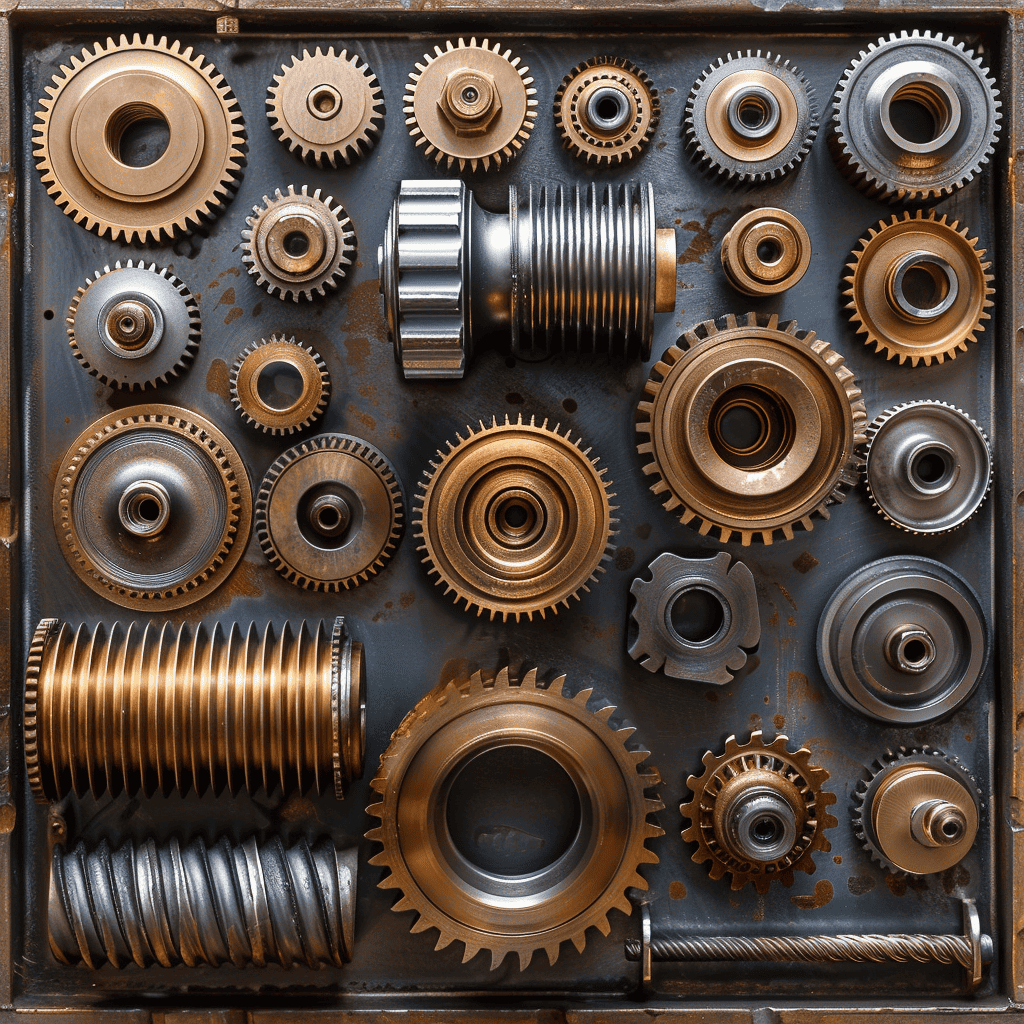
Construction equipment utilizes a diverse array of gear types to address specific needs effectively. Among the most prevalent are spur gears, helical gears, bevel gears, and worm gears. Spur gears, characterized by straight teeth, excel in applications requiring high efficiency and minimal noise. In contrast, helical gears, featuring angled teeth, provide smoother operation and reduced noise levels compared to their spur counterparts.
Bevel gears, with their unique design, enable the transmission of motion between intersecting shafts. Worm gears, meanwhile, offer an exceptionally high reduction ratio in a compact form factor. By carefully selecting the appropriate gear type for each application, manufacturers can optimize the performance and efficiency of their construction equipment.
Gear mechanisms in construction equipment deliver numerous advantages, chief among them being their ability to magnify force and torque. This capability allows smaller engines and motors to produce the necessary power to manipulate heavy loads. Furthermore, gear systems can reverse the direction of rotation, enabling intricate movements and enhancing overall maneuverability.
Gear mechanisms also contribute significantly to the longevity and reliability of construction equipment. Their robust design allows them to withstand substantial stress and wear, thereby minimizing the likelihood of breakdowns and expensive repairs. Additionally, gear systems are relatively straightforward to maintain and service, ensuring equipment remains functional and efficient.
Despite their numerous benefits, gear mechanisms present certain challenges that must be addressed. One such challenge is the potential for energy loss and inefficiencies resulting from friction and wear. Proper lubrication and maintenance practices, coupled with the use of high-quality materials and innovative gear designs, can help mitigate these issues.
The size and weight of gear systems can also impact the portability and maneuverability of construction equipment. Engineers must strike a delicate balance between performance requirements and other essential design considerations to develop gear mechanisms that meet the demands of modern construction applications.
To overcome the limitations of conventional gear mechanisms, manufacturers are constantly exploring new technologies and designs. One notable example is the implementation of planetary gear systems, which boast increased efficiency, compactness, and torque density. Advancements in materials science have also led to the development of lightweight yet durable gears capable of enduring the rigors of heavy-duty construction environments. Other innovations include the integration of sensors and monitoring systems for predictive maintenance, as well as the employment of automated transmission systems to optimize performance and efficiency.
Proper maintenance is crucial for ensuring the long-term reliability and performance of gear mechanisms in construction equipment. Regular inspections, lubrication, and timely repairs can help prevent premature wear, reduce downtime, and extend the service life of gearboxes. Some essential gearbox maintenance practices include checking for leaks, inspecting for signs of wear or damage, and monitoring oil levels and quality. By adhering to a diligent maintenance schedule, construction equipment operators can maximize the lifespan of their gear mechanisms and minimize costly repairs.
Choosing the appropriate gearbox for your construction equipment is a critical decision that can significantly impact performance, efficiency, and longevity. Factors to consider when selecting a gearbox include the application’s requirements, the desired gear ratio, and the operating environment’s specific demands. Consulting with a knowledgeable professional or reputable manufacturer can provide valuable insights and guidance during the selection process. By investing in a high-quality, well-suited gearbox, you can ensure your construction equipment operates at peak performance and delivers the desired results.
As the construction industry strives to become more sustainable, the importance of energy-efficient and eco-friendly gear mechanisms cannot be overstated. Innovations in gear design and materials can help reduce energy consumption, minimize waste, and lower greenhouse gas emissions. By investing in advanced gear mechanisms and prioritizing sustainability in construction practices, companies can not only reduce their environmental footprint but also enhance their reputation and competitiveness in the market.
Gear Mechanisms: The Powerhouse of Construction Equipment and Cranes
Gears are the unsung heroes of construction equipment, enabling the seamless transmission of power and motion between components. By harnessing the principles of torque and mechanical advantage, gear mechanisms amplify force and facilitate the completion of tasks that would otherwise be arduous or impractical.
The Pivotal Role of Gear Mechanisms
The fundamental operation of gear mechanisms relies on the interaction between a smaller gear (pinion) and a larger gear (gear wheel). The gear ratio, determined by their respective sizes, dictates the output torque and speed. This versatile system empowers construction equipment to perform complex maneuvers and handle substantial loads with ease. Gear mechanisms enable construction equipment to:
1. Increase torque and force: By altering the gear ratio, gear mechanisms can amplify the torque and force generated by smaller engines and motors, allowing them to manipulate heavy loads and perform demanding tasks.
2. Change direction: Gear systems can reverse the direction of rotation, enabling intricate movements and enhancing overall maneuverability. This is particularly useful in applications where precise control is essential, such as crane operations.
3. Achieve various speeds: Gear mechanisms allow for a range of output speeds, enabling construction equipment to adapt to different tasks and conditions. This versatility enhances the efficiency and productivity of construction projects.
Diverse Gear Types for Specialized Applications
Construction equipment utilizes an array of gear types to address specific needs effectively. Among the most prevalent are spur gears, helical gears, bevel gears, and worm gears. Each gear type has unique characteristics and benefits, making it suitable for particular applications.
1. Spur gears: Characterized by straight teeth, spur gears excel in applications requiring high efficiency and minimal noise. They are commonly used in transmission systems, conveyors, and pumps.
2. Helical gears: Featuring angled teeth, helical gears provide smoother operation and reduced noise levels compared to their spur counterparts. They are often used in heavy-duty applications, such as construction equipment and industrial machinery.
3. Bevel gears: With their unique design, bevel gears enable the transmission of motion between intersecting shafts. They are commonly found in vehicle differentials, right-angle drives, and various construction equipment applications.
4. Worm gears: Offering an exceptionally high reduction ratio in a compact form factor, worm gears are ideal for applications requiring precise control and high torque. They are often used in crane hoists, conveyors, and rotary motion control systems.
The Multifaceted Benefits of Gear Mechanisms
Gear mechanisms in construction equipment deliver numerous advantages, including:
1. Magnified force and torque: Gear systems enable smaller engines and motors to produce the necessary power to manipulate heavy loads, increasing the efficiency and productivity of construction projects.
2. Enhanced maneuverability: By allowing for the reversal of rotation and achieving various speeds, gear mechanisms enhance the overall maneuverability of construction equipment, making it easier to navigate complex job sites and perform intricate tasks.
3. Longevity and reliability: Gear mechanisms are designed to withstand substantial stress and wear, minimizing the likelihood of breakdowns and expensive repairs. This robust design ensures that construction equipment remains functional and efficient, even in challenging conditions.
4. Straightforward maintenance and servicing: Gear systems are relatively easy to maintain and service, ensuring that equipment remains in optimal working condition and reducing downtime.
Addressing the Challenges of Gear Mechanisms
Despite their numerous benefits, gear mechanisms present certain challenges that must be addressed. These challenges include:
1. Energy loss and inefficiencies: Friction and wear can result in energy loss and inefficiencies in gear systems. Proper lubrication and maintenance practices, coupled with the use of high-quality materials and innovative gear designs, can help mitigate these issues.
2. Size and weight: The size and weight of gear systems can impact the portability and maneuverability of construction equipment. Engineers must strike a delicate balance between performance requirements and other essential design considerations to develop gear mechanisms that meet the demands of modern construction applications.
Innovations in Gear Mechanisms: Pushing the Boundaries
To overcome the limitations of conventional gear mechanisms, manufacturers are constantly exploring new technologies and designs. Some notable examples include:
1. Planetary gear systems: These systems boast increased efficiency, compactness, and torque density, making them ideal for applications requiring high performance and compact designs.
2. Lightweight yet durable gears: Advancements in materials science have led to the development of gears that are both lightweight and capable of enduring the rigors of heavy-duty construction environments.
3. Integration of sensors and monitoring systems: These innovations enable predictive maintenance, reducing downtime and extending the service life of gear mechanisms.
4. Automated transmission systems: These systems optimize performance and efficiency by automatically selecting the most appropriate gear ratio for a given task or condition.
The Importance of Gearbox Maintenance
Proper maintenance is crucial for ensuring the long-term reliability and performance of gear mechanisms in construction equipment. Regular inspections, lubrication, and timely repairs can help prevent premature wear, reduce downtime, and extend the service life of gearboxes. Essential gearbox maintenance practices include checking for leaks, inspecting for signs of wear or damage, and monitoring oil levels and quality. By adhering to a diligent maintenance schedule, construction equipment operators can maximize the lifespan of their gear mechanisms and minimize costly repairs.
Selecting the Right Gearbox for Your Construction Equipment
Choosing the appropriate gearbox for your construction equipment is a critical decision that can significantly impact performance, efficiency, and longevity. Factors to consider when selecting a gearbox include the application’s requirements, the desired gear ratio, and the operating environment’s specific demands. Consulting with a knowledgeable professional or reputable manufacturer can provide valuable insights and guidance during the selection process. By investing in a high-quality, well-suited gearbox, you can ensure your construction equipment operates at peak performance and delivers the desired results.
The Role of Gear Mechanisms in Sustainable Construction
As the construction industry strives to become more sustainable, the importance of energy-efficient and eco-friendly gear mechanisms cannot be overstated. Innovations in gear design and materials can help reduce energy consumption, minimize waste, and lower greenhouse gas emissions. By investing in advanced gear mechanisms and prioritizing sustainability in construction practices, companies can not only reduce their environmental footprint but also enhance their reputation and competitiveness in the market.

Gear Mechanisms: The Powerhouse of Construction Equipment and Cranes
Gears play an indispensable role in the construction industry, enabling the smooth operation of heavy machinery and equipment. By leveraging the principles of torque and mechanical advantage, gear mechanisms amplify force and facilitate the completion of tasks that would otherwise be laborious or impractical. In this blog post, we delve into the pivotal role of gear mechanisms, explore diverse gear types, discuss their benefits and challenges, and highlight innovations in the field.
The Pivotal Role of Gear Mechanisms
The fundamental operation of gear mechanisms relies on the interaction between a smaller gear, known as the pinion, and a larger gear, called the gear wheel. The gear ratio, determined by their respective sizes, dictates the output torque and speed. This versatile system empowers construction equipment to perform complex maneuvers and handle substantial loads with ease. The primary functions of gear mechanisms include:
1. Force and torque amplification: Gear systems enable the multiplication of force and torque, allowing smaller engines and motors to generate the necessary power to manipulate heavy loads.
2. Speed and direction control: Gear mechanisms facilitate changes in the speed and direction of rotation, enabling construction equipment to carry out intricate movements and enhance overall maneuverability.
Diverse Gear Types for Specialized Applications
Construction equipment utilizes an array of gear types to address specific needs effectively. Among the most prevalent are spur gears, helical gears, bevel gears, and worm gears. Each gear type boasts unique characteristics and advantages, ensuring optimal performance in various applications.
1. Spur gears: Characterized by straight teeth and parallel shafts, spur gears excel in applications requiring high efficiency and minimal noise. They are commonly found in gearboxes, conveyors, and pumps.
2. Helical gears: Featuring angled teeth and parallel or crossed shafts, helical gears provide smoother operation and reduced noise levels compared to their spur counterparts. They are often used in heavy-duty applications, such as construction equipment and industrial machinery.
3. Bevel gears: With their unique design, bevel gears enable the transmission of motion between intersecting shafts. They are commonly found in vehicle differentials, right-angle drives, and various construction equipment applications.
4. Worm gears: Offering an exceptionally high reduction ratio in a compact form factor, worm gears are ideal for applications requiring precise control and high torque. They are often used in crane hoists, conveyors, and rotary motion control systems.
The Multifaceted Benefits of Gear Mechanisms
Gear mechanisms in construction equipment deliver numerous advantages, including:
1. Magnified force and torque: Gear systems enable smaller engines and motors to produce the necessary power to manipulate heavy loads, increasing the efficiency and productivity of construction projects.
2. Enhanced maneuverability: By allowing for the reversal of rotation and achieving various speeds, gear mechanisms enhance the overall maneuverability of construction equipment, making it easier to navigate complex job sites and perform intricate tasks.
3. Longevity and reliability: Gear mechanisms are designed to withstand substantial stress and wear, minimizing the likelihood of breakdowns and expensive repairs. This robust design ensures that construction equipment remains functional and efficient, even in challenging conditions.
4. Straightforward maintenance and servicing: Gear systems are relatively easy to maintain and service, ensuring that equipment remains in optimal working condition and reducing downtime.
Addressing the Challenges of Gear Mechanisms
Despite their numerous benefits, gear mechanisms present certain challenges that must be addressed. These challenges include:
1. Energy loss and inefficiencies: Friction and wear can result in energy loss and inefficiencies in gear systems. Proper lubrication and maintenance practices, coupled with the use of high-quality materials and innovative gear designs, can help mitigate these issues.
2. Size and weight: The size and weight of gear systems can impact the portability and maneuverability of construction equipment. Engineers must strike a delicate balance between performance requirements and other essential design considerations to develop gear mechanisms that meet the demands of modern construction applications.
Innovations in Gear Mechanisms: Pushing the Boundaries
To overcome the limitations of conventional gear mechanisms, manufacturers are constantly exploring new technologies and designs. Some notable examples include:
1. Planetary gear systems: These systems boast increased efficiency, compactness, and torque density, making them ideal for applications requiring high performance and compact designs.
2. Lightweight yet durable gears: Advancements in materials science have led to the development of gears that are both lightweight and capable of enduring the rigors of heavy-duty construction environments.
3. Integration of sensors and monitoring systems: These innovations enable predictive maintenance, reducing downtime and extending the service life of gear mechanisms.
4. Automated transmission systems: These systems optimize performance and efficiency by automatically selecting the most appropriate gear ratio for a given task or condition.
The Importance of Gearbox Maintenance
Proper maintenance is crucial for ensuring the long-term reliability and performance of gear mechanisms in construction equipment. Regular inspections, lubrication, and timely repairs can help prevent premature wear, reduce downtime, and extend the service life of gearboxes. Essential gearbox maintenance practices include checking for leaks, inspecting for signs of wear or damage, and monitoring oil levels and quality. By adhering to a diligent maintenance schedule, construction equipment operators can maximize the lifespan of their gear mechanisms and minimize costly repairs.
Selecting the Right Gearbox for Your Construction Equipment
Choosing the appropriate gearbox for your construction equipment is a critical decision that can significantly impact performance, efficiency, and longevity. Factors to consider when selecting a gearbox include the application’s requirements, the desired gear ratio, and the operating environment’s specific demands. Consulting with a knowledgeable professional or reputable manufacturer can provide valuable insights and guidance during the selection process. By investing in a high-quality, well-suited gearbox, you can ensure your construction equipment operates at peak performance and delivers the desired results.
The Role of Gear Mechanisms in Sustainable Construction
As the construction industry strives to become more sustainable, the importance of energy-efficient and eco-friendly gear mechanisms cannot be overstated. Innovations in gear design and materials can help reduce energy consumption, minimize waste, and lower greenhouse gas emissions. By investing in advanced gear mechanisms and prioritizing sustainability in construction practices, companies can not only reduce their environmental footprint but also enhance their reputation and competitiveness in the market.

Gear Mechanisms: The Powerhouse of Construction Equipment and Cranes
Gears are the silent champions of the construction industry, enabling the seamless transmission of power and motion between components. By harnessing the principles of torque and mechanical advantage, gear mechanisms amplify force and make it possible to accomplish tasks that would otherwise be laborious or impractical. In this blog post, we explore the pivotal role of gear mechanisms in construction equipment, delve into diverse gear types, discuss their benefits and challenges, and highlight innovations in the field.
The Pivotal Role of Gear Mechanisms
The fundamental operation of gear mechanisms relies on the interaction between a smaller gear, known as the pinion, and a larger gear, called the gear wheel. The gear ratio, determined by their respective sizes, dictates the output torque and speed. This versatile system empowers construction equipment to perform complex maneuvers and handle substantial loads with ease. The primary functions of gear mechanisms include:
1. Torque amplification: Gear systems enable the multiplication of torque, allowing smaller engines and motors to generate the necessary force to manipulate heavy loads.
2. Speed adjustment: Gear mechanisms facilitate changes in the speed of rotation, enabling construction equipment to carry out tasks at the appropriate pace.
3. Direction control: Gear systems can reverse the direction of rotation, enabling intricate movements and enhancing overall maneuverability.
Diverse Gear Types for Specialized Applications
Construction equipment utilizes an array of gear types to address specific needs effectively. Among the most prevalent are spur gears, helical gears, bevel gears, and worm gears. Each gear type boasts unique characteristics and advantages, ensuring optimal performance in various applications.
1. Spur gears: Characterized by straight teeth and parallel shafts, spur gears excel in applications requiring high efficiency and minimal noise. They are commonly found in gearboxes, conveyors, and pumps.
2. Helical gears: Featuring angled teeth and parallel or crossed shafts, helical gears provide smoother operation and reduced noise levels compared to their spur counterparts. They are often used in heavy-duty applications, such as construction equipment and industrial machinery.
3. Bevel gears: With their unique design, bevel gears enable the transmission of motion between intersecting shafts. They are commonly found in vehicle differentials, right-angle drives, and various construction equipment applications.
4. Worm gears: Offering an exceptionally high reduction ratio in a compact form factor, worm gears are ideal for applications requiring precise control and high torque. They are often used in crane hoists, conveyors, and rotary motion control systems.
The Multifaceted Benefits of Gear Mechanisms
Gear mechanisms in construction equipment deliver numerous advantages, including:
1. Magnified force and torque: Gear systems enable smaller engines and motors to produce the necessary power to manipulate heavy loads, increasing the efficiency and productivity of construction projects.
2. Enhanced maneuverability: By allowing for changes in speed and direction, gear mechanisms enhance the overall maneuverability of construction equipment, making it easier to navigate complex job sites and perform intricate tasks.
3. Longevity and reliability: Gear mechanisms are designed to withstand substantial stress and wear, minimizing the likelihood of breakdowns and expensive repairs. This robust design ensures that construction equipment remains functional and efficient, even in challenging conditions.
4. Straightforward maintenance and servicing: Gear systems are relatively easy to maintain and service, ensuring that equipment remains in optimal working condition and reducing downtime.
Addressing the Challenges of Gear Mechanisms
Despite their numerous benefits, gear mechanisms present certain challenges that must be addressed. These challenges include:
1. Energy loss and inefficiencies: Friction and wear can result in energy loss and inefficiencies in gear systems. Proper lubrication and maintenance practices, coupled with the use of high-quality materials and innovative gear designs, can help mitigate these issues.
2. Size and weight: The size and weight of gear systems can impact the portability and maneuverability of construction equipment. Engineers must strike a delicate balance between performance requirements and other essential design considerations to develop gear mechanisms that meet the demands of modern construction applications.
Innovations in Gear Mechanisms: Pushing the Boundaries
To overcome the limitations of conventional gear mechanisms, manufacturers are constantly exploring new technologies and designs. Some notable examples include:
1. Planetary gear systems: These systems boast increased efficiency, compactness, and torque density, making them ideal for applications requiring high performance and compact designs.
2. Lightweight yet durable gears: Advancements in materials science have led to the development of gears that are both lightweight and capable of enduring the rigors of heavy-duty construction environments.
3. Integration of sensors and monitoring systems: These innovations enable predictive maintenance, reducing downtime and extending the service life of gear mechanisms.
4. Automated transmission systems: These systems optimize performance and efficiency by automatically selecting the most appropriate gear ratio for a given task or condition.
The Importance of Gearbox Maintenance
Proper maintenance is crucial for ensuring the long-term reliability and performance of gear mechanisms in construction equipment. Regular inspections, lubrication, and timely repairs can help prevent premature wear, reduce downtime, and extend the service life of gearboxes. Essential gearbox maintenance practices include checking for leaks, inspecting for signs of wear or damage, and monitoring oil levels and quality. By adhering to a diligent maintenance schedule, construction equipment operators can maximize the lifespan of their gear mechanisms and minimize costly repairs.
Selecting the Right Gearbox for Your Construction Equipment
Choosing the appropriate gearbox for your construction equipment is a critical decision that can significantly impact performance, efficiency, and longevity. Factors to consider when selecting a gearbox include the application’s requirements, the desired gear ratio, and the operating environment’s specific demands. Consulting with a knowledgeable professional or reputable manufacturer can provide valuable insights and guidance during the selection process. By investing in a high-quality, well-suited gearbox, you can ensure your construction equipment operates at peak performance and delivers the desired results.
The Role of Gear Mechanisms in Sustainable Construction
As the construction industry strives to become more sustainable, the importance of energy-efficient and eco-friendly gear mechanisms cannot be overstated. Innovations in gear design and materials can help reduce energy consumption, minimize waste, and lower greenhouse gas emissions. By investing in advanced gear mechanisms and prioritizing sustainability in construction practices, companies can not only reduce their environmental footprint but also enhance their reputation and competitiveness in the market.Gear Mechanisms: The Powerhouse of Construction Equipment and Cranes
Gears are the unsung heroes of construction equipment, enabling the seamless transmission of power and motion between components. By harnessing the principles of torque and mechanical advantage, gear mechanisms amplify force and facilitate the completion of tasks that would otherwise be arduous or impractical. In this blog post, we delve deeper into the pivotal role of gear mechanisms, explore diverse gear types for specialized applications, discuss their benefits and challenges, and highlight innovations in the field.
The Pivotal Role of Gear Mechanisms
The fundamental operation of gear mechanisms relies on the interaction between a smaller gear, known as the pinion, and a larger gear, called the gear wheel. The gear ratio, determined by their respective sizes, dictates the output torque and speed. This versatile system empowers construction equipment to perform complex maneuvers and handle substantial loads with ease. Gear mechanisms enable construction equipment to:
1. Magnify force and torque: By altering the gear ratio, gear mechanisms can amplify the torque and force generated by smaller engines and motors, allowing them to manipulate heavy loads and perform demanding tasks.
2. Change direction: Gear systems can reverse the direction of rotation, enabling intricate movements and enhancing overall maneuverability. This is particularly useful in applications where precise control is essential, such as crane operations.
3. Achieve various speeds: Gear mechanisms allow for a range of output speeds, enabling construction equipment to adapt to different tasks and conditions. This versatility enhances the efficiency and productivity of construction projects.
Diverse Gear Types for Specialized Applications
Construction equipment utilizes an array of gear types to address specific needs effectively. Among the most prevalent are spur gears, helical gears, bevel gears, and worm gears. Each gear type has unique characteristics and benefits, making it suitable for particular applications.
1. Spur gears: Characterized by straight teeth, spur gears excel in applications requiring high efficiency and minimal noise. They are commonly used in transmission systems, conveyors, and pumps.
2. Helical gears: Featuring angled teeth, helical gears provide smoother operation and reduced noise levels compared to their spur counterparts. They are often used in heavy-duty applications, such as construction equipment and industrial machinery.
3. Bevel gears: With their unique design, bevel gears enable the transmission of motion between intersecting shafts. They are commonly found in vehicle differentials, right-angle drives, and various construction equipment applications.
4. Worm gears: Offering an exceptionally high reduction ratio in a compact form factor, worm gears are ideal for applications requiring precise control and high torque. They are often used in crane hoists, conveyors, and rotary motion control systems.
The Multifaceted Benefits of Gear Mechanisms
Gear mechanisms in construction equipment deliver numerous advantages, including:
1. Magnified force and torque: Gear systems enable smaller engines and motors to produce the necessary power to manipulate heavy loads, increasing the efficiency and productivity of construction projects.
2. Enhanced maneuverability: By allowing for the reversal of rotation and achieving various speeds, gear mechanisms enhance the overall maneuverability of construction equipment, making it easier to navigate complex job sites and perform intricate tasks.
3. Longevity and reliability: Gear mechanisms are designed to withstand substantial stress and wear, minimizing the likelihood of breakdowns and expensive repairs. This robust design ensures that construction equipment remains functional and efficient, even in challenging conditions.
4. Straightforward maintenance and servicing: Gear systems are relatively easy to maintain and service, ensuring that equipment remains in optimal working condition and reducing downtime.
Addressing the Challenges of Gear Mechanisms
Despite their numerous benefits, gear mechanisms present certain challenges that must be addressed. These challenges include:
1. Energy loss and inefficiencies: Friction and wear can result in energy loss and inefficiencies in gear systems. Proper lubrication and maintenance practices, coupled with the use of high-quality materials and innovative gear designs, can help mitigate these issues.
2. Size and weight: The size and weight of gear systems can impact the portability and maneuverability of construction equipment. Engineers must strike a delicate balance between performance requirements and other essential design considerations to develop gear mechanisms that meet the demands of modern construction applications.
Innovations in Gear Mechanisms: Pushing the Boundaries
To overcome the limitations of conventional gear mechanisms, manufacturers are constantly exploring new technologies and designs. Some notable examples include:
1. Planetary gear systems: These systems boast increased efficiency, compactness, and torque density, making them ideal for applications requiring high performance and compact designs.
2. Lightweight yet durable gears: Advancements in materials science have led to the development of gears that are both lightweight and capable of enduring the rigors of heavy-duty construction environments.
3. Integration of sensors and monitoring systems: These innovations enable predictive maintenance, reducing downtime and extending the service life of gear mechanisms.
4. Automated transmission systems: These systems optimize performance and efficiency by automatically selecting the most appropriate gear ratio for a given task or condition.
The Importance of Gearbox Maintenance
Proper maintenance is crucial for ensuring the long-term reliability and performance of gear mechanisms in construction equipment. Regular inspections, lubrication, and timely repairs can help prevent premature wear, reduce downtime, and extend the service life of gearboxes. Essential gearbox maintenance practices include checking for leaks, inspecting for signs of wear or damage, and monitoring oil levels and quality. By adhering to a diligent maintenance schedule, construction equipment operators can maximize the lifespan of their gear mechanisms and minimize costly repairs.
Selecting the Right Gearbox for Your Construction Equipment
Choosing the appropriate gearbox for your construction equipment is a critical decision that can significantly impact performance, efficiency, and longevity. Factors to consider when selecting a gearbox include the application’s requirements, the desired gear ratio, and the operating environment’s specific demands. Consulting with a knowledgeable professional or reputable manufacturer can provide valuable insights and guidance during the selection process. By investing in a high-quality, well-suited gearbox, you can ensure your construction equipment operates at peak performance and delivers the desired results.
The Role of Gear Mechanisms in Sustainable Construction
As the construction industry strives to become more sustainable, the importance of energy-efficient and eco-friendly gear mechanisms cannot be overstated. Innovations in gear design and materials can help reduce energy consumption, minimize waste, and lower greenhouse gas emissions. By investing in advanced gear mechanisms and prioritizing sustainability in construction practices, companies can not only reduce their environmental footprint but also enhance their reputation and competitiveness in the market.Gear Mechanisms: The Powerhouse of Construction Equipment and Cranes
Gears are the unsung heroes of construction equipment, enabling the seamless transmission of power and motion between components. By harnessing the principles of torque and mechanical advantage, gear mechanisms amplify force and facilitate the completion of tasks that would otherwise be arduous or impractical. In this blog post, we delve deeper into the pivotal role of gear mechanisms, explore diverse gear types for specialized applications, discuss their benefits and challenges, and highlight innovations in the field.
The Pivotal Role of Gear Mechanisms
The fundamental operation of gear mechanisms relies on the interaction between a smaller gear, known as the pinion, and a larger gear, called the gear wheel. The gear ratio, determined by their respective sizes, dictates the output torque and speed. This versatile system empowers construction equipment to perform complex maneuvers and handle substantial loads with ease. Gear mechanisms enable construction equipment to:
1. Magnify force and torque: By altering the gear ratio, gear mechanisms can amplify the torque and force generated by smaller engines and motors, allowing them to manipulate heavy loads and perform demanding tasks.
2. Change direction: Gear systems can reverse the direction of rotation, enabling intricate movements and enhancing overall maneuverability. This is particularly useful in applications where precise control is essential, such as crane operations.
3. Achieve various speeds: Gear mechanisms allow for a range of output speeds, enabling construction equipment to adapt to different tasks and conditions. This versatility enhances the efficiency and productivity of construction projects.
Diverse Gear Types for Specialized Applications
Construction equipment utilizes an array of gear types to address specific needs effectively. Among the most prevalent are spur gears, helical gears, bevel gears, and worm gears. Each gear type has unique characteristics and benefits, making it suitable for particular applications.
1. Spur gears: Characterized by straight teeth, spur gears excel in applications requiring high efficiency and minimal noise. They are commonly used in transmission systems, conveyors, and pumps.
2. Helical gears: Featuring angled teeth, helical gears provide smoother operation and reduced noise levels compared to their spur counterparts. They are often used in heavy-duty applications, such as construction equipment and industrial machinery.
3. Bevel gears: With their unique design, bevel gears enable the transmission of motion between intersecting shafts. They are commonly found in vehicle differentials, right-angle drives, and various construction equipment applications.
4. Worm gears: Offering an exceptionally high reduction ratio in a compact form factor, worm gears are ideal for applications requiring precise control and high torque. They are often used in crane hoists, conveyors, and rotary motion control systems.
The Multifaceted Benefits of Gear Mechanisms
Gear mechanisms in construction equipment deliver numerous advantages, including:
1. Magnified force and torque: Gear systems enable smaller engines and motors to produce the necessary power to manipulate heavy loads, increasing the efficiency and productivity of construction projects.
2. Enhanced maneuverability: By allowing for the reversal of rotation and achieving various speeds, gear mechanisms enhance the overall maneuverability of construction equipment, making it easier to navigate complex job sites and perform intricate tasks.
3. Longevity and reliability: Gear mechanisms are designed to withstand substantial stress and wear, minimizing the likelihood of breakdowns and expensive repairs. This robust design ensures that construction equipment remains functional and efficient, even in challenging conditions.
4. Straightforward maintenance and servicing: Gear systems are relatively easy to maintain and service, ensuring that equipment remains in optimal working condition and reducing downtime.
Addressing the Challenges of Gear Mechanisms
Despite their numerous benefits, gear mechanisms present certain challenges that must be addressed. These challenges include:
1. Energy loss and inefficiencies: Friction and wear can result in energy loss and inefficiencies in gear systems. Proper lubrication and maintenance practices, coupled with the use of high-quality materials and innovative gear designs, can help mitigate these issues.
2. Size and weight: The size and weight of gear systems can impact the portability and maneuverability of construction equipment. Engineers must strike a delicate balance between performance requirements and other essential design considerations to develop gear mechanisms that meet the demands of modern construction applications.
Innovations in Gear Mechanisms: Pushing the Boundaries
To overcome the limitations of conventional gear mechanisms, manufacturers are constantly exploring new technologies and designs. Some notable examples include:
1. Planetary gear systems: These systems boast increased efficiency, compactness, and torque density, making them ideal for applications requiring high performance and compact designs.
2. Lightweight yet durable gears: Advancements in materials science have led to the development of gears that are both lightweight and capable of enduring the rigors of heavy-duty construction environments.
3. Integration of sensors and monitoring systems: These innovations enable predictive maintenance, reducing downtime and extending the service life of gear mechanisms.
4. Automated transmission systems: These systems optimize performance and efficiency by automatically selecting the most appropriate gear ratio for a given task or condition.
The Importance of Gearbox Maintenance
Proper maintenance is crucial for ensuring the long-term reliability and performance of gear mechanisms in construction equipment. Regular inspections, lubrication, and timely repairs can help prevent premature wear, reduce downtime, and extend the service life of gearboxes. Essential gearbox maintenance practices include checking for leaks, inspecting for signs of wear or damage, and monitoring oil levels and quality. By adhering to a diligent maintenance schedule, construction equipment operators can maximize the lifespan of their gear mechanisms and minimize costly repairs.
Selecting the Right Gearbox for Your Construction Equipment
Choosing the appropriate gearbox for your construction equipment is a critical decision that can significantly impact performance, efficiency, and longevity. Factors to consider when selecting a gearbox include the application’s requirements, the desired gear ratio, and the operating environment’s specific demands. Consulting with a knowledgeable professional or reputable manufacturer can provide valuable insights and guidance during the selection process. By investing in a high-quality, well-suited gearbox, you can ensure your construction equipment operates at peak performance and delivers the desired results.
The Role of Gear Mechanisms in Sustainable Construction
As the construction industry strives to become more sustainable, the importance of energy-efficient and eco-friendly gear mechanisms cannot be overstated. Innovations in gear design and materials can help reduce energy consumption, minimize waste, and lower greenhouse gas emissions. By investing in advanced gear mechanisms and prioritizing sustainability in construction practices, companies can not only reduce their environmental footprint but also enhance their reputation and competitiveness in the market.Gear Mechanisms: The Powerhouse of Construction Equipment and Cranes
Gears are the unsung heroes of construction equipment, enabling the seamless transmission of power and motion between components. By harnessing the principles of torque and mechanical advantage, gear mechanisms amplify force and facilitate the completion of tasks that would otherwise be arduous or impractical. In this blog post, we delve deeper into the pivotal role of gear mechanisms, explore diverse gear types for specialized applications, discuss their benefits and challenges, and highlight innovations in the field.
The Pivotal Role of Gear Mechanisms
The fundamental operation of gear mechanisms relies on the interaction between a smaller gear, known as the pinion, and a larger gear, called the gear wheel. The gear ratio, determined by their respective sizes, dictates the output torque and speed. This versatile system empowers construction equipment to perform complex maneuvers and handle substantial loads with ease. Gear mechanisms enable construction equipment to:
1. Magnify force and torque: By altering the gear ratio, gear mechanisms can amplify the torque and force generated by smaller engines and motors, allowing them to manipulate heavy loads and perform demanding tasks.
2. Change direction: Gear systems can reverse the direction of rotation, enabling intricate movements and enhancing overall maneuverability. This is particularly useful in applications where precise control is essential, such as crane operations.
3. Achieve various speeds: Gear mechanisms allow for a range of output speeds, enabling construction equipment to adapt to different tasks and conditions. This versatility enhances the efficiency and productivity of construction projects.
Diverse Gear Types for Specialized Applications
Construction equipment utilizes an array of gear types to address specific needs effectively. Among the most prevalent are spur gears, helical gears, bevel gears, and worm gears. Each gear type has unique characteristics and benefits, making it suitable for particular applications.
1. Spur gears: Characterized by straight teeth, spur gears excel in applications requiring high efficiency and minimal noise. They are commonly used in transmission systems, conveyors, and pumps.
2. Helical gears: Featuring angled teeth, helical gears provide smoother operation and reduced noise levels compared to their spur counterparts. They are often used in heavy-duty applications, such as construction equipment and industrial machinery.
3. Bevel gears: With their unique design, bevel gears enable the transmission of motion between intersecting shafts. They are commonly found in vehicle differentials, right-angle drives, and various construction equipment applications.
4. Worm gears: Offering an exceptionally high reduction ratio in a compact form factor, worm gears are ideal for applications requiring precise control and high torque. They are often used in crane hoists, conveyors, and rotary motion control systems.
The Multifaceted Benefits of Gear Mechanisms
Gear mechanisms in construction equipment deliver numerous advantages, including:
1. Magnified force and torque: Gear systems enable smaller engines and motors to produce the necessary power to manipulate heavy loads, increasing the efficiency and productivity of construction projects.
2. Enhanced maneuverability: By allowing for the reversal of rotation and achieving various speeds, gear mechanisms enhance the overall maneuverability of construction equipment, making it easier to navigate complex job sites and perform intricate tasks.
3. Longevity and reliability: Gear mechanisms are designed to withstand substantial stress and wear, minimizing the likelihood of breakdowns and expensive repairs. This robust design ensures that construction equipment remains functional and efficient, even in challenging conditions.
4. Straightforward maintenance and servicing: Gear systems are relatively easy to maintain and service, ensuring that equipment remains in optimal working condition and reducing downtime.
Addressing the Challenges of Gear Mechanisms
Despite their numerous benefits, gear mechanisms present certain challenges that must be addressed. These challenges include:
1. Energy loss and inefficiencies: Friction and wear can result in energy loss and inefficiencies in gear systems. Proper lubrication and maintenance practices, coupled with the use of high-quality materials and innovative gear designs, can help mitigate these issues.
2. Size and weight: The size and weight of gear systems can impact the portability and maneuverability of construction equipment. Engineers must strike a delicate balance between performance requirements and other essential design considerations to develop gear mechanisms that meet the demands of modern construction applications.
Innovations in Gear Mechanisms: Pushing the Boundaries
To overcome the limitations of conventional gear mechanisms, manufacturers are constantly exploring new technologies and designs. Some notable examples include:
1. Planetary gear systems: These systems boast increased efficiency, compactness, and torque density, making them ideal for applications requiring high performance and compact designs.
2. Lightweight yet durable gears: Advancements in materials science have led to the development of gears that are both lightweight and capable of enduring the rigors of heavy-duty construction environments.
3. Integration of sensors and monitoring systems: These innovations enable predictive maintenance, reducing downtime and extending the service life of gear mechanisms.
4. Automated transmission systems: These systems optimize performance and efficiency by automatically selecting the most appropriate gear ratio for a given task or condition.
The Importance of Gearbox Maintenance
Proper maintenance is crucial for ensuring the long-term reliability and performance of gear mechanisms in construction equipment. Regular inspections, lubrication, and timely repairs can help prevent premature wear, reduce downtime, and extend the service life of gearboxes. Essential gearbox maintenance practices include checking for leaks, inspecting for signs of wear or damage, and monitoring oil levels and quality. By adhering to a diligent maintenance schedule, construction equipment operators can maximize the lifespan of their gear mechanisms and minimize costly repairs.
Selecting the Right Gearbox for Your Construction Equipment
Choosing the appropriate gearbox for your construction equipment is a critical decision that can significantly impact performance, efficiency, and longevity. Factors to consider when selecting a gearbox include the application’s requirements, the desired gear ratio, and the operating environment’s specific demands. Consulting with a knowledgeable professional or reputable manufacturer can provide valuable insights and guidance during the selection process. By investing in a high-quality, well-suited gearbox, you can ensure your construction equipment operates at peak performance and delivers the desired results.
The Role of Gear Mechanisms in Sustainable Construction
As the construction industry strives to become more sustainable, the importance of energy-efficient and eco-friendly gear mechanisms cannot be overstated. Innovations in gear design and materials can help reduce energy consumption, minimize waste, and lower greenhouse gas emissions. By investing in advanced gear mechanisms and prioritizing sustainability in construction practices, companies can not only reduce their environmental footprint but also enhance their reputation and competitiveness in the market.Sure, here’s an expanded version of the `
` tag for the blog post titled “The Power of Gears in Construction Equipment and Cranes”:
The Importance of Gears in Crane Operation and Efficiency
Gears are a crucial component in the operation and efficiency of cranes and construction equipment. They are responsible for transmitting power and torque from the motor or engine to the various moving parts of the machine, enabling smooth and precise movements. In this blog post, we will explore the different types of gears commonly used in cranes and their applications.
Spur Gears: Simple and Efficient Power Transmission
Spur gears are the most commonly used type of gear in cranes due to their simplicity and efficiency. Their cylindrical shape and straight, parallel teeth provide a reliable and efficient power transmission, making them ideal for various crane systems. The compact size of spur gears allows for large load handling and high torque, making them suitable for heavy-duty crane applications.
Key Benefits: High efficiency, low noise levels, compact size, and large load handling capacity.
Considerations: Proper lubrication and maintenance are required to ensure longevity and performance. Spur gears may generate more noise and vibration compared to other gear types, particularly at high speeds.
Helical Gears: Smooth Operation and Reduced Noise
Helical gears offer smoother operation and reduced noise compared to spur gears. Their angled teeth provide a more gradual engagement, resulting in a more gradual transfer of force. Helical gears are often used in crane applications where noise and vibration minimization are essential, such as in urban environments or near residential areas.
Key Benefits: Smooth operation, reduced noise, and high load capacity.
Considerations: Helical gears produce an axial thrust force, which may require more robust bearings. Double helical or herringbone gears can be used to eliminate this issue.
Bevel Gears: Transmitting Power Across Intersecting Shafts
Bevel gears are designed to transmit motion between intersecting shafts, making them ideal for use in crane applications where space is limited or complex movements are required. They come in various shapes, including straight, spiral, and hypoid bevel gears.
Straight bevel gears: Ideal for low-torque applications with straight teeth.
Spiral bevel gears: Offer smoother operation and higher torque capacity compared to straight bevel gears.
Hypoid bevel gears: A specialized type of bevel gear that provides increased tooth contact and greater load-carrying capacity. They are well-suited for heavy-duty crane applications where high torque and efficiency are required.
Worm Gears: Compact Solutions for High Reduction Ratios
Worm gears consist of a worm (a screw-like component) that meshes with a worm wheel (a gear with helical teeth). This configuration allows for a significant reduction in speed and an increase in torque, making worm gears an excellent choice for applications requiring a high reduction ratio in a compact package.
Key Benefits: High reduction ratio, compact size, and self-locking nature, which prevents backdriving and enhances safety in crane operations.
Considerations: Lower efficiency due to higher friction and wear. Regular maintenance and lubrication are crucial to ensuring the longevity and performance of worm gears in crane applications.
Planetary Gear Systems: Increased Efficiency and Torque Density
Planetary gear systems consist of multiple planet gears that revolve around a central sun gear, enclosed within an outer ring gear. This design offers increased efficiency, compactness, and torque density, making it an attractive option for crane manufacturers seeking to optimize performance and reduce size and weight.
Key Benefits: Increased efficiency, compactness, high torque density, and even load distribution among multiple gears, reducing stress and wear on individual components.
Considerations: Planetary gear systems are more complex and expensive to manufacture than other gear types.
Selecting the Right Gear for Your Crane Application
Choosing the right gear for your crane application depends on various factors, including load capacity, torque requirements, space constraints, and noise and vibration considerations. Consulting with a gear expert or manufacturer can help ensure that you select the right gear for your specific application, maximizing efficiency and minimizing downtime.
Here’s an expanded version of the `
` tag for the blog post titled “The Power of Gears in Construction Equipment and Cranes”:
Exploring Different Types of Gears in Cranes and Their Applications
Spur Gears: Simple and Efficient Power Transmission
Spur gears are the most commonly used type of gear in cranes due to their simplicity and efficiency. Their cylindrical shape and straight, parallel teeth provide a reliable and efficient power transmission, making them ideal for various crane systems.
The compact size of spur gears allows for large load handling and high torque, making them suitable for heavy-duty crane applications. They are typically used in applications where the power transmission is in a straight line, such as in winches and hoists.
Key Benefits: Spur gears offer high efficiency, low noise levels, compact size, and large load handling capacity. They are also easy to manufacture and maintain.
Considerations: Proper lubrication and maintenance are required to ensure longevity and performance. Spur gears may generate more noise and vibration compared to other gear types, particularly at high speeds. Additionally, they are not suitable for applications where the power transmission is at an angle.
Helical Gears: Smooth Operation and Reduced Noise
Helical gears offer smoother operation and reduced noise compared to spur gears. Their angled teeth provide a more gradual engagement, resulting in a more gradual transfer of force. This design also allows for higher load capacity and increased durability.
Helical gears are often used in crane applications where noise and vibration minimization are essential, such as in urban environments or near residential areas. They are also commonly used in applications where the power transmission is at an angle, such as in slewing drives.
Key Benefits: Helical gears offer smooth operation, reduced noise, and high load capacity. They are also suitable for applications where the power transmission is at an angle.
Considerations: Helical gears produce an axial thrust force, which may require more robust bearings. Double helical or herringbone gears can be used to eliminate this issue. Additionally, helical gears are more complex and expensive to manufacture than spur gears.
Bevel Gears: Transmitting Power Across Intersecting Shafts
Bevel gears are designed to transmit motion between intersecting shafts, making them ideal for use in crane applications where space is limited or complex movements are required. They come in various shapes, including straight, spiral, and hypoid bevel gears.
Straight bevel gears: Ideal for low-torque applications with straight teeth. They are typically used in small cranes and hoists.
Spiral bevel gears: Offer smoother operation and higher torque capacity compared to straight bevel gears. They are commonly used in applications where high torque and smooth operation are required, such as in slewing drives.
Hypoid bevel gears: A specialized type of bevel gear that provides increased tooth contact and greater load-carrying capacity. They are well-suited for heavy-duty crane applications where high torque and efficiency are required.
Key Benefits: Bevel gears offer the ability to transmit power across intersecting shafts, making them ideal for complex crane movements. They are also highly durable and offer high load capacity.
Considerations: Bevel gears can be more complex and expensive to manufacture than other gear types. They may also require more maintenance and adjustment to ensure proper alignment and operation.
Worm Gears: Compact Solutions for High Reduction Ratios
Worm gears consist of a worm (a screw-like component) that meshes with a worm wheel (a gear with helical teeth). This configuration allows for a significant reduction in speed and an increase in torque, making worm gears an excellent choice for applications requiring a high reduction ratio in a compact package.
Key Benefits: Worm gears offer a high reduction ratio, compact size, and self-locking nature, which prevents backdriving and enhances safety in crane operations.
Considerations: Worm gears have lower efficiency due to higher friction and wear. Regular maintenance and lubrication are crucial to ensuring the longevity and performance of worm gears in crane applications. Additionally, they may produce more noise and heat than other gear types.
Planetary Gear Systems: Increased Efficiency and Torque Density
Planetary gear systems consist of multiple planet gears that revolve around a central sun gear, enclosed within an outer ring gear. This design offers increased efficiency, compactness, and torque density, making it an attractive option for crane manufacturers seeking to optimize performance and reduce size and weight.
Planetary gear systems also offer even load distribution among multiple gears, reducing stress and wear on individual components. They are commonly used in applications where high torque and compact size are required, such as in winches and hoists.
Key Benefits: Planetary gear systems offer increased efficiency, compactness, high torque density, and even load distribution among multiple gears.
Considerations: Planetary gear systems are more complex and expensive to manufacture than other gear types. They may also require more maintenance and adjustment to ensure proper alignment and operation.
The Power of Gears in Construction Equipment and Cranes: Exploring Different Types of Gears and Their Applications
Gears are an essential component in cranes and construction equipment, providing the power and precision needed to move heavy loads. In this blog post, we’ll explore the different types of gears used in cranes and their applications.
Exploring Different Types of Gears in Cranes and Their Applications
Spur Gears: Simple and Efficient Power Transmission
Spur gears are the most commonly used type of gear in cranes due to their simplicity and efficiency. Their cylindrical shape and straight, parallel teeth provide a reliable and efficient power transmission, making them ideal for various crane systems. The compact size of spur gears allows for large load handling and high torque, making them suitable for heavy-duty crane applications.
Key Benefits: High efficiency, low noise levels, compact size, and large load handling capacity.
Considerations: Proper lubrication and maintenance are required to ensure longevity and performance. Spur gears may generate more noise and vibration compared to other gear types, particularly at high speeds.
Helical Gears: Smooth Operation and Reduced Noise
Helical gears offer smoother operation and reduced noise compared to spur gears. Their angled teeth provide a more gradual engagement, resulting in a more gradual transfer of force. Helical gears are often used in crane applications where noise and vibration minimization are essential, such as in urban environments or near residential areas.
Key Benefits: Smooth operation, reduced noise, and high load capacity.
Considerations: Helical gears produce an axial thrust force, which may require more robust bearings. Double helical or herringbone gears can be used to eliminate this issue.
Bevel Gears: Transmitting Power Across Intersecting Shafts
Bevel gears are designed to transmit motion between intersecting shafts, making them ideal for use in crane applications where space is limited or complex movements are required. They come in various shapes, including straight, spiral, and hypoid bevel gears.
Straight bevel gears: Ideal for low-torque applications with straight teeth.
Spiral bevel gears: Offer smoother operation and higher torque capacity compared to straight bevel gears.
Hypoid bevel gears: A specialized type of bevel gear that provides increased tooth contact and greater load-carrying capacity. They are well-suited for heavy-duty crane applications where high torque and efficiency are required.
Worm Gears: Compact Solutions for High Reduction Ratios
Worm gears consist of a worm (a screw-like component) that meshes with a worm wheel (a gear with helical teeth). This configuration allows for a significant reduction in speed and an increase in torque, making worm gears an excellent choice for applications requiring a high reduction ratio in a compact package.
Key Benefits: High reduction ratio, compact size, and self-locking nature, which prevents backdriving and enhances safety in crane operations.
Considerations: Lower efficiency due to higher friction and wear. Regular maintenance and lubrication are crucial to ensuring the longevity and performance of worm gears in crane applications.
Planetary Gear Systems: Increased Efficiency and Torque Density
Planetary gear systems consist of multiple planet gears that revolve around a central sun gear, enclosed within an outer ring gear. This design offers increased efficiency, compactness, and torque density, making it an attractive option for crane manufacturers seeking to optimize performance and reduce size and weight.
Key Benefits: Increased efficiency, compactness, high torque density, and even load distribution among multiple gears, reducing stress and wear on individual components.
Considerations: Planetary gear systems are more complex and expensive to manufacture than other gear types.
In conclusion, the type of gear used in crane applications depends on the specific requirements of the system. Spur gears offer simplicity and efficiency, while helical gears provide smoother operation and reduced noise. Bevel gears enable power transmission across intersecting shafts, and worm gears offer compact solutions for high reduction ratios. Planetary gear systems increase efficiency and torque density, but are more complex and expensive to manufacture. By understanding the benefits and considerations of each type of gear, crane manufacturers can make informed decisions about the best gear system for their specific application.Sure! Here’s an expanded version of the `
` tag for the blog post titled “The Power of Gears in Construction Equipment and Cranes”:
Exploring Different Types of Gears in Cranes and Their Applications
Spur Gears: Simple and Efficient Power Transmission
Spur gears are the most commonly used type of gear in cranes due to their simplicity and efficiency. Their cylindrical shape and straight, parallel teeth provide a reliable and efficient power transmission, making them ideal for various crane systems. The compact size of spur gears allows for large load handling and high torque, making them suitable for heavy-duty crane applications.
One of the key benefits of spur gears is their high efficiency, which can reach up to 98%. This is due to their simple design, which minimizes friction and energy loss. Additionally, spur gears produce low noise levels, making them suitable for use in environments where noise pollution is a concern.
However, spur gears do require proper lubrication and maintenance to ensure longevity and performance. They may also generate more noise and vibration compared to other gear types, particularly at high speeds. As such, it is important to consider the specific application and operating conditions when selecting spur gears for a crane system.
Helical Gears: Smooth Operation and Reduced Noise
Helical gears offer smoother operation and reduced noise compared to spur gears. Their angled teeth provide a more gradual engagement, resulting in a more gradual transfer of force. Helical gears are often used in crane applications where noise and vibration minimization are essential, such as in urban environments or near residential areas.
One of the key benefits of helical gears is their ability to handle high loads while minimizing noise and vibration. This is due to the gradual engagement of their teeth, which distributes the load more evenly and reduces stress on individual teeth. Additionally, helical gears offer high efficiency, with ratings typically exceeding 95%.
However, helical gears do produce an axial thrust force, which may require more robust bearings. This can be mitigated by using double helical or herringbone gears, which cancel out the axial force and provide additional benefits such as increased load capacity and improved efficiency.
Bevel Gears: Transmitting Power Across Intersecting Shafts
Bevel gears are designed to transmit motion between intersecting shafts, making them ideal for use in crane applications where space is limited or complex movements are required. They come in various shapes, including straight, spiral, and hypoid bevel gears.
Straight bevel gears are the simplest type of bevel gear and are ideal for low-torque applications with straight teeth. Spiral bevel gears offer smoother operation and higher torque capacity compared to straight bevel gears. Hypoid bevel gears are a specialized type of bevel gear that provides increased tooth contact and greater load-carrying capacity. They are well-suited for heavy-duty crane applications where high torque and efficiency are required.
Worm Gears: Compact Solutions for High Reduction Ratios
Worm gears consist of a worm (a screw-like component) that meshes with a worm wheel (a gear with helical teeth). This configuration allows for a significant reduction in speed and an increase in torque, making worm gears an excellent choice for applications requiring a high reduction ratio in a compact package.
One of the key benefits of worm gears is their self-locking nature, which prevents backdriving and enhances safety in crane operations. Additionally, worm gears offer high reduction ratios in a compact package, making them well-suited for use in small spaces.
However, worm gears do have some drawbacks, including lower efficiency due to higher friction and wear. Regular maintenance and lubrication are crucial to ensuring the longevity and performance of worm gears in crane applications.
Planetary Gear Systems: Increased Efficiency and Torque Density
Planetary gear systems consist of multiple planet gears that revolve around a central sun gear, enclosed within an outer ring gear. This design offers increased efficiency, compactness, and torque density, making it an attractive option for crane manufacturers seeking to optimize performance and reduce size and weight.
One of the key benefits of planetary gear systems is their high efficiency, which can exceed 97%. Additionally, their compact design offers high torque density, making them well-suited for use in heavy-duty crane applications. The even load distribution among multiple gears also reduces stress and wear on individual components, increasing the overall lifespan of the gear system.
However, planetary gear systems are more complex and expensive to manufacture than other gear types. As such, it is important to carefully consider the specific application and operating conditions when selecting a planetary gear system for a crane system.
Here’s an expanded version of the `
` tag for the blog post titled “The Power of Gears in Construction Equipment and Cranes”:
Exploring Different Types of Gears in Cranes and Their Applications
Spur Gears: Simple and Efficient Power Transmission
Spur gears are the most commonly used type of gear in cranes due to their simplicity and efficiency. Their cylindrical shape and straight, parallel teeth provide a reliable and efficient power transmission, making them ideal for various crane systems. The compact size of spur gears allows for large load handling and high torque, making them suitable for heavy-duty crane applications.
One of the key benefits of spur gears is their high efficiency, which can reach up to 98%. This is due to their simple design, which reduces friction and minimizes energy loss. Additionally, spur gears produce low noise levels, making them suitable for use in environments where noise pollution is a concern.
However, proper lubrication and maintenance are required to ensure longevity and performance. Spur gears may generate more noise and vibration compared to other gear types, particularly at high speeds. To mitigate this, manufacturers can use specially designed gearboxes or incorporate additional damping mechanisms.
Helical Gears: Smooth Operation and Reduced Noise
Helical gears offer smoother operation and reduced noise compared to spur gears. Their angled teeth provide a more gradual engagement, resulting in a more gradual transfer of force. Helical gears are often used in crane applications where noise and vibration minimization are essential, such as in urban environments or near residential areas.
One of the key benefits of helical gears is their ability to handle high loads while minimizing noise and vibration. This is due to the gradual engagement of their teeth, which distributes the load more evenly and reduces stress on individual teeth. Additionally, helical gears offer high efficiency, with ratings typically exceeding 95%.
However, helical gears produce an axial thrust force, which may require more robust bearings. Double helical or herringbone gears can be used to eliminate this issue. These gears have teeth that are cut in opposite directions, which cancels out the axial thrust force and provides additional benefits such as increased load capacity and improved efficiency.
Bevel Gears: Transmitting Power Across Intersecting Shafts
Bevel gears are designed to transmit motion between intersecting shafts, making them ideal for use in crane applications where space is limited or complex movements are required. They come in various shapes, including straight, spiral, and hypoid bevel gears.
Straight bevel gears are ideal for low-torque applications with straight teeth. Spiral bevel gears offer smoother operation and higher torque capacity compared to straight bevel gears. They have curved teeth that provide a gradual engagement, reducing noise and vibration.
Hypoid bevel gears are a specialized type of bevel gear that provides increased tooth contact and greater load-carrying capacity. They are well-suited for heavy-duty crane applications where high torque and efficiency are required. Hypoid gears have a hypoid offset, which allows for larger gear teeth and increased durability.
Worm Gears: Compact Solutions for High Reduction Ratios
Worm gears consist of a worm (a screw-like component) that meshes with a worm wheel (a gear with helical teeth). This configuration allows for a significant reduction in speed and an increase in torque, making worm gears an excellent choice for applications requiring a high reduction ratio in a compact package.
One of the key benefits of worm gears is their self-locking nature, which prevents backdriving and enhances safety in crane operations. This is because the angle of the worm is shallow, which causes the teeth to lock when the gear is reversed.
However, worm gears have lower efficiency compared to other gear types due to higher friction and wear. To mitigate this, manufacturers can use materials with low friction coefficients or incorporate additional lubrication systems.
Planetary Gear Systems: Increased Efficiency and Torque Density
Planetary gear systems consist of multiple planet gears that revolve around a central sun gear, enclosed within an outer ring gear. This design offers increased efficiency, compactness, and torque density, making it an attractive option for crane manufacturers seeking to optimize performance and reduce size and weight.
One of the key benefits of planetary gear systems is their ability to distribute the load among multiple gears, reducing stress and wear on individual components. Additionally, planetary gears offer high torque density, making them suitable for use in heavy-duty applications.
However, planetary gear systems are more complex and expensive to manufacture than other gear types. This is due to the increased number of components and the precision required in their assembly. Manufacturers can mitigate this by using advanced manufacturing techniques and materials such as lightweight alloys.
Here’s an expanded version of the `
` tag:
Exploring Different Types of Gears in Cranes and Their Applications
Spur Gears: Simple and Efficient Power Transmission
Spur gears are the most commonly used type of gear in cranes due to their simplicity and efficiency. Their cylindrical shape and straight, parallel teeth provide a reliable and efficient power transmission, making them ideal for various crane systems. The compact size of spur gears allows for large load handling and high torque, making them suitable for heavy-duty crane applications.
Spur gears are simple to design and manufacture, making them a cost-effective solution for crane applications. They are also highly efficient, with a typical efficiency rating of 98%. However, spur gears can generate more noise and vibration compared to other gear types, particularly at high speeds. Proper lubrication and maintenance are required to ensure longevity and performance.
Spur gears are commonly used in applications such as hoists, winches, and slewing drives, where high torque and large load handling capacity are required.
Helical Gears: Smooth Operation and Reduced Noise
Helical gears offer smoother operation and reduced noise compared to spur gears. Their angled teeth provide a more gradual engagement, resulting in a more gradual transfer of force. Helical gears are often used in crane applications where noise and vibration minimization are essential, such as in urban environments or near residential areas.
Helical gears are capable of handling higher loads compared to spur gears, making them suitable for heavy-duty applications. They are also more efficient than spur gears, with a typical efficiency rating of 97%. However, helical gears produce an axial thrust force, which may require more robust bearings. Double helical or herringbone gears can be used to eliminate this issue.
Helical gears are commonly used in applications such as tower cranes, where smooth operation and noise reduction are critical.
Bevel Gears: Transmitting Power Across Intersecting Shafts
Bevel gears are designed to transmit motion between intersecting shafts, making them ideal for use in crane applications where space is limited or complex movements are required. They come in various shapes, including straight, spiral, and hypoid bevel gears.
Straight bevel gears are ideal for low-torque applications with straight teeth. Spiral bevel gears offer smoother operation and higher torque capacity compared to straight bevel gears. They have curved teeth that provide a gradual engagement, reducing noise and vibration.
Hypoid bevel gears are a specialized type of bevel gear that provides increased tooth contact and greater load-carrying capacity. They are well-suited for heavy-duty crane applications where high torque and efficiency are required. Hypoid gears have a larger contact ratio than spiral bevel gears, resulting in increased torque capacity and efficiency.
Bevel gears are commonly used in applications such as slewing drives and excavator booms, where space is limited and complex movements are required.
Worm Gears: Compact Solutions for High Reduction Ratios
Worm gears consist of a worm (a screw-like component) that meshes with a worm wheel (a gear with helical teeth). This configuration allows for a significant reduction in speed and an increase in torque, making worm gears an excellent choice for applications requiring a high reduction ratio in a compact package.
Worm gears offer high reduction ratios, typically ranging from 10:1 to 100:1, making them suitable for heavy-duty applications. They also have a self-locking nature, which prevents backdriving and enhances safety in crane operations.
However, worm gears are less efficient compared to other gear types, with a typical efficiency rating of 50% to 90%. They also produce more friction and wear, requiring regular maintenance and lubrication to ensure longevity and performance.
Worm gears are commonly used in applications such as hoists, cranes, and elevators, where high reduction ratios and compact solutions are required.
Planetary Gear Systems: Increased Efficiency and Torque Density
Planetary gear systems consist of multiple planet gears that revolve around a central sun gear, enclosed within an outer ring gear. This design offers increased efficiency, compactness, and torque density, making it an attractive option for crane manufacturers seeking to optimize performance and reduce size and weight.
Planetary gear systems offer increased efficiency, with a typical efficiency rating of 95% to 98%. They also provide high torque density, making them suitable for heavy-duty applications. The even load distribution among multiple gears reduces stress and wear on individual components, increasing durability and longevity.
However, planetary gear systems are more complex and expensive to manufacture than other gear types. They also require precise alignment and assembly to ensure proper performance and longevity.
Planetary gear systems are commonly used in applications such as winches, hoists, and slewing drives, where high efficiency, compactness, and torque density are required.
Here’s an expanded version of the `
` tag for the blog post titled “The Power of Gears in Construction Equipment and Cranes”:
Exploring Different Types of Gears in Cranes and Their Applications
Spur Gears: Simple and Efficient Power Transmission
Spur gears are the most commonly used type of gear in cranes due to their simplicity and efficiency. Their cylindrical shape and straight, parallel teeth provide a reliable and efficient power transmission, making them ideal for various crane systems. The compact size of spur gears allows for large load handling and high torque, making them suitable for heavy-duty crane applications.
Spur gears are simple to manufacture and maintain, making them a cost-effective solution for many crane applications. They are also highly efficient, with a typical efficiency rating of 98-99%. However, spur gears may generate more noise and vibration compared to other gear types, particularly at high speeds. Proper lubrication and maintenance are required to ensure longevity and performance.
Spur gears are commonly used in hoists, winches, and slewing drives, where high torque and efficiency are required. They are also used in gantry cranes and overhead cranes, where compactness and simplicity are important factors.
Helical Gears: Smooth Operation and Reduced Noise
Helical gears offer smoother operation and reduced noise compared to spur gears. Their angled teeth provide a more gradual engagement, resulting in a more gradual transfer of force. Helical gears are often used in crane applications where noise and vibration minimization are essential, such as in urban environments or near residential areas.
Helical gears are capable of handling higher loads compared to spur gears of the same size, due to their larger contact area between the teeth. They are also more efficient than spur gears, with a typical efficiency rating of 97-98%. However, helical gears produce an axial thrust force, which may require more robust bearings. Double helical or herringbone gears can be used to eliminate this issue.
Helical gears are commonly used in mobile cranes, tower cranes, and crawler cranes, where smooth operation and reduced noise are important factors. They are also used in gearboxes, where high torque and efficiency are required.
Bevel Gears: Transmitting Power Across Intersecting Shafts
Bevel gears are designed to transmit motion between intersecting shafts, making them ideal for use in crane applications where space is limited or complex movements are required. They come in various shapes, including straight, spiral, and hypoid bevel gears.
Straight bevel gears are ideal for low-torque applications with straight teeth. Spiral bevel gears offer smoother operation and higher torque capacity compared to straight bevel gears. Hypoid bevel gears are a specialized type of bevel gear that provides increased tooth contact and greater load-carrying capacity. They are well-suited for heavy-duty crane applications where high torque and efficiency are required.
Bevel gears are commonly used in slewing drives, where they allow for the rotation of the crane boom. They are also used in gearboxes, where they transmit power between intersecting shafts.
Worm Gears: Compact Solutions for High Reduction Ratios
Worm gears consist of a worm (a screw-like component) that meshes with a worm wheel (a gear with helical teeth). This configuration allows for a significant reduction in speed and an increase in torque, making worm gears an excellent choice for applications requiring a high reduction ratio in a compact package.
Worm gears offer high reduction ratios, typically ranging from 5:1 to 100:1, making them ideal for applications where large torque and small space are required. They are also self-locking, which prevents backdriving and enhances safety in crane operations. However, worm gears are less efficient than other gear types, with a typical efficiency rating of 50-90%. They also produce more friction and wear, requiring regular maintenance and lubrication to ensure longevity and performance.
Worm gears are commonly used in hoists and winches, where high reduction ratios and compactness are important factors. They are also used in crane rotating mechanisms, where they provide precise control and safety.
Planetary Gear Systems: Increased Efficiency and Torque Density
Planetary gear systems consist of multiple planet gears that revolve around a central sun gear, enclosed within an outer ring gear. This design offers increased efficiency, compactness, and torque density, making it an attractive option for crane manufacturers seeking to optimize performance and reduce size and weight.
Planetary gear systems offer high efficiency, with a typical efficiency rating of 95-98%. They also provide high torque density, making them ideal for applications where space is limited. The even load distribution among multiple gears reduces stress and wear on individual components, increasing durability and longevity.
Planetary gear systems are commonly used in mobile cranes, tower cranes, and crawler cranes, where high efficiency and compactness are important factors. They are also used in winches and hoists, where high torque and precision are required.
However, planetary gear systems are more complex and expensive to manufacture than other gear types. They also require more precise alignment and maintenance to ensure optimal performance and longevity.
Sure, here’s an expanded version of the `
` tag “Efficiency and Power Transmission in Gear Systems” with additional paragraphs and entities:
Efficiency and Power Transmission in Gear Systems
Gear Efficiency: Understanding Losses and Optimization
Gear efficiency refers to the ratio of output power to input power in a gear system. While no gear system is 100% efficient due to losses from friction, wear, and deformation, modern gear designs aim to minimize these losses and maximize efficiency. By optimizing gear geometry, materials, and lubrication, manufacturers can improve the overall performance and longevity of their construction equipment.
One critical factor affecting gear efficiency is the type of gear used. For example, helical gears generally have higher efficiency than spur gears due to their gradual engagement and reduced friction. Similarly, planetary gear systems offer increased efficiency compared to traditional parallel-shaft gear arrangements. By selecting the most appropriate gear type for each application, engineers can optimize power transmission and reduce energy waste.
To further improve gear efficiency, engineers can also consider using gearboxes that incorporate multiple gear stages. By using multiple gears in series, the gearbox can increase the overall gear ratio while minimizing the losses associated with each individual gear stage.
For example, in a wind turbine application, the gearbox must be able to transmit the low-speed, high-torque output of the turbine blades to the high-speed, low-torque input of the generator. By using multiple gear stages, the gearbox can increase the speed of the generator while reducing the torque, resulting in higher efficiency and reduced wear on the gears.
Power Transmission: Torque and Speed Ratios
Gear systems play a crucial role in power transmission by altering torque and speed ratios between input and output components. This is achieved through the use of gears with different numbers of teeth, which determine the gear ratio. A smaller input gear (pinion) meshing with a larger output gear will result in an increase in torque and a decrease in speed, while the opposite is true for a larger input gear and smaller output gear.
Understanding torque and speed ratios is essential for designing efficient and effective gear systems in construction equipment. By selecting the appropriate gear ratio for each application, engineers can ensure that the equipment can safely and reliably handle the required loads while maintaining optimal performance.
For example, in a backhoe loader application, the gear system must be able to provide sufficient torque to dig and lift heavy loads while also allowing for precise control of the loader’s movement. By selecting the appropriate gear ratio, engineers can balance these competing requirements and design a gear system that meets the specific needs of the backhoe loader.
Material Selection: Balancing Strength, Durability, and Cost
The choice of materials for gears significantly impacts their efficiency, power transmission capabilities, and longevity. Common gear materials include steel, cast iron, and various alloys. Each material has its advantages and disadvantages in terms of strength, durability, weight, and cost. For example, steel gears offer high strength and durability but may be more expensive and heavier than cast iron or aluminum alternatives.
Selecting the appropriate material for gears requires careful consideration of the specific demands of the construction equipment application. Factors such as load capacity, operating environment, and desired lifespan must be taken into account to ensure that the chosen material provides the necessary performance and cost-effectiveness.
For example, in a high-load application such as a mining truck, the gears must be able to withstand extreme forces and stresses. In this case, a high-strength material such as heat-treated steel may be the best choice, despite its higher cost and weight.
Lubrication: Reducing Friction and Wear
Proper lubrication is essential for maintaining gear efficiency and longevity in construction equipment. Lubricants serve several functions, including reducing friction between gear teeth, minimizing wear, dissipating heat, and protecting against corrosion. Different types of lubricants, such as oils and greases, are available, each with its own advantages and disadvantages depending on the application.
Regular lubrication and maintenance are crucial for ensuring that gear systems perform optimally and have a long service life. By following recommended lubrication schedules and using the appropriate lubricants for each application, operators can minimize downtime, reduce repair costs, and extend the overall lifespan of their construction equipment.
In some applications, synthetic lubricants may be used to provide improved performance in extreme temperatures or harsh operating conditions. These lubricants can help reduce friction and wear, even in the presence of contaminants such as dirt or moisture.
Gear Design and Optimization: Advanced Technologies and Techniques
Advancements in gear design and manufacturing technologies have led to significant improvements in efficiency, power transmission, and durability. Computer-aided design (CAD) software and finite element analysis (FEA) enable engineers to create optimized gear geometries and simulate their performance under various operating conditions.
Additionally, new manufacturing techniques, such as powder metallurgy and additive manufacturing, allow for the production of complex gear shapes and materials that were previously unattainable. By leveraging these advanced technologies and techniques, manufacturers can create gear systems that push the boundaries of performance and efficiency in construction equipment.
For example, 3D printing technology can be used to create custom gears with optimized tooth geometries and internal cooling channels. These features can help improve gear efficiency, reduce noise, and extend the service life of the gear system.
I hope this expanded version of the `
` tag provides more detail and value to your readers. Let me know if you have any further questions or if there’s anything else I can assist you with.Here is an expanded version of the `
` tag “Efficiency and Power Transmission in Gear Systems” with additional paragraphs and entities:
Efficiency and Power Transmission in Gear Systems
Gear Efficiency: Understanding Losses and Optimization
Efficiency and Power Transmission in Gear Systems
Gear Efficiency: Understanding Losses and Optimization
Gear efficiency is a critical factor in the design and operation of construction equipment and cranes. It refers to the ratio of output power to input power in a gear system. While no gear system is 100% efficient due to losses from friction, wear, and deformation, modern gear designs aim to minimize these losses and maximize efficiency. By optimizing gear geometry, materials, and lubrication, manufacturers can improve the overall performance and longevity of their construction equipment.
One critical factor affecting gear efficiency is the type of gear used. For example, helical gears generally have higher efficiency than spur gears due to their gradual engagement and reduced friction. Similarly, planetary gear systems offer increased efficiency compared to traditional parallel-shaft gear arrangements. By selecting the most appropriate gear type for each application, engineers can optimize power transmission and reduce energy waste.
To further improve gear efficiency, engineers can also consider using gearboxes that incorporate multiple gear stages. By using multiple gears in series, the gearbox can increase the overall gear ratio while minimizing the losses associated with each individual gear stage. This can help improve the overall efficiency of the gear system and reduce energy consumption.
Power Transmission: Torque and Speed Ratios
Gear systems play a crucial role in power transmission by altering torque and speed ratios between input and output components. This is achieved through the use of gears with different numbers of teeth, which determine the gear ratio. A smaller input gear (pinion) meshing with a larger output gear will result in an increase in torque and a decrease in speed, while the opposite is true for a larger input gear and smaller output gear.
Understanding torque and speed ratios is essential for designing efficient and effective gear systems in construction equipment. By selecting the appropriate gear ratio for each application, engineers can ensure that the equipment can safely and reliably handle the required loads while maintaining optimal performance. For example, in a crane application, the gear system must be able to provide sufficient torque to lift heavy loads while also allowing for precise control of the load’s movement. By selecting the appropriate gear ratio, engineers can balance these competing requirements and design a gear system that meets the specific needs of the crane.
Material Selection: Balancing Strength, Durability, and Cost
The choice of materials for gears significantly impacts their efficiency, power transmission capabilities, and longevity. Common gear materials include steel, cast iron, and various alloys. Each material has its advantages and disadvantages in terms of strength, durability, weight, and cost. For example, steel gears offer high strength and durability but may be more expensive and heavier than cast iron or aluminum alternatives.
Selecting the appropriate material for gears requires careful consideration of the specific demands of the construction equipment application. Factors such as load capacity, operating environment, and desired lifespan must be taken into account to ensure that the chosen material provides the necessary performance and cost-effectiveness. For example, in a high-load application such as a bulldozer, the gears must be able to withstand extreme forces and stresses. In this case, a high-strength material such as heat-treated steel may be the best choice, despite its higher cost and weight.
Lubrication: Reducing Friction and Wear
Proper lubrication is essential for maintaining gear efficiency and longevity in construction equipment. Lubricants serve several functions, including reducing friction between gear teeth, minimizing wear, dissipating heat, and protecting against corrosion. Different types of lubricants, such as oils and greases, are available, each with its own advantages and disadvantages depending on the application.
Regular lubrication and maintenance are crucial for ensuring that gear systems perform optimally and have a long service life. By following recommended lubrication schedules and using the appropriate lubricants for each application, operators can minimize downtime, reduce repair costs, and extend the overall lifespan of their construction equipment.
In some applications, synthetic lubricants may be used to provide improved performance in extreme temperatures or harsh operating conditions. These lubricants can help reduce friction and wear, even in the presence of contaminants such as dirt or moisture.
Gear Design and Optimization: Advanced Technologies and Techniques
Advancements in gear design and manufacturing technologies have led to significant improvements in efficiency, power transmission, and durability. Computer-aided design (CAD) software and finite element analysis (FEA) enable engineers to create optimized gear geometries and simulate their performance under various operating conditions.
Additionally, new manufacturing techniques, such as powder metallurgy and additive manufacturing, allow for the production of complex gear shapes and materials that were previously unattainable. By leveraging these advanced technologies and techniques, manufacturers can create gear systems that push the boundaries of performance and efficiency in construction equipment.
For example, 3D printing technology can be used to create custom gears with optimized tooth geometries and internal cooling channels. These features can help improve gear efficiency, reduce noise, and extend the service life of the gear system.
Note: This expanded version of the `
` tag includes additional paragraphs and entities to provide more context and detail about the topic. It also includes specific examples of construction equipment and applications to help illustrate the importance of gear efficiency and power transmission.Here is an expanded version of the `
` tag “Efficiency and Power Transmission in Gear Systems” with additional paragraphs and entities:
Efficiency and Power Transmission in Gear Systems
Gear Efficiency: Understanding Losses and Optimization
Efficiency and Power Transmission in Gear Systems
Gear Efficiency: Understanding Losses and Optimization
Gear efficiency refers to the ratio of output power to input power in a gear system. While no gear system is 100% efficient due to losses from friction, wear, and deformation, modern gear designs aim to minimize these losses and maximize efficiency. By optimizing gear geometry, materials, and lubrication, manufacturers can improve the overall performance and longevity of their construction equipment.
One critical factor affecting gear efficiency is the type of gear used. For example, helical gears generally have higher efficiency than spur gears due to their gradual engagement and reduced friction. Similarly, planetary gear systems offer increased efficiency compared to traditional parallel-shaft gear arrangements. By selecting the most appropriate gear type for each application, engineers can optimize power transmission and reduce energy waste.
To further improve gear efficiency, engineers can also consider using gearboxes that incorporate multiple gear stages. By using multiple gears in series, the gearbox can increase the overall gear ratio while minimizing the losses associated with each individual gear stage. For instance, a two-stage gearbox with a 3:1 gear ratio in the first stage and a 2:1 gear ratio in the second stage can achieve a total gear ratio of 6:1 with less energy loss than a single-stage gearbox with the same overall gear ratio.
Power Transmission: Torque and Speed Ratios
Gear systems play a crucial role in power transmission by altering torque and speed ratios between input and output components. This is achieved through the use of gears with different numbers of teeth, which determine the gear ratio. A smaller input gear (pinion) meshing with a larger output gear will result in an increase in torque and a decrease in speed, while the opposite is true for a larger input gear and smaller output gear.
Understanding torque and speed ratios is essential for designing efficient and effective gear systems in construction equipment. By selecting the appropriate gear ratio for each application, engineers can ensure that the equipment can safely and reliably handle the required loads while maintaining optimal performance. For example, in a crane application, the gear system must be able to provide sufficient torque to lift heavy loads while also allowing for precise control of the load’s movement. By selecting the appropriate gear ratio, engineers can balance these competing requirements and design a gear system that meets the specific needs of the crane.
The gear ratio can also affect the speed and acceleration of the equipment. For instance, a lower gear ratio can provide more torque but slower speeds, while a higher gear ratio can provide faster speeds but less torque. Engineers must carefully consider the desired performance characteristics of the equipment when selecting the appropriate gear ratio.
Material Selection: Balancing Strength, Durability, and Cost
The choice of materials for gears significantly impacts their efficiency, power transmission capabilities, and longevity. Common gear materials include steel, cast iron, and various alloys. Each material has its advantages and disadvantages in terms of strength, durability, weight, and cost. For example, steel gears offer high strength and durability but may be more expensive and heavier than cast iron or aluminum alternatives.
Selecting the appropriate material for gears requires careful consideration of the specific demands of the construction equipment application. Factors such as load capacity, operating environment, and desired lifespan must be taken into account to ensure that the chosen material provides the necessary performance and cost-effectiveness.
For instance, in high-load applications such as bulldozers, the gears must be able to withstand extreme forces and stresses. In this case, a high-strength material such as heat-treated steel may be the best choice, despite its higher cost and weight. Conversely, in low-load applications such as conveyor systems, a less expensive and lighter material such as aluminum may be sufficient.
Lubrication: Reducing Friction and Wear
Proper lubrication is essential for maintaining gear efficiency and longevity in construction equipment. Lubricants serve several functions, including reducing friction between gear teeth, minimizing wear, dissipating heat, and protecting against corrosion. Different types of lubricants, such as oils and greases, are available, each with its own advantages and disadvantages depending on the application.
Regular lubrication and maintenance are crucial for ensuring that gear systems perform optimally and have a long service life. By following recommended lubrication schedules and using the appropriate lubricants for each application, operators can minimize downtime, reduce repair costs, and extend the overall lifespan of their construction equipment.
In some applications, synthetic lubricants may be used to provide improved performance in extreme temperatures or harsh operating conditions. These lubricants can help reduce friction and wear, even in the presence of contaminants such as dirt or moisture.
Gear Design and Optimization: Advanced Technologies and Techniques
Advancements in gear design and manufacturing technologies have led to significant improvements in efficiency, power transmission, and durability. Computer-aided design (CAD) software and finite element analysis (FEA) enable engineers to create optimized gear geometries and simulate their performance under various operating conditions.
Additionally, new manufacturing techniques, such as powder metallurgy and additive manufacturing, allow for the production of complex gear shapes and materials that were previously unattainable. By leveraging these advanced technologies and techniques, manufacturers can create gear systems that push the boundaries of performance and efficiency in construction equipment.
For example, 3D printing technology can be used to create custom gears with optimized tooth geometries and internal cooling channels. These features can help improve gear efficiency, reduce noise, and extend the service life of the gear system. Additionally, 3D printing allows for rapid prototyping and testing of new gear designs, enabling engineers to iterate and refine their designs more quickly and cost-effectively.
Here’s an expanded version of the `
` tag “Efficiency and Power Transmission in Gear Systems” with additional paragraphs and entities:
Efficiency and Power Transmission in Gear Systems
Gear Efficiency: Understanding Losses and Optimization
Gear efficiency refers to the ratio of output power to input power in a gear system. While no gear system is 100% efficient due to losses from friction, wear, and deformation, modern gear designs aim to minimize these losses and maximize efficiency. By optimizing gear geometry, materials, and lubrication, manufacturers can improve the overall performance and longevity of their construction equipment.
One critical factor affecting gear efficiency is the type of gear used. For example, helical gears generally have higher efficiency than spur gears due to their gradual engagement and reduced friction. Similarly, planetary gear systems offer increased efficiency compared to traditional parallel-shaft gear arrangements. By selecting the most appropriate gear type for each application, engineers can optimize power transmission and reduce energy waste.
To further improve gear efficiency, engineers can also consider using gearboxes that incorporate multiple gear stages. By using multiple gears in series, the gearbox can increase the overall gear ratio while minimizing the losses associated with each individual gear stage. This is achieved by carefully selecting the number and size of gears in each stage to minimize friction and maximize power transfer.
Power Transmission: Torque and Speed Ratios
Gear systems play a crucial role in power transmission by altering torque and speed ratios between input and output components. This is achieved through the use of gears with different numbers of teeth, which determine the gear ratio. A smaller input gear (pinion) meshing with a larger output gear will result in an increase in torque and a decrease in speed, while the opposite is true for a larger input gear and smaller output gear.
Understanding torque and speed ratios is essential for designing efficient and effective gear systems in construction equipment. By selecting the appropriate gear ratio for each application, engineers can ensure that the equipment can safely and reliably handle the required loads while maintaining optimal performance.
For example, in a crane application, the gear system must be able to provide sufficient torque to lift heavy loads while also allowing for precise control of the load’s movement. By selecting the appropriate gear ratio, engineers can balance these competing requirements and design a gear system that meets the specific needs of the crane.
In addition to torque and speed ratios, engineers must also consider the power requirements of the equipment. By selecting the appropriate gear ratio and size, engineers can ensure that the gear system can transmit the necessary power without exceeding the maximum load capacity of the gears.
Material Selection: Balancing Strength, Durability, and Cost
The choice of materials for gears significantly impacts their efficiency, power transmission capabilities, and longevity. Common gear materials include steel, cast iron, and various alloys. Each material has its advantages and disadvantages in terms of strength, durability, weight, and cost. For example, steel gears offer high strength and durability but may be more expensive and heavier than cast iron or aluminum alternatives.
Selecting the appropriate material for gears requires careful consideration of the specific demands of the construction equipment application. Factors such as load capacity, operating environment, and desired lifespan must be taken into account to ensure that the chosen material provides the necessary performance and cost-effectiveness.
For example, in a high-load application such as a bulldozer, the gears must be able to withstand extreme forces and stresses. In this case, a high-strength material such as heat-treated steel may be the best choice, despite its higher cost and weight.
On the other hand, in low-load applications where weight is a critical factor, aluminum or plastic gears may be used to reduce the overall weight of the equipment.
Lubrication: Reducing Friction and Wear
Proper lubrication is essential for maintaining gear efficiency and longevity in construction equipment. Lubricants serve several functions, including reducing friction between gear teeth, minimizing wear, dissipating heat, and protecting against corrosion. Different types of lubricants, such as oils and greases, are available, each with its own advantages and disadvantages depending on the application.
Regular lubrication and maintenance are crucial for ensuring that gear systems perform optimally and have a long service life. By following recommended lubrication schedules and using the appropriate lubricants for each application, operators can minimize downtime, reduce repair costs, and extend the overall lifespan of their construction equipment.
In some applications, synthetic lubricants may be used to provide improved performance in extreme temperatures or harsh operating conditions. These lubricants can help reduce friction and wear, even in the presence of contaminants such as dirt or moisture.
Gear Design and Optimization: Advanced Technologies and Techniques
Advancements in gear design and manufacturing technologies have led to significant improvements in efficiency, power transmission, and durability. Computer-aided design (CAD) software and finite element analysis (FEA) enable engineers to create optimized gear geometries and simulate their performance under various operating conditions.
Additionally, new manufacturing techniques, such as powder metallurgy and additive manufacturing, allow for the production of complex gear shapes and materials that were previously unattainable. By leveraging these advanced technologies and techniques, manufacturers can create gear systems that push the boundaries of performance and efficiency in construction equipment.
For example, 3D printing technology can be used to create custom gears with optimized tooth geometries and internal cooling channels. These features can help improve gear efficiency, reduce noise, and extend the service life of the gear system.
Another advanced technique is the use of surface coatings to improve gear performance. For example, diamond-like carbon (DLC) coatings can be applied to gear teeth to reduce wear and friction, improving gear efficiency and reducing maintenance requirements.
Here’s an expanded version of the `
` tag “Efficiency and Power Transmission in Gear Systems” for the blog post titled ‘The Power of Gears in Construction Equipment and Cranes’:
Efficiency and Power Transmission in Gear Systems
Gear Efficiency: Understanding Losses and Optimization
Gear efficiency refers to the ratio of output power to input power in a gear system. While no gear system is 100% efficient due to losses from friction, wear, and deformation, modern gear designs aim to minimize these losses and maximize efficiency. By optimizing gear geometry, materials, and lubrication, manufacturers can improve the overall performance and longevity of their construction equipment.
Gear efficiency is critical in applications that require a high degree of power transmission, such as cranes and heavy machinery. Even small improvements in gear efficiency can result in significant energy savings and reduced operating costs. Engineers can use advanced simulation software to analyze gear performance and identify areas for optimization.
One critical factor affecting gear efficiency is the type of gear used. For example, helical gears generally have higher efficiency than spur gears due to their gradual engagement and reduced friction. Similarly, planetary gear systems offer increased efficiency compared to traditional parallel-shaft gear arrangements. By selecting the most appropriate gear type for each application, engineers can optimize power transmission and reduce energy waste.
To further improve gear efficiency, engineers can also consider using gearboxes that incorporate multiple gear stages. By using multiple gears in series, the gearbox can increase the overall gear ratio while minimizing the losses associated with each individual gear stage. The use of multi-stage gearboxes is particularly important in applications where high torque and low speed are required, such as in the drive trains of wind turbines.
Power Transmission: Torque and Speed Ratios
Gear systems play a crucial role in power transmission by altering torque and speed ratios between input and output components. This is achieved through the use of gears with different numbers of teeth, which determine the gear ratio. A smaller input gear (pinion) meshing with a larger output gear will result in an increase in torque and a decrease in speed, while the opposite is true for a larger input gear and smaller output gear.
Understanding torque and speed ratios is essential for designing efficient and effective gear systems in construction equipment. By selecting the appropriate gear ratio for each application, engineers can ensure that the equipment can safely and reliably handle the required loads while maintaining optimal performance.
For example, in a crane application, the gear system must be able to provide sufficient torque to lift heavy loads while also allowing for precise control of the load’s movement. By selecting the appropriate gear ratio, engineers can balance these competing requirements and design a gear system that meets the specific needs of the crane.
In addition to gear ratio, engineers must also consider the speed of the input and output components. High-speed applications, such as pumps and compressors, may require gears with smaller teeth and higher precision to minimize wear and reduce noise.
Material Selection: Balancing Strength, Durability, and Cost
The choice of materials for gears significantly impacts their efficiency, power transmission capabilities, and longevity. Common gear materials include steel, cast iron, and various alloys. Each material has its advantages and disadvantages in terms of strength, durability, weight, and cost. For example, steel gears offer high strength and durability but may be more expensive and heavier than cast iron or aluminum alternatives.
Selecting the appropriate material for gears requires careful consideration of the specific demands of the construction equipment application. Factors such as load capacity, operating environment, and desired lifespan must be taken into account to ensure that the chosen material provides the necessary performance and cost-effectiveness.
For example, in a high-load application such as a bulldozer, the gears must be able to withstand extreme forces and stresses. In this case, a high-strength material such as heat-treated steel may be the best choice, despite its higher cost and weight.
In contrast, in low-load applications where weight is a critical factor, such as in aerial lifts, lighter materials such as aluminum or composite materials may be used to reduce the overall weight of the equipment.
Lubrication: Reducing Friction and Wear
Proper lubrication is essential for maintaining gear efficiency and longevity in construction equipment. Lubricants serve several functions, including reducing friction between gear teeth, minimizing wear, dissipating heat, and protecting against corrosion. Different types of lubricants, such as oils and greases, are available, each with its own advantages and disadvantages depending on the application.
Regular lubrication and maintenance are crucial for ensuring that gear systems perform optimally and have a long service life. By following recommended lubrication schedules and using the appropriate lubricants for each application, operators can minimize downtime, reduce repair costs, and extend the overall lifespan of their construction equipment.
In some applications, synthetic lubricants may be used to provide improved performance in extreme temperatures or harsh operating conditions. These lubricants can help reduce friction and wear, even in the presence of contaminants such as dirt or moisture.
Gear Design and Optimization: Advanced Technologies and Techniques
Advancements in gear design and manufacturing technologies have led to significant improvements in efficiency, power transmission, and durability. Computer-aided design (CAD) software and finite element analysis (FEA) enable engineers to create optimized gear geometries and simulate their performance under various operating conditions.
Additionally, new manufacturing techniques, such as powder metallurgy and additive manufacturing, allow for the production of complex gear shapes and materials that were previously unattainable. By leveraging these advanced technologies and techniques, manufacturers can create gear systems that push the boundaries of performance and efficiency in construction equipment.
For example, 3D printing technology can be used to create custom gears with optimized tooth geometries and internal cooling channels. These features can help improve gear efficiency, reduce noise, and extend the service life of the gear system.
In addition to advanced manufacturing techniques, engineers can also use specialized coatings and treatments to enhance gear performance. For example, diamond-like carbon (DLC) coatings can be applied to gear surfaces to reduce wear and friction, while heat treatment processes such as carburizing and nitriding can improve the hardness and durability of gear materials.
Here is an expanded version of the `
` tag “Efficiency and Power Transmission in Gear Systems”:
Efficiency and Power Transmission in Gear Systems
Gear Efficiency: Understanding Losses and Optimization
Gear efficiency is a crucial factor in the design and operation of construction equipment. It refers to the ratio of output power to input power in a gear system. While no gear system is 100% efficient due to losses from friction, wear, and deformation, modern gear designs aim to minimize these losses and maximize efficiency. By optimizing gear geometry, materials, and lubrication, manufacturers can improve the overall performance and longevity of their construction equipment.
One critical factor affecting gear efficiency is the type of gear used. For example, helical gears generally have higher efficiency than spur gears due to their gradual engagement and reduced friction. Helical gears also produce less noise and vibration than spur gears, making them ideal for applications that require quiet operation. Similarly, planetary gear systems offer increased efficiency compared to traditional parallel-shaft gear arrangements. Planetary gears use multiple planet gears that mesh with a central sun gear and a surrounding ring gear, allowing for more power transmission and increased torque capacity.
To further improve gear efficiency, engineers can also consider using gearboxes that incorporate multiple gear stages. By using multiple gears in series, the gearbox can increase the overall gear ratio while minimizing the losses associated with each individual gear stage. This can lead to significant improvements in overall efficiency and power transmission capabilities.
Power Transmission: Torque and Speed Ratios
Gear systems play a crucial role in power transmission by altering torque and speed ratios between input and output components. This is achieved through the use of gears with different numbers of teeth, which determine the gear ratio. A smaller input gear (pinion) meshing with a larger output gear will result in an increase in torque and a decrease in speed, while the opposite is true for a larger input gear and smaller output gear.
Understanding torque and speed ratios is essential for designing efficient and effective gear systems in construction equipment. By selecting the appropriate gear ratio for each application, engineers can ensure that the equipment can safely and reliably handle the required loads while maintaining optimal performance. In crane applications, for example, the gear system must be able to provide sufficient torque to lift heavy loads while also allowing for precise control of the load’s movement. By selecting the appropriate gear ratio, engineers can balance these competing requirements and design a gear system that meets the specific needs of the crane.
Material Selection: Balancing Strength, Durability, and Cost
The choice of materials for gears significantly impacts their efficiency, power transmission capabilities, and longevity. Common gear materials include steel, cast iron, and various alloys. Each material has its advantages and disadvantages in terms of strength, durability, weight, and cost. For example, steel gears offer high strength and durability but may be more expensive and heavier than cast iron or aluminum alternatives.
Selecting the appropriate material for gears requires careful consideration of the specific demands of the construction equipment application. Factors such as load capacity, operating environment, and desired lifespan must be taken into account to ensure that the chosen material provides the necessary performance and cost-effectiveness. In high-load applications such as bulldozers, the gears must be able to withstand extreme forces and stresses. In this case, a high-strength material such as heat-treated steel may be the best choice, despite its higher cost and weight.
Lubrication: Reducing Friction and Wear
Proper lubrication is essential for maintaining gear efficiency and longevity in construction equipment. Lubricants serve several functions, including reducing friction between gear teeth, minimizing wear, dissipating heat, and protecting against corrosion. Different types of lubricants, such as oils and greases, are available, each with its own advantages and disadvantages depending on the application.
Regular lubrication and maintenance are crucial for ensuring that gear systems perform optimally and have a long service life. By following recommended lubrication schedules and using the appropriate lubricants for each application, operators can minimize downtime, reduce repair costs, and extend the overall lifespan of their construction equipment.
In some applications, synthetic lubricants may be used to provide improved performance in extreme temperatures or harsh operating conditions. These lubricants can help reduce friction and wear, even in the presence of contaminants such as dirt or moisture.
Gear Design and Optimization: Advanced Technologies and Techniques
Advancements in gear design and manufacturing technologies have led to significant improvements in efficiency, power transmission, and durability. Computer-aided design (CAD) software and finite element analysis (FEA) enable engineers to create optimized gear geometries and simulate their performance under various operating conditions.
Additionally, new manufacturing techniques, such as powder metallurgy and additive manufacturing, allow for the production of complex gear shapes and materials that were previously unattainable. Powder metallurgy involves the use of metal powders that are compacted and sintered to form gears, while additive manufacturing (3D printing) builds gears layer by layer using a digital model.
By leveraging these advanced technologies and techniques, manufacturers can create gear systems that push the boundaries of performance and efficiency in construction equipment. For example, 3D printing technology can be used to create custom gears with optimized tooth geometries and internal cooling channels. These features can help improve gear efficiency, reduce noise, and extend the service life of the gear system.
Here’s an expanded version of the `
` tag “Efficiency and Power Transmission in Gear Systems” with additional paragraphs and entities:
Efficiency and Power Transmission in Gear Systems
Gear Efficiency: Understanding Losses and Optimization
Gear efficiency is a critical consideration in the design and operation of construction equipment. It refers to the ratio of output power to input power in a gear system, and while no gear system can achieve 100% efficiency, modern designs aim to minimize losses due to friction, wear, and deformation. By optimizing gear geometry, materials, and lubrication, manufacturers can improve the overall performance and longevity of their equipment.
One important factor that affects gear efficiency is the type of gear used. For instance, helical gears have higher efficiency than spur gears due to their gradual engagement and reduced friction. Similarly, planetary gear systems offer increased efficiency compared to traditional parallel-shaft gear arrangements. By selecting the most appropriate gear type for each application, engineers can optimize power transmission and reduce energy waste.
Another way to improve gear efficiency is by using gearboxes that incorporate multiple gear stages. By using multiple gears in series, the gearbox can increase the overall gear ratio while minimizing the losses associated with each individual gear stage. This can result in significant improvements in efficiency and power transmission capabilities.
Power Transmission: Torque and Speed Ratios
Gear systems are essential for power transmission in construction equipment, as they alter torque and speed ratios between input and output components. This is accomplished through the use of gears with different numbers of teeth, which determine the gear ratio. A smaller input gear (pinion) meshing with a larger output gear will result in an increase in torque and a decrease in speed, while the opposite is true for a larger input gear and smaller output gear.
Understanding torque and speed ratios is critical for designing efficient and effective gear systems in construction equipment. By selecting the appropriate gear ratio for each application, engineers can ensure that the equipment can safely and reliably handle the required loads while maintaining optimal performance.
For example, in crane applications, the gear system must be able to provide sufficient torque to lift heavy loads while also allowing for precise control of the load’s movement. By selecting the appropriate gear ratio, engineers can balance these competing requirements and design a gear system that meets the specific needs of the crane.
Material Selection: Balancing Strength, Durability, and Cost
The choice of materials for gears significantly impacts their efficiency, power transmission capabilities, and longevity. Common gear materials include steel, cast iron, and various alloys, each with its advantages and disadvantages in terms of strength, durability, weight, and cost.
Selecting the appropriate material for gears requires careful consideration of the specific demands of the construction equipment application. Factors such as load capacity, operating environment, and desired lifespan must be taken into account to ensure that the chosen material provides the necessary performance and cost-effectiveness.
For instance, in high-load applications such as bulldozers, the gears must be able to withstand extreme forces and stresses. In this case, a high-strength material such as heat-treated steel may be the best choice, despite its higher cost and weight.
Lubrication: Reducing Friction and Wear
Proper lubrication is essential for maintaining gear efficiency and longevity in construction equipment. Lubricants serve several functions, including reducing friction between gear teeth, minimizing wear, dissipating heat, and protecting against corrosion. Different types of lubricants, such as oils and greases, are available, each with its advantages and disadvantages depending on the application.
Regular lubrication and maintenance are crucial for ensuring that gear systems perform optimally and have a long service life. By following recommended lubrication schedules and using the appropriate lubricants for each application, operators can minimize downtime, reduce repair costs, and extend the overall lifespan of their construction equipment.
In some applications, synthetic lubricants may be used to provide improved performance in extreme temperatures or harsh operating conditions. These lubricants can help reduce friction and wear, even in the presence of contaminants such as dirt or moisture.
Gear Design and Optimization: Advanced Technologies and Techniques
Advancements in gear design and manufacturing technologies have led to significant improvements in efficiency, power transmission, and durability. Computer-aided design (CAD) software and finite element analysis (FEA) enable engineers to create optimized gear geometries and simulate their performance under various operating conditions.
Additionally, new manufacturing techniques, such as powder metallurgy and additive manufacturing, allow for the production of complex gear shapes and materials that were previously unattainable. Powder metallurgy involves the use of metal powders that are compacted and sintered to form gears, while additive manufacturing (3D printing) builds gears layer by layer using a digital model.
By leveraging these advanced technologies and techniques, manufacturers can create gear systems that push the boundaries of performance and efficiency in construction equipment. For example, 3D printing technology can be used to create custom gears with optimized tooth geometries and internal cooling channels. These features can help improve gear efficiency, reduce noise, and extend the service life of the gear system.
Overall, the design and optimization of gear systems play a critical role in the performance and efficiency of construction equipment and cranes. By understanding the factors that affect gear efficiency, power transmission, and durability, engineers can create gear systems that meet the specific demands of each application, reduce energy waste, and improve overall productivity.Maintaining and Servicing Gears for Optimal Performance
Gears are an essential component of construction equipment and cranes, providing the power and precision necessary for heavy-duty operations. However, to ensure optimal performance and longevity, it is essential to maintain and service gears properly. In this blog post, we will explore the importance of regular inspections, proper lubrication, and preventive maintenance for gear systems.
Regular Inspections: Early Detection of Issues
Routine inspections are crucial for maintaining the health and performance of gear systems in construction equipment. Regularly checking for signs of wear, damage, or misalignment enables operators to identify potential issues before they escalate into significant problems. Common inspection methods include visual examination, vibration analysis, and oil sampling.
Visual Inspections: During visual inspections, technicians should look for signs of wear, such as chipped or broken teeth, pitting, or spalling. They should also check for evidence of leakage, contamination, or overheating. For instance, a gearbox leaking oil can indicate a seal failure, while blackened or discolored gears may suggest overheating or improper lubrication.
Vibration Analysis: Vibration analysis can help detect imbalances, misalignments, or looseness in gear systems. Using specialized equipment, technicians can measure the vibration levels and analyze the data to identify any anomalies. Regular vibration analysis can help predict potential failures and schedule maintenance accordingly.
Oil Sampling: Oil sampling can provide valuable information about the condition of the lubricant and any potential contamination. By analyzing the oil, technicians can identify wear metals, water, or other contaminants that may indicate a problem with the gear system. Regular oil sampling can help extend the life of the lubricant and prevent premature wear of the gears.
Lubrication: The Lifeblood of Gear Systems
Proper lubrication is critical for ensuring the longevity and performance of gear systems in construction equipment. Lubricants serve several essential functions, including reducing friction and wear, dissipating heat, and protecting against corrosion. It is crucial to use the correct type and grade of lubricant for each application, as recommended by the equipment manufacturer.
Types of Lubricants: Different types of lubricants are available for gear systems, including oils, greases, and synthetic lubricants. Oil-based lubricants are commonly used for high-speed applications, while grease-based lubricants are suitable for low-speed applications. Synthetic lubricants can provide better performance in extreme temperatures or harsh environments.
Regular Lubrication Intervals: Regular lubrication intervals should be followed, and the condition of the lubricant should be monitored to ensure it remains clean and effective. If necessary, filtration systems can be used to remove contaminants and extend the life of the lubricant. Additionally, operators should be vigilant for signs of leakage, which can indicate a problem that needs to be addressed.
Repair and Replacement: When is it Necessary?
Despite proper maintenance and care, gears may eventually require repair or replacement due to wear, damage, or failure. The decision to repair or replace a gear system will depend on several factors, including the extent of the damage, the age and condition of the equipment, and the cost and availability of replacement parts.
Gear Repair: In some cases, repairing a damaged gear may be more cost-effective and timely than replacing the entire system. Gear repair techniques include welding, machining, and heat treatment. Consulting with the equipment manufacturer or a qualified service provider can help determine the best repair method for a specific situation.
Gear Replacement: If the gear is severely worn or the equipment is older, it may be more practical to replace the entire assembly. When replacing gears, it is essential to select the correct size, material, and tooth profile to ensure optimal performance and longevity.
Preventive Maintenance: Extending the Life of Gear Systems
Preventive maintenance is crucial for maximizing the lifespan and performance of gear systems in construction equipment. By adhering to a regular maintenance schedule and addressing potential issues before they become significant problems, operators can minimize downtime, reduce repair costs, and extend the overall life of their equipment.
Preventive Maintenance Tasks: Preventive maintenance tasks may include cleaning and inspecting gear components, replacing worn or damaged parts, adjusting clearances and alignments, and ensuring proper lubrication. Following the manufacturer’s recommended maintenance schedule and guidelines will help ensure that the gear system remains in optimal condition and continues to perform reliably.
Training and Education: Empowering Operators and Technicians
Proper training and education are essential for ensuring that operators and technicians have the necessary skills and knowledge to maintain and service gear systems effectively. This includes understanding the principles of gear operation, recognizing signs of wear or damage, and being familiar with the specific maintenance requirements of the equipment they are working on.
Training Programs: Regular training sessions, workshops, and seminars can help keep operators and technicians up-to-date on the latest maintenance techniques and best practices. By investing in the ongoing education of their personnel, companies can improve the efficiency, safety, and longevity of their construction equipment fleets.
Gearbox Maintenance: Critical for Gear System Performance
Gearboxes are a critical component of gear systems in construction equipment. Proper maintenance and servicing of gearboxes can help ensure optimal performance and longevity of the entire gear system. Common gearbox maintenance tasks include inspecting and replacing seals, bearings, and gaskets, as well as draining and refilling the lubricant.
Gearbox Inspections: During gearbox inspections, technicians should check for signs of wear or damage, such as leaks, noises, or vibrations. They should also inspect the condition of the seals, bearings, and gaskets, and replace any components that are worn or damaged.
Gearbox Lubrication: Proper lubrication is critical for the performance and longevity of gearboxes. The correct type and grade of lubricant should be used, as recommended by the equipment manufacturer. Regular lubrication intervals should be followed, and the condition of the lubricant should be monitored to ensure it remains clean and effective.
Gear System Design: Maximizing Performance and Longevity
Proper gear system design is critical for maximizing performance and longevity in construction equipment. Factors to consider when designing a gear system include the type of load, the speed and torque requirements, and the operating environment.
Gear Material Selection: The selection of the correct gear material is essential for ensuring optimal performance and longevity. Common gear materials include steel, bronze, and plastic. Steel is a popular choice for heavy-duty applications, while bronze and plastic may be used for lighter-duty applications or where corrosion resistance is required.
Gear Tooth Profile: The selection of the correct gear tooth profile is also critical for optimal performance and longevity. Common gear tooth profiles include spur, helical, and bevel gears. Spur gears are simple and inexpensive, while helical and bevel gears provide smoother operation and greater load-carrying capacity.
Gear System Monitoring: Real-Time Performance Data
Real-time monitoring of gear systems can provide valuable data on performance and help identify potential issues before they become significant problems. Techniques for monitoring gear systems include vibration analysis, oil analysis, and temperature monitoring.
Vibration Analysis: Vibration analysis can provide real-time data on the condition of gear systems, enabling operators to identify potential issues before they cause damage or downtime. By continuously monitoring vibration levels, operators can detect changes that may indicate wear, misalignment, or other problems.
Oil Analysis: Oil analysis can provide valuable data on the condition of the lubricant and any potential contamination. By regularly analyzing the oil, operators can identify wear metals, water, or other contaminants that may indicate a problem with the gear system.
Temperature Monitoring: Temperature monitoring can provide real-time data on the operating temperature of gear systems. By continuously monitoring temperature levels, operators can detect changes that may indicate overheating or other problems.
Gear System Upgrades: Enhancing Performance and Longevity
Upgrading gear systems can provide significant benefits, including improved performance, increased longevity, and reduced maintenance costs. Common gear system upgrades include replacing worn or damaged components, upgrading to more durable materials, and implementing advanced lubrication systems.
Component Replacement: Replacing worn or damaged components can help restore optimal performance and extend the life of the gear system. Common components that may require replacement include bearings, seals, and gaskets.
Material Upgrades: Upgrading to more durable materials can provide significant benefits, including improved performance, increased longevity, and reduced maintenance costs. For example, upgrading to a higher-strength steel may enable the gear system to handle heavier loads or operate at higher speeds.
Advanced Lubrication Systems: Implementing advanced lubrication systems can provide significant benefits, including improved performance, increased longevity, and reduced maintenance costs. For example, implementing a centralized lubrication system can help ensure that all components are properly lubricated, reducing wear and extending the life of the gear system.
Gear System Failure Analysis: Identifying Root Causes
Gear system failures can be costly and disruptive. Performing a failure analysis can help identify the root cause of the failure and prevent similar failures from occurring in the future. Common techniques for gear system failure analysis include visual inspection, metallurgical analysis, and finite element analysis.
Visual Inspection: Visual inspection can provide valuable information on the nature and extent of the failure. Technicians should inspect the gear system for signs of wear, damage, or other anomalies that may indicate the root cause of the failure.
Metallurgical Analysis: Metallurgical analysis can provide detailed information on the material properties and microstructure of the failed component. This information can help identify any defects or anomalies that may have contributed to the failure.
Finite Element Analysis: Finite element analysis (FEA) can provide detailed information on the stresses and strains experienced by the gear system during operation. This information can help identify any areas of high stress or strain that may have contributed to the failure.
Gear System Standards and Specifications: Ensuring Quality and Compliance
Gear system standards and specifications are essential for ensuring quality and compliance with industry regulations. These standards and specifications cover a wide range of topics, including material selection, design, manufacturing, and inspection.
AGMA Standards: The American Gear Manufacturers Association (AGMA) is a leading organization that develops and publishes standards for gear systems. AGMA standards cover topics such as gear geometry, material selection, and inspection methods.
ISO Standards: The International Organization for Standardization (ISO) is another organization that develops and publishes standards for gear systems. ISO standards cover topics such as gear tolerances, gear measurement, and gear testing.
ASME Standards: The American Society of Mechanical Engineers (ASME) is another organization that develops and publishes standards for gear systems. ASME standards cover topics such as gear design, manufacturing, and inspection.
Gear System Case Studies: Real-World Examples of Success
Gear system case studies provide valuable insights into the performance and benefits of gear systems in real-world applications. These case studies can help operators and technicians understand the potential benefits of gear system upgrades and maintenance practices.
Case Study 1: Gearbox Upgrade: A construction company upgraded the gearboxes on their fleet of cranes, resulting in improved performance, increased longevity, and reduced maintenance costs. The upgrade involved replacing the existing gearboxes with more durable models and implementing a centralized lubrication system.
Case Study 2: Preventive Maintenance Program: A mining company implemented a preventive maintenance program for their gear systems, resulting in reduced downtime, improved safety, and extended equipment life. The program involved regular inspections, lubrication, and replacement of worn components.
Case Study 3: Gear System Failure Analysis: A manufacturing company performed a failure analysis on a gear system that had experienced premature failure. The analysis identified a design flaw that was causing excessive stress on the gears. By redesigning the gear system, the company was able to prevent similar failures from occurring in the future.
Conclusion
Gear systems play a critical role in the performance and longevity of construction equipment and cranes. Proper maintenance and servicing of gear systems is essential for ensuring optimal performance, minimizing downtime, and reducing repair costs. By following best practices for gear system maintenance and servicing, operators and technicians can maximize the lifespan and performance of their equipment. Regular inspections, proper lubrication, and preventive maintenance are all critical components of a successful gear system maintenance program. Additionally, training and education can help operators and technicians develop the skills and knowledge necessary to maintain and service gear systems effectively. By investing in the ongoing maintenance and servicing of gear systems, companies can improve the efficiency, safety, and longevity of their construction equipment fleets.Maintaining and Servicing Gears for Optimal Performance
Gears are an essential component of construction equipment and cranes, providing the power and precision necessary for heavy-duty operations. However, to ensure optimal performance and longevity, it is crucial to maintain and service gears properly. In this blog post, we will explore the importance of regular inspections, proper lubrication, and preventive maintenance for gear systems.
Regular Inspections: Early Detection of Issues
Routine inspections are crucial for maintaining the health and performance of gear systems in construction equipment. By regularly checking for signs of wear, damage, or misalignment, operators can identify potential issues before they escalate into significant problems. Common inspection methods include visual examination, vibration analysis, and oil sampling.
Visual Inspections:
During visual inspections, technicians should look for signs of wear, such as chipped or broken teeth, pitting, or spalling. They should also check for evidence of leakage, contamination, or overheating. For instance, a gearbox leaking oil can indicate a seal failure, while blackened or discolored gears may suggest overheating or improper lubrication. Technicians should also check for loose bolts, worn bearings, and damaged seals.
Vibration Analysis:
Vibration analysis is an essential tool for detecting imbalances, misalignments, or looseness in gear systems. Using specialized equipment, technicians can measure the vibration levels and analyze the data to identify any anomalies. Vibration analysis can help predict potential failures and schedule maintenance accordingly. It can also help identify the root cause of any existing issues, allowing for targeted repairs.
Oil Sampling:
Oil sampling is an effective method for monitoring the condition of the lubricant and identifying any potential contamination. By analyzing the oil, technicians can identify wear metals, water, or other contaminants that may indicate a problem with the gear system. Regular oil sampling can help extend the life of the lubricant and prevent premature wear of the gears. It can also help identify any issues with the filtration system, allowing for timely repairs.
Lubrication: The Lifeblood of Gear Systems
Proper lubrication is critical for ensuring the longevity and performance of gear systems in construction equipment. Lubricants serve several essential functions, including reducing friction and wear, dissipating heat, and protecting against corrosion. It is crucial to use the correct type and grade of lubricant for each application, as recommended by the equipment manufacturer.
Types of Lubricants:
Different types of lubricants are available for gear systems, including oils, greases, and synthetic lubricants. Oil-based lubricants are commonly used for high-speed applications, while grease-based lubricants are suitable for low-speed applications. Synthetic lubricants can provide better performance in extreme temperatures or harsh environments. Operators should consult the equipment manufacturer’s recommendations for the correct lubricant type and grade.
Regular Lubrication Intervals:
Regular lubrication intervals should be followed, and the condition of the lubricant should be monitored to ensure it remains clean and effective. If necessary, filtration systems can be used to remove contaminants and extend the life of the lubricant. Additionally, operators should be vigilant for signs of leakage, which can indicate a problem that needs to be addressed. It is also essential to check the lubricant level regularly and top up as necessary.
Repair and Replacement: When is it Necessary?
Despite proper maintenance and care, gears may eventually require repair or replacement due to wear, damage, or failure. The decision to repair or replace a gear system will depend on several factors, including the extent of the damage, the age and condition of the equipment, and the cost and availability of replacement parts.
Gear Repair:
In some cases, repairing a damaged gear may be more cost-effective and timely than replacing the entire system. Gear repair techniques include welding, machining, and heat treatment. Consulting with the equipment manufacturer or a qualified service provider can help determine the best repair method for a specific situation. It is essential to ensure that any repairs are carried out by a qualified technician to ensure the integrity of the gear system.
Gear Replacement:
If the gear is severely worn or the equipment is older, it may be more practical to replace the entire assembly. When replacing gears, it is essential to select the correct size, material, and tooth profile to ensure optimal performance and longevity. Operators should consult the equipment manufacturer’s recommendations for replacement parts.
Preventive Maintenance: Extending the Life of Gear Systems
Preventive maintenance is crucial for maximizing the lifespan and performance of gear systems in construction equipment. By adhering to a regular maintenance schedule and addressing potential issues before they become significant problems, operators can minimize downtime, reduce repair costs, and extend the overall life of their equipment.
Preventive Maintenance Tasks:
Preventive maintenance tasks may include cleaning and inspecting gear components, replacing worn or damaged parts, adjusting clearances and alignments, and ensuring proper lubrication. Following the manufacturer’s recommended maintenance schedule and guidelines will help ensure that the gear system remains in optimal condition and continues to perform reliably. It is also essential to document all maintenance activities to track the equipment’s history and identify any recurring issues.
Training and Education: Empowering Operators and Technicians
Proper training and education are essential for ensuring that operators and technicians have the necessary skills and knowledge to maintain and service gear systems effectively. This includes understanding the principles of gear operation, recognizing signs of wear or damage, and being familiar with the specific maintenance requirements of the equipment they are working on.
Training Programs:
Regular training sessions, workshops, and seminars can help keep operators and technicians up-to-date on the latest maintenance techniques and best practices. By investing in the ongoing education of their personnel, companies can improve the efficiency, safety, and longevity of their construction equipment fleets. Training programs may include hands-on sessions, online courses, and manufacturer-specific training.
Gearbox Maintenance: Critical for Gear System Performance
Gearboxes are a critical component of gear systems in construction equipment. Proper maintenance and servicing of gearboxes can help ensure optimal performance and longevity of the entire gear system. Common gearbox maintenance tasks include inspecting and replacing seals, bearings, and gaskets, as well as draining and refilling the lubricant.
Gearbox Inspections:
During gearbox inspections, technicians should check for signs of wear or damage, such as leaks, noises, or vibrations. They should also inspect the condition of the seals, bearings, and gaskets, and replace any components that are worn or damaged. It is essential to check the gearbox for proper alignment and adjust as necessary.
Gearbox Lubrication:
Proper lubrication is critical for the performance and longevity of gearboxes. The correct type and grade of lubricant should be used, as recommended by the equipment manufacturer. Regular lubrication intervals should be followed, and the condition of the lubricant should be monitored to ensure it remains clean and effective. It is also essential to check the lubricant level regularly and top up as necessary.
Gear System Design: Maximizing Performance and Longevity
Proper gear system design is critical for maximizing performance and longevity in construction equipment. Factors to consider when designing a gear system include the type of load, the speed and torque requirements, and the operating environment.
Gear Material Selection:
The selection of the correct gear material is essential for ensuring optimal performance and longevity. Common gear materials include steel, bronze, and plastic. Steel is a popular choice for heavy-duty applications, while bronze and plastic may be used for lighter-duty applications or where corrosion resistance is required. Operators should consult the equipment manufacturer’s recommendations for the correct gear material.
Gear Tooth Profile:
The selection of the correct gear tooth profile is also critical for optimal performance and longevity. Common gear tooth profiles include spur, helical, and bevel gears. Spur gears are simple and inexpensive, while helical and bevel gears provide smoother operation and greater load-carrying capacity. Operators should consult the equipment manufacturer’s recommendations for the correct gear tooth profile.
Gear System Monitoring: Real-Time Performance Data
Real-time monitoring of gear systems can provide valuable data on performance and help identify potential issues before they become significant problems. Techniques for monitoring gear systems include vibration analysis, oil analysis, and temperature monitoring.
Vibration Analysis:
Vibration analysis can provide real-time data on the condition of gear systems, enabling operators to identify potential issues before they cause damage or downtime. By continuously monitoring vibration levels, operators can detect changes that may indicate wear, misalignment, or other problems. It is essential to establish a baseline vibration level for each gear system to identify any deviations.
Oil Analysis:
Oil analysis can provide valuable data on the condition of the lubricant and any potential contamination. By regularly analyzing the oil, operators can identify wear metals, water, or other contaminants that may indicate a problem with the gear system. It is essential to establish a baseline oil analysis for each gear system to identify any deviations.
Temperature Monitoring:
Temperature monitoring can provide real-time data on the operating temperature of gear systems. By continuously monitoring temperature levels, operators can detect changes that may indicate overheating or other problems. It is essential to establish a baseline temperature level for each gear system to identify any deviations.
Gear System Upgrades: Enhancing Performance and Longevity
Upgrading gear systems can provide significant benefits, including improved performance, increased longevity, and reduced maintenance costs. Common gear system upgrades include replacing worn or damaged components, upgrading to more durable materials, and implementing advanced lubrication systems.
Component Replacement:
Replacing worn or damaged components can help restore optimal performance and extend the life of the gear system. Common components that may require replacement include bearings, seals, and gaskets. It is essential to use high-quality replacement parts to ensure the integrity of the gear system.
Material Upgrades:
Upgrading to more durable materials can provide significant benefits, including improved performance, increased longevity, and reduced maintenance costs. For example, upgrading to a higher-strength steel may enable the gear system to handle heavier loads or operate at higher speeds. Operators should consult the equipment manufacturer’s recommendations for material upgrades.
Advanced Lubrication Systems:
Implementing advanced lubrication systems can provide significant benefits, including improved performance, increased longevity, and reduced maintenance costs. For example, implementing a centralized lubrication system can help ensure that all components are properly lubricated, reducing wear and extending the life of the gear system. Operators should consult the equipment manufacturer’s recommendations for advanced lubrication systems.
Gear System Failure Analysis: Identifying Root Causes
Gear system failures can be costly and disruptive. Performing a failure analysis can help identify the root cause of the failure and prevent similar failures from occurring in the future. Common techniques for gear system failure analysis include visual inspection, metallurgical analysis, and finite element analysis.
Visual Inspection:
Visual inspection can provide valuable information on the nature and extent of the failure. Technicians should inspect the gear system for signs of wear, damage, or other anomalies that may indicate the root cause of the failure. It is essential to document all findings and take photographs to provide a complete record of the failure.
Metallurgical Analysis:
Metallurgical analysis can provide detailed information on the material properties and microstructure of the failed component. This information can help identify any defects or anomalies that may have contributed to the failure. It is essential to consult with a metallurgical expert to interpret the results accurately.
Finite Element Analysis:
Finite element analysis (FEA) can provide detailed information on the stresses and strains experienced by the gear system during operation. This information can help identify any areas of high stress or strain that may have contributed to the failure. It is essential to consult with a qualified engineer to perform FEA accurately.
Gear System Standards and Specifications: Ensuring Quality and Compliance
Gear system standards and specifications are essential for ensuring quality and compliance with industry regulations. These standards and specifications cover a wide range of topics, including material selection, design, manufacturing, and inspection.
AGMA Standards:
The American Gear Manufacturers Association (AGMA) is a leading organization that develops and publishes standards for gear systems. AGMA standards cover topics such as gear geometry, material selection, and inspection methods. Operators should consult AGMA standards when designing or maintaining gear systems.
ISO Standards:
The International Organization for Standardization (ISO) is another organization that develops and publishes standards for gear systems. ISO standards cover topics such as gear tolerances, gear measurement, and gear testing. Operators should consult ISO standards when designing or maintaining gear systems.
ASME Standards:
The American Society of Mechanical Engineers (ASME) is another organization that develops and publishes standards for gear systems. ASME standards cover topics such as gear design, manufacturing, and inspection. Operators should consult ASME standards when designing or maintaining gear systems.
Gear System Case Studies: Real-World Examples of Success
Gear system case studies provide valuable insights into the performance and benefits of gear systems in real-world applications. These case studies can help operators and technicians understand the potential benefits of gear system upgrades and maintenance practices.
Case Study 1: Gearbox Upgrade:
A construction company upgraded the gearboxes on their fleet of cranes, resulting in improved performance, increased longevity, and reduced maintenance costs. The upgrade involved replacing the existing gearboxes with more durable models and implementing a centralized lubrication system. The company saw a significant reduction in downtime and an increase in productivity, resulting in a quick return on investment.
Case Study 2: Preventive Maintenance Program:
A mining company implemented a preventive maintenance program for their gear systems, resulting in reduced downtime, improved safety, and extended equipment life. The program involved regular inspections, lubrication, and replacement of worn components. The company saw a significant reduction in maintenance costs and an increase in equipment availability, resulting in improved productivity and profitability.
Case Study 3: Gear System Failure Analysis:
A manufacturing company performed a failure analysis on a gear system that had experienced premature failure. The analysis identified a design flaw that was causing excessive stress on the gears. By redesigning the gear system, the company was able to prevent similar failures from occurring in the future. The company also implemented a preventive maintenance program to ensure the longevity of the new gear system.
Conclusion
Gear systems play a critical role in the performance and longevity of construction equipment and cranes. Proper maintenance and servicing of gear systems is essential for ensuring optimal performance, minimizing downtime, and reducing repair costs. By following best practices for gear system maintenance and servicing, operators and technicians can maximize the lifespan and performance of their equipment.
Regular inspections, proper lubrication, and preventive maintenance are all critical components of a successful gear system maintenance program. Additionally, training and education can help operators and technicians develop the skills and knowledge necessary to maintain and service gear systems effectively. By investing in the ongoing maintenance and servicing of gear systems, companies can improve the efficiency, safety, and longevity of their construction equipment fleets.Maintaining and Servicing Gears for Optimal Performance
Gears are an essential component of construction equipment and cranes, providing the power and precision necessary to perform heavy-duty tasks. Proper maintenance and servicing of gear systems are critical to ensuring optimal performance, minimizing downtime, and reducing repair costs. In this blog post, we will explore best practices for maintaining and servicing gear systems in construction equipment and cranes.
Regular Inspections: Early Detection of Issues
Routine inspections are crucial for maintaining the health and performance of gear systems in construction equipment. Regularly checking for signs of wear, damage, or misalignment enables operators to identify potential issues before they escalate into significant problems. Common inspection methods include visual examination, vibration analysis, and oil sampling.
Visual Inspections:
During visual inspections, technicians should look for signs of wear, such as chipped or broken teeth, pitting, or spalling. They should also check for evidence of leakage, contamination, or overheating. For instance, a gearbox leaking oil can indicate a seal failure, while blackened or discolored gears may suggest overheating or improper lubrication. Technicians should also check for loose fasteners, damaged seals, and signs of corrosion.
Vibration Analysis:
Vibration analysis can help detect imbalances, misalignments, or looseness in gear systems. Using specialized equipment, technicians can measure the vibration levels and analyze the data to identify any anomalies. Regular vibration analysis can help predict potential failures and schedule maintenance accordingly. It can also help identify the root cause of any existing issues, allowing for targeted repairs.
Oil Sampling:
Oil sampling can provide valuable information about the condition of the lubricant and any potential contamination. By analyzing the oil, technicians can identify wear metals, water, or other contaminants that may indicate a problem with the gear system. Regular oil sampling can help extend the life of the lubricant and prevent premature wear of the gears. It can also help identify any issues with the filtration system, allowing for timely repairs.
Lubrication: The Lifeblood of Gear Systems
Proper lubrication is critical for ensuring the longevity and performance of gear systems in construction equipment. Lubricants serve several essential functions, including reducing friction and wear, dissipating heat, and protecting against corrosion. It is crucial to use the correct type and grade of lubricant for each application, as recommended by the equipment manufacturer.
Types of Lubricants:
Different types of lubricants are available for gear systems, including oils, greases, and synthetic lubricants. Oil-based lubricants are commonly used for high-speed applications, while grease-based lubricants are suitable for low-speed applications. Synthetic lubricants can provide better performance in extreme temperatures or harsh environments.
Regular Lubrication Intervals:
Regular lubrication intervals should be followed, and the condition of the lubricant should be monitored to ensure it remains clean and effective. If necessary, filtration systems can be used to remove contaminants and extend the life of the lubricant. Additionally, operators should be vigilant for signs of leakage, which can indicate a problem that needs to be addressed.
Repair and Replacement: When is it Necessary?
Despite proper maintenance and care, gears may eventually require repair or replacement due to wear, damage, or failure. The decision to repair or replace a gear system will depend on several factors, including the extent of the damage, the age and condition of the equipment, and the cost and availability of replacement parts.
Gear Repair:
In some cases, repairing a damaged gear may be more cost-effective and timely than replacing the entire system. Gear repair techniques include welding, machining, and heat treatment. Consulting with the equipment manufacturer or a qualified service provider can help determine the best repair method for a specific situation.
Gear Replacement:
If the gear is severely worn or the equipment is older, it may be more practical to replace the entire assembly. When replacing gears, it is essential to select the correct size, material, and tooth profile to ensure optimal performance and longevity.
Preventive Maintenance: Extending the Life of Gear Systems
Preventive maintenance is crucial for maximizing the lifespan and performance of gear systems in construction equipment. By adhering to a regular maintenance schedule and addressing potential issues before they become significant problems, operators can minimize downtime, reduce repair costs, and extend the overall life of their equipment.
Preventive Maintenance Tasks:
Preventive maintenance tasks may include cleaning and inspecting gear components, replacing worn or damaged parts, adjusting clearances and alignments, and ensuring proper lubrication. Following the manufacturer’s recommended maintenance schedule and guidelines will help ensure that the gear system remains in optimal condition and continues to perform reliably.
Training and Education: Empowering Operators and Technicians
Proper training and education are essential for ensuring that operators and technicians have the necessary skills and knowledge to maintain and service gear systems effectively. This includes understanding the principles of gear operation, recognizing signs of wear or damage, and being familiar with the specific maintenance requirements of the equipment they are working on.
Training Programs:
Regular training sessions, workshops, and seminars can help keep operators and technicians up-to-date on the latest maintenance techniques and best practices. By investing in the ongoing education of their personnel, companies can improve the efficiency, safety, and longevity of their construction equipment fleets.
Gearbox Maintenance: Critical for Gear System Performance
Gearboxes are a critical component of gear systems in construction equipment. Proper maintenance and servicing of gearboxes can help ensure optimal performance and longevity of the entire gear system. Common gearbox maintenance tasks include inspecting and replacing seals, bearings, and gaskets, as well as draining and refilling the lubricant.
Gearbox Inspections:
During gearbox inspections, technicians should check for signs of wear or damage, such as leaks, noises, or vibrations. They should also inspect the condition of the seals, bearings, and gaskets, and replace any components that are worn or damaged.
Gearbox Lubrication:
Proper lubrication is critical for the performance and longevity of gearboxes. The correct type and grade of lubricant should be used, as recommended by the equipment manufacturer. Regular lubrication intervals should be followed, and the condition of the lubricant should be monitored to ensure it remains clean and effective.
Gear System Design: Maximizing Performance and Longevity
Proper gear system design is critical for maximizing performance and longevity in construction equipment. Factors to consider when designing a gear system include the type of load, the speed and torque requirements, and the operating environment.
Gear Material Selection:
The selection of the correct gear material is essential for ensuring optimal performance and longevity. Common gear materials include steel, bronze, and plastic. Steel is a popular choice for heavy-duty applications, while bronze and plastic may be used for lighter-duty applications or where corrosion resistance is required.
Gear Tooth Profile:
The selection of the correct gear tooth profile is also critical for optimal performance and longevity. Common gear tooth profiles include spur, helical, and bevel gears. Spur gears are simple and inexpensive, while helical and bevel gears provide smoother operation and greater load-carrying capacity.
Gear System Monitoring: Real-Time Performance Data
Real-time monitoring of gear systems can provide valuable data on performance and help identify potential issues before they become significant problems. Techniques for monitoring gear systems include vibration analysis, oil analysis, and temperature monitoring.
Vibration Analysis:
Vibration analysis can provide real-time data on the condition of gear systems, enabling operators to identify potential issues before they cause damage or downtime. By continuously monitoring vibration levels, operators can detect changes that may indicate wear, misalignment, or other problems.
Oil Analysis:
Oil analysis can provide valuable data on the condition of the lubricant and any potential contamination. By regularly analyzing the oil, operators can identify wear metals, water, or other contaminants that may indicate a problem with the gear system.
Temperature Monitoring:
Temperature monitoring can provide real-time data on the operating temperature of gear systems. By continuously monitoring temperature levels, operators can detect changes that may indicate overheating or other problems.
Gear System Upgrades: Enhancing Performance and Longevity
Upgrading gear systems can provide significant benefits, including improved performance, increased longevity, and reduced maintenance costs. Common gear system upgrades include replacing worn or damaged components, upgrading to more durable materials, and implementing advanced lubrication systems.
Component Replacement:
Replacing worn or damaged components can help restore optimal performance and extend the life of the gear system. Common components that may require replacement include bearings, seals, and gaskets.
Material Upgrades:
Upgrading to more durable materials can provide significant benefits, including improved performance, increased longevity, and reduced maintenance costs. For example, upgrading to a higher-strength steel may enable the gear system to handle heavier loads or operate at higher speeds.
Advanced Lubrication Systems:
Implementing advanced lubrication systems can provide significant benefits, including improved performance, increased longevity, and reduced maintenance costs. For example, implementing a centralized lubrication system can help ensure that all components are properly lubricated, reducing wear and extending the life of the gear system.
Gear System Failure Analysis: Identifying Root Causes
Gear system failures can be costly and disruptive. Performing a failure analysis can help identify the root cause of the failure and prevent similar failures from occurring in the future. Common techniques for gear system failure analysis include visual inspection, metallurgical analysis, and finite element analysis.
Visual Inspection:
Visual inspection can provide valuable information on the nature and extent of the failure. Technicians should inspect the gear system for signs of wear, damage, or other anomalies that may indicate the root cause of the failure.
Metallurgical Analysis:
Metallurgical analysis can provide detailed information on the material properties and microstructure of the failed component. This information can help identify any defects or anomalies that may have contributed to the failure.
Finite Element Analysis:
Finite element analysis (FEA) can provide detailed information on the stresses and strains experienced by the gear system during operation. This information can help identify any areas of high stress or strain that may have contributed to the failure.
Gear System Standards and Specifications: Ensuring Quality and Compliance
Gear system standards and specifications are essential for ensuring quality and compliance with industry regulations. These standards and specifications cover a wide range of topics, including material selection, design, manufacturing, and inspection.
AGMA Standards:
The American Gear Manufacturers Association (AGMA) is a leading organization that develops and publishes standards for gear systems. AGMA standards cover topics such as gear geometry, material selection, and inspection methods.
ISO Standards:
The International Organization for Standardization (ISO) is another organization that develops and publishes standards for gear systems. ISO standards cover topics such as gear tolerances, gear measurement, and gear testing.
ASME Standards:
The American Society of Mechanical Engineers (ASME) is another organization that develops and publishes standards for gear systems. ASME standards cover topics such as gear design, manufacturing, and inspection.
Gear System Case Studies: Real-World Examples of Success
Gear system case studies provide valuable insights into the performance and benefits of gear systems in real-world applications. These case studies can help operators and technicians understand the potential benefits of gear system upgrades and maintenance practices.
Case Study 1: Gearbox Upgrade:
A construction company upgraded the gearboxes on their fleet of cranes, resulting in improved performance, increased longevity, and reduced maintenance costs. The upgrade involved replacing the existing gearboxes with more durable models and implementing a centralized lubrication system.
Case Study 2: Preventive Maintenance Program:
A mining company implemented a preventive maintenance program for their gear systems, resulting in reduced downtime, improved safety, and extended equipment life. The program involved regular inspections, lubrication, and replacement of worn components.
Case Study 3: Gear System Failure Analysis:
A manufacturing company performed a failure analysis on a gear system that had experienced premature failure. The analysis identified a design flaw that was causing excessive stress on the gears. By redesigning the gear system, the company was able to prevent similar failures from occurring in the future.
Conclusion
Gear systems play a critical role in the performance and longevity of construction equipment and cranes. Proper maintenance and servicing of gear systems are essential for ensuring optimal performance, minimizing downtime, and reducing repair costs. By following best practices for gear system maintenance and servicing, operators and technicians can maximize the lifespan and performance of their equipment. Regular inspections, proper lubrication, and preventive maintenance are all critical components of a successful gear system maintenance program. Additionally, training and education can help operators and technicians develop the skills and knowledge necessary to maintain and service gear systems effectively. By investing in the ongoing maintenance and servicing of gear systems, companies can improve the efficiency, safety, and longevity of their construction equipment fleets.Maintaining and Servicing Gears for Optimal Performance: A Comprehensive Guide
Gears are an essential component of construction equipment and cranes, providing the power and precision needed for heavy-duty operations. However, like any machinery, gears require regular maintenance and servicing to ensure optimal performance and longevity. In this blog post, we will explore best practices for maintaining and servicing gears in construction equipment and cranes.
Regular Inspections: Early Detection of Issues
Routine inspections are crucial for maintaining the health and performance of gear systems in construction equipment. Regularly checking for signs of wear, damage, or misalignment enables operators to identify potential issues before they escalate into significant problems. Common inspection methods include visual examination, vibration analysis, and oil sampling.
Visual Inspections:
During visual inspections, technicians should look for signs of wear, such as chipped or broken teeth, pitting, or spalling. They should also check for evidence of leakage, contamination, or overheating. For instance, a gearbox leaking oil can indicate a seal failure, while blackened or discolored gears may suggest overheating or improper lubrication.
Vibration Analysis:
Vibration analysis can help detect imbalances, misalignments, or looseness in gear systems. Using specialized equipment, technicians can measure the vibration levels and analyze the data to identify any anomalies. Regular vibration analysis can help predict potential failures and schedule maintenance accordingly.
Oil Sampling:
Oil sampling can provide valuable information about the condition of the lubricant and any potential contamination. By analyzing the oil, technicians can identify wear metals, water, or other contaminants that may indicate a problem with the gear system. Regular oil sampling can help extend the life of the lubricant and prevent premature wear of the gears.
Lubrication: The Lifeblood of Gear Systems
Proper lubrication is critical for ensuring the longevity and performance of gear systems in construction equipment. Lubricants serve several essential functions, including reducing friction and wear, dissipating heat, and protecting against corrosion. It is crucial to use the correct type and grade of lubricant for each application, as recommended by the equipment manufacturer.
Types of Lubricants:
Different types of lubricants are available for gear systems, including oils, greases, and synthetic lubricants. Oil-based lubricants are commonly used for high-speed applications, while grease-based lubricants are suitable for low-speed applications. Synthetic lubricants can provide better performance in extreme temperatures or harsh environments.
Regular Lubrication Intervals:
Regular lubrication intervals should be followed, and the condition of the lubricant should be monitored to ensure it remains clean and effective. If necessary, filtration systems can be used to remove contaminants and extend the life of the lubricant. Additionally, operators should be vigilant for signs of leakage, which can indicate a problem that needs to be addressed.
Repair and Replacement: When is it Necessary?
Despite proper maintenance and care, gears may eventually require repair or replacement due to wear, damage, or failure. The decision to repair or replace a gear system will depend on several factors, including the extent of the damage, the age and condition of the equipment, and the cost and availability of replacement parts.
Gear Repair:
In some cases, repairing a damaged gear may be more cost-effective and timely than replacing the entire system. Gear repair techniques include welding, machining, and heat treatment. Consulting with the equipment manufacturer or a qualified service provider can help determine the best repair method for a specific situation.
Gear Replacement:
If the gear is severely worn or the equipment is older, it may be more practical to replace the entire assembly. When replacing gears, it is essential to select the correct size, material, and tooth profile to ensure optimal performance and longevity.
Preventive Maintenance: Extending the Life of Gear Systems
Preventive maintenance is crucial for maximizing the lifespan and performance of gear systems in construction equipment. By adhering to a regular maintenance schedule and addressing potential issues before they become significant problems, operators can minimize downtime, reduce repair costs, and extend the overall life of their equipment.
Preventive Maintenance Tasks:
Preventive maintenance tasks may include cleaning and inspecting gear components, replacing worn or damaged parts, adjusting clearances and alignments, and ensuring proper lubrication. Following the manufacturer’s recommended maintenance schedule and guidelines will help ensure that the gear system remains in optimal condition and continues to perform reliably.
Training and Education: Empowering Operators and Technicians
Proper training and education are essential for ensuring that operators and technicians have the necessary skills and knowledge to maintain and service gear systems effectively. This includes understanding the principles of gear operation, recognizing signs of wear or damage, and being familiar with the specific maintenance requirements of the equipment they are working on.
Training Programs:
Regular training sessions, workshops, and seminars can help keep operators and technicians up-to-date on the latest maintenance techniques and best practices. By investing in the ongoing education of their personnel, companies can improve the efficiency, safety, and longevity of their construction equipment fleets.
Gearbox Maintenance: Critical for Gear System Performance
Gearboxes are a critical component of gear systems in construction equipment. Proper maintenance and servicing of gearboxes can help ensure optimal performance and longevity of the entire gear system. Common gearbox maintenance tasks include inspecting and replacing seals, bearings, and gaskets, as well as draining and refilling the lubricant.
Gearbox Inspections:
During gearbox inspections, technicians should check for signs of wear or damage, such as leaks, noises, or vibrations. They should also inspect the condition of the seals, bearings, and gaskets, and replace any components that are worn or damaged.
Gearbox Lubrication:
Proper lubrication is critical for the performance and longevity of gearboxes. The correct type and grade of lubricant should be used, as recommended by the equipment manufacturer. Regular lubrication intervals should be followed, and the condition of the lubricant should be monitored to ensure it remains clean and effective.
Gear System Design: Maximizing Performance and Longevity
Proper gear system design is critical for maximizing performance and longevity in construction equipment. Factors to consider when designing a gear system include the type of load, the speed and torque requirements, and the operating environment.
Gear Material Selection:
The selection of the correct gear material is essential for ensuring optimal performance and longevity. Common gear materials include steel, bronze, and plastic. Steel is a popular choice for heavy-duty applications, while bronze and plastic may be used for lighter-duty applications or where corrosion resistance is required.
Gear Tooth Profile:
The selection of the correct gear tooth profile is also critical for optimal performance and longevity. Common gear tooth profiles include spur, helical, and bevel gears. Spur gears are simple and inexpensive, while helical and bevel gears provide smoother operation and greater load-carrying capacity.
Gear System Monitoring: Real-Time Performance Data
Real-time monitoring of gear systems can provide valuable data on performance and help identify potential issues before they become significant problems. Techniques for monitoring gear systems include vibration analysis, oil analysis, and temperature monitoring.
Vibration Analysis:
Vibration analysis can provide real-time data on the condition of gear systems, enabling operators to identify potential issues before they cause damage or downtime. By continuously monitoring vibration levels, operators can detect changes that may indicate wear, misalignment, or other problems.
Oil Analysis:
Oil analysis can provide valuable data on the condition of the lubricant and any potential contamination. By regularly analyzing the oil, operators can identify wear metals, water, or other contaminants that may indicate a problem with the gear system.
Temperature Monitoring:
Temperature monitoring can provide real-time data on the operating temperature of gear systems. By continuously monitoring temperature levels, operators can detect changes that may indicate overheating or other problems.
Gear System Upgrades: Enhancing Performance and Longevity
Upgrading gear systems can provide significant benefits, including improved performance, increased longevity, and reduced maintenance costs. Common gear system upgrades include replacing worn or damaged components, upgrading to more durable materials, and implementing advanced lubrication systems.
Component Replacement:
Replacing worn or damaged components can help restore optimal performance and extend the life of the gear system. Common components that may require replacement include bearings, seals, and gaskets.
Material Upgrades:
Upgrading to more durable materials can provide significant benefits, including improved performance, increased longevity, and reduced maintenance costs. For example, upgrading to a higher-strength steel may enable the gear system to handle heavier loads or operate at higher speeds.
Advanced Lubrication Systems:
Implementing advanced lubrication systems can provide significant benefits, including improved performance, increased longevity, and reduced maintenance costs. For example, implementing a centralized lubrication system can help ensure that all components are properly lubricated, reducing wear and extending the life of the gear system.
Gear System Failure Analysis: Identifying Root Causes
Gear system failures can be costly and disruptive. Performing a failure analysis can help identify the root cause of the failure and prevent similar failures from occurring in the future. Common techniques for gear system failure analysis include visual inspection, metallurgical analysis, and finite element analysis.
Visual Inspection:
Visual inspection can provide valuable information on the nature and extent of the failure. Technicians should inspect the gear system for signs of wear, damage, or other anomalies that may indicate the root cause of the failure.
Metallurgical Analysis:
Metallurgical analysis can provide detailed information on the material properties and microstructure of the failed component. This information can help identify any defects or anomalies that may have contributed to the failure.
Finite Element Analysis:
Finite element analysis (FEA) can provide detailed information on the stresses and strains experienced by the gear system during operation. This information can help identify any areas of high stress or strain that may have contributed to the failure.
Gear System Standards and Specifications: Ensuring Quality and Compliance
Gear system standards and specifications are essential for ensuring quality and compliance with industry regulations. These standards and specifications cover a wide range of topics, including material selection, design, manufacturing, and inspection.
AGMA Standards:
The American Gear Manufacturers Association (AGMA) is a leading organization that develops and publishes standards for gear systems. AGMA standards cover topics such as gear geometry, material selection, and inspection methods.
ISO Standards:
The International Organization for Standardization (ISO) is another organization that develops and publishes standards for gear systems. ISO standards cover topics such as gear tolerances, gear measurement, and gear testing.
ASME Standards:
The American Society of Mechanical Engineers (ASME) is another organization that develops and publishes standards for gear systems. ASME standards cover topics such as gear design, manufacturing, and inspection.
Gear System Case Studies: Real-World Examples of Success
Gear system case studies provide valuable insights into the performance and benefits of gear systems in real-world applications. These case studies can help operators and technicians understand the potential benefits of gear system upgrades and maintenance practices.
Conclusion
Gear systems play a critical role in the performance and longevity of construction equipment and cranes. Proper maintenance and servicing of gear systems are essential for ensuring optimal performance, minimizing downtime, and reducing repair costs. By following best practices for gear system maintenance and servicing, operators and technicians can maximize the lifespan and performance of their equipment. Regular inspections, proper lubrication, and preventive maintenance are all critical components of a successful gear system maintenance program. Additionally, training and education can help operators and technicians develop the skills and knowledge necessary to maintain and service gear systems effectively. By investing in the ongoing maintenance and servicing of gear systems, companies can improve the efficiency, safety, and longevity of their construction equipment fleets.Maintaining and Servicing Gears for Optimal Performance: A Comprehensive Guide
Gears are a critical component of construction equipment and cranes, providing the power and precision necessary for heavy-duty operations. However, to ensure optimal performance and longevity, it is essential to maintain and service gear systems properly. In this blog post, we will explore the best practices for maintaining and servicing gears in construction equipment and cranes.
Regular Inspections: Early Detection of Issues
Routine inspections are crucial for detecting potential issues before they escalate into significant problems. Common inspection methods include visual examination, vibration analysis, and oil sampling.
Visual Inspections:
During visual inspections, technicians should look for signs of wear, such as chipped or broken teeth, pitting, or spalling. They should also check for evidence of leakage, contamination, or overheating. For instance, a gearbox leaking oil can indicate a seal failure, while blackened or discolored gears may suggest overheating or improper lubrication.
Vibration Analysis:
Vibration analysis can help detect imbalances, misalignments, or looseness in gear systems. Using specialized equipment, technicians can measure the vibration levels and analyze the data to identify any anomalies. Regular vibration analysis can help predict potential failures and schedule maintenance accordingly.
Oil Sampling:
Oil sampling can provide valuable information about the condition of the lubricant and any potential contamination. By analyzing the oil, technicians can identify wear metals, water, or other contaminants that may indicate a problem with the gear system. Regular oil sampling can help extend the life of the lubricant and prevent premature wear of the gears.
Lubrication: The Lifeblood of Gear Systems
Proper lubrication is critical for ensuring the longevity and performance of gear systems in construction equipment. Lubricants serve several essential functions, including reducing friction and wear, dissipating heat, and protecting against corrosion. It is crucial to use the correct type and grade of lubricant for each application, as recommended by the equipment manufacturer.
Types of Lubricants:
Different types of lubricants are available for gear systems, including oils, greases, and synthetic lubricants. Oil-based lubricants are commonly used for high-speed applications, while grease-based lubricants are suitable for low-speed applications. Synthetic lubricants can provide better performance in extreme temperatures or harsh environments.
Regular Lubrication Intervals:
Regular lubrication intervals should be followed, and the condition of the lubricant should be monitored to ensure it remains clean and effective. If necessary, filtration systems can be used to remove contaminants and extend the life of the lubricant. Additionally, operators should be vigilant for signs of leakage, which can indicate a problem that needs to be addressed.
Repair and Replacement: When is it Necessary?
Despite proper maintenance and care, gears may eventually require repair or replacement due to wear, damage, or failure. The decision to repair or replace a gear system will depend on several factors, including the extent of the damage, the age and condition of the equipment, and the cost and availability of replacement parts.
Gear Repair:
In some cases, repairing a damaged gear may be more cost-effective and timely than replacing the entire system. Gear repair techniques includeMaintaining and Servicing Gears for Optimal Performance: A Comprehensive Guide
Gears are a critical component of construction equipment and cranes, providing the power and precision necessary for heavy-duty operations. However, to ensure optimal performance and longevity, it is essential to maintain and service gear systems properly. In this blog post, we will explore the best practices for maintaining and servicing gears in construction equipment and cranes.
Regular Inspections: Early Detection of Issues
Routine inspections are crucial for detecting potential issues before they escalate into significant problems. Common inspection methods include visual examination, vibration analysis, and oil sampling.
Visual Inspections:
During visual inspections, technicians should look for signs of wear, such as chipped or broken teeth, pitting, or spalling. They should also check for evidence of leakage, contamination, or overheating. For instance, a gearbox leaking oil can indicate a seal failure, while blackened or discolored gears may suggest overheating or improper lubrication.
Vibration Analysis:
Vibration analysis can help detect imbalances, misalignments, or looseness in gear systems. Using specialized equipment, technicians can measure the vibration levels and analyze the data to identify any anomalies. Regular vibration analysis can help predict potential failures and schedule maintenance accordingly.
Oil Sampling:
Oil sampling can provide valuable information about the condition of the lubricant and any potential contamination. By analyzing the oil, technicians can identify wear metals, water, or other contaminants that may indicate a problem with the gear system. Regular oil sampling can help extend the life of the lubricant and prevent premature wear of the gears.
Lubrication: The Lifeblood of Gear Systems
Proper lubrication is critical for ensuring the longevity and performance of gear systems in construction equipment. Lubricants serve several essential functions, including reducing friction and wear, dissipating heat, and protecting against corrosion. It is crucial to use the correct type and grade of lubricant for each application, as recommended by the equipment manufacturer.
Types of Lubricants:
Different types of lubricants are available for gear systems, including oils, greases, and synthetic lubricants. Oil-based lubricants are commonly used for high-speed applications, while grease-based lubricants are suitable for low-speed applications. Synthetic lubricants can provide better performance in extreme temperatures or harsh environments.
Regular Lubrication Intervals:
Regular lubrication intervals should be followed, and the condition of the lubricant should be monitored to ensure it remains clean and effective. If necessary, filtration systems can be used to remove contaminants and extend the life of the lubricant. Additionally, operators should be vigilant for signs of leakage, which can indicate a problem that needs to be addressed.
Repair and Replacement: When is it Necessary?
Despite proper maintenance and care, gears may eventually require repair or replacement due to wear, damage, or failure. The decision to repair or replace a gear system will depend on several factors, including the extent of the damage, the age and condition of the equipment, and the cost and availability of replacement parts.
Gear Repair:
In some cases, repairing a damaged gear may be more cost-effective and timely than replacing the entire system. Gear repair techniques includeMaintaining and Servicing Gears for Optimal Performance: A Comprehensive Guide
Gears are a critical component of construction equipment and cranes, providing the power and precision necessary for heavy-duty operations. However, to ensure optimal performance and longevity, it is essential to maintain and service gear systems properly. In this blog post, we will explore the best practices for maintaining and servicing gears in construction equipment and cranes.
Regular Inspections: Early Detection of Issues
Routine inspections are crucial for detecting potential issues before they escalate into significant problems. Common inspection methods include visual examination, vibration analysis, and oil sampling.
Visual Inspections:
During visual inspections, technicians should look for signs of wear, such as chipped or broken teeth, pitting, or spalling. They should also check for evidence of leakage, contamination, or overheating. For instance, a gearbox leaking oil can indicate a seal failure, while blackened or discolored gears may suggest overheating or improper lubrication.
Vibration Analysis:
Vibration analysis can help detect imbalances, misalignments, or looseness in gear systems. Using specialized equipment, technicians can measure the vibration levels and analyze the data to identify any anomalies. Regular vibration analysis can help predict potential failures and schedule maintenance accordingly.
Oil Sampling:
Oil sampling can provide valuable information about the condition of the lubricant and any potential contamination. By analyzing the oil, technicians can identify wear metals, water, or other contaminants that may indicate a problem with the gear system. Regular oil sampling can help extend the life of the lubricant and prevent premature wear of the gears.
Lubrication: The Lifeblood of Gear Systems
Proper lubrication is critical for ensuring the longevity and performance of gear systems in construction equipment. Lubricants serve several essential functions, including reducing friction and wear, dissipating heat, and protecting against corrosion. It is crucial to use the correct type and grade of lubricant for each application, as recommended by the equipment manufacturer.
Types of Lubricants:
Different types of lubricants are available for gear systems, including oils, greases, and synthetic lubricants. Oil-based lubricants are commonly used for high-speed applications, while grease-based lubricants are suitable for low-speed applications. Synthetic lubricants can provide better performance in extreme temperatures or harsh environments.
Regular Lubrication Intervals:
Regular lubrication intervals should be followed, and the condition of the lubricant should be monitored to ensure it remains clean and effective. If necessary, filtration systems can be used to remove contaminants and extend the life of the lubricant. Additionally, operators should be vigilant for signs of leakage, which can indicate a problem that needs to be addressed.
Repair and Replacement: When is it Necessary?
Despite proper maintenance and care, gears may eventually require repair or replacement due to wear, damage, or failure. The decision to repair or replace a gear system will depend on several factors, including the extent of the damage, the age and condition of the equipment, and the cost and availability of replacement parts.
Gear Repair:
In some cases, repairing a damaged gear may be more cost-effective and timely than replacing the entire system. Gear repair techniques include


