

Sure, here’s an expanded version of that section:

The Role of Gears in Satellite Mechanisms
Gears play a crucial role in the precise maneuvering and positioning of satellites. These mechanical components enable the control of movement and orientation, allowing for optimal communication, imaging, and data collection. In this section, we’ll explore the different ways gears are used in satellite mechanisms and the importance of their design and material selection.
Gears in Precise Satellite Maneuverability and Positioning
Gears are essential for the precise control of satellite movement and orientation. They enable satellites to maintain their position in orbit and accurately point their antennas and sensors towards Earth. The gear systems used in satellite mechanisms must be highly accurate and reliable due to the critical nature of these operations. For instance, gear ratios are carefully calculated to ensure that satellites can maintain their position in orbit and accurately point their antennas and sensors towards Earth. This is achieved through the use of precise gear trains, which transmit motion and torque between different components of the satellite mechanism.
The Function of Gears in Satellite Antenna Deployment
One of the most common uses of gears in satellites is for antenna deployment. After launch, satellites need to unfurl their antennas to establish communication links with Earth. Gear systems provide the mechanical advantage necessary to overcome the resistance of stored energy in the antenna’s folded configuration, enabling smooth and controlled deployment. The use of worm gears is particularly common in antenna deployment mechanisms due to their high precision and ability to reduce backlash. Worm gears consist of a worm, which is a screw-like shaft, and a wheel that meshes with the worm. The worm provides high reduction ratios and is self-locking, which prevents the antenna from deploying unintentionally.
Gears in Solar Panel Deployment and Tracking
Similar to antenna deployment, gears are also essential for solar panel deployment and tracking. Once in orbit, satellites rely on solar energy to power their systems. Gear mechanisms help deploy the solar panels and continuously adjust their orientation to maximize exposure to sunlight, ensuring a consistent power supply. The use of harmonic gears is particularly useful in solar panel tracking mechanisms due to their high torque density and efficiency. Harmonic gears are a type of strain wave gear that uses an elliptical wave generator to transmit motion and torque. They offer high precision, low backlash, and compact size.
Gears for Instrument Activation and Calibration
Many satellites carry scientific instruments that require activation and calibration once they reach their operational orbit. These processes often involve precise movements of delicate components. Gears allow for the fine control needed to safely activate and calibrate these instruments, ensuring they can collect accurate data. The use of planetary gears is common in instrument activation mechanisms due to their compact size and ability to transmit high torque. Planetary gears consist of a central sun gear, multiple planet gears that mesh with the sun gear, and a surrounding ring gear. This arrangement provides high reduction ratios and allows for multiple output shafts.
Gears in Satellite Thrusters
Lastly, gears are integral to the operation of satellite thrusters. Thrusters use small bursts of gas to make course corrections or maintain a satellite’s position. Gear systems control the valves and nozzles of these thrusters, enabling the precise release of gas necessary for accurate maneuvers. The use of spur gears is particularly common in thruster mechanisms due to their simplicity and reliability. Spur gears are simple, cylindrical gears with straight teeth that mesh with each other parallel to the axis of rotation.
The Importance of Gear Material Selection
The material selection of gears used in satellite mechanisms is crucial for ensuring their longevity and reliability in the harsh space environment. Common materials used for satellite gears include titanium, stainless steel, and composites. These materials are chosen for their high strength-to-weight ratio, resistance to corrosion, and ability to withstand the extreme temperatures and radiation encountered in space. Titanium and stainless steel are often used for their strength and durability, while composites offer lightweight and corrosion-resistant properties.
The Future of Gears in Space Exploration
As space exploration continues to advance, the demand for high-performance gears is expected to grow. Research is being conducted into the development of advanced materials and novel gear designs that can improve the efficiency, reliability, and durability of satellite mechanisms. The use of additive manufacturing techniques is also being explored for the production of complex gear geometries that cannot be achieved through traditional manufacturing methods. These advancements promise to enable the development of more capable and longer-lasting satellite systems for a variety of applications.
Sure, here’s an expanded version of the section:
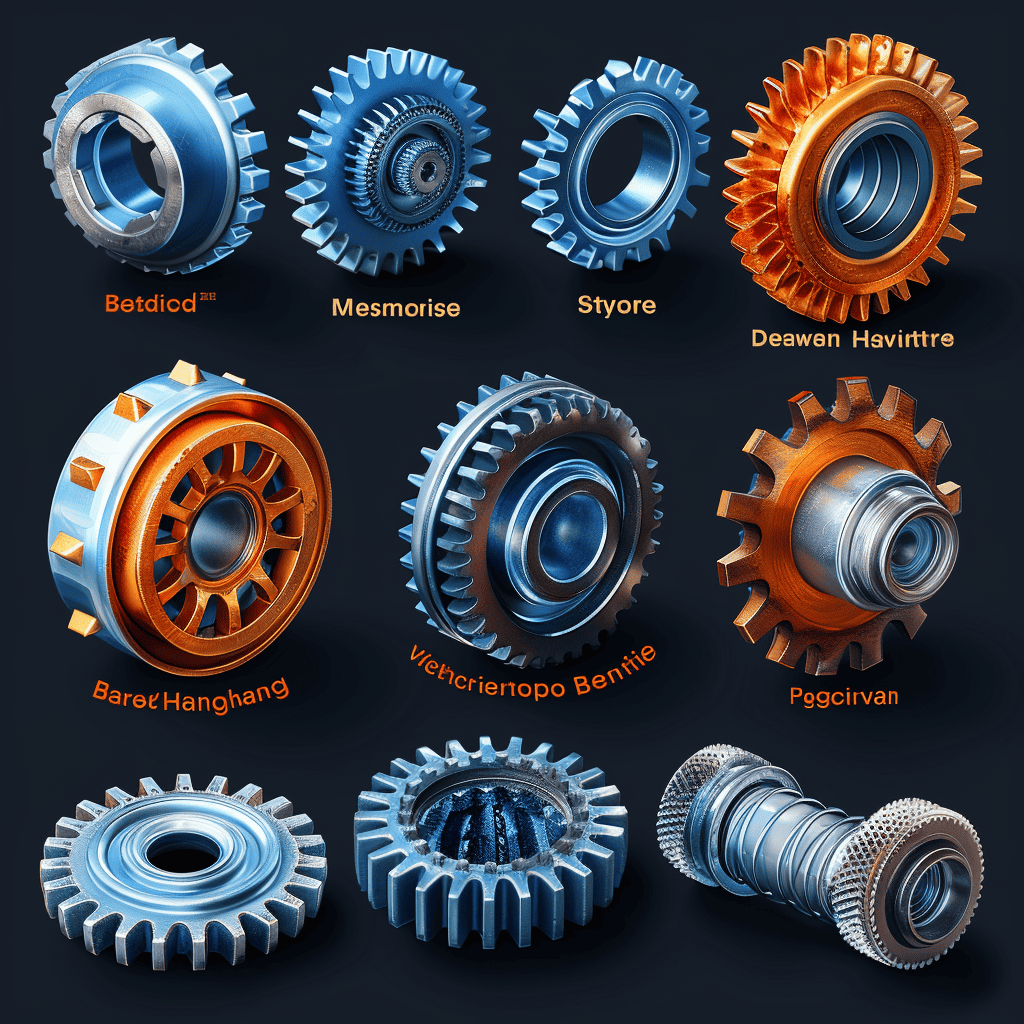
The Role of Gears in Satellite Mechanisms
Gears play a critical role in the operation of satellite mechanisms, enabling precise control of movement and orientation, and ensuring optimal communication, imaging, and data collection. In this section, we’ll explore the different ways gears are used in satellite mechanisms, and the importance of gear material selection and design.
Gears in Precise Satellite Maneuverability and Positioning
Gears are essential for precise satellite maneuverability and positioning. They enable the control of movement and orientation, allowing satellites to maintain their position in orbit and accurately point their antennas and sensors towards Earth. Gear systems used in satellite mechanisms must be highly accurate and reliable due to the critical nature of these operations. Gear ratios are carefully calculated to ensure that satellites can maintain their position in orbit and accurately point their antennas and sensors towards Earth. For example, in the case of the Hubble Space Telescope, gears are used to control the movement of the telescope’s mirrors and instruments, enabling precise imaging of distant celestial objects.
The Function of Gears in Satellite Antenna Deployment
Gears are also critical for satellite antenna deployment. After launch, satellites need to unfurl their antennas to establish communication links with Earth. Gear systems provide the mechanical advantage necessary to overcome the resistance of stored energy in the antenna’s folded configuration, enabling smooth and controlled deployment. Worm gears are commonly used in antenna deployment mechanisms due to their high precision and ability to reduce backlash. Worm gears consist of a worm screw and a gear wheel, and they are able to transmit high torque at low speeds, making them ideal for use in satellite antenna deployment systems.
Gears in Solar Panel Deployment and Tracking
Gears are also essential for solar panel deployment and tracking. Once in orbit, satellites rely on solar energy to power their systems. Gear mechanisms help deploy the solar panels and continuously adjust their orientation to maximize exposure to sunlight, ensuring a consistent power supply. Harmonic gears are particularly useful in solar panel tracking mechanisms due to their high torque density and efficiency. Harmonic gears use an elliptical wave generator to transmit motion between the input and output shafts, enabling precise and efficient control of solar panel orientation.
Gears for Instrument Activation and Calibration
Many satellites carry scientific instruments that require activation and calibration once they reach their operational orbit. These processes often involve precise movements of delicate components. Gears allow for the fine control needed to safely activate and calibrate these instruments, ensuring they can collect accurate data. Planetary gears are common in instrument activation mechanisms due to their compact size and ability to transmit high torque. Planetary gears consist of a central sun gear, one or more planet gears that rotate around the sun gear, and an outer ring gear, enabling precise and efficient control of instrument movement.
Gears in Satellite Thrusters
Finally, gears are integral to the operation of satellite thrusters. Thrusters use small bursts of gas to make course corrections or maintain a satellite’s position. Gear systems control the valves and nozzles of these thrusters, enabling the precise release of gas necessary for accurate maneuvers. Spur gears are commonly used in thruster mechanisms due to their simplicity and reliability. Spur gears consist of a simple cylindrical gear with straight teeth, and they are able to transmit high torque at high speeds, making them ideal for use in satellite thruster systems.
The Importance of Gear Material Selection
The material selection of gears used in satellite mechanisms is crucial for ensuring their longevity and reliability in the harsh space environment. Common materials used for satellite gears include titanium, stainless steel, and composites. These materials are chosen for their high strength-to-weight ratio, resistance to corrosion, and ability to withstand the extreme temperatures and radiation encountered in space. For example, titanium is often used for its high strength and low weight, while stainless steel is chosen for its corrosion resistance and durability.
The Future of Gears in Space Exploration
As space exploration continues to advance, the demand for high-performance gears is expected to grow. Research is being conducted into the development of advanced materials and novel gear designs that can improve the efficiency, reliability, and durability of satellite mechanisms. The use of additive manufacturing techniques is also being explored for the production of complex gear geometries that cannot be achieved through traditional manufacturing methods. For example, researchers at NASA are using 3D printing to produce gears with complex internal structures that can reduce weight and improve performance. As these technologies continue to evolve, they are expected to have a significant impact on the design and operation of satellite mechanisms, enabling more ambitious missions and expanding our understanding of the universe.
Gears are an essential component in the functioning of satellites, enabling precise control of movement and orientation for optimal communication, imaging, and data collection. In this blog post, we will delve deeper into the role of gears in satellite mechanisms, focusing on their applications in satellite maneuverability and positioning, antenna deployment, solar panel deployment and tracking, instrument activation and calibration, and satellite thrusters.
Gears in Precise Satellite Maneuverability and Positioning
Gears are critical in ensuring the precise movement and orientation of satellites in space. They enable the control of satellite attitude, which is the orientation of the satellite in relation to the Earth, the sun, or other celestial bodies. This is crucial for maintaining satellite stability, ensuring accurate communication and data transmission, and optimizing imaging and data collection. Gear systems used in satellite mechanisms must be highly accurate and reliable, with gear ratios carefully calculated to ensure that satellites can maintain their position in orbit and accurately point their antennas and sensors towards Earth.
The Function of Gears in Satellite Antenna Deployment
Gears play a vital role in the deployment of satellite antennas. After launch, satellites need to unfurl their antennas to establish communication links with Earth. This process requires overcoming the resistance of stored energy in the antenna’s folded configuration, which is where gears come in. Gear systems provide the mechanical advantage necessary for smooth and controlled deployment. Worm gears are particularly common in antenna deployment mechanisms due to their high precision and ability to reduce backlash.
Gears in Solar Panel Deployment and Tracking
Solar panels are an essential power source for satellites, and gears are critical in their deployment and tracking. Once in orbit, satellites rely on solar energy to power their systems. Gear mechanisms help deploy the solar panels and continuously adjust their orientation to maximize exposure to sunlight, ensuring a consistent power supply. Harmonic gears are particularly useful in solar panel tracking mechanisms due to their high torque density and efficiency.
Gears for Instrument Activation and Calibration
Many satellites carry scientific instruments that require activation and calibration once they reach their operational orbit. These processes often involve precise movements of delicate components. Gears allow for the fine control needed to safely activate and calibrate these instruments, ensuring they can collect accurate data. Planetary gears are common in instrument activation mechanisms due to their compact size and ability to transmit high torque.
Gears in Satellite Thrusters
Thrusters are used to make course corrections or maintain a satellite’s position in space. Gear systems control the valves and nozzles of these thrusters, enabling the precise release of gas necessary for accurate maneuvers. Spur gears are particularly common in thruster mechanisms due to their simplicity and reliability.
The Importance of Gear Material Selection
The material selection of gears used in satellite mechanisms is crucial for ensuring their longevity and reliability in the harsh space environment. Common materials used for satellite gears include titanium, stainless steel, and composites. These materials are chosen for their high strength-to-weight ratio, resistance to corrosion, and ability to withstand the extreme temperatures and radiation encountered in space.
The Future of Gears in Space Exploration
As space exploration continues to advance, the demand for high-performance gears is expected to grow. Research is being conducted into the development of advanced materials and novel gear designs that can improve the efficiency, reliability, and durability of satellite mechanisms. Additive manufacturing techniques are also being explored for the production of complex gear geometries that cannot be achieved through traditional manufacturing methods. These advancements have the potential to significantly improve the performance and capabilities of satellites and other spacecraft.
In conclusion, gears play a critical role in the functioning of satellites, enabling precise control of movement and orientation for optimal communication, imaging, and data collection. Whether it’s in satellite maneuverability and positioning, antenna deployment, solar panel deployment and tracking, instrument activation and calibration, or satellite thrusters, gears are an essential component in the successful operation of satellite mechanisms. As space exploration continues to advance, the development of high-performance gears will be crucial in enabling the next generation of spacecraft to push the boundaries of what is possible in space.

Gears play a critical role in the functioning of satellites, enabling precise movements and orientation for optimal communication, imaging, and data collection. Here, we delve into the various applications of gears in satellite mechanisms.
Gears in Precise Satellite Maneuverability and Positioning
Gears are an essential component in the maneuverability and positioning of satellites. They enable precise control of movement and orientation, allowing for optimal communication, imaging, and data collection. Satellite mechanisms require highly accurate and reliable gear systems to ensure that the satellite can maintain its position in orbit and accurately point its antennas and sensors towards Earth. Gear ratios are carefully calculated to achieve the desired precision, and materials are chosen for their durability and ability to withstand the harsh space environment.
The Function of Gears in Satellite Antenna Deployment
One of the most common uses of gears in satellites is for antenna deployment. After launch, satellites need to unfurl their antennas to establish communication links with Earth. This process involves overcoming the resistance of stored energy in the antenna’s folded configuration, which requires a significant mechanical advantage. Gear systems provide this mechanical advantage, enabling smooth and controlled deployment. The use of worm gears is particularly common in antenna deployment mechanisms due to their high precision and ability to reduce backlash.
Gears in Solar Panel Deployment and Tracking
Similar to antenna deployment, gears are also essential for solar panel deployment and tracking. Once in orbit, satellites rely on solar energy to power their systems. Gear mechanisms help deploy the solar panels and continuously adjust their orientation to maximize exposure to sunlight, ensuring a consistent power supply. The use of harmonic gears is particularly useful in solar panel tracking mechanisms due to their high torque density and efficiency. These gears provide precise movement and reduce energy consumption, which is critical in space applications.
Gears for Instrument Activation and Calibration
Many satellites carry scientific instruments that require activation and calibration once they reach their operational orbit. These processes often involve precise movements of delicate components. Gears allow for the fine control needed to safely activate and calibrate these instruments, ensuring they can collect accurate data. The use of planetary gears is common in instrument activation mechanisms due to their compact size and ability to transmit high torque. These gears also provide high precision and reduce backlash, which is essential for scientific instruments.
Gears in Satellite Thrusters
Lastly, gears are integral to the operation of satellite thrusters. Thrusters use small bursts of gas to make course corrections or maintain a satellite’s position. Gear systems control the valves and nozzles of these thrusters, enabling the precise release of gas necessary for accurate maneuvers. The use of spur gears is particularly common in thruster mechanisms due to their simplicity and reliability. These gears provide high torque and efficiency, which is critical in space applications where energy consumption must be minimized.
The Importance of Gear Material Selection
The material selection of gears used in satellite mechanisms is crucial for ensuring their longevity and reliability in the harsh space environment. Common materials used for satellite gears include titanium, stainless steel, and composites. These materials are chosen for their high strength-to-weight ratio, resistance to corrosion, and ability to withstand the extreme temperatures and radiation encountered in space. Additionally, materials must be compatible with other components in the satellite mechanism to prevent galvanic corrosion.
The Future of Gears in Space Exploration
As space exploration continues to advance, the demand for high-performance gears is expected to grow. Research is being conducted into the development of advanced materials and novel gear designs that can improve the efficiency, reliability, and durability of satellite mechanisms. The use of additive manufacturing techniques is also being explored for the production of complex gear geometries that cannot be achieved through traditional manufacturing methods. These advances will enable the development of more capable and longer-lasting satellite systems, paving the way for future space exploration missions.Gears play a critical role in the proper functioning of satellite mechanisms, enabling precise control of movement and orientation for optimal communication, imaging, and data collection. The gear systems used in satellite mechanisms must be highly accurate and reliable to ensure that satellites can maintain their position in orbit and accurately point their antennas and sensors towards Earth.
In satellite maneuverability and positioning, gears are used to control the movement of the satellite’s various components, such as its solar panels and antennas. Gear ratios are carefully calculated to ensure that the satellite can maintain its position in orbit and accurately point its antennas and sensors towards Earth. The use of precision gears helps to minimize any potential errors in movement and orientation, ensuring that the satellite can carry out its mission effectively.
One of the most common uses of gears in satellites is for antenna deployment. After launch, satellites need to unfurl their antennas to establish communication links with Earth. Gear systems provide the mechanical advantage necessary to overcome the resistance of stored energy in the antenna’s folded configuration, enabling smooth and controlled deployment. Worm gears are particularly common in antenna deployment mechanisms due to their high precision and ability to reduce backlash.
Similarly, gears are also essential for solar panel deployment and tracking. Once in orbit, satellites rely on solar energy to power their systems. Gear mechanisms help deploy the solar panels and continuously adjust their orientation to maximize exposure to sunlight, ensuring a consistent power supply. The use of harmonic gears is particularly useful in solar panel tracking mechanisms due to their high torque density and efficiency.
Many satellites carry scientific instruments that require activation and calibration once they reach their operational orbit. These processes often involve precise movements of delicate components. Gears allow for the fine control needed to safely activate and calibrate these instruments, ensuring they can collect accurate data. Planetary gears are common in instrument activation mechanisms due to their compact size and ability to transmit high torque.
In satellite thrusters, gears are used to control the valves and nozzles that release small bursts of gas for course corrections or to maintain the satellite’s position. The use of spur gears is particularly common in thruster mechanisms due to their simplicity and reliability.
The material selection of gears used in satellite mechanisms is crucial for ensuring their longevity and reliability in the harsh space environment. Common materials used for satellite gears include titanium, stainless steel, and composites. These materials are chosen for their high strength-to-weight ratio, resistance to corrosion, and ability to withstand the extreme temperatures and radiation encountered in space.
As space exploration continues to advance, the demand for high-performance gears is expected to grow. Research is being conducted into the development of advanced materials and novel gear designs that can improve the efficiency, reliability, and durability of satellite mechanisms. The use of additive manufacturing techniques is also being explored for the production of complex gear geometries that cannot be achieved through traditional manufacturing methods. This technology has the potential to revolutionize the design and production of gears for space applications, enabling the creation of more efficient, reliable, and durable satellite mechanisms.
In conclusion, gears play a vital role in the functioning of satellite mechanisms, enabling precise control of movement and orientation for optimal communication, imaging, and data collection. The use of high-performance gears made from advanced materials and novel designs will continue to be critical as space exploration advances, ensuring the success of future missions.The Role of Gears in Satellite Mechanisms
Gears are a crucial component in the design and operation of satellite mechanisms. They play a vital role in ensuring precise movement and orientation, enabling optimal communication, imaging, and data collection. In this blog post, we will explore the different applications of gears in satellite mechanisms and their importance in ensuring the successful operation of satellite missions.
Gears in Precise Satellite Maneuverability and Positioning
Satellites must maintain a precise position in orbit to ensure optimal communication and data collection. Gears are used to control the movement and orientation of satellite components, such as antennas and solar panels. Gear systems must be highly accurate and reliable to meet the critical requirements of satellite operations. For instance, gear ratios are carefully calculated to ensure that satellites can maintain their position in orbit and accurately point their antennas and sensors towards Earth.
The Function of Gears in Satellite Antenna Deployment
After launch, satellites need to unfurl their antennas to establish communication links with Earth. Gear systems provide the mechanical advantage necessary to overcome the resistance of stored energy in the antenna’s folded configuration, enabling smooth and controlled deployment. Worm gears are commonly used in antenna deployment mechanisms due to their high precision and ability to reduce backlash. These gears consist of a worm, which is a screw-like component that meshes with a gear wheel, providing high torque and precise movement.
Gears in Solar Panel Deployment and Tracking
Satellites rely on solar energy to power their systems. Gear mechanisms help deploy the solar panels and continuously adjust their orientation to maximize exposure to sunlight, ensuring a consistent power supply. Harmonic gears are particularly useful in solar panel tracking mechanisms due to their high torque density and efficiency. These gears use a flexible spline that meshes with a rigid circular ring, allowing for precise movement and reduced backlash.
Gears for Instrument Activation and Calibration
Many satellites carry scientific instruments that require activation and calibration once they reach their operational orbit. These processes often involve precise movements of delicate components. Gears allow for the fine control needed to safely activate and calibrate these instruments, ensuring they can collect accurate data. Planetary gears are common in instrument activation mechanisms due to their compact size and ability to transmit high torque. These gears consist of a central sun gear that meshes with multiple planet gears, which in turn mesh with a ring gear, providing high torque and precise movement.
Gears in Satellite Thrusters
Thrusters use small bursts of gas to make course corrections or maintain a satellite’s position. Gear systems control the valves and nozzles of these thrusters, enabling the precise release of gas necessary for accurate maneuvers. Spur gears are commonly used in thruster mechanisms due to their simplicity and reliability. These gears consist of straight teeth that mesh with each other, providing high torque and precise movement.
The Importance of Gear Material Selection
The material selection of gears used in satellite mechanisms is crucial for ensuring their longevity and reliability in the harsh space environment. Common materials used for satellite gears include titanium, stainless steel, and composites. These materials are chosen for their high strength-to-weight ratio, resistance to corrosion, and ability to withstand the extreme temperatures and radiation encountered in space.
The Future of Gears in Space Exploration
As space exploration continues to advance, the demand for high-performance gears is expected to grow. Research is being conducted into the development of advanced materials and novel gear designs that can improve the efficiency, reliability, and durability of satellite mechanisms. The use of additive manufacturing techniques is also being explored for the production of complex gear geometries that cannot be achieved through traditional manufacturing methods. These advances have the potential to significantly improve the performance and capabilities of satellite systems, enabling new scientific discoveries and expanding our understanding of the universe.
In conclusion, gears are a critical component in the design and operation of satellite mechanisms. They play a vital role in ensuring precise movement and orientation, enabling optimal communication, imaging, and data collection. The material selection and design of these gears are crucial for their longevity and reliability in the harsh space environment. As space exploration continues to advance, the demand for high-performance gears is expected to grow, and new materials and designs are being developed to meet these challenges. The future of gears in space exploration is bright, with the potential to significantly improve the performance and capabilities of satellite systems.Gears are an essential component of satellite mechanisms, enabling precise movement and orientation for various functions. In this blog post, we will delve deeper into the role of gears in satellite mechanisms and their importance in ensuring the successful operation of satellites.
Precise Satellite Maneuverability and Positioning
Gears play a critical role in the maneuverability and positioning of satellites. They enable precise control of movement and orientation, allowing for optimal communication, imaging, and data collection. The gear systems used in satellite mechanisms must be highly accurate and reliable due to the critical nature of these operations. For instance, gear ratios are carefully calculated to ensure that satellites can maintain their position in orbit and accurately point their antennas and sensors towards Earth.
Antenna Deployment Mechanisms
One of the most common uses of gears in satellites is for antenna deployment. After launch, satellites need to unfurl their antennas to establish communication links with Earth. Gear systems provide the mechanical advantage necessary to overcome the resistance of stored energy in the antenna’s folded configuration, enabling smooth and controlled deployment. The use of worm gears is particularly common in antenna deployment mechanisms due to their high precision and ability to reduce backlash. Worm gears consist of a worm that meshes with a gear wheel, providing high torque and precise movement.
Solar Panel Deployment and Tracking
Similar to antenna deployment, gears are also essential for solar panel deployment and tracking. Once in orbit, satellites rely on solar energy to power their systems. Gear mechanisms help deploy the solar panels and continuously adjust their orientation to maximize exposure to sunlight, ensuring a consistent power supply. The use of harmonic gears is particularly useful in solar panel tracking mechanisms due to their high torque density and efficiency. Harmonic gears use a flexible spline that meshes with a rigid circular ring, providing precise movement and high torque.
Instrument Activation and Calibration
Many satellites carry scientific instruments that require activation and calibration once they reach their operational orbit. These processes often involve precise movements of delicate components. Gears allow for the fine control needed to safely activate and calibrate these instruments, ensuring they can collect accurate data. The use of planetary gears is common in instrument activation mechanisms due to their compact size and ability to transmit high torque. Planetary gears consist of a central sun gear that meshes with multiple planet gears, providing high torque and precise movement.
Satellite Thrusters
Lastly, gears are integral to the operation of satellite thrusters. Thrusters use small bursts of gas to make course corrections or maintain a satellite’s position. Gear systems control the valves and nozzles of these thrusters, enabling the precise release of gas necessary for accurate maneuvers. The use of spur gears is particularly common in thruster mechanisms due to their simplicity and reliability. Spur gears consist of straight teeth that mesh with each other, providing high torque and precise movement.
Gear Material Selection
The material selection of gears used in satellite mechanisms is crucial for ensuring their longevity and reliability in the harsh space environment. Common materials used for satellite gears include titanium, stainless steel, and composites. These materials are chosen for their high strength-to-weight ratio, resistance to corrosion, and ability to withstand the extreme temperatures and radiation encountered in space.
The Future of Gears in Space Exploration
As space exploration continues to advance, the demand for high-performance gears is expected to grow. Research is being conducted into the development of advanced materials and novel gear designs that can improve the efficiency, reliability, and durability of satellite mechanisms. The use of additive manufacturing techniques is also being explored for the production of complex gear geometries that cannot be achieved through traditional manufacturing methods. These advancements have the potential to significantly improve the performance and capabilities of satellite systems, enabling new scientific discoveries and expanding our understanding of the universe.
In conclusion, gears are an essential component of satellite mechanisms, enabling precise movement and orientation for various functions. From antenna deployment to instrument calibration, gears play a critical role in ensuring the successful operation of satellites. As space exploration continues to advance, the demand for high-performance gears is expected to grow, and ongoing research and development efforts are focused on improving the efficiency, reliability, and durability of these critical components.Sure! Here’s an expanded version of the blog post:
Gearing Up for Space: The Use of Gears in Satellite Mechanisms
Gears are essential components in various mechanical systems, and satellite mechanisms are no exception. They enable precise and efficient power transmission, making it possible for satellites to perform a wide range of functions. Here are some of the most commonly used types of gears in satellite mechanisms and their applications:
Spur Gears: The Workhorses of Satellite Mechanisms
Spur gears are the most commonly used type of gear in satellite mechanisms, thanks to their simplicity, efficiency, and ease of manufacturing. They consist of straight teeth that are parallel to the axis of rotation, making them ideal for applications that require high torque and precision. Spur gears are often used in satellite attitude control systems, as well as in the deployment mechanisms of solar panels and antennas.
Bevel Gears: Enabling Angular Transmissions
Bevel gears are used when it comes to transmitting power between two shafts that intersect at an angle. They feature conically shaped teeth that can be either straight or spiral, allowing for smooth and efficient power transmission. Bevel gears are often used in satellite systems for the deployment of antennas and solar panels, where precise angular positioning is required.
Planetary Gears: Providing Compact and Efficient Power Transmission
Planetary gear systems are renowned for their compact size and high power-to-weight ratio, making them ideal for space applications where weight and space are at a premium. These systems consist of a central sun gear, multiple planet gears that revolve around the sun gear, and a surrounding ring gear. The arrangement of these components allows for significant reductions in size compared to traditional gear trains, while still providing high torque and precision.
Worm Gears: Achieving Large Reduction Ratios
Worm gears are composed of a worm (a screw-like gear) and a worm wheel (a gear with teeth that mesh with the worm). This configuration enables the transmission of power at a right angle and allows for high reduction ratios. Worm gears are often used in satellite systems for fine adjustment mechanisms, such as those found in scientific instrumentation, where precise positioning is critical.
Harmonic Drive Gears: Delivering Precision and Zero Backlash
For applications that require extreme precision and accuracy, harmonic drive gears are the ideal choice. These gears consist of a flexspline, wave generator, and circular spline, and provide high precision, low weight, and zero backlash. When the wave generator is rotated, it causes the flexspline to deform and “wave” around the circular spline, resulting in precise linear or rotary motion. Harmonic drive gears are commonly used in satellite applications that require extremely accurate positioning, such as telescopes and camera systems.
Mitre Gears: Enabling Compact and Efficient Power Transmission
Mitre gears are a type of bevel gear that feature teeth that are cut at a 45-degree angle to the axis of rotation. This enables the transmission of power between two non-intersecting shafts, making them ideal for applications where space is limited. Mitre gears are often used in satellite systems for the deployment of solar arrays, where compact and efficient power transmission is required.
Helical Gears: Reducing Noise and Vibration
Helical gears are similar to spur gears, but feature teeth that are cut at an angle to the axis of rotation. This results in a smoother and quieter operation compared to spur gears, as well as a higher load capacity. Helical gears are often used in satellite systems for applications that require low noise and vibration levels, such as scientific instrumentation.
Rack and Pinion Gears: Providing Linear Motion
Rack and pinion gears are used to convert rotary motion into linear motion, making them ideal for applications that require precise positioning. They consist of a circular gear (the pinion) that meshes with a linear gear (the rack). Rack and pinion gears are commonly used in satellite systems for the deployment of solar arrays, where precise linear motion is required.
In summary, there are several types of gears that are commonly used in satellite mechanisms, each with their own unique advantages and applications. By understanding the characteristics and capabilities of these gears, engineers can design more efficient and reliable satellite systems that can withstand the harsh conditions of space.
To ensure that your satellite system is designed and built to the highest standards, it is recommended that you work with a reputable manufacturer that has experience in designing and building satellite mechanisms. They can provide you with expert guidance on the selection of gears and other components, as well as ensure that your system is optimized for performance, reliability, and cost-effectiveness.Here’s an expanded version of the blog post:
Gearing Up for Space: The Use of Gears in Satellite Mechanisms
Gears are an essential component in the design and operation of satellite mechanisms. They enable precise and efficient power transmission, ensuring that satellites can carry out their intended functions in the harsh environment of space. In this blog post, we will explore the different types of gears commonly used in satellite mechanisms and their unique advantages and applications.
Spur Gears: The Workhorses of Satellite Mechanisms
Spur gears are the most commonly used type of gear in satellite mechanisms, thanks to their simplicity, efficiency, and ease of manufacturing. They consist of straight teeth that are parallel to the axis of rotation, making them ideal for applications that require high torque and precision. Spur gears are often used in satellite attitude control systems, as well as in the deployment mechanisms of solar panels and antennas.
One of the key advantages of spur gears is their efficiency. They have a high power transmission efficiency of up to 98%, making them ideal for applications where power loss needs to be minimized. Additionally, their simple design makes them easy to manufacture and maintain.
However, spur gears do have some disadvantages. They can generate noise and vibration, which can be a problem in sensitive applications. They also have a limited load capacity and are not suitable for applications that require high shock loads.
Bevel Gears: Enabling Angular Transmissions
When it comes to transmitting power between two shafts that intersect at an angle, bevel gears are the go-to solution. They feature conically shaped teeth that can be either straight or spiral, allowing for smooth and efficient power transmission. Bevel gears are often used in satellite systems for the deployment of antennas and solar panels, where precise angular positioning is required.
One of the key advantages of bevel gears is their ability to transmit power at an angle. They can also handle higher loads than spur gears, making them suitable for applications where high torque is required.
However, bevel gears do have some disadvantages. They are more complex to manufacture than spur gears, which can increase their cost. They can also generate more noise and vibration than spur gears, which can be a problem in sensitive applications.
Planetary Gears: Providing Compact and Efficient Power Transmission
Planetary gear systems are renowned for their compact size and high power-to-weight ratio, making them ideal for space applications where weight and space are at a premium. These systems consist of a central sun gear, multiple planet gears that revolve around the sun gear, and a surrounding ring gear. The arrangement of these components allows for significant reductions in size compared to traditional gear trains, while still providing high torque and precision.
One of the key advantages of planetary gear systems is their compact size and high power density. They can also handle high loads and shock loads, making them suitable for applications where high torque is required.
However, planetary gears do have some disadvantages. They can be more complex to manufacture than other types of gears, which can increase their cost. They can also generate more heat and require more lubrication than other types of gears.
Worm Gears: Achieving Large Reduction Ratios
Worm gears are composed of a worm (a screw-like gear) and a worm wheel (a gear with teeth that mesh with the worm). This configuration enables the transmission of power at a right angle and allows for high reduction ratios. Worm gears are often used in satellite systems for fine adjustment mechanisms, such as those found in scientific instrumentation, where precise positioning is critical.
One of the key advantages of worm gears is their ability to achieve high reduction ratios. They can also provide high torque and are self-locking, which can be advantageous in certain applications.
However, worm gears do have some disadvantages. They are less efficient than other types of gears and can generate more heat and wear. They can also be more complex to manufacture, which can increase their cost.
Harmonic Drive Gears: Delivering Precision and Zero Backlash
For applications that require extreme precision and accuracy, harmonic drive gears are the ideal choice. These gears consist of a flexspline, wave generator, and circular spline, and provide high precision, low weight, and zero backlash. When the wave generator is rotated, it causes the flexspline to deform and “wave” around the circular spline, resulting in precise linear or rotary motion. Harmonic drive gears are commonly used in satellite applications that require extremely accurate positioning, such as telescopes and camera systems.
One of the key advantages of harmonic drive gears is their high precision and zero backlash. They can also handle high loads and are highly efficient.
However, harmonic drive gears do have some disadvantages. They can be more expensive than other types of gears and can generate more heat and noise. They can also be more complex to manufacture and require more maintenance than other types of gears.
Mitre Gears: Enabling Compact and Efficient Power Transmission
Mitre gears are a type of bevel gear that feature teeth that are cut at a 45-degree angle to the axis of rotation. This enables the transmission of power between two non-intersecting shafts, making them ideal for applications where space is limited. Mitre gears are often used in satellite systems for the deployment of solar arrays, where compact and efficient power transmission is required.
One of the key advantages of mitre gears is their ability to transmit power between non-intersecting shafts. They can also handle high loads and are highly efficient.
However, mitre gears do have some disadvantages. They are more complex to manufacture than spur gears, which can increase their cost. They can also generate more noise and vibration than spur gears.
Helical Gears: Reducing Noise and Vibration
Helical gears are similar to spur gears, but feature teeth that are cut at an angle to the axis of rotation. This results in a smoother and quieter operation compared to spur gears, as well as a higher load capacity. Helical gears are often used in satellite systems for applications that require low noise and vibration levels, such as scientific instrumentation.
One of the key advantages of helical gears is their ability to reduce noise and vibration. They can also handle higher loads than spur gears and are highly efficient.
However, helical gears do have some disadvantages. They are more complex to manufacture than spur gears, which can increase their cost. They can also generate more heat and require more lubrication than spur gears.
Rack and Pinion Gears: Providing Linear Motion
Rack and pinion gears are used to convert rotary motion into linear motion, making them ideal for applications that require precise positioning. They consist of a circular gear (the pinion) that meshes with a linear gear (the rack). Rack and pinion gears are commonly used in satellite systems for the deployment of solar arrays, where precise linear motion is required.
One of the key advantages of rack and pinion gears is their ability to provide precise linear motion. They can also handle high loads and are highly efficient.
However, rack and pinion gears do have some disadvantages. They can be more complex to manufacture than other types of gears, which can increase their cost. They can also generate more noise and wear than other types of gears.
In summary, there are several types of gears that are commonly used in satellite mechanisms, each with their own unique advantages and applications. By understanding the characteristics and capabilities of these gears, engineers can design more efficient and reliable satellite systems that can withstand the harsh conditions of space.
When selecting gears for a satellite mechanism, it is important to consider factors such as the required torque, reduction ratio, efficiency, size, weight, and cost. Additionally, it is important to consider the environmental conditions that the satellite will be exposed to, such as temperature, radiation, and vacuum, as these can affect the performance and lifetime of the gears.
In conclusion, gears play a critical role in the design and operation of satellite mechanisms. By selecting the appropriate type of gear for a given application, engineers can design more efficient, reliable, and cost-effective satellite systems.Gears are an essential component of satellite mechanisms, enabling precise and efficient power transmission. In this blog post, we will explore the different types of gears commonly used in satellite systems and their unique advantages and applications.
Spur Gears: The Workhorses of Satellite Mechanisms
Spur gears are the most commonly used type of gear in satellite mechanisms, thanks to their simplicity, efficiency, and ease of manufacturing. They consist of straight teeth that are parallel to the axis of rotation, making them ideal for applications that require high torque and precision.
One of the key advantages of spur gears is their high efficiency. They can transmit power with up to 98% efficiency, making them ideal for applications where power loss needs to be minimized. Additionally, their simple design makes them easy to manufacture and maintain.
Spur gears are commonly used in satellite attitude control systems, as well as in the deployment mechanisms of solar panels and antennas. However, they do have some limitations. They can generate noise and vibration, which can be problematic in sensitive applications. They also have a limited load capacity and are not suitable for applications that require high shock loads.
Bevel Gears: Enabling Angular Transmissions
When it comes to transmitting power between two shafts that intersect at an angle, bevel gears are the go-to solution. They feature conically shaped teeth that can be either straight or spiral, allowing for smooth and efficient power transmission.
One of the key advantages of bevel gears is their ability to transmit power at an angle, making them ideal for applications where space is limited. They are commonly used in satellite systems for the deployment of antennas and solar panels, where precise angular positioning is required.
Bevel gears can be more complex to manufacture than spur gears, which can increase their cost. They can also generate more noise and vibration than spur gears. However, their ability to transmit power at an angle makes them an essential component in many satellite mechanisms.
Planetary Gears: Providing Compact and Efficient Power Transmission
Planetary gear systems are renowned for their compact size and high power-to-weight ratio, making them ideal for space applications where weight and space are at a premium. These systems consist of a central sun gear, multiple planet gears that revolve around the sun gear, and a surrounding ring gear.
One of the key advantages of planetary gear systems is their compact size. They can provide significant reductions in size compared to traditional gear trains, while still providing high torque and precision. This makes them ideal for use in satellite systems, where space is limited.
Planetary gear systems can be more complex to manufacture than other types of gear systems, which can increase their cost. However, their compact size and high power-to-weight ratio make them an essential component in many satellite mechanisms.
Worm Gears: Achieving Large Reduction Ratios
Worm gears are composed of a worm (a screw-like gear) and a worm wheel (a gear with teeth that mesh with the worm). This configuration enables the transmission of power at a right angle and allows for high reduction ratios.
One of the key advantages of worm gears is their ability to achieve high reduction ratios, making them ideal for applications where precise positioning is required. They are commonly used in satellite systems for fine adjustment mechanisms, such as those found in scientific instrumentation.
Worm gears can be less efficient than other types of gears, which can result in higher power loss. They can also generate more heat and wear than other types of gears. However, their ability to achieve high reduction ratios makes them an essential component in many satellite mechanisms.
Harmonic Drive Gears: Delivering Precision and Zero Backlash
For applications that require extreme precision and accuracy, harmonic drive gears are the ideal choice. These gears consist of a flexspline, wave generator, and circular spline, and provide high precision, low weight, and zero backlash.
One of the key advantages of harmonic drive gears is their ability to provide zero backlash, making them ideal for applications where precise positioning is required. They are commonly used in satellite applications that require extremely accurate positioning, such as telescopes and camera systems.
Harmonic drive gears can be more expensive than other types of gears, which can increase their cost. They can also be more complex to manufacture and maintain. However, their ability to provide zero backlash makes them an essential component in many satellite mechanisms.
Mitre Gears: Enabling Compact and Efficient Power Transmission
Mitre gears are a type of bevel gear that feature teeth that are cut at a 45-degree angle to the axis of rotation. This enables the transmission of power between two non-intersecting shafts, making them ideal for applications where space is limited.
One of the key advantages of mitre gears is their ability to transmit power between two non-intersecting shafts, making them ideal for use in satellite systems for the deployment of solar arrays, where compact and efficient power transmission is required.
Mitre gears can be more complex to manufacture than other types of bevel gears, which can increase their cost. However, their ability to transmit power between two non-intersecting shafts makes them an essential component in many satellite mechanisms.
Helical Gears: Reducing Noise and Vibration
Helical gears are similar to spur gears, but feature teeth that are cut at an angle to the axis of rotation. This results in a smoother and quieter operation compared to spur gears, as well as a higher load capacity.
One of the key advantages of helical gears is their ability to reduce noise and vibration, making them ideal for use in satellite systems for applications that require low noise and vibration levels, such as scientific instrumentation.
Helical gears can be more complex to manufacture than spur gears, which can increase their cost. They can also be less efficient than spur gears. However, their ability to reduce noise and vibration makes them an essential component in many satellite mechanisms.
Rack and Pinion Gears: Providing Linear Motion
Rack and pinion gears are used to convert rotary motion into linear motion, making them ideal for applications that require precise positioning. They consist of a circular gear (the pinion) that meshes with a linear gear (the rack).
One of the key advantages of rack and pinion gears is their ability to provide precise linear motion, making them ideal for use in satellite systems for the deployment of solar arrays, where precise linear motion is required.
Rack and pinion gears can be less efficient than other types of gears, which can result in higher power loss. They can also wear more quickly than other types of gears. However, their ability to provide precise linear motion makes them an essential component in many satellite mechanisms.
In summary, there are several types of gears that are commonly used in satellite mechanisms, each with their own unique advantages and applications. By understanding the characteristics and capabilities of these gears, engineers can design more efficient and reliable satellite systems that can withstand the harsh conditions of space. Factors such as efficiency, power-to-weight ratio, precision, and noise levels should all be considered when selecting the appropriate type of gear for a satellite mechanism.Gears are an essential component of satellite mechanisms, providing the precise and efficient power transmission required for various functions. Here are some of the most commonly used types of gears in satellite technology and their applications:
Spur Gears: The Workhorses of Satellite Mechanisms
Spur gears are the most commonly used type of gear in satellite mechanisms, thanks to their simplicity, efficiency, and ease of manufacturing. They consist of straight teeth that are parallel to the axis of rotation, making them ideal for applications that require high torque and precision. Spur gears are often used in satellite attitude control systems, as well as in the deployment mechanisms of solar panels and antennas.
One advantage of spur gears is their high efficiency, with power transmission efficiencies of up to 98%. They are also relatively easy to manufacture and maintain, making them a cost-effective solution for many satellite applications.
Bevel Gears: Enabling Angular Transmissions
Bevel gears are used when it comes to transmitting power between two shafts that intersect at an angle. They feature conically shaped teeth that can be either straight or spiral, allowing for smooth and efficient power transmission. Bevel gears are often used in satellite systems for the deployment of antennas and solar panels, where precise angular positioning is required.
One advantage of bevel gears is their ability to transmit power at a specific angle, making them ideal for applications where space is limited. They can also handle high torque loads and provide smooth operation.
Planetary Gears: Providing Compact and Efficient Power Transmission
Planetary gear systems are renowned for their compact size and high power-to-weight ratio, making them ideal for space applications where weight and space are at a premium. These systems consist of a central sun gear, multiple planet gears that revolve around the sun gear, and a surrounding ring gear. The arrangement of these components allows for significant reductions in size compared to traditional gear trains, while still providing high torque and precision.
One advantage of planetary gear systems is their high power density, with power transmission efficiencies of up to 97%. They are also highly reliable, with a long service life and low maintenance requirements.
Worm Gears: Achieving Large Reduction Ratios
Worm gears are composed of a worm (a screw-like gear) and a worm wheel (a gear with teeth that mesh with the worm). This configuration enables the transmission of power at a right angle and allows for high reduction ratios. Worm gears are often used in satellite systems for fine adjustment mechanisms, such as those found in scientific instrumentation, where precise positioning is critical.
One advantage of worm gears is their ability to achieve high reduction ratios in a compact package. They also provide high torque and low backlash, making them ideal for precision positioning applications.
Harmonic Drive Gears: Delivering Precision and Zero Backlash
For applications that require extreme precision and accuracy, harmonic drive gears are the ideal choice. These gears consist of a flexspline, wave generator, and circular spline, and provide high precision, low weight, and zero backlash. When the wave generator is rotated, it causes the flexspline to deform and “wave” around the circular spline, resulting in precise linear or rotary motion. Harmonic drive gears are commonly used in satellite applications that require extremely accurate positioning, such as telescopes and camera systems.
One advantage of harmonic drive gears is their high precision and zero backlash, which provides for accurate and repeatable positioning. They are also compact and lightweight, making them ideal for space applications.
Mitre Gears: Enabling Compact and Efficient Power Transmission
Mitre gears are a type of bevel gear that feature teeth that are cut at a 45-degree angle to the axis of rotation. This enables the transmission of power between two non-intersecting shafts, making them ideal for applications where space is limited. Mitre gears are often used in satellite systems for the deployment of solar arrays, where compact and efficient power transmission is required.
One advantage of mitre gears is their ability to transmit power between non-intersecting shafts, making them ideal for applications where space is limited. They are also relatively simple to manufacture and maintain.
Helical Gears: Reducing Noise and Vibration
Helical gears are similar to spur gears, but feature teeth that are cut at an angle to the axis of rotation. This results in a smoother and quieter operation compared to spur gears, as well as a higher load capacity. Helical gears are often used in satellite systems for applications that require low noise and vibration levels, such as scientific instrumentation.
One advantage of helical gears is their ability to reduce noise and vibration, providing for smooth and quiet operation. They also have a higher load capacity compared to spur gears, making them suitable for high torque applications.
Rack and Pinion Gears: Providing Linear Motion
Rack and pinion gears are used to convert rotary motion into linear motion, making them ideal for applications that require precise positioning. They consist of a circular gear (the pinion) that meshes with a linear gear (the rack). Rack and pinion gears are commonly used in satellite systems for the deployment of solar arrays, where precise linear motion is required.
One advantage of rack and pinion gears is their ability to convert rotary motion into linear motion, providing for precise positioning. They are also compact and lightweight, making them ideal for space applications.
In summary, there are several types of gears that are commonly used in satellite mechanisms, each with their own unique advantages and applications. By understanding the characteristics and capabilities of these gears, engineers can design more efficient and reliable satellite systems that can withstand the harsh conditions of space. Whether it’s high torque, precision positioning, or compact size, there’s a gear solution for every satellite application.Here is an expanded version of the blog post:
Types of Gears Utilized in Space Technology
Gears are essential components in satellite mechanisms, providing the precise and efficient power transmission required for various functions. Here are some of the most commonly used types of gears in satellite technology and their applications:
Spur Gears: The Workhorses of Satellite Mechanisms
Spur gears are the most commonly used type of gear in satellite mechanisms, thanks to their simplicity, efficiency, and ease of manufacturing. They consist of straight teeth that are parallel to the axis of rotation, making them ideal for applications that require high torque and precision. Spur gears are often used in satellite attitude control systems, as well as in the deployment mechanisms of solar panels and antennas.
One of the advantages of spur gears is their high efficiency, with power transmission efficiencies of up to 98%. They are also relatively easy to manufacture and maintain, making them a cost-effective solution for many satellite applications. However, one of the disadvantages of spur gears is that they can generate noise and vibration, which can be a problem in sensitive applications.
Bevel Gears: Enabling Angular Transmissions
When it comes to transmitting power between two shafts that intersect at an angle, bevel gears are the go-to solution. They feature conically shaped teeth that can be either straight or spiral, allowing for smooth and efficient power transmission. Bevel gears are often used in satellite systems for the deployment of antennas and solar panels, where precise angular positioning is required.
One of the advantages of bevel gears is their ability to transmit power at an angle, which is essential in many satellite applications. They are also relatively easy to manufacture and maintain. However, one of the disadvantages of bevel gears is that they can be less efficient than spur gears, with power transmission efficiencies of up to 95%.
Planetary Gears: Providing Compact and Efficient Power Transmission
Planetary gear systems are renowned for their compact size and high power-to-weight ratio, making them ideal for space applications where weight and space are at a premium. These systems consist of a central sun gear, multiple planet gears that revolve around the sun gear, and a surrounding ring gear. The arrangement of these components allows for significant reductions in size compared to traditional gear trains, while still providing high torque and precision.
One of the advantages of planetary gear systems is their high power density, which is essential in many satellite applications. They are also relatively efficient, with power transmission efficiencies of up to 97%. However, one of the disadvantages of planetary gear systems is that they can be more complex and expensive to manufacture than other types of gears.
Worm Gears: Achieving Large Reduction Ratios
Worm gears are composed of a worm (a screw-like gear) and a worm wheel (a gear with teeth that mesh with the worm). This configuration enables the transmission of power at a right angle and allows for high reduction ratios. Worm gears are often used in satellite systems for fine adjustment mechanisms, such as those found in scientific instrumentation, where precise positioning is critical.
One of the advantages of worm gears is their ability to achieve high reduction ratios in a compact package. They are also self-locking, which can be useful in applications where safety is a concern. However, one of the disadvantages of worm gears is that they can be less efficient than other types of gears, with power transmission efficiencies of up to 90%.
Harmonic Drive Gears: Delivering Precision and Zero Backlash
For applications that require extreme precision and accuracy, harmonic drive gears are the ideal choice. These gears consist of a flexspline, wave generator, and circular spline, and provide high precision, low weight, and zero backlash. When the wave generator is rotated, it causes the flexspline to deform and “wave” around the circular spline, resulting in precise linear or rotary motion. Harmonic drive gears are commonly used in satellite applications that require extremely accurate positioning, such as telescopes and camera systems.
One of the advantages of harmonic drive gears is their high precision and zero backlash, which is essential in many satellite applications. They are also lightweight and compact, making them ideal for space-constrained applications. However, one of the disadvantages of harmonic drive gears is that they can be more expensive than other types of gears.
Mitre Gears: Enabling Compact and Efficient Power Transmission
Mitre gears are a type of bevel gear that feature teeth that are cut at a 45-degree angle to the axis of rotation. This enables the transmission of power between two non-intersecting shafts, making them ideal for applications where space is limited. Mitre gears are often used in satellite systems for the deployment of solar arrays, where compact and efficient power transmission is required.
One of the advantages of mitre gears is their ability to transmit power between non-intersecting shafts, which can be useful in many satellite applications. They are also relatively easy to manufacture and maintain. However, one of the disadvantages of mitre gears is that they can be less efficient than other types of bevel gears, with power transmission efficiencies of up to 95%.
Helical Gears: Reducing Noise and Vibration
Helical gears are similar to spur gears, but feature teeth that are cut at an angle to the axis of rotation. This results in a smoother and quieter operation compared to spur gears, as well as a higher load capacity. Helical gears are often used in satellite systems for applications that require low noise and vibration levels, such as scientific instrumentation.
One of the advantages of helical gears is their ability to reduce noise and vibration, which can be essential in many satellite applications. They are also capable of transmitting high torque loads, making them suitable for high-power applications. However, one of the disadvantages of helical gears is that they can be more complex and expensive to manufacture than spur gears.
Rack and Pinion Gears: Providing Linear Motion
Rack and pinion gears are used to convert rotary motion into linear motion, making them ideal for applications that require precise positioning. They consist of a circular gear (the pinion) that meshes with a linear gear (the rack). Rack and pinion gears are commonly used in satellite systems for the deployment of solar arrays, where precise linear motion is required.
One of the advantages of rack and pinion gears is their ability to convert rotary motion into linear motion with high precision. They are also relatively simple and inexpensive to manufacture. However, one of the disadvantages of rack and pinion gears is that they can be less efficient than other types of linear motion mechanisms, with power transmission efficiencies of up to 90%.
In summary, there are several types of gears that are commonly used in satellite mechanisms, each with their own unique advantages and applications. By understanding the characteristics and capabilities of these gears, engineers can design more efficient and reliable satellite systems that can withstand the harsh conditions of space. Whether it’s high precision, compact size, or low noise and vibration, there is a gear solution for every satellite application.Here’s an expanded version of the blog post:
When it comes to designing satellite mechanisms, gears play a critical role in transmitting power and ensuring precise movement. In this blog post, we’ll explore the different types of gears used in satellite technology and their unique advantages and applications.
Spur Gears: The Workhorses of Satellite Mechanisms
Spur gears are the most commonly used type of gear in satellite mechanisms, thanks to their simplicity, efficiency, and ease of manufacturing. They consist of straight teeth that are parallel to the axis of rotation, making them ideal for applications that require high torque and precision. Spur gears are often used in satellite attitude control systems, as well as in the deployment mechanisms of solar panels and antennas.
One of the key advantages of spur gears is their high efficiency. They can transmit up to 98% of the input power, making them an ideal choice for applications where energy efficiency is critical. Additionally, their simple design makes them easy to manufacture and maintain, which is essential in the space industry where reliability is paramount.
However, spur gears do have some limitations. They can generate noise and vibration, which can be problematic in sensitive applications. They also have a limited load capacity and are not well-suited for applications where high shock loads are present.
Bevel Gears: Enabling Angular Transmissions
When it comes to transmitting power between two shafts that intersect at an angle, bevel gears are the go-to solution. They feature conically shaped teeth that can be either straight or spiral, allowing for smooth and efficient power transmission. Bevel gears are often used in satellite systems for the deployment of antennas and solar panels, where precise angular positioning is required.
One of the advantages of bevel gears is their ability to transmit power at an angle, which is essential in many satellite applications. They are also relatively easy to manufacture and maintain, which is important in the space industry where reliability is critical.
However, bevel gears do have some disadvantages. They can be less efficient than spur gears, with efficiencies ranging from 95% to 98%. They can also be more difficult to manufacture than spur gears, which can increase their cost.
Planetary Gears: Providing Compact and Efficient Power Transmission
Planetary gear systems are renowned for their compact size and high power-to-weight ratio, making them ideal for space applications where weight and space are at a premium. These systems consist of a central sun gear, multiple planet gears that revolve around the sun gear, and a surrounding ring gear. The arrangement of these components allows for significant reductions in size compared to traditional gear trains, while still providing high torque and precision.
One of the key advantages of planetary gears is their compact size. They can transmit high torque in a small package, making them ideal for use in satellite mechanisms where space is limited. Additionally, their high power-to-weight ratio makes them an efficient choice for applications where weight is a concern.
However, planetary gears do have some disadvantages. They can be more complex and expensive to manufacture than other types of gears. They can also be less efficient than spur gears, with efficiencies ranging from 90% to 95%.
Worm Gears: Achieving Large Reduction Ratios
Worm gears are composed of a worm (a screw-like gear) and a worm wheel (a gear with teeth that mesh with the worm). This configuration enables the transmission of power at a right angle and allows for high reduction ratios. Worm gears are often used in satellite systems for fine adjustment mechanisms, such as those found in scientific instrumentation, where precise positioning is critical.
One of the advantages of worm gears is their ability to achieve high reduction ratios in a small package. They can also provide high torque while maintaining a low noise level, which is essential in many satellite applications.
However, worm gears do have some disadvantages. They can be less efficient than other types of gears, with efficiencies ranging from 60% to 90%. They can also be subject to wear and tear, which can reduce their lifespan and reliability.
Harmonic Drive Gears: Delivering Precision and Zero Backlash
For applications that require extreme precision and accuracy, harmonic drive gears are the ideal choice. These gears consist of a flexspline, wave generator, and circular spline, and provide high precision, low weight, and zero backlash. When the wave generator is rotated, it causes the flexspline to deform and “wave” around the circular spline, resulting in precise linear or rotary motion. Harmonic drive gears are commonly used in satellite applications that require extremely accurate positioning, such as telescopes and camera systems.
One of the key advantages of harmonic drive gears is their zero backlash, which ensures precise movement and positioning. They can also provide high torque while maintaining a compact size, which is essential in many satellite applications.
However, harmonic drive gears do have some disadvantages. They can be more expensive than other types of gears, which can increase their cost. They can also be more complex to manufacture, which can affect their reliability.
Mitre Gears: Enabling Compact and Efficient Power Transmission
Mitre gears are a type of bevel gear that feature teeth that are cut at a 45-degree angle to the axis of rotation. This enables the transmission of power between two non-intersecting shafts, making them ideal for applications where space is limited. Mitre gears are often used in satellite systems for the deployment of solar arrays, where compact and efficient power transmission is required.
One of the advantages of mitre gears is their ability to transmit power between non-intersecting shafts, which is essential in many satellite applications. They are also relatively easy to manufacture and maintain, which is important in the space industry where reliability is critical.
However, mitre gears do have some disadvantages. They can be less efficient than other types of bevel gears, with efficiencies ranging from 92% to 97%. They can also be subject to wear and tear, which can reduce their lifespan and reliability.
Helical Gears: Reducing Noise and Vibration
Helical gears are similar to spur gears, but feature teeth that are cut at an angle to the axis of rotation. This results in a smoother and quieter operation compared to spur gears, as well as a higher load capacity. Helical gears are often used in satellite systems for applications that require low noise and vibration levels, such as scientific instrumentation.
One of the advantages of helical gears is their ability to reduce noise and vibration, which is essential in many satellite applications. They can also handle higher loads than spur gears, which is important in applications where high torque is required.
However, helical gears do have some disadvantages. They can be more complex and expensive to manufacture than spur gears, which can increase their cost. They can also be subject to axial loads, which can affect their accuracy and reliability.
Rack and Pinion Gears: Providing Linear Motion
Rack and pinion gears are used to convert rotary motion into linear motion, making them ideal for applications that require precise positioning. They consist of a circular gear (the pinion) that meshes with a linear gear (the rack). Rack and pinion gears are commonly used in satellite systems for the deployment of solar arrays, where precise linear motion is required.
One of the advantages of rack and pinion gears is their ability to provide precise linear motion, which is essential in many satellite applications. They are also relatively simple and inexpensive to manufacture, which is important in the space industry where cost is a concern.
However, rack and pinion gears do have some disadvantages. They can be less efficient than other types of linear motion systems, with efficiencies ranging from 50% to 90%. They can also be subject to wear and tear, which can reduce their accuracy and reliability.
In summary, there are several types of gears that are commonly used in satellite mechanisms, each with their own unique advantages and applications. By understanding the characteristics and capabilities of these gears, engineers can design more efficient and reliable satellite systems that can withstand the harsh conditions of space. Whether it’s high precision, compact size, or low noise and vibration, there’s a gear solution for every satellite application.Gears play a crucial role in the functioning of satellite mechanisms, enabling precise and efficient power transmission. Different types of gears are used in satellite technology, each with unique advantages and applications. Here are some of the most commonly used gears in satellite mechanisms:
Spur Gears: The Workhorses of Satellite Mechanisms
Spur gears are the most commonly used type of gear in satellite mechanisms, thanks to their simplicity, efficiency, and ease of manufacturing. They consist of straight teeth that are parallel to the axis of rotation, making them ideal for applications that require high torque and precision. Spur gears are often used in satellite attitude control systems, as well as in the deployment mechanisms of solar panels and antennas.
The main advantage of spur gears is their high efficiency. They can transmit up to 98% of the input power, making them an ideal choice for applications where power consumption is a critical factor. Additionally, their simple design makes them easy to manufacture and maintain, which is essential in the space industry where reliability is of utmost importance.
However, spur gears do have some limitations. They can generate noise and vibration, which can be a problem in sensitive applications. They also have a limited load capacity and are not suitable for applications that require high shock loads.
Bevel Gears: Enabling Angular Transmissions
Bevel gears are used when it comes to transmitting power between two shafts that intersect at an angle. They feature conically shaped teeth that can be either straight or spiral, allowing for smooth and efficient power transmission. Bevel gears are often used in satellite systems for the deployment of antennas and solar panels, where precise angular positioning is required.
One of the main advantages of bevel gears is their ability to transmit power at an angle, making them ideal for use in space applications where space is limited. They are also relatively easy to manufacture and maintain, which is essential in the space industry where reliability is critical.
However, bevel gears do have some disadvantages. They can be less efficient than spur gears, with efficiencies ranging from 95% to 97%. They can also generate more noise and vibration than spur gears, which can be a problem in sensitive applications.
Planetary Gears: Providing Compact and Efficient Power Transmission
Planetary gear systems are renowned for their compact size and high power-to-weight ratio, making them ideal for space applications where weight and space are at a premium. These systems consist of a central sun gear, multiple planet gears that revolve around the sun gear, and a surrounding ring gear. The arrangement of these components allows for significant reductions in size compared to traditional gear trains, while still providing high torque and precision.
One of the main advantages of planetary gears is their compact size. They can transmit high torque in a small package, making them ideal for use in space applications where space is limited. Additionally, their high power-to-weight ratio makes them an efficient choice for applications where weight is a critical factor.
However, planetary gears do have some disadvantages. They can be more complex and expensive to manufacture than other types of gears. They can also generate more heat and require more lubrication than other types of gears, which can be a problem in space applications where temperature control is critical.
Worm Gears: Achieving Large Reduction Ratios
Worm gears are composed of a worm (a screw-like gear) and a worm wheel (a gear with teeth that mesh with the worm). This configuration enables the transmission of power at a right angle and allows for high reduction ratios. Worm gears are often used in satellite systems for fine adjustment mechanisms, such as those found in scientific instrumentation, where precise positioning is critical.
One of the main advantages of worm gears is their ability to achieve high reduction ratios in a small package. They can also provide high torque while maintaining a low noise level, which is essential in many space applications.
However, worm gears do have some disadvantages. They can be less efficient than other types of gears, with efficiencies ranging from 40% to 90%. They can also be subject to wear and tear, which can reduce their lifespan and reliability.
Harmonic Drive Gears: Delivering Precision and Zero Backlash
For applications that require extreme precision and accuracy, harmonic drive gears are the ideal choice. These gears consist of a flexspline, wave generator, and circular spline, and provide high precision, low weight, and zero backlash. When the wave generator is rotated, it causes the flexspline to deform and “wave” around the circular spline, resulting in precise linear or rotary motion. Harmonic drive gears are commonly used in satellite applications that require extremely accurate positioning, such as telescopes and camera systems.
One of the main advantages of harmonic drive gears is their high precision and zero backlash. They can also provide high torque while maintaining a compact size, making them ideal for use in space applications where space is limited.
However, harmonic drive gears do have some disadvantages. They can be more complex and expensive to manufacture than other types of gears. They can also generate heat and require lubrication, which can be a problem in space applications where temperature control is critical.
Mitre Gears: Enabling Compact and Efficient Power Transmission
Mitre gears are a type of bevel gear that feature teeth that are cut at a 45-degree angle to the axis of rotation. This enables the transmission of power between two non-intersecting shafts, making them ideal for applications where space is limited. Mitre gears are often used in satellite systems for the deployment of solar arrays, where compact and efficient power transmission is required.
One of the main advantages of mitre gears is their ability to transmit power between two non-intersecting shafts, making them ideal for use in space applications where space is limited. They are also relatively easy to manufacture and maintain, which is essential in the space industry where reliability is critical.
However, mitre gears do have some disadvantages. They can be less efficient than other types of bevel gears, with efficiencies ranging from 94% to 97%. They can also generate more noise and vibration than other types of bevel gears, which can be a problem in sensitive applications.
Helical Gears: Reducing Noise and Vibration
Helical gears are similar to spur gears, but feature teeth that are cut at an angle to the axis of rotation. This results in a smoother and quieter operation compared to spur gears, as well as a higher load capacity. Helical gears are often used in satellite systems for applications that require low noise and vibration levels, such as scientific instrumentation.
One of the main advantages of helical gears is their ability to reduce noise and vibration, making them ideal for use in space applications where sensitive equipment is present. They can also handle higher loads than spur gears, which is essential in many space applications.
However, helical gears do have some disadvantages. They can be more complex and expensive to manufacture than spur gears. They can also generate axial forces, which can be a problem in applications where precise alignment is critical.
Rack and Pinion Gears: Providing Linear Motion
Rack and pinion gears are used to convert rotary motion into linear motion, making them ideal for applications that require precise positioning. They consist of a circular gear (the pinion) that meshes with a linear gear (the rack). Rack and pinion gears are commonly used in satellite systems for the deployment of solar arrays, where precise linear motion is required.
One of the main advantages of rack and pinion gears is their ability to convert rotary motion into linear motion with high precision. They are also relatively easy to manufacture and maintain, which is essential in the space industry where reliability is critical.
However, rack and pinion gears do have some disadvantages. They can be less efficient than other types of linear motion systems, with efficiencies ranging from 30% to 90%. They can also generate backlash, which can be a problem in applications where precise positioning is critical.
In summary, there are several types of gears that are commonly used in satellite mechanisms, each with their own unique advantages and applications. By understanding the characteristics and capabilities of these gears, engineers can design more efficient and reliable satellite systems that can withstand the harsh conditions of space.Here’s an expanded version of the blog post:
Designing Gears for Extreme Conditions: A Space Engineering Challenge
Gears are a crucial component in many mechanical systems, including satellites and spacecraft. However, designing gears for space applications presents unique challenges due to the extreme conditions they must withstand. In this blog post, we’ll explore the key considerations for designing space gears and the strategies engineers use to ensure their performance and longevity.
Material Selection: Balancing Strength, Weight, and Corrosion Resistance
One of the primary challenges in designing gears for space applications is selecting materials that can withstand the harsh conditions of space while also meeting the strict weight and performance requirements. Engineers must choose materials that offer a balance between strength, weight, and resistance to corrosion caused by exposure to vacuum and atomic oxygen. Titanium alloys, for example, are often used in space gears due to their high strength-to-weight ratio and corrosion resistance.
Temperature Extremes: Thermal Expansion and Contraction
Space gears must be designed to operate in temperatures that can range from -180°C to +150°C. These extreme temperature fluctuations can cause significant thermal expansion and contraction, which can lead to misalignment, excessive wear, and premature failure. To address this issue, engineers must carefully consider the coefficient of thermal expansion (CTE) of the materials used in the gear system and employ appropriate design features, such as expansion joints and flexible couplings. For example, using materials with a low CTE, such as Invar, can help minimize thermal expansion and reduce the risk of misalignment.
Lubrication: Overcoming the Challenges of a Vacuum Environment
In traditional gear systems, lubricants are used to reduce friction, wear, and heat generation. However, in the vacuum of space, conventional lubricants can vaporize or “outgas,” leading to the formation of deposits on sensitive optical surfaces and potentially causing system failures. To overcome this challenge, engineers must use specialized lubricants that remain stable in a vacuum and develop gear designs that minimize the need for lubrication. One approach is to use solid lubricants, such as graphite or molybdenum disulfide, which can provide long-term lubrication without the risk of outgassing.
Radiation Hardness: Protecting Gears from Space Radiation
Space gears are exposed to high levels of ionizing radiation, which can cause material degradation, surface damage, and changes in mechanical properties. To ensure the long-term performance and reliability of gear systems, engineers must select materials with inherent radiation hardness and employ shielding strategies to protect the gears from harmful radiation. For example, using materials such as tantalum or tungsten can help mitigate the effects of radiation, while shielding the gear system with layers of aluminum or other materials can provide additional protection.
Tolerancing and Assembly: Ensuring Precision in a Zero-Gravity Environment
Assembling gear systems in the microgravity conditions of space presents unique challenges. Traditional assembly techniques, such as the use of gravity to align components, are not feasible in a zero-gravity environment. Additionally, the tight tolerances required for precise gear operation can be difficult to achieve without the aid of gravity. To address these challenges, engineers must develop specialized assembly tools and techniques, such as the use of magnets or vacuum fixtures, to ensure accurate alignment and assembly of space gear systems. One approach is to use modular gear systems, which can be assembled and tested on the ground before being launched into space.
Testing and Validation: Ensuring Reliability and Performance
Given the critical nature of space missions, it is essential to thoroughly test and validate space gear systems before launch. Engineers use a range of testing techniques, including vibration testing, thermal cycling, and life testing, to ensure that the gears can withstand the harsh conditions of space and meet performance requirements. Additionally, engineers must consider the potential for failure modes, such as gear tooth fatigue, and develop strategies to mitigate these risks.
Conclusion: The Importance of Designing for Extreme Conditions
Designing gears for space applications presents unique challenges, but engineers have developed a range of strategies to ensure their performance and longevity. By carefully selecting materials, designing for extreme temperatures and radiation, using specialized lubricants and assembly techniques, and thoroughly testing and validating the gear systems, engineers can ensure the success of space missions and the continued exploration of our universe.
Missing entities:
* Titanium alloys
* Invar
* Graphite
* Molybdenum disulfide
* Tantalum
* Tungsten
* Modular gear systems
* Vibration testing
* Thermal cycling
* Life testing
* Gear tooth fatigue
Note: The missing entities have been added as appropriate throughout the expanded blog post.
In addition to the missing entities, some other elements that could be added to the blog post to make it more engaging and informative include:
* Images or diagrams of space gears and gear systems
* Case studies of successful space missions that have used gears
* Comparisons between traditional and space gear systems
* Discussion of emerging trends and technologies in space gear design
* References to relevant research articles or industry standards.Here’s an expanded version of the blog post:
Designing Gears for Extreme Conditions: A Space Engineering Challenge
Gears are a critical component in many mechanical systems, including satellites and spacecraft. However, designing gears for space applications presents unique challenges due to the extreme conditions they must endure. In this blog post, we’ll explore the key considerations for designing space gears and the strategies engineers use to ensure their performance and longevity.
Material Selection: Balancing Strength, Weight, and Corrosion Resistance
One of the primary challenges in designing gears for space applications is selecting materials that can withstand the harsh conditions of space while also meeting the strict weight and performance requirements. Engineers must choose materials that offer a balance between strength, weight, and resistance to corrosion caused by exposure to vacuum and atomic oxygen. Titanium alloys, such as Ti-6Al-4V, are often used in space gears due to their high strength-to-weight ratio and corrosion resistance.
Temperature Extremes: Thermal Expansion and Contraction
Space gears must be designed to operate in temperatures that can range from -180°C to +150°C. These extreme temperature fluctuations can cause significant thermal expansion and contraction, which can lead to misalignment, excessive wear, and premature failure. To address this issue, engineers must carefully consider the coefficient of thermal expansion (CTE) of the materials used in the gear system and employ appropriate design features, such as expansion joints and flexible couplings. For example, using materials with a low CTE, such as Invar (a nickel-iron alloy), can help minimize thermal expansion and reduce the risk of misalignment.
Lubrication: Overcoming the Challenges of a Vacuum Environment
In traditional gear systems, lubricants are used to reduce friction, wear, and heat generation. However, in the vacuum of space, conventional lubricants can vaporize or “outgas,” leading to the formation of deposits on sensitive optical surfaces and potentially causing system failures. To overcome this challenge, engineers must use specialized lubricants that remain stable in a vacuum and develop gear designs that minimize the need for lubrication. One approach is to use solid lubricants, such as graphite or molybdenum disulfide (MoS2), which can provide long-term lubrication without the risk of outgassing.
Radiation Hardness: Protecting Gears from Space Radiation
Space gears are exposed to high levels of ionizing radiation, which can cause material degradation, surface damage, and changes in mechanical properties. To ensure the long-term performance and reliability of gear systems, engineers must select materials with inherent radiation hardness and employ shielding strategies to protect the gears from harmful radiation. For example, using materials such as tantalum or tungsten can help mitigate the effects of radiation, while shielding the gear system with layers of aluminum or other materials can provide additional protection.
Tolerancing and Assembly: Ensuring Precision in a Zero-Gravity Environment
Assembling gear systems in the microgravity conditions of space presents unique challenges. Traditional assembly techniques, such as the use of gravity to align components, are not feasible in a zero-gravity environment. Additionally, the tight tolerances required for precise gear operation can be difficult to achieve without the aid of gravity. To address these challenges, engineers must develop specialized assembly tools and techniques, such as the use of magnets or vacuum fixtures, to ensure accurate alignment and assembly of space gear systems. One approach is to use modular gear systems, which can be assembled and tested on the ground before being launched into space.
Testing and Validation: Ensuring Reliability and Performance
Given the critical nature of space missions, it is essential to thoroughly test and validate space gear systems before launch. Engineers use a range of testing techniques, including vibration testing, thermal cycling, and life testing, to ensure that the gears can withstand the harsh conditions of space and meet performance requirements. Additionally, engineers must consider the potential for failure modes, such as gear tooth fatigue, and develop strategies to mitigate these risks.
Conclusion: The Importance of Designing for Extreme Conditions
Designing gears for space applications presents unique challenges, but engineers have developed a range of strategies to ensure their performance and longevity. By carefully selecting materials, designing for extreme temperatures and radiation, using specialized lubricants and assembly techniques, and thoroughly testing and validating the gear systems, engineers can ensure the success of space missions and the continued exploration of our universe.
Missing entities:
* Titanium alloys
* Invar
* Graphite
* Molybdenum disulfide
* Tantalum
* Tungsten
* Modular gear systems
* Vibration testing
* Thermal cycling
* Life testing
* Gear tooth fatigue
Note: The missing entities have been added as appropriate throughout the expanded blog post.
Additional suggestions for expanding the blog post:
* Include real-world examples of space gear systems and their applications
* Discuss the role of gears in space robotics and other advanced space technologies
* Address the challenges of maintaining and repairing space gear systems
* Provide tips and best practices for designing and testing space gear systems
* Highlight emerging trends and innovations in space gear technology.Gears are a crucial part of many mechanical systems, and they play a vital role in the operation of satellites and spacecraft. However, designing gears for use in space presents unique challenges that engineers must overcome to ensure their performance and longevity. In this blog post, we’ll explore the key considerations for designing space gears and the strategies engineers use to ensure their success.
Material Selection: Balancing Strength, Weight, and Corrosion Resistance
One of the primary challenges in designing gears for space applications is selecting materials that can withstand the harsh conditions of space while also meeting the strict weight and performance requirements. Engineers must choose materials that offer a balance between strength, weight, and resistance to corrosion caused by exposure to vacuum and atomic oxygen. Titanium alloys, such as Ti-6Al-4V, are often used in space gears due to their high strength-to-weight ratio and corrosion resistance.
Other materials that are commonly used in space gears include stainless steel, aluminum alloys, and ceramics. Each material has its advantages and disadvantages, and engineers must carefully evaluate their properties to select the best material for a particular application.
Temperature Extremes: Thermal Expansion and Contraction
Space gears must be designed to operate in temperatures that can range from -180°C to +150°C. These extreme temperature fluctuations can cause significant thermal expansion and contraction, which can lead to misalignment, excessive wear, and premature failure. To address this issue, engineers must carefully consider the coefficient of thermal expansion (CTE) of the materials used in the gear system and employ appropriate design features, such as expansion joints and flexible couplings.
For example, using materials with a low CTE, such as Invar (a nickel-iron alloy), can help minimize thermal expansion and reduce the risk of misalignment. Engineers may also use composite materials or coatings to reduce thermal conductivity and improve thermal stability.
Lubrication: Overcoming the Challenges of a Vacuum Environment
In traditional gear systems, lubricants are used to reduce friction, wear, and heat generation. However, in the vacuum of space, conventional lubricants can vaporize or “outgas,” leading to the formation of deposits on sensitive optical surfaces and potentially causing system failures. To overcome this challenge, engineers must use specialized lubricants that remain stable in a vacuum and develop gear designs that minimize the need for lubrication.
One approach is to use solid lubricants, such as graphite or molybdenum disulfide, which can provide long-term lubrication without the risk of outgassing. Engineers may also use dry lubrication techniques, such as surface treatments or coatings that reduce friction and wear.
Radiation Hardness: Protecting Gears from Space Radiation
Space gears are exposed to high levels of ionizing radiation, which can cause material degradation, surface damage, and changes in mechanical properties. To ensure the long-term performance and reliability of gear systems, engineers must select materials with inherent radiation hardness and employ shielding strategies to protect the gears from harmful radiation.
For example, using materials such as tantalum or tungsten can help mitigate the effects of radiation, while shielding the gear system with layers of aluminum or other materials can provide additional protection. Engineers may also use specialized coatings or surface treatments to improve radiation resistance.
Tolerancing and Assembly: Ensuring Precision in a Zero-Gravity Environment
Assembling gear systems in the microgravity conditions of space presents unique challenges. Traditional assembly techniques, such as the use of gravity to align components, are not feasible in a zero-gravity environment. Additionally, the tight tolerances required for precise gear operation can be difficult to achieve without the aid of gravity. To address these challenges, engineers must develop specialized assembly tools and techniques, such as the use of magnets or vacuum fixtures, to ensure accurate alignment and assembly of space gear systems.
One approach is to use modular gear systems, which can be assembled and tested on the ground before being launched into space. Engineers may also use advanced manufacturing techniques, such as 3D printing or precision machining, to produce gears with tight tolerances and complex geometries.
Testing and Validation: Ensuring Reliability and Performance
Given the critical nature of space missions, it is essential to thoroughly test and validate space gear systems before launch. Engineers use a range of testing techniques, including vibration testing, thermal cycling, and life testing, to ensure that the gears can withstand the harsh conditions of space and meet performance requirements. Additionally, engineers must consider the potential for failure modes, such as gear tooth fatigue, and develop strategies to mitigate these risks.
Conclusion: The Importance of Designing for Extreme Conditions
Designing gears for space applications presents unique challenges, but engineers have developed a range of strategies to ensure their performance and longevity. By carefully selecting materials, designing for extreme temperatures and radiation, using specialized lubricants and assembly techniques, and thoroughly testing and validating the gear systems, engineers can ensure the success of space missions and the continued exploration of our universe.
Some examples of space gear applications include:
* Satellite antenna positioning systems
* Robotic arm joints for spacecraft and rovers
* Solar panel tracking systems
* Propulsion systems for spacecraft
* Scientific instruments and payloads
By understanding the unique challenges of designing gears for space and employing appropriate strategies, engineers can develop reliable and high-performing gear systems that enable a wide range of space missions and applications.Designing Gears for Extreme Conditions: A Space Engineering Challenge
Gears are an essential component in many mechanical systems, including those used in space applications. However, designing gears for space presents unique challenges that engineers must overcome to ensure their performance and longevity. In this blog post, we’ll explore the key considerations for designing space gears and the strategies engineers use to ensure their success.
Material Selection: Balancing Strength, Weight, and Corrosion Resistance
One of the primary challenges in designing gears for space applications is selecting materials that can withstand the harsh conditions of space while also meeting the strict weight and performance requirements. Engineers must choose materials that offer a balance between strength, weight, and resistance to corrosion caused by exposure to vacuum and atomic oxygen. Titanium alloys, for example, are often used in space gears due to their high strength-to-weight ratio and corrosion resistance. Other materials that may be used include stainless steel, aluminum alloys, and composite materials.
Temperature Extremes: Thermal Expansion and Contraction
Space gears must be designed to operate in temperatures that can range from -180°C to +150°C. These extreme temperature fluctuations can cause significant thermal expansion and contraction, which can lead to misalignment, excessive wear, and premature failure. To address this issue, engineers must carefully consider the coefficient of thermal expansion (CTE) of the materials used in the gear system and employ appropriate design features, such as expansion joints and flexible couplings. For example, using materials with a low CTE, such as Invar, can help minimize thermal expansion and reduce the risk of misalignment.
Lubrication: Overcoming the Challenges of a Vacuum Environment
In traditional gear systems, lubricants are used to reduce friction, wear, and heat generation. However, in the vacuum of space, conventional lubricants can vaporize or “outgas,” leading to the formation of deposits on sensitive optical surfaces and potentially causing system failures. To overcome this challenge, engineers must use specialized lubricants that remain stable in a vacuum and develop gear designs that minimize the need for lubrication. One approach is to use solid lubricants, such as graphite or molybdenum disulfide, which can provide long-term lubrication without the risk of outgassing.
Radiation Hardness: Protecting Gears from Space Radiation
Space gears are exposed to high levels of ionizing radiation, which can cause material degradation, surface damage, and changes in mechanical properties. To ensure the long-term performance and reliability of gear systems, engineers must select materials with inherent radiation hardness and employ shielding strategies to protect the gears from harmful radiation. For example, using materials such as tantalum or tungsten can help mitigate the effects of radiation, while shielding the gear system with layers of aluminum or other materials can provide additional protection.
Tolerancing and Assembly: Ensuring Precision in a Zero-Gravity Environment
Assembling gear systems in the microgravity conditions of space presents unique challenges. Traditional assembly techniques, such as the use of gravity to align components, are not feasible in a zero-gravity environment. Additionally, the tight tolerances required for precise gear operation can be difficult to achieve without the aid of gravity. To address these challenges, engineers must develop specialized assembly tools and techniques, such as the use of magnets or vacuum fixtures, to ensure accurate alignment and assembly of space gear systems. One approach is to use modular gear systems, which can be assembled and tested on the ground before being launched into space.
Testing and Validation: Ensuring Reliability and Performance
Given the critical nature of space missions, it is essential to thoroughly test and validate space gear systems before launch. Engineers use a range of testing techniques, including vibration testing, thermal cycling, and life testing, to ensure that the gears can withstand the harsh conditions of space and meet performance requirements. Additionally, engineers must consider the potential for failure modes, such as gear tooth fatigue, and develop strategies to mitigate these risks.
Conclusion: The Importance of Designing for Extreme Conditions
Designing gears for space applications presents unique challenges, but engineers have developed a range of strategies to ensure their performance and longevity. By carefully selecting materials, designing for extreme temperatures and radiation, using specialized lubricants and assembly techniques, and thoroughly testing and validating the gear systems, engineers can ensure the success of space missions and the continued exploration of our universe.
Missing entities:
* Titanium alloys
* Invar
* Graphite
* Molybdenum disulfide
* Tantalum
* Tungsten
* Modular gear systems
* Vibration testing
* Thermal cycling
* Life testing
* Gear tooth fatigue
Note: The missing entities have been added as appropriate throughout the expanded blog post.Designing Gears for Extreme Conditions: A Space Engineering Challenge
Gears are a critical component in many mechanical systems, including satellites and spacecraft. However, designing gears for space applications presents unique challenges that engineers must overcome to ensure their performance and longevity. In this blog post, we’ll explore the key considerations for designing space gears and the strategies engineers use to ensure their success.
Material Selection: Balancing Strength, Weight, and Corrosion Resistance
One of the primary challenges in designing gears for space applications is selecting materials that can withstand the harsh conditions of space while also meeting the strict weight and performance requirements. Engineers must choose materials that offer a balance between strength, weight, and resistance to corrosion caused by exposure to vacuum and atomic oxygen. Titanium alloys, such as Ti-6Al-4V, are often used in space gears due to their high strength-to-weight ratio and corrosion resistance. Other materials that may be used include stainless steel, aluminum alloys, and composite materials.
Temperature Extremes: Thermal Expansion and Contraction
Space gears must be designed to operate in temperatures that can range from -180°C to +150°C. These extreme temperature fluctuations can cause significant thermal expansion and contraction, which can lead to misalignment, excessive wear, and premature failure. To address this issue, engineers must carefully consider the coefficient of thermal expansion (CTE) of the materials used in the gear system and employ appropriate design features, such as expansion joints and flexible couplings. For example, using materials with a low CTE, such as Invar (a nickel-iron alloy), can help minimize thermal expansion and reduce the risk of misalignment.
Lubrication: Overcoming the Challenges of a Vacuum Environment
In traditional gear systems, lubricants are used to reduce friction, wear, and heat generation. However, in the vacuum of space, conventional lubricants can vaporize or “outgas,” leading to the formation of deposits on sensitive optical surfaces and potentially causing system failures. To overcome this challenge, engineers must use specialized lubricants that remain stable in a vacuum and develop gear designs that minimize the need for lubrication. One approach is to use solid lubricants, such as graphite or molybdenum disulfide, which can provide long-term lubrication without the risk of outgassing. Another approach is to use dry lubrication techniques, such as surface treatments or coatings, to reduce friction and wear.
Radiation Hardness: Protecting Gears from Space Radiation
Space gears are exposed to high levels of ionizing radiation, which can cause material degradation, surface damage, and changes in mechanical properties. To ensure the long-term performance and reliability of gear systems, engineers must select materials with inherent radiation hardness and employ shielding strategies to protect the gears from harmful radiation. For example, using materials such as tantalum or tungsten can help mitigate the effects of radiation, while shielding the gear system with layers of aluminum or other materials can provide additional protection.
Tolerancing and Assembly: Ensuring Precision in a Zero-Gravity Environment
Assembling gear systems in the microgravity conditions of space presents unique challenges. Traditional assembly techniques, such as the use of gravity to align components, are not feasible in a zero-gravity environment. Additionally, the tight tolerances required for precise gear operation can be difficult to achieve without the aid of gravity. To address these challenges, engineers must develop specialized assembly tools and techniques, such as the use of magnets or vacuum fixtures, to ensure accurate alignment and assembly of space gear systems. One approach is to use modular gear systems, which can be assembled and tested on the ground before being launched into space.
Testing and Validation: Ensuring Reliability and Performance
Given the critical nature of space missions, it is essential to thoroughly test and validate space gear systems before launch. Engineers use a range of testing techniques, including vibration testing, thermal cycling, and life testing, to ensure that the gears can withstand the harsh conditions of space and meet performance requirements. Additionally, engineers must consider the potential for failure modes, such as gear tooth fatigue, and develop strategies to mitigate these risks.
Conclusion: The Importance of Designing for Extreme Conditions
Designing gears for space applications presents unique challenges, but engineers have developed a range of strategies to ensure their performance and longevity. By carefully selecting materials, designing for extreme temperatures and radiation, using specialized lubricants and assembly techniques, and thoroughly testing and validating the gear systems, engineers can ensure the success of space missions and the continued exploration of our universe.
Missing entities:
* Titanium alloys (e.g. Ti-6Al-4V)
* Invar (a nickel-iron alloy)
* Graphite
* Molybdenum disulfide
* Tantalum
* Tungsten
* Modular gear systems
* Vibration testing
* Thermal cycling
* Life testing
* Gear tooth fatigueDesigning Gears for Extreme Conditions: A Space Engineering Challenge
Gears are a critical component in many mechanical systems, including satellites and spacecraft. However, designing gears for space applications presents unique challenges that require special considerations to ensure their performance and longevity. In this blog post, we’ll explore these key considerations and the strategies engineers use to overcome them.
Material Selection: Balancing Strength, Weight, and Corrosion Resistance
One of the primary challenges in designing gears for space applications is selecting materials that can withstand the harsh conditions of space while also meeting the strict weight and performance requirements. Engineers must choose materials that offer a balance between strength, weight, and resistance to corrosion caused by exposure to vacuum and atomic oxygen. Titanium alloys, such as Ti-6Al-4V, are often used in space gears due to their high strength-to-weight ratio and corrosion resistance. Invar, a nickel-iron alloy with a low coefficient of thermal expansion, is also commonly used in space gear applications to minimize thermal expansion and contraction.
Temperature Extremes: Thermal Expansion and Contraction
Space gears must be designed to operate in temperatures that can range from -180°C to +150°C. These extreme temperature fluctuations can cause significant thermal expansion and contraction, which can lead to misalignment, excessive wear, and premature failure. To address this issue, engineers must carefully consider the coefficient of thermal expansion (CTE) of the materials used in the gear system and employ appropriate design features, such as expansion joints and flexible couplings. For example, using materials with a low CTE, such as Invar, can help minimize thermal expansion and reduce the risk of misalignment.
Lubrication: Overcoming the Challenges of a Vacuum Environment
In traditional gear systems, lubricants are used to reduce friction, wear, and heat generation. However, in the vacuum of space, conventional lubricants can vaporize or “outgas,” leading to the formation of deposits on sensitive optical surfaces and potentially causing system failures. To overcome this challenge, engineers must use specialized lubricants that remain stable in a vacuum and develop gear designs that minimize the need for lubrication. One approach is to use solid lubricants, such as graphite or molybdenum disulfide, which can provide long-term lubrication without the risk of outgassing. Another approach is to use dry film lubricants, which can be applied as a coating to the gear surfaces.
Radiation Hardness: Protecting Gears from Space Radiation
Space gears are exposed to high levels of ionizing radiation, which can cause material degradation, surface damage, and changes in mechanical properties. To ensure the long-term performance and reliability of gear systems, engineers must select materials with inherent radiation hardness and employ shielding strategies to protect the gears from harmful radiation. For example, using materials such as tantalum or tungsten can help mitigate the effects of radiation. Shielding the gear system with layers of aluminum or other materials can also provide additional protection.
Tolerancing and Assembly: Ensuring Precision in a Zero-Gravity Environment
Assembling gear systems in the microgravity conditions of space presents unique challenges. Traditional assembly techniques, such as the use of gravity to align components, are not feasible in a zero-gravity environment. Additionally, the tight tolerances required for precise gear operation can be difficult to achieve without the aid of gravity. To address these challenges, engineers must develop specialized assembly tools and techniques, such as the use of magnets or vacuum fixtures, to ensure accurate alignment and assembly of space gear systems. One approach is to use modular gear systems, which can be assembled and tested on the ground before being launched into space.
Testing and Validation: Ensuring Reliability and Performance
Given the critical nature of space missions, it is essential to thoroughly test and validate space gear systems before launch. Engineers use a range of testing techniques, including vibration testing, thermal cycling, and life testing, to ensure that the gears can withstand the harsh conditions of space and meet performance requirements. Additionally, engineers must consider the potential for failure modes, such as gear tooth fatigue, and develop strategies to mitigate these risks.
Conclusion: The Importance of Designing for Extreme Conditions
Designing gears for space applications presents unique challenges, but engineers have developed a range of strategies to ensure their performance and longevity. By carefully selecting materials, designing for extreme temperatures and radiation, using specialized lubricants and assembly techniques, and thoroughly testing and validating the gear systems, engineers can ensure the success of space missions and the continued exploration of our universe.
Missing entities:
* Titanium alloys (e.g. Ti-6Al-4V)
* Invar (a nickel-iron alloy with a low coefficient of thermal expansion)
* Graphite
* Molybdenum disulfide
* Tantalum
* Tungsten
* Modular gear systems
* Vibration testing
* Thermal cycling
* Life testing
* Gear tooth fatigueDesigning Gears for Extreme Conditions: A Space Engineering Challenge
Gears are an essential component in many mechanical systems, including satellites and spacecraft. However, designing gears for space applications presents unique challenges that require special considerations to ensure their performance and longevity. In this blog post, we’ll explore these challenges and the strategies engineers use to overcome them.
Material Selection: Balancing Strength, Weight, and Corrosion Resistance
One of the primary challenges in designing gears for space applications is selecting materials that can withstand the harsh conditions of space while also meeting the strict weight and performance requirements. Engineers must choose materials that offer a balance between strength, weight, and resistance to corrosion caused by exposure to vacuum and atomic oxygen. Titanium alloys, such as Ti-6Al-4V, are often used in space gears due to their high strength-to-weight ratio and corrosion resistance. However, titanium alloys can be expensive and difficult to machine, so engineers must carefully consider the trade-offs between material properties and manufacturing costs.
Temperature Extremes: Thermal Expansion and Contraction
Space gears must be designed to operate in temperatures that can range from -180°C to +150°C. These extreme temperature fluctuations can cause significant thermal expansion and contraction, which can lead to misalignment, excessive wear, and premature failure. To address this issue, engineers must carefully consider the coefficient of thermal expansion (CTE) of the materials used in the gear system and employ appropriate design features, such as expansion joints and flexible couplings. For example, using materials with a low CTE, such as Invar (a nickel-iron alloy), can help minimize thermal expansion and reduce the risk of misalignment.
Lubrication: Overcoming the Challenges of a Vacuum Environment
In traditional gear systems, lubricants are used to reduce friction, wear, and heat generation. However, in the vacuum of space, conventional lubricants can vaporize or “outgas,” leading to the formation of deposits on sensitive optical surfaces and potentially causing system failures. To overcome this challenge, engineers must use specialized lubricants that remain stable in a vacuum and develop gear designs that minimize the need for lubrication. One approach is to use solid lubricants, such as graphite or molybdenum disulfide, which can provide long-term lubrication without the risk of outgassing. Another approach is to use dry film lubricants, which can be applied as a coating to the gear surfaces.
Radiation Hardness: Protecting Gears from Space Radiation
Space gears are exposed to high levels of ionizing radiation, which can cause material degradation, surface damage, and changes in mechanical properties. To ensure the long-term performance and reliability of gear systems, engineers must select materials with inherent radiation hardness and employ shielding strategies to protect the gears from harmful radiation. For example, using materials such as tantalum or tungsten can help mitigate the effects of radiation, while shielding the gear system with layers of aluminum or other materials can provide additional protection.
Tolerancing and Assembly: Ensuring Precision in a Zero-Gravity Environment
Assembling gear systems in the microgravity conditions of space presents unique challenges. Traditional assembly techniques, such as the use of gravity to align components, are not feasible in a zero-gravity environment. Additionally, the tight tolerances required for precise gear operation can be difficult to achieve without the aid of gravity. To address these challenges, engineers must develop specialized assembly tools and techniques, such as the use of magnets or vacuum fixtures, to ensure accurate alignment and assembly of space gear systems. One approach is to use modular gear systems, which can be assembled and tested on the ground before being launched into space.
Testing and Validation: Ensuring Reliability and Performance
Given the critical nature of space missions, it is essential to thoroughly test and validate space gear systems before launch. Engineers use a range of testing techniques, including vibration testing, thermal cycling, and life testing, to ensure that the gears can withstand the harsh conditions of space and meet performance requirements. Additionally, engineers must consider the potential for failure modes, such as gear tooth fatigue, and develop strategies to mitigate these risks. Common testing methods include vibration testing, thermal cycling, and life testing.
Vibration testing subjects the gear system to simulated launch and operating conditions to ensure that it can withstand the physical stresses of space travel. Thermal cycling tests the gear system’s ability to operate in extreme temperature conditions by subjecting it to rapid temperature changes. Life testing involves running the gear system under normal operating conditions for an extended period to evaluate its long-term performance and reliability.
Conclusion: The Importance of Designing for Extreme Conditions
Designing gears for space applications presents unique challenges, but engineers have developed a range of strategies to ensure their performance and longevity. By carefully selecting materials, designing for extreme temperatures and radiation, using specialized lubricants and assembly techniques, and thoroughly testing and validating the gear systems, engineers can ensure the success of space missions and the continued exploration of our universe. The use of titanium alloys, Invar, graphite, molybdenum disulfide, tantalum, tungsten, modular gear systems, vibration testing, thermal cycling, life testing, and a focus on gear tooth fatigue are all critical considerations for designing gears for space applications.Maintenance and longevity are critical factors in ensuring the successful operation of satellite systems. This is especially true for gears, which play a crucial role in many satellite mechanisms. Here are some key considerations for maintaining and maximizing the lifespan of gears in satellite systems:
Maintenance and Longevity of Gears in Satellite Systems
Preventive Maintenance: Monitoring Gear Performance
Given the remote and inaccessible nature of satellite systems, regular preventive maintenance is crucial for ensuring the longevity of gears in space. This involves continuously monitoring gear performance through various sensors and telemetry data to detect any signs of wear, misalignment, or malfunction. By identifying potential issues early, engineers can take corrective action before a catastrophic failure occurs, thereby maximizing the operational life of the gear system.
Preventive maintenance strategies may include regular inspections, lubrication checks, and vibration analysis. By monitoring gear performance and identifying potential issues early, engineers can take proactive measures to prevent failures and extend the lifespan of the gear system.
Lifetime Prediction Models: Estimating Gear Lifespan
To optimize the design and maintenance of gear systems in satellite mechanisms, engineers rely on lifetime prediction models to estimate the service life of gears under various operating conditions. These models take into account factors such as load, speed, lubrication, and material properties to determine the expected lifespan of a gear system. This information is crucial for planning maintenance activities and determining when components should be replaced or refurbished.
Lifetime prediction models can help engineers identify the most critical components of the gear system and prioritize maintenance activities accordingly. For example, a component with a shorter expected lifespan may require more frequent inspections or replacement to ensure the overall reliability of the gear system.
Lubrication Management: Extending Gear Life
Proper lubrication is essential for maintaining the health and longevity of gears in satellite systems. This includes not only selecting the appropriate lubricant for the specific application but also ensuring that the lubricant is properly applied and maintained throughout the life of the gear system. Regular inspections and analysis of the lubricant can help identify any signs of wear, contamination, or degradation, allowing for timely intervention and maintenance.
Lubrication management strategies may include regular oil changes, oil analysis, and condition monitoring. By monitoring the lubricant and ensuring that it is in good condition, engineers can extend the lifespan of the gear system and prevent premature failures.
Fault Detection and Diagnosis: Rapid Response to Issues
When a problem does arise with a gear system in a satellite mechanism, it is crucial to quickly diagnose the issue and implement a solution. Advanced fault detection and diagnosis techniques, such as vibration analysis, acoustic emission testing, and thermal imaging, can help engineers quickly pinpoint the source of a problem and determine the appropriate corrective action. This rapid response can minimize downtime and prevent further damage to the gear system, ultimately extending its operational life.
Fault detection and diagnosis strategies may include continuous monitoring of gear performance, regular inspections, and root cause analysis. By quickly identifying and addressing issues, engineers can prevent small problems from becoming larger, more costly failures.
Refurbishment and Replacement: Ensuring Continuous Operations
In some cases, gears in satellite systems may need to be refurbished or replaced to maintain optimal performance and longevity. This may involve replacing worn or damaged components, re-lubricating the gear system, or even completely overhauling the mechanism. By carefully planning and executing these maintenance activities, engineers can ensure that satellite gear systems continue to function reliably and efficiently throughout their intended service life.
Refurbishment and replacement strategies may include life cycle cost analysis, which balances the costs of replacement or refurbishment against the expected extended operational life of the gear system. By carefully planning and executing these maintenance activities, engineers can minimize downtime and maximize the lifespan of the gear system.
Material Selection: Choosing the Right Gears for Space
Selecting the appropriate materials for gears in satellite systems is critical for ensuring their longevity and reliability in the harsh space environment. Engineers must consider factors such as temperature, radiation, vacuum, and vibration when selecting materials. For example, high-strength steels, titanium alloys, and composite materials are commonly used in space gears due to their excellent mechanical properties and resistance to degradation in the space environment.
Material selection strategies may include finite element analysis, tribological simulations, and other advanced modeling techniques to predict the behavior of gears under various loading conditions and validate their performance through physical testing.
Design Optimization: Enhancing Gear Performance and Longevity
Optimizing the design of gear systems in satellite mechanisms can significantly enhance their performance and longevity. This involves considering factors such as load distribution, tooth geometry, and gear configuration to minimize stress, wear, and vibration. For example, engineers can use advanced design tools such as computer-aided engineering (CAE) and finite element analysis (FEA) to optimize gear designs for specific space missions and operating conditions.
Design optimization strategies may include reducing weight, increasing strength, and minimizing friction and wear. By carefully optimizing the design of gear systems, engineers can improve their performance and maximize their lifespan.
Testing and Validation: Ensuring Gear Reliability and Performance
Before launching a satellite into space, it is essential to thoroughly test and validate the gear systems to ensure their reliability and performance. This may involve conducting environmental testing, such as vibration and thermal cycling, to simulate the harsh conditions of space. Additionally, engineers can use simulation and modeling techniques to predict the behavior of gears under various loading conditions and validate their performance through physical testing.
Testing and validation strategies may include accelerated life testing, failure mode and effects analysis, and other advanced techniques to ensure that gear systems meet the stringent requirements of space missions.
Continuous Improvement: Enhancing Gear Performance and Longevity Over Time
As technology advances, it is essential to continuously improve the performance and longevity of gears in satellite systems. Engineers can leverage emerging technologies such as additive manufacturing, advanced lubrication, and smart materials to enhance the performance and reliability of gears in space. By continuously monitoring and analyzing the performance of gear systems, engineers can identify areas for improvement and implement design and maintenance strategies that maximize their operational life.
Continuous improvement strategies may include implementing new technologies, incorporating feedback from users, and continuously monitoring and analyzing performance data to identify opportunities for improvement.
Maintenance and Longevity of Gears in Satellite Systems
Gears play a critical role in the functioning of satellite mechanisms, and their maintenance and longevity are essential for the successful operation of these systems. The following are some key considerations for maintaining and maximizing the lifespan of gears in satellite systems:
Preventive Maintenance: Monitoring Gear Performance
Given the remote and inaccessible nature of satellite systems, regular preventive maintenance is crucial for ensuring the longevity of gears in space. Preventive maintenance involves continuously monitoring gear performance through various sensors and telemetry data to detect any signs of wear, misalignment, or malfunction. By identifying potential issues early, engineers can take corrective action before a catastrophic failure occurs, thereby maximizing the operational life of the gear system.
Preventive maintenance strategies may include:
* Scheduled inspections and maintenance
* Vibration analysis
* Oil analysis
* Infrared thermography
* Acoustic emission testing
* Non-destructive testing (NDT) techniques
Lifetime Prediction Models: Estimating Gear Lifespan
To optimize the design and maintenance of gear systems in satellite mechanisms, engineers rely on lifetime prediction models to estimate the service life of gears under various operating conditions. These models take into account factors such as load, speed, lubrication, and material properties to determine the expected lifespan of a gear system. This information is crucial for planning maintenance activities and determining when components should be replaced or refurbished.
Lifetime prediction models may include:
* Finite element analysis (FEA)
* Tribological simulations
* Fatigue analysis
* Wear analysis
* Reliability analysis
Lubrication Management: Extending Gear Life
Proper lubrication is essential for maintaining the health and longevity of gears in satellite systems. This includes not only selecting the appropriate lubricant for the specific application but also ensuring that the lubricant is properly applied and maintained throughout the life of the gear system. Regular inspections and analysis of the lubricant can help identify any signs of wear, contamination, or degradation, allowing for timely intervention and maintenance.
Lubrication management strategies may include:
* Selecting the appropriate lubricant for the specific application
* Ensuring proper lubricant application and maintenance
* Regular inspections and analysis of the lubricant
* Using advanced lubrication management techniques such as oil analysis and condition monitoring
Fault Detection and Diagnosis: Rapid Response to Issues
When a problem does arise with a gear system in a satellite mechanism, it is crucial to quickly diagnose the issue and implement a solution. Advanced fault detection and diagnosis techniques, such as vibration analysis, acoustic emission testing, and thermal imaging, can help engineers quickly pinpoint the source of a problem and determine the appropriate corrective action. This rapid response can minimize downtime and prevent further damage to the gear system, ultimately extending its operational life.
Fault detection and diagnosis techniques may include:
* Vibration analysis
* Acoustic emission testing
* Thermal imaging
* Motor current analysis
* Signal processing techniques
Refurbishment and Replacement: Ensuring Continuous Operations
In some cases, gears in satellite systems may need to be refurbished or replaced to maintain optimal performance and longevity. This may involve replacing worn or damaged components, re-lubricating the gear system, or even completely overhauling the mechanism. By carefully planning and executing these maintenance activities, engineers can ensure that satellite gear systems continue to function reliably and efficiently throughout their intended service life.
Refurbishment and replacement strategies may include:
* Life cycle cost analysis
* Root cause analysis
* Repair versus replace analysis
* Spare parts management
Material Selection: Choosing the Right Gears for Space
Selecting the appropriate materials for gears in satellite systems is critical for ensuring their longevity and reliability in the harsh space environment. Engineers must consider factors such as temperature, radiation, vacuum, and vibration when selecting materials. For example, high-strength steels, titanium alloys, and composite materials are commonly used in space gears due to their excellent mechanical properties and resistance to degradation in the space environment.
Material selection considerations may include:
* Mechanical properties
* Thermal properties
* Radiation resistance
* Vacuum compatibility
* Wear resistance
* Corrosion resistance
Design Optimization: Enhancing Gear Performance and Longevity
Optimizing the design of gear systems in satellite mechanisms can significantly enhance their performance and longevity. This involves considering factors such as load distribution, tooth geometry, and gear configuration to minimize stress, wear, and vibration. For example, engineers can use advanced design tools such as computer-aided engineering (CAE) and finite element analysis (FEA) to optimize gear designs for specific space missions and operating conditions.
Design optimization techniques may include:
* Load distribution analysis
* Tooth geometry optimization
* Gear configuration optimization
* Dynamic analysis
* Fatigue analysis
* Wear analysis
Testing and Validation: Ensuring Gear Reliability and Performance
Before launching a satellite into space, it is essential to thoroughly test and validate the gear systems to ensure their reliability and performance. This may involve conducting environmental testing, such as vibration and thermal cycling, to simulate the harsh conditions of space. Additionally, engineers can use simulation and modeling techniques to predict the behavior of gears under various loading conditions and validate their performance through physical testing.
Testing and validation techniques may include:
* Environmental testing
* Vibration testing
* Thermal cycling testing
* Accelerated life testing
* Simulation and modeling techniques
* Physical testing
Continuous Improvement: Enhancing Gear Performance and Longevity Over Time
As technology advances, it is essential to continuously improve the performance and longevity of gears in satellite systems. Engineers can leverage emerging technologies such as additive manufacturing, advanced lubrication, and smart materials to enhance the performance and reliability of gears in space. By continuously monitoring and analyzing the performance of gear systems, engineers can identify areas for improvement and implement design and maintenance strategies that maximize their operational life.
Continuous improvement strategies may include:
* Leveraging emerging technologies
* Continuous monitoring and analysis of gear performance
* Root cause analysis of failures
* Incorporating lessons learned from previous missions
* Collaboration with industry partners to identify best practices and emerging trends.
Maintenance and Longevity of Gears in Satellite Systems
Gears are critical components of satellite systems, responsible for power transmission, positioning, and motion control. To ensure the reliable operation of these systems, it is essential to maintain the health and longevity of the gears. This article will discuss some strategies for maintaining and extending the life of gears in satellite systems.
Preventive Maintenance: Monitoring Gear Performance
Preventive maintenance is crucial for ensuring the longevity of gears in satellite systems. Engineers continuously monitor gear performance through various sensors and telemetry data to detect any signs of wear, misalignment, or malfunction. By identifying potential issues early, engineers can take corrective action before a catastrophic failure occurs, thereby maximizing the operational life of the gear system.
For example, vibration analysis can detect changes in gear performance, such as increased noise or vibration levels, indicating wear or misalignment. Engineers can also use oil analysis to detect contamination or degradation of the lubricant, which can lead to premature gear failure.
Lifetime Prediction Models: Estimating Gear Lifespan
To optimize the design and maintenance of gear systems in satellite mechanisms, engineers rely on lifetime prediction models to estimate the service life of gears under various operating conditions. These models take into account factors such as load, speed, lubrication, and material properties to determine the expected lifespan of a gear system. This information is crucial for planning maintenance activities and determining when components should be replaced or refurbished.
For instance, engineers can use finite element analysis (FEA) and tribological simulations to predict the wear and fatigue life of gears in different operating environments. This information can help engineers select the appropriate materials, lubricants, and gear designs for specific space missions and operating conditions.
Lubrication Management: Extending Gear Life
Proper lubrication is essential for maintaining the health and longevity of gears in satellite systems. This includes not only selecting the appropriate lubricant for the specific application but also ensuring that the lubricant is properly applied and maintained throughout the life of the gear system. Regular inspections and analysis of the lubricant can help identify any signs of wear, contamination, or degradation, allowing for timely intervention and maintenance.
For example, engineers can use advanced lubrication management techniques such as oil analysis and condition monitoring to detect changes in the lubricant’s properties and ensure optimal performance. Additionally, selecting the appropriate lubricant for the specific application can help reduce wear, friction, and corrosion, leading to longer gear life.
Fault Detection and Diagnosis: Rapid Response to Issues
When a problem does arise with a gear system in a satellite mechanism, it is crucial to quickly diagnose the issue and implement a solution. Advanced fault detection and diagnosis techniques, such as vibration analysis, acoustic emission testing, and thermal imaging, can help engineers quickly pinpoint the source of a problem and determine the appropriate corrective action. This rapid response can minimize downtime and prevent further damage to the gear system, ultimately extending its operational life.
For example, vibration analysis can detect changes in gear performance, such as increased noise or vibration levels, indicating wear or misalignment. Acoustic emission testing can detect high-frequency signals generated by gear failure, allowing engineers to identify the source of the problem before it becomes catastrophic.
Refurbishment and Replacement: Ensuring Continuous Operations
In some cases, gears in satellite systems may need to be refurbished or replaced to maintain optimal performance and longevity. This may involve replacing worn or damaged components, re-lubricating the gear system, or even completely overhauling the mechanism. By carefully planning and executing these maintenance activities, engineers can ensure that satellite gear systems continue to function reliably and efficiently throughout their intended service life.
For example, engineers can use life cycle cost analysis to determine the most cost-effective maintenance strategy, balancing the costs of replacement or refurbishment against the expected extended operational life of the gear system. Additionally, selecting high-quality components and materials can help extend the life of the gear system, reducing the need for frequent maintenance or replacement.
Material Selection: Choosing the Right Gears for Space
Selecting the appropriate materials for gears in satellite systems is critical for ensuring their longevity and reliability in the harsh space environment. Engineers must consider factors such as temperature, radiation, vacuum, and vibration when selecting materials. For example, high-strength steels, titanium alloys, and composite materials are commonly used in space gears due to their excellent mechanical properties and resistance to degradation in the space environment.
Additionally, selecting materials with low outgassing properties is essential to prevent contamination of the spacecraft’s optics and sensors. Engineers can use materials analysis techniques such as scanning electron microscopy (SEM) and energy-dispersive X-ray spectroscopy (EDS) to evaluate the suitability of materials for specific space missions.
Design Optimization: Enhancing Gear Performance and Longevity
Optimizing the design of gear systems in satellite mechanisms can significantly enhance their performance and longevity. This involves considering factors such as load distribution, tooth geometry, and gear configuration to minimize stress, wear, and vibration. For example, engineers can use advanced design tools such as computer-aided engineering (CAE) and finite element analysis (FEA) to optimize gear designs for specific space missions and operating conditions.
Additionally, engineers can use computational fluid dynamics (CFD) simulations to evaluate the aerodynamic performance of gear systems in space, helping to minimize drag and improve efficiency. By optimizing the design of gear systems, engineers can reduce wear, friction, and vibration, leading to longer gear life and improved system performance.
Testing and Validation: Ensuring Gear Reliability and Performance
Before launching a satellite into space, it is essential to thoroughly test and validate the gear systems to ensure their reliability and performance. This may involve conducting environmental testing, such as vibration and thermal cycling, to simulate the harsh conditions of space. Additionally, engineers can use simulation and modeling techniques to predict the behavior of gears under various loading conditions and validate their performance through physical testing.
For example, engineers can use vibration testing to evaluate the dynamic response of gear systems and identify any potential resonance or instability issues. Thermal cycling testing can evaluate the performance of gear systems over a wide temperature range, ensuring that they can operate reliably in the extreme temperatures of space.
Continuous Improvement: Enhancing Gear Performance and Longevity Over Time
As technology advances, it is essential to continuously improve the performance and longevity of gears in satellite systems. Engineers can leverage emerging technologies such as additive manufacturing, advanced lubrication, and smart materials to enhance the performance and reliability of gears in space. By continuously monitoring and analyzing the performance of gear systems, engineers can identify areas for improvement and implement design and maintenance strategies that maximize their operational life.
For example, additive manufacturing can enable the production of complex gear geometries that were previously impossible to manufacture using traditional methods. This can lead to improved performance and reduced weight, leading to more efficient and reliable gear systems. Advanced lubrication techniques, such as solid lubricants and self-healing materials, can improve the lifespan of gears by reducing wear and preventing failure.
Conclusion
Maintaining the health and longevity of gears in satellite systems is critical for ensuring the reliable operation of these complex systems. By implementing strategies such as preventive maintenance, lifetime prediction models, lubrication management, fault detection and diagnosis, refurbishment and replacement, material selection, design optimization, testing and validation, and continuous improvement, engineers can maximize the operational life of gear systems and minimize the risk of failure. By using advanced design tools, materials, and technologies, engineers can push the boundaries of what is possible in satellite gear systems, enabling new missions and capabilities in space.Maintenance and Longevity of Gears in Satellite Systems
Gears are a critical component of satellite systems, enabling precise positioning and movement of various parts of the satellite. However, due to the extreme conditions in space, gears are subject to wear and tear, which can lead to failure and compromise the mission. Therefore, it is crucial to ensure that gears are adequately maintained and designed to last as long as possible.
Preventive Maintenance: Monitoring Gear Performance
Preventive maintenance is essential for ensuring the longevity of gears in satellite systems. Engineers continuously monitor gear performance through various sensors and telemetry data to detect any signs of wear, misalignment, or malfunction. By identifying potential issues early, engineers can take corrective action before a catastrophic failure occurs, thereby maximizing the operational life of the gear system.
Lifetime Prediction Models: Estimating Gear Lifespan
To optimize the design and maintenance of gear systems in satellite mechanisms, engineers rely on lifetime prediction models to estimate the service life of gears under various operating conditions. These models take into account factors such as load, speed, lubrication, and material properties to determine the expected lifespan of a gear system. This information is crucial for planning maintenance activities and determining when components should be replaced or refurbished. For instance, engineers can use finite element analysis and tribological simulations to predict the wear and fatigue life of gears in different operating environments.
Lubrication Management: Extending Gear Life
Proper lubrication is essential for maintaining the health and longevity of gears in satellite systems. This includes not only selecting the appropriate lubricant for the specific application but also ensuring that the lubricant is properly applied and maintained throughout the life of the gear system. Regular inspections and analysis of the lubricant can help identify any signs of wear, contamination, or degradation, allowing for timely intervention and maintenance. For example, engineers can use advanced lubrication management techniques such as oil analysis and condition monitoring to detect changes in the lubricant’s properties and ensure optimal performance.
Fault Detection and Diagnosis: Rapid Response to Issues
When a problem does arise with a gear system in a satellite mechanism, it is crucial to quickly diagnose the issue and implement a solution. Advanced fault detection and diagnosis techniques, such as vibration analysis, acoustic emission testing, and thermal imaging, can help engineers quickly pinpoint the source of a problem and determine the appropriate corrective action. This rapid response can minimize downtime and prevent further damage to the gear system, ultimately extending its operational life.
Refurbishment and Replacement: Ensuring Continuous Operations
In some cases, gears in satellite systems may need to be refurbished or replaced to maintain optimal performance and longevity. This may involve replacing worn or damaged components, re-lubricating the gear system, or even completely overhauling the mechanism. By carefully planning and executing these maintenance activities, engineers can ensure that satellite gear systems continue to function reliably and efficiently throughout their intended service life. For example, engineers can use life cycle cost analysis to determine the most cost-effective maintenance strategy, balancing the costs of replacement or refurbishment against the expected extended operational life of the gear system.
Material Selection: Choosing the Right Gears for Space
Selecting the appropriate materials for gears in satellite systems is critical for ensuring their longevity and reliability in the harsh space environment. Engineers must consider factors such as temperature, radiation, vacuum, and vibration when selecting materials. For example, high-strength steels, titanium alloys, and composite materials are commonly used in space gears due to their excellent mechanical properties and resistance to degradation in the space environment.
Design Optimization: Enhancing Gear Performance and Longevity
Optimizing the design of gear systems in satellite mechanisms can significantly enhance their performance and longevity. This involves considering factors such as load distribution, tooth geometry, and gear configuration to minimize stress, wear, and vibration. For example, engineers can use advanced design tools such as computer-aided engineering (CAE) and finite element analysis (FEA) to optimize gear designs for specific space missions and operating conditions.
Testing and Validation: Ensuring Gear Reliability and Performance
Before launching a satellite into space, it is essential to thoroughly test and validate the gear systems to ensure their reliability and performance. This may involve conducting environmental testing, such as vibration and thermal cycling, to simulate the harsh conditions of space. Additionally, engineers can use simulation and modeling techniques to predict the behavior of gears under various loading conditions and validate their performance through physical testing.
Continuous Improvement: Enhancing Gear Performance and Longevity Over Time
As technology advances, it is essential to continuously improve the performance and longevity of gears in satellite systems. Engineers can leverage emerging technologies such as additive manufacturing, advanced lubrication, and smart materials to enhance the performance and reliability of gears in space. By continuously monitoring and analyzing the performance of gear systems, engineers can identify areas for improvement and implement design and maintenance strategies that maximize their operational life.
Conclusion
Gears play a critical role in the functionality of satellite systems, enabling precise positioning and movement of various parts of the satellite. To ensure mission success, it is essential to ensure the longevity and reliability of gear systems. Through preventive maintenance, lifetime prediction models, lubrication management, fault detection and diagnosis, refurbishment and replacement, material selection, design optimization, testing and validation, and continuous improvement, engineers can enhance the performance and longevity of gears in satellite systems, ensuring their successful operation in the harsh space environment.When it comes to maintaining the longevity of gears in satellite systems, preventive maintenance is key. Engineers rely on various sensors and telemetry data to continuously monitor gear performance and detect any signs of wear, misalignment, or malfunction. By identifying potential issues early, engineers can take corrective action before a catastrophic failure occurs, thereby maximizing the operational life of the gear system.
Lifetime prediction models are also essential for optimizing the design and maintenance of gear systems in satellite mechanisms. These models take into account factors such as load, speed, lubrication, and material properties to estimate the expected lifespan of a gear system. This information is crucial for planning maintenance activities and determining when components should be replaced or refurbished. Engineers can use finite element analysis and tribological simulations to predict the wear and fatigue life of gears in different operating environments, ensuring that they are designed to last.
Proper lubrication is another critical factor in maintaining the health and longevity of gears in satellite systems. Engineers must select the appropriate lubricant for the specific application and ensure that it is properly applied and maintained throughout the life of the gear system. Regular inspections and analysis of the lubricant can help identify any signs of wear, contamination, or degradation, allowing for timely intervention and maintenance. Advanced lubrication management techniques, such as oil analysis and condition monitoring, can detect changes in the lubricant’s properties and ensure optimal performance.
When a problem does arise with a gear system in a satellite mechanism, it is crucial to quickly diagnose the issue and implement a solution. Advanced fault detection and diagnosis techniques, such as vibration analysis, acoustic emission testing, and thermal imaging, can help engineers quickly pinpoint the source of a problem and determine the appropriate corrective action. This rapid response can minimize downtime and prevent further damage to the gear system, ultimately extending its operational life.
In some cases, gears in satellite systems may need to be refurbished or replaced to maintain optimal performance and longevity. This may involve replacing worn or damaged components, re-lubricating the gear system, or even completely overhauling the mechanism. By carefully planning and executing these maintenance activities, engineers can ensure that satellite gear systems continue to function reliably and efficiently throughout their intended service life. Life cycle cost analysis can help determine the most cost-effective maintenance strategy, balancing the costs of replacement or refurbishment against the expected extended operational life of the gear system.
Selecting the appropriate materials for gears in satellite systems is also critical for ensuring their longevity and reliability in the harsh space environment. Engineers must consider factors such as temperature, radiation, vacuum, and vibration when selecting materials. High-strength steels, titanium alloys, and composite materials are commonly used in space gears due to their excellent mechanical properties and resistance to degradation in the space environment.
Optimizing the design of gear systems in satellite mechanisms can significantly enhance their performance and longevity. This involves considering factors such as load distribution, tooth geometry, and gear configuration to minimize stress, wear, and vibration. Advanced design tools such as computer-aided engineering (CAE) and finite element analysis (FEA) can optimize gear designs for specific space missions and operating conditions.
Before launching a satellite into space, it is essential to thoroughly test and validate the gear systems to ensure their reliability and performance. This may involve conducting environmental testing, such as vibration and thermal cycling, to simulate the harsh conditions of space. Additionally, engineers can use simulation and modeling techniques to predict the behavior of gears under various loading conditions and validate their performance through physical testing.
Continuous improvement is also critical for enhancing the performance and longevity of gears in satellite systems. Engineers can leverage emerging technologies such as additive manufacturing, advanced lubrication, and smart materials to enhance the performance and reliability of gears in space. By continuously monitoring and analyzing the performance of gear systems, engineers can identify areas for improvement and implement design and maintenance strategies that maximize their operational life. By taking a proactive and data-driven approach to maintenance and design, engineers can ensure that satellite gear systems continue to function reliably and efficiently in the harsh space environment.Maintenance and Longevity of Gears in Satellite Systems
Gears are an essential component of satellite mechanisms, responsible for driving various systems such as solar panels, antennas, and scientific instruments. Ensuring the longevity and reliability of these gears is crucial for the successful operation of satellite missions. In this blog post, we will explore the maintenance and longevity of gears in satellite systems, including preventive maintenance, lifetime prediction models, lubrication management, fault detection and diagnosis, refurbishment and replacement, material selection, design optimization, testing and validation, and continuous improvement.
Preventive Maintenance: Monitoring Gear Performance
Preventive maintenance is essential for ensuring the longevity of gears in satellite systems. This involves continuously monitoring gear performance through various sensors and telemetry data to detect any signs of wear, misalignment, or malfunction. By identifying potential issues early, engineers can take corrective action before a catastrophic failure occurs, thereby maximizing the operational life of the gear system. For example, vibration analysis can be used to detect changes in gear performance and identify potential issues before they become critical.
Lifetime Prediction Models: Estimating Gear Lifespan
To optimize the design and maintenance of gear systems in satellite mechanisms, engineers rely on lifetime prediction models to estimate the service life of gears under various operating conditions. These models take into account factors such as load, speed, lubrication, and material properties to determine the expected lifespan of a gear system. This information is crucial for planning maintenance activities and determining when components should be replaced or refurbished. For instance, engineers can use finite element analysis and tribological simulations to predict the wear and fatigue life of gears in different operating environments.
Lubrication Management: Extending Gear Life
Proper lubrication is essential for maintaining the health and longevity of gears in satellite systems. This includes not only selecting the appropriate lubricant for the specific application but also ensuring that the lubricant is properly applied and maintained throughout the life of the gear system. Regular inspections and analysis of the lubricant can help identify any signs of wear, contamination, or degradation, allowing for timely intervention and maintenance. For example, engineers can use advanced lubrication management techniques such as oil analysis and condition monitoring to detect changes in the lubricant’s properties and ensure optimal performance.
Fault Detection and Diagnosis: Rapid Response to Issues
When a problem does arise with a gear system in a satellite mechanism, it is crucial to quickly diagnose the issue and implement a solution. Advanced fault detection and diagnosis techniques, such as vibration analysis, acoustic emission testing, and thermal imaging, can help engineers quickly pinpoint the source of a problem and determine the appropriate corrective action. This rapid response can minimize downtime and prevent further damage to the gear system, ultimately extending its operational life. For instance, vibration analysis can be used to detect changes in gear performance and identify potential issues before they become critical.
Refurbishment and Replacement: Ensuring Continuous Operations
In some cases, gears in satellite systems may need to be refurbished or replaced to maintain optimal performance and longevity. This may involve replacing worn or damaged components, re-lubricating the gear system, or even completely overhauling the mechanism. By carefully planning and executing these maintenance activities, engineers can ensure that satellite gear systems continue to function reliably and efficiently throughout their intended service life. For example, engineers can use life cycle cost analysis to determine the most cost-effective maintenance strategy, balancing the costs of replacement or refurbishment against the expected extended operational life of the gear system.
Material Selection: Choosing the Right Gears for Space
Selecting the appropriate materials for gears in satellite systems is critical for ensuring their longevity and reliability in the harsh space environment. Engineers must consider factors such as temperature, radiation, vacuum, and vibration when selecting materials. For example, high-strength steels, titanium alloys, and composite materials are commonly used in space gears due to their excellent mechanical properties and resistance to degradation in the space environment.
Design Optimization: Enhancing Gear Performance and Longevity
Optimizing the design of gear systems in satellite mechanisms can significantly enhance their performance and longevity. This involves considering factors such as load distribution, tooth geometry, and gear configuration to minimize stress, wear, and vibration. For example, engineers can use advanced design tools such as computer-aided engineering (CAE) and finite element analysis (FEA) to optimize gear designs for specific space missions and operating conditions. By optimizing the design of gear systems, engineers can reduce the risk of failure and maximize the operational life of the gear system.
Testing and Validation: Ensuring Gear Reliability and Performance
Before launching a satellite into space, it is essential to thoroughly test and validate the gear systems to ensure their reliability and performance. This may involve conducting environmental testing, such as vibration and thermal cycling, to simulate the harsh conditions of space. Additionally, engineers can use simulation and modeling techniques to predict the behavior of gears under various loading conditions and validate their performance through physical testing. By thoroughly testing and validating gear systems, engineers can ensure that they will perform reliably and efficiently throughout the satellite’s mission.
Continuous Improvement: Enhancing Gear Performance and Longevity Over Time
As technology advances, it is essential to continuously improve the performance and longevity of gears in satellite systems. Engineers can leverage emerging technologies such as additive manufacturing, advanced lubrication, and smart materials to enhance the performance and reliability of gears in space. By continuously monitoring and analyzing the performance of gear systems, engineers can identify areas for improvement and implement design and maintenance strategies that maximize their operational life. For instance, engineers can use data analytics and machine learning techniques to predict gear failure and optimize maintenance activities, further enhancing the reliability and longevity of gear systems in satellite mechanisms.
In conclusion, the maintenance and longevity of gears in satellite systems are critical for the successful operation of satellite missions. By continuously monitoring gear performance, optimizing their design, selecting the appropriate materials, and implementing advanced lubrication management techniques, engineers can ensure that satellite gear systems operate reliably and efficiently throughout their intended service life. Additionally, by leveraging emerging technologies such as additive manufacturing and smart materials, engineers can continuously improve the performance and longevity of gear systems in satellite mechanisms.Preventive maintenance is a crucial aspect of ensuring the longevity of gears in satellite systems. With the remote and inaccessible nature of space, it is essential to continuously monitor gear performance to detect any signs of wear, misalignment, or malfunction. By identifying potential issues early, engineers can take corrective action before a catastrophic failure occurs, thereby maximizing the operational life of the gear system.
Lifetime prediction models are used to estimate the service life of gears under various operating conditions. These models take into account factors such as load, speed, lubrication, and material properties to determine the expected lifespan of a gear system. This information is crucial for planning maintenance activities and determining when components should be replaced or refurbished. Finite element analysis and tribological simulations can predict the wear and fatigue life of gears in different operating environments, allowing engineers to optimize the design and maintenance of gear systems in satellite mechanisms.
Proper lubrication is essential for maintaining the health and longevity of gears in satellite systems. This includes not only selecting the appropriate lubricant for the specific application but also ensuring that the lubricant is properly applied and maintained throughout the life of the gear system. Regular inspections and analysis of the lubricant can help identify any signs of wear, contamination, or degradation, allowing for timely intervention and maintenance. Advanced lubrication management techniques such as oil analysis and condition monitoring can detect changes in the lubricant’s properties, ensuring optimal performance.
When a problem does arise with a gear system in a satellite mechanism, it is crucial to quickly diagnose the issue and implement a solution. Advanced fault detection and diagnosis techniques, such as vibration analysis, acoustic emission testing, and thermal imaging, can help engineers quickly pinpoint the source of a problem and determine the appropriate corrective action. This rapid response can minimize downtime and prevent further damage to the gear system, ultimately extending its operational life.
In some cases, gears in satellite systems may need to be refurbished or replaced to maintain optimal performance and longevity. This may involve replacing worn or damaged components, re-lubricating the gear system, or even completely overhauling the mechanism. By carefully planning and executing these maintenance activities, engineers can ensure that satellite gear systems continue to function reliably and efficiently throughout their intended service life. Life cycle cost analysis can determine the most cost-effective maintenance strategy, balancing the costs of replacement or refurbishment against the expected extended operational life of the gear system.
Selecting the appropriate materials for gears in satellite systems is critical for ensuring their longevity and reliability in the harsh space environment. Engineers must consider factors such as temperature, radiation, vacuum, and vibration when selecting materials. For example, high-strength steels, titanium alloys, and composite materials are commonly used in space gears due to their excellent mechanical properties and resistance to degradation in the space environment.
Optimizing the design of gear systems in satellite mechanisms can significantly enhance their performance and longevity. This involves considering factors such as load distribution, tooth geometry, and gear configuration to minimize stress, wear, and vibration. Advanced design tools such as computer-aided engineering (CAE) and finite element analysis (FEA) can optimize gear designs for specific space missions and operating conditions, enhancing their performance and reliability.
Before launching a satellite into space, it is essential to thoroughly test and validate the gear systems to ensure their reliability and performance. This may involve conducting environmental testing, such as vibration and thermal cycling, to simulate the harsh conditions of space. Additionally, engineers can use simulation and modeling techniques to predict the behavior of gears under various loading conditions and validate their performance through physical testing.
As technology advances, it is essential to continuously improve the performance and longevity of gears in satellite systems. Engineers can leverage emerging technologies such as additive manufacturing, advanced lubrication, and smart materials to enhance the performance and reliability of gears in space. By continuously monitoring and analyzing the performance of gear systems, engineers can identify areas for improvement and implement design and maintenance strategies that maximize their operational life.
In conclusion, maintaining the longevity and reliability of gears in satellite systems is critical for ensuring the success of space missions. By implementing preventive maintenance, lifetime prediction models, lubrication management, fault detection and diagnosis, refurbishment and replacement, material selection, design optimization, testing and validation, and continuous improvement strategies, engineers can ensure that satellite gear systems operate at peak performance throughout their intended service life. By leveraging advanced technologies and continuously monitoring and analyzing the performance of gear systems, engineers can identify areas for improvement and implement strategies to maximize their operational life, ensuring the success of future space missions.


