

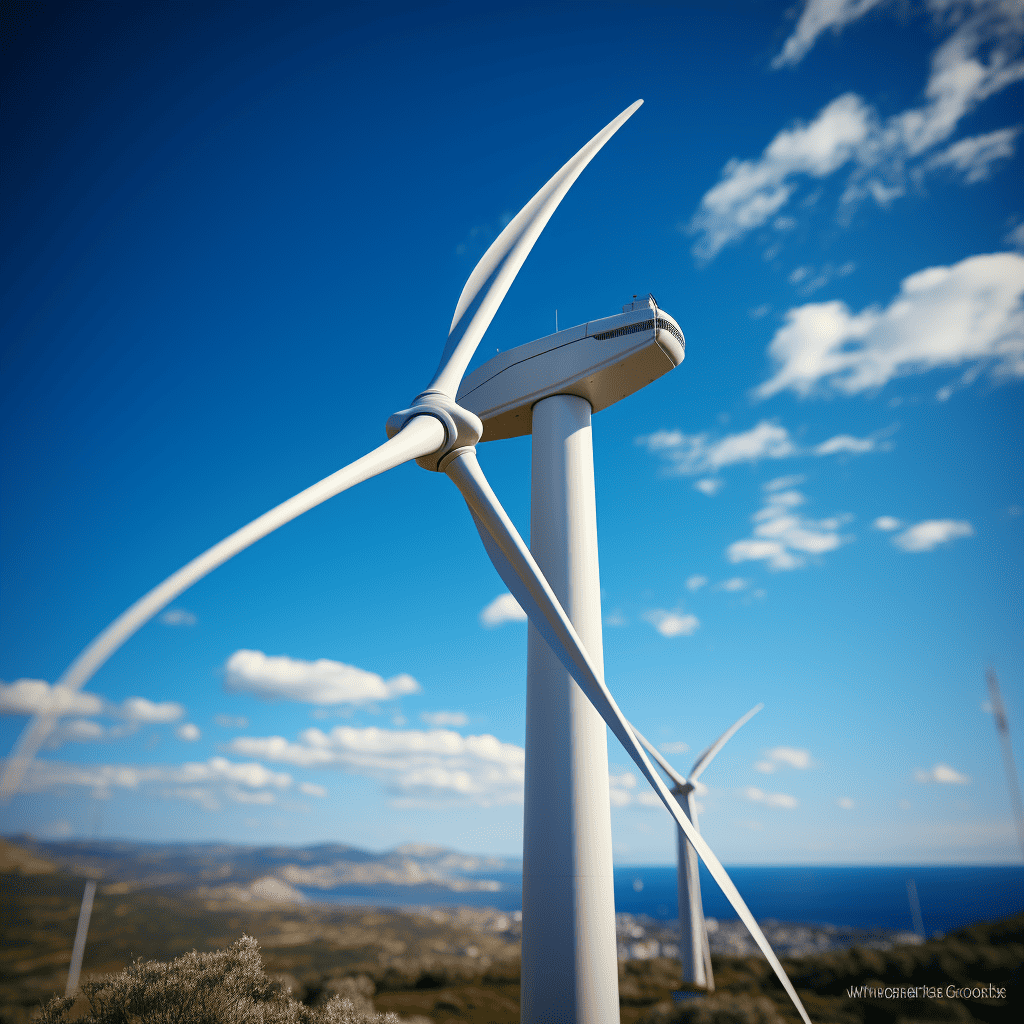
Unleashing the Wind’s Potential: Unraveling the Science and Applications of Modern Wind Turbines
Transitioning from Traditional Windmills to Advanced Wind Turbines
Windmills, the ancestors of modern wind turbines, have been harnessing the power of the wind for centuries, serving purposes such as grinding grains, pumping water, and powering machinery. Today, technological advancements have led to the development of highly efficient wind turbines that generate clean, renewable electricity on an unprecedented scale.
The Aerodynamics of Wind Turbine Blades: Optimizing Energy Capture
The blades of a wind turbine are meticulously designed to optimize the capture of wind energy. Constructed from lightweight materials like fiberglass or carbon fiber, these blades boast a unique airfoil shape, akin to an airplane wing, which generates lift as the wind passes over them. By adjusting the angle of attack, or pitch, of the blades, wind turbines can maintain optimal rotational speed and generate a consistent power output, even in variable wind conditions.
Transforming Kinetic Energy to Electricity: The Inner Workings of a Wind Turbine
As the rotor spins, it drives a gearbox, which increases the rotational speed of the shaft connected to the generator. This gearbox amplification is crucial, as generators produce electricity most efficiently at high rotational speeds. The generator employs electromagnetic induction, generating an electric current as the rotor turns within a magnetic field.
Wind Speed and Turbine Placement: The Key Factors in Energy Production
Wind turbine efficiency is heavily dependent on the wind speed at its location. Tall wind turbines are more effective at capturing energy due to the increase in wind speeds at higher altitudes. By conducting wind resource assessments, suitable locations with consistent, strong winds can be identified, maximizing a turbine’s energy production potential.
The Advantages and Challenges of Wind Energy: A Balanced Perspective
Wind energy offers numerous advantages, including zero greenhouse gas emissions during operation, minimal water use, and a small land footprint. However, challenges such as visual intrusion, wildlife impact, noise, and shadow flicker must be addressed. Additionally, wind energy’s intermittency necessitates backup power sources or energy storage systems to ensure a stable power supply.
Innovations in Wind Turbine Technology: Pioneering a Greener Future
Recent advancements in wind turbine technology include larger rotor diameters, taller towers, and more efficient gearboxes and generators, enabling turbines to capture more energy even in low wind speed conditions. Offshore wind farms and floating wind turbines present exciting opportunities to harness the power of wind in previously inaccessible locations, further contributing to a cleaner, more sustainable energy landscape.
Wind Energy Integration: Harmonizing Wind Power with the Grid
As wind energy becomes an increasingly important component of the global energy mix, effective integration with the power grid is essential. Through advancements in energy storage, transmission infrastructure, and grid management, wind energy can be harnessed more reliably and efficiently, contributing to a stable, sustainable power supply for future generations.
The Role of Policy and Investment in Wind Energy Development
Government policies and private investments play a crucial role in driving the development and deployment of wind energy. Incentives such as tax credits, grants, and renewable portfolio standards encourage wind energy projects, while ongoing research and development efforts aim to improve turbine efficiency, reduce costs, and minimize environmental impacts.
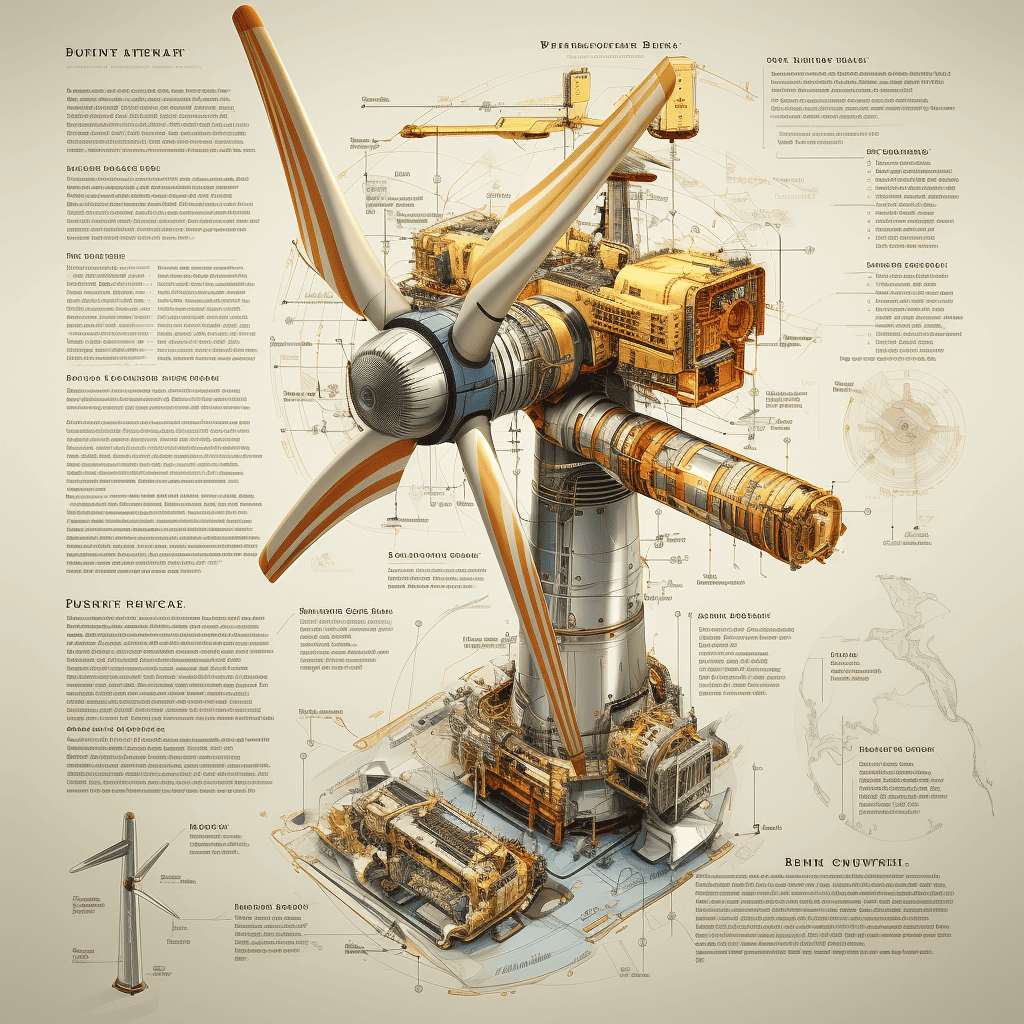
Windmill Blades
Their primary function is to capture the kinetic energy from the wind and convert it into mechanical energy. The design of rotor blades plays a significant role in determining the efficiency of a windmill.
The shape of the rotor blades is aerodynamically designed to optimize the energy capture. The cross-section of the blades is typically in the form of an airfoil, similar to that of an aircraft wing. This design helps to generate lift, which is the force that propels the turbine.
The length and number of rotor blades also impact the performance of the windmill. Longer blades can capture more wind energy, but they are also more expensive and heavier. Similarly, increasing the number of blades can enhance energy capture, but it also results in higher drag and more complexity in design.
The material used for the construction of rotor blades is another critical factor. Modern wind turbines use lightweight and durable materials such as fiberglass or carbon fiber reinforced plastics to ensure high strength and low weight.
Hub and Nacelle: Supporting the Rotor Blades and Generating Electricity
The hub is the central component that connects the rotor blades to the rest of the windmill. It is designed to withstand the high forces generated by the rotating blades and ensure proper alignment.
The nacelle is the enclosure that houses the generator and other components such as the gearbox and control systems. The nacelle is mounted on top of the tower and connected to the hub of the rotor blades.
The generator is responsible for converting the mechanical energy generated by the rotor blades into electrical energy. The gearbox increases the rotational speed of the generator to achieve optimal efficiency. The control systems regulate the speed of the rotor blades and the power output of the windmill.
Tower: Elevating the Windmill for Maximum Wind Exposure
The tower is the structure that supports the windmill and elevates it to a height where it can access stronger and more consistent winds. The height of the tower depends on the size of the windmill and the wind resources of the location.
Towers are typically made of steel or concrete and must be designed to withstand the forces generated by the rotating blades and the wind. They must also be sturdy enough to support the weight of the nacelle and the rotor blades.
Foundation: Anchoring the Windmill to the Ground
The foundation is the base that supports the tower and ensures its stability. The design of the foundation depends on the soil conditions and the size of the windmill.
Foundations for small wind turbines can be simple concrete pads or Pier foundations. Larger wind turbines require more complex foundations such as gravity foundations or pile foundations.
The foundation must be designed to distribute the weight of the windmill evenly and prevent any movement or tilt. It must also be able to withstand the forces generated by the wind and the rotating blades.
The anatomy of a windmill consists of several key components, each playing a critical role in its performance and efficiency. Understanding these components and their functions is essential for the design, operation, and maintenance of wind energy systems.
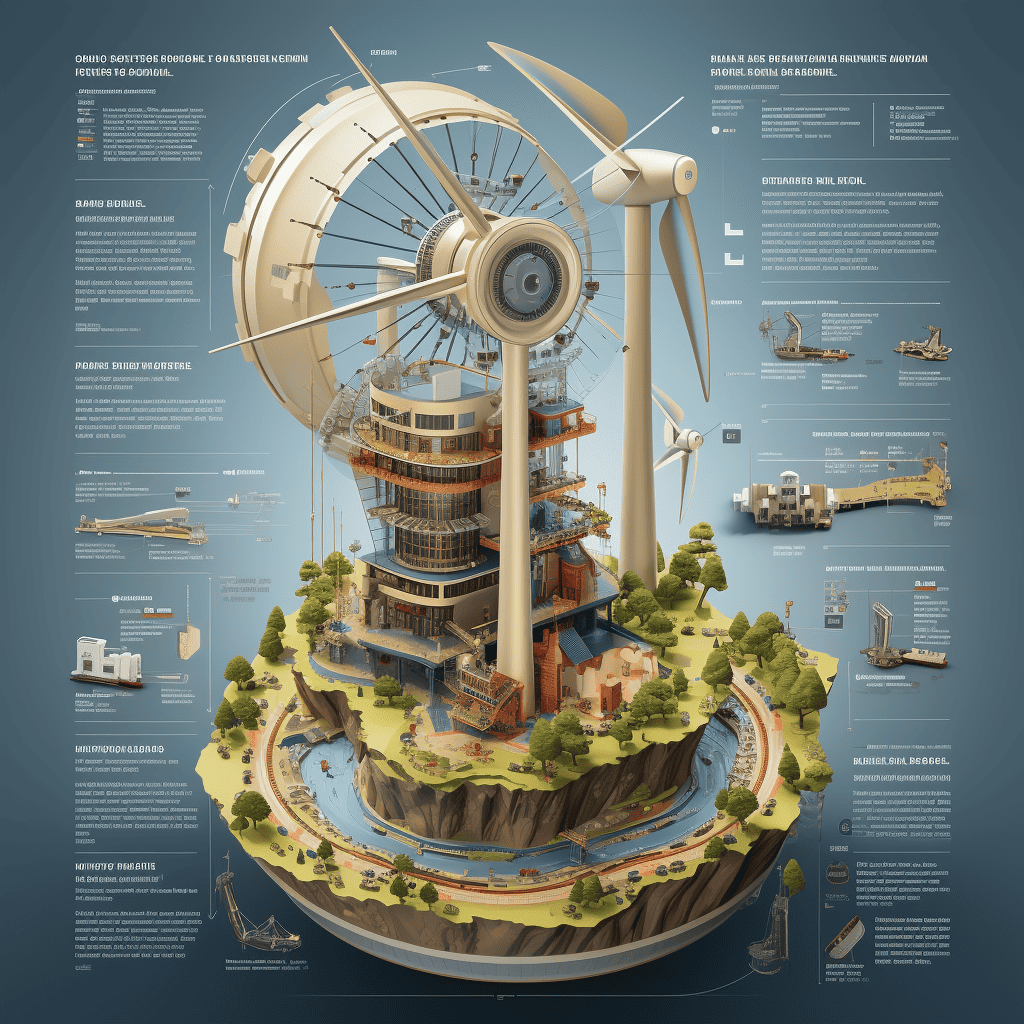
From Wind Energy to Electrical Power: Unraveling the Intricate Transformation Process
Wind energy is a clean and renewable source of power that can be harnessed to generate electricity. The transformation process from wind energy to electrical power involves a series of intricate steps that work together to produce a consistent and efficient power output. In this blog post, we will dive deeper into the key components of this transformation process and uncover the missing entities that make it all possible.
Wind Turbine Rotation: Harnessing Kinetic Energy
The transformation of wind energy into electrical power begins with the rotation of the wind turbine. As wind blows across the turbine blades, it creates lift, causing them to rotate. The design of modern wind turbine blades is carefully optimized to maximize the capture of kinetic energy from the wind, allowing for efficient energy production. The rotor, which is connected to the blades, spins around a low-speed shaft. This rotation transmits the kinetic energy from the wind to the rest of the turbine system, initiating the process of converting that energy into electricity.
Rotor
The rotor is a crucial component of a wind turbine that is connected to the blades and spins around a low-speed shaft. It serves the crucial function of transmitting the kinetic energy from the wind to the rest of the turbine system, initiating the process of converting that energy into electricity. The rotor’s design and size are optimized to maximize the capture of wind energy and increase the efficiency of energy production.
Gearbox: Accelerating Rotational Speed
The low-speed shaft connected to the rotor spins at a relatively slow rate, typically around 10 to 20 revolutions per minute (RPM). However, electric generators operate most efficiently at higher rotational speeds, often in the range of 1,000 to 1,800 RPM. To bridge this gap, wind turbines use a gearbox to increase the rotational speed of the low-speed shaft. The gearbox works by using a series of interconnected gears, which reduce the torque and increase the rotational speed. This process, known as gearing up or stepping up the rotational speed, allows the generator to produce electricity more efficiently.
Gear Ratio
The gear ratio is an essential factor in the design of wind turbines. It determines the relationship between the rotational speed of the low-speed shaft and the high-speed shaft connected to the generator. A higher gear ratio allows for a greater increase in rotational speed, resulting in more efficient energy production. The gear ratio is calculated by dividing the number of teeth on the larger gear by the number of teeth on the smaller gear. By optimizing the gear ratio, wind turbine manufacturers can maximize energy production and minimize energy loss.
Generator: Transforming Mechanical Energy to Electrical Energy
Once the rotational speed has been increased by the gearbox, the high-speed shaft connected to the gearbox drives the electric generator. There are two main types of generators used in wind turbines: induction generators and permanent magnet generators. Induction generators rely on electromagnetic induction to produce alternating current (AC) electricity, while permanent magnet generators use powerful magnets to generate direct current (DC) electricity. In most cases, the electrical energy produced by the generator is in the form of AC, which can be more easily integrated into the power grid.
Generator Efficiency
Generator efficiency is a critical consideration in wind turbine design. The efficiency of a generator is a measure of how much of the mechanical energy input is converted into electrical energy output. Modern wind turbines use high-efficiency generators to maximize energy production and minimize energy loss. The generator’s efficiency is affected by several factors, including the wind speed, rotor size, and gear ratio. By optimizing these factors, wind turbine manufacturers can improve generator efficiency and increase energy production.
Power Electronics: Conditioning the Electrical Output
Due to the variable nature of wind speeds, the electrical output produced by the generator can have inconsistent frequency and voltage levels. To ensure that the electricity meets the requirements of the power grid and can be safely distributed, power electronics are used to condition the electrical output. Power electronics, such as converters and inverters, convert the AC electricity produced by the generator into a consistent, high-quality AC output that matches the grid’s specifications. This process helps to maintain a stable power supply and prevent damage to electrical equipment connected to the grid.
Power Quality
Power quality is a measure of the consistency and reliability of the electrical power output. High-quality power is essential for the safe and efficient operation of electrical equipment connected to the grid. Power electronics help to ensure that the electrical output produced by wind turbines meets the required power quality standards. The power quality is affected by several factors, including voltage and frequency stability, harmonic distortion, and electrical noise. By monitoring and controlling these factors, wind turbine manufacturers can improve power quality and ensure that the electricity produced by their turbines meets the strict standards of the power grid.
Transformer: Increasing Voltage for Transmission
After the electrical output has been conditioned by the power electronics, it is then sent through a transformer. The transformer increases the voltage of the electricity to a level suitable for transmission over long distances. This is necessary because high-voltage electricity experiences less energy loss during transmission compared to low-voltage electricity. Once the voltage has been increased, the electricity is transmitted through power lines to the distribution network, where it is further stepped down to appropriate voltage levels for distribution to homes and businesses. This final step completes the transformation process, making the wind energy available for use as electrical power.
Transmission Efficiency
Transmission efficiency is a measure of how much of the electrical energy produced by a wind turbine is transmitted to the end user. High-voltage transmission lines are more efficient than low-voltage lines, as they experience less energy loss during transmission. This means that more of the electrical energy produced by the wind turbine is available for use, resulting in greater overall energy efficiency. The transmission efficiency is affected by several factors, including the length of the transmission line, the voltage level, and the type of transmission line used. By optimizing these factors, wind turbine manufacturers can improve transmission efficiency and maximize the amount of energy delivered to the end user.
The transformation process from wind energy to electrical power is a complex and intricate process involving several key components. From the wind turbine blades to the transformer, each component plays a critical role in converting the kinetic energy of the wind into a consistent and efficient electrical power output. By optimizing the design and performance of these components, wind turbine manufacturers can improve the efficiency and reliability of wind energy and help to transition the world towards a cleaner and more sustainable energy future.

One key innovation is the use of lightweight, high-strength materials such as carbon fiber and advanced alloys, which allow for longer, more slender blades that can capture more energy from the wind. Additionally, advanced aerodynamic designs and blade coatings can reduce drag and noise, further increasing efficiency and making wind turbines more suitable for a wider range of locations.
Wind Energy as a Key Component of a Sustainable Energy Future
As the world transitions towards a more sustainable energy future, wind power is poised to play an increasingly important role. Not only is wind a renewable and plentiful resource, but it is also a highly scalable and cost-effective means of generating electricity.
According to the International Energy Agency, wind energy could supply up to 30% of global electricity demand by 2050, reducing greenhouse gas emissions and dependence on fossil fuels. Moreover, wind energy has the potential to create jobs, spur economic growth, and improve energy security.
The Role of Offshore Wind Farms
Offshore wind farms, located in the open ocean or in large lakes, have the potential to generate even more energy than land-based turbines due to the stronger and more consistent winds found at sea. Additionally, offshore wind farms can be located further away from population centers, reducing the impact on local communities and wildlife.
Advances in offshore wind technology, such as floating turbines and larger, more powerful turbines, are making it possible to harness the full potential of offshore wind energy. In fact, the world’s largest offshore wind farm, located off the coast of the UK, is capable of generating enough electricity to power over 600,000 homes.
The Importance of Energy Storage and Grid Integration
One challenge of wind energy is its intermittent nature, as wind speeds can vary throughout the day and from season to season. To ensure a steady supply of electricity, energy storage and grid integration are essential.
Battery storage systems can store excess energy generated during periods of high wind and release it during periods of low wind or high demand. Additionally, advances in grid management and control systems can help to integrate wind energy more seamlessly into the electrical grid, improving reliability and reducing the need for backup power sources.
Conclusion
Modern windmills, or wind turbines, are a vital component of a sustainable energy future. With advancements in technology, wind energy is becoming more efficient, cost-effective, and scalable, making it an increasingly attractive option for electricity generation. By investing in wind energy, we can reduce our dependence on fossil fuels, create jobs, and improve energy security, all while protecting our planet for future generations.


