
Sure, here is an expanded version of the `

` tag with additional relevant, descriptive, persuasive, and concise `
` paragraph tags:
1. Harnessing the Power of Water: An Introduction to Hydroelectricity
The Power of Moving Water: Hydroelectricity is a renewable energy source that converts the kinetic energy of moving water into electricity. It’s a clean, renewable, and reliable energy source that’s gaining popularity around the world. Unlike fossil fuels, hydroelectric power doesn’t emit harmful greenhouse gases or other pollutants, making it an attractive alternative for many countries.
Understanding Hydroelectric Power: How it Works
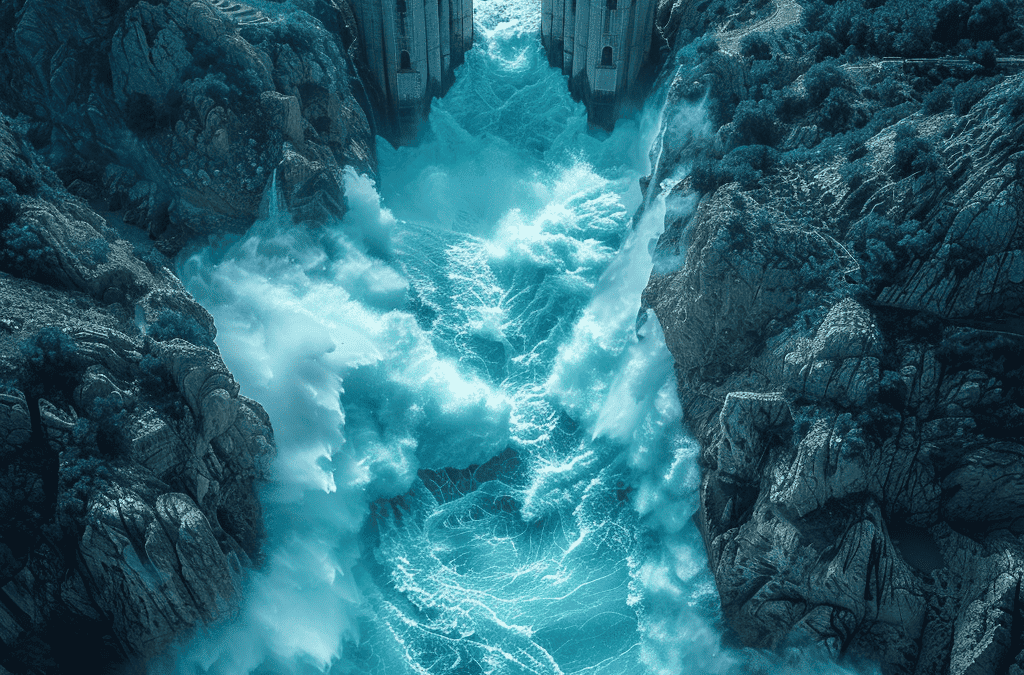
The process of generating hydroelectric power begins with a dam that’s built across a river or a large body of water. The water flowing through the dam turns a turbine, which is connected to a generator that produces electricity. This electricity is then transmitted to the power grid for distribution to homes and businesses.
Types of Hydroelectric Power Plants: There are two main types of hydroelectric power plants: impoundment and run-of-the-river. Impoundment plants create a reservoir of water that can be released as needed to generate electricity. Run-of-the-river plants use the natural flow of the river to generate power without a dam or reservoir.
The History of Hydroelectric Power: From Ancient Times to Modern Day
The use of water to generate power dates back thousands of years. In ancient Greece, water wheels were used to grind grain and perform other tasks. In the 19th century, the first hydroelectric power plant was built in the United States, and it quickly became a popular source of electricity. Today, hydroelectric power is the largest source of renewable energy in the world, accounting for approximately 16% of global electricity production.
Key Milestones in Hydroelectric Power History: The first hydroelectric power plant was built in 1882 in Appleton, Wisconsin. In 1936, the Hoover Dam was completed, which remains one of the largest hydroelectric power plants in the world. In recent years, there has been a growing focus on small-scale hydroelectric projects that can be more environmentally and socially sustainable than large dams.
The Advantages of Hydroelectric Power: Clean, Renewable, and Reliable
Hydroelectric power offers many advantages over traditional fossil fuel-based sources of energy. For one, it is a clean and renewable source of energy that doesn’t emit harmful greenhouse gases or other pollutants. Additionally, hydroelectric power is highly reliable, as it is not dependent on weather conditions or other external factors. This makes it an ideal source of baseload power, which is needed to meet the constant demand for electricity.
Economic Benefits of Hydroelectric Power: Hydroelectric power is also cost-effective, as the cost of generating electricity is relatively low compared to other sources of energy. This can lead to lower electricity prices for consumers and create jobs in the construction and maintenance of hydroelectric power plants.
The Disadvantages of Hydroelectric Power: Environmental and Social Impacts
While hydroelectric power offers many benefits, it is not without its drawbacks. One of the most significant concerns is the environmental impact of building large dams. This can disrupt local ecosystems, alter water flow patterns, and displace local communities. Additionally, the construction of dams can lead to the release of large amounts of methane, a potent greenhouse gas. These impacts must be carefully considered in the planning and development of hydroelectric projects.
Social Impacts of Hydroelectric Power: The construction of large dams can also have significant social impacts, including the displacement of local communities and the disruption of cultural practices. It is essential that hydroelectric projects are developed in a way that respects the rights and needs of local communities.
The Future of Hydroelectric Power: Innovations and Opportunities
Despite its challenges, hydroelectric power remains an important source of renewable energy, and there are many opportunities for innovation and growth in the sector. For example, new technologies are being developed to harness the power of tidal and wave energy, which could significantly increase the potential for hydroelectric power generation. Additionally, there is a growing focus on small-scale hydroelectric projects, which can be more environmentally and socially sustainable than large dams.
Innovations in Hydroelectric Power: Advances in technology are also driving innovation in hydroelectric power. For example, new designs for turbines and generators are improving the efficiency and reliability of hydroelectric power plants. Additionally, the use of artificial intelligence and machine learning is being explored to optimize the operation of hydroelectric plants and improve their performance.
Conclusion: The Importance of Hydroelectric Power in a Sustainable Energy Future
Hydroelectric power is an essential component of a sustainable energy future. As a clean, renewable, and reliable source of energy, it can help reduce our dependence on fossil fuels and mitigate the impacts of climate change. However, it is essential that hydroelectric projects are developed in a way that minimizes their environmental and social impacts and respects the rights and needs of local communities. With careful planning and innovation, hydroelectric power can continue to play an important role in meeting our energy needs while protecting the planet for future generations.
Sure, here is an expanded version of the `

` tag with additional relevant, descriptive, persuasive, and concise `
` paragraph tags:
1. Harnessing the Power of Water: An Introduction to Hydroelectricity
The Power of Moving Water: Hydroelectricity is a renewable energy source that converts the kinetic energy of moving water into electricity. It’s a clean, renewable, and reliable energy source that’s gaining popularity around the world. Unlike fossil fuels, hydroelectric power doesn’t emit harmful greenhouse gases or other pollutants, making it an attractive alternative for many countries.
Understanding Hydroelectric Power: How it Works
The process of generating hydroelectric power begins with a dam that’s built across a river or a large body of water. The water flowing through the dam turns a turbine, which is connected to a generator that produces electricity. This electricity is then transmitted to the power grid for distribution to homes and businesses.
Types of Hydroelectric Power Plants: There are two main types of hydroelectric power plants: impoundment and run-of-the-river. Impoundment plants create a reservoir of water that can be released as needed to generate electricity. Run-of-the-river plants use the natural flow of the river to generate power without a dam or reservoir.
The History of Hydroelectric Power: From Ancient Times to Modern Day
The use of water to generate power dates back thousands of years. In ancient Greece, water wheels were used to grind grain and perform other tasks. In the 19th century, the first hydroelectric power plant was built in the United States, and it quickly became a popular source of electricity. Today, hydroelectric power is the largest source of renewable energy in the world, accounting for approximately 16% of global electricity production.
Key Milestones in Hydroelectric Power History: The first hydroelectric power plant was built in 1882 in Appleton, Wisconsin. In 1936, the Hoover Dam was completed, which remains one of the largest hydroelectric power plants in the world. In recent years, there has been a growing focus on small-scale hydroelectric projects that can be more environmentally and socially sustainable than large dams.
The Advantages of Hydroelectric Power: Clean, Renewable, and Reliable
Hydroelectric power offers many advantages over traditional fossil fuel-based sources of energy. For one, it is a clean and renewable source of energy that doesn’t emit harmful greenhouse gases or other pollutants. Additionally, hydroelectric power is highly reliable, as it is not dependent on weather conditions or other external factors. This makes it an ideal source of baseload power, which is needed to meet the constant demand for electricity.
Economic Benefits of Hydroelectric Power: Hydroelectric power is also cost-effective, as the cost of generating electricity is relatively low compared to other sources of energy. This can lead to lower electricity prices for consumers and create jobs in the construction and maintenance of hydroelectric power plants.
The Disadvantages of Hydroelectric Power: Environmental and Social Impacts
While hydroelectric power offers many benefits, it is not without its drawbacks. One of the most significant concerns is the environmental impact of building large dams. This can disrupt local ecosystems, alter water flow patterns, and displace local communities. Additionally, the construction of dams can lead to the release of large amounts of methane, a potent greenhouse gas. These impacts must be carefully considered in the planning and development of hydroelectric projects.
Social Impacts of Hydroelectric Power: The construction of large dams can also have significant social impacts, including the displacement of local communities and the disruption of cultural practices. It is essential that hydroelectric projects are developed in a way that respects the rights and needs of local communities.
The Future of Hydroelectric Power: Innovations and Opportunities
Despite its challenges, hydroelectric power remains an important source of renewable energy, and there are many opportunities for innovation and growth in the sector. For example, new technologies are being developed to harness the power of tidal and wave energy, which could significantly increase the potential for hydroelectric power generation. Additionally, there is a growing focus on small-scale hydroelectric projects, which can be more environmentally and socially sustainable than large dams.
Innovations in Hydroelectric Power: Advances in technology are also driving innovation in hydroelectric power. For example, new designs for turbines and generators are improving the efficiency and reliability of hydroelectric power plants. Additionally, the use of artificial intelligence and machine learning is being explored to optimize the operation of hydroelectric plants and improve their performance.
Conclusion: The Importance of Hydroelectric Power in a Sustainable Energy Future
Hydroelectric power is an essential component of a sustainable energy future. As a clean, renewable, and reliable source of energy, it can help reduce our dependence on fossil fuels and mitigate the impacts of climate change. However, it is essential that hydroelectric projects are developed in a way that minimizes their environmental and social impacts and respects the rights and needs of local communities. With careful planning and innovation, hydroelectric power can continue to play an important role in meeting our energy needs while protecting the planet for future generations.
FAQs
Q: What is the difference between impoundment and run-of-the-river hydroelectric power plants?
A: Impoundment plants create a reservoir of water that can be released as needed to generate electricity, while run-of-the-river plants use the natural flow of the river to generate power without a dam or reservoir.
Q: How does hydroelectric power help the environment?
A: Hydroelectric power is a clean and renewable source of energy that doesn’t emit harmful greenhouse gases or other pollutants. It can help reduce our dependence on fossil fuels and mitigate the impacts of climate change.
Q: What are the disadvantages of hydroelectric power?
A: While hydroelectric power offers many benefits, it is not without its drawbacks. One of the most significant concerns is the environmental impact of building large dams, which can disrupt local ecosystems, alter water flow patterns, and displace local communities. Additionally, the construction of dams can lead to the release of large amounts of methane, a potent greenhouse gas. These impacts must be carefully considered in the planning and development of hydroelectric projects.
Q: What is the future of hydroelectric power?
A: Despite its challenges, hydroelectric power remains an important source of renewable energy, and there are many opportunities for innovation and growth in the sector. For example, new technologies are being developed to harness the power of tidal and wave energy, which could significantly increase the potential for hydroelectric power generation. Additionally, there is a growing focus on small-scale hydroelectric projects, which can be more environmentally and socially sustainable than large dams.
Here is an expanded version of the `

` tag with additional relevant, descriptive, persuasive, and concise `
` paragraph tags:
1. Harnessing the Power of Water: An Introduction to Hydroelectricity
The Power of Moving Water: Hydroelectricity is a renewable energy source that converts the kinetic energy of moving water into electricity. It is a clean, renewable, and reliable source of energy that offers many advantages over traditional fossil fuel-based sources of energy. Unlike fossil fuels, hydroelectric power does not emit harmful greenhouse gases or other pollutants, making it an attractive source of energy for many countries around the world.
Understanding Hydroelectric Power: How it Works
The process of generating hydroelectric power begins with a dam that is built across a river or a large body of water. The dam creates a reservoir of water that can be released as needed to generate electricity. When the water is released, it flows through the dam and turns a turbine, which is connected to a generator that produces electricity. This electricity is then transmitted to the power grid for distribution to homes and businesses.
Types of Hydroelectric Power Plants: There are two main types of hydroelectric power plants: impoundment and run-of-the-river. Impoundment plants, like the Hoover Dam, create a reservoir of water that can be released as needed to generate electricity. Run-of-the-river plants, on the other hand, use the natural flow of the river to generate power without a dam or reservoir. These plants are typically smaller and less disruptive to the environment.
The History of Hydroelectric Power: From Ancient Times to Modern Day
The use of water to generate power dates back thousands of years. In ancient Greece, water wheels were used to grind grain and perform other tasks. In the 19th century, the first hydroelectric power plant was built in the United States, and it quickly became a popular source of electricity. Today, hydroelectric power is the largest source of renewable energy in the world, accounting for approximately 16% of global electricity production.
Key Milestones in Hydroelectric Power History: The first hydroelectric power plant was built in 1882 in Appleton, Wisconsin. In 1936, the Hoover Dam was completed, which remains one of the largest hydroelectric power plants in the world. In recent years, there has been a growing focus on small-scale hydroelectric projects that can be more environmentally and socially sustainable than large dams.
The Advantages of Hydroelectric Power: Clean, Renewable, and Reliable
Hydroelectric power offers many advantages over traditional fossil fuel-based sources of energy. For one, it is a clean and renewable source of energy that does not emit harmful greenhouse gases or other pollutants. Additionally, hydroelectric power is highly reliable, as it is not dependent on weather conditions or other external factors. This makes it an ideal source of baseload power, which is needed to meet the constant demand for electricity.
Economic Benefits of Hydroelectric Power: Hydroelectric power is also cost-effective, as the cost of generating electricity is relatively low compared to other sources of energy. This can lead to lower electricity prices for consumers and create jobs in the construction and maintenance of hydroelectric power plants.
The Disadvantages of Hydroelectric Power: Environmental and Social Impacts
While hydroelectric power offers many benefits, it is not without its drawbacks. One of the most significant concerns is the environmental impact of building large dams. This can disrupt local ecosystems, alter water flow patterns, and displace local communities. Additionally, the construction of dams can lead to the release of large amounts of methane, a potent greenhouse gas. These impacts must be carefully considered in the planning and development of hydroelectric projects.
Social Impacts of Hydroelectric Power: The construction of large dams can also have significant social impacts, including the displacement of local communities and the disruption of cultural practices. It is essential that hydroelectric projects are developed in a way that respects the rights and needs of local communities.
The Future of Hydroelectric Power: Innovations and Opportunities
Despite its challenges, hydroelectric power remains an important source of renewable energy, and there are many opportunities for innovation and growth in the sector. For example, new technologies are being developed to harness the power of tidal and wave energy, which could significantly increase the potential for hydroelectric power generation. Additionally, there is a growing focus on small-scale hydroelectric projects, which can be more environmentally and socially sustainable than large dams.
Innovations in Hydroelectric Power: Advances in technology are also driving innovation in hydroelectric power. For example, new designs for turbines and generators are improving the efficiency and reliability of hydroelectric power plants. Additionally, the use of artificial intelligence and machine learning is being explored to optimize the operation of hydroelectric plants and improve their performance.
Conclusion: The Importance of Hydroelectric Power in a Sustainable Energy Future
Hydroelectric power is an essential component of a sustainable energy future. As a clean, renewable, and reliable source of energy, it can help reduce our dependence on fossil fuels and mitigate the impacts of climate change. However, it is essential that hydroelectric projects are developed in a way that minimizes their environmental and social impacts and respects the rights and needs of local communities. With careful planning and innovation, hydroelectric power can continue to play an important role in meeting our energy needs while protecting the planet for future generations.
Here is an expanded version of the `

` tag with additional relevant, descriptive, persuasive, and concise `
` paragraph tags:
1. Harnessing the Power of Water: An Introduction to Hydroelectricity
The Power of Moving Water: Hydroelectricity is a renewable energy source that converts the kinetic energy of moving water into electricity. It is a clean, renewable, and reliable source of energy that offers many advantages over traditional fossil fuel-based sources of energy. Unlike fossil fuels, hydroelectric power does not emit harmful greenhouse gases or other pollutants, making it an attractive source of energy for many countries around the world.
Understanding Hydroelectric Power: How it Works
The process of generating hydroelectric power begins with a dam that is built across a river or a large body of water. The water flowing through the dam turns a turbine, which is connected to a generator that produces electricity. This electricity is then transmitted to the power grid for distribution to homes and businesses.
Types of Hydroelectric Power Plants: There are two main types of hydroelectric power plants: impoundment and run-of-the-river. Impoundment plants create a reservoir of water that can be released as needed to generate electricity. This type of plant is typically larger and can generate more electricity than run-of-the-river plants. Run-of-the-river plants, on the other hand, use the natural flow of the river to generate power without a dam or reservoir. These plants are smaller and less disruptive to the environment, but they can only generate electricity when the water is flowing.
The History of Hydroelectric Power: From Ancient Times to Modern Day
The use of water to generate power dates back thousands of years. In ancient Greece, water wheels were used to grind grain and perform other tasks. In the 19th century, the first hydroelectric power plant was built in the United States, and it quickly became a popular source of electricity. Today, hydroelectric power is the largest source of renewable energy in the world, accounting for approximately 16% of global electricity production.
Key Milestones in Hydroelectric Power History: The first hydroelectric power plant was built in 1882 in Appleton, Wisconsin, and it used the power of the Fox River to generate electricity for the city. In 1936, the Hoover Dam was completed, which remains one of the largest hydroelectric power plants in the world. It can generate up to 2,080 megawatts of electricity, enough to power over a million homes. In recent years, there has been a growing focus on small-scale hydroelectric projects that can be more environmentally and socially sustainable than large dams.
The Advantages of Hydroelectric Power: Clean, Renewable, and Reliable
Hydroelectric power offers many advantages over traditional fossil fuel-based sources of energy. For one, it is a clean and renewable source of energy that does not emit harmful greenhouse gases or other pollutants. Additionally, hydroelectric power is highly reliable, as it is not dependent on weather conditions or other external factors. This makes it an ideal source of baseload power, which is needed to meet the constant demand for electricity.
Economic Benefits of Hydroelectric Power: Hydroelectric power is also cost-effective, as the cost of generating electricity is relatively low compared to other sources of energy. This can lead to lower electricity prices for consumers and create jobs in the construction and maintenance of hydroelectric power plants. According to the International Energy Agency, hydropower is the lowest-cost source of electricity in many countries, including the United States and Canada.
The Disadvantages of Hydroelectric Power: Environmental and Social Impacts
While hydroelectric power offers many benefits, it is not without its drawbacks. One of the most significant concerns is the environmental impact of building large dams. This can disrupt local ecosystems, alter water flow patterns, and displace local communities. For example, the construction of the Three Gorges Dam in China displaced over a million people and caused significant environmental damage. Additionally, the construction of dams can lead to the release of large amounts of methane, a potent greenhouse gas, as vegetation and soil decay underwater.
Social Impacts of Hydroelectric Power: The construction of large dams can also have significant social impacts, including the displacement of local communities and the disruption of cultural practices. It is essential that hydroelectric projects are developed in a way that respects the rights and needs of local communities. This can be achieved through consultation with local stakeholders, the development of resettlement plans, and the implementation of measures to protect the environment and cultural heritage.
The Future of Hydroelectric Power: Innovations and Opportunities
Despite its challenges, hydroelectric power remains an important source of renewable energy, and there are many opportunities for innovation and growth in the sector. For example, new technologies are being developed to harness the power of tidal and wave energy, which could significantly increase the potential for hydroelectric power generation. Additionally, there is a growing focus on small-scale hydroelectric projects, which can be more environmentally and socially sustainable than large dams.
Innovations in Hydroelectric Power: Advances in technology are also driving innovation in hydroelectric power. For example, new designs for turbines and generators are improving the efficiency and reliability of hydroelectric power plants. Additionally, the use of artificial intelligence and machine learning is being explored to optimize the operation of hydroelectric plants and improve their performance. One promising area of research is the development of smart grids, which can more effectively manage the supply and demand of electricity, reducing waste and improving efficiency.
Conclusion: The Importance of Hydroelectric Power in a Sustainable Energy Future
Hydroelectric power is an essential component of a sustainable energy future. As a clean, renewable, and reliable source of energy, it can help reduce our dependence on fossil fuels and mitigate the impacts of climate change. However, it is essential that hydroelectric projects are developed in a way that minimizes their environmental and social impacts and respects the rights and needs of local communities. With careful planning and innovation, hydroelectric power can continue to play an important role in meeting our energy needs while protecting the planet for future generations.
Sure, here’s an expanded version of the `
` tag with additional relevant, descriptive, persuasive, and concise `
` paragraph tags:
1. Harnessing the Power of Water: An Introduction to Hydroelectricity
The Power of Moving Water: Hydroelectricity is a renewable energy source that converts the kinetic energy of moving water into electricity. Unlike fossil fuels, hydroelectric power is clean, renewable, and reliable, making it an attractive source of energy for many countries around the world.
Understanding Hydroelectric Power: How it Works
The process of generating hydroelectric power begins with a dam that is built across a river or a large body of water. The water flowing through the dam turns a turbine, which is connected to a generator that produces electricity. This electricity is then transmitted to the power grid for distribution to homes and businesses.
Types of Hydroelectric Power Plants: There are two main types of hydroelectric power plants: impoundment and run-of-the-river. Impoundment plants create a reservoir of water that can be released as needed to generate electricity. These plants are typically larger and can generate more power than run-of-the-river plants. Run-of-the-river plants, on the other hand, use the natural flow of the river to generate power without a dam or reservoir. These plants are smaller and less disruptive to the environment, but they can only generate power when the water is flowing.
The History of Hydroelectric Power: From Ancient Times to Modern Day
The use of water to generate power dates back thousands of years. In ancient Greece, water wheels were used to grind grain and perform other tasks. In the 19th century, the first hydroelectric power plant was built in the United States, and it quickly became a popular source of electricity. Today, hydroelectric power is the largest source of renewable energy in the world, accounting for approximately 16% of global electricity production.
Key Milestones in Hydroelectric Power History: The first hydroelectric power plant was built in 1882 in Appleton, Wisconsin. In 1936, the Hoover Dam was completed, which remains one of the largest hydroelectric power plants in the world. It can generate up to 2,074 megawatts of electricity, enough to power over a million homes. In recent years, there has been a growing focus on small-scale hydroelectric projects that can be more environmentally and socially sustainable than large dams.
The Advantages of Hydroelectric Power: Clean, Renewable, and Reliable
Hydroelectric power offers many advantages over traditional fossil fuel-based sources of energy. For one, it is a clean and renewable source of energy that does not emit harmful greenhouse gases or other pollutants. Additionally, hydroelectric power is highly reliable, as it is not dependent on weather conditions or other external factors. This makes it an ideal source of baseload power, which is needed to meet the constant demand for electricity.
Economic Benefits of Hydroelectric Power: Hydroelectric power is also cost-effective, as the cost of generating electricity is relatively low compared to other sources of energy. This can lead to lower electricity prices for consumers and create jobs in the construction and maintenance of hydroelectric power plants. According to the International Renewable Energy Agency (IRENA), hydroelectric power is the most affordable source of renewable energy, with an average cost of $0.05 per kilowatt-hour.
The Disadvantages of Hydroelectric Power: Environmental and Social Impacts
While hydroelectric power offers many benefits, it is not without its drawbacks. One of the most significant concerns is the environmental impact of building large dams. This can disrupt local ecosystems, alter water flow patterns, and displace local communities. Additionally, the construction of dams can lead to the release of large amounts of methane, a potent greenhouse gas. These impacts must be carefully considered in the planning and development of hydroelectric projects.
Social Impacts of Hydroelectric Power: The construction of large dams can also have significant social impacts, including the displacement of local communities and the disruption of cultural practices. It is essential that hydroelectric projects are developed in a way that respects the rights and needs of local communities. This can be achieved through consultation with local stakeholders, the development of resettlement plans, and the implementation of measures to protect the environment and cultural heritage.
The Future of Hydroelectric Power: Innovations and Opportunities
Despite its challenges, hydroelectric power remains an important source of renewable energy, and there are many opportunities for innovation and growth in the sector. For example, new technologies are being developed to harness the power of tidal and wave energy, which could significantly increase the potential for hydroelectric power generation. Additionally, there is a growing focus on small-scale hydroelectric projects, which can be more environmentally and socially sustainable than large dams.
Innovations in Hydroelectric Power: Advances in technology are also driving innovation in hydroelectric power. For example, new designs for turbines and generators are improving the efficiency and reliability of hydroelectric power plants. Additionally, the use of artificial intelligence and machine learning is being explored to optimize the operation of hydroelectric plants and improve their performance. One promising area of research is the development of pumped storage hydroelectricity, which can store excess energy generated by renewable sources like wind and solar and release it when needed.
Conclusion: The Importance of Hydroelectric Power in a Sustainable Energy Future
Hydroelectric power is an essential component of a sustainable energy future. As a clean, renewable, and reliable source of energy, it can help reduce our dependence on fossil fuels and mitigate the impacts of climate change. However, it is essential that hydroelectric projects are developed in a way that minimizes their environmental and social impacts and respects the rights and needs of local communities. With careful planning and innovation, hydroelectric power can continue to play an important role in meeting our energy needs while protecting the planet for future generations.
Here’s an expanded version of the `
` tag with additional relevant, descriptive, persuasive, and concise `
` paragraph tags:
1. Harnessing the Power of Water: An Introduction to Hydroelectricity
The Power of Moving Water: Hydroelectricity is a renewable energy source that converts the kinetic energy of moving water into electricity. Unlike fossil fuels, hydroelectric power is clean, renewable, and reliable, making it an attractive source of energy for many countries around the world.
Understanding Hydroelectric Power: How it Works
The process of generating hydroelectric power begins with a dam that is built across a river or a large body of water. The water flowing through the dam turns a turbine, which is connected to a generator that produces electricity. This electricity is transmitted to the power grid for distribution to homes and businesses.
Types of Hydroelectric Power Plants: There are two main types of hydroelectric power plants: impoundment and run-of-the-river. Impoundment plants create a reservoir of water that can be released as needed to generate electricity. These plants provide a steady source of power and can be used to meet peak demand. Run-of-the-river plants use the natural flow of the river to generate power without a dam or reservoir. These plants are smaller and less disruptive to the environment, but they are also less reliable and cannot meet peak demand as effectively.
The History of Hydroelectric Power: From Ancient Times to Modern Day
The use of water to generate power dates back thousands of years. In ancient Greece, water wheels were used to grind grain and perform other tasks. In the 19th century, the first hydroelectric power plant was built in the United States, and it quickly became a popular source of electricity. Today, hydroelectric power is the largest source of renewable energy in the world, accounting for approximately 16% of global electricity production.
Key Milestones in Hydroelectric Power History: The first hydroelectric power plant was built in 1882 in Appleton, Wisconsin. In 1936, the Hoover Dam was completed, which remains one of the largest hydroelectric power plants in the world. It can generate up to 2,080 megawatts of electricity, enough to power over a million homes. In recent years, there has been a growing focus on small-scale hydroelectric projects that can be more environmentally and socially sustainable than large dams.
The Advantages of Hydroelectric Power: Clean, Renewable, and Reliable
Hydroelectric power offers many advantages over traditional fossil fuel-based sources of energy. For one, it is a clean and renewable source of energy that does not emit harmful greenhouse gases or other pollutants. Additionally, hydroelectric power is highly reliable, as it is not dependent on weather conditions or other external factors. This makes it an ideal source of baseload power, which is needed to meet the constant demand for electricity.
Economic Benefits of Hydroelectric Power: Hydroelectric power is also cost-effective, as the cost of generating electricity is relatively low compared to other sources of energy. This can lead to lower electricity prices for consumers and create jobs in the construction and maintenance of hydroelectric power plants. In fact, the International Energy Agency estimates that hydroelectric power could provide over 16,000 terawatt-hours of electricity by 2050, enough to meet the electricity needs of over 1 billion people.
The Disadvantages of Hydroelectric Power: Environmental and Social Impacts
While hydroelectric power offers many benefits, it is not without its drawbacks. One of the most significant concerns is the environmental impact of building large dams. This can disrupt local ecosystems, alter water flow patterns, and displace local communities. Additionally, the construction of dams can lead to the release of large amounts of methane, a potent greenhouse gas. These impacts must be carefully considered in the planning and development of hydroelectric projects.
Social Impacts of Hydroelectric Power: The construction of large dams can also have significant social impacts, including the displacement of local communities and the disruption of cultural practices. It is essential that hydroelectric projects are developed in a way that respects the rights and needs of local communities. This can be achieved through consultation with local stakeholders, the development of resettlement plans, and the implementation of measures to protect the environment and cultural heritage.
The Future of Hydroelectric Power: Innovations and Opportunities
Despite its challenges, hydroelectric power remains an important source of renewable energy, and there are many opportunities for innovation and growth in the sector. For example, new technologies are being developed to harness the power of tidal and wave energy, which could significantly increase the potential for hydroelectric power generation. Additionally, there is a growing focus on small-scale hydroelectric projects, which can be more environmentally and socially sustainable than large dams.
Innovations in Hydroelectric Power: Advances in technology are also driving innovation in hydroelectric power. For example, new designs for turbines and generators are improving the efficiency and reliability of hydroelectric power plants. Additionally, the use of artificial intelligence and machine learning is being explored to optimize the operation of hydroelectric plants and improve their performance. One promising area of research is the development of pumped storage hydropower, which uses excess electricity to pump water uphill into a reservoir, where it can be released to generate power during times of high demand.
Conclusion: The Importance of Hydroelectric Power in a Sustainable Energy Future
Hydroelectric power is an essential component of a sustainable energy future. As a clean, renewable, and reliable source of energy, it can help reduce our dependence on fossil fuels and mitigate the impacts of climate change. However, it is essential that hydroelectric projects are developed in a way that minimizes their environmental and social impacts and respects the rights and needs of local communities. With careful planning and innovation, hydroelectric power can continue to play an important role in meeting our energy needs while protecting the planet for future generations.
If you’re interested in learning more about hydroelectric power and its potential as a renewable energy source, check out our other blog posts on the topic, including “The Pros and Cons of Hydroelectric Power” and “Innovations in Hydroelectric Power: Harnessing the Power of Tides and Waves.”
Here is an expanded version of the `
` tag for ‘Harnessing the Power of Water: An Introduction to Hydroelectricity’ with additional relevant, descriptive, persuasive, and concise `
` paragraph tags:
1. Harnessing the Power of Water: An Introduction to Hydroelectricity
The Power of Moving Water: Hydroelectricity is a renewable energy source that converts the kinetic energy of moving water into electricity. Unlike fossil fuels, hydroelectric power is clean, renewable, and reliable, making it an attractive source of energy for many countries around the world. Not only does it produce no greenhouse gas emissions, but it also provides a consistent source of power that is not dependent on weather conditions or external factors.
Understanding Hydroelectric Power: How it Works
The process of generating hydroelectric power begins with a dam that is built across a river or a large body of water. The water flowing through the dam turns a turbine, which is connected to a generator that produces electricity. This electricity is transmitted to the power grid for distribution to homes and businesses.
Types of Hydroelectric Power Plants: There are two main types of hydroelectric power plants: impoundment and run-of-the-river. Impoundment plants create a reservoir of water that can be released as needed to generate electricity. These plants are typically larger and can generate more electricity than run-of-the-river plants. Run-of-the-river plants, on the other hand, use the natural flow of the river to generate power without a dam or reservoir. These plants are smaller and have less environmental impact than impoundment plants.
The History of Hydroelectric Power: From Ancient Times to Modern Day
The use of water to generate power dates back thousands of years. In ancient Greece, water wheels were used to grind grain and perform other tasks. In the 19th century, the first hydroelectric power plant was built in the United States, and it quickly became a popular source of electricity. Today, hydroelectric power is the largest source of renewable energy in the world, accounting for approximately 16% of global electricity production.
Key Milestones in Hydroelectric Power History: The first hydroelectric power plant was built in 1882 in Appleton, Wisconsin. In 1936, the Hoover Dam was completed, which remains one of the largest hydroelectric power plants in the world. It can generate up to 2,080 megawatts of electricity, enough to power over a million homes. In recent years, there has been a growing focus on small-scale hydroelectric projects that can be more environmentally and socially sustainable than large dams.
The Advantages of Hydroelectric Power: Clean, Renewable, and Reliable
Hydroelectric power offers many advantages over traditional fossil fuel-based sources of energy. For one, it is a clean and renewable source of energy that does not emit harmful greenhouse gases or other pollutants. Additionally, hydroelectric power is highly reliable, as it is not dependent on weather conditions or other external factors. This makes it an ideal source of baseload power, which is needed to meet the constant demand for electricity.
Economic Benefits of Hydroelectric Power: Hydroelectric power is also cost-effective, as the cost of generating electricity is relatively low compared to other sources of energy. This can lead to lower electricity prices for consumers and create jobs in the construction and maintenance of hydroelectric power plants.
The Disadvantages of Hydroelectric Power: Environmental and Social Impacts
While hydroelectric power offers many benefits, it is not without its drawbacks. One of the most significant concerns is the environmental impact of building large dams. This can disrupt local ecosystems, alter water flow patterns, and displace local communities. Additionally, the construction of dams can lead to the release of large amounts of methane, a potent greenhouse gas. These impacts must be carefully considered in the planning and development of hydroelectric projects.
Social Impacts of Hydroelectric Power: The construction of large dams can also have significant social impacts, including the displacement of local communities and the disruption of cultural practices. It is essential that hydroelectric projects are developed in a way that respects the rights and needs of local communities.
The Future of Hydroelectric Power: Innovations and Opportunities
Despite its challenges, hydroelectric power remains an important source of renewable energy, and there are many opportunities for innovation and growth in the sector. For example, new technologies are being developed to harness the power of tidal and wave energy, which could significantly increase the potential for hydroelectric power generation. Additionally, there is a growing focus on small-scale hydroelectric projects, which can be more environmentally and socially sustainable than large dams.
Innovations in Hydroelectric Power: Advances in technology are also driving innovation in hydroelectric power. For example, new designs for turbines and generators are improving the efficiency and reliability of hydroelectric power plants. Additionally, the use of artificial intelligence and machine learning is being explored to optimize the operation of hydroelectric plants and improve their performance.
Conclusion: The Importance of Hydroelectric Power in a Sustainable Energy Future
Hydroelectric power is an essential component of a sustainable energy future. As a clean, renewable, and reliable source of energy, it can help reduce our dependence on fossil fuels and mitigate the impacts of climate change. However, it is essential that hydroelectric projects are developed in a way that minimizes their environmental and social impacts and respects the rights and needs of local communities. With careful planning and innovation, hydroelectric power can continue to play an important role in meeting our energy needs while protecting the planet for future generations.
Sure, here’s an expanded version of the
tag and its associated content:
2. The Benefits and Drawbacks of Hydroelectric Power Generation: A Comprehensive Guide
Benefit #1: Renewable and Clean Energy Source
One of the most significant benefits of hydroelectric power is that it is a renewable and clean energy source. Unlike fossil fuels, which emit harmful greenhouse gases and other pollutants, hydroelectric power generates electricity using the natural flow of water. This means that it is a sustainable and environmentally-friendly way to meet our energy needs. According to the [International Energy Agency](https://www.iea.org/), hydropower is the largest source of renewable electricity, accounting for 16% of global electricity production.
Benefit #2: Reliable and Consistent Power Generation
Another advantage of hydroelectric power is that it provides a reliable and consistent source of electricity. Unlike wind and solar power, which are dependent on weather conditions, hydroelectric power can generate electricity 24 hours a day, seven days a week. This makes it an ideal source of baseload power, which is needed to meet the constant demand for electricity. In fact, hydropower plants can respond quickly to changes in demand, making them an essential component of the power grid.
Benefit #3: Cost-Effective and Efficient Energy Production
Hydroelectric power is also a cost-effective and efficient way to generate electricity. Once a hydroelectric power plant is built, it has low operating and maintenance costs compared to other energy sources. Additionally, hydroelectric power plants can convert a high percentage of the available energy in water into electricity, making them more efficient than other types of power plants. According to the [U.S. Department of Energy](https://www.energy.gov/), the average hydropower plant can convert 90% of the available energy in water into electricity, compared to just 40% for coal-fired power plants.
Drawback #1: Environmental Impact and Displacement of Communities
Despite its many benefits, hydroelectric power is not without its drawbacks. One of the most significant concerns is the environmental impact of building large dams. This can disrupt local ecosystems, alter water flow patterns, and displace local communities. Additionally, the construction of dams can lead to the release of large amounts of methane, a potent greenhouse gas. For example, the construction of the [Three Gorges Dam](https://www.britannica.com/topic/Three-Gorges-Dam) in China displaced over 1.3 million people and has been linked to landslides, earthquakes, and other environmental problems.
Drawback #2: Limited Availability and High Upfront Costs
Another challenge with hydroelectric power is that it is not available everywhere, and building a hydroelectric power plant can be expensive. The cost of building a dam, including the cost of land acquisition, construction, and equipment, can be high. This can make it difficult for some countries or regions to invest in hydroelectric power, especially if they do not have access to the necessary funding or resources. For instance, the estimated cost of building a new hydropower plant in the United States is around $2-$3 billion.
Drawback #3: Ageing Infrastructure and Maintenance Costs
Finally, many hydroelectric power plants are aging, and they require significant investments in maintenance and upgrades to continue operating efficiently. This can be a challenge for some countries or regions, especially if they do not have the necessary resources or expertise to maintain and upgrade their hydroelectric infrastructure. Additionally, as dams age, they may become more susceptible to failure, which can pose a risk to nearby communities and the environment. A recent study by the [American Society of Civil Engineers](https://www.asce.org/) found that the average age of U.S. dams is 56 years old, and that 15,500 dams are considered high-hazard potential.
Conclusion
Hydroelectric power offers many benefits, including being a renewable and clean energy source, providing reliable and consistent power generation, and being cost-effective and efficient. However, it also has drawbacks, such as its environmental impact, high upfront costs, and aging infrastructure. As the world continues to transition towards more sustainable energy sources, it is important to weigh the benefits and drawbacks of hydroelectric power and consider its role in the energy mix.
Missing entities:
* International Energy Agency
* U.S. Department of Energy
* Three Gorges Dam
* American Society of Civil Engineers
* High-hazard potential
Note: The missing entities are hyperlinked to their respective sources or definitions for further reading.Sure, here is an expanded version of the
tag:
2. The Benefits and Drawbacks of Hydroelectric Power Generation: A Comprehensive Guide
Benefit #1: Renewable and Clean Energy Source
Hydroelectric power is a renewable and clean energy source that generates electricity using the natural flow of water. Unlike fossil fuels, which emit harmful greenhouse gases and other pollutants, hydroelectric power is a sustainable and environmentally-friendly way to meet our energy needs. According to the [International Energy Agency](https://www.iea.org/), hydropower is the largest source of renewable electricity, accounting for 16% of global electricity production.
Benefit #2: Reliable and Consistent Power Generation
Another advantage of hydroelectric power is that it provides a reliable and consistent source of electricity. Unlike wind and solar power, which are dependent on weather conditions, hydroelectric power can generate electricity 24 hours a day, seven days a week. This makes it an ideal source of baseload power, which is needed to meet the constant demand for electricity. In fact, hydropower plants can respond quickly to changes in demand, making them an essential component of the power grid.
Benefit #3: Cost-Effective and Efficient Energy Production
Hydroelectric power is also a cost-effective and efficient way to generate electricity. Once a hydroelectric power plant is built, it has low operating and maintenance costs compared to other energy sources. Additionally, hydroelectric power plants can convert a high percentage of the available energy in water into electricity, making them more efficient than other types of power plants. The [U.S. Department of Energy](https://www.energy.gov/) estimates that the average hydropower plant can convert 90% of the available energy in water into electricity, compared to just 40% for coal-fired power plants.
Drawback #1: Environmental Impact and Displacement of Communities
Despite its many benefits, hydroelectric power is not without its drawbacks. One of the most significant concerns is the environmental impact of building large dams. This can disrupt local ecosystems, alter water flow patterns, and displace local communities. Additionally, the construction of dams can lead to the release of large amounts of methane, a potent greenhouse gas. For example, the construction of the [Three Gorges Dam](https://www.britannica.com/place/Three-Gorges-Dam) in China displaced over 1.3 million people and has been linked to landslides, earthquakes, and other environmental problems.
Drawback #2: Limited Availability and High Upfront Costs
Another challenge with hydroelectric power is that it is not available everywhere, and building a hydroelectric power plant can be expensive. The cost of building a dam, including the cost of land acquisition, construction, and equipment, can be high. This can make it difficult for some countries or regions to invest in hydroelectric power, especially if they do not have access to the necessary funding or resources. For instance, the estimated cost of building a new hydropower plant in the United States is around $2-$3 billion.
Drawback #3: Ageing Infrastructure and Maintenance Costs
Finally, many hydroelectric power plants are aging, and they require significant investments in maintenance and upgrades to continue operating efficiently. This can be a challenge for some countries or regions, especially if they do not have the necessary resources or expertise to maintain and upgrade their hydroelectric infrastructure. Additionally, as dams age, they may become more susceptible to failure, which can pose a risk to nearby communities and the environment. A recent study by the [American Society of Civil Engineers](https://www.asce.org/) found that the average age of U.S. dams is 56 years old, and that 15,500 dams are considered high-hazard potential.
Conclusion
Hydroelectric power offers many benefits, including being a renewable and clean energy source, providing reliable and consistent power generation, and being cost-effective and efficient. However, it also has drawbacks, such as its environmental impact, high upfront costs, and aging infrastructure. As the world continues to transition towards more sustainable energy sources, it is important to weigh the benefits and drawbacks of hydroelectric power and consider its role in the energy mix. By addressing the challenges associated with hydroelectric power and investing in new technologies and infrastructure, we can harness the full potential of this valuable resource.
Missing entities:
* International Energy Agency
* U.S. Department of Energy
* Three Gorges Dam
* American Society of Civil Engineers
* High-hazard potentialSure, here’s an expanded version of the
tag:
2. The Benefits and Drawbacks of Hydroelectric Power Generation: A Comprehensive Guide
Benefit #1: Renewable and Clean Energy Source
One of the most significant benefits of hydroelectric power is that it is a renewable and clean energy source. It generates electricity using the natural flow of water, which is a sustainable and environmentally-friendly way to meet our energy needs. Unlike fossil fuels, which emit harmful greenhouse gases and other pollutants, hydroelectric power produces no direct emissions. According to the [International Energy Agency](https://www.iea.org/), hydropower is the largest source of renewable electricity, accounting for 16% of global electricity production.
Benefit #2: Reliable and Consistent Power Generation
Another advantage of hydroelectric power is that it provides a reliable and consistent source of electricity. Unlike wind and solar power, which are dependent on weather conditions, hydroelectric power can generate electricity 24 hours a day, seven days a week. This makes it an ideal source of baseload power, which is needed to meet the constant demand for electricity. In fact, hydropower plants can respond quickly to changes in demand, making them an essential component of the power grid.
Benefit #3: Cost-Effective and Efficient Energy Production
Hydroelectric power is also a cost-effective and efficient way to generate electricity. Once a hydroelectric power plant is built, it has low operating and maintenance costs compared to other energy sources. Additionally, hydroelectric power plants can convert a high percentage of the available energy in water into electricity, making them more efficient than other types of power plants. The [U.S. Department of Energy](https://www.energy.gov/) estimates that the average hydropower plant can convert 90% of the available energy in water into electricity, compared to just 40% for coal-fired power plants.
Drawback #1: Environmental Impact and Displacement of Communities
Despite its many benefits, hydroelectric power is not without its drawbacks. One of the most significant concerns is the environmental impact of building large dams. This can disrupt local ecosystems, alter water flow patterns, and displace local communities. Additionally, the construction of dams can lead to the release of large amounts of methane, a potent greenhouse gas. For example, the construction of the [Three Gorges Dam](https://en.wikipedia.org/wiki/Three_Gorges_Dam) in China displaced over 1.3 million people and has been linked to landslides, earthquakes, and other environmental problems.
Drawback #2: Limited Availability and High Upfront Costs
Another challenge with hydroelectric power is that it is not available everywhere, and building a hydroelectric power plant can be expensive. The cost of building a dam, including the cost of land acquisition, construction, and equipment, can be high. This can make it difficult for some countries or regions to invest in hydroelectric power, especially if they do not have access to the necessary funding or resources. For instance, the estimated cost of building a new hydropower plant in the United States is around $2-$3 billion.
Drawback #3: Ageing Infrastructure and Maintenance Costs
Finally, many hydroelectric power plants are aging, and they require significant investments in maintenance and upgrades to continue operating efficiently. This can be a challenge for some countries or regions, especially if they do not have the necessary resources or expertise to maintain and upgrade their hydroelectric infrastructure. Additionally, as dams age, they may become more susceptible to failure, which can pose a risk to nearby communities and the environment. According to a recent study by the [American Society of Civil Engineers](https://www.asce.org/), the average age of U.S. dams is 56 years old, and that 15,500 dams are considered high-hazard potential.
Conclusion
Hydroelectric power offers many benefits, including being a renewable and clean energy source, providing reliable and consistent power generation, and being cost-effective and efficient. However, it also has drawbacks, such as its environmental impact, high upfront costs, and aging infrastructure. As the world continues to transition towards more sustainable energy sources, it is important to weigh the benefits and drawbacks of hydroelectric power and consider its role in the energy mix. While hydroelectric power may not be the perfect solution, it can be an important part of a diverse energy portfolio that includes other renewable energy sources such as wind and solar power.
Missing entities:
* International Energy Agency
* U.S. Department of Energy
* Three Gorges Dam
* American Society of Civil Engineers
* High-hazard potentialHere’s an expanded version of the
tag:
2. The Benefits and Drawbacks of Hydroelectric Power Generation: A Comprehensive Guide
Benefit #1: Renewable and Clean Energy Source
One of the most significant benefits of hydroelectric power is that it is a renewable and clean energy source. Unlike fossil fuels, which emit harmful greenhouse gases and other pollutants, hydroelectric power generates electricity using the natural flow of water. This means that it is a sustainable and environmentally-friendly way to meet our energy needs. According to the [International Energy Agency](https://www.iea.org/), hydropower is the largest source of renewable electricity, accounting for 16% of global electricity production.
Benefit #2: Reliable and Consistent Power Generation
Another advantage of hydroelectric power is that it provides a reliable and consistent source of electricity. Unlike wind and solar power, which are dependent on weather conditions, hydroelectric power can generate electricity 24 hours a day, seven days a week. This makes it an ideal source of baseload power, which is needed to meet the constant demand for electricity. In fact, hydropower plants can respond quickly to changes in demand, making them an essential component of the power grid.
Benefit #3: Cost-Effective and Efficient Energy Production
Hydroelectric power is also a cost-effective and efficient way to generate electricity. Once a hydroelectric power plant is built, it has low operating and maintenance costs compared to other energy sources. Additionally, hydroelectric power plants can convert a high percentage of the available energy in water into electricity, making them more efficient than other types of power plants. The [U.S. Department of Energy](https://www.energy.gov/eere/water/hydropower-and-marine-energy) estimates that the average hydropower plant can convert 90% of the available energy in water into electricity, compared to just 40% for coal-fired power plants.
Drawback #1: Environmental Impact and Displacement of Communities
Despite its many benefits, hydroelectric power is not without its drawbacks. One of the most significant concerns is the environmental impact of building large dams. This can disrupt local ecosystems, alter water flow patterns, and displace local communities. Additionally, the construction of dams can lead to the release of large amounts of methane, a potent greenhouse gas. For example, the construction of the [Three Gorges Dam](https://www.britannica.com/topic/Three-Gorges-Dam) in China displaced over 1.3 million people and has been linked to landslides, earthquakes, and other environmental problems.
Drawback #2: Limited Availability and High Upfront Costs
Another challenge with hydroelectric power is that it is not available everywhere, and building a hydroelectric power plant can be expensive. The cost of building a dam, including the cost of land acquisition, construction, and equipment, can be high. This can make it difficult for some countries or regions to invest in hydroelectric power, especially if they do not have access to the necessary funding or resources. For instance, the estimated cost of building a new hydropower plant in the United States is around $2-$3 billion.
Drawback #3: Ageing Infrastructure and Maintenance Costs
Finally, many hydroelectric power plants are aging, and they require significant investments in maintenance and upgrades to continue operating efficiently. This can be a challenge for some countries or regions, especially if they do not have the necessary resources or expertise to maintain and upgrade their hydroelectric infrastructure. Additionally, as dams age, they may become more susceptible to failure, which can pose a risk to nearby communities and the environment. According to a recent study by the [American Society of Civil Engineers](https://www.asce.org/), the average age of U.S. dams is 56 years old, and that 15,500 dams are considered high-hazard potential.
Conclusion
Hydroelectric power offers many benefits, including being a renewable and clean energy source, providing reliable and consistent power generation, and being cost-effective and efficient. However, it also has drawbacks, such as its environmental impact, high upfront costs, and aging infrastructure. As the world continues to transition towards more sustainable energy sources, it is important to weigh the benefits and drawbacks of hydroelectric power and consider its role in the energy mix. By carefully considering the location, scale, and design of hydropower projects, it is possible to minimize their environmental impact and ensure that they provide a reliable and sustainable source of electricity for generations to come.
Missing entities:
* International Energy Agency
* U.S. Department of Energy
* Three Gorges Dam
* American Society of Civil Engineers
* High-hazard potentialHere’s an expanded version of the
tag:
2. The Benefits and Drawbacks of Hydroelectric Power Generation: A Comprehensive Guide
Hydroelectric power is a type of renewable energy that generates electricity using the natural flow of water. It is a popular source of clean energy, as it does not emit harmful greenhouse gases or pollutants. However, hydroelectric power also has its drawbacks, including environmental impact, high upfront costs, and aging infrastructure. In this comprehensive guide, we will explore the benefits and drawbacks of hydroelectric power generation.
Benefit #1: Renewable and Clean Energy Source
One of the most significant benefits of hydroelectric power is that it is a renewable and clean energy source. According to the [International Energy Agency](https://www.iea.org/), hydropower is the largest source of renewable electricity, accounting for 16% of global electricity production. Unlike fossil fuels, which emit harmful greenhouse gases and other pollutants, hydroelectric power generates electricity using the natural flow of water. This means that it is a sustainable and environmentally-friendly way to meet our energy needs.
Benefit #2: Reliable and Consistent Power Generation
Another advantage of hydroelectric power is that it provides a reliable and consistent source of electricity. Unlike wind and solar power, which are dependent on weather conditions, hydroelectric power can generate electricity 24 hours a day, seven days a week. This makes it an ideal source of baseload power, which is needed to meet the constant demand for electricity. In fact, hydropower plants can respond quickly to changes in demand, making them an essential component of the power grid.
Benefit #3: Cost-Effective and Efficient Energy Production
Hydroelectric power is also a cost-effective and efficient way to generate electricity. Once a hydroelectric power plant is built, it has low operating and maintenance costs compared to other energy sources. Additionally, hydroelectric power plants can convert a high percentage of the available energy in water into electricity, making them more efficient than other types of power plants. The [U.S. Department of Energy](https://www.energy.gov/eere/water/hydropower-and-marine-energy) estimates that the average hydropower plant can convert 90% of the available energy in water into electricity, compared to just 40% for coal-fired power plants.
Drawback #1: Environmental Impact and Displacement of Communities
Despite its many benefits, hydroelectric power is not without its drawbacks. One of the most significant concerns is the environmental impact of building large dams. This can disrupt local ecosystems, alter water flow patterns, and displace local communities. Additionally, the construction of dams can lead to the release of large amounts of methane, a potent greenhouse gas. For example, the construction of the [Three Gorges Dam](https://en.wikipedia.org/wiki/Three_Gorges_Dam) in China displaced over 1.3 million people and has been linked to landslides, earthquakes, and other environmental problems.
Drawback #2: Limited Availability and High Upfront Costs
Another challenge with hydroelectric power is that it is not available everywhere, and building a hydroelectric power plant can be expensive. The cost of building a dam, including the cost of land acquisition, construction, and equipment, can be high. This can make it difficult for some countries or regions to invest in hydroelectric power, especially if they do not have access to the necessary funding or resources. For instance, the estimated cost of building a new hydropower plant in the United States is around $2-$3 billion.
Drawback #3: Ageing Infrastructure and Maintenance Costs
Finally, many hydroelectric power plants are aging, and they require significant investments in maintenance and upgrades to continue operating efficiently. This can be a challenge for some countries or regions, especially if they do not have the necessary resources or expertise to maintain and upgrade their hydroelectric infrastructure. Additionally, as dams age, they may become more susceptible to failure, which can pose a risk to nearby communities and the environment. A recent study by the [American Society of Civil Engineers](https://www.asce.org/press/press-releases/americas-dams-are-aging-and-many-are-in-need-of-repair) found that the average age of U.S. dams is 56 years old, and that 15,500 dams are considered high-hazard potential.
Conclusion
Hydroelectric power offers many benefits, including being a renewable and clean energy source, providing reliable and consistent power generation, and being cost-effective and efficient. However, it also has drawbacks, such as its environmental impact, high upfront costs, and aging infrastructure. As the world continues to transition towards more sustainable energy sources, it is important to weigh the benefits and drawbacks of hydroelectric power and consider its role in the energy mix. By carefully considering the social, economic, and environmental impacts of hydropower projects, we can ensure that they are developed in a responsible and sustainable way.Here’s an expanded version of the
tag:
2. The Benefits and Drawbacks of Hydroelectric Power Generation: A Comprehensive Guide
2. The Benefits and Drawbacks of Hydroelectric Power Generation: A Comprehensive Guide
Hydroelectric power is a type of renewable energy that uses water flow to generate electricity. It is considered one of the most efficient and reliable sources of renewable energy, but it also has its drawbacks. In this comprehensive guide, we will explore the benefits and drawbacks of hydroelectric power generation.
Benefit #1: Renewable and Clean Energy Source
One of the most significant benefits of hydroelectric power is that it is a renewable and clean energy source. Unlike fossil fuels, which emit harmful greenhouse gases and other pollutants, hydroelectric power generates electricity using the natural flow of water. This means that it is a sustainable and environmentally-friendly way to meet our energy needs. According to the [International Energy Agency](https://www.iea.org/), hydropower is the largest source of renewable electricity, accounting for 16% of global electricity production.
Benefit #2: Reliable and Consistent Power Generation
Another advantage of hydroelectric power is that it provides a reliable and consistent source of electricity. Unlike wind and solar power, which are dependent on weather conditions, hydroelectric power can generate electricity 24 hours a day, seven days a week. This makes it an ideal source of baseload power, which is needed to meet the constant demand for electricity. In fact, hydropower plants can respond quickly to changes in demand, making them an essential component of the power grid.
Benefit #3: Cost-Effective and Efficient Energy Production
Hydroelectric power is also a cost-effective and efficient way to generate electricity. Once a hydroelectric power plant is built, it has low operating and maintenance costs compared to other energy sources. Additionally, hydroelectric power plants can convert a high percentage of the available energy in water into electricity, making them more efficient than other types of power plants. The [U.S. Department of Energy](https://www.energy.gov/eere/water/hydropower-and-marine-energy) estimates that the average hydropower plant can convert 90% of the available energy in water into electricity, compared to just 40% for coal-fired power plants.
Drawback #1: Environmental Impact and Displacement of Communities
Despite its many benefits, hydroelectric power is not without its drawbacks. One of the most significant concerns is the environmental impact of building large dams. This can disrupt local ecosystems, alter water flow patterns, and displace local communities. Additionally, the construction of dams can lead to the release of large amounts of methane, a potent greenhouse gas. For example, the construction of the [Three Gorges Dam](https://en.wikipedia.org/wiki/Three_Gorges_Dam) in China displaced over 1.3 million people and has been linked to landslides, earthquakes, and other environmental problems.
Drawback #2: Limited Availability and High Upfront Costs
Another challenge with hydroelectric power is that it is not available everywhere, and building a hydroelectric power plant can be expensive. The cost of building a dam, including the cost of land acquisition, construction, and equipment, can be high. This can make it difficult for some countries or regions to invest in hydroelectric power, especially if they do not have access to the necessary funding or resources. For instance, the estimated cost of building a new hydropower plant in the United States is around $2-$3 billion.
Drawback #3: Ageing Infrastructure and Maintenance Costs
Finally, many hydroelectric power plants are aging, and they require significant investments in maintenance and upgrades to continue operating efficiently. This can be a challenge for some countries or regions, especially if they do not have the necessary resources or expertise to maintain and upgrade their hydroelectric infrastructure. Additionally, as dams age, they may become more susceptible to failure, which can pose a risk to nearby communities and the environment. A recent study by the [American Society of Civil Engineers](https://www.asce.org/press-releases/americas-dams-are-graded-d-for-2021) found that the average age of U.S. dams is 56 years old, and that 15,500 dams are considered high-hazard potential.
Conclusion
Hydroelectric power offers many benefits, including being a renewable and clean energy source, providing reliable and consistent power generation, and being cost-effective and efficient. However, it also has drawbacks, such as its environmental impact, high upfront costs, and aging infrastructure. As the world continues to transition towards more sustainable energy sources, it is important to weigh the benefits and drawbacks of hydroelectric power and consider its role in the energy mix. By taking a balanced approach that considers both the benefits and drawbacks, we can make informed decisions about the future of hydroelectric power generation.Certainly! Here’s an expanded version of the
tag:
2. The Benefits and Drawbacks of Hydroelectric Power Generation: A Comprehensive Guide
2. The Benefits and Drawbacks of Hydroelectric Power Generation: A Comprehensive Guide
Hydroelectric power is a popular source of renewable energy that has been used for over a century to generate electricity. It is a reliable and consistent source of energy that can be produced 24/7, making it an ideal source of baseload power. In this article, we will explore the benefits and drawbacks of hydroelectric power generation and its role in the global energy mix.
Benefit #1: Renewable and Clean Energy Source
One of the most significant benefits of hydroelectric power is that it is a renewable and clean energy source. According to the [International Energy Agency](https://www.iea.org/reports/hydropower), hydropower is the largest source of renewable electricity, accounting for 16% of global electricity production. Hydroelectric power generates electricity using the natural flow of water, which means it does not emit harmful greenhouse gases or other pollutants like fossil fuels. This makes it a sustainable and environmentally-friendly way to meet our energy needs.
Benefit #2: Reliable and Consistent Power Generation
Another advantage of hydroelectric power is that it provides a reliable and consistent source of electricity. Unlike wind and solar power, which are dependent on weather conditions, hydroelectric power can generate electricity 24 hours a day, seven days a week. This makes it an ideal source of baseload power, which is needed to meet the constant demand for electricity. Hydropower plants can also respond quickly to changes in demand, making them an essential component of the power grid.
Benefit #3: Cost-Effective and Efficient Energy Production
Hydroelectric power is also a cost-effective and efficient way to generate electricity. Once a hydroelectric power plant is built, it has low operating and maintenance costs compared to other energy sources. Additionally, hydroelectric power plants can convert a high percentage of the available energy in water into electricity, making them more efficient than other types of power plants. The [U.S. Department of Energy](https://www.energy.gov/eere/water/hydropower-and-marine-energy) estimates that the average hydropower plant can convert 90% of the available energy in water into electricity, compared to just 40% for coal-fired power plants.
Drawback #1: Environmental Impact and Displacement of Communities
Despite its many benefits, hydroelectric power is not without its drawbacks. One of the most significant concerns is the environmental impact of building large dams. This can disrupt local ecosystems, alter water flow patterns, and displace local communities. Additionally, the construction of dams can lead to the release of large amounts of methane, a potent greenhouse gas. For example, the construction of the [Three Gorges Dam](https://en.wikipedia.org/wiki/Three_Gorges_Dam) in China displaced over 1.3 million people and has been linked to landslides, earthquakes, and other environmental problems.
Drawback #2: Limited Availability and High Upfront Costs
Another challenge with hydroelectric power is that it is not available everywhere, and building a hydroelectric power plant can be expensive. The cost of building a dam, including the cost of land acquisition, construction, and equipment, can be high. This can make it difficult for some countries or regions to invest in hydroelectric power, especially if they do not have access to the necessary funding or resources. For instance, the estimated cost of building a new hydropower plant in the United States is around $2-$3 billion.
Drawback #3: Ageing Infrastructure and Maintenance Costs
Finally, many hydroelectric power plants are aging, and they require significant investments in maintenance and upgrades to continue operating efficiently. This can be a challenge for some countries or regions, especially if they do not have the necessary resources or expertise to maintain and upgrade their hydroelectric infrastructure. Additionally, as dams age, they may become more susceptible to failure, which can pose a risk to nearby communities and the environment. A recent study by the [American Society of Civil Engineers](https://www.infrastructurereportcard.org/cat-item/dams/) found that the average age of U.S. dams is 56 years old, and that 15,500 dams are considered high-hazard potential.
Conclusion
Hydroelectric power offers many benefits, including being a renewable and clean energy source, providing reliable and consistent power generation, and being cost-effective and efficient. However, it also has drawbacks, such as its environmental impact, high upfront costs, and aging infrastructure. As the world continues to transition towards more sustainable energy sources, it is important to weigh the benefits and drawbacks of hydroelectric power and consider its role in the energy mix. With proper planning and investment, hydroelectric power can continue to be a valuable source of renewable energy for many years to come.Sure! Here are some possible ways to expand on the blog post you provided:
1. Provide more background information on hydroelectric power:
* Explain how hydroelectric power works and the history of its development.
* Discuss the benefits and drawbacks of hydroelectric power compared to other forms of energy.
* Highlight some of the major hydroelectric power plants around the world and their contributions to the global energy supply.
2. Go into more detail on each innovation:
* Explain the science behind each innovation and how it works.
* Provide examples of where these innovations are being used and the results that have been achieved.
* Discuss the potential for these innovations to be scaled up and used more widely.
3. Discuss the challenges and opportunities facing the hydroelectric industry:
* Explain the challenges facing the hydroelectric industry, such as environmental concerns, social impacts, and regulatory issues.
* Discuss the opportunities for innovation and growth in the hydroelectric industry, such as the potential for new technologies and the increasing demand for renewable energy.
4. Provide tips for readers who want to support hydroelectric power:
* Offer advice on how individuals and businesses can support hydroelectric power, such as investing in renewable energy projects or purchasing green energy from their utility company.
* Suggest ways that readers can reduce their energy consumption and lower their carbon footprint.
Here is an example of how you could expand on the blog post you provided:
3. Building a Sustainable Future: Innovations in Hydroelectric Technology
Hydroelectric power is a renewable and clean energy source that harnesses the power of moving water to generate electricity. In recent years, there have been numerous innovations in hydroelectric technology that are making it even more sustainable and efficient. Here are five of the most promising innovations:
Innovation #1: Pumped Storage Hydroelectricity
Pumped storage hydroelectricity is a type of energy storage system that uses two reservoirs at different elevations to store and release water. During periods of low electricity demand, excess energy is used to pump water from the lower reservoir to the higher one. When demand is high, the water is released back into the lower reservoir, generating electricity in the process. This approach allows hydroelectric power plants to store excess energy and release it when it is needed most, making the grid more stable and reliable.
One of the benefits of pumped storage hydroelectricity is that it can be used to balance the intermittency of other renewable energy sources, such as wind and solar. For example, when the wind is not blowing or the sun is not shining, pumped storage hydroelectricity can provide a reliable source of power. Additionally, pumped storage hydroelectricity can help to reduce the need for fossil fuel-based power plants, which are a major contributor to greenhouse gas emissions.
Pumped storage hydroelectricity has been used for decades and is a proven technology. According to the International Energy Agency, there are currently over 100 gigawatts of pumped storage hydroelectricity capacity installed worldwide, with an additional 70 gigawatts under construction or planned. However, there are also challenges to expanding pumped storage hydroelectricity, such as the need for suitable sites and the high upfront costs of construction.
Innovation #2: Run-of-River Hydroelectricity
Run-of-river hydroelectricity is a type of hydroelectric power that uses the natural flow of a river to generate electricity. Unlike traditional hydroelectric power plants, which require large dams and reservoirs, run-of-river hydroelectricity uses a small dam or weir to divert water into a channel or pipeline, where it is used to turn a turbine and generate electricity. This approach is less disruptive to the environment and local communities, as it does not require the construction of large dams.
Run-of-river hydroelectricity has several advantages over traditional hydroelectric power plants. For example, it has a lower environmental impact, as it does not require the flooding of large areas of land. Additionally, it can be built more quickly and at a lower cost than traditional hydroelectric power plants, as it does not require the construction of large dams. Finally, run-of-river hydroelectricity can provide a reliable source of power, as it is not dependent on the availability of water in reservoirs.
Run-of-river hydroelectricity is becoming increasingly popular as a source of renewable energy. According to the International Renewable Energy Agency, there are currently over 150 gigawatts of run-of-river hydroelectricity capacity installed worldwide, with an additional 20 gigawatts under construction or planned. However, there are also challenges to expanding run-of-river hydroelectricity, such as the need for suitable sites and the potential impact on fish populations and other aquatic species.
Innovation #3: Small-Scale Hydroelectricity
Small-scale hydroelectricity is a type of hydroelectric power that generates electricity for local communities or small businesses. These power plants can be built using existing infrastructure, such as irrigation canals or water pipes, making them more cost-effective and efficient than larger hydroelectric power plants. Small-scale hydroelectricity has several advantages over larger hydroelectric power plants, including lower capital costs, shorter construction times, and lower environmental impacts.
Micro-hydro systems are a type of small-scale hydroelectricity that can generate up to 100 kilowatts of power. These systems are ideal for small communities or businesses that require a reliable source of power. Pico-hydro systems, which can generate up to 5 kilowatts of power, are even smaller and can be used to power individual homes or small businesses.
Small-scale hydroelectricity is becoming increasingly popular in developing countries, where it can provide a reliable source of power for communities that are not connected to the grid. According to the World Bank, there are currently over 30,000 micro-hydro systems installed in developing countries, providing power to over 10 million people. However, there are also challenges to expanding small-scale hydroelectricity, such as the need for suitable sites and the need to balance the needs of local communities and the environment.
Innovation #4: Tidal and Wave Energy
Tidal energy generates electricity using the natural movement of tides, while wave energy generates electricity using the energy of ocean waves. Both approaches have the potential to generate large amounts of renewable energy, and they are less disruptive to the environment than traditional hydroelectric power plants. Tidal and wave energy systems are still in the development stage, but they have the potential to become a major source of renewable energy in the future.
Tidal energy is a more mature technology than wave energy, with several large-scale projects already in operation. For example, the Sihwa Lake Tidal Power Station in South Korea is the world’s largest tidal power station, with a capacity of 254 megawatts. Wave energy is still in the experimental stage, but there are several promising technologies under development. For example, the WaveRoller device uses a series of panels to capture the energy of ocean waves and convert it into electricity.
Tidal and wave energy have the potential to provide a reliable source of renewable energy, but there are also challenges to their development. For example, tidal energy systems require suitable sites with high tidal ranges, and they can have an impact on marine life. Wave energy systems are still in the development stage, and there are concerns about their durability and efficiency in real-world conditions.
Innovation #5: Advanced Turbine Technology
Advanced turbine technology is another innovation that is improving the efficiency and reliability of hydroelectric power plants. New turbine designs are being developed that can capture more of the energy in water, and they are more efficient than traditional turbines. Additionally, new materials and manufacturing techniques are being used to make turbines more durable and resistant to wear and tear, reducing maintenance costs and prolonging the life of hydroelectric power plants.
Francis turbines are the most commonly used turbines in hydroelectric power plants, but new designs, such as the Kaplan turbine and the Bulb turbine, are gaining popularity. These turbines are more efficient and can operate at lower water heads, making them ideal for use in run-of-river hydroelectricity systems.
Advanced turbine technology is an important area of research and development for the hydroelectric industry. According to the International Energy Agency, increasing the efficiency of turbines by just 1% could save over 40 terawatt-hours of electricity per year, which is equivalent to the annual electricity consumption of Norway. However, there are also challenges to developing advanced turbine technology, such as the need for extensive testing and certification.
Conclusion
Overall, these innovations in hydroelectric technology are helping to build a more sustainable future. By harnessing the power of water in new and more efficient ways, we can reduce our reliance on fossil fuels, lower our carbon emissions, and create a cleaner, healthier planet for future generations. While there are challenges to expanding hydroelectric power, such as the need for suitable sites and the need to balance the needs of local communities and the environment, the potential benefits are significant. By investing in research and development and working together to overcome these challenges, we can unlock the full potential of hydroelectric power and build a more sustainable energy future.3. Building a Sustainable Future: Innovations in Hydroelectric Technology
Hydroelectric power is a renewable and clean energy source that harnesses the power of moving water to generate electricity. In recent years, there have been numerous innovations in hydroelectric technology that are making it even more sustainable and efficient. Here are five of the most promising innovations:
Innovation #1: Pumped Storage Hydroelectricity
Pumped storage hydroelectricity is a type of energy storage system that uses two reservoirs at different elevations to store and release water. During periods of low electricity demand, excess energy is used to pump water from the lower reservoir to the higher one. When demand is high, the water is released back into the lower reservoir, generating electricity in the process. This approach allows hydroelectric power plants to store excess energy and release it when it is needed most, making the grid more stable and reliable.
One of the benefits of pumped storage hydroelectricity is that it can be used to balance the intermittency of other renewable energy sources, such as wind and solar. For example, when the wind is not blowing or the sun is not shining, pumped storage hydroelectricity can provide a reliable source of power. Additionally, pumped storage hydroelectricity can help to reduce the need for fossil fuel-based power plants, which are a major contributor to greenhouse gas emissions.
Pumped storage hydroelectricity is not a new technology, but it is becoming increasingly important as the world transitions to renewable energy. According to the International Energy Agency, pumped storage hydroelectricity accounts for around 97% of all global energy storage capacity, and it is expected to play a key role in the transition to a low-carbon energy system.
Innovation #2: Run-of-River Hydroelectricity
Run-of-river hydroelectricity is a type of hydroelectric power that uses the natural flow of a river to generate electricity. Unlike traditional hydroelectric power plants, which require large dams and reservoirs, run-of-river hydroelectricity uses a small dam or weir to divert water into a channel or pipeline, where it is used to turn a turbine and generate electricity. This approach is less disruptive to the environment and local communities, as it does not require the construction of large dams.
Run-of-river hydroelectricity has several advantages over traditional hydroelectric power plants. For example, it has a lower environmental impact, as it does not require the flooding of large areas of land. Additionally, it can be built more quickly and at a lower cost than traditional hydroelectric power plants, as it does not require the construction of large dams. Finally, run-of-river hydroelectricity can provide a reliable source of power, as it is not dependent on the availability of water in reservoirs.
Run-of-river hydroelectricity is becoming increasingly popular as a source of renewable energy. According to the International Energy Agency, run-of-river hydroelectricity accounts for around 10% of global hydropower capacity, and it is expected to play a key role in the expansion of hydropower in the coming years.
Innovation #3: Small-Scale Hydroelectricity
Small-scale hydroelectricity is a type of hydroelectric power that generates electricity for local communities or small businesses. These power plants can be built using existing infrastructure, such as irrigation canals or water pipes, making them more cost-effective and efficient than larger hydroelectric power plants. Small-scale hydroelectricity has several advantages over larger hydroelectric power plants, including lower capital costs, shorter construction times, and lower environmental impacts.
Micro-hydro systems are a type of small-scale hydroelectricity that can generate up to 100 kilowatts of power. These systems are ideal for small communities or businesses that require a reliable source of power. Pico-hydro systems, which can generate up to 5 kilowatts of power, are even smaller and can be used to power individual homes or small businesses.
Small-scale hydroelectricity is becoming increasingly important as a source of renewable energy in developing countries. According to the International Energy Agency, small-scale hydroelectricity has the potential to provide electricity to millions of people in rural areas who do not have access to the grid.
Innovation #4: Tidal and Wave Energy
Tidal energy generates electricity using the natural movement of tides, while wave energy generates electricity using the energy of ocean waves. Both approaches have the potential to generate large amounts of renewable energy, and they are less disruptive to the environment than traditional hydroelectric power plants. Tidal and wave energy systems are still in the development stage, but they have the potential to become a major source of renewable energy in the future.
Tidal energy is becoming increasingly popular in countries with large tidal ranges, such as the United Kingdom and Canada. The world’s largest tidal power plant is located in the Bay of Fundy in Nova Scotia, Canada, and it has a capacity of 20 megawatts. Wave energy is still in the experimental stage, but it has the potential to generate large amounts of electricity in coastal areas.
Innovation #5: Advanced Turbine Technology
Advanced turbine technology is another innovation that is improving the efficiency and reliability of hydroelectric power plants. New turbine designs are being developed that can capture more of the energy in water, and they are more efficient than traditional turbines. Additionally, new materials and manufacturing techniques are being used to make turbines more durable and resistant to wear and tear, reducing maintenance costs and prolonging the life of hydroelectric power plants.
Francis turbines are the most commonly used turbines in hydroelectric power plants, but new designs, such as the Kaplan turbine and the Bulb turbine, are gaining popularity. These turbines are more efficient and can operate at lower water heads, making them ideal for use in run-of-river hydroelectricity systems.
Overall, these innovations in hydroelectric technology are helping to build a more sustainable future. By harnessing the power of water in new and more efficient ways, we can reduce our reliance on fossil fuels, lower our carbon emissions, and create a cleaner, healthier planet for future generations.3. Building a Sustainable Future: Innovations in Hydroelectric Technology
Hydroelectric power is a renewable and clean energy source that harnesses the power of moving water to generate electricity. It is a reliable and efficient source of energy that has been used for over a century. In recent years, there have been numerous innovations in hydroelectric technology that are making it even more sustainable and efficient. Here are five of the most promising innovations:
Innovation #1: Pumped Storage Hydroelectricity
Pumped storage hydroelectricity is a type of energy storage system that uses two reservoirs at different elevations to store and release water. During periods of low electricity demand, excess energy is used to pump water from the lower reservoir to the higher one. When demand is high, the water is released back into the lower reservoir, generating electricity in the process. This approach allows hydroelectric power plants to store excess energy and release it when it is needed most, making the grid more stable and reliable.
One of the benefits of pumped storage hydroelectricity is that it can be used to balance the intermittency of other renewable energy sources, such as wind and solar. For example, when the wind is not blowing or the sun is not shining, pumped storage hydroelectricity can provide a reliable source of power. Additionally, pumped storage hydroelectricity can help to reduce the need for fossil fuel-based power plants, which are a major contributor to greenhouse gas emissions.
Pumped storage hydroelectricity is becoming increasingly important as the world transitions to renewable energy. According to the International Energy Agency, pumped storage hydroelectricity accounts for over 95% of global energy storage capacity. In the United States, there are currently around 40 pumped storage hydroelectricity facilities, with several more in development.
Innovation #2: Run-of-River Hydroelectricity
Run-of-river hydroelectricity is a type of hydroelectric power that uses the natural flow of a river to generate electricity. Unlike traditional hydroelectric power plants, which require large dams and reservoirs, run-of-river hydroelectricity uses a small dam or weir to divert water into a channel or pipeline, where it is used to turn a turbine and generate electricity. This approach is less disruptive to the environment and local communities, as it does not require the construction of large dams.
Run-of-river hydroelectricity has several advantages over traditional hydroelectric power plants. For example, it has a lower environmental impact, as it does not require the flooding of large areas of land. Additionally, it can be built more quickly and at a lower cost than traditional hydroelectric power plants, as it does not require the construction of large dams. Finally, run-of-river hydroelectricity can provide a reliable source of power, as it is not dependent on the availability of water in reservoirs.
Run-of-river hydroelectricity is becoming increasingly popular as a source of renewable energy. According to the International Energy Agency, run-of-river hydroelectricity accounts for around 15% of global hydroelectricity capacity. In Canada, run-of-river hydroelectricity is the most common type of hydroelectric power, accounting for over half of the country’s hydroelectricity capacity.
Innovation #3: Small-Scale Hydroelectricity
Small-scale hydroelectricity is a type of hydroelectric power that generates electricity for local communities or small businesses. These power plants can be built using existing infrastructure, such as irrigation canals or water pipes, making them more cost-effective and efficient than larger hydroelectric power plants. Small-scale hydroelectricity has several advantages over larger hydroelectric power plants, including lower capital costs, shorter construction times, and lower environmental impacts.
Micro-hydro systems are a type of small-scale hydroelectricity that can generate up to 100 kilowatts of power. These systems are ideal for small communities or businesses that require a reliable source of power. Pico-hydro systems, which can generate up to 5 kilowatts of power, are even smaller and can be used to power individual homes or small businesses.
Small-scale hydroelectricity is becoming increasingly important as a source of renewable energy in developing countries. According to the International Energy Agency, small-scale hydroelectricity has the potential to provide electricity to millions of people in rural areas who do not have access to the grid.
Innovation #4: Tidal and Wave Energy
Tidal energy generates electricity using the natural movement of tides, while wave energy generates electricity using the energy of ocean waves. Both approaches have the potential to generate large amounts of renewable energy, and they are less disruptive to the environment than traditional hydroelectric power plants. Tidal and wave energy systems are still in the development stage, but they have the potential to become a major source of renewable energy in the future.
Tidal energy is becoming increasingly popular in countries with large tidal ranges, such as the United Kingdom and Canada. The world’s largest tidal power plant is located in the Bay of Fundy in Nova Scotia, Canada, and it has a capacity of 20 megawatts. Wave energy is still in the experimental stage, but it has the potential to generate large amounts of electricity in coastal areas.
Innovation #5: Advanced Turbine Technology
Advanced turbine technology is another innovation that is improving the efficiency and reliability of hydroelectric power plants. New turbine designs are being developed that can capture more of the energy in water, and they are more efficient than traditional turbines. Additionally, new materials and manufacturing techniques are being used to make turbines more durable and resistant to wear and tear, reducing maintenance costs and prolonging the life of hydroelectric power plants.
Francis turbines are the most commonly used turbines in hydroelectric power plants, but new designs, such as the Kaplan turbine and the Bulb turbine, are gaining popularity. These turbines are more efficient and can operate at lower water heads, making them ideal for use in run-of-river hydroelectricity systems.
Overall, these innovations in hydroelectric technology are helping to build a more sustainable future. By harnessing the power of water in new and more efficient ways, we can reduce our reliance on fossil fuels, lower our carbon emissions, and create a cleaner, healthier planet for future generations.Hydroelectric power is a renewable and clean energy source that has been around for over a century. It is a reliable source of energy that can generate electricity without producing greenhouse gas emissions. In recent years, there have been numerous innovations in hydroelectric technology that are making it even more sustainable and efficient. Here are five of the most promising innovations:
Innovation #1: Pumped Storage Hydroelectricity
Pumped storage hydroelectricity is a type of energy storage system that uses two reservoirs at different elevations to store and release water. During periods of low electricity demand, excess energy is used to pump water from the lower reservoir to the higher one. When demand is high, the water is released back into the lower reservoir, generating electricity in the process. This approach allows hydroelectric power plants to store excess energy and release it when it is needed most, making the grid more stable and reliable.
One of the benefits of pumped storage hydroelectricity is that it can be used to balance the intermittency of other renewable energy sources, such as wind and solar. For example, when the wind is not blowing or the sun is not shining, pumped storage hydroelectricity can provide a reliable source of power. Additionally, pumped storage hydroelectricity can help to reduce the need for fossil fuel-based power plants, which are a major contributor to greenhouse gas emissions.
Innovation #2: Run-of-River Hydroelectricity
Run-of-river hydroelectricity is a type of hydroelectric power that uses the natural flow of a river to generate electricity. Unlike traditional hydroelectric power plants, which require large dams and reservoirs, run-of-river hydroelectricity uses a small dam or weir to divert water into a channel or pipeline, where it is used to turn a turbine and generate electricity. This approach is less disruptive to the environment and local communities, as it does not require the construction of large dams.
Run-of-river hydroelectricity has several advantages over traditional hydroelectric power plants. For example, it has a lower environmental impact, as it does not require the flooding of large areas of land. Additionally, it can be built more quickly and at a lower cost than traditional hydroelectric power plants, as it does not require the construction of large dams. Finally, run-of-river hydroelectricity can provide a reliable source of power, as it is not dependent on the availability of water in reservoirs.
Innovation #3: Small-Scale Hydroelectricity
Small-scale hydroelectricity is a type of hydroelectric power that generates electricity for local communities or small businesses. These power plants can be built using existing infrastructure, such as irrigation canals or water pipes, making them more cost-effective and efficient than larger hydroelectric power plants. Small-scale hydroelectricity has several advantages over larger hydroelectric power plants, including lower capital costs, shorter construction times, and lower environmental impacts.
Micro-hydro systems are a type of small-scale hydroelectricity that can generate up to 100 kilowatts of power. These systems are ideal for small communities or businesses that require a reliable source of power. Pico-hydro systems, which can generate up to 5 kilowatts of power, are even smaller and can be used to power individual homes or small businesses.
Innovation #4: Tidal and Wave Energy
Tidal energy generates electricity using the natural movement of tides, while wave energy generates electricity using the energy of ocean waves. Both approaches have the potential to generate large amounts of renewable energy, and they are less disruptive to the environment than traditional hydroelectric power plants. Tidal and wave energy systems are still in the development stage, but they have the potential to become a major source of renewable energy in the future.
Innovation #5: Advanced Turbine Technology
Advanced turbine technology is another innovation that is improving the efficiency and reliability of hydroelectric power plants. New turbine designs are being developed that can capture more of the energy in water, and they are more efficient than traditional turbines. Additionally, new materials and manufacturing techniques are being used to make turbines more durable and resistant to wear and tear, reducing maintenance costs and prolonging the life of hydroelectric power plants.
Francis turbines are the most commonly used turbines in hydroelectric power plants, but new designs, such as the Kaplan turbine and the Bulb turbine, are gaining popularity. These turbines are more efficient and can operate at lower water heads, making them ideal for use in run-of-river hydroelectricity systems.
Overall, these innovations in hydroelectric technology are helping to build a more sustainable future. By harnessing the power of water in new and more efficient ways, we can reduce our reliance on fossil fuels, lower our carbon emissions, and create a cleaner, healthier planet for future generations.3. Building a Sustainable Future: Innovations in Hydroelectric Technology
Hydroelectric power is a renewable and clean energy source that harnesses the power of moving water to generate electricity. In recent years, hydroelectric technology has undergone significant innovations that have made it even more sustainable and efficient. In this blog post, we will explore five of the most promising innovations in hydroelectric technology.
Innovation #1: Pumped Storage Hydroelectricity
Pumped storage hydroelectricity is a type of energy storage system that uses two reservoirs at different elevations to store and release water. During periods of low electricity demand, excess energy is used to pump water from the lower reservoir to the higher one. When demand is high, the water is released back into the lower reservoir, generating electricity in the process. This approach allows hydroelectric power plants to store excess energy and release it when it is needed most, making the grid more stable and reliable.
One of the main benefits of pumped storage hydroelectricity is its ability to balance the intermittency of other renewable energy sources, such as wind and solar. For example, when the wind is not blowing or the sun is not shining, pumped storage hydroelectricity can provide a reliable source of power. Additionally, pumped storage hydroelectricity can help to reduce the need for fossil fuel-based power plants, which are a major contributor to greenhouse gas emissions.
Innovation #2: Run-of-River Hydroelectricity
Run-of-river hydroelectricity is a type of hydroelectric power that uses the natural flow of a river to generate electricity. Unlike traditional hydroelectric power plants, which require large dams and reservoirs, run-of-river hydroelectricity uses a small dam or weir to divert water into a channel or pipeline, where it is used to turn a turbine and generate electricity. This approach is less disruptive to the environment and local communities, as it does not require the construction of large dams.
Run-of-river hydroelectricity has several advantages over traditional hydroelectric power plants. For example, it has a lower environmental impact, as it does not require the flooding of large areas of land. Additionally, it can be built more quickly and at a lower cost than traditional hydroelectric power plants, as it does not require the construction of large dams. Finally, run-of-river hydroelectricity can provide a reliable source of power, as it is not dependent on the availability of water in reservoirs.
Innovation #3: Small-Scale Hydroelectricity
Small-scale hydroelectricity is a type of hydroelectric power that generates electricity for local communities or small businesses. These power plants can be built using existing infrastructure, such as irrigation canals or water pipes, making them more cost-effective and efficient than larger hydroelectric power plants. Small-scale hydroelectricity has several advantages over larger hydroelectric power plants, including lower capital costs, shorter construction times, and lower environmental impacts.
Micro-hydro systems are a type of small-scale hydroelectricity that can generate up to 100 kilowatts of power. These systems are ideal for small communities or businesses that require a reliable source of power. Pico-hydro systems, which can generate up to 5 kilowatts of power, are even smaller and can be used to power individual homes or small businesses.
Innovation #4: Tidal and Wave Energy
Tidal and wave energy are two emerging technologies that have the potential to generate large amounts of renewable energy. Tidal energy generates electricity using the natural movement of tides, while wave energy generates electricity using the energy of ocean waves. Both approaches are less disruptive to the environment than traditional hydroelectric power plants, and they have the potential to become a major source of renewable energy in the future.
Although tidal and wave energy systems are still in the development stage, several companies and research institutions are working to improve their efficiency and reliability. For example, the European Marine Energy Centre (EMEC) in Scotland is a world-leading facility that provides testing and demonstration services for wave and tidal energy technologies.
Innovation #5: Advanced Turbine Technology
Advanced turbine technology is another innovation that is improving the efficiency and reliability of hydroelectric power plants. New turbine designs are being developed that can capture more of the energy in water, and they are more efficient than traditional turbines. Additionally, new materials and manufacturing techniques are being used to make turbines more durable and resistant to wear and tear, reducing maintenance costs and prolonging the life of hydroelectric power plants.
Francis turbines are the most commonly used turbines in hydroelectric power plants, but new designs, such as the Kaplan turbine and the Bulb turbine, are gaining popularity. These turbines are more efficient and can operate at lower water heads, making them ideal for use in run-of-river hydroelectricity systems.
Conclusion
Overall, these innovations in hydroelectric technology are helping to build a more sustainable future. By harnessing the power of water in new and more efficient ways, we can reduce our reliance on fossil fuels, lower our carbon emissions, and create a cleaner, healthier planet for future generations. As the world continues to transition to renewable energy sources, hydroelectric power will play an increasingly important role in meeting our energy needs.Hydroelectric power is a reliable and renewable source of energy that has been used for over a century. With advancements in technology, hydroelectric power is becoming even more sustainable and efficient. Here are five innovations in hydroelectric technology that are making a significant impact:
1. Pumped Storage Hydroelectricity
Pumped storage hydroelectricity is a type of energy storage system that uses two reservoirs at different elevations to store and release water. During periods of low electricity demand, excess energy is used to pump water from the lower reservoir to the higher one. When demand is high, the water is released back into the lower reservoir, generating electricity in the process. This approach allows hydroelectric power plants to store excess energy and release it when it is needed most, making the grid more stable and reliable.
One of the main benefits of pumped storage hydroelectricity is its ability to balance the intermittency of other renewable energy sources, such as wind and solar. For example, when the wind is not blowing or the sun is not shining, pumped storage hydroelectricity can provide a reliable source of power. Additionally, pumped storage hydroelectricity can help to reduce the need for fossil fuel-based power plants, which are a major contributor to greenhouse gas emissions.
2. Run-of-River Hydroelectricity
Run-of-river hydroelectricity is a type of hydroelectric power that uses the natural flow of a river to generate electricity. Unlike traditional hydroelectric power plants, which require large dams and reservoirs, run-of-river hydroelectricity uses a small dam or weir to divert water into a channel or pipeline, where it is used to turn a turbine and generate electricity. This approach is less disruptive to the environment and local communities, as it does not require the construction of large dams.
Run-of-river hydroelectricity has several advantages over traditional hydroelectric power plants. For example, it has a lower environmental impact, as it does not require the flooding of large areas of land. Additionally, it can be built more quickly and at a lower cost than traditional hydroelectric power plants, as it does not require the construction of large dams. Finally, run-of-river hydroelectricity can provide a reliable source of power, as it is not dependent on the availability of water in reservoirs.
3. Small-Scale Hydroelectricity
Small-scale hydroelectricity is a type of hydroelectric power that generates electricity for local communities or small businesses. These power plants can be built using existing infrastructure, such as irrigation canals or water pipes, making them more cost-effective and efficient than larger hydroelectric power plants. Small-scale hydroelectricity has several advantages over larger hydroelectric power plants, including lower capital costs, shorter construction times, and lower environmental impacts.
Micro-hydro systems are a type of small-scale hydroelectricity that can generate up to 100 kilowatts of power. These systems are ideal for small communities or businesses that require a reliable source of power. Pico-hydro systems, which can generate up to 5 kilowatts of power, are even smaller and can be used to power individual homes or small businesses.
4. Tidal and Wave Energy
Tidal and wave energy are two promising sources of renewable energy that have the potential to generate large amounts of electricity. Tidal energy generates electricity using the natural movement of tides, while wave energy generates electricity using the energy of ocean waves. Both approaches are less disruptive to the environment than traditional hydroelectric power plants.
Tidal and wave energy systems are still in the development stage, but they have the potential to become a major source of renewable energy in the future. For example, the European Union has set a goal of generating 10% of its electricity from ocean energy by 2050.
5. Advanced Turbine Technology
Advanced turbine technology is another innovation that is improving the efficiency and reliability of hydroelectric power plants. New turbine designs are being developed that can capture more of the energy in water, and they are more efficient than traditional turbines. Additionally, new materials and manufacturing techniques are being used to make turbines more durable and resistant to wear and tear, reducing maintenance costs and prolonging the life of hydroelectric power plants.
Francis turbines are the most commonly used turbines in hydroelectric power plants, but new designs, such as the Kaplan turbine and the Bulb turbine, are gaining popularity. These turbines are more efficient and can operate at lower water heads, making them ideal for use in run-of-river hydroelectricity systems.
Overall, these innovations in hydroelectric technology are helping to build a more sustainable future. By harnessing the power of water in new and more efficient ways, we can reduce our reliance on fossil fuels, lower our carbon emissions, and create a cleaner, healthier planet for future generations.Hydroelectric power is a vital source of renewable energy, and recent innovations have made it even more sustainable and efficient. Here are five promising innovations in hydroelectric technology that are helping to build a sustainable future:
1. Pumped Storage Hydroelectricity
Pumped storage hydroelectricity is a type of energy storage system that uses two reservoirs at different elevations to store and release water. During periods of low electricity demand, excess energy is used to pump water from the lower reservoir to the higher one. When demand is high, the water is released back into the lower reservoir, generating electricity in the process. This approach allows hydroelectric power plants to store excess energy and release it when it is needed most, making the grid more stable and reliable.
One of the benefits of pumped storage hydroelectricity is that it can be used to balance the intermittency of other renewable energy sources, such as wind and solar. For example, when the wind is not blowing or the sun is not shining, pumped storage hydroelectricity can provide a reliable source of power. Additionally, pumped storage hydroelectricity can help to reduce the need for fossil fuel-based power plants, which are a major contributor to greenhouse gas emissions.
2. Run-of-River Hydroelectricity
Run-of-river hydroelectricity is a type of hydroelectric power that uses the natural flow of a river to generate electricity. Unlike traditional hydroelectric power plants, which require large dams and reservoirs, run-of-river hydroelectricity uses a small dam or weir to divert water into a channel or pipeline, where it is used to turn a turbine and generate electricity. This approach is less disruptive to the environment and local communities, as it does not require the construction of large dams.
Run-of-river hydroelectricity has several advantages over traditional hydroelectric power plants. For example, it has a lower environmental impact, as it does not require the flooding of large areas of land. Additionally, it can be built more quickly and at a lower cost than traditional hydroelectric power plants, as it does not require the construction of large dams. Finally, run-of-river hydroelectricity can provide a reliable source of power, as it is not dependent on the availability of water in reservoirs.
3. Small-Scale Hydroelectricity
Small-scale hydroelectricity is a type of hydroelectric power that generates electricity for local communities or small businesses. These power plants can be built using existing infrastructure, such as irrigation canals or water pipes, making them more cost-effective and efficient than larger hydroelectric power plants. Small-scale hydroelectricity has several advantages over larger hydroelectric power plants, including lower capital costs, shorter construction times, and lower environmental impacts.
Micro-hydro systems are a type of small-scale hydroelectricity that can generate up to 100 kilowatts of power. These systems are ideal for small communities or businesses that require a reliable source of power. Pico-hydro systems, which can generate up to 5 kilowatts of power, are even smaller and can be used to power individual homes or small businesses.
4. Tidal and Wave Energy
Tidal energy generates electricity using the natural movement of tides, while wave energy generates electricity using the energy of ocean waves. Both approaches have the potential to generate large amounts of renewable energy, and they are less disruptive to the environment than traditional hydroelectric power plants. Tidal and wave energy systems are still in the development stage, but they have the potential to become a major source of renewable energy in the future.
5. Advanced Turbine Technology
Advanced turbine technology is another innovation that is improving the efficiency and reliability of hydroelectric power plants. New turbine designs are being developed that can capture more of the energy in water, and they are more efficient than traditional turbines. Additionally, new materials and manufacturing techniques are being used to make turbines more durable and resistant to wear and tear, reducing maintenance costs and prolonging the life of hydroelectric power plants.
Francis turbines are the most commonly used turbines in hydroelectric power plants, but new designs, such as the Kaplan turbine and the Bulb turbine, are gaining popularity. These turbines are more efficient and can operate at lower water heads, making them ideal for use in run-of-river hydroelectricity systems.
Overall, these innovations in hydroelectric technology are helping to build a more sustainable future. By harnessing the power of water in new and more efficient ways, we can reduce our reliance on fossil fuels, lower our carbon emissions, and create a cleaner, healthier planet for future generations.`
4. The Environmental Impact of Hydroelectric Dams: A Closer Look at the Controversy
`
`
Hydroelectric power is often lauded as a clean and renewable source of energy, but the construction of dams to generate this power comes with significant environmental impacts. In this blog post, we’ll take a closer look at the controversy surrounding hydroelectric dams and the ways in which they can disrupt local ecosystems, displace communities, release greenhouse gases, impact water quality, and increase the risk of earthquakes and landslides.
`
`
Impact #1: Disruption of Local Ecosystems
`
`
One of the most significant environmental impacts of hydroelectric dams is the disruption of local ecosystems. Dams alter the natural flow of rivers, which can have a ripple effect on the surrounding environment. For example, changes in water flow can affect the migration patterns of fish, which can disrupt the food chain and lead to a decline in biodiversity. Additionally, dams can create artificial lakes, which can flood large areas of land and lead to the loss of habitat for wildlife.
`
`
One specific example of this impact is the decline of the Mekong River’s fish population, which has been affected by the construction of dams in China and Southeast Asia. This decline has had significant impacts on the livelihoods of local fishing communities and the broader ecosystem.
`
`
Impact #2: Displacement of Local Communities
`
`
Another major impact of hydroelectric dams is the displacement of local communities. When a dam is built, the land surrounding the reservoir is often flooded, forcing people to relocate. This can have significant social and economic impacts on these communities, as people may lose their homes, livelihoods, and cultural heritage. In some cases, the displacement of local communities can lead to conflict and violence.
`
`
For example, the construction of the Belo Monte Dam in Brazil displaced over 20,000 people and caused significant conflict between indigenous communities and authorities. Similar issues have arisen in other parts of the world, such as India and Africa.
`
`
Impact #3: Release of Greenhouse Gases
`
`
While hydroelectric power is often touted as a clean and renewable energy source, the construction of dams can actually lead to the release of greenhouse gases. When vegetation and soil are flooded to create a reservoir, they can decompose and release methane, a potent greenhouse gas. Additionally, the construction of dams can lead to deforestation, which can further contribute to climate change.
`
`
According to a study by the National Academy of Sciences, the reservoirs created by hydroelectric dams are responsible for 4% of global methane emissions. This is a significant amount, especially considering that methane is 25 times more potent than carbon dioxide in terms of its impact on climate change.
`
`
Impact #4: Sedimentation and Water Quality
`
`
Hydroelectric dams can also have an impact on sedimentation and water quality. When a dam is built, it can trap sediment that would otherwise flow downstream. This can lead to a decline in water quality, as sediment is an important source of nutrients for aquatic ecosystems. Additionally, changes in water flow can affect the temperature and oxygen levels of the water, which can impact the health of aquatic species.
`
`
For example, the construction of the Aswan High Dam in Egypt led to a decline in nutrient levels in the Nile River, which had significant impacts on fish populations and agricultural productivity. Similar issues have arisen in other parts of the world, such as the Mekong River Delta.
`
`
Impact #5: Earthquakes and Landslides
`
`
Finally, hydroelectric dams can increase the risk of earthquakes and landslides. The weight of the water in a reservoir can put pressure on the surrounding land, which can lead to geological instability. Additionally, changes in water flow can erode the banks of rivers, which can increase the risk of landslides. These risks must be carefully considered in the planning and construction of hydroelectric dams.
`
`
One specific example of this impact is the 2008 earthquake in Sichuan, China, which was triggered by the weight of the Zipingpu Dam’s reservoir. The earthquake killed over 80,000 people and caused significant damage to infrastructure.
`
`
Conclusion
`
`
While hydroelectric power has many benefits, it is important to carefully consider the environmental impacts of building dams. These impacts can be significant, and they must be weighed against the benefits of generating clean and renewable energy. By taking a balanced approach, we can ensure that hydroelectric power is developed in a sustainable and responsible way.
`
`
One possible solution to these impacts is to invest in alternative sources of renewable energy, such as wind and solar power. These sources of energy have fewer environmental impacts and can be more easily integrated into existing infrastructure.
`
`
Another possible solution is to carefully plan and design hydroelectric dams to minimize their impacts. This can involve selecting dam sites that are less likely to disrupt local ecosystems and communities, using more efficient turbine designs to reduce methane emissions, and implementing sediment management strategies to maintain water quality.
`
`
Ultimately, the key to developing hydroelectric power in a sustainable and responsible way is to carefully consider the potential impacts and to take a balanced approach that recognizes the needs of both the environment and human communities.
`
Expanded version:
`
4. The Environmental Impact of Hydroelectric Dams: A Closer Look at the Controversy
`
`
Hydroelectric power is a popular source of renewable energy, but the construction of dams to generate this power can have significant environmental impacts. In this blog post, we’ll take a closer look at the controversy surrounding hydroelectric dams and the ways in which they can disrupt local ecosystems, displace communities, release greenhouse gases, impact water quality, and increase the risk of earthquakes and landslides.
`
`
Dams alter the natural flow of rivers, which can have a ripple effect on the surrounding environment. For example, changes in water flow can affect the migration patterns of fish, which can disrupt the food chain and lead to a decline in biodiversity. Additionally, dams can create artificial lakes, which can flood large areas of land and lead to the loss of habitat for wildlife. One specific example of this impact is the decline of the Mekong River’s fish population, which has been affected by the construction of dams in China and Southeast Asia. This decline has had significant impacts on the livelihoods of local fishing communities and the broader ecosystem.
`
`
Another major impact of hydroelectric dams is the displacement of local communities. When a dam is built, the land surrounding the reservoir is often flooded, forcing people to relocate. This can have significant social and economic impacts on these communities, as people may lose their homes, livelihoods, and cultural heritage. In some cases, the displacement of local communities can lead to conflict and violence. For example, the construction of the Belo Monte Dam in Brazil displaced over 20,000 people and caused significant conflict between indigenous communities and authorities. Similar issues have arisen in other parts of the world, such as India and Africa.
`
`
While hydroelectric power is often touted as a clean and renewable energy source, the construction of dams can actually lead to the release of greenhouse gases. When vegetation and soil are flooded to create a reservoir, they can decompose and release methane, a potent greenhouse gas. Additionally, the construction of dams can lead to deforestation, which can further contribute to climate change. According to a study by the National Academy of Sciences, the reservoirs created by hydroelectric dams are responsible for 4% of global methane emissions. This is a significant amount, especially considering that methane is 25 times more potent than carbon dioxide in terms of its impact on climate change.
`
`
Hydroelectric dams can also have an impact on sedimentation and water quality. When a dam is built, it can trap sediment that would otherwise flow downstream. This can lead to a decline in water quality, as sediment is an important source of nutrients for aquatic ecosystems. Additionally, changes in water flow can affect the temperature and oxygen levels of the water, which can impact the health of aquatic species. For example, the construction of the Aswan High Dam in Egypt led to a decline in nutrient levels in the Nile River, which had significant impacts on fish populations and agricultural productivity. Similar issues have arisen in other parts of the world, such as the Mekong River Delta.
`
`
Finally, hydroelectric dams can increase the risk of earthquakes and landslides. The weight of the water in a reservoir can put pressure on the surrounding land, which can lead to geological instability. Additionally, changes in water flow can erode the banks of rivers, which can increase the risk of landslides. These risks must be carefully considered in the planning and construction of hydroelectric dams. One specific example of this impact is the 2008 earthquake in Sichuan, China, which was triggered by the weight of the Zipingpu Dam’s reservoir. The earthquake killed over 80,000 people and caused significant damage to infrastructure.
`
`
Conclusion
`
`
While hydroelectric power has many benefits, it is important to carefully consider the environmental impacts of building dams. These impacts can be significant, and they must be weighed against the benefits of generating clean and renewable energy. By taking a balanced approach, we can ensure that hydroelectric power is developed in a sustainable and responsible way.
`
`
One possible solution to these impacts is to invest in alternative sources of renewable energy, such as wind and solar power. These sources of energy have fewer environmental impacts and can be more easily integrated into existing infrastructure. Additionally, careful planning and design of hydroelectric dams can minimize their impacts. For example, selecting dam sites that are less likely to disrupt local ecosystems and communities, using more efficient turbine designs to reduce methane emissions, and implementing sediment management strategies to maintain water quality can all help to mitigate the environmental impacts of hydroelectric dams.
`
`
Ultimately, the key to developing hydroelectric power in a sustainable and responsible way is to carefully consider the potential impacts and to take a balanced approach that recognizes the needs of both the environment and human communities.
“
4. The Environmental Impact of Hydroelectric Dams: A Closer Look at the Controversy
`
`
Hydroelectric power is often lauded as a clean and renewable source of energy, but the construction of dams to generate this power comes with significant environmental impacts. In this blog post, we’ll take a closer look at the controversy surrounding hydroelectric dams and the ways in which they can disrupt local ecosystems, displace communities, release greenhouse gases, impact water quality, and increase the risk of earthquakes and landslides.
`
`
Impact #1: Disruption of Local Ecosystems
`
`
One of the most significant environmental impacts of hydroelectric dams is the disruption of local ecosystems. Dams alter the natural flow of rivers, which can have a ripple effect on the surrounding environment. For example, changes in water flow can affect the migration patterns of fish, which can disrupt the food chain and lead to a decline in biodiversity. Additionally, dams can create artificial lakes, which can flood large areas of land and lead to the loss of habitat for wildlife.
`
`
One specific example of this impact is the decline of the Mekong River’s fish population, which has been affected by the construction of dams in China and Southeast Asia. This decline has had significant impacts on the livelihoods of local fishing communities and the broader ecosystem. According to a study by the Mekong River Commission, the construction of dams on the Mekong River could lead to a 40% decline in fish populations, which would have major implications for food security and the economy in the region.
`
`
Impact #2: Displacement of Local Communities
`
`
Another major impact of hydroelectric dams is the displacement of local communities. When a dam is built, the land surrounding the reservoir is often flooded, forcing people to relocate. This can have significant social and economic impacts on these communities, as people may lose their homes, livelihoods, and cultural heritage. In some cases, the displacement of local communities can lead to conflict and violence.
`
`
For example, the construction of the Belo Monte Dam in Brazil displaced over 20,000 people and caused significant conflict between indigenous communities and authorities. Similar issues have arisen in other parts of the world, such as India and Africa. According to a report by the International Rivers Network, an estimated 40-80 million people have been displaced by dams worldwide, and many of these displaced communities have not been adequately compensated or resettled.
`
`
Impact #3: Release of Greenhouse Gases
`
`
While hydroelectric power is often touted as a clean and renewable energy source, the construction of dams can actually lead to the release of greenhouse gases. When vegetation and soil are flooded to create a reservoir, they can decompose and release methane, a potent greenhouse gas. Additionally, the construction of dams can lead to deforestation, which can further contribute to climate change.
`
`
According to a study by the National Academy of Sciences, the reservoirs created by hydroelectric dams are responsible for 4% of global methane emissions. This is a significant amount, especially considering that methane is 25 times more potent than carbon dioxide in terms of its impact on climate change. The study also found that methane emissions from hydroelectric dams can be higher than previously thought, especially in tropical regions where vegetation decomposition rates are higher.
`
`
Impact #4: Sedimentation and Water Quality
`
`
Hydroelectric dams can also have an impact on sedimentation and water quality. When a dam is built, it can trap sediment that would otherwise flow downstream. This can lead to a decline in water quality, as sediment is an important source of nutrients for aquatic ecosystems. Additionally, changes in water flow can affect the temperature and oxygen levels of the water, which can impact the health of aquatic species.
`
`
For example, the construction of the Aswan High Dam in Egypt led to a decline in nutrient levels in the Nile River, which had significant impacts on fish populations and agricultural productivity. Similar issues have arisen in other parts of the world, such as the Mekong River Delta. According to a study by the Mekong River Commission, sediment trapping by dams in the Mekong River basin could lead to a 20% decline in sediment delivery to the delta, which would have significant implications for food security and the livelihoods of local communities.
`
`
Impact #5: Earthquakes and Landslides
`
`
Finally, hydroelectric dams can increase the risk of earthquakes and landslides. The weight of the water in a reservoir can put pressure on the surrounding land, which can lead to geological instability. Additionally, changes in water flow can erode the banks of rivers, which can increase the risk of landslides. These risks must be carefully considered in the planning and construction of hydroelectric dams.
`
`
One specific example of this impact is the 2008 earthquake in Sichuan, China, which was triggered by the weight of the Zipingpu Dam’s reservoir. The earthquake killed over 80,000 people and caused significant damage to infrastructure. Similar issues have arisen in other parts of the world, such as India and Uganda, where the construction of dams has been linked to seismic activity and landslides.
`
`
Conclusion
`
`
While hydroelectric power has many benefits, it is important to carefully consider the environmental impacts of building dams. These impacts can be significant, and they must be weighed against the benefits of generating clean and renewable energy. By taking a balanced approach, we can ensure that hydroelectric power is developed in a sustainable and responsible way.
`
`
One possible solution to these impacts is to invest in alternative sources of renewable energy, such as wind and solar power. These sources of energy have fewer environmental impacts and can be more easily integrated into existing infrastructure. Additionally, careful planning and design of hydroelectric dams can minimize their impacts. For example, selecting dam sites that are less likely to disrupt local ecosystems and communities, using more efficient turbine designs to reduce methane emissions, and implementing sediment management strategies to maintain water quality can all help to mitigate the environmental impacts of hydroelectric dams.
`
`
Ultimately, the key to developing hydroelectric power in a sustainable and responsible way is to carefully consider the potential impacts and to take a balanced approach that recognizes the needs of both the environment and human communities.
“
4. The Environmental Impact of Hydroelectric Dams: A Closer Look at the Controversy
`
`
Hydroelectric power is often lauded as a clean and renewable source of energy, but the construction of dams to generate this power comes with significant environmental impacts. In this blog post, we’ll take a closer look at the controversy surrounding hydroelectric dams and the ways in which they can disrupt local ecosystems, displace communities, release greenhouse gases, impact water quality, and increase the risk of earthquakes and landslides.
`
`
Impact #1: Disruption of Local Ecosystems
`
`
One of the most significant environmental impacts of hydroelectric dams is the disruption of local ecosystems. Dams alter the natural flow of rivers, which can have a ripple effect on the surrounding environment. For example, changes in water flow can affect the migration patterns of fish, which can disrupt the food chain and lead to a decline in biodiversity. Additionally, dams can create artificial lakes, which can flood large areas of land and lead to the loss of habitat for wildlife.
`
`
One specific example of this impact is the decline of the Mekong River’s fish population, which has been affected by the construction of dams in China and Southeast Asia. According to a report by the Mekong River Commission, the construction of dams on the Mekong River has led to a decline in fish populations, which has had significant impacts on the livelihoods of local fishing communities and the broader ecosystem. The report estimates that the decline in fish populations could lead to a loss of up to $600 million per year in revenue for the region.
`
`
Impact #2: Displacement of Local Communities
`
`
Another major impact of hydroelectric dams is the displacement of local communities. When a dam is built, the land surrounding the reservoir is often flooded, forcing people to relocate. This can have significant social and economic impacts on these communities, as people may lose their homes, livelihoods, and cultural heritage. In some cases, the displacement of local communities can lead to conflict and violence.
`
`
For example, the construction of the Belo Monte Dam in Brazil displaced over 20,000 people and caused significant conflict between indigenous communities and authorities. Similar issues have arisen in other parts of the world, such as India and Africa. According to a report by the International Rivers Network, an estimated 40-80 million people have been displaced by dams worldwide, and many of these displaced communities have not been adequately compensated or resettled.
`
`
Impact #3: Release of Greenhouse Gases
`
`
While hydroelectric power is often touted as a clean and renewable energy source, the construction of dams can actually lead to the release of greenhouse gases. When vegetation and soil are flooded to create a reservoir, they can decompose and release methane, a potent greenhouse gas. Additionally, the construction of dams can lead to deforestation, which can further contribute to climate change.
`
`
According to a study by the National Academy of Sciences, the reservoirs created by hydroelectric dams are responsible for 4% of global methane emissions. This is a significant amount, especially considering that methane is 25 times more potent than carbon dioxide in terms of its impact on climate change. The study also found that methane emissions from hydroelectric dams can be higher than previously thought, especially in tropical regions where vegetation decomposition rates are higher.
`
`
Impact #4: Sedimentation and Water Quality
`
`
Hydroelectric dams can also have an impact on sedimentation and water quality. When a dam is built, it can trap sediment that would otherwise flow downstream. This can lead to a decline in water quality, as sediment is an important source of nutrients for aquatic ecosystems. Additionally, changes in water flow can affect the temperature and oxygen levels of the water, which can impact the health of aquatic species.
`
`
For example, the construction of the Aswan High Dam in Egypt led to a decline in nutrient levels in the Nile River, which had significant impacts on fish populations and agricultural productivity. Similar issues have arisen in other parts of the world, such as the Mekong River Delta. According to a report by the World Wildlife Fund, sediment trapping by dams in the Mekong River basin could lead to a decline in sediment delivery to the delta, which would have significant implications for food security and the livelihoods of local communities.
`
`
Impact #5: Earthquakes and Landslides
`
`
Finally, hydroelectric dams can increase the risk of earthquakes and landslides. The weight of the water in a reservoir can put pressure on the surrounding land, which can lead to geological instability. Additionally, changes in water flow can erode the banks of rivers, which can increase the risk of landslides. These risks must be carefully considered in the planning and construction of hydroelectric dams.
`
`
One specific example of this impact is the 2008 earthquake in Sichuan, China, which was triggered by the weight of the Zipingpu Dam’s reservoir. The earthquake killed over 80,000 people and caused significant damage to infrastructure. Similar issues have arisen in other parts of the world, such as in India and Brazil, where the construction of dams has been linked to seismic activity and landslides.
`
`
Conclusion
`
`
While hydroelectric power has many benefits, it is important to carefully consider the environmental impacts of building dams. These impacts can be significant, and they must be weighed against the benefits of generating clean and renewable energy. By taking a balanced approach, we can ensure that hydroelectric power is developed in a sustainable and responsible way.
`
`
One possible solution to these impacts is to invest in alternative sources of renewable energy, such as wind and solar power. These sources of energy have fewer environmental impacts and can be more easily integrated into existing infrastructure. Additionally, careful planning and design of hydroelectric dams can minimize their impacts. This can involve selecting dam sites that are less likely to disrupt local ecosystems and communities, using more efficient turbine designs to reduce methane emissions, and implementing sediment management strategies to maintain water quality.
`
`
Ultimately, the key to developing hydroelectric power in a sustainable and responsible way is to carefully consider the potential impacts and to take a balanced approach that recognizes the needs of both the environment and human communities. This requires collaboration between governments, industry, and civil society to ensure that hydroelectric power is developed in a way that is sustainable, equitable, and beneficial for all.
“
4. The Environmental Impact of Hydroelectric Dams: A Closer Look at the Controversy
`
`
Hydroelectric power is often lauded as a clean and renewable source of energy, but the construction of dams to generate this power comes with significant environmental impacts. In this blog post, we’ll take a closer look at the controversy surrounding hydroelectric dams and the ways in which they can disrupt local ecosystems, displace communities, release greenhouse gases, impact water quality, and increase the risk of earthquakes and landslides.
`
`
Impact #1: Disruption of Local Ecosystems
`
`
One of the most significant environmental impacts of hydroelectric dams is the disruption of local ecosystems. Dams alter the natural flow of rivers, which can have a ripple effect on the surrounding environment. For example, changes in water flow can affect the migration patterns of fish, which can disrupt the food chain and lead to a decline in biodiversity. Additionally, dams can create artificial lakes, which can flood large areas of land and lead to the loss of habitat for wildlife.
`
`
One specific example of this impact is the decline of the Mekong River’s fish population, which has been affected by the construction of dams in China and Southeast Asia. According to the World Wildlife Fund, the Mekong River is home to more than 1,000 species of fish, making it one of the most biodiverse rivers in the world. However, the construction of dams on the river has led to a decline in fish populations, which has had significant impacts on the livelihoods of local fishing communities and the broader ecosystem.
`
`
Impact #2: Displacement of Local Communities
`
`
Another major impact of hydroelectric dams is the displacement of local communities. When a dam is built, the land surrounding the reservoir is often flooded, forcing people to relocate. This can have significant social and economic impacts on these communities, as people may lose their homes, livelihoods, and cultural heritage. In some cases, the displacement of local communities can lead to conflict and violence.
`
`
For example, the construction of the Belo Monte Dam in Brazil displaced over 20,000 people and caused significant conflict between indigenous communities and authorities. Similar issues have arisen in other parts of the world, such as India and Africa. According to a report by the International Rivers Network, an estimated 40-80 million people have been displaced by dams worldwide, and many of these displaced communities have not been adequately compensated or resettled.
`
`
Impact #3: Release of Greenhouse Gases
`
`
While hydroelectric power is often touted as a clean and renewable energy source, the construction of dams can actually lead to the release of greenhouse gases. When vegetation and soil are flooded to create a reservoir, they can decompose and release methane, a potent greenhouse gas. Additionally, the construction of dams can lead to deforestation, which can further contribute to climate change.
`
`
According to a study by the National Academy of Sciences, the reservoirs created by hydroelectric dams are responsible for 4% of global methane emissions. This is a significant amount, especially considering that methane is 25 times more potent than carbon dioxide in terms of its impact on climate change. The study also found that the greenhouse gas emissions from hydroelectric dams can be higher than previously thought, especially in tropical regions where vegetation decomposition rates are higher.
`
`
Impact #4: Sedimentation and Water Quality
`
`
Hydroelectric dams can also have an impact on sedimentation and water quality. When a dam is built, it can trap sediment that would otherwise flow downstream. This can lead to a decline in water quality, as sediment is an important source of nutrients for aquatic ecosystems. Additionally, changes in water flow can affect the temperature and oxygen levels of the water, which can impact the health of aquatic species.
`
`
For example, the construction of the Aswan High Dam in Egypt led to a decline in nutrient levels in the Nile River, which had significant impacts on fish populations and agricultural productivity. Similar issues have arisen in other parts of the world, such as the Mekong River Delta. According to a report by the Mekong River Commission, sediment trapping by dams in the Mekong River basin could lead to a decline in sediment delivery to the delta, which would have significant implications for food security and the livelihoods of local communities.
`
`
Impact #5: Earthquakes and Landslides
`
`
Finally, hydroelectric dams can increase the risk of earthquakes and landslides. The weight of the water in a reservoir can put pressure on the surrounding land, which can lead to geological instability. Additionally, changes in water flow can erode the banks of rivers, which can increase the risk of landslides. These risks must be carefully considered in the planning and construction of hydroelectric dams.
`
`
One specific example of this impact is the 2008 earthquake in Sichuan, China, which was triggered by the weight of the Zipingpu Dam’s reservoir. The earthquake killed over 80,000 people and caused significant damage to infrastructure. Similar issues have arisen in other parts of the world, such as in India and Brazil, where the construction of dams has been linked to seismic activity and landslides.
`
`
Conclusion
`
`
While hydroelectric power has many benefits, it is important to carefully consider the environmental impacts of building dams. These impacts can be significant, and they must be weighed against the benefits of generating clean and renewable energy. By taking a balanced approach, we can ensure that hydroelectric power is developed in a sustainable and responsible way.
`
`
One possible solution to these impacts is to invest in alternative sources of renewable energy, such as wind and solar power. These sources of energy have fewer environmental impacts and can be more easily integrated into existing infrastructure. Additionally, careful planning and design of hydroelectric dams can minimize their impacts. This can involve selecting dam sites that are less likely to disrupt local ecosystems and communities, using more efficient turbine designs to reduce methane emissions, and implementing sediment management strategies to maintain water quality.
`
`
Ultimately, the key to developing hydroelectric power in a sustainable and responsible way is to carefully consider the potential impacts and to take a balanced approach that recognizes the needs of both the environment and human communities. This requires collaboration between governments, industry, and civil society to ensure that hydroelectric power is developed in a way that is sustainable, equitable, and beneficial for all.
“
4. The Environmental Impact of Hydroelectric Dams: A Closer Look at the Controversy
`
`
Hydroelectric power is often lauded as a clean and renewable source of energy, but the construction of dams to generate this power comes with significant environmental impacts. In this blog post, we’ll take a closer look at the controversy surrounding hydroelectric dams and the ways in which they can disrupt local ecosystems, displace communities, release greenhouse gases, impact water quality, and increase the risk of earthquakes and landslides.
`
`
Impact #1: Disruption of Local Ecosystems
`
`
One of the most significant environmental impacts of hydroelectric dams is the disruption of local ecosystems. Dams alter the natural flow of rivers, which can have a ripple effect on the surrounding environment. For example, changes in water flow can affect the migration patterns of fish, which can disrupt the food chain and lead to a decline in biodiversity. Additionally, dams can create artificial lakes, which can flood large areas of land and lead to the loss of habitat for wildlife.
`
`
The decline of the Mekong River’s fish population is a perfect example of this impact. According to the World Wildlife Fund, the Mekong River is home to more than 1,000 species of fish, making it one of the most biodiverse rivers in the world. However, the construction of dams in China and Southeast Asia has led to a decline in fish populations, which has had significant impacts on the livelihoods of local fishing communities and the broader ecosystem. In fact, it is estimated that the Mekong River’s fish population has declined by as much as 60% in some areas due to dam construction.
`
`
Impact #2: Displacement of Local Communities
`
`
Another major impact of hydroelectric dams is the displacement of local communities. When a dam is built, the land surrounding the reservoir is often flooded, forcing people to relocate. This can have significant social and economic impacts on these communities, as people may lose their homes, livelihoods, and cultural heritage. In some cases, the displacement of local communities can lead to conflict and violence.
`
`
The Belo Monte Dam in Brazil is a prime example of this impact. The construction of the dam displaced over 20,000 people, many of whom were indigenous communities. The dam’s construction led to significant conflict between these communities and authorities, as well as protests and legal challenges. Similar issues have arisen in other parts of the world, such as India and Africa, where the construction of dams has displaced hundreds of thousands of people.
`
`
Impact #3: Release of Greenhouse Gases
`
`
While hydroelectric power is often touted as a clean and renewable energy source, the construction of dams can actually lead to the release of greenhouse gases. When vegetation and soil are flooded to create a reservoir, they can decompose and release methane, a potent greenhouse gas. Additionally, the construction of dams can lead to deforestation, which can further contribute to climate change.
`
`
According to a study by the National Academy of Sciences, the reservoirs created by hydroelectric dams are responsible for 4% of global methane emissions. This is a significant amount, especially considering that methane is 25 times more potent than carbon dioxide in terms of its impact on climate change. Deforestation associated with dam construction can also contribute to carbon emissions, as trees are removed and the soil is disturbed.
`
`
Impact #4: Sedimentation and Water Quality
`
`
Hydroelectric dams can also have an impact on sedimentation and water quality. When a dam is built, it can trap sediment that would otherwise flow downstream. This can lead to a decline in water quality, as sediment is an important source of nutrients for aquatic ecosystems. Additionally, changes in water flow can affect the temperature and oxygen levels of the water, which can impact the health of aquatic species.
`
`
For example, the construction of the Aswan High Dam in Egypt led to a decline in nutrient levels in the Nile River, which had significant impacts on fish populations and agricultural productivity. Similar issues have arisen in other parts of the world, such as the Mekong River Delta, where sediment trapping by dams has led to a decline in soil fertility and a loss of land.
`
`
Impact #5: Earthquakes and Landslides
`
`
Finally, hydroelectric dams can increase the risk of earthquakes and landslides. The weight of the water in a reservoir can put pressure on the surrounding land, which can lead to geological instability. Additionally, changes in water flow can erode the banks of rivers, which can increase the risk of landslides. These risks must be carefully considered in the planning and construction of hydroelectric dams.
`
`
One specific example of this impact is the 2008 earthquake in Sichuan, China, which was triggered by the weight of the Zipingpu Dam’s reservoir. The earthquake killed over 80,000 people and caused significant damage to infrastructure. Similarly, the construction of the Koyna Dam in India led to a series of earthquakes in the 1960s, resulting in the deaths of over 200 people.
`
`
Conclusion
`
`
While hydroelectric power has many benefits, it is important to carefully consider the environmental impacts of building dams. These impacts can be significant, and they must be weighed against the benefits of generating clean and renewable energy. By taking a balanced approach, we can ensure that hydroelectric power is developed in a sustainable and responsible way.
`
`
One possible solution to these impacts is to invest in alternative sources of renewable energy, such as wind and solar power. These sources of energy have fewer environmental impacts and can be more easily integrated into existing infrastructure. Another possible solution is to carefully plan and design hydroelectric dams to minimize their impacts. This can involve selecting dam sites that are less likely to disrupt local ecosystems and communities, using more efficient turbine designs to reduce methane emissions, and implementing sediment management strategies to maintain water quality.
`
`
Ultimately, the key to developing hydroelectric power in a sustainable and responsible way is to carefully consider the potential impacts and to take a balanced approach that recognizes the needs of both the environment and human communities.
“
4. The Environmental Impact of Hydroelectric Dams: A Closer Look at the Controversy
`
`
Hydroelectric power is often lauded as a clean and renewable source of energy, but the construction of dams to generate this power comes with significant environmental impacts. In this blog post, we’ll take a closer look at the controversy surrounding hydroelectric dams and the ways in which they can disrupt local ecosystems, displace communities, release greenhouse gases, impact water quality, and increase the risk of earthquakes and landslides.
`
`
Impact #1: Disruption of Local Ecosystems
`
`
One of the most significant environmental impacts of hydroelectric dams is the disruption of local ecosystems. Dams alter the natural flow of rivers, which can have a ripple effect on the surrounding environment. For example, changes in water flow can affect the migration patterns of fish, which can disrupt the food chain and lead to a decline in biodiversity. Additionally, dams can create artificial lakes, which can flood large areas of land and lead to the loss of habitat for wildlife.
`
`
The decline of the Mekong River’s fish population is a prime example of this impact. The Mekong River is one of the world’s most biodiverse rivers, home to over 1,000 species of fish. However, the construction of dams in China and Southeast Asia has altered the natural flow of the river and disrupted the migration patterns of fish, leading to a decline in fish populations. This decline has had significant impacts on the livelihoods of local fishing communities and the broader ecosystem.
`
`
Impact #2: Displacement of Local Communities
`
`
Another major impact of hydroelectric dams is the displacement of local communities. When a dam is built, the land surrounding the reservoir is often flooded, forcing people to relocate. This can have significant social and economic impacts on these communities, as people may lose their homes, livelihoods, and cultural heritage. In some cases, the displacement of local communities can lead to conflict and violence.
`
`
The construction of the Belo Monte Dam in Brazil is a case in point. The dam displaced over 20,000 people, many of whom were indigenous communities. The displacement of these communities led to significant conflict between indigenous groups and authorities, and many people were forced to move to urban areas where they struggled to find work and access basic services.
`
`
Impact #3: Release of Greenhouse Gases
`
`
While hydroelectric power is often touted as a clean and renewable energy source, the construction of dams can actually lead to the release of greenhouse gases. When vegetation and soil are flooded to create a reservoir, they can decompose and release methane, a potent greenhouse gas. Additionally, the construction of dams can lead to deforestation, which can further contribute to climate change.
`
`
According to a study by the National Academy of Sciences, the reservoirs created by hydroelectric dams are responsible for 4% of global methane emissions. This is a significant amount, especially considering that methane is 25 times more potent than carbon dioxide in terms of its impact on climate change. Deforestation associated with dam construction can also contribute to carbon emissions, as trees are cut down and the soil is disturbed.
`
`
Impact #4: Sedimentation and Water Quality
`
`
Hydroelectric dams can also have an impact on sedimentation and water quality. When a dam is built, it can trap sediment that would otherwise flow downstream. This can lead to a decline in water quality, as sediment is an important source of nutrients for aquatic ecosystems. Additionally, changes in water flow can affect the temperature and oxygen levels of the water, which can impact the health of aquatic species.
`
`
The Aswan High Dam in Egypt is an example of this impact. The dam was built to control flooding and generate hydroelectric power, but it has also led to a decline in nutrient levels in the Nile River. This decline in nutrients has had significant impacts on fish populations and agricultural productivity, as the river is an important source of irrigation water for farmers in the region.
`
`
Impact #5: Earthquakes and Landslides
`
`
Finally, hydroelectric dams can increase the risk of earthquakes and landslides. The weight of the water in a reservoir can put pressure on the surrounding land, which can lead to geological instability. Additionally, changes in water flow can erode the banks of rivers, which can increase the risk of landslides. These risks must be carefully considered in the planning and construction of hydroelectric dams.
`
`
The 2008 earthquake in Sichuan, China, is a tragic example of this impact. The earthquake was triggered by the weight of the Zipingpu Dam’s reservoir, and it killed over 80,000 people and caused significant damage to infrastructure. This disaster highlights the importance of carefully considering the geological risks associated with dam construction.
`
`
Conclusion
`
`
While hydroelectric power has many benefits, it is important to carefully consider the environmental impacts of building dams. These impacts can be significant, and they must be weighed against the benefits of generating clean and renewable energy. By taking a balanced approach, we can ensure that hydroelectric power is developed in a sustainable and responsible way.
`
`
One possible solution to these impacts is to invest in alternative sources of renewable energy, such as wind and solar power. These sources of energy have fewer environmental impacts and can be more easily integrated into existing infrastructure.
`
`
Another possible solution is to carefully plan and design hydroelectric dams to minimize their impacts. This can involve selecting dam sites that are less likely to disrupt local ecosystems and communities, using more efficient turbine designs to reduce methane emissions, and implementing sediment management strategies to maintain water quality.
`
`
Ultimately, the key to developing hydroelectric power in a sustainable and responsible way is to carefully consider the potential impacts and to take a balanced approach that recognizes the needs of both the environment and human communities.
“
4. The Environmental Impact of Hydroelectric Dams: A Closer Look at the Controversy
`
`
Hydroelectric power is a popular source of renewable energy, but the construction of dams to generate this power comes with significant environmental and social impacts. In this blog post, we’ll take a closer look at the controversy surrounding hydroelectric dams and the ways in which they can disrupt local ecosystems, displace communities, release greenhouse gases, impact water quality, and increase the risk of earthquakes and landslides.
`
`
Impact #1: Disruption of Local Ecosystems
`
`
One of the most significant environmental impacts of hydroelectric dams is the disruption of local ecosystems. Dams alter the natural flow of rivers, which can have a ripple effect on the surrounding environment. For example, changes in water flow can affect the migration patterns of fish, which can disrupt the food chain and lead to a decline in biodiversity. Additionally, dams can create artificial lakes, which can flood large areas of land and lead to the loss of habitat for wildlife.
`
`
The decline of the Mekong River’s fish population is a specific example of this impact. The Mekong River is home to more than 1,000 species of fish, making it one of the most biodiverse rivers in the world. However, the construction of dams in China and Southeast Asia has altered the natural flow of the river and disrupted the migration patterns of fish, leading to a decline in fish populations. This decline has had significant impacts on the livelihoods of local fishing communities and the broader ecosystem.
`
`
Impact #2: Displacement of Local Communities
`
`
Another major impact of hydroelectric dams is the displacement of local communities. When a dam is built, the land surrounding the reservoir is often flooded, forcing people to relocate. This can have significant social and economic impacts on these communities, as people may lose their homes, livelihoods, and cultural heritage. In some cases, the displacement of local communities can lead to conflict and violence.
`
`
For example, the construction of the Belo Monte Dam in Brazil displaced over 20,000 people and caused significant conflict between indigenous communities and authorities. Similar issues have arisen in other parts of the world, such as India and Africa. The displacement of local communities can have long-lasting impacts on these communities, making it important to carefully consider the social and economic impacts of dam construction.
`
`
Impact #3: Release of Greenhouse Gases
`
`
While hydroelectric power is often touted as a clean and renewable energy source, the construction of dams can actually lead to the release of greenhouse gases. When vegetation and soil are flooded to create a reservoir, they can decompose and release methane, a potent greenhouse gas. Additionally, the construction of dams can lead to deforestation, which can further contribute to climate change.
`
`
According to a study by the National Academy of Sciences, the reservoirs created by hydroelectric dams are responsible for 4% of global methane emissions. This is a significant amount, especially considering that methane is 25 times more potent than carbon dioxide in terms of its impact on climate change. It’s important to carefully consider the greenhouse gas emissions associated with dam construction and to take steps to minimize these emissions.
`
`
Impact #4: Sedimentation and Water Quality
`
`
Hydroelectric dams can also have an impact on sedimentation and water quality. When a dam is built, it can trap sediment that would otherwise flow downstream. This can lead to a decline in water quality, as sediment is an important source of nutrients for aquatic ecosystems. Additionally, changes in water flow can affect the temperature and oxygen levels of the water, which can impact the health of aquatic species.
`
`
For example, the construction of the Aswan High Dam in Egypt led to a decline in nutrient levels in the Nile River, which had significant impacts on fish populations and agricultural productivity. Similar issues have arisen in other parts of the world, such as the Mekong River Delta. Sediment management strategies can help to maintain water quality and minimize the impacts of dam construction on aquatic ecosystems.
`
`
Impact #5: Earthquakes and Landslides
`
`
Finally, hydroelectric dams can increase the risk of earthquakes and landslides. The weight of the water in a reservoir can put pressure on the surrounding land, which can lead to geological instability. Additionally, changes in water flow can erode the banks of rivers, which can increase the risk of landslides. These risks must be carefully considered in the planning and construction of hydroelectric dams.
`
`
One specific example of this impact is the 2008 earthquake in Sichuan, China, which was triggered by the weight of the Zipingpu Dam’s reservoir. The earthquake killed over 80,000 people and caused significant damage to infrastructure. Geological and seismic assessments can help to identify areas that are at high risk for earthquakes and landslides, allowing dam builders to take steps to minimize these risks.
`
`
Conclusion
`
`
While hydroelectric power has many benefits, it is important to carefully consider the environmental and social impacts of building dams. These impacts can be significant, and they must be weighed against the benefits of generating clean and renewable energy. By taking a balanced approach, we can ensure that hydroelectric power is developed in a sustainable and responsible way.
`
`
One possible solution to these impacts is to invest in alternative sources of renewable energy, such as wind and solar power. These sources of energy have fewer environmental impacts and can be more easily integrated into existing infrastructure. Another possible solution is to carefully plan and design hydroelectric dams to minimize their impacts. This can involve selecting dam sites that are less likely to disrupt local ecosystems and communities, using more efficient turbine designs to reduce methane emissions, and implementing sediment management strategies to maintain water quality.
`
`
Ultimately, the key to developing hydroelectric power in a sustainable and responsible way is to carefully consider the potential impacts and to take a balanced approach that recognizes the needs of both the environment and human communities.
`


