

Selecting the Right Pneumatic Actuator Piston
When selecting a pneumatic actuator piston, it’s important to consider the specific requirements of the application. Here are some key factors to keep in mind:
Operating environment: The operating environment can affect the performance of the actuator. For example, if the actuator will be used in a dirty or corrosive environment, it may require special coatings or materials to prevent wear and damage.
Load characteristics: The load characteristics, such as its weight and size, will determine the amount of force required to move it. It’s important to select an actuator with a piston size and load capacity that can handle the load.
Speed and accuracy requirements: The speed and accuracy requirements of the application will determine the stroke length and operating pressure of the actuator. It’s important to select an actuator that can meet these requirements while still being cost-effective and efficient.
Maintenance requirements: Pneumatic actuators require regular maintenance to ensure optimal performance and longevity. It’s important to select an actuator that is easy to maintain and has a long service life.
Pneumatic actuator pistons are an essential component of many industrial automation applications. By understanding the basics of pneumatic actuator pistons and the factors that affect their performance, you can select the right actuator for your specific needs. When selecting an actuator, it’s important to consider the operating environment, load characteristics, speed and accuracy requirements, and maintenance requirements to ensure optimal performance and longevity.
FAQs
Q: What is a pneumatic actuator?
A: A pneumatic actuator is a mechanical device that uses compressed air to generate linear motion. It consists of a cylinder, piston, and piston rod.
Q: What are the key factors to consider when selecting a pneumatic actuator piston?
A: The key factors to consider when selecting a pneumatic actuator piston include the operating pressure, stroke length, load force, and speed requirements of the application.
Q: How often do pneumatic actuators require maintenance?
A: The frequency of maintenance for pneumatic actuators depends on the specific application and operating conditions. However, it’s recommended to perform regular maintenance checks to ensure optimal performance and longevity.
Q: Can pneumatic actuators be used in harsh environments?
A: Yes, pneumatic actuators can be used in harsh environments, such as those with high temperatures, dust, or corrosive substances. However, they may require special coatings or materials to prevent wear and damage.
Q: What are the advantages of using pneumatic actuators?
A: Pneumatic actuators offer several advantages over other types of actuators, including their high power-to-weight ratio, fast response times, and ability to operate in hazardous environments.

When selecting the stroke length, it’s important to consider the following factors:
- Load size and mass: Larger and heavier loads will require longer stroke lengths to move the same distance.
- System space constraints: The available space for the actuator will affect the maximum stroke length that can be used.
- Actuator speed: Longer stroke lengths will typically result in slower actuator speeds, as more time is required to move the load.
- Cost: Longer stroke lengths will typically result in higher costs for the cylinder and other components.
Selecting the Right Piston Rod Material and Diameter
The piston rod is an important component of the actuator system, as it transfers the force generated by the piston to the load. When selecting the piston rod material and diameter, it’s important to consider the following factors:
- Load characteristics: The type and weight of the load being moved will affect the required strength and rigidity of the piston rod.
- Environmental factors: The operating environment (e.g., temperature, humidity, corrosion) will affect the material selection and required protective coatings.
- System dynamics: The actuator speed and acceleration will affect the required strength and rigidity of the piston rod.
- Cost: Different materials and diameters will have different costs, and it’s important to choose a piston rod that balances performance and cost.
Some common materials used for piston rods include stainless steel, aluminum, and carbon steel. The diameter of the piston rod should be chosen based on the force required and the strength of the material. A larger diameter piston rod will be stronger and more rigid, but will also be heavier and more expensive
Determining the right piston size for your actuator system requires careful consideration of the force required, piston diameter, stroke length, and piston rod material and diameter. By understanding the load characteristics, system dynamics, and environmental factors, you can choose the right components for your application and ensure reliable and efficient operation of your actuator system.
It’s also important to consider the cost of the components and the overall system. While larger piston diameters and longer stroke lengths may provide more force and movement, they will also increase the cost of the system. By carefully balancing performance and cost, you can choose the right components for your application and budget.
Finally, it’s recommended that you consult with a experienced engineer or actuator supplier to ensure that you have chosen the right components for your application and that they will work together seamlessly. With the right components and design, your actuator system will provide reliable and efficient operation for years to come.
the pressure and provide reliable performance. It’s also important to consider the pressure drop across the system, as this can affect the actuator’s performance and energy efficiency.
Choose the Right Material for Your Pneumatic Actuator Piston
The material of the pneumatic actuator piston is another important factor to consider. Different materials have different properties, such as strength, wear resistance, and corrosion resistance. Choosing the right material for your pneumatic actuator piston will depend on the operating conditions and environmental factors of your application.
For example, if your application involves high temperatures or corrosive fluids, you may want to choose a piston made from a material that can withstand these conditions, such as stainless steel or PTFE. On the other hand, if your application requires high strength and low weight, you may want to choose a piston made from aluminum or composite materials.
Consider the Actuator’s Stroke Length
The stroke length of the actuator is the distance that the piston travels during one cycle of operation. The stroke length will depend on the design of the actuator and the requirements of your application. When choosing a pneumatic actuator piston, it’s important to choose one that is compatible with the actuator’s stroke length.
If the piston is too short, it may not be able to move the load the required distance. If the piston is too long, it may cause excessive wear and tear on the actuator and reduce its lifespan. By choosing a piston that is compatible with the actuator’s stroke length, you can ensure that the actuator operates efficiently and effectively.
Consider the Actuator’s Mounting Configuration
The mounting configuration of the actuator is another important factor to consider when selecting a pneumatic actuator piston. Different actuators have different mounting configurations, such as rod-end, rodless, or clevis. Choosing the right mounting configuration will depend on the design of your machine and the requirements of your application.
When selecting a pneumatic actuator piston, it’s important to choose one that is compatible with the actuator’s mounting configuration. This will ensure that the actuator is installed correctly and operates safely and efficiently. It’s also important to consider the actuator’s orientation and any space constraints that may affect the mounting configuration.
Consider the Actuator’s Maintenance Requirements
The maintenance requirements of the actuator are an important factor to consider when selecting a pneumatic actuator piston. Some pistons may require more maintenance than others, such as lubrication or replacement of seals. By choosing a piston that requires minimal maintenance, you can reduce downtime and maintenance costs.
It’s also important to consider the availability of spare parts and the ease of repair when selecting a pneumatic actuator piston. By choosing a piston that is easy to repair and has readily available spare parts, you can minimize downtime and keep your machine running smoothly.
Consider the Actuator’s Cost and Lifespan
The cost and lifespan of the actuator are important factors to consider when selecting a pneumatic actuator piston. While it may be tempting to choose the cheapest option, it’s important to consider the total cost of ownership over the life of the actuator. A higher-quality piston may cost more upfront, but it may also have a longer lifespan and require less maintenance, resulting in lower costs over time.
When selecting a pneumatic actuator piston, it’s important to consider the expected lifespan of the actuator and the cost of replacement parts. By choosing a piston that has a long lifespan and is cost-effective to maintain, you can maximize the value of your investment.

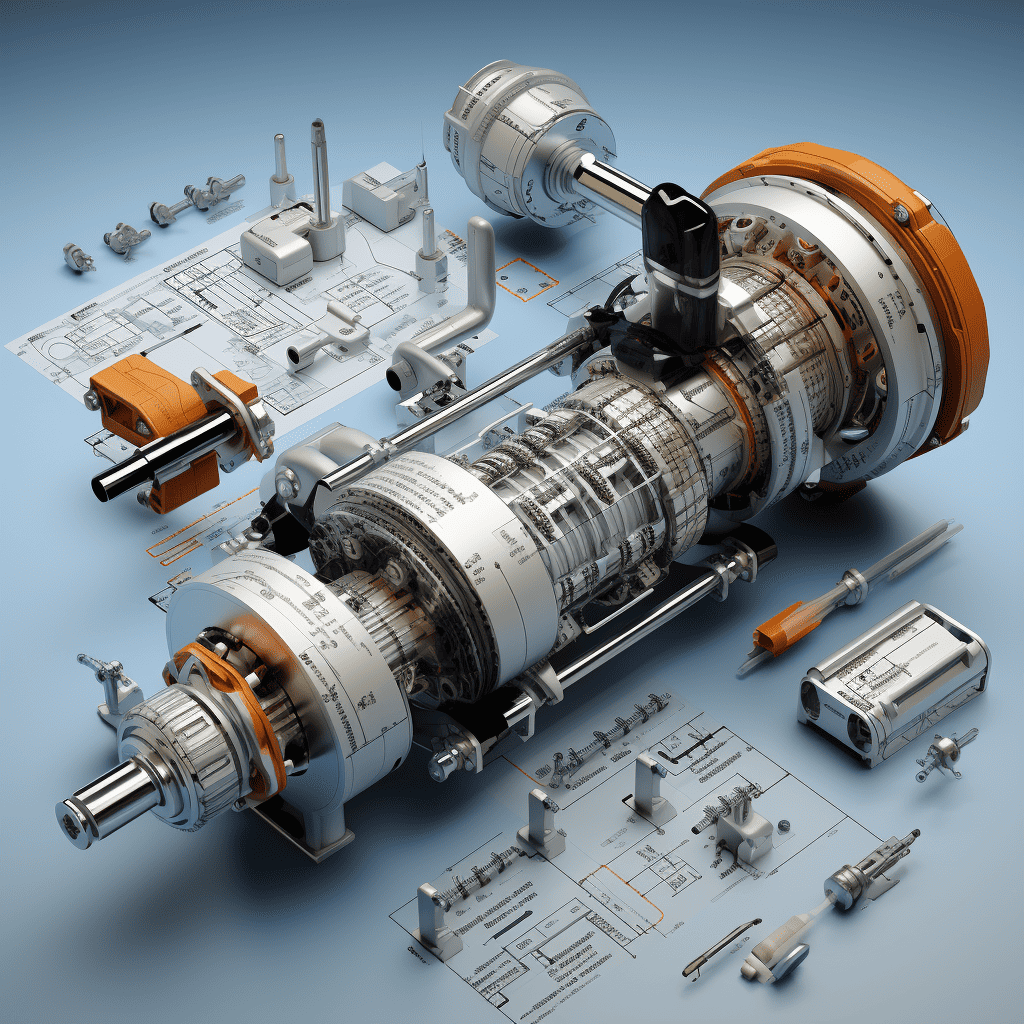
Another common mistake is overlooking the piston’s size and stroke length requirements for the application. The piston size and stroke length determine the amount of force and displacement the actuator can produce. Choosing a piston that is too small or has insufficient stroke length for the application can result in inadequate performance and increased wear on the piston and other components. On the other hand, choosing a piston that is too large or has excessive stroke length can lead to increased energy consumption and higher costs. It is essential to carefully consider the force and displacement requirements of the application when selecting a piston size and stroke length.
Failing to Consider Maintenance Requirements
Maintenance is an important factor in ensuring the long-term reliability and performance of pneumatic actuators. Failing to consider maintenance requirements when selecting pistons can result in increased downtime and maintenance costs. For example, using a piston with complex or hard-to-access components may make maintenance more difficult and time-consuming. Similarly, using a piston made of a material that is prone to corrosion or wear may require more frequent maintenance. Consider factors such as ease of maintenance, component accessibility, and material durability when selecting a piston.
Neglecting to Consult with Manufacturers and Experts
Finally, one of the most common mistakes when sizing and selecting pneumatic actuator pistons is neglecting to consult with manufacturers and experts. Manufacturers and experts can provide valuable insights and guidance on the best piston options for specific applications. They can help identify potential issues and recommend solutions to avoid premature wear and failure. Consulting with manufacturers and experts can also help ensure compliance with industry standards and regulations.
Selecting the right pneumatic actuator piston for an application requires careful consideration of various factors, including operating conditions, piston materials, seal design, operating pressure, piston size and stroke length, and maintenance requirements. By avoiding common mistakes and consulting with manufacturers and experts, you can ensure optimal performance, reliability, and cost-effectiveness of your pneumatic actuator system.
Conclusion
When choosing a pneumatic actuator piston for your application, it’s important to consider a variety of factors, including the operating conditions, the load that needs to be moved, the operating pressure, the material of the piston, the stroke length, the mounting configuration, the maintenance requirements, and the cost and lifespan of the actuator.
By taking the time to carefully consider these factors, you can choose a pneumatic actuator piston that is optimized for your specific needs and provides reliable motion control for your application. This will help you maximize the efficiency and effectiveness of your machine, reduce downtime, and minimize maintenance costs.


