
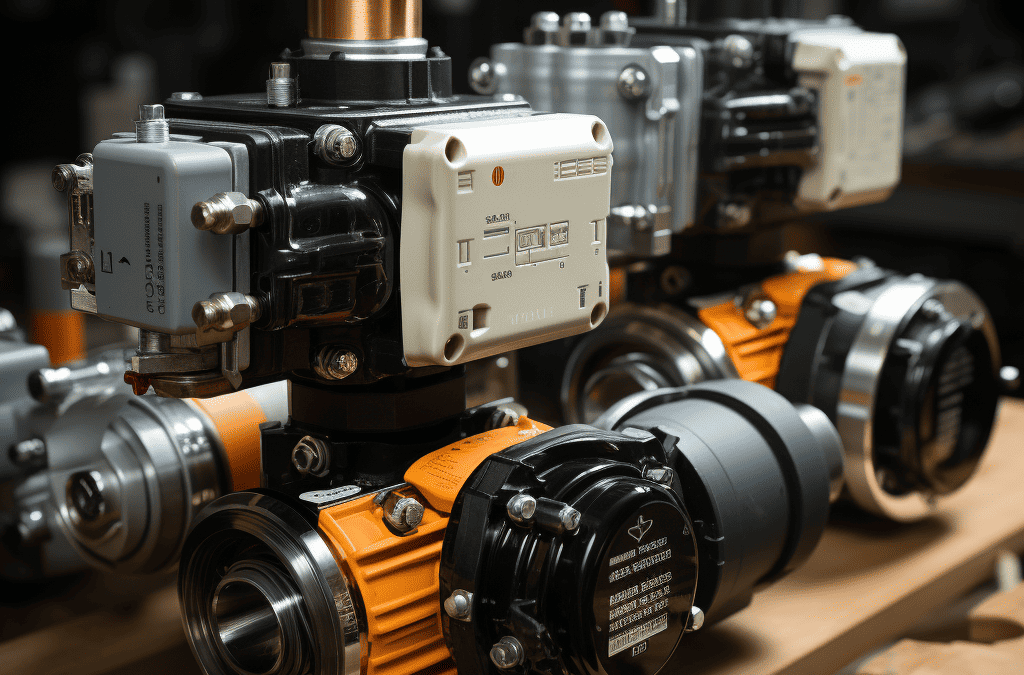

Unlocking the Power of Pneumatic Actuators in Valve Automation: Precision, Efficiency, and Safety
Pneumatic actuators are devices that convert compressed air energy into mechanical motion, making them indispensable in valve automation. By controlling the opening, closing, or fluid flow modulation in pipes and valves, pneumatic actuators play a vital role in various industries. This blog post delves into the essential functions of pneumatic actuators in valve automation and their benefits for diverse sectors.
Precise Control Over Valve Movement
Pneumatic actuators provide accurate control over valve movement, enabling precise fluid flow regulation. This level of precision is critical in industries such as oil and gas, chemical processing, and water treatment, where minute variations in fluid flow can lead to significant consequences. Pneumatic actuators ensure that valves open and close at the correct times and positions, enhancing process control and product quality. Double-acting pneumatic actuators are particularly suitable for applications requiring high torque or thrust, thanks to their ability to provide motion in both directions using compressed air.
Remote Operation and Monitoring Capabilities
Pneumatic actuators can be operated remotely, granting centralized control of valve systems. This feature is invaluable in large industrial plants with valves located in hard-to-reach or hazardous areas. Remote operation enables operators to monitor and control valves from a safe, convenient location, minimizing the risk of accidents and improving overall plant safety.
Enhanced Process Efficiency and Reliability
Pneumatic actuators improve process efficiency and reliability by reducing manual valve operation time and effort. This reduction leads to substantial cost savings and improved product quality and safety. Pneumatic actuators boast high cycle life and low maintenance requirements, further contributing to improved process efficiency and reliability.
Minimized Maintenance Requirements
Pneumatic actuators generally demand less maintenance than other actuator types, such as electric or hydraulic actuators, due to their fewer moving parts and reduced susceptibility to wear and tear. By utilizing pneumatic actuators, operators can decrease maintenance costs, minimize downtime, and increase productivity and profitability.
Safe and Environmentally Friendly Solution
Pneumatic actuators offer a safe and eco-friendly solution for valve automation, as they do not rely on hazardous fluids or emit harmful substances like hydraulic actuators. They are also less prone to causing fires or explosions compared to electric actuators. By opting for pneumatic actuators, operators can diminish their environmental impact and enhance workplace safety.
Versatility and Customization for Diverse Applications
Pneumatic actuators come in various sizes, shapes, and configurations, making them suitable for numerous applications. They can be tailored to meet specific process requirements, such as high-temperature or pressure environments. This versatility and customization make pneumatic actuators an excellent choice for many industries.
Rapid and Dependable Response Times
Pneumatic actuators offer quick and reliable response times, making them ideal for applications where rapid valve response is crucial. They can swiftly open or close valves in response to changing process conditions, enhancing overall process control and efficiency.
Fail-Safe Features for Increased Safety
Double-acting pneumatic actuators can be designed with a fail-safe feature that ensures the valve moves to a predetermined position during a power failure or emergency. This feature is critical in applications where safety is a priority, providing an added layer of protection against potential hazards.
Pneumatic actuators are essential in valve automation, offering precise control, remote operation capabilities, improved efficiency and reliability, reduced maintenance requirements, and a safe, environmentally friendly solution. Their versatility, customization options, rapid response times, and fail-safe features make them an excellent choice for various industries. By understanding the benefits of pneumatic actuators, operators can make informed decisions about the best valve automation solutions for their specific needs.

Benefits of Using Pneumatic Actuators for Valve Control: Cost-Effective, Reliable, and Versatile Solutions
Pneumatic actuators are an essential component of valve automation in industrial applications. They offer numerous benefits that make them a popular choice for controlling a wide range of valves. Here are five key advantages of using pneumatic actuators for valve control, along with some additional details and missing entities that provide more context and clarity.
Cost-Effective and Efficient: Simplified Design and Minimal Power Consumption
Pneumatic actuators are cost-effective and efficient due to their simplified design and minimal power consumption. Unlike hydraulic actuators, which require expensive and messy hydraulic fluids, pneumatic actuators use compressed air as a power source. This makes them a cost-effective and environmentally friendly option for valve control. Additionally, the simplified design of pneumatic actuators results in fewer moving parts, which translates to lower maintenance and repair costs.
High Reliability and Durability: Robust Design and Long Service Life
Pneumatic actuators are highly reliable and durable due to their robust design and long service life. They are engineered to withstand extreme temperatures, vibrations, and shock loads, making them ideal for use in harsh operating conditions. The use of high-quality materials such as stainless steel and aluminum also ensures that pneumatic actuators have a long service life, minimizing downtime and reducing replacement costs. Moreover, the absence of hydraulic fluids eliminates the risk of fluid leakage and contamination, enhancing the reliability of the system.
High Speed and Accuracy: Rapid Response and Precise Valve Control
Pneumatic actuators offer high speed and accuracy for valve control, making them an ideal choice for applications where rapid response times are critical. They can quickly respond to changes in process conditions, providing fast and precise valve control. This is particularly important in emergency shutdown situations where rapid valve closure is necessary to prevent accidents and minimize damage. The use of positioners and feedback devices also ensures that pneumatic actuators can provide precise valve control, improving process efficiency and reducing waste. Additionally, the use of pneumatic actuators allows for the implementation of sophisticated control algorithms, enhancing the overall performance of the system.
Safe and Environmentally Friendly: No Hazardous Fluids and Minimal Noise and Heat
Pneumatic actuators are safe and environmentally friendly due to the absence of hazardous fluids such as hydraulic oil. This reduces the risk of leaks and spills, which can cause environmental damage and pose a safety hazard to personnel. Additionally, pneumatic actuators generate minimal noise and heat, making them suitable for use in environmentally sensitive areas and reducing energy consumption. The use of compressed air instead of hydraulic fluids also eliminates the need for costly and time-consuming fluid maintenance, further enhancing the cost-effectiveness of the system.
Versatile and Customizable: Wide Range of Options and Configurations
Pneumatic actuators are versatile and customizable, making them suitable for a wide range of valve types and applications. They come in a variety of sizes, shapes, and configurations, including linear, rotary, and quarter-turn actuators. Additionally, pneumatic actuators can be customized to meet specific process requirements, such as stroke length, force, and speed. This makes them a flexible and adaptable solution for valve control, allowing industrial operators to optimize their processes and improve efficiency. Furthermore, pneumatic actuators are compatible with a wide range of control systems, including PLCs, DCSs, and SCADA systems, making them easy to integrate into existing control infrastructures.
In summary, pneumatic actuators offer numerous benefits for valve control, including cost-effectiveness, high reliability and durability, high speed and accuracy, safety and environmental friendliness, and versatility and customizability. By choosing the right pneumatic actuator for their specific application, industrial operators can improve process efficiency, reduce costs, and enhance safety and environmental performance.

Choosing the Right Pneumatic Actuator for Your Valve Automation Needs
Selecting the right pneumatic actuator for your valve automation needs is crucial to ensuring optimal performance and reliability. Here are five key factors to consider when choosing a pneumatic actuator, along with some missing entities that will help you make an informed decision.
Valve Type and Size
The type and size of the valve you are automating will determine the type and size of the pneumatic actuator you need. **Linear** and **rotary** are the two main types of pneumatic actuators, and they come in a variety of sizes and configurations. It’s important to choose an actuator that is compatible with your valve and can handle the required flow rate and pressure. Additionally, consider the valve’s **flow characteristics**, such as whether it’s a **quick-opening** or **modulating** valve, and the **operating pressure**, as these will impact the actuator selection.
Operating Environment
The operating environment of the valve and actuator will impact the actuator’s performance and longevity. Factors to consider include **temperature**, **humidity**, **vibration**, and exposure to **chemicals** or other **corrosive substances**. For harsh environments, actuators with special coatings or materials may be required. Consider the **IP rating** of the actuator, which indicates its level of protection against solid particles and liquids. Additionally, think about the **mounting position** of the actuator, as this can affect its performance and longevity.
Actuator Stroke and Speed
The actuator stroke and speed will impact the valve’s response time and accuracy. Stroke refers to the distance the actuator moves to open or close the valve, while speed refers to the time it takes to complete the stroke. Actuators are available in a range of strokes and speeds, so it’s important to choose one that meets your specific process requirements. Consider the **response time** and **accuracy** of the actuator, as these will impact the overall performance of the valve automation system. Additionally, think about the **torque** requirements of the valve, as this will impact the size and type of actuator needed.
Fail-Safe Requirements
Depending on the application, fail-safe requirements may be necessary to ensure the safe operation of the valve and actuator. Fail-safe actuators are designed to automatically move the valve to a safe position in the event of a power failure or other emergency. Consider the **safety requirements** of your specific application and choose an actuator that meets those needs. Additionally, think about the **reliability** of the actuator, as this will impact its ability to perform in critical situations.
Actuator Accessories
Actuator accessories, such as positioners, solenoid valves, and limit switches, can enhance the performance and functionality of the actuator. Positioners, for example, can improve the accuracy and response time of the valve, while solenoid valves can provide remote control capabilities. Consider which accessories are necessary for your specific application and choose an actuator that is compatible with those accessories. Additionally, think about the **communication protocols** required for the system, as this will impact the type of actuator and accessories needed.
Choosing the right pneumatic actuator for your valve automation needs requires careful consideration of a variety of factors, including valve type and size, operating environment, actuator stroke and speed, fail-safe requirements, and actuator accessories. Additionally, consider the **duty cycle** of the actuator, which refers to the amount of time it can operate before needing to rest, and the **cost** of the actuator and its accessories, as this will impact the overall cost of the valve automation system. By taking all of these factors into account, you can make an informed decision and choose the right pneumatic actuator for your needs.

Maintenance and Troubleshooting Tips for Pneumatic Actuators in Valve Automation Systems
Proper maintenance and troubleshooting are essential to ensuring the optimal performance and longevity of pneumatic actuators in valve automation systems. Here are some key tips to keep in mind:
Regular Inspections and Cleaning
Regular inspections and cleaning can help prevent wear and tear on pneumatic actuators and identify potential issues before they become major problems. This includes checking for leaks, inspecting the actuator for signs of wear or damage, and cleaning the actuator to remove dirt and debris. It’s important to follow the manufacturer’s recommendations for inspection and cleaning intervals to ensure optimal performance.
Lubrication
Proper lubrication is essential to ensuring the smooth operation of pneumatic actuators. Actuators should be lubricated regularly according to the manufacturer’s recommendations. This helps reduce friction and wear on moving parts, prolonging the life of the actuator. The type of lubricant used should also be appropriate for the specific actuator and operating conditions. Using the wrong lubricant can cause damage to the actuator.
Correct Air Pressure
Using the correct air pressure is critical to the proper operation of pneumatic actuators. Actuators should be operated within the recommended pressure range to ensure optimal performance and prevent damage. It’s important to check the air pressure regularly and adjust as necessary. Incorrect air pressure can cause wear and tear on the actuator, leading to premature failure. Using a pressure regulator can help ensure consistent air pressure.
Troubleshooting Common Issues
Common issues with pneumatic actuators include leaks, sticking, and improper positioning. Troubleshooting these issues requires a systematic approach, starting with identifying the symptoms and potential causes. This may involve checking for worn or damaged seals, inspecting the air supply and actuator components, and testing the actuator’s response to control signals. Root cause analysis can help identify the underlying issue and prevent it from recurring.
Replacing Worn or Damaged Parts
Worn or damaged parts can significantly impact the performance and reliability of pneumatic actuators. It’s important to replace worn or damaged parts promptly to prevent further damage and ensure optimal performance. This may include replacing seals, bearings, or other components as needed. Using genuine parts can help ensure compatibility and reliability.
Training and Education
Proper training and education can help operators and maintenance personnel troubleshoot and maintain pneumatic actuators more effectively. This includes understanding the operating principles and maintenance requirements of the actuators, as well as the specific features and functions of the valve automation system. Regular training and education can help prevent mistakes and improve overall system performance.
Preventative Maintenance
Preventative maintenance involves proactively identifying and addressing potential issues before they become major problems. This can include regular inspections, cleaning, and lubrication, as well as predictive maintenance techniques such as vibration analysis and thermography. By identifying potential issues early, preventative maintenance can help extend the life of the actuator and minimize downtime.
Actuator Selection
Selecting the right pneumatic actuator for your valve automation system is essential to ensuring optimal performance and reliability. Factors to consider when selecting an actuator include the type of valve being automated, the operating conditions, and the required actuator force and speed. Working with a trusted supplier of pneumatic actuators and accessories can help ensure you select the right actuator for your needs.
Installation and Commissioning
Proper installation and commissioning are critical to the successful operation of pneumatic actuators in valve automation systems. This includes following the manufacturer’s instructions for installation and ensuring that the actuator is properly aligned and calibrated. Regular testing and verification can help ensure that the actuator is operating within the required specifications.
Documentation and Record Keeping
Accurate documentation and record keeping are essential to maintaining the performance and reliability of pneumatic actuators in valve automation systems. This includes maintaining records of maintenance activities, repair history, and performance data. Regular reviews of this data can help identify trends and potential issues, allowing for proactive maintenance and repairs.
Proper maintenance and troubleshooting are essential to ensuring the optimal performance and longevity of pneumatic actuators in valve automation systems. Regular inspections and cleaning, proper lubrication, using the correct air pressure, troubleshooting common issues, replacing worn or damaged parts, training and education, preventative maintenance, actuator selection, installation and commissioning, and documentation and record keeping can all help extend the life of your actuators and minimize downtime. By following these tips and working with a trusted supplier of pneumatic actuators and accessories, you can ensure the reliability and efficiency of your valve automation system.


