


Advantages of Pneumatic Actuators
Pneumatic actuators offer several advantages over other types of actuators, including:
1. Fast response times: Pneumatic actuators can move quickly and accurately, making them ideal for applications that require fast and precise motion control.
2. High force output: Pneumatic actuators can generate a large amount of force, making them suitable for applications that require heavy loads to be moved.
3. Low cost: Pneumatic actuators are relatively inexpensive to purchase and maintain compared to other types of actuators.
4. Safe and clean: Pneumatic actuators do not generate sparks or emit hazardous fumes, making them safe to use in hazardous environments.
5. Reliable: Pneumatic actuators are known for their reliability and can operate in harsh environments with minimal maintenance.
Applications of Pneumatic Actuators
Pneumatic actuators are used in a wide range of applications, including:
1. Industrial automation: Pneumatic actuators are used in manufacturing processes to move and position parts quickly and accurately.
2. Robotics: Pneumatic actuators are used in robotic arms and grippers to provide precise and fast motion control.
3. Automotive: Pneumatic actuators are used in automotive applications, such as braking systems and suspension systems.
4. Food and beverage: Pneumatic actuators are used in food and beverage processing to move and package products.
5. Aerospace: Pneumatic actuators are used in aircraft to control landing gear, flaps, and other mechanical systems.
Maintenance of Pneumatic Actuators
Regular maintenance is essential to ensure the reliable and safe operation of pneumatic actuators. Some common maintenance tasks include:
1. Checking for leaks: Leaks can reduce the efficiency of the actuator and cause it to malfunction. Regular inspections and repairs can help prevent leaks.
2. Lubricating moving parts: Proper lubrication can reduce wear and tear on moving parts and extend the life of the actuator.
3. Replacing worn or damaged parts: Worn or damaged parts can cause the actuator to malfunction or fail. Regular inspections and replacements can help prevent this.
4. Checking air pressure: Maintaining the correct air pressure is essential for the proper operation of the actuator. Regular checks and adjustments can help ensure that the actuator is operating at peak efficiency.
Pneumatic actuators are versatile and reliable devices that convert compressed air into mechanical energy. They offer several advantages over other types of actuators, including fast response times, high force output, low cost, and safety. By understanding the basic principles of pneumatic actuators, their components, and operating principles, engineers and technicians can design and maintain systems that use these devices effectively. Whether used in industrial automation, robotics, or other applications, pneumatic actuators are an essential component of many modern mechanical systems.
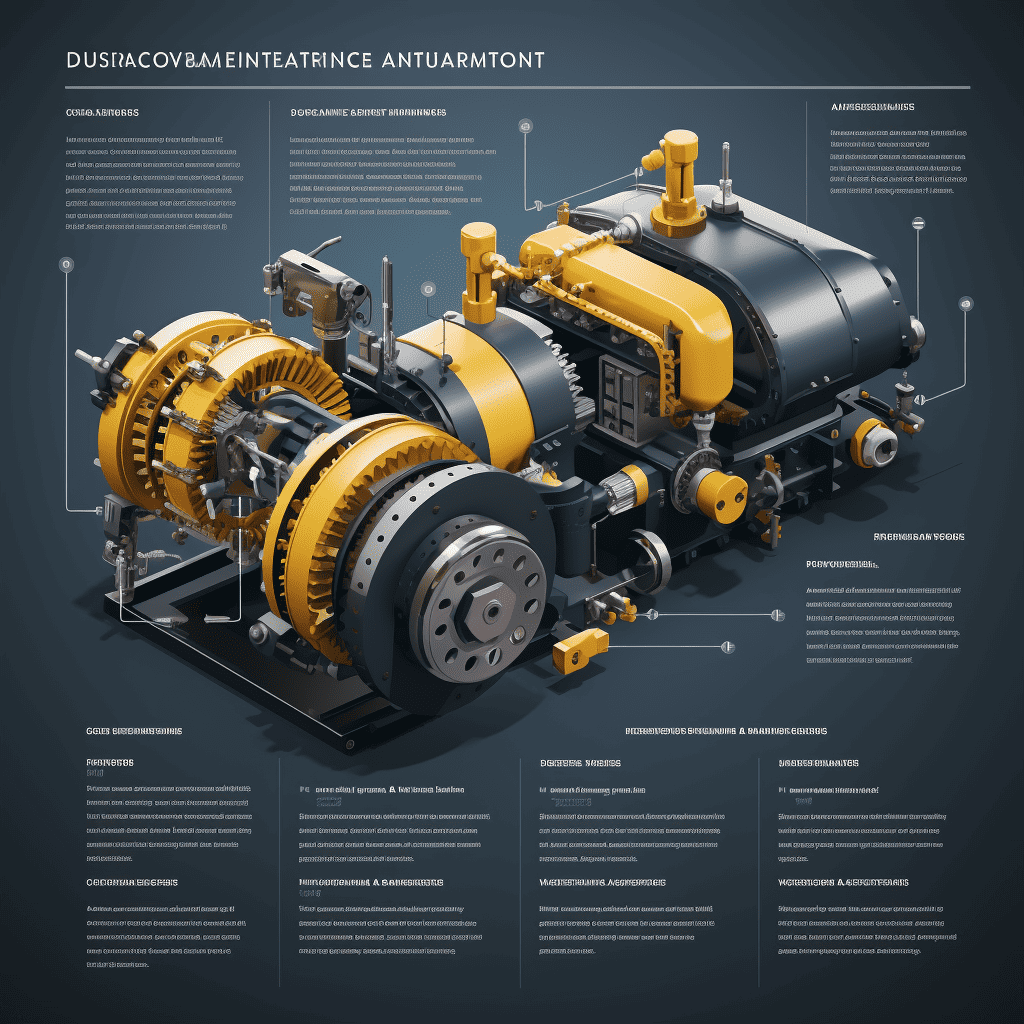
Diaphragm Actuators
Diaphragm actuators use a flexible diaphragm to convert compressed air into linear or rotary motion. The diaphragm is typically made of rubber or other elastomeric materials and is actuated by the pressure of the compressed air.
Applications of Diaphragm Actuators
Diaphragm actuators are commonly used in:
* Valve actuation for controlling the flow of liquids or gases
* Pumping applications for transferring fluids
* Pressure control systems for regulating pressure
Advantages of Diaphragm Actuators
Diaphragm actuators offer several advantages over other types of actuators, including:
* High reliability and long service life
* Low maintenance requirements
* Resistance to corrosion and abrasion
* Ability to handle high pressure applications
* Compact size
Applications of Pneumatic Actuators
Pneumatic actuators are used in a wide range of industries and applications, including:
* Manufacturing: Pneumatic actuators are used in machine tools, automated assembly lines, and robotics for positioning, clamping, and movement of parts and products.
* Automotive: Pneumatic actuators are used in vehicle braking systems, suspension systems, and air conditioning systems.
* Food and Beverage: Pneumatic actuators are used in packaging equipment, processing equipment, and conveyor systems.
* Pharmaceutical: Pneumatic actuators are used in drug delivery systems, medical equipment, and laboratory automation.
In conclusion, pneumatic actuators offer many advantages over other types of actuators, including simplicity, reliability, and cost-effectiveness. They are available in a variety of types, including linear, rotary, and diaphragm actuators, and are used in a wide range of industries and applications. When selecting a pneumatic actuator, it is important to consider the specific requirements of the application, including force, speed, and precision.

Pneumatic actuators offer a range of advantages over other types of actuators, such as hydraulic or electric actuators, making them a popular choice in various industrial and automation applications. These advantages include:
Lower Operating Costs and Energy Efficiency
Pneumatic actuators are powered by compressed air, which is an abundant and relatively inexpensive resource. They can be more energy-efficient than hydraulic actuators, which require pumps and often experience energy losses through fluid compression and thermal inefficiency. Compared to electric actuators, pneumatic systems can be simpler and consume less power for the same amount of work, especially in applications requiring high speed and repetitive motion.
Cost-Effectiveness and Longevity
The initial installation cost of pneumatic systems can be lower than that of hydraulic and electric systems due to the simplicity of the components and the widespread availability of compressed air in industrial settings. Pneumatic actuators tend to have fewer moving parts, leading to reduced wear and tear, longer service life, and lower maintenance costs. The durability and reliability of pneumatic actuators can make them more cost-effective in the long run, offering a better return on investment.
Safety
Pneumatic actuators are inherently safer in many environments. They do not rely on hazardous fluids, eliminating the risks associated with leaks of hydraulic oil, which can lead to fires or environmental damage. Additionally, pneumatic systems are less prone to overheating and do not generate sparks, minimizing the risk of fires or explosions in potentially volatile atmospheres. This safety feature makes pneumatic actuators an ideal choice for applications in the chemical, petroleum, and pharmaceutical industries, where safety is a paramount concern.
Versatility and Simplicity
Pneumatic actuators can be easily adapted to a wide range of applications, from simple linear motion to complex rotary or gripping tasks. Their design simplicity allows for quick integration into existing systems and easy modification to meet specific application requirements. Moreover, pneumatic systems can provide a high degree of control over speed, position, and force, which can be adjusted using simple regulators and valves.
Clean Operation
Since pneumatic actuators use air as the driving medium, they contribute to a cleaner operating environment. Unlike hydraulic systems, which can leak oil, pneumatic systems do not contaminate the workplace with potentially harmful substances. This clean operation is particularly beneficial in industries where hygiene and cleanliness are critical, such as food processing, pharmaceuticals, and electronics manufacturing.
Overall, the combination of lower operating costs, safety, versatility, and clean operation make pneumatic actuators a favorable option for many industrial applications, providing efficient and reliable solutions for automation and motion control tasks.
Disadvantages of Using Pneumatic Actuators in Industrial Applications
While pneumatic actuators offer many advantages for industrial applications, they also have some disadvantages to consider, including:
Limited precision: Pneumatic actuators may not be as precise as other types of actuators, such as electric actuators. They can experience positional errors due to variations in air pressure, which can affect the accuracy of the motion control system.
Noise: Pneumatic actuators can be noisy, which can be a problem in some industrial applications. The noise is due to the compression and expansion of air, which can produce a hissing or whistling sound.
Energy consumption: Pneumatic actuators rely on compressed air, which can be energy-intensive to produce and maintain. They can also experience air leaks, which can reduce their efficiency and increase energy consumption.
Maintenance: While pneumatic actuators are generally easy to maintain, they do require regular maintenance to ensure optimal performance and longevity. They may require regular lubrication, seal replacement, and air filter changes.
Safety concerns: Pneumatic actuators can be dangerous if not properly installed, maintained, or operated. They can experience sudden failures or malfunctions, which can cause injuries or damage to equipment.
Conclusion
Pneumatic actuators offer many advantages for industrial applications, including reliability, versatility, ease of use, and cost-effectiveness. However, they also have some disadvantages, such as limited precision, noise, energy consumption, maintenance requirements, and safety concerns. It is important to carefully consider these factors when selecting a motion control system for a specific application. Ultimately, the choice between pneumatic, hydraulic, or electric actuators will depend on the specific requirements of the application and the trade-offs between cost, performance, and safety.


