

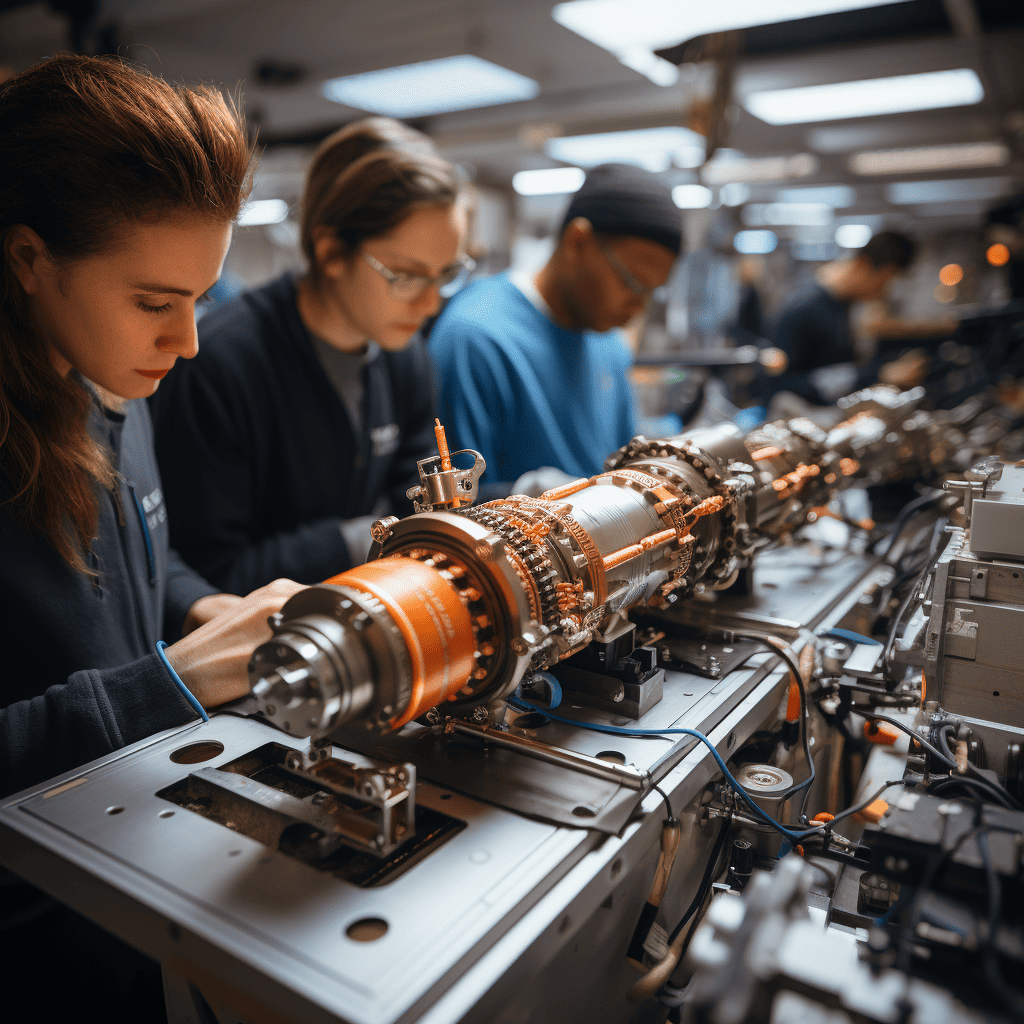
Pneumatic actuator cylinders are highly customizable, allowing manufacturers to tailor them to their specific needs. For instance, they can choose from a variety of bore sizes, stroke lengths, and mounting options to create the perfect solution for their application. This flexibility makes pneumatic actuator cylinders an ideal choice for a wide range of industries, including automotive, aerospace, food and beverage, and pharmaceuticals.
Enhancing Safety and Reducing Maintenance Costs
Another advantage of pneumatic actuator cylinders is that they are inherently safe and require minimal maintenance. Unlike hydraulic cylinders, which can leak oil and create a slippery and hazardous work environment, pneumatic cylinders use clean, dry compressed air. This eliminates the risk of contamination and reduces the need for costly cleanup and disposal.
Furthermore, pneumatic cylinders are designed to be durable and long-lasting, with few moving parts that can wear out or break down. This reduces the need for frequent maintenance and repairs, leading to lower maintenance costs and less downtime. Additionally, many pneumatic cylinders come equipped with built-in safety features, such as cushioning and pressure relief valves, to prevent damage and injury in the event of a malfunction.
Choosing the Right Pneumatic Actuator Cylinder for Your Application
With so many different types and configurations of pneumatic actuator cylinders available, it can be challenging to choose the right one for your application. Some key factors to consider include the load capacity, speed, stroke length, and mounting requirements. Additionally, you should consider the operating environment, such as temperature, humidity, and exposure to chemicals or other contaminants.
It’s also important to choose a reputable manufacturer or supplier who can provide high-quality products and expert technical support. Look for companies with a proven track record of success in the industry, as well as a wide range of products and services to meet your needs.
Pneumatic actuator cylinders are an essential component in modern manufacturing, enabling automation, improving productivity and efficiency, enhancing safety, and reducing maintenance costs. By choosing the right cylinder for your application and working with a reputable manufacturer or supplier, you can ensure optimal performance and reliability for your manufacturing processes.

Automotive Industry: Enhancing Efficiency and Safety using Pneumatic Actuators for Fuel Injection, Braking, and Transmission Control
The automotive industry relies heavily on pneumatic actuators for their ability to improve vehicle performance, safety, comfort, and reduce maintenance costs. These actuators use compressed air to generate motion, making them highly reliable and efficient in controlling various functions in vehicles. In this blog post, we will explore the role of pneumatic actuators in the automotive industry and how they enhance efficiency and safety, specifically in fuel injection, braking, and transmission control.
Optimizing Fuel Injection through Pneumatic Actuators
Pneumatic actuators are critical in optimizing fuel injection in modern vehicles. They control the fuel injection system with precision, ensuring that the right amount of fuel is injected at the right time. This leads to improved engine performance, reduced emissions, and enhanced fuel efficiency. By using pneumatic actuators, automotive manufacturers can reduce fuel consumption, lower emissions, and provide a better driving experience for customers.
Improving Braking Performance with Pneumatic Actuators
Braking is a critical safety function in vehicles, and pneumatic actuators play an essential role in improving braking performance. They provide reliable and efficient control of the braking system, ensuring that the vehicle stops quickly and safely. By using pneumatic actuators, automotive manufacturers can improve braking performance, reduce the risk of accidents, and enhance customer comfort. For example, air brake systems used in commercial vehicles use pneumatic actuators to apply the brakes quickly and efficiently, ensuring safe and reliable operation.
Enhancing Transmission Control with Pneumatic Actuators
Pneumatic actuators are also used in transmission control to provide reliable and efficient shifting. They control the transmission system, reducing wear and tear on the gears and extending the life of the transmission. By using pneumatic actuators, automotive manufacturers can improve transmission performance, reduce maintenance costs, and enhance customer comfort. For instance, pneumatic actuators can be used to control automatic transmissions, providing smooth and efficient shifting.
Reducing Maintenance Costs and Downtime with Pneumatic Actuators
Maintenance costs and downtime can significantly impact the profitability of automotive manufacturers. Pneumatic actuators are designed to be durable and reliable, reducing the need for frequent repairs and replacements. By using pneumatic actuators, automotive manufacturers can reduce maintenance costs, increase equipment uptime, and improve overall productivity. For instance, pneumatic actuators can be used to control the suspension system, reducing wear and tear on the suspension components and extending the life of the suspension system.
Facilitating Automation and Innovation in Automotive Manufacturing
Automation and innovation are essential for automotive manufacturers to stay competitive in today’s market. Pneumatic actuators can facilitate automation and innovation by providing a reliable and efficient means of controlling motion in manufacturing processes. By using pneumatic actuators, automotive manufacturers can automate repetitive tasks, reduce human error, and implement new and innovative manufacturing techniques. For example, pneumatic actuators can be used to automate the assembly of engines, reducing the time and labor required to produce each engine.
Meeting Stringent Regulatory Requirements
The automotive industry is subject to stringent regulatory requirements related to safety, emissions, and fuel efficiency. Pneumatic actuators can help automotive manufacturers meet these requirements by providing precise and reliable control of various vehicle functions. By using pneumatic actuators, automotive manufacturers can ensure compliance with regulations, avoid costly fines and penalties, and enhance their reputation for quality and safety. For instance, pneumatic actuators can control the exhaust system, reducing emissions and ensuring compliance with environmental regulations.
Pneumatic actuators are essential components in the automotive industry, enhancing vehicle performance, safety, comfort, and reducing maintenance costs. By using pneumatic actuators, automotive manufacturers can meet stringent regulatory requirements, facilitate automation and innovation, and improve overall productivity. Some of the specific applications of pneumatic actuators in the automotive industry include controlling fuel injection, braking, transmission, suspension, and exhaust systems.

These devices are used in a variety of applications, including conveyor systems, packaging machines, and processing equipment. They help to ensure that food and drink products are handled safely and efficiently, while minimizing the risk of contamination.
One of the key benefits of pneumatic cylinders is that they are easy to clean and maintain. This is essential in the food and beverage industry, where strict hygiene standards must be adhered to in order to prevent the spread of bacteria and other harmful pathogens. Many pneumatic cylinders are made from materials that are resistant to corrosion and can withstand harsh cleaning chemicals, making them ideal for use in this environment.
Another advantage of pneumatic cylinders is that they are highly precise. This is important in the food and beverage industry, where accuracy is essential in order to ensure that products are consistently sized and shaped. Pneumatic cylinders can be controlled with a high degree of accuracy, allowing for precise movements that are essential for tasks such as cutting, forming, and packaging.
In addition to their hygienic and precision benefits, pneumatic cylinders are also highly reliable. They are designed to operate in a variety of conditions, including high temperatures and humidity levels, making them ideal for use in the food and beverage industry. They are also energy efficient, which can help to reduce operating costs and improve overall profitability.
Overall, pneumatic cylinders play a critical role in ensuring hygiene and precision in the food and beverage industry. They help to ensure that products are handled safely and efficiently, while minimizing the risk of contamination and ensuring consistent quality. If you are looking for a reliable and efficient solution for your food and beverage production needs, consider investing in pneumatic cylinders.
Common Applications of Pneumatic Cylinders in the Food & Beverage Industry
Pneumatic cylinders are used in a variety of applications within the food and beverage industry. Some of the most common uses include:
- Conveyor systems: Pneumatic cylinders are often used to power conveyor belts that transport food and drink products through the production process. They provide reliable and efficient movement, helping to ensure that products are handled smoothly and accurately.
- Packaging machines: Pneumatic cylinders are used in packaging machines to perform tasks such as sealing, cutting, and forming. They provide precise movements that are essential for ensuring that products are correctly packaged and labeled.
- Processing equipment: Pneumatic cylinders are used in processing equipment such as mixers, grinders, and homogenizers. They provide the force and motion needed to effectively process food and drink products.
- Robotics: Pneumatic cylinders are often used in robotic systems to perform tasks such as picking, placing, and sorting. They provide the speed and accuracy needed to automate production processes and improve efficiency.
Overall, pneumatic cylinders are a versatile and essential component of the food and beverage industry. They help to ensure that products are handled safely and efficiently, while minimizing the risk of contamination and ensuring consistent quality. If you are looking for a reliable and efficient solution for your food and beverage production needs, consider investing in pneumatic cylinders.
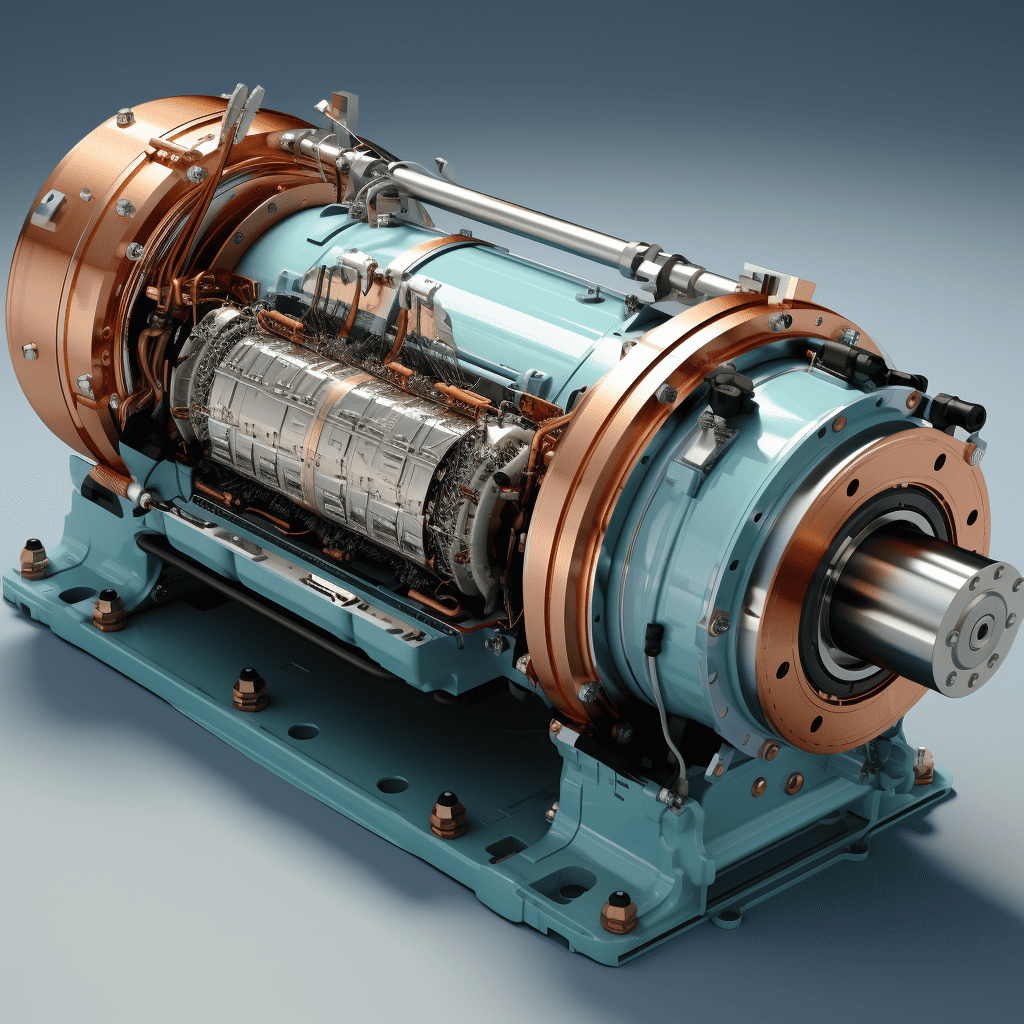
In the aerospace industry, as it directly impacts fuel consumption and aircraft performance. Pneumatic actuator cylinders are an excellent solution for weight reduction as they are typically lighter than hydraulic or electric actuators. This is due to the fact that pneumatic systems use compressed air as the energy source, which eliminates the need for heavy hydraulic fluids and large electric motors. By using pneumatic actuator cylinders, aerospace manufacturers can reduce the weight of their aircraft, leading to improved fuel efficiency and lower operating costs.
In addition to reducing weight, pneumatic actuator cylinders also offer increased efficiency. This is because pneumatic systems are simpler in design than hydraulic or electric systems, with fewer components and less complex controls. This leads to reduced maintenance requirements and lower operating costs. Additionally, pneumatic systems are highly efficient, with minimal energy loss in the form of heat or friction. This results in a more efficient use of energy and improved overall system performance.
Ensuring Long-term Durability and Longevity
Pneumatic actuator cylinders are designed and built to last, with a long service life and minimal maintenance requirements. This is due to the fact that pneumatic systems have fewer moving parts than hydraulic or electric systems, reducing the risk of wear and tear. Additionally, pneumatic cylinders are less prone to contamination and can operate in harsh environments without compromising performance. This results in a more reliable and durable system, with reduced maintenance costs and increased uptime.
Moreover, pneumatic actuator cylinders are highly customizable, with a wide range of sizes, shapes, and materials available to meet the specific needs of the aerospace industry. This allows manufacturers to choose the right cylinder for their application, ensuring optimal performance and long-term durability.
In conclusion, pneumatic actuator cylinders offer numerous advantages for the aerospace industry, including improved safety and reliability, high power and precision, reduced weight, increased efficiency, and long-term durability. As such, they are a critical component in the design and manufacture of modern aircraft. By choosing the right pneumatic actuator cylinder for their application, aerospace manufacturers can improve aircraft performance, reduce operating costs, and enhance their reputation for quality and reliability.


